Rome
Pigneto
Gritty, creative, young, unapologetically local
About Pigneto
Pigneto is where Pier Paolo Pasolini filmed "Accattone" in 1961, and the neighborhood still has the same rough-edged, working-class DNA that attracted him. The difference is that the rough edges now come with craft beer bars, street art on every available wall, and a pedestrianized main street (Via del Pigneto) where Romans in their 20s spill out of bars onto the cobblestones every night of the week.
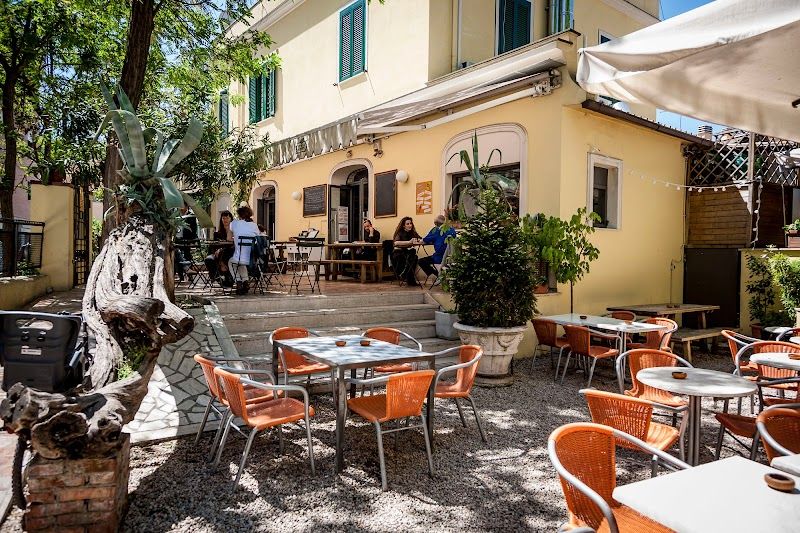
This is not a tourist neighborhood. You won't find any ancient ruins or famous churches. What you will find is a genuine Roman neighbourhood where a craft beer costs €5, a pizza from Mastone on Via del Pigneto is €7-9, and the people sitting next to you at the bar are graphic designers and university students, not other tourists. Necci dal 1924 is the neighbourhood institution: a bar-restaurant that Pasolini used as his local. The food is good, the aperitivo is better, and the terrace fills up by 7 PM on any night the weather allows.
The street art is worth a walk even if bars aren't your thing. The neighbourhood has become an unofficial outdoor gallery, with large-scale murals on apartment buildings and smaller pieces in every alleyway. The best concentration is on Via Fanfulla da Lodi and the streets running off it. Pigneto is a 15-minute tram ride from the centre, which is long enough to keep the tourist buses away and short enough to get home after midnight.
Things to Do
Top experiences in Pigneto
Pigneto
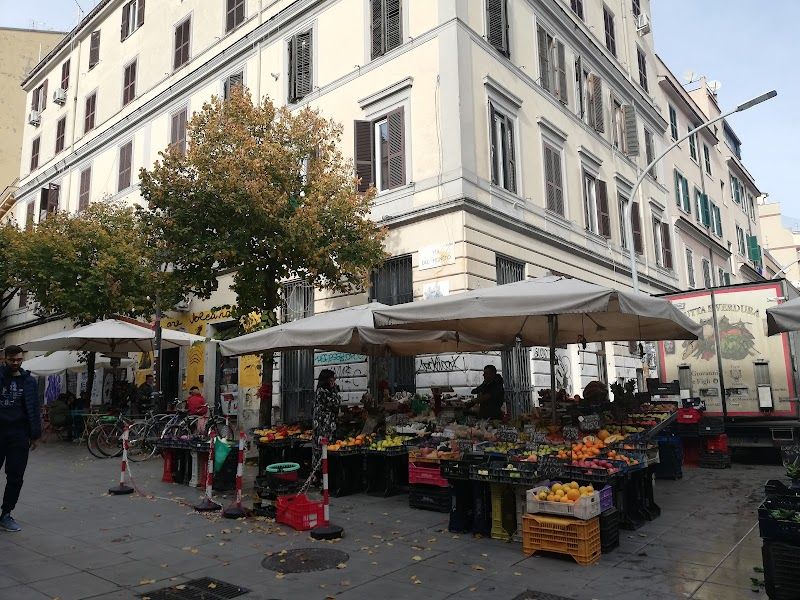
Pigneto transforms Rome's grittiest neighborhood into an open-air gallery where international street artists have covered entire building facades with massive murals. You'll walk past Pasolini's old filming locations while discovering craft beer bars housed in converted railway arches, vintage shops selling everything from vinyl records to retro furniture, and trattorias that still serve €8 plates of carbonara to locals who've lived here for decades. The contrast is striking: world-class street art covering the same walls where laundry still hangs from apartment windows. The experience feels like exploring two neighborhoods simultaneously. Via del Pigneto buzzes with young Romans drinking €4 craft beers at outdoor tables, while side streets like Via Ascoli Piceno remain quiet enough to properly admire the towering murals without dodging traffic. Railway arches create natural galleries where you'll find everything from punk venues to artisanal coffee roasters. The authentic working-class atmosphere hasn't been sanitized: you'll see elderly men playing cards outside corner bars next to twenty-something artists sketching new pieces. Most guides oversell the entire district when the real action concentrates in a six-block radius around the main drag. Skip the residential areas beyond Via dei Platani unless you're specifically hunting murals. The railway arch bars get packed after 8pm on weekends, so visit earlier for a proper look around. Download the StreetArt Roma app beforehand: it identifies artists and explains piece histories, turning random wall art into a curated experience worth the 20-minute metro ride from Termini.
Parco degli Acquedotti
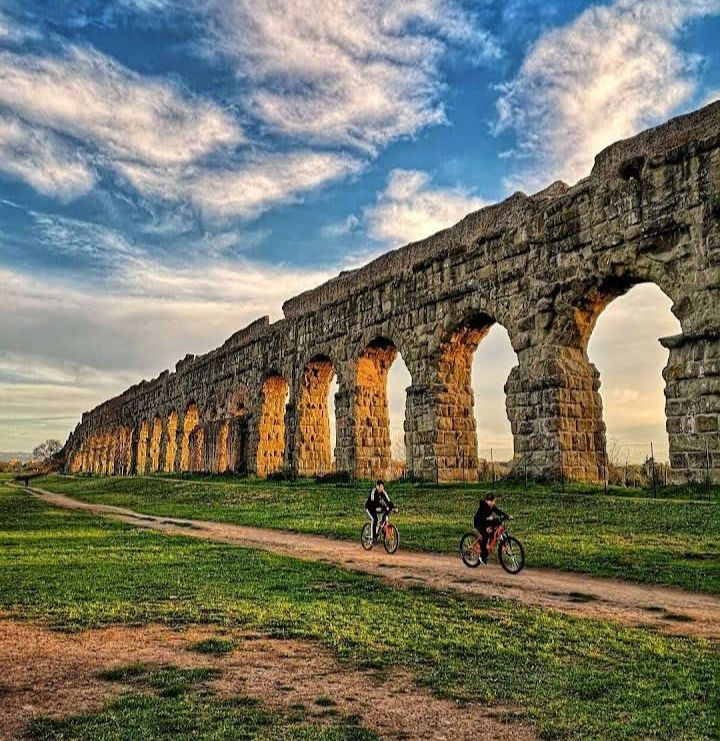
Parco degli Acquedotti is where ancient Roman engineering meets open countryside, just 20 minutes from the Colosseum. Two massive aqueducts - the Aqua Claudia and Aqua Marcia - stride across 240 hectares of grassland like stone giants, their arches perfectly preserved after 2,000 years. You'll find Romans jogging beneath these monuments, families picnicking in their shadows, and film crews shooting everything from fashion ads to period dramas. The experience feels surreal - you're technically still in Rome, but walking through meadows where sheep graze and wild fennel grows between ancient stones. The Aqua Claudia steals the show with its towering double-tier arches, while photographers cluster around the most photogenic sections near Via Lemonia. The scale hits you immediately - these aren't ruins, they're functioning monuments that carried water from mountain springs 50 kilometers away. Most guidebooks undersell this place completely. It's free, never crowded except on perfect weekend afternoons, and offers the best ancient Roman experience without queues or crowds. The ground gets muddy after rain, so skip it then. Film buffs will recognize scenes from La Grande Bellezza - the opening party was shot here. Bring water and snacks since there's nothing commercial inside.
Cinecittà si Mostra
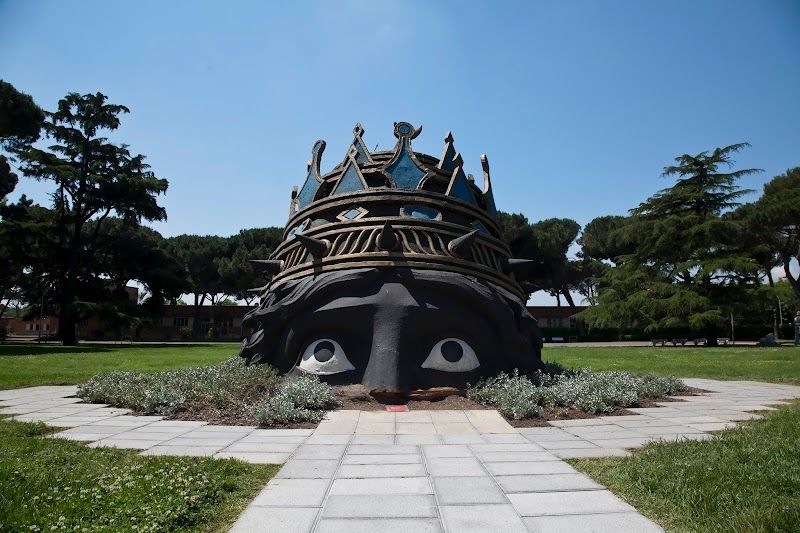
Cinecittà si Mostra takes you behind the scenes of Italy's legendary film studios where Fellini created movie magic and HBO built ancient Rome for their epic series. You'll walk through full-scale reconstructions of the Roman Forum, Renaissance Florence streets, and a medieval castle - all authentic movie sets you can touch and explore. The costume and prop exhibitions showcase actual pieces from major productions, while interactive displays reveal how special effects brought gladiators and emperors to life on screen. The experience flows through massive soundstages that still smell faintly of sawdust and paint. You'll wander from ancient Roman streets (complete with working fountains) into Renaissance palaces, then step onto submarine sets from Italian war films. The scale surprises everyone - these aren't flimsy Hollywood facades but solid constructions built to last through months of filming. Walking through Fellini's reconstructed office, surrounded by his sketches and notes, feels genuinely intimate. Most guides oversell this as essential Rome sightseeing, but it's really for film buffs and curious wanderers. The €15 admission feels steep for what's essentially a warehouse tour, though the English audio guide (included) adds crucial context most visitors skip. Skip the overpriced café and focus your time on the outdoor sets - the indoor costume displays get repetitive quickly.
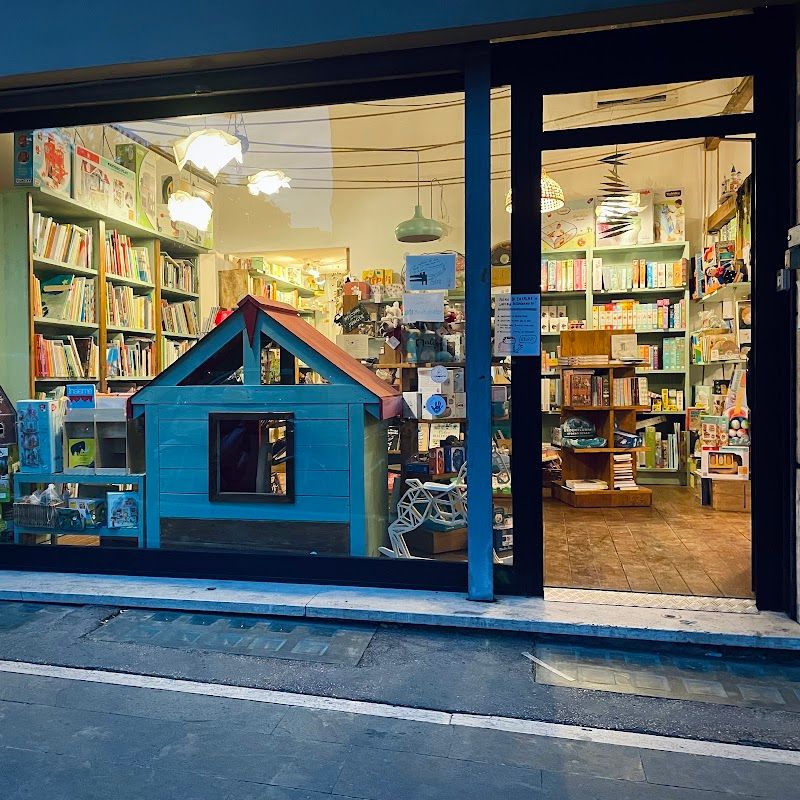
Rivendita Libri Pigneto
Rivendita Libri Pigneto operates as Rome's most thoughtfully curated independent bookshop, focusing on contemporary Italian fiction, poetry, and literary essays rather than tourist-friendly coffee table books. You'll find works by emerging Roman authors alongside established voices, many unavailable in mainstream bookstores. The selection reflects genuine literary taste rather than commercial appeal, making it invaluable for understanding Italy's current cultural conversation. The shop occupies a compact space where every shelf placement feels intentional, and browsing becomes a discovery process rather than overwhelming navigation. Staff genuinely read what they sell and offer recommendations based on actual conversation about your interests, not generic suggestions. The atmosphere stays quiet and focused, with regular evening events transforming the space into an intimate literary salon where you might catch readings by writers before they hit major publishers. Most travel guides oversell Rome's bookshops, but this one delivers substance over atmosphere. Skip it if you're hunting for English-language novels or guidebooks, as the focus stays firmly on Italian literature. Events typically cost 5-10 EUR when there's a fee, though many readings are free. The real value lies in discovering authors you'd never encounter elsewhere, making it worth the trip to Pigneto even if books aren't your primary Rome focus.
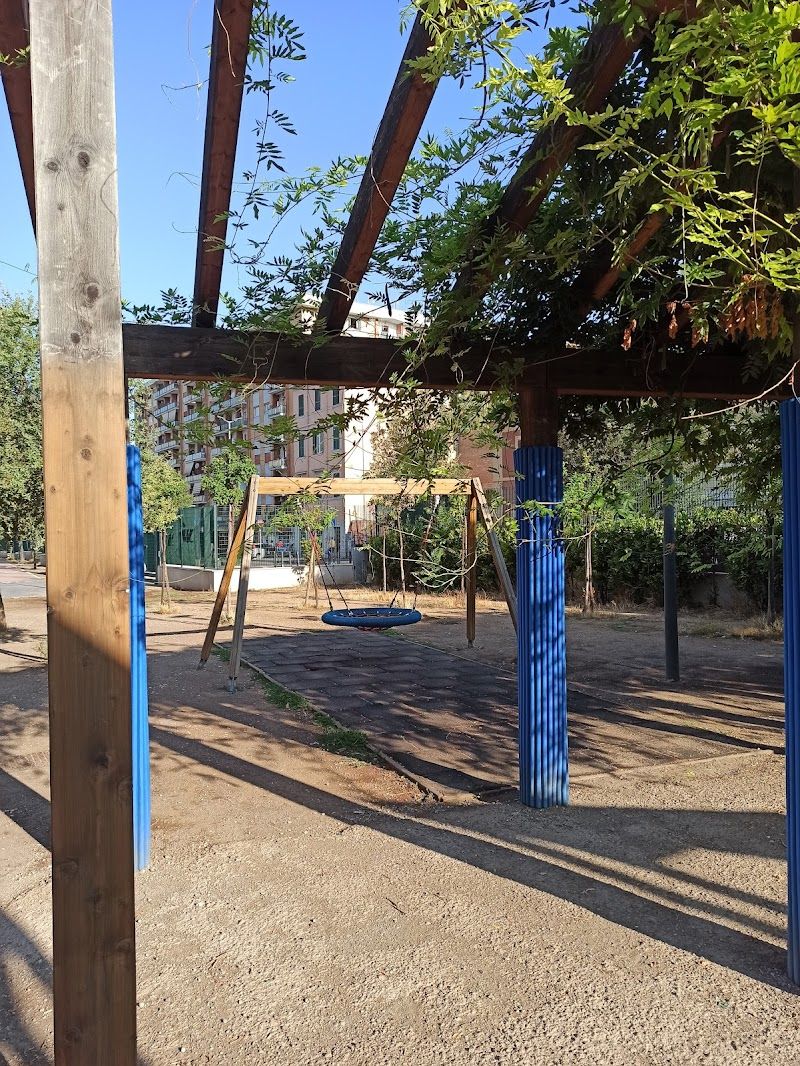
Giardini di Via del Pigneto
Giardini di Via del Pigneto transforms a narrow strip of formerly abandoned land into Rome's most authentic neighborhood green space. Local residents claimed this 200-meter stretch along the main drag and turned it into a patchwork of vegetable plots, flower beds, and colorful murals celebrating community activism. You'll find handmade benches, recycled planters, and politically charged street art that tells the story of Pigneto's working-class identity. The garden feels more like wandering through someone's backyard than visiting a formal park. Locals tend their tomato plants while kids chase cats between the raised beds, and elderly residents gossip on mismatched chairs under makeshift pergolas. The space pulses with genuine neighborhood energy: people arguing about football, sharing vegetables, and painting new sections of wall art. It's scrappy and real in a way that Rome's manicured villa gardens simply aren't. Most travel guides either ignore this place entirely or oversell it as some revolutionary statement. The truth sits somewhere in between: it's a lovely example of grassroots urbanism, but don't expect Instagram-worthy landscaping. Come for 20 minutes max, ideally while exploring the rest of Pigneto's bars and vintage shops. The garden works best as a brief stop that gives context to this rapidly gentrifying neighborhood's community spirit.
Where to Eat
Restaurants and cafes in Pigneto
Nightlife
Bars and nightlife in Pigneto

Fanfulla 101
NightlifeHistoric cultural center and bar housed in a former cinema, offering aperitivo, live music, DJ sets, and art exhibitions. The spacious interior retains its vintage character with exposed brick and theatrical elements. A beloved gathering spot for Pigneto's artistic community since the early 2000s.
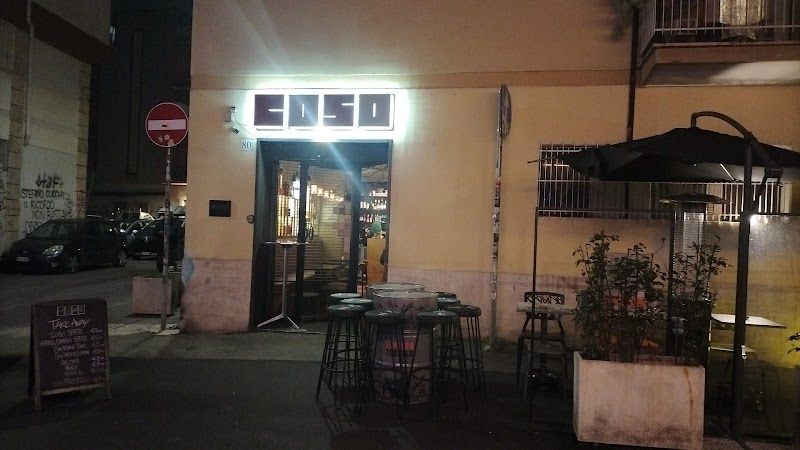
Co.So. Cocktail & Social
NightlifePigneto's craft cocktail bar with a rotating menu based on seasonal ingredients and Italian spirits. The mixologists experiment with unusual infusions and house-made syrups in a relaxed, unpretentious atmosphere. Prices are notably lower than centro storico cocktail bars at €8-10 per drink.
Getting Here
Metro Stations
On Foot
Very walkable within the neighbourhood. Getting here is the challenge.
Insider Tips
Via del Pigneto after 8 PM
The pedestrianized main street transforms after dark. Every bar has tables outside, the crowd is 90% Roman, and you can bar-hop the entire street for €5 per craft beer. Thursday to Saturday are the best nights.
Necci dal 1924
Pasolini's old local. The aperitivo buffet (€8-10 with drink) is one of the best deals in Rome, and the terrace is the neighborhood's unofficial gathering point. Good for brunch on weekends too.
Nearby Neighborhoods
Continue exploring


Related Articles
Rome vs Florence: Which Italian City Should You Visit First?
Rome delivers epic history and incredible food accidents, while Florence offers Renaissance perfection in a walkable package. Here's how to choose.
Rome vs Venice: A Complete Guide to Choosing Your Italian Destination
Rome delivers ancient wonders and incredible food, while Venice offers unique canals and artistic treasures. We break down costs, crowds, and what each city does best.