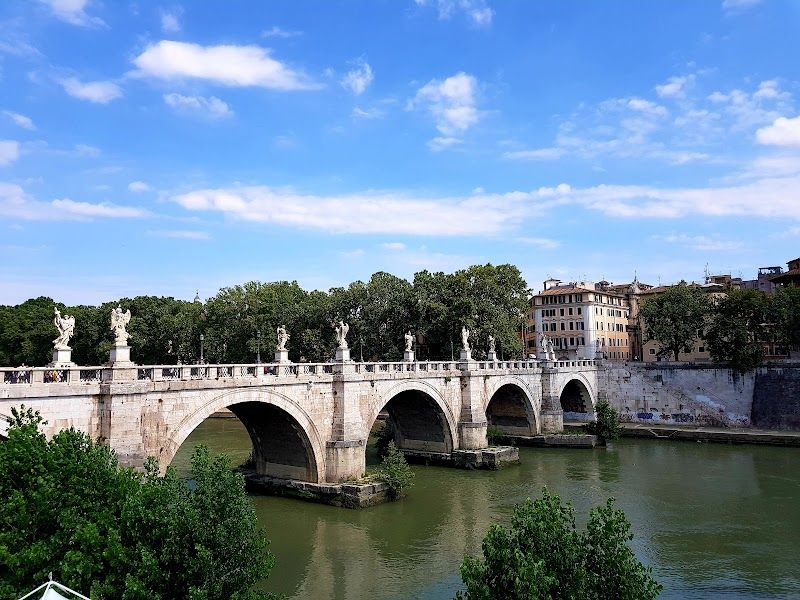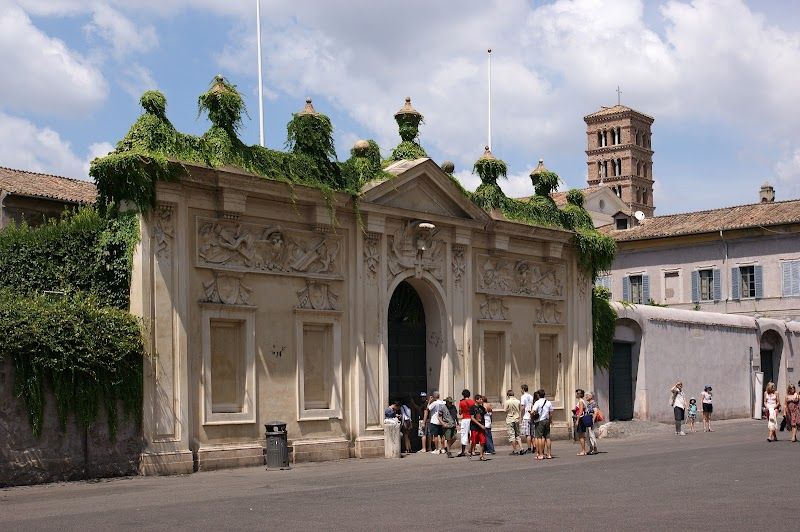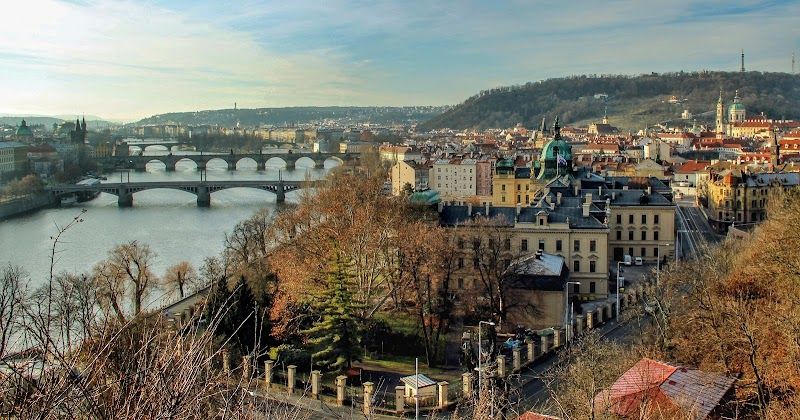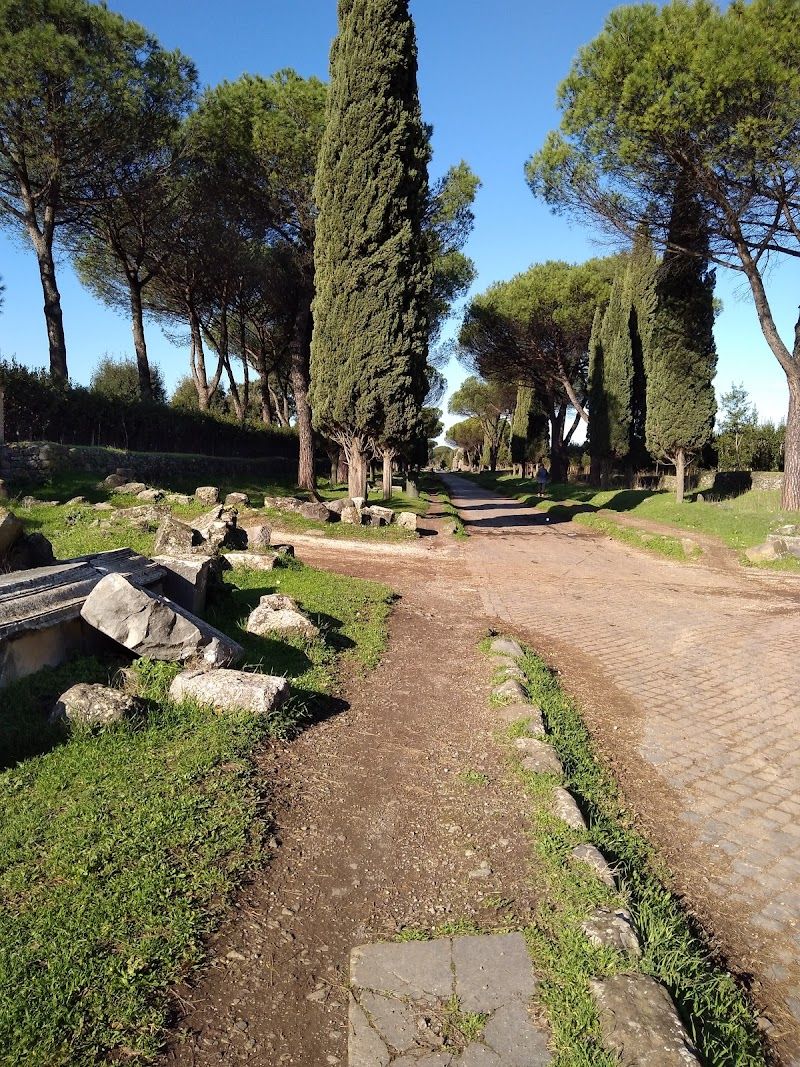
You've got a week in Italy and can't decide between Rome and Florence. Smart problem to have. Both cities will ruin you for other destinations, just in completely different ways. Rome is the city where you eat better accidentally than most places manage on purpose, while Florence is where every street corner looks like a Renaissance painting that someone forgot to frame.
The real question isn't which city is better - they're both essential Italian experiences. It's which one fits your travel style, budget, and what you actually want from Italy. After spending months in both cities, here's the breakdown that matters.
Rome vs Florence: The Essential Differences
Rome is chaos that works. You'll turn a corner looking for the Pantheon and find a €1.50 supplì that changes your understanding of what fried rice can be. The ancient stuff is genuinely mind-blowing - the Colosseum really is that big, the Forum really is that old. But it's the rhythm of the city that gets you: espresso standing at a bar for €1.10, pasta at 1 PM, a three-hour gap where nothing happens and everything matters, then dinner at 9 PM that somehow lasts until midnight.
Florence is controlled perfection. The historic center is small enough to walk in two hours and dense enough with art to justify a month. Every building matters, every piazza has a story, and the Uffizi Gallery alone contains more Renaissance masterpieces than most countries. The food is more refined than Rome's, the wine comes from hills you can see from the city center, and everything closes at reasonable hours.
Size and Scale Comparison
Rome sprawls across seven hills with nearly 3 million residents. The historic center alone is larger than all of Florence. You need at least four days to scratch the surface, and a week to feel like you've actually experienced it.
Florence fits into a neat 400,000-person package. You can walk from Santa Maria Novella station to the Oltrarno in 25 minutes. Three days covers the major sights comfortably, though art lovers will want longer for the museums.
The verdict: Rome requires more time and energy. Florence delivers maximum Italy impact in minimum time.
Which City Costs More: Rome vs Florence Budget Breakdown
Florence costs more, period. Tourism density drives prices up, especially for accommodation and dining near major attractions.
Accommodation Costs
| Category | Rome | Florence |
|---|---|---|
| Budget hotel | EUR 60-100 | EUR 70-120 |
| Mid-range hotel | EUR 120-220 | EUR 140-280 |
| Boutique hotel | EUR 180-350 | EUR 220-420 |
| Luxury hotel | EUR 400-800 | EUR 450-900 |
Rome's size works in your favor here. More neighborhoods mean more hotel options and competitive pricing. Testaccio and Monti offer excellent value with easy metro access to major sites.
Florence's compact center means everything is walking distance, but you pay for location. Book outside the ZTL (restricted traffic zone) for better rates, though you'll sacrifice the Renaissance views.
Food and Drink Prices
Rome wins on food costs and variety. A lunch menu at a neighborhood trattoria runs EUR 12-18, while Florence starts around EUR 15-22. Rome's street food culture - supplì, pizza al taglio for EUR 2.50-4, trapizzino - has no Florence equivalent.
Florence's restaurant scene skews upscale. Even casual trattorias charge EUR 18-28 for lunch menus. The wine is better (Chianti vs. Frascati), but you'll pay EUR 6-9 for a decent glass versus EUR 3-6 in Rome.
Coffee culture differs too: Rome maintains the €1.10 espresso at most bars. Florence tourist areas charge €2-3 for the same coffee.
Attraction Costs
Rome's major sites cost more but offer better value. Colosseum tickets are EUR 18 and include the Roman Forum and Palatine Hill - essentially three major archaeological sites. The Vatican Museums cost EUR 20 plus EUR 4 booking fees.
Florence front-loads costs with the Uffizi (EUR 25 in peak season) and Accademia Gallery (EUR 20). However, many churches housing Renaissance masterpieces charge EUR 3-6 entry, while Rome's churches remain free.
Food Scene: Rome vs Florence - Where to Eat Better
This isn't close. Rome destroys Florence for food variety, value, and pure eating pleasure.
Rome's food scene operates on multiple levels. Tourist restaurants serve decent cacio e pepe for EUR 12-15. Neighborhood joints in Trastevere and Testaccio serve exceptional cacio e pepe for EUR 8-10. Then there's the street food layer - supplì, pizza al taglio, trapizzino - that doesn't exist in Florence.
The Testaccio market on Tuesday and Saturday mornings offers the best food shopping in Italy. Flavio al Velavevodetto represents everything great about Roman dining: exceptional ingredients, simple preparation, zero pretension, and prices that make sense.
Florence takes food more seriously, which isn't necessarily better. Restaurants focus on Tuscan classics - ribollita, bistecca alla fiorentina, pici cacio e pepe. The execution is often flawless, but the variety is limited and prices reflect the fine dining approach.
Street food advantage goes entirely to Rome. Florence has panetterie selling schiacciata, but nothing like Rome's baroque approach to fried things. Bonci Pizzarium alone justifies choosing Rome over Florence.
Wine Scene Comparison
Florence wins wine by geography. You're in Chianti Classico territory, with Montalcino and Brunello an hour south. Even mediocre restaurants stock decent Tuscan wines, and wine bars like Enoteca Pinchiorri set global standards.
Rome's wine scene relies more on imports from across Italy, though the local Frascati and Marino wines pair perfectly with Roman food. The wine bar culture is stronger in Rome, with neighborhood enoteche serving excellent selections at fair prices.
Art and Culture: Renaissance Florence vs Imperial Rome
This comes down to personal preference: ancient history versus Renaissance art.
Rome delivers 2,500 years of continuous history layered on top of each other. The Roman Forum sits next to medieval churches built from ancient columns, while Baroque fountains occupy Renaissance piazzas. The Pantheon - now EUR 5 entry - remains the most perfectly preserved Roman building on earth.
Rome's museum scene is underrated. The Capitoline Museums (EUR 15) house the original Marcus Aurelius statue and spectacular city views. Palazzo Massimo (EUR 10) contains ancient Roman frescoes that rival Pompeii. The Borghese Gallery (EUR 15, mandatory reservation) offers Bernini sculptures and Caravaggio paintings in an intimate villa setting.
Florence concentrates Renaissance genius into a manageable area. The Uffizi Gallery contains Botticelli's Birth of Venus, Leonardo's Annunciation, and Michelangelo's only panel painting. The Accademia houses Michelangelo's David. Santa Croce contains frescoes by Giotto that launched the Renaissance.
Florence's advantage: you can see humanity's greatest artistic achievement (David) and greatest painting collection (Uffizi) in the same day. Rome spreads its treasures across dozens of sites, requiring more time to appreciate fully.
Getting Around: Rome vs Florence Transportation
Florence is a walking city. Period. The historic center measures roughly 2 kilometers across. Most visitors never need public transport.
Rome requires strategy. The metro system (EUR 1.50 per ride) connects major tourist areas efficiently. Line A hits Spanish Steps, Trevi Fountain, and Vatican areas. Line B serves the Colosseum and Termini station. Buses fill gaps, though traffic makes them unpredictable.
Rome's taxi situation is professional but expensive. Fixed rates apply for airport transfers (EUR 48 from Fiumicino), but meter rides across the city can reach EUR 15-25. Florence taxis cost more per kilometer but shorter distances keep total costs reasonable.
Airport Access
Rome: Leonardo Express train from Fiumicino costs EUR 14 and takes 32 minutes to Termini station. From there, metro connects to most neighborhoods.
Florence: Peretola Airport sits 20 minutes from the center via bus (EUR 6) or taxi (EUR 25-30). Most international flights require connections through Rome or other European hubs.
Climate and Timing: When to Visit Rome vs Florence
Both cities suffer brutal summers, but Rome's heat island effect makes July-August nearly unbearable. Florence sits in a valley that traps hot air, creating similar conditions.
Spring (April-May) and fall (September-October) offer ideal weather in both cities. Rome extends the pleasant season longer due to Mediterranean influence.
Winter differences matter. Rome averages 8°C (46°F) in January with occasional rain. Florence drops to 5°C (41°F) with more frequent precipitation and occasional snow.
Florence gets overwhelmed by summer crowds. The Uffizi and Accademia require advance booking year-round, but summer queues for unreserved attractions become punishing.
Rome distributes crowds across more attractions. Even peak season allows spontaneous exploration of lesser-known sites.
Rome vs Florence for First-Time Italy Visitors
Rome wins for first-time Italy visitors, but not by much.
Rome delivers every Italy fantasy: ancient ruins, pasta, passionate Romans arguing over football, and neighborhoods like Trastevere that match every cobblestone stereotype. The variety prevents boredom - ancient sites one day, papal splendor the next, food markets the third.
Florence offers Italy's greatest hits in concentrated form. The Renaissance art alone justifies the trip, while the compact center maximizes your time. The surrounding Tuscan countryside provides day trip options that Rome can't match.
Consider your Italy plans: If this is your only Italy trip, choose Rome. The breadth of experiences - from Vatican Museums to authentic neighborhood dining - provides a more complete Italian introduction.
If you're planning multiple Italy visits, Florence makes an excellent first stop. The manageable size builds confidence for tackling Rome later.
Rome vs Venice vs Milan: How Florence Fits the Bigger Picture
Comparing Rome vs Florence often leads to Rome vs Venice discussions. Venice offers unique architecture and romantic canals but lacks the cultural depth of both Rome and Florence. Venice works best as a 2-3 day add-on rather than a primary destination.
Milan serves business travelers and fashion enthusiasts but offers limited appeal for first-time Italy visitors. The Duomo and La Scala matter, but Rome and Florence provide more comprehensive Italian experiences.
The ideal Italy itinerary combines Rome and Florence: Start with Florence (2-3 days) to ease into Italian culture, then tackle Rome's complexity (4-5 days minimum). This progression builds appreciation for both Renaissance achievement and imperial grandeur.
Practical Decision Framework: Rome or Florence First
Choose Rome if you:
- Have 4+ days available
- Love food culture and variety
- Enjoy urban energy and complexity
- Want comprehensive ancient history
- Prefer spontaneous exploration
- Travel in winter (better weather)
Choose Florence if you:
- Have 2-3 days available
- Prioritize Renaissance art
- Prefer compact, walkable cities
- Want Tuscan countryside access
- Like refined dining experiences
- Need everything within walking distance
The Bottom Line: Rome vs Florence Decision
Rome rewards time and curiosity. The longer you stay, the more layers reveal themselves. Four days feels rushed, six days comfortable, and a week allows proper neighborhood exploration. Start with our 4-day Rome itinerary for essential sites, then extend based on interests.
Florence maximizes impact per day. Three days covers major sites thoroughly, while a fourth day allows Tuscan countryside exploration. The compact center suits travelers who prefer planned itineraries over spontaneous wandering.
For first-time Italy visitors with limited time, Florence delivers Renaissance greatness efficiently. For travelers seeking Italy's full complexity - ancient history, papal power, neighborhood food culture, and modern Italian life - Rome provides unmatched depth.
The honest answer: you need both cities to understand Italy completely. Start with the one that matches your current trip constraints, then return for the other. Both cities will ruin you for other destinations, just in different ways that make the return trip inevitable.