
Rome
Things to Do
181 attractions, museums, and experiences
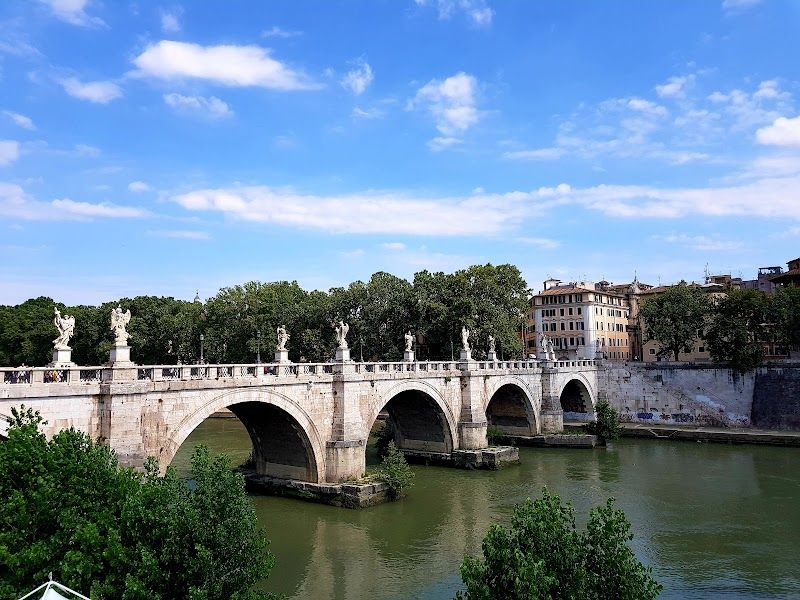
Ponte Sant'Angelo
This pedestrian bridge connects central Rome to Castel Sant'Angelo, lined with ten dramatic baroque angels that tower over the Tiber. Each angel holds a different symbol from Christ's crucifixion: the crown of thorns, the nails, the sponge soaked in vinegar. Emperor Hadrian built the original span in 134 AD as his private route to his tomb, though Bernini's sculptural additions from the 1660s steal the show today. You'll get unobstructed views of St. Peter's dome and the fortress walls while classical musicians often perform beneath the statues. The bridge feels more like an outdoor sculpture gallery than a river crossing. Groups cluster around each angel, reading the Latin inscriptions and posing for photos against the castle backdrop. Street performers claim spots between the statues, filling the stone span with violin music that echoes off the fortress walls. The pedestrian only design means you can take your time studying each sculpture's details without dodging traffic. Early morning light hits the angels perfectly, casting dramatic shadows across their flowing robes. Most guidebooks oversell this as a lengthy stop, but fifteen minutes covers it completely unless you're a serious art student. The views are genuinely spectacular, especially looking back toward the Vatican dome, but don't expect much historical context from the sparse signage. Skip the overpriced gelato vendors at both ends and grab something better near the Pantheon instead. The bridge gets painfully crowded between 11am and 4pm when tour groups bottleneck around the center angels.
Spanish Steps
The Spanish Steps are Rome's most famous staircase, 135 travertine steps connecting the luxury shopping district below to the Trinità dei Monti church above. Built in the 1720s with French money (hence the French church at the top), they've been a social hub for three centuries. You're here for the elegant curves of the staircase itself, the view from the top over Piazza di Spagna, and the Barcaccia fountain at the base designed by Pietro Bernini. Climbing feels ceremonial: the steps widen and narrow in graceful curves, and you'll notice how the travertine catches light differently throughout the day. From the top, the view opens up over the red rooftops toward the Pantheon and Vatican. The piazza below buzzes with street artists, tourists posing for photos, and shoppers emerging from Via dei Condotti with designer bags. The pink Keats Shelley House at the bottom right adds literary weight to all the Instagram activity. Here's what guides don't mention: sitting on the steps gets you a €400 fine, strictly enforced by police who patrol constantly. The steps are frankly more photogenic than meaningful, worth 20 minutes max unless you're shopping the expensive boutiques nearby. Come at 7am for empty photos, or skip entirely if you're short on time. The real charm is people watching from the Barcaccia fountain, which costs nothing and gives you the same view.
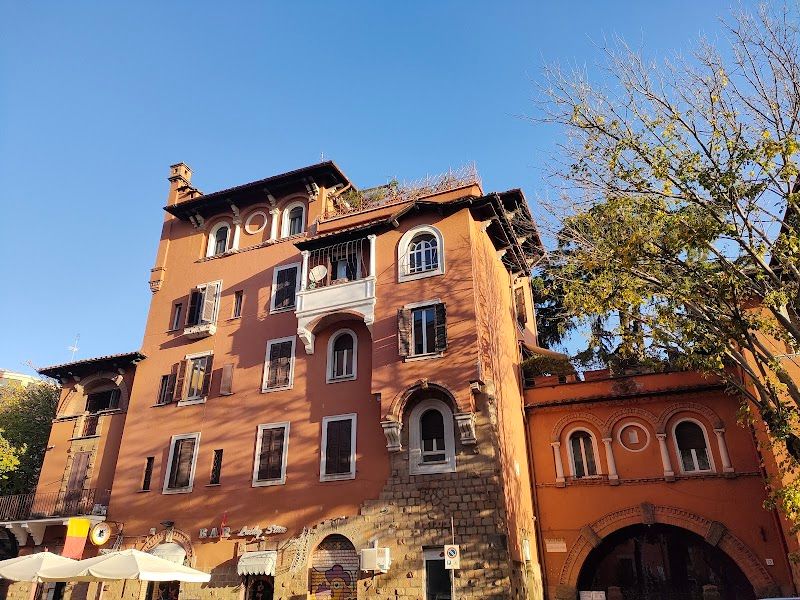
Garbatella
Garbatella represents one of Rome's most successful social housing experiments, a garden city neighborhood from the 1920s where working families still live in colorful Art Nouveau and Rationalist apartment blocks. You'll walk through unique lottizzazioni (housing complexes) built around shared courtyards, each with its own architectural personality and community gardens. The area feels like a small town within Rome, complete with local bars where residents gather for morning coffee and evening aperitivo. Your visit involves wandering residential streets that curve organically rather than following Rome's typical grid pattern. You'll peek into internal courtyards where laundry hangs between balconies and neighbors chat across windows, discovering architectural details like ceramic tiles, wrought iron balconies, and painted facades in pastel colors. The atmosphere stays authentically local: you'll hear Roman dialect spoken by longtime residents and see kids playing football in the small piazzas between housing blocks. Most guidebooks romanticize Garbatella without mentioning the reality: it's a functioning residential neighborhood, not a tourist attraction. Skip the southern sections which feel more generic, and focus on Lotti 1 through 30 for the best architecture and community atmosphere. Don't expect museums or monuments here, this is about experiencing how real Romans live in one of the city's most distinctive neighborhoods.
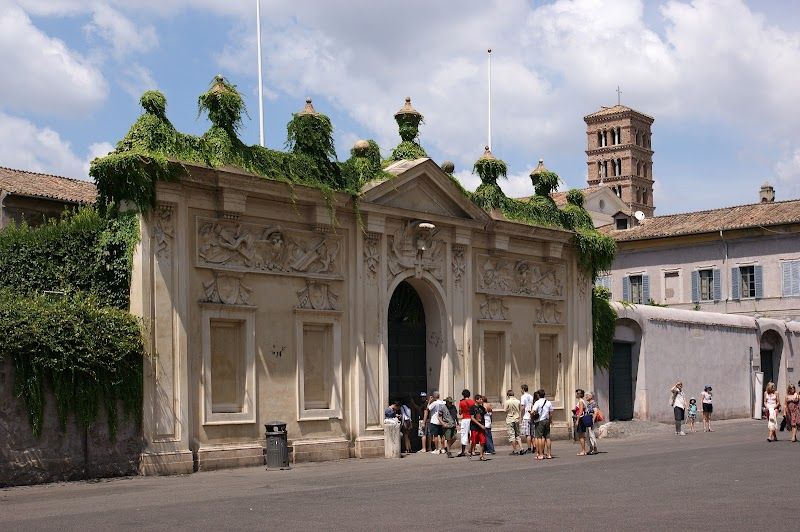
Piazza dei Cavalieri di Malta
The Aventine Keyhole sits in an ornate green door on Piazza dei Cavalieri di Malta, offering Rome's most famous surprise view. You'll peer through a tiny bronze keyhole to see St. Peter's dome perfectly framed at the end of a manicured garden path, with the dome appearing to float between carefully pruned hedges. The piazza itself was redesigned by Giovanni Battista Piranesi in the 1760s and remains headquarters of the Knights of Malta, a sovereign military order. The experience is delightfully simple: you walk up to an unremarkable green door, bend down, and look through the keyhole for about 10 seconds. There's usually a small queue of people taking turns, each person gasping slightly when they see the view. The optical illusion works because of the perfectly aligned garden path that creates a natural telescope effect. The surrounding piazza feels peaceful and residential, lined with orange trees and elegant buildings. Honestly, it's a bit overhyped for what amounts to a 30 second peek, but the view genuinely is magical and it's completely free. Most people combine it with nearby attractions since 15 minutes here isn't worth a special trip. The queue can stretch 20 people deep during peak hours, which means waiting 15 minutes for a 10 second view. Visit early morning or evening when you'll have it mostly to yourself and can actually enjoy the elegant piazza Piranesi designed.
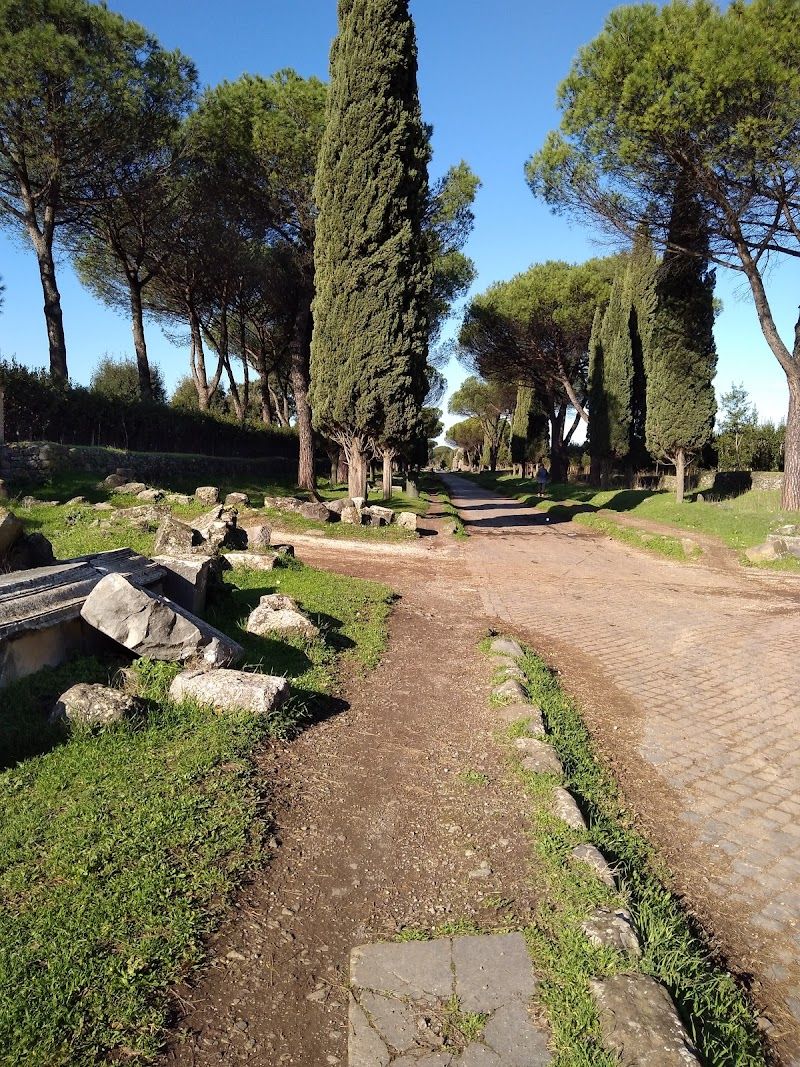
Via Appia Antica
Via Appia Antica stretches 18km southeast from Rome's ancient walls, but the first 5km contain all the drama: original Roman basalt stones scarred by chariot wheels, towering umbrella pines, and massive tombs including Cecilia Metella's fortress-like mausoleum. You'll walk the same route that armies, pilgrims, and slaves traveled for over 2,000 years, passing underground Christian catacombs and crumbling aqueduct arches. The road surface is genuinely ancient, not a reconstruction, making every step feel like time travel. The experience shifts between peaceful countryside and archaeological wonderland. Cyclists glide past on rental bikes while you navigate uneven basalt blocks that can twist ankles. The landscape opens up after the busy entrance, revealing endless views of Roman campagna dotted with cypress trees and wildflower meadows. Sunday transforms the road into a car-free promenade where Roman families picnic among 2,000-year-old tombs, creating an oddly festive atmosphere around ancient death monuments. Most visitors attempt too much and burn out after 3km on those brutal stones. Focus on the stretch from Porta San Sebastiano to Cecilia Metella's tomb (about 3km) for maximum reward with minimum foot punishment. The bike rental at Porta San Sebastiano costs 15 EUR for 4 hours, absolutely worth it unless you enjoy medieval torture. Skip the expensive catacombs tours and concentrate on the free outdoor monuments.
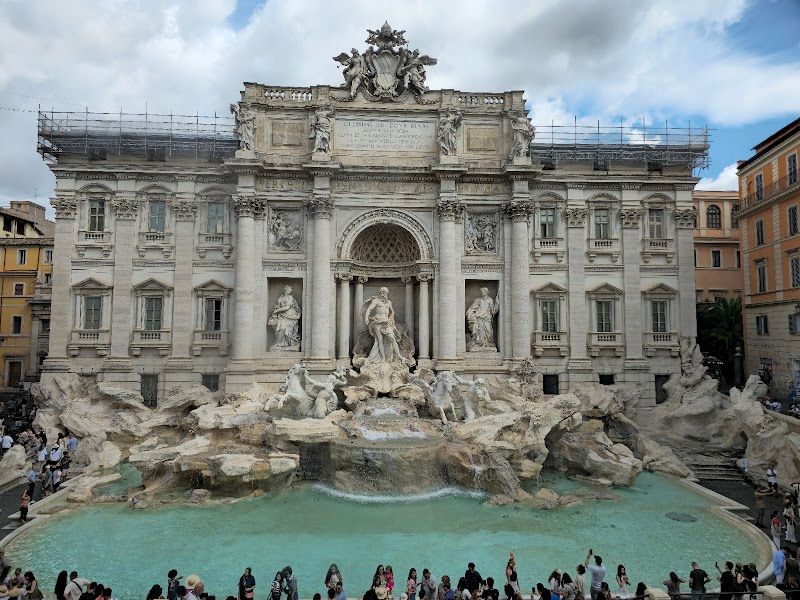
Trevi Fountain
Nicola Salvi's theatrical masterpiece dominates this cramped piazza like a stage set come to life. Neptune commands the center while Tritons wrestle with horses that seem ready to leap from the carved stone. The detail work is genuinely impressive when you can get close enough to appreciate it. The fountain recycles 2,824,800 liters of water daily through its elaborate system, creating that signature rushing sound that somehow cuts through the crowd noise. You'll be shoulder-to-shoulder with tourists most hours, everyone jostling for the same Instagram shot while coins ping constantly into the water. The piazza feels impossibly small for such a massive fountain, which actually makes the whole thing more dramatic. There's no gradual reveal, just a sudden presentation of baroque theater in your face. The lighting system kicks in after sunset, turning the white travertine golden and the water into liquid mercury. Most people spend 5 minutes tossing a coin and leave, but the carved details reward a longer look. Spot the different Triton expressions and the intricate coral work. Skip the overpriced restaurants with terrace views (you're paying €8 for a Coke to look at crowds). The city collects about €1.5 million in coins annually for charity, so your toss actually does some good beyond the supposed return-to-Rome guarantee.
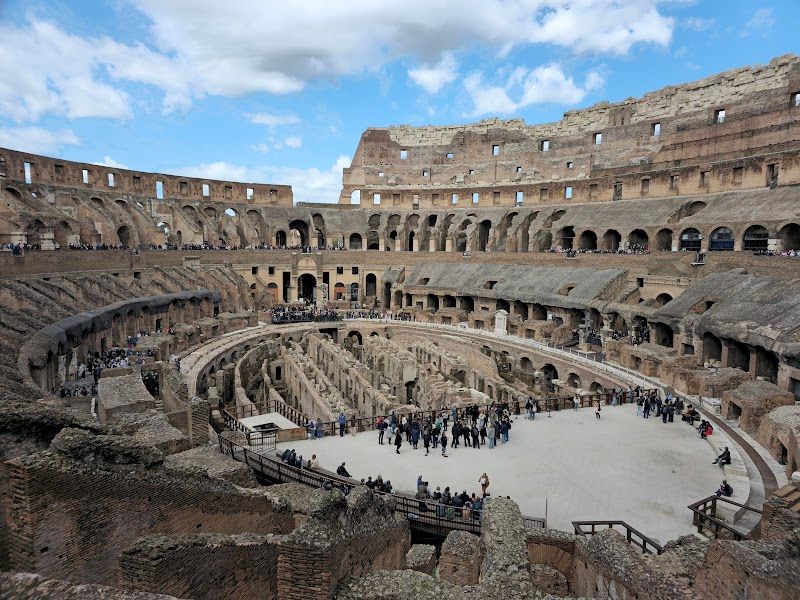
Colosseum
Fifty thousand spectators, four storeys of arches, and an engineering system so advanced they could flood the arena floor for mock naval battles. The Colosseum doesn't need a sales pitch - but standing inside it, on the edge of what was once the arena floor, looking down into the exposed tunnels where gladiators and wild animals waited to be lifted into the fight, is a different experience from any photo. The scale is the thing. Your brain can't quite reconcile that this was built in 80 AD. The €18 combined ticket covers the Colosseum, Roman Forum, and Palatine Hill for two consecutive days - which is the smart way to do it. Use day one for the Colosseum, day two for the Forum and Palatine. Book online at least a week ahead; walk-up tickets exist but the queue can stretch to two hours in peak season, and the guys in gladiator costumes outside charging €10 for a photo are just the start of the annoyances if you arrive unprepared. The €24 underground tour adds the arena floor and the hypogeum - the network of tunnels, lifts, and trap doors beneath the surface. If you can get a slot (they sell out fast), it's worth every cent. Walking through the corridors where animals were kept before being hoisted into the arena on mechanical elevators is genuinely chilling. The standard ticket gets you the first two levels; the third level opened a few years back and has the best panoramic views of the interior, plus you can see the Forum from above. Timing is everything. Gates open at 9 AM and by 10:30 the tour groups arrive in waves. Enter from the Via dei Fori Imperiali side entrance (shorter line than the main Piazza del Colosseo entrance). Go straight to the third level for photos while the light is good, then work your way down. Late afternoon after 3 PM is the other sweet spot - the crowds thin and the golden hour light through the arches makes the travertine glow. Bring water. There's almost no shade inside.
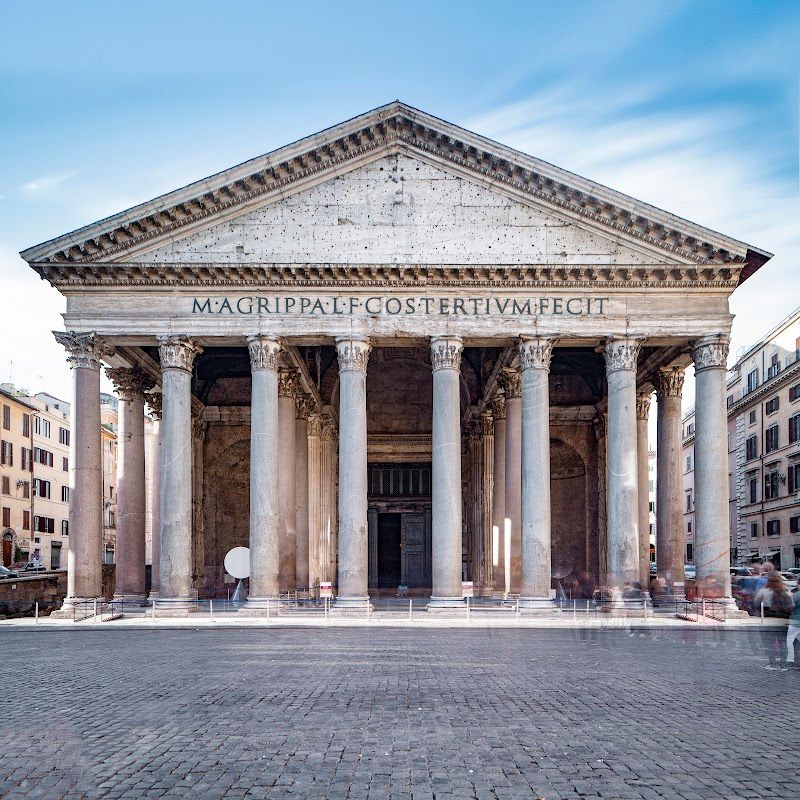
Pantheon
Two thousand years old, free to enter, and still the largest unreinforced concrete dome on the planet. The Pantheon is the building that makes engineers and architects stop talking mid-sentence. Walk through the massive bronze doors - originals, by the way - and look up at the coffered dome with its oculus, a 9-metre hole in the ceiling that is the only source of light. When it rains, the water falls straight through and drains through nearly invisible holes in the slightly convex floor. That's Roman engineering from 125 AD, and nobody has improved on it since. The interior is one enormous room, perfectly proportioned: the height to the oculus equals the diameter of the dome (43.3 metres). This was deliberate. The Romans designed it so the space would feel both vast and harmonious, and it works. The light beam that enters through the oculus moves across the interior like a slow spotlight - at noon it's at its most dramatic, hitting the floor in a near-perfect circle. Morning visits between 8:30-9:30 AM catch the beam sweeping across the coffered ceiling, which is arguably even more beautiful. Entry is free but you need a timed reservation since 2023. Book on the official site a few days ahead - it costs nothing, takes 30 seconds, and saves you from the walk-up queue that can reach 45 minutes. The reservation system was controversial but it's actually improved the experience because they now limit the number of people inside at any time. Raphael is buried here, in the third chapel on the left - most people walk right past it. The building started as a temple to all the gods (pan = all, theon = gods), was converted to a church in 609 AD, and has been in continuous use ever since. The piazza outside has the usual overpriced tourist cafes - walk two minutes south to Sant'Eustachio Il Caffe for what many Romans consider the best coffee in the city (€1.10 standing at the bar).
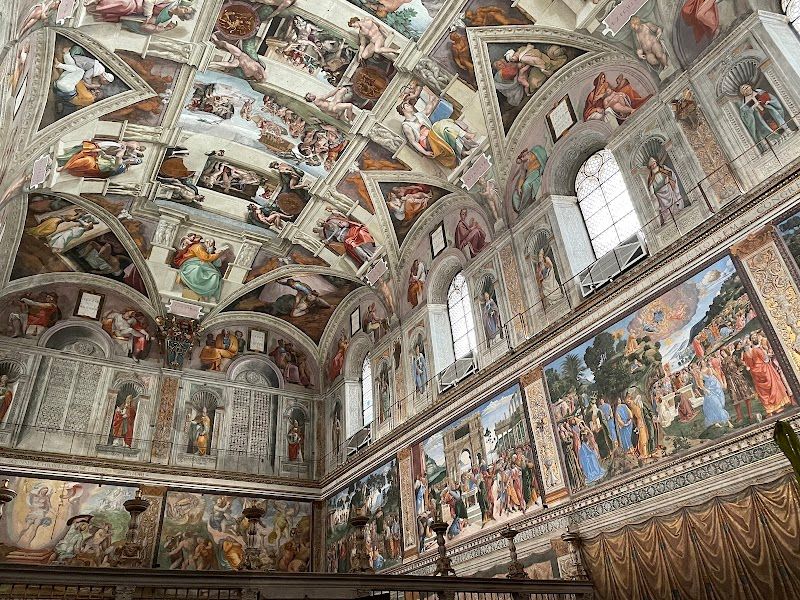
Vatican Museums
Twenty-two thousand rooms, seven kilometres of corridors, and one of the largest art collections on earth. Most people sprint through the Vatican Museums to reach the Sistine Chapel at the end, and that's a mistake - though an understandable one, because the signage practically herds you in that direction. The Raphael Rooms alone deserve an hour. The Gallery of Maps, a 120-metre corridor of 16th-century cartographic paintings, will make your jaw drop even if you've never cared about maps. Here's the counterintuitive strategy that actually works: go straight to the Sistine Chapel first. Follow the signs, resist every temptation to stop in the galleries on the way, and get there before the room fills to standing-room-only capacity (which happens by 10 AM). Spend 20 minutes with Michelangelo's ceiling while you can still breathe, then backtrack through the galleries at your own pace while the crowds are all flowing in the opposite direction. It completely changes the experience. The €17 entry ticket is reasonable for what you get - this is genuinely one of the top 3 museum collections in the world. Book online and skip the ticket queue, which can wrap around the Vatican walls for two hours in summer. The security queue is separate and moves fast. Friday evenings from April through October, the museums stay open until 10:30 PM with a fraction of the normal visitors - if you can get a Friday evening slot, take it without hesitation. Budget a minimum of 3 hours, wear comfortable shoes, and bring water. The cafeteria on the terrace level has decent food, reasonable prices for the location, and a view over the Vatican Gardens that beats fighting for a table in the overpriced restaurants near St. Peter's. The last Sunday of each month is free admission - but the queue is 3+ hours long and the galleries are so packed you'll see more elbows than art. Not worth it unless you genuinely cannot afford €17.
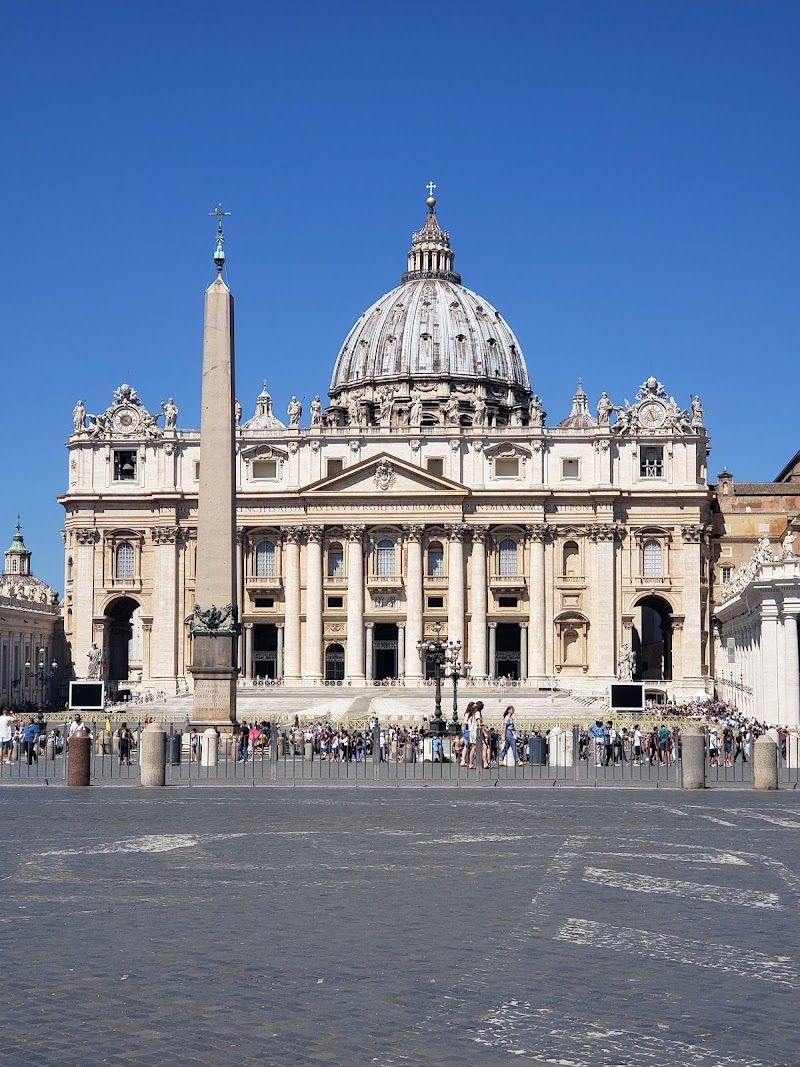
St. Peter's Basilica
Free to enter, and that fact alone makes St. Peter's Basilica one of the most extraordinary deals in Europe. The largest church in the world earns that title in every direction you look - the nave stretches 186 metres, the dome rises 136 metres, and the interior can hold 20,000 people. But the scale is deceptive because everything is so precisely proportioned. Those cherubs near the ceiling that look normal-sized? They're 2 metres tall. The letters in the Latin inscription ringing the dome? Each one is nearly 2 metres high. Your brain simply refuses to process the actual dimensions. Michelangelo's Pieta is immediately to the right when you enter - behind bulletproof glass since a hammer attack in 1972, but still breathtaking from a few metres away. Bernini's baldachin, the enormous bronze canopy over the papal altar, stands 29 metres tall and uses bronze stripped from the Pantheon's portico (the Romans have always been pragmatic about recycling). The whole building took 120 years to build and involved Bramante, Raphael, Michelangelo, and Bernini - essentially every genius of the Renaissance taking turns. Climb the dome. This is non-negotiable. The €8 option includes a lift partway up (plus 320 stairs); the €10 option is all 551 stairs. Either way, the climb through the curved interior wall of the dome - where the wall literally tilts inward and you realize you're walking between the inner and outer shell - is one of the most surreal architectural experiences in Rome. The view from the top is the best panorama in the city. Come early morning for the clearest light. Dress code is strictly enforced: covered shoulders and knees, no exceptions, no excuses. They turn people away every day, including tourists who've queued for an hour. Bring a scarf or light layer even in August. The security queue on the right side of the piazza (facing the basilica) is consistently shorter than the main colonnade approach. Morning before 10 AM or late afternoon after 4 PM are the best times - midday is suffocating in both heat and crowd density.
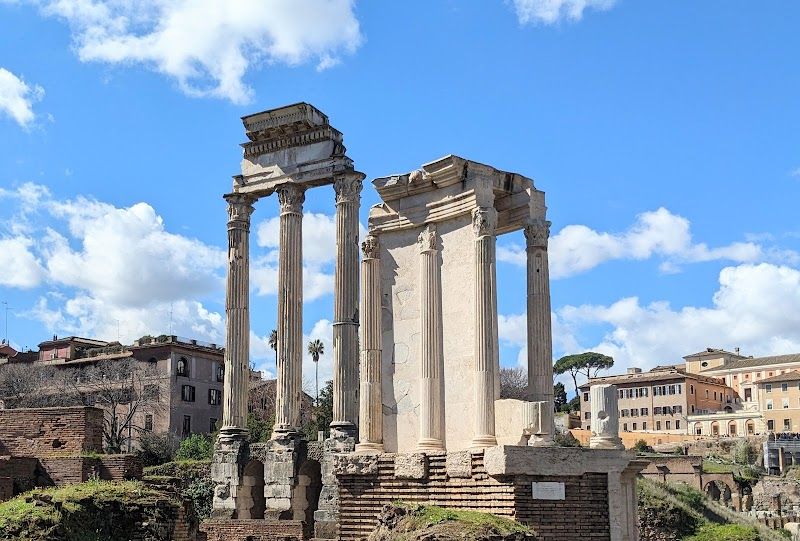
Roman Forum
The Roman Forum is where 2,000 years of civilization collapsed into rubble, then got excavated into something extraordinary. You're walking through the actual center of the Roman Empire - the Senate House where Caesar was murdered, the Temple of the Vestal Virgins where sacred flames burned for centuries, and the Arch of Titus celebrating the conquest of Jerusalem. The Via Sacra still runs right through the middle, the same marble road where triumphant generals paraded their conquered enemies. It starts overwhelming - just endless broken columns and foundation stones scattered across a massive excavated pit. But once you get oriented (seriously, get that audio guide), individual buildings snap into focus. You'll recognize the three towering columns of the Temple of Castor and Pollux, walk through the perfectly preserved Arch of Septimius Severus, and stand in the circular Temple of Vesta. The scale hits you gradually - this "ruined field" was once packed with 100,000+ Romans doing business, worshipping, and watching political drama unfold. Most visitors rush through in 45 minutes and see nothing but old stones. Give it the full 90 minutes minimum and you'll understand why Rome ruled the world. The €18 Colosseum combo ticket covers three days, so you can return. Skip the overcrowded center during peak hours - the eastern end near the Temple of Antoninus and Faustina is just as impressive with half the crowds.
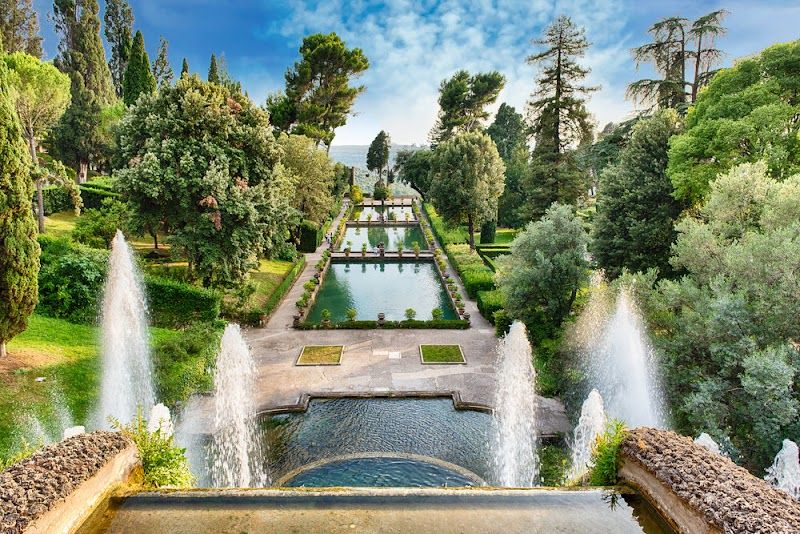
Tivoli Day Trip - Villa d'Este and Hadrian's Villa
This full-day trip takes you 30km east of Rome to see two UNESCO World Heritage sites that couldn't be more different. Villa d'Este showcases Renaissance engineering genius with over 500 fountains cascading down terraced gardens, while Hadrian's Villa sprawls across 250 acres of 2nd-century Roman ruins where the emperor built his personal retreat. You'll spend about 2 hours at each site with transport and a guide included. The Villa d'Este experience is all about the gardens - you'll climb stone staircases between fountain levels, hearing water echo through grottos and watching jets shoot 20 meters into the air. The villa itself is worth 20 minutes, but the real show is outside where every terrace offers a different water spectacle. Hadrian's Villa feels completely different - vast, contemplative ruins where you'll walk through the emperor's private theater, libraries, and the famous Maritime Theater, a circular island pavilion. Most tours rush through both sites, but Villa d'Este deserves the full morning when fountain pressure is strongest and crowds are lighter. Skip the villa interior at Hadrian's site if time is tight - the outdoor ruins tell the better story. Tours typically cost €75-95 per person, though you can reach Tivoli independently by bus (€2.20 from Ponte Mammolo) and buy separate tickets for €12 each site.
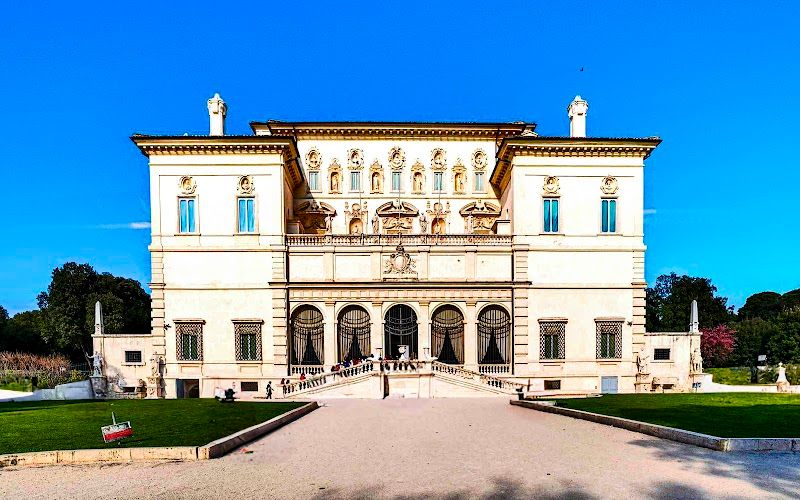
Borghese Gallery
You must book ahead. This is not a suggestion - the Borghese Gallery limits entry to 360 people every two hours, and slots sell out weeks in advance during peak season. If you show up without a reservation, you will not get in. Book at galleriaborghese.beniculturali.it (the official site, not the third-party resellers who charge double) 2-3 weeks ahead, earlier in summer. That mandatory booking is actually one of the gallery's greatest features, because it means you'll see Bernini's Apollo and Daphne without fighting through a crowd. And you need to see it. The marble looks like actual skin - Daphne's fingers are turning into laurel leaves, Apollo's hand is pressing into her waist, and you can see the exact moment of transformation. It's the single most impressive piece of sculpture in Rome, and Bernini carved it at 24. The Rape of Proserpina, in the next room, has the same impossible quality: Pluto's fingers pressing into Proserpina's thigh create dimples in the marble that shouldn't be possible. The €15 entry is a bargain for what's arguably the best small art museum in the world. Two floors: ground floor is sculpture (Bernini, Canova), first floor is paintings (Caravaggio, Raphael, Titian). The Caravaggio room alone - Boy with a Basket of Fruit, David with the Head of Goliath (where Goliath's face is Caravaggio's self-portrait), and the raw, unflinching Madonna dei Palafrenieri - is worth the ticket. The 2-hour time limit sounds restrictive but it's actually perfect. It forces you to see a manageable collection without the museum-death-march exhaustion that hits at the Vatican or the Uffizi. You'll leave wanting to come back, which is the sign of a great museum. The gardens around the gallery (Villa Borghese park) are free, beautiful, and ideal for decompressing afterwards - rent a rowboat on the lake (€3 for 20 minutes) or just sit on a bench and process what you've just seen.
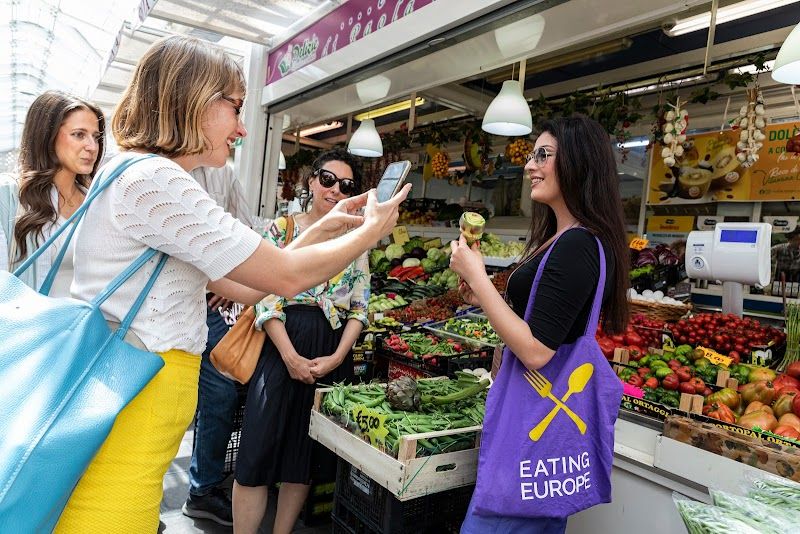
Eating Italy Food Tours
Katie Parla's food tours are the real deal - this isn't about touristy spots serving mediocre carbonara, but actual neighborhood joints where Romans eat. You'll walk through Testaccio or Trastevere hitting 4-5 family-run places, sampling everything from proper cacio e pepe to maritozzi pastries, while learning why Romans are so particular about their food rules. The guides are local food obsessives who'll explain why you never put cheese on seafood pasta and which bakery makes the best cornetti. The tours feel like eating your way through Rome with a well-connected friend who knows every shopkeeper by name. You'll duck into tiny alimentari to taste aged pecorino, stop at hole-in-the-wall trattorias for off-menu specials, and visit century-old bakeries where the recipes haven't changed. The Testaccio route includes the neighborhood market, while Trastevere focuses more on traditional osterie. Groups stay small (maximum 12 people) so you can actually talk to the vendors and chefs. At around €95 per person, it's pricey but justified - you're getting access to places you'd never find alone, plus enough food for lunch. Skip the weekend tours when restaurants are packed and vendors are rushed. The Testaccio option is better if you want to see how Romans actually shop for food, while Trastevere works better for evening tours when the trattorias come alive.
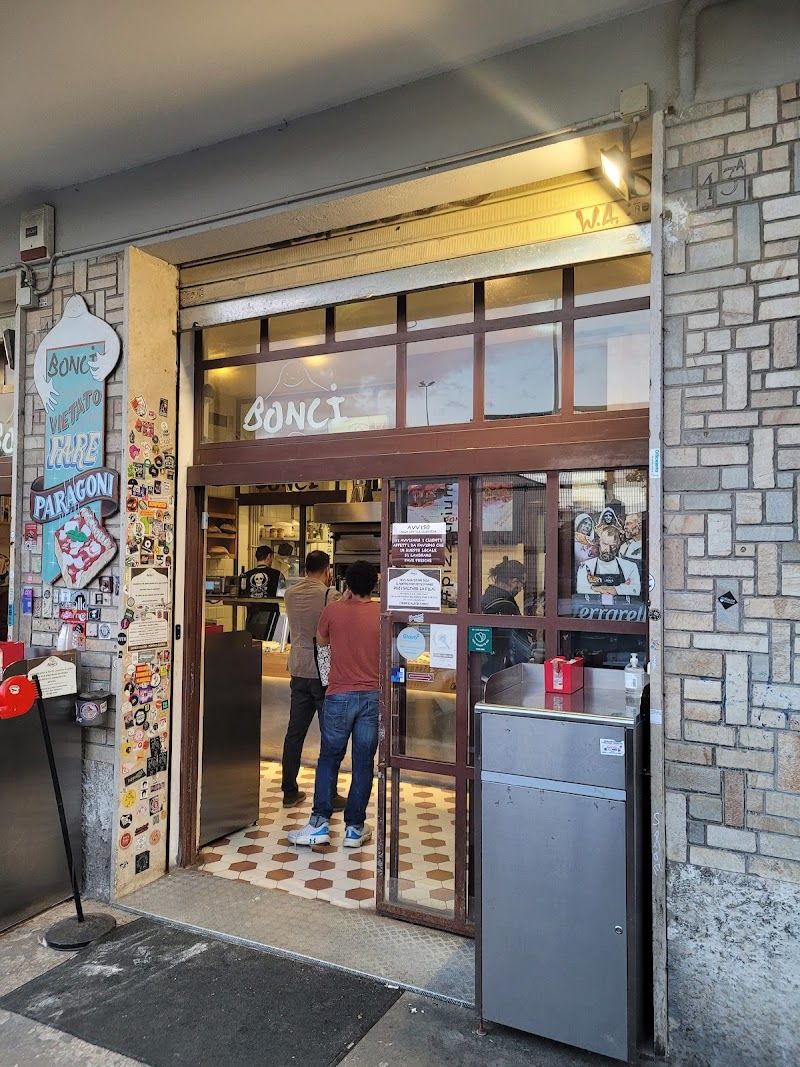
Bonci Pizzarium
Gabriele Bonci's legendary pizza al taglio near the Vatican, often called the best in Rome. Inventive toppings change daily, using premium ingredients like aged cheese, seasonal vegetables, and artisanal cured meats. Expect lines but they move quickly.
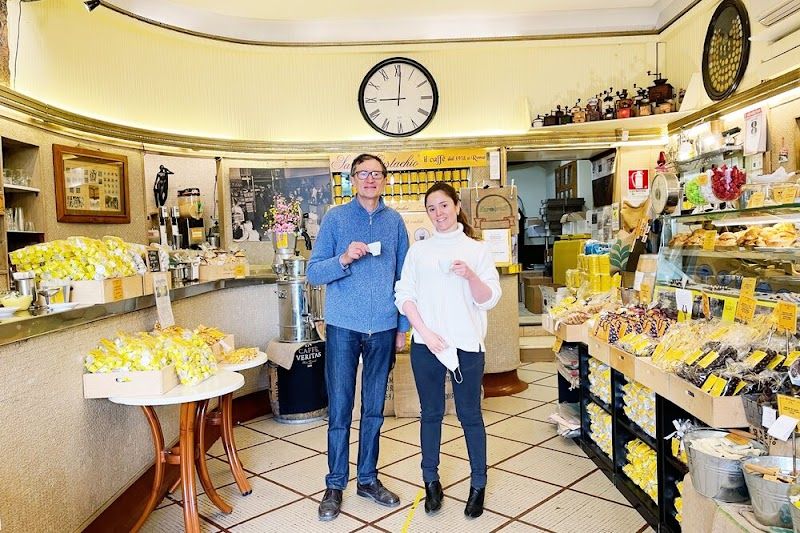
Sant'Eustachio Il Caffè
Historic coffee roastery near the Pantheon serving their signature Gran Caffè since 1938, prepared with a secret method and pre-sweetened at the bar. The beans are roasted on-site in a wood-fired roaster. Stand at the bar like a Roman or grab a table in the small interior.
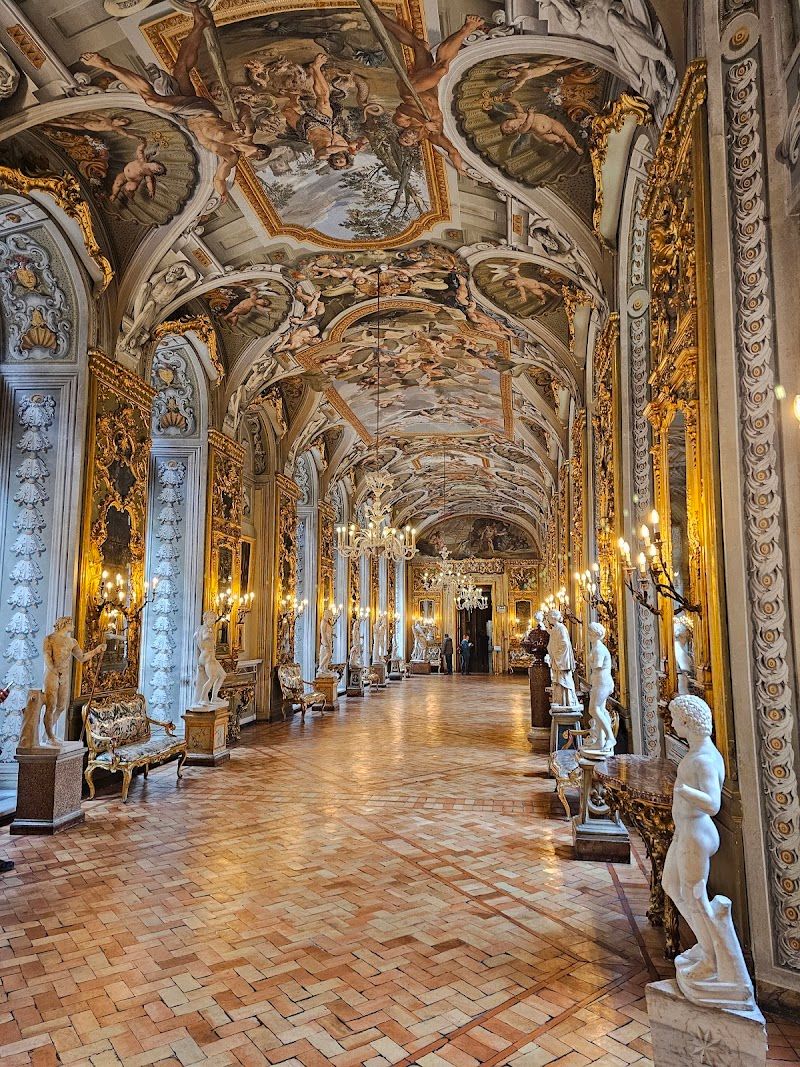
Galleria Doria Pamphilj
The Galleria Doria Pamphilj is Rome's most impressive private art collection, still owned by the noble family that's been accumulating masterpieces for 400 years. You'll see Velázquez's haunting portrait of Pope Innocent X (considered one of the greatest paintings ever made), plus works by Caravaggio, Titian, and Bernini scattered throughout their actual living quarters. The mirrored Gallery of Mirrors stretches 100 meters and genuinely competes with Versailles for sheer opulence. You're essentially touring someone's home - albeit a palazzo home filled with priceless art. The rooms flow naturally from the family's private apartments into grand galleries, creating an intimate atmosphere you won't find in major museums. The highlight Gallery of Mirrors feels like walking through a jewel box, with paintings reflected infinitely in ornate gilded mirrors. Unlike most Roman attractions, this place stays refreshingly uncrowded. At €12 entry plus €5 for the audio guide, it's excellent value considering what you're seeing. Most visitors rush through in 45 minutes, but you need at least 90 minutes to properly absorb the masterpieces. Skip the temporary exhibitions room - the permanent collection is far superior. The palazzo can feel overwhelming, so focus on the Gallery of Mirrors and the room with the Velázquez pope portrait.
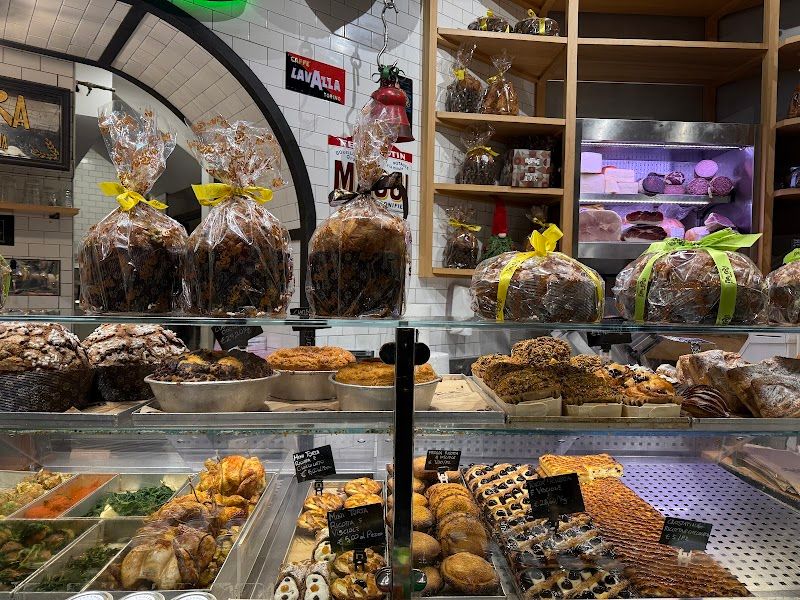
Forno Roscioli
Legendary bakery and pizza al taglio spot with lines out the door at lunch. The pizza margheritana and pizza con patate are Roman classics, sold by weight. Also excellent supplì and porchetta sandwiches. Standing room only.
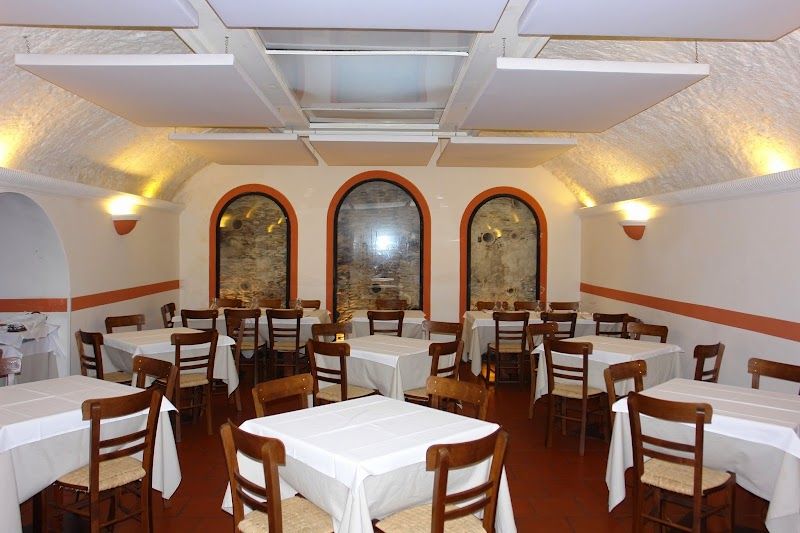
Flavio al Velavevodetto
Historic trattoria built into Monte dei Cocci, the ancient Roman pottery shard mountain. Known for exceptional cacio e pepe and amatriciana, with house-made pasta that exemplifies Roman tradition. The location inside the archaeological site gives it unique atmosphere.
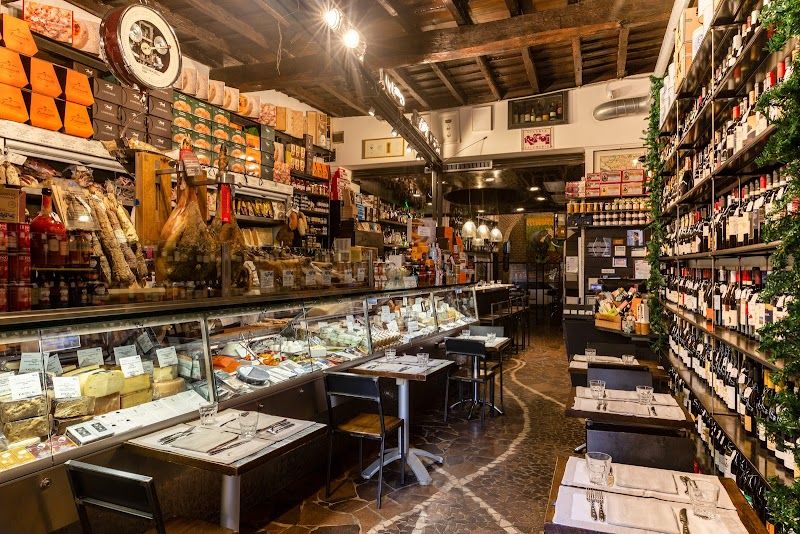
Roscioli
Upscale salumeria-restaurant hybrid with one of Rome's finest carbonaras and an exceptional wine list. The front is a deli counter with aged cheeses and cured meats; the back dining room serves refined Roman classics. Reserve weeks in advance.
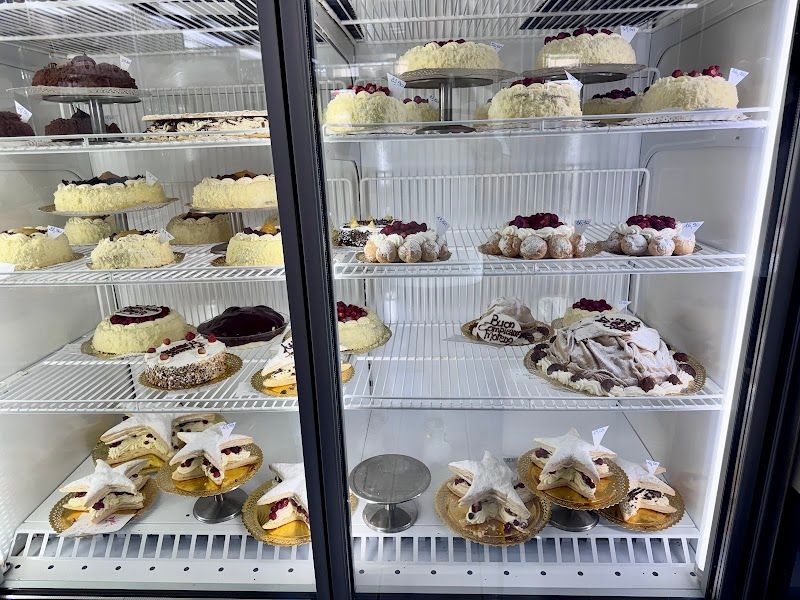
Regoli
Historic pasticceria in San Giovanni since 1916, legendary for their maritozzo con panna - a sweet bun filled with massive amounts of fresh whipped cream. The display cases showcase elaborate cream cakes and traditional Roman pastries. Stand at the marble bar or sit in the vintage interior.
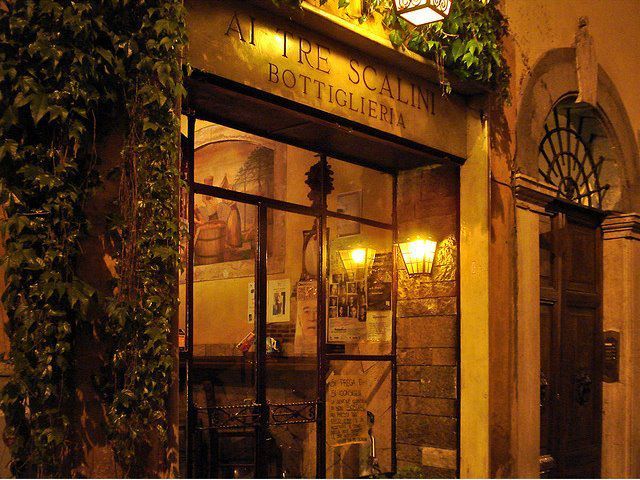
Ai Tre Scalini
Standing-room-only wine bar in Monti with no tables, just a marble counter and wine barrels where locals crowd in for natural wines and conversation. The owner Giuseppe pours generous glasses from his selection of small-producer bottles. Closes when the last customers leave, often after 1 AM.
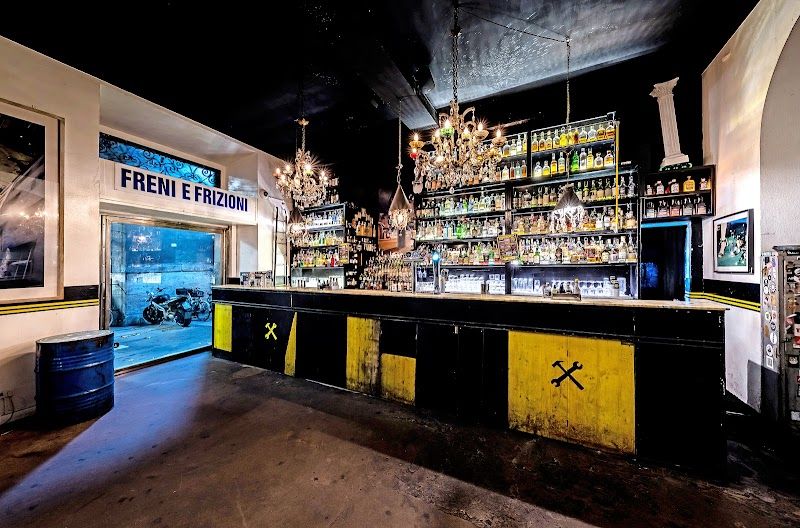
Freni e Frizioni
Former mechanic's garage converted into Trastevere's most popular aperitivo spot with an extensive cocktail menu and generous buffet spread. The riverside terrace on Piazza Trilussa fills with a young international crowd between 6-9 PM. Their creative cocktails cost €10 and come with unlimited access to the substantial food buffet.
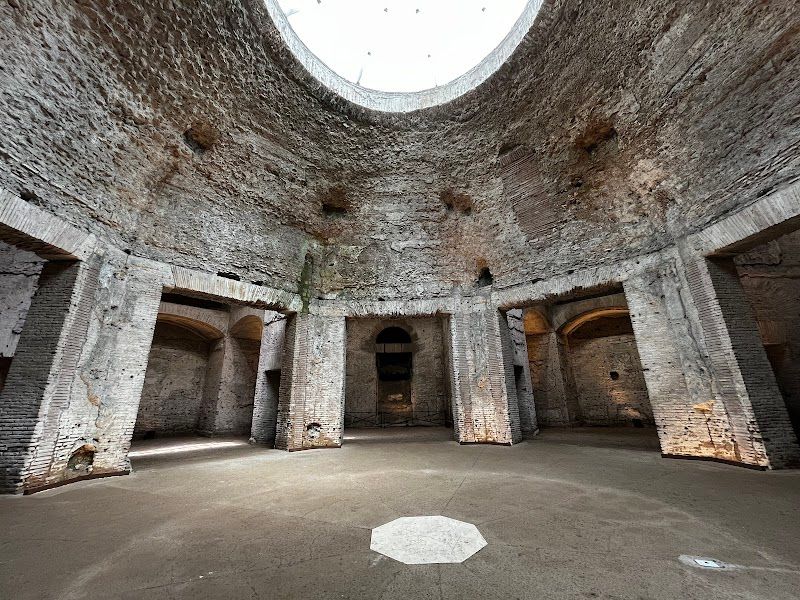
Domus Aurea
Nero's Golden Palace was ancient Rome's most extravagant residence, covering 300 acres with a 35-meter bronze statue of the emperor at its entrance. After Nero's death, successive emperors buried it under baths and parks. Today you're visiting the underground remains, featuring some of Rome's finest surviving frescoes and the world's first dome. The VR experience reconstructs entire rooms in detailed accuracy, showing how the dining halls rotated and gardens cascaded through courtyards. You'll walk through dimly lit corridors wearing VR headsets that transform bare walls into gilded chambers with marble columns and painted ceilings. The contrast is quite striking - one moment you're looking at crumbling brickwork, the next you're seeing golden decorations and intricate mythological scenes exactly as Romans would have. The audio guide explains Nero's engineering innovations, including the rotating dining room and sophisticated heating systems. Groups are limited to 25 people, so you won't feel rushed. Most guides don't mention that standard tours (€16) skip the best preserved frescoes in the Room of the Golden Vault. The VR weekend tours cost €22 but include access to restricted areas and much better reconstruction technology. Book directly on the official website, as third-party sites charge extra fees. The temperature remains around 15°C year-round, so bring layers even in summer.
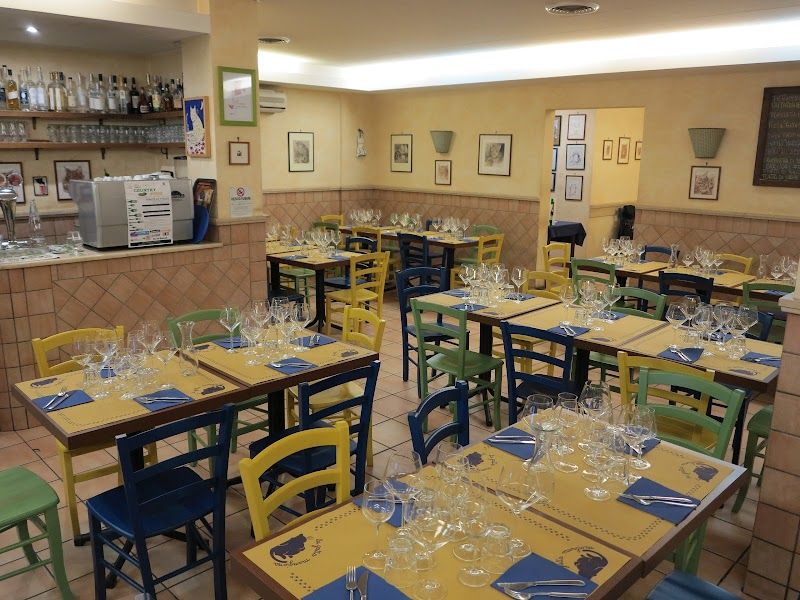
La Gatta Mangiona
Award-winning pizzeria famous for its creative gourmet toppings and perfectly charred crusts. Uses high-quality, seasonal ingredients and offers both classic and innovative pizza combinations. Consistently rated among Rome's best pizzerias.
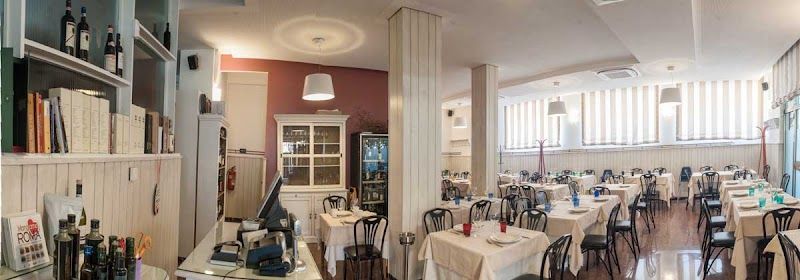
Cesare al Casaletto
Neighborhood trattoria in residential Monteverde serving exceptional Roman classics since 1956. The cacio e pepe is famous among Romans who make the trek here. Family-run with grandmother's recipes still in use. Off the tourist path entirely.
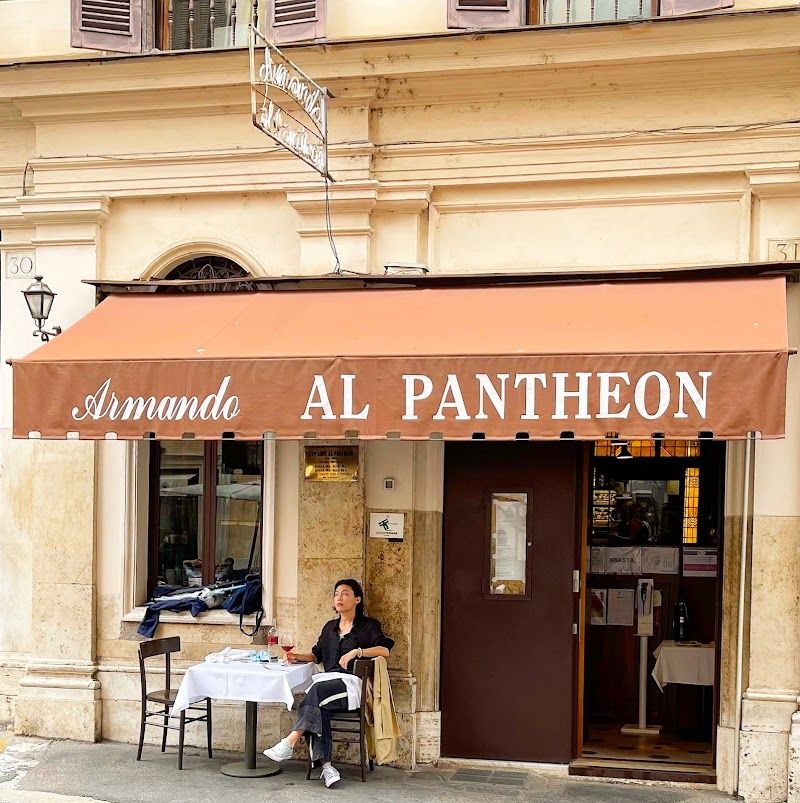
Armando al Pantheon
Family-run trattoria since 1961, steps from the Pantheon but loved by Romans for authentic carbonara and gricia. Third generation now running it with same recipes and commitment to seasonal Roman cooking. The artichokes in spring are extraordinary.
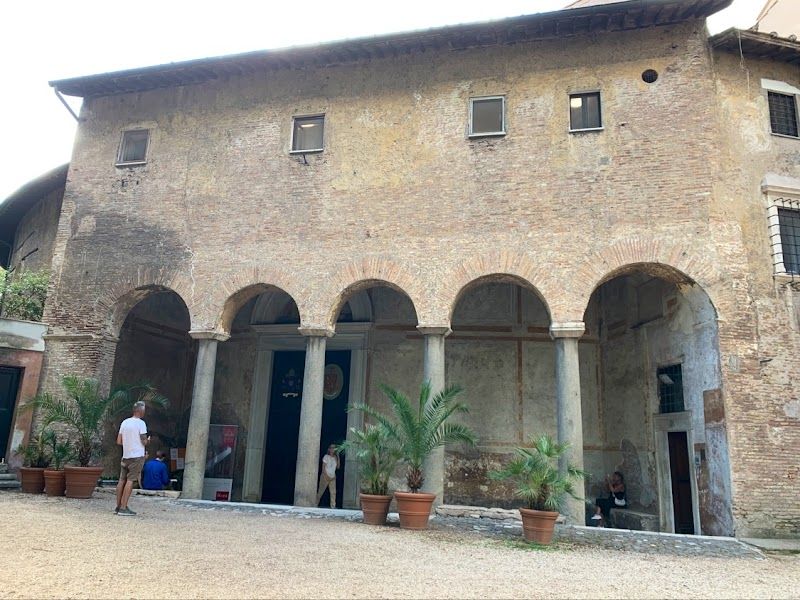
Santo Stefano Rotondo
Santo Stefano Rotondo is Rome's most unusual church - a perfectly circular 5th-century structure that breaks every rule of traditional church design. You'll find yourself in a haunting space where ancient Roman columns support three concentric rings, creating an almost pagan atmosphere that feels more like a temple than a Christian church. The real draw is Niccolò Circignani's Renaissance frescoes covering the walls - 34 scenes depicting Christian martyrdoms in graphic, unflinching detail that'll stick with you long after you leave. Walking into this church feels like discovering a secret. The circular layout is disorienting in the best way - there's no clear altar focus, so your eye wanders around the columned ambulatories while the martyrdom scenes unfold in brutal detail above. The acoustics are extraordinary because of the round design, and even whispers carry across the space. Morning light streaming through the clerestory windows illuminates the frescoes with an almost theatrical intensity. Most guidebooks barely mention this place, which means you'll likely have it to yourself - a rare experience in Rome. The church closes from 12:30-3:30pm daily and all day Monday, which catches most visitors off guard. Don't rush the frescoes - they're historically significant as Counter-Reformation propaganda but artistically fascinating. The circular architecture is one of only a few examples in Rome, making this genuinely more unique than the famous churches everyone queues for.
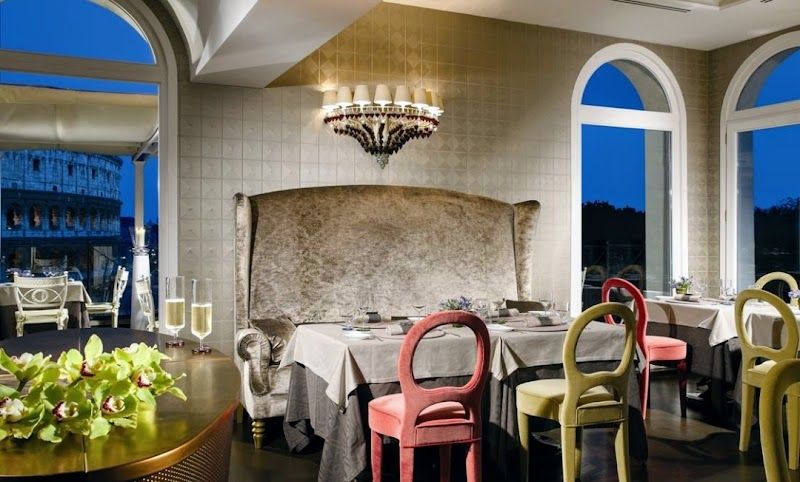
Aroma Restaurant
Michelin-starred rooftop restaurant at Palazzo Manfredi offering innovative Italian cuisine with stunning views of the Colosseum. The terrace setting provides an extraordinary dining experience combining haute cuisine with ancient Rome's most legendary monument. Chef Giuseppe Di Iorio creates seasonal tasting menus that showcase contemporary Italian gastronomy.
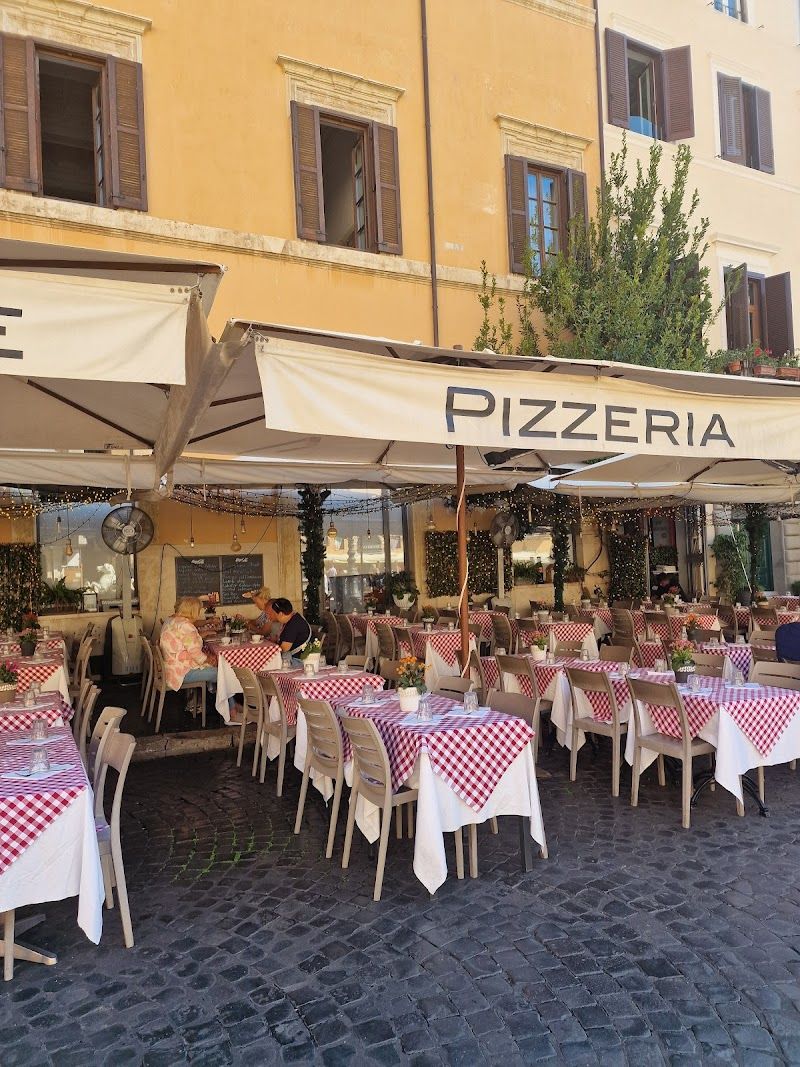
Retrobottega
Michelin-starred contemporary restaurant near Campo de' Fiori with counter seating overlooking the kitchen. Chefs Alessandro Miocchi and Giuseppe Lo Iudice create artistic plates with Roman soul. Theatrical presentation, impeccable execution.
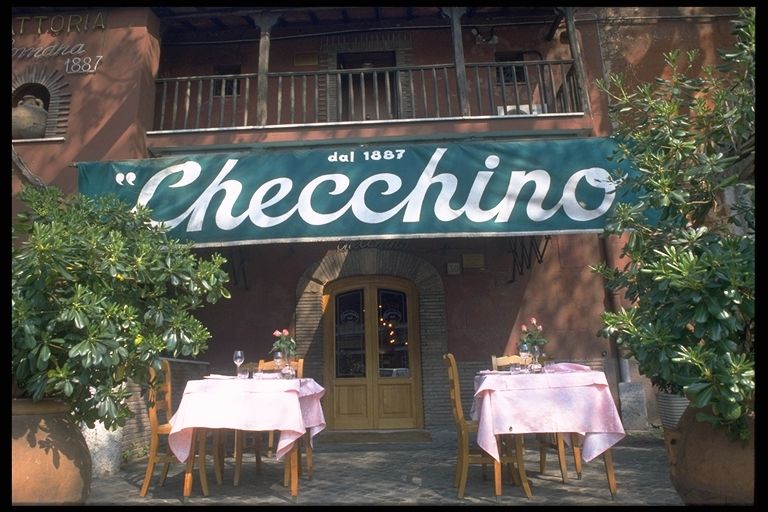
Checchino dal 1887
Historic Testaccio restaurant famous for quinto quarto (offal) dishes - the fifth quarter of the animal. Coda alla vaccinara (oxtail) and pajata are legendary. A pilgrimage site for understanding Rome's working-class food traditions.
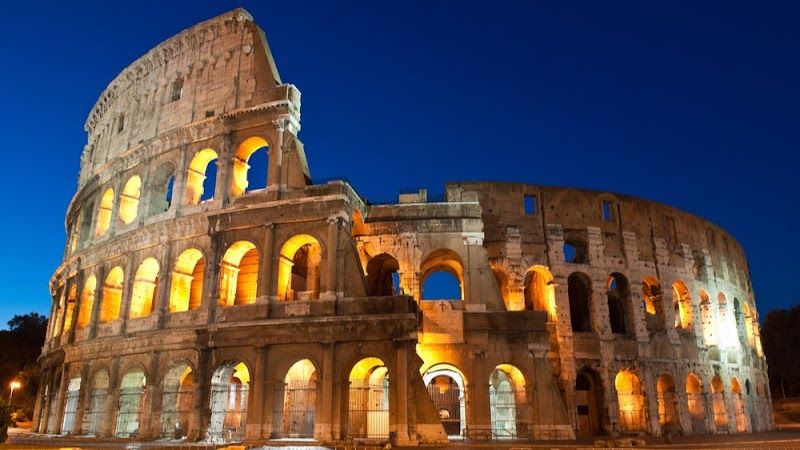
LivTours
LivTours operates small group tours (maximum 6 people) to Rome's major sites with skip the line access and expert guides who actually know their stuff. You'll get into the Vatican Museums, Sistine Chapel, Colosseum, and Borghese Gallery without the usual queues, plus commentary that goes beyond Wikipedia facts. Their guides are art historians and archaeologists, not just script readers, so you'll learn things that make the frescoes and sculptures actually come alive. The experience feels like exploring with a knowledgeable friend rather than being herded through tourist traps. Your guide tailors explanations to the group's interests, spending extra time on Renaissance art if that's your thing, or focusing on gladiator stories if you prefer drama to dates. The small groups mean you can ask questions, hear properly, and actually see what's being pointed out. No fighting crowds of 30+ people with colored umbrellas and megaphones. Most tour companies pack you in like sardines and rush through highlights. LivTours costs around €89 for Vatican tours and €79 for Colosseum, which is fair considering you skip 2+ hour lines and get personalized attention. Their early morning Vatican access (90 minutes before opening) is worth every euro for near empty Sistine Chapel views. Skip their full day combinations though, six hours is too much even with great guides.
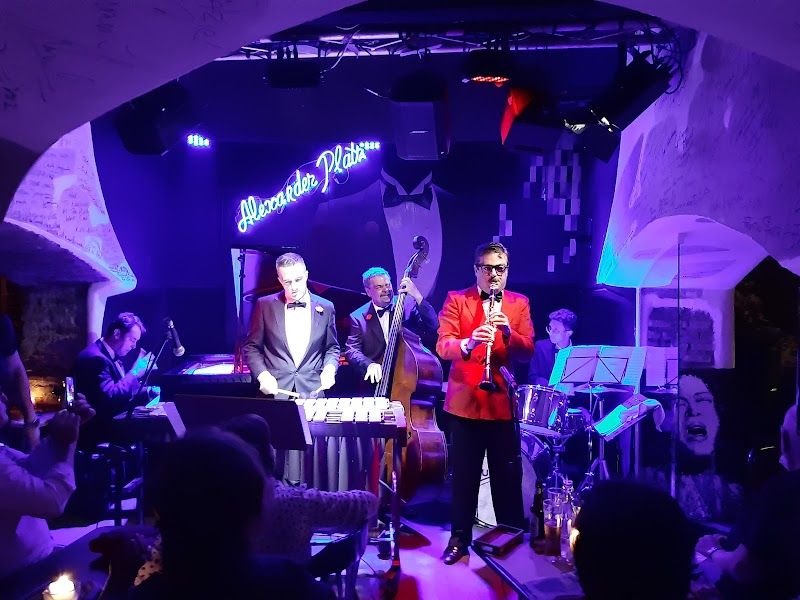
Alexanderplatz Jazz Club
Rome's premier jazz venue operating since 1984 in the Prati district, hosting international and Italian jazz musicians nightly. The intimate basement space seats around 80 people with excellent acoustics and a full bar. Shows typically start at 9:30 PM and admission includes the first drink.
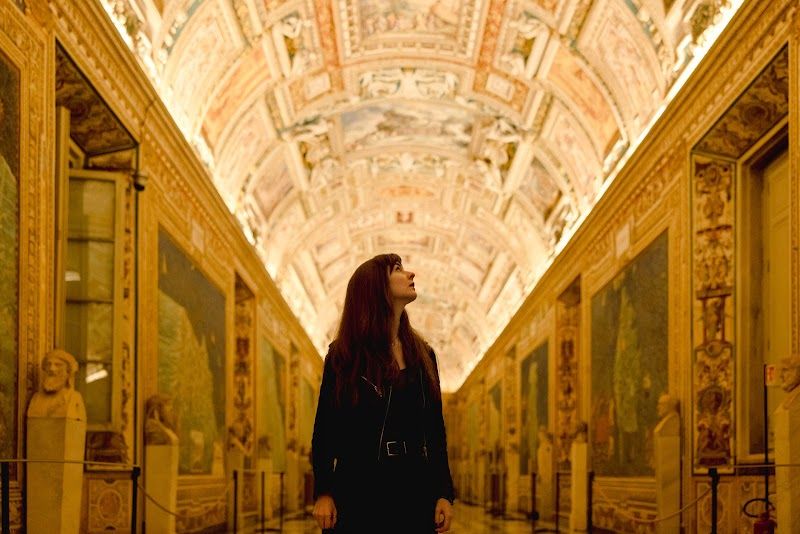
Walks of Italy
Walks of Italy takes you three stories beneath Rome's streets to explore genuine catacombs and underground basilicas that most tourists never see. You'll descend through layers of history, from medieval churches down to 4th-century Christian burial sites, with guides who actually know the archaeology instead of just repeating scripts. The tour covers San Clemente basilica with its perfectly preserved frescoes and the lesser-known San Martino catacombs where early Christians carved intricate symbols into volcanic rock. The experience feels like controlled urban spelunking. You'll walk through narrow underground corridors lit by your guide's flashlight, past genuine Roman foundations and medieval frescoes that have survived because they've been buried for centuries. The temperature drops noticeably as you go deeper, and the modern city noise completely disappears. Your guide points out details you'd miss alone: ancient graffiti, architectural techniques, and burial customs that reveal how Romans actually lived and died. Most underground Rome tours are overpriced tourist traps, but Walks of Italy's small groups (maximum 12 people) and knowledgeable guides justify the premium. Skip their Vatican tours, which aren't significantly better than cheaper options, but this underground experience is genuinely unique. Book directly through their website for best availability, though afternoon slots often have space for walk-ins. The tour costs around 55-65 EUR per person depending on season.
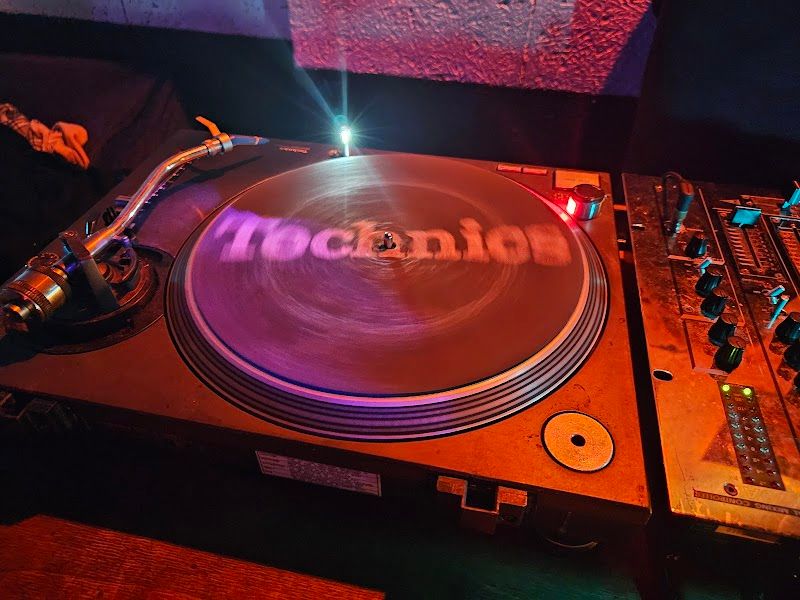
Fanfulla 101
Historic cultural center and bar housed in a former cinema, offering aperitivo, live music, DJ sets, and art exhibitions. The spacious interior retains its vintage character with exposed brick and theatrical elements. A beloved gathering spot for Pigneto's artistic community since the early 2000s.
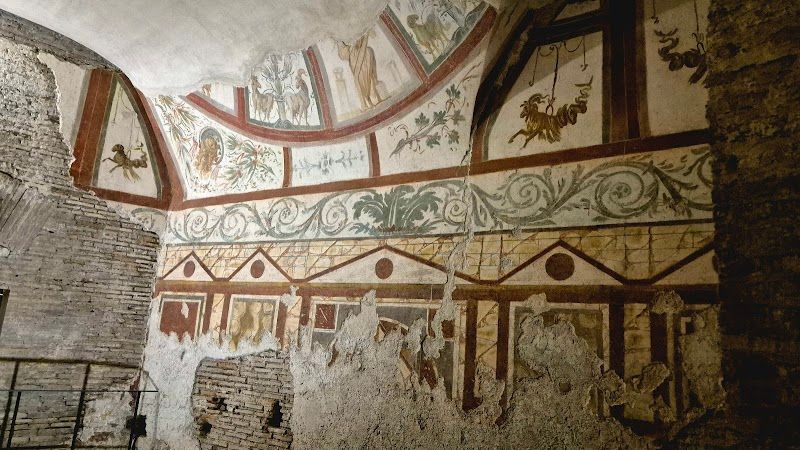
Case Romane del Celio
Case Romane del Celio preserves an entire block of Roman houses beneath the Basilica of Santi Giovanni e Paolo, dating from the 2nd to 4th centuries AD. You will descend into over 20 rooms across multiple levels, including private apartments, shops, a nymphaeum with original frescoes, and even Christian frescoes from when the space was secretly used for worship. The preserved paintwork features genuine reds and blues that resemble colours applied yesterday rather than 1,700 years ago. The visit feels like exploring a wealthy Roman's basement that time has forgotten. You follow a set route through narrow corridors and chambers, with excellent lighting that brings out details in the frescoes and mosaics. The temperature drops noticeably underground (around 15°C year-round), and the silence creates an almost sacred atmosphere. Audio guides in multiple languages explain each room's function, from the confessio where early Christians may have been martyred to elegant dining rooms with intact decorative schemes. At €8 for adults, this delivers far better value than the Colosseum's underground tour. Most visitors rush through in 45 minutes, but you can easily spend 90 minutes here if you're interested in Roman domestic life. Skip the overpriced bookshop upstairs, but don't miss room 17 with its perfectly preserved ceiling frescoes. The site gets busy around 11am when tour groups arrive, so aim for opening time or late afternoon.
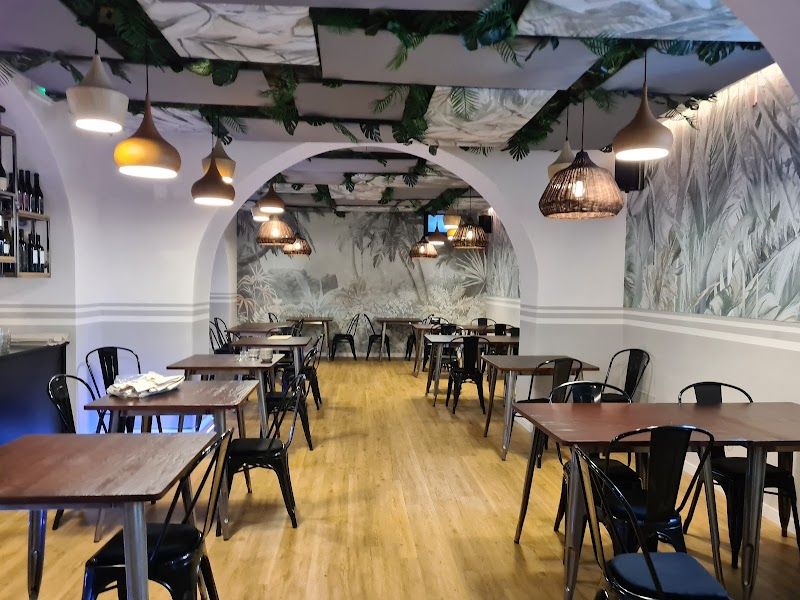
Primo
Intimate trattoria serving creative Roman cuisine with a modern twist in a cozy, industrial-chic setting. The menu changes seasonally and features locally-sourced ingredients prepared with meticulous attention to detail. Known for exceptional pasta dishes and an excellent natural wine selection.
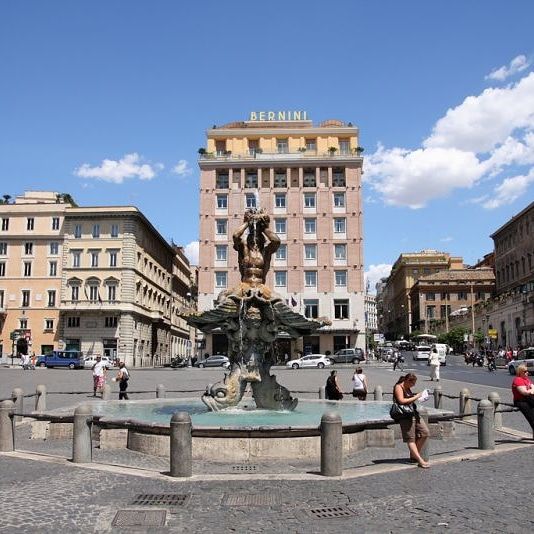
Barberini
Traditional pasticceria in Testaccio since 1960, famous for their bomboloni (Italian doughnuts) filled fresh to order and their exceptional millefoglie. Everything is made in-house using recipes passed down three generations. Counter service with a few tables outside.
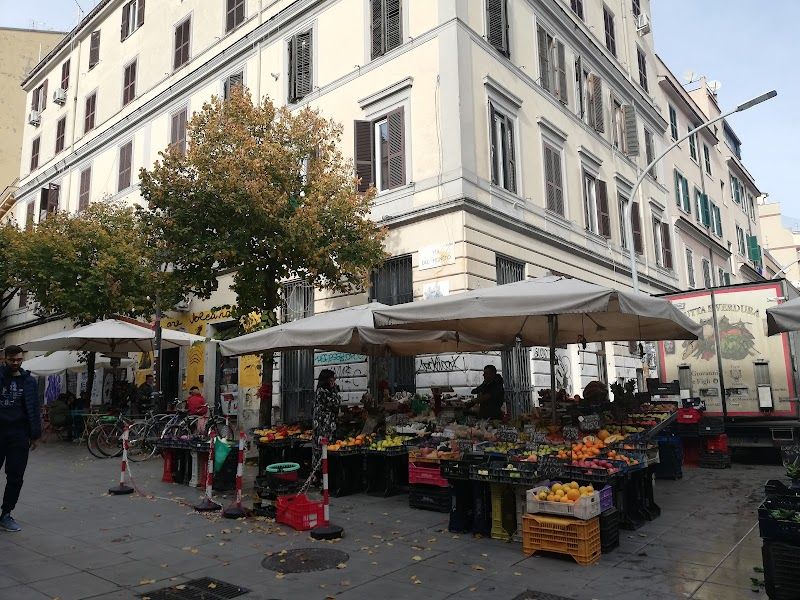
Pigneto
Pigneto transforms Rome's grittiest neighborhood into an open-air gallery where international street artists have covered entire building facades with massive murals. You'll walk past Pasolini's old filming locations while discovering craft beer bars housed in converted railway arches, vintage shops selling everything from vinyl records to retro furniture, and trattorias that still serve €8 plates of carbonara to locals who've lived here for decades. The contrast is striking: world-class street art covering the same walls where laundry still hangs from apartment windows. The experience feels like exploring two neighborhoods simultaneously. Via del Pigneto buzzes with young Romans drinking €4 craft beers at outdoor tables, while side streets like Via Ascoli Piceno remain quiet enough to properly admire the towering murals without dodging traffic. Railway arches create natural galleries where you'll find everything from punk venues to artisanal coffee roasters. The authentic working-class atmosphere hasn't been sanitized: you'll see elderly men playing cards outside corner bars next to twenty-something artists sketching new pieces. Most guides oversell the entire district when the real action concentrates in a six-block radius around the main drag. Skip the residential areas beyond Via dei Platani unless you're specifically hunting murals. The railway arch bars get packed after 8pm on weekends, so visit earlier for a proper look around. Download the StreetArt Roma app beforehand: it identifies artists and explains piece histories, turning random wall art into a curated experience worth the 20-minute metro ride from Termini.
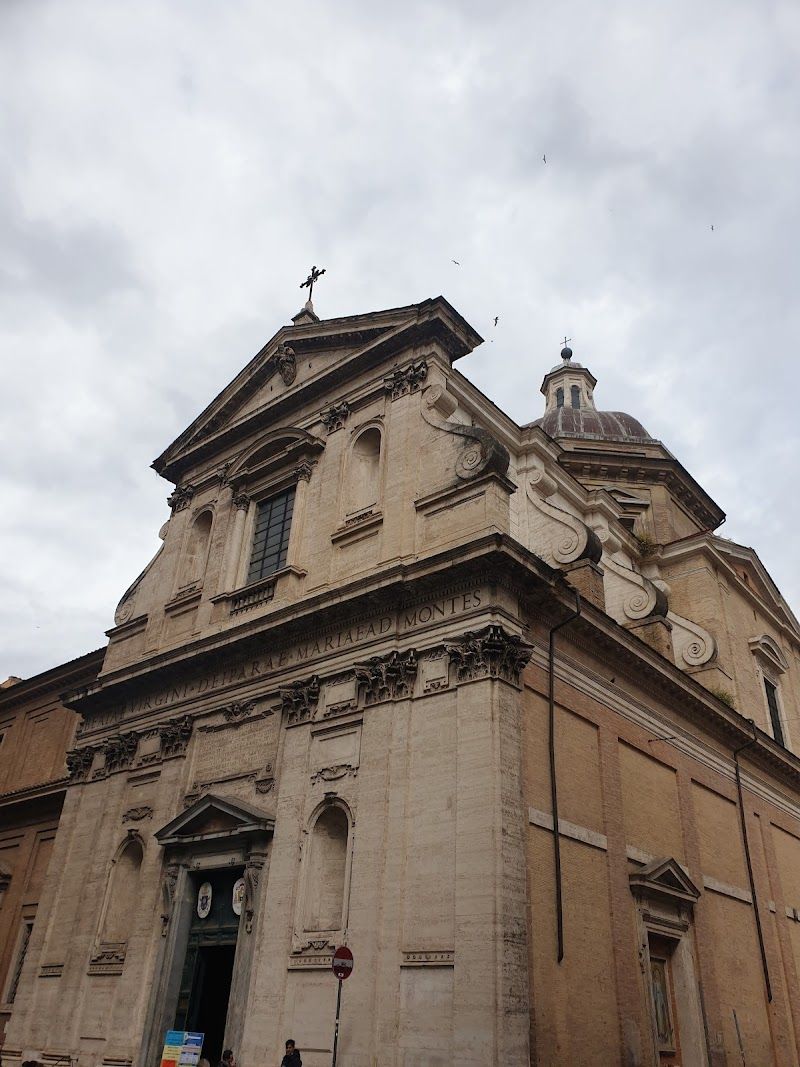
Monti District
Monti is Rome's first neighborhood built beyond the ancient forums, and it's managed to keep its medieval village feel despite being steps from the Colosseum. You'll wander cobblestone streets like Via del Boschetto and Via dei Serpenti, where laundry still hangs between buildings and neighbors chat in doorways. The area is packed with independent boutiques selling handmade leather goods, vintage clothing shops, vinyl record stores, and wine bars that spill onto postage stamp piazzas. The experience feels like discovering a small Italian town that happens to be in central Rome. You'll hear Italian conversations echoing off narrow walls, smell fresh pasta from family trattorias, and watch artisans working leather in shop windows barely wider than their workbenches. The medieval street layout creates surprises around every corner: a tiny church, a hidden courtyard, or a wine bar with three tables outside. Locals still live here, so you'll see real Roman life between the shops and restaurants. Most guides oversell the shopping, but the real charm is just wandering and people watching. Skip the overpriced boutiques on the main drag and explore the side streets where you'll find better prices and more character. Aperitivo spots charge 8 to 12 EUR for drinks with snacks, which is reasonable for the location. The area gets packed on weekend afternoons, so mornings are better for actually browsing shops and having conversations with owners.
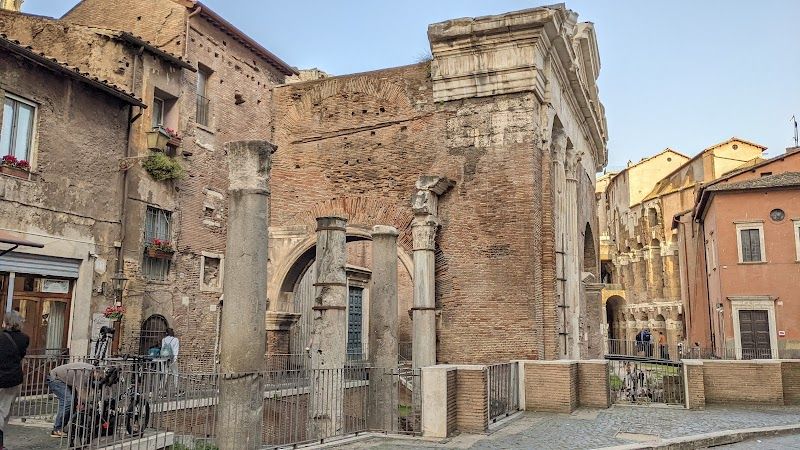
Portico d'Ottavia
Portico d'Ottavia is where ancient Rome crashes into medieval Jewish Quarter life in the most spectacular architectural collision you'll find in the city. You're looking at the remains of a massive 2nd-century BCE colonnade that Augustus dedicated to his sister, now literally built into the walls of Sant'Angelo in Pescheria church and surrounding medieval buildings. The contrast is startling: crumbling Roman marble columns support Renaissance brickwork, while a 16th-century inscription about fish market regulations sits carved into ancient stone. Walking through feels like stepping through layers of time simultaneously. The portico's surviving archway frames the church entrance, and you can trace where Roman columns disappear into medieval walls. Jewish bakeries and restaurants occupy ground floors of buildings that incorporate actual Roman ruins as structural elements. The afternoon light filtering through the archway creates dramatic shadows on the ancient stones, while the smell of fresh challah drifts from Boccione bakery just steps away. Most visitors snap a photo and leave, missing the real story written in the stones. Look for the medieval fish market inscription on the left column, it's more interesting than the Roman parts because it shows how people actually used this space for centuries. Skip the overpriced restaurants facing the portico itself, they're tourist traps. Instead, grab something from Boccione bakery and eat it while sitting on the ancient steps.
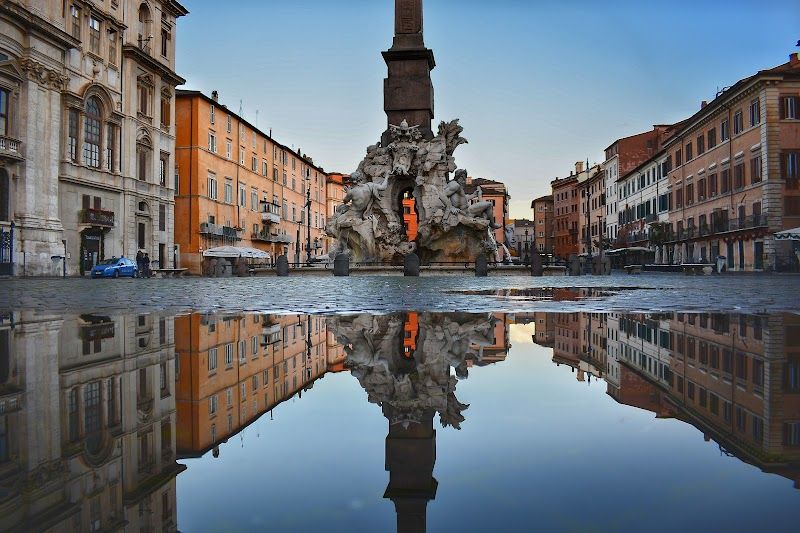
Piazza Navona
Rome's most beautiful piazza sits on the outline of a first-century Roman stadium, and you can still see the oval shape. Bernini's Fountain of the Four Rivers anchors the center, flanked by two smaller fountains. The piazza is ringed by Baroque facades and outdoor cafes that charge double for the privilege of sitting there (a coffee costs €6 versus €1.20 at the bar around the corner). Best visited as a walk-through, not a sit-down. Street artists and occasional small markets keep it lively year-round.
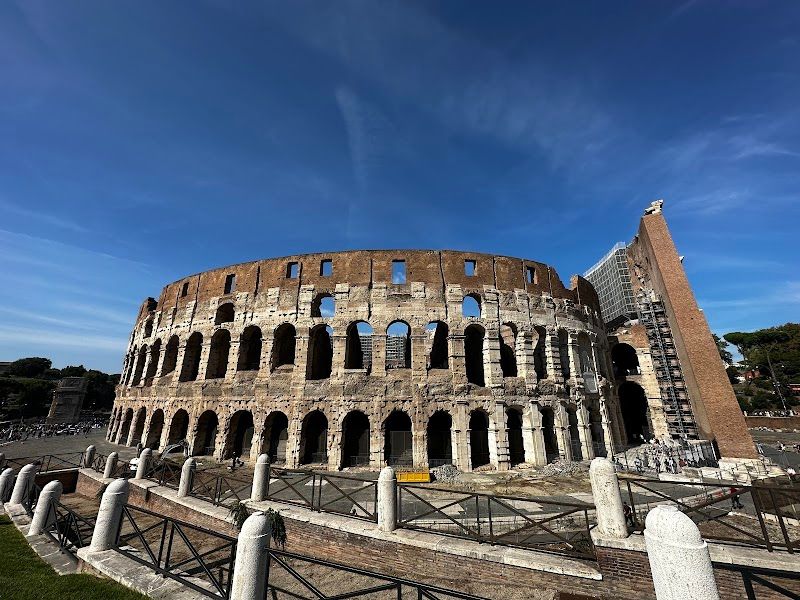
Parco del Celio
Parco del Celio spreads across the Caelian Hill with massive chunks of the Temple of Claudius scattered like ancient Lego blocks among umbrella pines and open grass. You'll find genuine Roman families here, not tour groups, walking their dogs past 2,000 year old walls. The park feels like a neighborhood secret where kids play football next to imperial ruins and elderly Romans read newspapers on benches facing the Palatine Hill. The atmosphere is wonderfully ordinary, Romans using their ancient city as a backyard. You'll hear Italian conversations echoing off temple walls while joggers weave between archaeological remnants. The central area opens onto perfect picnic spots with views toward the Colosseum, though the ruins themselves are more impressive than any vista. Dogs run free in certain sections, and the sound of children playing mingles with birdsong from the pines overhead. Most guidebooks barely mention this place, which keeps it refreshingly authentic. The temple ruins are fenced but still dramatic, these aren't Disney reconstructions but real weathered stones you can touch. Skip the small playground unless you have kids, focus on the western section where the largest temple blocks sit. Entry is completely free, unlike every other archaeological site in Rome, making this perfect for budget travelers or anyone suffering from monument fatigue.
Settembrini
Elegant neighborhood restaurant serving traditional Roman and Italian cuisine with a modern twist. Known for exceptional pasta dishes and an extensive wine list featuring Italian regional selections. The intimate dining room and professional service make it a local favorite for special occasions.
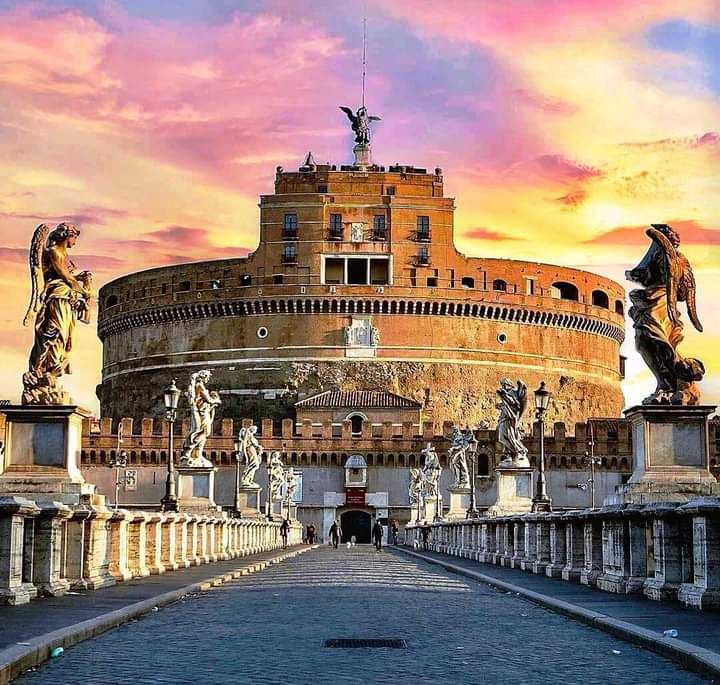
Castel Sant'Angelo
Built as Emperor Hadrian's mausoleum in 139 AD, then converted into a papal fortress, prison, and now a museum. The spiral ramp up through the original Roman core is eerily atmospheric. The upper terrace has one of the best views in Rome, looking straight down Via della Conciliazione to St. Peter's dome. The Passetto di Borgo, a secret elevated passageway connecting the castle to the Vatican, was used by popes fleeing attacks. The museum inside covers military history, Renaissance apartments, and a small arms collection.
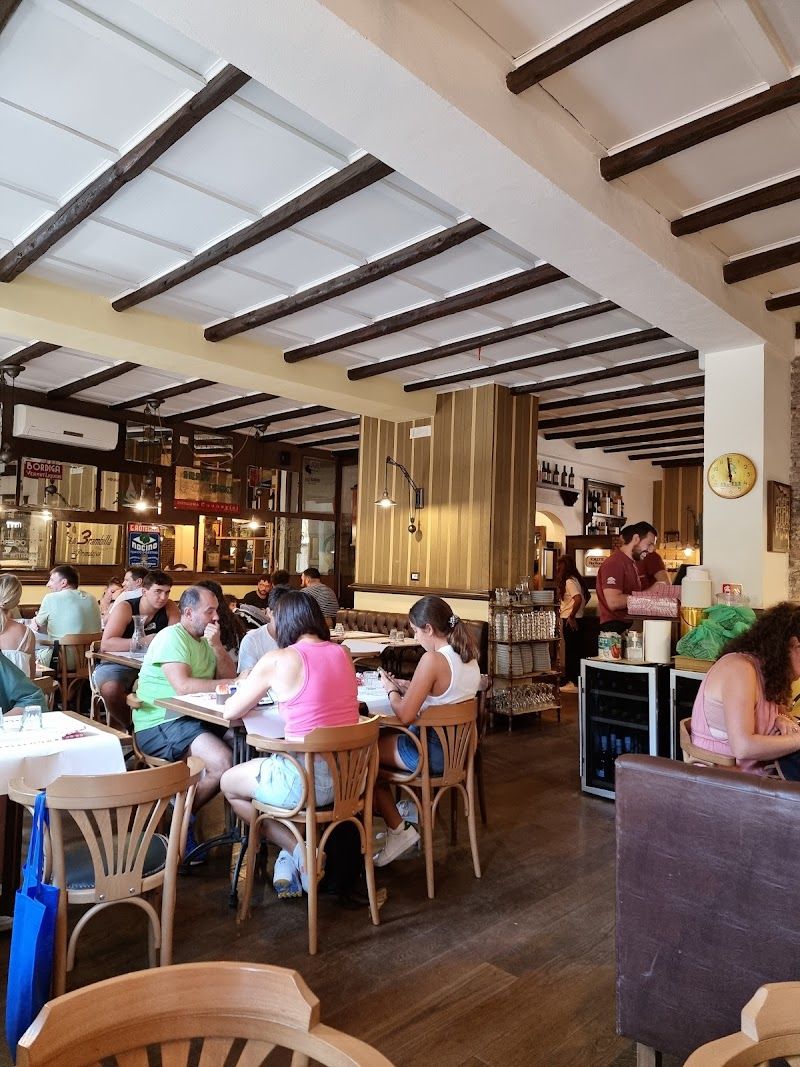
Tonnarello
Trastevere classic serving generous portions of Roman pasta since 1975. The namesake tonnarelli cacio e pepe and amatriciana are excellent, and the outdoor seating on the cobblestones is quintessentially Roman. Expect a wait without reservations.
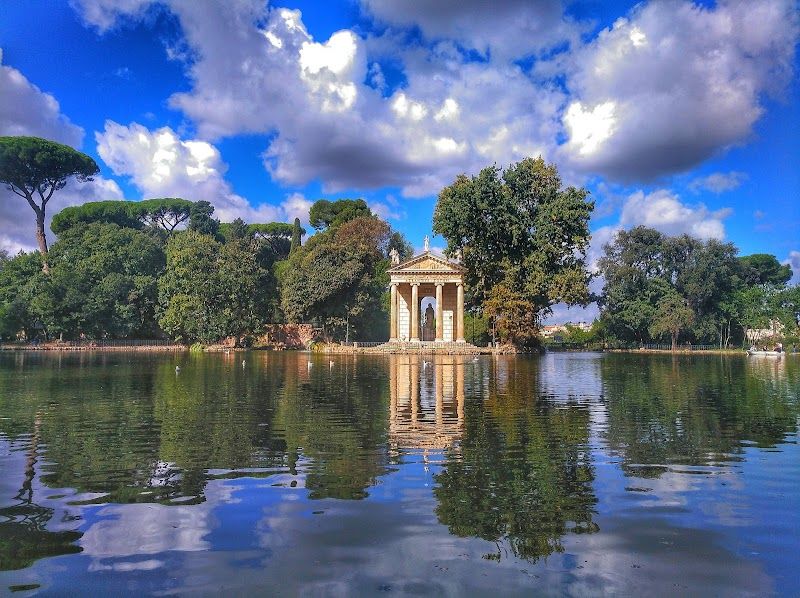
Villa Borghese Gardens
Villa Borghese is Rome's green lung, spreading across 80 hectares of rolling hills, umbrella pines, and landscaped gardens above Piazza del Popolo. You'll find Italians doing what they rarely do elsewhere - actually relaxing on benches, families cycling shaded paths, and couples rowing tiny boats on the artificial lake (€3 for 20 minutes). The park connects major attractions like the Borghese Gallery, so it's functional as well as beautiful. The atmosphere shifts completely from Rome's intensity the moment you enter. Instead of honking Vespas, you'll hear fountains trickling and children laughing at playgrounds scattered throughout. The western Pincio terrace delivers the city's best panoramic view - St. Peter's dome floating above terracotta rooftops with Piazza del Popolo spread below. Joggers loop the main paths at dawn, while families claim shady spots for elaborate picnics by afternoon. Most visitors rush through heading to the Borghese Gallery, but you're missing the point if you don't slow down. The lake area gets packed with families on weekends - go weekday mornings for peace. Skip the overpriced cafe near the entrance and bring food from nearby markets. Bike rental is worth it (€4-6/hour) since the park is bigger than it looks, but avoid the touristy surreys unless you have small kids.
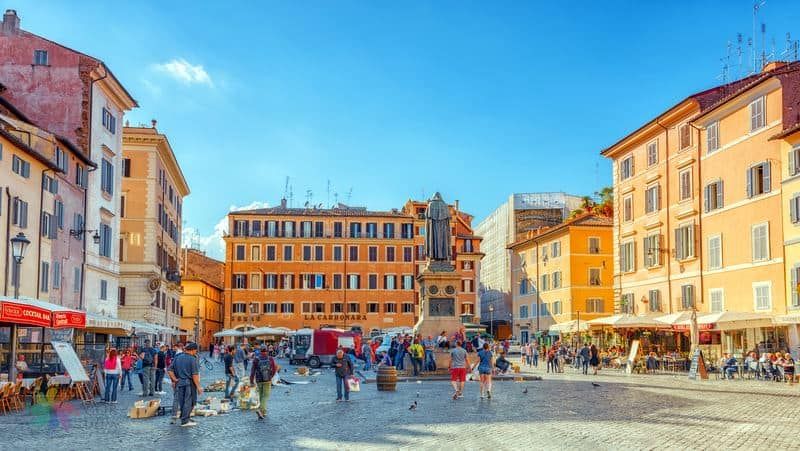
Campo de' Fiori
Every morning except Sunday, this piazza transforms into Rome's most photogenic open-air market. Vendors sell seasonal produce, dried pasta, spices, olive oil, and flowers under striped awnings. The quality is genuine, though prices are slightly tourist-inflated compared to neighborhood markets. The statue of Giordano Bruno in the center stares down grimly, marking where he was burned for heresy in 1600. By late afternoon the market packs up and the piazza pivots to its second life: one of Rome's liveliest aperitivo and nightlife hubs.
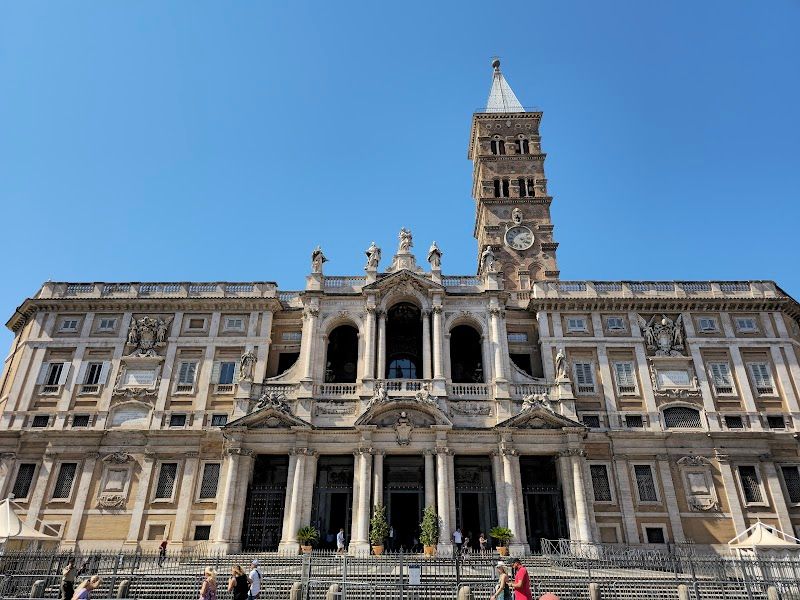
Basilica di Santa Maria Maggiore
Santa Maria Maggiore ranks as Rome's most spectacular papal basilica, housing extraordinary 5th-century mosaics that survived when most early Christian art didn't. You'll find yourself staring up at intricate Old Testament scenes across the nave walls while walking beneath a coffered ceiling literally gilded with the first gold brought back from the New World. The Borghese Chapel alone justifies the visit: it's a Baroque masterpiece that puts most standalone churches to shame, dripping with marble, frescoes, and Bernini sculptures. The moment you step inside, the sheer scale hits you. The nave stretches 86 meters, lined with those ancient mosaics depicting Abraham, Isaac, Jacob, and Moses in remarkably preserved detail. Most visitors crane their necks at the ceiling for minutes, trying to process the intricate geometric patterns in American gold. The Sistine Chapel (not that one) contains Bernini's tomb, while the Borghese Chapel feels like stepping into a jewel box of colored marble and gilt bronze. Most guides rush you through, but spend time with those 5th-century mosaics, they're older than anything you'll see in the Vatican. Skip the crypt unless you're fascinated by papal tombs. The €3 loggia access is absolutely worth it for close-up views of the 13th-century facade mosaics that you can barely make out from street level. Come early morning when tour groups haven't arrived and light streams through the windows perfectly.
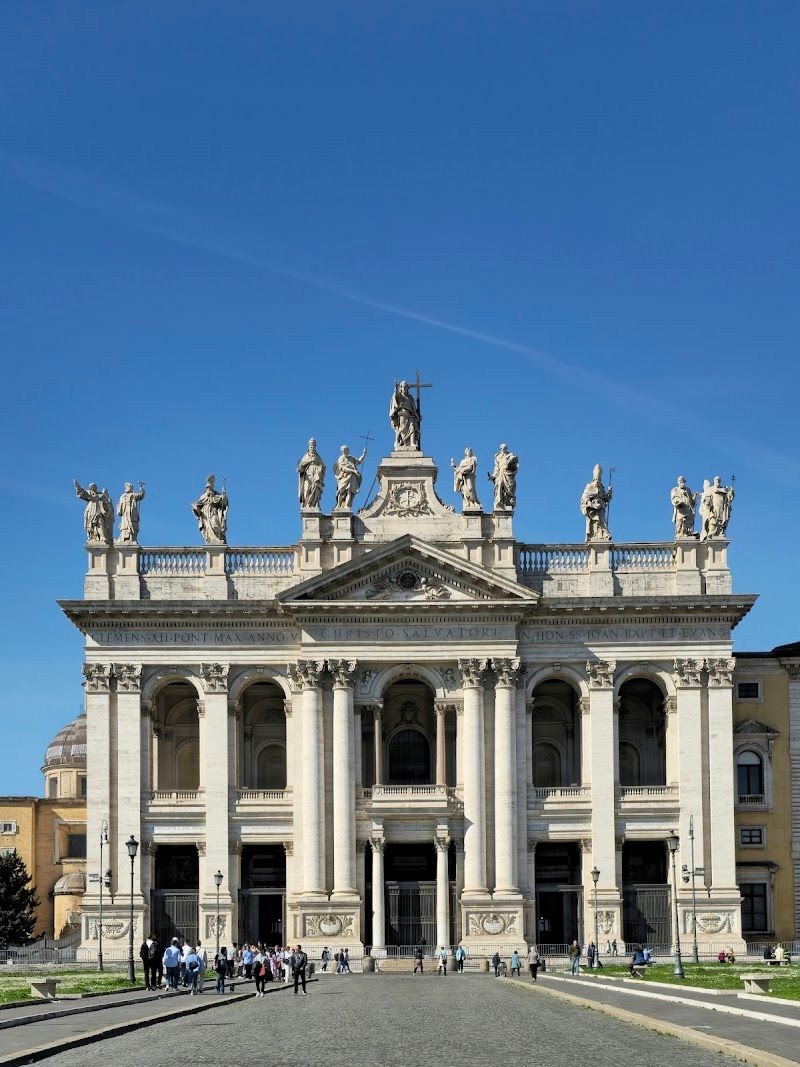
Basilica di San Giovanni in Laterano
This is Rome's actual cathedral, not St. Peter's, and holds the title "Mother of All Churches" for good reason. You'll find Borromini's surprisingly restrained white Baroque interior housing relics like pieces of the Holy Cross and John the Baptist's hair, plus Renaissance frescoes that most people walk right past. The 13th-century cloister is the real treasure - those twisted mosaic columns and carved medieval fragments create one of Rome's most peaceful spaces. The experience feels more authentic than St. Peter's because it's still a working parish church. Locals drop in for prayer while tourists gawk at the massive papal altar and ornate ceiling. The cloister requires a separate entrance and feels like stepping into a medieval monastery - sunlight filters through the columns while ancient stone carvings tell biblical stories. The contrast between the austere nave and decorative side chapels keeps you discovering new details. Most guides oversell the interior's grandeur compared to other Roman basilicas. The real payoff is the cloister (€2 entry), which rivals any in Europe but gets skipped by rushed visitors. Skip the museum upstairs unless you're genuinely interested in papal vestments. The baptistry next door is free and contains 5th-century mosaics that outshine anything inside the main church.
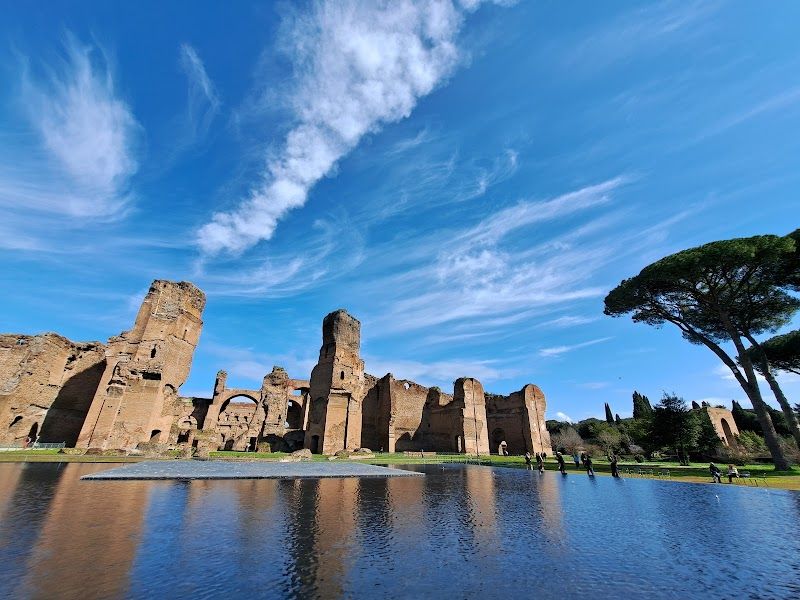
Terme di Caracalla
The Terme di Caracalla are Rome's best-preserved ancient baths, built by Emperor Caracalla in 216 AD to accommodate 1,600 Romans daily. You'll walk through massive caldarium (hot bath) halls with 40-meter-high vaulted ceilings, see the original black and white floor mosaics in the tepidarium (warm room), and explore underground tunnels where slaves stoked furnaces for the hypocaust heating system. The sheer scale dwarfs you - these weren't just baths but a social complex with libraries, shops, and exercise areas. You enter through the modern glass pavilion and follow a logical circuit through the main bathing sequence. The audio guide (€6) brings the ruins to life, explaining how Romans progressed from cold to hot pools while socializing and conducting business. The highlight is standing in the massive central hall where sunlight streams through ancient windows, imagining the marble-clad walls and bronze fittings that once gleamed here. Most guides oversell the mosaics - they're impressive but limited to a few rooms and underground areas. Skip the virtual reality experience (€5 extra) unless you're traveling with kids who need the visual aid. The standard €10 ticket is plenty, and you can easily see everything in 90 minutes. Come early morning when tour groups haven't arrived and the lighting hits the brick walls perfectly.
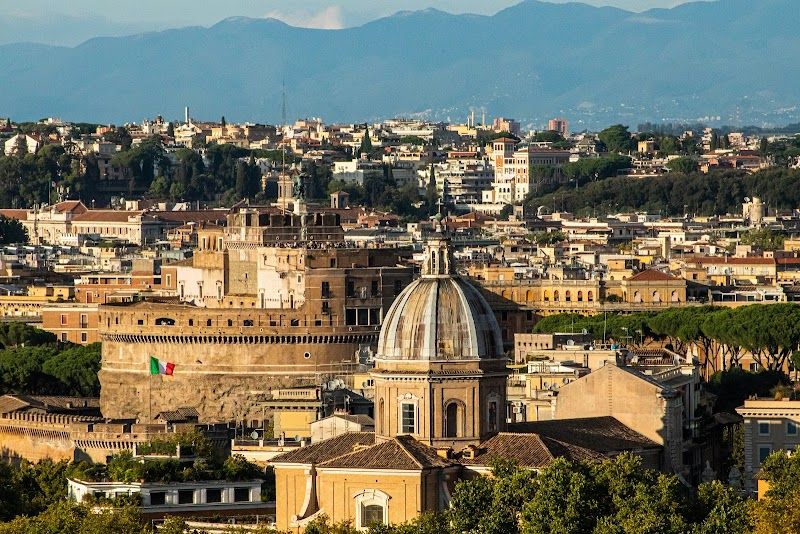
Gianicolo
Gianicolo Hill delivers Rome's most spectacular panoramic view from its tree-lined terrace, looking across red-tiled rooftops to St. Peter's Dome and the entire historic center spread below. At exactly noon every day, a cannon fires from this spot - a tradition started in 1847 to help Romans synchronize their timepieces. The hill sits just above Trastevere, making it an easy climb after exploring that neighborhood's cobbled streets and restaurants. The experience feels like discovering Rome's secret balcony. You'll walk up through Villa Doria Pamphili's gardens or take the winding road from Trastevere, emerging onto a broad terrace where locals bring their kids and tourists clutch cameras. The noon cannon ceremony draws a small crowd who count down the seconds before the blast echoes across the city. Afterward, most people linger on the benches under umbrella pines, picking out landmarks like the Pantheon dome and Castel Sant'Angelo in the distance. Most guides oversell this as a sunrise spot, but afternoon light (3-5pm) actually shows off the city's golden stone better. The climb from Trastevere takes about 15 minutes and it's completely free, unlike many Roman viewpoints. Skip the overpriced cafe at the top - instead, head to nearby Antico Arco (€35-45 for dinner) which serves refined Roman cuisine with the same views through floor-to-ceiling windows.
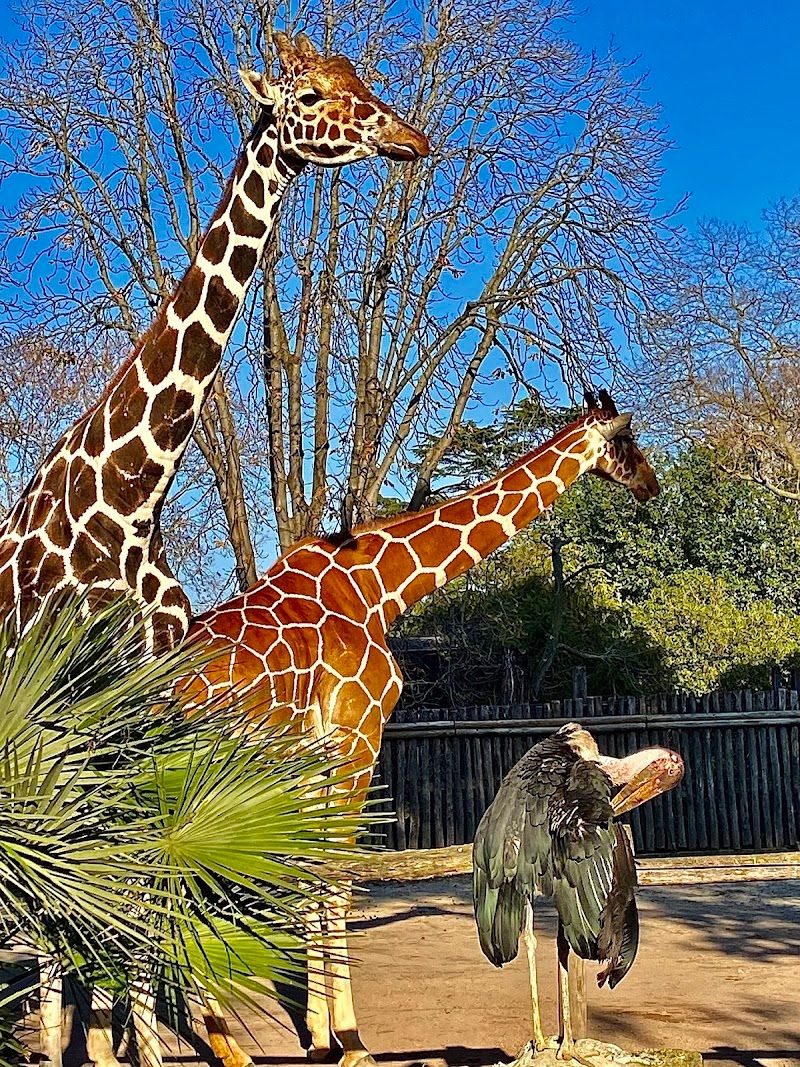
Bioparco di Roma
Rome's 110-year-old zoo sits right in Villa Borghese, housing over 1,000 animals across 17 hectares of surprisingly green space. You'll find Asiatic elephants splashing in sizeable pools, Amur tigers prowling through glass-fronted enclosures, and a whole island dedicated to ring-tailed lemurs who'll come right up to the fence. The reptile house showcases everything from Galápagos tortoises to venomous cobras, while the farm section lets kids pet goats and watch chickens roam freely. The layout follows winding paths that feel more like a park walk than a typical zoo march. Animals live in spacious, naturalistic habitats rather than cramped concrete cages - the hippo pool alone is massive, and you can watch them underwater through huge glass panels. The atmosphere stays relaxed even with families around, and you'll find plenty of shaded benches under mature trees. Feeding times draw the biggest crowds, especially at the sea lion pool where handlers explain conservation efforts. Most travel guides oversell this as a full-day experience - three hours covers everything comfortably. Skip the overpriced cafeteria (€12 for mediocre sandwiches) and pack snacks instead. The gift shop prices are ridiculous, but admission at €16 for adults and €13 for kids feels reasonable for what you get. Focus your time on the big cats, elephants, and reptile house - the bird aviaries are frankly underwhelming compared to the star attractions.
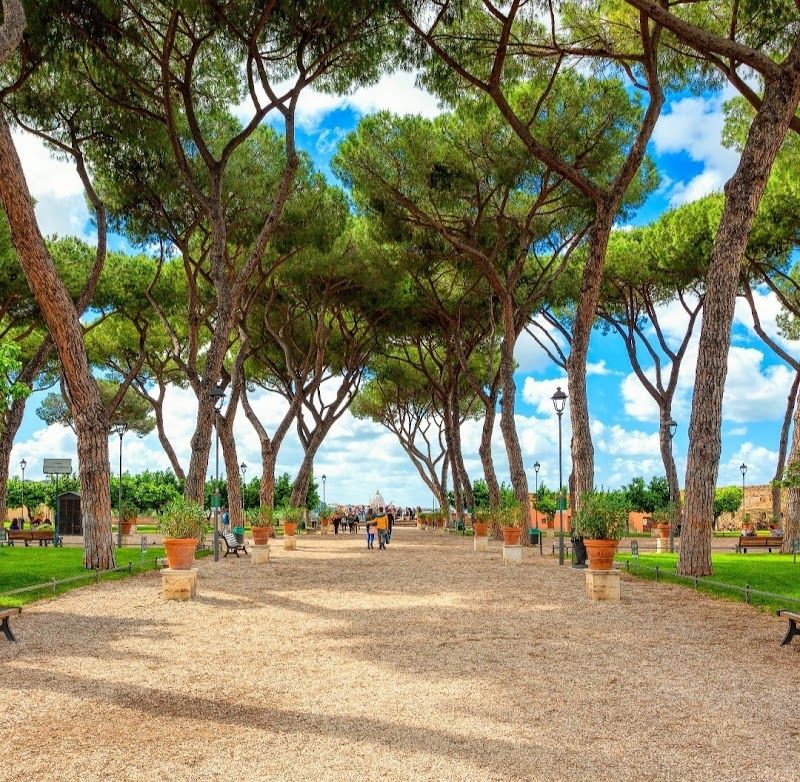
Giardino degli Aranci
This elevated orange grove on Aventine Hill delivers Rome's most perfect panoramic view - a sweeping vista across the Tiber to St. Peter's Basilica and the entire historic center. The medieval Savello oranges (bitter Seville varieties) create a fragrant canopy above manicured pathways, while ancient Roman walls form the park's foundation. You'll find wooden benches positioned precisely for the view, plus a small playground that local families actually use. The experience feels like discovering a secret rooftop garden that somehow escaped the tourist hordes. You'll hear Italian conversations mixing with camera clicks as couples pose against the backdrop, while the scent of orange blossoms (strongest in April and May) drifts through the air. The rectangular layout channels everyone toward the main viewing terrace, where the dome of St. Peter's sits perfectly framed between umbrella pines. Evening light transforms the whole scene into something postcards can't capture. Most guides don't mention that this place gets genuinely crowded during golden hour - arrive by 5 PM or accept you'll be sharing that perfect shot with dozens of others. The oranges aren't edible (they're ornamental and bitter), so don't bother trying to sneak one. Skip the weekend afternoons when Roman families pack the space, and remember there's no shade except under the trees.
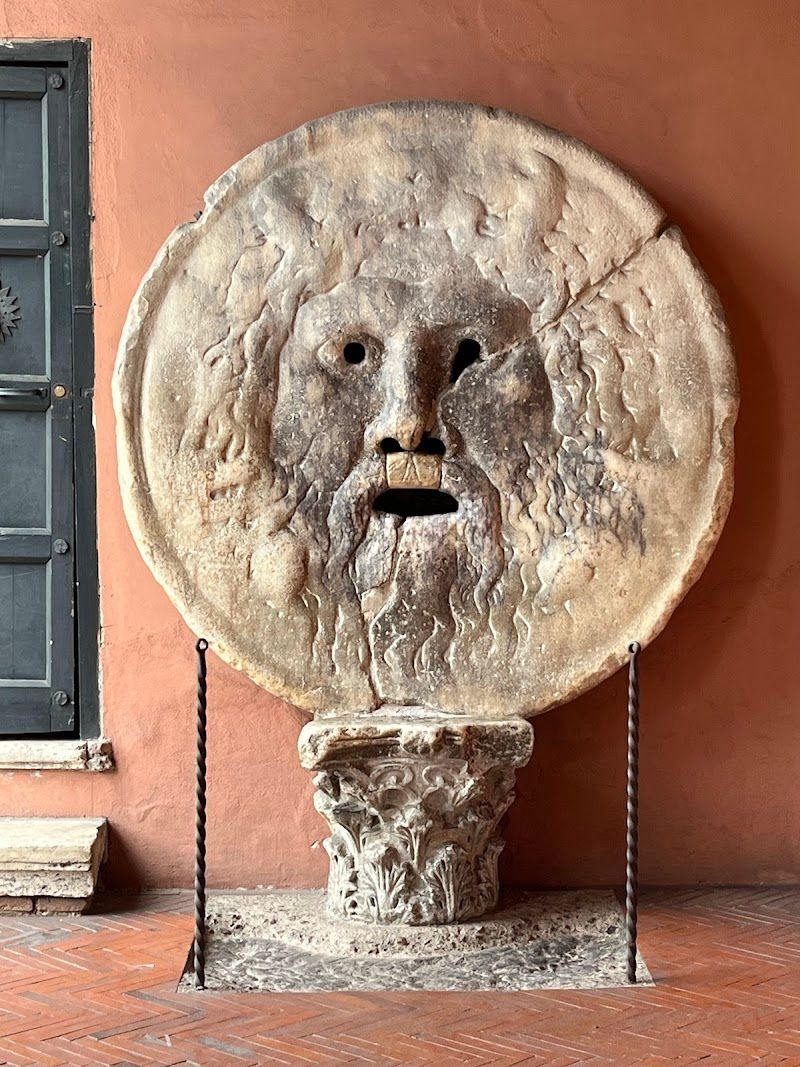
Bocca della Verità
The Bocca della Verità is a 1st-century marble drain cover depicting a bearded face, now sitting in the portico of Santa Maria in Cosmedin church. According to medieval legend, if you put your hand in its mouth and tell a lie, it'll bite your hand off - complete nonsense, but tourists queue for hours to stick their hands inside for photos. The church itself is far more interesting: it's got one of Rome's finest 12th-century Cosmatesque marble floors and houses what's claimed to be St. Valentine's skull in a side chapel. You'll find a constant stream of tourists posing dramatically with their hands in the stone mouth while guides spin tales about medieval lie detectors. The atmosphere is pure tourist theater - people hamming it up for Instagram while ignoring the genuinely beautiful medieval church surrounding them. The portico stays busy from mid-morning through sunset, with groups cycling through every few minutes for their obligatory shots. Most guides don't mention that the official €2 photo queue is completely unnecessary - you can walk straight into the church for free and see the mask from inside the portico without waiting. The church's Cosmatesque floor and ancient columns are genuinely spectacular and completely overlooked by 90% of visitors. Skip the photo if you're pressed for time, but don't miss the church interior - it's one of Rome's most authentic medieval spaces.
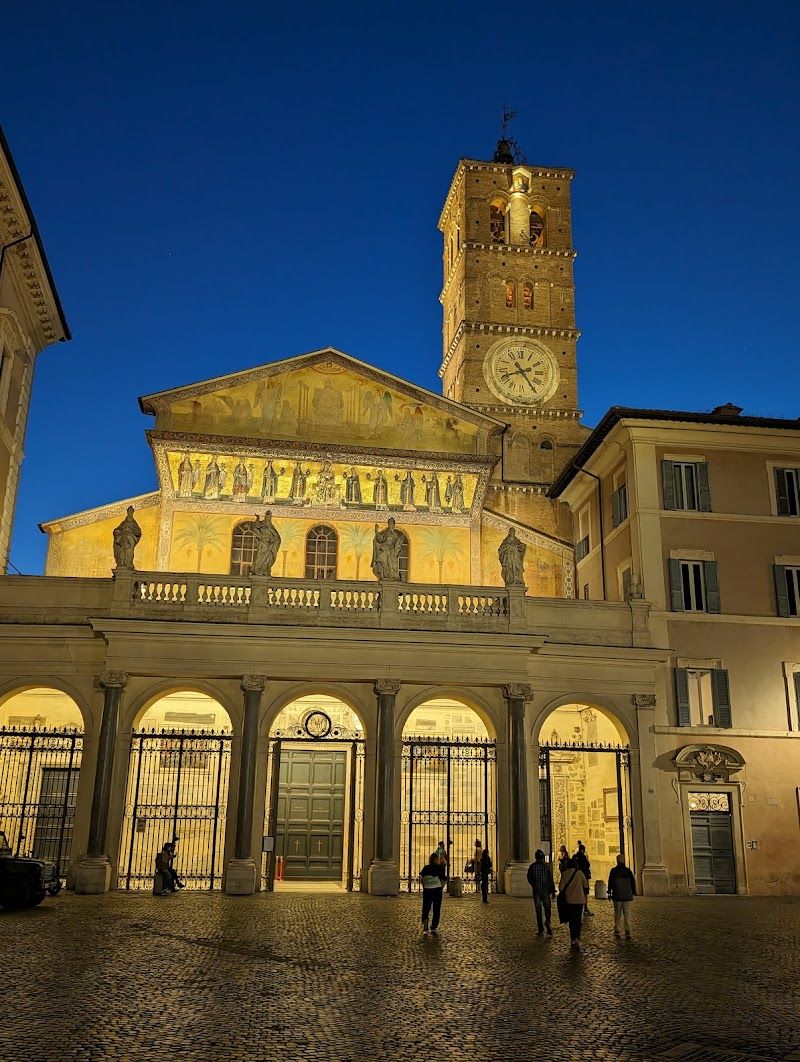
Basilica di Santa Maria in Trastevere
This 12th-century church houses some of Rome's most spectacular medieval mosaics, with the apse glowing in Byzantine gold depicting the Virgin Mary enthroned with Christ. The facade mosaics light up dramatically after dark, showing Mary nursing the infant Jesus surrounded by ten lamp-bearing virgins. You'll walk across original Cosmatesque floors - intricate geometric patterns made from recycled Roman marble that create a kaleidoscope under your feet. Inside, your eyes adjust from the bright piazza to reveal columns salvaged from ancient Roman buildings supporting a wooden ceiling. The apse mosaics dominate everything - they're genuinely breathtaking when afternoon light streams through the windows, making the gold tiles shimmer. The space feels intimate rather than overwhelming, with locals quietly praying alongside tourists craning their necks upward. Sunday mass brings Gregorian chanting that bounces off the medieval walls. Most guides oversell this as Rome's most beautiful church - it's lovely but not spectacular compared to Santa Maria Maggiore. The real draw is the authentic medieval atmosphere and those apse mosaics, which beat similar work in San Clemente. Skip the small side chapels and focus your 20 minutes on the main nave and apse. Entry is free, though they appreciate donations. Come before 4pm when tour groups clog the narrow aisles.
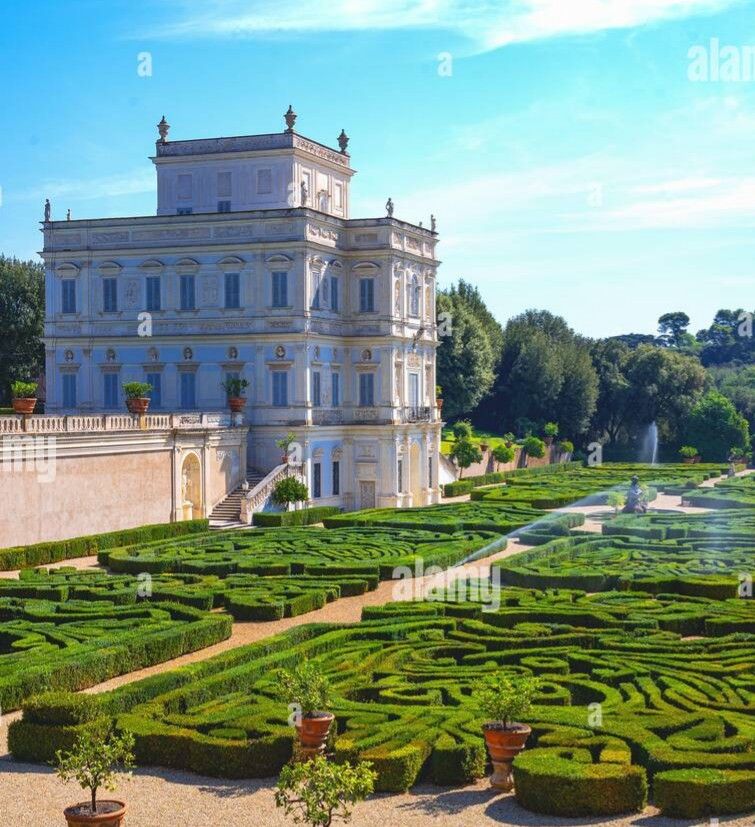
Villa Doria Pamphilj
Villa Doria Pamphilj is Rome's largest park, stretching 450 acres across Trastevere's western edge with no admission fee. You'll find miles of shaded gravel paths winding through pine groves, formal Italian gardens around the 17th-century villa, and a small lake where families feed ducks. The formal gardens near Casino del Bel Respiro showcase perfectly manicured hedges, fountains, and geometric flower beds that feel like stepping into a Baroque painting. The park operates on Roman family time - arrive around 10am and you'll have the formal gardens mostly to yourself, with only dedicated joggers pounding the main circuit path. The atmosphere shifts dramatically between sections: the manicured villa grounds feel theatrical and planned, while the wilder wooded areas toward the perimeter offer genuine peace. Sunday afternoons transform the place into an outdoor living room where extended Roman families claim benches for hours-long gatherings. Most guides oversell this as a sightseeing destination when it's really about experiencing Roman daily life. Skip the far western sections unless you're training for a marathon - they're just scrubland. The real magic happens in the formal gardens and around the lake, both accessible within 20 minutes of the Porta San Pancrazio entrance. Come hungry and grab supplì from a nearby bakery for an impromptu picnic.
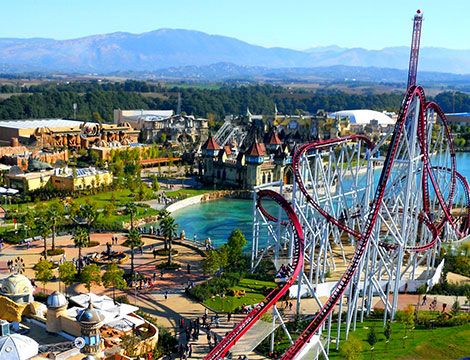
Rainbow MagicLand
Rainbow MagicLand sprawls across 600,000 square meters in Valmontone, delivering Italy's most ambitious theme park with 38 rides spanning six themed lands. You'll find genuine thrills here - the Shock inverted coaster hits 100km/h while Cagliostro's House offers a surprisingly sophisticated dark ride experience through multiple chambers. The Huntik 5D theater and Demonia haunted attraction show real attention to storytelling, not just cheap scares. The park flows chronologically as you walk clockwise from the entrance through Medieval, Renaissance, and modern fantasy zones. Weekday crowds feel manageable, but summer weekends turn popular rides into 90-minute waits. The Magic House area works brilliantly for younger kids with gentler rides and interactive shows, while teenagers gravitate toward the back section where Shock and Oil Towers dominate the skyline. Food courts serve decent pizza and panini for €8-12, though bringing snacks isn't prohibited. Most visitors underestimate how much walking this requires - wear comfortable shoes and start with the farthest rides first. Skip the overpriced Fast Pass (€15) on weekdays but consider it for summer Saturdays. The water rides like Nui Lua get you properly soaked, so hit them last. Adult tickets run €29 online, €39 at the gate, making advance booking essential rather than just convenient.
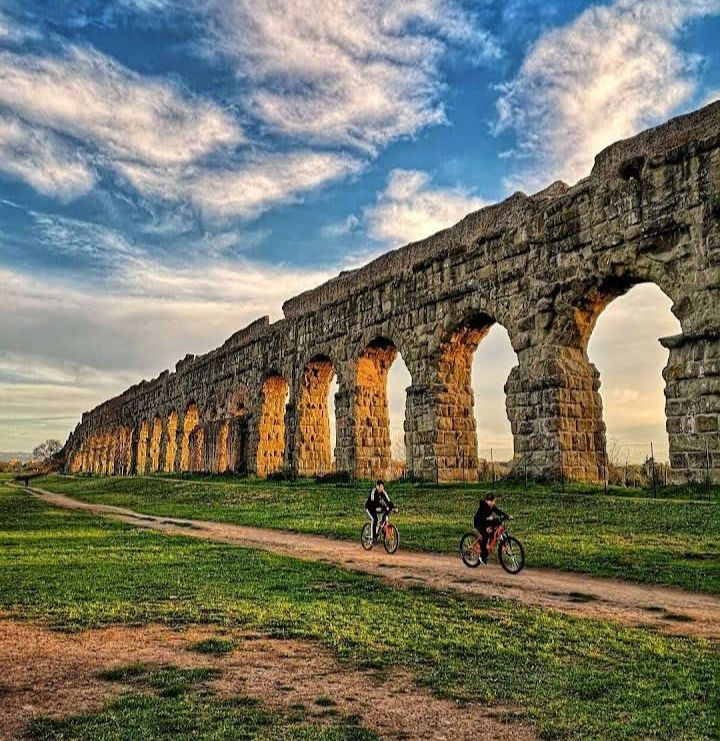
Parco degli Acquedotti
Parco degli Acquedotti is where ancient Roman engineering meets open countryside, just 20 minutes from the Colosseum. Two massive aqueducts - the Aqua Claudia and Aqua Marcia - stride across 240 hectares of grassland like stone giants, their arches perfectly preserved after 2,000 years. You'll find Romans jogging beneath these monuments, families picnicking in their shadows, and film crews shooting everything from fashion ads to period dramas. The experience feels surreal - you're technically still in Rome, but walking through meadows where sheep graze and wild fennel grows between ancient stones. The Aqua Claudia steals the show with its towering double-tier arches, while photographers cluster around the most photogenic sections near Via Lemonia. The scale hits you immediately - these aren't ruins, they're functioning monuments that carried water from mountain springs 50 kilometers away. Most guidebooks undersell this place completely. It's free, never crowded except on perfect weekend afternoons, and offers the best ancient Roman experience without queues or crowds. The ground gets muddy after rain, so skip it then. Film buffs will recognize scenes from La Grande Bellezza - the opening party was shot here. Bring water and snacks since there's nothing commercial inside.
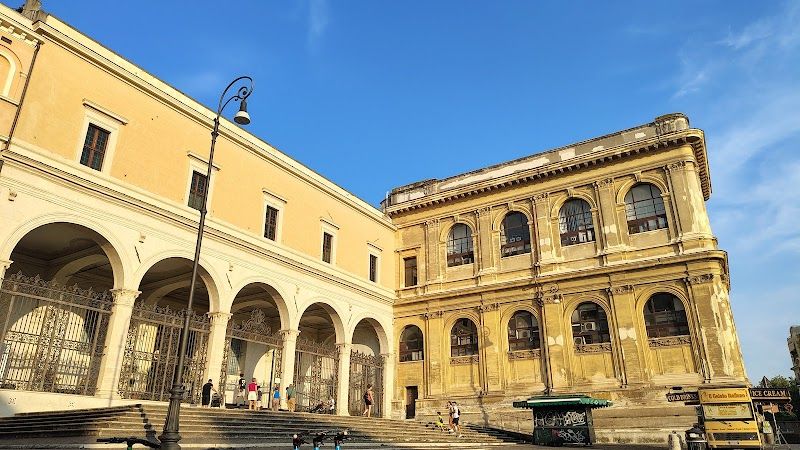
Basilica di San Pietro in Vincoli
This unassuming church in Monti houses one of Michelangelo's most powerful sculptures - the Moses he carved for Pope Julius II's tomb between 1513-1515. You'll find the marble figure in the right transept, radiating such intensity that legend claims Michelangelo himself struck its knee, commanding it to speak. The church also preserves the actual chains that bound St. Peter in Jerusalem, displayed in a bronze and crystal reliquary beneath the main altar. The moment you step inside, the space feels intimate compared to Rome's grand basilicas. Natural light from the simple windows illuminates Moses perfectly - those famous horns of light jutting from his head, the muscular arms, and that penetrating gaze that seems to follow you. The chains draw less attention but they're genuinely fascinating relics, supposedly reunited here in the 5th century when they miraculously fused together. Most guidebooks oversell this as a major stop, but honestly, you're here for Moses and Moses alone. The rest of the church is pleasant but unremarkable. Entry is free, which makes it worthwhile, but don't expect to spend more than 20 minutes here unless you're a serious art history buff. Skip it entirely if you're rushing between the Colosseum and other major sites - Moses isn't going anywhere.
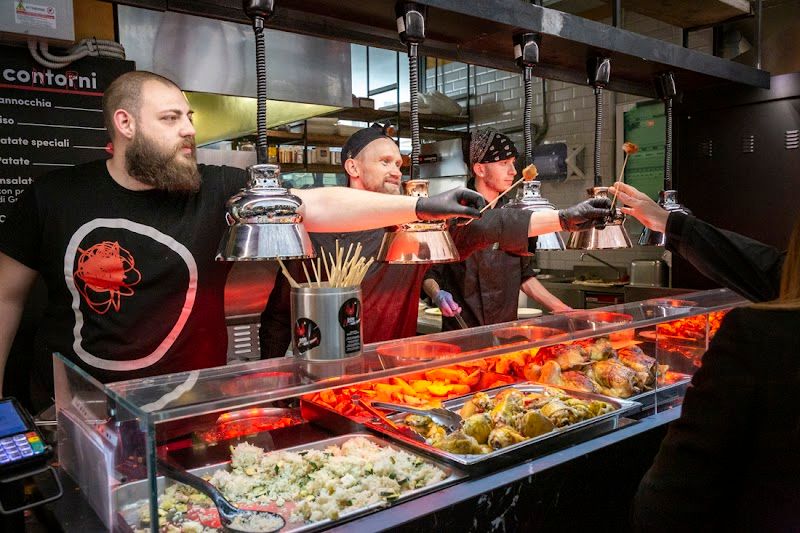
Mercato Centrale Roma
Food hall inside Termini station with various vendors serving everything from pizza to gelato to seafood. Quality is surprisingly good for a station location, open long hours, and useful for quick meals or grazing. Multiple price points and cuisines.
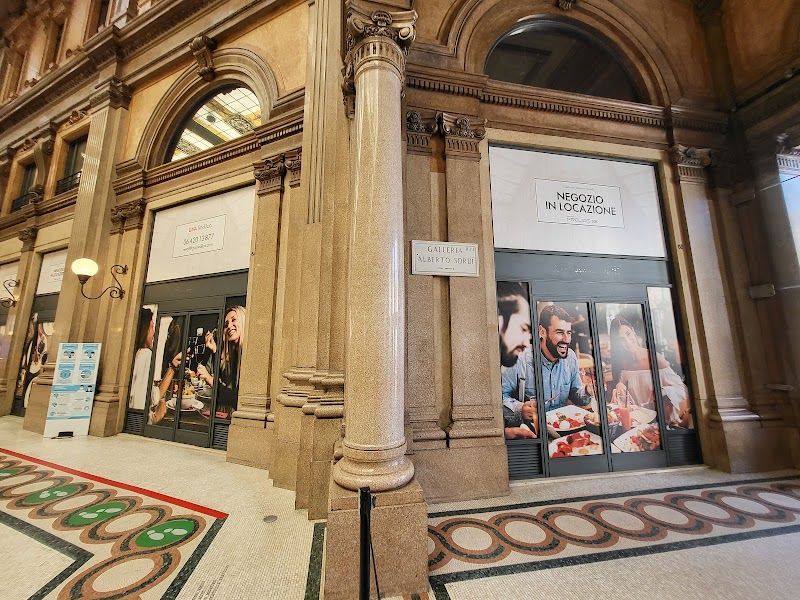
Galleria Alberto Sordi
This covered shopping arcade from 1922 connects Via del Corso directly to Piazza Colonna, making it one of Rome's most convenient shopping shortcuts. The Art Nouveau glass ceiling and marble details are genuinely beautiful, and you'll find mid-range to high-end brands like Zara (€25-80), Sephora, and several Italian leather shops alongside decent cafes. It's named after Alberto Sordi, Rome's most beloved actor, whose films captured the city's character perfectly. Walking through feels like stepping into early 20th century Rome - the restored Liberty-style architecture creates an airy, light-filled space that's refreshingly cool in summer. The gallery runs about 100 meters end to end, with shops on both levels connected by elegant staircases. You'll hear multiple languages as tourists mix with Romans cutting through between shopping areas, and the sound echoes nicely off the vaulted ceiling. Most guides oversell this as a major attraction when it's really just a pleasant shopping passage with nice architecture. The shops are standard international brands you'll find anywhere, though prices are typical for central Rome. Use it as a shortcut between Corso and Colonna, grab an espresso (€1.20-1.50) at one of the cafes, and admire the ceiling - but don't plan more than 15 minutes unless you're actually shopping.
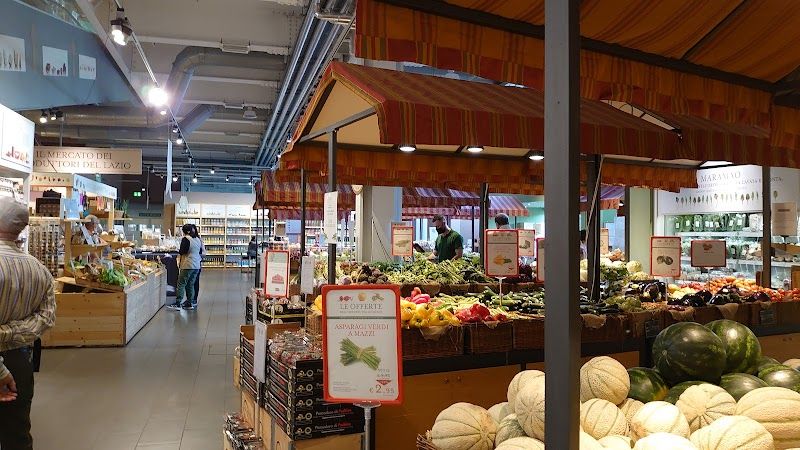
Eataly Roma
Eataly Roma transforms a striking 1930s air terminal into Italy's largest food playground, spreading gourmet markets, restaurants, and food counters across four sprawling floors. You'll find everything from €3 arancini at street food counters to €45 tasting menus at their upstairs restaurants, plus shelves packed with regional specialties like Sicilian pistachios and Ligurian olive oils. The cooking school runs hands-on pasta classes (€65-85), while the ground floor deli lets you build picnics with San Daniele prosciutto and aged Parmigiano. The experience feels more like wandering through an Italian food festival than shopping in a typical market. Each floor has a different energy - ground level buzzes with tourists grabbing quick bites, while the upper floors house proper sit-down restaurants with table service. The rationalist architecture creates dramatic spaces with soaring ceilings, and you'll constantly stumble across food demonstrations or pop-up tastings. Lines form quickly at popular counters, especially the fresh mozzarella station. Most food is genuinely excellent but prices run 30-40% higher than neighborhood shops. Skip the overpriced wine section upstairs and focus on the prepared foods and restaurants. The pizza al taglio counter serves Rome's best mall pizza (€4-6 per slice), while the gelato costs a steep €4.50 for two scoops but uses premium ingredients. Go hungry with at least €25-35 per person if you want to eat well.
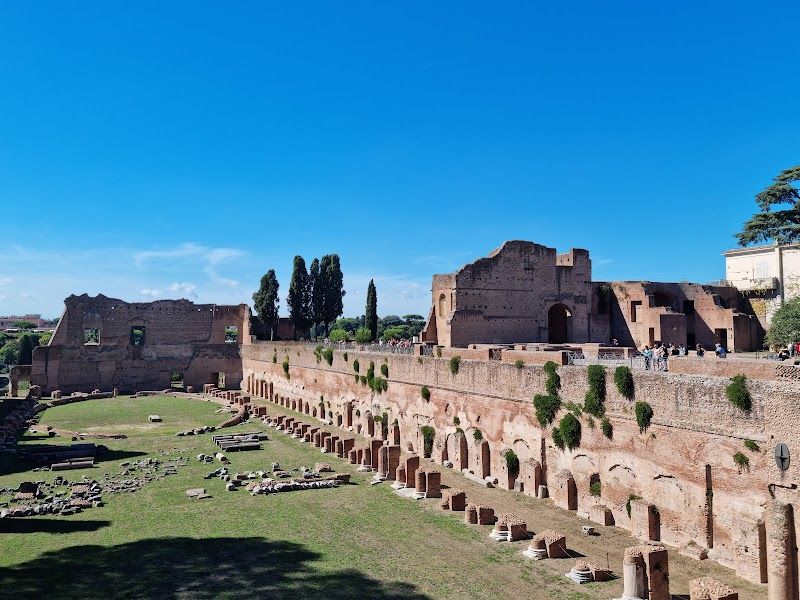
Palatium
The Palatine Museum sits inside the archaeological park on Palatine Hill, housing artifacts excavated from the imperial palaces where Augustus, Tiberius, and Domitian once lived. You'll see spectacular frescoes from Augustus's house, marble sculptures from palace gardens, and intricate floor mosaics that survived nearly 2,000 years. The collection focuses entirely on finds from this hill, making it the most specific imperial Roman museum you can visit. The museum occupies a 19th-century building with modern climate-controlled galleries that feel refreshingly cool after walking the ruins outside. Everything connects directly to the archaeological sites you've just explored - those foundation walls suddenly make sense when you see the frescoes that once covered them. The lighting is excellent for photography, and interactive displays help decode the complex imperial family trees and building phases. Most people rush through to get back outside, but you're missing the best part of your Palatine ticket (museum entry is included). The Augustus house frescoes alone justify slowing down - these survived because they were buried, not because they were restored. Skip the gift shop entirely and spend that time in the fresco rooms instead.
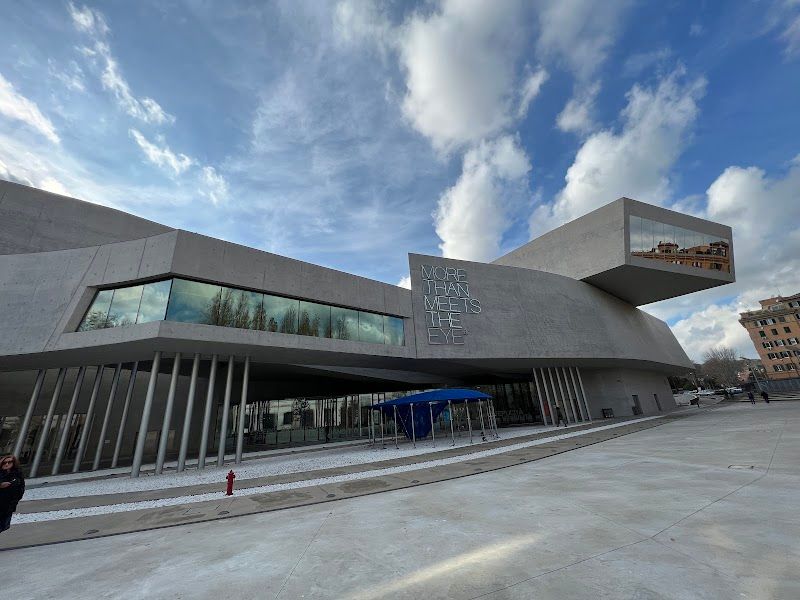
MAXXI - Museo nazionale delle arti del XXI secolo
MAXXI is not just another art museum - it's Zaha Hadid's swooping concrete sculpture that happens to contain galleries. The building curves and flows like frozen water, with dramatic skylights casting shifting shadows throughout the day. You'll find rotating exhibitions of contemporary art, architecture displays, and design installations, but honestly, the structure itself outshines most of what's inside. The galleries flow into each other seamlessly, with no traditional room divisions. Walking through MAXXI feels like being inside a piece of contemporary art. The floors slope gently, walls curve without warning, and natural light pours in from unexpected angles above. You'll find yourself photographing the architecture more than the exhibitions - those concrete ribbons create engaging perspectives from every angle. The space can feel disorienting in the best way, especially when you reach the upper levels where the ceiling opens dramatically. Most guides won't tell you this: the permanent collection is quite thin, and temporary exhibitions can be hit-or-miss. Entry costs €12 (€9 reduced), which feels steep when exhibitions disappoint. The building is worth seeing, but don't expect Vatican-level art treasures. Skip the overpriced café and focus your time on exploring the architecture itself - that's where MAXXI truly delivers.
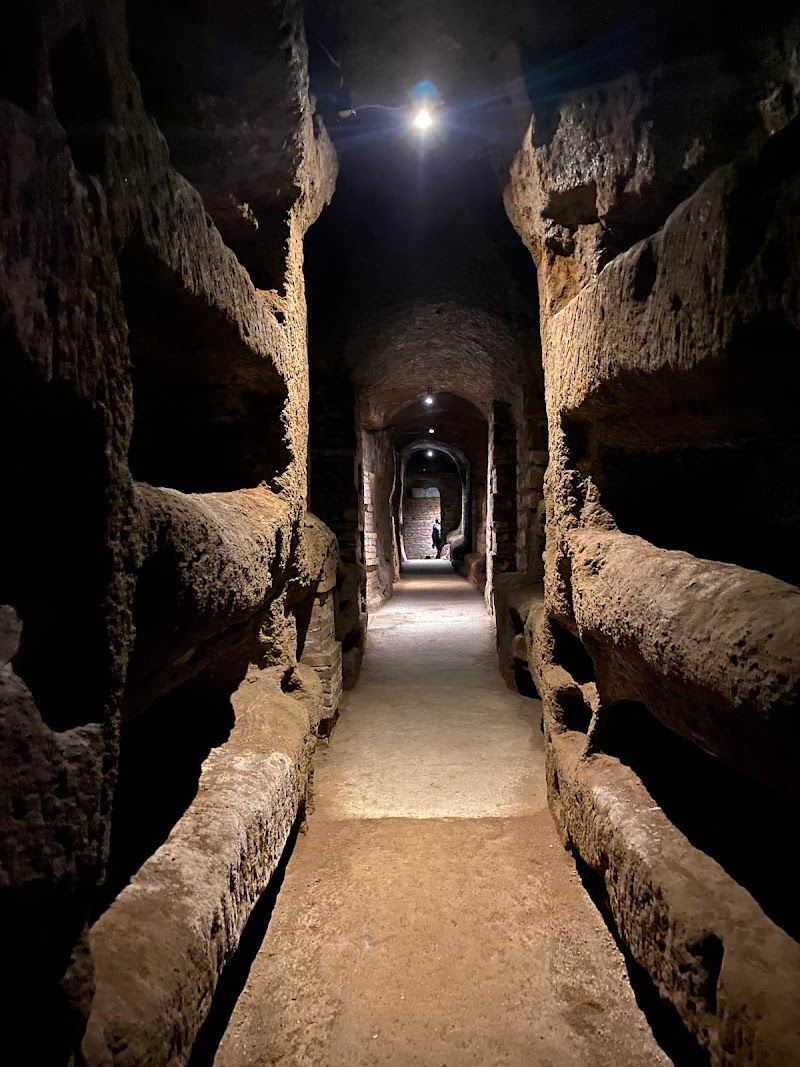
Rome Catacombs Tour
The Rome Catacombs tour takes you 20 meters underground into ancient Christian burial networks dating from the 2nd century. You'll walk through narrow tunnels carved from volcanic rock, seeing original frescoes of biblical scenes, ancient Greek and Latin inscriptions, and burial niches (loculi) where early Christians were laid to rest. The San Callisto catacombs contain the Crypt of the Popes, where nine 3rd-century popes were buried, while San Sebastiano preserves some of Rome's oldest Christian symbols and graffiti invoking Saints Peter and Paul. The experience feels genuinely otherworldly - cool temperatures (14°C year-round), dim lighting, and the weight of walking where Romans mourned 1,800 years ago. Your guide leads groups of 25 maximum through a predetermined route, stopping at frescoed chambers where you can make out fish symbols, portraits of the deceased, and biblical scenes painted directly onto rock walls. The tunnels stretch for kilometers but you'll see about 500 meters, spending roughly 45 minutes underground at each site. Most tours combine both catacombs for €16, but honestly, San Callisto alone gives you the full experience - it's better preserved and less rushed. Skip the expensive 'VIP' tours (€35+) that promise special access; the standard route shows you everything worthwhile. The above-ground basilicas are forgettable; your time is better spent in the tunnels where the real history lives.
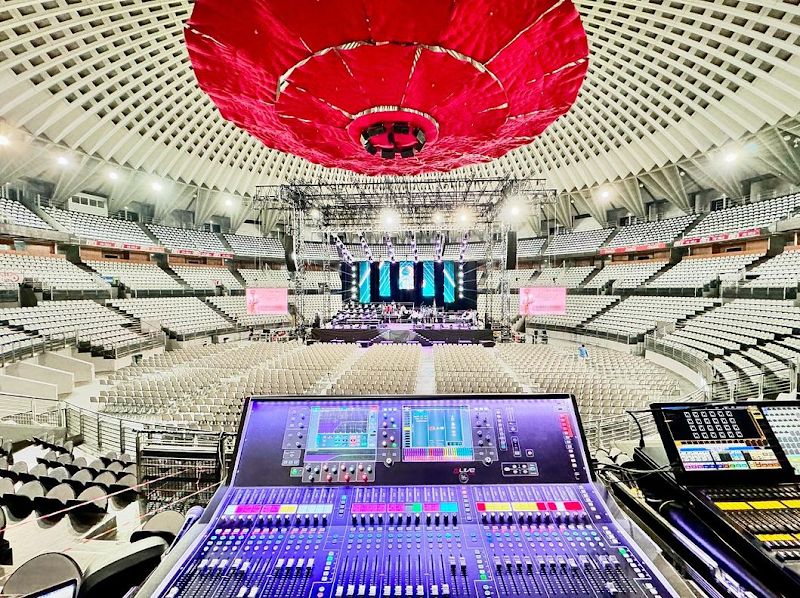
PalaLottomatica
PalaLottomatica is Rome's premier indoor arena, a sleek 11,000-seat venue in EUR that hosts everything from NBA preseason games to international pop stars. Built in 1960 and modernized in 2003, it's where Taylor Swift sells out in hours and AS Roma celebrates championship victories. The arena's steep seating ensures decent views from most spots, and the sound system is genuinely impressive - you'll actually understand the lyrics at concerts. Inside, it feels more intimate than the capacity suggests, with good sightlines even from upper sections. The concourse wraps around completely, so you can walk the full perimeter during intermissions. Concessions are typical arena fare - overpriced paninis (€8-12) and beer (€6-8) - but the atmosphere during big events is electric. Security moves efficiently, and the modern amenities feel refreshingly functional compared to some of Rome's older venues. Most people underestimate travel time - it's a solid 30-minute Metro ride from central Rome, and the last train back is around midnight. Skip the official merchandise unless you're desperate; prices are inflated even by concert standards. The €15 parking fills up fast, but street parking exists if you're willing to walk 10-15 minutes. For basketball games, upper sections offer the best value at around €25-35.
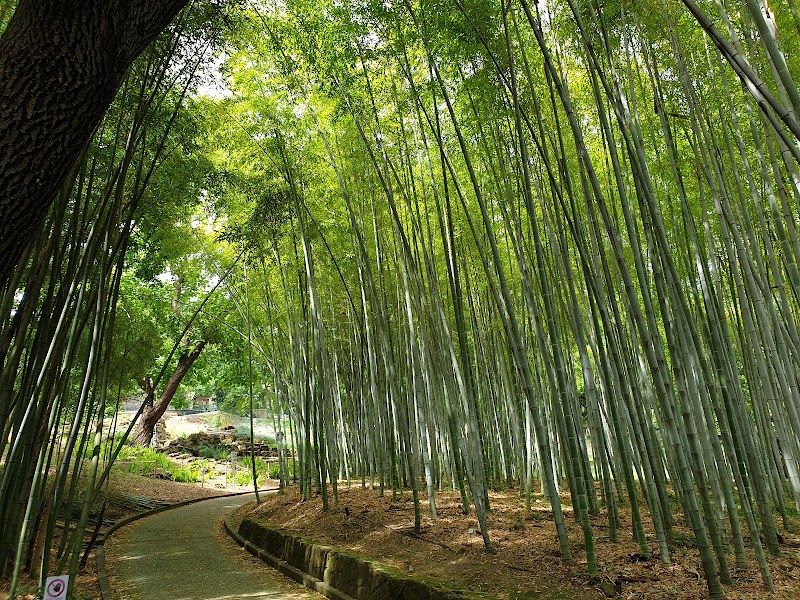
Orto Botanico di Roma
The Orto Botanico di Roma sprawls across 30 acres behind Trastevere, housing over 3,000 plant species in carefully designed microclimates. You'll walk through tropical greenhouses dripping with humidity, Mediterranean terraces lined with ancient olive varieties, and a surprisingly authentic Japanese garden complete with stone lanterns and koi ponds. The bamboo forest creates natural tunnels you can walk through, while the rose garden showcases varieties dating back centuries. The gardens flow naturally up the Gianicolo hillside, connected by winding paths that reveal different ecosystems around each corner. The monumental baroque staircase becomes your guide upward, flanked by towering palms and rare cycads that feel prehistoric. Greenhouses buzz with research activity - this is Rome University's active botanical department, not just a pretty park. The Japanese section feels completely removed from Rome, especially when morning mist clings to the bamboo. Entry costs €8 (€4 for students), which feels steep for what's essentially a university research facility open to visitors. Most people rush through in 45 minutes, but you need at least 90 to appreciate the specialized collections. Skip the uppermost terraces unless you're genuinely interested in Mediterranean scrubland - the best stuff clusters around the greenhouses and Japanese garden near the entrance.
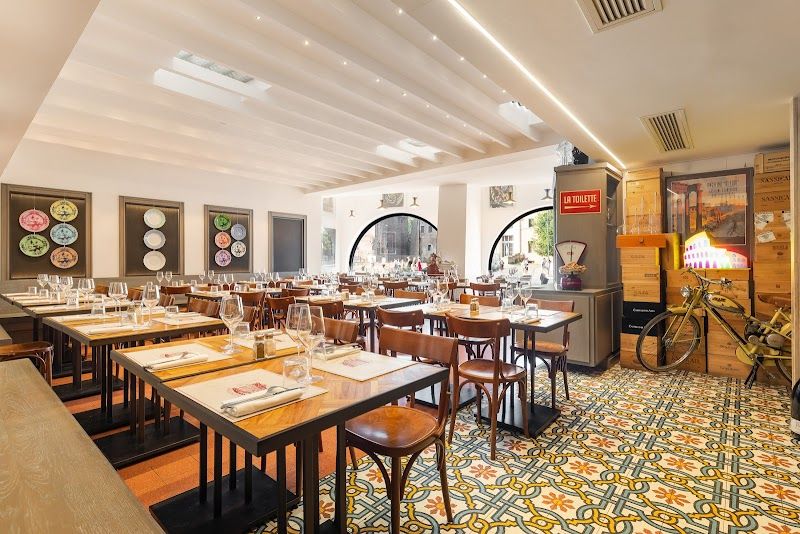
Osteria Angelino ai Fori
Family-run trattoria tucked away on a quiet street near the Imperial Forums, serving traditional Roman dishes since the 1950s. Known for authentic carbonara, amatriciana, and grilled meats in a cozy, no-frills atmosphere. Popular with locals who work in the area.
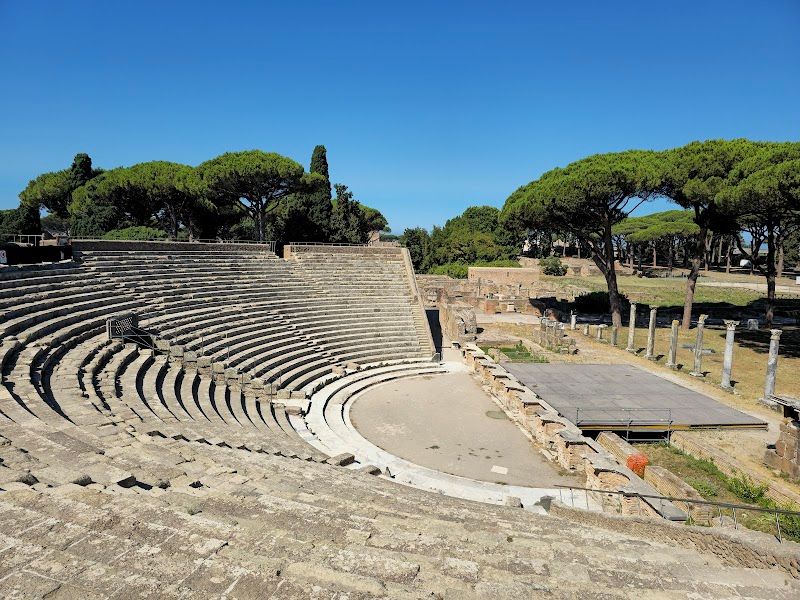
Ostia Antica Day Trip
Ostia Antica is Rome's Pompeii without the tourist chaos - a massive archaeological site that was ancient Rome's thriving port city. You'll wander through remarkably intact apartment blocks (insulae), peer into ancient shops with original counters, and walk across stunning black-and-white mosaics that are better preserved than most museum pieces. The amphitheater still hosts summer concerts, while the Baths of Neptune showcase intricate sea-god mosaics that rival anything in the Vatican. The site sprawls across 150 hectares of umbrella pines and ruins, creating an almost mystical atmosphere where you'll often find yourself alone with 2,000-year-old buildings. Unlike Rome's crowded forums, here you can actually sit on ancient marble seats in the theater, explore multi-story Roman apartments, and understand how ordinary Romans lived, worked, and entertained themselves. The tree-lined paths between ruins make this feel more like a peaceful park than a typical archaeological site. Entry costs €12, and most visitors make the mistake of rushing through in two hours - you need at least four to see the highlights properly. Skip the far eastern section (mostly unexcavated mounds) and focus on the Decumanus Maximus main street, the theater complex, and the Forum area. The site closes at sunset, so afternoon visits in winter get cut short.
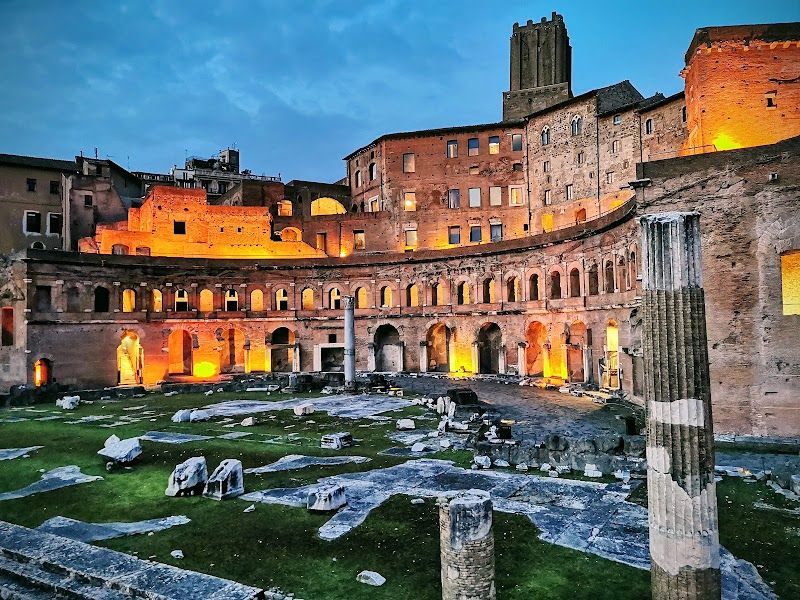
Mercati di Traiano - Museo dei Fori Imperiali
Trajan's Markets represents the world's oldest shopping mall, a massive 2nd-century complex carved into Quirinal Hill that once housed 150 shops selling everything from Chinese silk to Indian spices. Today it serves double duty as both an archaeological site where you can walk through original Roman commercial spaces and as the city's best museum for understanding the Imperial Forums. The multimedia displays finally make sense of the confusing ruins you see from street level, using holograms and 3D reconstructions to show how these massive public spaces actually functioned. You'll climb through three levels of perfectly preserved brick-vaulted shops, each opening onto semicircular terraces that offered different types of goods. The great hall on the upper level still feels like a proper market, with its soaring concrete vaults and individual shop spaces. Walking these corridors gives you an intimate sense of daily Roman commerce that you simply can't get from the forums themselves. The museum sections blend seamlessly with the ancient architecture, so you're learning about imperial propaganda while standing in spaces where Romans actually lived and worked. At €15, this delivers better value than most Roman sites because you're getting both significant ruins and excellent context. Most people rush through to reach the terrace viewpoint, but the real magic happens in the lower market halls where original marble counters and storage jars remain in place. Skip the temporary exhibitions unless they specifically interest you - the permanent collection and architecture provide more than enough for 90 minutes. The audio guide costs an extra €5 but isn't necessary since the visual displays are self-explanatory.
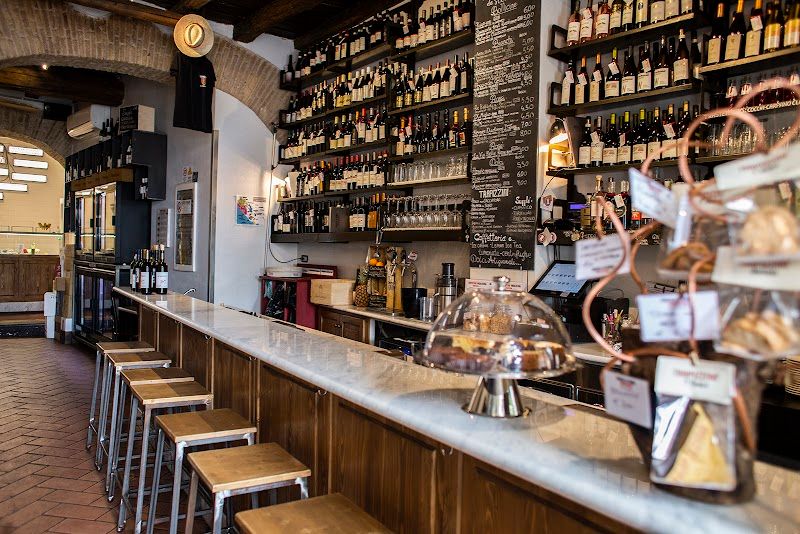
Trapizzino
Innovative street food concept serving the trapizzino - a pocket of crispy pizza bianca stuffed with Roman stews like polpette al sugo or pollo alla cacciatora. Created by Stefano Callegari, this Testaccio location is the original. Quick, affordable, and genuinely Roman.
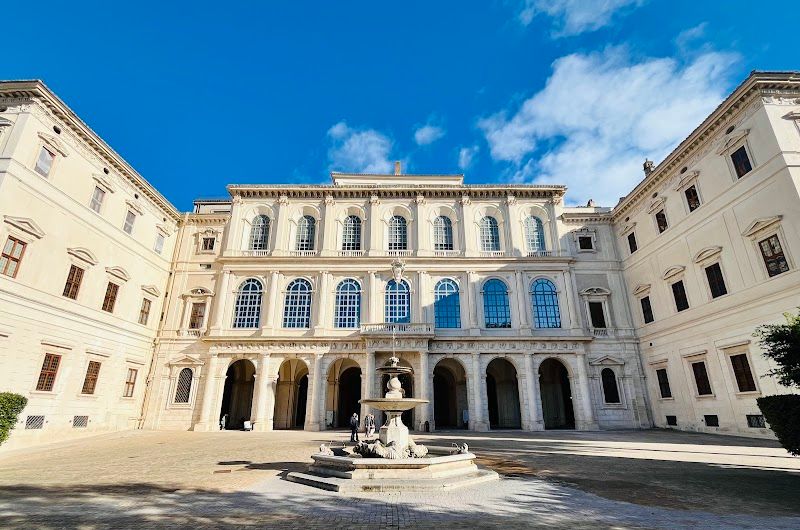
Galleria Nazionale d'Arte Antica in Palazzo Barberini
The Galleria Nazionale d'Arte Antica occupies Palazzo Barberini, a 17th-century baroque masterpiece where the architecture competes with the art collection. You'll find Caravaggio's "Judith Beheading Holofernes" and his haunting "Narcissus," plus works by Raphael and Hans Holbein the Younger. Pietro da Cortona's ceiling fresco in the Gran Salone is a ceiling covering 1,400 square meters, featuring an allegory of divine providence that makes the ceiling seem to dissolve into heaven. Your visit flows through intimate palace rooms filled with Renaissance and baroque paintings, then opens dramatically into the Gran Salone where you'll crane your neck trying to figure out where real architecture ends and painted illusion begins. The competing staircases by Bernini and Borromini create a fascinating architectural dialogue - Bernini's flows in elegant curves while Borromini's climbs in angular geometry. The palace retains its residential feel with original frescoed ceilings and period furnishings. Most guides may overemphasize the importance of the entire collection when in reality the main attractions are the Caravaggios and the ceiling. To make the most of your time, skip the upper floors unless you're interested in 16th-century portraits - focus on the piano nobile. Admission costs €12, and the museum is relatively uncrowded compared to the Vatican museums. The audio guide (€5) is worth it for the Gran Salone's complex symbolism, providing a deeper understanding of the art.
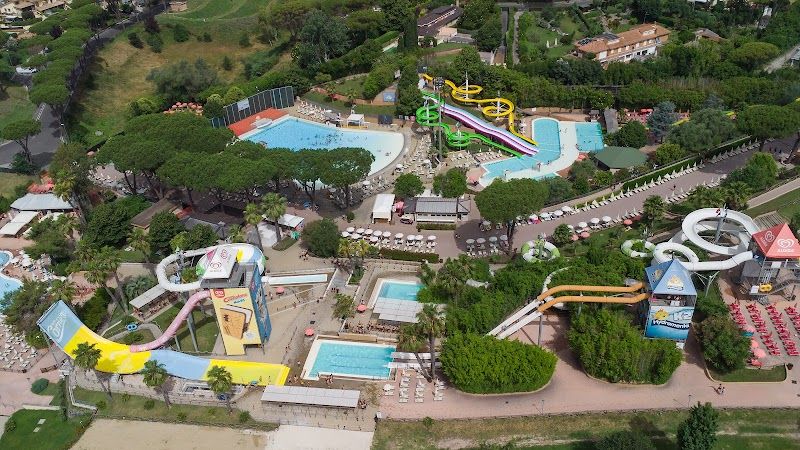
Hydromania
Hydromania sprawls across 90,000 square meters in Rome's EUR district, making it the city's biggest water park and your best escape from summer heat. You'll find serious thrill rides like the near-vertical Kamikaze slide alongside family-friendly attractions including a massive wave pool, lazy river, and dedicated kids' zones with mini slides and splash fountains. The park divides clearly between adrenaline junkies and families, so you can easily stick to your speed. The atmosphere feels like a proper resort rather than a basic pool complex. Palm trees and tropical landscaping create shade between attractions, while the wave pool generates genuine excitement every 15 minutes when the artificial surf kicks in. Lines move reasonably fast except for the Kamikaze, where you'll wait 20-30 minutes on busy days. The lazy river offers genuine relaxation as you float past waterfalls and through caves, though kids often turn it chaotic by mid-afternoon. Entry costs €22 for adults and €18 for kids under 12, but parking adds another €5 that most people don't expect. The food is overpriced theme park fare (€8 paninis, €4 drinks), so many locals pack lunches. Skip the expensive sunbed rentals (€15) and focus on arriving early for free umbrella spots. Weekends get genuinely crowded - Tuesday through Thursday offers the best experience with shorter lines and calmer pools.
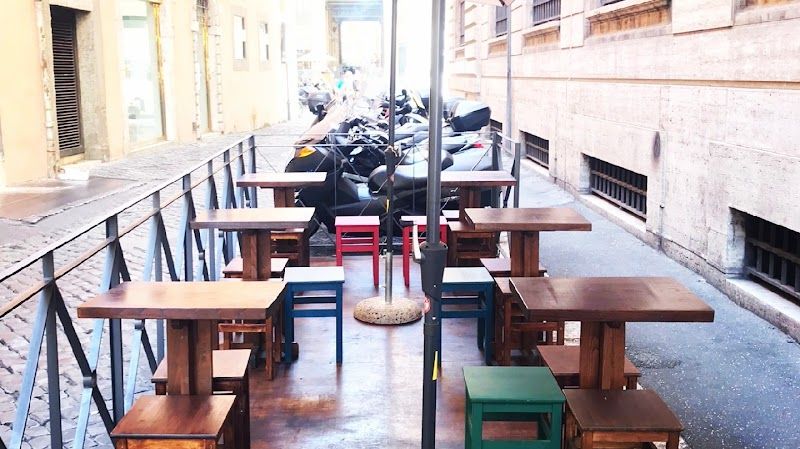
Pane e Salame
Casual sandwich shop and salumeria in Testaccio with excellent panini made from quality cured meats and cheeses. Quick lunch spot, affordable, and they'll let you taste before choosing. The porchetta sandwich is outstanding.
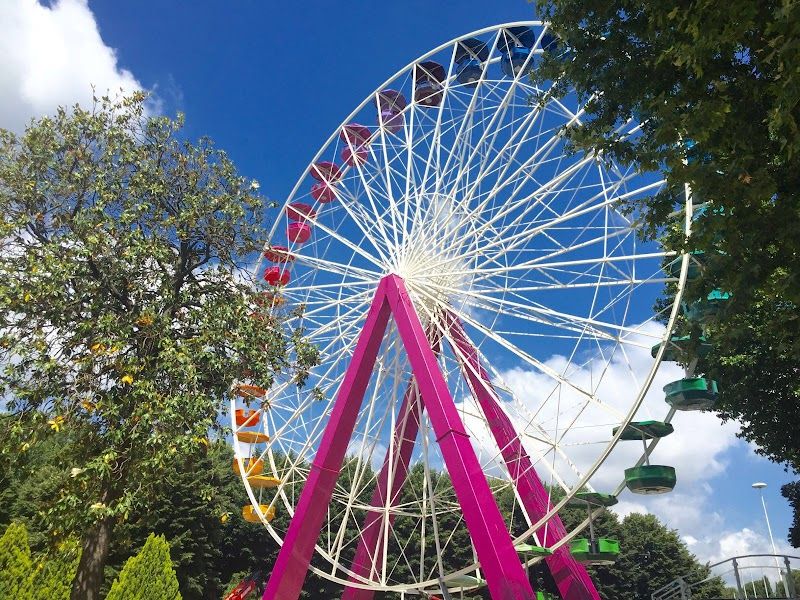
LunEur Park
LunEur Park offers old-school amusement park fun in Rome's EUR district. Vintage Italian elements meet modern safety standards within the park. Classic rides, such as a 1960s carousel with hand-painted horses, a traditional Ferris wheel with views of EUR's rationalist architecture, two roller coasters, and a fun house with moving floors and trick mirrors await visitors. Families with younger kids are the target, but adults also enjoy the nostalgic atmosphere and restored vintage rides. The experience feels authentic rather than corporate, with kids running between rides while parents chatter on benches, gelato vendors working the crowds, and a relaxed pace after Rome's intensity. The carousel is a crowd favourite due to its ornate details and classic calliope music, while the roller coasters have minimal waits. Green spaces between attractions give visitors room to breathe, and the picnic areas fill up on weekends with local families bringing elaborate lunch spreads. Most travel sites tend to understate this place, but its charm comes to life when embracing the retro vibe rather than expecting grand productions. It's best to skip the arcade games, which are overpriced and dated. The focus should be on the outdoor rides. Entry costs €3, with individual rides costing €3-5 each. An unlimited wristband (€18) is worthwhile if you're staying more than two hours. The fun house is a highlight, with kids emerging dizzy and giggling every time.
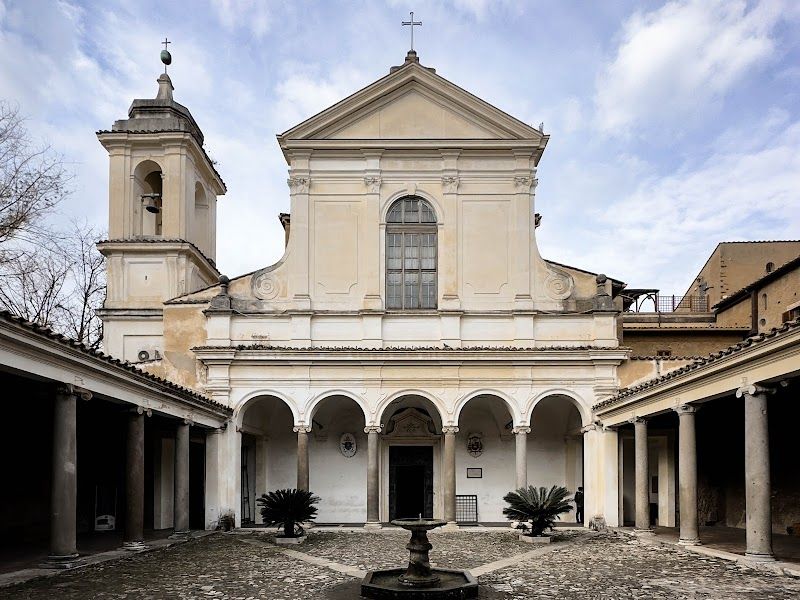
Basilica of San Clemente
Three layers of history stacked on top of each other, literally. The current 12th-century basilica sits on top of a 4th-century church, which sits on top of a 1st-century Roman house and a Mithraic temple. You descend through each layer, and by the time you reach the bottom you can hear an underground river running through Roman brickwork. The 12th-century apse mosaic upstairs is one of the finest in Rome. Entry to the lower levels costs €10 and is absolutely worth it. This is the single best way to understand Rome's layered history.
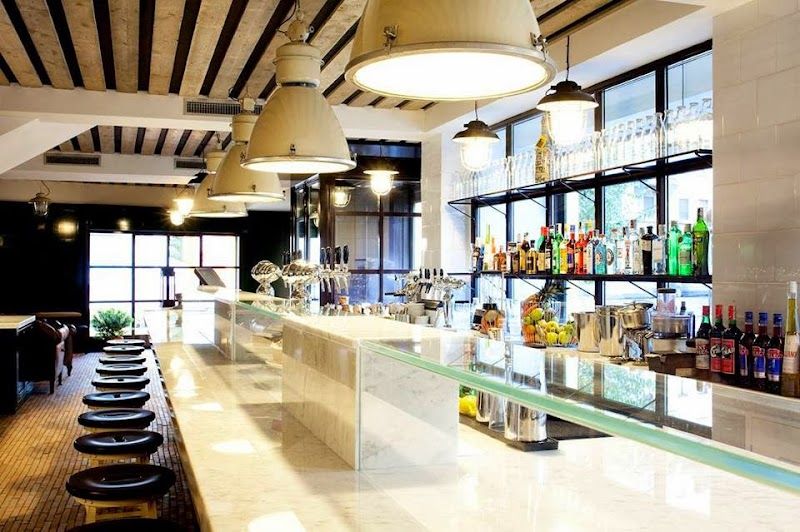
Porto Fluviale
Massive warehouse-style restaurant in Ostiense with industrial decor and all-day dining. Breakfast through late-night aperitivo, pizza, pasta, and grilled meats. Popular with younger Romans, good prices for the portion sizes, lively atmosphere.
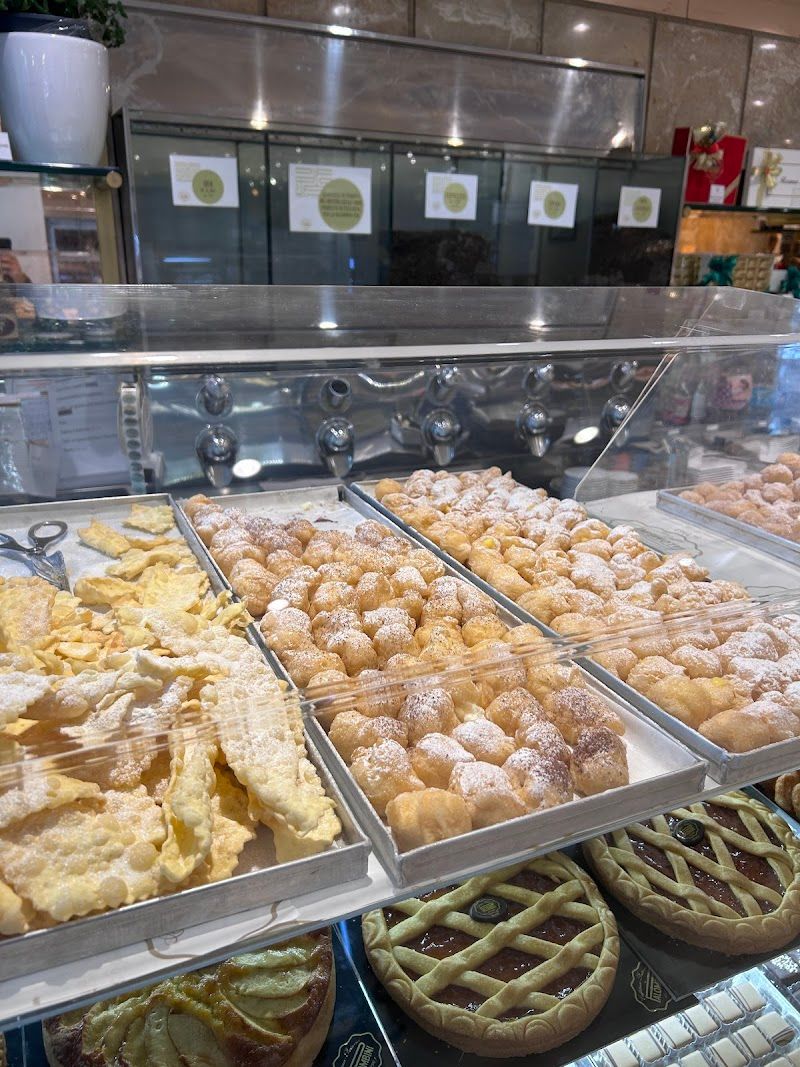
Caffè Palombini
Historic café and pasticceria in EUR known for excellent coffee and pastries since 1952. Features elegant 1950s decor with outdoor seating overlooking EUR's architecture. Popular morning spot for Roman professionals and a great introduction to mid-century EUR style.
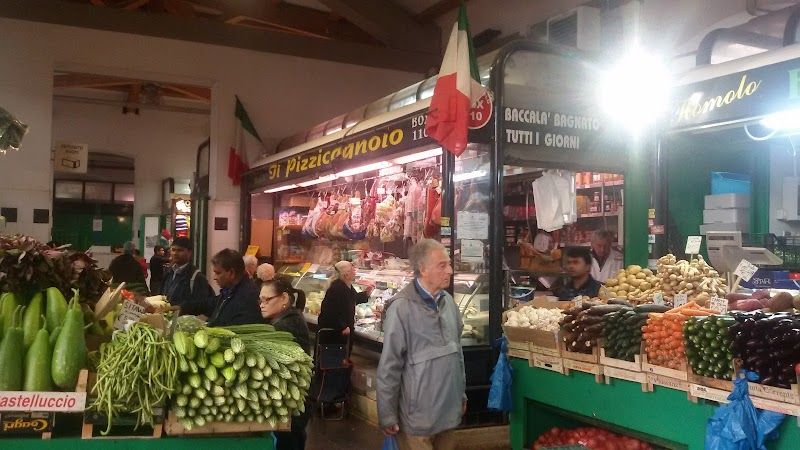
Nuovo Mercato Esquilino
Nuovo Mercato Esquilino is Rome's most international food market, housed in a 1920s covered hall where Italian nonnas shop alongside Ethiopian families hunting for berbere spice and Filipino workers buying fresh taro leaves. This isn't a tourist attraction - it's a functioning neighborhood market where you'll find ingredients impossible to locate elsewhere in Rome, from West African plantains to Chinese black vinegar, all at prices that beat specialty shops by 40-50%. The market operates like any Roman mercato, just with vendors speaking five languages simultaneously. You'll weave between Italian produce stands overflowing with seasonal vegetables and small stalls run by immigrants selling goods from their home countries. The Chinese section dominates the interior with the freshest Asian vegetables I've found in Rome, while African vendors near the entrance offer spices so fragrant you'll smell them from the street. It's loud, crowded, and completely authentic. Most guides treat this place like an exotic curiosity, but locals know it's simply Rome's best market for quality and price. Skip the touristy Campo de' Fiori - here you'll pay €2-3 per kilo for vegetables that cost €6-8 in central Rome. The real treasure isn't the novelty ingredients but watching Rome's changing demographics play out over morning shopping routines.
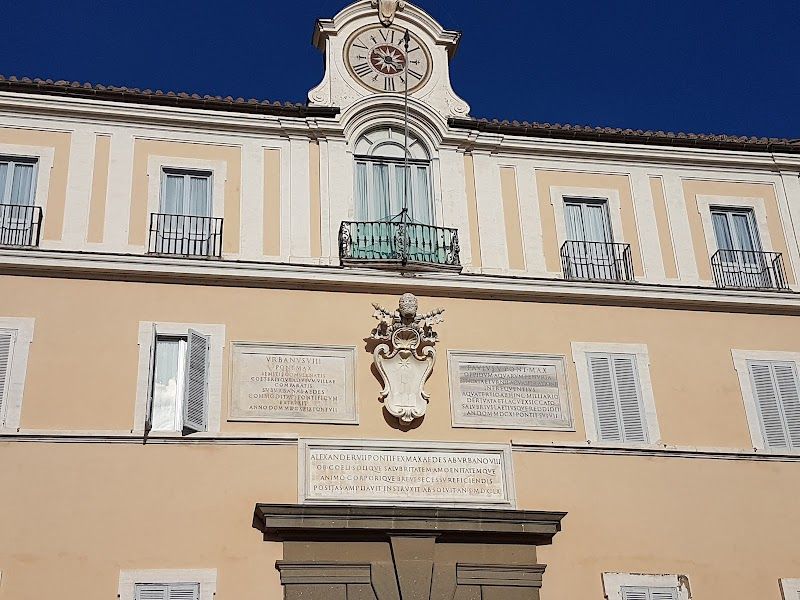
Castel Gandolfo and Papal Palace Tour
Castel Gandolfo sits 24km southeast of Rome on the rim of an ancient volcanic crater, housing the Pope's official summer residence since 1626. You'll tour the Apostolic Palace's papal apartments, including the bedroom where four popes died, the ornate throne room, and the library with original manuscripts. The Barberini Gardens cover 55 hectares with Roman ruins, including Emperor Domitian's villa foundations, and offer views over Lake Albano. The palace tour takes you through spaces that are more intimate than you might expect, such as the Pope's private study, which has books left on the desk, and the bedroom, which feels similar to visiting a wealthy relative's house. Your guide will explain which popes preferred which rooms and why. The gardens are a highlight, featuring perfectly manicured Renaissance landscaping, grottos, and ancient Roman ruins scattered throughout like an archaeological hunt. Most tours focus too much on the palace and rush the gardens. We recommend flipping this approach. The palace tour costs €11, the gardens €11, or €16 for both. While the palace alone may not be worth the trip from Rome, the gardens make the visit worthwhile. To skip the weekend crowds, avoid the overpriced train combo tickets and take the 20-minute train from Roma Termini for just €2.15 each way.
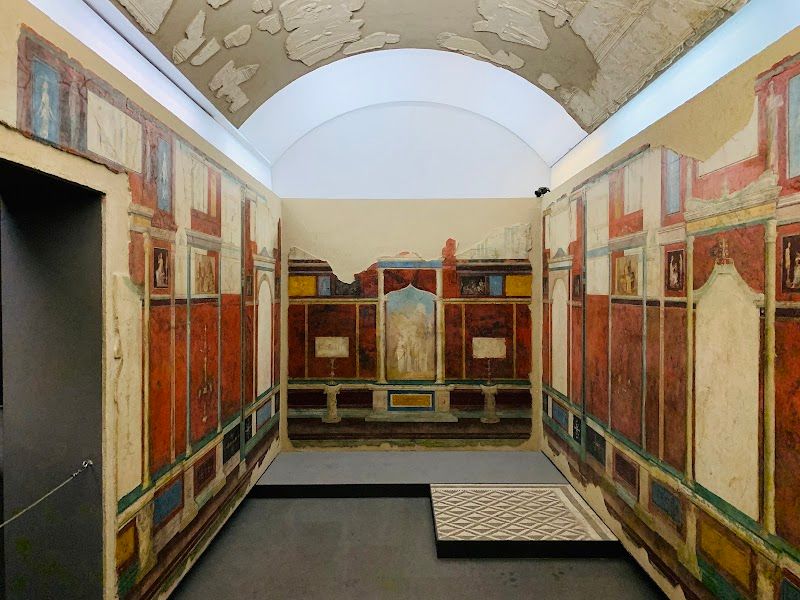
Museo Nazionale Romano - Palazzo Massimo alle Terme
This is Rome's premier collection of ancient Roman art, housed in a beautifully restored 19th-century building near Termini Station. You'll find four floors packed with extraordinary pieces including the famous Lancellotti Discobolus (the best-preserved Roman copy of the Greek original), intricate mosaics, and some of the finest Roman portrait sculptures anywhere. The real showstopper is the top floor's frescoed garden room from Villa of Livia - Augustus's wife's private retreat - where painted trees, birds, and flowers create an illusory garden that's survived 2,000 years. The visit flows chronologically from bottom to top, starting with early Roman sculptures and working through the imperial period. The second floor's coin collection might sound boring but it's actually fascinating - you can trace Rome's rise and fall through currency alone. The atmosphere is serious and scholarly, with excellent lighting that shows off the marble work beautifully. Unlike the chaos at major sites, this feels like a proper museum where you can actually study the pieces without crowds pushing past. Most guides oversell the entire collection - realistically, you can skip the basement level unless you're obsessed with inscriptions. The entry fee is €10, and it's included in the €12 Roma Pass. Focus your energy on floors two and four where the best pieces live. The garden frescoes require timed entry (free but limited slots), so book this immediately when you arrive or you'll miss the main reason to visit.
Emma Pizzeria
Modern pizzeria with Roman-style thin crust and creative toppings alongside classics. lively atmosphere, efficient service, and they serve both lunch and dinner. The fried starters like fiori di zucca are expertly done.
Suppli Roma
Modern take on the classic Roman supplì, with creative fillings beyond the traditional ragu. Try varieties like cacio e pepe supplì or carbonara supplì alongside classics. Perfect quick lunch spot with outdoor seating.
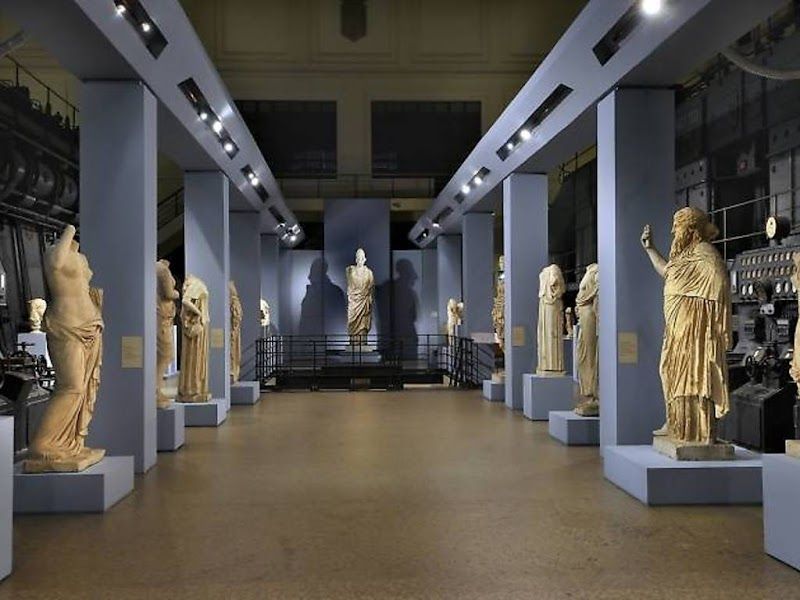
Centrale Montemartini
Centrale Montemartini houses one of Rome's most surreal art collections - classical Greek and Roman sculptures displayed inside a decommissioned 1912 power plant. You'll find headless torsos positioned next to massive diesel engines, marble gods sharing space with industrial turbines, and ancient mosaics spread across factory floors. It's part of the Capitoline Museums system, showcasing overflow pieces that couldn't fit in the main locations. Walking through feels like stumbling into a steampunk fever dream where antiquity meets the industrial age. The contrast is genuinely striking - a Venus de Milo-style statue silhouetted against towering machinery, or Roman portrait busts lined up beside control panels. The lighting is dramatic, often theatrical, making even familiar classical pieces feel fresh and mysterious. You'll spend most of your time just absorbing the visual weirdness of it all. Entry costs €7.50, making it excellent value compared to Rome's pricier attractions. Most travel guides oversell the 'undiscovered' angle - it's quiet because it's genuinely off most tourists' radar, not because it's difficult to reach. The collection isn't comprehensive enough to replace visiting the main Capitoline Museums, but if you're feeling museum fatigue from traditional displays, this offers a genuinely different perspective on classical art.
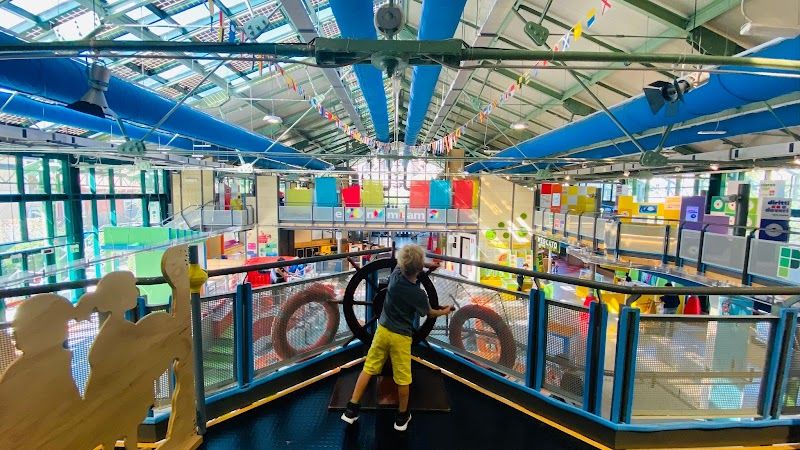
Explora Children's Museum
Explora Children's Museum transforms a former tram depot into Rome's best interactive playground for kids aged 3-12. You'll find thoughtfully designed exhibits where children can operate water pumps and locks, build structures with real tools, tend a mini farm with tractable soil, and run wild in a fully stocked supermarket complete with shopping carts and checkout scanners. It's educational without feeling like school - kids learn through genuine play rather than pressing buttons to watch screens. Visits are organized in timed 105-minute sessions that prevent overcrowding and give families breathing room. The converted industrial space feels airy and modern, with excellent air conditioning that makes it genuinely comfortable even in August heat. Children move freely between zones while parents can actually relax on benches scattered throughout. The supermarket area consistently draws the longest queues of excited toddlers, while older kids gravitate toward the construction zone with its miniature cranes and hard hats. At €8 per child and €5 per adult, it's reasonable for what you get, though the time limit feels restrictive when kids are deeply engaged. Most Rome attractions cater to adults dragging reluctant children along - this reverses that dynamic completely. Book online for weekend slots, but weekday walk-ins usually work fine. The small cafe serves basic snacks, but the nearby Villa Borghese offers better picnic options if weather permits.
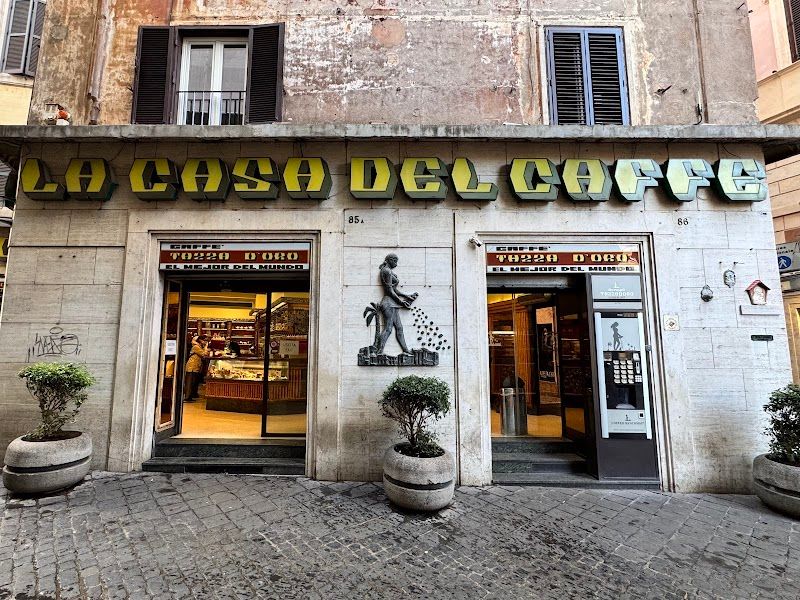
Tazza D'Oro
Coffee bar since 1946 directly behind the Pantheon, roasting their own beans and famous for granita di caffè con panna (coffee slush with whipped cream). Always packed with locals and visitors. Counter service only, with espresso at €1 and specialty coffee drinks slightly higher.
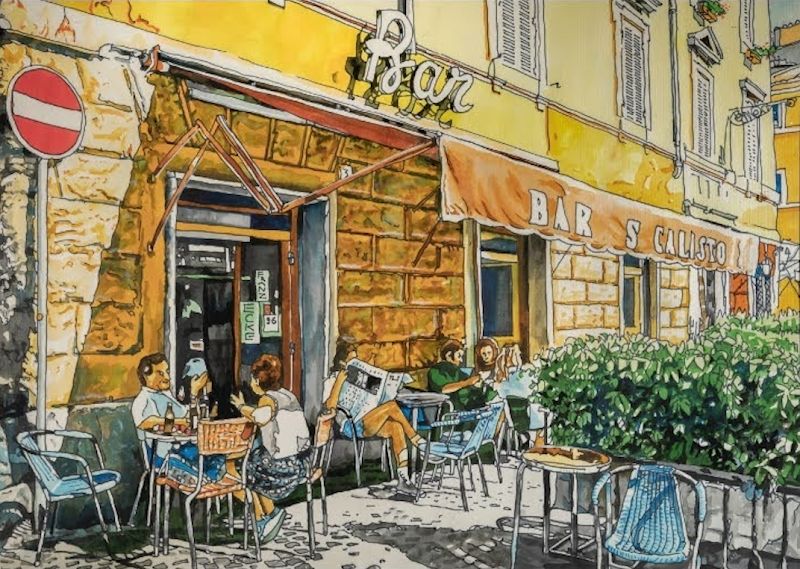
Bar San Calisto
No-frills Trastevere institution packed with locals, students, and night owls until 2 AM. Famous for serving Rome's cheapest espresso (€1) and their chocolate mousse dessert. Cash only, standing room mostly, authentic Roman bar atmosphere.
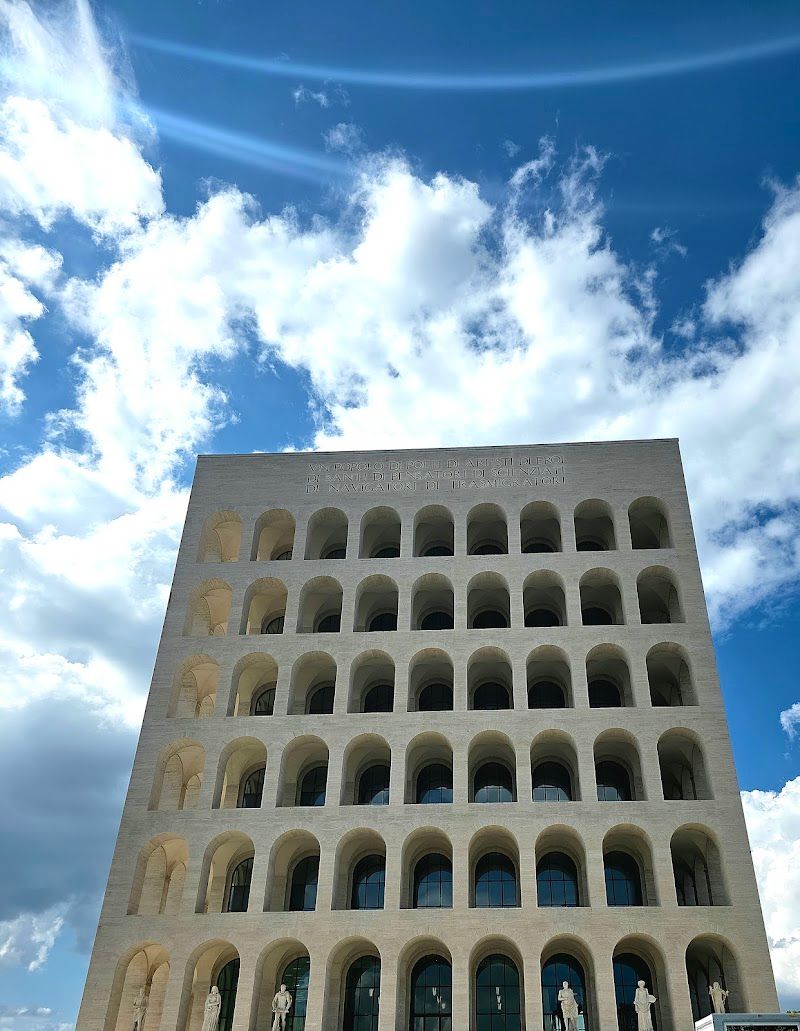
Museo della Civiltà
Museo della Civiltà houses Italy's most comprehensive collection of folk traditions, decorative arts, and medieval sculptures across four separate museums under one 1940s EUR building. You'll find everything from Sicilian puppet theaters and traditional costumes to Byzantine ivory carvings and Renaissance ceramics. The medieval art section alone contains over 800 pieces, including wooden sculptures and illuminated manuscripts that most visitors to Rome may not see. The experience feels like wandering through Italy's cultural DNA - one moment you're examining intricate Venetian lace, the next you're face-to-face with haunting medieval Madonnas. The building's Rationalist architecture creates a perfect backdrop for these intimate artifacts. The flow between sections can feel disjointed since it combines four formerly separate collections, but this actually works in your favor - you'll stumble across surprises around every corner. Most guides completely ignore this place, which is unfortunate given the quality and €10 entry fee. The folk traditions section gets crowded with school groups on weekdays, so afternoons work better. Skip the ethnographic displays on the ground floor - they're dusty and poorly lit. Head straight to the medieval collection on the second floor, then work your way down. You'll need the full 2.5 hours if you're genuinely interested in Italian culture beyond the usual Roman attractions.
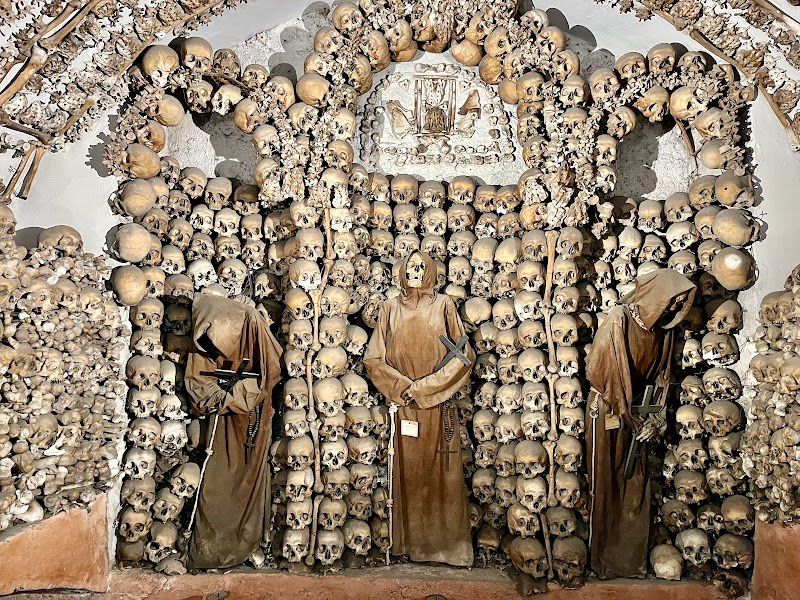
Museo e Cripta dei Frati Cappuccini
The Capuchin Crypt is exactly what it sounds like - the arranged bones of 4,000 friars from the 17th-19th centuries forming intricate wall decorations across six underground chapels. You'll see chandeliers made from arm bones, flower patterns created with ribs, and hundreds of skulls embedded into walls like macabre wallpaper. It's surprisingly artistic rather than purely ghoulish, representing the Capuchin monks' meditation on mortality and the temporary nature of earthly life. The visit flows through the small museum upstairs first, then down into the dimly lit crypt chambers. Each chapel has its own bone theme - the Crypt of the Skulls, the Crypt of the Pelvises, and so on. The atmosphere is reverent rather than creepy, with soft lighting and hushed voices. You'll spend most of your time studying the intricate patterns and marveling at the craftsmanship involved in arranging human remains so systematically. Entry costs €10, which feels steep for what's essentially a 20-minute experience once you skip the museum portion upstairs. The crypt itself is genuinely fascinating, but the preceding rooms with paintings and religious artifacts feel like filler. Come for the bones, not the art history lesson. The gift shop's €15 photo book is actually worth it since photography is banned inside.
Big Bus Rome
Big Bus Rome's three color-coded routes connect all the major sights you'd otherwise spend days navigating on foot or metro. The red route hits the classics - Colosseum, Vatican, Pantheon, Spanish Steps - while blue covers Tivoli and green focuses on ancient Roman sites. You'll get multilingual audio commentary that's actually decent (not the usual robotic drivel), and the open-top deck gives you photo angles impossible from street level. The double-deckers lumber through Rome's chaotic traffic at a leisurely pace, which sounds annoying but actually works in your favor - you get time to absorb the commentary and spot details you'd miss rushing past. The upper deck can get blazing hot in summer and freezing in winter, so dress accordingly. Each loop takes about 90 minutes, and buses run every 10-20 minutes depending on the route and season. Here's what most guides won't mention: tickets cost around €25-30 for 24 hours, which seems steep until you realize a single taxi ride across the city costs nearly that much. The Vatican stop is a 10-minute walk from St. Peter's, not right at the entrance like they suggest. Skip the Tivoli route unless you have three full days - it's a massive time sink for gardens you can see better elsewhere.
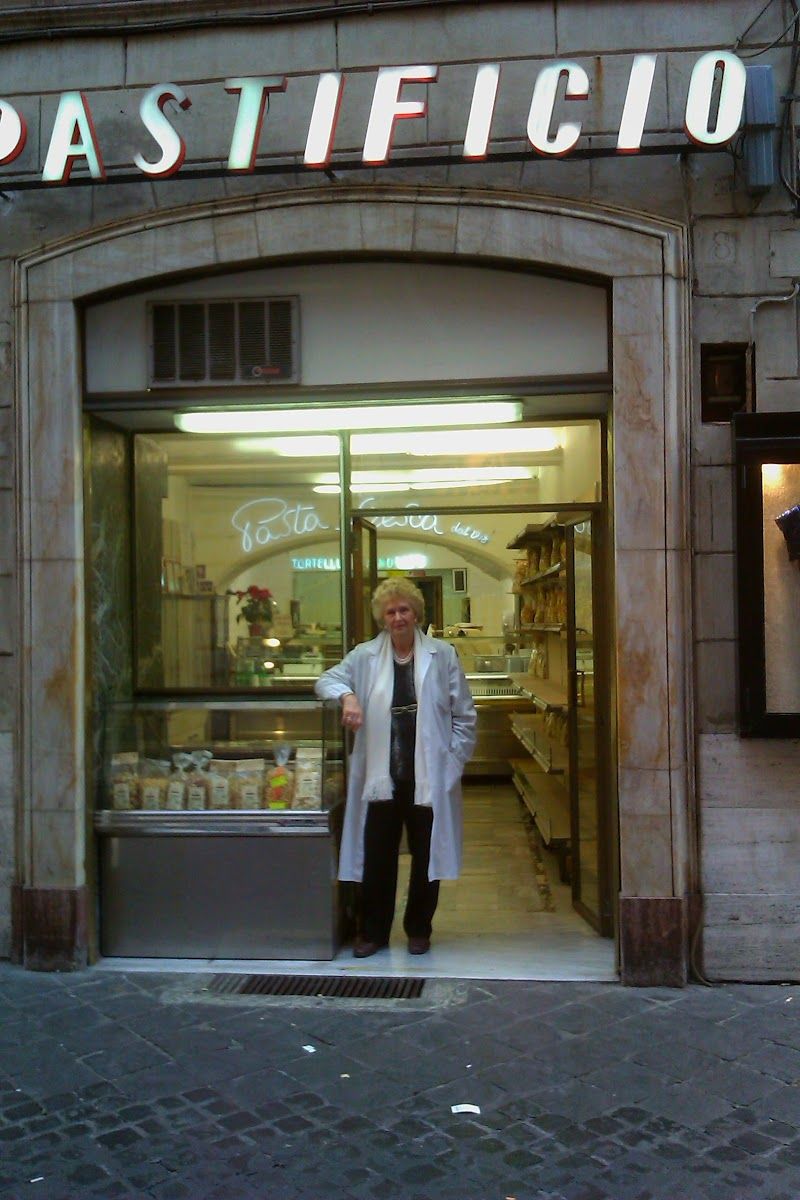
Pastificio Guerra
Fresh pasta shop in Testaccio that also serves quick lunch plates of their daily pasta specials. Standing room or small counter seating, rock-bottom prices, and whatever they're making that day for local restaurants. Closes by 3pm.
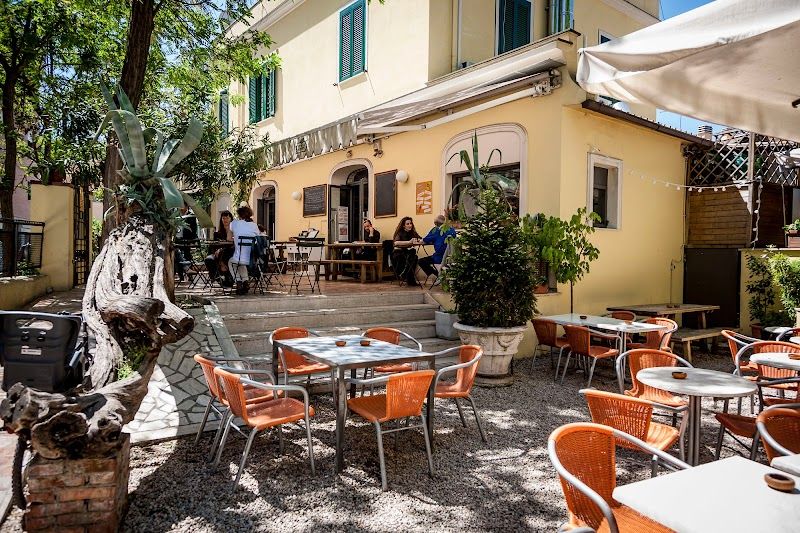
Necci dal 1924
Historic Pigneto cafe and restaurant where Pasolini used to write. Now serves good Roman classics alongside lighter lunch options, with a large garden terrace. A neighborhood meeting point combining history with contemporary Roman life.
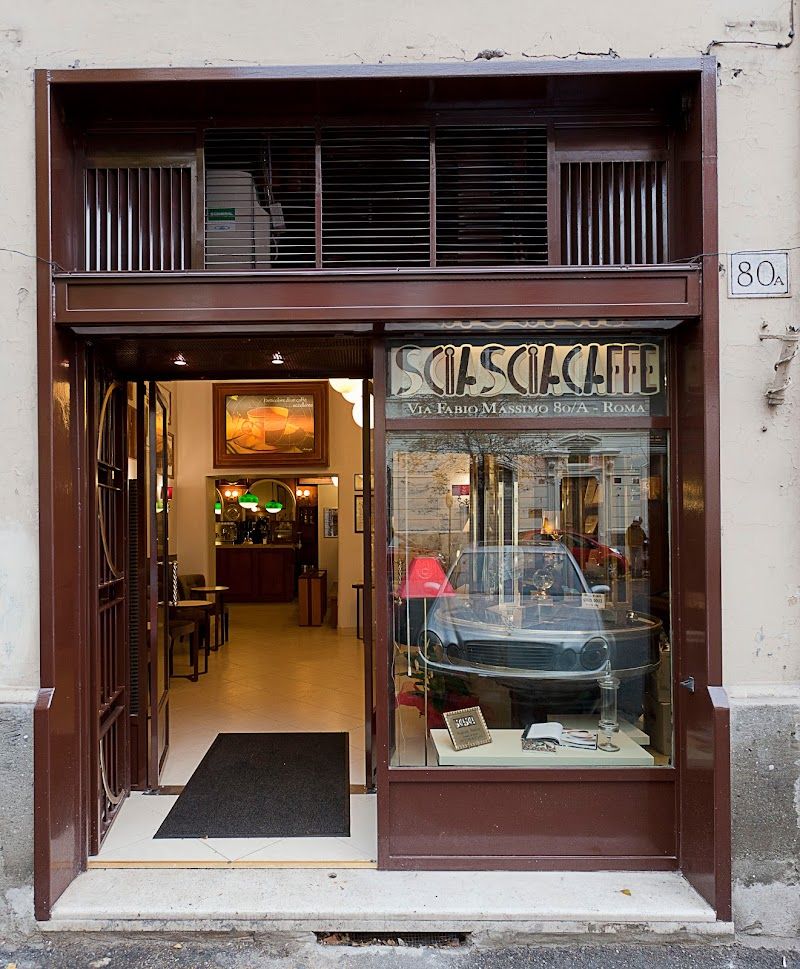
Sciascia Caffè 1919
Art Nouveau café in Prati serving since 1919, with original fixtures, mirrors, and a painted ceiling. Their house-roasted coffee is exceptional, and the pastry selection includes Roman classics. Elegant sit-down atmosphere without being stuffy. Popular with local professionals.
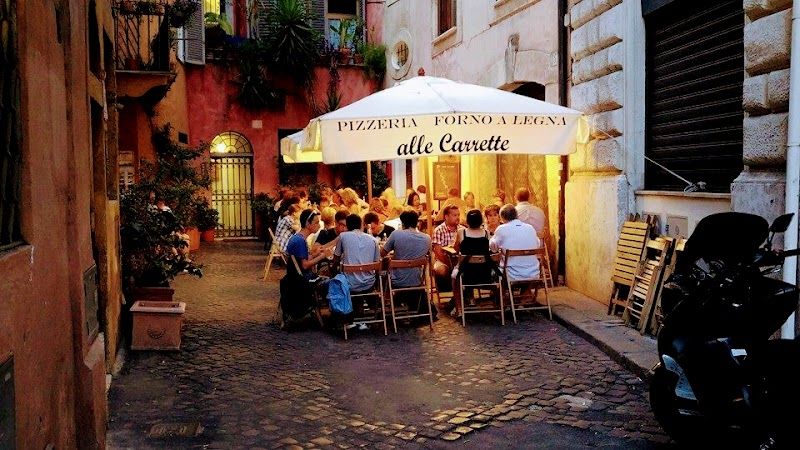
Alle Carrette
No-frills Monti pizzeria with paper tablecloths and some of the best Roman pizza in the neighborhood. The pizza with sausage and friarielli (bitter greens) is a standout. Cash only, expect a wait, but turnover is fast.
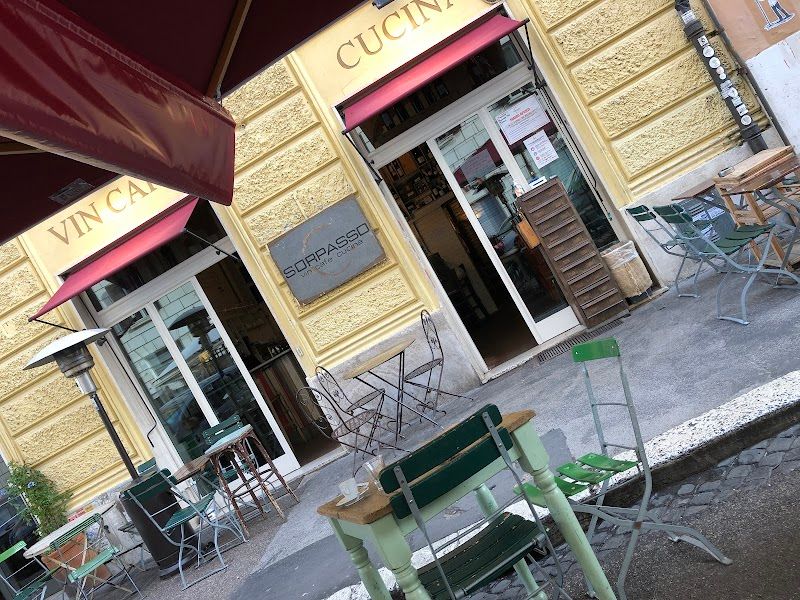
Il Sorpasso
All-day restaurant and wine bar in Prati serving everything from breakfast to dinner. Creative plates with quality ingredients, excellent coffee program, and a wine selection spanning Italian regions. Popular with local professionals for lunch.
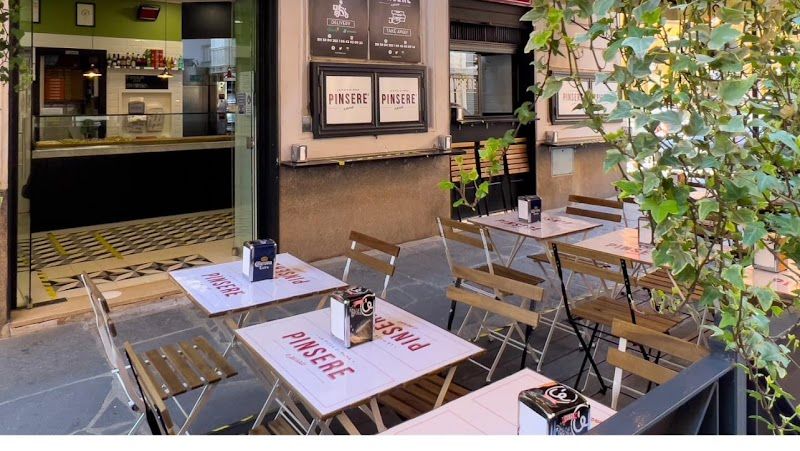
Pinsere
Specializing in pinsa romana - the ancient Roman precursor to pizza with a light, airy crust made from rice, soy, and wheat flour blend. Digestible and crispy, topped with creative combinations. Multiple locations but Flaminio original has best atmosphere.
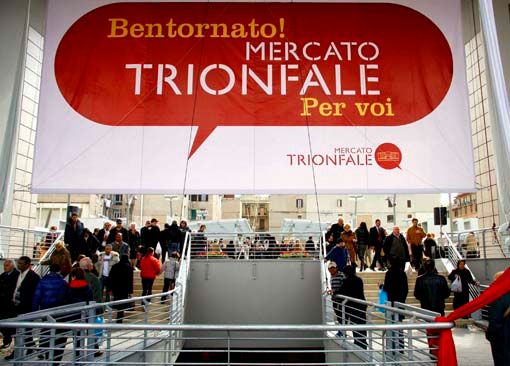
Mercato Trionfale
Mercato Trionfale is Rome's largest covered food market and the most authentic shopping experience you'll have near the Vatican. Over 270 vendors spread across a massive hangar-like space sell everything from just-caught Mediterranean fish to wheels of aged pecorino, plus flowers, spices, and prepared foods. This is where Roman chefs and nonnas do their serious shopping, so you're getting wholesale prices and restaurant-quality ingredients. You'll find stalls dedicated to specific regions - Sicilian citrus, Calabrian peppers, Lazio vegetables - making it essentially a tour of Italy through food. The market operates like organized chaos, with vendors calling out prices and shoppers wheeling carts between narrow aisles. The fish section near the center creates the most drama, with vendors arranging elaborate displays of whole branzino, red prawns, and seasonal catches while shouting recommendations. The cheese vendors offer generous tastings, especially if you show genuine interest. You'll hear mostly Italian and Roman dialect - this feels like a neighborhood institution rather than a tourist stop, which it absolutely is. Most food markets in Rome are small and touristy, but Trionfale delivers serious scale and authentic prices. A kilo of excellent San Marzano tomatoes costs around €3-4, fresh mozzarella di bufala runs €8-12 per kilo. Skip the overpriced vendors near the main Via Andrea Doria entrance - the best deals are deeper inside. The market gets picked over by afternoon, so arrive before 11am for the best selection.
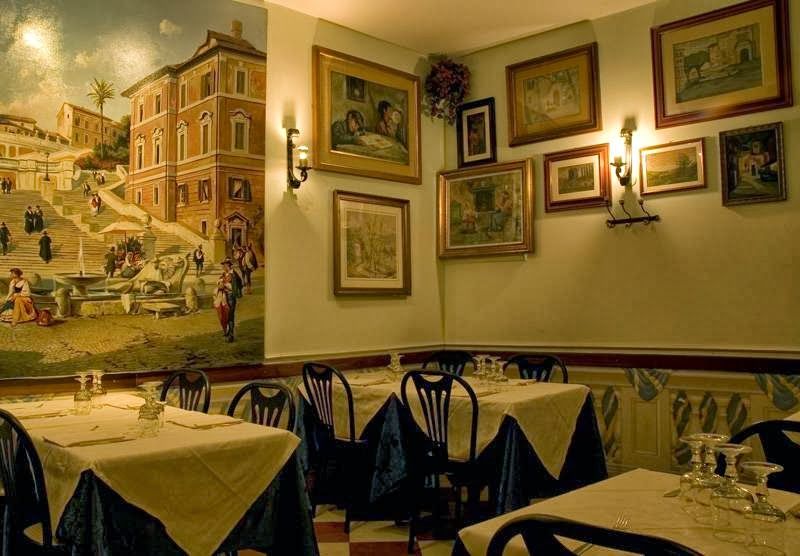
Alle Fratte di Trastevere
Traditional osteria on a quiet Trastevere side street, away from the tourist crowds. Excellent gricia and carbonara with generous portions, and they nail the Roman contorni (side dishes) like puntarelle and cicoria. Family-run with warm service.
Pizzeria Ostiense
No-frills neighborhood pizzeria serving Roman-style thin-crust pizza with perfectly charred edges. Packed with locals every night, efficient service, and rock-bottom prices. The supplì are enormous and served molten hot.
Blackmarket Hall
Industrial-chic food hall and craft beer garden in Monti with multiple food vendors, a central bar, and communal tables. The courtyard space hosts DJ sets and live music on weekends. Seven different food stalls offer everything from burgers to sushi, making it ideal for groups with varied tastes.
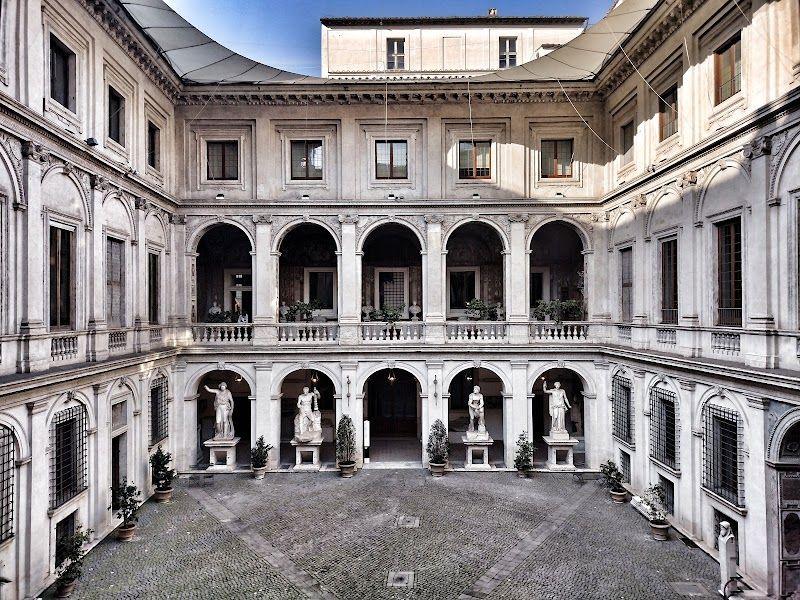
Palazzo Altemps
Palazzo Altemps houses Rome's finest collection of ancient sculptures in a 15th-century cardinal's palace that's been beautifully restored. You'll find masterpieces like the Ludovisi Throne (a 5th-century BC Greek relief), the dramatic Galata Suicide sculpture, and the colossal Dionysus statue. The frescoed rooms and painted loggias create an aristocratic atmosphere that makes viewing these ancient works feel intimate rather than clinical. The visit flows through ornate Renaissance rooms where sculptures are displayed like they're still part of a private collection. The painted ceilings and decorative walls provide gorgeous backdrops for marble gods and emperors. The courtyard loggia is particularly atmospheric, with ancient sarcophagi arranged around the covered walkway. Each room has a different character - some feel like grand salons, others like scholarly studies. At €10 (€2 for EU students), it's Rome's best sculpture museum and criminally undervisited compared to the Capitoline Museums. Skip the ground floor quickly - the real treasures are upstairs. The Ludovisi collection on the first floor is extraordinary, but most people rush through it. The palace gets almost no crowds, so you can actually contemplate the art without being jostled by tour groups.
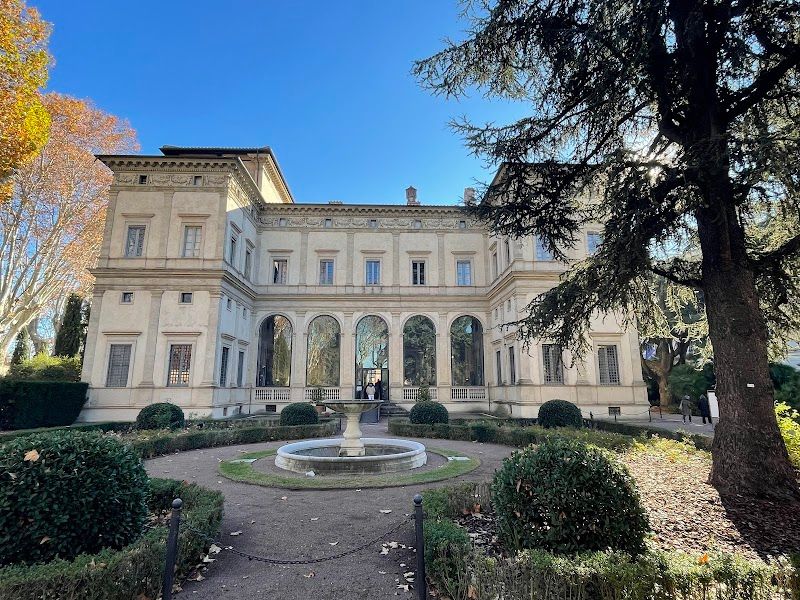
Villa Farnesina
Villa Farnesina is Rome's best-preserved Renaissance villa, built by wealthy banker Agostino Chigi in 1506 as his private party palace. The walls explode with frescoes by Raphael, Baldassarre Peruzzi, and Sebastiano del Piombo - this isn't museum art behind glass, it's immersive decoration covering every surface. You'll see Raphael's sensual Triumph of Galatea, Peruzzi's mind-bending trompe-l'oeil architecture in the Sala delle Prospettive, and the Loggia of Psyche where Chigi once hosted lavish banquets under painted mythological scenes. The villa feels intimate compared to Vatican crowds - you're walking through actual living spaces where Renaissance Rome's elite once dined and socialized. Each room flows naturally into the next, with frescoes that seem to extend the architecture beyond the walls. The Sala delle Prospettive particularly impresses visitors as fake columns and balconies create impossible views of 16th-century Rome. You'll spend most time craning your neck upward, and the smaller scale means you can examine details other museums would rope off. Entry costs €12, making it expensive for what's essentially five decorated rooms, but the quality justifies the price. Most guides oversell the ground floor loggia - the upper floor Sala delle Prospettive delivers the real wow factor. Skip the audio guide (€6 extra) since English descriptions on wall panels cover the basics adequately.
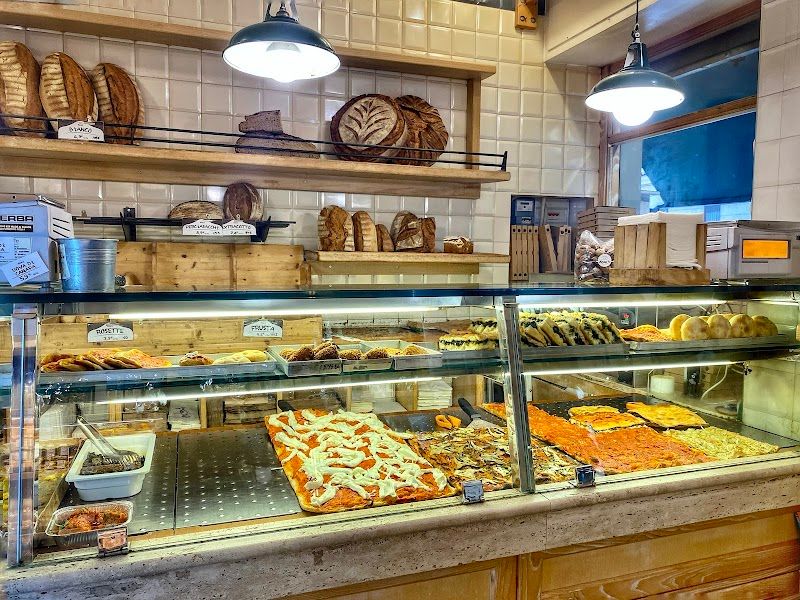
Panificio Bonci
Gabriele Bonci's bakery near Prati serving pizza bianca, focaccia, and incredible bread. Different from Pizzarium - this is where Romans buy bread and quick bites. The pizza with mortadella is legendary, and everything comes out of the oven constantly.
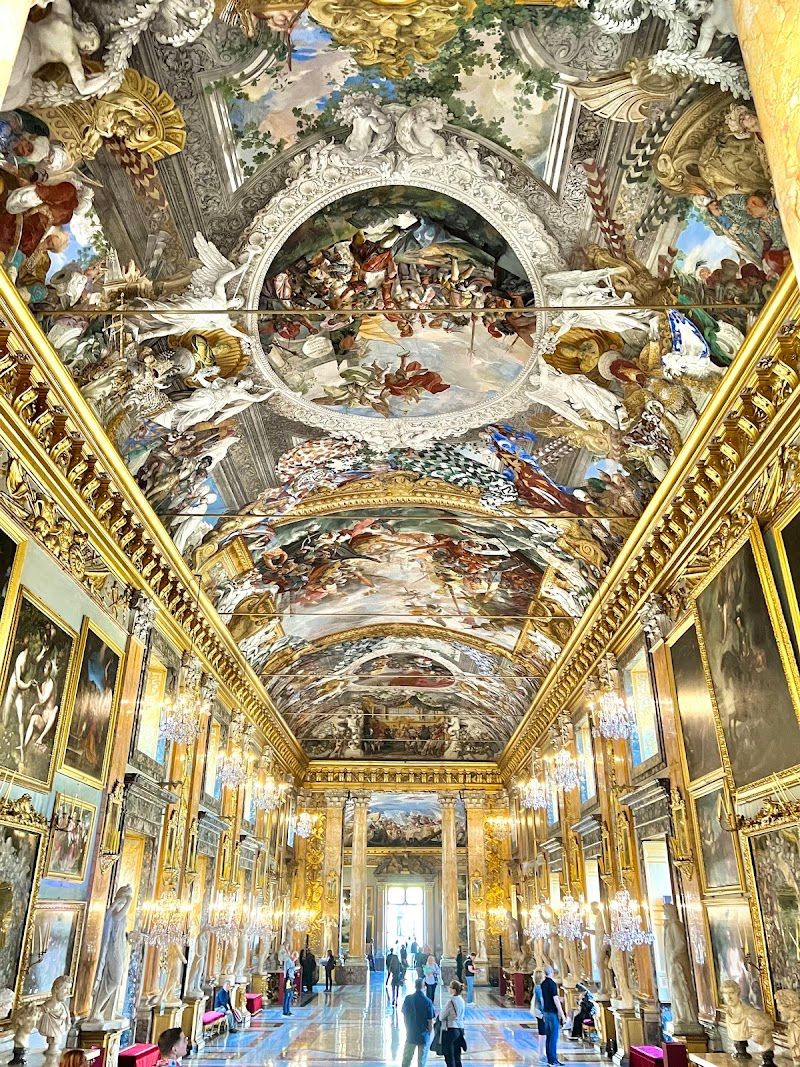
Galleria Colonna
Galleria Colonna is Rome's most spectacular private palace gallery, owned by the same noble family for over 900 years and crammed with masterpieces by Tintoretto, Veronese, and Carracci. The Great Hall stretches 76 meters with floor-to-ceiling mirrors, crystal chandeliers, and Andrea Pozzo's breathtaking ceiling fresco depicting the Battle of Lepanto. You'll also spot that famous cannonball lodged in the marble staircase from when French forces shelled the palace in 1849. The experience feels like wandering through a lived-in noble residence rather than a sterile museum. Sunlight streams through tall windows, illuminating gilded furniture and centuries-old tapestries while classical music plays softly in the background. The mirrored Great Hall creates infinite reflections of baroque opulence, and you'll find yourself craning your neck constantly to take in Pozzo's trompe-l'oeil ceiling that seems to open directly into heaven. Most guides don't mention that entry costs €15 and the audio guide (€5 extra) is actually worth it for the family gossip and political intrigue stories. Skip the gift shop completely but don't rush the Throne Room where Audrey Hepburn filmed Roman Holiday scenes. The palace genuinely closes at 1:15pm regardless of crowds, so arrive by 11am to see everything properly without feeling rushed.
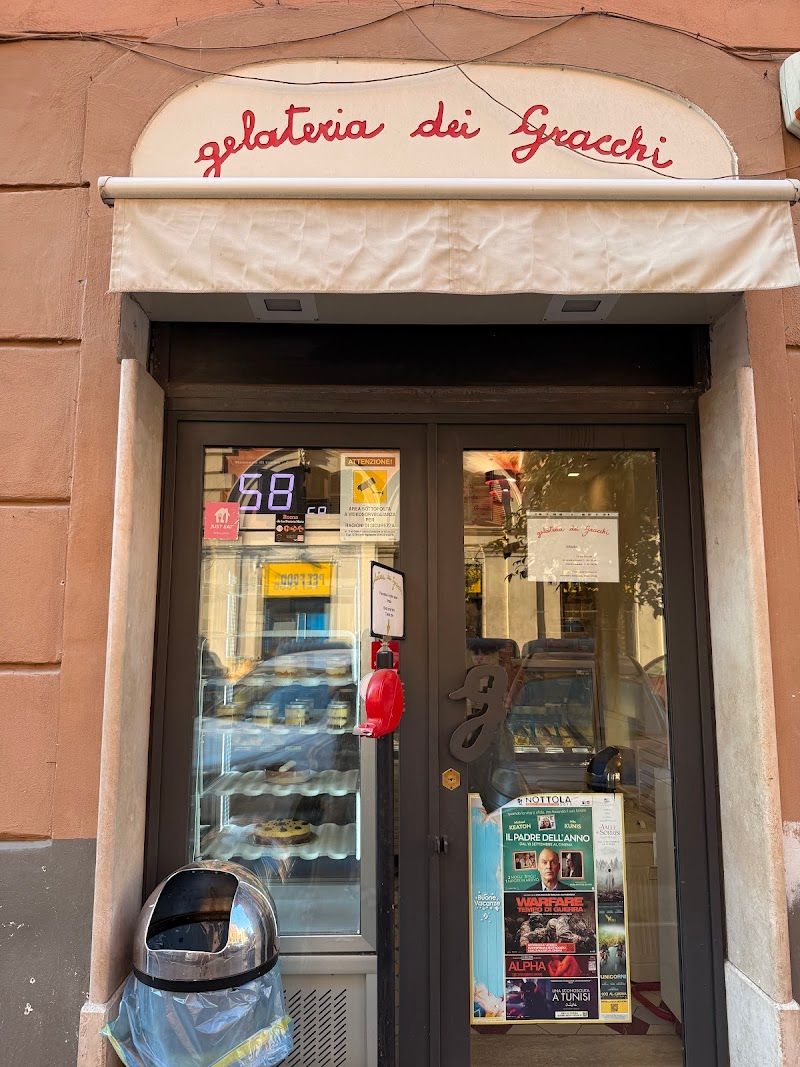
Gelateria dei Gracchi
Artisanal gelato shop in the heart of Prati serving creative flavors made with high-quality natural ingredients. Their seasonal fruit flavors and unique combinations like ricotta with figs make it worth the short wait. A true neighborhood gem that locals frequent year-round.
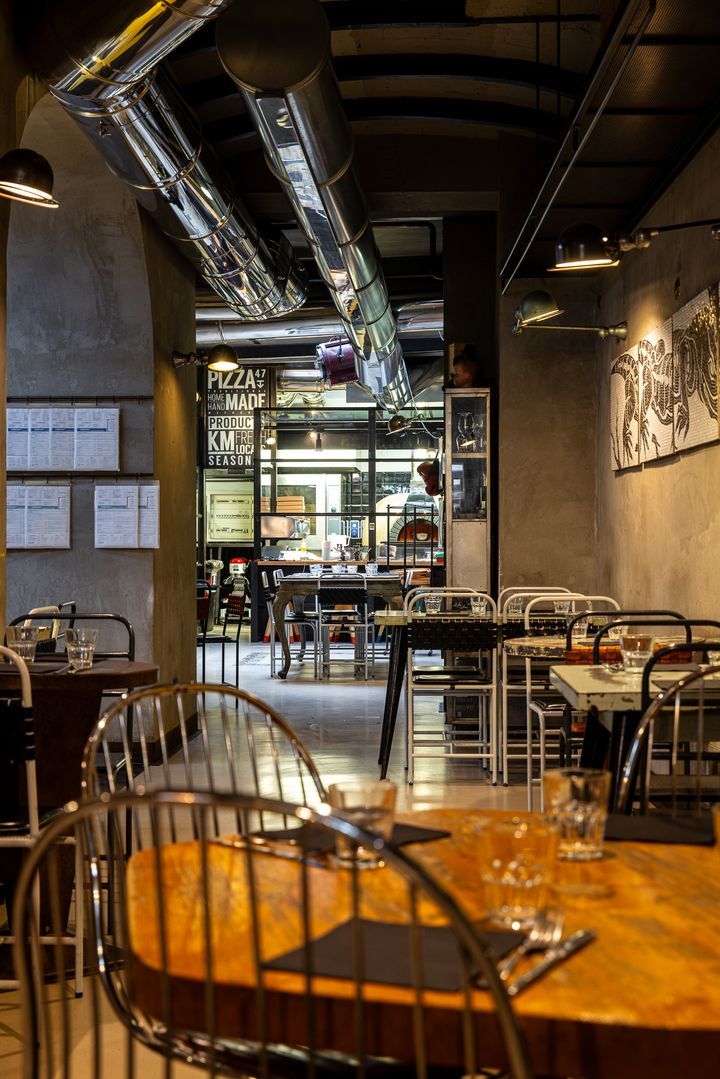
Urbana 47
Modern Roman restaurant with creative seasonal menu and excellent cocktail program. The carbonara is deconstructed in an interesting way, but traditional dishes are available. Stylish without being pretentious, popular with Roman professionals at lunch.
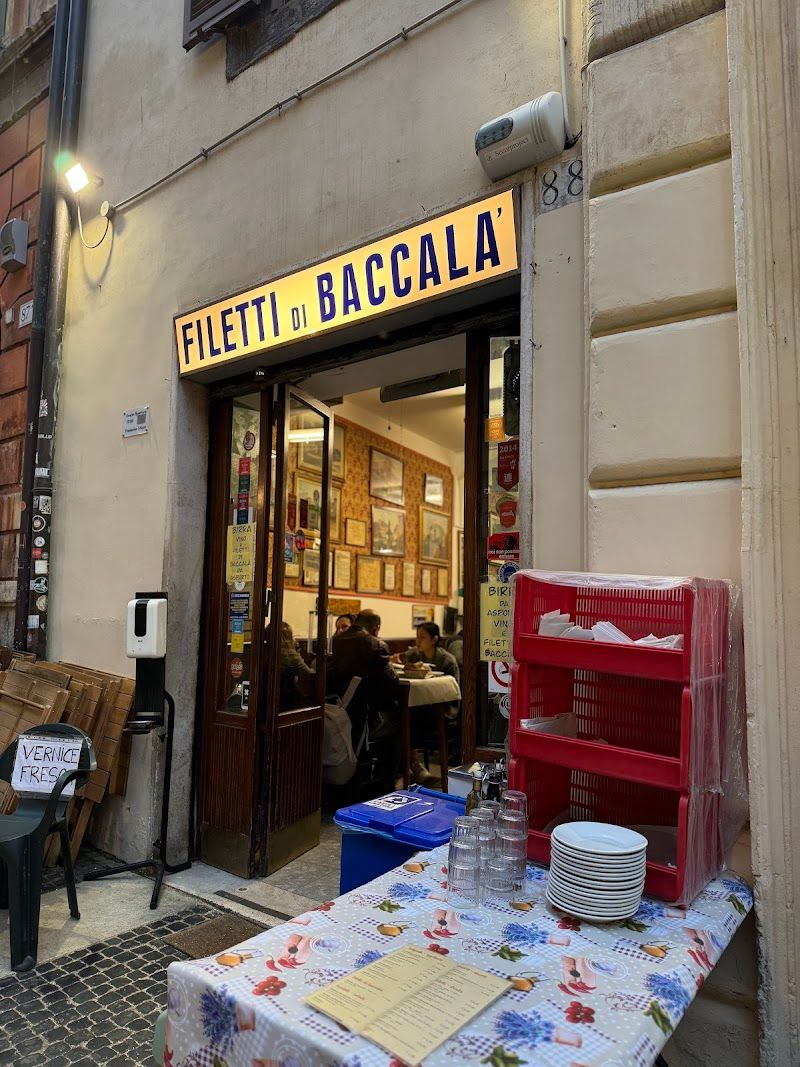
Dar Filettaro a Santa Barbara
Tiny historic spot serving only fried baccalà (salt cod) since 1906. No pasta, no meat - just perfectly fried fish with puntarelle salad. Stand-up counter or few tables, ultra-traditional Roman fast food. Cash only.
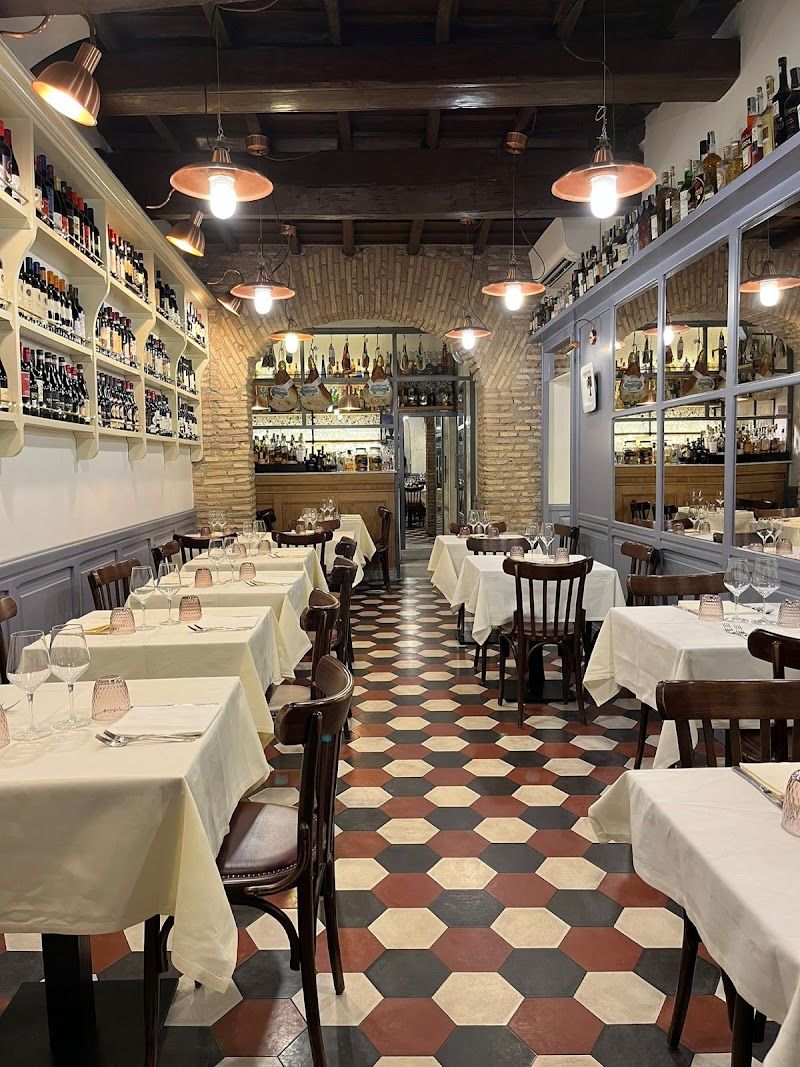
Piccolo Arancio
Reliable trattoria near Trevi Fountain that maintains quality despite touristy location. Good carbonara and gricia, fair prices for the zone, and they honor lunch hours when many nearby places serve mediocre tourist menus. Family-run professionalism.
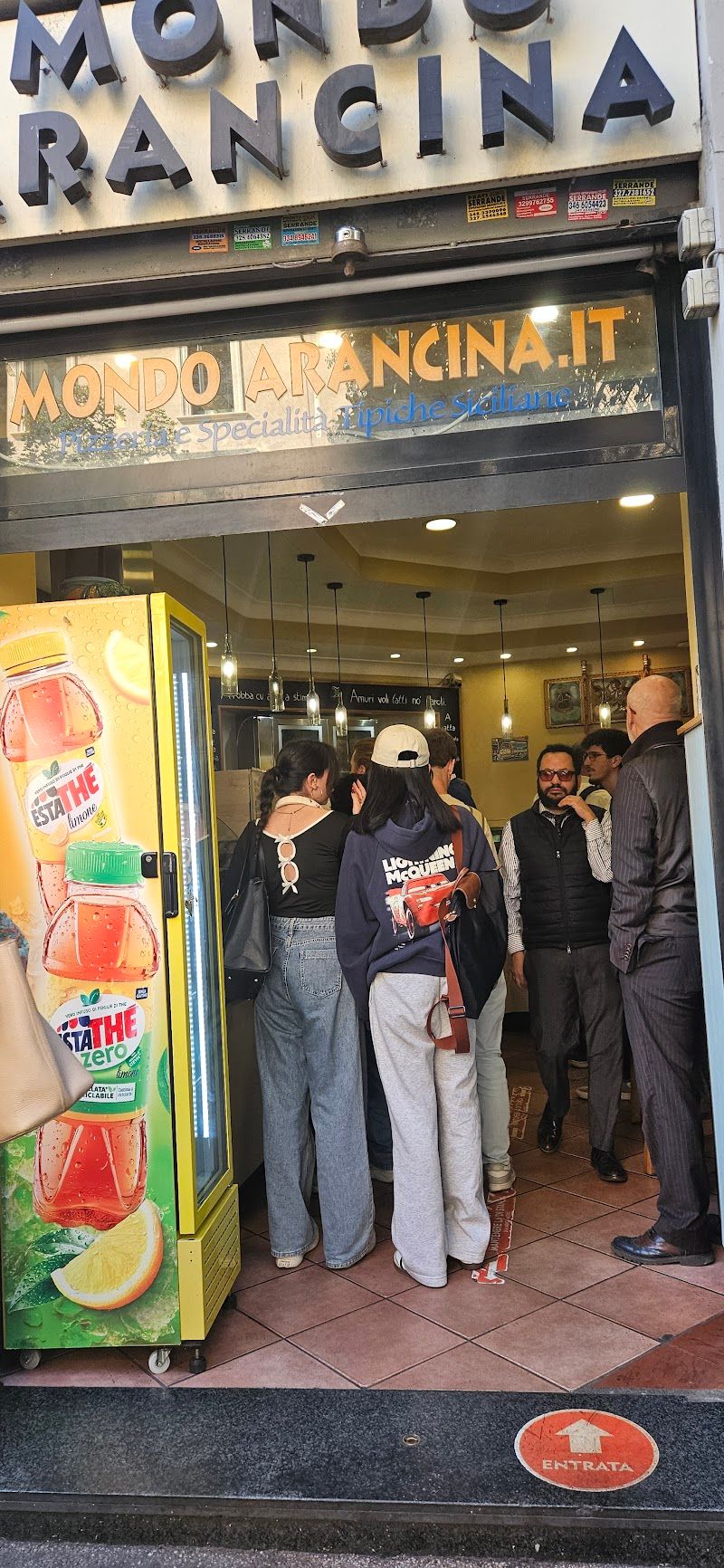
Mondo Arancina
Sicilian arancini specialists with both traditional and creative versions of the fried rice balls. Not Roman, but Romans love these. Quick service, affordable, and a nice contrast to Roman supplì. Multiple locations but Prati original is best.
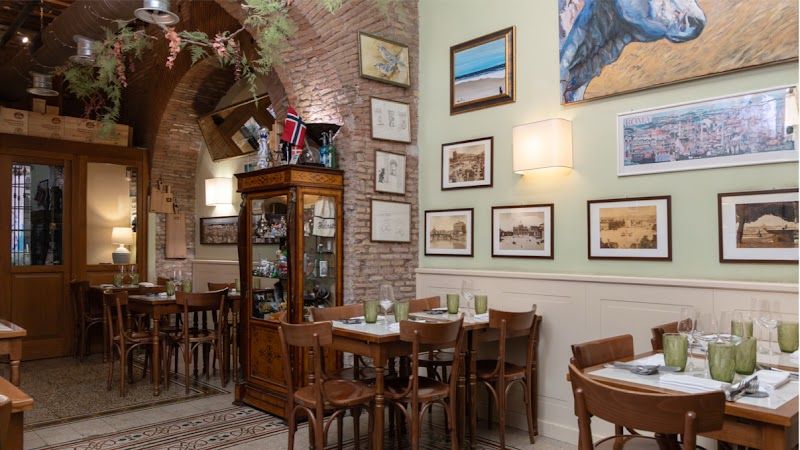
Taverna dei Fori Imperiali
Monti neighborhood gem serving honest Roman cooking steps from the forums. House-made pasta with excellent amatriciana and carbonara, plus rotating daily specials based on market finds. The lunch menu del giorno is exceptional value at €15.
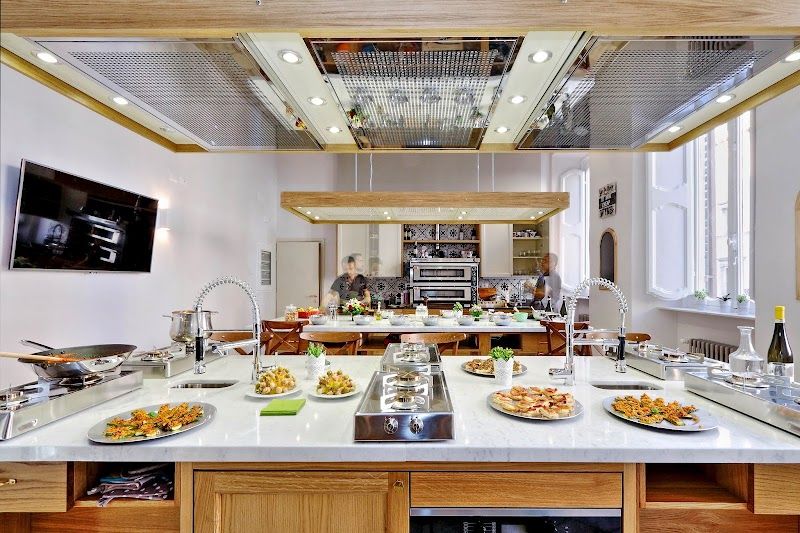
Cooking Classes Rome
Cooking Classes Rome operates in a gorgeous 17th-century palazzo in Centro Storico, where professional Italian chefs teach you to make authentic pasta, pizza, and desserts from scratch. You'll learn proper techniques for rolling fettuccine, filling ravioli, stretching pizza dough, and whipping up tiramisu, then sit down to eat everything you've created with carefully chosen wine pairings. This isn't just a tourist cooking show - these are real skills you'll actually use at home. The 3-hour class flows naturally from prep work in the historic kitchen to eating in the palazzo's elegant dining room. You'll work alongside other travelers at marble counters, getting your hands properly messy with flour and dough while the chef corrects your technique and shares family recipes. The atmosphere strikes the perfect balance between educational and social - you're learning seriously but laughing constantly, especially once the wine starts flowing during the meal. Most cooking classes in Rome are overpriced tourist traps, but this one delivers genuine value at around €89 per person. The location alone makes it worthwhile - you're cooking in a space where Romans have prepared meals for centuries. Skip the evening classes if you want the chef's full attention, as they tend to pack more people in. The morning sessions are smaller, more personal, and you'll get better photos in the natural light streaming through those ancient windows.
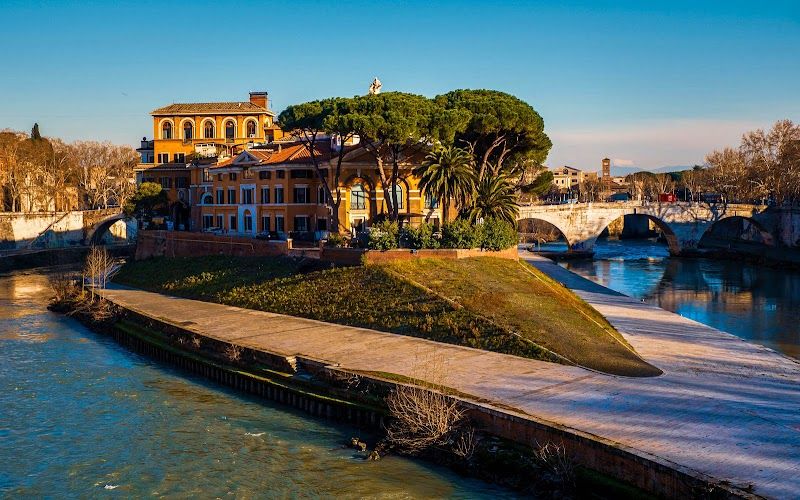
Isola Tiberina
Isola Tiberina is Rome's only river island, a 270-meter limestone outcrop that's been shaped to look like an ancient ship floating in the Tiber. You'll find Europe's oldest functioning hospital here, built on the exact spot where Romans worshipped Aesculapius, god of healing, since 291 BC. The carved travertine ship's hull along the banks and the obelisk "mast" create an impressive illusion that this island is actually sailing downstream. Crossing onto the island feels like boarding a stone vessel anchored in Rome's heart. The medieval Basilica of San Bartolomeo sits where the ancient temple once stood, while the Fatebenefratelli hospital quietly continues 2,300 years of healing tradition. During summer evenings, the Isola del Cinema festival transforms the southern tip into an outdoor movie theater with the Tiber flowing on both sides. Most visitors rush across without exploring properly. The real charm is in the details - the carved ship's prow on the downstream point, the ancient bridge inscriptions, and the peaceful hospital courtyard that's usually open. Skip the overpriced island restaurants and grab a gelato from Trastevere before crossing. The best photos come from the bridges themselves, not from standing on the island.
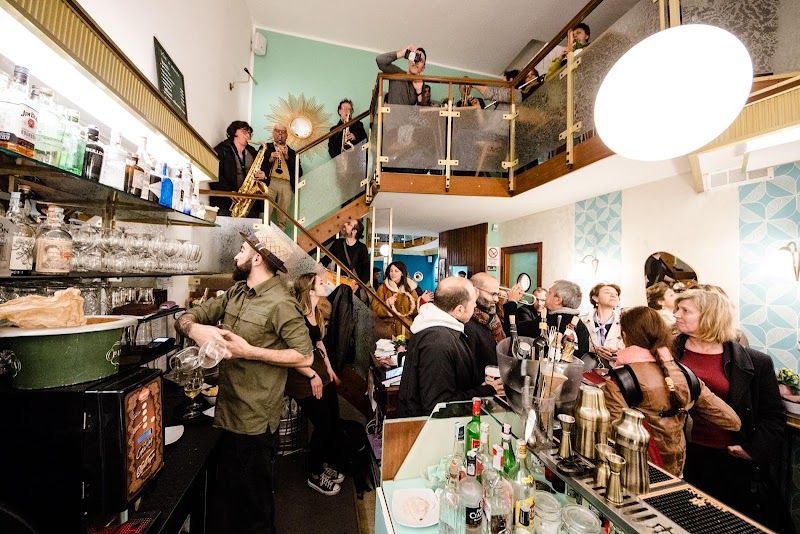
Gatsby Café
Art Deco-inspired cocktail bar in Ostiense serving creative drinks in vintage glassware with a soundtrack of live jazz piano on weekends. The green velvet booths and brass fixtures evoke 1920s glamour. Their signature Negroni variations showcase Italian vermouths and amaros.
Eggs
Breakfast and brunch specialist in Prati open all day. Creative egg dishes, good coffee, fresh pastries, and lighter lunch options. Rare find in Rome where breakfast is usually just cornetto and espresso. Popular with young Romans.
Museo delle Cere
Rome's Museo delle Cere houses over 250 wax figures spanning 2,000 years of history, from Julius Caesar to modern celebrities. You'll find detailed recreations of pivotal Roman moments, all the popes, Renaissance masters, and contemporary stars like Marilyn Monroe and Einstein. The real draw is the basement's Dante's Inferno section - a genuinely atmospheric journey through hell's nine circles complete with sound effects and theatrical lighting. The museum flows chronologically through Roman history on the main floor, where you can snap photos with emperors and gladiators in detailed period settings. The religious section feels more like a Vatican souvenir shop, but the Renaissance artists are surprisingly well-crafted. Downstairs, the Inferno experience shifts the mood completely - dimly lit scenes of torture and damnation that feel more haunted house than history lesson. Most travel guides ignore this place entirely, which means you'll often have rooms to yourself. Entry costs around €15 for adults, which feels steep for what amounts to an elaborate photo opportunity. Skip the religious section unless you're really into papal history, and don't expect Madame Tussauds quality - some figures look more like distant relatives than exact likenesses. Perfect for a rainy afternoon when the Colosseum crowds are overwhelming.
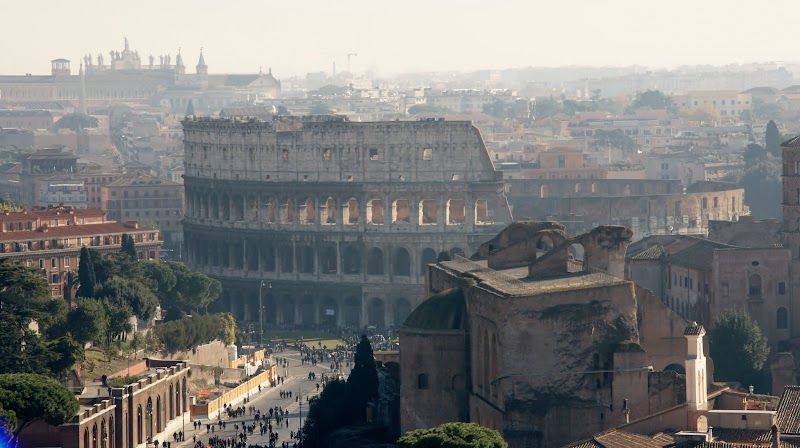
Via del Corso
Via del Corso is Rome's main shopping thoroughfare, a straight 1.5-kilometer stretch connecting Piazza del Popolo to Piazza Venezia. You'll find Zara, H&M, and Mango alongside Italian chains like Coin and Rinascente, all housed in buildings that date back centuries. The street serves as both a retail destination and architectural timeline - 17th-century palaces now host flagship stores, while baroque church facades peek between modern shopfronts. Walking the Corso feels like shopping through a living museum. The crowds flow steadily from north to south, with Romans genuinely shopping alongside tourists taking photos. The street widens and narrows unpredictably, opening onto small piazzas before funneling back into narrow sections lined with ancient walls. Street performers and vendors set up near the major intersections, while the constant hum of Vespas and buses provides the soundtrack. Most guides oversell this as a cultural experience when it's really just effective shopping. The clothes are the same international brands you'd find anywhere, often at higher prices than other EU cities - expect to pay €40-60 for basic items at Zara. The real value is convenience - everything's walkable, and you can grab an espresso (€1.20) at numerous bars between stores. Skip the weekend crowds entirely and go weekday afternoons when Romans actually shop here.
Perilli
Old-school Testaccio trattoria with checkered tablecloths and waiters in bow ties serving classic Roman dishes since 1911. The amatriciana and cacio e pepe are textbook, portions are massive, atmosphere is authentic working-class Roman.
Jewish Ghetto
Rome's Jewish Quarter holds Europe's oldest continuous Jewish community, dating back over 2,000 years. You'll walk narrow cobblestone streets lined with kosher restaurants, see the Great Synagogue's distinctive square dome rising above medieval buildings, and explore ruins of the ancient Portico d'Ottavia where Roman Jews once conducted business. The area spans just four blocks but contains synagogues, Jewish bakeries, and trattorias serving Roman-Jewish specialties like carciofi alla giudia. The quarter feels intimate and lived-in rather than touristy, with locals shopping at kosher butchers and elderly men chatting outside cafes. You'll notice Hebrew inscriptions on doorways, stumbling stones commemorating Holocaust victims embedded in sidewalks, and fragments of ancient Rome incorporated into Renaissance buildings. The contrast strikes you immediately - 2,000-year-old marble columns supporting medieval apartments while modern Roman families go about daily life. Most guidebooks oversell the Synagogue tour (€11) which only shows you standard interiors and rushed history. Instead, focus on wandering the streets freely, trying supplì al telefono at a local bakery, and examining the Portico ruins carefully - you'll spot ancient marble reliefs and original Roman masonry. The area takes 90 minutes to explore thoroughly, but skip it entirely on Saturdays when everything Jewish closes for Shabbat.
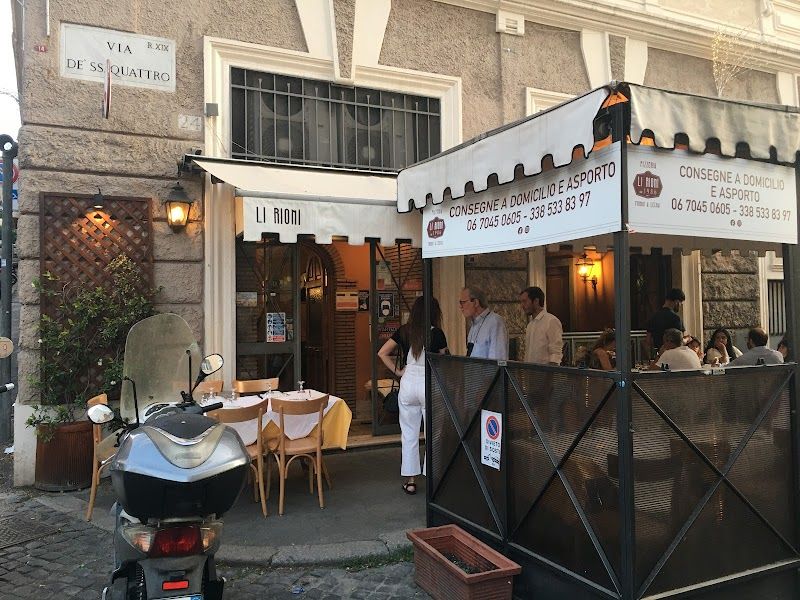
Li Rioni
Authentic Roman pizzeria specializing in pizza al taglio (by the slice) and supplì, located just steps from the Colosseum. Run by the same family for decades, offering crispy-bottomed Roman-style pizza with creative seasonal toppings. Quick, affordable, and packed with locals at lunch.
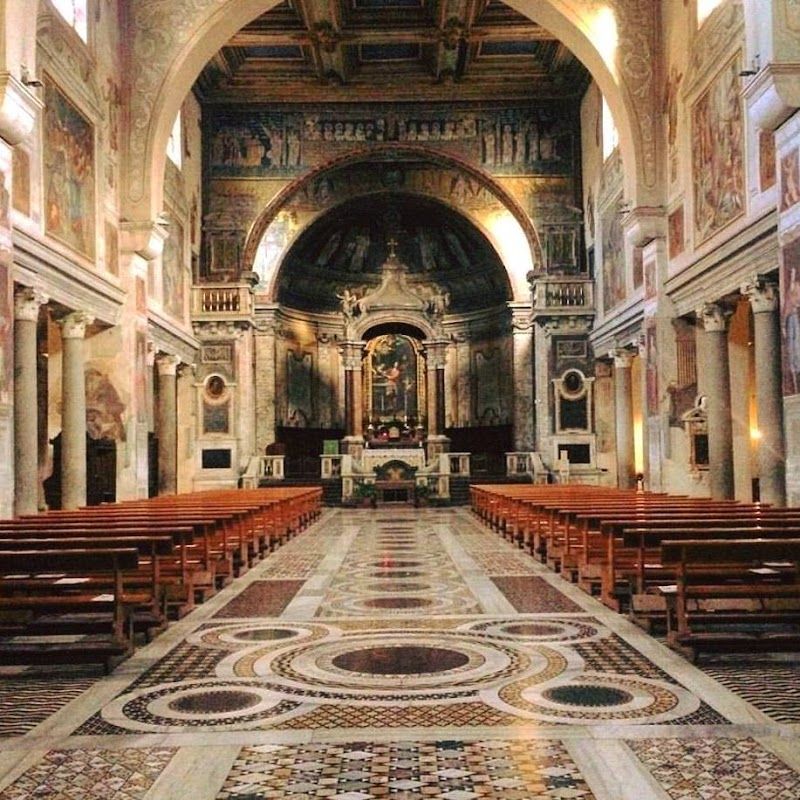
Basilica di Santa Prassede
Santa Prassede is a 9th-century church that houses Rome's most spectacular Byzantine mosaics, concentrated in the tiny Chapel of San Zeno. The gold-background mosaics here genuinely rival Ravenna's famous works - Christ Pantocrator gazes down from the vault while saints parade along the walls in luminous detail. You'll also see the column where Christ was supposedly flogged, brought from Jerusalem, and medieval floor mosaics that most visitors walk right over. The church feels refreshingly intimate after visiting Rome's grand basilicas. The main nave is understated, almost plain, which makes discovering the Chapel of San Zeno feel like finding treasure. The chapel itself is barely large enough for six people - you'll crane your neck studying every inch of the glittering ceiling while €1 coins tick down the lighting timer. The mosaics seem to pulse with life as the artificial lighting catches different gold tesserae. Most guides call this a "under-the-radar spot" but it's not really hidden - it's just overlooked because tourists rush past chasing bigger names. The chapel gets cramped with even three visitors, so time your visit carefully. Skip the main church entirely if you're pressed for time and head straight to San Zeno. The €1 lighting fee adds up if you want to study details properly - budget €3-4 to really appreciate what you're seeing.
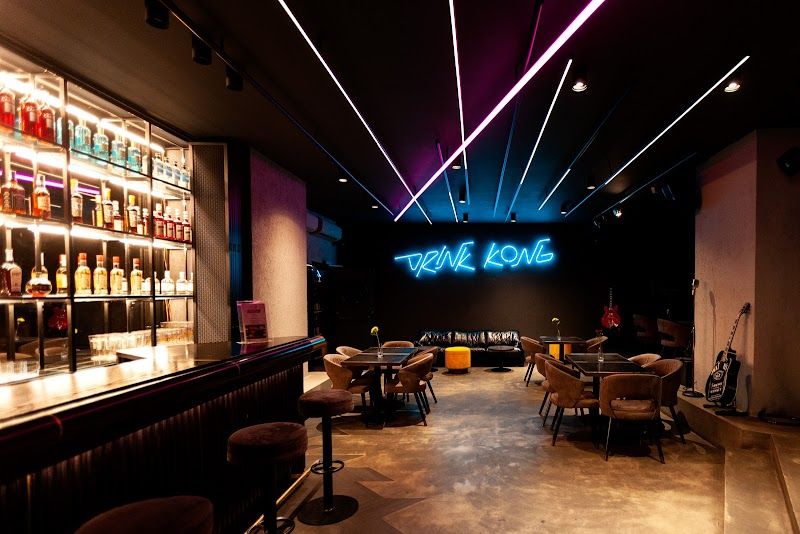
Drink Kong
Futuristic cocktail bar designed by Studio Giancarlo Valle with neon lighting and Asian-fusion small plates. The bartenders craft inventive cocktails using house-made ingredients and molecular techniques. Reserve ahead on weekends as it fills quickly with Rome's fashion and design crowd.
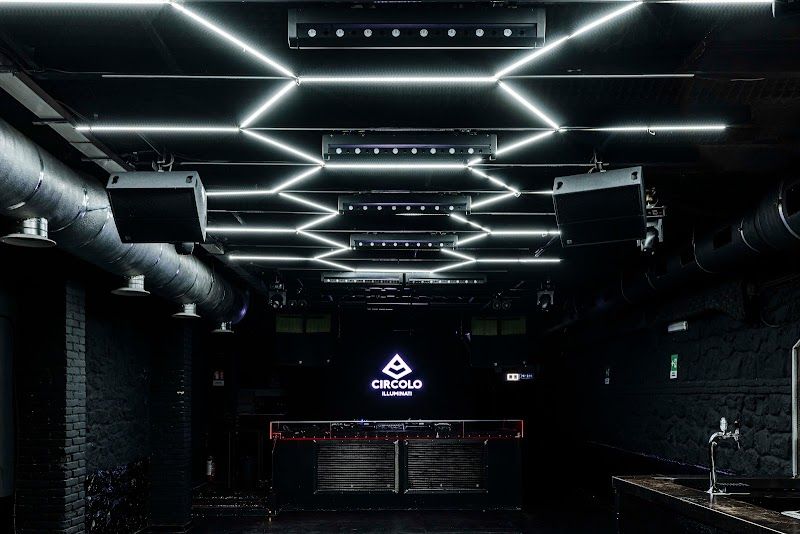
Seu Pizza Illuminati
Modern pizza concept with creative topping combinations and high-quality ingredients. The dough is fermented for 72 hours creating light, digestible crust. Contemporary space with young energy. Multiple locations but Trastevere flagship is best.
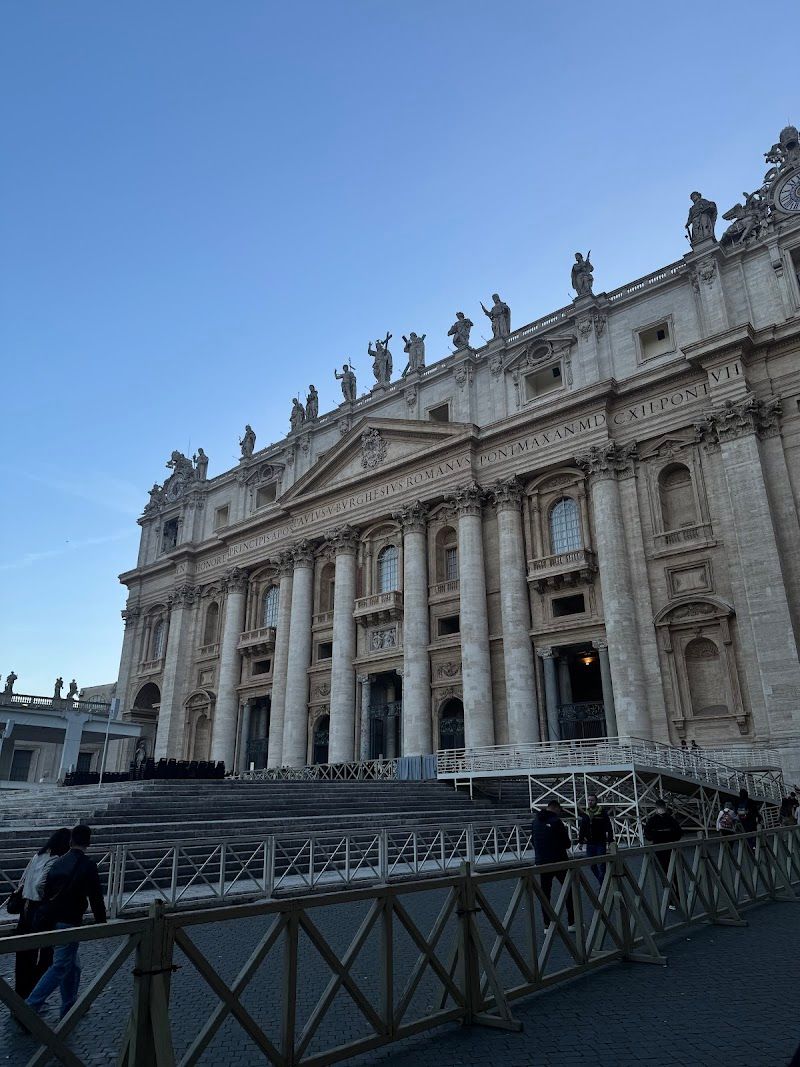
Enjoy Rome
Enjoy Rome runs evening walking tours that showcase the city's monuments under floodlights, when the tourist crowds have dispersed and temperatures drop. You'll visit the Pantheon, Trevi Fountain, and Spanish Steps bathed in golden artificial light, plus descend into the underground San Clemente basilica or catacombs depending on the route. The company's been operating since 1994 and their guides know the stories behind each site rather than just rattling off Wikipedia facts. The 2.5-hour tours move at a comfortable pace through Rome's centro storico, with plenty of photo stops at illuminated fountains and facades. The underground portion feels genuinely atmospheric - cool stone corridors lit by your guide's flashlight, with early Christian frescoes emerging from the darkness. Groups stay small (usually 15-20 people) and the guides encourage questions. You'll end up seeing familiar landmarks transformed by nighttime lighting and shadows. Most evening tour companies charge €35-45 for similar routes, but Enjoy Rome keeps prices around €25-30 for adults. Skip their daytime tours - they're nothing special and Rome has dozens of better options when the sun's up. The real value here is experiencing the city's monuments after dark, when they look completely different and you can actually get close enough for decent photos without fighting crowds.
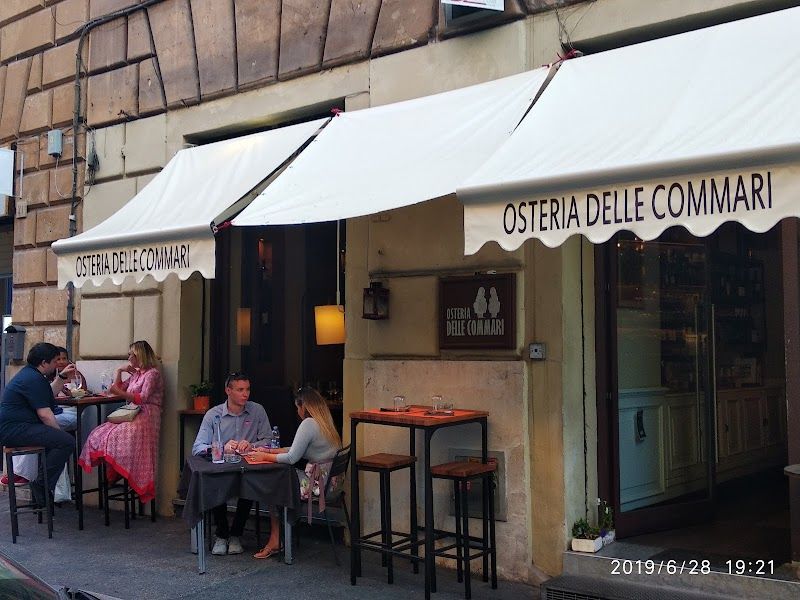
Osteria delle Commari
Authentic Prati neighborhood trattoria where locals come for solid Roman classics. The carbonara and amatriciana are textbook perfect, portions are generous, and the atmosphere is convivial. Tourist-free despite proximity to Vatican.
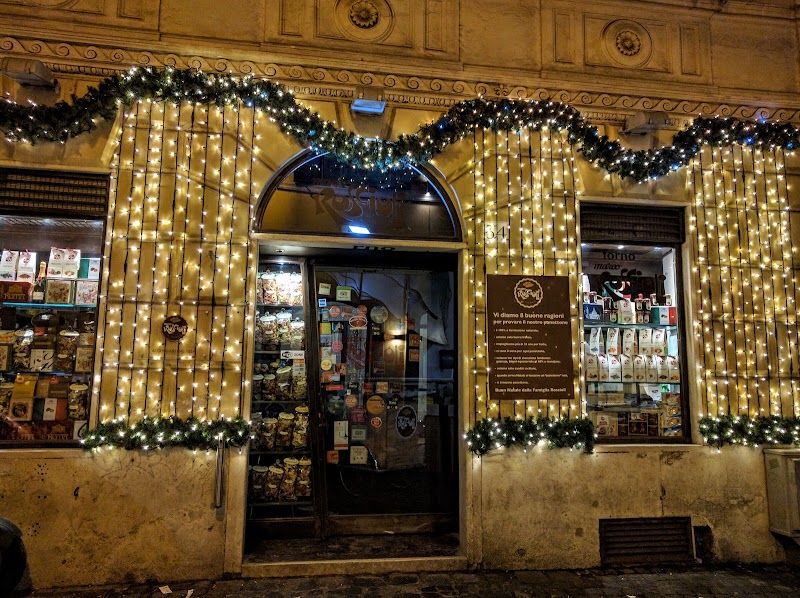
Roscioli Caffè
Morning outpost of the famous Roscioli family, specializing in cornetti and pastries made with their own sourdough starter. The maritozzo with whipped cream is exceptional. Counter service only, with espresso at €1.20 and cornetti from €1.50.
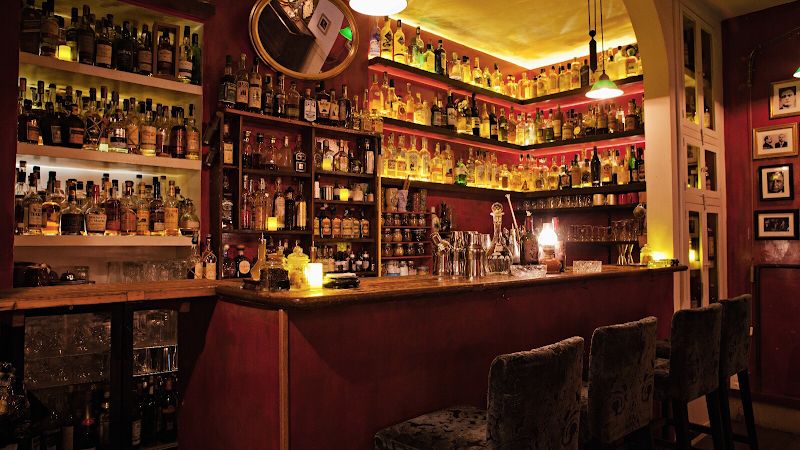
Jerry Thomas Speakeasy
Rome's first true speakeasy requiring a password for entry, hidden behind an unmarked door near Termini. The 1920s-themed bar serves classic prohibition-era cocktails with theatrical presentation. Book via their website to receive the password and door code.
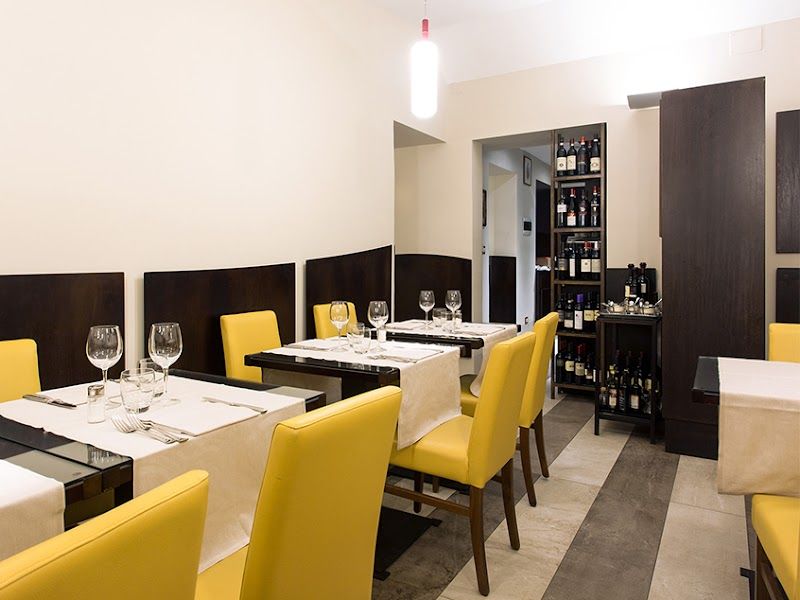
Colline Emiliane
Roman institution since 1931 serving Emilian cuisine - tortellini in brodo, tagliatelle al ragu, and bollito misto. Not Roman food but Romans come here for Northern Italian comfort food done right. Grandmother cooking in a trattoria setting.
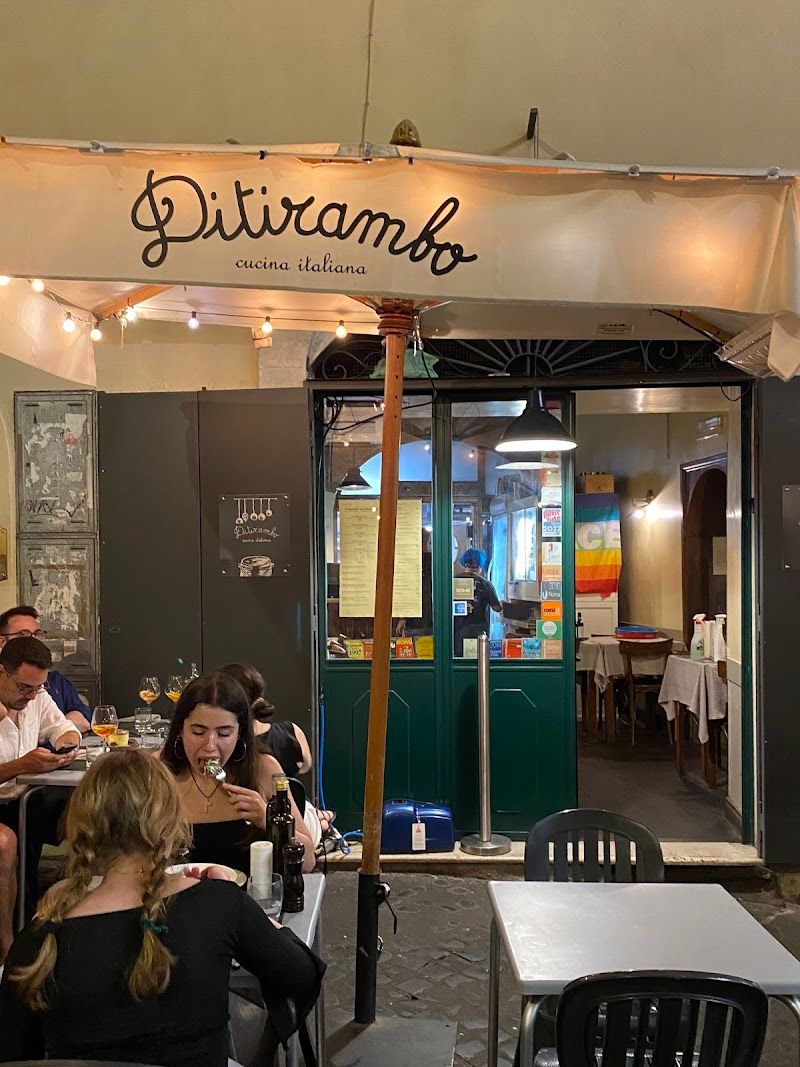
Ditirambo
Popular pizzeria and trattoria offering traditional Roman dishes and excellent pizza with quality ingredients in a casual atmosphere. Known for generous portions and reasonable prices that attract both locals and visitors. The outdoor seating along Via del Pigneto is ideal for people-watching.
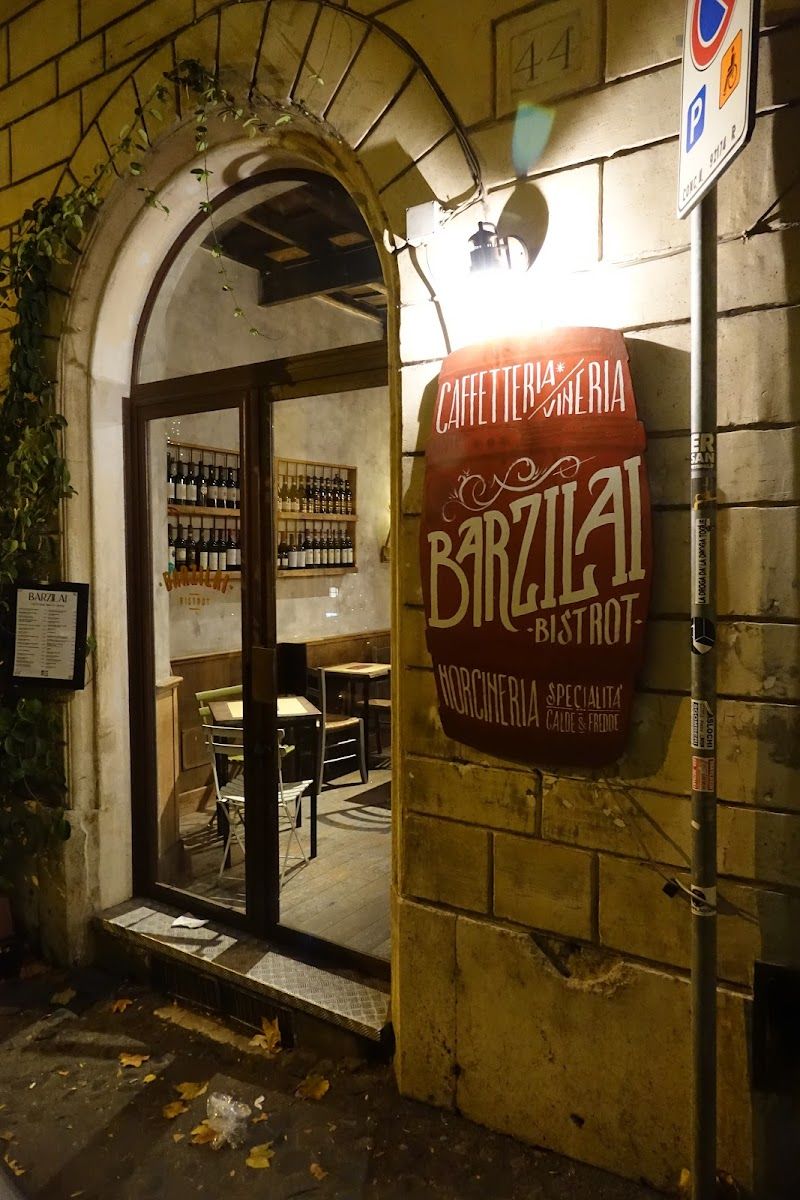
Barzilai Bistrot
Modern bistro in Pigneto with creative plates and natural wine focus. Menu changes frequently based on market availability. The crudo (raw fish) selections are excellent, unusual for this neighborhood. Young, creative kitchen team.
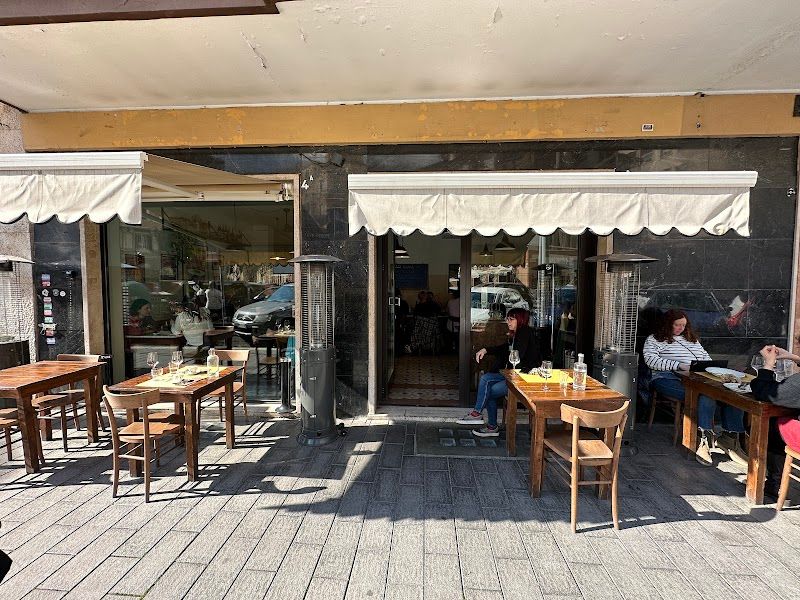
Santo Palato
Modern trattoria celebrating Roman Jewish and traditional Roman cuisine with playful twists. Chef Sarah Cicolini puts female perspective on historically male-dominated Roman cooking. The cacio e pepe is excellent, the Jewish-style artichokes are among Rome's best.
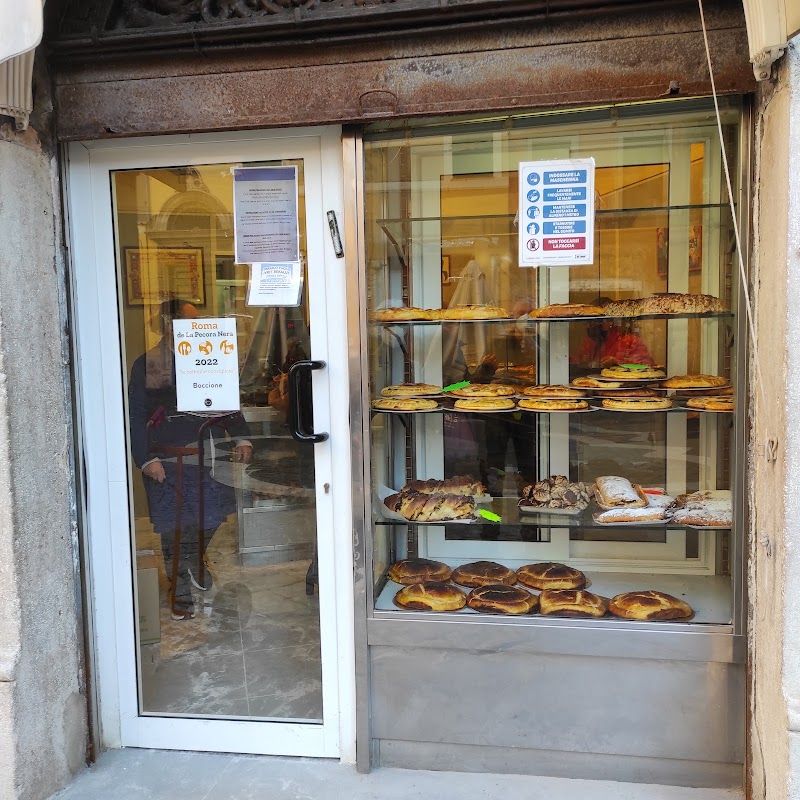
Pasticceria Boccione
Tiny Jewish bakery in the Ghetto making traditional Roman-Jewish pastries since 1815. Famous for their ricotta-cherry tart and pizza ebraica (a dense fruit and nut cake). No seating, just a small window counter. Cash only, opens whenever the baker arrives.
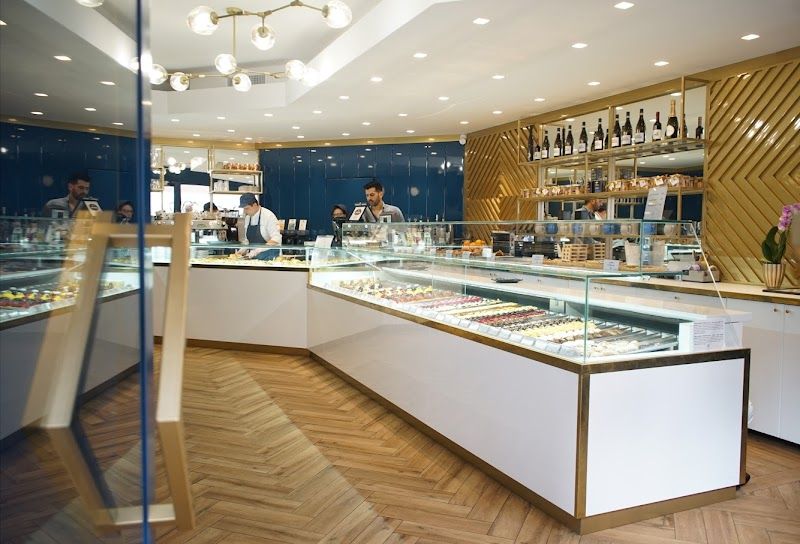
Cristalli di Zucchero
Modern pasticceria in Prati creating contemporary Italian pastries and elaborate cakes with French technique. The window display is like an art gallery. Small interior with a few tables and counter service. Their single-origin chocolate selection is carefully curated.
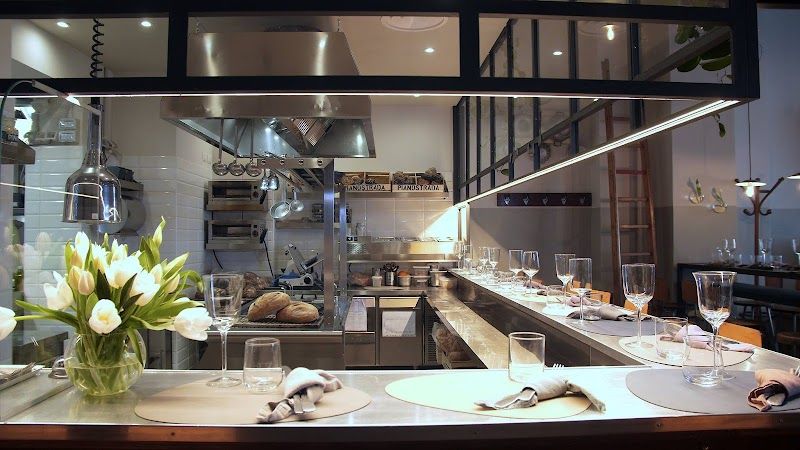
Pianostrada
Creative bistro in Trastevere with a seasonal menu that changes daily based on market finds. Small plates designed for sharing, natural wine list, and a more contemporary approach while respecting Roman ingredients. Hip but not pretentious.
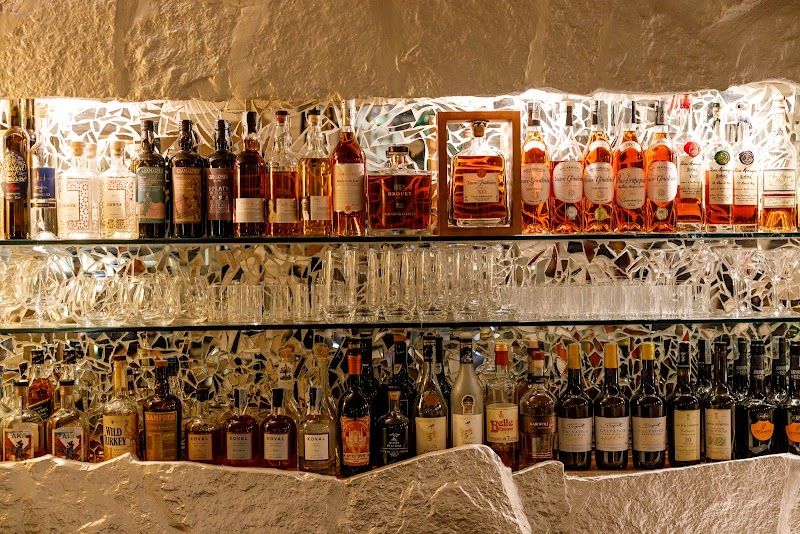
Antico Arco
Contemporary Roman fine dining on Gianicolo hill with panoramic views. Creative takes on traditional dishes with impeccable technique. The carbonara is reimagined but respectful, and the tasting menus showcase seasonal ingredients brilliantly.
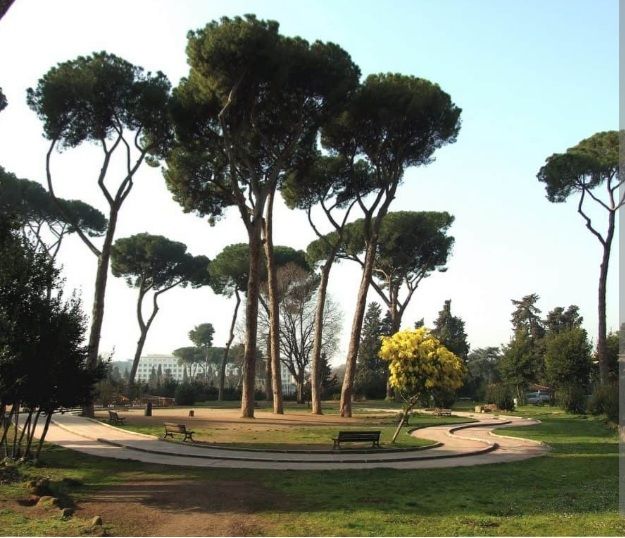
Villa Celimontana
Villa Celimontana gives you Rome's most peaceful green space without the crowds that plague Villa Borghese. This 16th-century cardinal's villa sits atop Caelian Hill, surrounded by landscaped gardens filled with umbrella pines, palm trees, and ancient Roman fragments. You'll find actual obelisk pieces scattered throughout, plus sweeping views toward the Palatine Hill. The summer jazz festival transforms the grounds into Rome's best free music venue. Walking these paths feels like discovering a neighborhood secret - Romans bring their kids here while tourists queue at the Colosseum just 500 meters away. Stone benches line shaded walkways where you can actually hear birds instead of traffic. The villa itself houses the Italian Geographic Society (closed to visitors), but the real draw is wandering the terraced gardens and stumbling across Roman marble chunks casually placed among the flowerbeds. Peacocks occasionally strut across the lawns. Most guidebooks barely mention this place, which keeps it blissfully quiet. The jazz concerts (July-August) are genuinely excellent and completely free - arrive early for the best spots on the grass. Skip the tiny playground unless you have toddlers. The park works perfectly as a rest stop between major sites, though you might end up staying longer than planned once you settle under those magnificent pines.
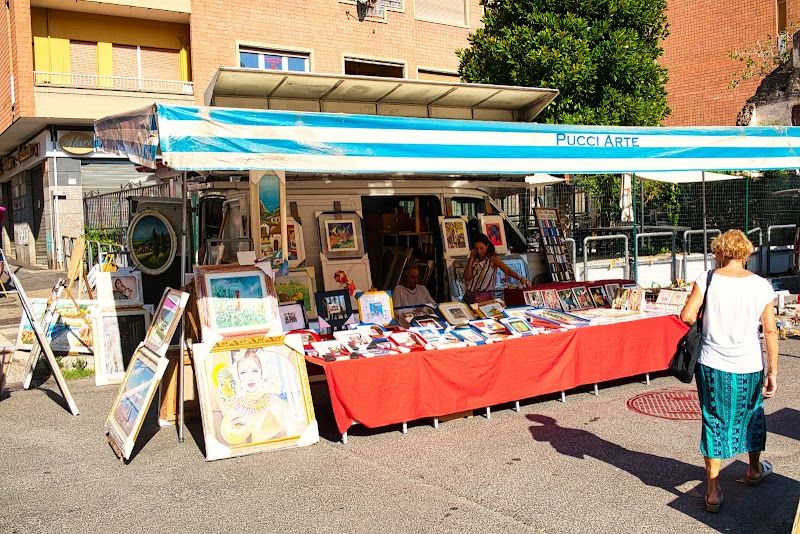
Mercato di Porta Portese
Every Sunday from dawn until 2pm, Rome's largest flea market transforms Trastevere into a treasure hunter's paradise. You'll find genuine 1950s furniture alongside fake designer bags, vinyl records from forgotten Italian singers next to hand-painted ceramics, and elderly Romans selling their grandmother's jewelry. The market stretches for nearly a kilometer along multiple streets, with over 1,000 vendors creating a maze of stalls that changes completely each week. The experience feels like wandering through someone's enormous attic sale - you'll hear vendors calling out prices in thick Roman dialect while shoppers rifle through boxes of postcards, books, and kitchen gadgets. The serious antique section near Piazza Ippolito Nievo attracts dealers and collectors examining porcelain and silver, while the main drag buzzes with families hunting for vintage coats and tourists photographing quirky finds. The crowds thicken after 10am, turning browsing into a shoulder-to-shoulder shuffle. Most travel guides romanticize this place, but honestly, 70% is junk - broken electronics, mass-produced "vintage" items, and overpriced tourist trinkets. The real finds are in the antique quarter where you can negotiate a 19th-century mirror from €80 down to €50, or discover genuine Italian ceramics for €15-25. Skip the clothing stalls near the entrance entirely - they're mostly cheap imports masquerading as vintage, and focus your energy on the back sections where locals actually shop.
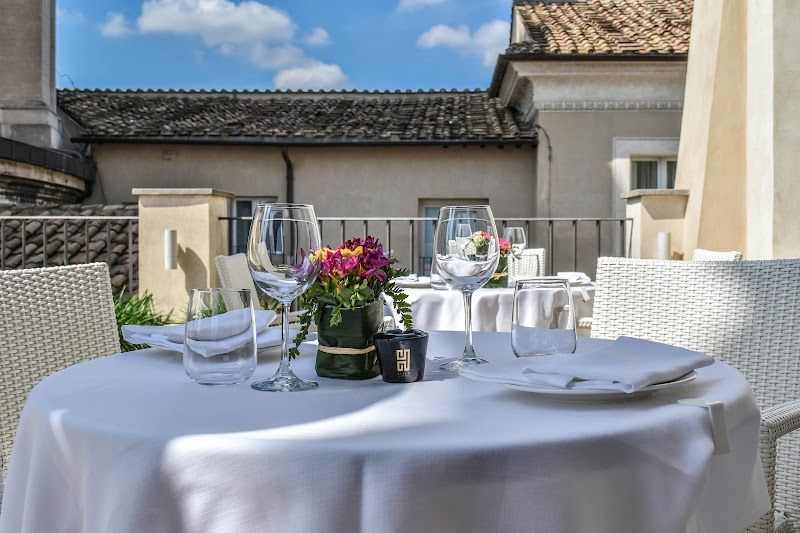
Terrazza Borromini
Rooftop bar at Hotel Eitch Borromini with stunning views over Piazza Navona and Sant'Agnese in Agone church. The sophisticated cocktail menu features Italian spirits and the setting is unbeatable for sunset aperitivo. Prices reflect the premium location but the views justify the €18-22 cocktails.
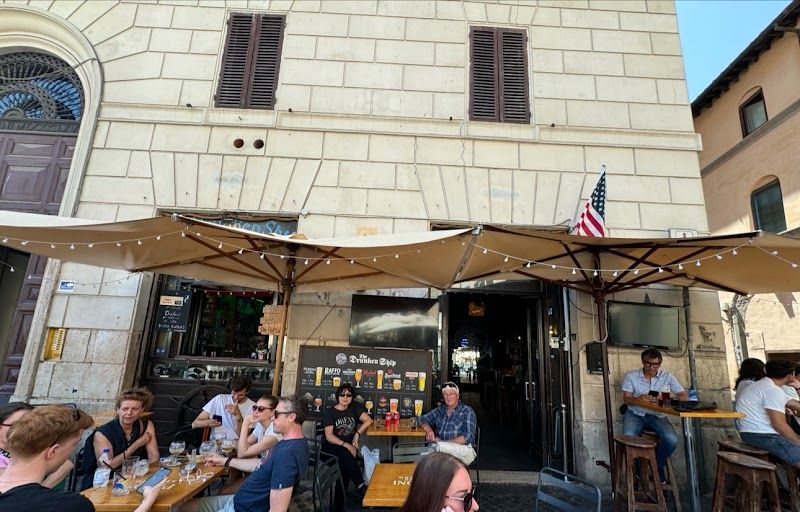
Drunken Ship Pub Crawl
The Drunken Ship pub crawl is Campo de' Fiori's most established bar-hopping tour, running seven nights a week since the early 2000s. You'll hit five different venues across Centro Storico in four hours, starting with aperitivo spots and ending at proper nightclubs around 1am. The first hour includes unlimited drinks (beer, wine, and basic cocktails) at the opening venue, then discounted drinks and skip-the-line entry at the remaining stops. The crowd skews heavily toward study abroad students and backpackers in their early twenties, creating that classic Rome expat party atmosphere. You'll start at Campo de' Fiori itself before moving through narrow cobblestone streets to bars near the Pantheon and Piazza Navona. The guides are usually American or British expats who know the scene well and keep energy high with drinking games between venues. Expect loud music, cramped spaces, and plenty of opportunities to meet fellow travelers. Honestly, it's pretty touristy and you won't meet many actual Romans here. The €25-30 price point is reasonable given Rome's drink costs, but the bar selection isn't particularly special - you're paying for convenience and the social aspect. Skip it if you want authentic Roman nightlife, but it's genuinely fun if you embrace the international party vibe and don't mind predictable venues.
The Roman Guy
The Roman Guy runs some of Rome's best small-group tours, with exclusive access that regular tourists can't get. Their after-hours Vatican tours let you explore the Sistine Chapel without crowds, while their gladiator school sessions have you learning actual combat techniques in period costume. The guides are theatrical storytellers who make ancient history feel immediate - they'll act out Senate debates and demonstrate Roman military formations right where they happened. Their tours feel more like following a passionate friend than joining a tourist group. You'll get exclusive morning entry to the Colosseum's underground chambers, walk through Vatican halls in near-silence at closing time, or find yourself sword-fighting in a villa outside Rome. The pacing is relaxed despite packed itineraries, with guides who pause for photos and answer every question. Groups stay small (12-15 people max), so you're never straining to hear or fighting for position. Their Vatican after-hours tours (€89-129) are genuinely worth the premium - seeing the Sistine Chapel with just 20 other people instead of 2,000 is transformative. Skip their standard day tours though; you'll pay €20-30 more than competitors for similar experiences. The gladiator school (€45) sounds gimmicky but delivers real historical insight along with the fun. Book directly through their website to avoid third-party markup.
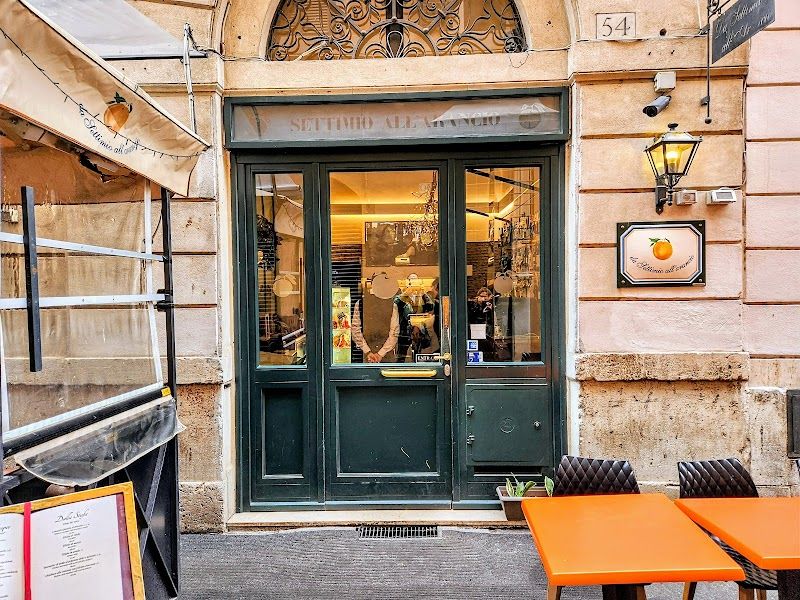
Settimio all'Arancio
Historic trattoria near Campo de' Fiori serving Roman classics since 1961. The amatriciana won awards, the carciofi alla giudia in season are excellent, and the service maintains old-school professionalism. Proper tablecloths and multiple courses.
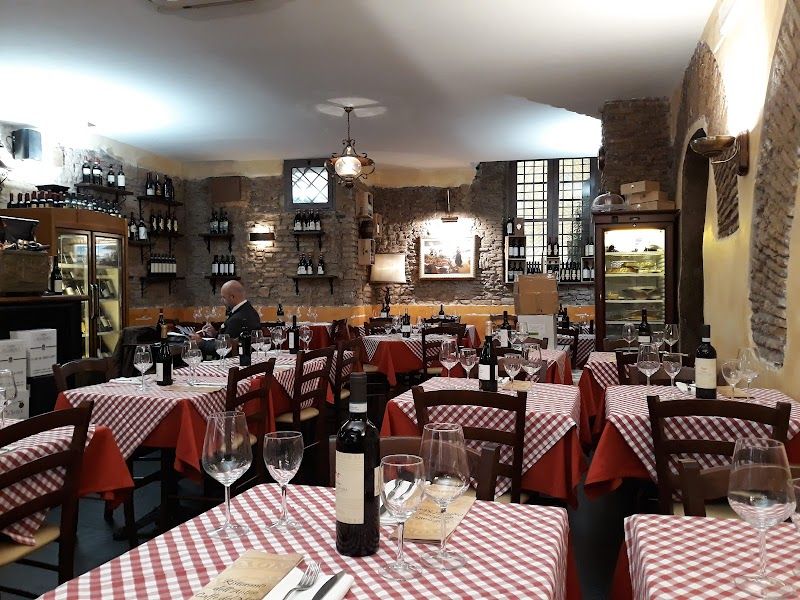
Antico Caffè del Moro
Family-run Monti café since 1964, tucked on a quiet side street with a lovely covered terrace. Known for their homemade cakes, generous aperitivo spread, and friendly service. The interior preserves original 1960s décor including the vintage Faema espresso machine.
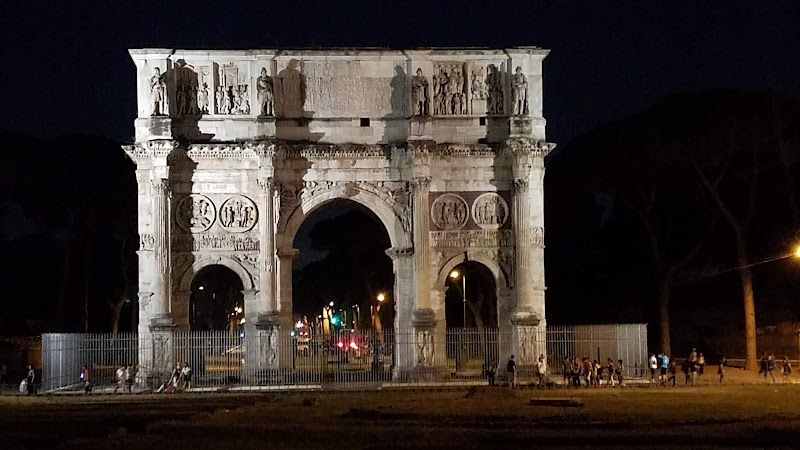
Andreotti
Beloved EUR neighborhood pasticceria since 1930, with a vast selection of pastries, chocolates, and their famous fruit tarts. Busy with locals all day for quick espresso breaks. The gelato counter uses seasonal ingredients. Counter and table service available.
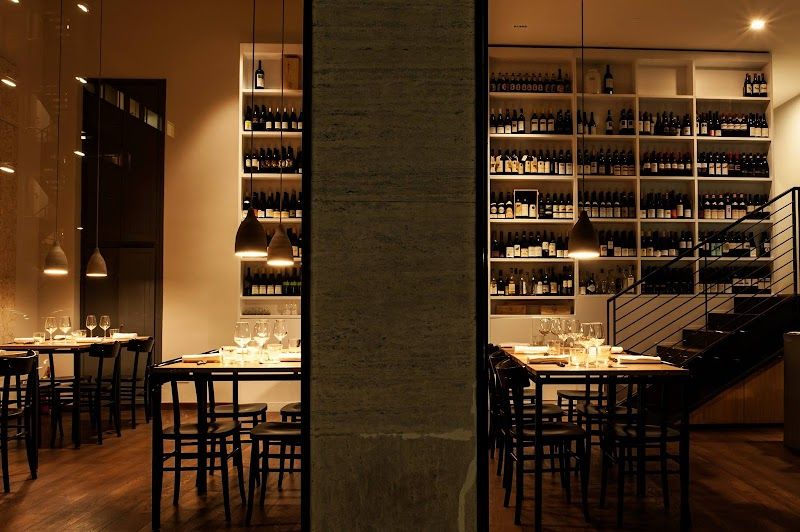
Osteria Fernanda
Contemporary restaurant in Trastevere with creative seasonal menu and interesting wine list. Chef Davide Del Duca combines Roman ingredients with modern techniques. More refined than traditional trattorias but not stuffy or pretentious.
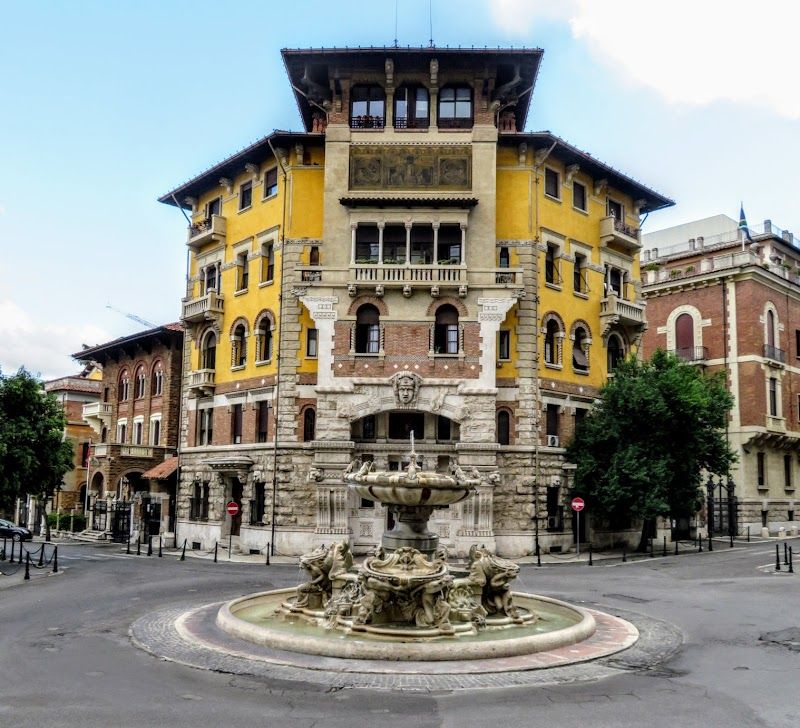
Quartiere Coppedè
Quartiere Coppedè is Rome's strangest neighborhood, where architect Gino Coppedè went completely wild in the 1920s creating a fairy-tale district that looks like it belongs in Prague, not Rome. You'll find buildings covered in frescoes of knights and damsels, gargoyles leering from corners, and the famous Palazzina del Ragno (Spider Palace) with its massive spider mosaic. The centerpiece is Piazza Mincio with its Fountain of the Frogs, surrounded by towers that mix Gothic spires with Art Nouveau curves in ways that shouldn't work but absolutely do. Walking through feels like stepping into a fantasy novel - every building tells a different architectural story, from medieval towers to baroque flourishes to sinuous Art Nouveau ironwork. The Arch of Via Tagliamento announces your arrival with heraldic shields and mysterious symbols, while hidden courtyards reveal intimate fountains and more eccentric details. You'll spend most of your time looking up, spotting new gargoyles, frescoed faces, and sculptural elements that most architects would consider too much but Coppedè embraced completely. Most travel guides oversell this as a major attraction when it's really a 30-minute architectural curiosity. Come in the morning when light hits the frescoes best and you can photograph without crowds. Skip the surrounding residential streets - the magic is concentrated in just a few blocks around Piazza Mincio. It's completely free and genuinely unique, though you'll either love the whimsical excess or find it kitschy.
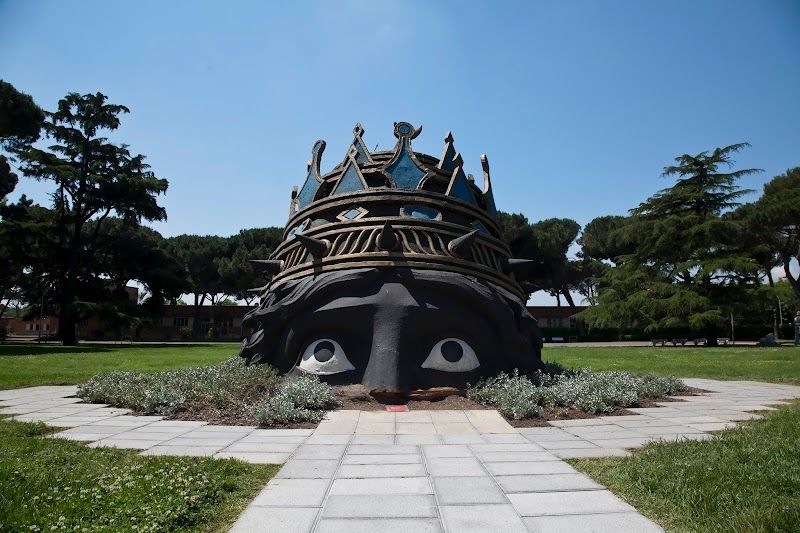
Cinecittà si Mostra
Cinecittà si Mostra takes you behind the scenes of Italy's legendary film studios where Fellini created movie magic and HBO built ancient Rome for their epic series. You'll walk through full-scale reconstructions of the Roman Forum, Renaissance Florence streets, and a medieval castle - all authentic movie sets you can touch and explore. The costume and prop exhibitions showcase actual pieces from major productions, while interactive displays reveal how special effects brought gladiators and emperors to life on screen. The experience flows through massive soundstages that still smell faintly of sawdust and paint. You'll wander from ancient Roman streets (complete with working fountains) into Renaissance palaces, then step onto submarine sets from Italian war films. The scale surprises everyone - these aren't flimsy Hollywood facades but solid constructions built to last through months of filming. Walking through Fellini's reconstructed office, surrounded by his sketches and notes, feels genuinely intimate. Most guides oversell this as essential Rome sightseeing, but it's really for film buffs and curious wanderers. The €15 admission feels steep for what's essentially a warehouse tour, though the English audio guide (included) adds crucial context most visitors skip. Skip the overpriced café and focus your time on the outdoor sets - the indoor costume displays get repetitive quickly.
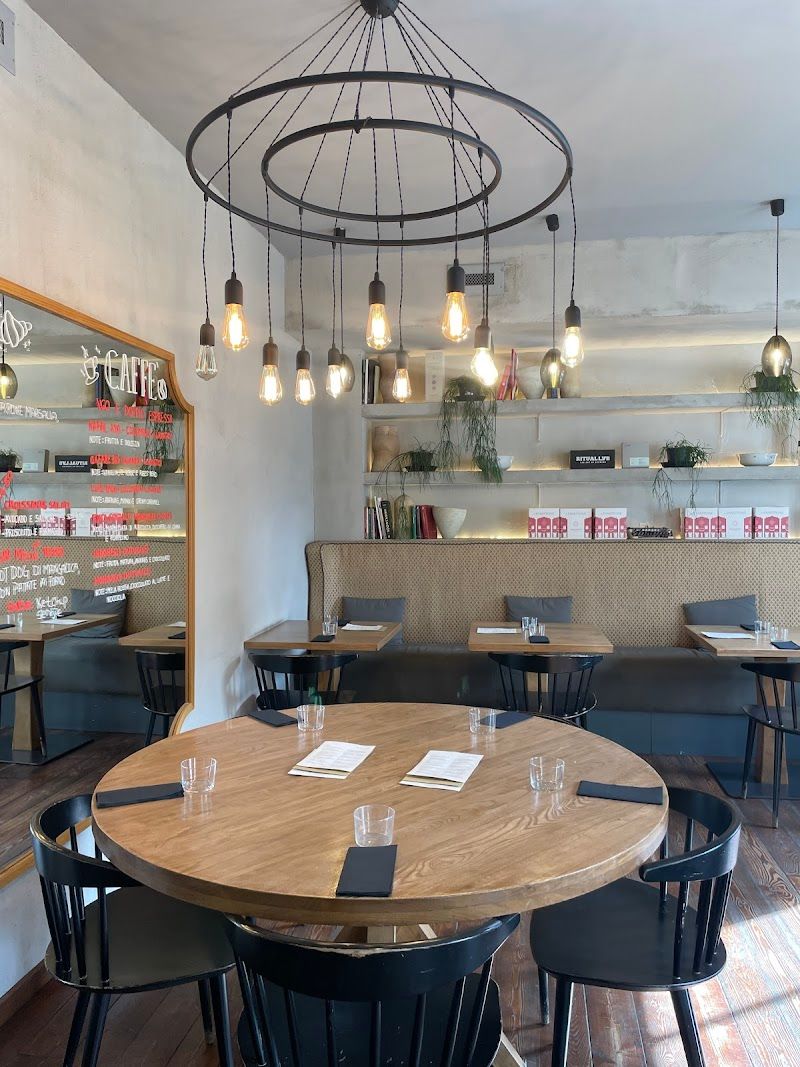
Marzapane
Contemporary Roman restaurant in Pigneto with chef-driven tasting menus and excellent value. Creative presentations of traditional ingredients, focus on lesser-known Roman dishes, and an interesting natural wine selection. Neighborhood gem.
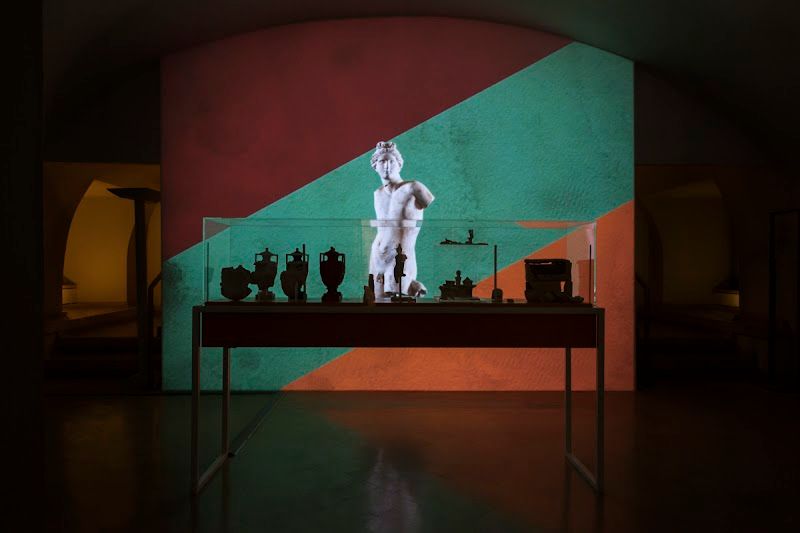
Crypta Balbi
Crypta Balbi is where you see Rome's urban evolution in cross-section - literally. Built around the excavations of the Theatre of Balbus (13 BC), this National Roman Museum branch reveals 2,000 years of continuous habitation through glass floors that let you peer down at archaeological layers. You'll walk above Roman theater ruins, medieval houses, Renaissance workshops, and modern foundations, all stacked like a historical lasagna. The museum explains how this neighborhood transformed from imperial entertainment district to medieval artisan quarter to modern Rome. The experience flows between two levels - the ground floor covers Rome's medieval transformation with artifacts like ceramic shards and coins, while the basement gets you closest to the actual excavations. The highlight is standing on reinforced glass platforms watching archaeologists' work frozen in time below your feet. Unlike the chaos above ground, it's remarkably peaceful here, with excellent English signage explaining what you're seeing. The building itself is a marvel of modern engineering wrapped around ancient ruins. Most visitors skip this for the flashier Palazzo Massimo, but that's their loss - this is actually the most unique of the four National Roman Museum sites. Entry costs €7, but the combined ticket covering all four locations for €12 is genuinely worth it if you're staying more than two days. The biggest mistake people make is rushing through - spend at least an hour here, especially in the basement excavation area where you can see building techniques spanning millennia.
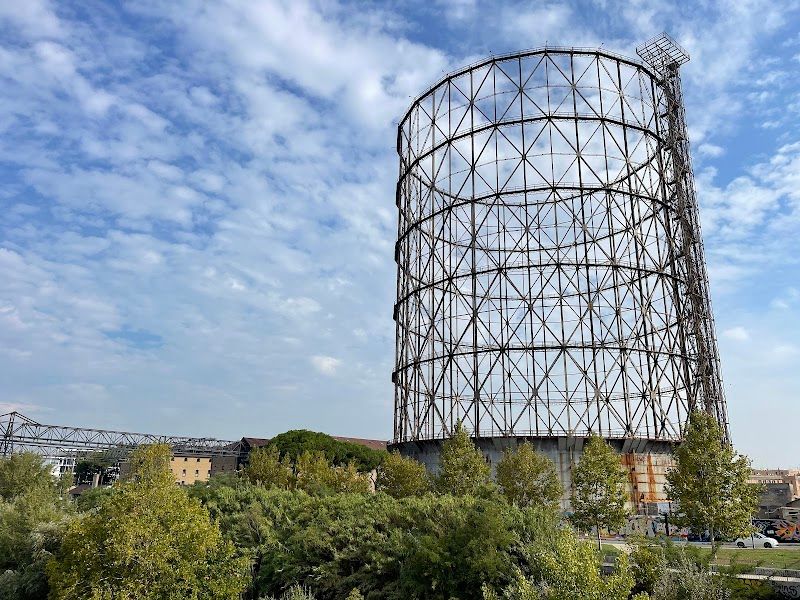
Gazometro
Rome's former gasometer stands 90 meters tall in the Ostiense district, a massive iron frame from 1937 that once stored gas for the city. You can't climb it, but you can walk right up to this industrial giant and appreciate its Art Deco engineering up close. The surrounding area has transformed into a cultural hub with street art, craft breweries, and regular outdoor concerts held in the shadow of the structure. The gasometer dominates everything around it - you'll spot it from blocks away as you approach through Ostiense's mix of converted warehouses and new developments. Walking around its base takes about 10 minutes, and you'll notice how the ironwork creates different geometric patterns as you move. The adjacent park hosts food trucks and pop-up markets on weekends, while local Romans use the area for evening runs and aperitivo. Most travel guides make this sound more exciting than it actually is. You're essentially looking at a big metal frame - interesting for industrial architecture fans, but not worth a special trip unless you're already exploring Testaccio or Ostiense. The real appeal is the neighborhood around it, especially the craft beer scene along Via Ostiense. Skip it if you're short on time in Rome.
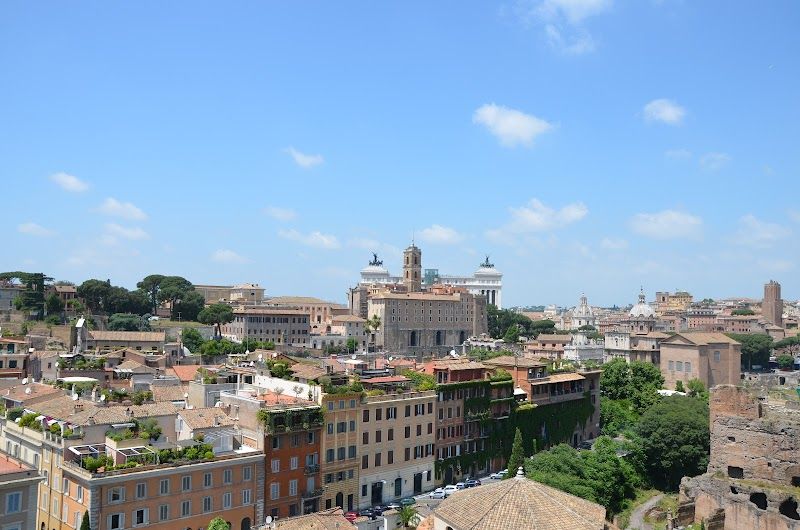
Via dei Fori Imperiali
Via dei Fori Imperiali is Rome's grand ceremonial avenue, a straight shot from Piazza Venezia to the Colosseum that cuts directly through the ancient Imperial Forums. You'll walk alongside 2,000-year-old ruins including Trajan's Forum with its towering column, Caesar's Forum, and the Forum of Augustus. The wide boulevard offers unobstructed views of these archaeological sites that were once the political and commercial heart of the Roman Empire. Walking down this avenue feels like strolling through an open-air museum where ancient Rome spreads out on both sides. Traffic usually dominates the street, but on Sundays and holidays it transforms into a pedestrian paradise where families picnic on the grass near Trajan's Column and couples pose for photos against 2,000-year-old marble. The contrast is striking - you're walking on Mussolini's creation while surrounded by structures that predate Christianity. Most guidebooks make this sound more exciting than it actually is. Yes, the ruins are impressive, but you're mostly viewing them from street level behind barriers. The real payoff comes on car-free days when you can walk down the center line taking photos without dodging buses. Skip the expensive audio guides sold by street vendors - they're overpriced at €15 and half the information is wrong.
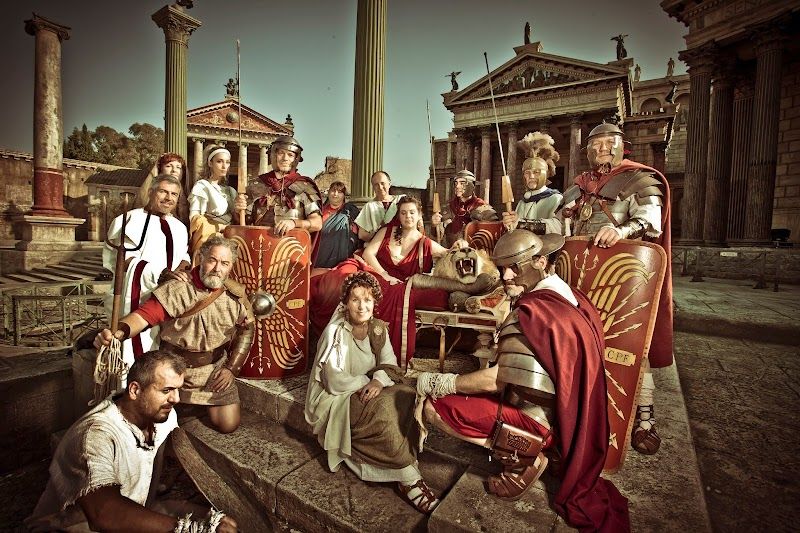
Gladiator School Rome
This is proper gladiator training with the Gruppo Storico Romano, historians who've studied Roman combat techniques for decades. You'll spend two hours learning authentic sword work, shield techniques, and combat stances using wooden gladius replicas and scuta shields. They dress you in proper tunics and teach you the actual moves gladiators used in the Colosseum, not Hollywood nonsense. The instructors are serious about historical accuracy and you'll leave with a genuine understanding of how these fighters actually lived and fought. The session takes place in their training hall near the Appian Way, where you start with basic footwork and weapon handling before progressing to partner combat. The atmosphere feels surprisingly authentic as you practice the salute "Ave Caesar, morituri te salutant" and learn the difference between different gladiator types like murmillo and thraex. Your instructor explains the psychology behind each move while correcting your stance, and by the end you're sparring with other participants using proper Roman techniques. The wooden weapons have real weight and the shields are hefty, so you'll definitely feel it in your arms. Most tour companies offer watered down versions for three times the price, but this costs around 35 EUR and it's the real deal. Skip the photo packages they offer afterward, they're overpriced tourist shots. The certificate ceremony at the end feels a bit cheesy but the training itself is genuinely impressive. Book directly through their website rather than through hotel concierges who add markup.
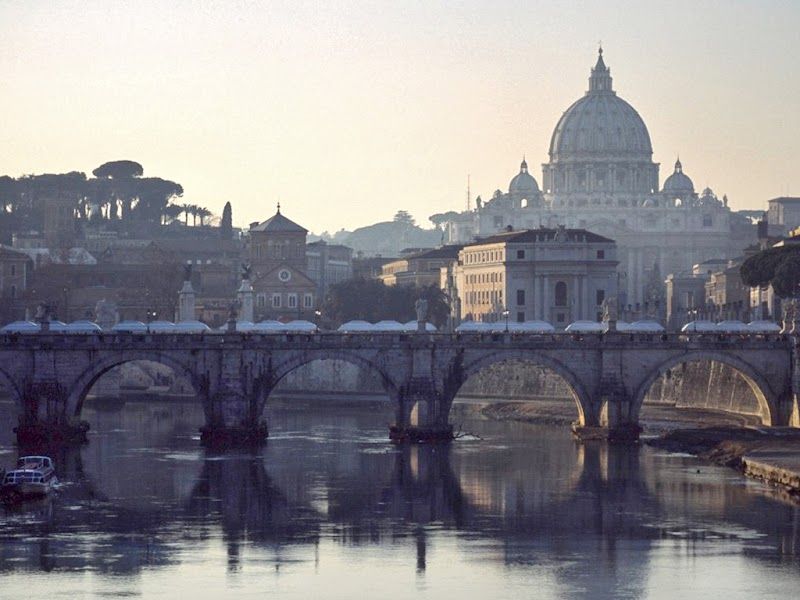
Rome Night Tour
Rome after dark is a different city. The Colosseum lit up amber, the Trevi Fountain glowing turquoise, St. Peter's dome silhouetted against the sky. Night walking tours (€30-50, 2-3 hours) hit the major landmarks when they are illuminated and the crowds have mostly gone home. The best tours add stories: ghost legends in the Jewish Ghetto, the political intrigues of Piazza Navona, the murders that inspired Caravaggio's paintings. Some include a gelato stop. The temperature drops enough to make summer walks actually pleasant.
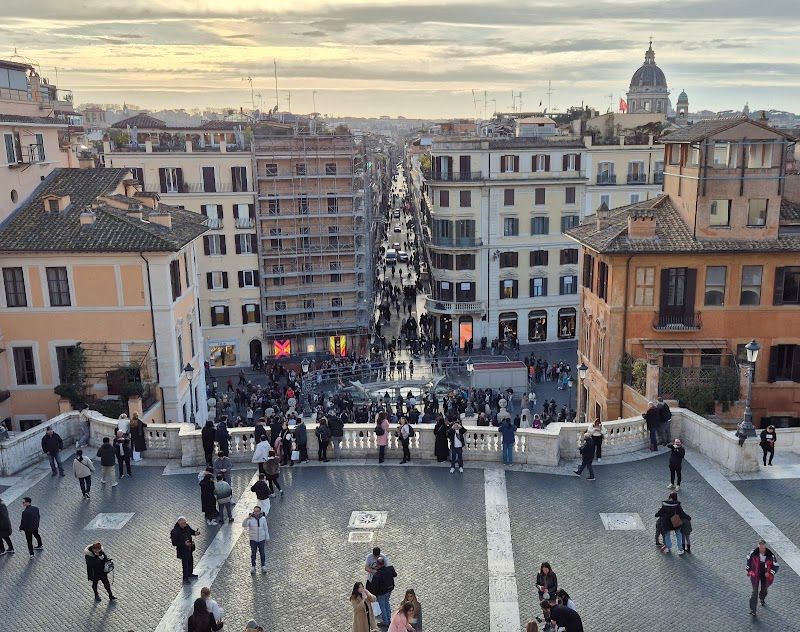
Via dei Condotti
Via dei Condotti connects the Spanish Steps to Via del Corso in a perfectly straight 400-meter line of Italy's most expensive real estate. You'll walk past flagship stores for Gucci, Prada, Bulgari, Hermès, and Cartier, all housed in elegant 18th-century palazzos with original frescoed ceilings. The street feels like an outdoor luxury mall, but one where every building has been here for centuries. Historic Caffè Greco, founded in 1760, sits halfway down and serves espresso to tourists willing to pay €8 for the privilege. The experience is pure window shopping unless you've got serious money to burn. Most stores have security guards who'll watch you carefully, and salespeople only warm up if you look wealthy. The cobblestones are original Roman travertine, polished smooth by millions of footsteps. You'll share the narrow sidewalks with well-dressed Romans, tourists clutching shopping bags, and street performers near both ends. The atmosphere shifts from touristy chaos at the Spanish Steps to more local energy as you approach Via del Corso. Honestly, you can see everything in 15 minutes of walking, not the suggested 90. The prices are astronomical: Gucci handbags start around €1,200, Bulgari watches begin at €3,000. Skip the overpriced caffè and just admire the architecture. The real value is photographing the beautiful storefronts and soaking up old Roman elegance for free.
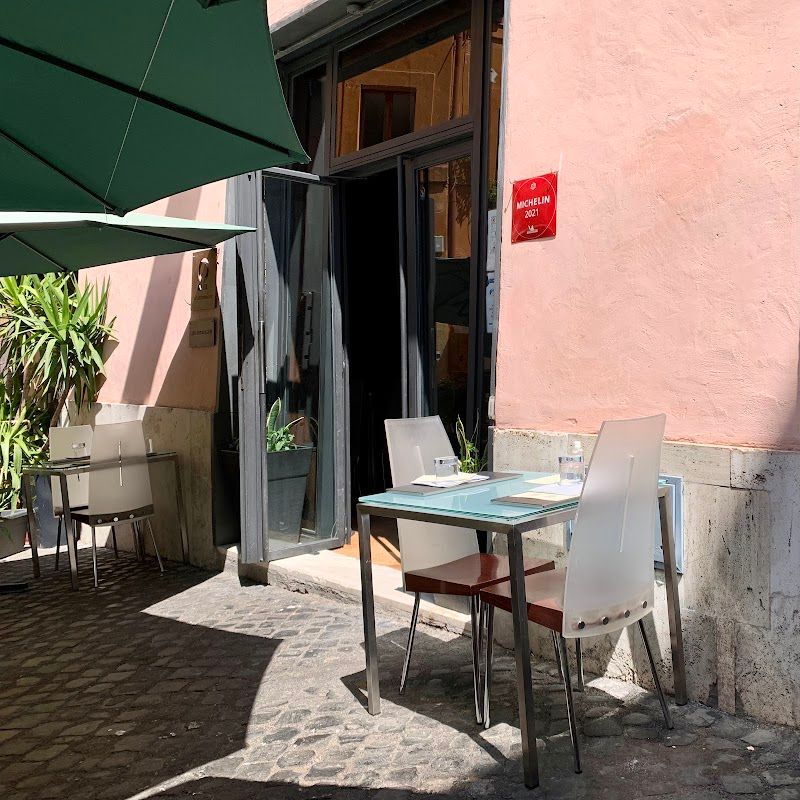
Glass Hostaria
Michelin-starred contemporary restaurant in Trastevere with inventive tasting menus. Chef Cristina Bowerman creates artistic plates with global influences while respecting Italian ingredients. Sleek modern interior contrasts with medieval Trastevere surroundings.
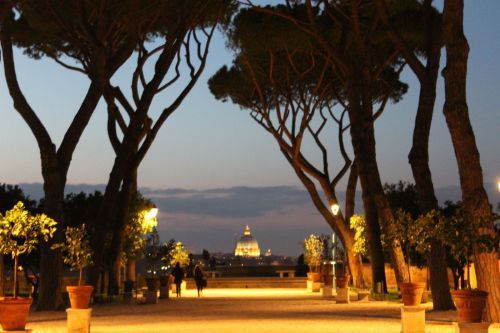
Aventine Hill
Aventine Hill offers Rome's most peaceful escape from the chaos below, with genuine medieval churches, manicured gardens, and aristocratic villas hiding behind ancient walls. You'll find the 5th-century Santa Sabina basilica with its original wooden doors, the Roseto Comunale rose garden (spectacular in May), and the famous Knights of Malta keyhole that perfectly frames St. Peter's dome. The neighborhood feels more like a wealthy residential district than a tourist site, with tree-lined streets and silent cobblestones. The experience unfolds slowly as you climb winding paths past orange trees and glimpse villa gardens through iron gates. Santa Sabina's interior stays refreshingly cool and dimly lit, a stark contrast to Rome's crowded basilicas. The rose garden sprawls across terraced slopes where Rome's Jewish cemetery once stood, while the Giardino degli Aranci provides sweeping views over the Tiber to St. Peter's. You'll hear birds chirping instead of traffic, and encounter more locals walking dogs than tour groups. Most guides oversell the keyhole view, which creates long queues for a 3-second peek through a metal door. Skip it and head straight to the Orange Garden for better panoramas without the wait. The rose garden costs nothing but closes at sunset, while Santa Sabina stays open until 6:30pm. Visit on weekday mornings when the neighborhood feels almost deserted and you'll have the gardens mostly to yourself.
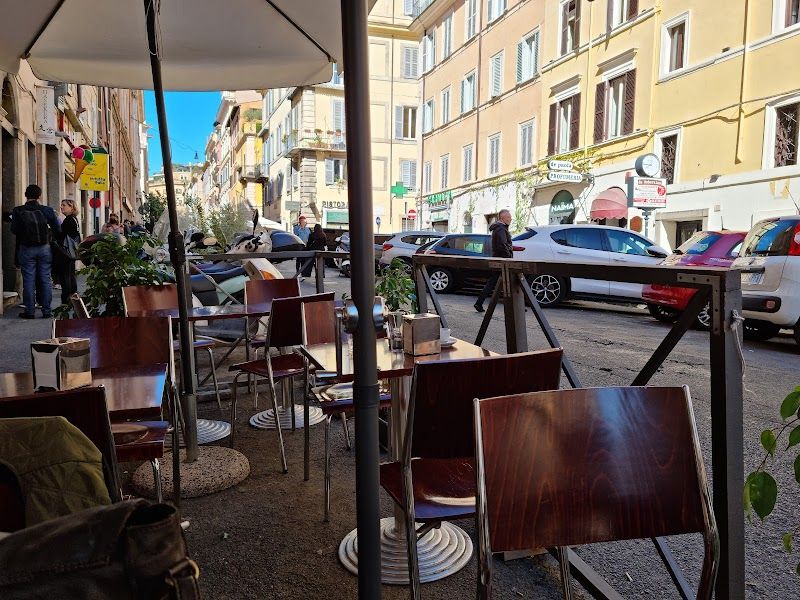
Antico Caffè Brasile
Coffee roastery near Trevi Fountain roasting beans on-site since 1908. The aroma hits you from the street. Expert baristas pull perfect shots using freshly roasted beans at counter prices (espresso €1). Small selection of pastries and coffee beans sold by weight.
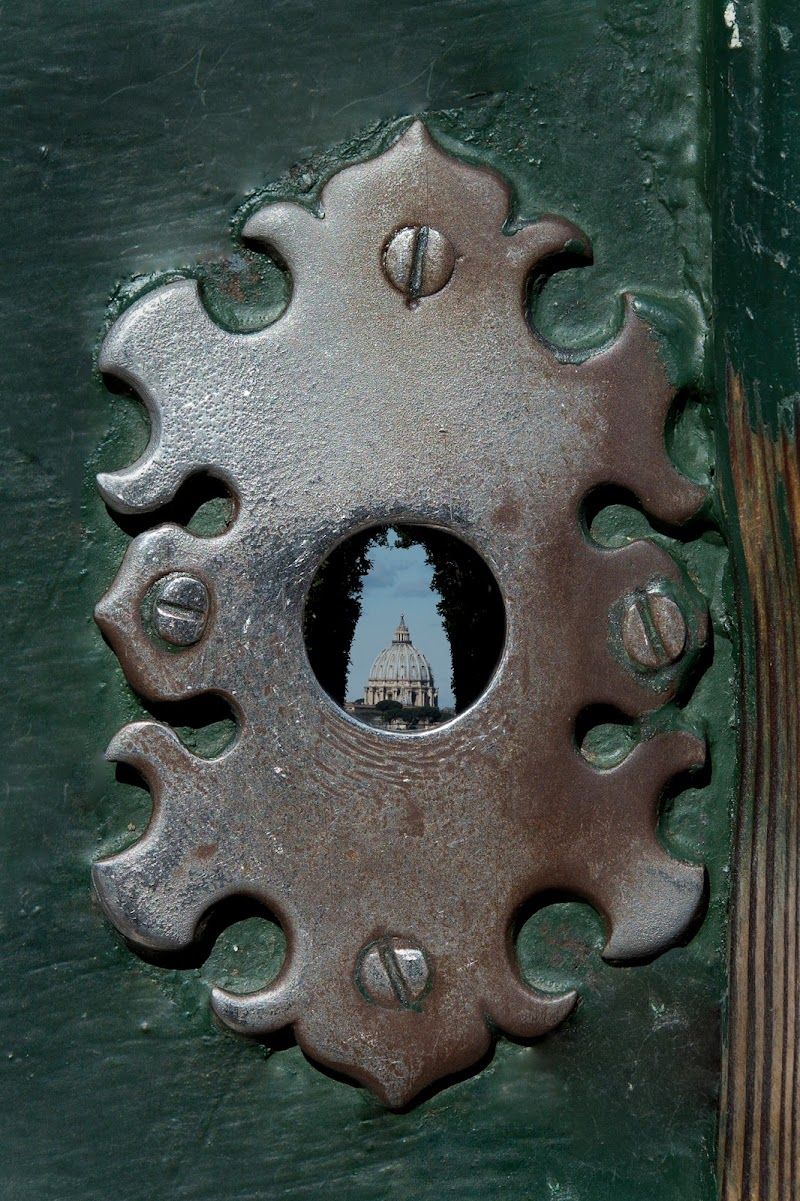
Keyhole Roma
Asian-fusion cocktail bar near Piazza Venezia with kimono-clad servers and a menu combining Japanese ingredients with Italian spirits. The intimate space features low lighting, velvet seating, and inventive cocktails using sake, yuzu, and shiso. Reservations essential on weekends.
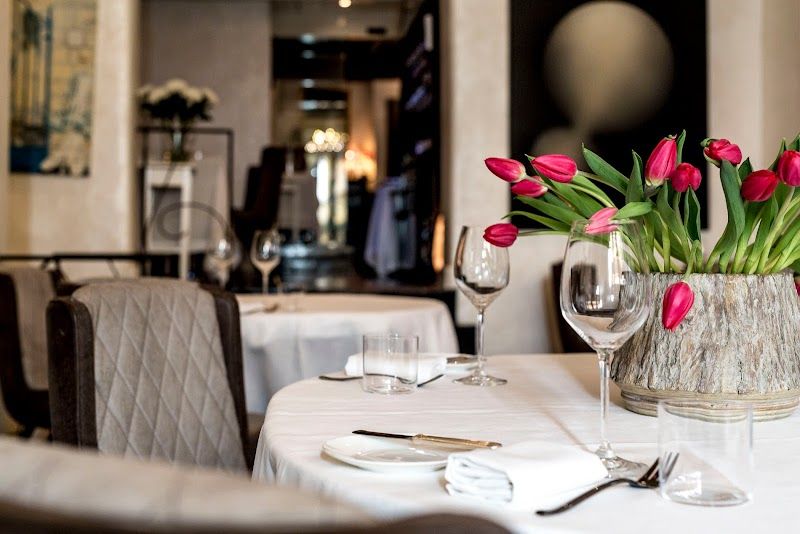
Il Sanlorenzo
High-end seafood restaurant near Piazza di Spagna with daily fish deliveries and no freezer on premises. Everything is fresh and simply prepared to showcase ingredients. The crudo selections and whole fish preparations are outstanding. Expensive but worth it.
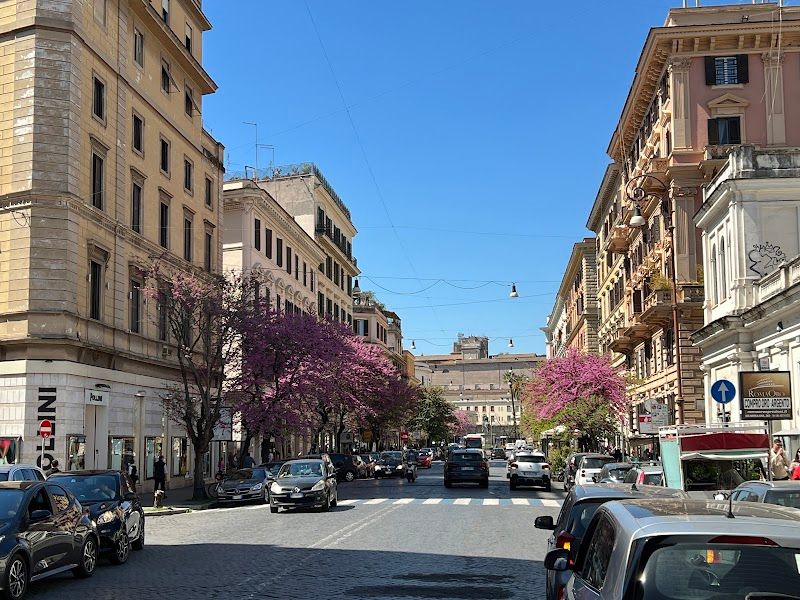
Via Cola di Rienzo
Via Cola di Rienzo stretches for nearly a mile through the heart of Prati, serving as Rome's most civilized shopping street. You'll find everything from Zara and H&M to independent Italian boutiques, plus excellent bookstores like Feltrinelli and traditional Roman delis. The wide sidewalks and relative lack of scooters make this one of the few places in Rome where you can actually window shop without dodging traffic. The street has a distinctly Roman rhythm: locals doing their daily shopping, businesspeople grabbing espresso at corner bars, and families strolling on weekends. You'll notice the architecture feels more turn-of-the-century European than ancient Roman, with elegant storefronts and plenty of shade from mature plane trees. The crowd skews heavily Italian, especially compared to the tourist circus around Via del Corso or the Spanish Steps. Most travel guides barely mention this street, which keeps it refreshingly authentic. Skip the chain stores you can find anywhere and focus on the Italian brands like Geox (shoes around 80-120 EUR) or the independent shops selling Roman specialties. The food shops here are genuinely used by locals, so prices stay reasonable. Start at the Lepanto metro end and work toward Piazza del Popolo if you want to combine this with more touristy areas later.
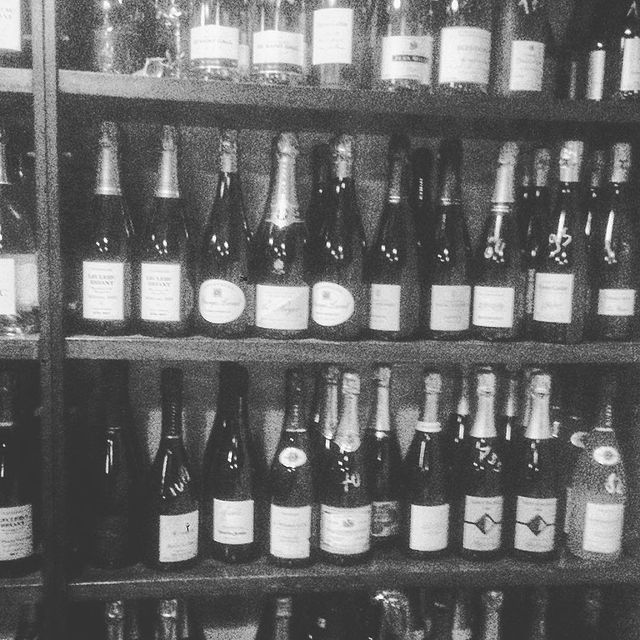
La Barrique
Wine-focused restaurant with creative takes on Roman classics and an extensive natural wine list. Small, intimate space with knowledgeable staff who pair wines expertly with each course. The cacio e pepe is done with different pasta shapes seasonally.
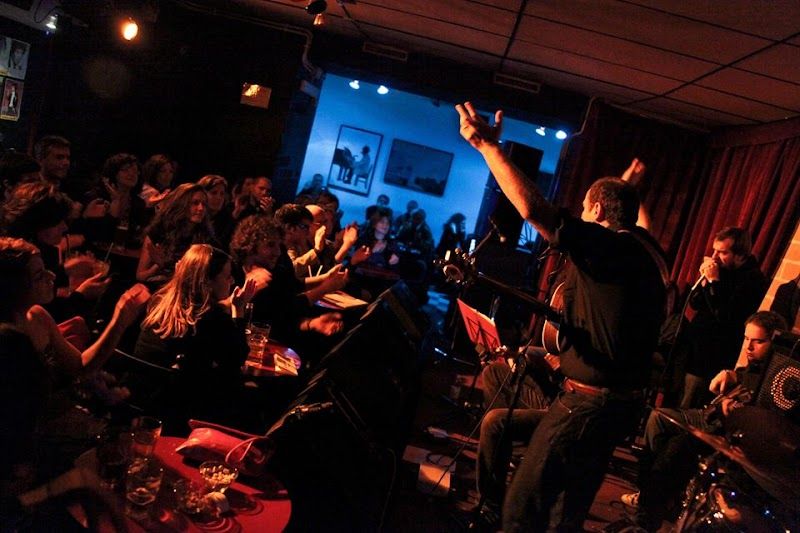
Big Mama
Historic blues and rock venue in Trastevere operating since 1984, featuring live music seven nights a week in an intimate brick-vaulted basement. International touring acts and Italian rock bands perform on the small stage steps from the audience. Cover charge typically €10-15 including first drink.
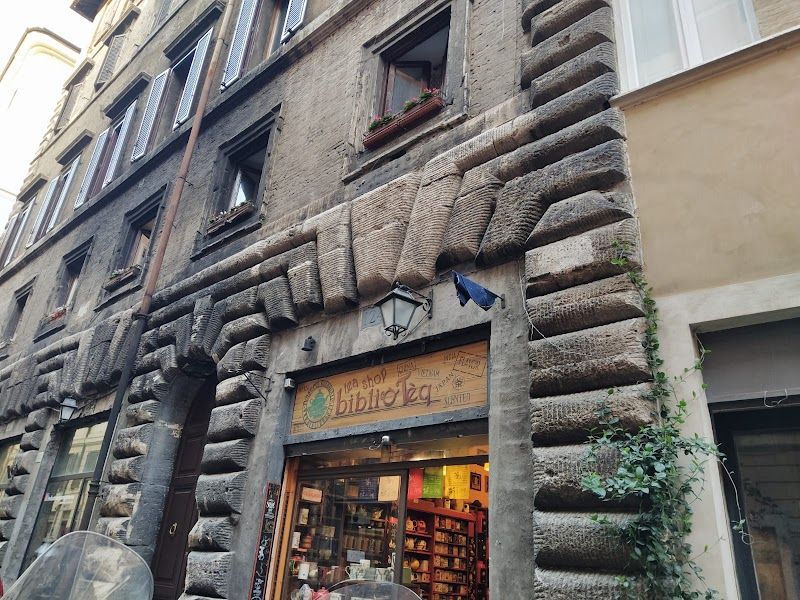
Il Tè di Bice
Charming vintage café and tea room serving homemade cakes, pastries, and an extensive selection of teas and coffee. The décor features retro furniture and collectibles creating a nostalgic atmosphere. Perfect for leisurely brunches or afternoon breaks.
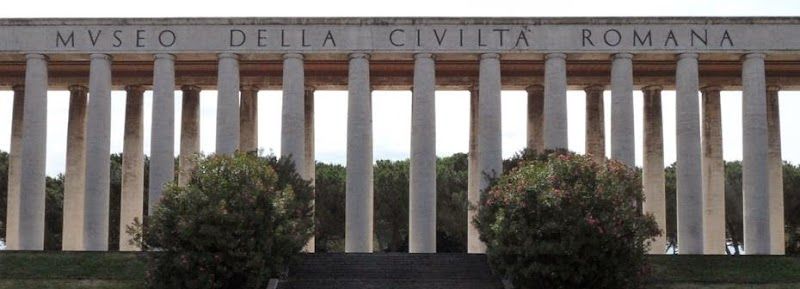
Museo della Civiltà Romana
The Museo della Civiltà Romana houses the world's most detailed reconstruction of ancient Rome at its peak, centered around a jaw-dropping 1:250 scale model that covers an entire room. You'll walk around this miniature metropolis seeing every street, building, and monument as it stood in the 4th century AD. The museum also displays plaster casts of famous Roman sculptures, detailed dioramas showing daily life from gladiator training to bread making, and working models of Roman engineering marvels like aqueducts and siege engines. The experience feels like time travel through perfectly preserved replicas. You start with the massive scale model in Room 36, where you can spend ages identifying landmarks and understanding Rome's layout. The dioramas bring Roman life to vivid detail: you'll see how Romans bathed, what their apartments looked like, and how they built their roads. The atmosphere is scholarly rather than flashy, with excellent lighting that makes every detail visible. Most guides don't mention that the museum is currently undergoing major renovations, so only certain sections are open and the experience feels incomplete. The EUR location means a 30-minute metro ride from central Rome, which isn't worth it unless you're genuinely fascinated by Roman civilization. Skip this if you're short on time and stick to the actual ruins downtown, but if you're traveling with kids or want to understand how all those Forum fragments once fit together, it's genuinely enlightening.
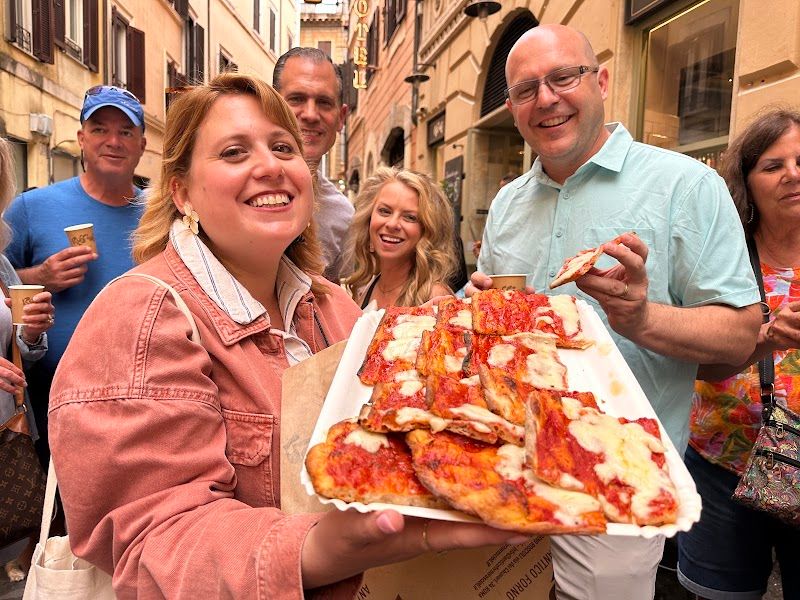
Jewish Ghetto and Culinary Walking Tour
Rome's Jewish quarter has been continuously inhabited for over 2,000 years, making it Europe's oldest Jewish community. This three-hour walking tour combines the neighborhood's layered history with proper Roman-Jewish cuisine: crispy carciofi alla giudia (Jewish-style artichokes), baccalà fillets, and maritozzi dolci pastries. You'll visit the Great Synagogue with its distinctive square dome, explore the ancient Portico d'Ottavia ruins, and walk streets where Pope Paul IV once enforced a locked ghetto. The tour moves at a comfortable pace between five food stops and historical sites. Your guide explains how Roman Jews developed their own kosher adaptations of local dishes, creating a unique culinary tradition that survives today. The Great Synagogue's interior reveals beautiful Liberty-style decorations, while the adjacent museum displays artifacts from deportations and celebrations alike. Between tastings, you'll walk cobblestone streets lined with kosher restaurants and shops selling Judaica. Most food tours in Rome are tourist traps, but this one uses family-run establishments that locals actually frequent. The carciofi alone justify the cost, typically around 65 EUR per person. Skip the Sunday tours if possible, they're more crowded. The guide quality varies dramatically, so read recent reviews before booking. Some tours rush through the synagogue visit, which is actually the most fascinating part historically.
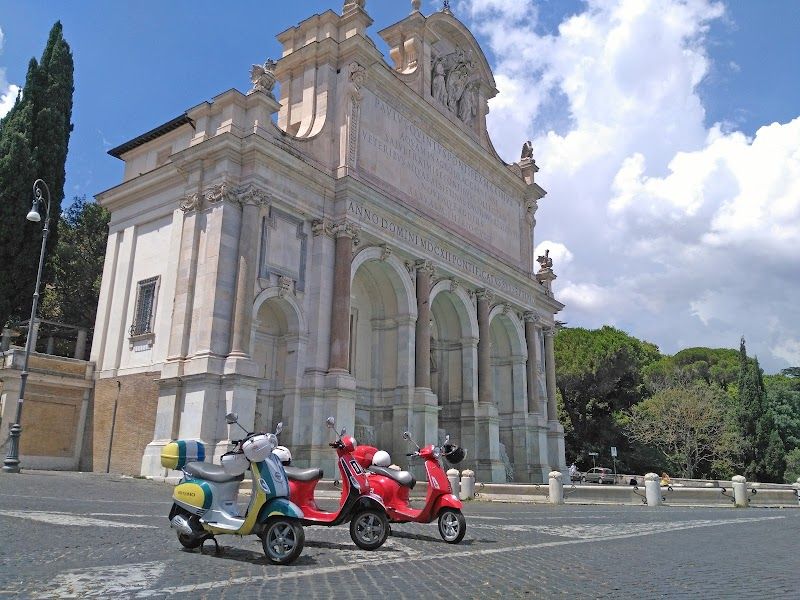
Bici & Baci
Bici & Baci offers three-hour tours on vintage-style bikes that cover Rome's famous sites without the discomfort of foot pain. Their routes take you along ancient cobblestones to the Colosseum, along car-free stretches of the Appian Way, and through Villa Borghese's tree-lined paths. The family-run operation keeps groups small (typically 8-12 people) and their guides have a deep understanding of Roman history, going beyond the standard tourist information. You'll spend approximately half the time pedaling and half dismounting to explore sites up close. The vintage bikes look stylish but are actually comfortable city cruisers with baskets for your belongings. Guides frequently pause for photos and historical context, making this feel more like cycling with a knowledgeable Roman friend than a rushed tour. The Appian Way section is the highlight of the route, where you're riding on stones that Roman legions marched across over 2,000 years ago. Most bike tours in Rome are overpriced and target tourists, but Bici & Baci provides genuine value at around 35-45 EUR per person. If you've already walked through the city center, consider skipping their city tour and choosing the Appian Way route instead. You can book directly through their website to avoid third-party markup, and although advance reservations are not usually necessary, it's best to book ahead during peak summer months when they occasionally sell out.
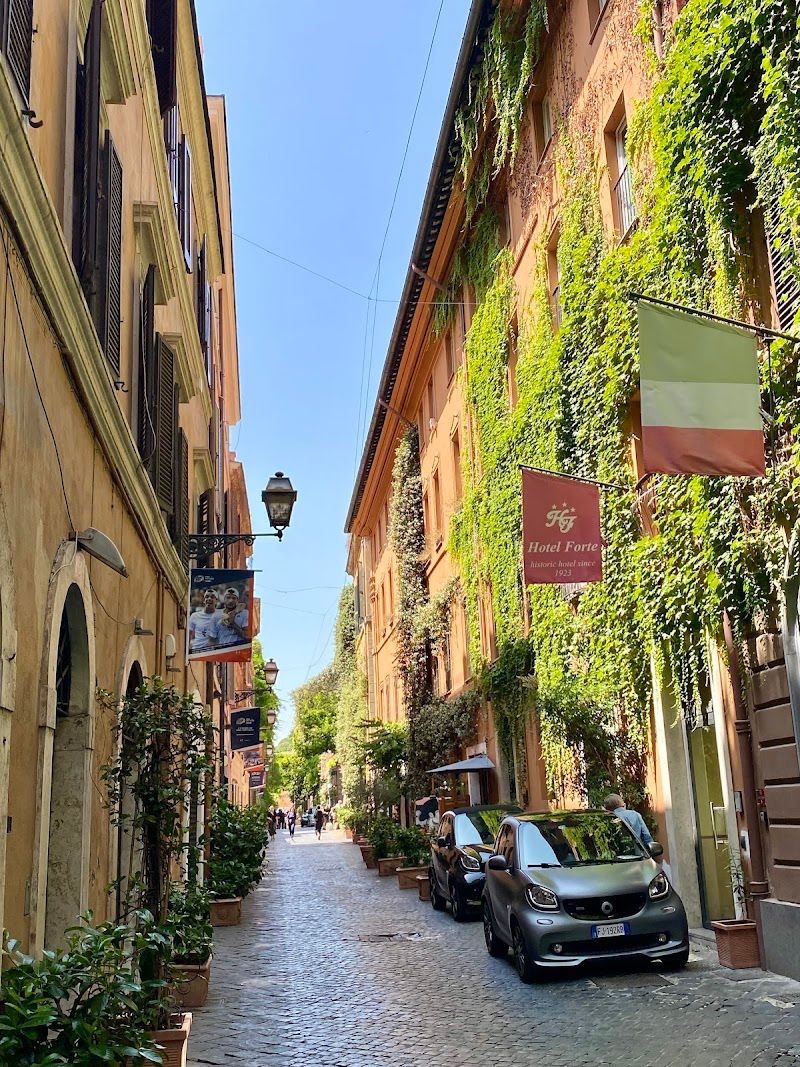
Via Margutta
Via Margutta is Rome's most atmospheric artists' quarter, a narrow cobblestone street lined with ivy-draped 16th-century buildings that house working art studios, galleries, and antique shops. You'll walk past wrought-iron balconies overflowing with flowers, peek into courtyards where sculptors still work, and browse galleries selling everything from oil paintings to handcrafted jewelry. The street gained international fame as Audrey Hepburn's character's address in Roman Holiday, but it's been an artists' enclave since the 1800s when foreign painters flocked here for cheap rent near Piazza di Spagna. The walk takes about 30 minutes if you're just strolling, but plan longer if you want to duck into studios and chat with artists. Morning light filters beautifully through the plane trees, casting dappled shadows on the worn stones. You'll notice the contrast immediately: one moment you're in the tourist chaos of the Spanish Steps, the next you're on a quiet residential street where the loudest sound is someone's cat padding across the cobbles. The architecture varies from modest medieval houses to grander Renaissance palazzos, all softened by decades of weathering and climbing vines. Most guidebooks oversell the Fellini connection, but honestly, you won't learn much just staring at his old front door. The real magic happens during the twice-yearly outdoor art shows (May and October) when the entire street becomes an open-air gallery and you can actually buy directly from artists. Skip the overpriced galleries near number 53 and focus on the working studios between numbers 45-51 where prices start around 50 EUR for small works. Come early morning or late afternoon to avoid the Roman Holiday tour groups.
Co.So. Cocktail & Social
Pigneto's craft cocktail bar with a rotating menu based on seasonal ingredients and Italian spirits. The mixologists experiment with unusual infusions and house-made syrups in a relaxed, unpretentious atmosphere. Prices are notably lower than centro storico cocktail bars at €8-10 per drink.
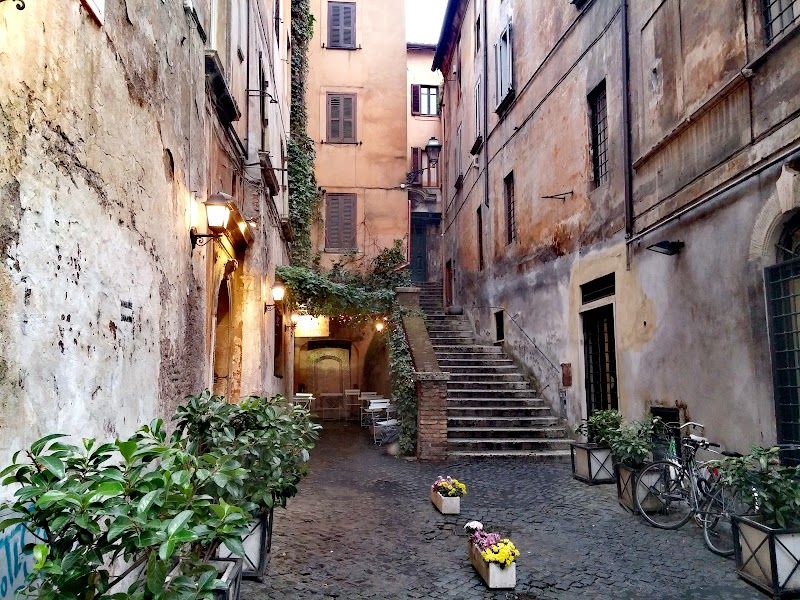
Via dei Coronari
Via dei Coronari is Rome's most authentic antique street, a narrow Renaissance corridor where rosary sellers once served pilgrims walking to St. Peter's. Today you'll find over 40 specialist dealers packed into medieval storefronts, selling everything from 17th-century ecclesiastical vestments to baroque furniture and original Roman prints. The street stretches just 500 meters but contains centuries of craftsmanship, with prices ranging from €50 curiosities to €15,000 museum pieces. Walking here is a genuine shopping experience. Shop owners sit outside their doorways, passionately knowledgeable about their collections and happy to explain the origins of a 1600s crucifix or justify the €800 cost of a particular print. The original cobblestones, buildings that lean inward and create natural shade, and the conversation in Italian, English, and French among collectors who debate authenticity all contribute to the street's distinct atmosphere. Unlike tourist trap streets, this feels like a working and lived-in area. Most guides make this sound charming, but it's serious business for collectors. Don't expect bargains on genuine pieces, these dealers know their stuff and price accordingly. The May evening festival can be lovely, but overcrowded; visit on regular mornings when you can actually talk to the owners. Skip the restaurants here, as they're overpriced tourist traps, but absolutely browse, even if you're not buying.
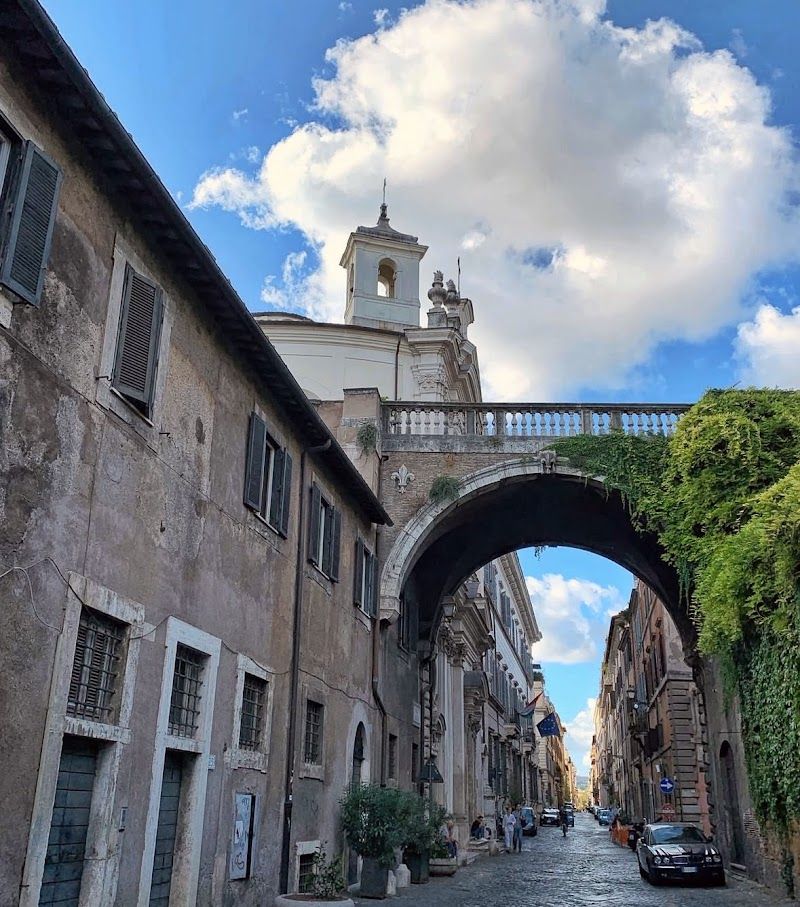
Via Giulia
Via Giulia stretches for exactly one kilometer through Rome's Centro Storico, representing Renaissance urban planning at its finest. You'll walk along 500-year-old travertine stones past magnificent palazzos that still house aristocratic families, browse genuine antique shops (not tourist traps), and see Bramante's original architectural vision largely intact. The baroque Sant'Eligio degli Orefici church and the dramatic Arco Farnese overhead make this feel like a living museum of papal power. The street flows in a perfect straight line from Ponte Sisto toward the Tiber, unusual for medieval Rome's twisted layout. You'll notice how quiet it becomes once you leave the river end: this isn't a thoroughfare but a residential showcase where you can peek into private courtyards and see Romans going about daily life. The antique dealers here are serious professionals, not souvenir hawkers, and the palazzos reveal intricate details when you look up at their facades. Most visitors rush through in 15 minutes, but you're missing the point entirely. The real magic happens when you slow down and notice the carved family crests, the ancient Roman fragments built into Renaissance walls, and the way afternoon light hits the honey-colored stone. Skip the crowded river end and start from Via dei Banchi Vecchi: you'll have the best stretch mostly to yourself and can properly appreciate what Julius II actually accomplished here.
Rivendita Libri Pigneto
Rivendita Libri Pigneto operates as Rome's most thoughtfully curated independent bookshop, focusing on contemporary Italian fiction, poetry, and literary essays rather than tourist-friendly coffee table books. You'll find works by emerging Roman authors alongside established voices, many unavailable in mainstream bookstores. The selection reflects genuine literary taste rather than commercial appeal, making it invaluable for understanding Italy's current cultural conversation. The shop occupies a compact space where every shelf placement feels intentional, and browsing becomes a discovery process rather than overwhelming navigation. Staff genuinely read what they sell and offer recommendations based on actual conversation about your interests, not generic suggestions. The atmosphere stays quiet and focused, with regular evening events transforming the space into an intimate literary salon where you might catch readings by writers before they hit major publishers. Most travel guides oversell Rome's bookshops, but this one delivers substance over atmosphere. Skip it if you're hunting for English-language novels or guidebooks, as the focus stays firmly on Italian literature. Events typically cost 5-10 EUR when there's a fee, though many readings are free. The real value lies in discovering authors you'd never encounter elsewhere, making it worth the trip to Pigneto even if books aren't your primary Rome focus.
Rex Tours - Rome Private Tours
Rex Tours delivers what most Rome tour companies promise but don't deliver: guides who actually know their stuff. Every guide holds degrees in archaeology or art history, so when you're standing in the Colosseum, you're getting insights from someone who's spent years studying Roman engineering, not just memorizing Wikipedia facts. They'll customize your route completely, whether you want to focus on underground basilicas, imperial palaces, or Renaissance art. The experience feels like exploring with a scholarly friend who happens to love storytelling. Your guide reads the group's energy and adjusts accordingly: if you're fascinated by early Christian frescoes, you'll spend extra time in San Clemente's lower levels. If the kids are getting restless at the Forum, you'll pivot to Trajan's Markets for better visuals. The pace stays relaxed, with plenty of stops for photos and questions. Most private tour companies in Rome charge 300-400 EUR for six hours, and Rex Tours falls in that range but delivers better value through guide quality. Skip their Vatican tours though, the groups get too large and you lose that personalized touch. Book at least a week ahead during peak season, but they're surprisingly flexible with same day requests in winter.
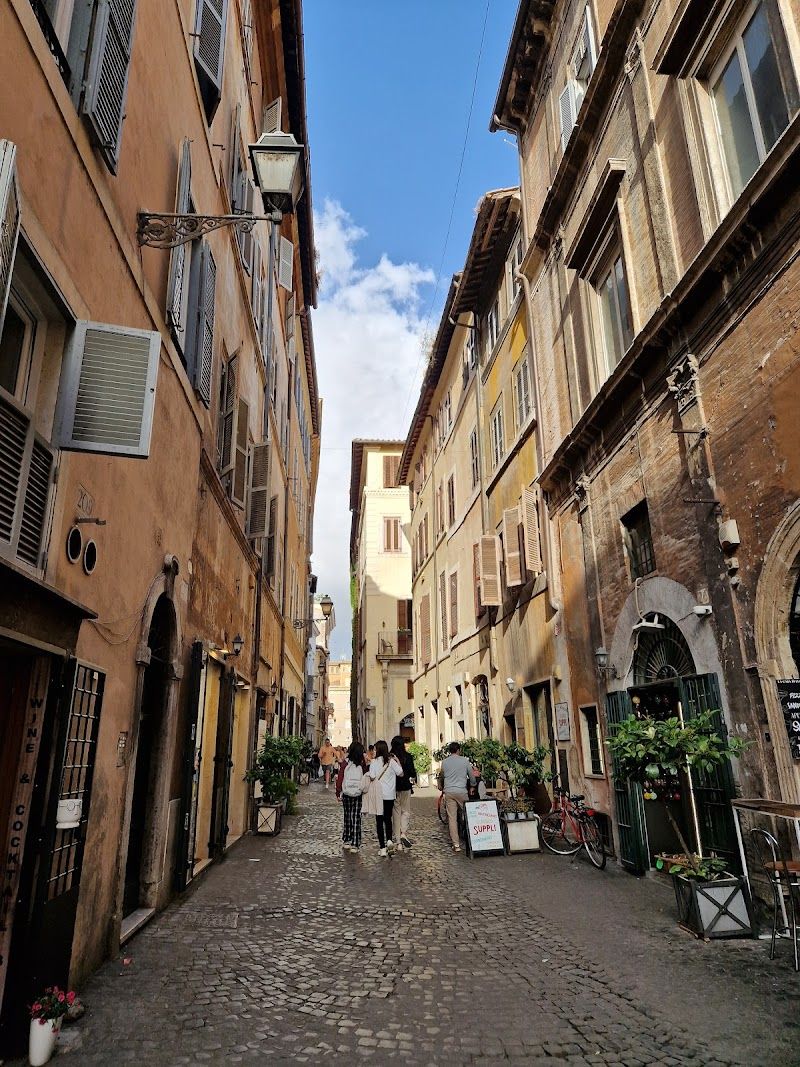
Via del Governo Vecchio
Via del Governo Vecchio connects two of Rome's most famous squares with a winding cobblestone path that's become the city's best vintage shopping street. You'll find 30+ independent boutiques selling everything from 1960s Pucci dresses to handmade leather bags, plus artisan workshops where you can watch craftsmen restore antique jewelry. The street occupies ground floors of Renaissance palaces, so you're literally shopping inside 500-year-old buildings with original frescoed ceilings. The shopping experience feels like treasure hunting through a stylish friend's wardrobe. Most stores are tiny, cramped spaces where clothes hang from every surface and owners know the story behind each piece. You'll spend time digging through racks, trying on vintage Versace jackets for €80, or haggling over 1970s boots. The atmosphere is relaxed and personal: shop owners offer espresso while you browse and genuinely help you find pieces that work. Most travel guides oversell this as some sort of fashion paradise, but here's the reality: quality varies wildly between shops, and many pieces are overpriced tourist bait. Focus on the northern half near Piazza Navona where the best curated stores cluster. Vestiti Usati Cinzia (number 45) and Arsenale (number 64) consistently have the highest quality vintage pieces. Skip the generic souvenir shops that have crept in near Campo de' Fiori, they're selling mass-produced junk at vintage prices.
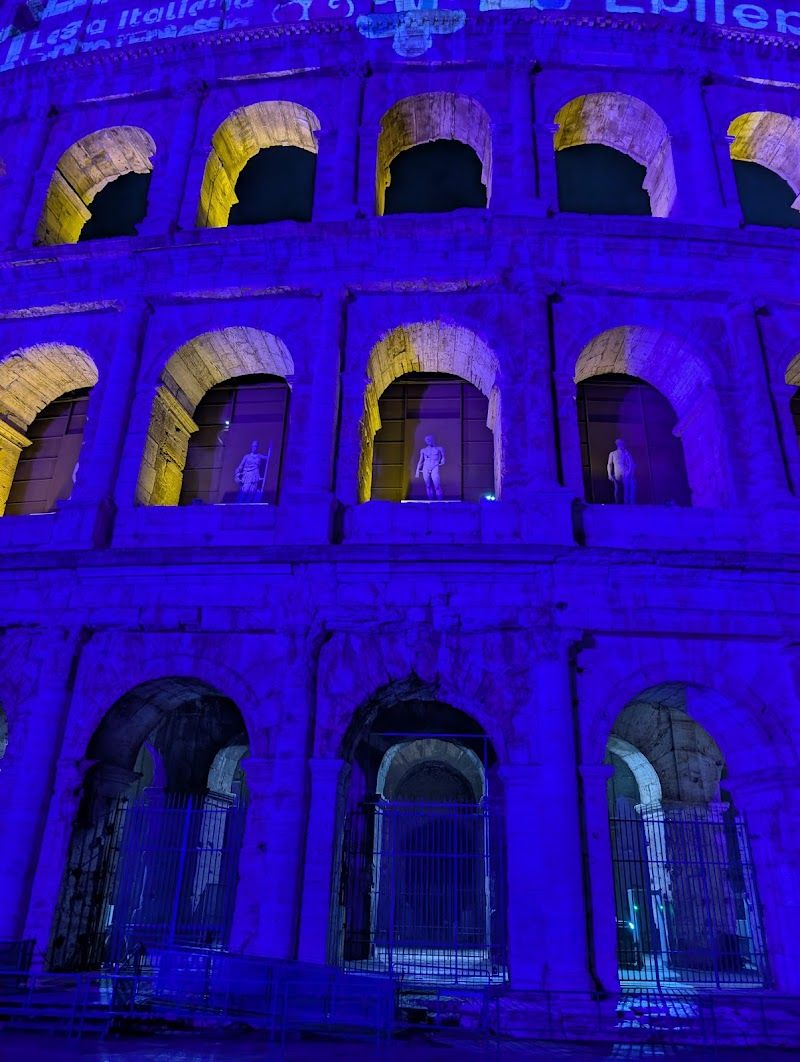
Colosseum Underground Tour
The standard Colosseum ticket keeps you on the upper levels. This tour (€60-80) takes you below the arena floor into the hypogeum, the underground network of tunnels, cages, and elevators that launched gladiators and wild animals into the arena. You also get access to the third tier (top level) with panoramic views. The underground passages are narrow, cool, and atmospheric. Seeing the mechanical lift systems that hoisted animals through trap doors changes your understanding of the entire building. Book weeks ahead; slots are limited.
Technotown
Technotown occupies a restored 1920s building inside Villa Torlonia, transforming what was once Mussolini's residence into Rome's most hands-on science center. You'll find five floors packed with robotics labs, 3D printing stations, virtual reality pods, and music production studios where kids aged 8-17 can actually build, code, and create. The workshops rotate weekly but always include programming robots, designing digital games, and recording original music tracks. The experience feels more like visiting a tech startup than a traditional museum. Kids move freely between stations, guided by young instructors who speak excellent English and Italian. The robotics lab buzzes with Lego Mindstorms and Arduino projects, while the VR room transports visitors to ancient Rome or deep space. The music studio gets particularly lively when groups collaborate on beats and melodies. Parents can observe from viewing areas or join weekend family workshops. Most travel guides completely miss this place, which keeps crowds manageable even on weekends. Individual workshops cost 8 EUR, while full-day passes run 15 EUR and offer better value if you're staying over two hours. Skip the basic computer coding stations, they're too elementary for most kids. Focus on the 3D printing lab and robotics workshops where the real learning happens. Book online to guarantee your preferred time slot.
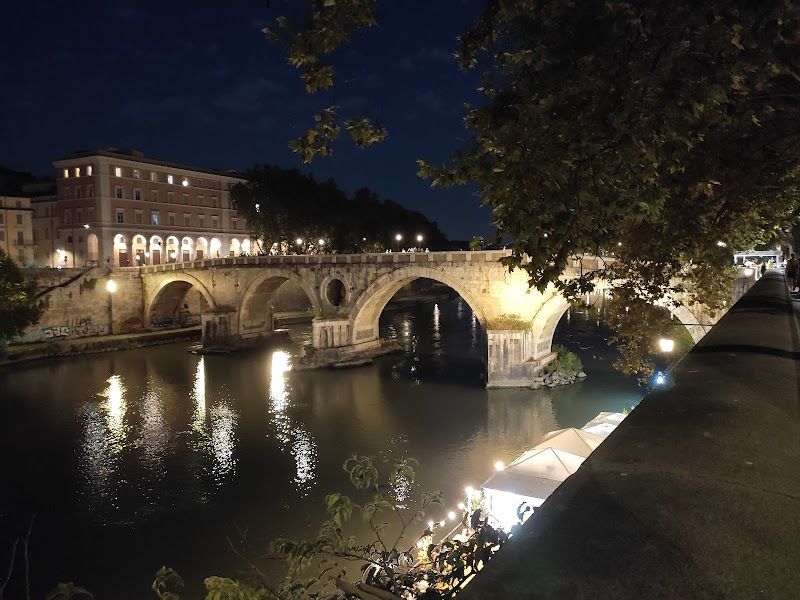
Lungotevere
The Lungotevere consists of embankment roads running along both sides of the Tiber River for about 20 kilometers through Rome's center. You'll walk tree-lined paths below street level, passing under Renaissance bridges like Ponte Sant'Angelo and Ponte Cavour while the river flows just meters away. The route connects major landmarks including Castel Sant'Angelo, Ara Pacis, and Tiber Island, offering continuous views without the chaos of Rome's traffic above. Walking the Lungotevere feels like discovering Rome's secret lower level. Joggers and cyclists share the wide stone paths while plane trees create natural shade overhead. The sound of flowing water replaces car horns, and you'll spot local fishermen casting lines from the stone embankments. During summer evenings, temporary bars and food stalls appear for the Lungo il Tevere festival, transforming the riverside into an outdoor social scene. Most tourists stick to the bridges and never descend to river level, which is their loss. The northern section from Castel Sant'Angelo to Ponte Margherita offers the best combination of monuments and peaceful walking. Skip the industrial southern stretches past Testaccio unless you're specifically exploring that neighborhood. The paths flood occasionally during heavy rains, so check weather before planning a long walk.
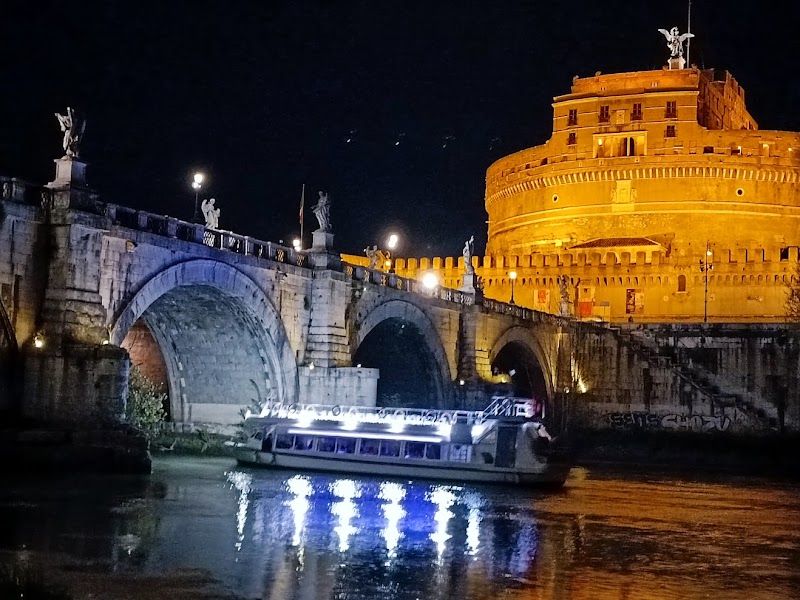
Rome Boat Experience
The Rome Boat Experience takes you along the Tiber on small vessels that carry about 20 passengers, giving you water level views of the city's 15 historic bridges and riverside palaces. You'll cruise past Castel Sant'Angelo, the Theater of Marcellus, and Tiber Island while your guide explains how Romans used the river for centuries. The evening tours include prosecco and basic antipasti platters, though don't expect gourmet quality. The 90 minute journey moves at a leisurely pace, perfect for photographing the honey colored buildings reflected in the water as the sun sets. You'll pass under bridges built by emperors and popes, each with its own architectural style spanning 2,000 years. The boat's open sides let you feel the evening breeze, and the low perspective reveals details you'd never notice from street level. Other passengers tend to be a mix of couples and small groups, creating a relaxed atmosphere. Honestly, this isn't Rome's most spectacular experience, but it fills a nice niche if you want something different from the usual walking tours. At around 35 EUR per person for sunset tours, you're paying mostly for the novelty since the food is forgettable and the commentary can be hit or miss depending on your guide. Skip the lunch cruises entirely, they lack the romantic lighting that makes this worthwhile.
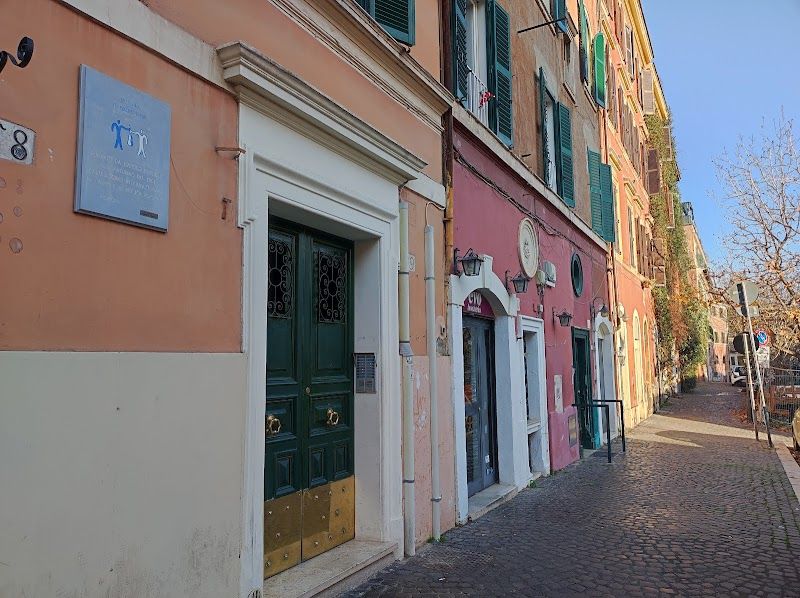
Trastevere neighborhood walk
Cross the Tiber into Trastevere and the city changes. Narrow cobblestone lanes wind between ochre and terracotta buildings covered in ivy. Laundry hangs between windows. Every second door is a trattoria, and while some are tourist traps, many are genuinely good. Start at Piazza di Santa Maria in Trastevere (the 12th-century mosaics on the basilica facade glow at night), then wander south through the backstreets. No itinerary needed. The neighborhood rewards getting lost more than any planned route.
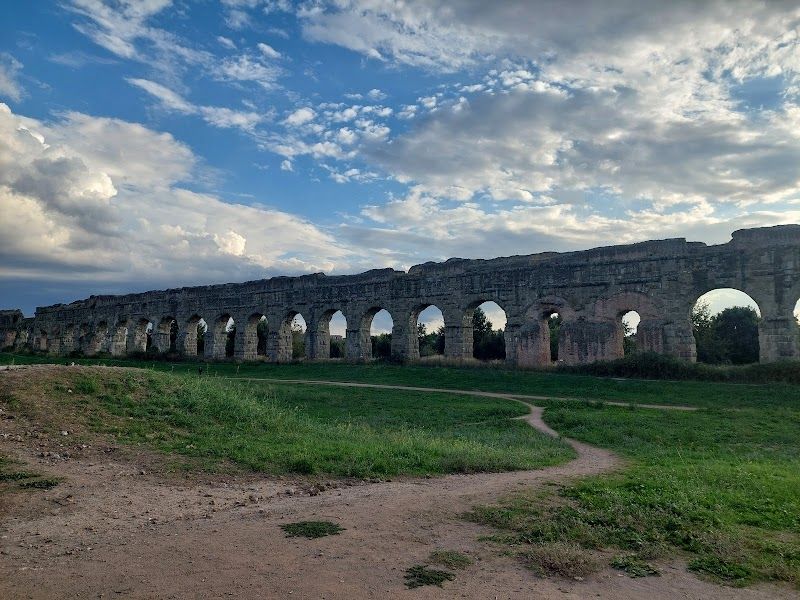
Appian Way Bike Tour
The Via Appia Antica, built in 312 BC, is the oldest Roman road still in use. On Sundays it closes to cars and becomes a cycling paradise lined with crumbling tombs, ancient aqueducts, and umbrella pines. Guided bike tours (€45-55, bike included) cover about 15 km round trip and stop at the Catacombs of San Callisto, the ruins of the Villa dei Quintili, and the circular tomb of Cecilia Metella. The cobblestones are bumpy but manageable on the hybrid bikes most tours provide. A completely different side of Rome.
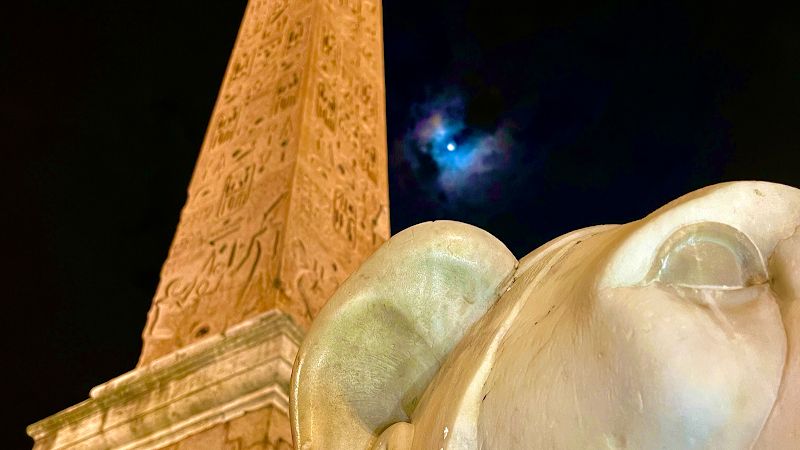
Vatican Guided Tour
A 3-hour guided tour through the Vatican Museums, Sistine Chapel, and St. Peter's Basilica with skip-the-line access. The value of a guide here is enormous: the museums are so vast that without context you will walk past masterpieces without realizing what you are seeing. A good guide explains the rivalry between Michelangelo and Raphael while you stand in the rooms where it played out. Prices range from €55-75 per person for group tours, €250+ for private. The group size matters: avoid anything above 20 people.
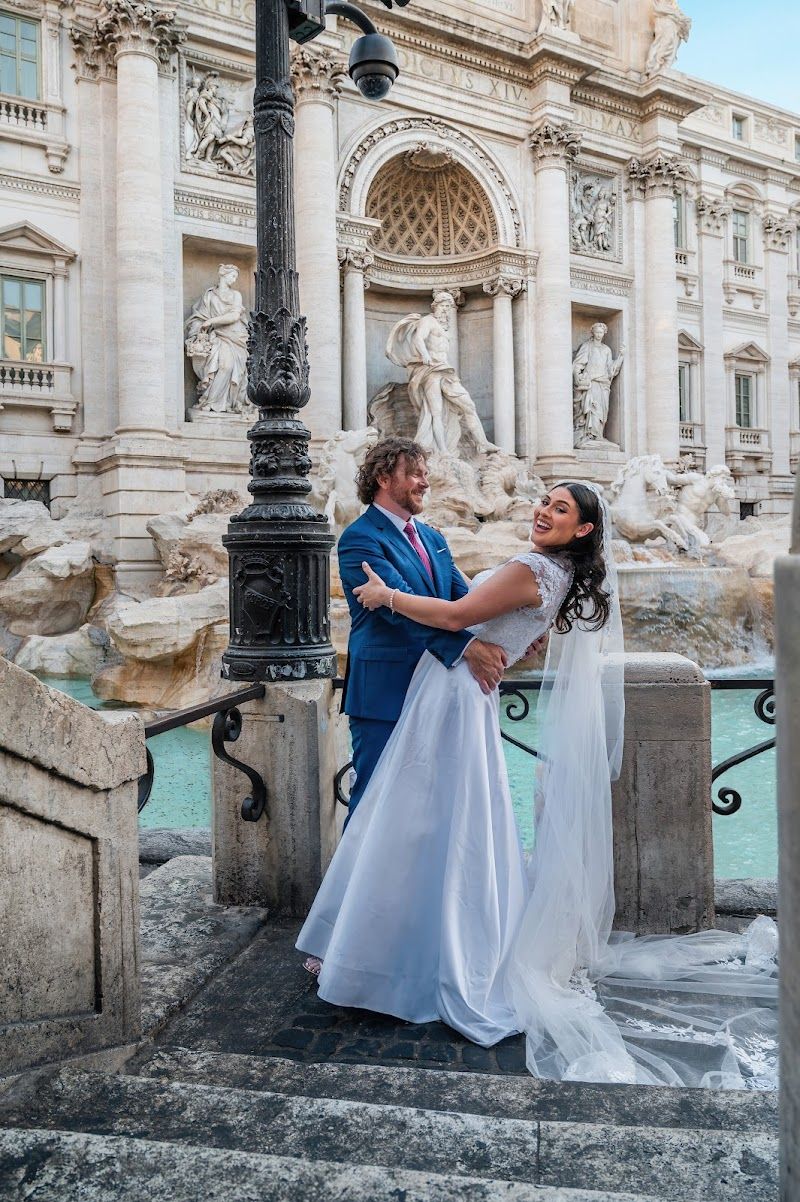
Rome Photo Tour
This three-hour photography workshop transforms you from a casual phone snapper into someone who actually understands light and composition. Professional photographer Marco leads groups of maximum eight people through Rome's most photogenic corners, starting at the Colosseum before sunrise and ending at Trastevere's golden-lit alleys. You'll learn manual camera settings, framing techniques, and how to work with natural light while shooting the Trevi Fountain, Spanish Steps, and those narrow backstreets where laundry hangs between medieval buildings. The pace is relaxed but focused: you'll spend 20-30 minutes at each location while Marco demonstrates techniques, then practice on your own before reviewing shots together. He's genuinely skilled at adjusting his teaching to your level, whether you're shooting with a smartphone or professional DSLR. The best moments come in those quiet side streets near Pantheon where morning light hits ancient stones perfectly, and Marco knows exactly where to position you for shots that look effortless but required real technique. At 85 EUR it's worth every euro if you're serious about improving your photography, but skip it if you just want tourist shots. Marco's tough on composition and won't just tell you everything looks great. The sunrise timing means dragging yourself out of bed at 5 AM, but you'll have completely empty monuments and that magical golden hour light that disappears by 8 AM when tour buses arrive.
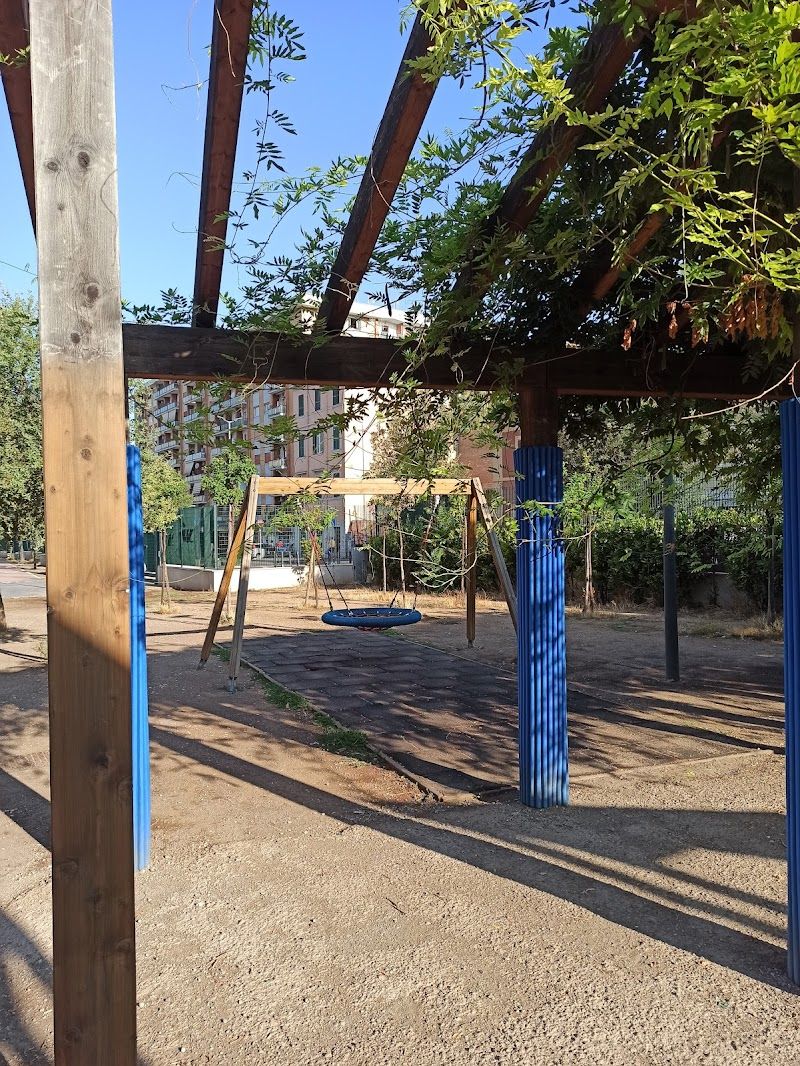
Giardini di Via del Pigneto
Giardini di Via del Pigneto transforms a narrow strip of formerly abandoned land into Rome's most authentic neighborhood green space. Local residents claimed this 200-meter stretch along the main drag and turned it into a patchwork of vegetable plots, flower beds, and colorful murals celebrating community activism. You'll find handmade benches, recycled planters, and politically charged street art that tells the story of Pigneto's working-class identity. The garden feels more like wandering through someone's backyard than visiting a formal park. Locals tend their tomato plants while kids chase cats between the raised beds, and elderly residents gossip on mismatched chairs under makeshift pergolas. The space pulses with genuine neighborhood energy: people arguing about football, sharing vegetables, and painting new sections of wall art. It's scrappy and real in a way that Rome's manicured villa gardens simply aren't. Most travel guides either ignore this place entirely or oversell it as some revolutionary statement. The truth sits somewhere in between: it's a lovely example of grassroots urbanism, but don't expect Instagram-worthy landscaping. Come for 20 minutes max, ideally while exploring the rest of Pigneto's bars and vintage shops. The garden works best as a brief stop that gives context to this rapidly gentrifying neighborhood's community spirit.