
Rome
Centro Storico
Beautiful, ancient, tourist-dense but genuinely spectacular
About Centro Storico
Centro Storico is the Rome that made you book the trip. The Pantheon sits in the middle of a regular piazza surrounded by €1.10 coffee bars, and the fact that a 2,000-year-old building with a perfect concrete dome is just there, between a gelateria and a scooter repair shop, is the most Roman thing imaginable. No ticket, no queue before 9:30 AM, no fuss. You walk in, look up at the oculus, and wonder how they built it without computers, steel, or anything resembling modern engineering.
Piazza Navona is the beautiful one. Three fountains, Baroque architecture, and the kind of space that makes you want to sit down and stay for an hour. The restaurants on the piazza itself are tourist traps (€18 for mediocre carbonara), but the streets behind it hide trattorias where Romans actually eat. Campo de' Fiori runs a morning market until 2 PM: fruit, vegetables, spices, and a few stalls selling tourist tat. In the evening, the piazza becomes a bar scene that skews young and loud. The Trevi Fountain is a 10-minute walk east and genuinely spectacular if you go at 7 AM or 10 PM. Between 10 AM and 8 PM it's a wall of people.
The Centro Storico is walkable in every direction and you'll cross it constantly no matter where you're staying. The streets between Piazza Navona and the Pantheon are where you'll find the best gelateria (Giolitti has been doing it since 1900, and the queue tells you everything) and the best pizza al taglio (sold by weight, pointed at what you want, eaten standing up). This is the most visited part of Rome and it earns it.
Things to Do
Top experiences in Centro Storico
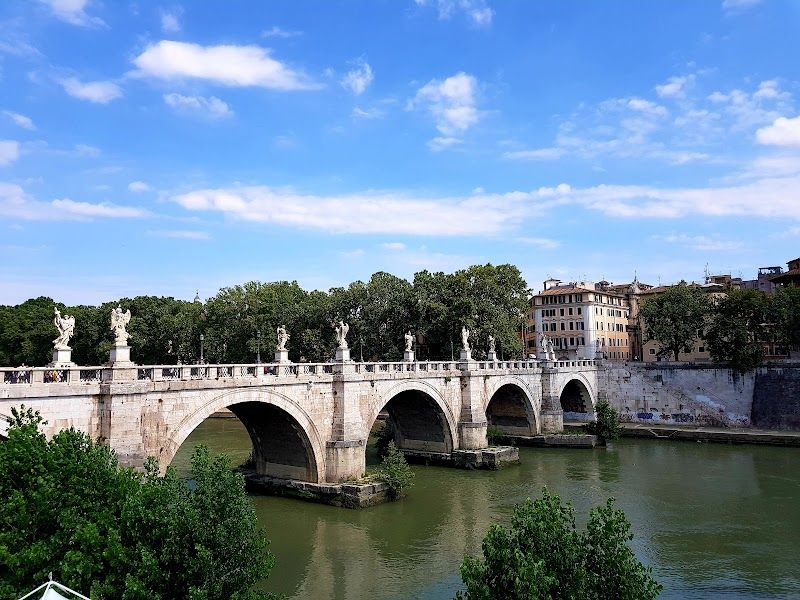
Ponte Sant'Angelo
This pedestrian bridge connects central Rome to Castel Sant'Angelo, lined with ten dramatic baroque angels that tower over the Tiber. Each angel holds a different symbol from Christ's crucifixion: the crown of thorns, the nails, the sponge soaked in vinegar. Emperor Hadrian built the original span in 134 AD as his private route to his tomb, though Bernini's sculptural additions from the 1660s steal the show today. You'll get unobstructed views of St. Peter's dome and the fortress walls while classical musicians often perform beneath the statues. The bridge feels more like an outdoor sculpture gallery than a river crossing. Groups cluster around each angel, reading the Latin inscriptions and posing for photos against the castle backdrop. Street performers claim spots between the statues, filling the stone span with violin music that echoes off the fortress walls. The pedestrian only design means you can take your time studying each sculpture's details without dodging traffic. Early morning light hits the angels perfectly, casting dramatic shadows across their flowing robes. Most guidebooks oversell this as a lengthy stop, but fifteen minutes covers it completely unless you're a serious art student. The views are genuinely spectacular, especially looking back toward the Vatican dome, but don't expect much historical context from the sparse signage. Skip the overpriced gelato vendors at both ends and grab something better near the Pantheon instead. The bridge gets painfully crowded between 11am and 4pm when tour groups bottleneck around the center angels.
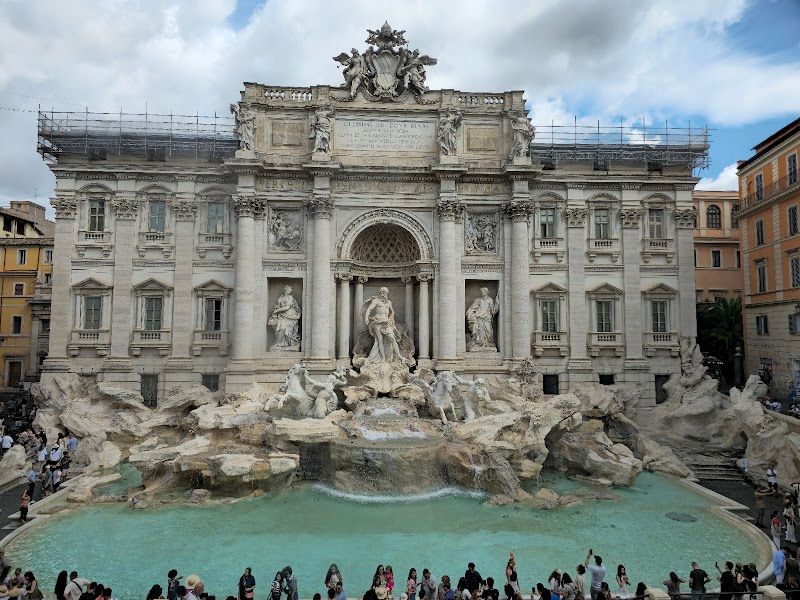
Trevi Fountain
Nicola Salvi's theatrical masterpiece dominates this cramped piazza like a stage set come to life. Neptune commands the center while Tritons wrestle with horses that seem ready to leap from the carved stone. The detail work is genuinely impressive when you can get close enough to appreciate it. The fountain recycles 2,824,800 liters of water daily through its elaborate system, creating that signature rushing sound that somehow cuts through the crowd noise. You'll be shoulder-to-shoulder with tourists most hours, everyone jostling for the same Instagram shot while coins ping constantly into the water. The piazza feels impossibly small for such a massive fountain, which actually makes the whole thing more dramatic. There's no gradual reveal, just a sudden presentation of baroque theater in your face. The lighting system kicks in after sunset, turning the white travertine golden and the water into liquid mercury. Most people spend 5 minutes tossing a coin and leave, but the carved details reward a longer look. Spot the different Triton expressions and the intricate coral work. Skip the overpriced restaurants with terrace views (you're paying €8 for a Coke to look at crowds). The city collects about €1.5 million in coins annually for charity, so your toss actually does some good beyond the supposed return-to-Rome guarantee.
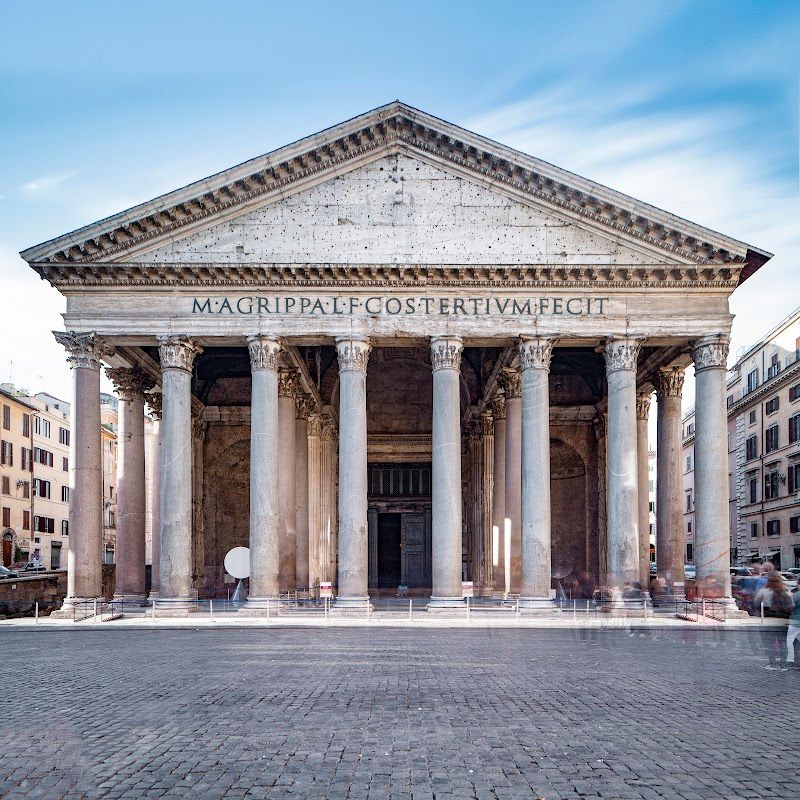
Pantheon
Two thousand years old, free to enter, and still the largest unreinforced concrete dome on the planet. The Pantheon is the building that makes engineers and architects stop talking mid-sentence. Walk through the massive bronze doors - originals, by the way - and look up at the coffered dome with its oculus, a 9-metre hole in the ceiling that is the only source of light. When it rains, the water falls straight through and drains through nearly invisible holes in the slightly convex floor. That's Roman engineering from 125 AD, and nobody has improved on it since. The interior is one enormous room, perfectly proportioned: the height to the oculus equals the diameter of the dome (43.3 metres). This was deliberate. The Romans designed it so the space would feel both vast and harmonious, and it works. The light beam that enters through the oculus moves across the interior like a slow spotlight - at noon it's at its most dramatic, hitting the floor in a near-perfect circle. Morning visits between 8:30-9:30 AM catch the beam sweeping across the coffered ceiling, which is arguably even more beautiful. Entry is free but you need a timed reservation since 2023. Book on the official site a few days ahead - it costs nothing, takes 30 seconds, and saves you from the walk-up queue that can reach 45 minutes. The reservation system was controversial but it's actually improved the experience because they now limit the number of people inside at any time. Raphael is buried here, in the third chapel on the left - most people walk right past it. The building started as a temple to all the gods (pan = all, theon = gods), was converted to a church in 609 AD, and has been in continuous use ever since. The piazza outside has the usual overpriced tourist cafes - walk two minutes south to Sant'Eustachio Il Caffe for what many Romans consider the best coffee in the city (€1.10 standing at the bar).
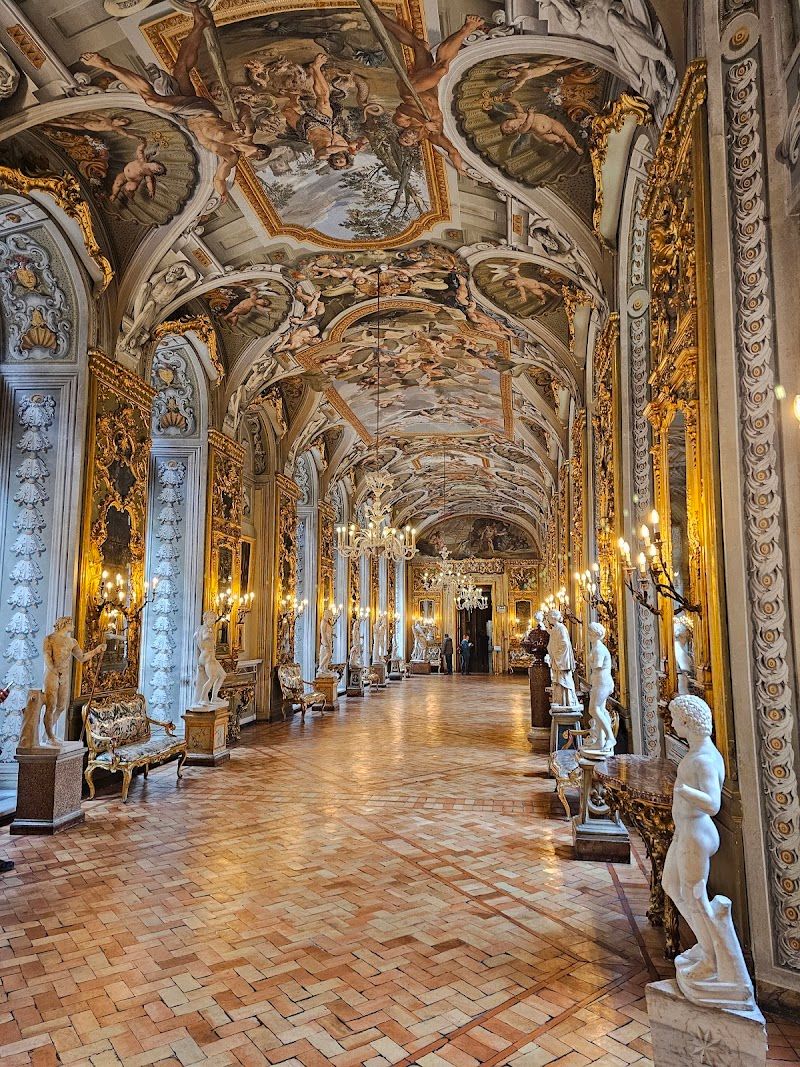
Galleria Doria Pamphilj
The Galleria Doria Pamphilj is Rome's most impressive private art collection, still owned by the noble family that's been accumulating masterpieces for 400 years. You'll see Velázquez's haunting portrait of Pope Innocent X (considered one of the greatest paintings ever made), plus works by Caravaggio, Titian, and Bernini scattered throughout their actual living quarters. The mirrored Gallery of Mirrors stretches 100 meters and genuinely competes with Versailles for sheer opulence. You're essentially touring someone's home - albeit a palazzo home filled with priceless art. The rooms flow naturally from the family's private apartments into grand galleries, creating an intimate atmosphere you won't find in major museums. The highlight Gallery of Mirrors feels like walking through a jewel box, with paintings reflected infinitely in ornate gilded mirrors. Unlike most Roman attractions, this place stays refreshingly uncrowded. At €12 entry plus €5 for the audio guide, it's excellent value considering what you're seeing. Most visitors rush through in 45 minutes, but you need at least 90 minutes to properly absorb the masterpieces. Skip the temporary exhibitions room - the permanent collection is far superior. The palazzo can feel overwhelming, so focus on the Gallery of Mirrors and the room with the Velázquez pope portrait.
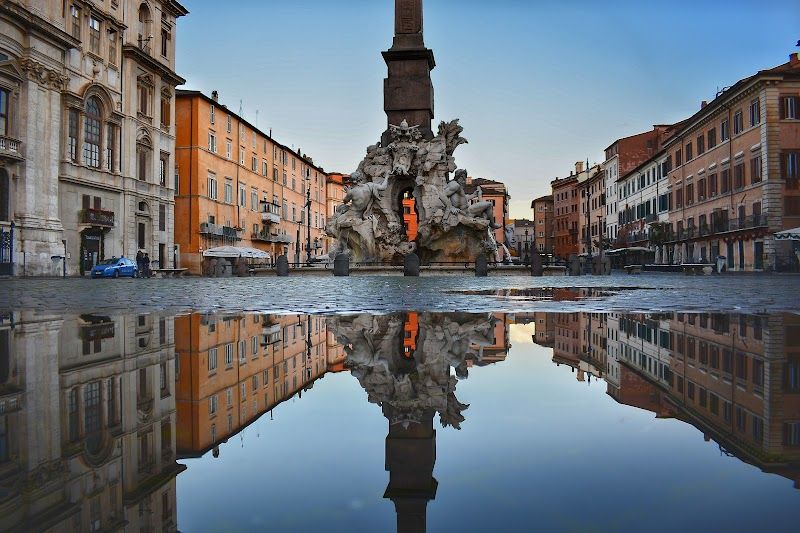
Piazza Navona
Rome's most beautiful piazza sits on the outline of a first-century Roman stadium, and you can still see the oval shape. Bernini's Fountain of the Four Rivers anchors the center, flanked by two smaller fountains. The piazza is ringed by Baroque facades and outdoor cafes that charge double for the privilege of sitting there (a coffee costs €6 versus €1.20 at the bar around the corner). Best visited as a walk-through, not a sit-down. Street artists and occasional small markets keep it lively year-round.
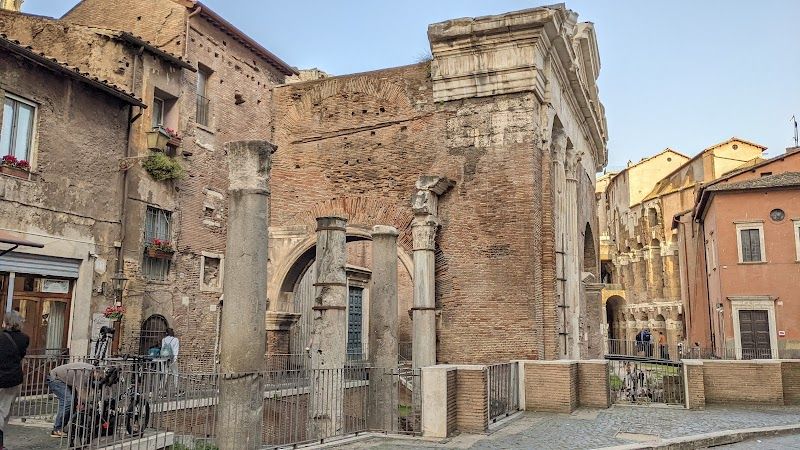
Portico d'Ottavia
Portico d'Ottavia is where ancient Rome crashes into medieval Jewish Quarter life in the most spectacular architectural collision you'll find in the city. You're looking at the remains of a massive 2nd-century BCE colonnade that Augustus dedicated to his sister, now literally built into the walls of Sant'Angelo in Pescheria church and surrounding medieval buildings. The contrast is startling: crumbling Roman marble columns support Renaissance brickwork, while a 16th-century inscription about fish market regulations sits carved into ancient stone. Walking through feels like stepping through layers of time simultaneously. The portico's surviving archway frames the church entrance, and you can trace where Roman columns disappear into medieval walls. Jewish bakeries and restaurants occupy ground floors of buildings that incorporate actual Roman ruins as structural elements. The afternoon light filtering through the archway creates dramatic shadows on the ancient stones, while the smell of fresh challah drifts from Boccione bakery just steps away. Most visitors snap a photo and leave, missing the real story written in the stones. Look for the medieval fish market inscription on the left column, it's more interesting than the Roman parts because it shows how people actually used this space for centuries. Skip the overpriced restaurants facing the portico itself, they're tourist traps. Instead, grab something from Boccione bakery and eat it while sitting on the ancient steps.
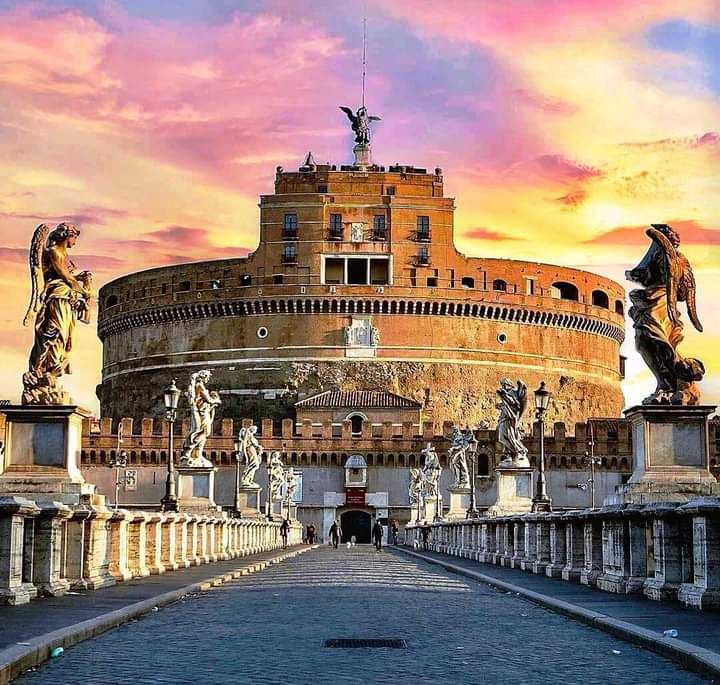
Castel Sant'Angelo
Built as Emperor Hadrian's mausoleum in 139 AD, then converted into a papal fortress, prison, and now a museum. The spiral ramp up through the original Roman core is eerily atmospheric. The upper terrace has one of the best views in Rome, looking straight down Via della Conciliazione to St. Peter's dome. The Passetto di Borgo, a secret elevated passageway connecting the castle to the Vatican, was used by popes fleeing attacks. The museum inside covers military history, Renaissance apartments, and a small arms collection.
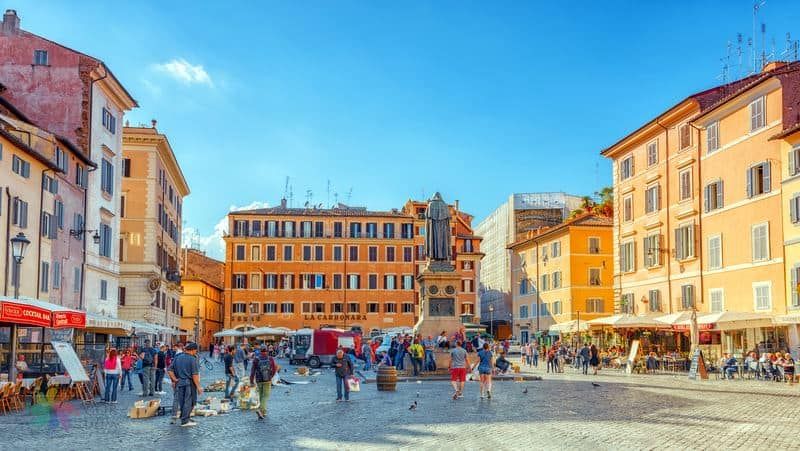
Campo de' Fiori
Every morning except Sunday, this piazza transforms into Rome's most photogenic open-air market. Vendors sell seasonal produce, dried pasta, spices, olive oil, and flowers under striped awnings. The quality is genuine, though prices are slightly tourist-inflated compared to neighborhood markets. The statue of Giordano Bruno in the center stares down grimly, marking where he was burned for heresy in 1600. By late afternoon the market packs up and the piazza pivots to its second life: one of Rome's liveliest aperitivo and nightlife hubs.
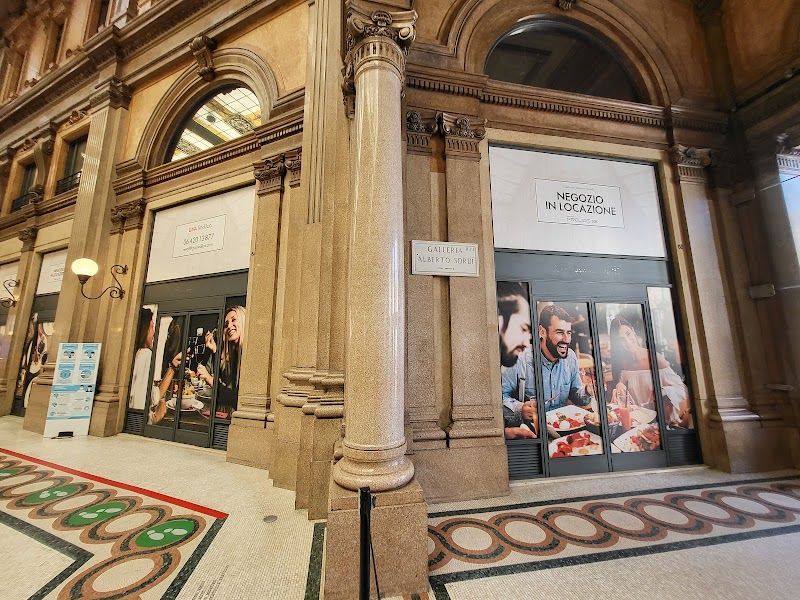
Galleria Alberto Sordi
This covered shopping arcade from 1922 connects Via del Corso directly to Piazza Colonna, making it one of Rome's most convenient shopping shortcuts. The Art Nouveau glass ceiling and marble details are genuinely beautiful, and you'll find mid-range to high-end brands like Zara (€25-80), Sephora, and several Italian leather shops alongside decent cafes. It's named after Alberto Sordi, Rome's most beloved actor, whose films captured the city's character perfectly. Walking through feels like stepping into early 20th century Rome - the restored Liberty-style architecture creates an airy, light-filled space that's refreshingly cool in summer. The gallery runs about 100 meters end to end, with shops on both levels connected by elegant staircases. You'll hear multiple languages as tourists mix with Romans cutting through between shopping areas, and the sound echoes nicely off the vaulted ceiling. Most guides oversell this as a major attraction when it's really just a pleasant shopping passage with nice architecture. The shops are standard international brands you'll find anywhere, though prices are typical for central Rome. Use it as a shortcut between Corso and Colonna, grab an espresso (€1.20-1.50) at one of the cafes, and admire the ceiling - but don't plan more than 15 minutes unless you're actually shopping.
Where to Eat
Restaurants and cafes in Centro Storico
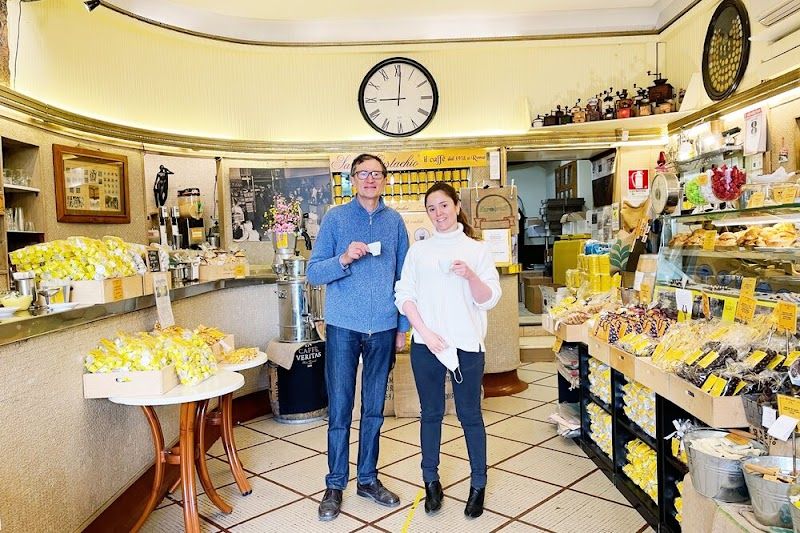
Sant'Eustachio Il Caffè
CafeHistoric coffee roastery near the Pantheon serving their signature Gran Caffè since 1938, prepared with a secret method and pre-sweetened at the bar. The beans are roasted on-site in a wood-fired roaster. Stand at the bar like a Roman or grab a table in the small interior.
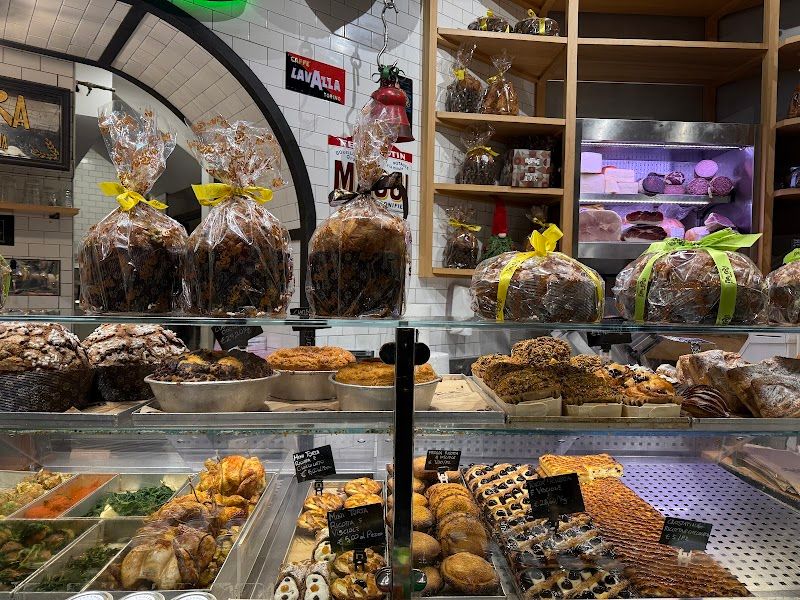
Forno Roscioli
RestaurantLegendary bakery and pizza al taglio spot with lines out the door at lunch. The pizza margheritana and pizza con patate are Roman classics, sold by weight. Also excellent supplì and porchetta sandwiches. Standing room only.
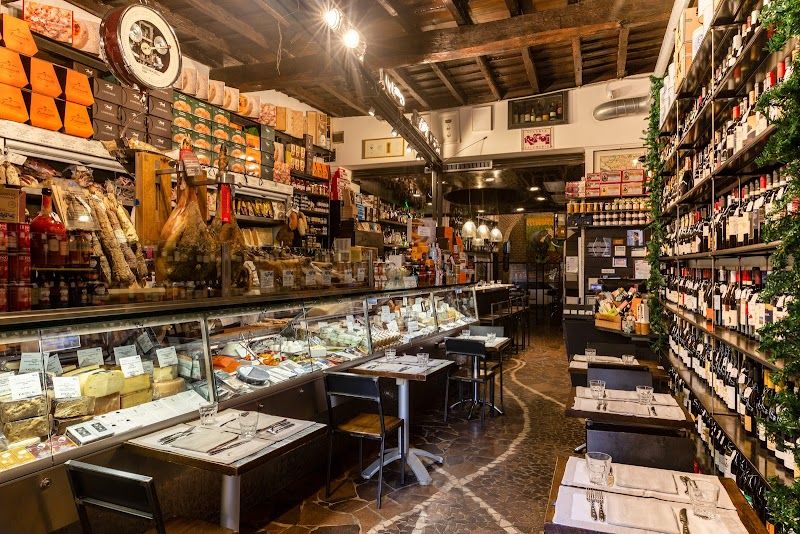
Roscioli
RestaurantUpscale salumeria-restaurant hybrid with one of Rome's finest carbonaras and an exceptional wine list. The front is a deli counter with aged cheeses and cured meats; the back dining room serves refined Roman classics. Reserve weeks in advance.
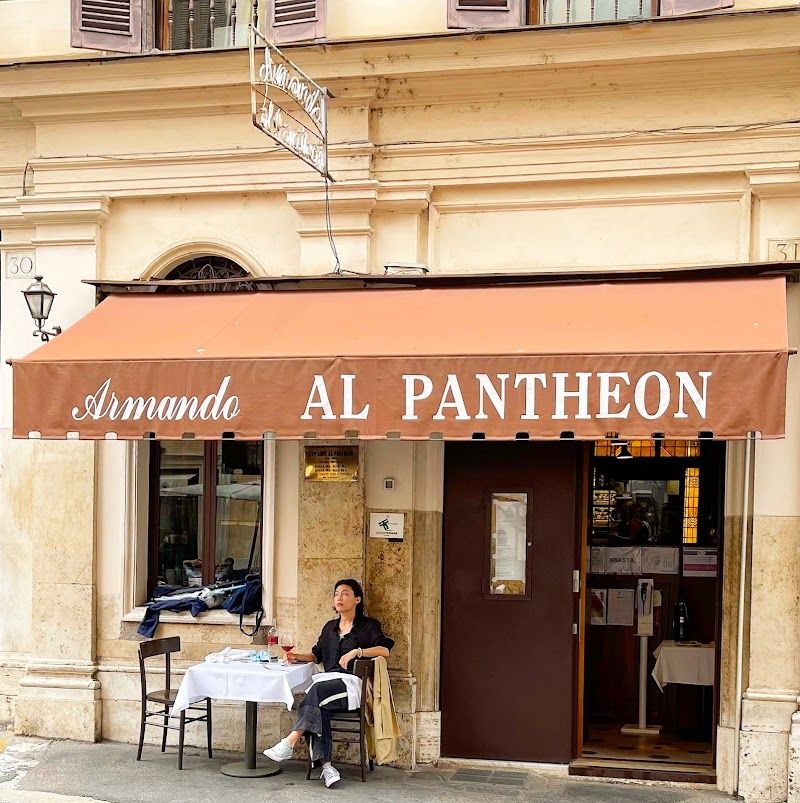
Armando al Pantheon
RestaurantFamily-run trattoria since 1961, steps from the Pantheon but loved by Romans for authentic carbonara and gricia. Third generation now running it with same recipes and commitment to seasonal Roman cooking. The artichokes in spring are extraordinary.
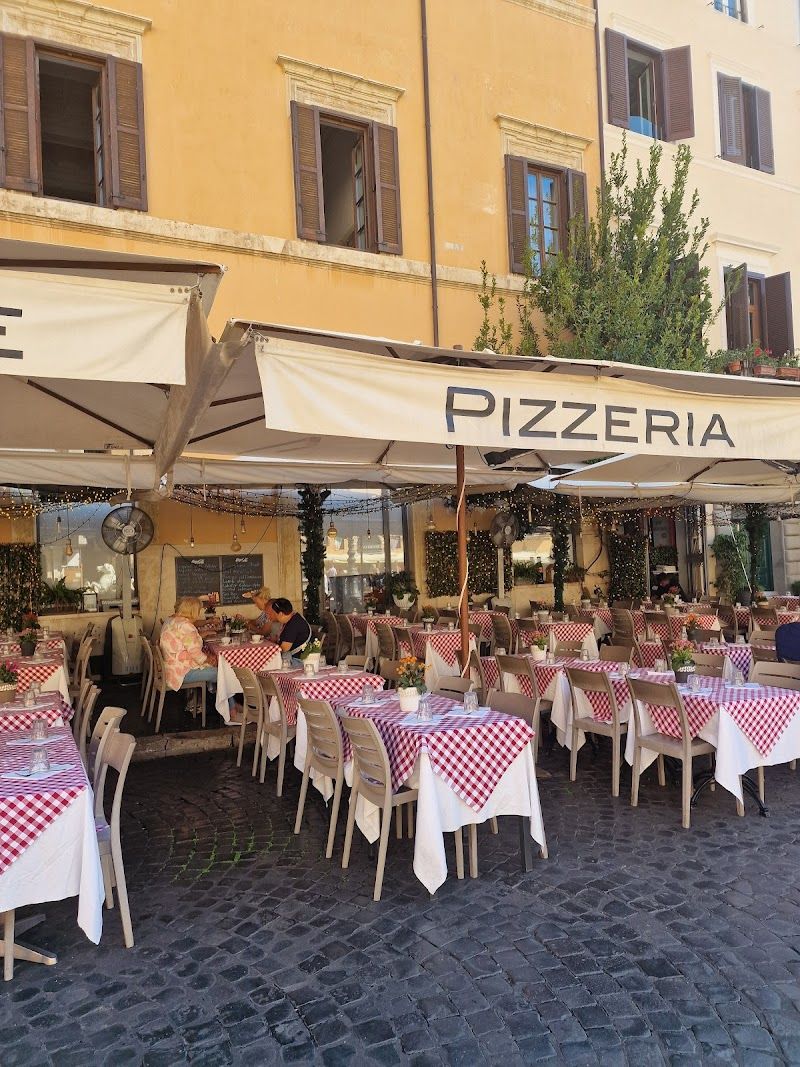
Retrobottega
RestaurantMichelin-starred contemporary restaurant near Campo de' Fiori with counter seating overlooking the kitchen. Chefs Alessandro Miocchi and Giuseppe Lo Iudice create artistic plates with Roman soul. Theatrical presentation, impeccable execution.
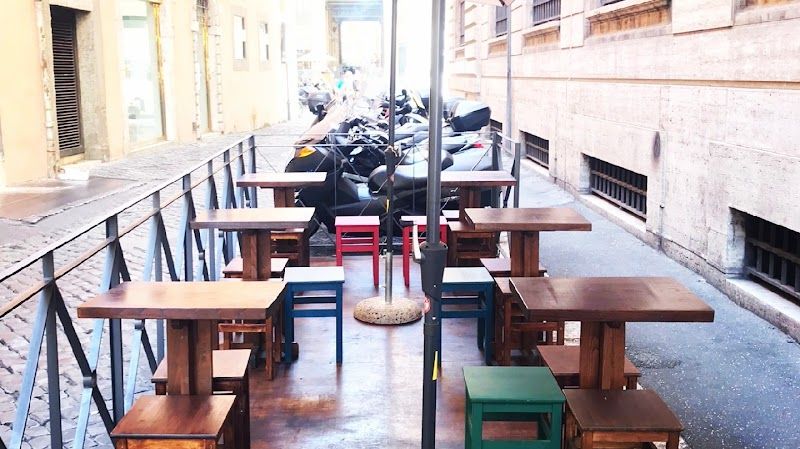
Pane e Salame
RestaurantCasual sandwich shop and salumeria in Testaccio with excellent panini made from quality cured meats and cheeses. Quick lunch spot, affordable, and they'll let you taste before choosing. The porchetta sandwich is outstanding.
Nightlife
Bars and nightlife in Centro Storico
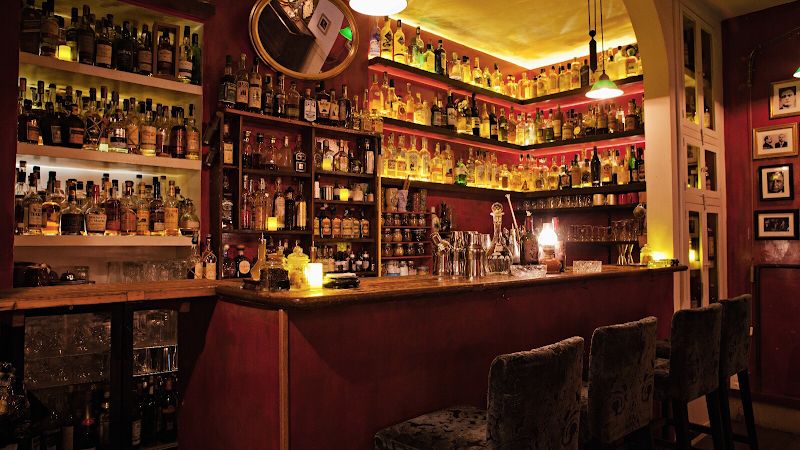
Jerry Thomas Speakeasy
NightlifeRome's first true speakeasy requiring a password for entry, hidden behind an unmarked door near Termini. The 1920s-themed bar serves classic prohibition-era cocktails with theatrical presentation. Book via their website to receive the password and door code.
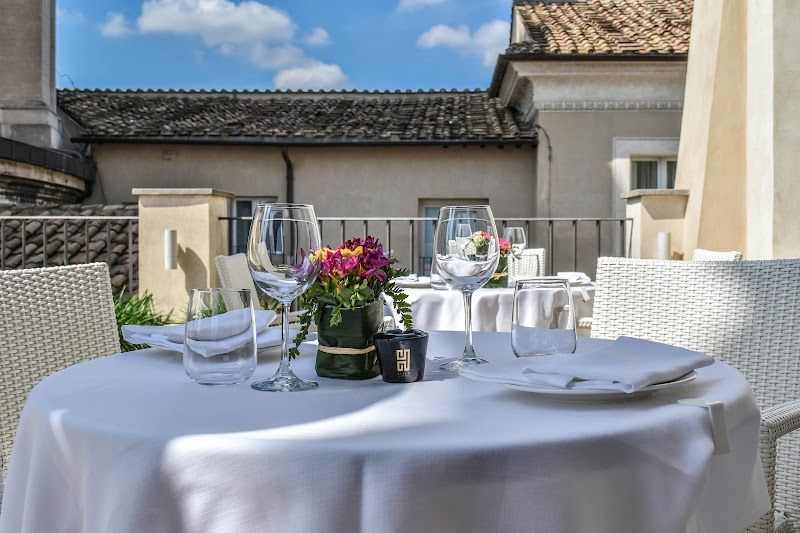
Terrazza Borromini
NightlifeRooftop bar at Hotel Eitch Borromini with stunning views over Piazza Navona and Sant'Agnese in Agone church. The sophisticated cocktail menu features Italian spirits and the setting is unbeatable for sunset aperitivo. Prices reflect the premium location but the views justify the €18-22 cocktails.
Getting Here
Metro Stations
On Foot
Completely walkable. The entire Centro Storico is a pedestrian zone. You don't need any transport once you're here.
Insider Tips
Pantheon before 9:30 AM
The Pantheon is free (reservations required since 2023 but free ones are available). Go before 9:30 AM when the tour groups arrive. The light through the oculus is best mid-morning, and when it rains the water falls straight through the hole in the ceiling and drains through the slightly concave floor.
Skip the piazza restaurants
Never eat at a restaurant on Piazza Navona or Campo de' Fiori. Walk 2 blocks in any direction and prices drop by 40%. Da Francesco on Piazza del Fico does an excellent €10 pizza and the locals have been going since the 1960s.
Nearby Neighborhoods
Continue exploring


Related Articles
Rome vs Florence: Which Italian City Should You Visit First?
Rome delivers epic history and incredible food accidents, while Florence offers Renaissance perfection in a walkable package. Here's how to choose.
Rome vs Venice: A Complete Guide to Choosing Your Italian Destination
Rome delivers ancient wonders and incredible food, while Venice offers unique canals and artistic treasures. We break down costs, crowds, and what each city does best.
Plan a trip featuring Centro Storico
Get a personalized Rome itinerary with Centro Storico built in.
Start Planning