
Rome
Trastevere
Romantic, lively, the Italy postcard brought to life
About Trastevere
Trastevere is the neighborhood that every tourist imagines when they think of Rome: ivy-covered buildings, laundry hanging between windows, trattorias with checkered tablecloths, and someone's nonna watching the street from a second-floor balcony. The difference between Trastevere and the fantasy is that Trastevere actually delivers.
The streets south of Piazza di Santa Maria are where you want to eat. Da Enzo al 29 has a queue every night because the cacio e pepe is €9 and perfect. Arrive by 7:15 PM or wait 45 minutes. Nannarella does gelato that Romans cross the river for. The piazza itself fills up at night with buskers, families, and enough aperitivo spritz to float a boat. The basilica of Santa Maria in Trastevere has 12th-century mosaics that are free and stunning, and somehow most visitors walk right past it.
During the day, climb the Gianicolo hill for the best free panorama in Rome. Better than the Pincian Hill, and nobody's trying to sell you anything. There's a cannon that fires a blank at noon every day, which is startling if you don't know about it. Sunday mornings, the Porta Portese flea market runs along the river for almost a kilometre. The neighbourhood gets loud after 11 PM on weekends, which is either a feature or a bug depending on where your hotel is.
Things to Do
Top experiences in Trastevere
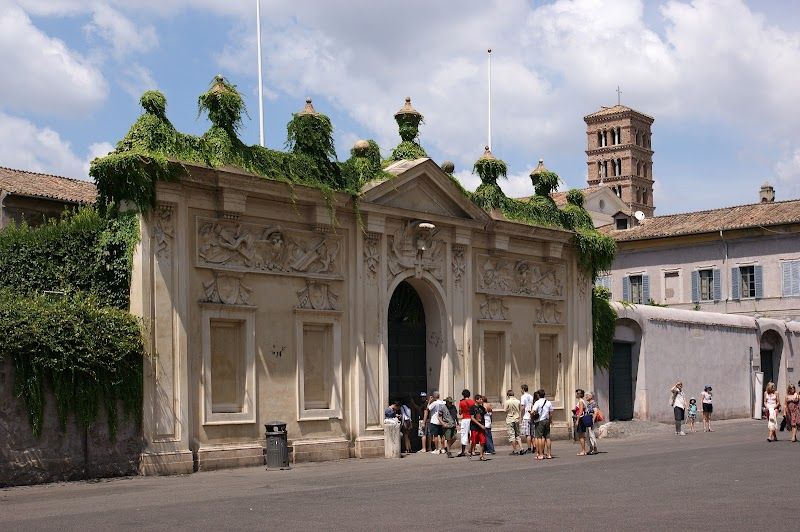
Piazza dei Cavalieri di Malta
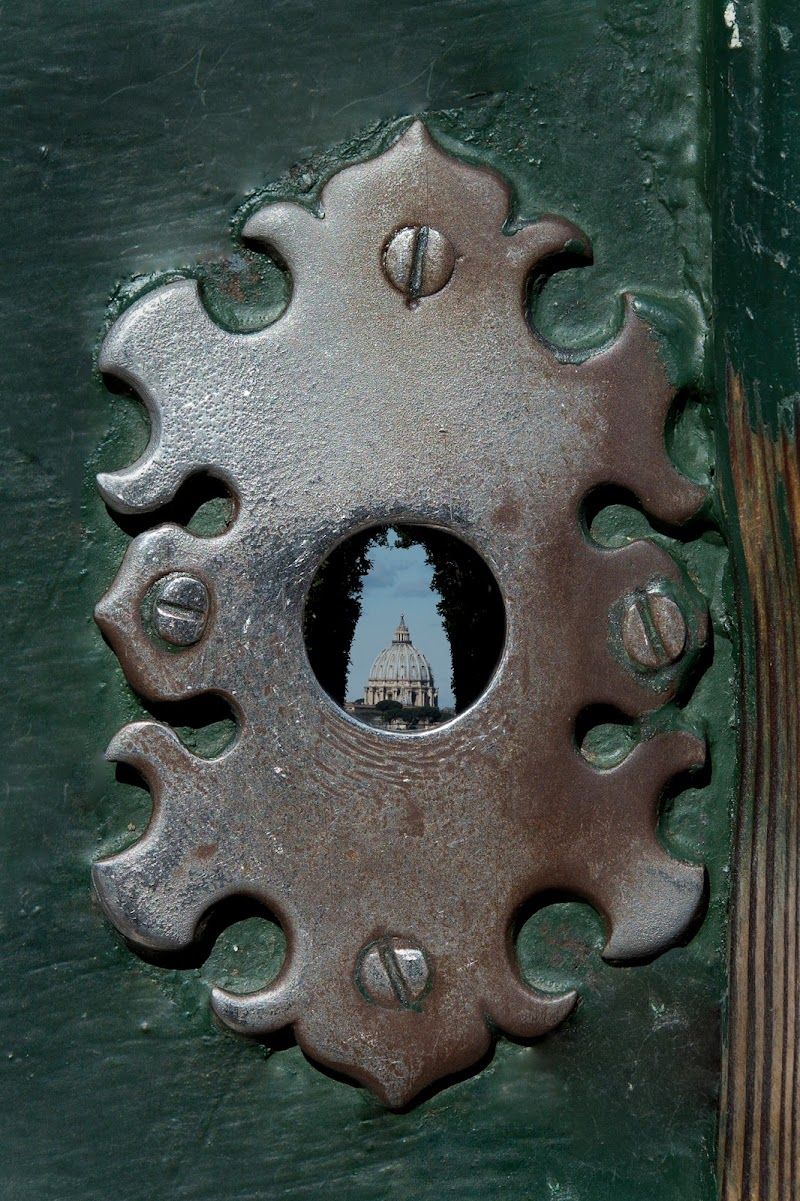
The Aventine Keyhole sits in an ornate green door on Piazza dei Cavalieri di Malta, offering Rome's most famous surprise view. You'll peer through a tiny bronze keyhole to see St. Peter's dome perfectly framed at the end of a manicured garden path, with the dome appearing to float between carefully pruned hedges. The piazza itself was redesigned by Giovanni Battista Piranesi in the 1760s and remains headquarters of the Knights of Malta, a sovereign military order. The experience is delightfully simple: you walk up to an unremarkable green door, bend down, and look through the keyhole for about 10 seconds. There's usually a small queue of people taking turns, each person gasping slightly when they see the view. The optical illusion works because of the perfectly aligned garden path that creates a natural telescope effect. The surrounding piazza feels peaceful and residential, lined with orange trees and elegant buildings. Honestly, it's a bit overhyped for what amounts to a 30 second peek, but the view genuinely is magical and it's completely free. Most people combine it with nearby attractions since 15 minutes here isn't worth a special trip. The queue can stretch 20 people deep during peak hours, which means waiting 15 minutes for a 10 second view. Visit early morning or evening when you'll have it mostly to yourself and can actually enjoy the elegant piazza Piranesi designed.

Eating Italy Food Tours
Katie Parla's food tours are the real deal - this isn't about touristy spots serving mediocre carbonara, but actual neighborhood joints where Romans eat. You'll walk through Testaccio or Trastevere hitting 4-5 family-run places, sampling everything from proper cacio e pepe to maritozzi pastries, while learning why Romans are so particular about their food rules. The guides are local food obsessives who'll explain why you never put cheese on seafood pasta and which bakery makes the best cornetti. The tours feel like eating your way through Rome with a well-connected friend who knows every shopkeeper by name. You'll duck into tiny alimentari to taste aged pecorino, stop at hole-in-the-wall trattorias for off-menu specials, and visit century-old bakeries where the recipes haven't changed. The Testaccio route includes the neighborhood market, while Trastevere focuses more on traditional osterie. Groups stay small (maximum 12 people) so you can actually talk to the vendors and chefs. At around €95 per person, it's pricey but justified - you're getting access to places you'd never find alone, plus enough food for lunch. Skip the weekend tours when restaurants are packed and vendors are rushed. The Testaccio option is better if you want to see how Romans actually shop for food, while Trastevere works better for evening tours when the trattorias come alive.
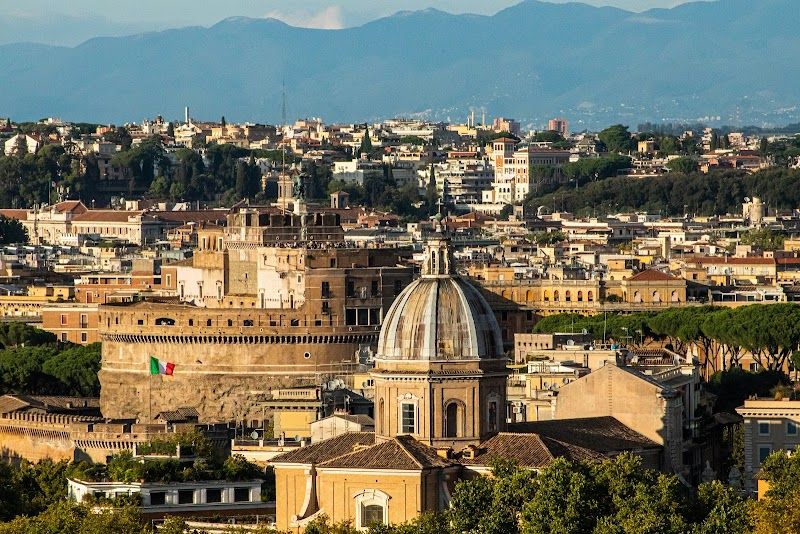
Gianicolo
Gianicolo Hill delivers Rome's most spectacular panoramic view from its tree-lined terrace, looking across red-tiled rooftops to St. Peter's Dome and the entire historic center spread below. At exactly noon every day, a cannon fires from this spot - a tradition started in 1847 to help Romans synchronize their timepieces. The hill sits just above Trastevere, making it an easy climb after exploring that neighborhood's cobbled streets and restaurants. The experience feels like discovering Rome's secret balcony. You'll walk up through Villa Doria Pamphili's gardens or take the winding road from Trastevere, emerging onto a broad terrace where locals bring their kids and tourists clutch cameras. The noon cannon ceremony draws a small crowd who count down the seconds before the blast echoes across the city. Afterward, most people linger on the benches under umbrella pines, picking out landmarks like the Pantheon dome and Castel Sant'Angelo in the distance. Most guides oversell this as a sunrise spot, but afternoon light (3-5pm) actually shows off the city's golden stone better. The climb from Trastevere takes about 15 minutes and it's completely free, unlike many Roman viewpoints. Skip the overpriced cafe at the top - instead, head to nearby Antico Arco (€35-45 for dinner) which serves refined Roman cuisine with the same views through floor-to-ceiling windows.
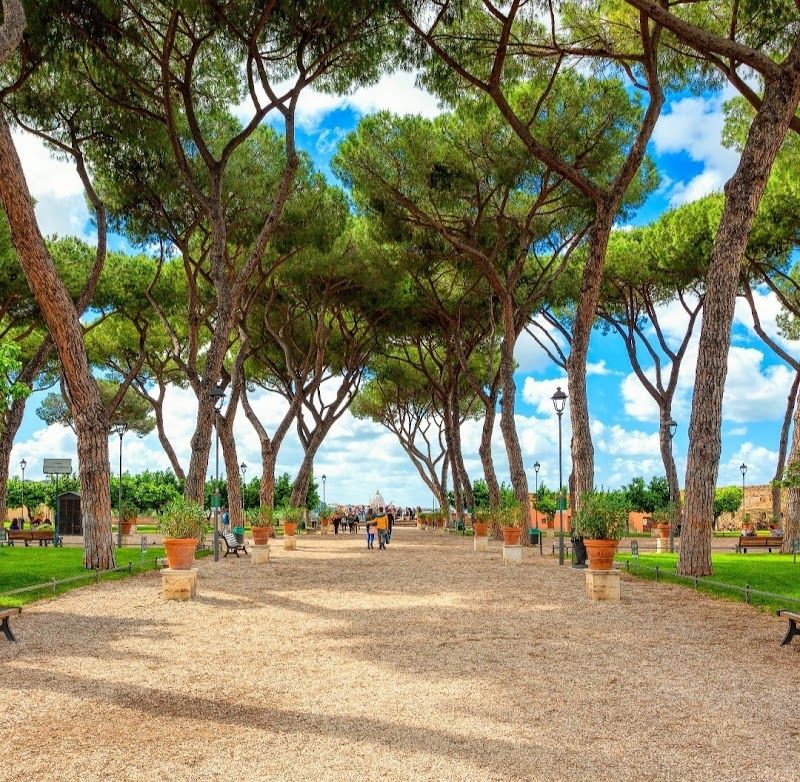
Giardino degli Aranci
This elevated orange grove on Aventine Hill delivers Rome's most perfect panoramic view - a sweeping vista across the Tiber to St. Peter's Basilica and the entire historic center. The medieval Savello oranges (bitter Seville varieties) create a fragrant canopy above manicured pathways, while ancient Roman walls form the park's foundation. You'll find wooden benches positioned precisely for the view, plus a small playground that local families actually use. The experience feels like discovering a secret rooftop garden that somehow escaped the tourist hordes. You'll hear Italian conversations mixing with camera clicks as couples pose against the backdrop, while the scent of orange blossoms (strongest in April and May) drifts through the air. The rectangular layout channels everyone toward the main viewing terrace, where the dome of St. Peter's sits perfectly framed between umbrella pines. Evening light transforms the whole scene into something postcards can't capture. Most guides don't mention that this place gets genuinely crowded during golden hour - arrive by 5 PM or accept you'll be sharing that perfect shot with dozens of others. The oranges aren't edible (they're ornamental and bitter), so don't bother trying to sneak one. Skip the weekend afternoons when Roman families pack the space, and remember there's no shade except under the trees.
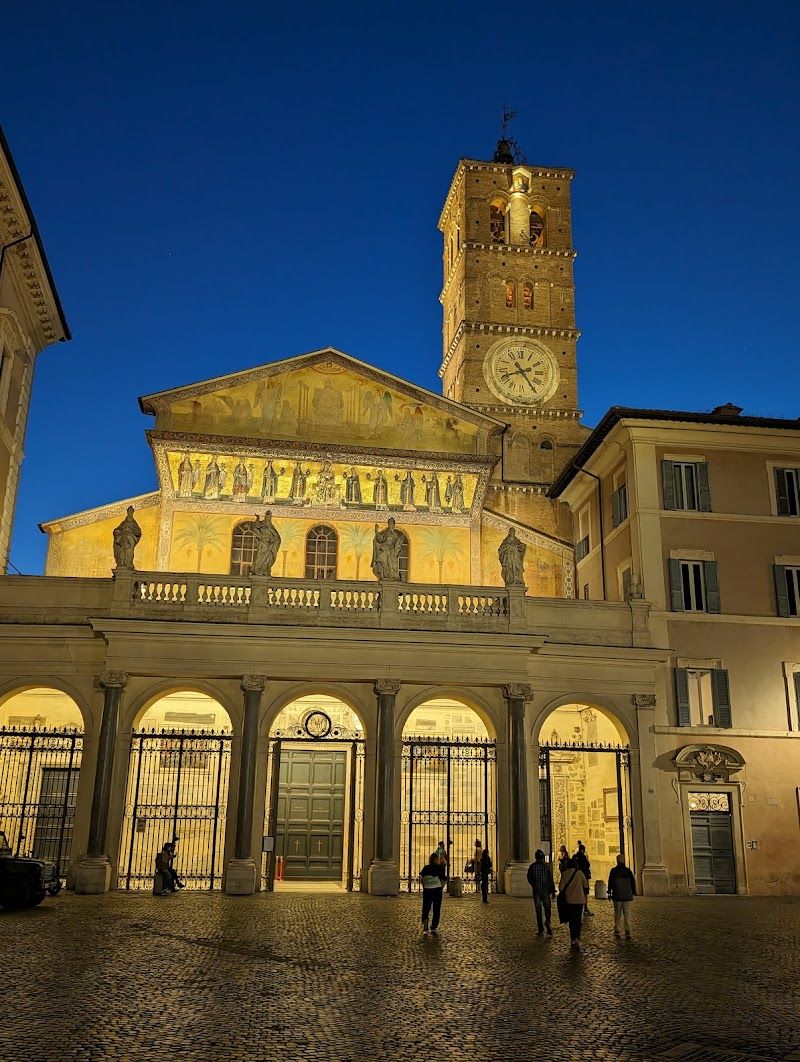
Basilica di Santa Maria in Trastevere
This 12th-century church houses some of Rome's most spectacular medieval mosaics, with the apse glowing in Byzantine gold depicting the Virgin Mary enthroned with Christ. The facade mosaics light up dramatically after dark, showing Mary nursing the infant Jesus surrounded by ten lamp-bearing virgins. You'll walk across original Cosmatesque floors - intricate geometric patterns made from recycled Roman marble that create a kaleidoscope under your feet. Inside, your eyes adjust from the bright piazza to reveal columns salvaged from ancient Roman buildings supporting a wooden ceiling. The apse mosaics dominate everything - they're genuinely breathtaking when afternoon light streams through the windows, making the gold tiles shimmer. The space feels intimate rather than overwhelming, with locals quietly praying alongside tourists craning their necks upward. Sunday mass brings Gregorian chanting that bounces off the medieval walls. Most guides oversell this as Rome's most beautiful church - it's lovely but not spectacular compared to Santa Maria Maggiore. The real draw is the authentic medieval atmosphere and those apse mosaics, which beat similar work in San Clemente. Skip the small side chapels and focus your 20 minutes on the main nave and apse. Entry is free, though they appreciate donations. Come before 4pm when tour groups clog the narrow aisles.
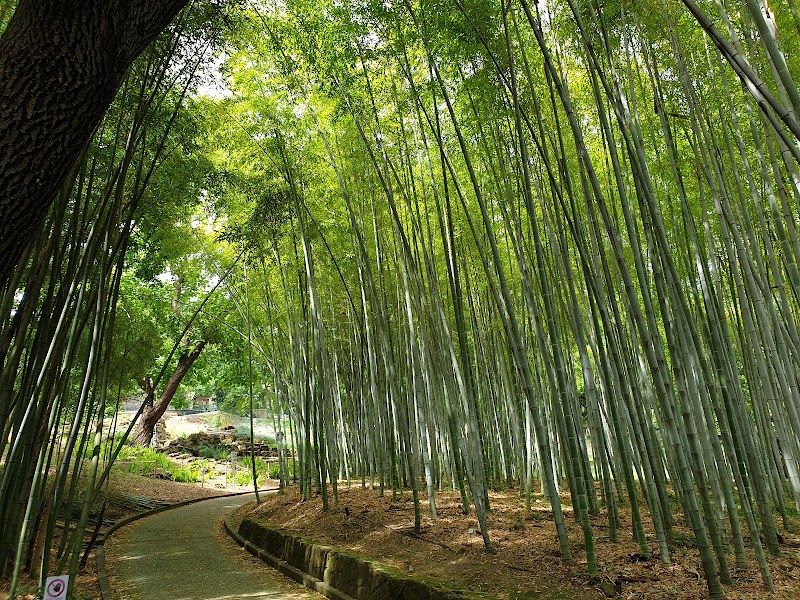
Orto Botanico di Roma
The Orto Botanico di Roma sprawls across 30 acres behind Trastevere, housing over 3,000 plant species in carefully designed microclimates. You'll walk through tropical greenhouses dripping with humidity, Mediterranean terraces lined with ancient olive varieties, and a surprisingly authentic Japanese garden complete with stone lanterns and koi ponds. The bamboo forest creates natural tunnels you can walk through, while the rose garden showcases varieties dating back centuries. The gardens flow naturally up the Gianicolo hillside, connected by winding paths that reveal different ecosystems around each corner. The monumental baroque staircase becomes your guide upward, flanked by towering palms and rare cycads that feel prehistoric. Greenhouses buzz with research activity - this is Rome University's active botanical department, not just a pretty park. The Japanese section feels completely removed from Rome, especially when morning mist clings to the bamboo. Entry costs €8 (€4 for students), which feels steep for what's essentially a university research facility open to visitors. Most people rush through in 45 minutes, but you need at least 90 to appreciate the specialized collections. Skip the uppermost terraces unless you're genuinely interested in Mediterranean scrubland - the best stuff clusters around the greenhouses and Japanese garden near the entrance.
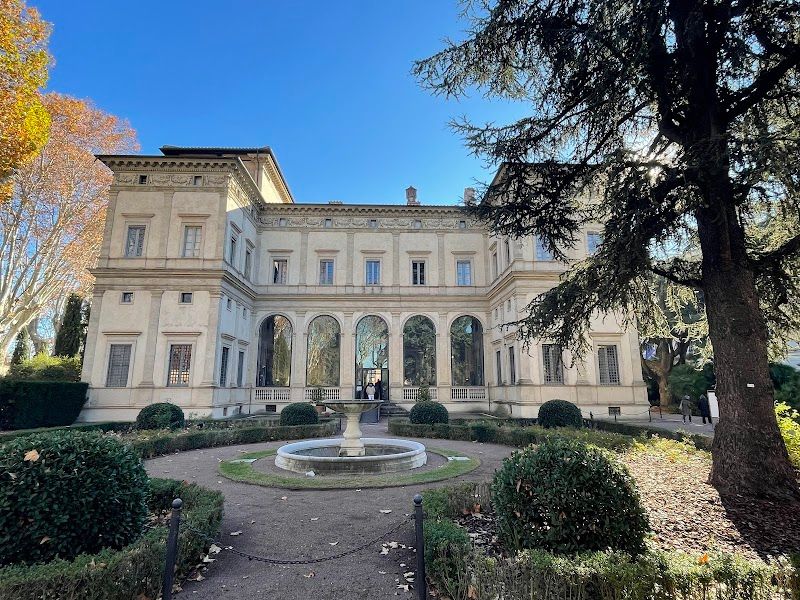
Villa Farnesina
Villa Farnesina is Rome's best-preserved Renaissance villa, built by wealthy banker Agostino Chigi in 1506 as his private party palace. The walls explode with frescoes by Raphael, Baldassarre Peruzzi, and Sebastiano del Piombo - this isn't museum art behind glass, it's immersive decoration covering every surface. You'll see Raphael's sensual Triumph of Galatea, Peruzzi's mind-bending trompe-l'oeil architecture in the Sala delle Prospettive, and the Loggia of Psyche where Chigi once hosted lavish banquets under painted mythological scenes. The villa feels intimate compared to Vatican crowds - you're walking through actual living spaces where Renaissance Rome's elite once dined and socialized. Each room flows naturally into the next, with frescoes that seem to extend the architecture beyond the walls. The Sala delle Prospettive particularly impresses visitors as fake columns and balconies create impossible views of 16th-century Rome. You'll spend most time craning your neck upward, and the smaller scale means you can examine details other museums would rope off. Entry costs €12, making it expensive for what's essentially five decorated rooms, but the quality justifies the price. Most guides oversell the ground floor loggia - the upper floor Sala delle Prospettive delivers the real wow factor. Skip the audio guide (€6 extra) since English descriptions on wall panels cover the basics adequately.
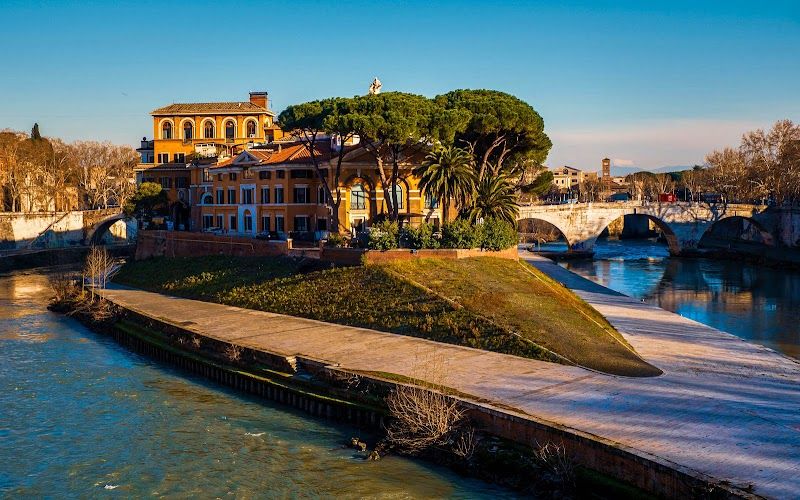
Isola Tiberina
Isola Tiberina is Rome's only river island, a 270-meter limestone outcrop that's been shaped to look like an ancient ship floating in the Tiber. You'll find Europe's oldest functioning hospital here, built on the exact spot where Romans worshipped Aesculapius, god of healing, since 291 BC. The carved travertine ship's hull along the banks and the obelisk "mast" create an impressive illusion that this island is actually sailing downstream. Crossing onto the island feels like boarding a stone vessel anchored in Rome's heart. The medieval Basilica of San Bartolomeo sits where the ancient temple once stood, while the Fatebenefratelli hospital quietly continues 2,300 years of healing tradition. During summer evenings, the Isola del Cinema festival transforms the southern tip into an outdoor movie theater with the Tiber flowing on both sides. Most visitors rush across without exploring properly. The real charm is in the details - the carved ship's prow on the downstream point, the ancient bridge inscriptions, and the peaceful hospital courtyard that's usually open. Skip the overpriced island restaurants and grab a gelato from Trastevere before crossing. The best photos come from the bridges themselves, not from standing on the island.
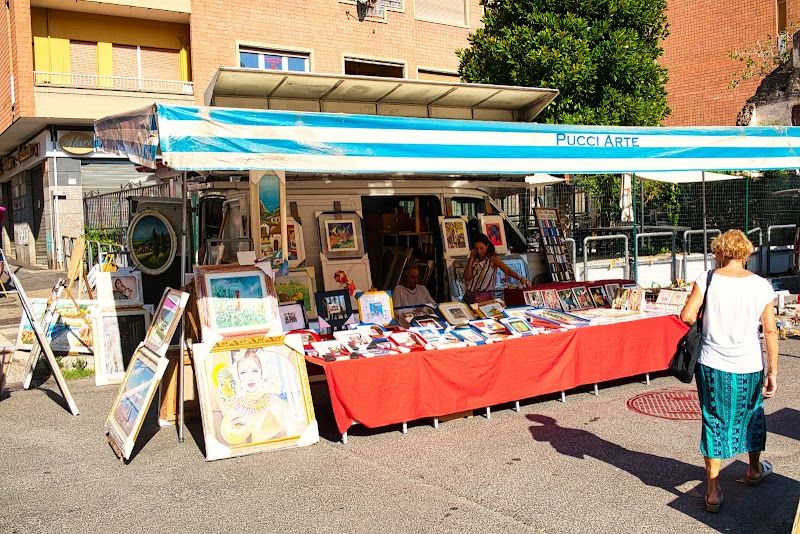
Mercato di Porta Portese
Every Sunday from dawn until 2pm, Rome's largest flea market transforms Trastevere into a treasure hunter's paradise. You'll find genuine 1950s furniture alongside fake designer bags, vinyl records from forgotten Italian singers next to hand-painted ceramics, and elderly Romans selling their grandmother's jewelry. The market stretches for nearly a kilometer along multiple streets, with over 1,000 vendors creating a maze of stalls that changes completely each week. The experience feels like wandering through someone's enormous attic sale - you'll hear vendors calling out prices in thick Roman dialect while shoppers rifle through boxes of postcards, books, and kitchen gadgets. The serious antique section near Piazza Ippolito Nievo attracts dealers and collectors examining porcelain and silver, while the main drag buzzes with families hunting for vintage coats and tourists photographing quirky finds. The crowds thicken after 10am, turning browsing into a shoulder-to-shoulder shuffle. Most travel guides romanticize this place, but honestly, 70% is junk - broken electronics, mass-produced "vintage" items, and overpriced tourist trinkets. The real finds are in the antique quarter where you can negotiate a 19th-century mirror from €80 down to €50, or discover genuine Italian ceramics for €15-25. Skip the clothing stalls near the entrance entirely - they're mostly cheap imports masquerading as vintage, and focus your energy on the back sections where locals actually shop.
Where to Eat
Restaurants and cafes in Trastevere
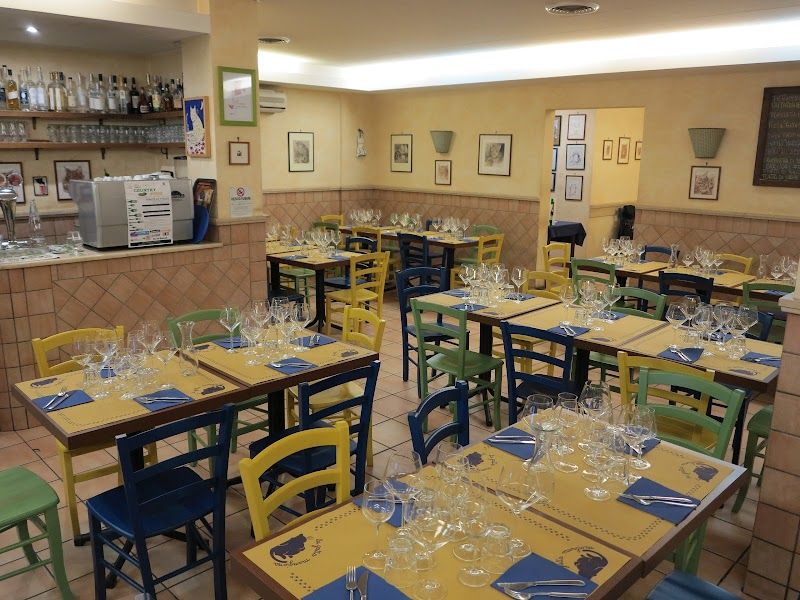
La Gatta Mangiona
RestaurantAward-winning pizzeria famous for its creative gourmet toppings and perfectly charred crusts. Uses high-quality, seasonal ingredients and offers both classic and innovative pizza combinations. Consistently rated among Rome's best pizzerias.
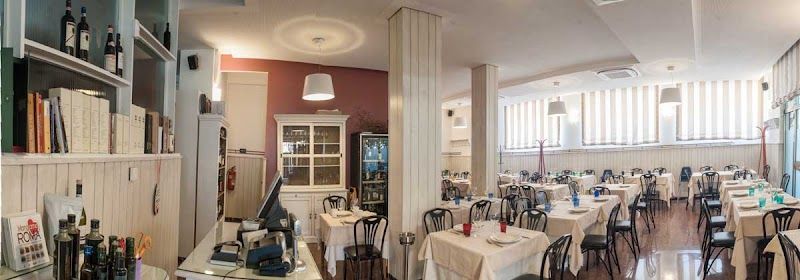
Cesare al Casaletto
RestaurantNeighborhood trattoria in residential Monteverde serving exceptional Roman classics since 1956. The cacio e pepe is famous among Romans who make the trek here. Family-run with grandmother's recipes still in use. Off the tourist path entirely.
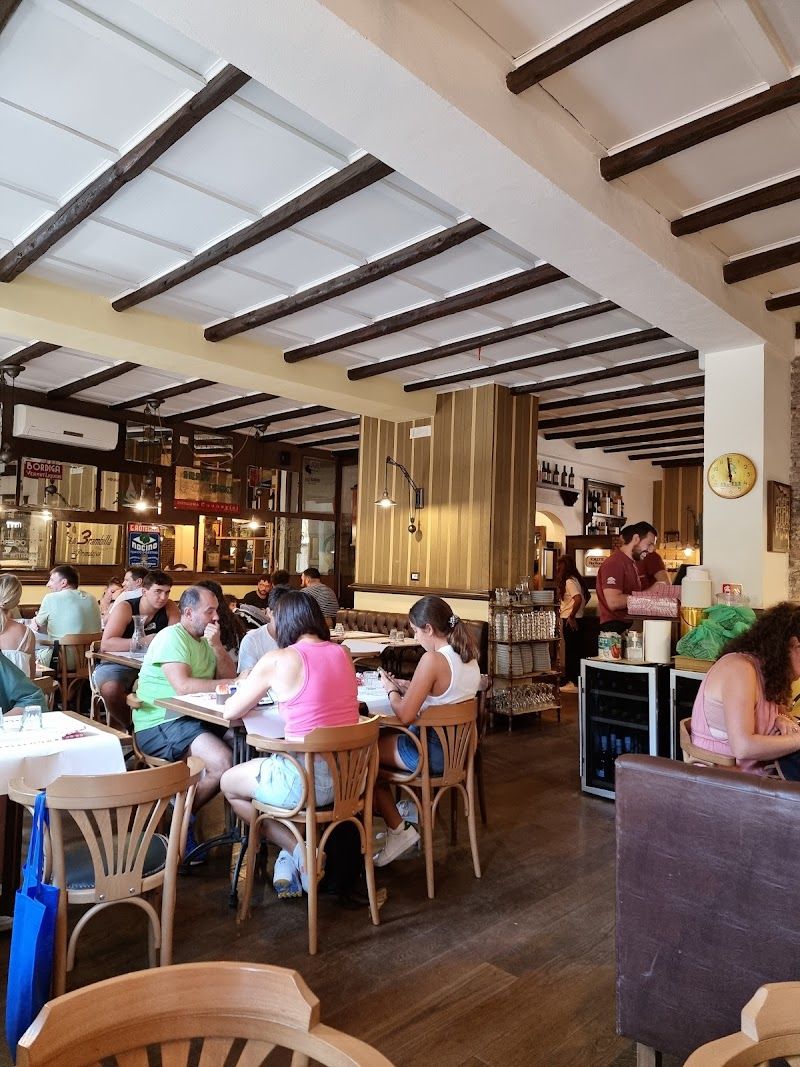
Tonnarello
RestaurantTrastevere classic serving generous portions of Roman pasta since 1975. The namesake tonnarelli cacio e pepe and amatriciana are excellent, and the outdoor seating on the cobblestones is quintessentially Roman. Expect a wait without reservations.
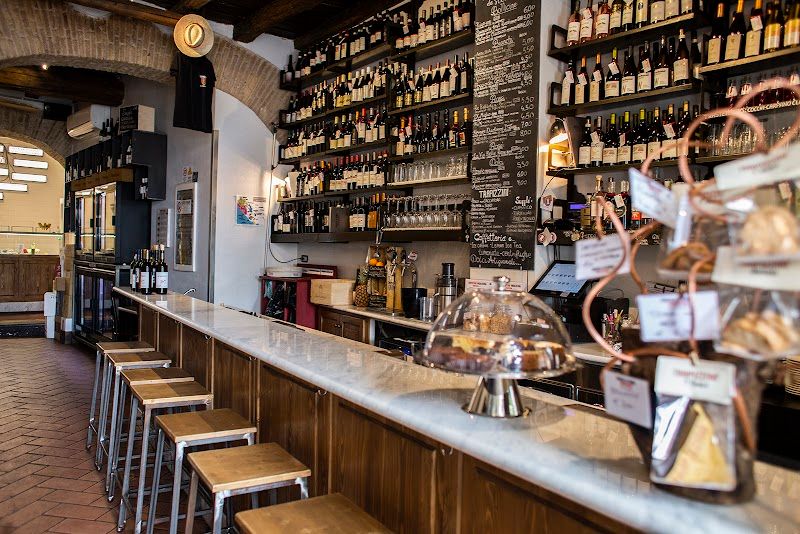
Trapizzino
RestaurantInnovative street food concept serving the trapizzino - a pocket of crispy pizza bianca stuffed with Roman stews like polpette al sugo or pollo alla cacciatora. Created by Stefano Callegari, this Testaccio location is the original. Quick, affordable, and genuinely Roman.
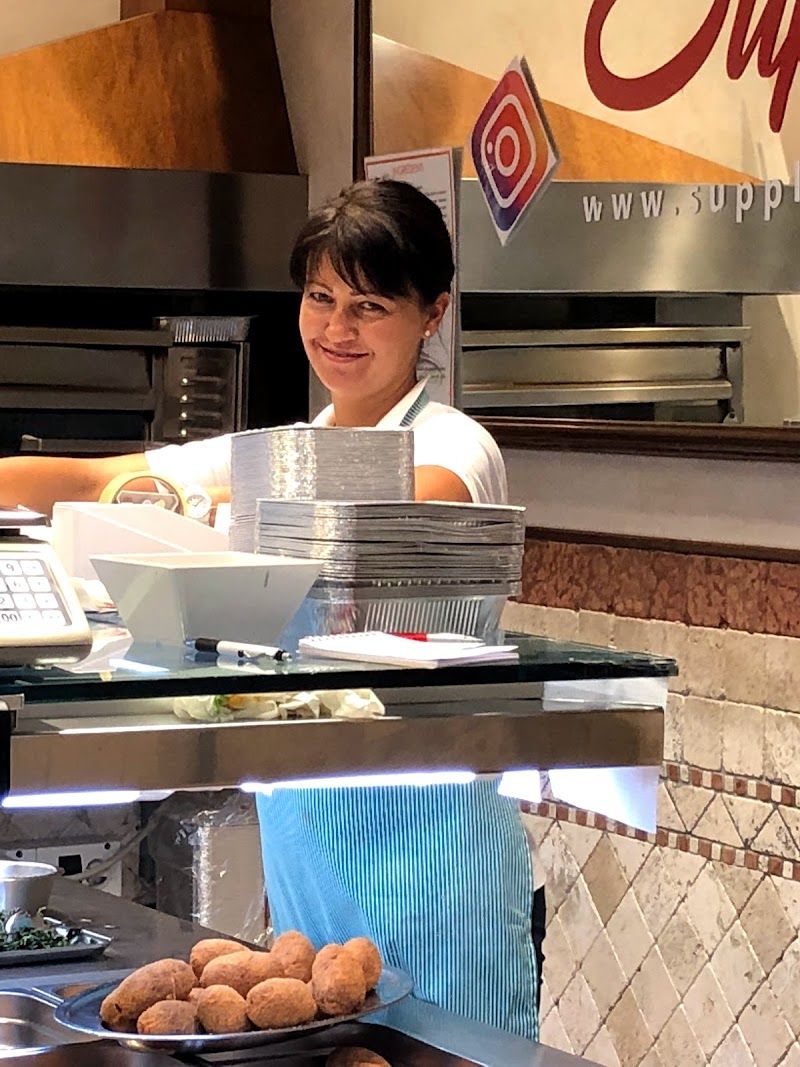
Suppli Roma
RestaurantModern take on the classic Roman supplì, with creative fillings beyond the traditional ragu. Try varieties like cacio e pepe supplì or carbonara supplì alongside classics. Perfect quick lunch spot with outdoor seating.
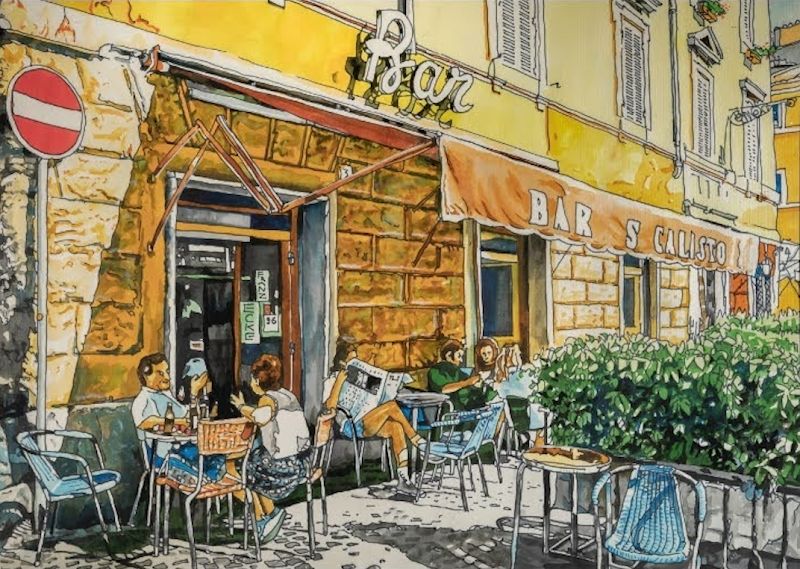
Bar San Calisto
CafeNo-frills Trastevere institution packed with locals, students, and night owls until 2 AM. Famous for serving Rome's cheapest espresso (€1) and their chocolate mousse dessert. Cash only, standing room mostly, authentic Roman bar atmosphere.
Nightlife
Bars and nightlife in Trastevere
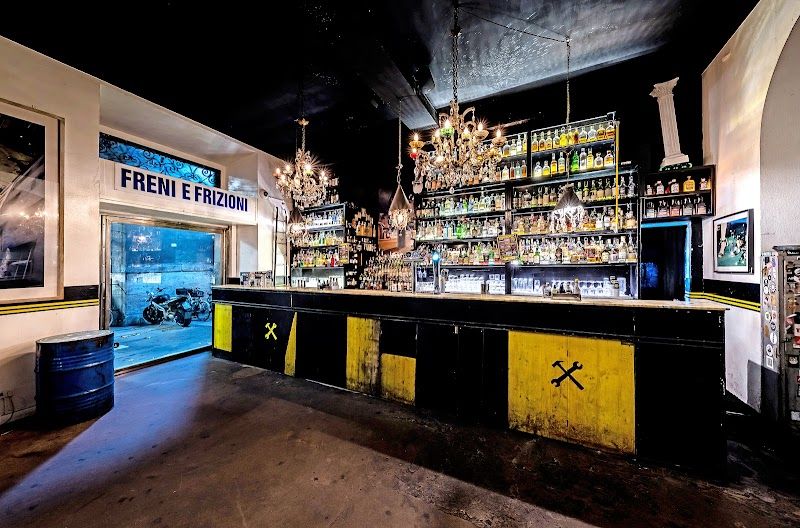
Freni e Frizioni
NightlifeFormer mechanic's garage converted into Trastevere's most popular aperitivo spot with an extensive cocktail menu and generous buffet spread. The riverside terrace on Piazza Trilussa fills with a young international crowd between 6-9 PM. Their creative cocktails cost €10 and come with unlimited access to the substantial food buffet.
Keyhole Roma
NightlifeAsian-fusion cocktail bar near Piazza Venezia with kimono-clad servers and a menu combining Japanese ingredients with Italian spirits. The intimate space features low lighting, velvet seating, and inventive cocktails using sake, yuzu, and shiso. Reservations essential on weekends.
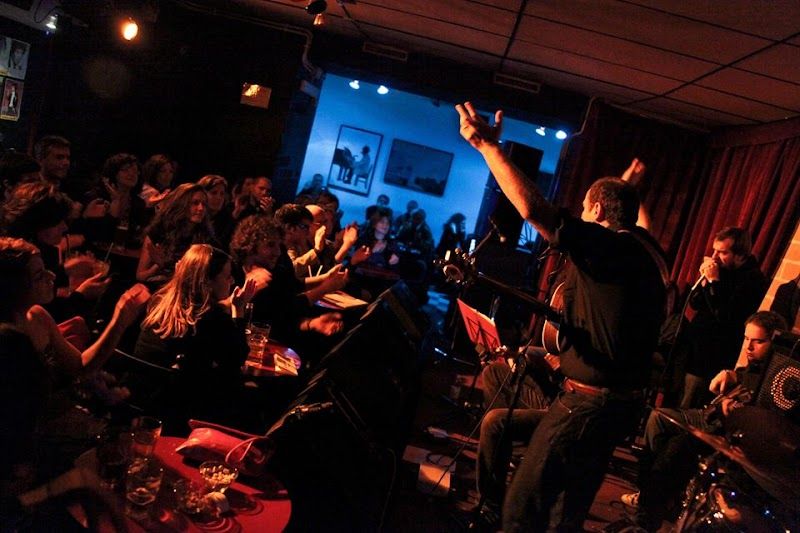
Big Mama
NightlifeHistoric blues and rock venue in Trastevere operating since 1984, featuring live music seven nights a week in an intimate brick-vaulted basement. International touring acts and Italian rock bands perform on the small stage steps from the audience. Cover charge typically €10-15 including first drink.
Getting Here
Metro Stations
On Foot
Extremely walkable. The whole neighborhood is cobblestoned pedestrian streets.
Insider Tips
Da Enzo al 29 strategy
No reservations. The door opens at 7:30 PM for dinner. Arrive at 7:15 and you'll get seated in the first wave. The cacio e pepe (€9) and carbonara (€10) are both benchmark-level. Lunch is easier: arrive by 12:30. Cash preferred but card accepted. Closed Sundays.
Gianicolo sunset
Walk up the hill behind the neighborhood for the best panorama in Rome. Completely free, rarely crowded. Time it for 30 minutes before sunset. The cannon fires a blank at noon daily, which is a fun surprise if you happen to be there.
Nearby Neighborhoods
Continue exploring


Related Articles
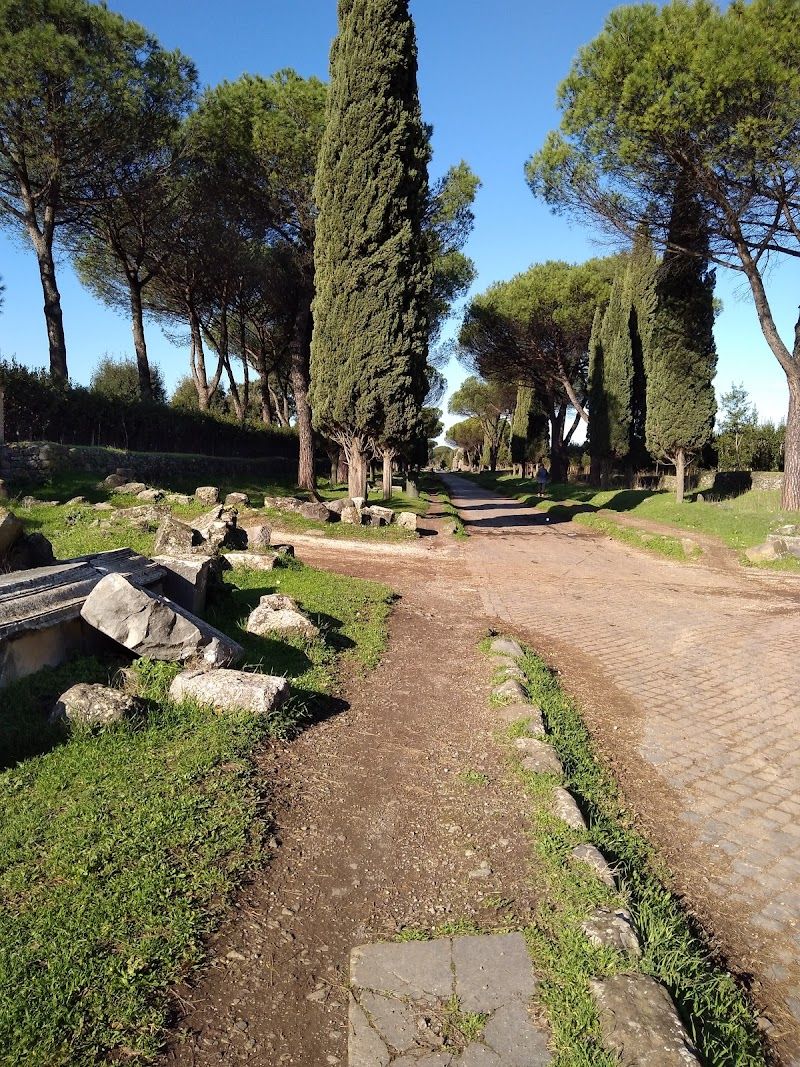
Rome vs Florence: Which Italian City Should You Visit First?
Rome delivers epic history and incredible food accidents, while Florence offers Renaissance perfection in a walkable package. Here's how to choose.
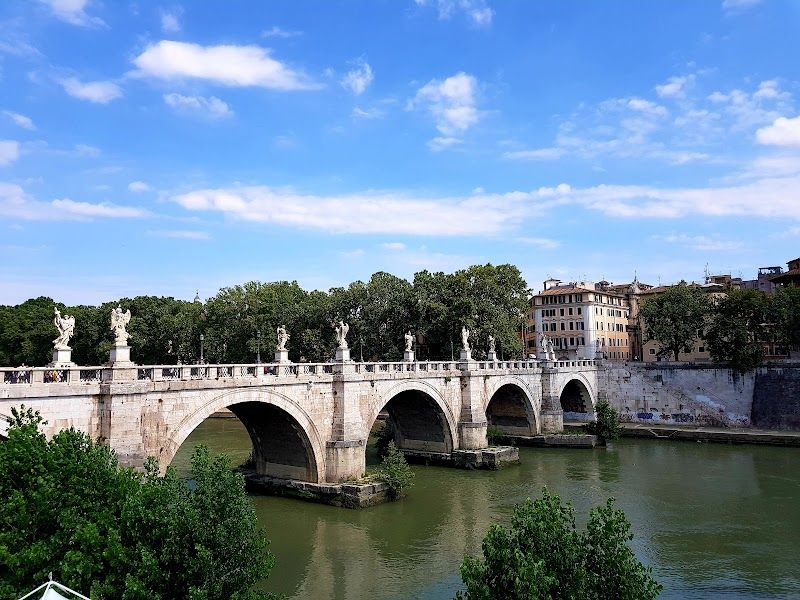
Rome vs Venice: A Complete Guide to Choosing Your Italian Destination
Rome delivers ancient wonders and incredible food, while Venice offers unique canals and artistic treasures. We break down costs, crowds, and what each city does best.
Plan a trip featuring Trastevere
Get a personalized Rome itinerary with Trastevere built in.
Start Planning