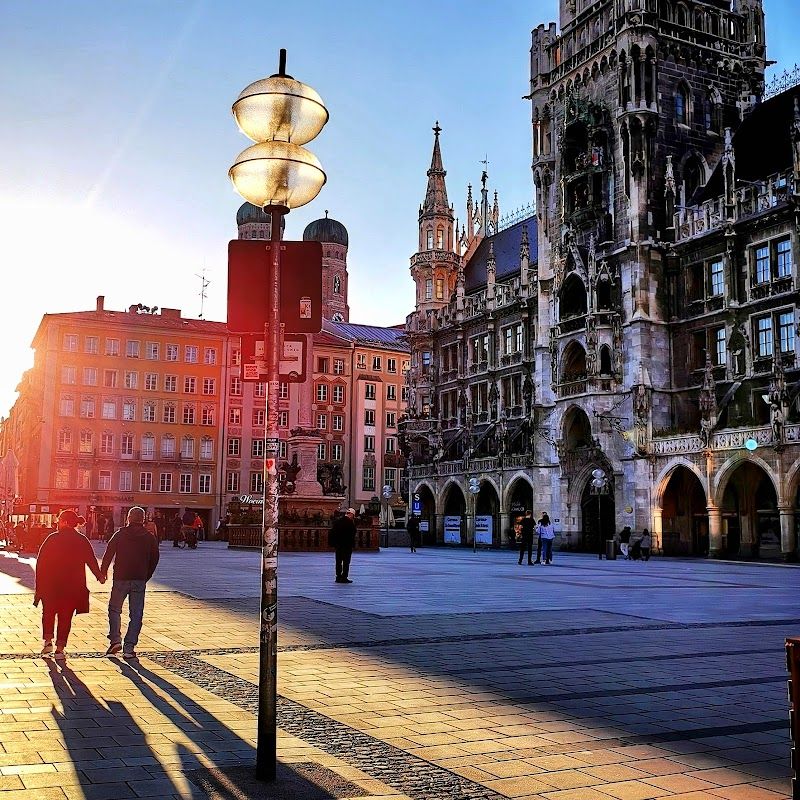
Munich's Pinakothek Quarter: The Three Galleries, the Brandhorst, and the Glyptothek
How to plan a museum day in Maxvorstadt - which Pinakothek for which art, the Brandhorst contemporary specialist, the Glyptothek's Greco-Roman collection, and the Sunday EUR 1 trick.
A practical guide to Munich's museum quarter - what each Pinakothek covers, when to use combo tickets, the Sunday EUR 1 admission, and which museums genuinely repay 2+ hours.
Munich's Art Quarter: Where European Masters Meet Modern Rebels
Munich packs more world-class art into one walkable district than almost any city in Europe, and here's the thing: most tourists rush through without a plan and miss the best stuff. The Kunstareal stretches from Königsplatz to Türkenstraße, housing everything from 2,500-year-old Greek sculptures to Cy Twombly's massive contemporary canvases. You could spend a week here, but you don't need to. What you need is strategy, because some of these museums will change how you think about art, while others might leave you wondering what the fuss is about.
The Heavy Hitters: What Each Museum Actually Offers
Alte Pinakothek (EUR 7, EUR 1 Sundays)
This is where you go to see European painting at its most powerful. Built in 1836 as Europe's first purpose-built public art museum, it houses 700+ works from the 14th to 18th centuries, but the Rubens collection alone justifies the visit. The Great Last Judgment stretches 6 meters across the wall and feels like standing in front of a visual thunderstorm. Don't miss Dürer's self-portraits, where he painted himself like Christ (scandalous for 1500), and Velázquez's portraits that seem to breathe. Allow 2-3 hours and wear comfortable shoes on those marble floors. Closed Mondays, and the building itself, designed by Leo von Klenze, is as much a masterpiece as what's inside.
Neue Pinakothek (CLOSED until 2027+)
Here's the bad news: Munich's 19th-century collection is locked away for major renovation until at least 2027. The good news: they're rotating key pieces into other museums. Check the Alte Pinakothek for German Romantic works and the Sammlung Schack for late Romantic paintings. The museum used to house the city's French Impressionist collection and German masters like Caspar David Friedrich, but you'll have to wait or catch them elsewhere. Always check current status before planning your visit.
Pinakothek der Moderne (EUR 10)
Four collections under one glass roof sounds like a recipe for confusion, but it works brilliantly here. The 20th-century painting collection runs from German Expressionists to Picasso, but the real surprise is the design section. Where else can you see original Bauhaus furniture next to concept cars? The Klee collection is exceptional, and Beuys' installations either click immediately or leave you cold (that's Beuys for you). The building itself, all clean lines and natural light, makes everything look better. Two hours minimum, and don't skip the architecture models on the upper level.
Museum Brandhorst (EUR 7, EUR 1 Sundays)
The smallest of the major museums, but Cy Twombly's Lepanto cycle makes it worth the trip. Twelve large paintings fill a dedicated hall, and standing among them feels like being inside someone's fevered dreams about ancient battles. The rest is post-1960 contemporary art, hit or miss depending on your taste, but the building's colorful ceramic facade catches light beautifully. You can see everything in 90 minutes, making it perfect for a morning or late afternoon visit.
Lenbachhaus (EUR 10)
The mustard-yellow villa houses the world's most important collection of Der Blaue Reiter art. This means you're looking at the best Kandinsky, Franz Marc, and Gabriele Münter works anywhere, period. Kandinsky's transition from representational to abstract art plays out room by room, and Marc's blue horses and red deer practically glow off the walls. The building combines historic villa charm with a modern glass addition that actually enhances rather than detracts. Allow 2 hours, and don't miss Münter's paintings, often overshadowed by her more famous male colleagues but equally powerful.
Glyptothek (EUR 6)
The world's only museum dedicated solely to ancient sculpture, housed in a neoclassical temple that King Ludwig I built for his collection. The Archaic Greek sculptures still show traces of their original paint, reminding you these weren't always pristine white marble. The Roman portrait busts are psychological studies carved in stone, each face telling a story. One hour minimum, but you could easily spend longer. The building frames Königsplatz perfectly, and the combination of architecture and sculpture creates something close to magic.
Staatliche Antikensammlungen (EUR 6, or EUR 9 combined with Glyptothek)
Greek vases and bronze work displayed in rooms that feel like a refined private collection. The red and black figure pottery shows daily life, mythology, and athletic competitions from 2,500 years ago, but unless you're particularly drawn to ancient ceramics, the combined ticket with the Glyptothek is only worthwhile if you're genuinely interested in both. One hour is plenty.
The Sunday EUR 1 Trick (And Why It's Worth the Crowds)
Every Sunday, the Alte Pinakothek, Pinakothek der Moderne, Brandhorst, and Egyptian Museum charge just EUR 1 admission. That's EUR 30+ worth of museums for the price of a coffee. Yes, it's crowded, and yes, everyone knows about it. But here's what makes it work: arrive exactly at 10 AM when they open. You'll beat the worst crowds and have about an hour of relatively peaceful viewing before the Sunday masses arrive. The trade-off between money saved and elbow room is worth it, especially if you're visiting multiple museums. Skip Sunday only if you hate crowds more than you love saving money.
Smart Money: Tickets and Passes That Actually Save You Cash
Tageskarte Pinakotheken (EUR 12) covers all three Pinakotheks plus Brandhorst on the same day. Only buy it if you're hitting two or more museums, otherwise individual tickets are cheaper.
The Munich Pass (EUR 22-44) includes these museums plus transport and other attractions. Unless you're doing a very intensive museum crawl plus lots of other paid attractions, skip it.
Combined Glyptothek + Antikensammlungen ticket (EUR 9) saves EUR 3 if you want both ancient collections, but don't force it if Greek pottery doesn't excite you.
Photography is usually allowed without flash, but some special exhibitions prohibit it entirely. Check at the entrance rather than getting scolded by guards later.
The Perfect Museum Day: A Route That Actually Works
Start with the Brandhorst at 10 AM when it opens (and you're fresh for contemporary art's demands on your brain). Fifteen minutes later, walk to Pinakothek der Moderne for the 20th-century collections and that excellent design section. By 1 PM, you'll be ready for lunch. Walk down Türkenstraße where locals actually eat: Gratitude has excellent Vietnamese bowls for EUR 12, or try Café Luitpold for traditional Bavarian dishes if you want something more local. After lunch, spend your afternoon in the Alte Pinakothek when the light streaming through those tall windows makes the paintings glow. If you still have energy, end at the Glyptothek and walk around Königsplatz as the late afternoon sun hits the neoclassical buildings. This route follows the natural flow of your attention span and energy levels, rather than fighting against them.
Practical Details That Prevent Frustration
All major museums close Mondays, so plan accordingly. Tuesday is your best bet for fewer crowds.
Pinakothek der Moderne stays open until 8 PM on Tuesdays, perfect for after-work visits.
The Kunstareal has limited food options, so eat before you arrive or plan lunch breaks on nearby Türkenstraße or Schellingstraße.
Museum shops are actually good here, especially Pinakothek der Moderne's design books and Lenbachhaus' Blaue Reiter prints.
Free WiFi in all museums, and most have excellent apps with audio guides included in admission.
Coat check is free and recommended, especially in winter when you'll be carrying layers.
What's Worth Your Time (And What Isn't)
Here's the honest truth: you don't need to see everything. The Alte Pinakothek and Lenbachhaus are genuinely world-class and worth traveling for. Pinakothek der Moderne succeeds because it doesn't try to be everything to everyone, despite housing four collections. Brandhorst works if you connect with contemporary art, but don't force it if modern art leaves you cold. The Glyptothek is special if you've never seen ancient sculpture displayed this beautifully, but skip it if you're museumed out. The Egyptian Museum is well done but niche unless you're specifically interested in ancient Egypt. And the Antikensammlungen? Only if Greek pottery genuinely interests you, not because you think you should see it.
Ready to Visit Munich?
Get a personalized itinerary tailored to your travel style and interests.
Plan Your Munich TripMore Munich Guides
3 Days in Munich: Beer Halls, Pinakotheks, and a Park Bigger Than Central Park
A 3-day Munich sequence for first-time visitors. Old town on day 1, museum quarter on day 2, the Englischer Garten and Schwabing on day 3. Beer hall lunches and beer garden dinners both days the weather permits.
14 min
Munich's Beer Hall Guide: Hofbräuhaus, Augustiner, and the Beer Gardens That Locals Use
A practical guide to drinking beer in Munich - the six breweries, the difference between halls and gardens, the tourist-vs-local venues, and how to behave at a shared table.
11 min