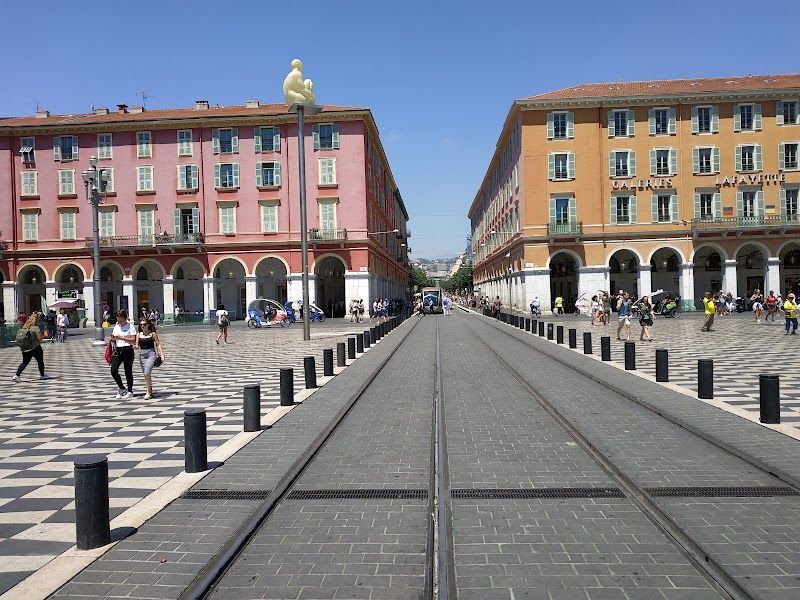
2-3 Days in Nice: First-Timer's Itinerary
Cours Saleya socca, Old Nice, Cimiez museums, Promenade, and a Monaco day trip
How to spend 2-3 days in Nice: the Cours Saleya market morning, Old Nice walk, Colline du Chateau panorama, the Matisse and Chagall museums in Cimiez, and a Monaco day trip by train.
2-3 Days in Nice: First-Timer's Itinerary
Nice rewards early risers and punishes people who treat it like a museum. This is a city where the best experiences happen at specific times: the morning market buzz, the afternoon light on the Promenade, the evening aperitif hour when locals finally emerge. Three days gives you enough time to do Nice properly without rushing, though two days works if you skip Monaco. The key is understanding that Nice operates on Mediterranean time, which means things happen when they're supposed to happen, not when your guidebook says they should.
Old Nice and the Promenade
Your first day is about understanding Nice's geography and getting into its rhythm. You'll start with the morning market energy in Old Nice, climb up for the city overview, then spend your afternoon learning why the Promenade is actually worth the hype. This day involves a lot of walking and works best if you arrive rested.
- Cours Saleya morning market
- Chateau Hill panorama
- Promenade des Anglais walk
Day 1: Old Nice and the Promenade
Cours Saleya Market (Before 9 AM)
Get to Cours Saleya before 9 AM when the vendors are still setting up and the locals are doing their shopping. Head straight to Chez Theresa's socca stall (EUR 3) and eat it standing there while it's still hot, with black pepper. The socca is a thick chickpea pancake that tastes like nothing special when cold but is addictive when fresh from the oven. Walk the flower section at the eastern end where the vendors will quote you tourist prices, but the displays are worth seeing. Grab coffee from the bar across the cours, not from the tourist cafes on the market side.
Old Nice Streets and Fenocchio Gelato
Walk north through the narrow streets (carruggi) to Rue Rossetti, then to Place Rossetti. Stop at Fenocchio for gelato (EUR 2-3) and get the violet flavor, which is the local one that tourists skip because it sounds weird. It tastes floral and creamy, nothing like soap. The Cathedrale Sainte-Reparate is on the square and takes 15 minutes to see inside (free). The baroque interior is fine but not spectacular. Continue east toward the water via Quai des Etats-Unis.
Colline du Chateau (Castle Hill)
Take the lift up (EUR 1) rather than walking the 200 steps, especially if it's hot. The panorama shows you Nice's layout: the Promenade curving west along the Baie des Anges, the red tile rooftops of Old Nice directly below, and Cap Ferrat jutting into the sea to the east. There's no actual castle up here, just ruins and parkland. Walk down via the stairs (free on the way down) through the cemetery, which has elaborate 19th-century tombs and better views than the main viewpoint.
Promenade des Anglais Walk
Walk the stretch between Jardin Albert 1er and the Hotel Negresco (1.5 km), which is the best section with the widest sidewalk and fewest cars. Sit in one of the blue chairs that face the sea. They're free and positioned to catch the afternoon light. The chairs closer to the Hotel Negresco get better light but more foot traffic. If it's warm enough, use the free public beach access at Quai des Etats-Unis for a swim. The water is cleanest in the morning.
Dinner at La Merenda
End at La Merenda in Old Nice (arrive at 7 PM sharp, no reservations taken). This is the restaurant everyone recommends because the food is actually good, not just because it's traditional. Order the pissaladiere (EUR 8) and any of the daily specials written on the chalkboard. The staff speaks minimal English and the atmosphere is cramped, but the cooking is the real thing. If it's full, try Acchiardo on Rue Droite as backup.
Cimiez Museums
Day two takes you up to Cimiez, Nice's museum district and former Roman city. This is a quieter, more residential area where you'll spend time looking at art rather than walking beaches. The bus ride up shows you how Nice extends into the hills, and both museums are genuinely worth your time if you like the artists.
- Matisse Museum paper cut-outs
- Roman ruins walk
- Chagall's Biblical Message paintings
Day 2: Cimiez Museums
Bus to Cimiez and Musee Matisse
Take bus 15 or 17 from Place Massena to Cimiez (20 minutes, EUR 1.50). The Musee Matisse (EUR 10, closed Monday) is housed in a 17th-century villa surrounded by olive trees. The paper cut-outs on the upper floors are why you're here, particularly the Jazz series and Oceanie. These late works show Matisse at his most innovative, and seeing them in person reveals details lost in reproductions. The ground floor paintings are fine but not exceptional. Allow 90 minutes total.
Roman Ruins of Cemenelum
Walk through the olive grove behind the museum to see the Roman ruins of Cemenelum (free). These are the remains of the Roman city that predated Nice, with visible foundations of an amphitheater and bath complex. The site is more interesting for its historical significance than visual impact. The information panels are in French and English. This takes 30 minutes unless you're particularly interested in Roman archaeology.
Musee Marc Chagall
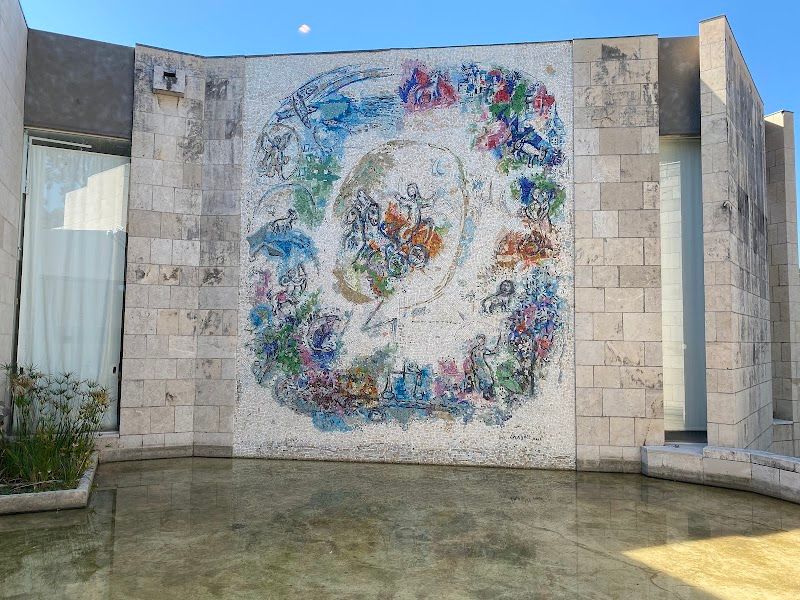
The Musee Marc Chagall (EUR 10, closed Tuesday) houses Chagall's Biblical Message paintings in two main galleries plus blue stained glass windows in the concert hall. A combined ticket with Matisse costs EUR 18 (saves EUR 2, valid 48 hours). The paintings are large-scale works depicting Old Testament scenes in Chagall's dreamlike style. The blue windows are in a small concert hall that you can visit even when no performance is scheduled. One to 1.5 hours is enough here.
Return to Central Nice for Lunch
Head back to Old Nice for lunch or eat at the small cafe near the Matisse museum if you want to stay in Cimiez. The museum cafe is overpriced (EUR 12-15 for a sandwich) but convenient. In Old Nice, try Jan for modern Nicois cuisine (EUR 15-20 for lunch dishes) or stick to simple places like Chez Pipo for socca (EUR 3-5).
Evening at Cafe de Turin
End your day at Cafe de Turin on Place Garibaldi for their plateau de fruits de mer (EUR 25-45). This is tourist food done right: fresh seafood served simply on metal platters. The sea urchins (winter only) are exceptional, and the oysters are properly chilled. Order a bottle of Provence white wine (EUR 18-25). The service is efficient rather than friendly, and the location on the square is better than the food presentation, but the quality is reliable.
Monaco Day Trip (Optional)
Monaco is exactly what you expect: expensive, artificial, and genuinely impressive in its own ridiculous way. The train ride is easy, and you can see the main sights in a day. Go for the spectacle, not for authentic culture. Everything costs more than it should, but the aquarium is genuinely good and the casino is worth seeing once.
- Monte Carlo Casino
- Oceanographic Museum aquarium
- Monaco harbor walk
Day 3: Monaco Day Trip (Optional)
Train to Monaco-Monte Carlo
Take the train from Nice-Ville station to Monaco-Monte Carlo (20 minutes, EUR 4 return). Validate your ticket in the yellow machines before boarding. The train runs every 30 minutes and offers coastal views between Nice and Monaco. Buy your return ticket immediately since the Monaco station can have long queues later in the day.
Monaco-Ville and Prince's Palace
Head to Monaco-Ville (the old town) first. The Prince's Palace changing of the guard happens at 11:55 AM (free, arrive 15 minutes early for a decent view). The ceremony lasts 5 minutes and involves 12 guards in white uniforms. It's touristy but efficiently done. The palace itself is unremarkable from the outside, and the tours inside are overpriced (EUR 10) for what you see.
Oceanographic Museum
The Oceanographic Museum (EUR 18) is expensive but the aquarium tanks justify the cost. The shark tunnel is the best section, and the Mediterranean tank shows local fish species. The building itself, perched on a cliff, is impressive from the outside. Skip the upper floors with the preserved specimens unless you're particularly interested in marine biology. Allow 1.5 hours for the aquarium sections.
Casino de Monte-Carlo
The Casino de Monte-Carlo charges EUR 17 to enter the gaming rooms (minimum age 18, bring ID). The architecture and interior decoration are the real attraction here, not the gambling. The main gaming room has belle epoque chandeliers and frescoed ceilings. You don't need to gamble, but the minimum bet at most tables is EUR 25 if you want to play. The slot machine area is free to enter but less interesting.
Harbor Walk and Return
Walk through the harbor area to see the superyachts. The boats change seasonally, with the largest ones appearing during the Grand Prix and summer months. Port Hercules has good views back toward the casino and palace. Lunch in Monaco is expensive (EUR 20-30 for a main course), so consider bringing food from Nice or eating at the Monaco market if it's open. Return to Nice by early evening to avoid crowds and have dinner there.
Practical Notes
The Cours Saleya market is closed on Mondays, when it becomes an antique market instead
Both museums offer a combined ticket (EUR 18) that saves EUR 2 and is valid for 48 hours
Restaurant reservations in Old Nice are essential for dinner, impossible for lunch
The best beaches are east of the port: Plage Beau Rivage and Plage Neptune have facilities
Buy bus tickets from tabac shops rather than on board to save EUR 0.50 per trip
Ready to Visit Nice?
Get a personalized itinerary tailored to your travel style and interests.
Plan Your Nice TripMore Nice Guides
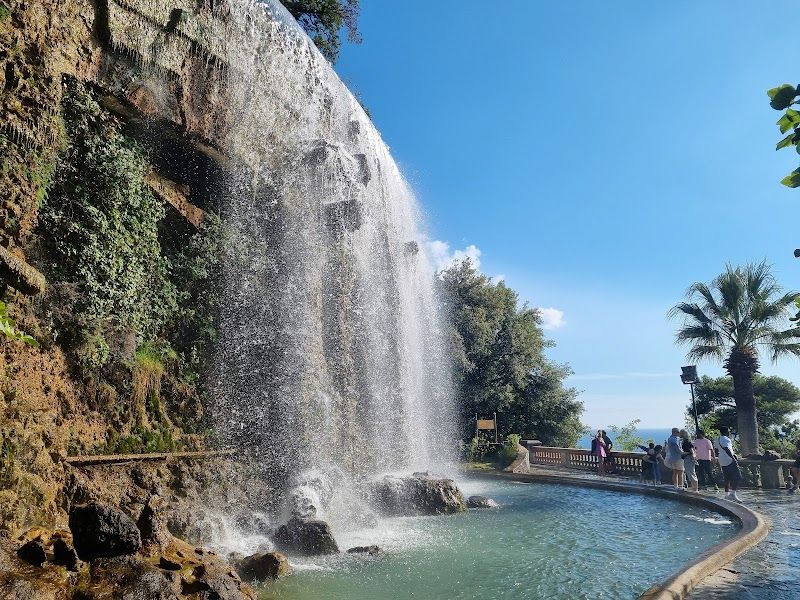
First Time in Nice: What You Need to Know
Everything you need to know before your first visit to Nice: what socca is and where to get it, the pebble beach reality, how to reach Monaco and Eze by train, and how to navigate the city.
7 min
Where to Eat in Nice: Nicoise Cuisine Guide
Nice has a specific cuisine that most tourists eat wrong. The socca, the real salade nicoise (no lettuce, no cooked vegetables), pissaladiere, and where to eat them: a guide to Nicoise food by neighbourhood.
8 min