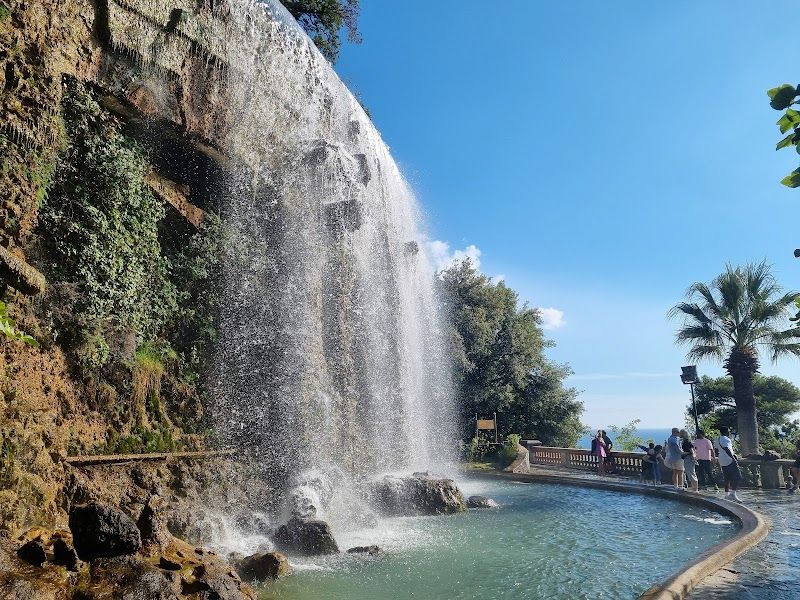
First Time in Nice: What You Need to Know
Socca facts, Riviera day trips by train, beach reality, and getting around
Everything you need to know before your first visit to Nice: what socca is and where to get it, the pebble beach reality, how to reach Monaco and Eze by train, and how to navigate the city.
First Time in Nice: What You Need to Know
Nice isn't the postcard version of the French Riviera you're expecting. It's a proper Mediterranean port city with real neighborhoods, locals who speak rapid-fire French with Italian accents, and food that's closer to Genoa than Paris. The beaches are pebbles, not sand. The best dish is a chickpea pancake you've never heard of. Half the restaurants are tourist traps, but the other half serve food that will ruin Italian restaurants for you back home. Here's what actually matters for your first visit.
Socca: The One Food You Must Try
Socca is a thin, unleavened flatbread made from chickpea flour, cooked on a massive copper pan over a wood fire. It's specific to Nice and the Ligurian coast and nothing like what you expect. The texture is crispy at the edges, soft in the center, with a nutty flavor that's completely addictive. Get it at Chez Theresa's stall at Cours Saleya market (EUR 3, served in rough pieces wrapped in paper, Tuesday to Sunday mornings). Eat it immediately while hot, with black pepper and nothing else. Do not add cheese, do not order it from a restaurant with tablecloths. If you miss the market, Chez Rene Socca on Rue Miralheti is the restaurant alternative (EUR 3-4, also excellent, open for lunch). This is the one food that separates Nice from every other French city.
The Beach Situation: Pebbles, Not Sand
The beaches are pebble, not sand. Round white stones that hurt your feet until you get used to them. But the water is transparent Mediterranean blue and genuinely beautiful, so the beaches are worth it once you adjust your expectations. Bring water shoes if your feet are sensitive and a thin foam mat or padded towel helps for lying down. The free public beaches are at Quai des Etats-Unis (near Old Nice, the most convenient) and Plage Carras (further west, quieter). Private beach clubs charge EUR 15-25 for a sunlounger and umbrella with shower access, which is reasonable if you're staying all day. July and August are shoulder-to-shoulder crowded. May, June, September, and October are the best months for beach visits when you can actually find space to spread out.
Day Trips by Train: The Riviera in Easy Reach
All trains leave from Nice-Ville station, a 15-minute walk from the Promenade. VALIDATE your ticket in the yellow machines before boarding or face a EUR 50 fine that the conductors love to impose on tourists. Monaco is 20 minutes away for EUR 4 return, though it's basically an outdoor casino with expensive coffee. For Eze village, take bus 83 from Nice (25 minutes, EUR 1.50), the village itself is free to enter but the Jardin d'Eze costs EUR 6 and has the best views on the coast. Antibes is 25 minutes by TER train for EUR 5.70 and has a proper old town with fewer tour groups. Cannes is 35 minutes for EUR 7, but unless there's a film festival event you want to see, it's just expensive shops and average beaches. Menton is 40 minutes for EUR 6.50 and feels more Italian than French. Go to Monaco on a Tuesday or Wednesday when there are fewer cruise ships clogging the streets.
Getting Around: Trams, Buses, and Walking
From the airport, take tram 2 from Terminal 2, it's 15 minutes to the center for EUR 1.50 and runs every 8 minutes. Taxis cost EUR 25-35 and sit in traffic, so they're not worth it unless you have massive luggage. Tram 1 runs east-west through the city center from Garibaldi to the western suburbs, and tram 2 connects the airport to Place Massena and the Promenade. For the Matisse and Chagall museums in Cimiez, take bus 15 or 17 from Place Massena, it's 20 minutes uphill. The old town is fully pedestrianized, which means lots of walking on uneven stone streets. Wear comfortable shoes, not the ones you bought for looking good in photos.
When to Visit: Timing Your Trip Right
May through June and September through October are the sweet spot: warm water, manageable crowds, full market operation, and reasonable hotel prices. July and August are brutally hot (30-35C), packed with tourists, beaches at capacity, and accommodation prices at their worst. But the energy is undeniable and everything stays open late. November through March is quiet and cool, with some restaurants closed for the season, but the sea urchins at Cafe de Turin are at their best in winter and you'll have the museums almost to yourself. The light in winter is still better than most places get in summer, which is why painters have been coming here for 150 years.
Ready to Visit Nice?
Get a personalized itinerary tailored to your travel style and interests.
Plan Your Nice TripMore Nice Guides
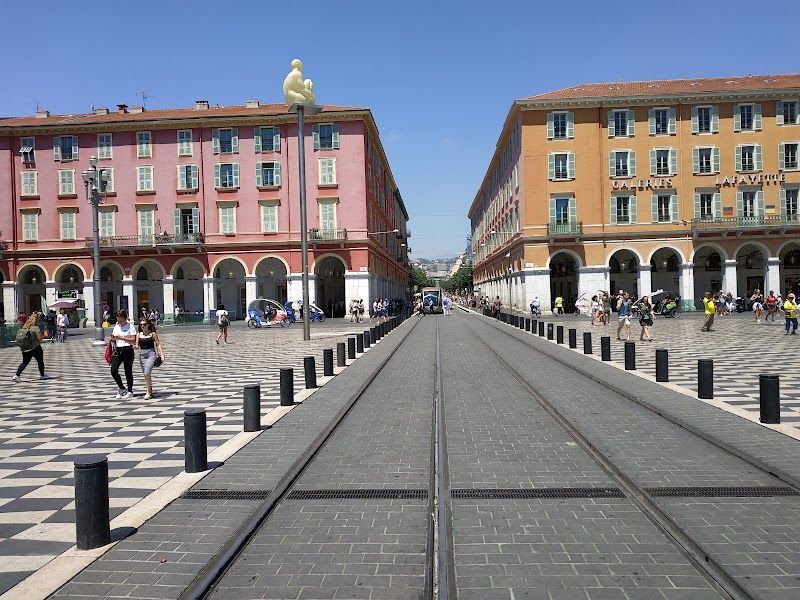
2-3 Days in Nice: First-Timer's Itinerary
How to spend 2-3 days in Nice: the Cours Saleya market morning, Old Nice walk, Colline du Chateau panorama, the Matisse and Chagall museums in Cimiez, and a Monaco day trip by train.
8 min
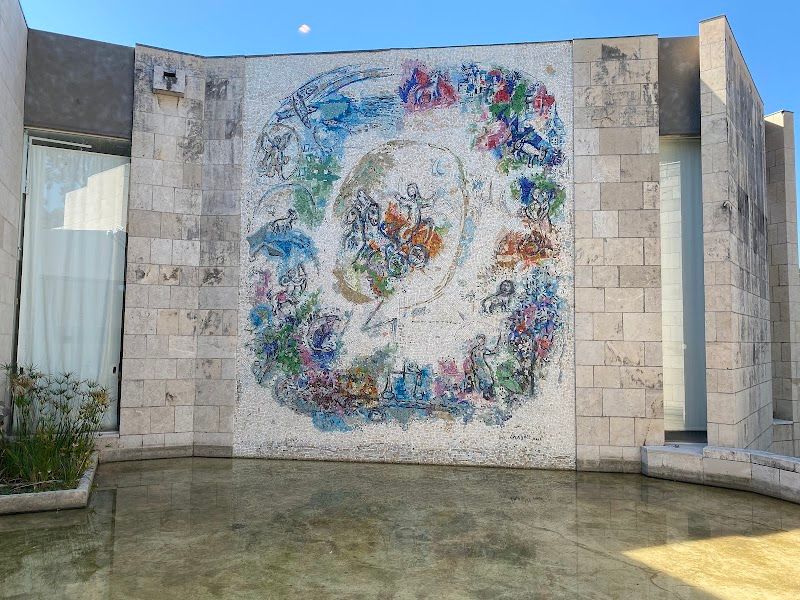
Where to Eat in Nice: Nicoise Cuisine Guide
Nice has a specific cuisine that most tourists eat wrong. The socca, the real salade nicoise (no lettuce, no cooked vegetables), pissaladiere, and where to eat them: a guide to Nicoise food by neighbourhood.
8 min