Oslo
Things to Do
42 attractions, museums, and experiences
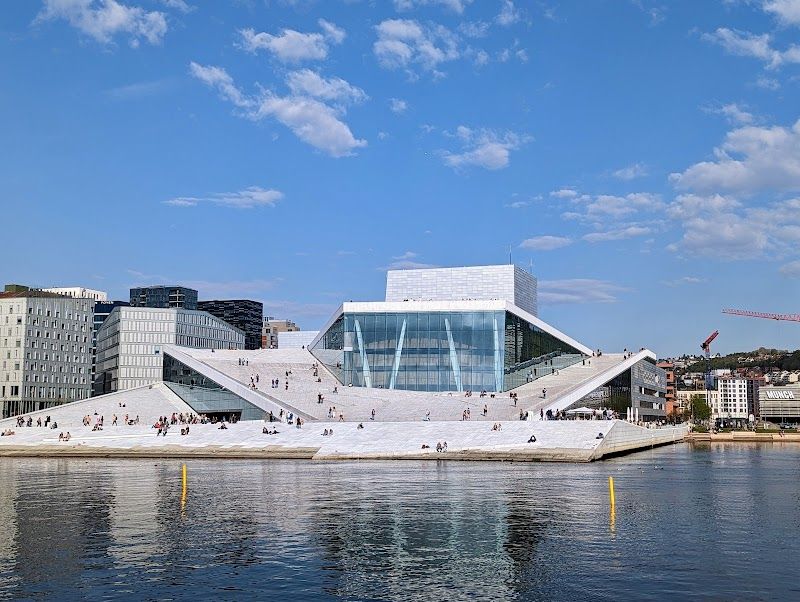
Oslo Opera House
The Oslo Opera House is the only opera house in the world where you can walk directly onto the roof from street level. Snøhetta's 2008 design slopes white Italian marble from the sidewalk up into a public plaza that overlooks the Oslofjord. You'll find families having picnics, joggers crossing at dawn, and locals who treat it like their backyard. The interior foyer spans the entire building length and stays open even during performances, so you can peek inside without buying a ticket. Walking up the roof feels surreal: the 15-degree incline is gentle enough for most people, though the marble gets slippery when wet. At the top, you're standing above the fjord with downtown Oslo spreading behind you. The building hums with activity below while you're in this elevated calm. Sunset here turns the water orange and pink, and you'll usually share the moment with dozens of others sitting quietly on the marble. Most guides oversell the interior tours (NOK 120 on weekends) unless you're genuinely curious about stage machinery. The real magic is free: the roof access and the foyer. Skip expensive performance tickets if opera isn't your thing, but don't skip walking up here at golden hour. The marble can be treacherous in winter ice, despite what some locals claim about skiing on it.
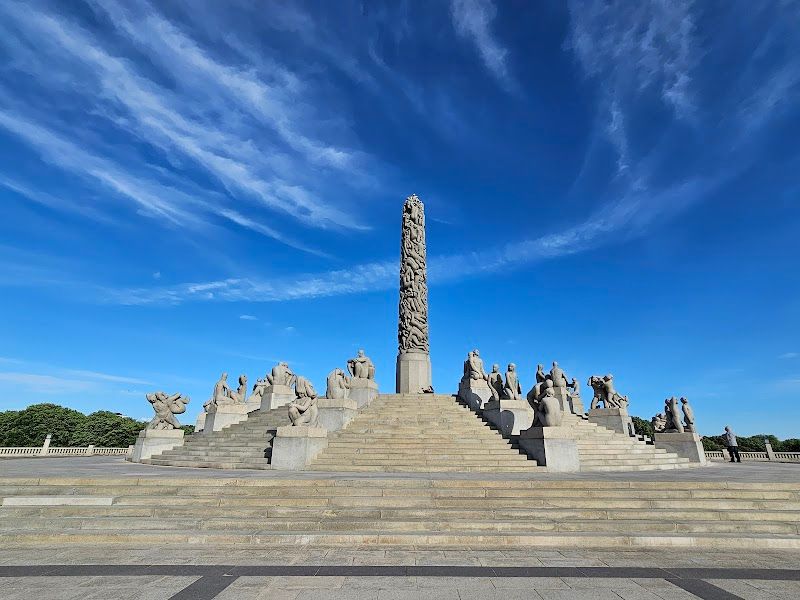
Vigeland Sculpture Park
Gustav Vigeland's sculpture park is Norway's most visited attraction for good reason: 212 sculptures in granite, bronze, and wrought iron spread along an 850-meter axis through Frogner Park. You'll walk past hundreds of human figures in every stage of life, from babies to elderly, all carved by one obsessed artist over 40 years. The centerpiece Monolith rises 14 meters high, showing 121 intertwined human bodies that Vigeland carved himself over 14 years. It's completely free and open 24/7. The experience feels like walking through someone's fever dream about humanity. You start at the bridge with 58 bronze figures, including a man literally fighting four winged creatures, then climb toward the Monolith through increasingly intense sculptures. The famous Angry Boy (just 60cm tall) throws his tantrum near the fountain, polished smooth by millions of tourist hands. Early morning gives you directional light that makes the granite glow and the bronze figures cast dramatic shadows. Most people rush to the Monolith and miss the subtlety. The Wheel of Life at the far end is actually more powerful and gets ignored by tour groups. Don't bother with the museum unless it's raining, the outdoor sculptures tell the whole story. Take tram 12 to Vigelandsparken stop, not the main Frogner entrance that dumps you at the wrong end.
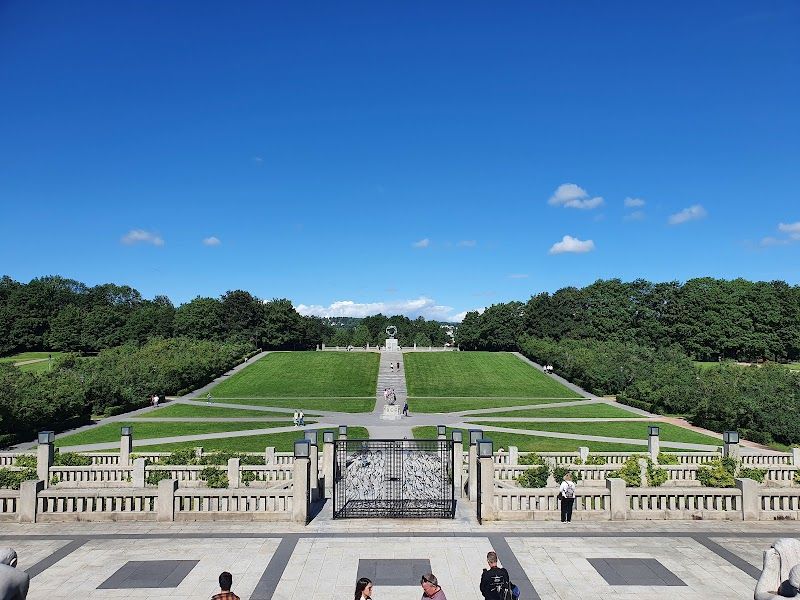
Frognerparken
Frognerparken sprawls across 45 hectares as Oslo's largest park, with Gustav Vigeland's 200+ sculptures forming the centerpiece that draws 1.2 million visitors annually. You'll find naked bronze and granite figures depicting the human condition scattered throughout manicured grounds, plus rose gardens with 14,000 plants, vast lawns perfect for football games, and the historic Frogner Manor housing Oslo City Museum. The park connects seamlessly to residential Frogner, making it feel like a genuine neighborhood space rather than a tourist trap. Your visit flows naturally from the main Kirkeveien entrance through the sculpture installations, where families picnic between bronze children and elderly couples contemplate Vigeland's emotional figures. The atmosphere shifts dramatically between sections: formal rose gardens buzz with photographers, open lawns fill with locals playing frisbee and grilling, while tree lined paths offer quieter moments. Weekend afternoons bring crowds, but the park's size means you can always find space to breathe. Most guides oversell the sculptures while ignoring the park's real charm as Oslo's backyard. Skip the overcrowded Monolith area during summer weekends and head straight to the western sections near the manor for better people watching. The rose garden peaks in late June and July but looks sad by August. Parking costs 30 NOK per hour, but trams 12 and 19 drop you at multiple entrances for the price of a regular ticket.
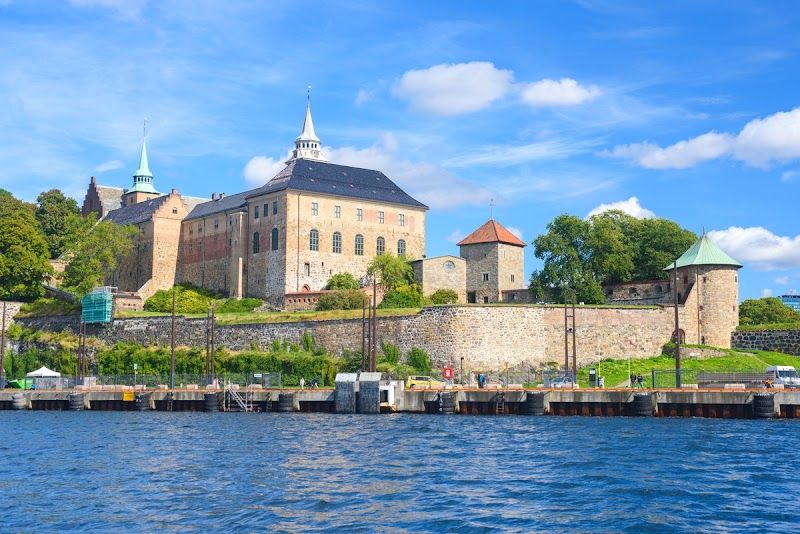
Akershus festning
Akershus Fortress is Oslo's 700-year-old castle perched on a rocky outcrop above the harbor, offering some of the city's best fjord views for free. You'll walk medieval ramparts where cannons still point toward the water, explore courtyards where Norwegian kings once held court, and climb stone walls that defended Oslo through Viking raids, Danish rule, and Nazi occupation. The fortress grounds are completely free to roam, while the castle interior and Norwegian Resistance Museum cost NOK 130 combined if you want the full historical deep dive. Walking these ramparts feels like having Oslo's harbor spread out below you on a map. The stone walls are thick enough to stroll along comfortably, with cannon emplacements every few meters and benches positioned at the best viewpoints. Inside the castle, you'll find surprisingly well-preserved royal halls and chapels, though the real draw is the Resistance Museum's sobering displays about Norway's World War II underground fighters. The contrast between medieval stone and modern harbor development creates this odd time warp effect that works better than it should. Most visitors spend too much time in the castle interior when the rampart walks are the real prize here. The NOK 130 museum ticket is worth it only if you're genuinely interested in resistance history, otherwise save your money and stick to the free grounds. Come late afternoon when the light hits the fjord just right and you'll have better photos than from the expensive observation decks downtown. The cafe inside charges tourist prices for mediocre food, so eat elsewhere.
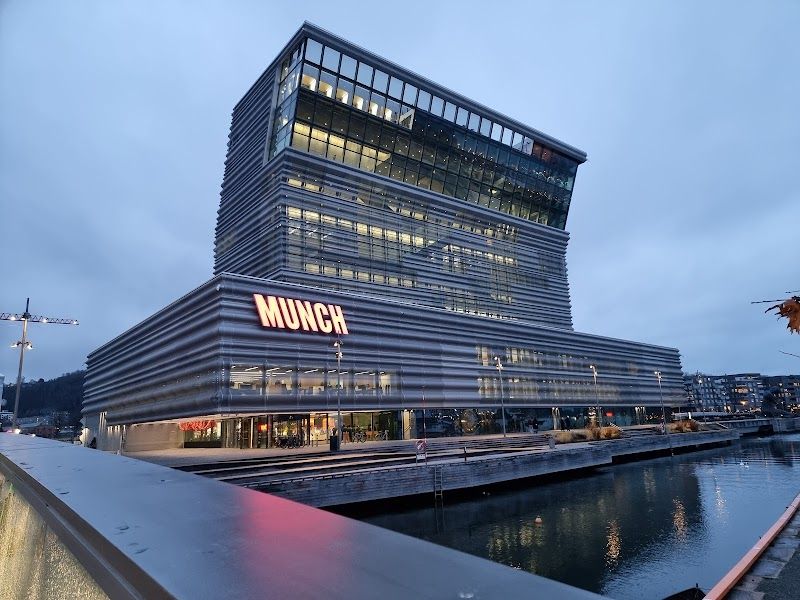
MUNCH
MUNCH houses the world's largest collection of Edvard Munch's art in a striking 13-story tower that opened in 2021. You'll see multiple versions of The Scream, The Dance of Life, and hundreds of lesser-known paintings, prints, and sketches that reveal Munch's full artistic evolution beyond his famous anxious faces. The collection rotates regularly, so you're seeing maybe 400 pieces out of 28,000 total works, plus the top floor offers genuine panoramic views over Oslo's fjord and mountains. The experience flows chronologically upward through Munch's life, starting with his early realistic works and progressing to the psychological intensity he's known for. The building itself feels almost clinical, with white walls and dramatic lighting that makes the art pop but can feel sterile. You'll spend most time on floors 6-9 where the paintings hang, though the sketches and prints on lower floors show his technical skill. The elevator ride to floor 13 reveals the city spreading below through floor-to-ceiling windows. Admission costs 180 NOK for adults, which is steep but reasonable given what you see. Most guides won't mention that the temporary exhibitions (usually floor 10-11) are often more interesting than the permanent collection rehashing the same famous pieces. Skip the audio guide at 50 NOK, the wall texts are perfectly adequate, and don't feel obligated to see every floor if Munch fatigue sets in around hour two.
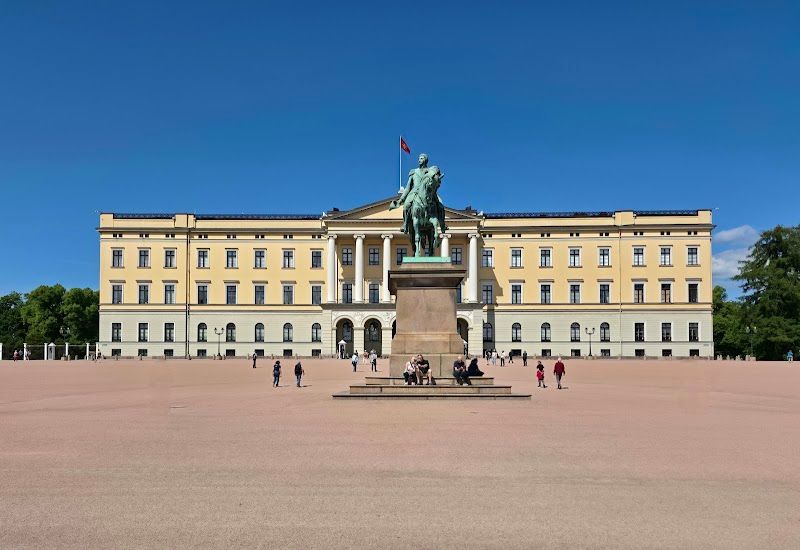
Det Kongelige Slott
Det Kongelige Slott sits at the western end of Karl Johans gate, serving as the working residence of Norway's royal family since 1849. The neoclassical building itself looks modest compared to European palaces, but the real draw is the 22-hectare park that surrounds it, filled with century-old trees, sculptures, and surprisingly peaceful walking paths just minutes from downtown Oslo. During summer, you can tour the opulent State Rooms where the king receives dignitaries, complete with original 19th-century furnishings and Norwegian artwork. Walking through the palace grounds feels like discovering Oslo's green lung, with locals jogging past while tourists snap photos of the salmon-colored facade. The park's network of gravel paths winds past the Royal Mausoleum and several monuments, while ducks paddle in small ponds and families picnic on the lawns. If you time it right for the 1:30 PM changing of the guard, you'll watch Norwegian soldiers in dress uniforms march in formation while a small crowd gathers on the forecourt. Most visitors expect Versailles and get disappointed by the palace's understated exterior, but that misses the point entirely. The summer tours (NOK 160, late June to mid-August only) sell out quickly and honestly feel rushed for the price. Skip the tour and spend your time exploring the free park instead, especially the western section where most tourists don't venture. The changing of the guard is worth catching once, but don't plan your whole day around it.
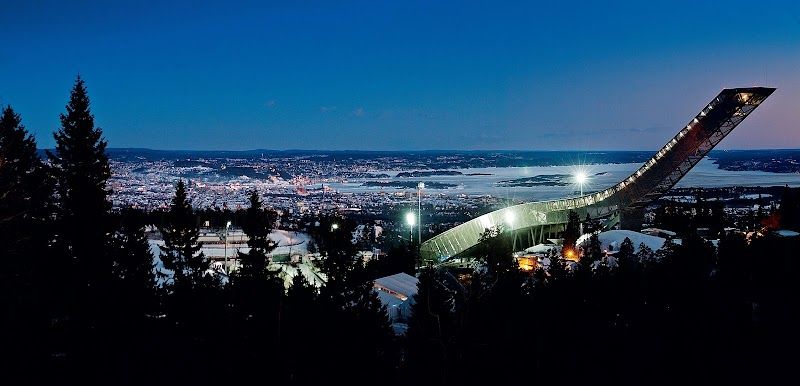
Holmenkollen Ski Jump
This 60-meter ski jump tower gives you two distinct experiences: a heart-stopping elevator ride to the top platform where Olympic ski jumpers launch themselves into space, and a surprisingly engaging museum below that traces skiing from ancient cave paintings to modern Olympic glory. The views from the top stretch across Oslo's rooftops to the Oslofjord, but honestly, it's the sheer drop beneath your feet that'll get your adrenaline pumping. The ski simulator lets you experience what jumpers see hurtling down at 90 km/h. You'll start in the museum, which feels more like a journey through Norwegian culture than a typical sports exhibit. Ancient wooden skis, polar expedition gear, and interactive displays keep you engaged for about 45 minutes before you take the elevator up. Standing on the jump platform is genuinely thrilling, especially when you realize Olympic athletes actually leap from here. The wind whips around you while Oslo spreads out below, making even confident heights enthusiasts grip the railings. Most guides don't mention that NOK 140 is steep for what amounts to a 10-minute elevator ride and view, though the museum does add value. Skip the overpriced cafe at the base, it's tourist trap territory. The simulator is fun but brief, don't build your whole visit around it. If you're pressed for time, spend 30 minutes in the museum highlights, then head straight up for the views and adrenaline rush.
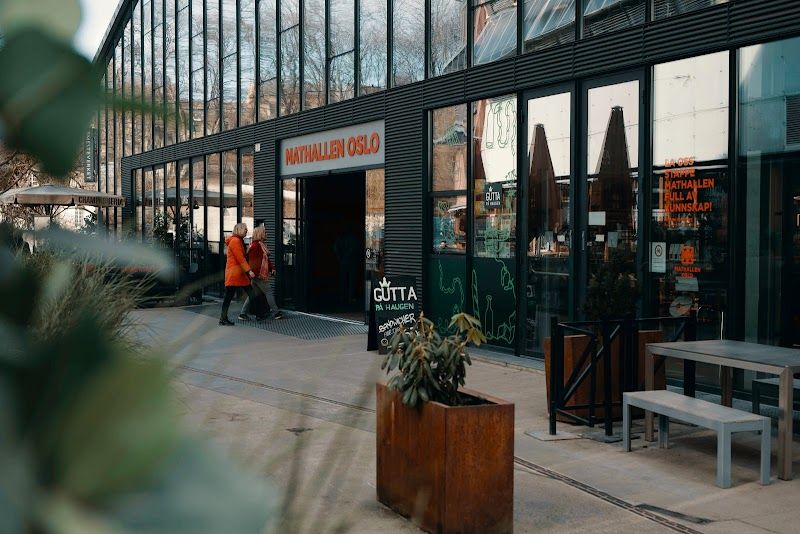
Mathallen Oslo
Indoor food hall in a converted industrial building housing 30+ specialty vendors selling Norwegian seafood, reindeer hot dogs, craft beer, and local cheeses. The mix of eat-in stalls and gourmet shops makes it the best mid-range lunch destination in Oslo. Peak atmosphere during weekend lunch hours.
Nasjonalmuseet
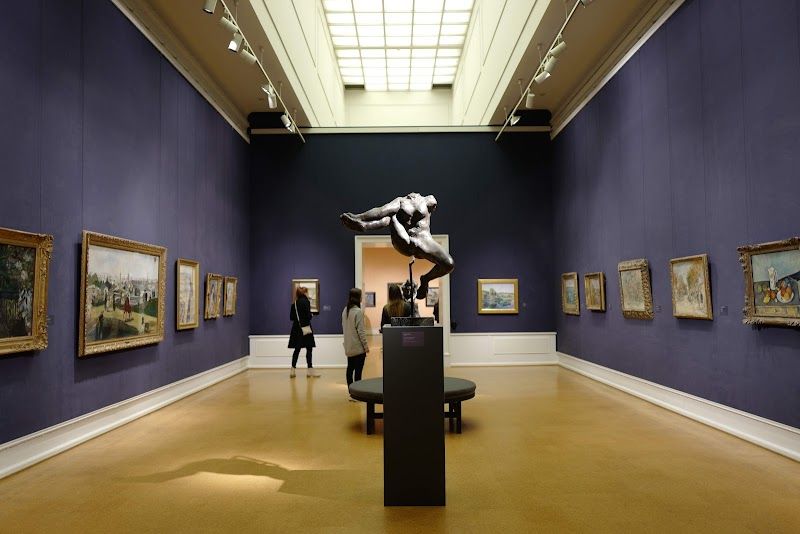
Norway's largest art museum houses an impressive collection spanning 5,000 years, from ancient artifacts to cutting-edge contemporary works. You'll find Norway's most famous painting, Munch's 'The Scream,' alongside masterpieces by Picasso, Monet, and Renoir. The building itself is stunning: the Light Hall soars 16 meters high with floor-to-ceiling windows overlooking the harbor, while specialized galleries showcase everything from Viking-era jewelry to avant-garde installations. The museum flows logically across four floors, starting with antiquities in the basement and climbing through Norwegian Golden Age paintings to modern art on the upper levels. The Light Hall dominates the ground floor and serves as both exhibition space and social hub where locals meet for coffee. Each gallery feels thoughtfully curated rather than overwhelming, and the natural light throughout makes even medieval artifacts feel alive. The rooftop terrace offers genuine respite with harbor views and outdoor sculptures. Most guides don't mention that permanent collection admission costs 200 NOK for adults but includes everything except special exhibitions. Skip the audio guide (100 NOK extra) and use the free app instead. The museum gets packed on free Thursday evenings and weekend afternoons. Come Tuesday or Wednesday mornings for the best experience, and don't try to see everything in one visit. Focus on floors 2-3 for the Norwegian masters, then head to the Light Hall.
Astrup Fearnley Museet
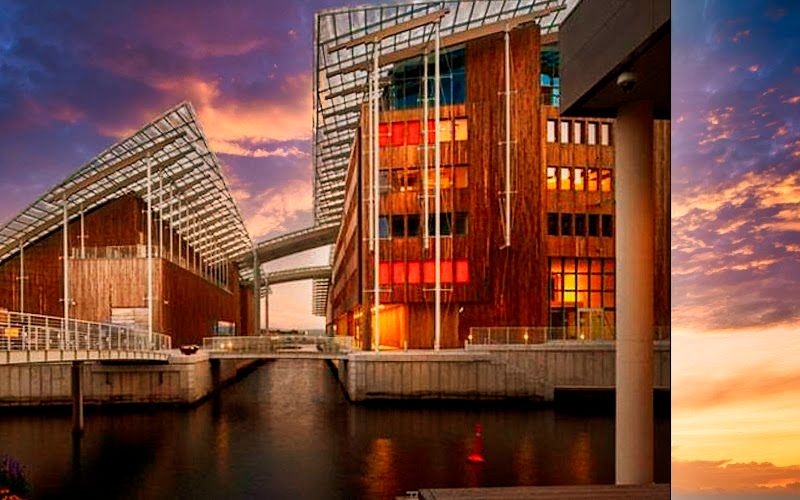
Astrup Fearnley Museet houses one of Scandinavia's strongest contemporary art collections in a Renzo Piano building that's genuinely spectacular. You'll find Jeff Koons balloon dogs, Damien Hirst installations, and Cindy Sherman photographs across two glass pavilions connected by floating walkways. The architecture steals the show: a canal literally flows beneath the building, and there's a dedicated sculpture island accessible by bridge where massive outdoor works change seasonally. The experience flows between indoor galleries and outdoor terraces with fjord views that most art museums can only dream of. Piano's glass walls flood the spaces with natural light, making the art feel alive rather than sterile. The sculpture island becomes almost meditative, especially when fewer visitors are around. You'll spend time moving between the two main pavilions, each with different temporary exhibitions alongside rotating displays from the permanent collection. Admission costs 150 NOK for adults, but it's free Thursday evenings from 5pm to 7pm (expect crowds then). Skip the ground floor shop area and head straight to the upper galleries where the best pieces live. The temporary exhibitions can be hit or miss, so check what's on before visiting. The outdoor sculpture island is actually more impressive than some indoor galleries, and it's included with admission.
Kulturhistorisk museum
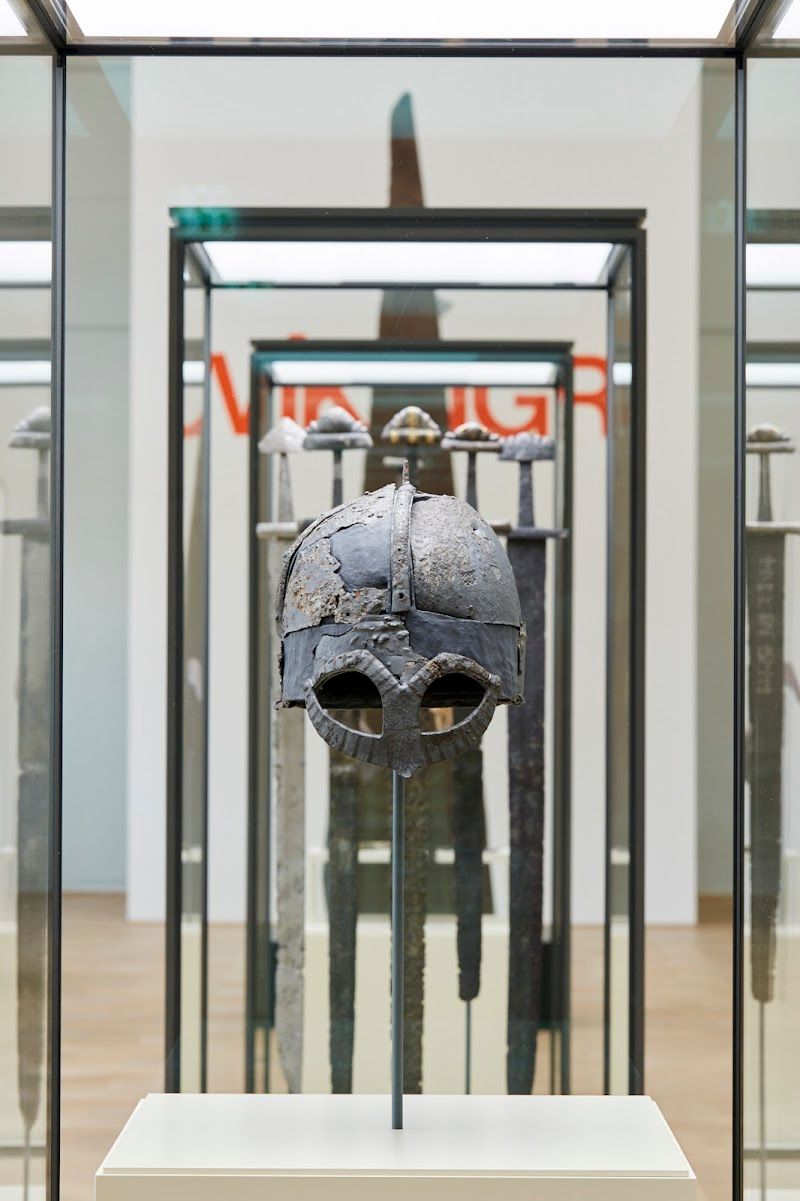
The Kulturhistorisk museum houses Norway's most important Viking collection while the famous ship museum undergoes renovation. You'll find genuine Viking weapons, jewelry, and daily objects that paint a complete picture of medieval Scandinavian life. The highlight is the massive gold treasure hoard and intricately carved medieval church portals that tower above you. Free entry to permanent collections makes this Oslo's best museum value. The building feels like a scaled-down British Museum with high ceilings and marble floors that echo your footsteps. The Viking exhibition on the ground floor draws crowds around the weapon displays and reconstructed burial sites. Upstairs, the medieval church art section stays surprisingly quiet, giving you space to examine wooden stave church portals up close. The atmosphere is scholarly but accessible, with excellent English descriptions throughout. Most visitors rush through to tick boxes, but you should spend at least 90 minutes to absorb the context properly. The temporary exhibitions cost extra (usually 100-150 NOK) and are hit or miss. Skip the ethnographic sections on upper floors unless you're genuinely interested in Arctic cultures. The museum shop is overpriced, but the cafe serves decent coffee if you need a break between floors.
Deichman Bjørvika
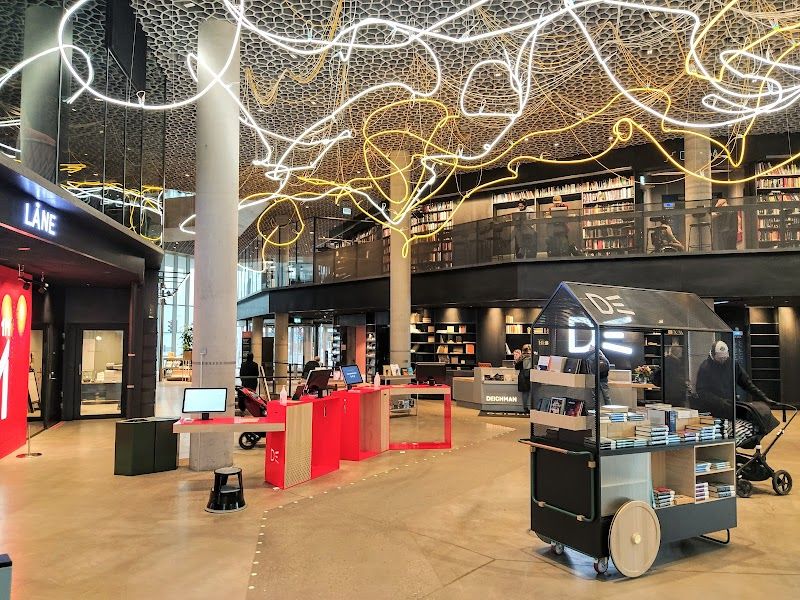
Deichman Bjørvika is Oslo's new central library, a striking glass and timber building that cantilevers dramatically over the waterfront in the city's modern harbor district. You'll find six floors of reading spaces, a cinema, exhibition areas, and a restaurant, all completely free except for the cinema tickets (around 120 NOK). The rooftop terrace on the fifth floor gives you one of Oslo's best free panoramas across the fjord, Opera House, and Munch Museum. The experience starts with the soaring ground floor atrium where natural light pours through floor to ceiling windows. You can wander freely between reading rooms, browse Norwegian and international books, or catch temporary art exhibitions. The building feels alive with students, families, and tourists mixing naturally. Each floor has a different character, from quiet study zones to collaborative spaces with harbor views. The architecture itself becomes part of the experience as you move through spaces that frame the waterfront perfectly. Most visitors head straight to the rooftop and miss the best parts downstairs. The children's library on the third floor has the most creative design, while the fourth floor reading room offers the coziest harbor views without rooftop crowds. Skip the ground floor cafe, it's overpriced tourist food. The building gets packed on weekends and rainy days when locals use it as their living room. Come early morning for the best light and fewer crowds.
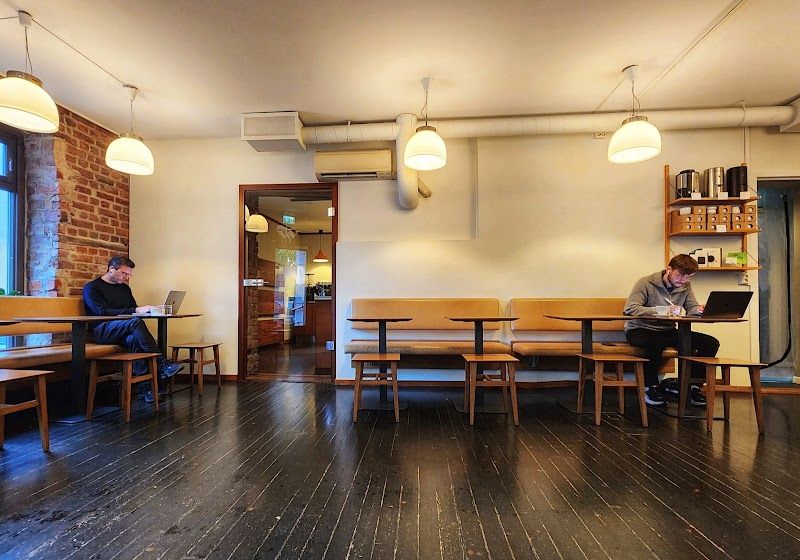
Tim Wendelboe
World-renowned micro-roastery and coffee bar run by the 2004 World Barista Champion. Tim sources beans directly from farms, roasts them on-site, and serves them in a minimalist space that prioritizes coffee quality above all else. Filter coffee and espresso both NOK 55-65.
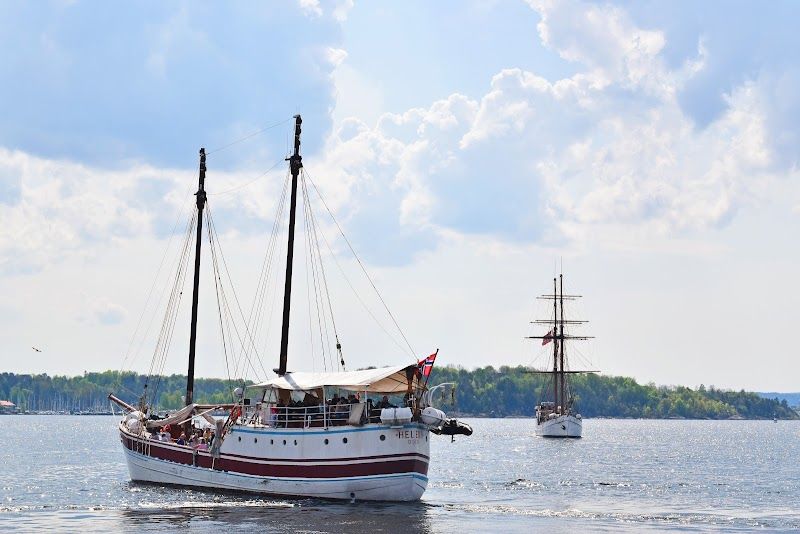
Båtservice Sightseeing
This two-hour fjord cruise from Aker Brygge gives you Oslo's skyline from the best possible angle: water level. You'll circle Hovedøya island, cruise under the Nesodden ferry crossing, and get unobstructed views of the Opera House's slanted roof and the towering Barcode buildings that define modern Oslo. The boat has heated indoor seating with floor-to-ceiling windows plus an outdoor deck for photos. The commentary runs in both Norwegian and English, covering everything from medieval fortress history to modern architecture. You'll feel the shift from urban harbor to open fjord as you round Hovedøya, then back through the ferry lanes where massive Nesodden boats cross overhead. The return journey offers completely different lighting on the same landmarks, especially dramatic in late afternoon when the glass towers catch golden light. At 350 NOK for adults, it's reasonably priced for what you get. Most other Oslo boat tours either skip the inner fjord or cost significantly more for longer routes you don't need. The afternoon departure works best for photography, and you don't need advance booking unless it's peak summer. Skip the expensive snack bar onboard and grab coffee beforehand.
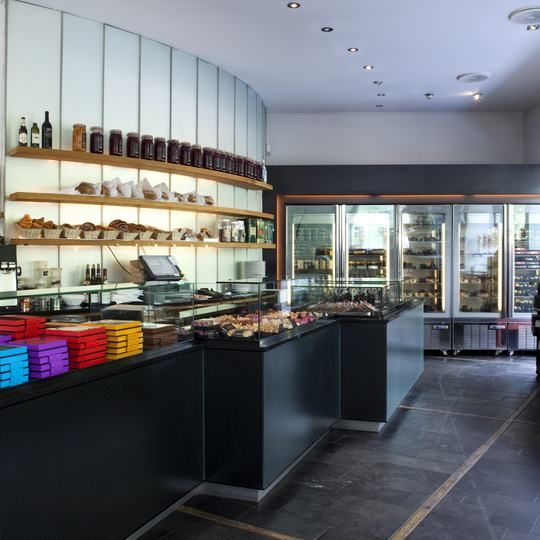
Pascal Konditori & Patisserie
A beloved French-style patisserie that has been a Frogner institution since 1991. Known for their exceptional croissants, pain au chocolat, and elaborate cakes. Everything is made fresh on-site using traditional French techniques.
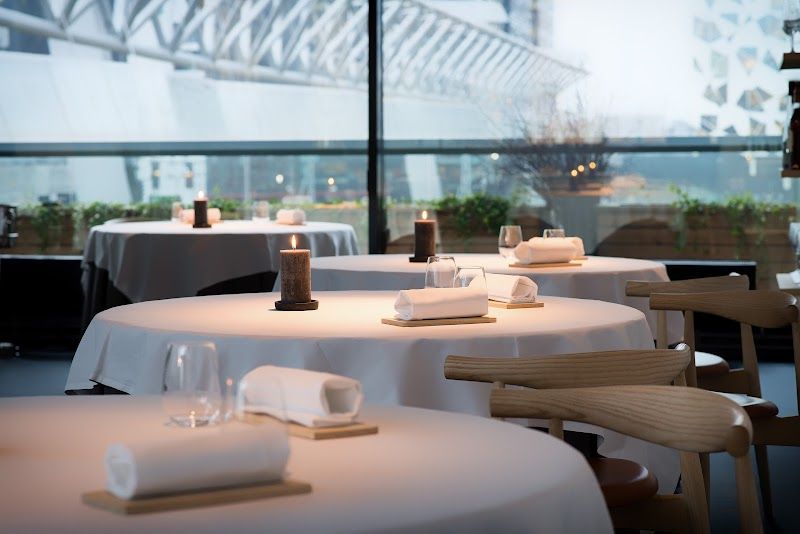
Maaemo
Three-Michelin-starred restaurant showcasing hyper-local Norwegian ingredients through a seasonal tasting menu. The kitchen forages ingredients from Norwegian forests and coastal waters, presenting them in innovative preparations that redefine Nordic cuisine. Reservations required months in advance.
Karl Johans gate
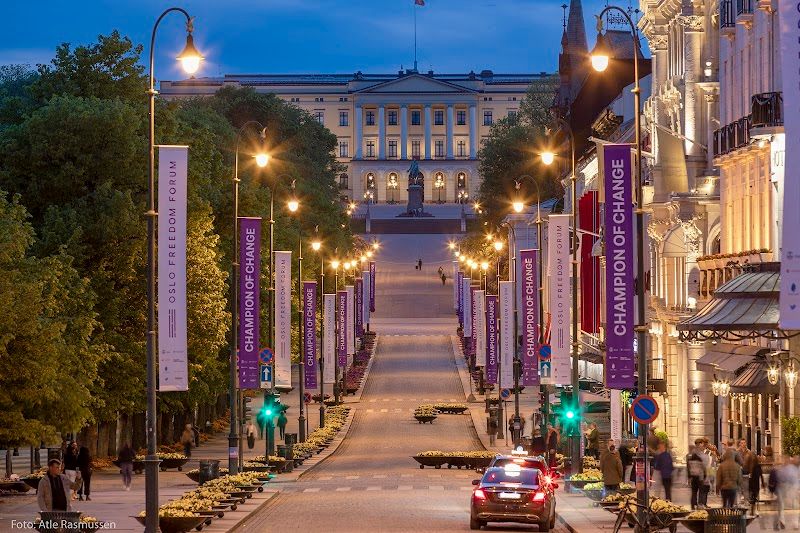
Karl Johans gate is Oslo's main pedestrian spine, running 1.5 kilometers from Central Station straight to the Royal Palace steps. You'll walk past Norway's Parliament building, the Grand Hotel where Nobel Prize winners stay, the National Theatre, and the University of Oslo. The street itself is lined with 19th-century neoclassical buildings that house everything from H&M to local cafes, plus year-round street performers who range from talented musicians to mediocre buskers. The walk has a natural rhythm: start at the train station end where it's grittier with fast food and souvenir shops, then gradually climb through the more refined middle section past the Parliament. The final stretch opens up beautifully as you approach the palace, with the tree-lined park creating a proper ceremonial feel. Weekend afternoons bring crowds of locals and tourists mixing together, while weekday mornings feel more business-focused with commuters cutting through. Most guides oversell this as Oslo's premier shopping destination, but prices here are inflated by 20-30% compared to other neighborhoods. A coffee that costs 35 NOK elsewhere will run you 50 NOK here. The real value is the architecture and people-watching. Skip the chain stores you can find anywhere and focus on the parade of Norwegian political figures you might spot near the Stortinget, especially during parliamentary sessions.
Youngstorget
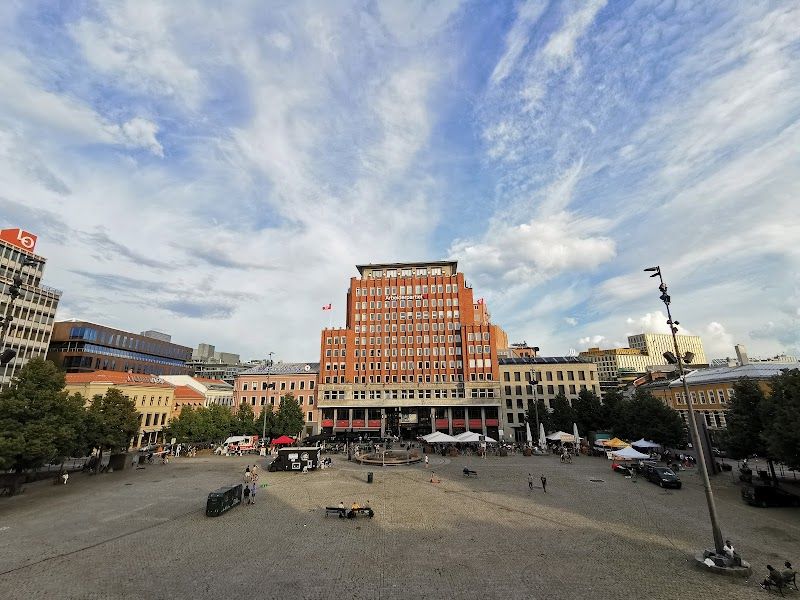
Youngstorget is Oslo's most authentic farmers market, operating in the same spot since medieval times where locals still shop for produce twice as fresh as any supermarket. You'll find Norwegian farmers selling seasonal vegetables, local honey, wildflowers, and specialty items like cloudberries and reindeer meat when in season. The square sits between trendy Grünerløkka and central Oslo, making it perfectly positioned for grabbing ingredients before exploring either neighborhood. The market spreads across the cobblestone square with simple wooden stalls and fold-out tables rather than fancy setups. Vendors chat with regulars in Norwegian while tourists browse curiously, creating a genuine neighborhood atmosphere that feels unchanged for decades. The smell of fresh herbs mixes with flower stalls, and you'll hear more Norwegian spoken here than English, unlike most central Oslo attractions. Most travel guides oversell this as a major tourist attraction when it's really just a quality local market. Don't expect huge crowds or Instagram-worthy displays, just honest produce at fair prices. Strawberries cost around 40-50 NOK per basket in summer, about the same as grocery stores but noticeably sweeter. Skip Monday and Tuesday when only two or three vendors show up, making the trip hardly worthwhile.
Stortinget
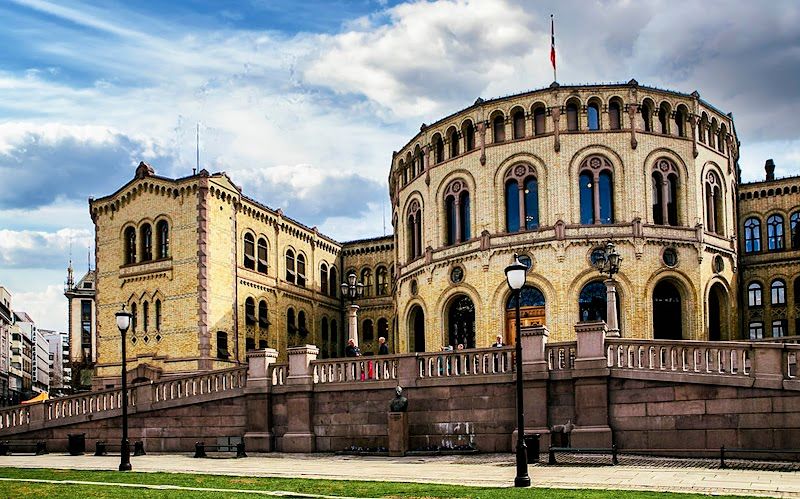
The Stortinget gives you rare access to Norway's actual seat of power, where 169 MPs debate everything from oil fund investments to Arctic policy. The free Saturday tours (the only way inside) take you through the main debating chamber with its original 1866 furnishings, committee rooms where real decisions get hammered out, and reception halls lined with paintings by Munch and other Norwegian masters. You'll see the PM's chair, learn how coalition governments actually function, and get surprisingly candid explanations of Norwegian politics from guides who clearly love their jobs. The yellow brick building feels more approachable than intimidating once you're inside. Your group of maximum 25 people moves through marble corridors while the guide explains how this small country punches above its weight internationally. The debating chamber surprises with its intimate scale, nothing like the grand parliaments you might expect. Security is airport level strict but the atmosphere relaxes once you're through, with guides encouraging questions about everything from royal ceremonies to recent scandals. Most visitors underestimate how genuinely fascinating this tour is, expecting dry constitutional talk but getting engaging political insights instead. Book exactly when slots open online (usually 2-3 weeks ahead) because they fill within hours. The 10am Saturday slot works best since you can easily walk to other Sentrum attractions afterward. Skip this only if you have zero interest in politics, because the building's architecture alone doesn't justify the booking hassle.
Vikingskipshuset
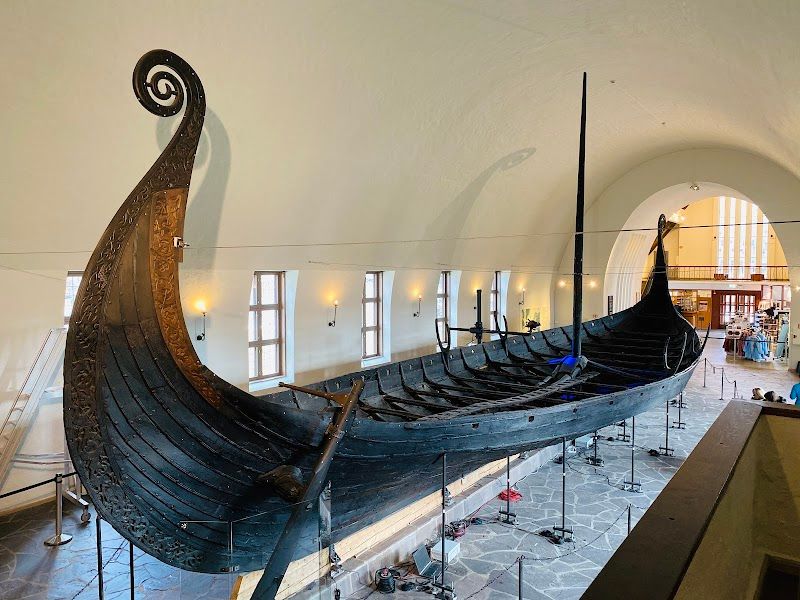
The Viking Ship Museum houses three genuine 9th-century burial ships discovered in Norwegian fjords, including the spectacular Oseberg ship with its intricate wood carvings and the sturdy Gokstad vessel. These aren't replicas or fragments: you're looking at actual ships that carried Viking chieftains to their final rest over 1,000 years ago. The artifacts buried alongside them, from ornate sleighs to everyday tools, paint the most complete picture you'll find anywhere of how Vikings actually lived and died. Right now though, you can't visit at all. The museum closed in 2019 for a massive renovation that won't finish until at least 2026, possibly later. The ships are being painstakingly conserved in climate-controlled storage while architects build a completely new museum around them. When it reopens, the space will be three times larger with interactive displays and better lighting, but for now the site sits empty behind construction barriers. Honestly, this closure is a huge loss for Oslo tourism, and the timeline keeps slipping. The old museum was cramped and poorly lit, sure, but seeing those ships up close was genuinely breathtaking. Your best alternative is the Museum of Cultural History at the University of Oslo, which has an excellent Viking collection including weapons, jewelry, and household items. It's not the same impact as standing next to a full ship, but it's what we've got until this renovation finally finishes.
Oslo Domkirke
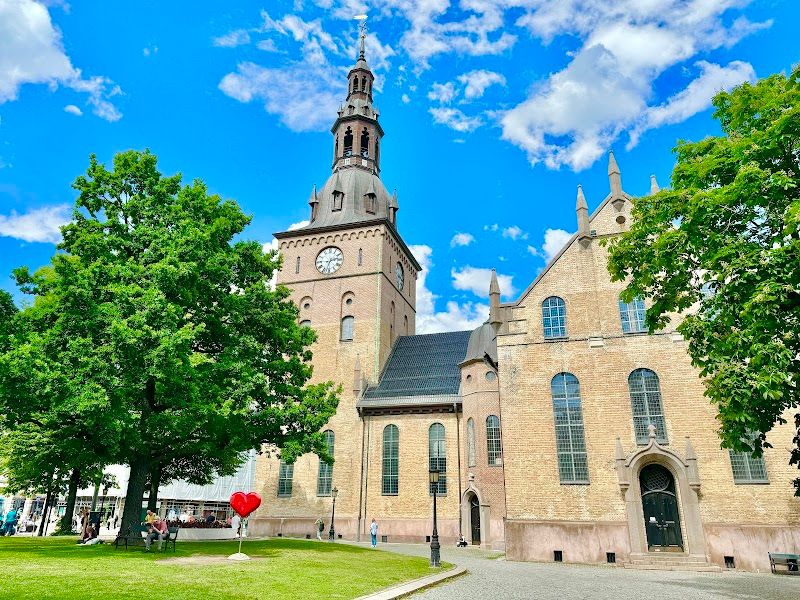
Oslo Domkirke anchors the top of Karl Johans gate as Norway's primary cathedral, where royal weddings and state ceremonies unfold beneath Emanuel Vigeland's spectacular stained glass windows. The baroque exterior from 1697 gives way to soaring interiors dominated by Hugo Lous Mohr's dramatic ceiling paintings that took 14 years to complete. You'll find intricate woodwork, ornate pulpit carvings, and surprisingly intimate side chapels that offer glimpses into 300 years of Norwegian religious history. Stepping inside feels like entering a completely different world from the pedestrian street outside. The acoustics are phenomenal, which becomes obvious during the daily summer organ concerts when the 1998 Ryde & Berg instrument fills every corner with sound. Natural light filters through Vigeland's colorful biblical scenes, creating shifting patterns on the stone floors throughout the day. The atmosphere stays reverent but welcoming, with locals stopping for quiet prayer between tourist visits. Most guides oversell this as a major attraction when it's really a lovely 20 minute stop while exploring central Oslo. The free admission makes it worth ducking inside, but don't expect overwhelming grandeur like you'd find in European capitals. Skip the audio guide and focus on the ceiling paintings and stained glass. Those Wednesday noon concerts in summer are genuinely special and often overlooked by tourists rushing between the Royal Palace and Akershus Fortress.
Kon-Tiki Museum
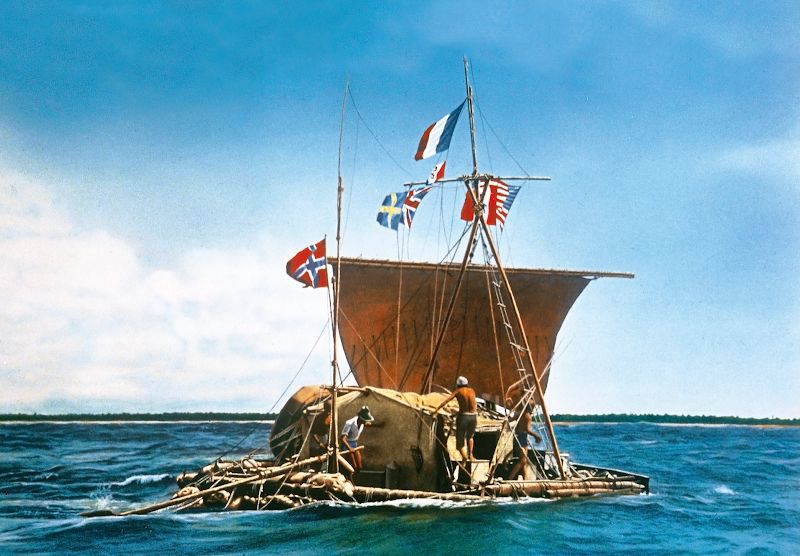
The Kon-Tiki Museum houses the actual balsa wood raft that Thor Heyerdahl and five companions sailed 4,300 miles across the Pacific in 1947, proving ancient South Americans could have reached Polynesia. You'll see the weathered logs, rope bindings, and bamboo cabin exactly as they looked when they washed ashore in French Polynesia after 101 days at sea. The museum also displays the Ra II papyrus boat from Heyerdahl's Atlantic crossing, Easter Island statues, and artifacts from his archaeological expeditions. The museum feels intimate and focused, built around these two remarkable vessels that dominate the main hall. You can walk completely around both boats, studying the ingenious construction and imagining months of ocean swells. The lighting is dramatic, and information panels explain Heyerdahl's theories about ancient migration patterns. The Easter Island section upstairs showcases genuine moai statues and Polynesian artifacts that support his controversial ideas about cultural connections across oceans. This isn't a massive museum, you'll cover everything in about an hour. Adult tickets cost 120 NOK, but the three-museum pass for 220 NOK includes the Fram and Maritime museums next door, which is decent value. Skip the gift shop unless you're obsessed with maritime adventure stories. The museum works perfectly as part of a Bygdøy museum crawl, though honestly, seeing that tiny raft that crossed an ocean is worth the trip alone.
Vippa
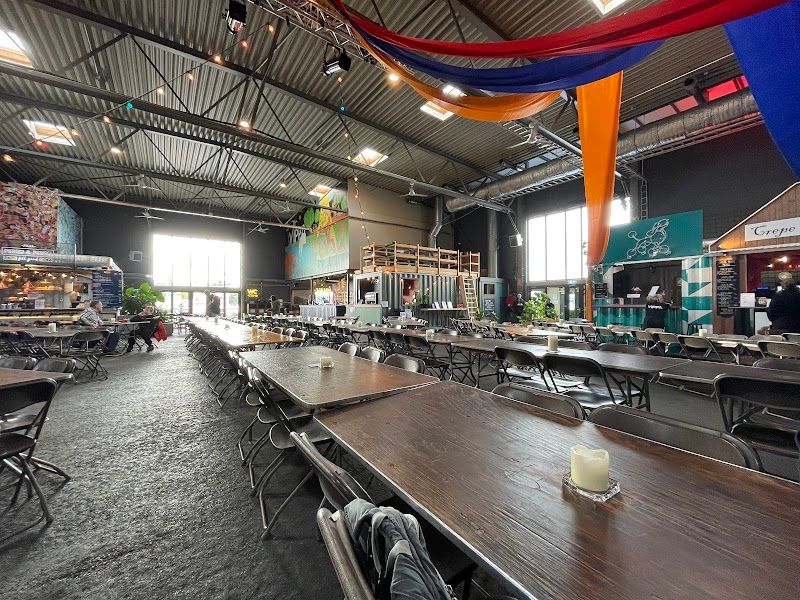
Converted warehouse on the Bjørvika waterfront housing 16 international street food vendors and a rooftop terrace. The focus is immigrant-run businesses serving authentic dishes from Syria, Thailand, Somalia, and beyond, with most meals NOK 110-160. The location provides views of the Opera House and working harbor.
Ekebergparken Sculpture Park
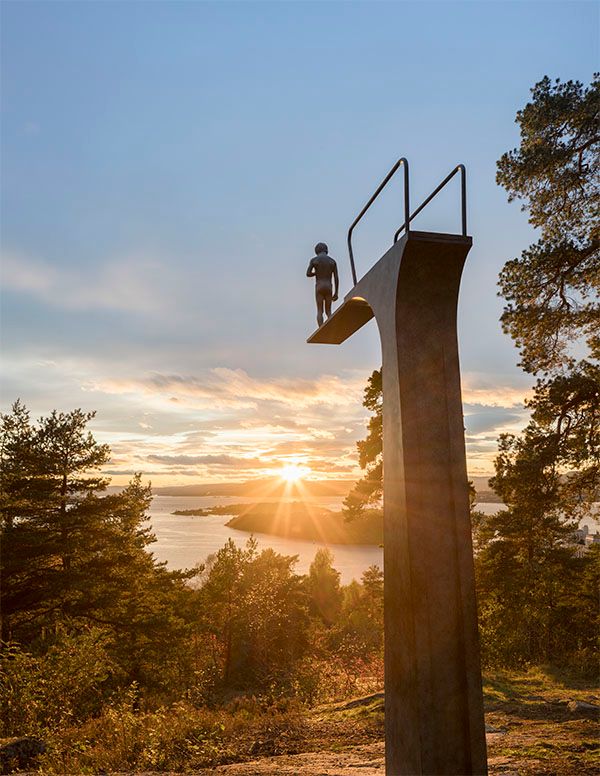
This free hillside sculpture park combines contemporary art with Bronze Age heritage, featuring 43 permanent works including pieces by Louise Bourgeois, Salvador Dalí, and Damien Hirst. Located 45 minutes by tram from Oslo S, the park offers sweeping views across the city and Oslo Fjord from multiple elevated terraces.
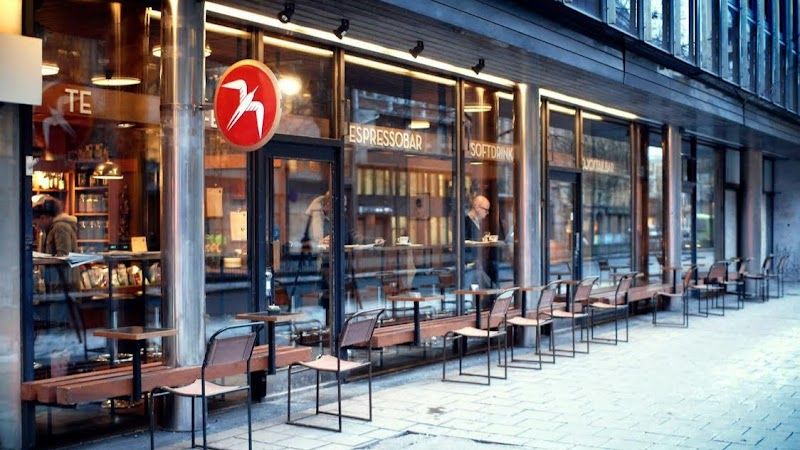
Fuglen
Vintage-furnished café and cocktail bar known for specialty coffee by day (NOK 55-65) and Japanese-inspired cocktails by night. The space doubles as a vintage furniture showroom with all mid-century pieces for sale. They roast their own coffee and serve it exclusively until 6 PM, when the bar program begins.
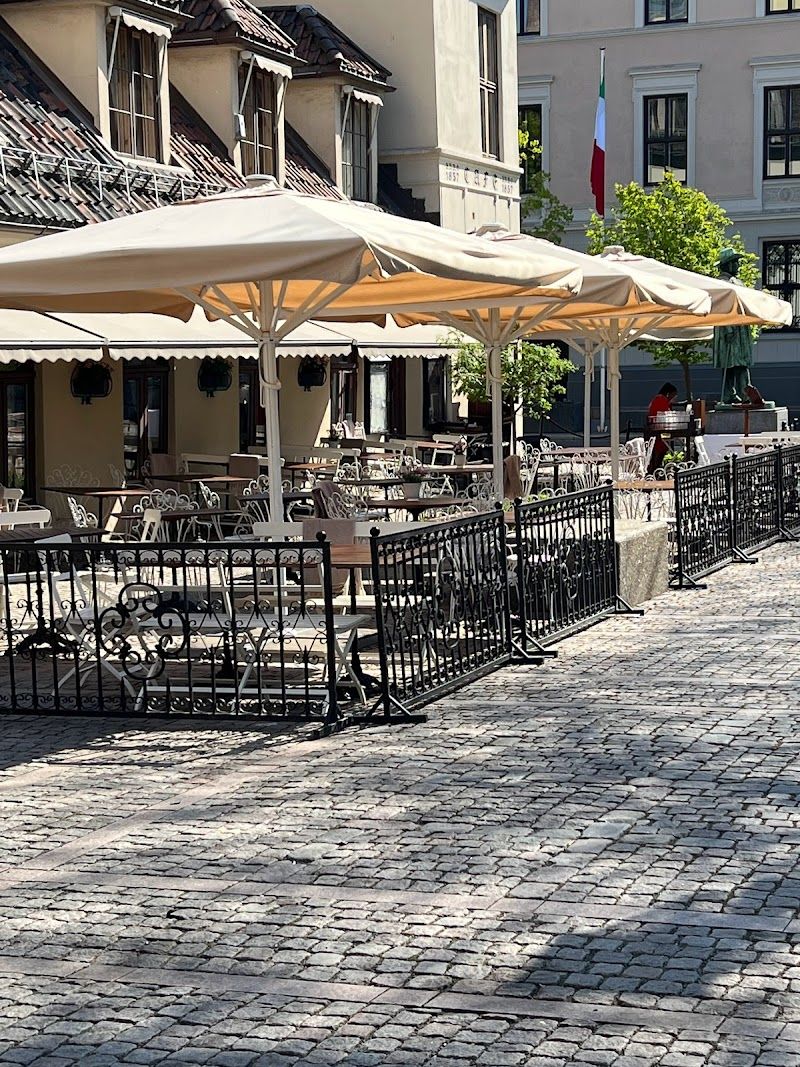
Engebret Café
Oslo's oldest restaurant, established 1857, serving traditional Norwegian dishes in a historic dining room near City Hall. The menu features farikal (lamb and cabbage stew, NOK 285) and lutefisk during Christmas season. The interior preserves original 19th-century woodwork and Norwegian folk art.
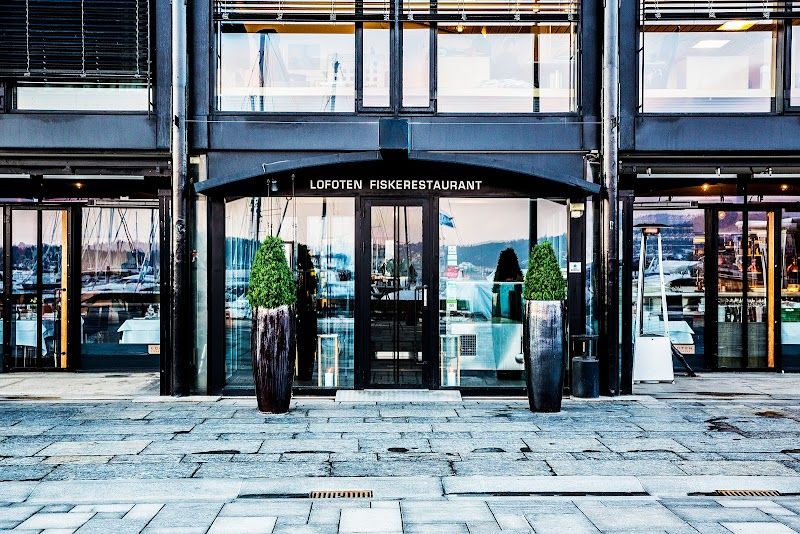
Lofoten Fiskerestaurant
Classic Norwegian seafood restaurant on Aker Brygge operating since 1988, known for its no-nonsense approach to coastal cuisine. The dagens rett (daily special) at NOK 195 is exceptional value, usually featuring cod or salmon preparations. The dining room maintains traditional wooden boat decor and maritime artifacts.
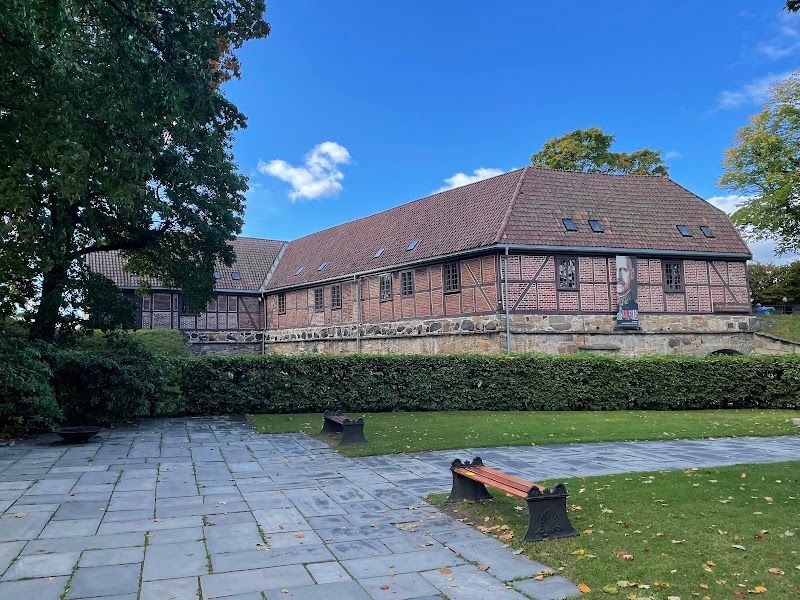
Norges Hjemmefrontmuseum
Located within Akershus Fortress, this museum chronicles Norway's occupation during World War II from 1940 to 1945. The exhibitions cover the resistance movement, daily life under occupation, and the liberation, all presented through personal stories, artifacts, and documents. The museum's setting in the fortress adds historical weight to the experience.
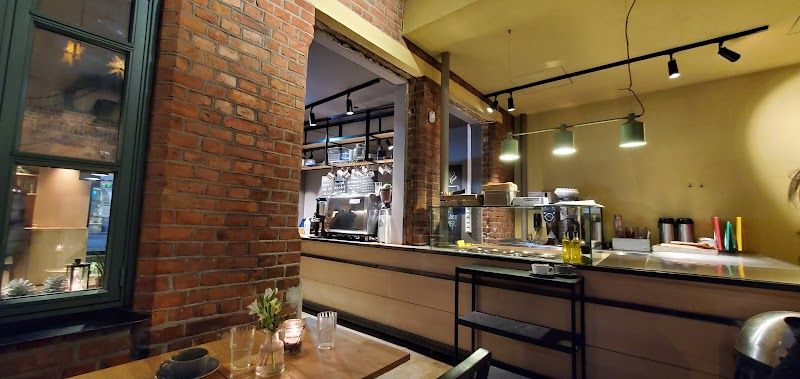
Åpent Bakeri Grünerløkka
Norwegian bakery and café serving traditional boller (cardamom buns), skillingsboller (cinnamon rolls), and open-faced sandwiches with brunost (brown cheese). The space functions as a community meeting spot where locals linger over coffee (NOK 55) and newspapers. Weekend brunches draw neighborhood crowds.
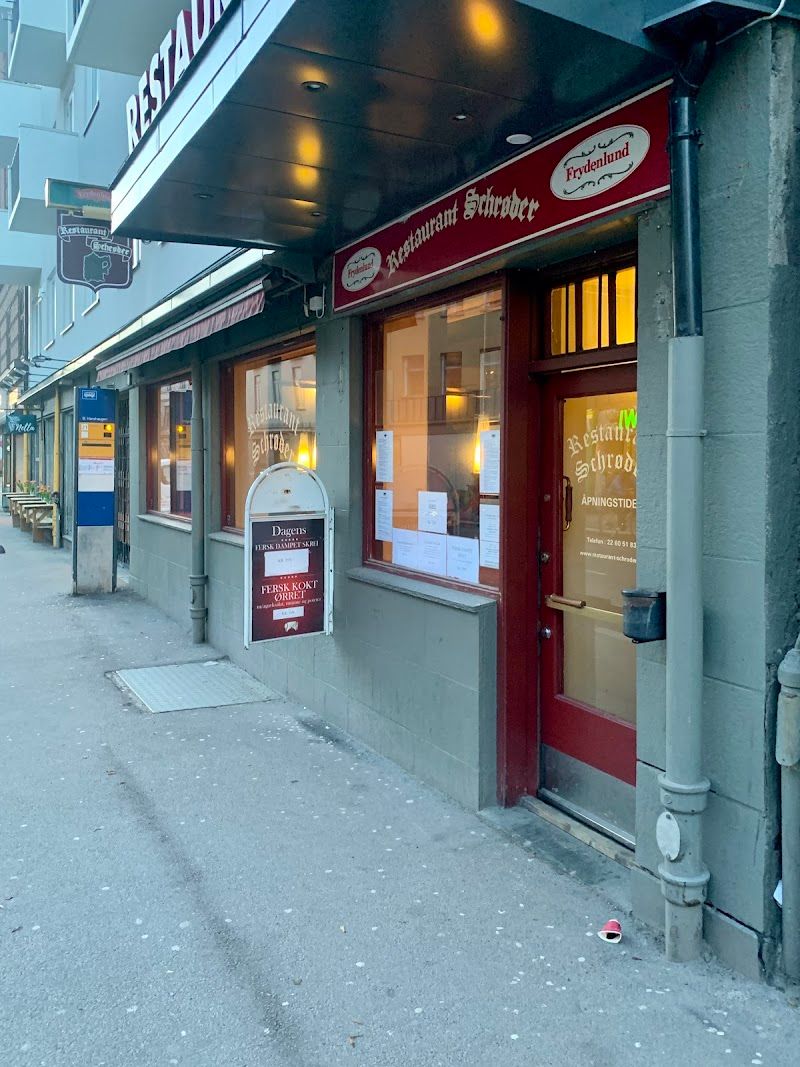
Restaurant Schrøder
Working-class Oslo institution since 1925, serving massive portions of traditional Norwegian home cooking at prices unchanged by tourism. The komle (potato dumplings, NOK 170) and farikal (lamb stew, NOK 180) portions feed two people. The dining room preserves its original 1920s interior with shared tables and no-frills service.
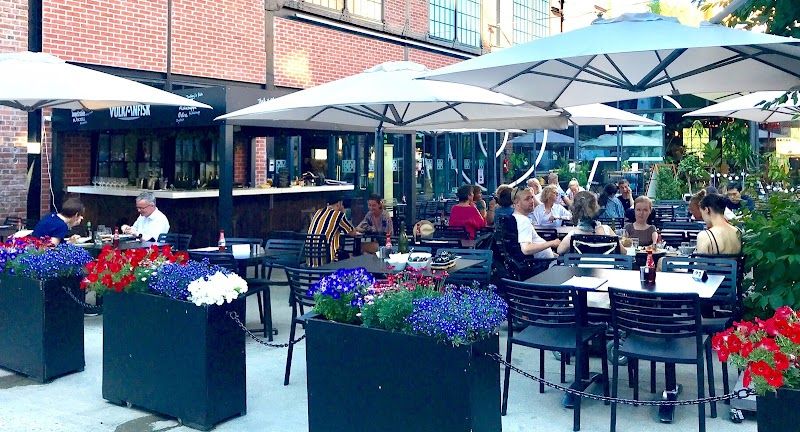
Vulkan Fisk
Fishmonger and casual seafood counter inside Mathallen specializing in Norwegian coastal catches. Their fiskesuppe (fish soup) at NOK 140 is considered among Oslo's best, and the gravlaks sandwich showcases traditionally cured salmon. Everything sold here arrives from Norwegian waters within 24 hours.
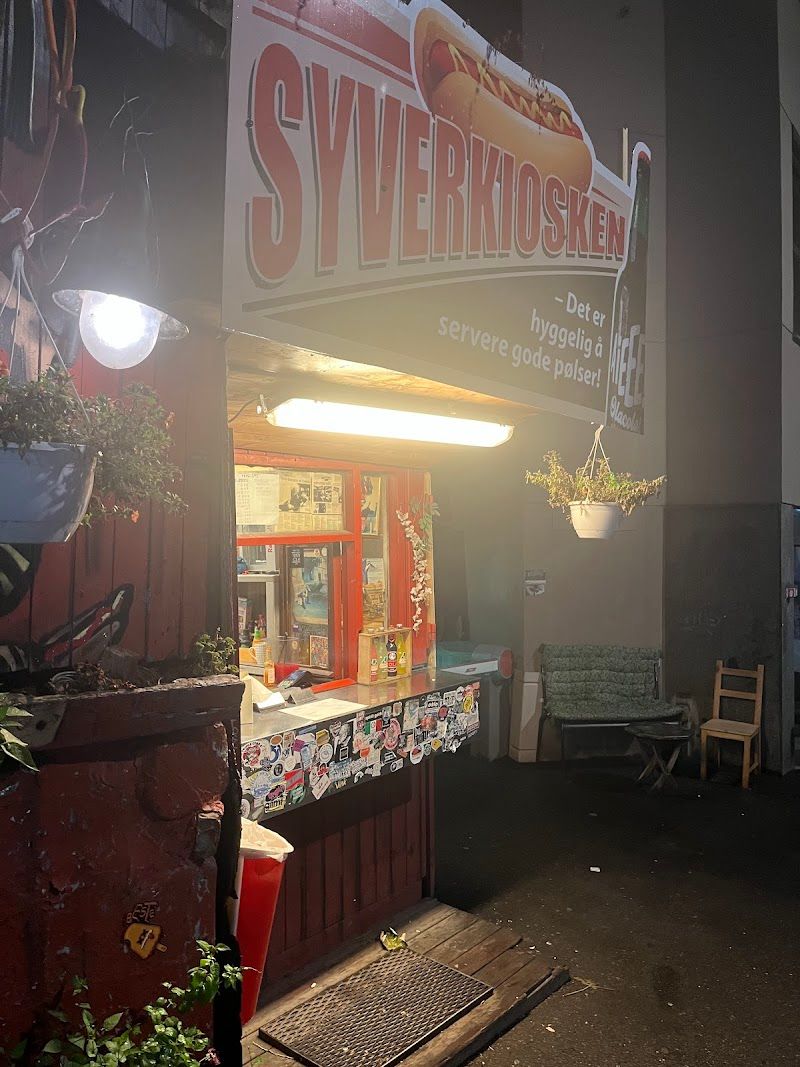
Syverkiosken
Tiny kiosk near Sofienberg Park serving Oslo's most affordable quality lunch - reindeer hot dogs (NOK 90), lamb sausages, and Norwegian-style pølse. The operation runs from a vintage red kiosk building and has been family-owned since 1947. Cash only, no seating.
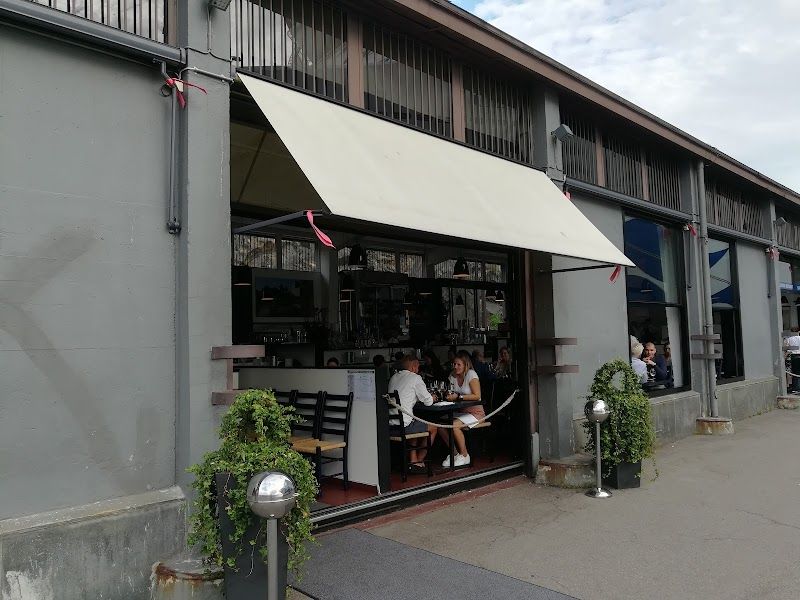
Solsiden Restaurant
Waterfront restaurant on Aker Brygge serving traditional Norwegian seafood with harbor views. The rekesandwich (shrimp sandwich) at NOK 245 is piled high with hand-peeled Norwegian shrimp, and the fish soup uses a recipe unchanged for 20 years. Outdoor seating fills quickly on sunny days.
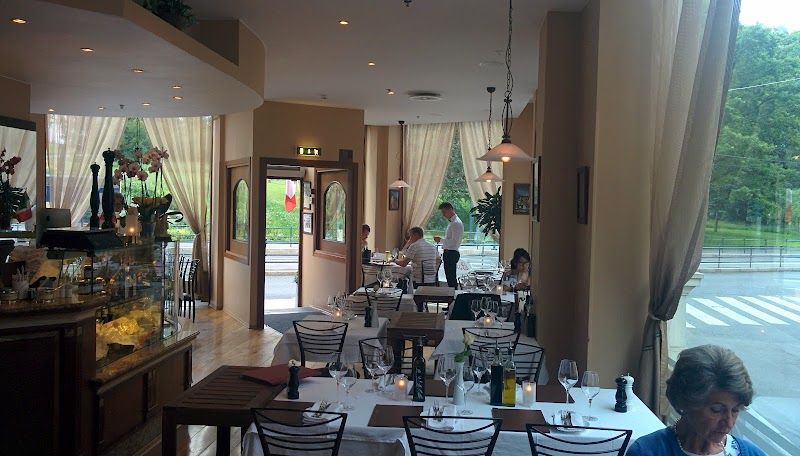
Ruffino Ristorante
Family-run Italian restaurant in Frogner serving house-made pasta and Neapolitan pizza since 1993. The neighborhood location means tourist-free dining and prices NOK 30-50 lower than Sentrum equivalents. Pasta dishes run NOK 220-280, and the daily lunch pasta is NOK 165.
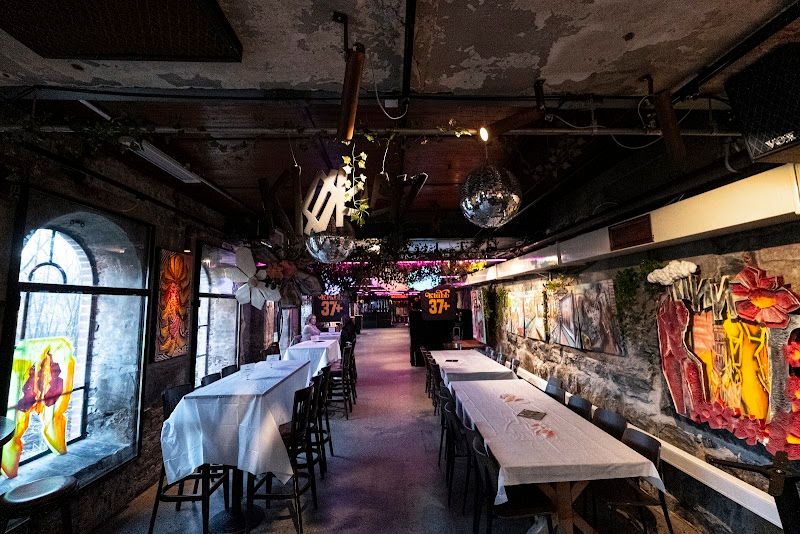
Smelteverket
An industrial-chic wine bar and bistro located in a former smelting facility. Specializes in natural and organic wines with a constantly rotating selection, paired with creative small plates and charcuterie. The exposed brick and copper details create a warm, sophisticated atmosphere.
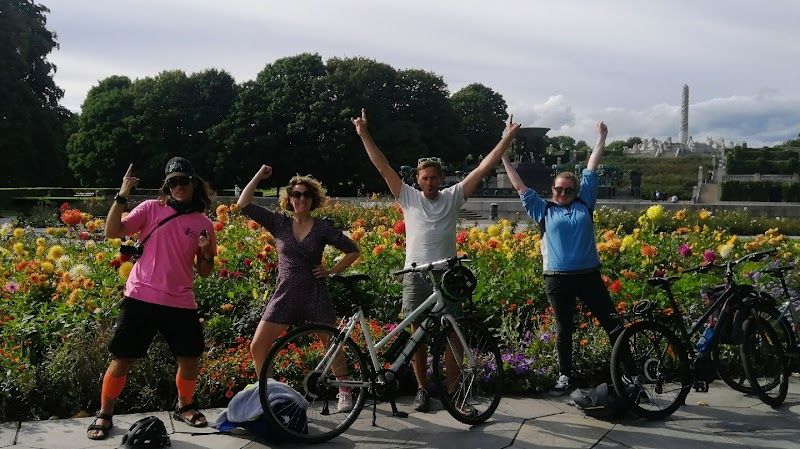
Viking Biking
E-bike tour company specializing in Oslo waterfront routes covering 25-30km in 3 hours. The circuit includes Vigeland Sculpture Park, Bygdøy peninsula museums, and the revitalized Bjørvika district with minimal effort thanks to electric assist. Bikes are high-quality with comfortable seats and storage baskets.
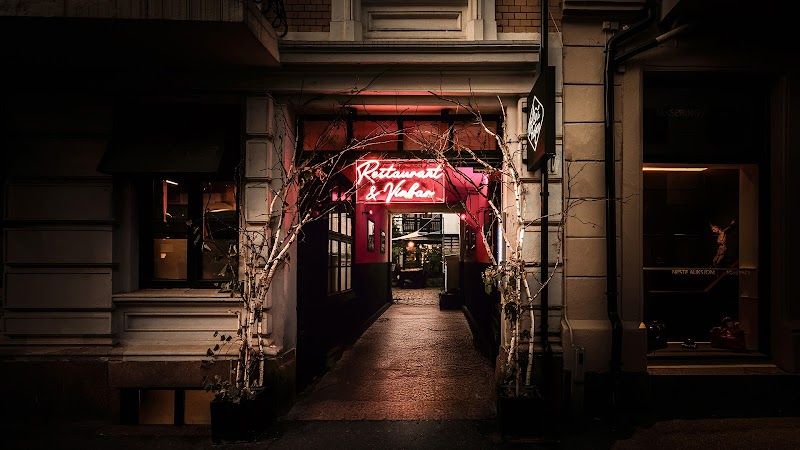
Kolonihagen Frogner
Organic farm-to-table restaurant and shop sourcing ingredients from its own farms outside Oslo. The seasonal menu changes weekly based on harvest, and the dagens rett lunch (NOK 185) always features vegetables picked within 48 hours. The attached shop sells the same organic produce used in the kitchen.
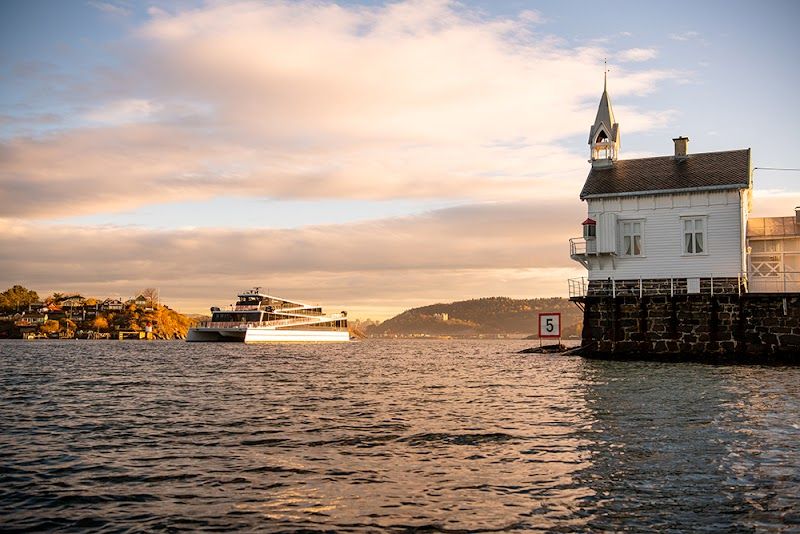
Oslo Fjord Islands Ferry
The public ferries (Ruter lines B1, B2, B3) from the Aker Brygge pier reach the inner Oslo fjord islands in 10-25 minutes and cost NOK 42 per single fare (or are included in any Ruter transit pass). Hovedoya is the nearest island: 10 minutes from the pier, a 12th-century monastery ruin, a small beach, and a summer cafe (June-August). Gressholmen (15 minutes) is a nature reserve with a cafe at the historic aviation building. Langoyene (20 minutes) has the best swimming beach in the inner fjord. All islands are free to land on; the ferries run roughly every 30 minutes in peak season (late May-September).
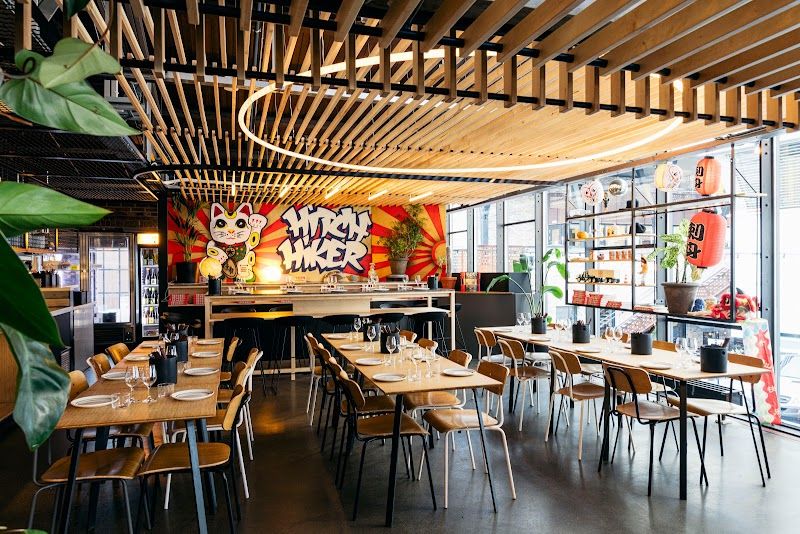
Hitchhiker
Standing-room coffee bar inside Mathallen from the team behind Tim Wendelboe, focusing on single-origin espresso and filter coffee. The compact counter serves some of Oslo's most precisely extracted coffee at NOK 55-70. No seats - it's designed for quick, quality coffee stops.
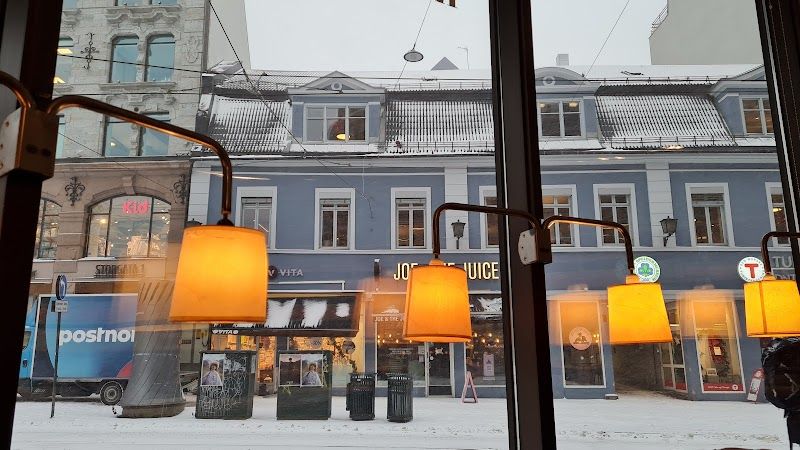
Kaffebrenneriet Stortorvet
Norwegian coffee chain's flagship location in a 1920s building overlooking Stortorvet square. Unlike Starbucks, they roast beans locally in Oslo and serve cardamom-spiced wienerbrød (Viennese pastries). Coffee runs NOK 55-70, significantly cheaper than independent cafés while maintaining quality.
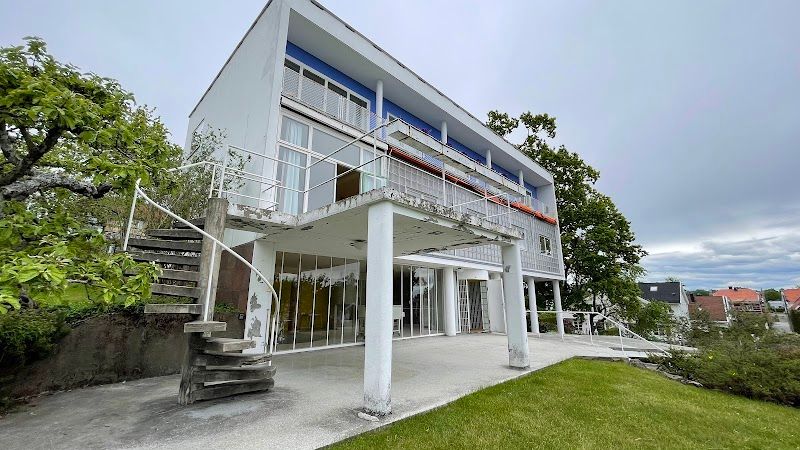
Villa Stenersen
A pristine example of functionalist architecture designed by Arne Korsmo in 1939. This modernist villa hosts rotating contemporary art exhibitions and offers insight into Oslo's architectural heritage. The building itself is as much an attraction as the art it houses.
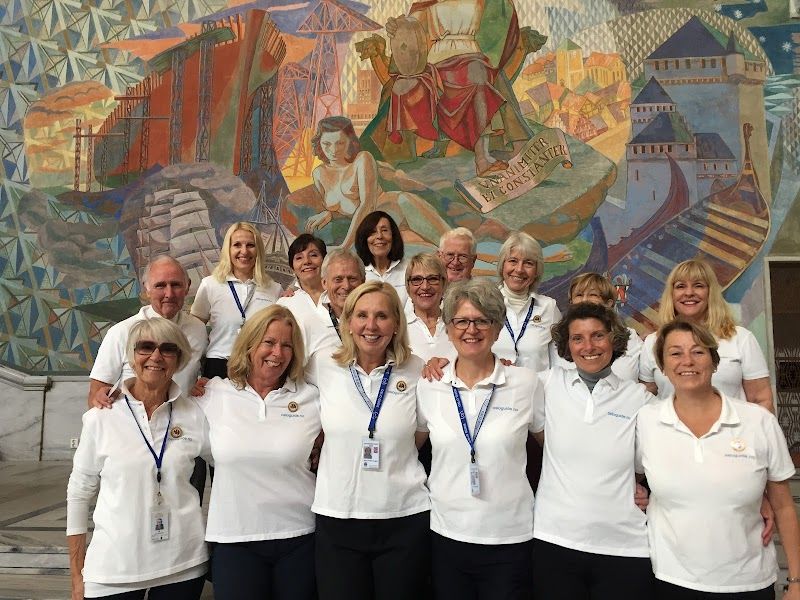
Oslo Guidebureau
Established walking tour operator offering guided 2-hour historical walks through central Oslo. Tours cover Aker Brygge's waterfront transformation, the medieval Akershus Fortress, and Karl Johans gate with expert commentary on Viking history and modern Norwegian culture. Small group sizes ensure personalized attention and photo opportunities at key landmarks.