Norway
Oslo
An opera house you walk on, The Scream in a 13-floor museum, a free sculpture park, and fjord islands 10 minutes from the centre
Best Time
May-September; June for near-24-hour daylight
Ideal Trip
2-3 days
Language
Norwegian, English spoken almost universally
Currency
NOK
Budget
NOK 939-1678/day (excl. hotel)
About Oslo
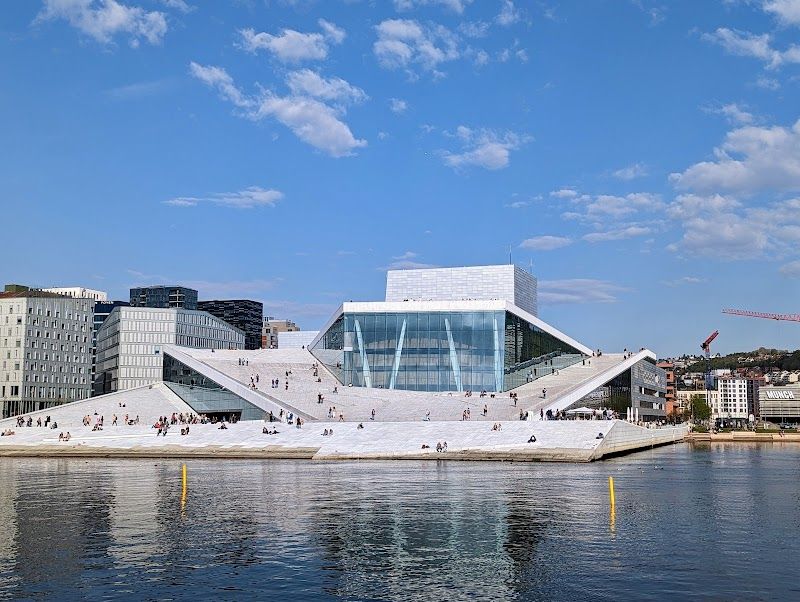
Oslo is the most expensive city in this guide and the one most people skip, which is a mistake. The city that sits at the head of a fjord, backed by forest-covered hills, with a waterfront that has been completely transformed in the last 15 years from industrial port to one of the best urban shorelines in Europe. The Opera House (free to walk on the roof, the angular white marble slopes into the fjord and people sit on it at sunset with wine), the Munch Museum (NOK 160, 13 floors of Edvard Munch's work including multiple versions of The Scream), and the Astrup Fearnley Museum (NOK 150, contemporary art in a Renzo Piano building on the Tjuvholmen waterfront) are all within walking distance of each other along the harbour.
The expense is real but manageable. A beer at a bar costs NOK 95-120 (EUR 8-10), which hurts, but the museums are world-class, the public spaces are free, and the city is compact enough that you never need a taxi. The Vigeland Sculpture Park (free, 200+ sculptures by Gustav Vigeland depicting the human condition from birth to death, the Angry Boy statue and the Monolith are the most famous, the park is enormous and people jog, picnic, and argue about art in it simultaneously) is the single best free attraction in Scandinavia. The fjord (take the public ferry, NOK 42 with a transit pass, to the islands of Hovedoya or Gressholmen for swimming and picnics) is 10 minutes from the city centre.
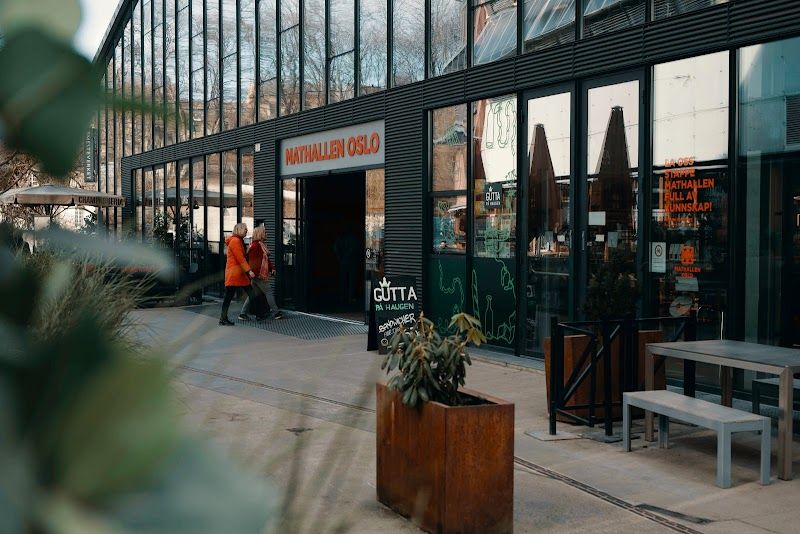
Norwegian food is more interesting than its reputation suggests. Fiskesuppe (fish soup, NOK 140-180, creamy and loaded with salmon, prawns, and cod), brunost (brown cheese, sweet and caramel-like, you will either love it or find it confusing), and the seafood at Mathallen food hall (Oslo's answer to Borough Market, vendors selling everything from reindeer hot dogs to bacalao to Norwegian craft beer). A proper restaurant dinner is NOK 400-700 per person, but a lunch at Mathallen costs NOK 120-180 and the food hall format lets you graze without committing to any single price point.
Neighborhoods
Each district has its own personality
Aker Brygge & Tjuvholmen
The waterfront that replaced the old shipyard: outdoor dining along the harbour, the Renzo Piano art museum on a private sculpture island, and the promenade that connects the Opera House to the city
Bjørvika & Opera
The new cultural district built on reclaimed harbour land: the marble Opera House you walk on, the 13-floor Munch Museum, and a public library designed to justify the architecture budget
Sentrum & Grünerløkka
The city centre spine and Oslo's creative neighbourhood across the river: the boulevard from the station to the palace, the medieval fortress, the best food hall in Norway, and world-class coffee
Things to Do
Top experiences in Oslo
Oslo Opera House
The Oslo Opera House is the only opera house in the world where you can walk directly onto the roof from street level. Snøhetta's 2008 design slopes white Italian marble from the sidewalk up into a public plaza that overlooks the Oslofjord. You'll find families having picnics, joggers crossing at dawn, and locals who treat it like their backyard. The interior foyer spans the entire building length and stays open even during performances, so you can peek inside without buying a ticket. Walking up the roof feels surreal: the 15-degree incline is gentle enough for most people, though the marble gets slippery when wet. At the top, you're standing above the fjord with downtown Oslo spreading behind you. The building hums with activity below while you're in this elevated calm. Sunset here turns the water orange and pink, and you'll usually share the moment with dozens of others sitting quietly on the marble. Most guides oversell the interior tours (NOK 120 on weekends) unless you're genuinely curious about stage machinery. The real magic is free: the roof access and the foyer. Skip expensive performance tickets if opera isn't your thing, but don't skip walking up here at golden hour. The marble can be treacherous in winter ice, despite what some locals claim about skiing on it.
Vigeland Sculpture Park
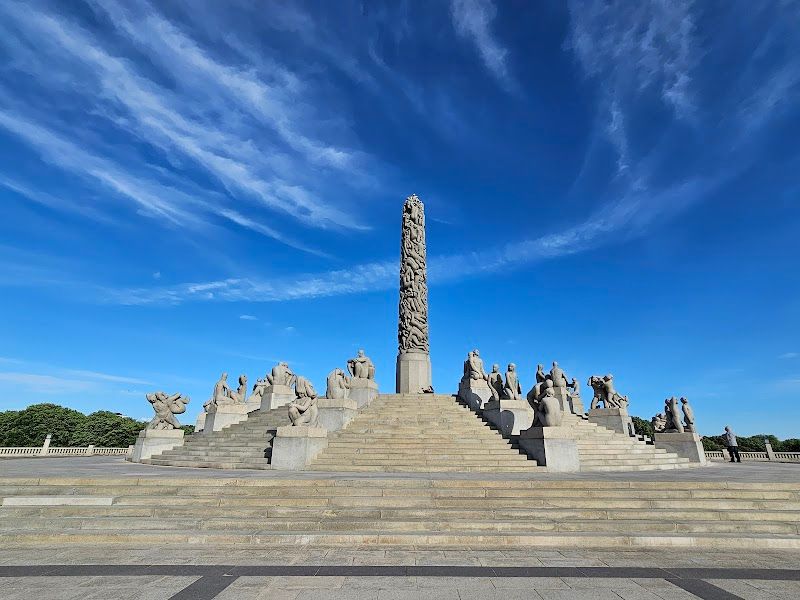
Gustav Vigeland's sculpture park is Norway's most visited attraction for good reason: 212 sculptures in granite, bronze, and wrought iron spread along an 850-meter axis through Frogner Park. You'll walk past hundreds of human figures in every stage of life, from babies to elderly, all carved by one obsessed artist over 40 years. The centerpiece Monolith rises 14 meters high, showing 121 intertwined human bodies that Vigeland carved himself over 14 years. It's completely free and open 24/7. The experience feels like walking through someone's fever dream about humanity. You start at the bridge with 58 bronze figures, including a man literally fighting four winged creatures, then climb toward the Monolith through increasingly intense sculptures. The famous Angry Boy (just 60cm tall) throws his tantrum near the fountain, polished smooth by millions of tourist hands. Early morning gives you directional light that makes the granite glow and the bronze figures cast dramatic shadows. Most people rush to the Monolith and miss the subtlety. The Wheel of Life at the far end is actually more powerful and gets ignored by tour groups. Don't bother with the museum unless it's raining, the outdoor sculptures tell the whole story. Take tram 12 to Vigelandsparken stop, not the main Frogner entrance that dumps you at the wrong end.
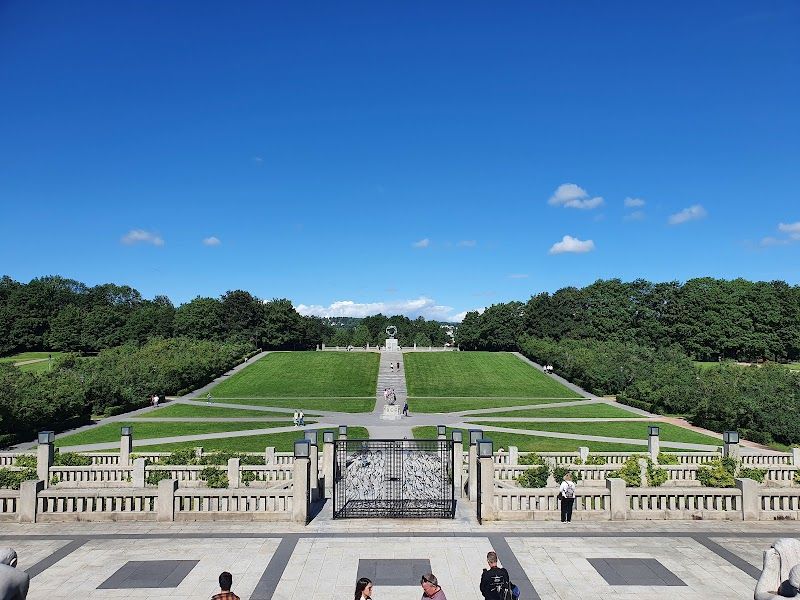
Frognerparken
Frognerparken sprawls across 45 hectares as Oslo's largest park, with Gustav Vigeland's 200+ sculptures forming the centerpiece that draws 1.2 million visitors annually. You'll find naked bronze and granite figures depicting the human condition scattered throughout manicured grounds, plus rose gardens with 14,000 plants, vast lawns perfect for football games, and the historic Frogner Manor housing Oslo City Museum. The park connects seamlessly to residential Frogner, making it feel like a genuine neighborhood space rather than a tourist trap. Your visit flows naturally from the main Kirkeveien entrance through the sculpture installations, where families picnic between bronze children and elderly couples contemplate Vigeland's emotional figures. The atmosphere shifts dramatically between sections: formal rose gardens buzz with photographers, open lawns fill with locals playing frisbee and grilling, while tree lined paths offer quieter moments. Weekend afternoons bring crowds, but the park's size means you can always find space to breathe. Most guides oversell the sculptures while ignoring the park's real charm as Oslo's backyard. Skip the overcrowded Monolith area during summer weekends and head straight to the western sections near the manor for better people watching. The rose garden peaks in late June and July but looks sad by August. Parking costs 30 NOK per hour, but trams 12 and 19 drop you at multiple entrances for the price of a regular ticket.
Akershus festning
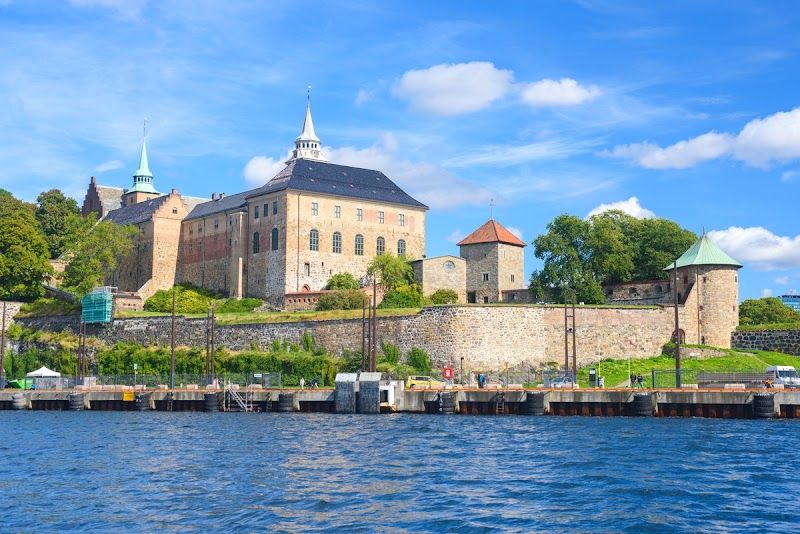
Akershus Fortress is Oslo's 700-year-old castle perched on a rocky outcrop above the harbor, offering some of the city's best fjord views for free. You'll walk medieval ramparts where cannons still point toward the water, explore courtyards where Norwegian kings once held court, and climb stone walls that defended Oslo through Viking raids, Danish rule, and Nazi occupation. The fortress grounds are completely free to roam, while the castle interior and Norwegian Resistance Museum cost NOK 130 combined if you want the full historical deep dive. Walking these ramparts feels like having Oslo's harbor spread out below you on a map. The stone walls are thick enough to stroll along comfortably, with cannon emplacements every few meters and benches positioned at the best viewpoints. Inside the castle, you'll find surprisingly well-preserved royal halls and chapels, though the real draw is the Resistance Museum's sobering displays about Norway's World War II underground fighters. The contrast between medieval stone and modern harbor development creates this odd time warp effect that works better than it should. Most visitors spend too much time in the castle interior when the rampart walks are the real prize here. The NOK 130 museum ticket is worth it only if you're genuinely interested in resistance history, otherwise save your money and stick to the free grounds. Come late afternoon when the light hits the fjord just right and you'll have better photos than from the expensive observation decks downtown. The cafe inside charges tourist prices for mediocre food, so eat elsewhere.
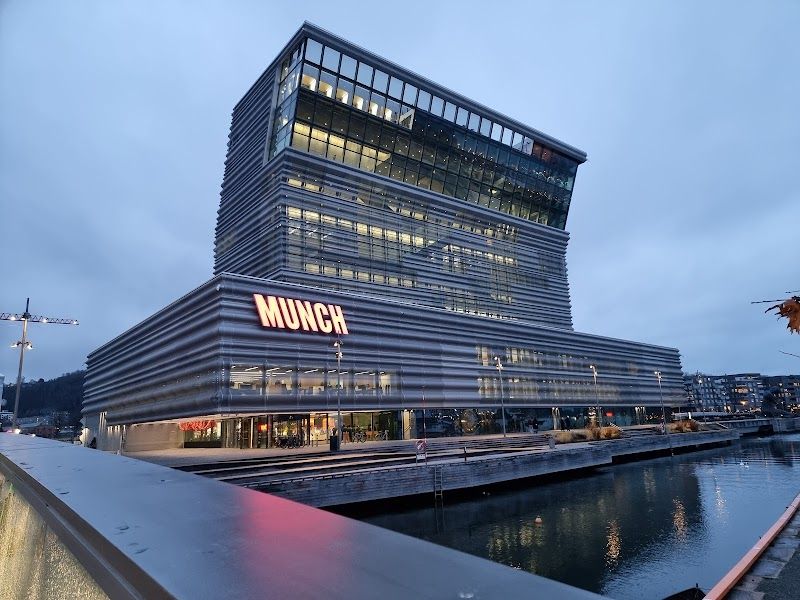
MUNCH
MUNCH houses the world's largest collection of Edvard Munch's art in a striking 13-story tower that opened in 2021. You'll see multiple versions of The Scream, The Dance of Life, and hundreds of lesser-known paintings, prints, and sketches that reveal Munch's full artistic evolution beyond his famous anxious faces. The collection rotates regularly, so you're seeing maybe 400 pieces out of 28,000 total works, plus the top floor offers genuine panoramic views over Oslo's fjord and mountains. The experience flows chronologically upward through Munch's life, starting with his early realistic works and progressing to the psychological intensity he's known for. The building itself feels almost clinical, with white walls and dramatic lighting that makes the art pop but can feel sterile. You'll spend most time on floors 6-9 where the paintings hang, though the sketches and prints on lower floors show his technical skill. The elevator ride to floor 13 reveals the city spreading below through floor-to-ceiling windows. Admission costs 180 NOK for adults, which is steep but reasonable given what you see. Most guides won't mention that the temporary exhibitions (usually floor 10-11) are often more interesting than the permanent collection rehashing the same famous pieces. Skip the audio guide at 50 NOK, the wall texts are perfectly adequate, and don't feel obligated to see every floor if Munch fatigue sets in around hour two.
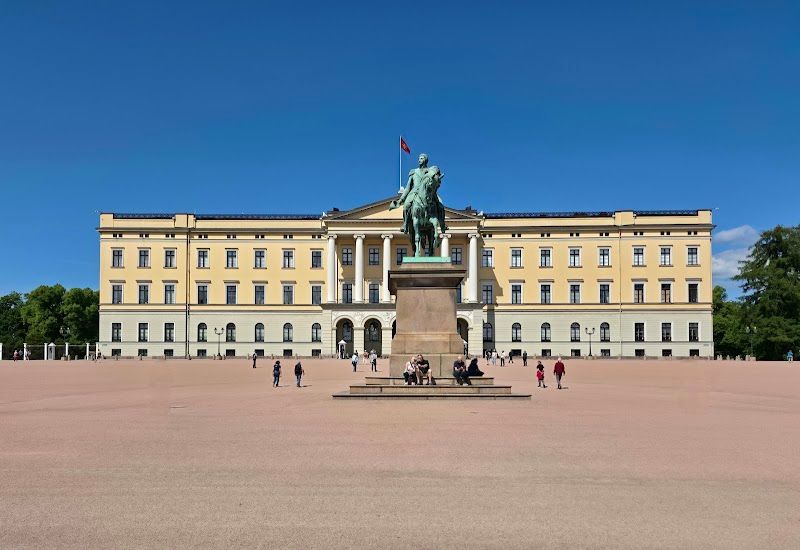
Det Kongelige Slott
Det Kongelige Slott sits at the western end of Karl Johans gate, serving as the working residence of Norway's royal family since 1849. The neoclassical building itself looks modest compared to European palaces, but the real draw is the 22-hectare park that surrounds it, filled with century-old trees, sculptures, and surprisingly peaceful walking paths just minutes from downtown Oslo. During summer, you can tour the opulent State Rooms where the king receives dignitaries, complete with original 19th-century furnishings and Norwegian artwork. Walking through the palace grounds feels like discovering Oslo's green lung, with locals jogging past while tourists snap photos of the salmon-colored facade. The park's network of gravel paths winds past the Royal Mausoleum and several monuments, while ducks paddle in small ponds and families picnic on the lawns. If you time it right for the 1:30 PM changing of the guard, you'll watch Norwegian soldiers in dress uniforms march in formation while a small crowd gathers on the forecourt. Most visitors expect Versailles and get disappointed by the palace's understated exterior, but that misses the point entirely. The summer tours (NOK 160, late June to mid-August only) sell out quickly and honestly feel rushed for the price. Skip the tour and spend your time exploring the free park instead, especially the western section where most tourists don't venture. The changing of the guard is worth catching once, but don't plan your whole day around it.
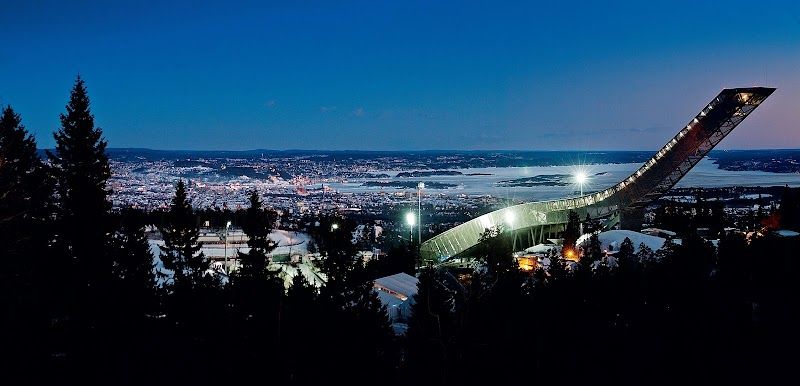
Holmenkollen Ski Jump
This 60-meter ski jump tower gives you two distinct experiences: a heart-stopping elevator ride to the top platform where Olympic ski jumpers launch themselves into space, and a surprisingly engaging museum below that traces skiing from ancient cave paintings to modern Olympic glory. The views from the top stretch across Oslo's rooftops to the Oslofjord, but honestly, it's the sheer drop beneath your feet that'll get your adrenaline pumping. The ski simulator lets you experience what jumpers see hurtling down at 90 km/h. You'll start in the museum, which feels more like a journey through Norwegian culture than a typical sports exhibit. Ancient wooden skis, polar expedition gear, and interactive displays keep you engaged for about 45 minutes before you take the elevator up. Standing on the jump platform is genuinely thrilling, especially when you realize Olympic athletes actually leap from here. The wind whips around you while Oslo spreads out below, making even confident heights enthusiasts grip the railings. Most guides don't mention that NOK 140 is steep for what amounts to a 10-minute elevator ride and view, though the museum does add value. Skip the overpriced cafe at the base, it's tourist trap territory. The simulator is fun but brief, don't build your whole visit around it. If you're pressed for time, spend 30 minutes in the museum highlights, then head straight up for the views and adrenaline rush.
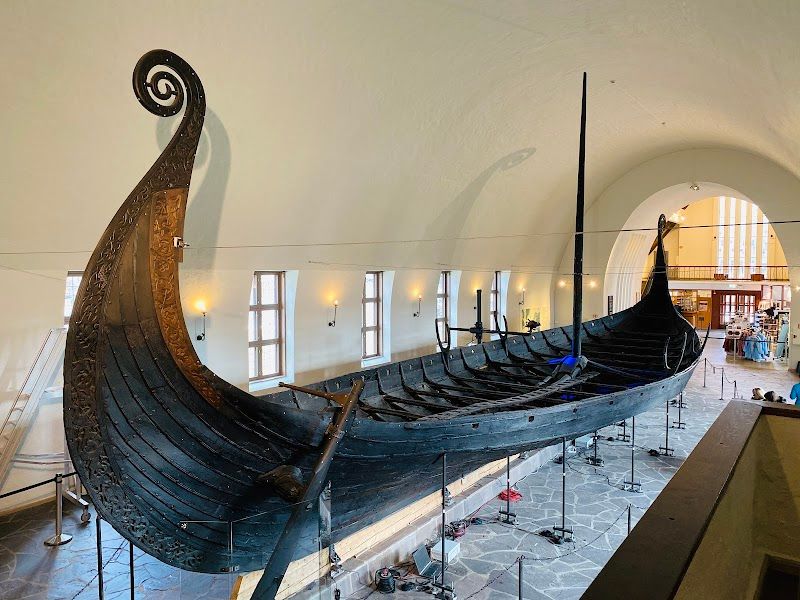
Vikingskipshuset
The Viking Ship Museum houses three genuine 9th-century burial ships discovered in Norwegian fjords, including the spectacular Oseberg ship with its intricate wood carvings and the sturdy Gokstad vessel. These aren't replicas or fragments: you're looking at actual ships that carried Viking chieftains to their final rest over 1,000 years ago. The artifacts buried alongside them, from ornate sleighs to everyday tools, paint the most complete picture you'll find anywhere of how Vikings actually lived and died. Right now though, you can't visit at all. The museum closed in 2019 for a massive renovation that won't finish until at least 2026, possibly later. The ships are being painstakingly conserved in climate-controlled storage while architects build a completely new museum around them. When it reopens, the space will be three times larger with interactive displays and better lighting, but for now the site sits empty behind construction barriers. Honestly, this closure is a huge loss for Oslo tourism, and the timeline keeps slipping. The old museum was cramped and poorly lit, sure, but seeing those ships up close was genuinely breathtaking. Your best alternative is the Museum of Cultural History at the University of Oslo, which has an excellent Viking collection including weapons, jewelry, and household items. It's not the same impact as standing next to a full ship, but it's what we've got until this renovation finally finishes.
Mathallen Oslo
Indoor food hall in a converted industrial building housing 30+ specialty vendors selling Norwegian seafood, reindeer hot dogs, craft beer, and local cheeses. The mix of eat-in stalls and gourmet shops makes it the best mid-range lunch destination in Oslo. Peak atmosphere during weekend lunch hours.
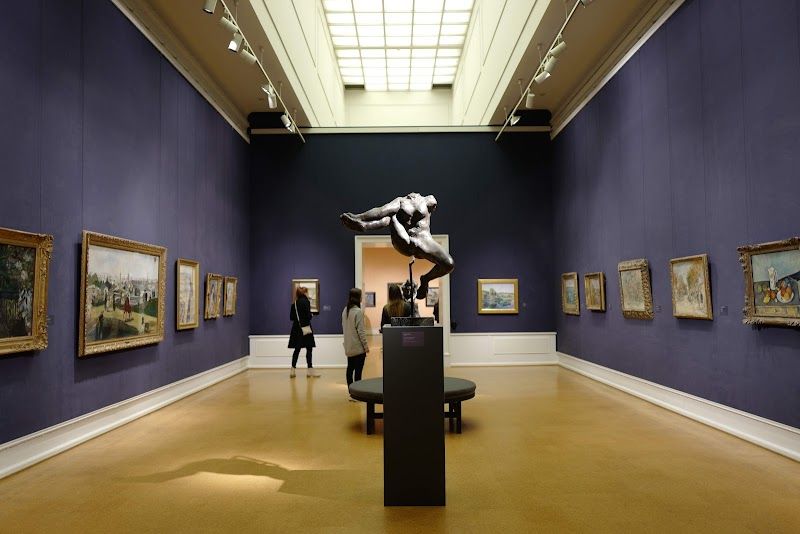
Nasjonalmuseet
Norway's largest art museum houses an impressive collection spanning 5,000 years, from ancient artifacts to cutting-edge contemporary works. You'll find Norway's most famous painting, Munch's 'The Scream,' alongside masterpieces by Picasso, Monet, and Renoir. The building itself is stunning: the Light Hall soars 16 meters high with floor-to-ceiling windows overlooking the harbor, while specialized galleries showcase everything from Viking-era jewelry to avant-garde installations. The museum flows logically across four floors, starting with antiquities in the basement and climbing through Norwegian Golden Age paintings to modern art on the upper levels. The Light Hall dominates the ground floor and serves as both exhibition space and social hub where locals meet for coffee. Each gallery feels thoughtfully curated rather than overwhelming, and the natural light throughout makes even medieval artifacts feel alive. The rooftop terrace offers genuine respite with harbor views and outdoor sculptures. Most guides don't mention that permanent collection admission costs 200 NOK for adults but includes everything except special exhibitions. Skip the audio guide (100 NOK extra) and use the free app instead. The museum gets packed on free Thursday evenings and weekend afternoons. Come Tuesday or Wednesday mornings for the best experience, and don't try to see everything in one visit. Focus on floors 2-3 for the Norwegian masters, then head to the Light Hall.
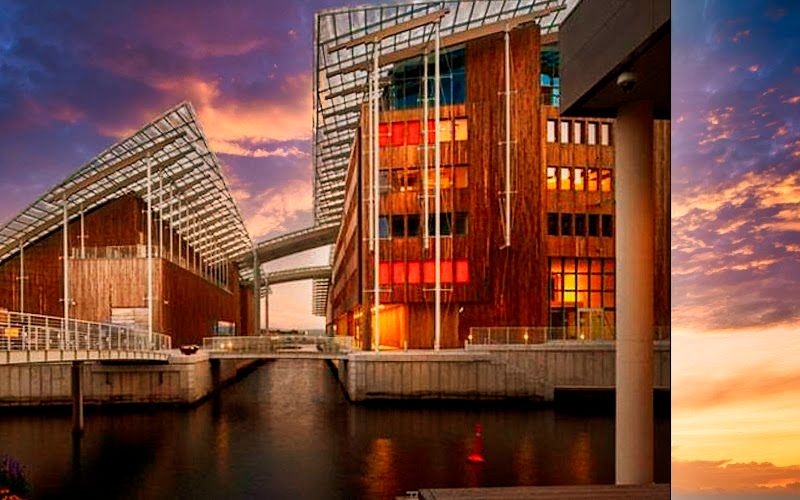
Astrup Fearnley Museet
Astrup Fearnley Museet houses one of Scandinavia's strongest contemporary art collections in a Renzo Piano building that's genuinely spectacular. You'll find Jeff Koons balloon dogs, Damien Hirst installations, and Cindy Sherman photographs across two glass pavilions connected by floating walkways. The architecture steals the show: a canal literally flows beneath the building, and there's a dedicated sculpture island accessible by bridge where massive outdoor works change seasonally. The experience flows between indoor galleries and outdoor terraces with fjord views that most art museums can only dream of. Piano's glass walls flood the spaces with natural light, making the art feel alive rather than sterile. The sculpture island becomes almost meditative, especially when fewer visitors are around. You'll spend time moving between the two main pavilions, each with different temporary exhibitions alongside rotating displays from the permanent collection. Admission costs 150 NOK for adults, but it's free Thursday evenings from 5pm to 7pm (expect crowds then). Skip the ground floor shop area and head straight to the upper galleries where the best pieces live. The temporary exhibitions can be hit or miss, so check what's on before visiting. The outdoor sculpture island is actually more impressive than some indoor galleries, and it's included with admission.
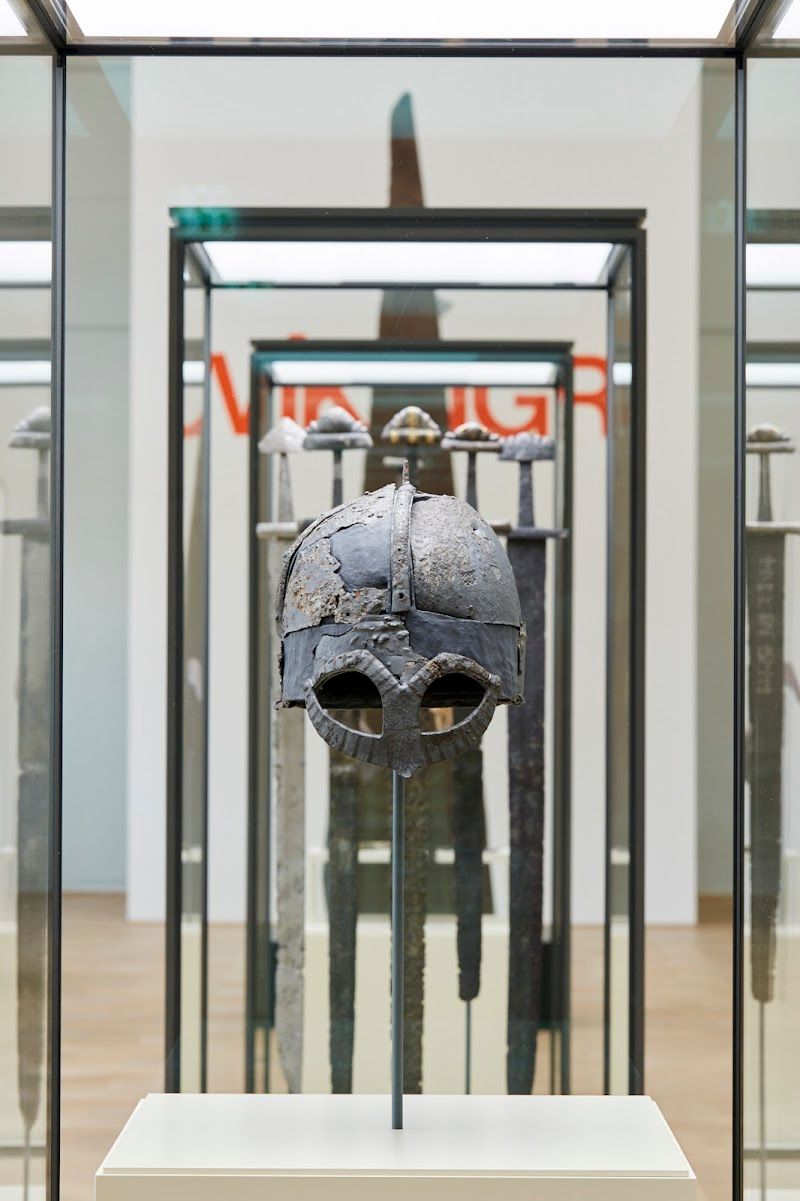
Kulturhistorisk museum
The Kulturhistorisk museum houses Norway's most important Viking collection while the famous ship museum undergoes renovation. You'll find genuine Viking weapons, jewelry, and daily objects that paint a complete picture of medieval Scandinavian life. The highlight is the massive gold treasure hoard and intricately carved medieval church portals that tower above you. Free entry to permanent collections makes this Oslo's best museum value. The building feels like a scaled-down British Museum with high ceilings and marble floors that echo your footsteps. The Viking exhibition on the ground floor draws crowds around the weapon displays and reconstructed burial sites. Upstairs, the medieval church art section stays surprisingly quiet, giving you space to examine wooden stave church portals up close. The atmosphere is scholarly but accessible, with excellent English descriptions throughout. Most visitors rush through to tick boxes, but you should spend at least 90 minutes to absorb the context properly. The temporary exhibitions cost extra (usually 100-150 NOK) and are hit or miss. Skip the ethnographic sections on upper floors unless you're genuinely interested in Arctic cultures. The museum shop is overpriced, but the cafe serves decent coffee if you need a break between floors.
Travel Guides
Expert guides for every travel style
Where to Eat in Oslo: Fish Soup, Brown Cheese & Mathallen
Oslo food without the restaurant budget: fish soup at Mathallen, the brown cheese question answered, Tim Wendelboe filter coffee, reindeer hot dogs, and what dagens rett means for your lunch.
6 min
First Time in Oslo: What You Need to Know
Everything before your first Oslo visit: the real cost, what the Oslo Pass covers, cashless everywhere, the public fjord ferries, and the free attractions that offset the museum prices.
6 min
Frequently Asked Questions
Oslo is the most expensive city in this guide. A beer at a bar costs NOK 95-120 (roughly EUR 8-10). A restaurant dinner is NOK 400-700 per person. Museum entries are NOK 150-200. The strategies that work: the Oslo Pass (NOK 535 for 48 hours) covers 30+ museums and all public transport including the fjord ferries, and it pays for itself if you visit three museums per day. Mathallen food hall in Grünerløkka (NOK 120-180 for a proper lunch) is the best value eating in Oslo. Tim Wendelboe coffee is NOK 55-65 but it is genuinely one of the best coffees you will have in Europe. The free public spaces (Vigeland Sculpture Park, the Opera House roof, the fjord waterfront) are worth several hours and cost nothing.
The Munch Museum (Edvard Munchs Plass 1, NOK 160) is a 13-floor building where Munch's 26,000 works rotate across permanent and temporary exhibitions. The National Museum (Nasjonalmuseet, nearby) also holds the most famous version of The Scream (the 1893 tempera version): if you want to see the single most famous Scream painting, that is where it is. The Munch Museum has four other versions of The Scream and broader context for all of Munch's work. For a first visit: take the lift to the top floor and work down. The permanent collection focusing on Munch's development is on floors 8-11. Floors 12-13 have the temporary exhibitions and the fjord views from the upper gallery windows. Budget 2 hours minimum.
The fjord islands closest to Oslo are Hovedoya, Gressholmen, Langoyene, and Nakholmen. Public ferries (Ruter line B1, B2, B3) depart from the Aker Brygge pier and reach the nearest islands in 10-20 minutes. The ferry costs NOK 42 per single fare (or is included in the Oslo transit pass). Hovedoya has a 12th-century monastery ruin, a small beach, and a summer cafe. Gressholmen has a cafe and a nature reserve. Langoyene has the best swimming beach and gets crowded on hot weekends. The islands are open from late May to early September for the full experience. Bring food and water as the island facilities are limited and expensive.