First Time in Oslo: What You Need to Know
The cost reality, the Oslo Pass, Norway's cashless obsession, the fjord ferry, and what free means
Everything before your first Oslo visit: the real cost, what the Oslo Pass covers, cashless everywhere, the public fjord ferries, and the free attractions that offset the museum prices.
The Reality Check
Oslo will cost you more than any other European capital, and I'm not exaggerating. You'll pay NOK 95 for a beer that costs EUR 3 in Prague, NOK 400 for a dinner that's EUR 20 in Barcelona. But here's what nobody tells you: Oslo's expensive reputation scares away budget tourists, which means the city feels surprisingly uncrowded for a capital. The trade-off works if you plan smart.
The Cost
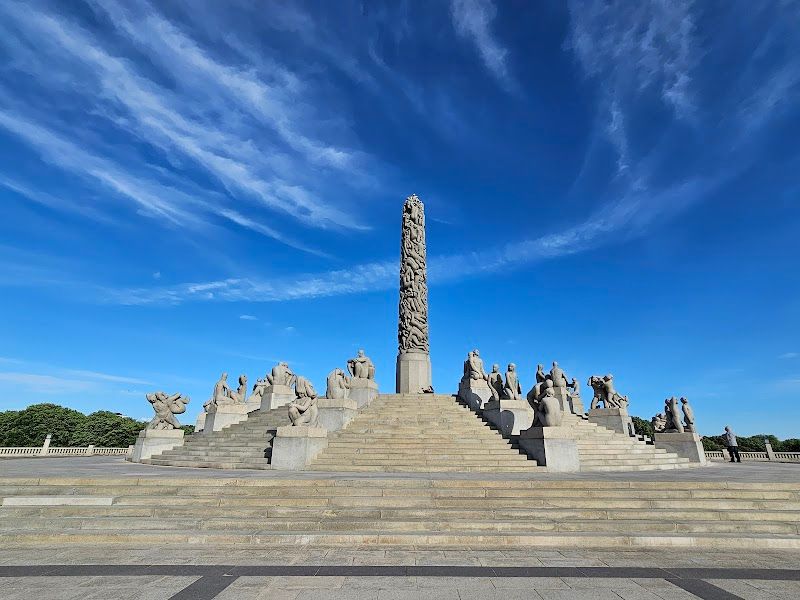
A beer at a bar costs NOK 95-120, roughly EUR 8-10. Restaurant dinner runs NOK 400-700 per person. Museum entry is NOK 150-200. Coffee is NOK 55-75. The Oslo Pass at NOK 535 for 48 hours or NOK 655 for 72 hours covers 30+ museums and all public transport including fjord ferries. It pays for itself if you visit two or three museums per day. Mathallen food hall in Grünerløkka offers the best value eating at NOK 120-180 per lunch. The free spaces like the Opera House roof, Vigeland Sculpture Park, and Akershus Fortress grounds give you a full day at zero cost. Time restaurant meals at lunch for dagens rett, the daily special at NOK 150-200, instead of dinner pricing.
Cashless Reality
Norway is the most cashless country in the world. Most places don't accept cash at all, and some physically can't process it. ATMs exist but they're mostly pointless. You'll pay by card or phone for everything: street food, market vendors, taxis, museums. Apple Pay, Google Pay, Visa, and Mastercard work everywhere. Don't bother getting Norwegian kroner in cash.
Getting Around
The Ruter network of buses, trams, metro, and ferries moves you everywhere in Oslo. Single fare costs NOK 42, 24-hour pass is NOK 121. The T-bane metro has five lines radiating from Sentrum and handles north-south movements efficiently. Trams cover the waterfront and inner west side. The Bygdøy ferry from Rådhusbrygge pier runs to the peninsula museums in summer for NOK 42. Fjord island ferries from Aker Brygge are included in standard transit passes.
The Fjord Islands
Public ferries to inner Oslo fjord islands depart from Aker Brygge pier: B1 to Hovedøya, B2 to Gressholmen, B3 to Langøyene. They're run by Ruter, cost NOK 42 single, or are free with any transit pass. Ferries run late May to early September with roughly 30-minute frequency. Islands are 10-25 minutes from the pier. This is one of the best free activities available in any European capital, and most tourists never figure it out.
Summer Light
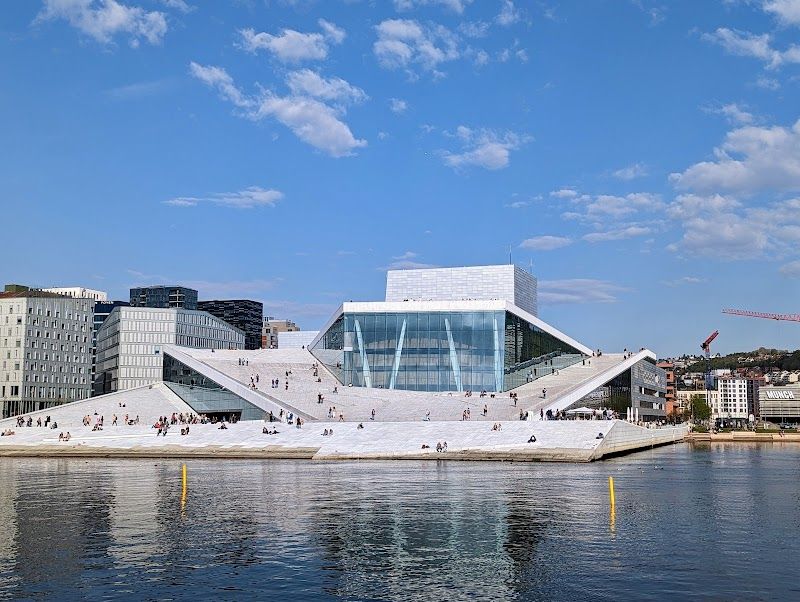
Oslo at midsummer has about 19 hours of usable daylight and never gets fully dark. Sun sets after 10:30 PM and rises before 4 AM on June 21. The Opera House at 9 PM in June, with people sitting on the marble slope in evening sun, is the specific Oslo experience other cities can't replicate. You'll feel disoriented by the endless light, but it means you can pack more into each day.
What Works
Buy the Oslo Pass if you're visiting more than two museums per day
Eat lunch at restaurants, not dinner, to cut costs in half
Use Mathallen food hall for affordable meals with local ingredients
Take fjord ferries to islands for free outdoor time
Download the Ruter app for real-time transit updates
Book restaurant tables in advance, especially for dinner
What Doesn't Work
Bringing cash, most places won't take it
Expecting restaurant prices similar to other European capitals
Relying on taxis, they cost NOK 200+ for short rides
Visiting in winter without proper clothing, it's seriously cold
Assuming you can walk everywhere, Oslo is more spread out than it looks
Ready to Visit Oslo?
Get a personalized itinerary tailored to your travel style and interests.
Plan Your Oslo TripMore Oslo Guides
2-3 Days in Oslo: First-Timer's Itinerary
How to spend 2-3 days in Oslo: the Opera House roof for free, Vigeland Sculpture Park in early morning, Munch Museum (The Scream question explained), fish soup at Mathallen, and the fjord islands by public ferry.
8 min
Where to Eat in Oslo: Fish Soup, Brown Cheese & Mathallen
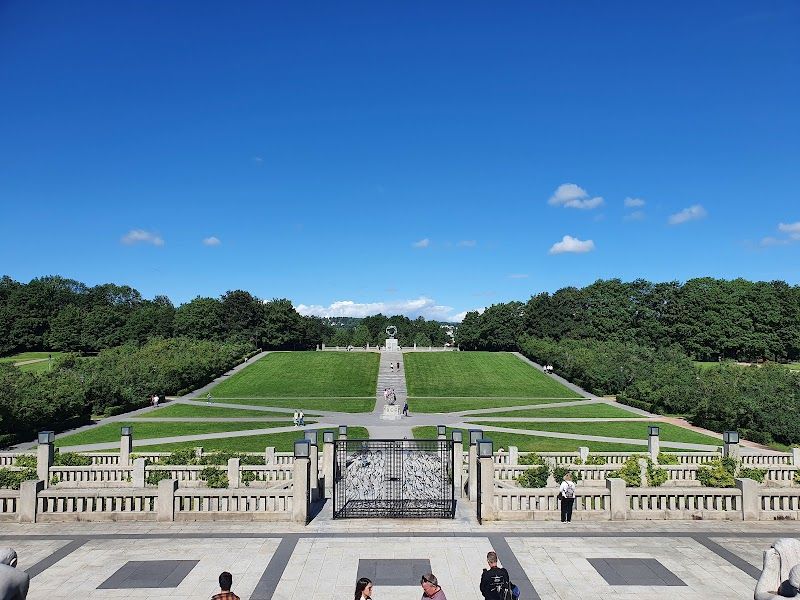
Oslo food without the restaurant budget: fish soup at Mathallen, the brown cheese question answered, Tim Wendelboe filter coffee, reindeer hot dogs, and what dagens rett means for your lunch.
6 min