2-3 Days in Oslo: First-Timer's Itinerary
Opera House at sunrise, Vigeland Park before 9 AM, Munch Museum, fish soup at Mathallen, and the fjord by public ferry
How to spend 2-3 days in Oslo: the Opera House roof for free, Vigeland Sculpture Park in early morning, Munch Museum (The Scream question explained), fish soup at Mathallen, and the fjord islands by public ferry.
2-3 Days in Oslo: First-Timer's Itinerary
Oslo feels different from other Scandinavian capitals. It's less medieval Copenhagen, less royal Stockholm, more like a city that grew up around its fjord and never forgot it. The water is everywhere here, threading between islands, reflecting off glass museums, lapping at the steps of the Opera House. Three days gives you enough time to understand why Norwegians are willing to pay NOK 120 for a beer if it means sitting by that water, and why they built their newest museums right on the harbor instead of tucking them away in old town squares.
Waterfront + Munch Museum
Your first day follows Oslo's relationship with water. You'll walk on top of the Opera House like it's a marble hillside, trace the harbor from modern Tjuvholmen back to the glass-walled Munch Museum, and end in Grünerløkka where locals actually eat dinner. It's a day of learning that Oslo's best experiences happen where the city meets the fjord.
- Opera House roof walk
- Munch Museum
- Fjord views
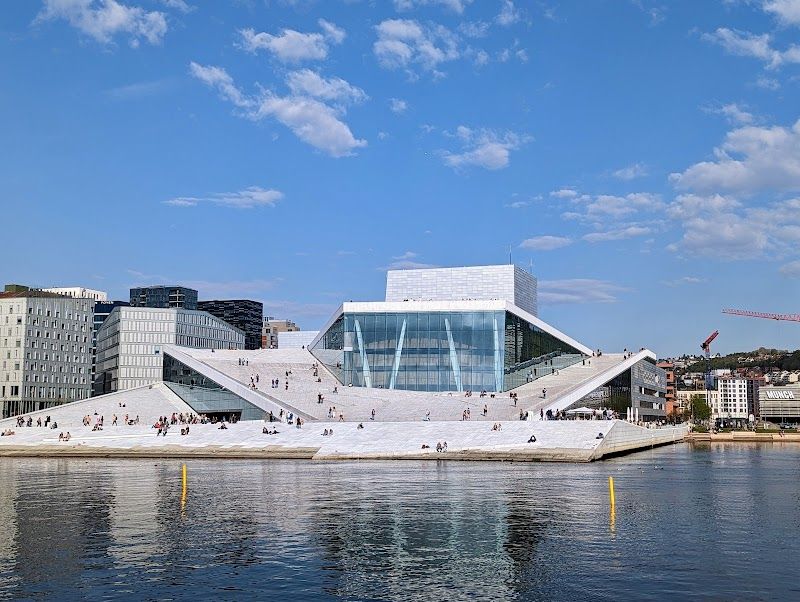
Start at the Opera House at 8 AM when the marble roof is empty and the light hits the fjord correctly. The building looks like an iceberg that drifted into the harbor and decided to stay. Walk up the sloped roof to the top, it's free and feels like climbing a minimalist mountain. Bring coffee from the 7-Eleven across the street because the Opera House cafe won't open for hours, and because drinking coffee on top of a marble roof while looking at fjord islands is the kind of thing you came to Norway to do.
Walk west along the harbor promenade toward Aker Brygge and Tjuvholmen. It's a 25-minute flat walk with the fjord on your right the entire time, past construction cranes and new apartment blocks that cost more than most people's houses. The promenade feels like Oslo showing off its recent wealth, all glass and steel and perfectly maintained walking paths. If contemporary art interests you, the Astrup Fearnley Museum opens at noon on weekdays for NOK 150. If not, skip it and save your museum energy for Munch.
The Munch Museum opens at 12:30 PM and costs NOK 160, but it's the one museum fee in Oslo that doesn't feel like robbery. Take the lift straight to the top floor and work your way down, the opposite of what most people do. The Scream versions are on floors 9 and 10, but honestly the fjord views from the upper gallery windows justify the ticket price alone. Munch understood something about Norwegian light and melancholy that you'll start to feel after two hours in these rooms. The museum cafe on the ground floor serves decent coffee and overpriced sandwiches if you need a break.
Walk back toward the center along Karl Johans gate in the early evening. It's Oslo's main pedestrian street and feels exactly like what it is: a place where tourists take photos of the Royal Palace while locals walk quickly toward somewhere more interesting. Head to Grünerløkka for dinner, either at Mathallen's food court vendors for NOK 120-180, or at one of the sit-down restaurants along Thorvald Meyers gate for NOK 250-400. The neighborhood actually has locals in it, unlike the waterfront you've been walking all day.
Vigeland Park + Grünerløkka
Day two moves inland to Oslo's largest park and most obsessive art project, then follows the Akerselva river south through the parts of the city where people actually live and work. It's a day of understanding that Oslo isn't just waterfront museums and expensive harbor restaurants, it's also a city where someone convinced the government to let him fill an entire park with nude sculptures.
- Vigeland Sculpture Park
- Akerselva river walk
- Akershus Fortress
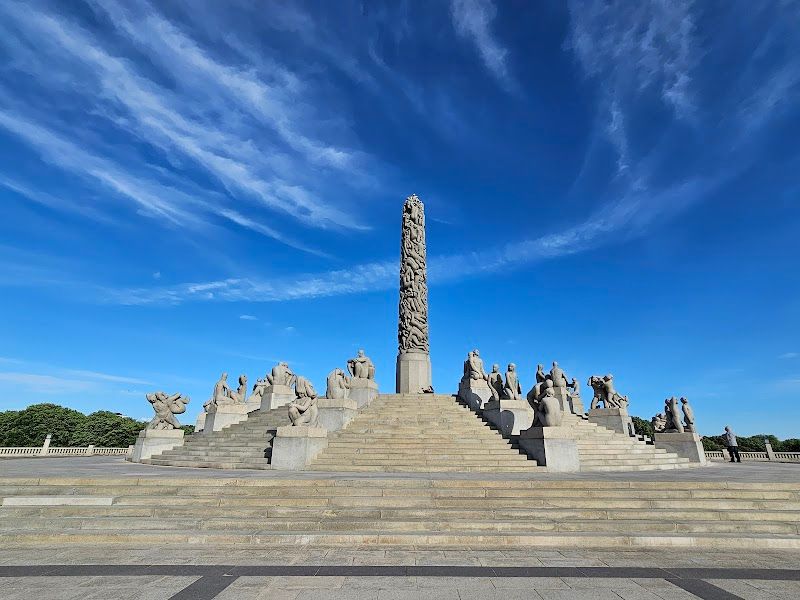
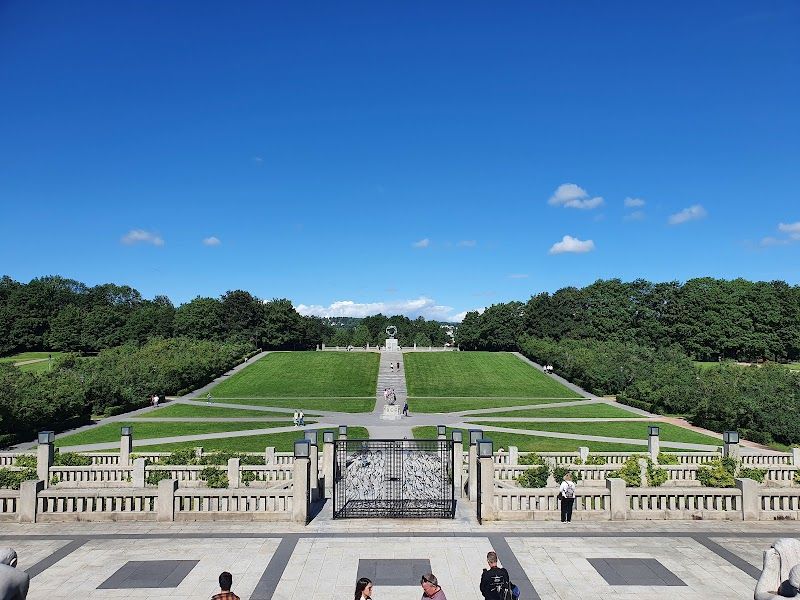
Get to Vigeland Sculpture Park at 8 AM when there are no crowds and the morning light hits the stone correctly. It's free, which is shocking in Oslo, and contains over 200 sculptures by Gustav Vigeland who spent 40 years carving naked people in various states of human emotion. Walk the full 850-meter axis from the main gate to the Wheel of Life sculpture. Yes, it's weird. Yes, it's also genuinely affecting once you stop giggling at the nude toddlers throwing tantrums in granite. The Monolith in the center took 14 years to carve from a single stone and depicts 121 human figures climbing over each other toward something that might be transcendence or might just be the top of a rock.
Take tram 11 or 12 from Majorstuen to Grünerløkka, a 10-minute ride through neighborhoods that look like actual Norwegians live in them. Go to Tim Wendelboe coffee at Grüners gate 1 for what might be the best filter coffee in Northern Europe. NOK 55-65 for a cup, and worth it if you care about coffee, overpriced if you don't. Wendelboe roasts everything himself and can tell you which farm in Ethiopia grew the beans you're drinking, which is either fascinating or insufferable depending on your tolerance for coffee theology.
Mathallen at Vulkan 5 works for lunch, NOK 120-180 for food from vendors selling everything from Vietnamese bánh mì to reindeer hot dogs. It's a food hall in a converted factory building, the kind of place that exists in every European city now but feels less forced here. Eat upstairs if you want to sit down, downstairs if you want to feel like you're shopping at an upscale grocery store.
Follow the Akerselva river south from Mathallen toward the city center, a 3-kilometer walk that takes about 45 minutes. The path follows the old industrial heart of Oslo, passing under brick factory buildings and through small parks where the river crashes over concrete weirs. It's the most pleasant walk in the city and feels like discovering Oslo's 19th-century bones underneath all that modern waterfront development.
End at Akershus Fortress, a 700-year-old castle that overlooks the harbor. The grounds are free and the views from the southern walls justify the walk. It's properly touristy but the fjord vista from up here explains why someone built a fort in this spot. The castle museums cost extra and aren't worth it unless you have a specific interest in Norwegian military history or medieval torture devices.
Have a drink at one of the outdoor bars at Aker Brygge, NOK 95-120 for a beer, which is expensive but the fjord setting justifies it once. You're paying for the view and the experience of drinking Norwegian beer while watching ferries navigate between islands. For dinner, try Lofoten Fiskerestaurant if you want serious seafood (NOK 400-600 for a proper meal) or walk back to Grünerløkka if yesterday's dinner there worked out.
Fjord Islands or National Museum
Your last day splits based on season and preference. Summer means ferries to actual fjord islands where you can swim in surprisingly warm water and eat overpriced sandwiches in medieval monastery ruins. Winter means Norway's best art collection, including the original Scream and the kind of Monet paintings that make you understand why people build entire museums around individual artists.
- Ferry to fjord islands
- National Museum
- Original Scream painting
Option A: Fjord Islands (May-September)
Take ferries from Aker Brygge pier, lines B1, B2, or B3, included in the Oslo transit pass or NOK 42 for a single ride. Hovedøya is 10 minutes away and has 12th-century monastery ruins, a small beach, and a summer cafe that charges NOK 80-120 for simple lunch fare. The ruins are genuinely atmospheric, not Disney medieval, just old stone walls slowly being reclaimed by birch trees and moss.
Gressholmen takes 15 minutes by ferry and operates as a nature reserve with a historic aviation cafe that serves coffee and cake to day-trippers. Langøyene has the best actual beach if swimming interests you, though the water temperature rarely exceeds 18°C even in July. Bring your own food and water because island prices make mainland Oslo look reasonable. Plan 3-5 hours for a full island experience including ferry time and walking around.
Option B: National Museum (Year-round)
The National Museum costs NOK 200 and contains the best art collection in Norway, including the original 1893 Scream tempera painting that inspired all those postcards and coffee mugs. The collection also includes Van Gogh's Night Cafe, works by Monet and Degas, and comprehensive Norwegian art from painters you've never heard of but who understood Nordic light better than anyone else. Allow 2-3 hours and take breaks, it's a large building with a lot to process.
The museum cafe serves decent lunch for NOK 150-200, proper meals not just pastries, and gives you a place to sit down and think about what you've seen. The building itself sits on the Aker Brygge side of the city center, so you can easily walk to the waterfront afterward for one last look at the fjord before leaving Oslo.
Practical Notes
Buy an Oslo Pass (NOK 395 for 24 hours) only if you plan to visit 3+ paid attractions. Otherwise, pay individually.
Trams and buses run frequently but validate your ticket immediately. Controllers check often and fines are NOK 950.
Most restaurants stop serving dinner at 10 PM, earlier on Sundays. Book ahead for anywhere that costs more than NOK 400 per person.
Tap water is free and excellent. Ask for 'springvann' if you want it in restaurants instead of paying NOK 85 for bottled water.
ATMs are everywhere but most places accept cards. Bring cash only for small vendors at Mathallen.
Ready to Visit Oslo?
Get a personalized itinerary tailored to your travel style and interests.
Plan Your Oslo TripMore Oslo Guides
First Time in Oslo: What You Need to Know
Everything before your first Oslo visit: the real cost, what the Oslo Pass covers, cashless everywhere, the public fjord ferries, and the free attractions that offset the museum prices.
6 min
Where to Eat in Oslo: Fish Soup, Brown Cheese & Mathallen
Oslo food without the restaurant budget: fish soup at Mathallen, the brown cheese question answered, Tim Wendelboe filter coffee, reindeer hot dogs, and what dagens rett means for your lunch.
6 min