Oslo
Aker Brygge & Tjuvholmen
The waterfront that replaced the old shipyard: outdoor dining along the harbour, the Renzo Piano art museum on a private sculpture island, and the promenade that connects the Opera House to the city.
About Aker Brygge & Tjuvholmen
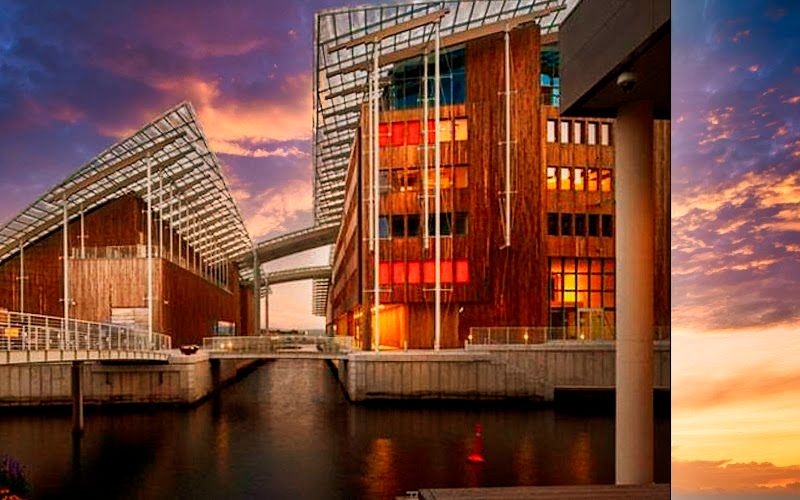
Aker Brygge was Oslo's main shipyard from the 1850s until its closure in 1982. The waterfront area was converted into a mixed-use development in the 1980s and 1990s and is now Oslo's primary outdoor social space: restaurants and bars on the old harbour, a boardwalk facing the fjord, and the departure point for fjord island ferries. Tjuvholmen (Thieves' Island) is an artificial island built from the reclaimed industrial land at the western end of Aker Brygge: it contains the Astrup Fearnley Museum (NOK 150, contemporary art in a Renzo Piano building with a curved timber roof and a canal running through the base), a public beach at the tip (Tjuvholmen Sjobad, open in summer), and a sculpture park on the rocks facing the fjord (free). The harbour promenade runs continuously from Tjuvholmen east along the fjord to the Opera House, a 25-minute walk.
Things to Do
Top experiences in Aker Brygge & Tjuvholmen
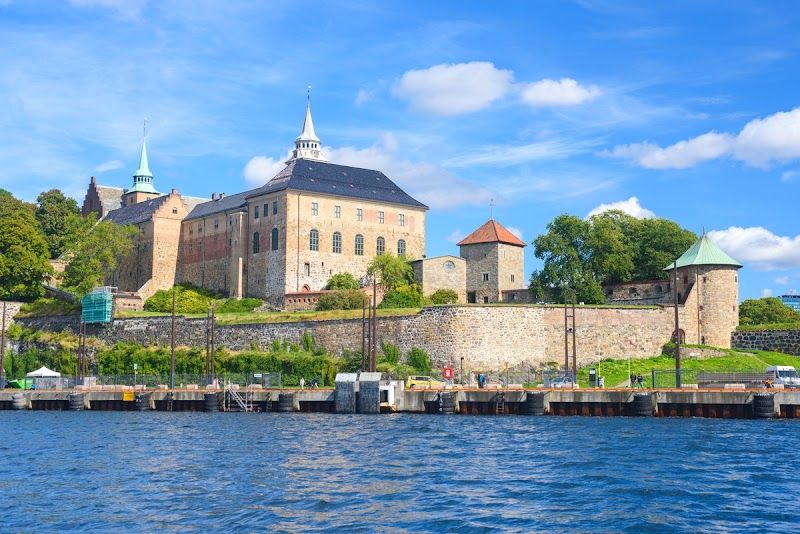
Akershus festning
Akershus Fortress is Oslo's 700-year-old castle perched on a rocky outcrop above the harbor, offering some of the city's best fjord views for free. You'll walk medieval ramparts where cannons still point toward the water, explore courtyards where Norwegian kings once held court, and climb stone walls that defended Oslo through Viking raids, Danish rule, and Nazi occupation. The fortress grounds are completely free to roam, while the castle interior and Norwegian Resistance Museum cost NOK 130 combined if you want the full historical deep dive. Walking these ramparts feels like having Oslo's harbor spread out below you on a map. The stone walls are thick enough to stroll along comfortably, with cannon emplacements every few meters and benches positioned at the best viewpoints. Inside the castle, you'll find surprisingly well-preserved royal halls and chapels, though the real draw is the Resistance Museum's sobering displays about Norway's World War II underground fighters. The contrast between medieval stone and modern harbor development creates this odd time warp effect that works better than it should. Most visitors spend too much time in the castle interior when the rampart walks are the real prize here. The NOK 130 museum ticket is worth it only if you're genuinely interested in resistance history, otherwise save your money and stick to the free grounds. Come late afternoon when the light hits the fjord just right and you'll have better photos than from the expensive observation decks downtown. The cafe inside charges tourist prices for mediocre food, so eat elsewhere.
Nasjonalmuseet
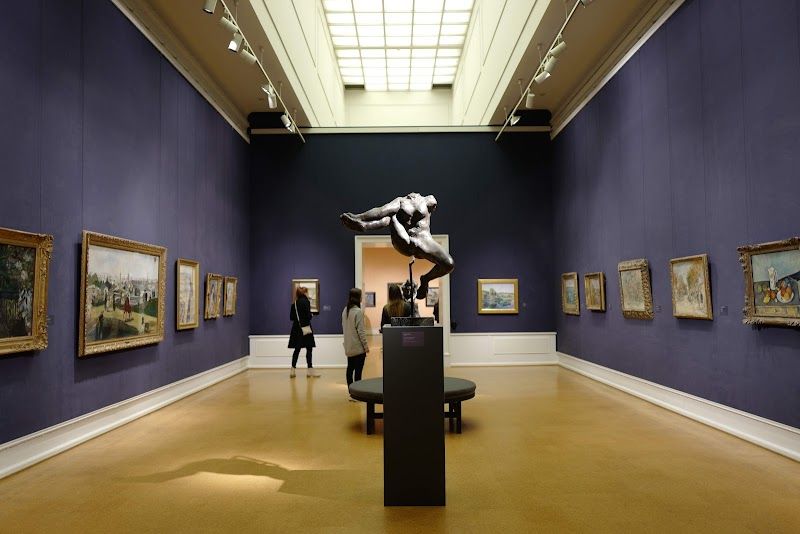
Norway's largest art museum houses an impressive collection spanning 5,000 years, from ancient artifacts to cutting-edge contemporary works. You'll find Norway's most famous painting, Munch's 'The Scream,' alongside masterpieces by Picasso, Monet, and Renoir. The building itself is stunning: the Light Hall soars 16 meters high with floor-to-ceiling windows overlooking the harbor, while specialized galleries showcase everything from Viking-era jewelry to avant-garde installations. The museum flows logically across four floors, starting with antiquities in the basement and climbing through Norwegian Golden Age paintings to modern art on the upper levels. The Light Hall dominates the ground floor and serves as both exhibition space and social hub where locals meet for coffee. Each gallery feels thoughtfully curated rather than overwhelming, and the natural light throughout makes even medieval artifacts feel alive. The rooftop terrace offers genuine respite with harbor views and outdoor sculptures. Most guides don't mention that permanent collection admission costs 200 NOK for adults but includes everything except special exhibitions. Skip the audio guide (100 NOK extra) and use the free app instead. The museum gets packed on free Thursday evenings and weekend afternoons. Come Tuesday or Wednesday mornings for the best experience, and don't try to see everything in one visit. Focus on floors 2-3 for the Norwegian masters, then head to the Light Hall.
Astrup Fearnley Museet
Astrup Fearnley Museet houses one of Scandinavia's strongest contemporary art collections in a Renzo Piano building that's genuinely spectacular. You'll find Jeff Koons balloon dogs, Damien Hirst installations, and Cindy Sherman photographs across two glass pavilions connected by floating walkways. The architecture steals the show: a canal literally flows beneath the building, and there's a dedicated sculpture island accessible by bridge where massive outdoor works change seasonally. The experience flows between indoor galleries and outdoor terraces with fjord views that most art museums can only dream of. Piano's glass walls flood the spaces with natural light, making the art feel alive rather than sterile. The sculpture island becomes almost meditative, especially when fewer visitors are around. You'll spend time moving between the two main pavilions, each with different temporary exhibitions alongside rotating displays from the permanent collection. Admission costs 150 NOK for adults, but it's free Thursday evenings from 5pm to 7pm (expect crowds then). Skip the ground floor shop area and head straight to the upper galleries where the best pieces live. The temporary exhibitions can be hit or miss, so check what's on before visiting. The outdoor sculpture island is actually more impressive than some indoor galleries, and it's included with admission.
Kulturhistorisk museum
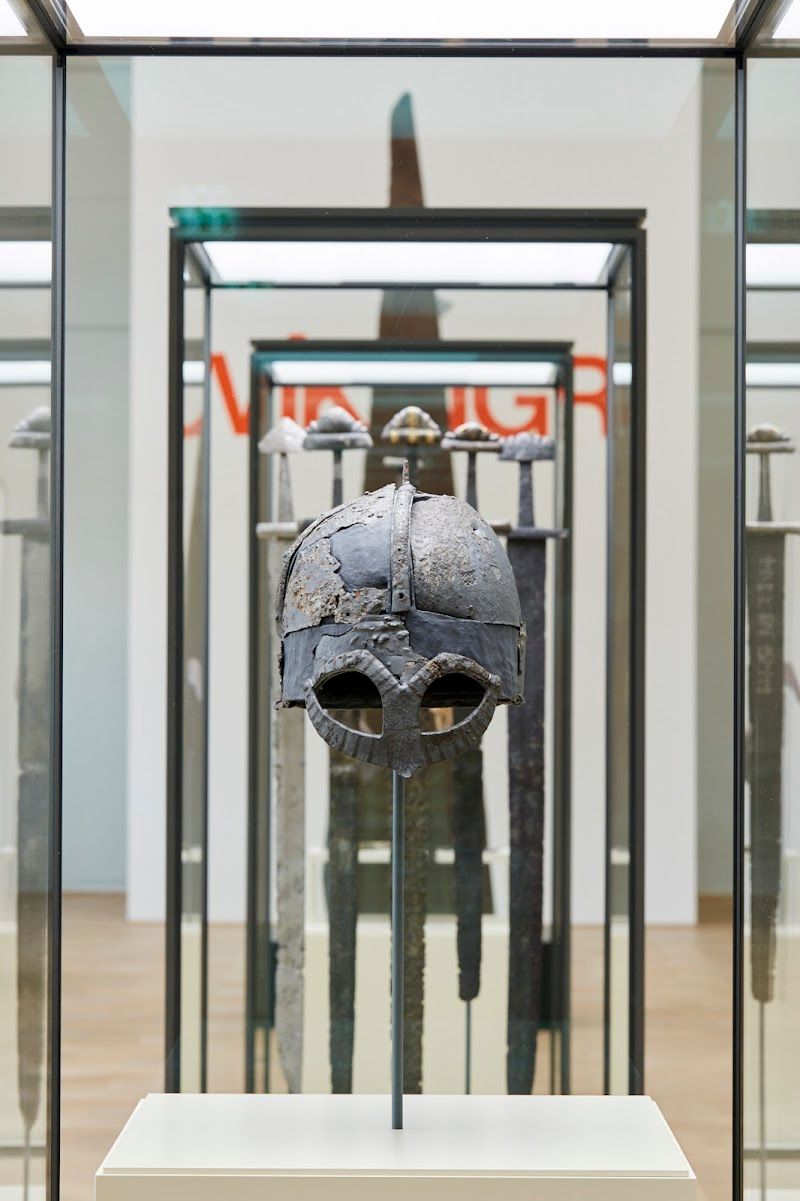
The Kulturhistorisk museum houses Norway's most important Viking collection while the famous ship museum undergoes renovation. You'll find genuine Viking weapons, jewelry, and daily objects that paint a complete picture of medieval Scandinavian life. The highlight is the massive gold treasure hoard and intricately carved medieval church portals that tower above you. Free entry to permanent collections makes this Oslo's best museum value. The building feels like a scaled-down British Museum with high ceilings and marble floors that echo your footsteps. The Viking exhibition on the ground floor draws crowds around the weapon displays and reconstructed burial sites. Upstairs, the medieval church art section stays surprisingly quiet, giving you space to examine wooden stave church portals up close. The atmosphere is scholarly but accessible, with excellent English descriptions throughout. Most visitors rush through to tick boxes, but you should spend at least 90 minutes to absorb the context properly. The temporary exhibitions cost extra (usually 100-150 NOK) and are hit or miss. Skip the ethnographic sections on upper floors unless you're genuinely interested in Arctic cultures. The museum shop is overpriced, but the cafe serves decent coffee if you need a break between floors.
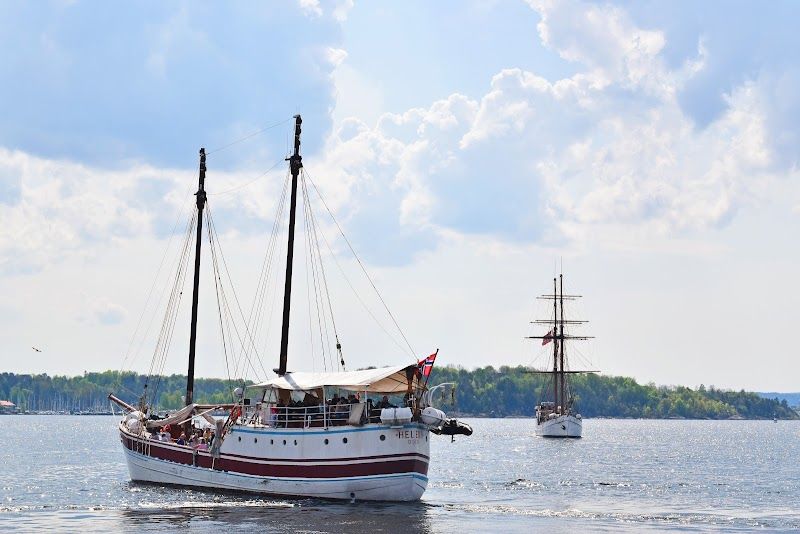
Båtservice Sightseeing
This two-hour fjord cruise from Aker Brygge gives you Oslo's skyline from the best possible angle: water level. You'll circle Hovedøya island, cruise under the Nesodden ferry crossing, and get unobstructed views of the Opera House's slanted roof and the towering Barcode buildings that define modern Oslo. The boat has heated indoor seating with floor-to-ceiling windows plus an outdoor deck for photos. The commentary runs in both Norwegian and English, covering everything from medieval fortress history to modern architecture. You'll feel the shift from urban harbor to open fjord as you round Hovedøya, then back through the ferry lanes where massive Nesodden boats cross overhead. The return journey offers completely different lighting on the same landmarks, especially dramatic in late afternoon when the glass towers catch golden light. At 350 NOK for adults, it's reasonably priced for what you get. Most other Oslo boat tours either skip the inner fjord or cost significantly more for longer routes you don't need. The afternoon departure works best for photography, and you don't need advance booking unless it's peak summer. Skip the expensive snack bar onboard and grab coffee beforehand.
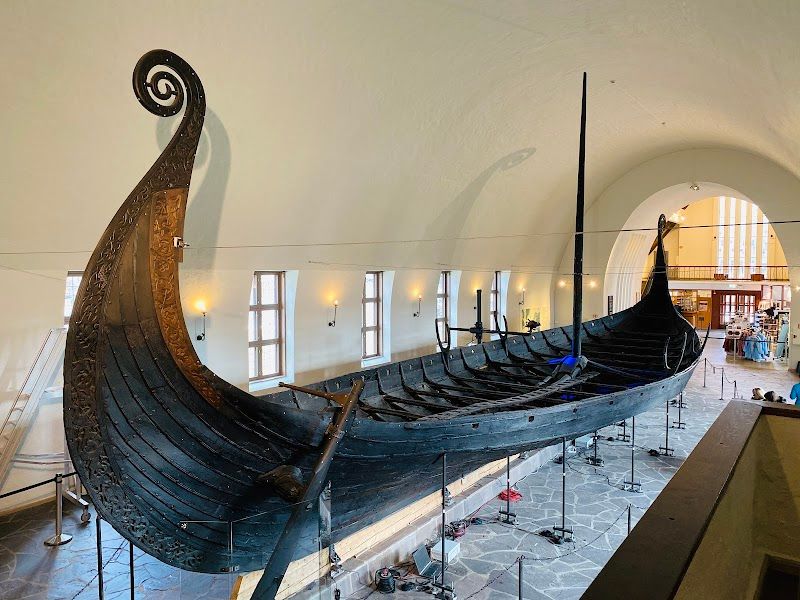
Vikingskipshuset
The Viking Ship Museum houses three genuine 9th-century burial ships discovered in Norwegian fjords, including the spectacular Oseberg ship with its intricate wood carvings and the sturdy Gokstad vessel. These aren't replicas or fragments: you're looking at actual ships that carried Viking chieftains to their final rest over 1,000 years ago. The artifacts buried alongside them, from ornate sleighs to everyday tools, paint the most complete picture you'll find anywhere of how Vikings actually lived and died. Right now though, you can't visit at all. The museum closed in 2019 for a massive renovation that won't finish until at least 2026, possibly later. The ships are being painstakingly conserved in climate-controlled storage while architects build a completely new museum around them. When it reopens, the space will be three times larger with interactive displays and better lighting, but for now the site sits empty behind construction barriers. Honestly, this closure is a huge loss for Oslo tourism, and the timeline keeps slipping. The old museum was cramped and poorly lit, sure, but seeing those ships up close was genuinely breathtaking. Your best alternative is the Museum of Cultural History at the University of Oslo, which has an excellent Viking collection including weapons, jewelry, and household items. It's not the same impact as standing next to a full ship, but it's what we've got until this renovation finally finishes.
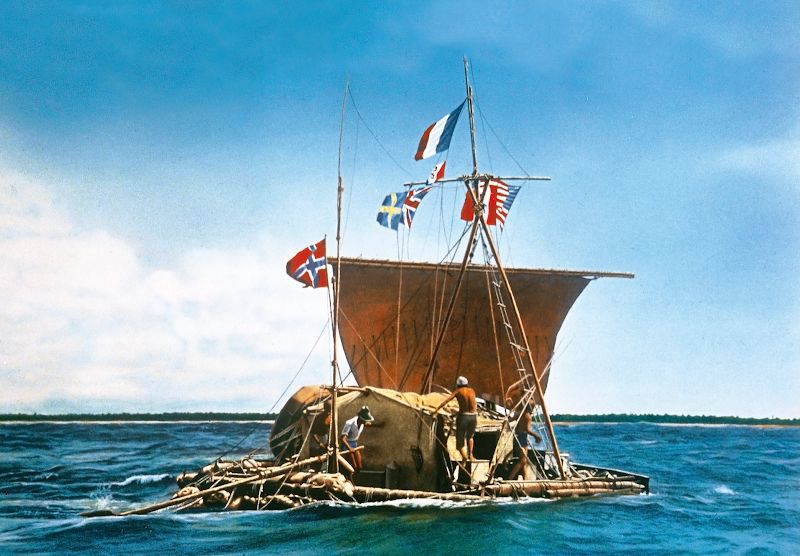
Kon-Tiki Museum
The Kon-Tiki Museum houses the actual balsa wood raft that Thor Heyerdahl and five companions sailed 4,300 miles across the Pacific in 1947, proving ancient South Americans could have reached Polynesia. You'll see the weathered logs, rope bindings, and bamboo cabin exactly as they looked when they washed ashore in French Polynesia after 101 days at sea. The museum also displays the Ra II papyrus boat from Heyerdahl's Atlantic crossing, Easter Island statues, and artifacts from his archaeological expeditions. The museum feels intimate and focused, built around these two remarkable vessels that dominate the main hall. You can walk completely around both boats, studying the ingenious construction and imagining months of ocean swells. The lighting is dramatic, and information panels explain Heyerdahl's theories about ancient migration patterns. The Easter Island section upstairs showcases genuine moai statues and Polynesian artifacts that support his controversial ideas about cultural connections across oceans. This isn't a massive museum, you'll cover everything in about an hour. Adult tickets cost 120 NOK, but the three-museum pass for 220 NOK includes the Fram and Maritime museums next door, which is decent value. Skip the gift shop unless you're obsessed with maritime adventure stories. The museum works perfectly as part of a Bygdøy museum crawl, though honestly, seeing that tiny raft that crossed an ocean is worth the trip alone.
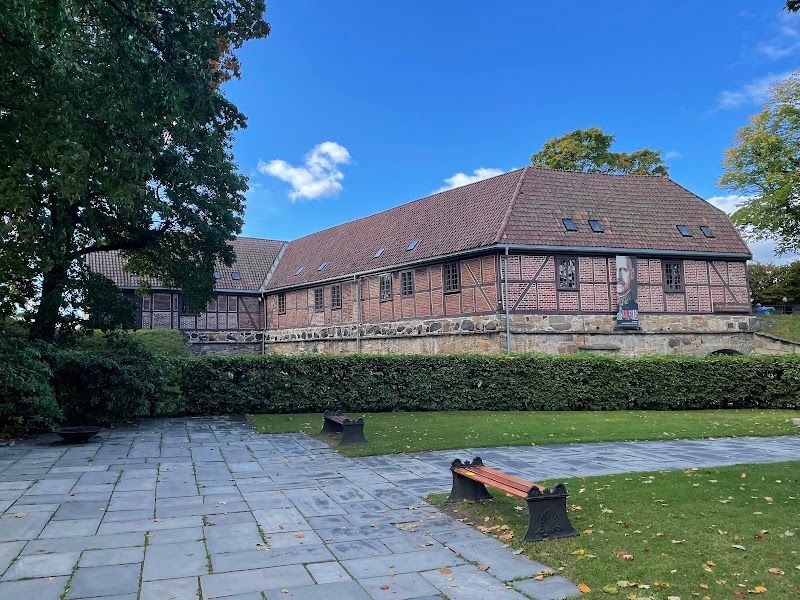
Norges Hjemmefrontmuseum
Located within Akershus Fortress, this museum chronicles Norway's occupation during World War II from 1940 to 1945. The exhibitions cover the resistance movement, daily life under occupation, and the liberation, all presented through personal stories, artifacts, and documents. The museum's setting in the fortress adds historical weight to the experience.
Where to Eat
Restaurants and cafes in Aker Brygge & Tjuvholmen
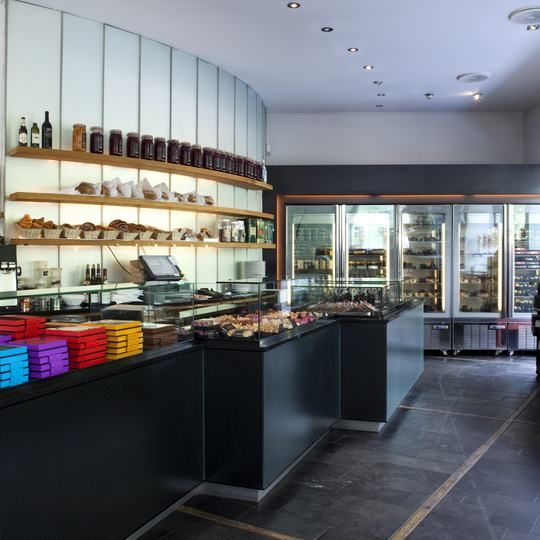
Pascal Konditori & Patisserie
CafeA beloved French-style patisserie that has been a Frogner institution since 1991. Known for their exceptional croissants, pain au chocolat, and elaborate cakes. Everything is made fresh on-site using traditional French techniques.
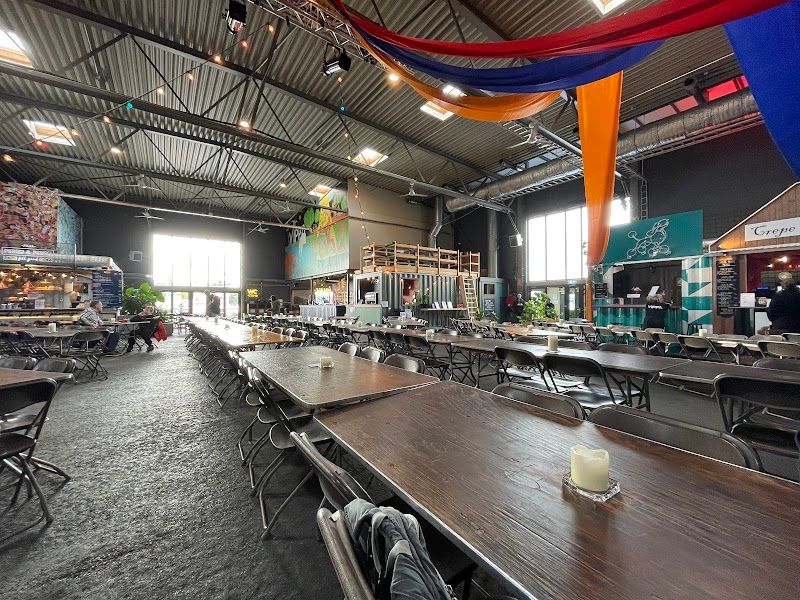
Vippa
RestaurantConverted warehouse on the Bjørvika waterfront housing 16 international street food vendors and a rooftop terrace. The focus is immigrant-run businesses serving authentic dishes from Syria, Thailand, Somalia, and beyond, with most meals NOK 110-160. The location provides views of the Opera House and working harbor.
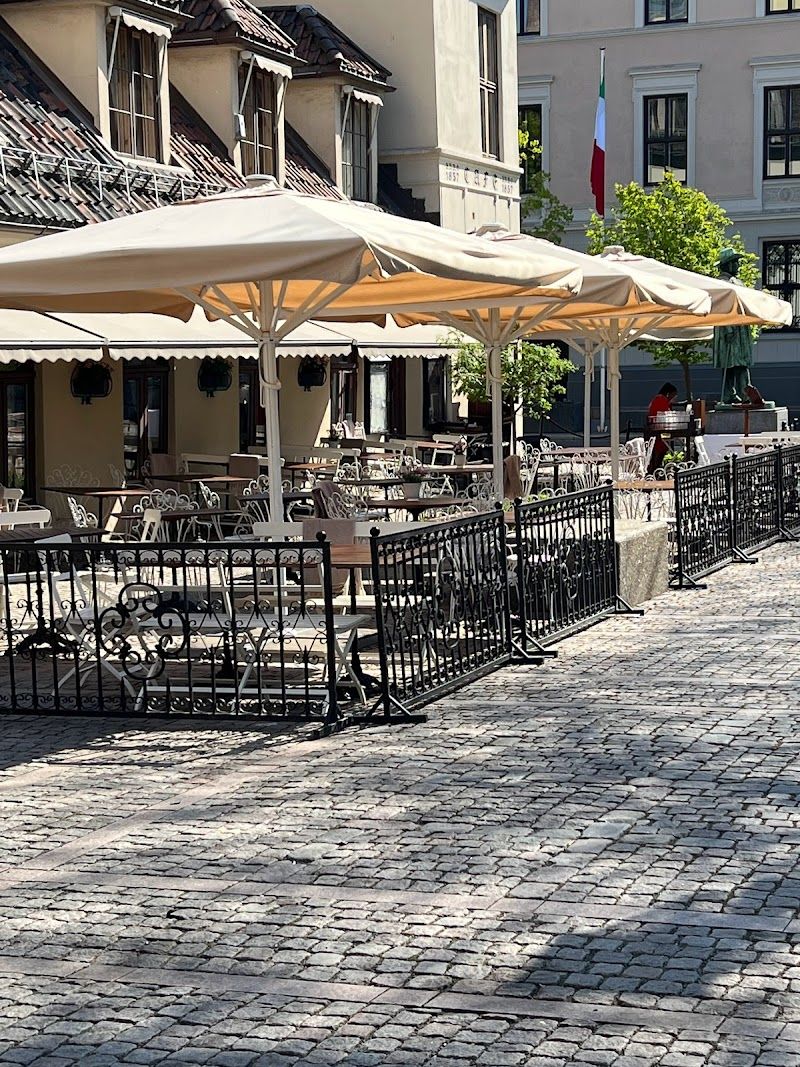
Engebret Café
RestaurantOslo's oldest restaurant, established 1857, serving traditional Norwegian dishes in a historic dining room near City Hall. The menu features farikal (lamb and cabbage stew, NOK 285) and lutefisk during Christmas season. The interior preserves original 19th-century woodwork and Norwegian folk art.
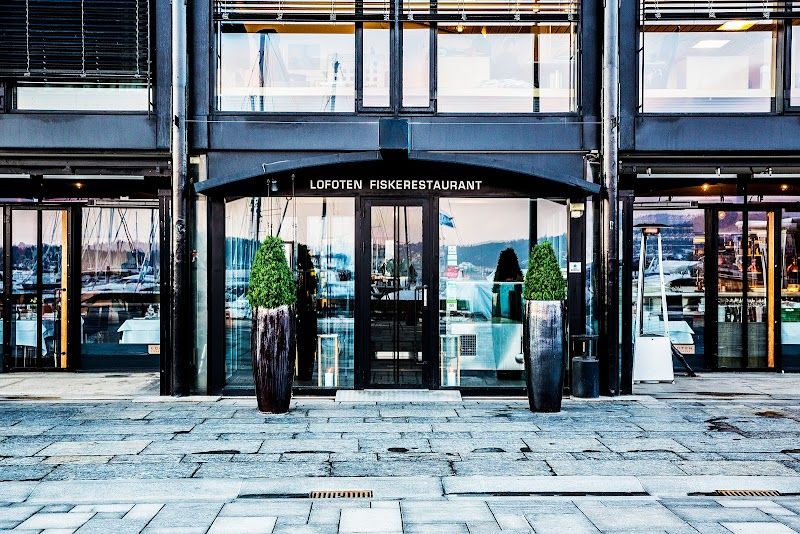
Lofoten Fiskerestaurant
RestaurantClassic Norwegian seafood restaurant on Aker Brygge operating since 1988, known for its no-nonsense approach to coastal cuisine. The dagens rett (daily special) at NOK 195 is exceptional value, usually featuring cod or salmon preparations. The dining room maintains traditional wooden boat decor and maritime artifacts.
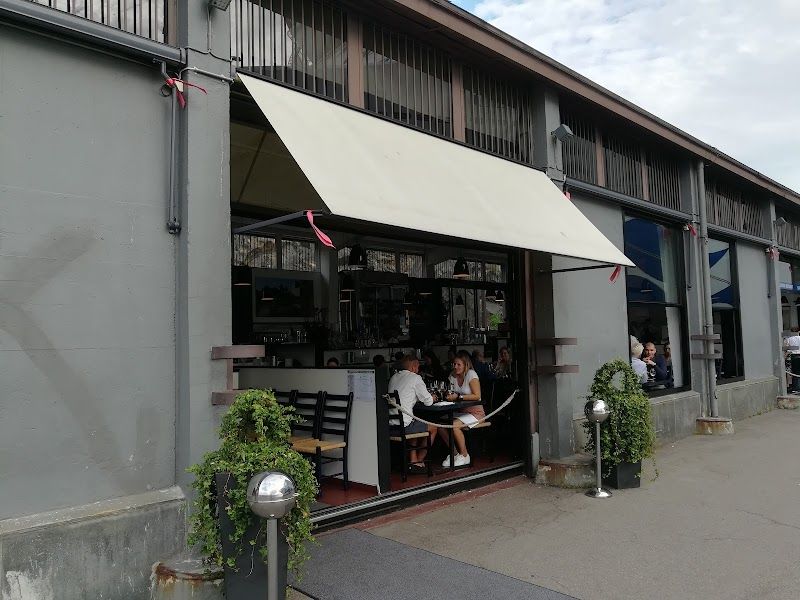
Solsiden Restaurant
RestaurantWaterfront restaurant on Aker Brygge serving traditional Norwegian seafood with harbor views. The rekesandwich (shrimp sandwich) at NOK 245 is piled high with hand-peeled Norwegian shrimp, and the fish soup uses a recipe unchanged for 20 years. Outdoor seating fills quickly on sunny days.
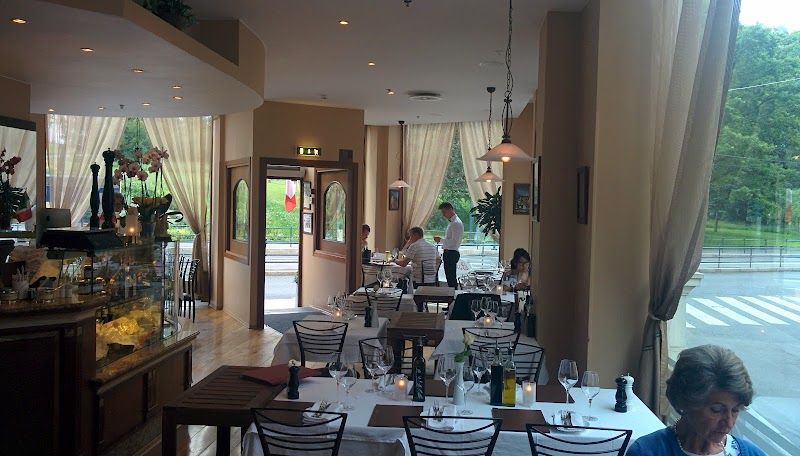
Ruffino Ristorante
RestaurantFamily-run Italian restaurant in Frogner serving house-made pasta and Neapolitan pizza since 1993. The neighborhood location means tourist-free dining and prices NOK 30-50 lower than Sentrum equivalents. Pasta dishes run NOK 220-280, and the daily lunch pasta is NOK 165.
Getting Here
On Foot
Flat waterfront. Aker Brygge is a 15-minute walk from the city centre (Oslo S) along the harbour.
Insider Tips
Tjuvholmen Sjobad for summer swimming
The Tjuvholmen sea bath (Tjuvholmen alle, free) is a public swimming area at the tip of the Tjuvholmen peninsula with a pontoon, changing rooms, and a view of the fjord. It is open from June to August and is used by locals from morning until evening on warm days. The water is clean (Oslo fjord has been cleaned up substantially since the 1980s) and around 20 degrees C in July. The Astrup Fearnley Museum is 200 metres away if you want culture after swimming.
Astrup Fearnley Museum: arrive at opening
The Astrup Fearnley Museum (Strandpromenaden 2, NOK 150) opens at 12 PM Tuesday-Friday and 11 AM on weekends. The early slot gives you the building without the weekend crowds - the architecture (Renzo Piano, completed 2012) is as interesting as the collection: the canal running through the building base, the curved timber roof, and the outdoor sculpture on the island. The permanent collection focuses on international contemporary art from the 1980s onwards with strong American representation (Koons, Hirst, McCarthy).
Nearby Neighborhoods
Continue exploring
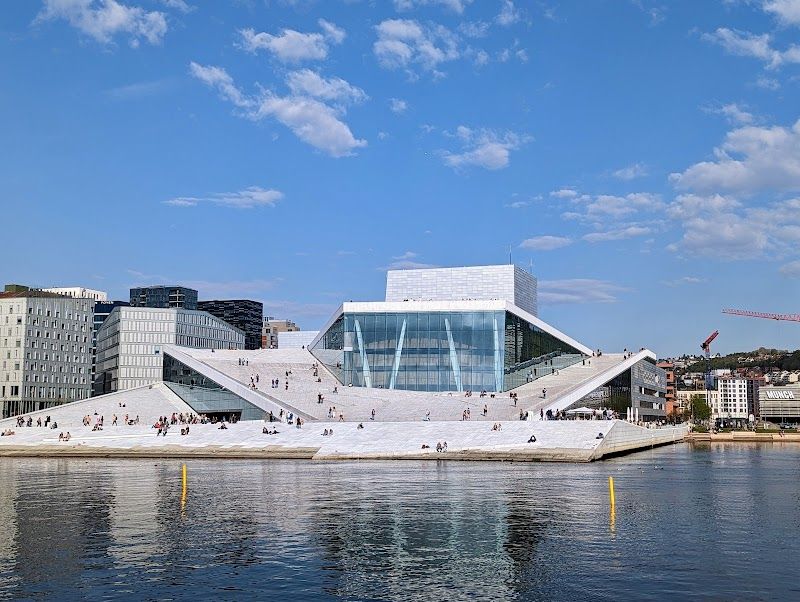
Bjørvika & Opera
The new cultural district built on reclaimed harbour land: the marble Opera House you walk on, the 13-floor Munch Museum, and a public library designed to justify the architecture budget.
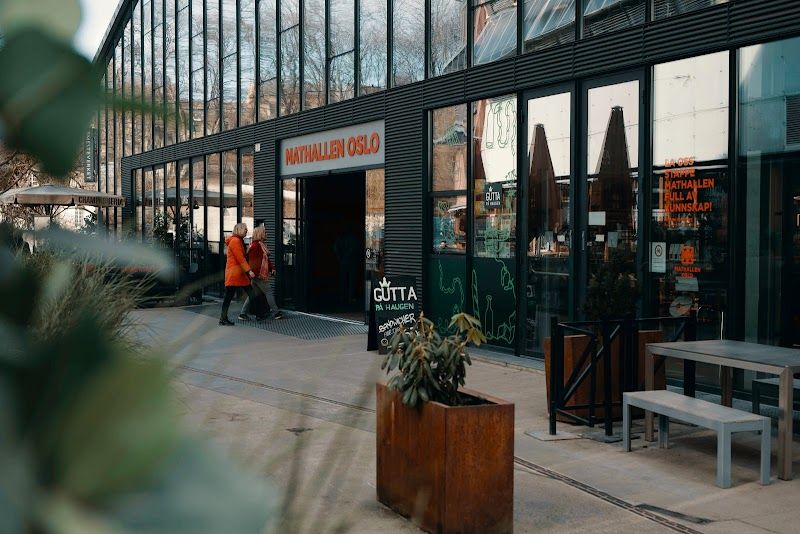
Sentrum & Grünerløkka
The city centre spine and Oslo's creative neighbourhood across the river: the boulevard from the station to the palace, the medieval fortress, the best food hall in Norway, and world-class coffee.
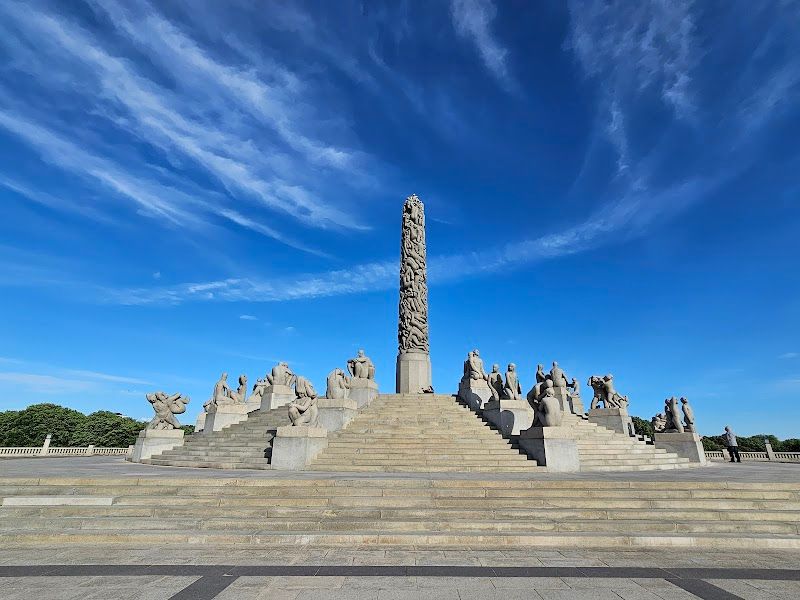
Frogner & Vigeland
The residential west side with the single best free attraction in Scandinavia: 200+ granite and bronze sculptures in a public park, the Monolith at the centre, and locals picnicking around them on summer afternoons.
Plan a trip featuring Aker Brygge & Tjuvholmen
Get a personalized Oslo itinerary with Aker Brygge & Tjuvholmen built in.
Start Planning