Oslo
Frogner & Vigeland
The residential west side with the single best free attraction in Scandinavia: 200+ granite and bronze sculptures in a public park, the Monolith at the centre, and locals picnicking around them on summer afternoons.
About Frogner & Vigeland
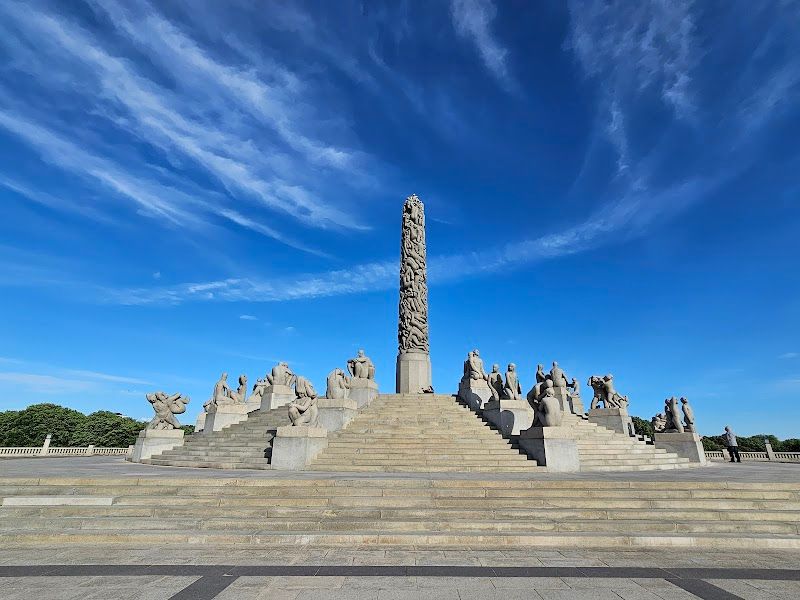
Frogner is Oslo's most established residential neighbourhood: tree-lined streets, large apartments, embassies, and the kind of urban quiet that the waterfront cannot offer. Frogner Park (Frognerparken) covers 45 hectares and contains the Vigeland Sculpture Installation, the most visited attraction in Norway. Gustav Vigeland spent 40 years (1907-1943) creating 212 sculptures in granite, bronze, and wrought iron that are arranged along a 850-metre axis in the park. The installation is free at all hours and conditions: the Monolith (14 metres of intertwined granite human figures, technically the world's largest granite sculpture carved by a single person) at the highest point, the Angry Boy (the bronze boy having a tantrum, the most reproduced image from the park) near the main fountain, and the Wheel of Life (a circular bronze sculpture of 14 human figures connected in a ring) at the far end. People jog past the sculptures, children play around the fountain, and the occasional argument about what the sculptures mean happens in real time.
Things to Do
Top experiences in Frogner & Vigeland
Vigeland Sculpture Park
Gustav Vigeland's sculpture park is Norway's most visited attraction for good reason: 212 sculptures in granite, bronze, and wrought iron spread along an 850-meter axis through Frogner Park. You'll walk past hundreds of human figures in every stage of life, from babies to elderly, all carved by one obsessed artist over 40 years. The centerpiece Monolith rises 14 meters high, showing 121 intertwined human bodies that Vigeland carved himself over 14 years. It's completely free and open 24/7. The experience feels like walking through someone's fever dream about humanity. You start at the bridge with 58 bronze figures, including a man literally fighting four winged creatures, then climb toward the Monolith through increasingly intense sculptures. The famous Angry Boy (just 60cm tall) throws his tantrum near the fountain, polished smooth by millions of tourist hands. Early morning gives you directional light that makes the granite glow and the bronze figures cast dramatic shadows. Most people rush to the Monolith and miss the subtlety. The Wheel of Life at the far end is actually more powerful and gets ignored by tour groups. Don't bother with the museum unless it's raining, the outdoor sculptures tell the whole story. Take tram 12 to Vigelandsparken stop, not the main Frogner entrance that dumps you at the wrong end.
Frognerparken
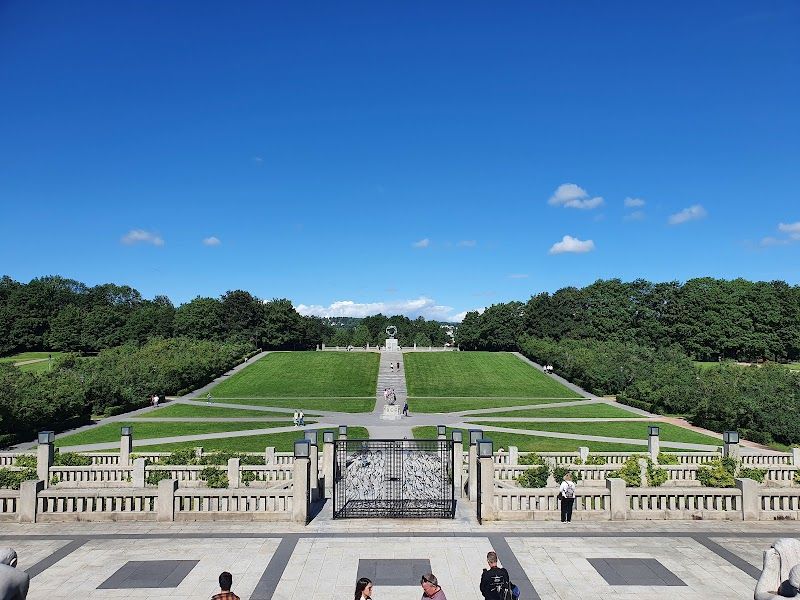
Frognerparken sprawls across 45 hectares as Oslo's largest park, with Gustav Vigeland's 200+ sculptures forming the centerpiece that draws 1.2 million visitors annually. You'll find naked bronze and granite figures depicting the human condition scattered throughout manicured grounds, plus rose gardens with 14,000 plants, vast lawns perfect for football games, and the historic Frogner Manor housing Oslo City Museum. The park connects seamlessly to residential Frogner, making it feel like a genuine neighborhood space rather than a tourist trap. Your visit flows naturally from the main Kirkeveien entrance through the sculpture installations, where families picnic between bronze children and elderly couples contemplate Vigeland's emotional figures. The atmosphere shifts dramatically between sections: formal rose gardens buzz with photographers, open lawns fill with locals playing frisbee and grilling, while tree lined paths offer quieter moments. Weekend afternoons bring crowds, but the park's size means you can always find space to breathe. Most guides oversell the sculptures while ignoring the park's real charm as Oslo's backyard. Skip the overcrowded Monolith area during summer weekends and head straight to the western sections near the manor for better people watching. The rose garden peaks in late June and July but looks sad by August. Parking costs 30 NOK per hour, but trams 12 and 19 drop you at multiple entrances for the price of a regular ticket.
Det Kongelige Slott
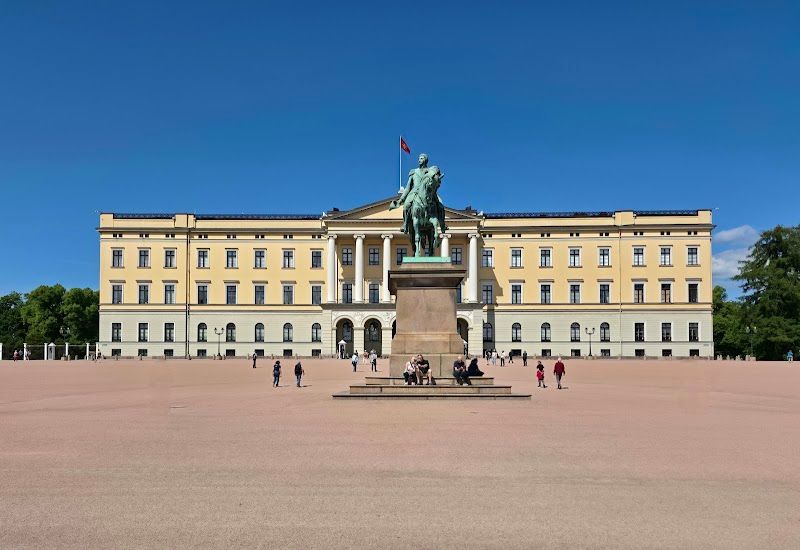
Det Kongelige Slott sits at the western end of Karl Johans gate, serving as the working residence of Norway's royal family since 1849. The neoclassical building itself looks modest compared to European palaces, but the real draw is the 22-hectare park that surrounds it, filled with century-old trees, sculptures, and surprisingly peaceful walking paths just minutes from downtown Oslo. During summer, you can tour the opulent State Rooms where the king receives dignitaries, complete with original 19th-century furnishings and Norwegian artwork. Walking through the palace grounds feels like discovering Oslo's green lung, with locals jogging past while tourists snap photos of the salmon-colored facade. The park's network of gravel paths winds past the Royal Mausoleum and several monuments, while ducks paddle in small ponds and families picnic on the lawns. If you time it right for the 1:30 PM changing of the guard, you'll watch Norwegian soldiers in dress uniforms march in formation while a small crowd gathers on the forecourt. Most visitors expect Versailles and get disappointed by the palace's understated exterior, but that misses the point entirely. The summer tours (NOK 160, late June to mid-August only) sell out quickly and honestly feel rushed for the price. Skip the tour and spend your time exploring the free park instead, especially the western section where most tourists don't venture. The changing of the guard is worth catching once, but don't plan your whole day around it.
Holmenkollen Ski Jump
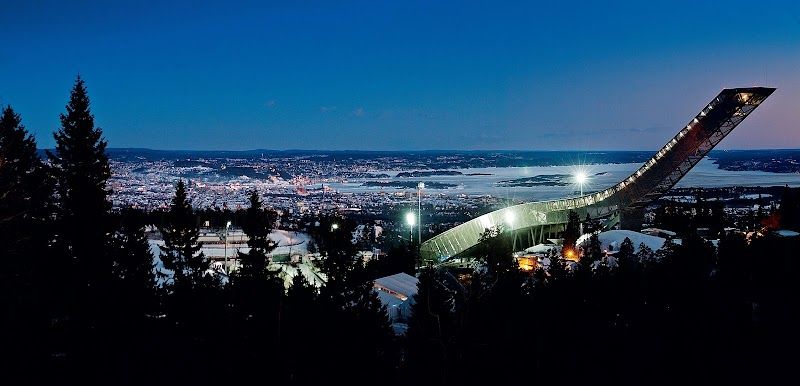
This 60-meter ski jump tower gives you two distinct experiences: a heart-stopping elevator ride to the top platform where Olympic ski jumpers launch themselves into space, and a surprisingly engaging museum below that traces skiing from ancient cave paintings to modern Olympic glory. The views from the top stretch across Oslo's rooftops to the Oslofjord, but honestly, it's the sheer drop beneath your feet that'll get your adrenaline pumping. The ski simulator lets you experience what jumpers see hurtling down at 90 km/h. You'll start in the museum, which feels more like a journey through Norwegian culture than a typical sports exhibit. Ancient wooden skis, polar expedition gear, and interactive displays keep you engaged for about 45 minutes before you take the elevator up. Standing on the jump platform is genuinely thrilling, especially when you realize Olympic athletes actually leap from here. The wind whips around you while Oslo spreads out below, making even confident heights enthusiasts grip the railings. Most guides don't mention that NOK 140 is steep for what amounts to a 10-minute elevator ride and view, though the museum does add value. Skip the overpriced cafe at the base, it's tourist trap territory. The simulator is fun but brief, don't build your whole visit around it. If you're pressed for time, spend 30 minutes in the museum highlights, then head straight up for the views and adrenaline rush.
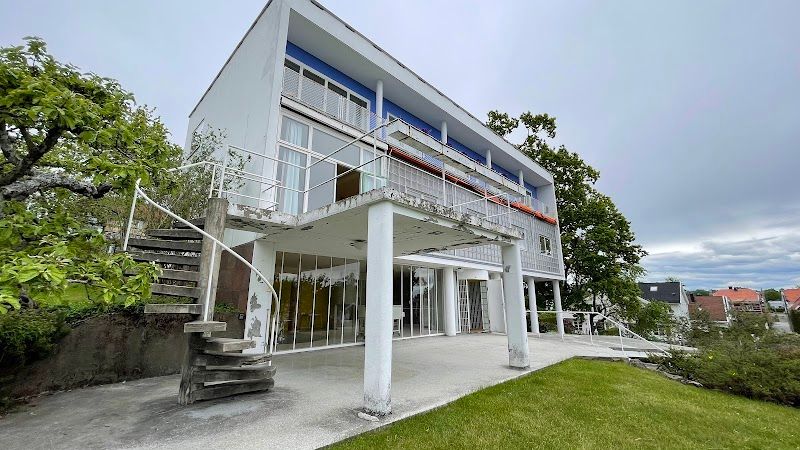
Villa Stenersen
A pristine example of functionalist architecture designed by Arne Korsmo in 1939. This modernist villa hosts rotating contemporary art exhibitions and offers insight into Oslo's architectural heritage. The building itself is as much an attraction as the art it houses.
Where to Eat
Restaurants and cafes in Frogner & Vigeland
Getting Here
On Foot
The park is flat and entirely walkable once inside. From Oslo S it is a 40-minute walk; from Majorstuen metro station it is 15 minutes.
Insider Tips
Vigeland Park early morning or late afternoon
The sculpture park (Frognerparken, free, open 24 hours) is most atmospheric in the early morning (8-10 AM) when it is quiet and the light is directional, or late afternoon when the low sun catches the stone textures. Midday in July and August brings the largest crowds and the hardest photographic light. The Monolith is at the highest point of the 850-metre axis: walk from the main gate at Kirkeveien toward it and you get the full perspective. The sculptures closest to the gate (the bridge with the bronze figures) are the most visited; the back sections near the Wheel of Life are quieter.
The Angry Boy is not where you think it is
The most famous sculpture in Vigeland Park (the small angry bronze boy, arms at his sides, mid-tantrum) is not on the Monolith bridge where most guide maps place it. It is near the main fountain, slightly off the central axis to the right when walking from the main gate. The sculpture is 60 cm tall; you will walk past it if you stay on the main path. The bronze is polished smooth on the boy's right hand where decades of visitors have touched it for luck.
Nearby Neighborhoods
Continue exploring
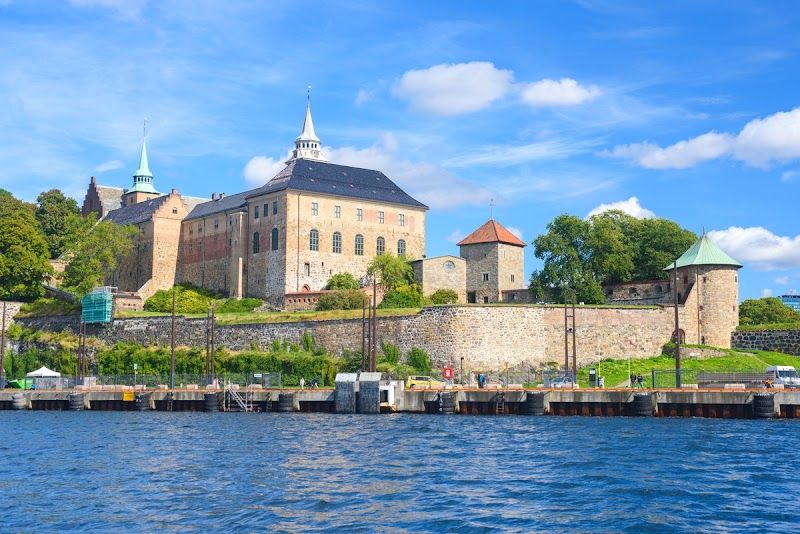
Aker Brygge & Tjuvholmen
The waterfront that replaced the old shipyard: outdoor dining along the harbour, the Renzo Piano art museum on a private sculpture island, and the promenade that connects the Opera House to the city.
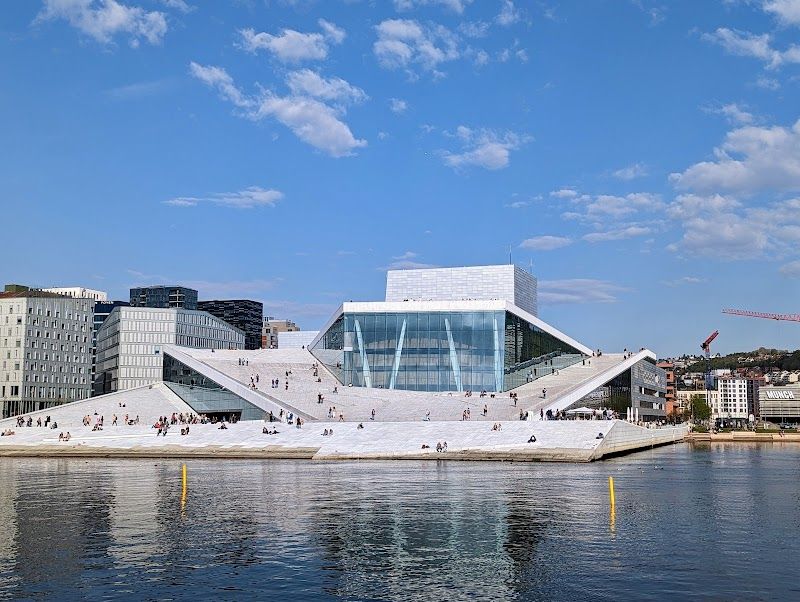
Bjørvika & Opera
The new cultural district built on reclaimed harbour land: the marble Opera House you walk on, the 13-floor Munch Museum, and a public library designed to justify the architecture budget.
Sentrum & Grünerløkka
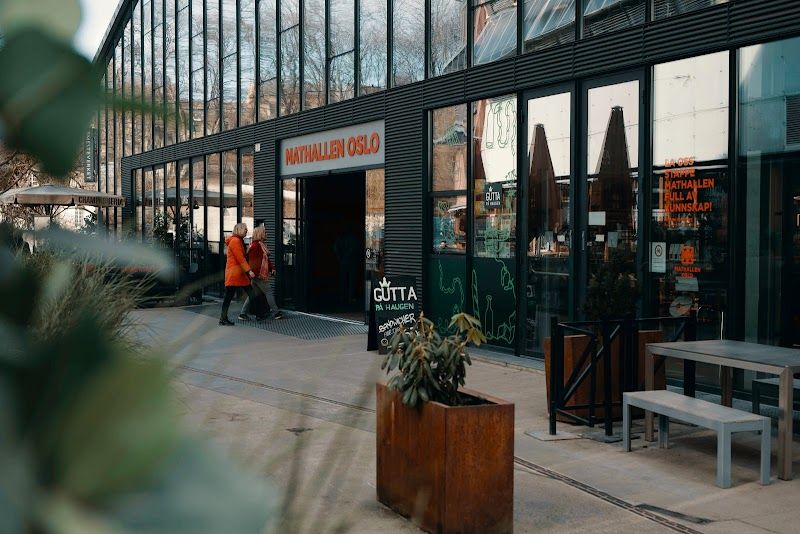
The city centre spine and Oslo's creative neighbourhood across the river: the boulevard from the station to the palace, the medieval fortress, the best food hall in Norway, and world-class coffee.
Plan a trip featuring Frogner & Vigeland
Get a personalized Oslo itinerary with Frogner & Vigeland built in.
Start Planning