Paris
Bastille / Oberkampf
Revolutionary spirit and nightlife energy
About Bastille / Oberkampf
Bastille is the neighborhood that started a revolution and never really stopped. The place where the fortress once stood is now a traffic circle with a column in the middle, surrounded by restaurants and bars that stay open later than almost anywhere else in the city. Oberkampf, the street running northeast from here, is where the nightlife concentrates.
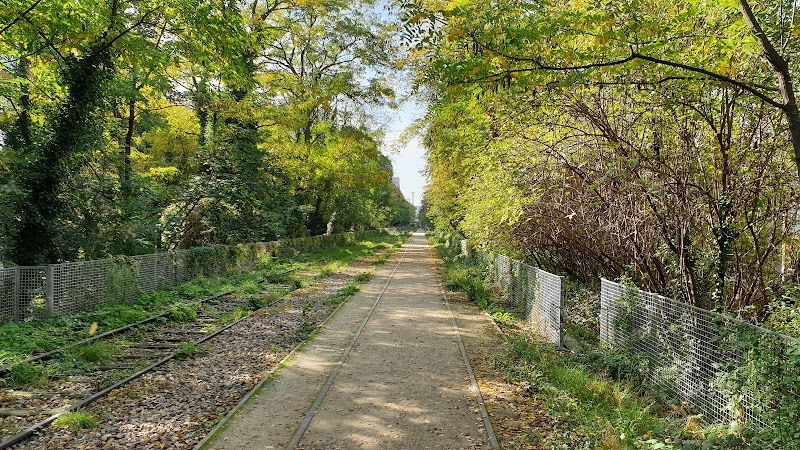
But the daytime version is just as interesting. The Coulee Verte Rene-Dumont is an elevated park built on old railway tracks - it was the original inspiration for New York's High Line. The walk starts behind the Bastille opera house and runs for nearly 5 kilometers through the 12th arrondissement. Below it, the Viaduc des Arts houses artisan workshops in the old railway arches.
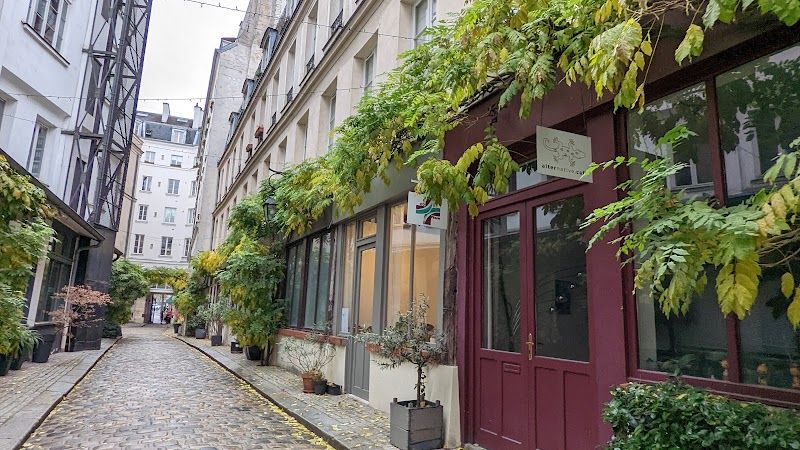
Cour Damoye, a cobblestone alley off Rue de la Roquette, leads to a hidden courtyard of workshop-studios. Le Baron Rouge on Rue Theophile Roussel is a wine bar where locals stand at barrels eating oysters on Sunday mornings. Moonshiner, hidden behind a pizza joint's cold room door, serves cocktails in a speakeasy that actually earns the name.
Things to Do
Top experiences in Bastille / Oberkampf
Parc zoologique de Paris
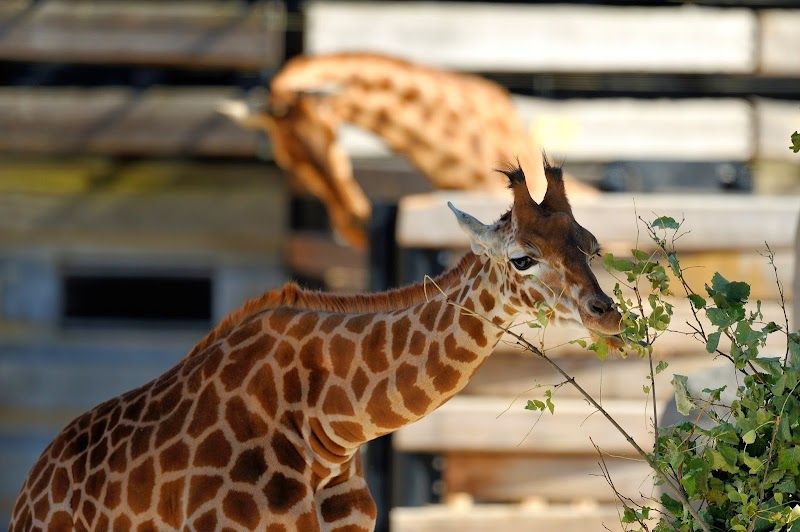
This isn't your typical cramped city zoo - the Parc zoologique de Paris sprawls across Vincennes with five distinct biozones that actually feel like different continents. The Patagonia section with its sea lions and penguins feels genuinely wild, while Madagascar's lemurs leap overhead in massive enclosures. The Grand Rocher dominates everything, housing giraffes whose heads appear at eye level when you reach the upper viewing decks. The layout flows naturally between biozones, though the African Savanna requires serious walking - it's genuinely huge with multiple viewing points for the lions. The greenhouse in Amazonia gets uncomfortably humid but the jaguars and manatees make it worthwhile. Kids lose their minds at the interactive elements, especially the underground viewing areas where you're literally inside the animal habitats. Skip the overcrowded weekend afternoons when strollers clog every pathway. The restaurant is overpriced cafeteria food - pack lunch and use the extensive picnic areas. Start with Patagonia for the feeding shows, then work counterclockwise to avoid backtracking. Budget four hours minimum; this place is massive and you'll be walking constantly on uneven terrain.
Coulée Verte René-Dumont
Paris pioneered elevated park design with this 4.7km green walkway built on a defunct 19th century railway line, inspiring New York's High Line decades later. You'll walk through bamboo groves and rose gardens suspended above street level, pass through atmospheric tunnels carved from old railway cuts, and emerge onto the tree lined Promenade Plantée that leads all the way to Bois de Vincennes. Below the brick arches, artisan workshops in the Viaduc des Arts let you watch glassblowers, furniture makers, and jewelry designers at work. The experience shifts dramatically as you move east from Bastille. You start elevated on the renovated viaduct, walking through what feels like a secret garden floating above the 12th arrondissement. The bamboo tunnel section around Avenue Ledru Rollin creates an almost tropical microclimate, while roses spill over the railings. After Place de la Bastille, the path drops to ground level and becomes more parklike, winding through residential neighborhoods with playgrounds and community gardens. Most guides treat this as one continuous attraction, but honestly, the magic happens in the first 2km on the elevated section. The ground level portion feels like any pleasant neighborhood park and takes forever to walk. Skip everything past Jardin de Reuilly unless you're specifically heading to Bois de Vincennes. The artisan shops below are hit or miss, many close unpredictably despite posted hours, so don't plan your visit around them.
La Promenade Plantée
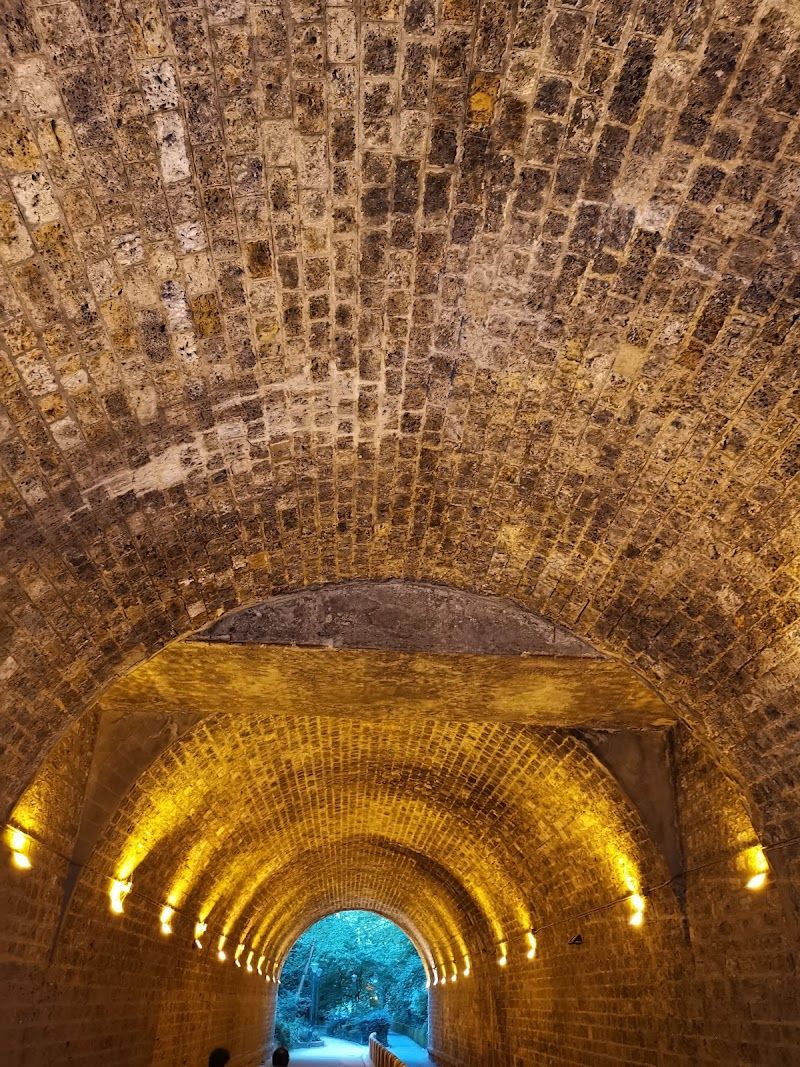
La Promenade Plantée transforms a defunct 1960s railway line into Paris's most inventive park, stretching 4.7 kilometers from Bastille to the edge of Bois de Vincennes. You'll walk through bamboo groves, rose gardens, and contemporary sculptures while staying elevated above busy streets. The first section runs along the beautiful Viaduc des Arts, where 50 brick arches below house working artisan workshops selling everything from handmade furniture to vintage posters. The experience shifts dramatically as you progress eastward. You start 10 meters above Avenue Daumesnil with sweeping views over Haussmanian rooftops, then descend to ground level where the path becomes wilder and more secluded. Tunnel sections create cool, echoing chambers filled with ferns and moss, while open stretches reveal unexpected urban gardens. The contrast between manicured western sections and the increasingly natural eastern portions makes this feel like several different parks connected by one continuous ribbon. Most guides oversell the entire length, honestly, the final kilometer through residential areas gets monotonous. The payoff is the first 2.5 kilometers from Bastille to Jardin de Reuilly, which captures all the best elements without the suburban slog. Skip the crowded weekend afternoons when families with strollers clog the narrow sections. The park is free, but bring water since there are limited fountains along the route.
Cour Damoye
Cour Damoye is a working artisan courtyard where furniture makers, sculptors, and small galleries still operate from 18th-century workshops. You'll find active ateliers behind weathered blue doors, with craftspeople restoring antiques and creating custom pieces. The cobblestone courtyard feels like a functioning museum where traditional skills survive in modern Paris. Entry costs nothing, and several small galleries sell affordable pieces from local artists. You enter through a narrow passage off busy Rue de Lappe that opens into complete tranquility. The contrast hits immediately: one moment you're dodging scooters, the next you're walking on centuries-old stones past ivy-covered workshops. Workshop doors often stand open, revealing cluttered interiors filled with wood shavings, half-finished sculptures, and tools that look unchanged since Napoleon's time. The sound of hand planes and chisels replaces traffic noise. Most travel guides oversell this as some magical secret, but it's simply a working courtyard that happens to be beautiful. Don't expect Instagram-perfect scenes: this is functional space first. The best time is Tuesday through Thursday afternoons when workshops are active but not overrun with curious tourists. Skip weekends when most ateliers close and the courtyard feels empty.
Le marché couvert Beauvau
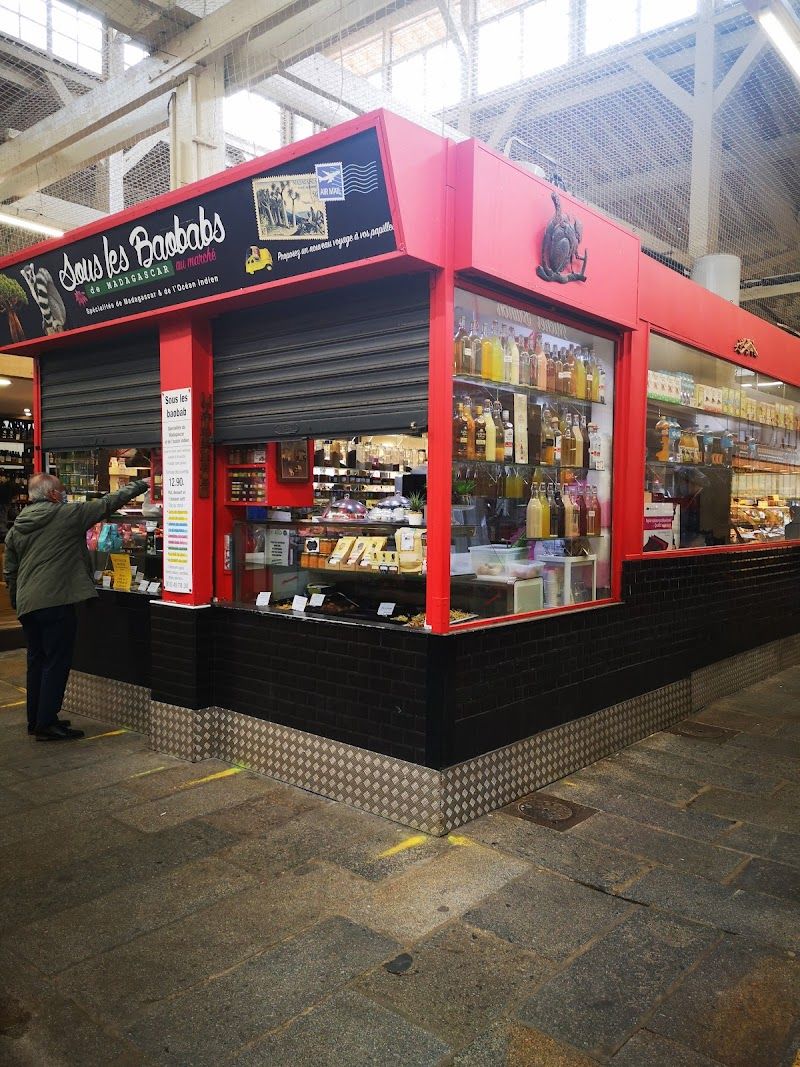
Le marché couvert Beauvau sits at the center of Place d'Aligre, where a traditional covered hall houses proper butchers, fishmongers, and cheese vendors who've been here for decades. The surrounding square fills with fruit vendors selling perfect mangoes for €1, North African spice dealers, and clothes stalls with jeans for €10. This is where locals from the 12th arrondissement actually shop, not tourists. The covered hall feels like stepping back thirty years - vendors call out prices in francs-era rapid-fire French while wrapping purchases in brown paper. Outside, the square buzzes with haggling in Arabic and French as vendors arrange pyramids of oranges and display racks of leather jackets. The east side transforms into a proper flea market with boxes of old postcards, tarnished silverware, and random electronics. Most guidebooks oversell the "authenticity" angle, but this place genuinely hasn't changed much despite Bastille's gentrification. The produce quality rivals Marché des Enfants Rouges at half the price. Skip the clothes unless you need basics - focus on the food vendors and arrive hungry. The covered section stays open until 1pm, but the outdoor action peaks between 9-11am.
Rue Crémieux
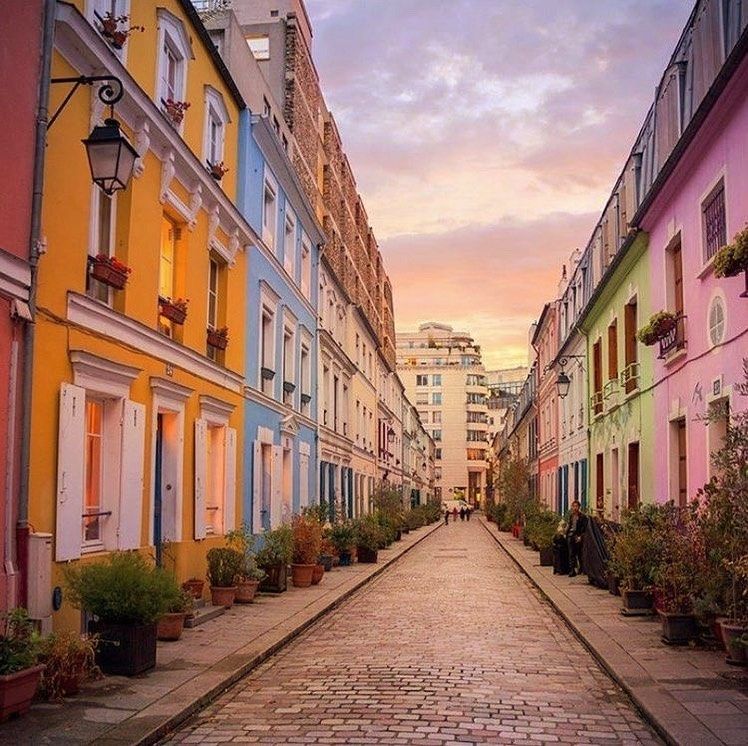
Rue Crémieux is a 144-meter cobblestone street where every single house facade is painted a different pastel color: bubblegum pink, mint green, lavender, coral, sunshine yellow. It's a working residential street that accidentally became Paris's most photographed block when Instagram discovered it around 2015. You'll walk the entire length in under two minutes, but the charm is in the details: window boxes overflowing with flowers, vintage shutters, and the way morning light bounces off the painted walls. The experience feels like stepping into a storybook village that somehow landed between busy Boulevard Diderot and the train tracks. Each house tells its own story through color choices and small decorative touches. You'll hear residents going about their daily lives behind colorful doors while tourists quietly snap photos. The contrast with surrounding Haussmann buildings makes it feel even more special, like discovering a secret neighborhood within the city. Honestly, it's lovely but overhyped. You'll see everything worth seeing in 15 minutes, and it can feel anticlimactic after all the Instagram buildup. The residents are understandably frustrated with constant foot traffic, so respect the posted signs asking for quiet. Don't make a special trip just for this street, but it's perfect if you're already near Gare de Lyon. Skip the weekend crowds entirely and avoid late afternoon when harsh shadows kill the photo opportunities.
Rue Cremieux Khod
Rue Crémieux stretches just 144 meters between Avenue Ledru-Rollin and Rue de Lyon, but it's arguably Paris's most photogenic residential street. You'll find 35 terraced houses painted in soft pastels: mint green, powder blue, coral pink, and butter yellow. Built in 1865 as affordable workers' housing, these two-story homes now showcase wrought-iron balconies, wooden shutters, and flower boxes that residents maintain with obvious pride. Walking the cobblestones feels like stepping into a storybook, especially when morning light hits the facades. The street stays pedestrian-only, so you can wander freely and admire details like climbing ivy, vintage street lamps, and hand-painted house numbers. It's dead quiet except for the occasional resident heading to work or tending their plants. You'll spend most of your time here taking photos, trying to capture that perfect Instagram shot of the curved cobblestone perspective. Honestly, fifteen minutes is enough unless you're a serious photographer. The street gets absolutely mobbed between 10am and 6pm, turning this peaceful residential area into a tourist circus. Residents have posted multiple signs asking for quiet and respect, which many visitors ignore. Come early morning or evening when the light is better anyway, and you'll have the place mostly to yourself.
With Love From Paris Tours
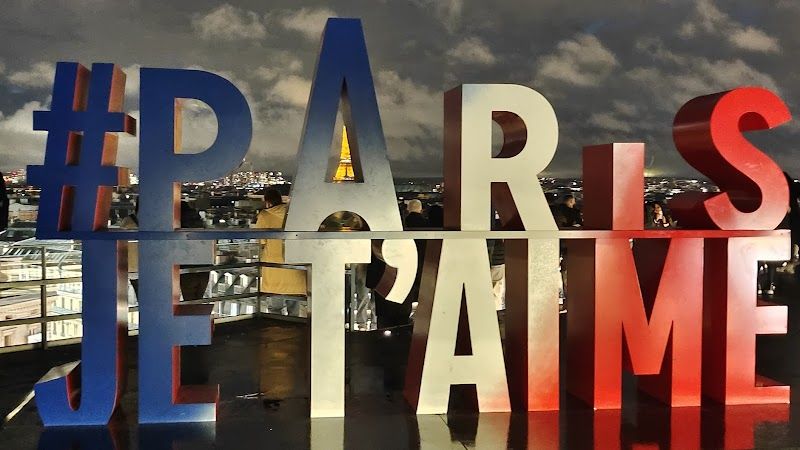
With Love From Paris Tours runs evening bus circuits that hit every major illuminated monument across the city. You'll see the Eiffel Tower's golden glow, Notre-Dame's dramatic floodlighting, the Arc de Triomphe gleaming against Champs-Élysées traffic, and the Louvre's courtyard bathed in warm light. The 90-minute route covers ground you'd never walk in one night, ending with a Seine cruise that shows off the riverbank monuments from water level. The double-decker bus makes strategic photo stops at each monument, giving you 5-10 minutes to snap shots before moving on. Recorded commentary runs in multiple languages, though it's fairly basic tourist information. The real magic happens when you're cruising past illuminated buildings from the Seine, watching Paris reflect in the dark water. Other passengers are mostly couples and families, creating a relaxed atmosphere without the party bus energy some night tours attract. Most Paris night tours are overpriced tourist traps, but this one delivers solid value around €35-40. Skip the expensive dinner versions and just do the basic tour. The bus gets crowded on summer evenings, so grab upper deck seats early. The Seine portion feels rushed at only 20 minutes, but you'll still get excellent views of Notre-Dame's lit facade and the Musée d'Orsay's dramatic silhouette that you simply can't see from street level.
Marché alimentaire Bastille
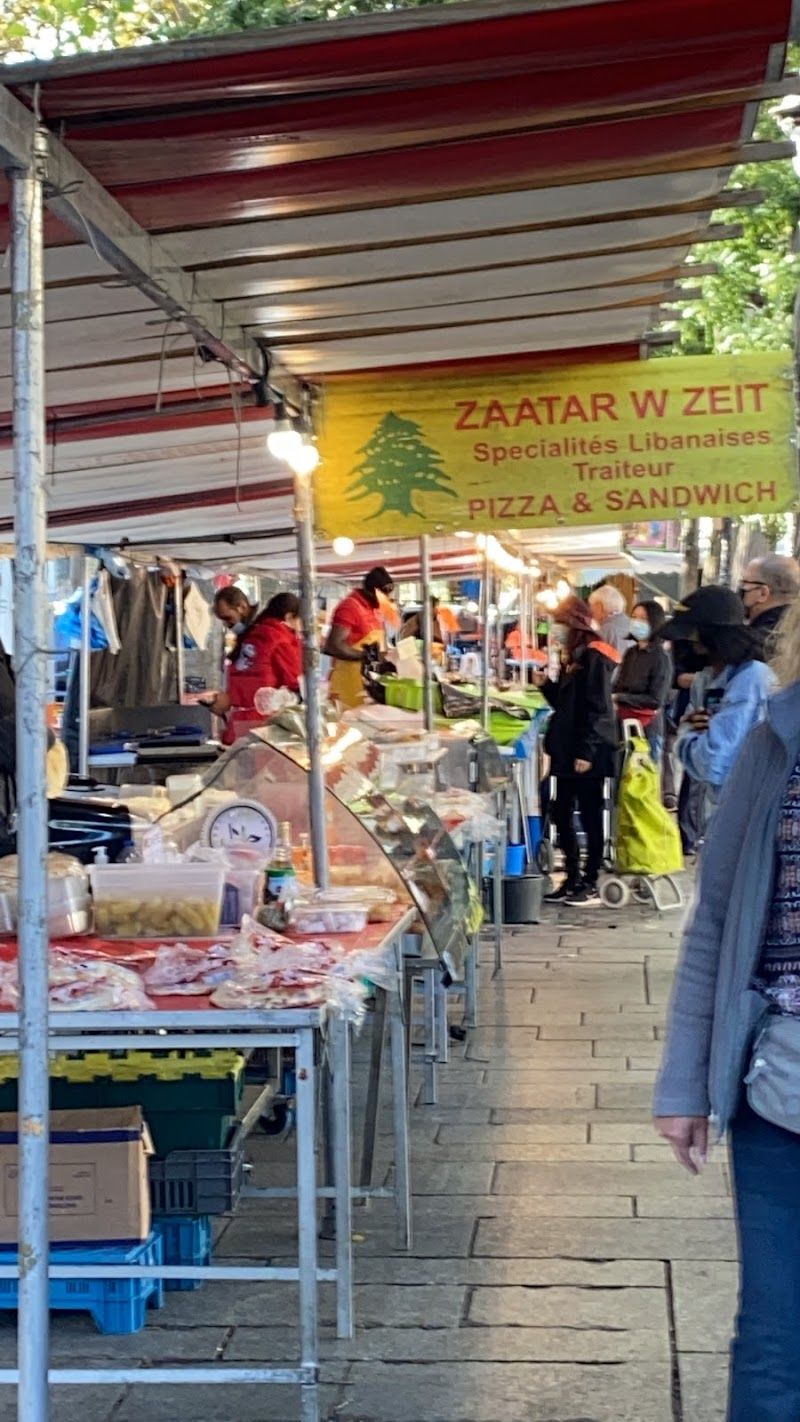
Paris's largest open-air market stretching along Boulevard Richard-Lenoir every Thursday and Sunday. Over 100 vendors sell everything from Brittany oysters to Provençal olives, with serious produce, artisan bread, and rotisserie chickens drawing chefs and locals. The Thursday market is slightly less crowded.
Where to Eat
Restaurants and cafes in Bastille / Oberkampf
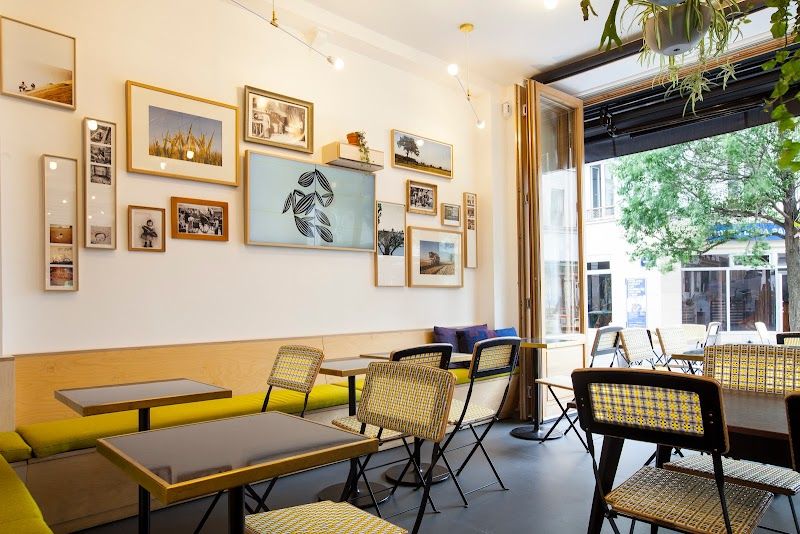
Boulangerie Chambelland
RestaurantGluten-free bakery and restaurant using rice flour for exceptional breads, pastries, and savory dishes. The bright, modern space proves that gluten-free dining can be delicious and not just accommodating.
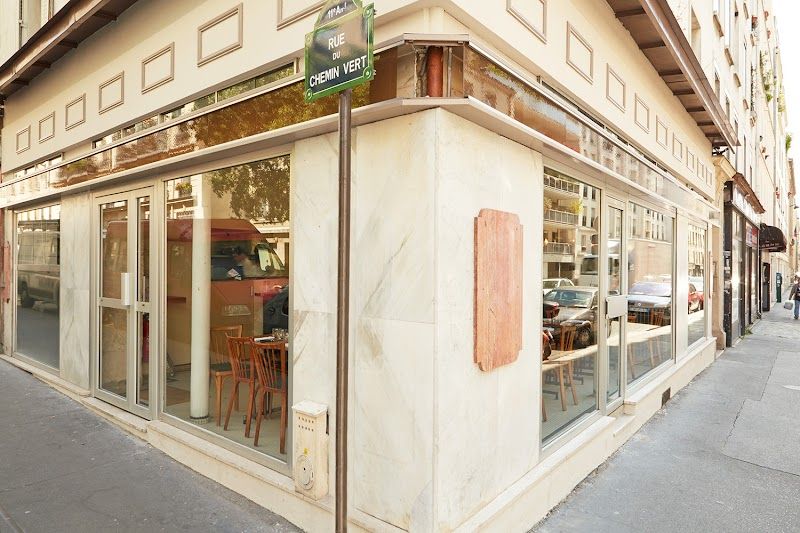
Le Servan
RestaurantModern bistro run by Tatiana and Katia Levha sisters, blending French technique with Filipino influences from their heritage. The industrial-chic space fills with in-the-know locals who appreciate the creative menu and exceptional value.
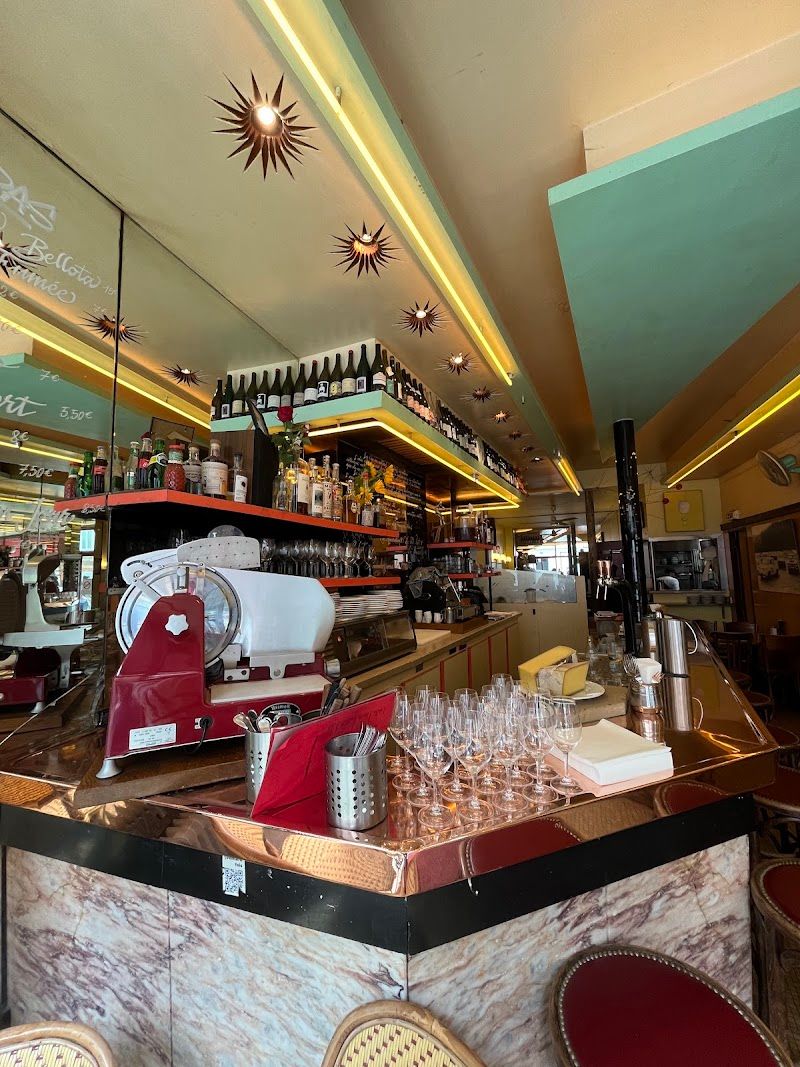
Aux Deux Amis
RestaurantTiny natural wine bar and bistro with a chalkboard menu that changes daily based on market finds. The cramped quarters and communal vibe make it feel like dining in someone's living room, with excellent small plates and a legendary wine list.
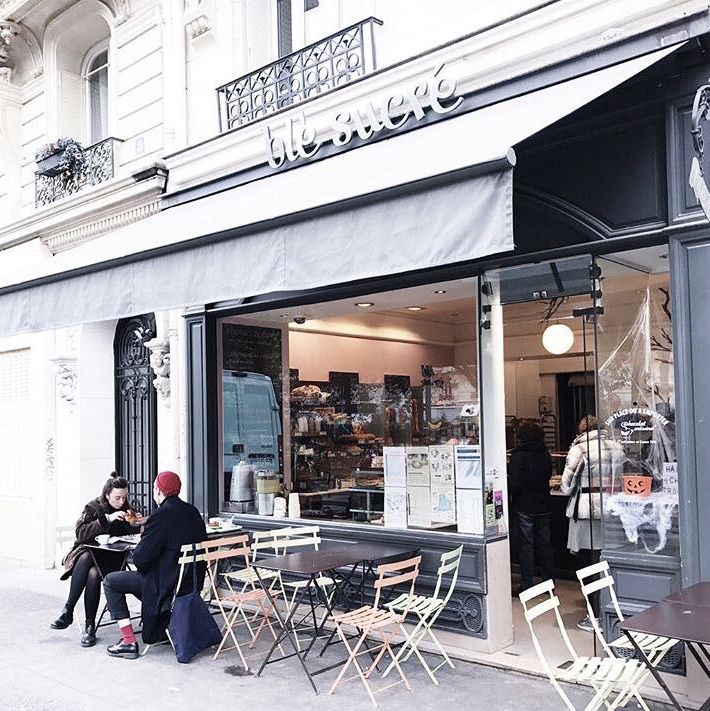
Ble Sucre
CafeAward-winning neighborhood bakery in the 12th with seating for a few customers. Fabrice Le Bourdat creates exceptional pastries using traditional techniques-his Paris-Brest is legendary. Arrive early as the best items sell out by mid-morning.
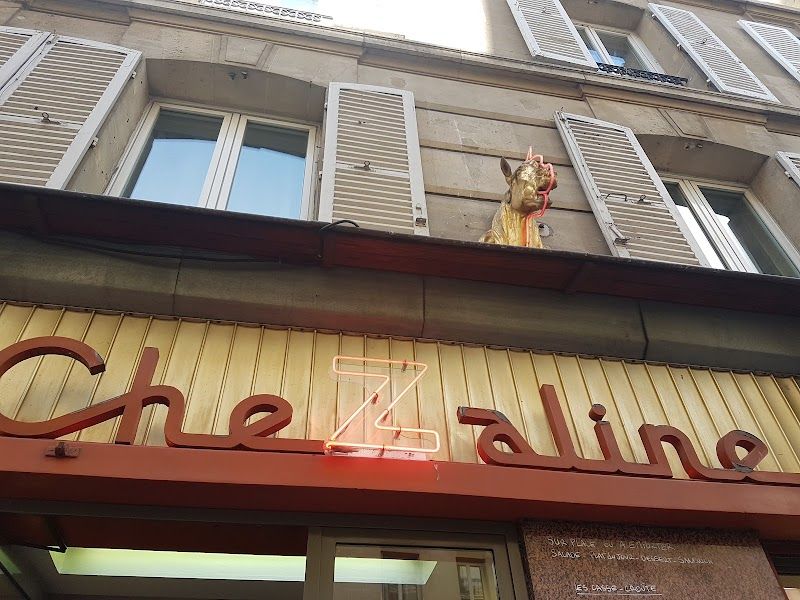
Chez Aline
RestaurantOld-school corner bistro in Montmartre serving traditional French comfort food to a neighborhood crowd. The Formica tables, vintage posters, and handwritten menu preserve an authentic slice of pre-gentrification Paris.
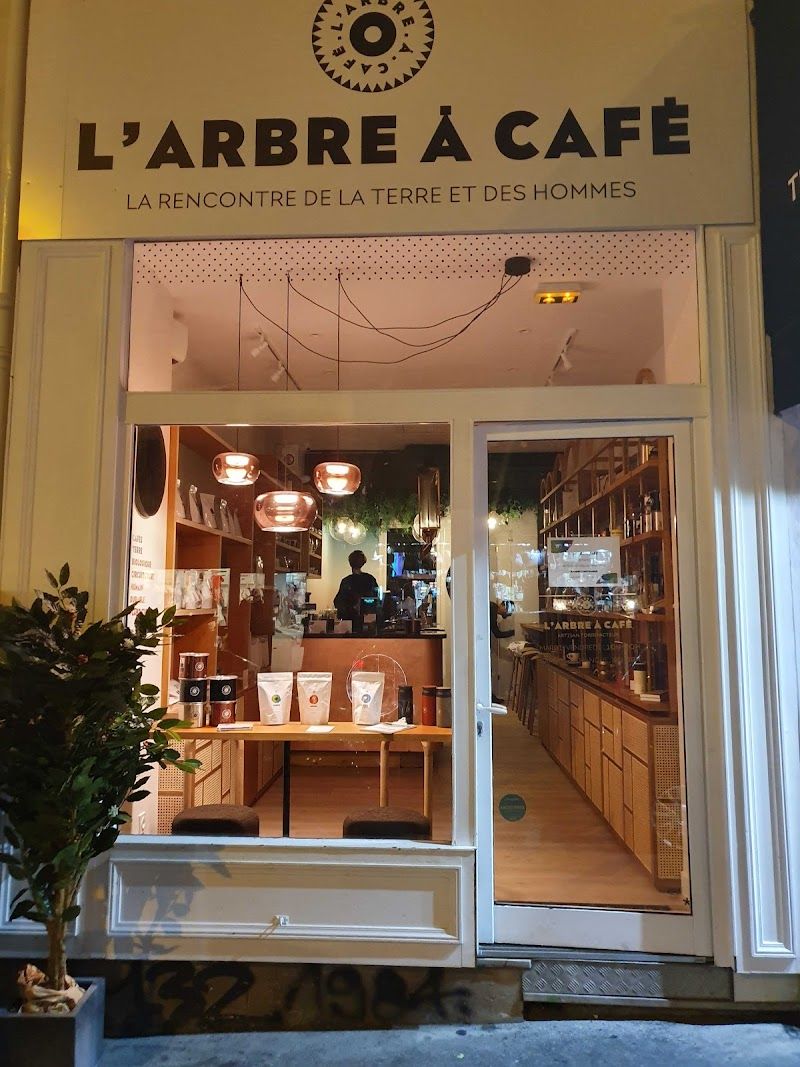
L'Arbre à Café - Oberkampf
CafeNeighborhood institution on the bustling Oberkampf street with 1980s vintage interior and local regulars. Serves simple café fare and excellent wines by the glass. The terrace is prime people-watching territory in one of Paris's liveliest nightlife districts.
Nightlife
Bars and nightlife in Bastille / Oberkampf
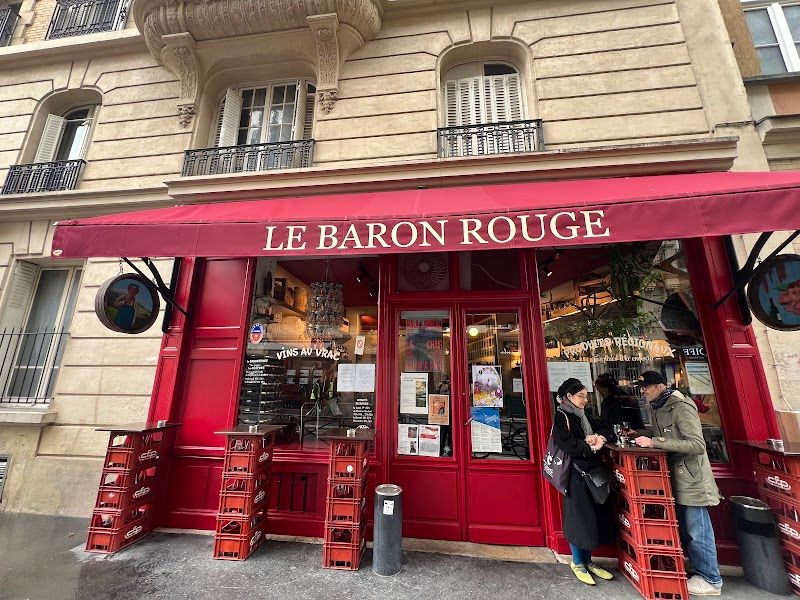
Le Baron Rouge
NightlifeThis legendary wine bar near Marché d'Aligre has been pouring wine directly from barrels since 1857. Locals crowd the sidewalk with glasses of inexpensive Beaujolais or Côtes du Rhône, paired with oysters on weekends or charcuterie from the adjacent market, creating a convivial street party atmosphere.
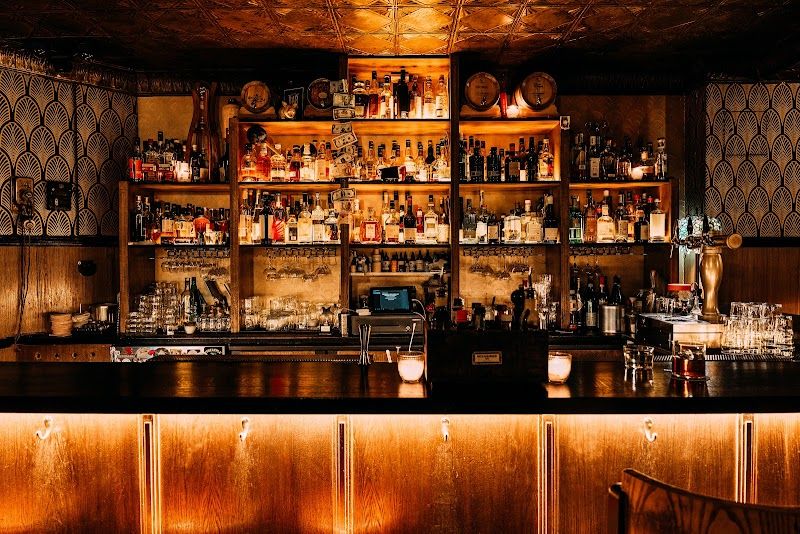
Moonshiner
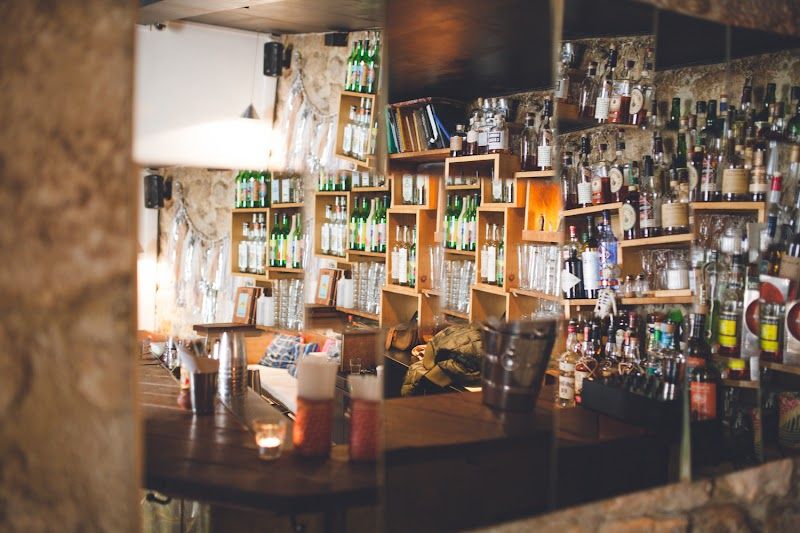
NightlifeThis speakeasy behind a fake pizzeria door in the 11th arrondissement recreates a Prohibition-era American bar with exposed brick, vintage wooden fixtures, and serious cocktail craft. The bartenders specialize in whiskey-based drinks and house infusions, serving them in a space that feels authentically clandestine without theatrical pretense.
Getting Here
Metro Stations
Getting There
Bastille is a major hub (3 metro lines). Line 1 connects to central Paris in minutes.
On Foot
Flat terrain, wide sidewalks. The walk along the canal from Bastille port is excellent.
By Bike
Well-connected bike lanes. The Coulee Verte path is also open to cyclists.
Insider Tips
The Original High Line
The Coulee Verte behind the opera house is the elevated park that inspired New York's High Line. Most tourists miss it completely.
Le Baron Rouge
Le Baron Rouge on Sundays - stand at barrels with oysters and white wine. This is what Parisians actually do.
Moonshiner
Moonshiner speakeasy is behind the cold room door at Da Vito pizza. Order a pizza, then ask to see the back.
Nearby Neighborhoods
Continue exploring
Related Articles
Paris in Winter: 25 Things to Do When It's Cold and Gray
Paris winter means empty museums, cozy bistros, and the city locals actually live in. Here's what to do when it's 4°C and drizzling.
Paris Travel Cards Compared: Which Metro Pass Saves You Money?
Skip the tourist traps and tourist prices. We break down every Paris travel card option with actual numbers to show you which metro pass saves money in 2025.
Plan a trip featuring Bastille / Oberkampf
Get a personalized Paris itinerary with Bastille / Oberkampf built in.
Start Planning