
France
Paris
Twenty arrondissements, 40,000 restaurants, and a bakery on every corner. You will need a plan.
Best Time
April-June, September-October
Ideal Trip
4-5 days
Language
French
Currency
EUR (€)
Budget
EUR 53-133/day (excl. hotel)
About Paris
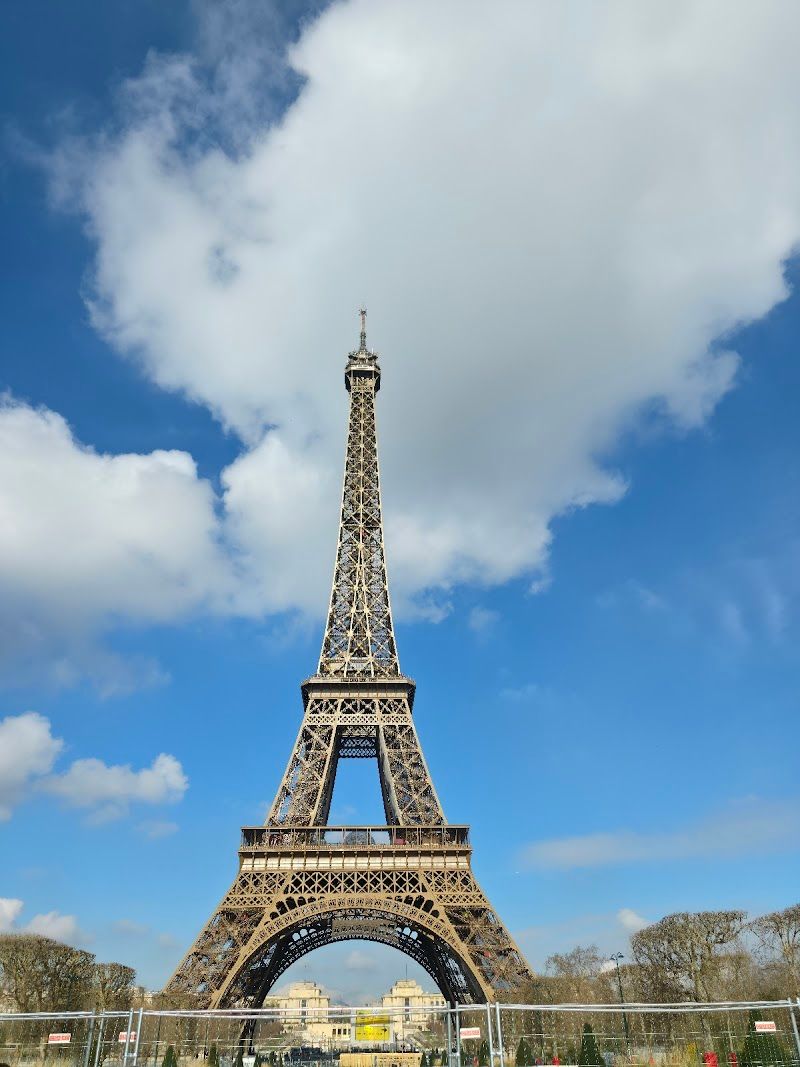
Paris is the city that turns first-time visitors into repeat visitors, and the reason is never what they expected. The Eiffel Tower is real and it is spectacular, but it is also the thing you see once, photograph from Trocadéro, and then spend the rest of your trip in the neighbourhoods that nobody warned you about. Belleville has the best views in the city and the cheapest Vietnamese food in Europe. Le Marais has medieval architecture and falafel shops that have had queues since the 1970s. Montmartre still feels like a village if you avoid Sacré-Coeur at noon.
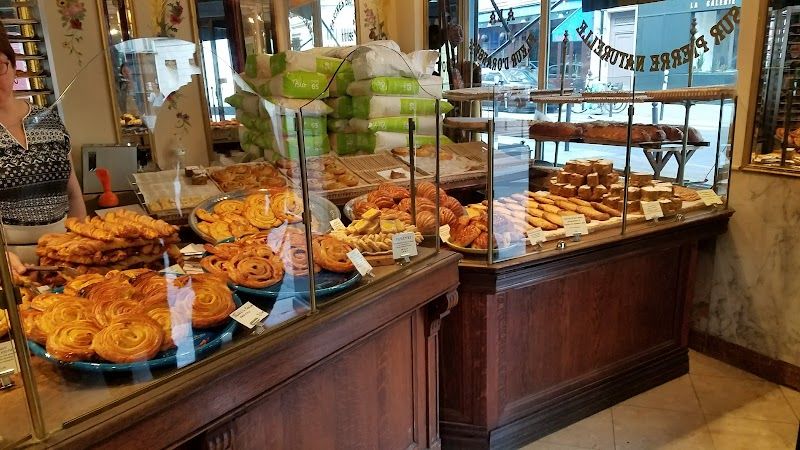
The food is the point. A croissant from a proper boulangerie costs EUR 1.20 and will ruin every croissant you eat for the rest of your life. A three-course lunch menu at a neighbourhood bistro runs EUR 16-22, with wine. The coffee is terrible unless you know where to go, and we know where to go. Dinner starts at 8 PM, the good restaurants do not take walk-ins on weekends, and the waiter is not being rude, that is just how service works here.
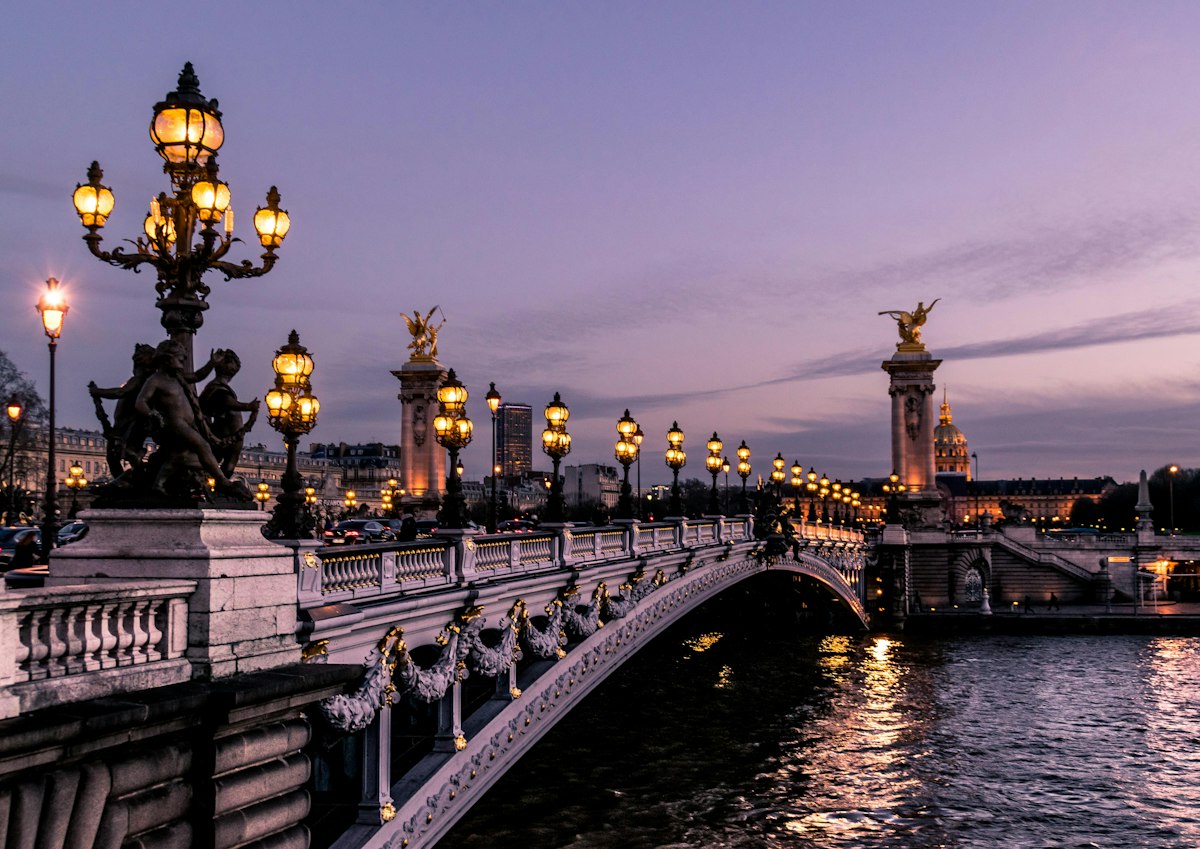
Fourteen metro lines cover every corner of the city for EUR 2.15 per ride, and the RER connects you to Versailles (45 minutes), Disneyland (40 minutes), and both airports. But Paris is a walking city. The distance from the Louvre to the Marais is 15 minutes. Notre-Dame to Saint-Germain is 10 minutes across a bridge. The Seine at golden hour, when the stone turns warm and the booksellers along the quais are closing up for the day, is free and better than any museum.
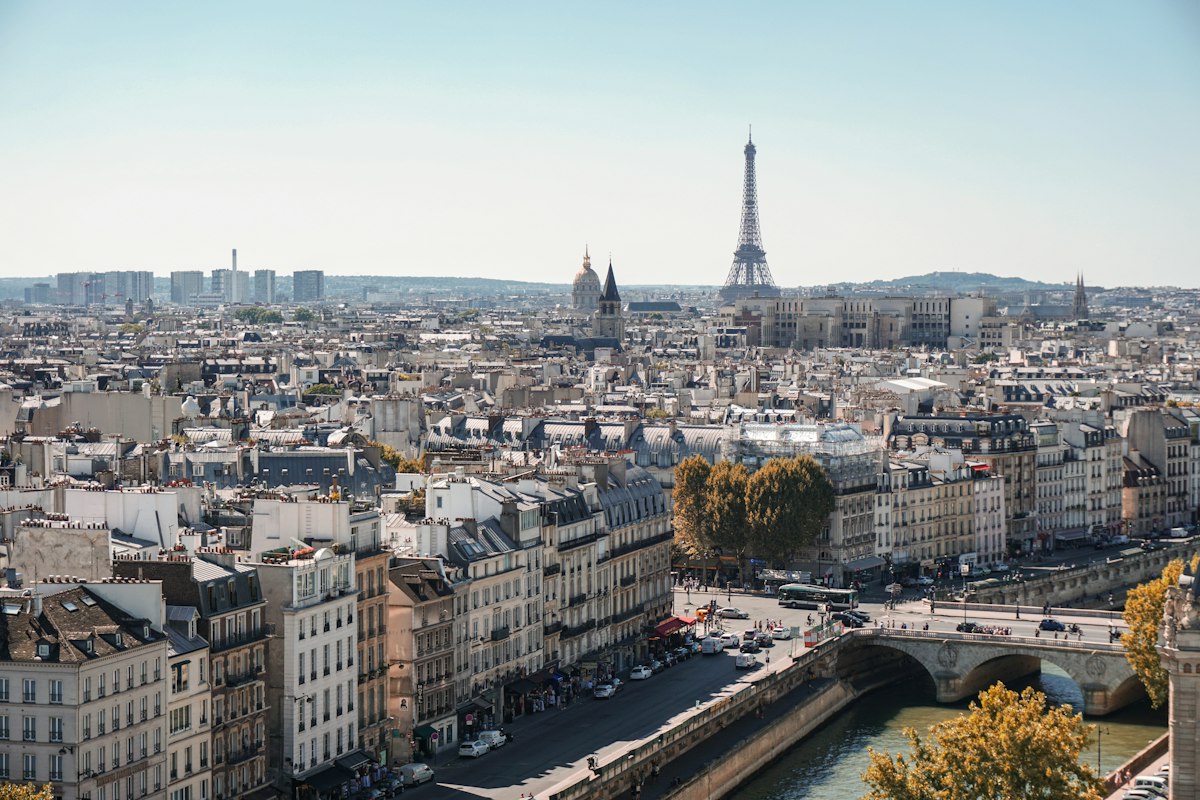
The city has 20 arrondissements that spiral outward like a snail shell, and the personality changes every few blocks. The 6th is old money and literary cafés. The 11th is natural wine bars and record shops. The 18th is African markets and the best couscous outside North Africa. The 5th smells like crêpes. Paris is not one city, it is forty villages that agreed to share a metro system, and the best trip is the one that wanders through as many of them as possible.
Neighborhoods
Each district has its own personality
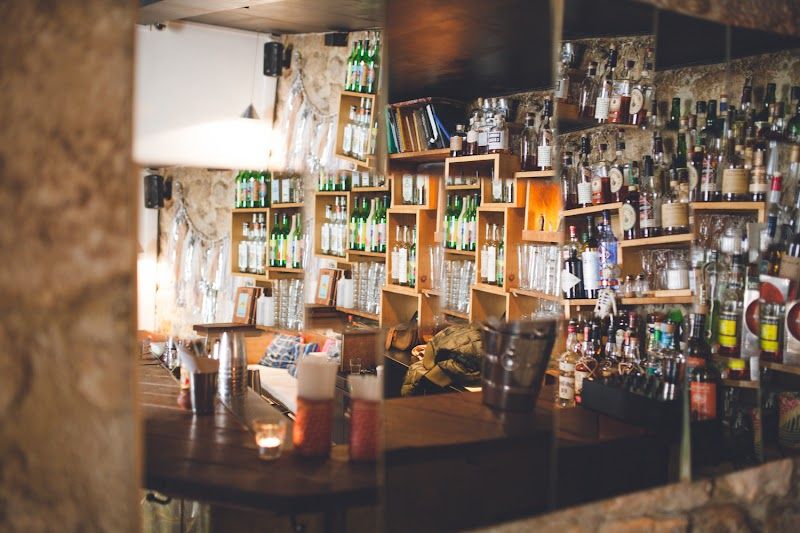
Le Marais
Medieval streets meet contemporary cool
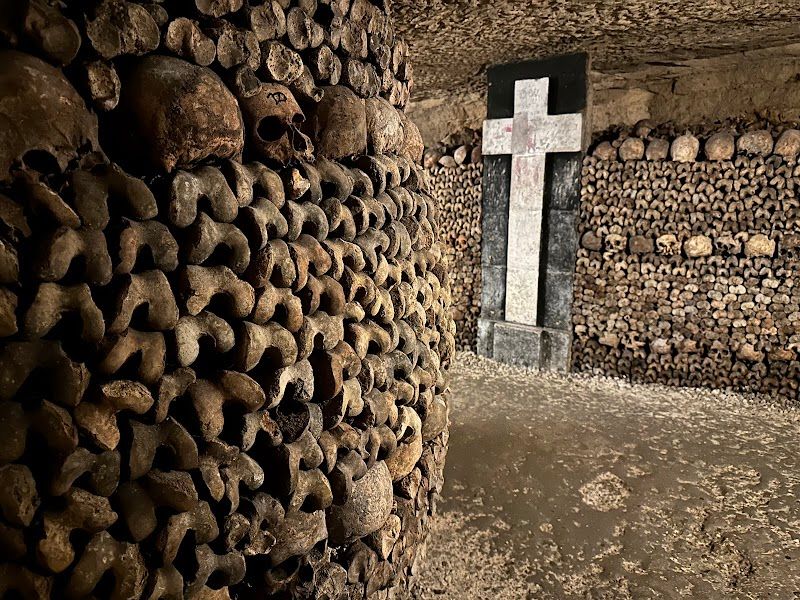
Saint-Germain-des-Prés
Literary cafes and Left Bank elegance
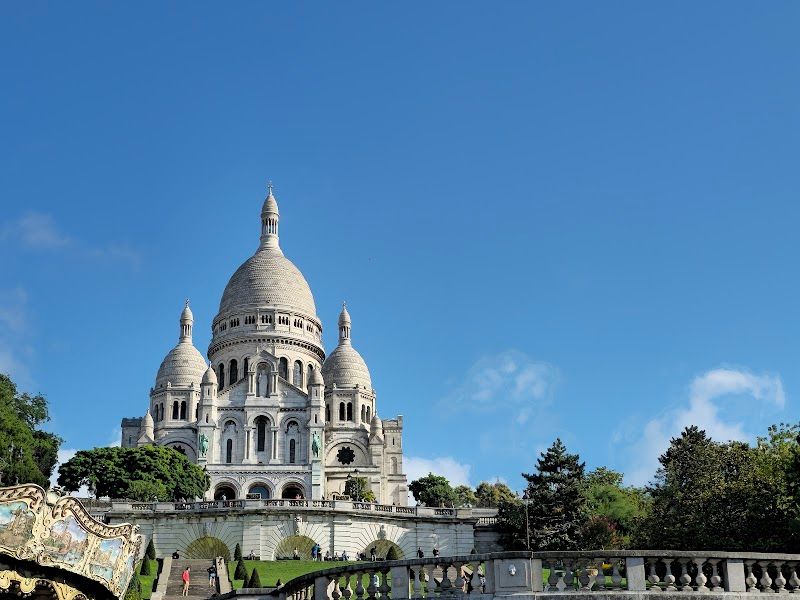
Montmartre
Hilltop village with artist heritage
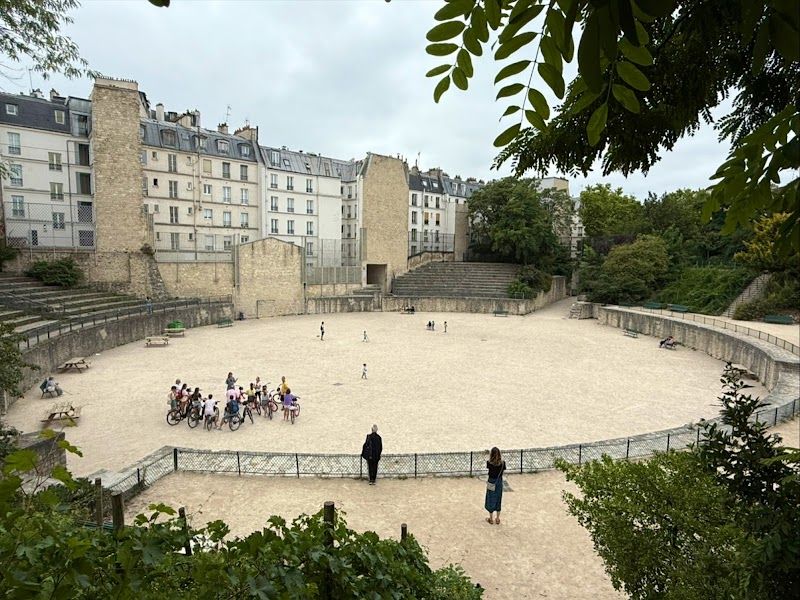
Latin Quarter
Academic charm and ancient roots
7th Arrondissement
Iconic landmarks and quiet elegance
Canal Saint-Martin
Creative locals and canal-side charm
Things to Do
Top experiences in Paris
Rue Montorgueil
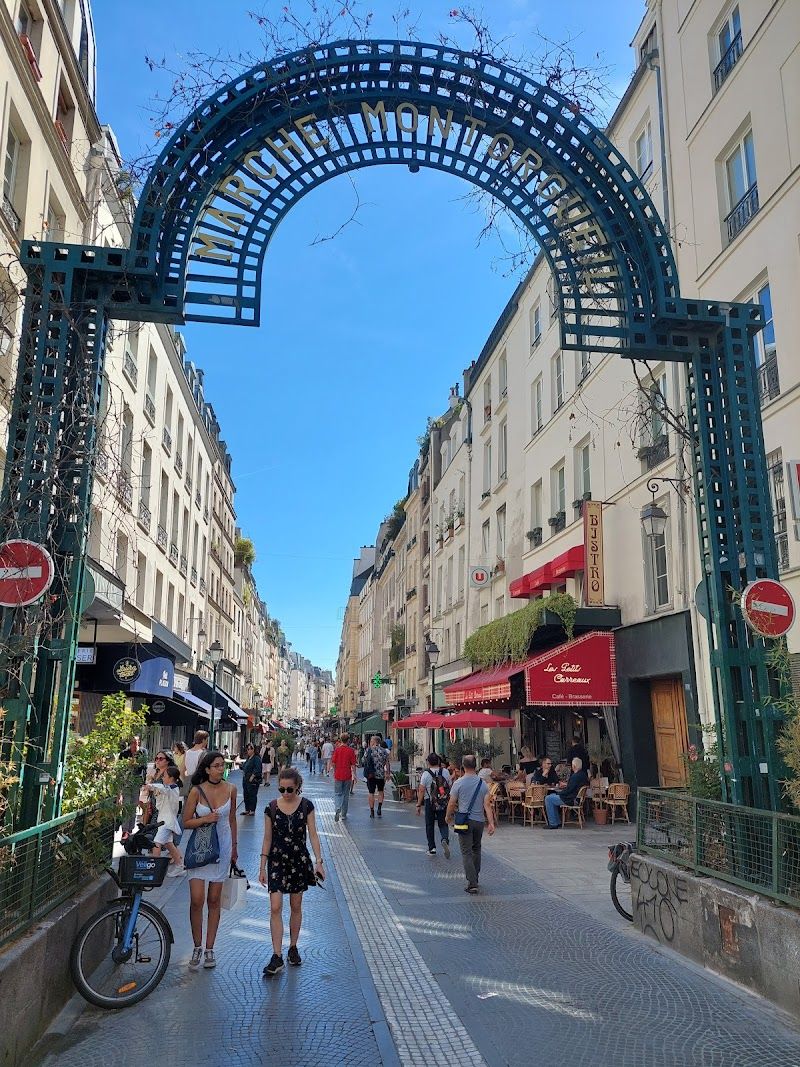
Rue Montorgueil stretches five blocks through the 2nd arrondissement as a cobblestone pedestrian street lined with original storefronts from the 1700s. The fishmongers display whole sea bass on ice beds, cheese shops age wheels of Comté in their windows, and produce vendors arrange perfect pyramids of seasonal fruit. This isn't tourist theater - it's where locals from the surrounding apartments do their daily shopping. Walking from south to north, you'll pass Stohrer's ornate pastry displays, smell roasting coffee from Café Lomi, and dodge shopping baskets as residents debate fish freshness with vendors. The golden snail above L'Escargot Montorgueil catches everyone's attention, while the fromagerie at number 62 always has a line of people waiting for perfectly ripe camembert. Street cafes spill onto the cobbles with regulars nursing morning coffees and afternoon wines. The northern end near Rue Réaumur feels more residential and authentic, while the southern portion near Les Halles attracts more tourists. Skip the overpriced restaurants with English menus - instead, grab supplies from the food shops and picnic in nearby Square des Innocents. Tuesday through Thursday mornings offer the best selection before weekend crowds arrive.
Eiffel Tower
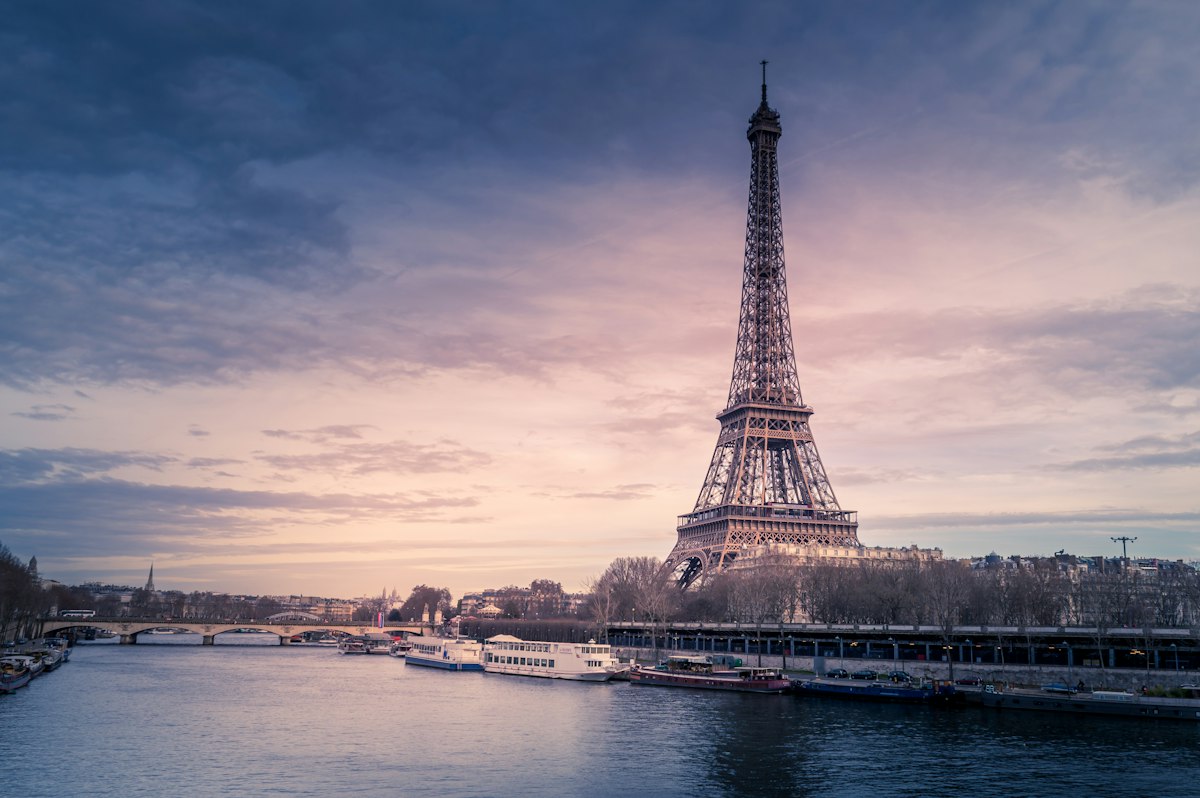
Standing 330 meters tall, the Eiffel Tower offers three observation levels with genuinely spectacular views across Paris. The second floor at 115 meters gives you the perfect perspective to identify landmarks like Sacré-Cœur, Arc de Triomphe, and the Seine's curves, while the summit adds that vertigo-inducing wow factor. The champagne bar at the top serves overpriced but memorable Champagne Deutz with views that stretch 60 kilometers on clear days. The experience starts with security screening, then express elevators that feel surprisingly smooth despite the tower's gentle sway in wind. The second floor has glass walls installed in 2010 that eliminated the old wire mesh, making photos infinitely better. The summit feels more cramped but offers Gustave Eiffel's restored private office behind glass and that champagne bar with its tiny outdoor terrace. Honestly, the second floor delivers 90% of the experience at half the cost and wait time. The summit adds height but loses the ability to see the tower's structure beneath you. Evening slots are worth the premium-the city lights start twinkling around 8 PM in summer, and you'll catch both golden hour and blue hour. Skip the first floor entirely unless you're dining at 58 Tour Eiffel.
Musée du Louvre
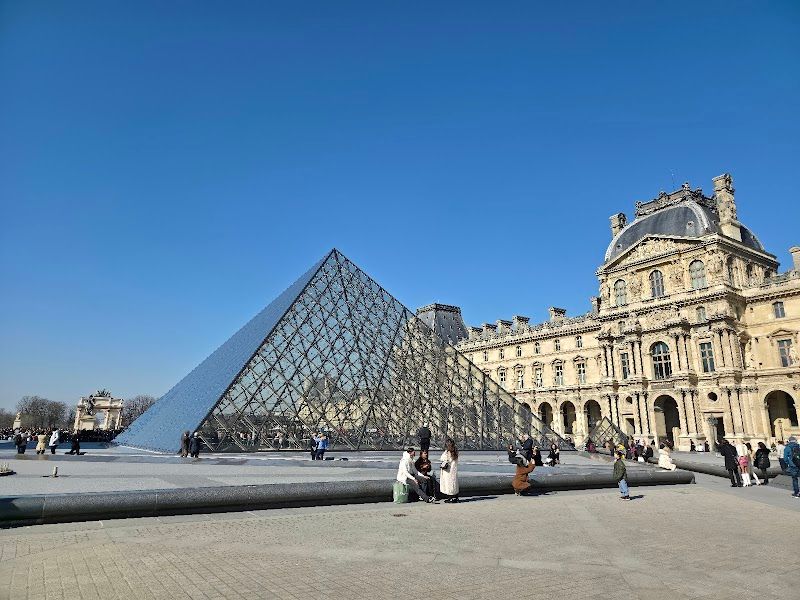
Napoleon's former palace houses 35,000 artworks across three wings, from ancient Egyptian mummies to Renaissance masterpieces. You'll walk through actual royal apartments where French kings lived, past Islamic ceramics spanning centuries, and into galleries packed with works by Vermeer, Delacroix, and yes, da Vinci. The sheer scale is staggering: 60,600 square meters of exhibition space that would take months to see properly. The experience feels like touring three different museums crammed into one overwhelming palace. Crowds surge toward the Mona Lisa while entire wings stay nearly empty, and the marble floors will punish your feet after two hours. The Napoleon III apartments showcase absurd 19th-century opulence that most visitors skip entirely, missing some of the most ornate rooms in Paris. Egyptian sarcophagi sit floors below Greek sculptures, creating a disjointed but fascinating journey through human civilization. Admission costs €17 online, €15 at the door (free for EU residents under 26). Don't attempt to see everything in one visit, that's genuinely impossible and you'll leave exhausted and frustrated. The Islamic arts wing stays blissfully quiet while tourists mob the Italian paintings. Skip the medieval Louvre foundations unless you're seriously into archaeology, focus on two wings maximum, and save the Mona Lisa for your second visit when you're not rushed.
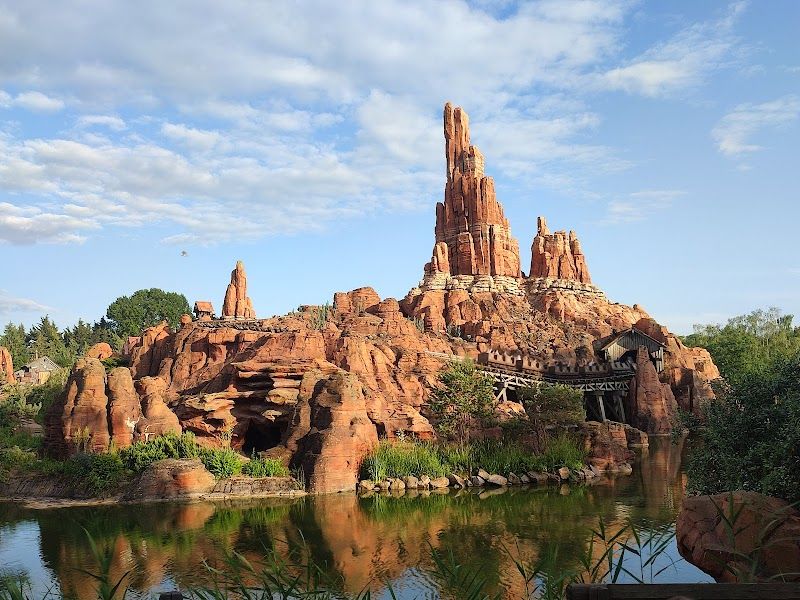
Disneyland Paris
Disneyland Paris delivers two distinct experiences: the classic Disneyland Park centered around Sleeping Beauty Castle with attractions like Space Mountain and Pirates of the Caribbean, plus Walt Disney Studios Park showcasing movie magic through rides like Ratatouille and the Marvel Campus with its Spider-Man attraction. The castle here is notably more ornate than other Disney castles, with pink spires and detailed stonework that photographs beautifully. The parks feel more compact than their American counterparts, making them manageable in a day each. Disneyland Park flows in a hub-and-spoke design around the castle, while Studios Park clusters attractions by movie themes. The European crowd brings a different energy - less intense than Orlando, more relaxed pacing. Food quality exceeds typical theme park fare, especially the French pastries and sit-down restaurants. Most guides oversell the two-park experience. Unless you're staying multiple days, pick one park - Disneyland Park has more classic attractions and better atmosphere for first-timers. Studios Park works better for Marvel fans and movie buffs. Skip the expensive character dining; you'll see plenty of characters in the parks. The train from central Paris takes 45 minutes and costs much less than driving with parking fees.
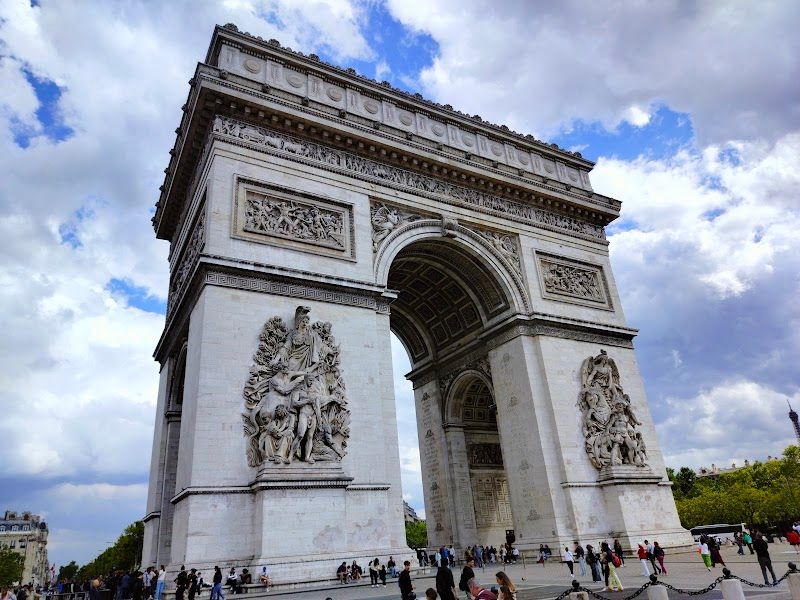
Arc de Triomphe
Standing 50 meters tall at the center of twelve radiating avenues, this triumphal arch contains detailed reliefs of Napoleon's military campaigns and houses 660 names of generals carved into its interior walls. The sculpture "La Marseillaise" on the Champs-Élysées side is genuinely stirring, while the Tomb of the Unknown Soldier beneath adds unexpected solemnity to what could feel like tourist spectacle. The 284-step spiral climb winds through a small museum of Napoleon memorabilia before reaching the rooftop terrace. From the top, you get unobstructed sightlines down all twelve avenues: the view toward La Défense business district is particularly striking at sunset. The eternal flame ceremony at 6:30 PM draws respectful crowds who gather silently as veterans rekindle the flame. The climb itself feels cramped with narrow stone steps, but the payoff is immediate once you reach the observation deck. Skip the museum section unless you're genuinely interested in 19th-century military history: the exhibit feels dated and cramped. The real payoff is the rooftop, but go early morning to avoid tour groups. Entry costs €13, and the underground tunnel from metro exit 1 dumps you right at the entrance, though it smells perpetually of urine.
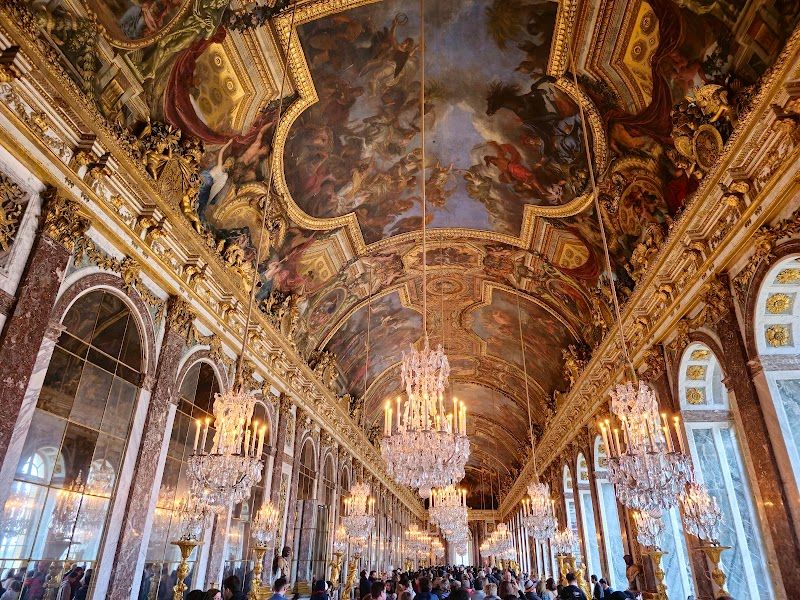
Palace of Versailles
This is the actual seat of power where Louis XIV transformed France into Europe's dominant force, moving his entire government here in 1682. The Hall of Mirrors isn't just pretty-it's where the Treaty of Versailles was signed in 1919, and walking its 240-foot length gives you the same view that foreign ambassadors had when approaching the Sun King. The King's Grand Apartments show how political theater worked through architecture, with each room representing a different planet in his solar system. The visit follows a logical flow from the State Apartments through the Hall of Mirrors to the Queen's Apartments, but the crowds move like molasses. What hits you isn't the gold leaf-it's the scale and the realization that 3,000 courtiers lived here permanently. The gardens stretch beyond what your eye can capture, and Marie Antoinette's Petit Trianon feels like a different universe from the main palace's formality. Skip the overcrowded King's bedchamber viewing-you can barely see anything over heads. The real revelation is the Queen's staircase and apartments, which most people rush through. Budget 6-7 hours minimum if you want to see the Trianon estates properly. The audio guide is essential for understanding the political significance beyond the obvious opulence.
Basilique du Sacré-Cœur de Montmartre
This Romano-Byzantine basilica sits atop Montmartre's highest point, its white travertine stone creating an almost ethereal presence against the Paris skyline. The interior houses France's largest mosaic, a 475-square-meter Christ in Glory that dominates the apse with its golden radiance. The real draw is the dome climb: 300 spiral steps lead to a 360-degree panorama where you can spot the Eiffel Tower, Arc de Triomphe, and the entire city sprawling below. The visit splits between the atmospheric basilica interior and the commanding exterior spaces. Inside, the Byzantine architecture creates surprising intimacy despite the grand scale, with perpetual adoration maintaining a reverent quiet. The mosaic work up close reveals intricate details invisible from the nave. Outside, the expansive parvis provides classic postcard views, while the dome climb rewards you with Paris laid out like a detailed map. Most visitors rush through without appreciating the architectural details or spending time in the crypt. The dome ticket (€7) is well worth it on clear days - if visibility is poor, consider skipping it. Early morning is the best time for photography and fewer crowds blocking the parvis views. The basilica itself is free, so don't feel pressured to see everything in one visit.
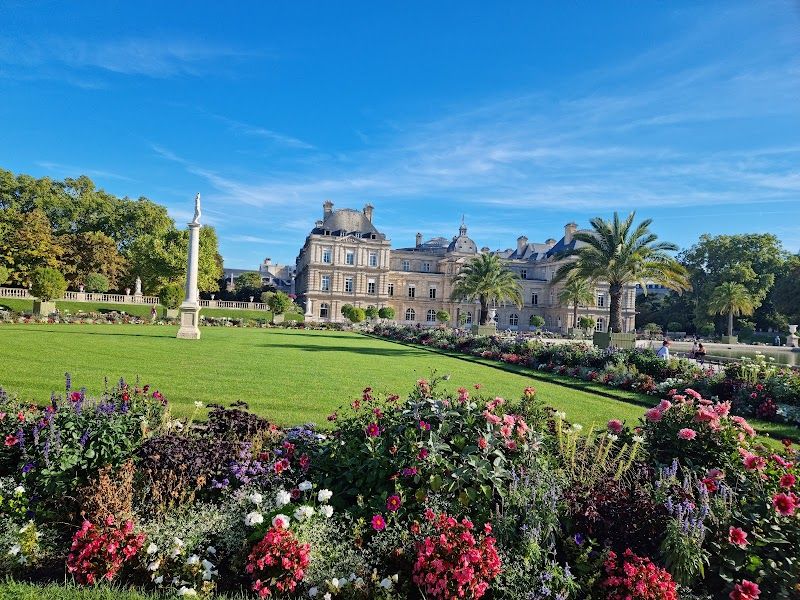
Jardin du Luxembourg
This 57-acre garden centered around the Luxembourg Palace serves as Paris's most functional green space. You'll find senators heading to work alongside joggers circling the central gravel paths, while kids push wooden sailboats across the octagonal pond with long sticks. The geometric flowerbeds change seasonally, and over 100 statues of French queens and notable women line the terraces. The layout flows from formal French gardens near the palace to English-style landscaping toward the observatory. Families cluster around the playground and puppet theater on the south side, while serious chess players occupy the permanent stone tables near Boulevard Saint-Michel. The Medici Fountain creates a cool microclimate perfect for reading, though finding a metal chair requires patience during lunch hours. Most guidebooks oversell this as romantic when it's actually wonderfully practical. The tennis courts book up weeks ahead, so forget spontaneous games. Skip the crowded central lawn and head to the quieter western sections near the greenhouse. The apple orchard behind the palace produces fruit that gardeners sell each October - worth timing a visit around.
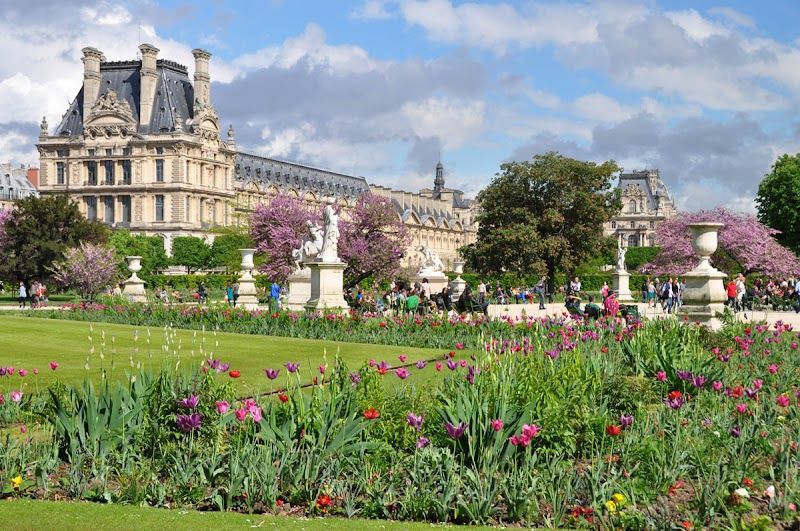
Tuileries Garden
This is Le Nôtre's masterpiece of formal garden design, a perfectly symmetrical stretch of gravel paths, manicured lawns, and geometric flower beds running 800 meters between the Louvre and Place de la Concorde. The octagonal basin at the center anchors everything, surrounded by Maillol's curvaceous bronze nudes and bordered by double rows of lime trees that create natural corridors. It's essentially Paris's central park, where locals actually live their daily lives. The experience flows from intimate to grand as you walk west toward the sunset. Start among the more sheltered terraces near the Louvre, where joggers stretch against the balustrades and kids sail model boats in the fountain. The middle section opens up around the basin, always busy with photographers and people claiming the signature green metal chairs. The western end feels almost ceremonial, with the wide perspective toward the Champs-Élysées and that classic Parisian axial view. Most guides oversell this as a sightseeing destination when it's really about the rhythm of Parisian life. The sculptures are fine but not spectacular-skip the crowded Rodin area near the museum entrance. The real magic is late afternoon when office workers decompress and the light hits the gravel just right. Come here to rest between museums, not as a destination itself.
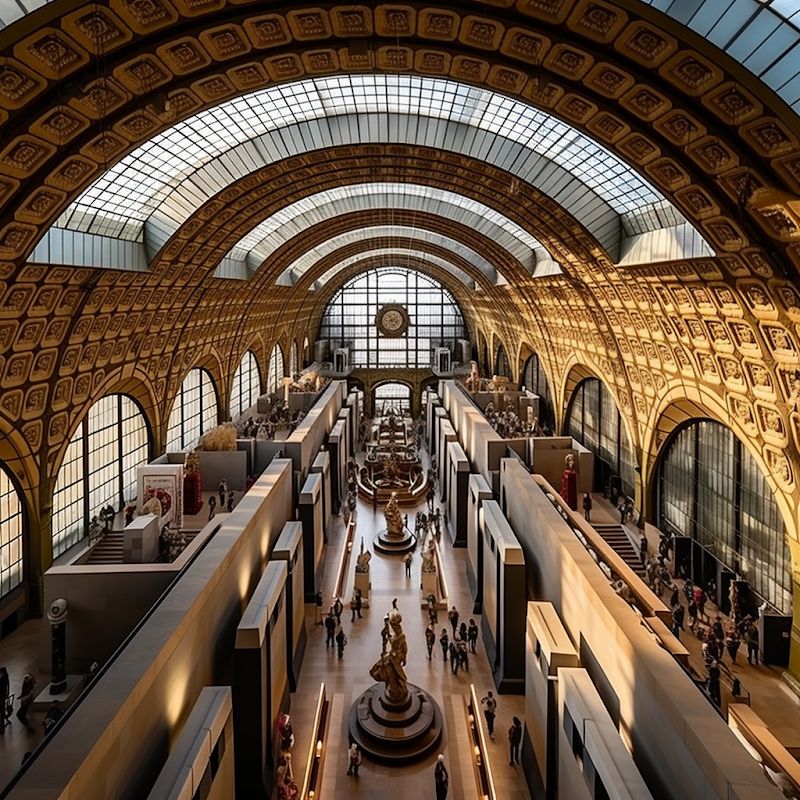
Musée d'Orsay
The Musée d'Orsay houses the world's finest collection of Impressionist masterpieces inside a breathtaking Belle Époque railway station. You'll see Renoir's Bal du moulin de la Galette, Van Gogh's Starry Night Over the Rhône, Manet's scandalous Olympia, and an entire wall of Monet's Rouen Cathedral series. The 1900 Gare d'Orsay building itself is spectacular: that soaring iron and glass roof creates perfect natural light that changes throughout the day. The visit flows chronologically across three floors, showing French art's evolution from stiff academic paintings to revolutionary Impressionism. Start on the ground floor with Courbet's massive realistic canvases and excellent sculpture galleries, then take the elevator to the fifth floor where the Impressionists live. The layout tells a story: you literally watch art break free from centuries of tradition. Room 32 gets mobbed for Van Gogh, while the decorative arts wing stays blissfully quiet. Most visitors make two mistakes: rushing straight to the Impressionists and skipping everything else. The ground floor sculpture and the decorative arts collection are genuinely world class but overlooked. Entry costs €16, free for EU residents under 26. The museum café behind the giant clock serves mediocre €12 salads but the atmosphere is unbeatable. Budget three hours if you're serious about art, two for highlights only.
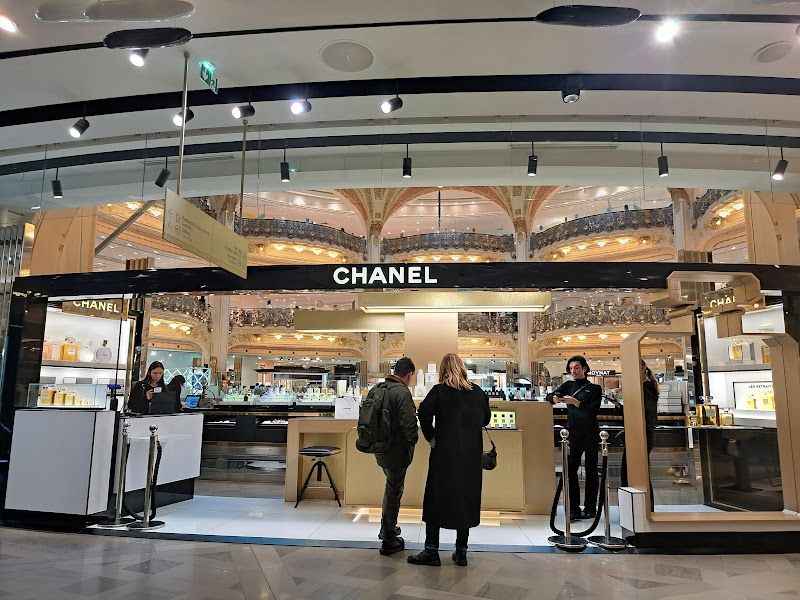
Galeries Lafayette Haussmann
This isn't just another department store-it's a Belle Époque masterpiece where Napoleon III-era architecture meets modern retail. The centerpiece is genuinely breathtaking: a 43-meter Neo-Byzantine glass dome from 1912 that floods the main hall with colored light. Yes, there's luxury shopping, but the real draw is standing under those soaring galleries and feeling transported to 1900s Paris. Your visit flows across ten floors connected by the original wrought-iron elevators and a modern glass lift. The main floor buzzes with perfume and accessories, but head up to see how the building opens into that famous dome. The sixth floor houses Lafayette Maison (home goods), and from there you can access the rooftop terrace. The Friday fashion shows at 3 PM happen on the seventh floor and are genuinely well-produced-not tourist theater. Honestly, most people spend too much time shopping and miss the architecture. The dome looks best between 2-4 PM when natural light hits properly. Skip the overpriced café on the sixth floor-the rooftop terrace has better views and costs nothing. The Christmas tree installation (November-January) is spectacular but crowds triple. Go Tuesday-Thursday mornings if you want to actually appreciate the space.
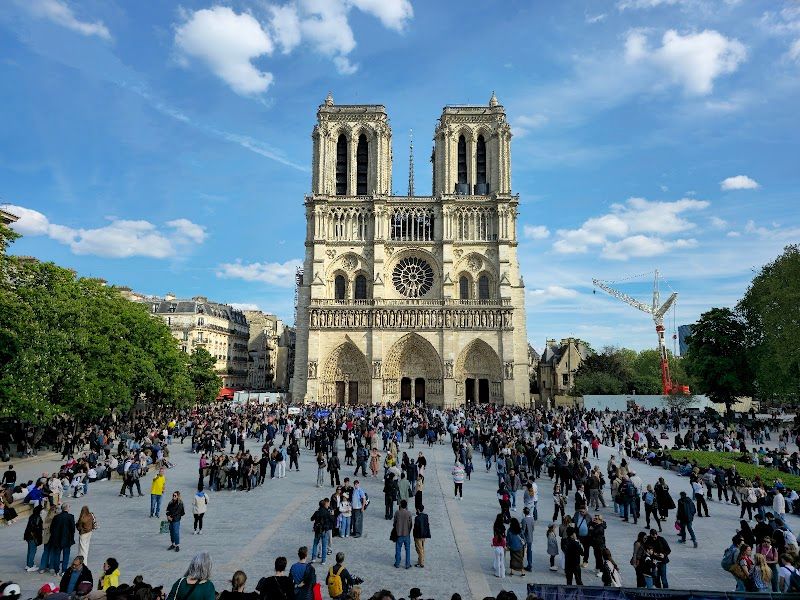
Cathédrale Notre-Dame de Paris
Notre-Dame showcases French Gothic architecture at its peak, with 69-meter nave walls supported by flying buttresses that visibly lean outward to distribute the cathedral's immense weight. The western facade features 28 statues in the Gallery of Kings representing Biblical monarchs, while three massive rose windows create spectacular light patterns throughout the day. You'll walk around the entire perimeter to appreciate how medieval architects solved engineering challenges that still impress today. The experience feels like examining a masterpiece under restoration, with scaffolding revealing the painstaking work to rebuild what the 2019 fire damaged. The south side offers the clearest views of restored stonework, while the rounded chevet at the east end displays the most complex flying buttress system. Standing on the parvis gives you perspective on the cathedral's true scale: those entrance doors measure 4 meters wide, and the gargoyles aren't just decorative but functional water spouts. Most visitors waste time crowding the front facade and miss the architectural genius visible from the sides and back. The southeast corner near Rue du Cloître-Notre-Dame provides unobstructed views without the parvis crowds. Skip the touristy center shots; the restoration work itself tells a fascinating story about medieval construction techniques being replicated with modern precision.
Travel Guides
Expert guides for every travel style
First Time in Paris: Everything You Need to Know
8 min read
Best Cafes in Paris: Where Locals Actually Go
7 min read
3-Day Paris Itinerary: Perfect First-Time Visitor Guide
7 min read
Paris on a Budget: A Practical Guide
Look, Paris doesn't have to cost €200 a day. I've spent weeks there spending €50 without once feeling like I was slumming it. The secret isn't suffering through bad meals and skipping museums - it's knowing which things are overpriced and which are practically free. A croissant from the best bakery in the neighborhood costs €1.20, same as one from the worst. The Sacré-Cœur steps have a better view than most paid observation decks. And a bottle of Côtes du Rhône from a cave costs €6 - what you'd pay for one glass at a tourist cafe. Here's how to do Paris right for €50-70 a day, without once feeling like you're missing out.
3 min read
5 Days: The Complete Paris Experience
Five days is when Paris stops being tourism and starts being temporary residency. Three days and you're sprinting between landmarks. Four and you catch your breath. Five and you've got a favorite bakery, a shortcut through a courtyard that saves two minutes, and the dangerous feeling that maybe you could just... stay. We've front-loaded the big sights so you can ease into the real stuff. Days 1-3 hit the landmarks everyone comes for. Day 4 takes you to Versailles - which sounds like more tourism but actually makes you appreciate Paris more when you come back to human-scale streets and €2.50 café noisettes. Day 5 is when you stop looking at maps and start acting like someone who just happens to live here for a week.
4 min read
Best of Montmartre: A Walking Guide
Most people do Montmartre wrong. They take the funicular up, fight through Place du Tertre portrait artists, look at Sacré-Cœur, and leave. That's 20 minutes of the worst part of a 3-hour neighborhood. The real Montmartre is cobblestone lanes that feel like a provincial village, artist studios where people are actually making art (not selling caricatures to tourists), and wine bars where the owner pours you something you've never heard of and it's excellent. This guide starts at Abbesses metro - not Anvers, which dumps you at the tourist gauntlet - and takes you up through the streets where Van Gogh, Renoir, and Toulouse-Lautrec actually lived. You'll pass the last two windmills in Paris, a working vineyard, and the most photographed pink house in the city. We'll tell you which corners to skip, where to stop for lunch that doesn't cost €18 for a sad croque monsieur, and exactly when to visit so you get the village atmosphere instead of the theme park version.
3 min read
From the Journal
Paris in Winter: 25 Things to Do When It's Cold and Gray
Paris winter means empty museums, cozy bistros, and the city locals actually live in. Here's what to do when it's 4°C and drizzling.
Paris Travel Cards Compared: Which Metro Pass Saves You Money?
Skip the tourist traps and tourist prices. We break down every Paris travel card option with actual numbers to show you which metro pass saves money in 2025.
Best Food Markets in Paris: Where Parisians Actually Shop
Skip the tourist traps and shop where Parisians actually buy their food. These authentic markets offer the best produce, cheese, and specialty foods in the city.
Practical Tips
Book Louvre and Musée d'Orsay tickets online weeks in advance. Visit Wednesday or Friday evenings when they're open late and less crowded. The first Sunday morning free admission policy now only applies to EU residents under 26 at participating museums - regular visitors should expect to pay full price. The Paris Museum Pass (€78 for 2 days, €92 for 6 days) pays for itself if you visit 3-4 museums and lets you skip ticket lines. At €22 for the Louvre and €16 for Musée d'Orsay, the 2-day pass breaks even after visiting three major museums.
Buy a Navigo weekly pass (€32.40) instead of single metro tickets (€2.55 each). The weekly pass covers all zones including airports and runs Monday to Sunday regardless of when you buy it. Single tickets now require a Navigo Easy card (€2) or the official app since paper tickets were phased out. The metro is still faster than taxis during rush hour (7:30-9:30am, 5-7pm). Download Citymapper for navigation. Avoid pickpockets on crowded lines 1 and 4, especially near tourist stops like Châtelet-Les Halles and Gare du Nord.
Lunch menus (formules) offer the same food as dinner for half the price—expect €20-35 for two courses vs €50-80 at dinner. Cafes charge more if you sit (€6-10 for coffee) vs. stand at the bar (€3-4). Avoid restaurants on major tourist streets like Rue de la Huchette—walk one block over for better value and quality.
Picnic in Luxembourg Gardens or along the Seine with goodies from Marché Bastille (Thu/Sun) or Rue Cler market street. Free walking tours (tip-based, EUR 15-20) are excellent for orientation. Many churches like Notre-Dame Cathedral offer free entry and rival paid attractions. Bring a reusable water bottle - Paris tap water is excellent and fountains are everywhere.
August is when Parisians vacation—many local restaurants and shops close, but major attractions stay open and are less crowded. December brings magical Christmas markets and festive lights. Spring (April-May) offers perfect weather, blooming gardens, and moderate crowds. Book accommodations 2-3 months ahead for best prices.
Frequently Asked Questions
For first-timers, 4-5 days allows you to see major highlights without rushing—enough time for the Louvre, Eiffel Tower, Versailles, and 2-3 neighborhoods. Add 2-3 more days if you want to explore neighborhoods deeply, take day trips to Giverny or Fontainebleau, or revisit favorite spots. A long weekend (3 days) is possible but you'll need to prioritize ruthlessly and book attractions in advance.
Paris can fit various budgets. Expect €100-150/day for budget travel (hostels, supermarket picnics, free museums, walking everywhere), €200-300/day for mid-range (3-star hotels, bistro meals, paid attractions, some metro), and €400+/day for luxury (boutique hotels, fine dining, taxis). Museum passes, lunch menus, and neighborhood bakeries help control costs. Metro unlimited passes (€32.40/week) save money if you're exploring extensively.
Paris is generally safe, but pickpocketing is common in tourist areas (Eiffel Tower, metro lines 1 and 4, Montmartre, Champs-Élysées). Stay alert on crowded metro, don't flash valuables, and be wary of distraction scams (petition signers, found ring trick, friendship bracelet sellers). Most neighborhoods are safe to walk at night, though exercise normal urban caution. The 18th, 19th, and 20th arrondissements require more awareness after dark. Emergency number is 112 (EU) or 17 (police).
Not fluently, but learning basics helps tremendously and locals genuinely appreciate the effort. Always start with "Bonjour" (hello) before asking questions and end with "merci" (thank you). "Excusez-moi" (excuse me), "parlez-vous anglais?" (do you speak English?), and "l'addition s'il vous plaît" (the check please) go a long way. Many Parisians speak English but appreciate when you try French first. Download Google Translate app for offline use. Younger people and those in tourist areas generally speak better English.
RER B train (€14, 35-50 min to city center) is cheapest and runs every 10-15 minutes from 5am-midnight. Roissybus (€16.60, 60 min) goes directly to Opéra. Taxis cost €56 to Right Bank, €65 to Left Bank (flat rate, up to 4 passengers). Uber/G7 similar prices. Le Bus Direct (€18 one-way, €30 round-trip) offers comfort between train and taxi with luggage space and WiFi. Book private airport transfers in advance during peak times or if you have lots of luggage. Avoid unlicensed taxis—use official taxi ranks only.