
Paris
Things to Do
213 attractions, museums, and experiences
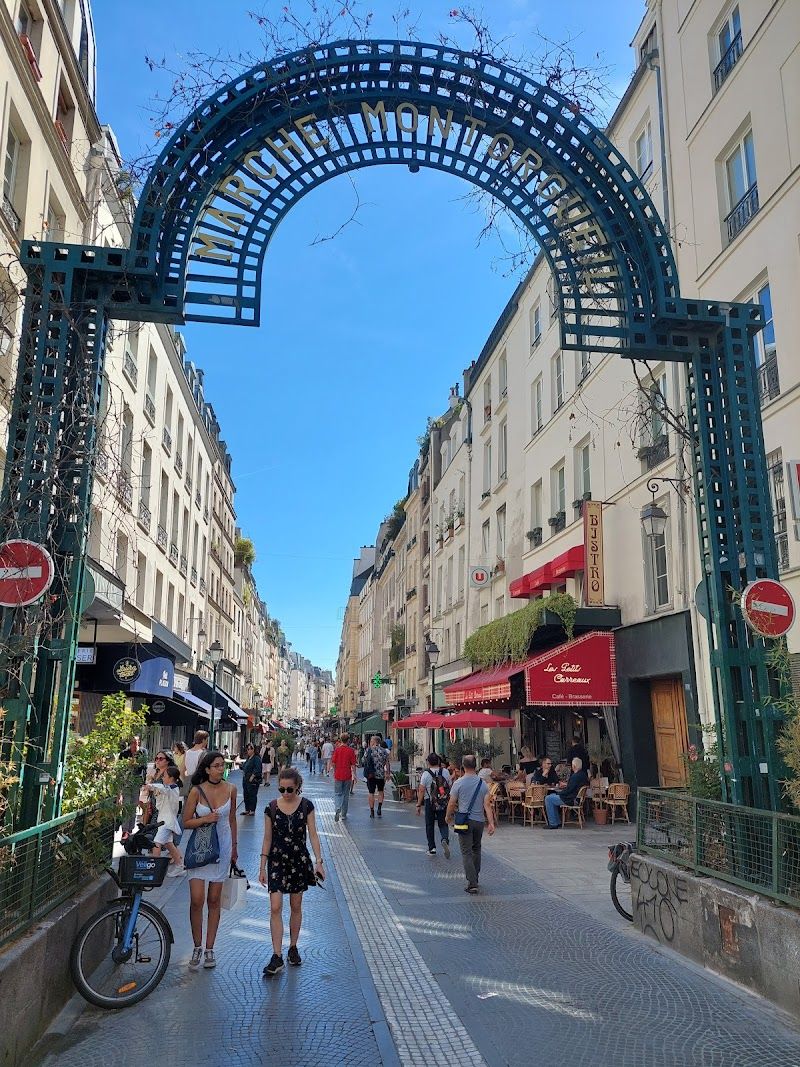
Rue Montorgueil
Rue Montorgueil stretches five blocks through the 2nd arrondissement as a cobblestone pedestrian street lined with original storefronts from the 1700s. The fishmongers display whole sea bass on ice beds, cheese shops age wheels of Comté in their windows, and produce vendors arrange perfect pyramids of seasonal fruit. This isn't tourist theater - it's where locals from the surrounding apartments do their daily shopping. Walking from south to north, you'll pass Stohrer's ornate pastry displays, smell roasting coffee from Café Lomi, and dodge shopping baskets as residents debate fish freshness with vendors. The golden snail above L'Escargot Montorgueil catches everyone's attention, while the fromagerie at number 62 always has a line of people waiting for perfectly ripe camembert. Street cafes spill onto the cobbles with regulars nursing morning coffees and afternoon wines. The northern end near Rue Réaumur feels more residential and authentic, while the southern portion near Les Halles attracts more tourists. Skip the overpriced restaurants with English menus - instead, grab supplies from the food shops and picnic in nearby Square des Innocents. Tuesday through Thursday mornings offer the best selection before weekend crowds arrive.
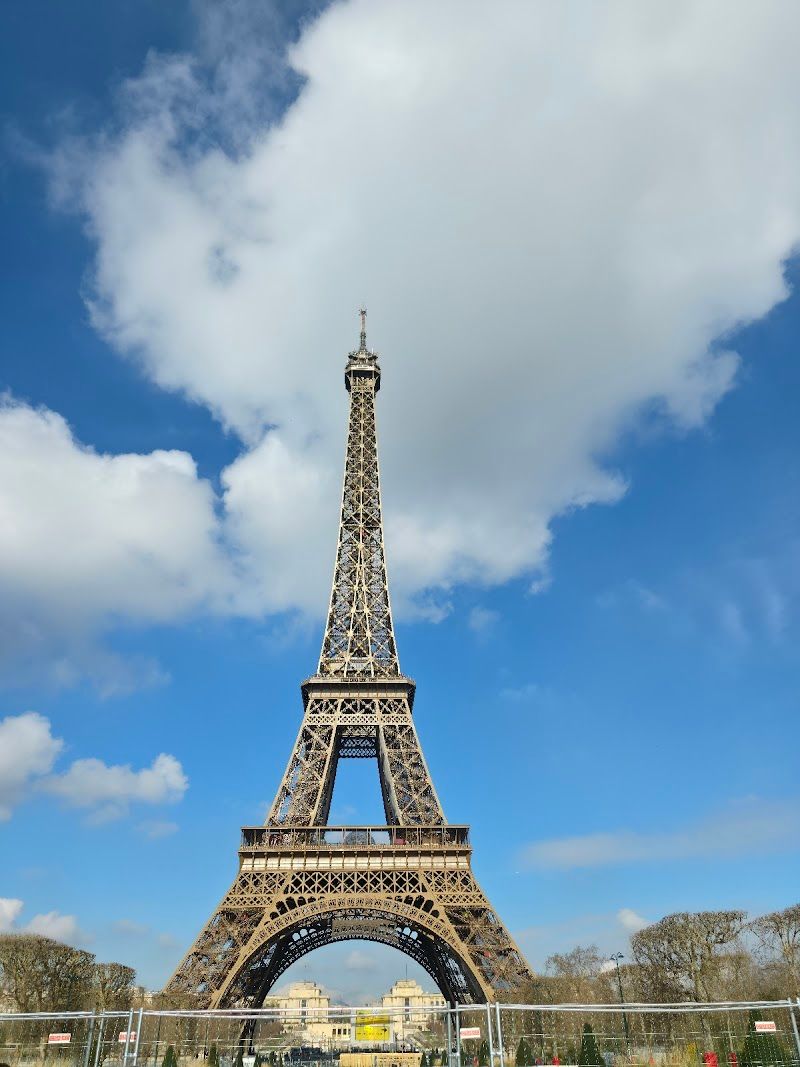
Eiffel Tower
Standing 330 meters tall, the Eiffel Tower offers three observation levels with genuinely spectacular views across Paris. The second floor at 115 meters gives you the perfect perspective to identify landmarks like Sacré-Cœur, Arc de Triomphe, and the Seine's curves, while the summit adds that vertigo-inducing wow factor. The champagne bar at the top serves overpriced but memorable Champagne Deutz with views that stretch 60 kilometers on clear days. The experience starts with security screening, then express elevators that feel surprisingly smooth despite the tower's gentle sway in wind. The second floor has glass walls installed in 2010 that eliminated the old wire mesh, making photos infinitely better. The summit feels more cramped but offers Gustave Eiffel's restored private office behind glass and that champagne bar with its tiny outdoor terrace. Honestly, the second floor delivers 90% of the experience at half the cost and wait time. The summit adds height but loses the ability to see the tower's structure beneath you. Evening slots are worth the premium-the city lights start twinkling around 8 PM in summer, and you'll catch both golden hour and blue hour. Skip the first floor entirely unless you're dining at 58 Tour Eiffel.
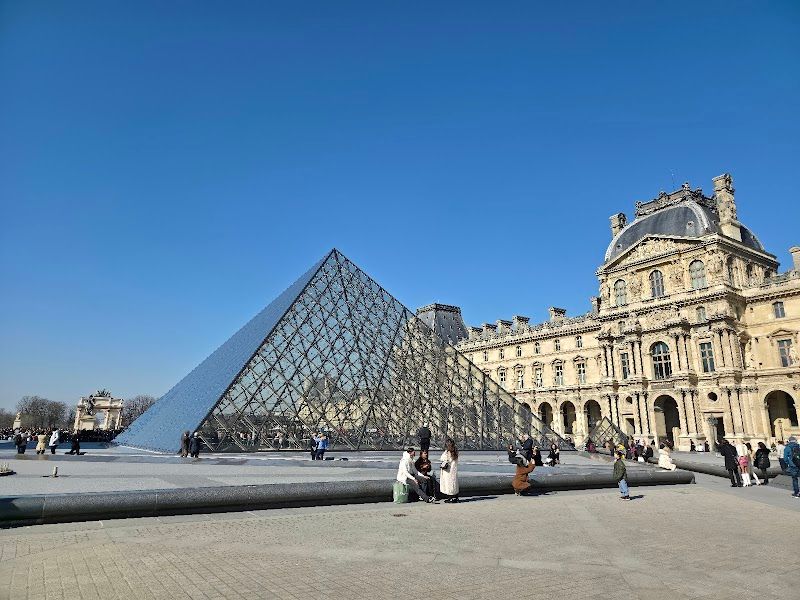
Musée du Louvre
Napoleon's former palace houses 35,000 artworks across three wings, from ancient Egyptian mummies to Renaissance masterpieces. You'll walk through actual royal apartments where French kings lived, past Islamic ceramics spanning centuries, and into galleries packed with works by Vermeer, Delacroix, and yes, da Vinci. The sheer scale is staggering: 60,600 square meters of exhibition space that would take months to see properly. The experience feels like touring three different museums crammed into one overwhelming palace. Crowds surge toward the Mona Lisa while entire wings stay nearly empty, and the marble floors will punish your feet after two hours. The Napoleon III apartments showcase absurd 19th-century opulence that most visitors skip entirely, missing some of the most ornate rooms in Paris. Egyptian sarcophagi sit floors below Greek sculptures, creating a disjointed but fascinating journey through human civilization. Admission costs €17 online, €15 at the door (free for EU residents under 26). Don't attempt to see everything in one visit, that's genuinely impossible and you'll leave exhausted and frustrated. The Islamic arts wing stays blissfully quiet while tourists mob the Italian paintings. Skip the medieval Louvre foundations unless you're seriously into archaeology, focus on two wings maximum, and save the Mona Lisa for your second visit when you're not rushed.
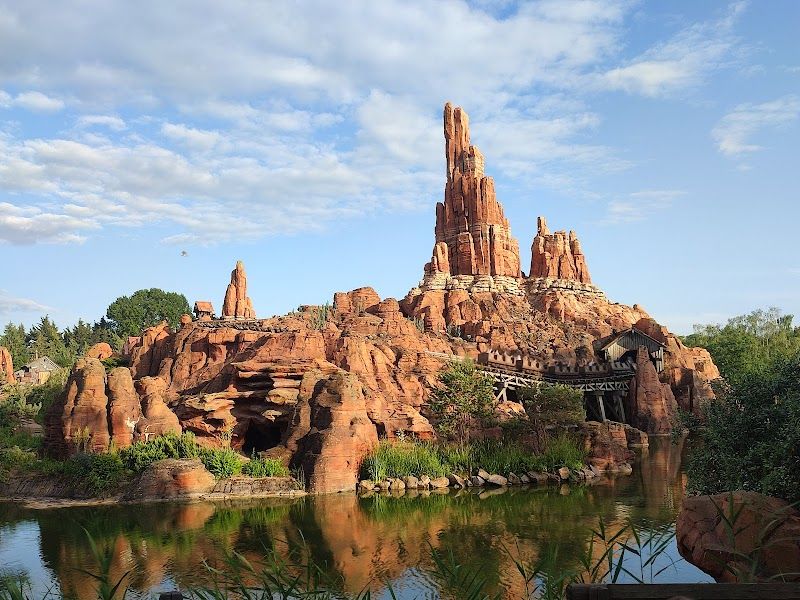
Disneyland Paris
Disneyland Paris delivers two distinct experiences: the classic Disneyland Park centered around Sleeping Beauty Castle with attractions like Space Mountain and Pirates of the Caribbean, plus Walt Disney Studios Park showcasing movie magic through rides like Ratatouille and the Marvel Campus with its Spider-Man attraction. The castle here is notably more ornate than other Disney castles, with pink spires and detailed stonework that photographs beautifully. The parks feel more compact than their American counterparts, making them manageable in a day each. Disneyland Park flows in a hub-and-spoke design around the castle, while Studios Park clusters attractions by movie themes. The European crowd brings a different energy - less intense than Orlando, more relaxed pacing. Food quality exceeds typical theme park fare, especially the French pastries and sit-down restaurants. Most guides oversell the two-park experience. Unless you're staying multiple days, pick one park - Disneyland Park has more classic attractions and better atmosphere for first-timers. Studios Park works better for Marvel fans and movie buffs. Skip the expensive character dining; you'll see plenty of characters in the parks. The train from central Paris takes 45 minutes and costs much less than driving with parking fees.
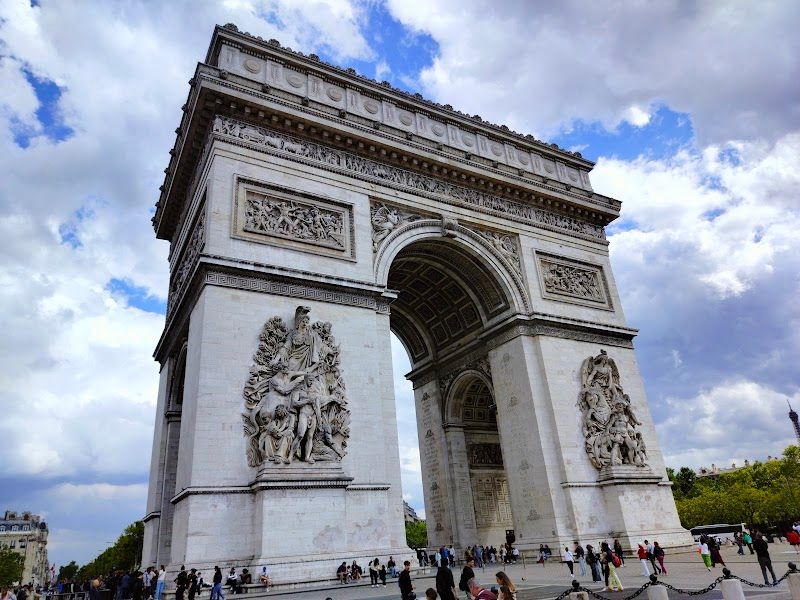
Arc de Triomphe
Standing 50 meters tall at the center of twelve radiating avenues, this triumphal arch contains detailed reliefs of Napoleon's military campaigns and houses 660 names of generals carved into its interior walls. The sculpture "La Marseillaise" on the Champs-Élysées side is genuinely stirring, while the Tomb of the Unknown Soldier beneath adds unexpected solemnity to what could feel like tourist spectacle. The 284-step spiral climb winds through a small museum of Napoleon memorabilia before reaching the rooftop terrace. From the top, you get unobstructed sightlines down all twelve avenues: the view toward La Défense business district is particularly striking at sunset. The eternal flame ceremony at 6:30 PM draws respectful crowds who gather silently as veterans rekindle the flame. The climb itself feels cramped with narrow stone steps, but the payoff is immediate once you reach the observation deck. Skip the museum section unless you're genuinely interested in 19th-century military history: the exhibit feels dated and cramped. The real payoff is the rooftop, but go early morning to avoid tour groups. Entry costs €13, and the underground tunnel from metro exit 1 dumps you right at the entrance, though it smells perpetually of urine.
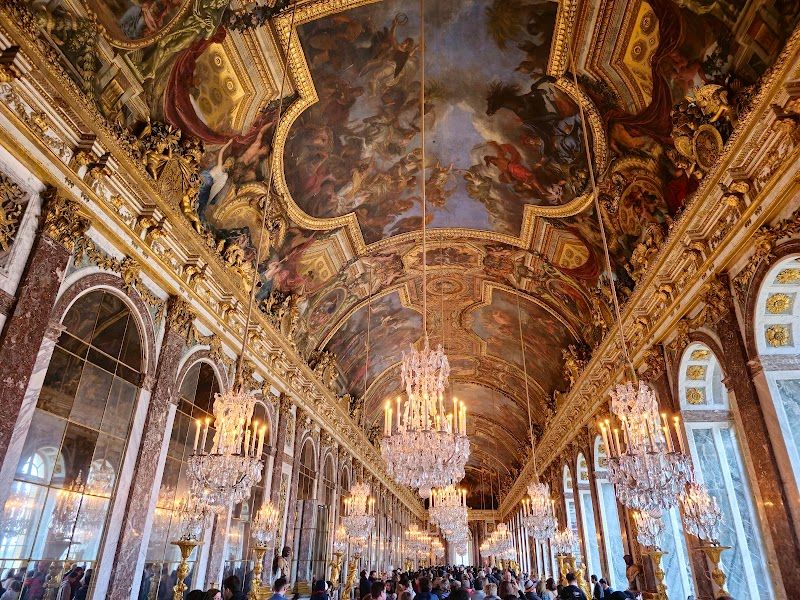
Palace of Versailles
This is the actual seat of power where Louis XIV transformed France into Europe's dominant force, moving his entire government here in 1682. The Hall of Mirrors isn't just pretty-it's where the Treaty of Versailles was signed in 1919, and walking its 240-foot length gives you the same view that foreign ambassadors had when approaching the Sun King. The King's Grand Apartments show how political theater worked through architecture, with each room representing a different planet in his solar system. The visit follows a logical flow from the State Apartments through the Hall of Mirrors to the Queen's Apartments, but the crowds move like molasses. What hits you isn't the gold leaf-it's the scale and the realization that 3,000 courtiers lived here permanently. The gardens stretch beyond what your eye can capture, and Marie Antoinette's Petit Trianon feels like a different universe from the main palace's formality. Skip the overcrowded King's bedchamber viewing-you can barely see anything over heads. The real revelation is the Queen's staircase and apartments, which most people rush through. Budget 6-7 hours minimum if you want to see the Trianon estates properly. The audio guide is essential for understanding the political significance beyond the obvious opulence.
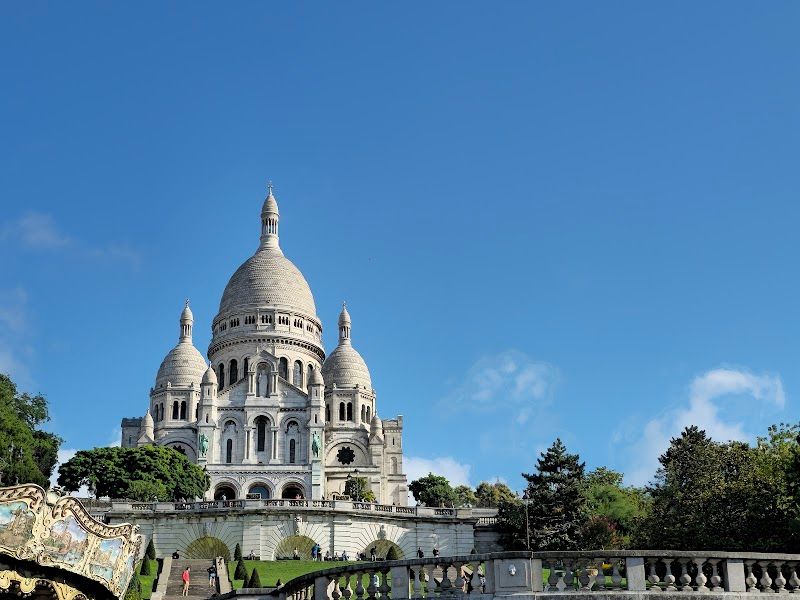
Basilique du Sacré-Cœur de Montmartre
This Romano-Byzantine basilica sits atop Montmartre's highest point, its white travertine stone creating an almost ethereal presence against the Paris skyline. The interior houses France's largest mosaic, a 475-square-meter Christ in Glory that dominates the apse with its golden radiance. The real draw is the dome climb: 300 spiral steps lead to a 360-degree panorama where you can spot the Eiffel Tower, Arc de Triomphe, and the entire city sprawling below. The visit splits between the atmospheric basilica interior and the commanding exterior spaces. Inside, the Byzantine architecture creates surprising intimacy despite the grand scale, with perpetual adoration maintaining a reverent quiet. The mosaic work up close reveals intricate details invisible from the nave. Outside, the expansive parvis provides classic postcard views, while the dome climb rewards you with Paris laid out like a detailed map. Most visitors rush through without appreciating the architectural details or spending time in the crypt. The dome ticket (€7) is well worth it on clear days - if visibility is poor, consider skipping it. Early morning is the best time for photography and fewer crowds blocking the parvis views. The basilica itself is free, so don't feel pressured to see everything in one visit.
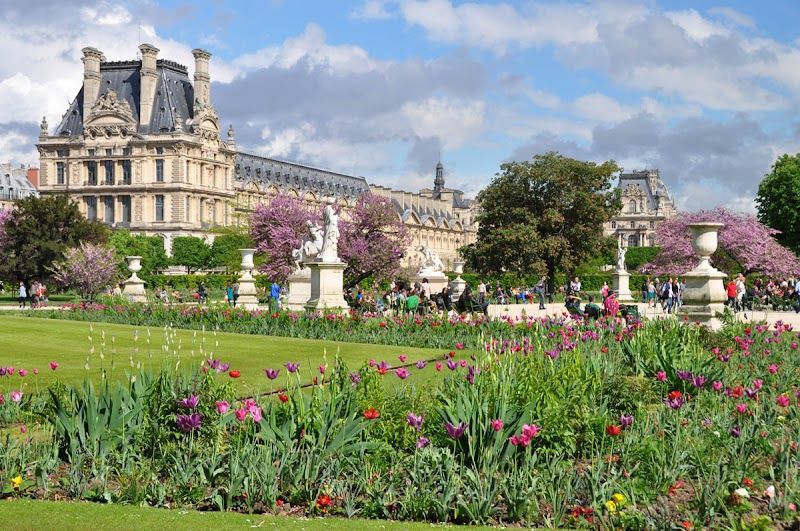
Tuileries Garden
This is Le Nôtre's masterpiece of formal garden design, a perfectly symmetrical stretch of gravel paths, manicured lawns, and geometric flower beds running 800 meters between the Louvre and Place de la Concorde. The octagonal basin at the center anchors everything, surrounded by Maillol's curvaceous bronze nudes and bordered by double rows of lime trees that create natural corridors. It's essentially Paris's central park, where locals actually live their daily lives. The experience flows from intimate to grand as you walk west toward the sunset. Start among the more sheltered terraces near the Louvre, where joggers stretch against the balustrades and kids sail model boats in the fountain. The middle section opens up around the basin, always busy with photographers and people claiming the signature green metal chairs. The western end feels almost ceremonial, with the wide perspective toward the Champs-Élysées and that classic Parisian axial view. Most guides oversell this as a sightseeing destination when it's really about the rhythm of Parisian life. The sculptures are fine but not spectacular-skip the crowded Rodin area near the museum entrance. The real magic is late afternoon when office workers decompress and the light hits the gravel just right. Come here to rest between museums, not as a destination itself.
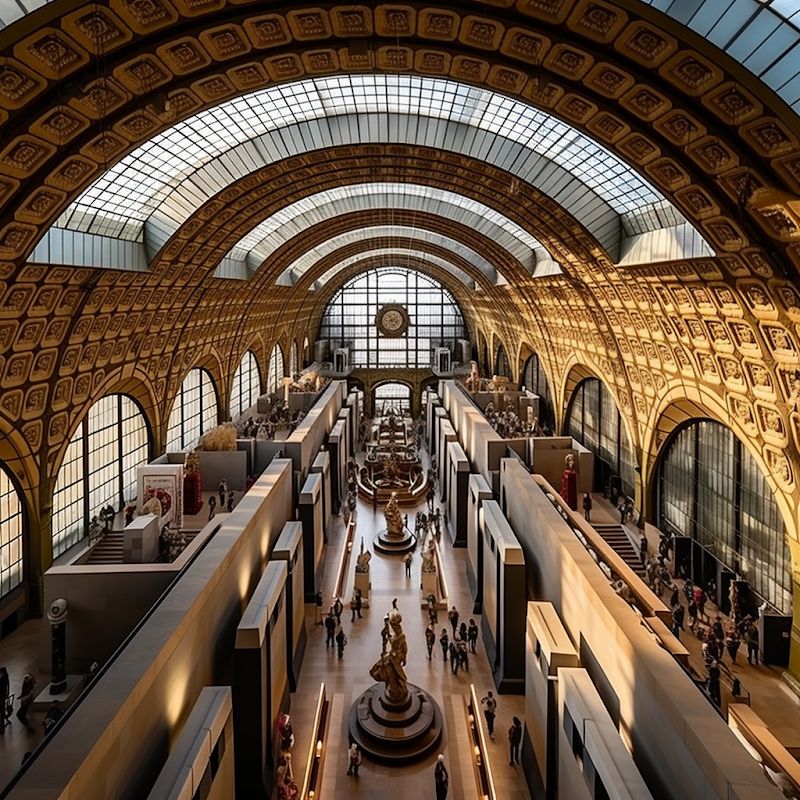
Musée d'Orsay
The Musée d'Orsay houses the world's finest collection of Impressionist masterpieces inside a breathtaking Belle Époque railway station. You'll see Renoir's Bal du moulin de la Galette, Van Gogh's Starry Night Over the Rhône, Manet's scandalous Olympia, and an entire wall of Monet's Rouen Cathedral series. The 1900 Gare d'Orsay building itself is spectacular: that soaring iron and glass roof creates perfect natural light that changes throughout the day. The visit flows chronologically across three floors, showing French art's evolution from stiff academic paintings to revolutionary Impressionism. Start on the ground floor with Courbet's massive realistic canvases and excellent sculpture galleries, then take the elevator to the fifth floor where the Impressionists live. The layout tells a story: you literally watch art break free from centuries of tradition. Room 32 gets mobbed for Van Gogh, while the decorative arts wing stays blissfully quiet. Most visitors make two mistakes: rushing straight to the Impressionists and skipping everything else. The ground floor sculpture and the decorative arts collection are genuinely world class but overlooked. Entry costs €16, free for EU residents under 26. The museum café behind the giant clock serves mediocre €12 salads but the atmosphere is unbeatable. Budget three hours if you're serious about art, two for highlights only.
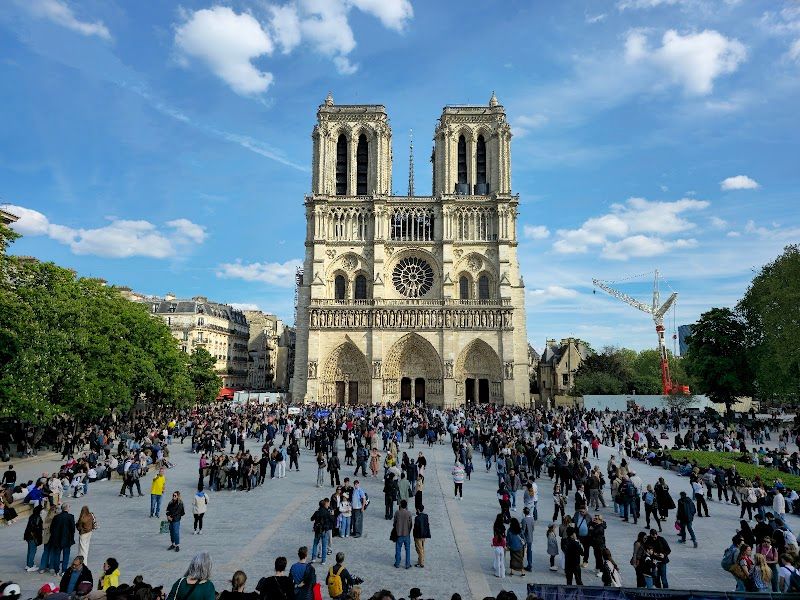
Cathédrale Notre-Dame de Paris
Notre-Dame showcases French Gothic architecture at its peak, with 69-meter nave walls supported by flying buttresses that visibly lean outward to distribute the cathedral's immense weight. The western facade features 28 statues in the Gallery of Kings representing Biblical monarchs, while three massive rose windows create spectacular light patterns throughout the day. You'll walk around the entire perimeter to appreciate how medieval architects solved engineering challenges that still impress today. The experience feels like examining a masterpiece under restoration, with scaffolding revealing the painstaking work to rebuild what the 2019 fire damaged. The south side offers the clearest views of restored stonework, while the rounded chevet at the east end displays the most complex flying buttress system. Standing on the parvis gives you perspective on the cathedral's true scale: those entrance doors measure 4 meters wide, and the gargoyles aren't just decorative but functional water spouts. Most visitors waste time crowding the front facade and miss the architectural genius visible from the sides and back. The southeast corner near Rue du Cloître-Notre-Dame provides unobstructed views without the parvis crowds. Skip the touristy center shots; the restoration work itself tells a fascinating story about medieval construction techniques being replicated with modern precision.
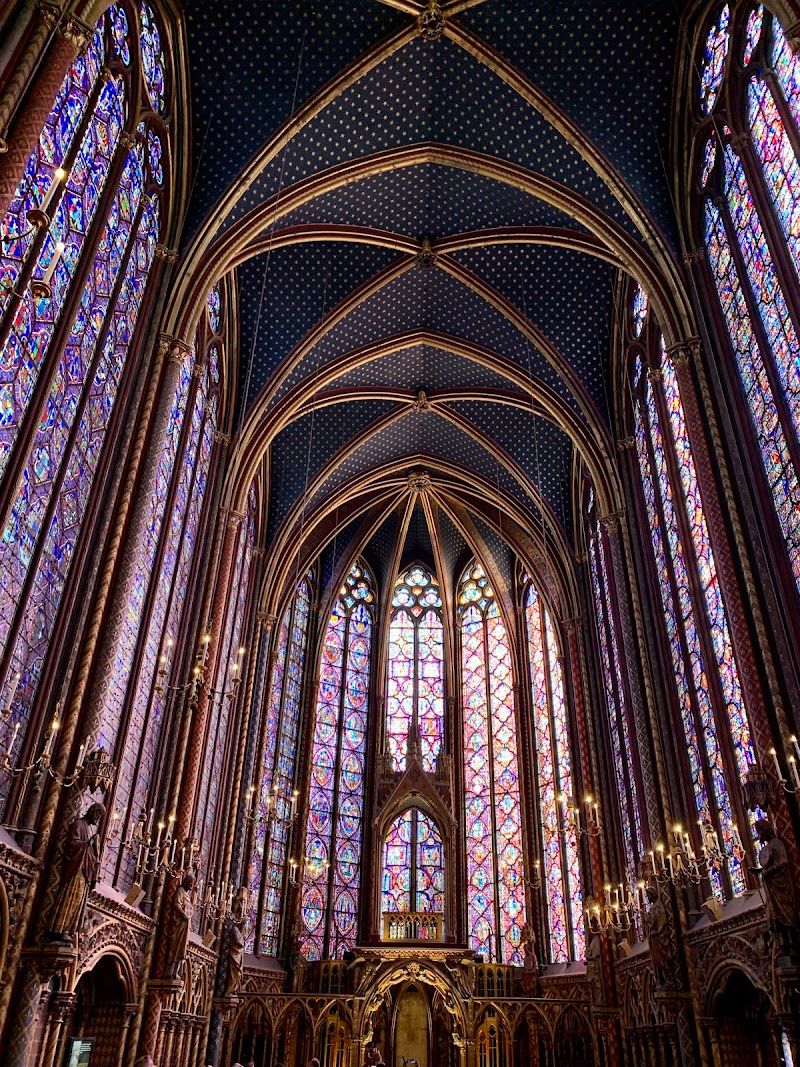
Sainte-Chapelle
Louis IX built this 13th-century chapel specifically to house Christ's Crown of Thorns, creating what amounts to a reliquary the size of a building. The upper chapel's 15-meter stained glass windows tell the entire Biblical story from Genesis to Christ's resurrection in 1,113 individual scenes - you can spend an hour just decoding the stories in the Rose Window alone. When afternoon sun hits the western windows, the entire space glows like the inside of a sapphire. You'll enter through the lower chapel, which served the palace staff and feels surprisingly dark and cramped. The narrow spiral staircase deposits you into the upper chapel - the contrast is genuinely startling. The walls disappear into towers of colored glass, and your eyes need a moment to adjust to the kaleidoscope effect. Most people photograph frantically for five minutes then stand transfixed. The audio guide is actually worth it here - without context, the windows look beautiful but meaningless. Avoid the gift shop entirely and don't bother with the lower chapel beyond a quick glance. The magic happens upstairs, and you'll know within thirty seconds whether the light is good enough that day to make the visit worthwhile.
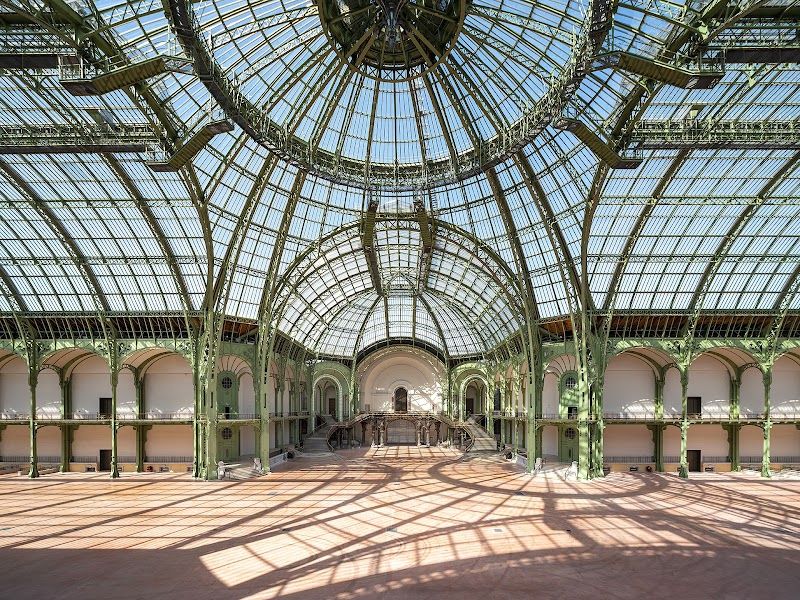
Grand Palais
The Grand Palais is fundamentally an architectural marvel - a massive steel and glass cathedral built for the 1900 Exposition. That soaring nave with its 45-meter glass ceiling creates an almost ethereal light that transforms throughout the day. When exhibitions fill this space, the interplay between the Belle Époque structure and contemporary art creates something genuinely special. I've seen everything from Impressionist blockbusters to contemporary installations here, and the building elevates every show. Walking through those bronze doors, you're immediately dwarfed by the scale. The main nave stretches 240 meters - longer than Notre-Dame - and those glass panels above filter Paris light into something almost sacred. Major exhibitions typically use the main galleries methodically, but I always spend time just looking up. The iron framework and that massive glass dome are engineering poetry. Sound carries strangely here too - conversations echo in unexpected ways. Here's what no one mentions: the building itself often overshadows the exhibitions. I've been to shows where I spent more time photographing the architecture than the art. The restoration closing until 2025 is actually necessary - those glass panels leak terribly when it rains, and climate control has always been challenging. When it reopens, expect longer lines but better preservation conditions. The smaller Palais de la Découverte section sometimes stays open during main gallery closures.
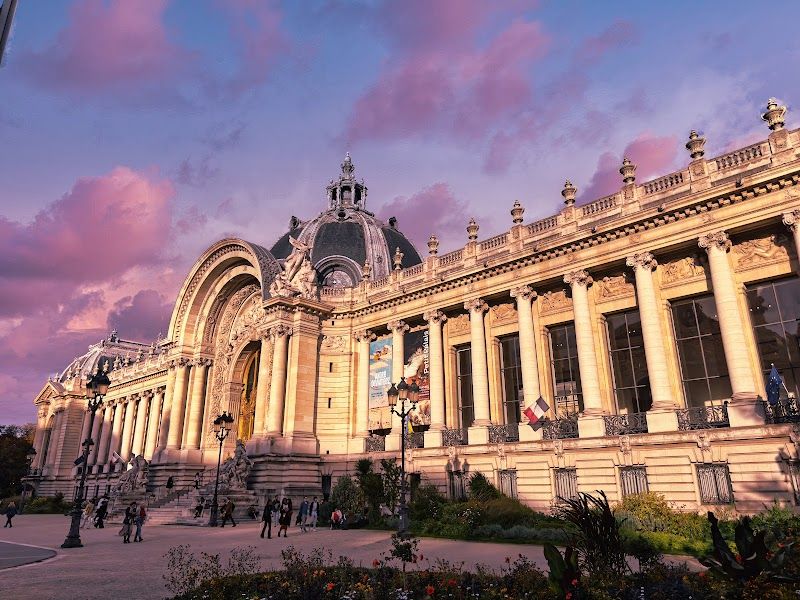
Petit Palais
The Petit Palais houses an impressive collection that spans Greek ceramics to Art Nouveau furniture, but what sets it apart is the building itself. A 1900 Belle Époque palace features glass ceilings, intricate mosaics, and carved stone details that rival many artworks inside. The galleries wrap around a covered courtyard garden with a café that feels like dining in a greenhouse. Entering through the main hall immediately reveals the architectural drama: marble columns, painted ceilings, and natural light flooding through the glass dome. The collection flows chronologically, starting with ancient art on the ground floor and moving to 19th-century paintings upstairs. Courbet's seascapes and Cézanne's still lifes occupy prime real estate, while the decorative arts section showcases elaborate jewelry and furniture most museums keep in storage. Morning visits are essential, as afternoon crowds make the smaller galleries cramped, and the garden café fills up by lunch. If you're short on time, consider skipping the ancient art section; the real treasures are the 19th-century French paintings and the building's original 1900 fixtures. The permanent collection is genuinely free, making this one of Paris's best museum values.
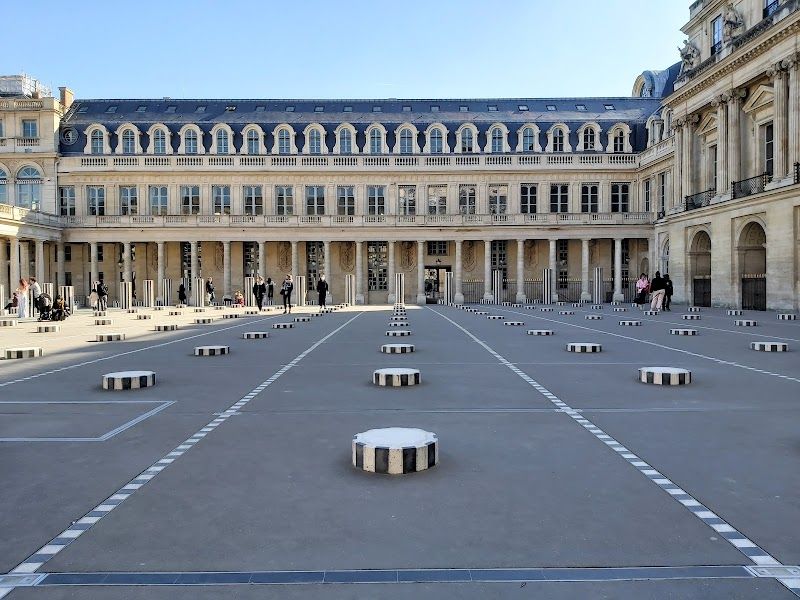
Domaine National du Palais-Royal
The Domaine National du Palais-Royal is Cardinal Richelieu's former palace turned into an elegant 18th-century residential complex surrounding peaceful gardens. The 260 black-and-white striped columns by Daniel Buren spark endless debate among Parisians, while the covered galleries house everything from vintage perfume shops to the Comédie-Française. The contrast between the contemporary art installation and classical architecture creates one of Paris's most photogenic courtyards. Entering through Place Colette, you'll immediately encounter Buren's polarizing columns of varying heights. The central garden offers gravel paths, perfectly manicured lawns, and metal chairs where locals lunch and read. The three-story arcaded galleries wrap around the courtyard, creating a sophisticated shopping promenade that feels more like a private club than a tourist destination. Most visitors snap photos of the columns and leave, missing the real charm in the galleries themselves. The shops close surprisingly early-many by 6 PM-and several shut down for lunch. The garden chairs fill up fast on sunny days, so claim yours early. Skip the expensive café terraces and bring your own picnic; locals do this without hesitation.
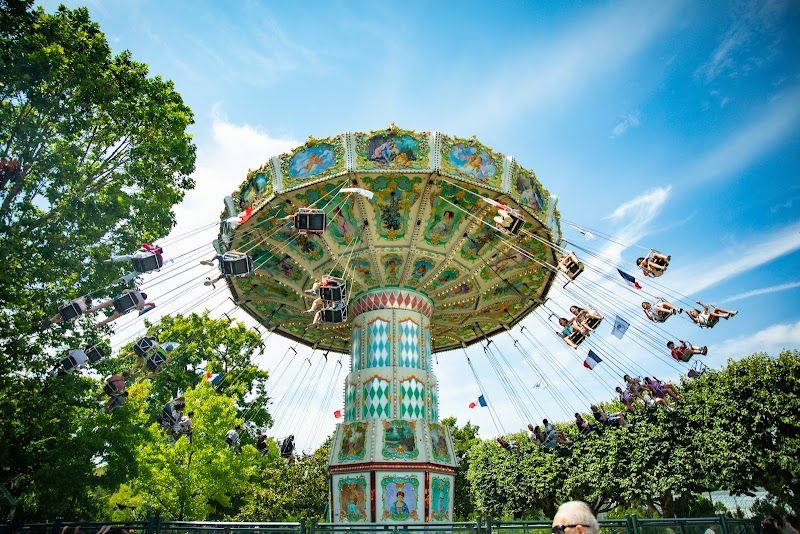
Jardin d'Acclimatation
Jardin d'Acclimatation feels like stepping into a French childhood fantasy from the 1860s that's been carefully updated. The wooden roller coaster still creaks authentically, the miniature farm has actual sheep and goats you can pet, and the puppet shows happen in an honest-to-goodness theater with velvet seats. The Exploradôme science museum tucked in the back corner has surprisingly engaging interactive exhibits that work. You'll spend most of your time wandering between clusters of rides connected by tree-lined paths. The dragon roller coaster and spinning teacups draw the longest lines, while the vintage carousel with hand-painted horses runs constantly. Kids gravitate toward the climbing structures near the entrance, and the little train that circles the perimeter gives tired parents a break. The whole place has a lived-in feeling that Disneyland lacks. Honestly, this works best for families with kids aged 4-10. Teenagers will be bored within an hour. The food stands are overpriced and mediocre, so eat beforehand. Skip the river boats unless your child specifically asks - they're slow and underwhelming. Focus your time on the farm animals and science museum, which most families rush past but are actually the highlights.
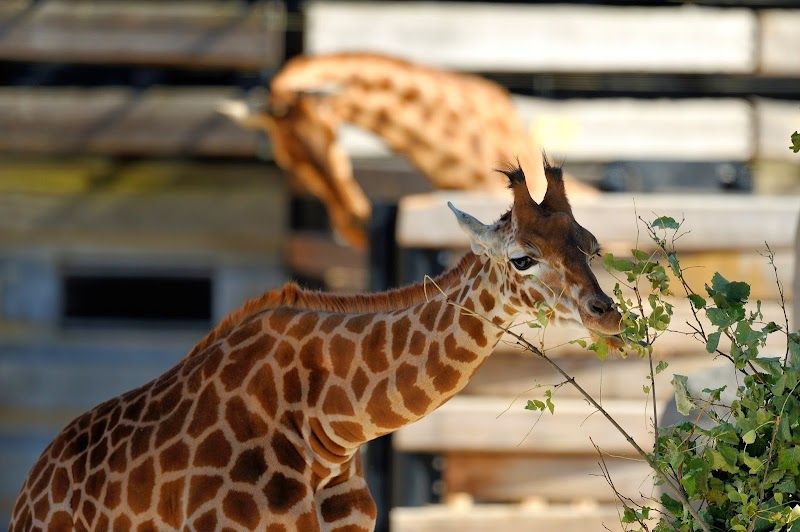
Parc zoologique de Paris
This isn't your typical cramped city zoo - the Parc zoologique de Paris sprawls across Vincennes with five distinct biozones that actually feel like different continents. The Patagonia section with its sea lions and penguins feels genuinely wild, while Madagascar's lemurs leap overhead in massive enclosures. The Grand Rocher dominates everything, housing giraffes whose heads appear at eye level when you reach the upper viewing decks. The layout flows naturally between biozones, though the African Savanna requires serious walking - it's genuinely huge with multiple viewing points for the lions. The greenhouse in Amazonia gets uncomfortably humid but the jaguars and manatees make it worthwhile. Kids lose their minds at the interactive elements, especially the underground viewing areas where you're literally inside the animal habitats. Skip the overcrowded weekend afternoons when strollers clog every pathway. The restaurant is overpriced cafeteria food - pack lunch and use the extensive picnic areas. Start with Patagonia for the feeding shows, then work counterclockwise to avoid backtracking. Budget four hours minimum; this place is massive and you'll be walking constantly on uneven terrain.
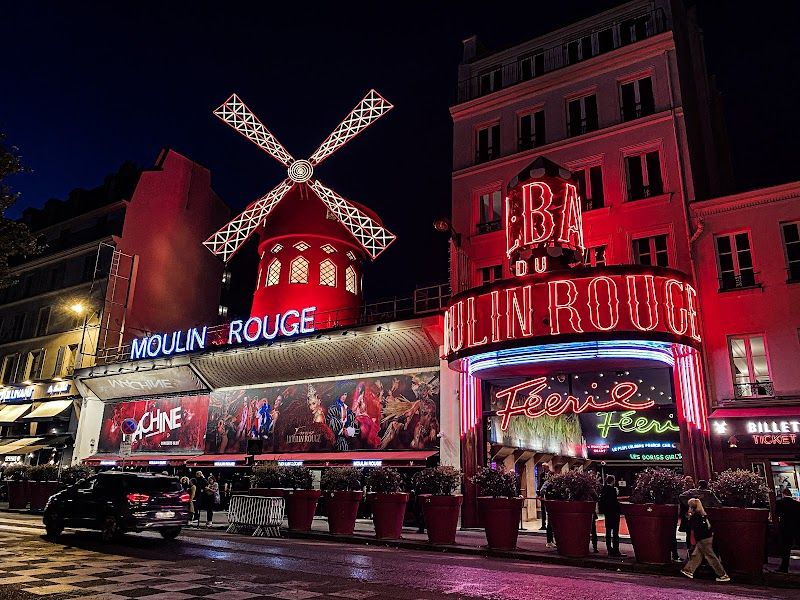
Moulin Rouge
The Moulin Rouge delivers exactly what you'd expect from Paris's most famous cabaret: a high-energy spectacle with 80 dancers, feathered headdresses, sequined costumes, and synchronized French cancan kicks that end with the girls flinging their legs impossibly high. The Féerie revue runs like clockwork with elaborate set changes, live orchestra, and production values that justify the hefty price tag starting at €87 for champagne seating. The experience feels wonderfully old-school theatrical. You're seated at small round tables in a red velvet theater while champagne flows and performers emerge from trapdoors, swing on aerial silks, and execute costume changes that seem physically impossible. The famous windmill blades actually turn during certain numbers, and the finale's cancan line stretches across the entire 20-meter stage. Honestly, it's touristy as hell but genuinely entertaining if you embrace the camp. The dinner show runs three hours and costs €215-€395, though many skip it for the shorter champagne-only performance at €87-€127. Avoid weekend shows if possible: they're packed with bachelor parties and the energy gets rowdy rather than sophisticated.
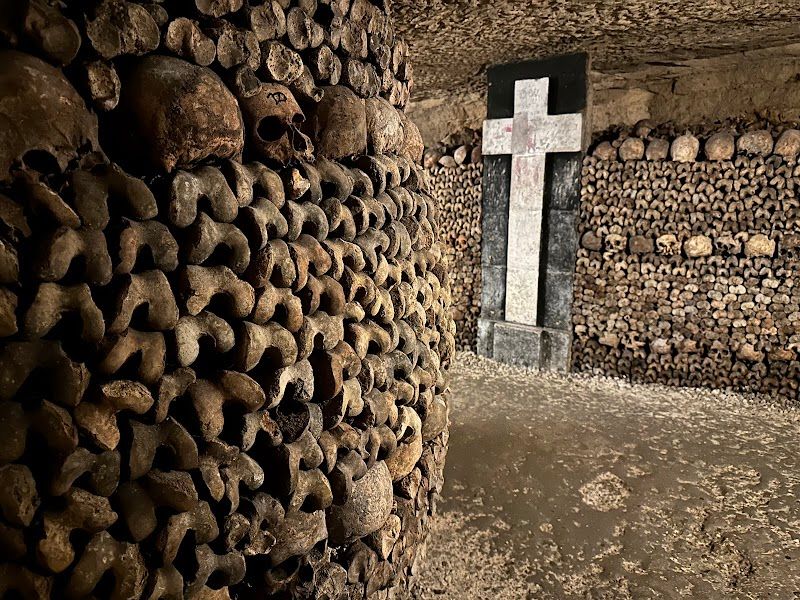
Catacombs of Paris
The Catacombs house the skeletal remains of over six million Parisians in a 1.7-kilometer underground network that was once limestone quarries. You'll walk through narrow tunnels lined with carefully arranged femurs, skulls, and tibias-the bone walls are stacked several meters deep in artistic patterns that took workers years to complete in the 1780s when overcrowded cemeteries were emptied. The route is one-way through cramped passages where you can't turn back once you start. The most striking section is the ossuary proper, where bones form decorative patterns and philosophical inscriptions are carved into stone. The skull arrangements are genuinely impressive-rows of empty eye sockets staring back at you from walls that stretch into darkness. The audio guide provides decent historical context about Paris's cemetery crisis. Book tickets weeks ahead online or you won't get in-the daily visitor limit is strict. The tour moves at a fixed pace through single-file passages, so claustrophobic visitors should reconsider. Skip the overpriced gift shop but don't miss the final room's ceiling made entirely of arranged leg bones. Most visitors rush through; take time to read the Latin inscriptions.
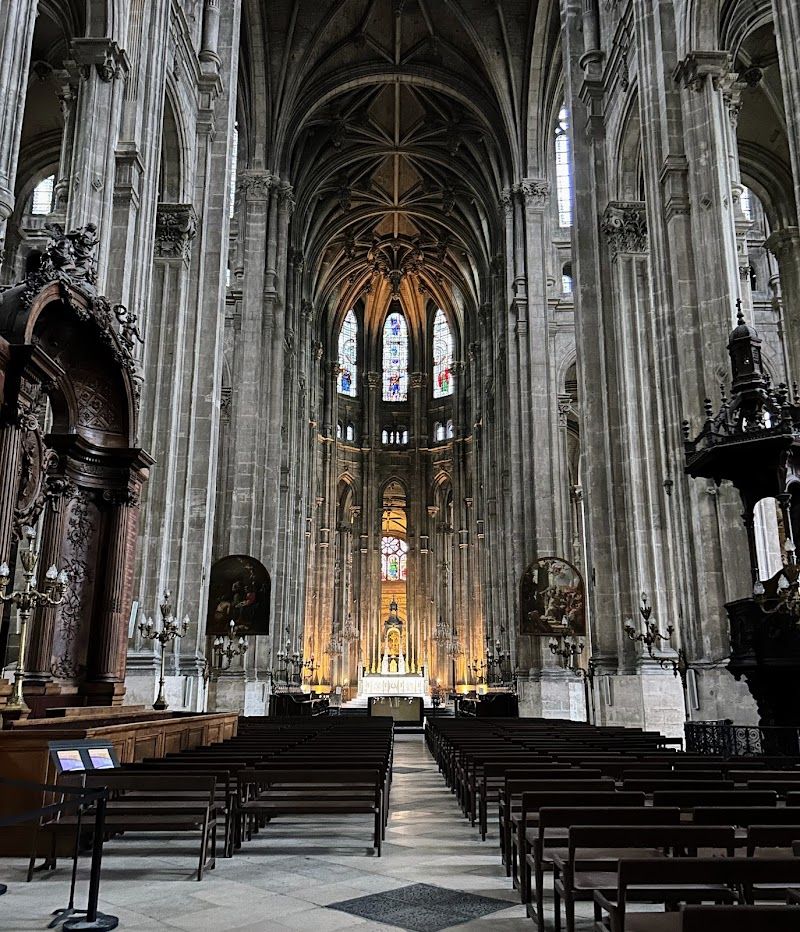
Saint-Eustache Church
Saint-Eustache dominates Les Halles with its peculiar architectural hybrid-Gothic bones clothed in Renaissance decoration that creates a surprisingly harmonious whole. The interior genuinely competes with Notre-Dame for drama, with those 33-meter vaults creating cathedral-like proportions that make you crane your neck. The Gonzalez organ installation and Keith Haring's bronze triptych add unexpected contemporary touches to this 16th-century space. Entering through the main western portal, you're immediately struck by the sheer scale-the nave stretches 100 meters and feels almost endless. The light filtering through the stained glass creates different moods throughout the day, and the acoustic properties are remarkable even when empty. Colbert's tomb sits in a side chapel, though most visitors walk past it without noticing. Most guides oversell the concerts-yes, they're free and the acoustics are incredible, but arrive 20 minutes early or you'll stand in the back. The church can feel tourist-heavy during midday, but early morning visits around 9 AM offer genuine solitude. Skip the exterior circuit-the real magic is entirely inside, and 30 minutes covers everything unless you're here for music.
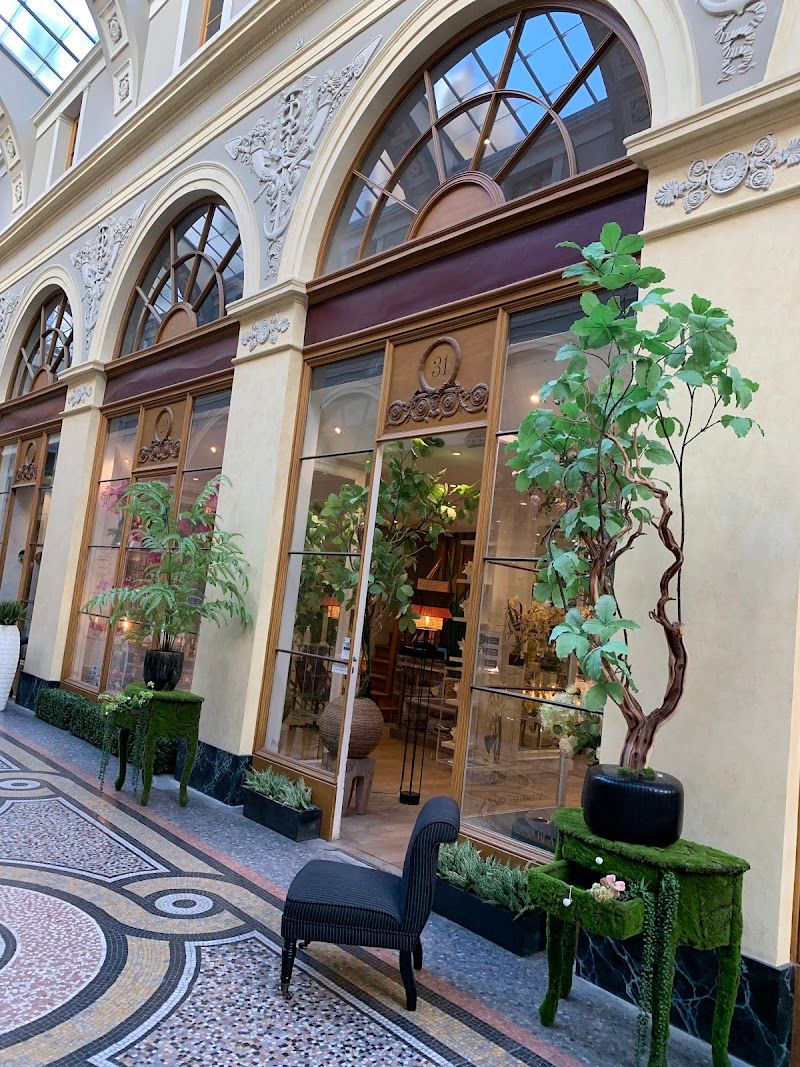
Galerie Vivienne
Galerie Vivienne is one of Paris's most elegant 19th-century covered passages, featuring intricate geometric floor mosaics in black, white, and gold that have survived nearly two centuries of foot traffic. The barrel-vaulted glass ceiling floods the narrow corridor with natural light, illuminating the preserved brass and mahogany storefronts that house everything from rare book dealers to Jean-Paul Gaultier's flagship store. Walking through feels like stepping into a living museum where commerce still thrives. The neoclassical rotunda at the Rue des Petits-Champs entrance creates a dramatic first impression, then the passage narrows as you move toward Rue Vivienne. The acoustics amplify every footstep on the mosaic floor, and the warm light filtering through the glass creates an almost theatrical atmosphere throughout the day. Most visitors rush through in 10 minutes, but the real charm emerges when you linger. The boutiques are genuinely worth browsing-Legrand Filles et Fils has operated here since 1880 and offers wine tastings. Skip the touristy tea salon A Priori Thé unless you enjoy overpriced mediocrity. Come mid-morning when shops are open but crowds haven't arrived, and bring a camera-the interplay of light and shadow changes dramatically as the sun moves overhead.
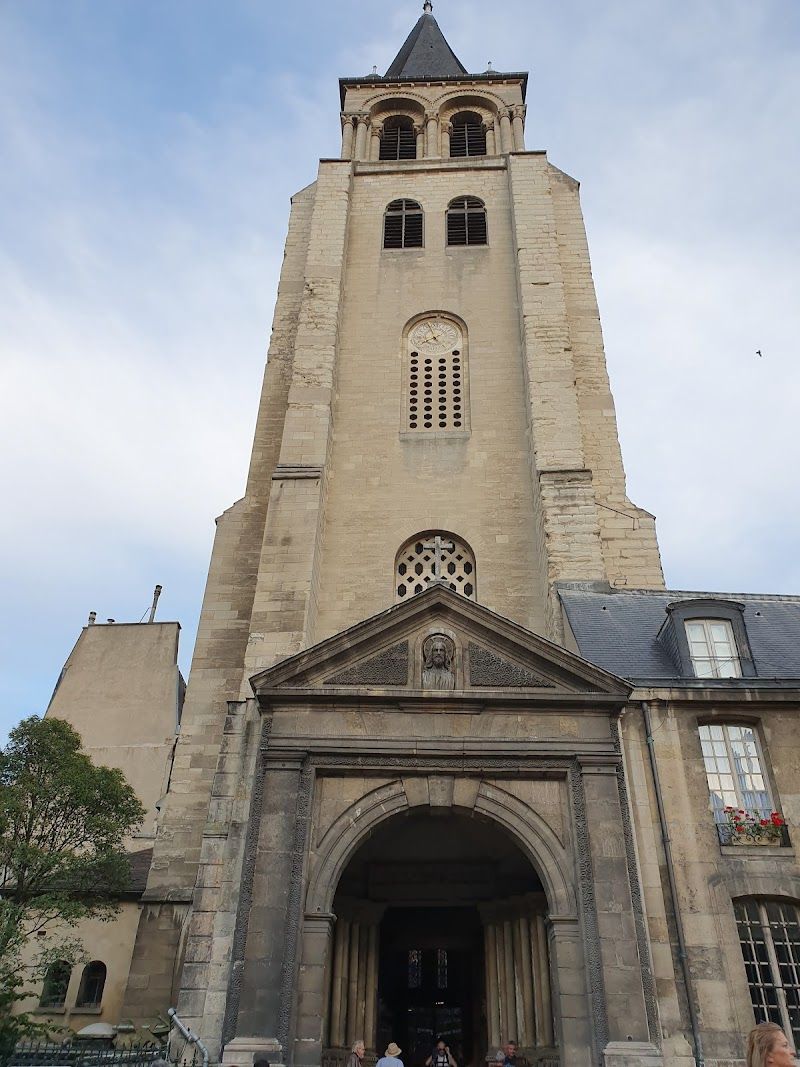
Church of Saint-Germain-des-Prés
This Benedictine abbey church really is Paris's oldest, with foundations from 558 AD, though what you see today is mostly 11th-century Romanesque stonework mixed with 19th-century Gothic revival additions. The flying buttresses and pointed arches in the choir are authentic 12th century, while the colorful ceiling frescoes by Hippolyte Flandrin were painted in the 1840s. The acoustics are genuinely exceptional thanks to the stone vaulting and careful proportions. The interior feels surprisingly intimate for such an ancient space. You enter through heavy wooden doors into a nave that's darker than most Paris churches, with thick Romanesque columns supporting rounded arches. The choir glows with jewel-toned stained glass, and Flandrin's biblical scenes wrap around the sanctuary in soft blues and golds. The marble columns flanking the altar are original 6th-century pieces salvaged from the earlier church. Most tourists rush through in ten minutes, but the real reward is sitting quietly in the wooden pews for at least twenty minutes. Skip the small museum in the sacristy unless you're deeply interested in medieval manuscripts. The Sunday evening concerts are legitimately special, but arrive thirty minutes early since seating fills up fast. Morning light through the east windows illuminates the frescoes beautifully between 10-11 AM.
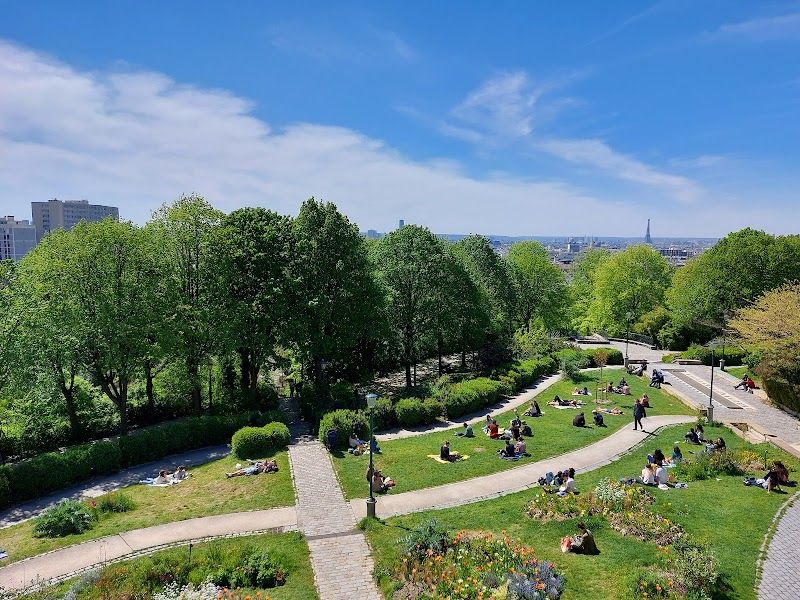
Belleville Park
Parc de Belleville stretches up the hillside from Rue Julien Lacroix to Rue des Couronnes, rising 108 meters above sea level to offer the second-highest viewpoint in Paris. The terraced design creates distinct levels connected by cascading waterfalls that actually work year-round, unlike many Parisian water features. At the summit, a large open lawn provides unobstructed 180-degree views stretching from Montmartre to the Eiffel Tower. The climb up takes about 15 minutes if you enter from the bottom on Rue Julien Lacroix, following zigzagging paths through Mediterranean plantings and past the artificial waterfall system. The middle terraces have benches positioned specifically for different viewing angles, while the top level opens into a proper picnic area where locals spread blankets on weekends. The playground area near the entrance keeps families occupied while parents enjoy the lower viewpoints. This park gets genuinely busy on sunny weekend afternoons, so weekday visits are notably more peaceful. The views are actually better in winter when leafless trees don't obstruct sightlines, though you'll battle cold winds at the exposed summit. Skip the lower entrance if you're short on time-enter directly at Rue des Couronnes and walk straight to the top viewing area.
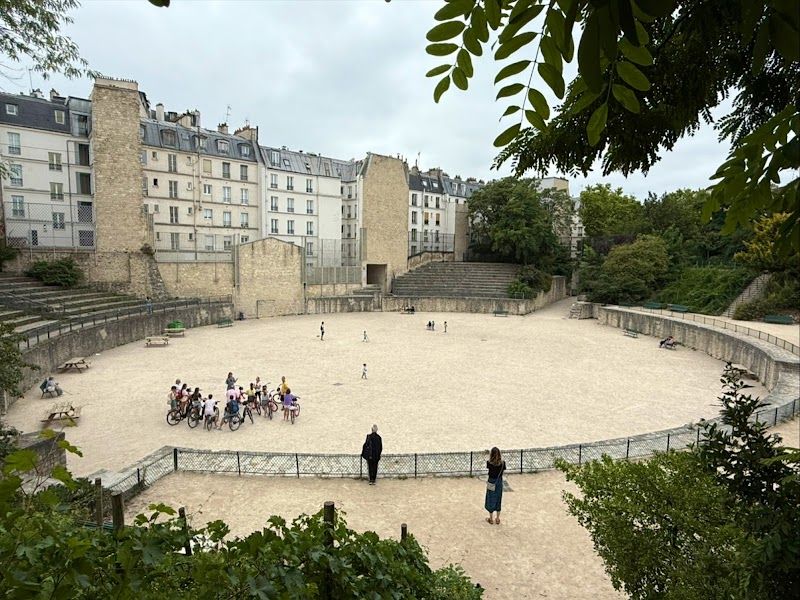
Arènes de Lutèce
The Arènes de Lutèce are Paris's best-preserved Roman ruins, a 1st-century amphitheater where half the original structure still stands. You'll walk down into an actual arena where gladiators fought 2,000 years ago, with intact stone seating tiers climbing up grassy slopes and the original stage area clearly visible. The acoustics still work perfectly: whisper from the stage and someone in the upper seats will hear every word. The experience feels like discovering a neighborhood secret. You enter through small gates and suddenly you're standing on ancient Roman stones while Parisians play pétanque on the sandy arena floor. The contrast is striking: Haussmann apartments tower overhead while you sit on limestone blocks that once held 15,000 spectators when Paris was called Lutetia. Local kids use the seats as playground equipment, and elderly men gather daily for their boules games. Most people snap photos and leave in 10 minutes, which is their loss. The real magic happens when you claim a spot on the upper seats and watch daily Parisian life unfold in this ancient space. Skip the adjacent Square Capitan (it's just a regular park) and focus entirely on the amphitheater itself. Entry is completely free, and unlike most Roman sites, you can actually sit on the original stones.
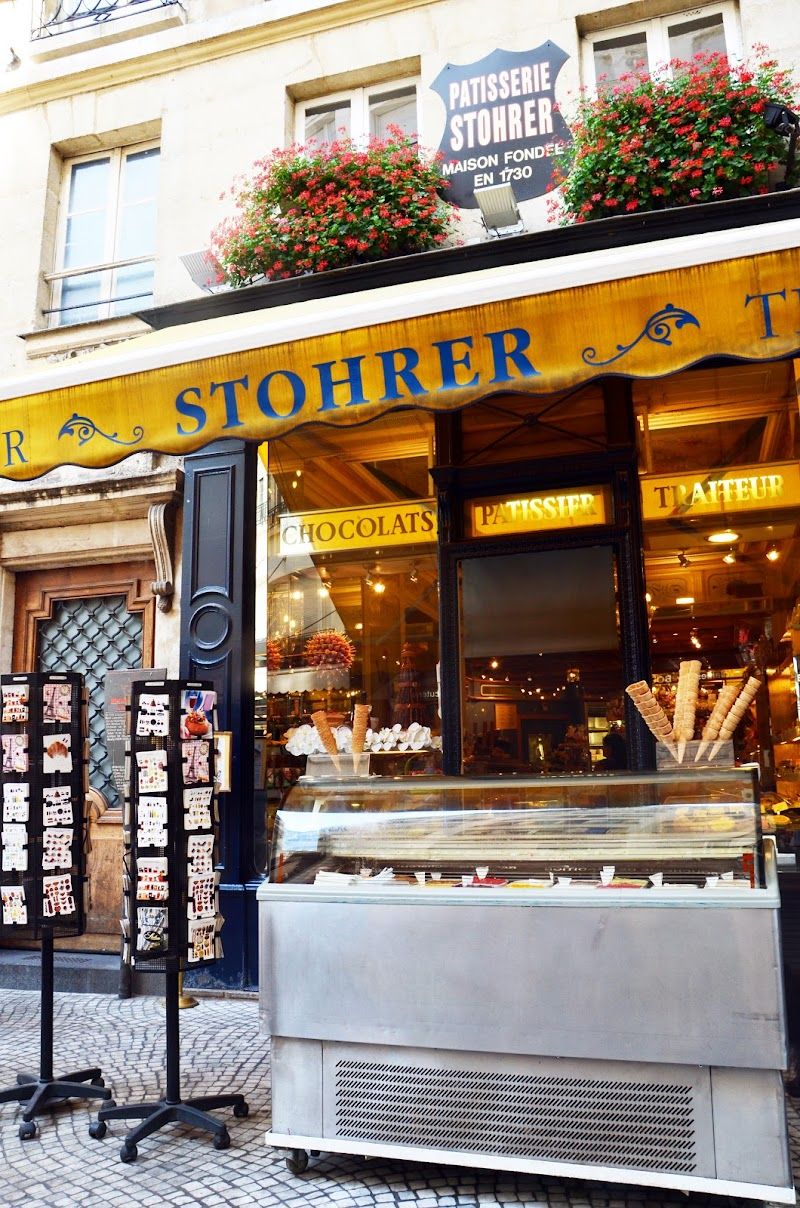
Stohrer
Founded in 1730 by Nicolas Stohrer, pastry chef to King Louis XV, this is Paris's oldest pâtisserie. The shop maintains its original 1864 painted ceiling and serves legendary rum babas and puits d'amour. The interior is a masterpiece of Second Empire decoration with painted murals depicting cherubs and pastoral scenes.
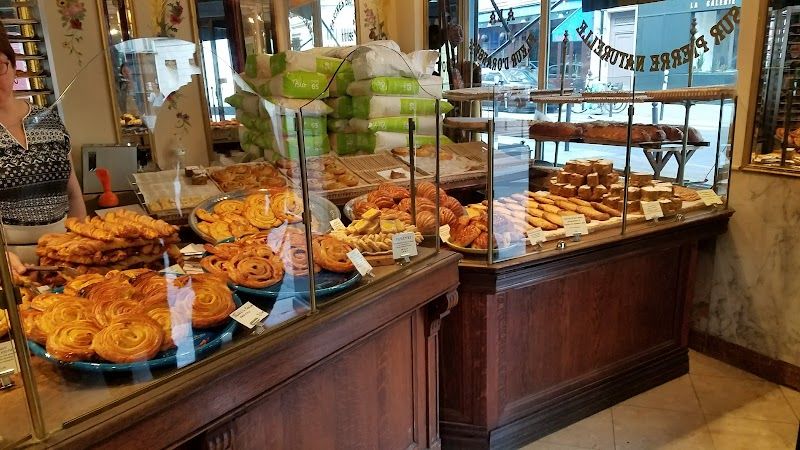
Du Pain et des Idées
Legendary artisan bakery in a beautifully preserved 19th-century space with original painted ceilings and iron ovens. Their pain des amis and escargot pistachio-chocolat are considered among the best pastries in Paris. Lines form early, but the quality and craftsmanship justify the wait.
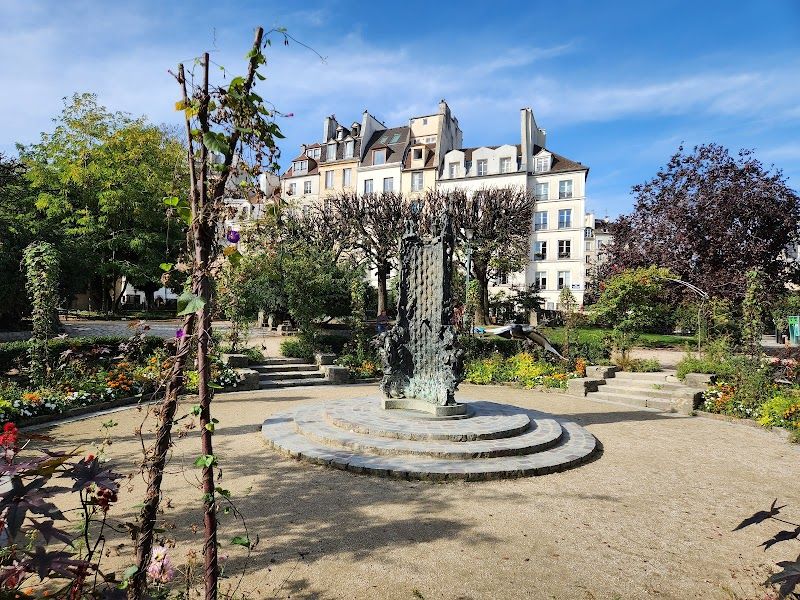
Square René Viviani
This postage-stamp garden sits directly across from Notre-Dame's apse, giving you an unobstructed view of the cathedral's flying buttresses and eastern facade that most tourists never see. The star attraction is genuinely Paris's oldest tree - a gnarly 400-year-old black locust that's witnessed the city's entire modern history. Medieval-style plantings include boxwood hedges, climbing roses, and herb patches that smell incredible in spring. The space feels more like someone's private courtyard than a public park - you can walk the entire perimeter in two minutes. Stone benches line the fence facing Notre-Dame, while the ancient tree dominates the center. A small fountain bubbles near the entrance, and the uneven stone pathways give it an authentically aged feel. Morning light hits the cathedral perfectly from here, and evening brings golden hour magic. Most people spend 10 minutes snapping photos and leave, but the real joy is lingering. The benches fill up fast during sunset, so claim your spot early. Skip it during midday when harsh shadows kill the cathedral views. The garden closes at dusk, which actually makes evening visits feel special rather than rushed - you're watching both the light fade and your time run out.
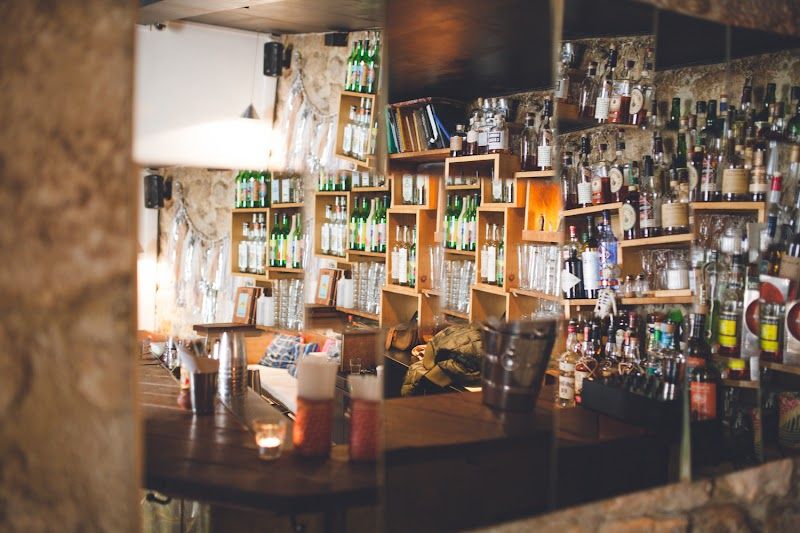
Candelaria
Behind an unassuming taqueria in the northern Marais lies one of Paris's original speakeasies, accessed through an unmarked door in the back. The intimate cocktail bar serves Mexican-inspired drinks with premium spirits and house-made ingredients in a dimly lit space that rarely holds more than 30 people.
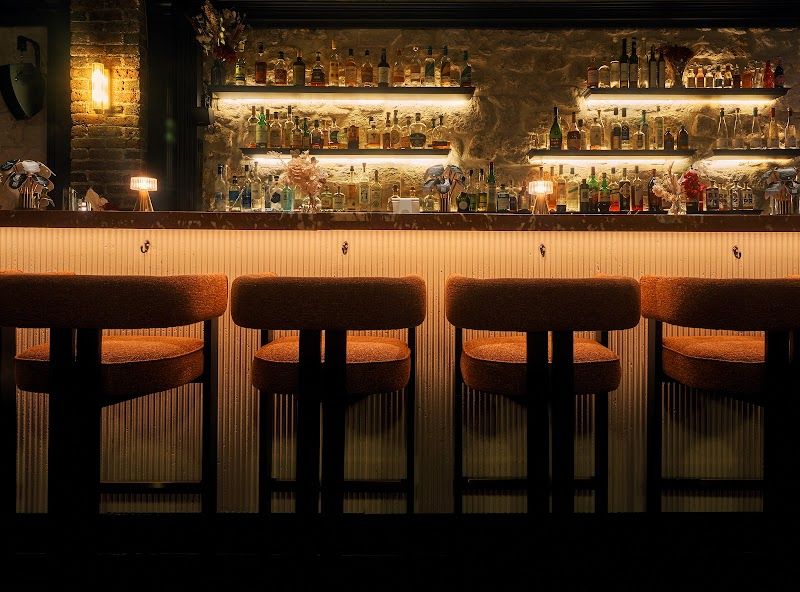
Little Red Door
This award-winning cocktail bar near Palais Royal is known for its conceptual drink menus that change entirely every six months around themes like art movements or philosophical concepts. The intimate red-brick space seats about 40 people, and bartenders craft elaborate cocktails using house-made ingredients and modern techniques.
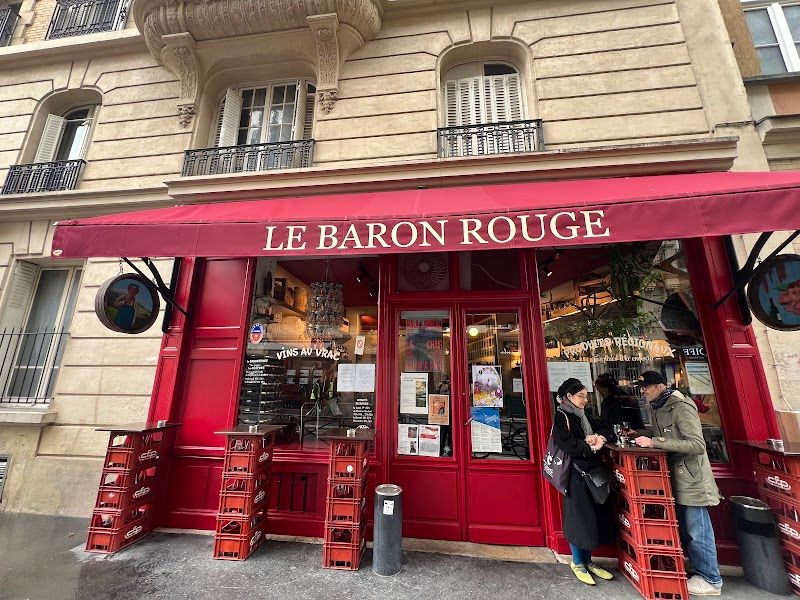
Le Baron Rouge
This legendary wine bar near Marché d'Aligre has been pouring wine directly from barrels since 1857. Locals crowd the sidewalk with glasses of inexpensive Beaujolais or Côtes du Rhône, paired with oysters on weekends or charcuterie from the adjacent market, creating a convivial street party atmosphere.
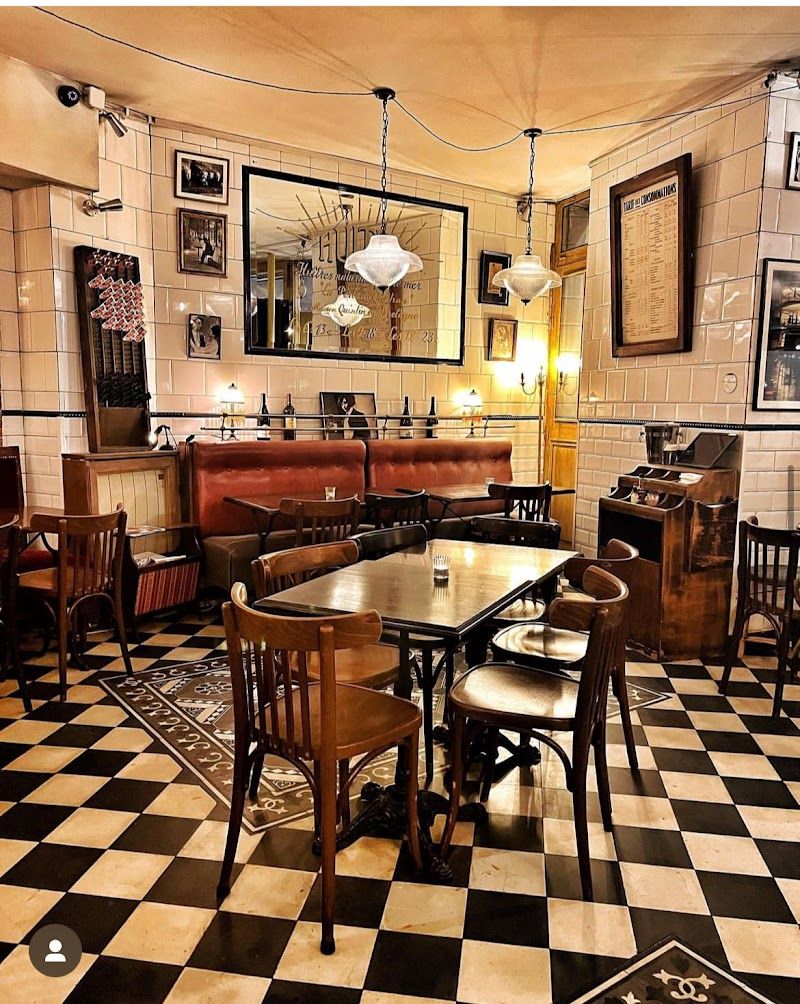
Brasserie de l'Hôtel du Nord
Historic bistro immortalized in Marcel Carné's 1938 film of the same name, sitting directly on the canal with a charming terrace. The Art Deco interior has been preserved, offering classic French bistro fare in an authentic setting. A beloved local institution that balances its cinematic heritage with genuine neighborhood warmth.
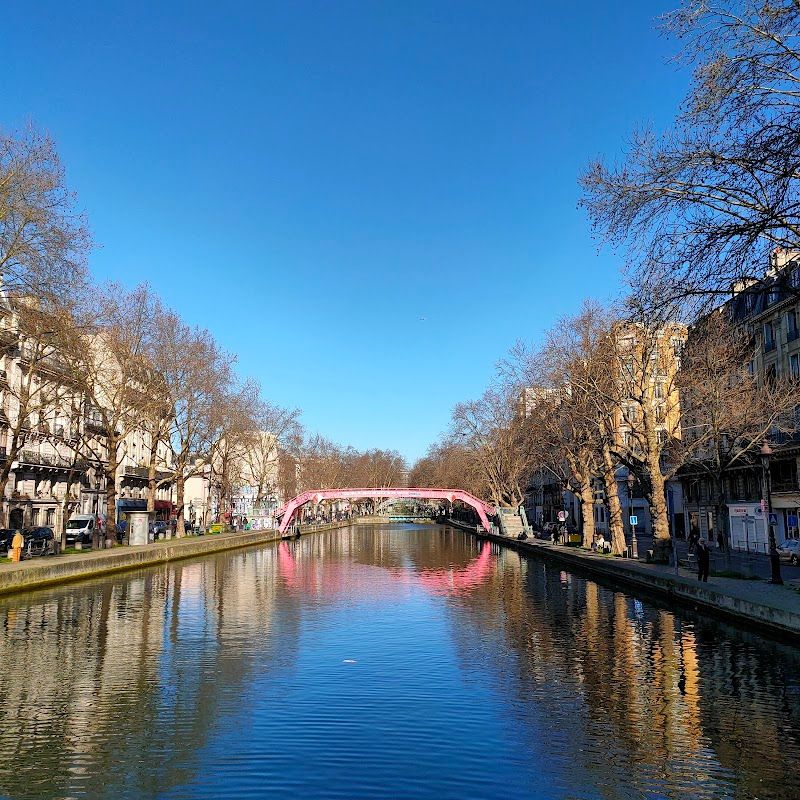
Canal Saint-Martin
Canal Saint-Martin cuts a surprisingly peaceful 4.6-kilometer path through Paris's 10th and 11th arrondissements, connecting République to La Villette through nine working locks that lift boats nearly 25 meters. You'll watch pleasure boats and barges navigate the stepped waterway while lock keepers manually operate heavy wooden gates, creating small waterfalls as water rushes between levels. The tree-lined quays offer front-row seats to this 200-year-old hydraulic theater, with iron footbridges arching overhead every few blocks. The experience revolves around slow observation rather than sightseeing. You'll find yourself mesmerized by the lock operations, especially at écluse du Temple where boats drop three meters in minutes. Quai de Valmy buzzes with café terraces and weekend crowds, while Quai de Jemmapes stays quieter with more benches facing the water. The rhythm is hypnotic: boats inch forward, gates creak open, water cascades, then everything resets for the next vessel. Most guides push the overpriced boat tours at €16-19, but you'll appreciate the engineering better from street level. Skip the République to République rush and explore north toward Hôpital Saint-Louis for equally beautiful views with half the tourists. The locks operate roughly every 30 minutes during busy periods, so time your visit accordingly rather than hoping for action.
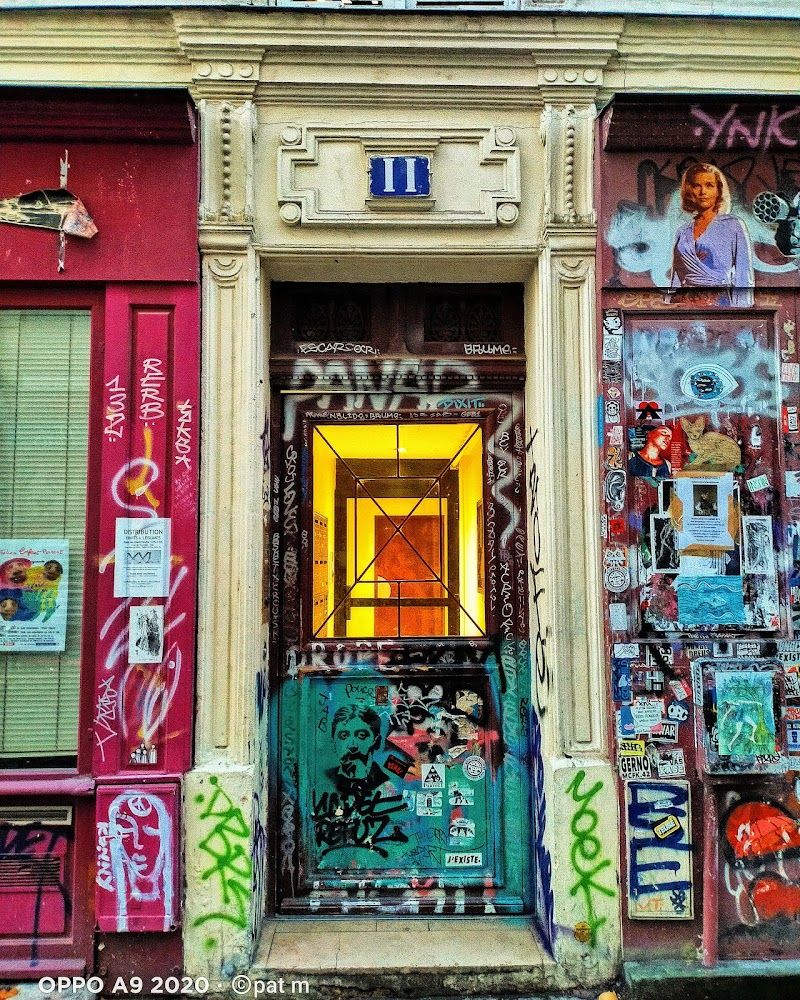
Aux Folies
An iconic Belle Époque brasserie with stunning period decor including ornate mirrors, painted ceilings, and a beautiful terrace. This historic establishment serves classic French brasserie fare and has been a Belleville institution since 1900. The atmosphere transports you back to old Paris.
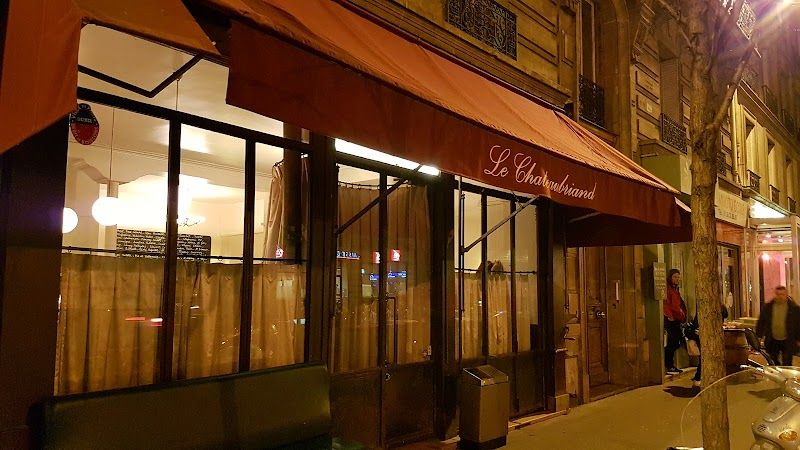
Le Châteaubriand
Pioneering neo-bistro where chef Iñaki Aizpitarte helped launch modern Parisian dining with his experimental, no-rules approach. The set menu changes daily and the natural wine list is legendary.
Passage Jouffroy Kj1c
Passage Jouffroy stretches 140 meters through the heart of Paris's 9th arrondissement, connecting Boulevard Montmartre to Rue de la Grange-Batelière. Built in 1847, it's the middle link in a trio of covered passages that includes Panoramas and Verdeau. You'll find the entrance to Musée Grévin here (€26 for adults), along with Pain d'Épices toy shop, Librairie du Passage bookstore, and the atmospheric Hôtel Chopin actually located inside the passage itself. Walking through feels like entering a glass-roofed time capsule where your footsteps echo off checkered marble floors. The wooden storefronts still have their original 19th-century charm, and natural light filters through the arched glass ceiling above. You'll pass families browsing vintage toys, antiquarians examining old books, and hotel guests stepping out from Chopin's modest lobby. The passage stays pleasantly cool in summer and offers shelter during Paris's frequent rain. Most visitors rush straight to Grévin and miss the real charm, which lies in browsing the smaller shops. Skip the overpriced café inside and head to A l'Écu de France restaurant at the Boulevard Montmartre end for proper bistro fare (mains around €18-24). The passage gets crowded after 11am when tour groups arrive, so come early if you want photos without people.
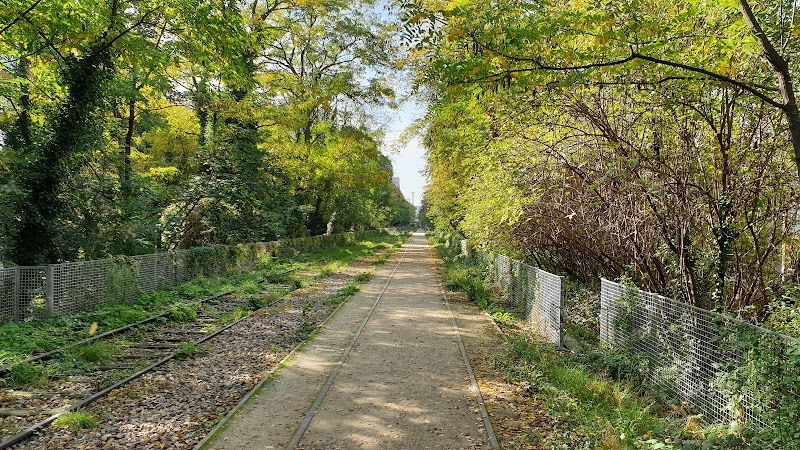
Coulée Verte René-Dumont
Paris pioneered elevated park design with this 4.7km green walkway built on a defunct 19th century railway line, inspiring New York's High Line decades later. You'll walk through bamboo groves and rose gardens suspended above street level, pass through atmospheric tunnels carved from old railway cuts, and emerge onto the tree lined Promenade Plantée that leads all the way to Bois de Vincennes. Below the brick arches, artisan workshops in the Viaduc des Arts let you watch glassblowers, furniture makers, and jewelry designers at work. The experience shifts dramatically as you move east from Bastille. You start elevated on the renovated viaduct, walking through what feels like a secret garden floating above the 12th arrondissement. The bamboo tunnel section around Avenue Ledru Rollin creates an almost tropical microclimate, while roses spill over the railings. After Place de la Bastille, the path drops to ground level and becomes more parklike, winding through residential neighborhoods with playgrounds and community gardens. Most guides treat this as one continuous attraction, but honestly, the magic happens in the first 2km on the elevated section. The ground level portion feels like any pleasant neighborhood park and takes forever to walk. Skip everything past Jardin de Reuilly unless you're specifically heading to Bois de Vincennes. The artisan shops below are hit or miss, many close unpredictably despite posted hours, so don't plan your visit around them.
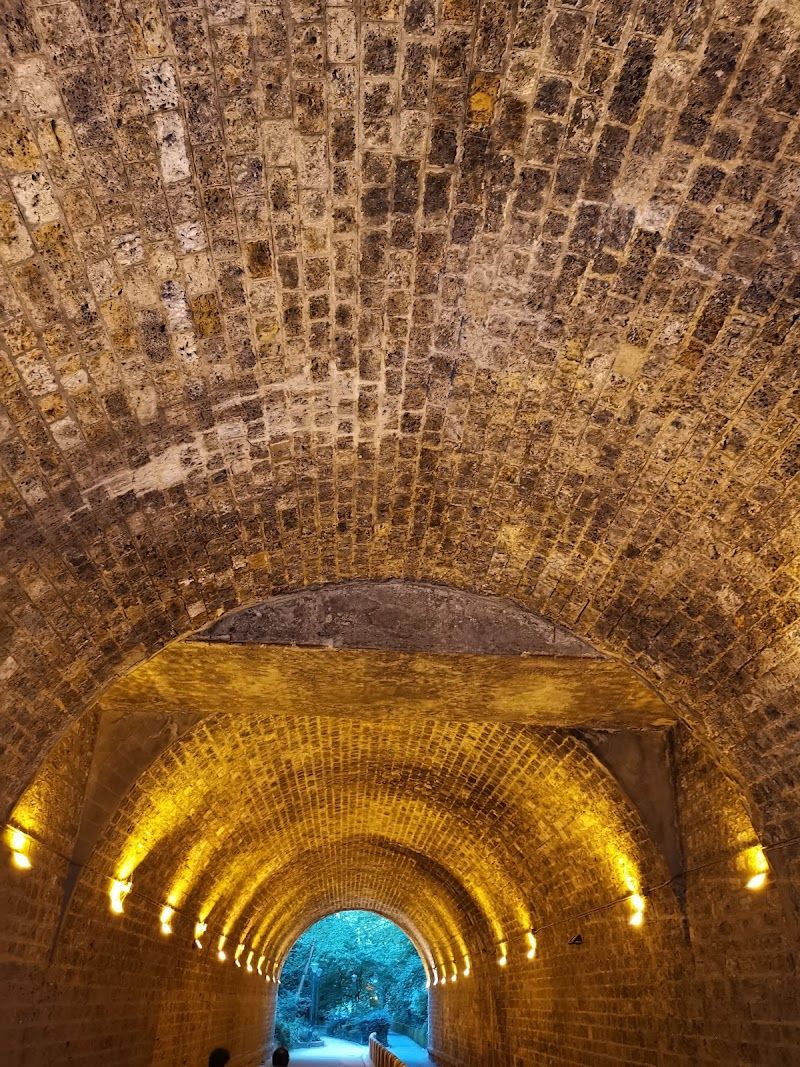
La Promenade Plantée
La Promenade Plantée transforms a defunct 1960s railway line into Paris's most inventive park, stretching 4.7 kilometers from Bastille to the edge of Bois de Vincennes. You'll walk through bamboo groves, rose gardens, and contemporary sculptures while staying elevated above busy streets. The first section runs along the beautiful Viaduc des Arts, where 50 brick arches below house working artisan workshops selling everything from handmade furniture to vintage posters. The experience shifts dramatically as you progress eastward. You start 10 meters above Avenue Daumesnil with sweeping views over Haussmanian rooftops, then descend to ground level where the path becomes wilder and more secluded. Tunnel sections create cool, echoing chambers filled with ferns and moss, while open stretches reveal unexpected urban gardens. The contrast between manicured western sections and the increasingly natural eastern portions makes this feel like several different parks connected by one continuous ribbon. Most guides oversell the entire length, honestly, the final kilometer through residential areas gets monotonous. The payoff is the first 2.5 kilometers from Bastille to Jardin de Reuilly, which captures all the best elements without the suburban slog. Skip the crowded weekend afternoons when families with strollers clog the narrow sections. The park is free, but bring water since there are limited fountains along the route.
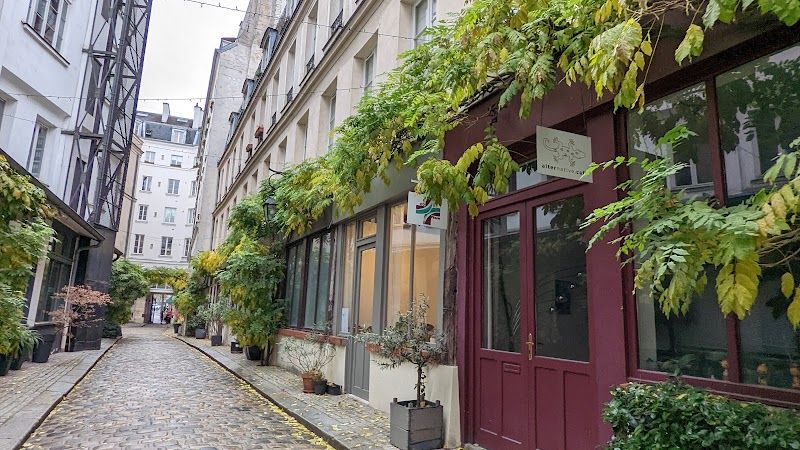
Cour Damoye
Cour Damoye is a working artisan courtyard where furniture makers, sculptors, and small galleries still operate from 18th-century workshops. You'll find active ateliers behind weathered blue doors, with craftspeople restoring antiques and creating custom pieces. The cobblestone courtyard feels like a functioning museum where traditional skills survive in modern Paris. Entry costs nothing, and several small galleries sell affordable pieces from local artists. You enter through a narrow passage off busy Rue de Lappe that opens into complete tranquility. The contrast hits immediately: one moment you're dodging scooters, the next you're walking on centuries-old stones past ivy-covered workshops. Workshop doors often stand open, revealing cluttered interiors filled with wood shavings, half-finished sculptures, and tools that look unchanged since Napoleon's time. The sound of hand planes and chisels replaces traffic noise. Most travel guides oversell this as some magical secret, but it's simply a working courtyard that happens to be beautiful. Don't expect Instagram-perfect scenes: this is functional space first. The best time is Tuesday through Thursday afternoons when workshops are active but not overrun with curious tourists. Skip weekends when most ateliers close and the courtyard feels empty.
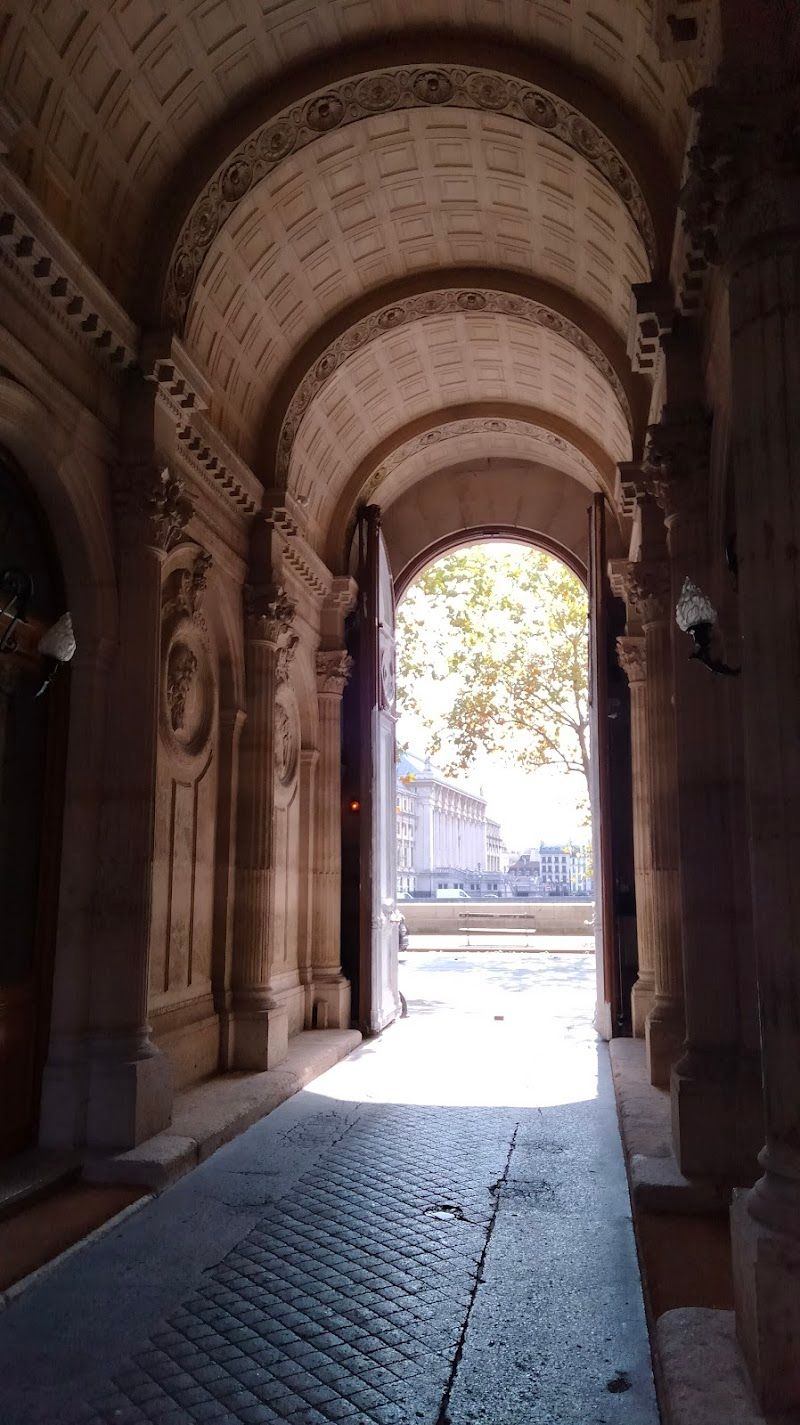
Quai de la Mégisserie
Quai de la Mégisserie is Paris's living pet market, a 600-meter riverside stretch where bird sellers, plant shops, and aquarium suppliers have operated since the 1700s. You'll find everything from exotic parrots squawking in cages to rare orchids, goldfish bowls, and specialty garden tools. The wide sidewalk transforms into a proper promenade with unobstructed views across the Seine to the Conciergerie's medieval towers, while green bouquiniste book stalls line the water's edge. The experience feels like wandering through an outdoor menagerie mixed with a garden center. Canaries chirp from hanging cages outside storefronts, shop owners water elaborate plant displays on the sidewalk, and the air carries a mix of birdseed and river breeze. The promenade section near Pont Neuf offers the best Seine views, especially looking toward Île de la Cité. Weekend mornings bring the most activity, with locals selecting weekend plants and tourists snapping photos of the colorful bird displays. Most guides oversell this as a major attraction, but it's really a pleasant 20-minute stroll, not a destination. The pet shops are genuine businesses serving Parisians, not tourist traps, so prices for plants run €15-50 for decent specimens. Skip the stretch closest to Pont au Change where foot traffic gets heavy from nearby Châtelet. Focus on the Pont Neuf end where the plant selection is better and you'll have the riverside promenade mostly to yourself between tour groups.
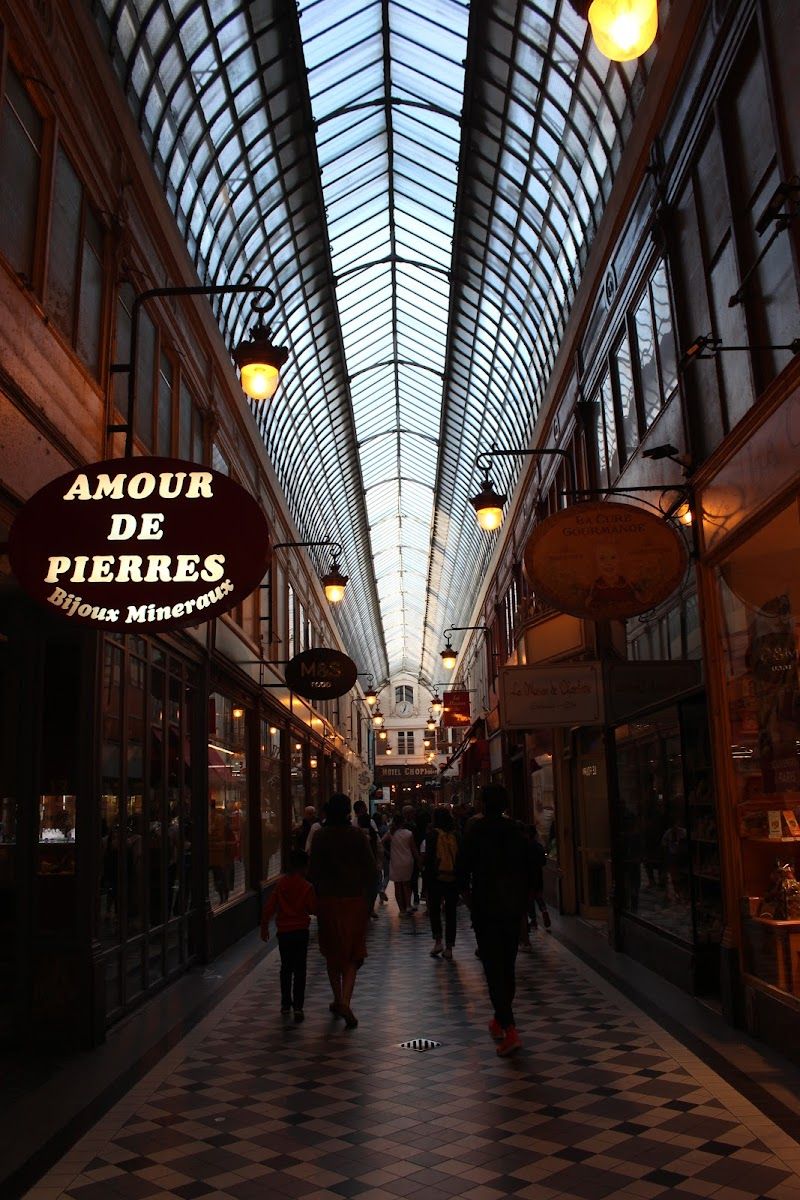
Passage Jouffroy
Passage Jouffroy connects directly to the famous Passage des Panoramas, creating Paris's complete covered shopping experience from the 1840s. You'll walk under glass ceilings past antique bookshops, vintage toy stores with tin soldiers and wooden trains stacked floor to ceiling, and souvenir shops selling postcards and vintage posters. The main attraction is the entrance to Musée Grévin, France's premier wax museum, and the seamless connection to Passage Verdeau across rue de la Grange Batelière. The atmosphere feels authentically Parisian. Locals browse books alongside visitors who take photos of the ornate ironwork above. You'll hear conversations in French echoing off the glass roof, smell old paper from the bookshops, and watch shopkeepers rearranging their window displays much like their predecessors 150 years ago. The passages stay comfortably warm in winter and pleasantly cool in summer, making them ideal weather refuges. Most guides exaggerate the shopping options. Prices are generally high and quality varies greatly. Avoid the overpriced souvenirs near the Grévin entrance and focus on the antique bookshops in the middle section. The toy stores are enjoyable to browse but expect to pay €25+ for simple wooden toys. Your best bet is experiencing all three connected passages in one 30-minute stroll, something most tourists aren't aware is possible.
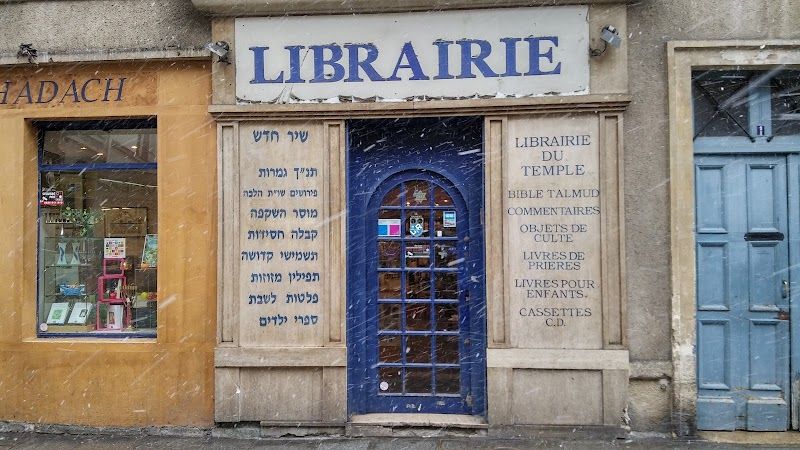
Rue des Rosiers
Rue des Rosiers stretches just 400 meters through the Marais, but it packs centuries of Jewish history into every storefront. You'll find L'As du Fallafel (the yellow storefront everyone photographs), traditional Ashkenazi bakeries selling challah and rugelach, and Sacha Finkelsztajn's century-old deli where pastrami costs 8 EUR per sandwich. Plaques on building walls mark deportation sites from 1942, while newer Sephardic restaurants serve Israeli-style shakshuka alongside old-world borscht. The street feels like two different neighborhoods depending on when you visit. Weekday mornings bring elderly locals buying fresh bagels and discussing politics in Yiddish outside Goldenberg's. By afternoon, international food tourists queue at Du Loir dans le Théière for 4 EUR rugelach while vintage shoppers browse retro Levi's at Free'P'Star. The contrast works: kosher butcher shops operate next to trendy concept stores, and nobody seems bothered by the mix. Skip the weekend crowds if you want authentic atmosphere, most visitors miss the residential courtyards at numbers 10 and 17 where you can peek into typical Marais living spaces. The falafel hype is real but overpriced: locals go to Miznon on nearby Rue Ecouffes for better value at 6 EUR per pita. Walk the entire street in 15 minutes, then circle back to actually shop and eat.
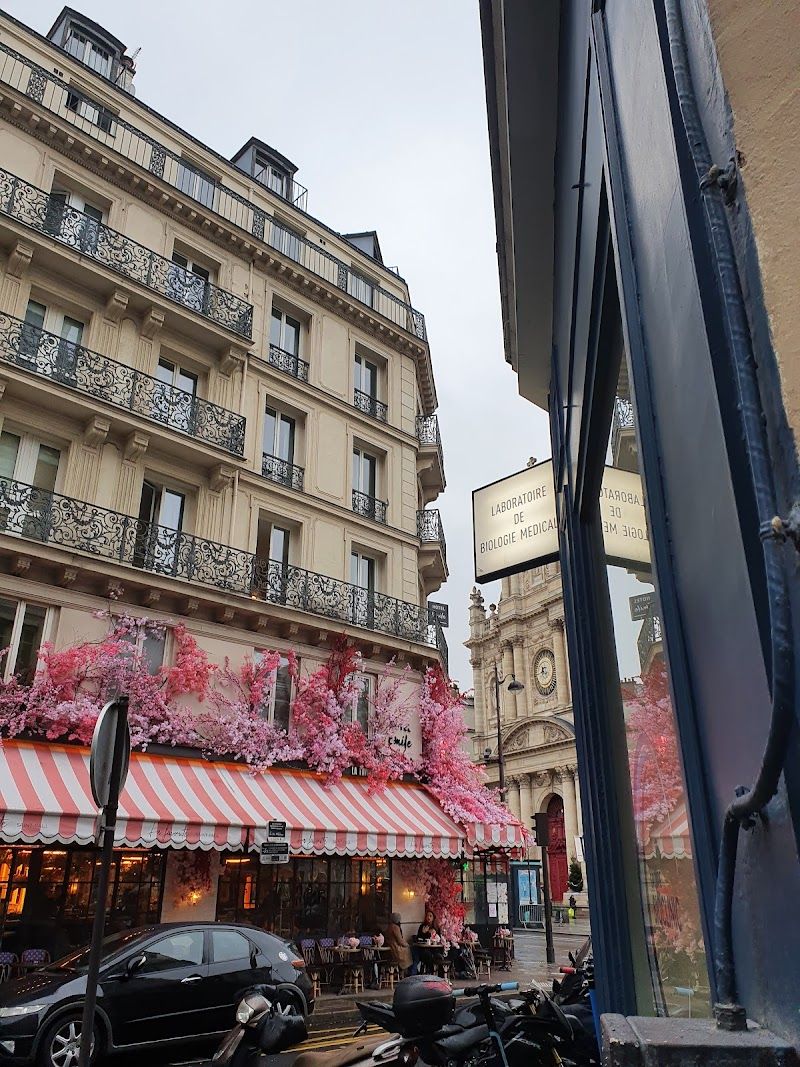
Quartier Saint-Paul
Quartier Saint-Paul houses over 80 antique dealers spread across interconnected medieval courtyards that most tourists walk right past. You'll find everything from 17th-century armoires to Art Deco jewelry, with dealers who actually know their stuff and prices that haven't been inflated for tour groups. The maze-like layout means you can spend an hour discovering Napoleon III chairs, vintage Hermès scarves, and ornate mirrors without fighting crowds. Once you find the entrance, you'll weave through stone courtyards where dealers have set up shop in centuries-old buildings. The atmosphere feels like stepping into someone's aristocratic grandmother's attic, with crystal chandeliers hanging next to taxidermied peacocks and vintage perfume bottles. Each courtyard reveals new specialists: one focuses on military antiques, another on Belle Époque furniture, and several deal in curiosities you didn't know existed. Most guidebooks barely mention this place, which keeps it refreshingly low-key compared to the overpriced tourist traps on Rue de Rivoli. Prices vary wildly, from 20 EUR vintage brooches to 3,000 EUR armoires, and dealers are open to negotiation if you're buying multiple pieces. Skip the weekends when Parisian collectors descend, and avoid the cramped upper-level shops that charge premium prices for mediocre pieces.
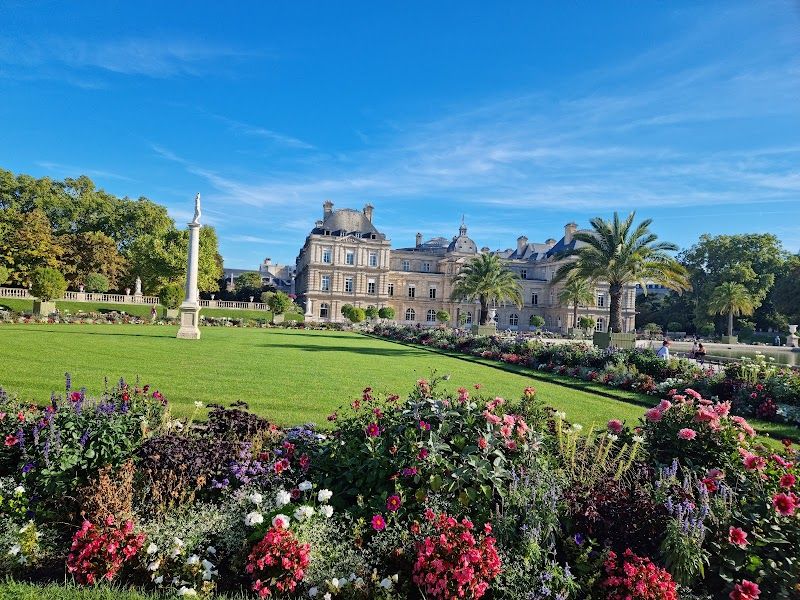
Jardin du Luxembourg
This 57-acre garden centered around the Luxembourg Palace serves as Paris's most functional green space. You'll find senators heading to work alongside joggers circling the central gravel paths, while kids push wooden sailboats across the octagonal pond with long sticks. The geometric flowerbeds change seasonally, and over 100 statues of French queens and notable women line the terraces. The layout flows from formal French gardens near the palace to English-style landscaping toward the observatory. Families cluster around the playground and puppet theater on the south side, while serious chess players occupy the permanent stone tables near Boulevard Saint-Michel. The Medici Fountain creates a cool microclimate perfect for reading, though finding a metal chair requires patience during lunch hours. Most guidebooks oversell this as romantic when it's actually wonderfully practical. The tennis courts book up weeks ahead, so forget spontaneous games. Skip the crowded central lawn and head to the quieter western sections near the greenhouse. The apple orchard behind the palace produces fruit that gardeners sell each October - worth timing a visit around.
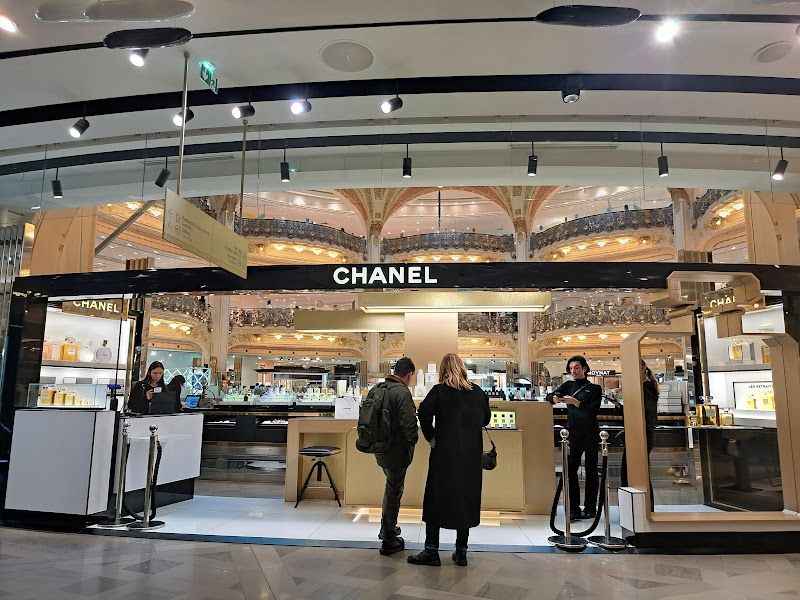
Galeries Lafayette Haussmann
This isn't just another department store-it's a Belle Époque masterpiece where Napoleon III-era architecture meets modern retail. The centerpiece is genuinely breathtaking: a 43-meter Neo-Byzantine glass dome from 1912 that floods the main hall with colored light. Yes, there's luxury shopping, but the real draw is standing under those soaring galleries and feeling transported to 1900s Paris. Your visit flows across ten floors connected by the original wrought-iron elevators and a modern glass lift. The main floor buzzes with perfume and accessories, but head up to see how the building opens into that famous dome. The sixth floor houses Lafayette Maison (home goods), and from there you can access the rooftop terrace. The Friday fashion shows at 3 PM happen on the seventh floor and are genuinely well-produced-not tourist theater. Honestly, most people spend too much time shopping and miss the architecture. The dome looks best between 2-4 PM when natural light hits properly. Skip the overpriced café on the sixth floor-the rooftop terrace has better views and costs nothing. The Christmas tree installation (November-January) is spectacular but crowds triple. Go Tuesday-Thursday mornings if you want to actually appreciate the space.
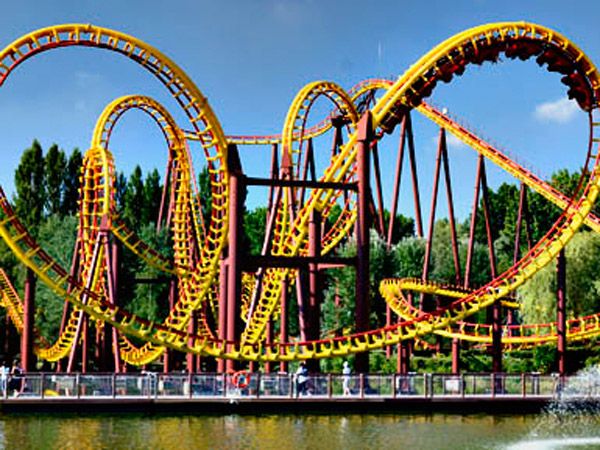
Parc Astérix
This is France's answer to Disney, built around beloved comic characters Astérix and Obélix with surprisingly excellent roller coasters. The park splits into themed zones like Roman City, Ancient Greece, and Egypt, each with period architecture and costumed characters speaking French. Oz'Iris stands out as one of Europe's best inverted coasters, while the wooden Tonnerre de Zeus delivers serious airtime that rivals any American park. The experience feels distinctly French - shows are performed in rapid-fire French with physical comedy, food leans heavily toward crepes and sausages, and the humor skews more irreverent than sanitized. Walking between zones, you'll notice impressive attention to detail in the theming, from Egyptian hieroglyphs to Viking longhouses. The dolphin show at the Roman amphitheater runs multiple times daily and draws huge crowds. Honestly, if you don't speak French, some of the charm gets lost in translation, but the coasters alone justify the trip. Skip the spinning rides in the Gaulish Village - they're clearly aimed at small children. Focus your time on the three major coasters and the stunt shows. The park feels less crowded than Disney but lines still build significantly after 11am on weekends.
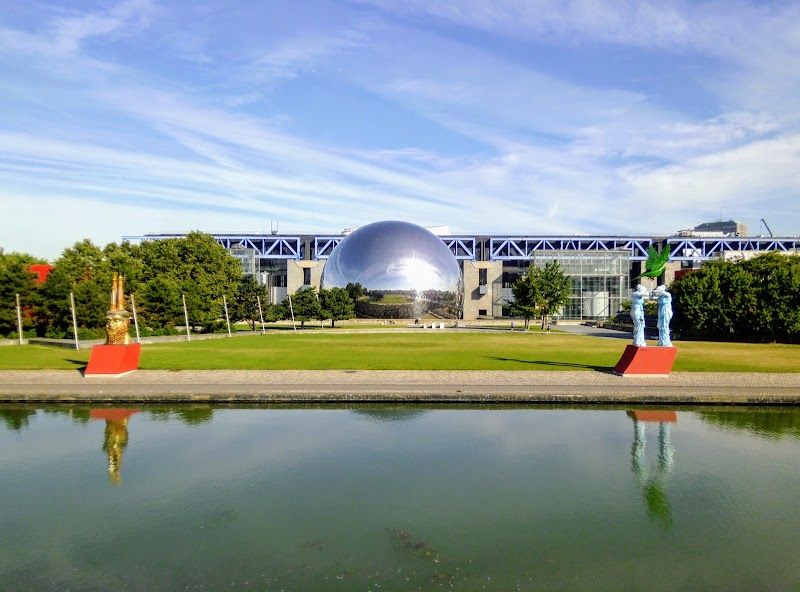
La Villette
Parc de la Villette is Paris's largest park, built on former slaughterhouse grounds with 35 red steel follies scattered across themed gardens. The Dragon Garden's 85-meter steel slide drops you through multiple levels while kids scramble over rope structures in the Acrobatic Garden. The Cité des Sciences sits at the north end with its reflective geodesic dome, while the striking zinc-clad Philharmonie anchors the south. The park feels more like a series of outdoor rooms than a traditional green space. You'll walk between geometric gardens on wide paths, past the submarine Argonaute and spherical IMAX theater. Summer brings outdoor film screenings on enormous inflatable screens where Parisians sprawl on blankets. The mirrors in the Garden of Mirrors create disorienting reflections that kids love but adults find gimmicky. Most visitors rush to the dragon slide and miss the quieter bamboo garden or the prairie section with actual wildlife. The park works best as a half-day adventure with kids or a picnic spot before evening concerts. Skip the expensive museum combo tickets unless you're genuinely interested in science exhibits. The southern entrance near Philharmonie has better Metro connections than the main Porte de la Villette entrance.
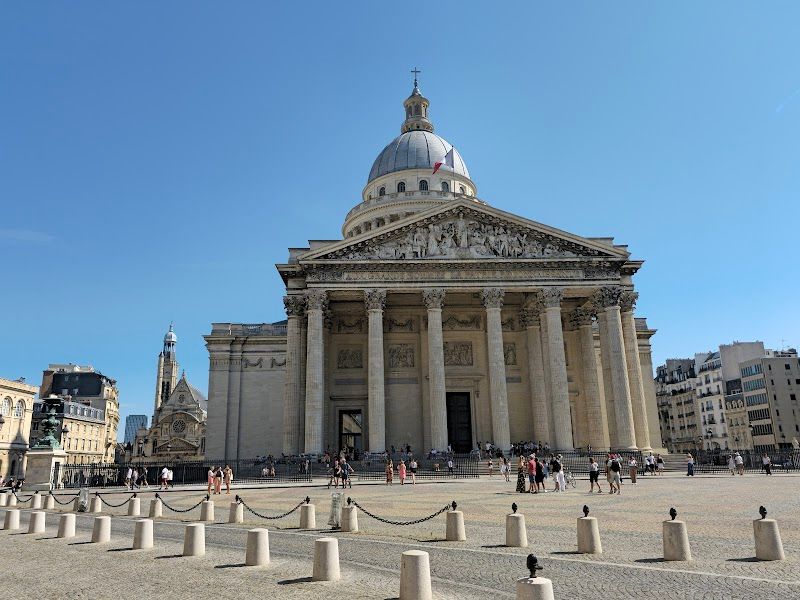
Panthéon
The Panthéon functions as France's Westminster Abbey, housing the tombs of 81 luminaries in its crypt including Marie Curie (the only woman based on her own achievements), Voltaire, and Rousseau. The neoclassical dome interior surprises with massive scale and José María Sert's dark frescoes depicting Saint Geneviève, while Foucault's 67-meter pendulum swings hypnotically in the center, knocking over metal pins as Earth rotates beneath it. Your visit starts in the soaring nave where the pendulum dominates-plan to watch it for several minutes as the physics become mesmerizing. The crypt below feels like wandering through French intellectual history, with simple stone tombs in candlelit chambers. The dome climb involves 206 steps but rewards with unobstructed views toward Notre-Dame and across the 5th arrondissement's Haussmann rooftops. Most visitors rush through in 30 minutes and miss the building's story. The bronze doors depicting scenes from French history deserve attention, and the model of the pendulum explains the elegant physics better than the signage. Skip the overpriced audio guide-the plaques provide sufficient context. The dome climb costs extra but offers Paris's best lesser-known panorama, especially dramatic in late afternoon light.
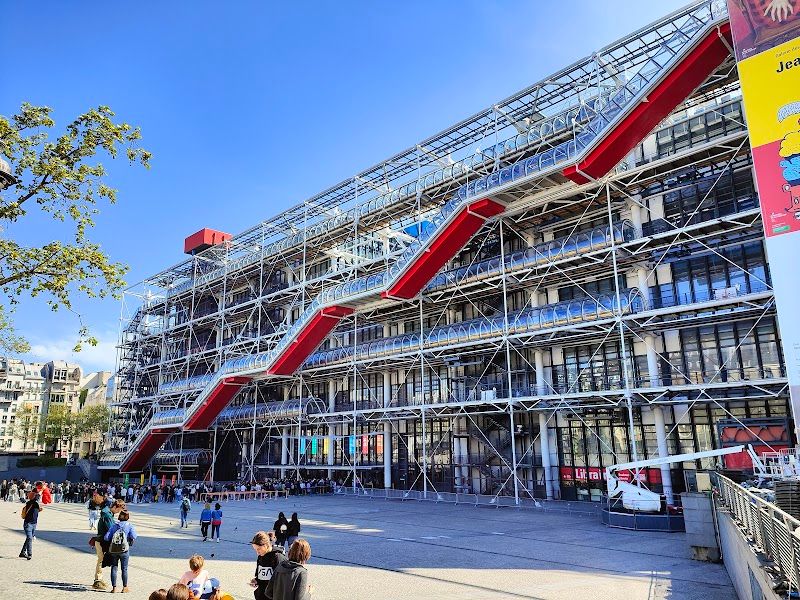
The Centre Pompidou
The Centre Pompidou houses Europe's most comprehensive modern art collection in a deliberately industrial building where escalators snake up the outside and colored pipes expose the guts of the structure. The permanent collection on floors 4 and 5 traces art from 1905 to today-you'll find Picasso's Blue Period works, Kandinsky's geometric abstractions, and entire rooms dedicated to Matisse's paper cutouts. The sixth floor terrace provides unobstructed views over the Marais rooftops to Sacré-Cœur. The experience starts with the external escalator ride, which builds anticipation as Paris unfolds below. Inside, the galleries are spacious and well-lit, though the layout can feel maze-like on busy days. The contemporary sections (floor 4) showcase video installations and conceptual pieces that younger visitors gravitate toward, while floor 5's early modern works draw the art history crowd. The building itself competes for attention-those colorful pipes aren't just decorative, they're functional. Skip the temporary exhibitions unless you're genuinely interested-they're overpriced and often underwhelming compared to the permanent collection. Start on floor 5 with the historical pieces, then work your way down. The museum shop is excellent but expensive. Avoid weekends entirely if possible; the narrow galleries become uncomfortably crowded, and you'll spend more time navigating people than looking at art.
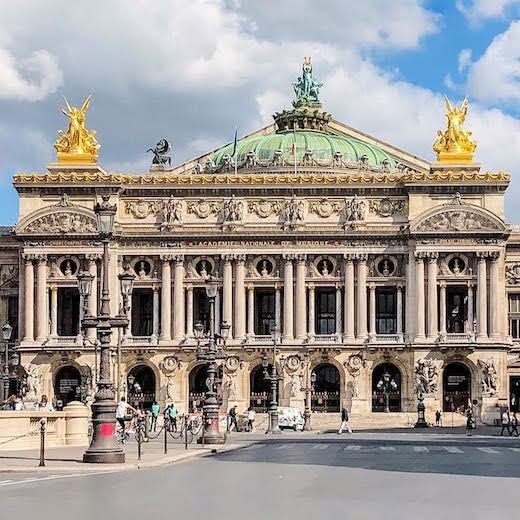
Palais Garnier
The Palais Garnier isn't just an opera house-it's a 19th-century fever dream of marble, gold leaf, and crystal that Napoleon III commissioned to show off imperial wealth. The Grand Staircase alone uses seventeen different types of marble, while Chagall's 1964 ceiling murals float dreamlike above red velvet seats in the 1,979-seat auditorium. The building's notorious underground cistern (not quite a lake) and maze of rehearsal rooms genuinely inspired Leroux's Phantom novel. Your self-guided route winds through the Grand Foyer's 18 painted ceiling panels, past the Emperor's private pavilion, and into the auditorium if no rehearsals are running. The Library-Museum displays costumes, set models, and Degas paintings, though it feels cramped compared to the opulent public spaces. The real magic happens on the Grand Staircase around 11am when morning light streams through those massive windows. Skip the audio guide-the included paper map explains enough, and you'll want to move at your own pace for photos. The gift shop is overpriced tourist trinkets, but the building itself delivers every bit of theatrical excess you expect. Come hungry for visual overload; this place makes Versailles look restrained.
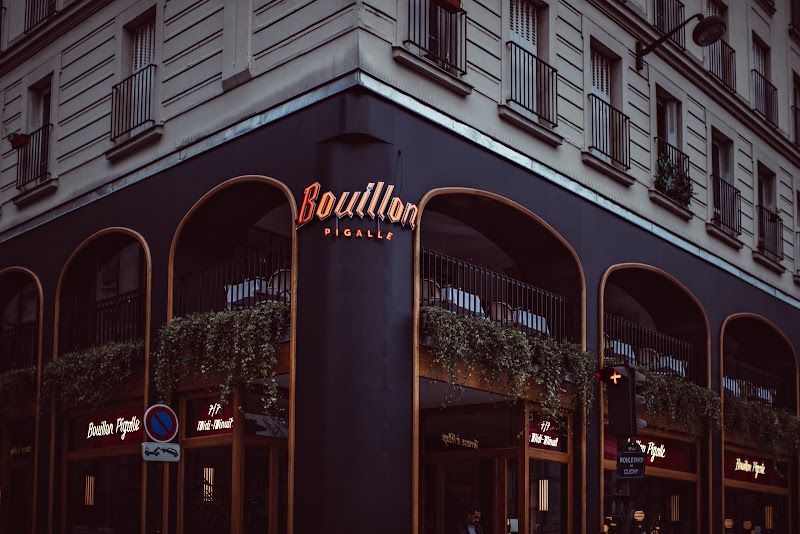
Bouillon Pigalle
Belle Époque-style brasserie reviving the historic bouillon tradition of affordable, classic French food served in grand surroundings. The marble-topped tables, mirrored walls, and rapid service deliver authentic Parisian dining without the tourist prices.
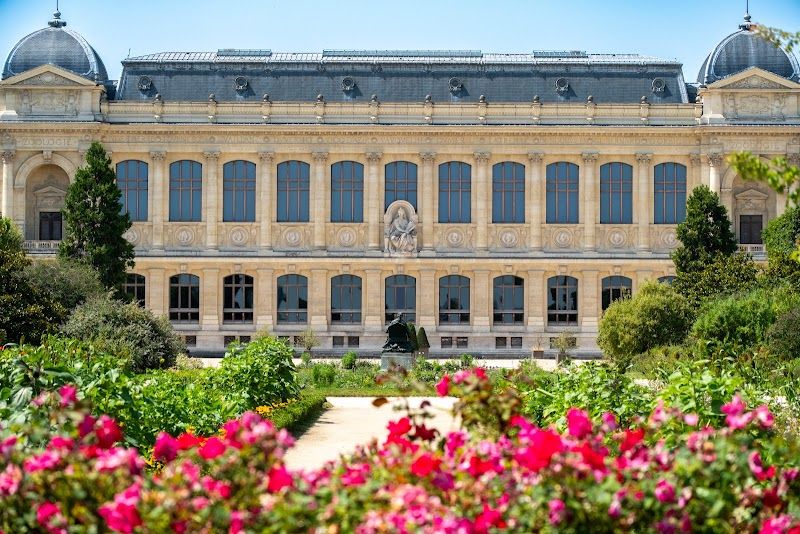
Jardin des Plantes
This sprawling 70-acre complex combines France's oldest botanical garden with a natural history museum and small zoo in one sprawling site. The gardens showcase everything from systematic plant collections to themed areas like the rose garden and iris beds, while the Grande Galerie de l'Évolution houses spectacular taxidermy displays including a procession of African animals and extinct species like the quagga. The tropical greenhouse feels like stepping into a rainforest, complete with humid air and towering palms. The sheer size can be overwhelming - you'll spend most of your time walking between different sections on gravel paths. The botanical gardens feel more educational than decorative, with plenty of scientific labeling but fewer Instagram-worthy flower displays than other Paris gardens. The natural history galleries are genuinely impressive, especially the main evolution hall with its dramatic lighting and Victorian-era cases filled with specimens. Most visitors underestimate how much time they need - 2.5 hours barely scratches the surface if you want to see both gardens and museums. The zoo section is frankly dated and small compared to Vincennes, so skip it unless you're with kids. Focus your energy on the evolution gallery and the tropical greenhouses, then wander whichever garden sections match your interests. The geology gallery gets overlooked but has stunning mineral displays.
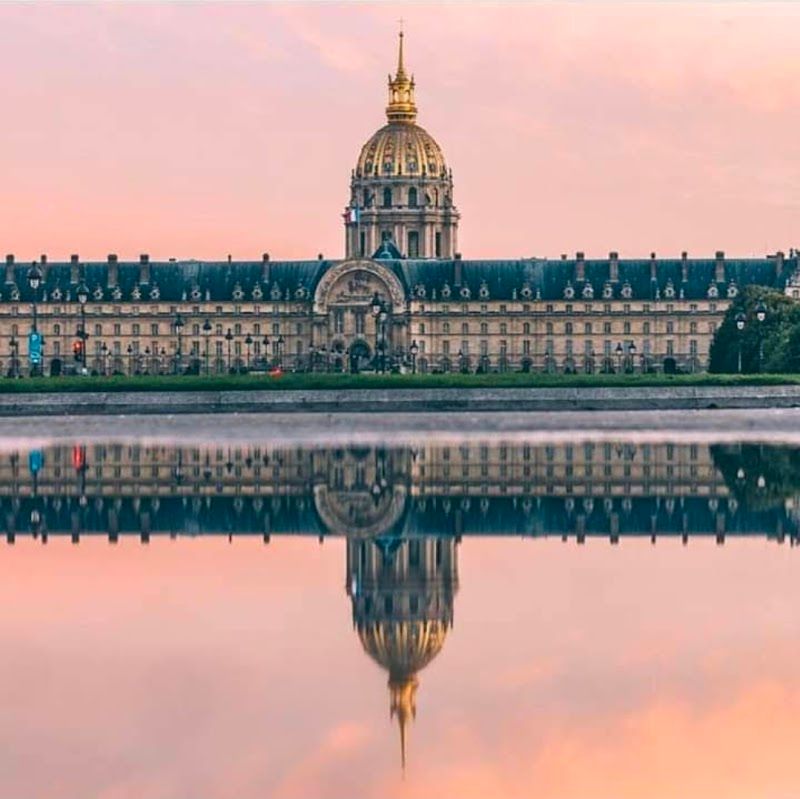
Hôtel des Invalides
This sprawling 17th-century military complex centers around Napoleon's marble tomb, housed beneath that famous golden dome you see from across the Seine. The Army Museum fills the east and west wings with an impressive chronological journey through French military history-from medieval chainmail and crossbows to Hitler's bunker maps and resistance weapons. The two churches, Saint-Louis-des-Invalides and the Dôme Church, showcase different architectural approaches to military commemoration. You'll enter through the main courtyard, where restored cannons line the arcades, then choose your route through the museum wings. The medieval armor collection in the west wing feels surprisingly intimate, while the WWI and WWII sections in the east wing can be overwhelming with their density of artifacts. The tomb visit requires descending into the circular crypt where Napoleon rests in six nested coffins-the marble balustrade keeps crowds moving but limits lingering. The museum suffers from its own comprehensiveness-most visitors burn out before seeing everything worthwhile. Skip the post-1945 sections unless you're genuinely interested in Indochina conflicts. The medieval weapons and Napoleon sections justify the visit alone, but budget three hours minimum if you want to absorb rather than rush. The audio guide helps navigate the sprawling layout but adds another hour to your visit.
Bateaux Mouches Seine River Cruise
The Bateaux Mouches fleet runs continuous hour-long loops on the Seine, offering comfortable seats and surprisingly informative multilingual commentary through individual headphones. You'll float past the Louvre's riverside facade, under Pont Neuf (Paris's oldest bridge despite the name), and get unobstructed views of Notre-Dame's flying buttresses from water level. The glass-enclosed lower deck and open upper level accommodate about 300 passengers per boat. The boats move slowly enough for photos but fast enough to keep kids engaged. Commentary highlights architectural details you'd miss from street level - like the different stone colors showing Notre-Dame's reconstruction phases. The upper deck gets crowded during golden hour, but the covered lower deck actually offers better views through floor-to-ceiling windows without wind interference. It's genuinely relaxing after walking cobblestones all morning, though the commentary can feel repetitive if you're doing multiple Seine activities. Skip the overpriced onboard refreshments. The boats run rain or shine - they're fully enclosed and heated. Weekday afternoon departures have half the crowds of weekend morning runs.
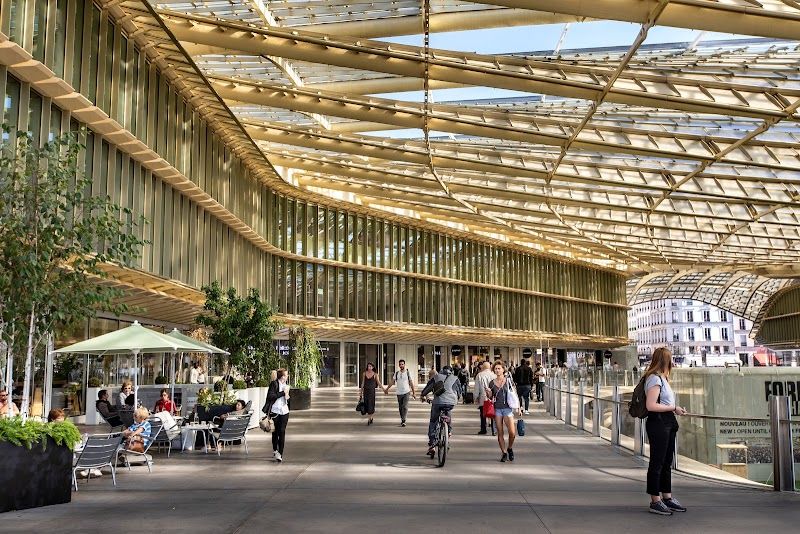
Westfield Forum des Halles
Westfield Forum des Halles is Paris's largest underground shopping center, built beneath the old food market site and crowned by La Canopée's distinctive curved glass roof that filters natural light down to the underground levels. The complex spans four underground floors plus ground level, housing everything from H&M and Zara to a massive UGC cinema and Fnac electronics store, all connected to Châtelet-Les Halles station. Descending from street level feels like entering a modern mall dropped into medieval Paris. The upper floors get decent natural light from the glass canopy, but the deeper you go, the more typical shopping center it becomes. Level -1 has most of the mainstream fashion, Level -2 connects to the cinema and has better dining options, while Level -3 houses the sports stores and connects directly to multiple metro platforms. It's genuinely useful for practical shopping and transit connections, but don't come expecting Parisian charm. The crowds can be overwhelming, especially weekday evenings when commuters mix with shoppers. Stick to Levels -1 and -2 for the best shops, and use the Rue Rambuteau entrance to avoid the main street-level chaos. The rooftop garden is pleasant but small – more of a brief respite than a destination.
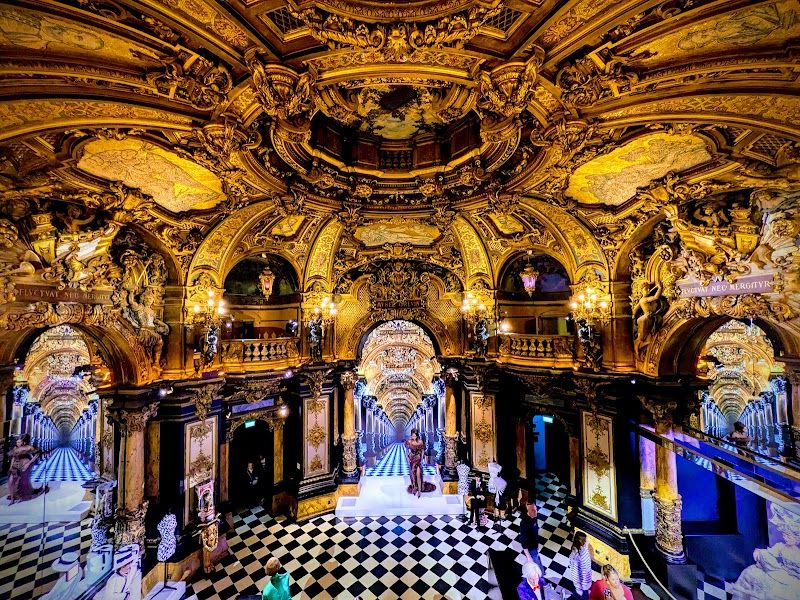
Musée Grévin
The Musée Grévin houses over 200 wax figures spread across 15 themed rooms, from Napoleon and Marie Antoinette to Beyoncé and Mbappé. The main attraction is the Palais des Mirages, a baroque hall of mirrors with an immersive light and sound show that has been captivating visitors since 1900. The craftsmanship on the figures varies greatly; some are eerily lifelike while others appear more like distant relatives of the celebrities they're meant to represent. The visit follows a one-way circuit through cramped, dimly lit rooms that can feel uncomfortable when busy. You'll pass through sections on French history, cinema, sports, and pop culture, with interactive elements and photo opportunities throughout. The Palais des Mirages comes midway through and provides a welcome break from figure-spotting. The final rooms focus on contemporary celebrities and often have long queues for selfies. Honestly, it's overpriced tourist fare that kids absolutely love and adults tolerate. The historical figures are fascinating, but the celebrity sections can feel dated quickly. Skip the expensive gift shop entirely and don't expect Madame Tussauds-level quality throughout. If you're traveling with children or are genuinely curious about French cultural figures, it's worth the 90-minute visit; otherwise, your time is better spent elsewhere.
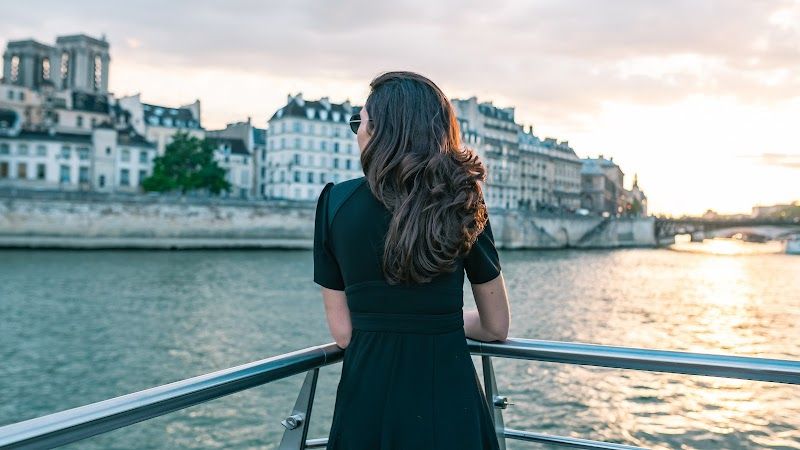
Bateaux-Mouches
Bateaux-Mouches runs the largest glass-enclosed cruise boats on the Seine, carrying 500-1000 passengers on each vessel. The panoramic windows stretch floor to ceiling, and the covered upper deck opens completely in good weather. You'll float past Notre-Dame's flying buttresses, the Louvre's riverside facade, and under Pont Alexandre III's gilded statues while recorded commentary plays in eight languages through individual headphones. The one-hour sightseeing cruise moves at a leisurely pace, turning around at the Eiffel Tower before heading east toward Île Saint-Louis. The boat's size means it stays stable even when crowded, but also that it feels more like public transport than an intimate experience. The dinner cruises stretch to 2.5 hours with a three-course meal served while docked, then cruising during dessert as the monuments light up. The daytime cruises work fine for first-time visitors wanting monument identification, but the real magic happens after 8pm when the buildings illuminate. Skip the overpriced lunch cruises - the food is airplane-meal quality. The evening sightseeing departure catches the golden hour perfectly, and costs half the price of dinner cruises while offering identical views.
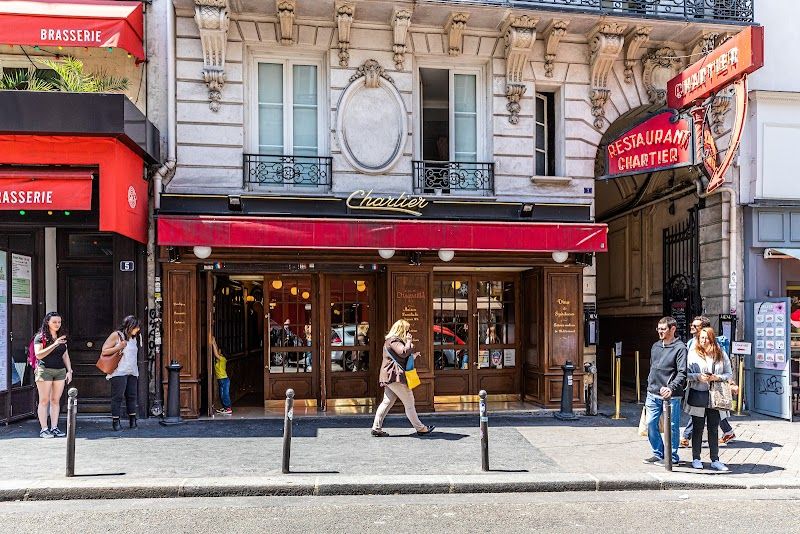
Bouillon Chartier Grands Boulevards
Historic workers' canteen from 1896 with soaring Belle Époque dining hall and rapid-fire service. The brass hat racks, beveled mirrors, and waiters in traditional uniforms create a time-capsule experience at remarkably low prices.
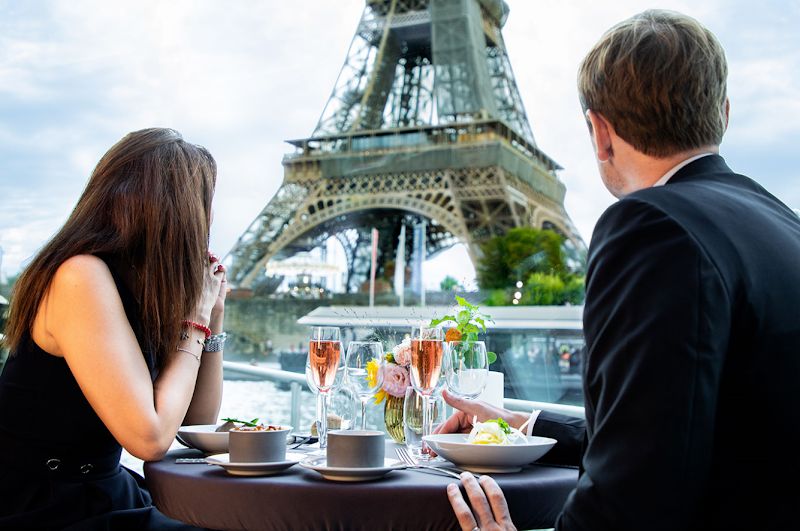
Bateaux Parisiens
Bateaux Parisiens runs the most reliable Seine cruises from their permanent dock at Port de la Bourdonnais, directly beneath the Eiffel Tower. Their fleet of glass-topped boats carries you past every major monument along the river - the real payoff is seeing how Paris was designed around the Seine, with perfect sightlines to Notre-Dame's flying buttresses and the Louvre's riverside facade that you simply can't appreciate from street level. The hour-long route follows a predictable but effective path: east toward Notre-Dame, then back west past the Musée d'Orsay and under Pont Alexandre III. The multilingual commentary is decent but not essential - the views speak for themselves. Most passengers cluster on the open upper deck, but the enclosed lower level offers better photography through clean windows and protection from wind that can be brutal even in summer. Honestly, all Seine cruise companies cover the same route, but Bateaux Parisiens wins on logistics - their Eiffel Tower location makes it easy to combine with tower visits, and their boats run every 30 minutes year-round. Skip the overpriced lunch cruises; the basic sightseeing option gives you identical views for a third of the price. The commentary gets repetitive if you've done any Paris sightseeing, but first-time visitors genuinely benefit from the river perspective.
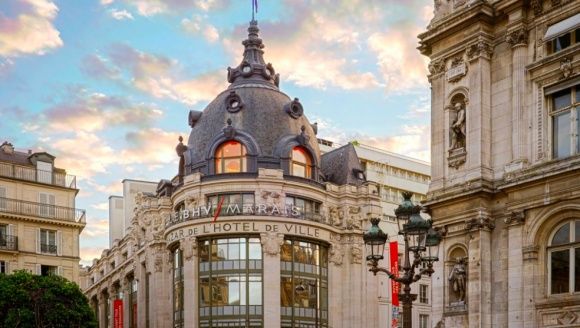
BHV Marais
BHV Marais is a century-old department store that's become an unlikely tourist attraction thanks to its legendary basement hardware section. Four subterranean levels house everything from specialty screws sorted by millimeter to vintage-style door handles, plus a surprising selection of kitchen gadgets that puts most cooking stores to shame. The upper floors sell standard fashion and cosmetics, but locals skip those entirely for the hardware wonderland below. The basement feels like a French hardware fever dream-narrow aisles packed floor-to-ceiling with meticulously organized supplies you didn't know existed. You'll find elderly Parisians debating drill bits next to confused tourists photographing the walls of tiny drawers. The top-floor restaurant offers decent food with views of Hôtel de Ville's facade, though it's overpriced and feels like an afterthought. Honestly, come for the basement spectacle and skip everything else. The hardware section is genuinely fascinating for about 45 minutes-longer if you're actually renovating something. The fashion floors are unremarkable, and the restaurant markup isn't worth the view. Best visited on weekday afternoons when it's less crowded and you can properly navigate the basement's maze-like layout without fighting through weekend crowds.
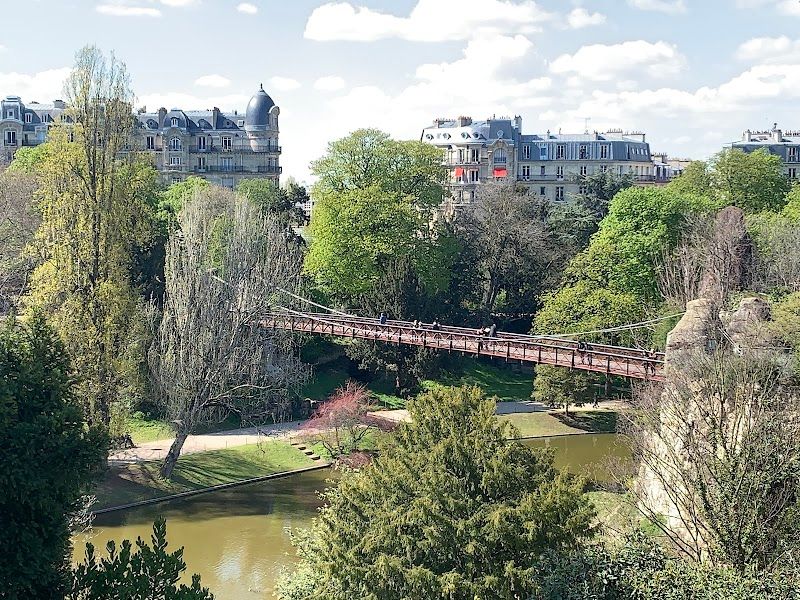
Parc des Buttes-Chaumont
Built on abandoned gypsum quarries, this park feels more like a mini mountain range than typical Parisian greenery. The centerpiece is a genuine 50-meter limestone cliff with the Temple de la Sibylle perched on top-Napoleon III's engineers carved this dramatic landscape from industrial wasteland. Below, an artificial lake feeds a 32-meter waterfall that crashes into a grotto you can walk behind. The ascent to the temple via winding paths takes about 15 minutes, passing the suspension bridge (rebuilt in 2007 after the original became too wobbly). From the temple, you get unobstructed views of Sacré-Cœur and Montmartre-better than many paid viewpoints. The park's hills and valleys create microclimates; the grotto stays cool even in summer, while the temple hill catches every breeze. Most visitors beeline for the temple and miss the best parts. The northeastern section has fewer crowds and better bird-watching along the stream. Skip the main entrance on Rue Manin during weekends-it's chaos with strollers. The park closes at sunset year-round, strictly enforced, so don't plan late picnics.
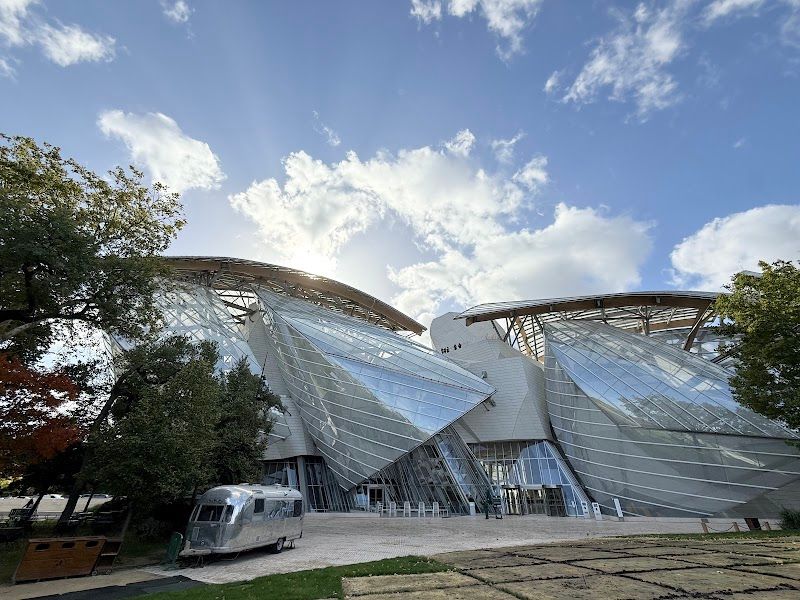
Fondation Louis Vuitton
Frank Gehry's glass sailboat of a building houses Bernard Arnault's private contemporary art collection, rotating major exhibitions alongside permanent pieces by Basquiat, Kusama, and Koons. The twisted glass panels and wooden ceiling create Instagram-worthy interiors, but the real draw is seeing blue-chip contemporary art in spaces specifically designed for each piece. You'll spend as much time gawking at the architecture as the art - those dramatic curves mean every gallery feels different. The roof terraces offer solid views over the Bois de Boulogne, though not much of central Paris. Audio guides are essential since wall text is minimal. Expect crowds around the signature installations. The €16 entry fee stings for what's essentially a private collection, and some exhibitions feel thin. Skip the overpriced café entirely. Start on the upper floors when it's less crowded, then work down. The building is more memorable than most of the rotating shows, so don't feel guilty about rushing through galleries that don't grab you.
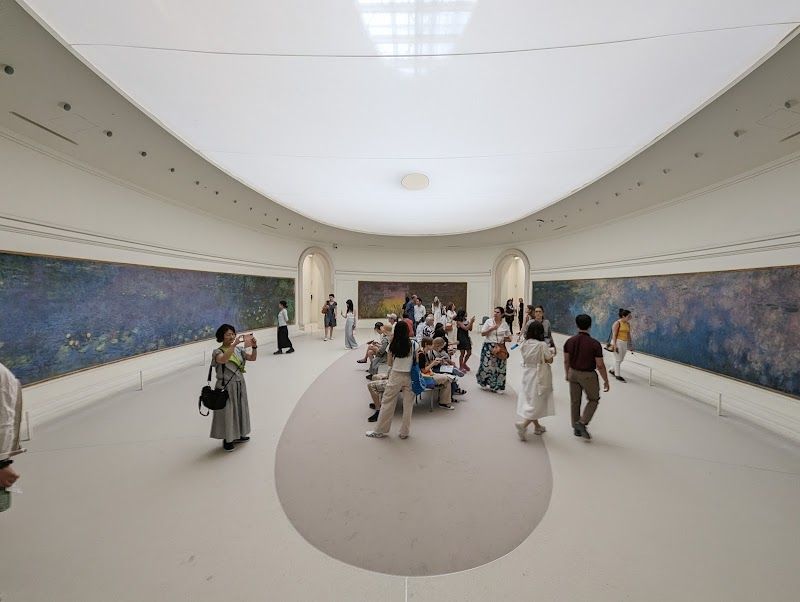
Musée de l'Orangerie
The Orangerie houses Monet's eight massive Water Lilies panels in two purpose-built oval rooms that wrap around you like cocoons. These aren't paintings you look at - they're environments you enter. The curved walls and natural lighting create an almost meditative space where the brushstrokes seem to shimmer and move. Downstairs, the Walter-Guillaume collection packs serious punches with Cézanne's card players, Renoir's nudes, and some of Soutine's most visceral portraits. Your visit starts upstairs in those famous oval rooms, where most people spend 20-30 minutes slowly circling the murals. The lighting changes subtly throughout the day, making morning visits feel cooler and bluer. Downstairs feels like a completely different museum - intimate galleries with about 140 works that you can see comfortably in 45 minutes. The Picasso room tends to get crowded around lunchtime. Honestly, this place works best when you're not rushed. The Water Lilies lose their magic if you're checking your phone or hurrying through. Skip the audio guide - it breaks the spell. The basement collection is genuinely excellent but gets overshadowed by the Monet upstairs. If you only have 30 minutes, spend it all with the Water Lilies.
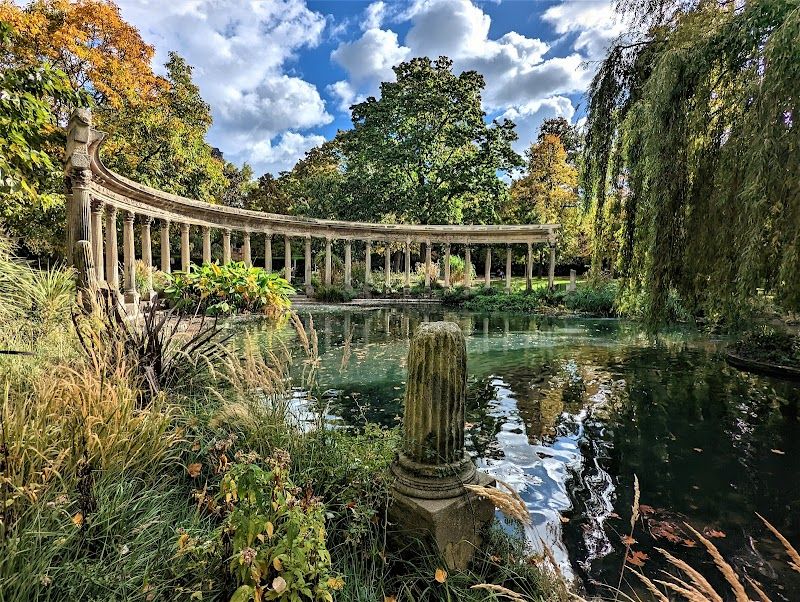
Parc Monceau
Parc Monceau feels like walking through a wealthy collector's fantasy garden. The Duke of Orléans commissioned this theatrical landscape in 1778, scattering architectural follies across manicured lawns - a crumbling Roman colonnade from the old Hôtel de Ville, an Egyptian pyramid, a Renaissance arcade, and that oddly charming Dutch windmill. It's pure 18th-century whimsy, designed to surprise around every curved path. The park flows in gentle curves rather than rigid French geometry. You'll encounter the colonnade first - those massive Corinthian columns create perfect shade and dramatic photos. Families cluster around the large pond where kids sail toy boats, while joggers loop the outer paths. The central lawn attracts picnickers, but the real magic happens in the quieter northwestern corner where the pyramid and pagoda sit among mature trees. This isn't a place for long contemplation - an hour covers everything comfortably. The playground gets absolutely mobbed on weekend afternoons, and the carousel runs inconsistently. Come weekday mornings for the best light on the colonnade and fewer crowds. Skip the southeastern section entirely - it's just maintenance buildings and less interesting plantings. The surrounding Haussmann mansions are actually more impressive than some of the park's worn follies.
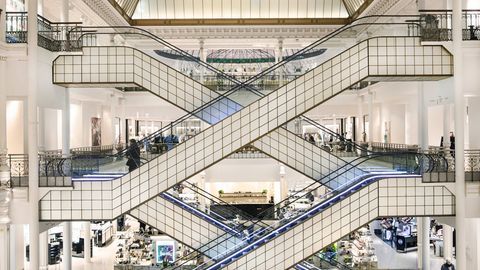
Le Bon Marché
Le Bon Marché occupies an elegant glass-and-iron structure that feels more like a refined mansion than a department store. The ground floor showcases luxury cosmetics and accessories under soaring ceilings, while upper floors house carefully selected ready-to-wear from both established and emerging designers. What sets it apart is the curation-you won't find fast fashion here, just thoughtfully chosen pieces that justify the higher price points. The shopping experience flows naturally from the main entrance on Rue de Sèvres through interconnected departments that never feel cramped or overwhelming. The lighting is soft and natural, staff genuinely knowledgeable rather than pushy, and the wide aisles make browsing comfortable even during busy periods. La Grande Épicerie next door operates like a luxury food hall, with vendors calling out samples and impeccably arranged produce that looks more like art installations. Most visitors spend too much time on the crowded ground floor cosmetics section when the real treasures are upstairs in home goods and lesser-known fashion labels. The food hall's prepared section gets picked over by lunch, so morning visits yield better selection. Skip the overpriced tourist items near the entrance-the quality purchases are deeper inside where prices actually become reasonable for what you get.
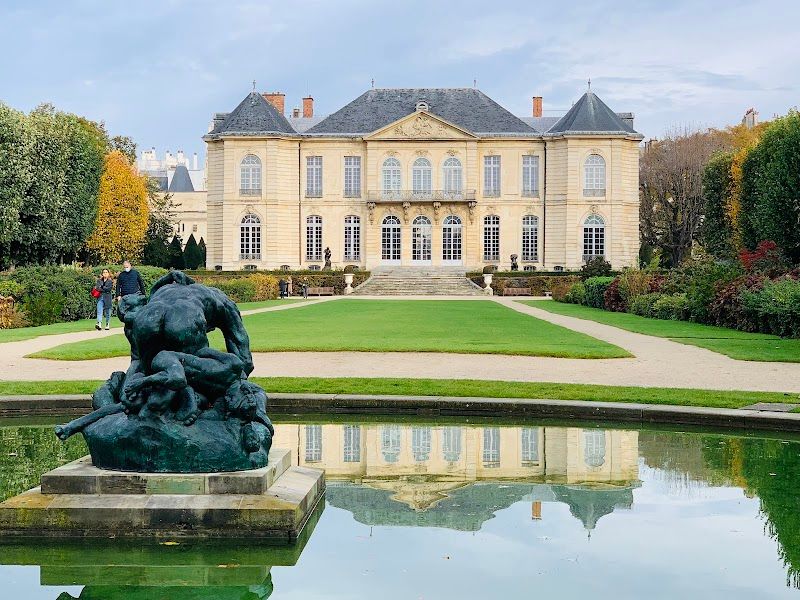
Musée Rodin
This 18th-century mansion houses Rodin's personal collection alongside his most famous sculptures, displayed exactly where he lived and worked until 1917. The Thinker broods in the front garden while The Gates of Hell dominates the rear courtyard, but the real revelation is seeing smaller works like The Hand of God up close in intimate salon rooms with original parquet floors and period furniture. The visit flows naturally from the grand entrance hall through interconnected rooms where marble and bronze pieces are arranged almost casually on antique tables and pedestals. The garden steals the show-three hectares of perfectly manicured grounds where you can walk right up to The Burghers of Calais and discover lesser-known works tucked between rose beds. The view of the Invalides dome from the back terrace is unexpectedly spectacular. Most people rush through the interior rooms to get to the famous outdoor sculptures, but they're missing the best part. The marble version of The Kiss inside is far superior to the bronze copy everyone photographs in the garden. Skip the temporary exhibitions unless you're a serious sculpture enthusiast-the permanent collection provides more than enough to absorb. Come on weekday mornings when the garden light is softest and tour groups haven't arrived.
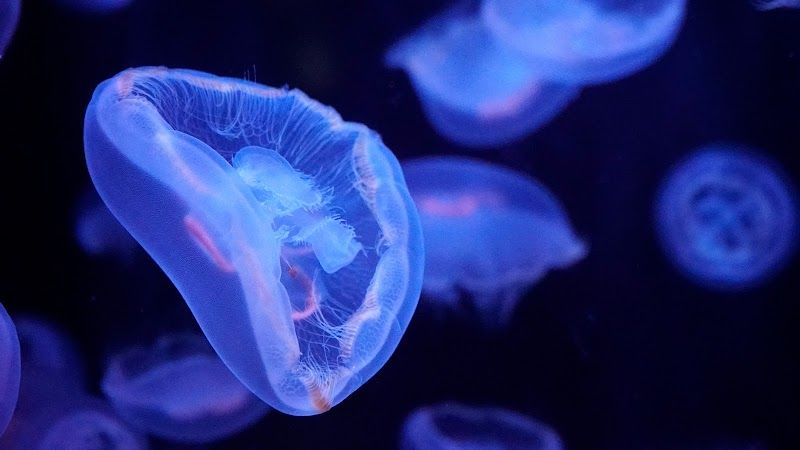
Aquarium de Paris
The Aquarium de Paris sits in former limestone quarries beneath Trocadéro gardens, making it France's only underground aquarium. The centerpiece is that massive 3-million-liter shark tank with 37 sharks - you walk through a glass tunnel as sand tiger sharks and nurse sharks glide overhead. The Japanese koi section surprises everyone with fish the size of small dogs, and the jellyfish room has better lighting than most aquariums I've visited. You enter through a modern glass pavilion, then descend into cool limestone corridors that feel genuinely underground. The layout flows logically from smaller tanks to the main shark tunnel, which takes about 5 minutes to walk through slowly. Kids love the touch pools with sturgeon - these prehistoric fish feel like sandpaper and can live over 100 years. The cinema shows decent nature documentaries, though they're only in French. Honestly, it's solid but not spectacular - the shark tunnel impresses, but many tanks feel smaller than expected. Skip the overpriced café and eat before coming. The touch pools are the real winner with kids under 10. Adults without children might find it underwhelming compared to major aquariums elsewhere, but the underground setting is genuinely unique in Paris.
Muséum National d'Histoire Naturelle
This natural history museum sprawls across multiple buildings in the Jardin des Plantes, with the Grande Galerie de l'Évolution as its crown jewel. Inside that soaring glass-roofed hall, you'll find life-sized elephants, giraffes, and zebras frozen mid-migration, while overhead galleries showcase evolution through interactive displays. The separate Paleontology Gallery houses France's most impressive dinosaur collection, including a massive Diplodocus skeleton. The visit feels like exploring several museums connected by garden paths. The Grande Galerie's ground floor procession is genuinely spectacular - kids press against the barriers to get closer to the towering elephants. The lighting shifts dramatically throughout the day, casting different moods across the animal displays. The upper levels focus more on extinction and biodiversity, which can feel heavy after the wonder downstairs. Most visitors underestimate how much walking is involved between buildings. The mineral gallery is skippable unless you're genuinely into geology. The Children's Gallery gets packed on weekends and isn't worth the wait if you're already doing the main halls. Budget 3-4 hours if you want to see everything properly, or just hit the Grande Galerie and Paleontology Gallery for the highlights.
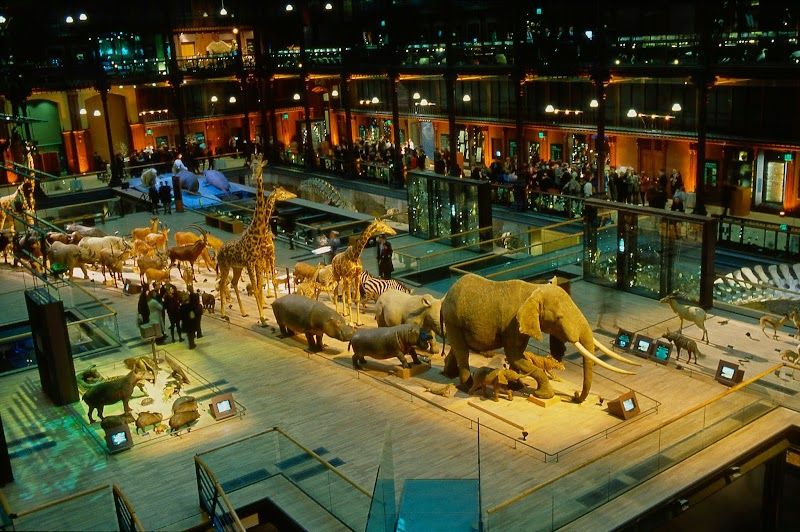
Gallery of Evolution
The Gallery of Evolution houses the National Museum of Natural History's most impressive collection in an 1889 iron and glass hall. The central nave features a massive parade of taxidermied animals arranged as if migrating across the African savanna. Elephants, giraffes, zebras, and rhinos are frozen mid-stride under soaring windows that flood the space with natural light. The upper galleries display extinct species, including dodo birds and Tasmanian tigers, alongside specimens showing evolutionary adaptation. You enter on the ground floor facing the animal procession, then spiral upward through three levels via the perimeter walkways. The second floor focuses on marine life with whale skeletons suspended overhead, while the third level houses the endangered species room. This is a sobering but beautifully presented space. The Galerie des Enfants occupies the entire first floor with hands-on exhibits about ecosystems, though it feels somewhat disconnected from the main attraction. Most visitors spend too much time photographing the ground floor spectacle and rush through the upper levels, but the third floor's climate change exhibits are actually more thought-provoking than the animal parade below. The audio guide is decent but unnecessary - the displays are well-labeled in French and English. Skip the basement temporary exhibitions unless they specifically interest you; the permanent collection is the real draw here.
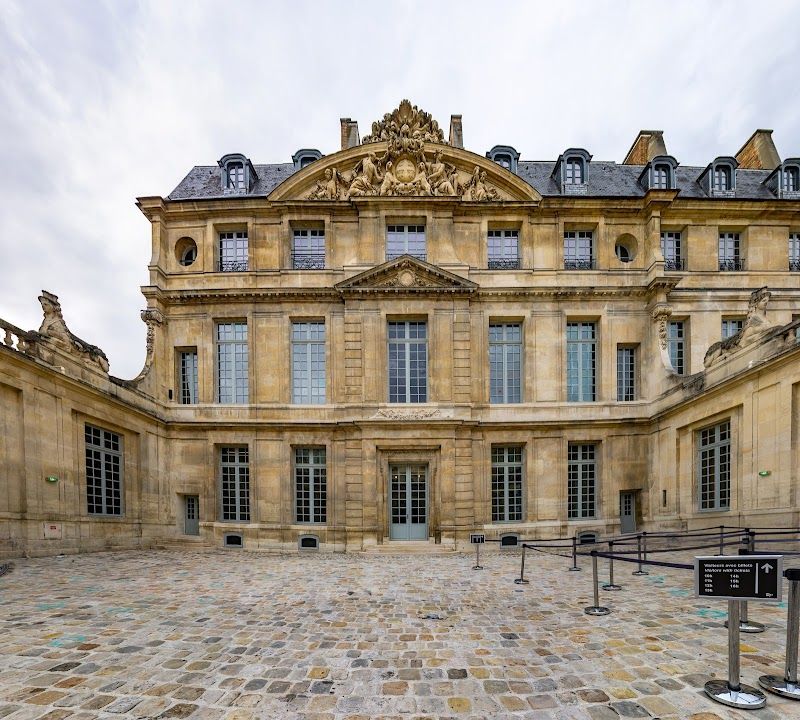
Musée National Picasso-Paris
The Hôtel Salé showcases Pablo Picasso's artistic evolution through 5,000 works acquired by the French state in lieu of inheritance taxes. You'll see juvenilia from age 15, revolutionary Cubist breakthroughs like Les Demoiselles d'Avignon studies, and late-career sculptures most people never knew existed. The personal archives reveal his creative process through sketchbooks and correspondence with contemporaries like Braque and Matisse. The mansion's renovation balances preservation with functionality-original parquet floors and moldings frame white-walled galleries that let the art breathe. The chronological layout spans three floors, starting with early academic training and progressing through Blue Period melancholy to Cubist fragmentation. The basement sculpture hall, with pieces like the goat assemblage, offers tactile understanding of his three-dimensional experiments. Skip the audio guide-the wall texts provide sufficient context without slowing your pace. The second floor gets crowded around Les Demoiselles studies; view these early morning or late afternoon. The temporary exhibitions often overshadow permanent works but rarely justify the visit alone. Budget 90 minutes unless you're studying specific periods; the sheer volume becomes overwhelming after two hours.
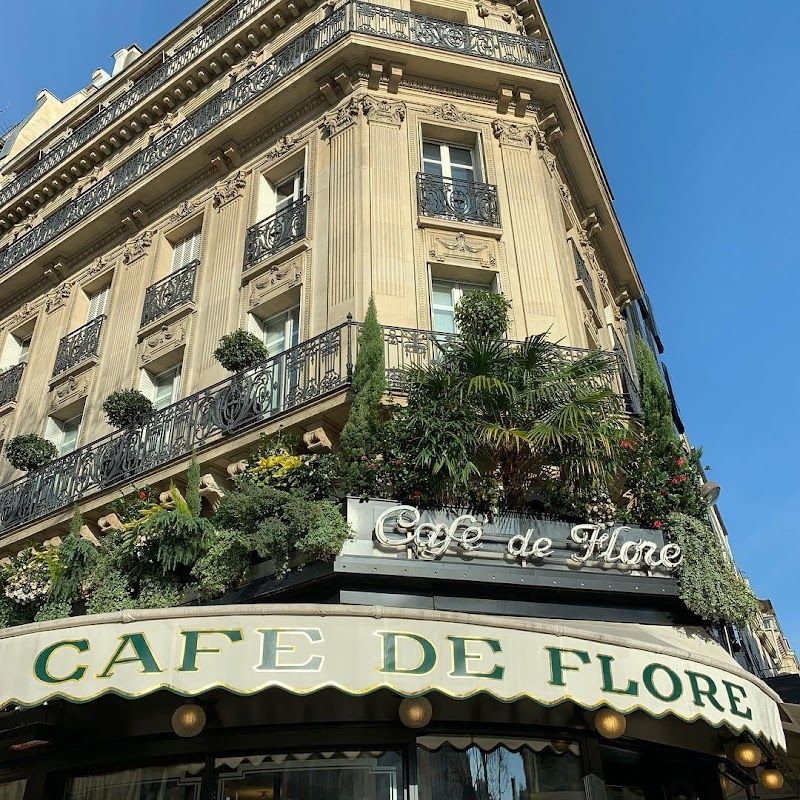
Café de Flore
This legendary Art Deco café has been a meeting place for intellectuals and artists since 1887, including Sartre, de Beauvoir, and Camus. The red banquettes, mahogany bar, and mirrors create an atmosphere that hasn't changed in decades, perfect for people-watching over a café crème.
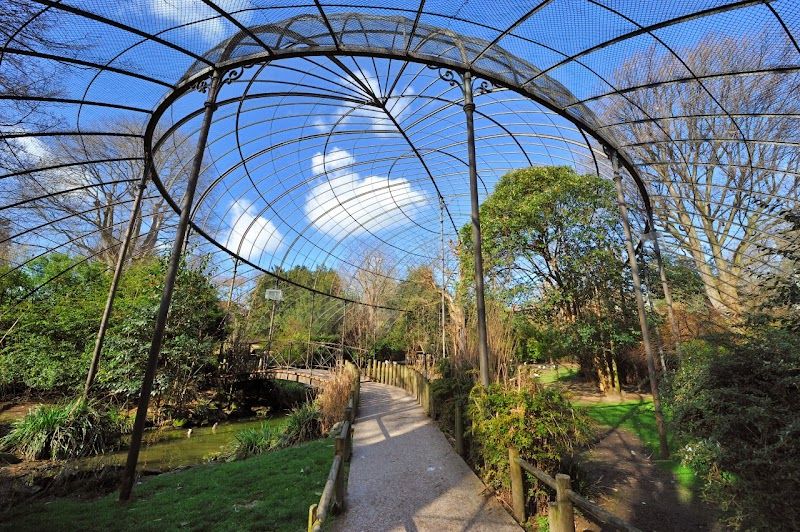
La Ménagerie, le zoo du Jardin des Plantes
This intimate zoo feels more like wandering through a Victorian naturalist's private collection than a modern zoo. The historic rotunda houses massive Galápagos tortoises in glass-domed chambers, while the art deco reptile house displays vipers and pythons in original 1920s terrariums. The real stars are the red pandas lounging in century-old enclosures and the surprisingly large collection of endangered birds, including flamingos that have nested here since the 1950s. The layout follows winding 19th-century pathways between ornate pavilions, each dedicated to different animal groups. You'll spend most time in the elaborate indoor habitats - the monkey house with its soaring glass ceiling, the vivarium's maze of climate-controlled rooms, and the big cat area where snow leopards pace behind original iron bars. The outdoor enclosures feel cramped by today's standards, but the historical architecture makes every building fascinating. Honestly, this isn't about seeing animals in spacious, natural habitats - it's about experiencing zoo history. The enclosures are small and some feel dated, but that's exactly the point. Skip the playground area entirely and focus on the reptile house and rotunda, which showcase the best of both the animal collection and architectural heritage. Allow extra time for the monkey house, where the 1930s tilework alone is worth the visit.
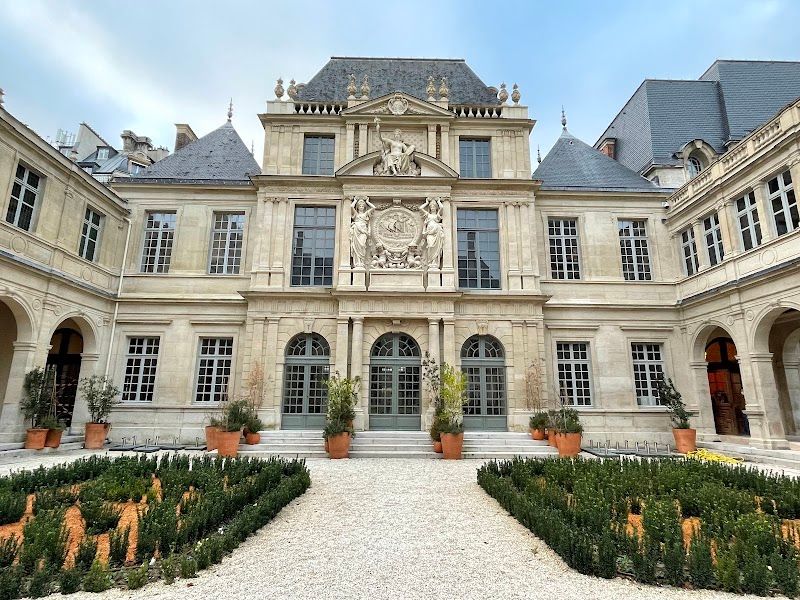
Carnavalet Museum
The Carnavalet Museum tells Paris's complete story through artifacts, rooms, and reconstructions spanning 2,600 years. You'll walk through actual salons from demolished Parisian hôtels particuliers, see Napoleon's toiletry case, and stand in recreated Revolutionary-era shops with original signage. The Marcel Proust bedroom recreation includes his actual furniture and cork-lined walls. Revolutionary artifacts dominate-guillotine keys, Robespierre's shaving kit, and propaganda posters fill entire floors. The visit flows chronologically through 100 rooms across two connected 17th-century mansions. Medieval Paris occupies the ground floor, then you climb through Renaissance galleries to Revolutionary chaos on the first floor. The Belle Époque rooms feel like frozen-in-time apartments with Mucha posters and Art Nouveau furniture. Some rooms overwhelm with density-glass cases packed floor to ceiling with pottery, coins, and documents. Start with the Revolutionary rooms on the first floor if you're short on time-they're genuinely fascinating. The medieval archaeology section drags unless you love pottery shards. The garden courtyards provide necessary breathing room between dense exhibitions. The 2021 renovation improved lighting dramatically, but some rooms still feel cramped. Allow three hours minimum if you actually read the placards.
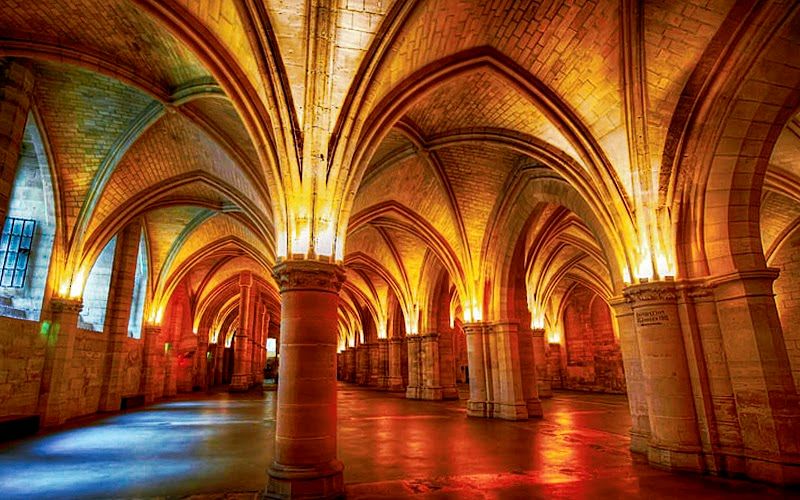
Conciergerie
The Conciergerie is where French history got darkest - this former royal palace became the antechamber to the guillotine during the Terror. You'll see Marie Antoinette's actual prison cell, recreated with period furniture and a black crucifix, plus the communal cells where ordinary prisoners slept on straw. The highlight is the massive Gothic Hall of the Men-at-Arms with its ribbed vaulting - it's genuinely impressive medieval architecture that predates Notre-Dame. The visit flows chronologically from medieval palace to revolutionary tribunal. Interactive tablets work well here, explaining how the building functioned as both courthouse and prison. The reconstruct courtyard where prisoners took their final walk is sobering. The cell recreations vary in quality - Marie Antoinette's is atmospheric, but some others feel overly theatrical with wax figures. Honestly, this works better as historical context than standalone attraction. If you're doing Sainte-Chapelle anyway, the combo ticket makes sense, but I wouldn't prioritize it over Musée Carnavalet for French history. The medieval halls are the real draw - spend your time there rather than rushing through all the Revolution displays. Winter visits feel more appropriate given the somber subject matter.
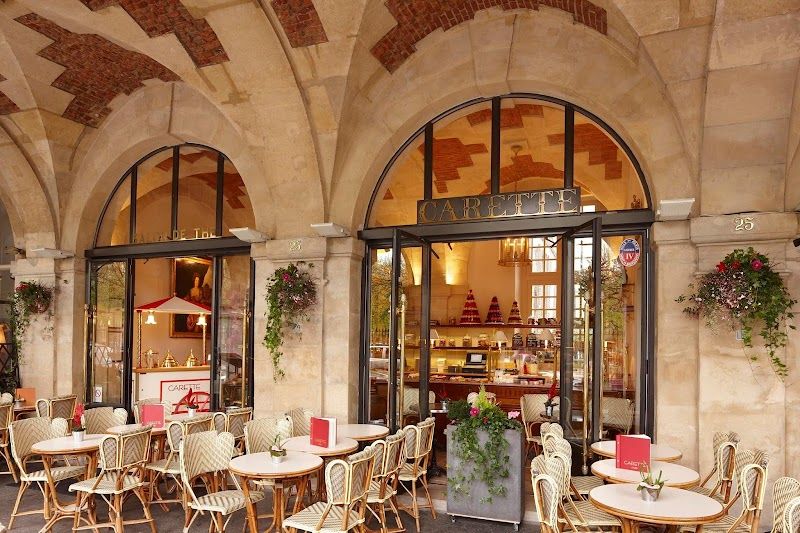
Carette
Elegant Parisian salon de thé on Place du Trocadéro with art deco interior since 1927. Famous for their Mont Blanc dessert and hot chocolate. Prime location for Eiffel Tower views from the terrace, though you pay a premium for the setting.
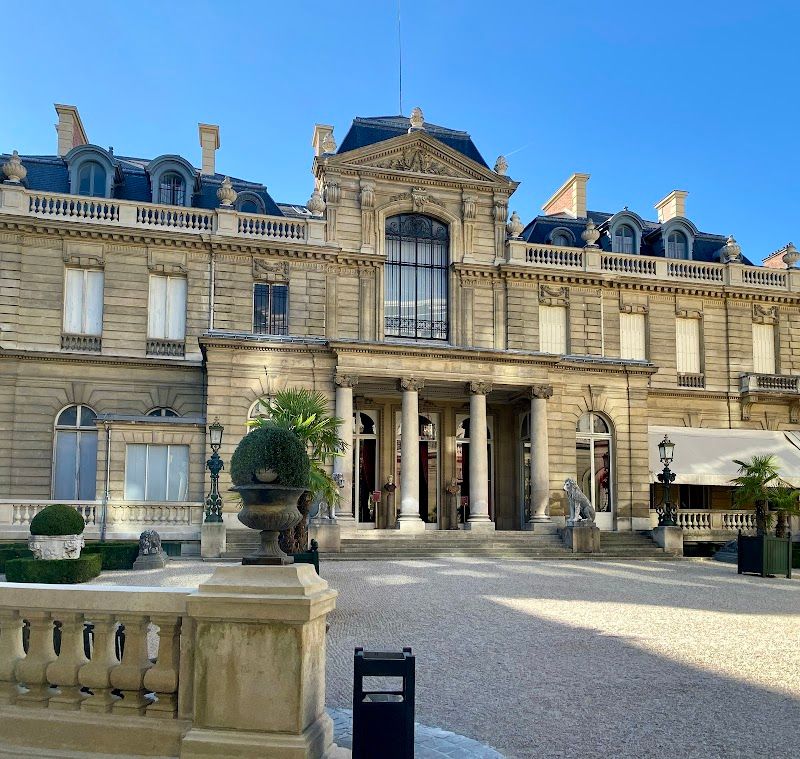
Musée Jacquemart-André
This is actually someone's house-Édouard André and Nélie Jacquemart turned their 1870s mansion into Paris's most elegant art showcase. You'll walk through their actual bedrooms, smoking room, and winter garden while seeing Fragonard's sensual paintings, Botticelli's luminous Madonnas, and an entire Italian Renaissance gallery they added specifically for their collection. The Tiepolo ceiling in the dining room alone justifies the visit. The audio guide follows the couple's daily routine through their home, making you feel like a privileged houseguest rather than a museum visitor. You'll climb the grand staircase past Boucher tapestries, peek into Nélie's private sitting room with its Chinese lacquer panels, then ascend to the Italian masters upstairs. The preserved interiors-from Turkish smoking room to palm-filled winter garden-show how Belle Époque millionaires actually lived. Morning visits before 11am mean smaller crowds in the narrow upstairs galleries where Uccello's Saint George and Mantegna's Ecce Homo deserve close viewing. Skip the temporary exhibitions unless Renaissance art is your passion-the permanent collection and interiors are the real draw. The mansion's intimate scale means you'll see everything worthwhile in 90 minutes, unlike the Louvre's overwhelming vastness.
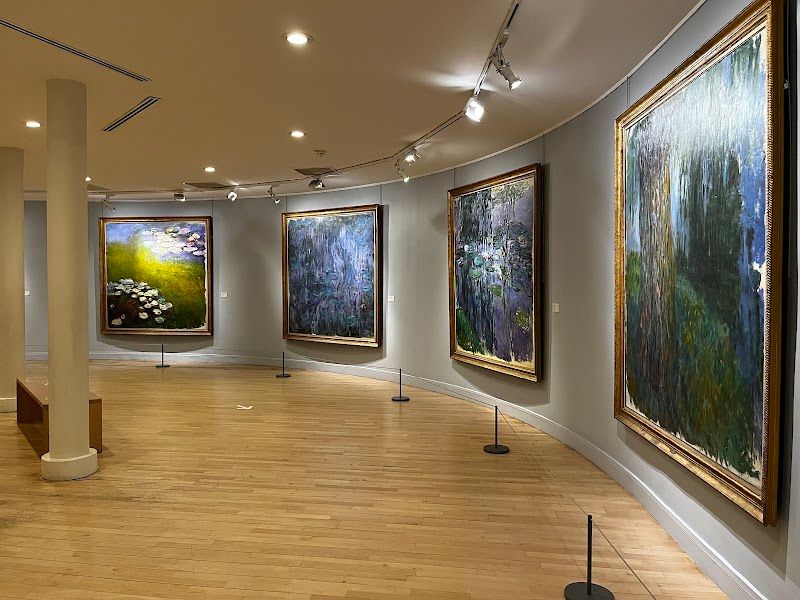
Musée Marmottan Monet
Jules and Paul Marmottan's 19th-century hunting lodge turned into Paris's most intimate Impressionist museum houses 165 Monet paintings, including the tiny canvas that accidentally named an entire art movement. The ground floor showcases Napoleon's actual furniture from Saint Helena, while upstairs you'll find medieval illuminated manuscripts that most visitors rush past on their way to the Monets. The basement level hits you immediately with Impression, Sunrise displayed alone in a climate-controlled case, it's surprisingly small at just 19 by 25 inches. The circular room beyond contains Monet's massive late water lily canvases that he painted nearly blind at Giverny, their surfaces thick with paint you can see from across the room. The lighting dims automatically every few minutes to protect the paintings, creating an almost theatrical effect. Skip the upper floors entirely unless you're genuinely interested in medieval art, the real payoff is spending your time in that basement with the Monets. The museum gets busy around 2pm when tour groups arrive, but mornings feel almost private. Audio guides cost extra and aren't worth it since the wall plaques are thorough in English.
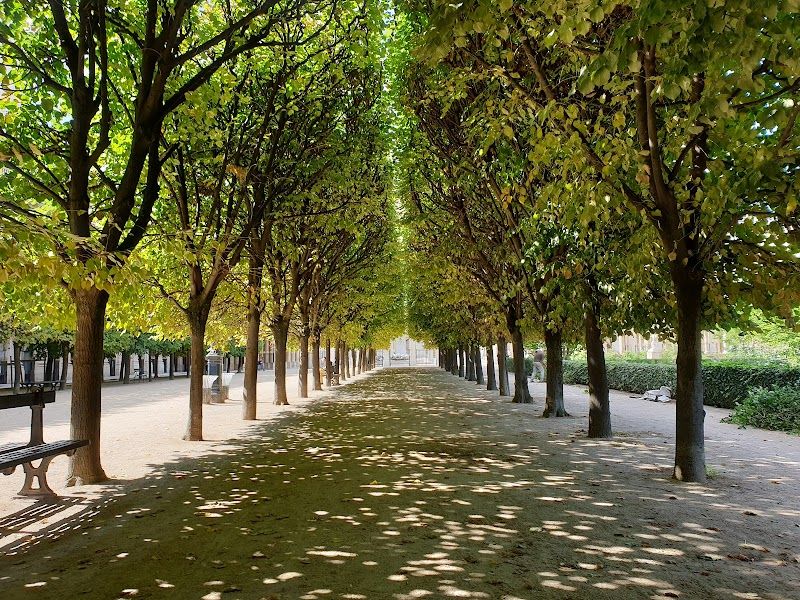
Jardin du Palais Royal
This perfectly rectangular garden sits enclosed within the former royal palace walls, surrounded by uniform 18th-century arcades that house upscale galleries and vintage shops. The central lawn is bordered by double rows of perfectly pruned linden trees, with gravel paths leading to a simple circular fountain. Daniel Buren's controversial black-and-white striped columns from 1986 dot the main courtyard, creating an unexpected modern art installation against the classical architecture. Entering through any of the archway passages feels like discovering a private courtyard. The garden operates on Parisian time-office workers eat lunch on the moveable green chairs, elderly residents feed pigeons by the fountain, and occasional pétanque games unfold on the gravel. The surrounding covered galleries echo with footsteps, while the garden itself maintains an almost library-like quiet that's rare in central Paris. Come here when you need actual peace, not photo opportunities. The Buren columns attract tourists who snap pictures and leave, but the real appeal is the garden's function as a neighborhood living room. Skip it if you want dramatic landscaping-this is about architectural harmony and urban calm. The shops in the arcades are genuinely interesting but expensive, particularly the vintage fashion and antique book stores.
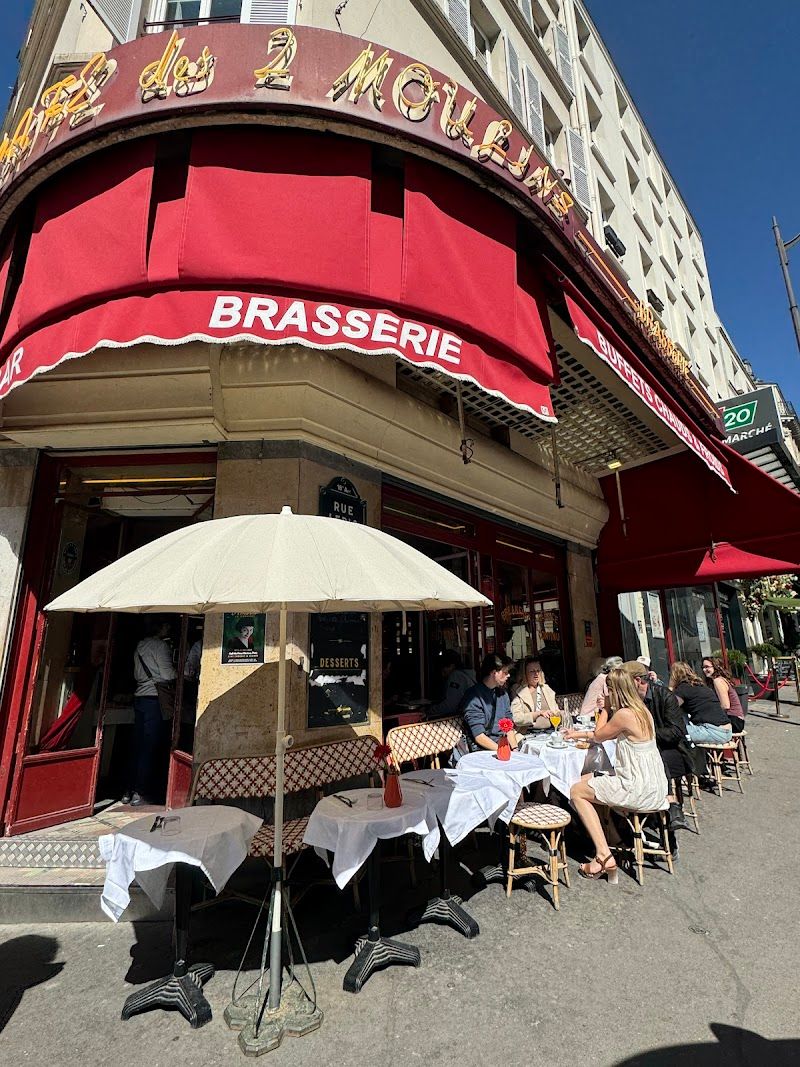
Café des Deux Moulins
This unassuming 1950s corner café became a global pilgrimage site after featuring as Amélie Poulain's workplace in Jean-Pierre Jeunet's 2001 film. Despite the fame, it remains a functioning neighborhood café where locals outnumber tourists at breakfast. The crème brûlée (Amélie's specialty in the film) is worth ordering, and the original tobacco counter and red-and-green interior are largely unchanged from filming. A small glass case near the entrance displays Amélie memorabilia.
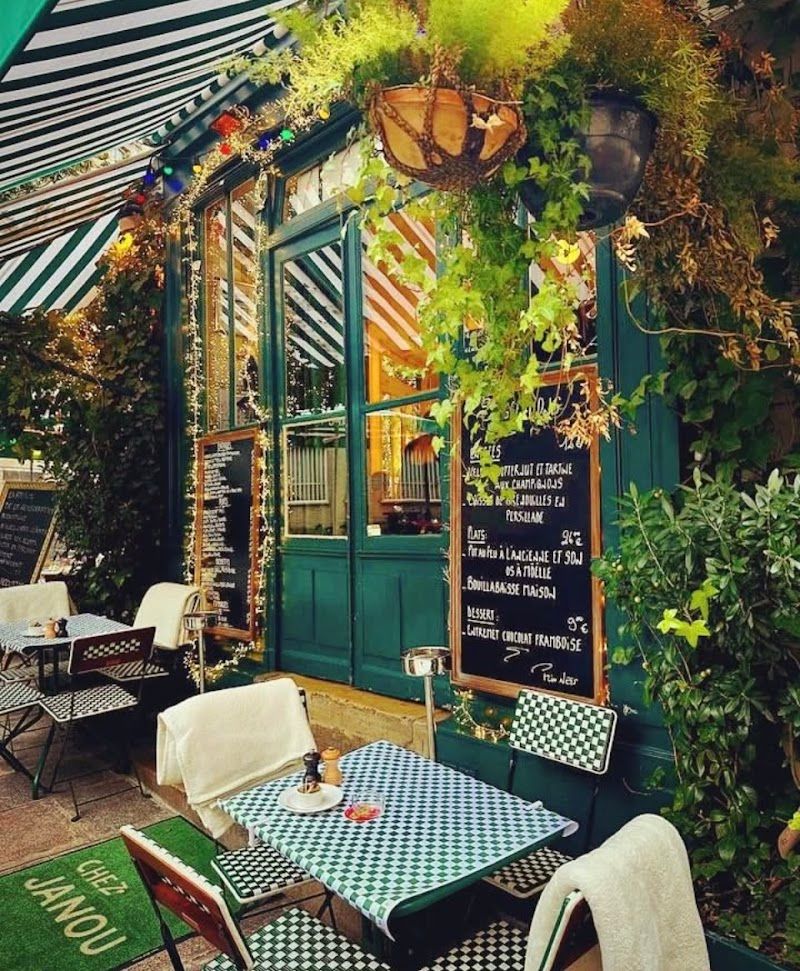
Chez Janou
Provençal bistro with rustic charm, known for its massive chocolate mousse served from a giant bowl and over 80 types of pastis. The terrace on a quiet Marais side street fills up quickly with locals who come for the authentic southern French cooking.
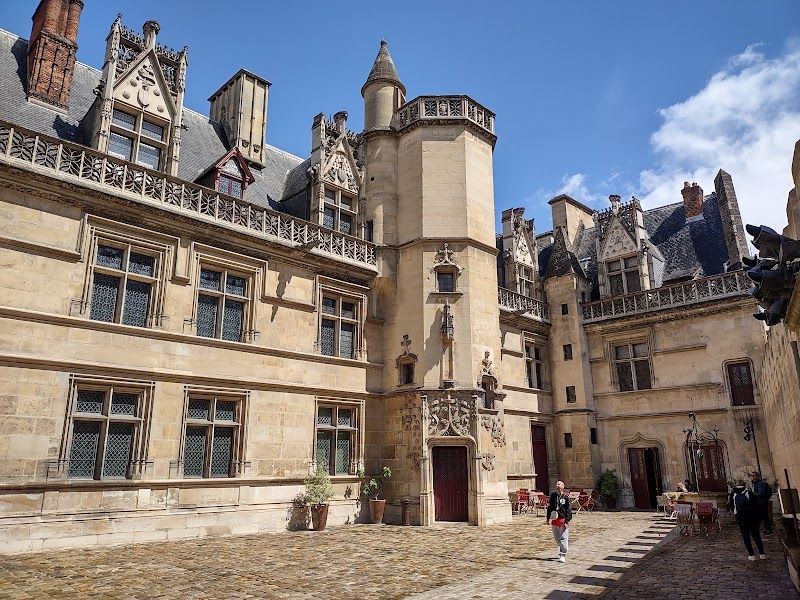
Musée de Cluny
The Musée de Cluny houses Europe's finest medieval collection inside a genuine 15th-century mansion that sits directly atop 1st-century Roman baths. The star attraction is the six-panel Lady and the Unicorn tapestries, but the Gallo-Roman frigidarium below is equally impressive-those massive stone arches predate Notre-Dame by over a thousand years. The juxtaposition of Roman engineering and medieval craftsmanship makes this unlike any other museum in Paris. After the 2022 renovation, the flow is much improved. You start in the Roman ruins, then move upstairs through chronologically arranged galleries showcasing ivory carvings, golden altarpieces, and illuminated manuscripts. The tapestry room is kept deliberately dim to preserve the threads, creating an almost mystical atmosphere around the unicorn scenes. The new medieval garden outside recreates monastery herb plots with plants actually grown in the Middle Ages. Skip the audio guide-the wall texts are excellent and the space is intimate enough to absorb naturally. The museum gets packed after lunch when Latin Quarter walking tours arrive, so morning visits are essential. Don't rush the Roman baths; most people spend ten minutes there but it's the most historically significant space. The gift shop has surprisingly good medieval history books in English.
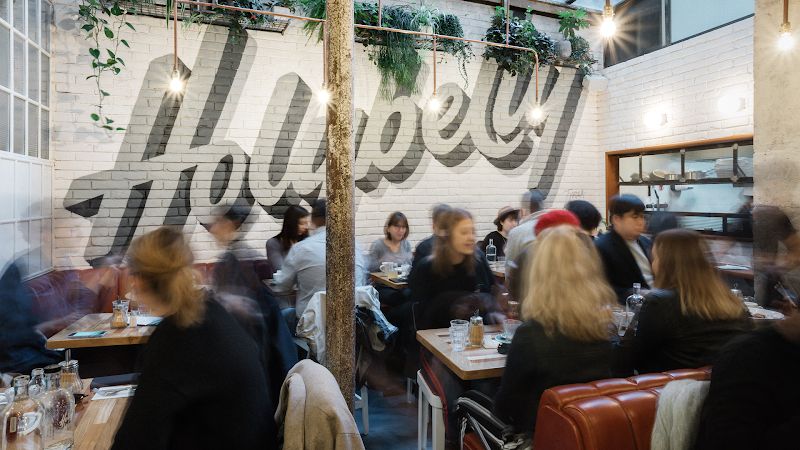
HolyBelly
Popular brunch spot serving American-style pancakes, eggs benedict, and specialty coffee in a bright, friendly space. Chef Sarah Mouchot's menu draws morning crowds willing to queue for fluffy pancakes and creative brunch plates.
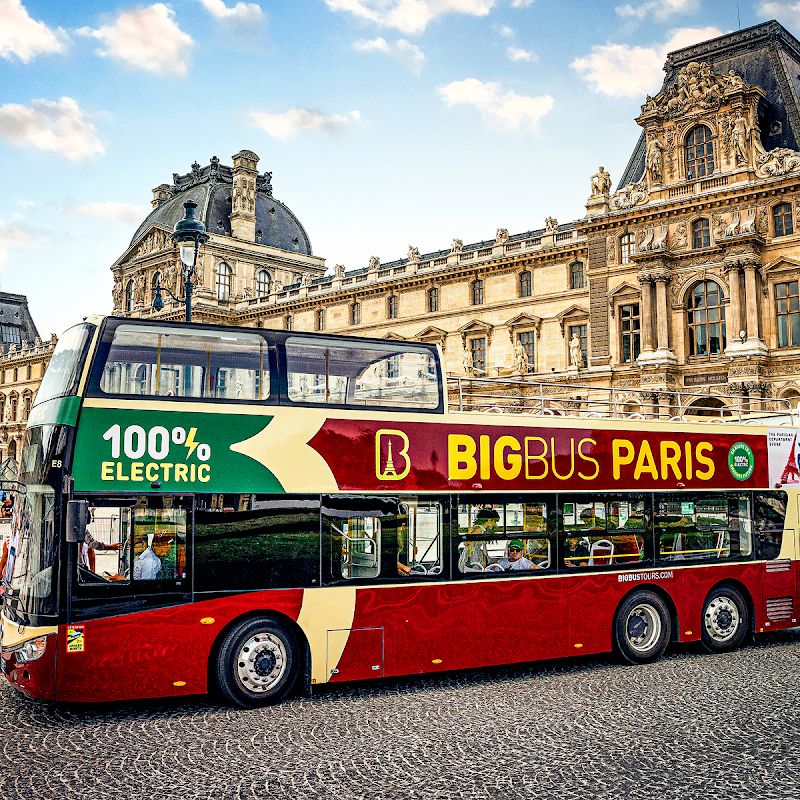
Big Bus Tours Paris
Big Bus Tours runs three distinct routes through Paris with open-top double-deckers that stop every 10-15 minutes at 60+ locations. The Red Route hits the classics (Eiffel Tower, Arc de Triomphe, Louvre), Blue covers Montmartre and Sacré-Cœur, while Green focuses on the Latin Quarter and Saint-Germain. Each bus has live English commentary plus recorded audio in 8 languages, and your ticket includes a one-hour Seine cruise from Port de la Bourdonnais. The experience varies dramatically by weather and route. Red Route buses get packed between Trocadéro and the Louvre, especially 10am-4pm. The upper deck offers unobstructed photos but gets cold and windy in winter. Commentary quality depends entirely on your guide, some are entertaining historians, others just read scripts. The Seine cruise is surprisingly worthwhile, offering perspectives of Notre-Dame and the Musée d'Orsay you can't get from street level. Honestly, this works best as transportation between distant attractions rather than sightseeing itself. The stops aren't always convenient, you'll walk 200+ meters from the Eiffel Tower stop to actually reach the tower. Skip the walking tours (they're basic) but definitely use the cruise. Buy tickets online for €5 less than the €39 street price, and avoid Friday afternoons when traffic makes the full loop take 2.5 hours instead of the promised 2.
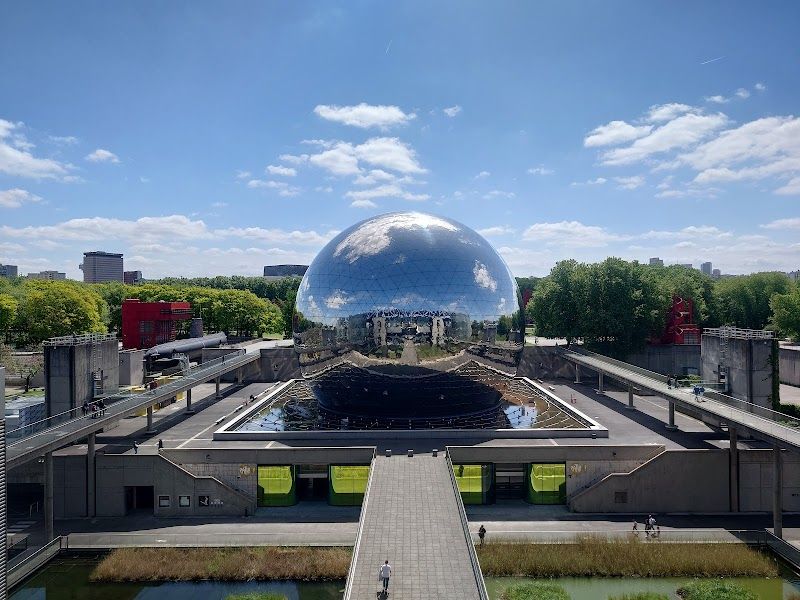
Cité des Sciences et de l'Industrie
The Cité des Sciences sprawls across five floors in what used to be an auction house for cattle, and honestly, it shows-the layout can be confusing. The permanent exhibitions vary wildly in quality: the space section with its Soyuz capsule replica is genuinely impressive, while the mathematics area feels dated with clunky interactive displays from the 2000s. The real draw is the children's areas, which are thoughtfully designed with water play stations, construction zones, and surprisingly sophisticated exhibits about light and sound. Your visit will involve a lot of walking and waiting. The building feels industrial and cold, with long corridors connecting different exhibition spaces. Crowds funnel through narrow passages between displays, and popular interactive stations often have queues. The Géode theater is striking from outside, but the IMAX films rotate frequently-check what's playing before paying extra. Weekend afternoons turn chaotic with school groups and families. Skip the temporary exhibitions unless the topic genuinely interests you-they're often overpriced add-ons. The submarine Argonaute outside is underwhelming for the separate admission fee. Focus your time on one or two sections rather than rushing through everything. If you have teenagers, they'll likely find most exhibits too childish or too academic, making this genuinely better for families with younger kids despite its reputation as a general science museum.
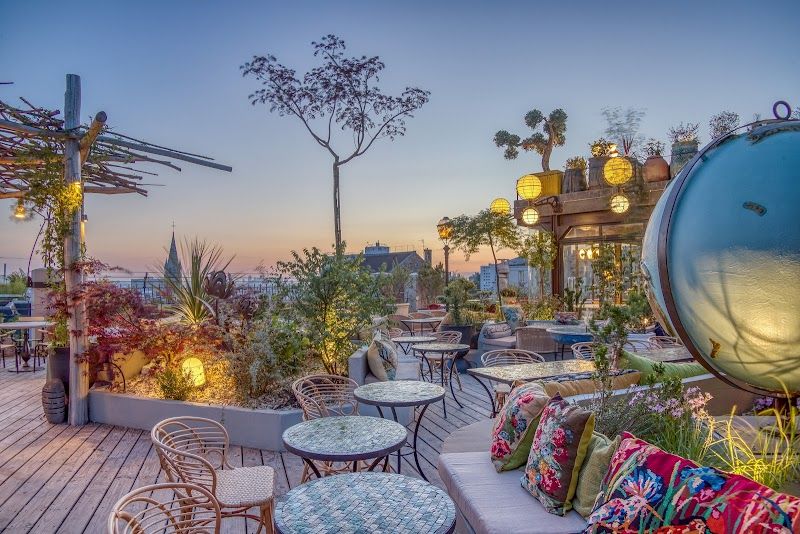
La Bellevilloise
This former 19th-century workers' cooperative in Belleville now functions as a multi-purpose cultural venue with a concert hall, restaurant, art gallery, and outdoor terrace. The programming ranges from electronic DJ sets to indie concerts to art exhibitions, drawing a creative crowd from across Paris to this historic working-class neighborhood.
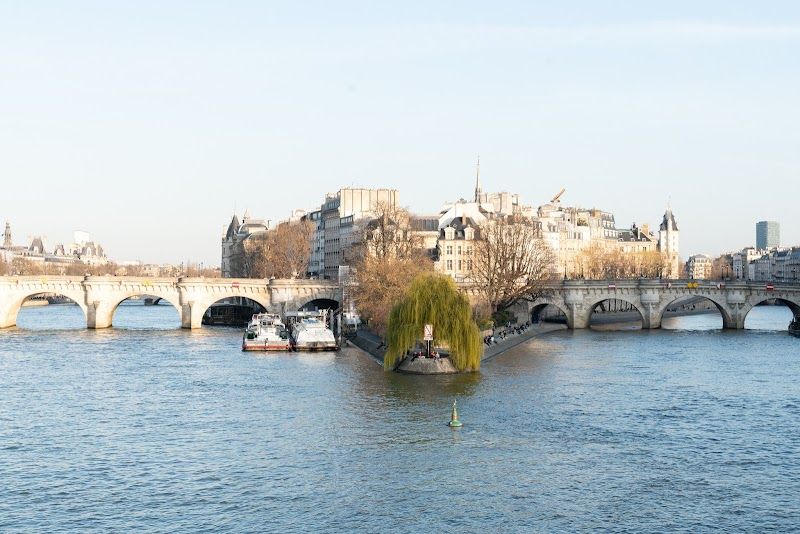
Vedettes du Pont Neuf
Vedettes du Pont Neuf operates glass-topped boats that hold about 80 passengers instead of the massive 300+ person vessels most competitors use. The smaller scale means you actually get unobstructed views of Notre Dame's flying buttresses, the ornate facade of the Conciergerie, and the detailed stonework on bridges like Pont Alexandre III. The multilingual commentary focuses heavily on architectural details you'd miss from street level. The 60-minute route covers central Paris from water level, passing under 15 bridges with the boat's low profile allowing closer approaches to quay walls. What sets this apart is the commentary quality - they point out specific architectural elements like the different stone colors indicating construction periods on Notre Dame, or the hidden medieval towers visible only from river level. The glass canopy means weather rarely disrupts sailings. The boats run every 30 minutes but can sell out on sunny weekend afternoons, despite no advance booking being required. Skip the evening cruises - the lighting makes architectural details disappear and you're mostly seeing building silhouettes. The afternoon departures between 2-4 PM offer the best light for photography and viewing carved stone details.
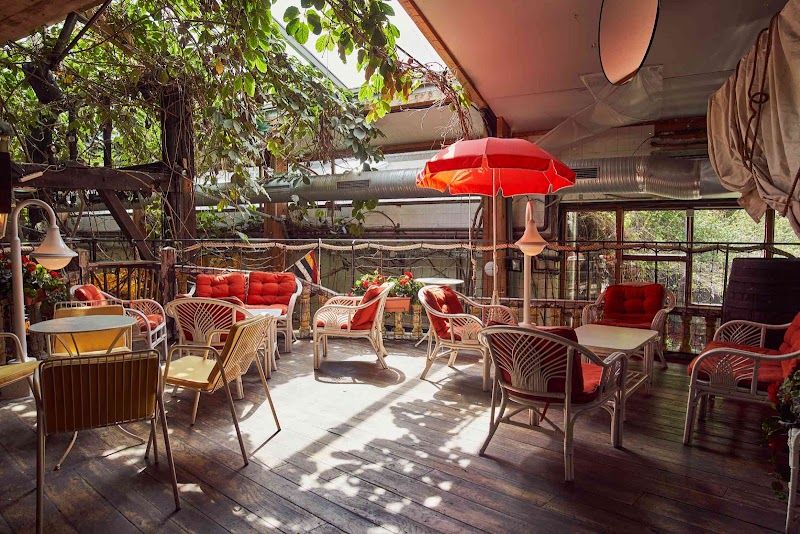
Le Comptoir Général
This sprawling former warehouse on Canal Saint-Martin doubles as a cultural center and tropical bar, filled with vintage furniture, African artifacts, and lush plants. The space hosts DJ sets, art exhibitions, and occasional food pop-ups in a deliberately bohemian atmosphere that feels more like a Dakar living room than a Paris nightclub.
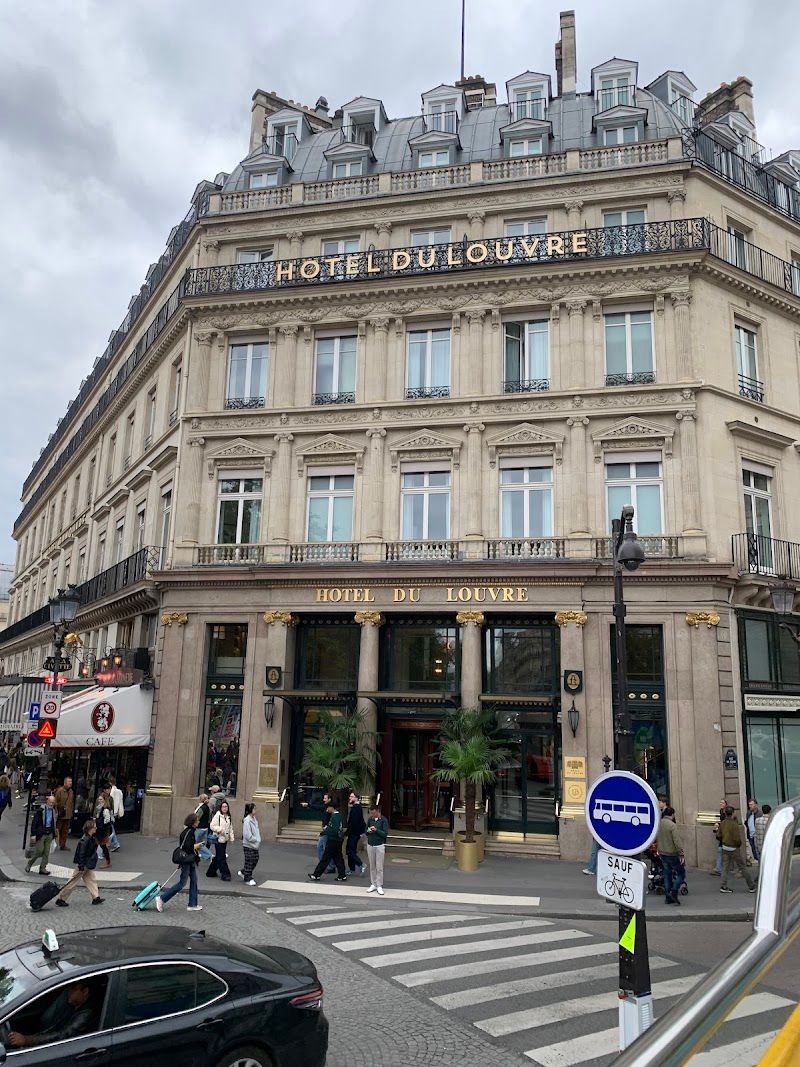
Tootbus - Paris
Tootbus runs three color-coded double-decker routes that connect Paris's major sights through a hop-on hop-off system. The red route hits the obvious spots like the Eiffel Tower and Louvre, the blue covers eastern districts including Bastille and Père Lachaise, while the green winds through Montmartre's steep streets. Each bus has an open upper deck and covered lower level, with audio commentary available in multiple languages through provided headphones. The experience feels less touristy than it sounds, especially on weekday mornings when buses aren't packed. You'll spend about 2 hours completing a full loop without stops, but most people hop off at 3-4 attractions. The audio guide timing syncs well with what you're passing, though it can lag during heavy traffic around Châtelet-Rivoli. The upper deck provides genuine photo opportunities, particularly crossing Pont Alexandre III and approaching the Arc de Triomphe. Buy tickets online to skip the booth lines at major stops. The night tour included in your ticket runs only Thursday through Sunday and covers just the red route, but seeing the illuminated monuments justifies the restriction. Don't bother with the Seine cruise voucher unless you have extra time-it's basic and crowded. Start early morning or after 3 PM to avoid school groups and lunch-hour traffic jams.
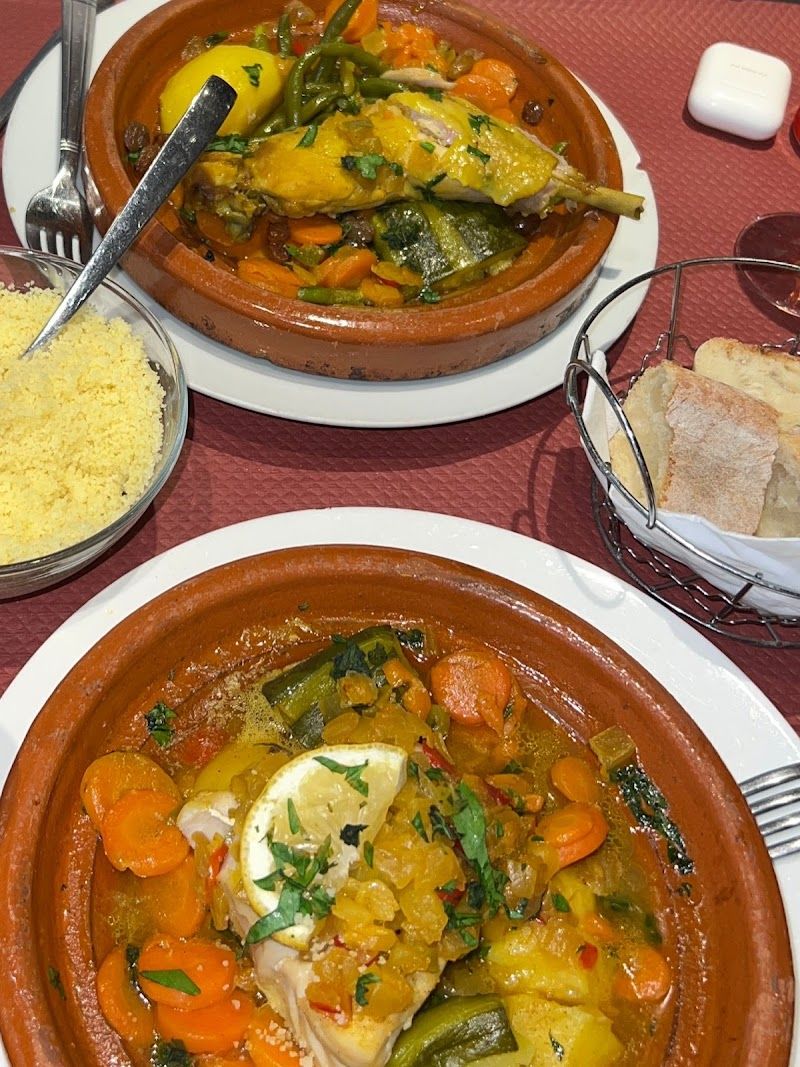
Hammam Pacha
Hammam Pacha recreates an authentic Moroccan bathhouse experience in a surprisingly spacious basement space beneath Saint-Germain. The main steam room features genuine Tadelakt plasterwork and heated marble benches where temperatures hover around 45°C. What sets this apart from typical spas is the traditional kessa glove scrubbing - therapists really go at your dead skin with black soap made from olives and eucalyptus oil. The 2.5-hour ritual follows Moroccan tradition: you start sweating in the steam room for 15 minutes, then move to marble slabs where attendants scrub you down with coarse mitts until rolls of dead skin come off (genuinely satisfying but initially shocking). The argan oil massage happens in a separate cooler room, followed by mint tea in the relaxation area with proper glass cups and fresh leaves. The hot and cold pools are small but the temperature contrast works. The experience feels genuinely restorative, though the basement location means no natural light and ventilation can feel heavy during busy periods. Skip the expensive towel rental and bring your own - theirs are thin. The full package is worth it over individual treatments since you get extended access to all facilities. Staff pushes retail products hard at checkout, but the argan oil quality is legitimate if overpriced.
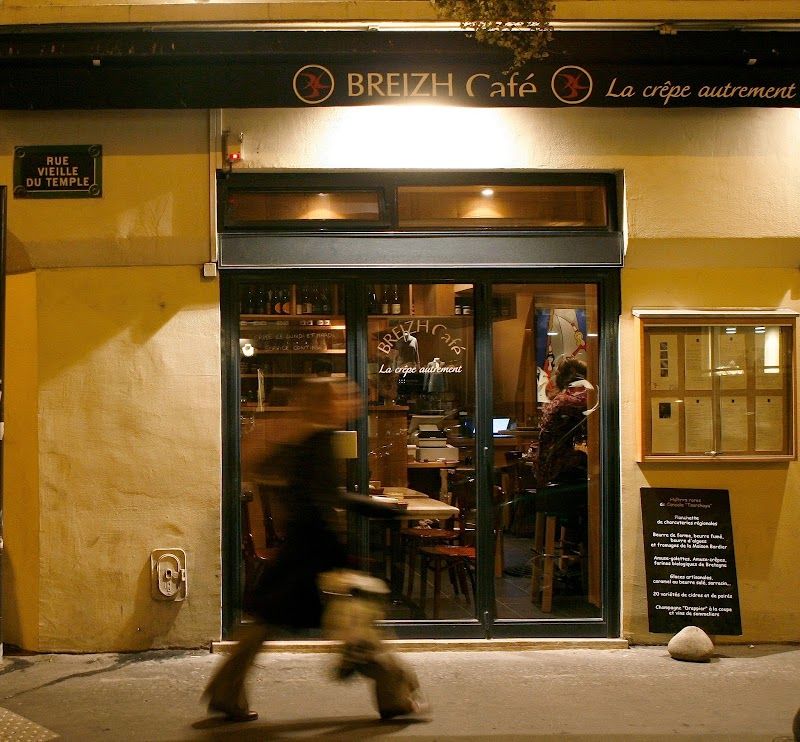
Breizh Café
Authentic Breton crêperie using organic buckwheat flour and premium ingredients like Bordier butter. The Japanese owner brings meticulous attention to detail, creating some of the finest galettes in Paris alongside an impressive selection of artisanal ciders.
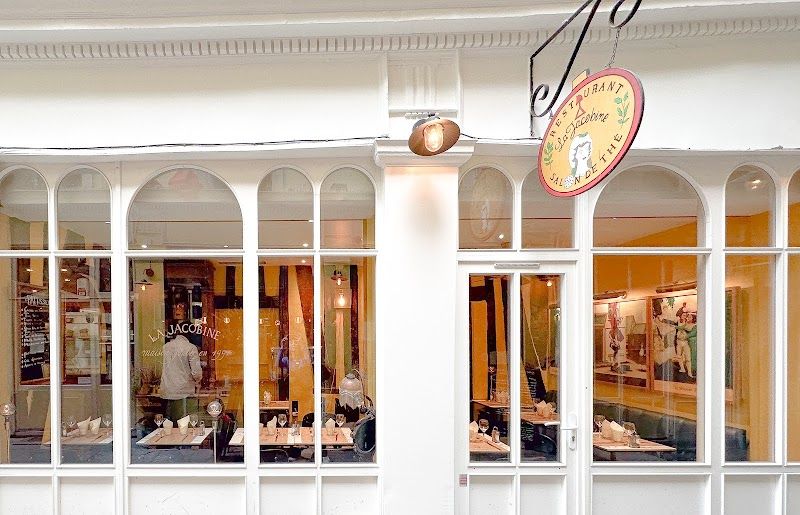
La Jacobine
A charming neighborhood bistro tucked away on a quiet street, serving classic French cuisine with a focus on seasonal ingredients. The intimate dining room features exposed stone walls and a cozy atmosphere that feels authentically Parisian without the tourist crowds.
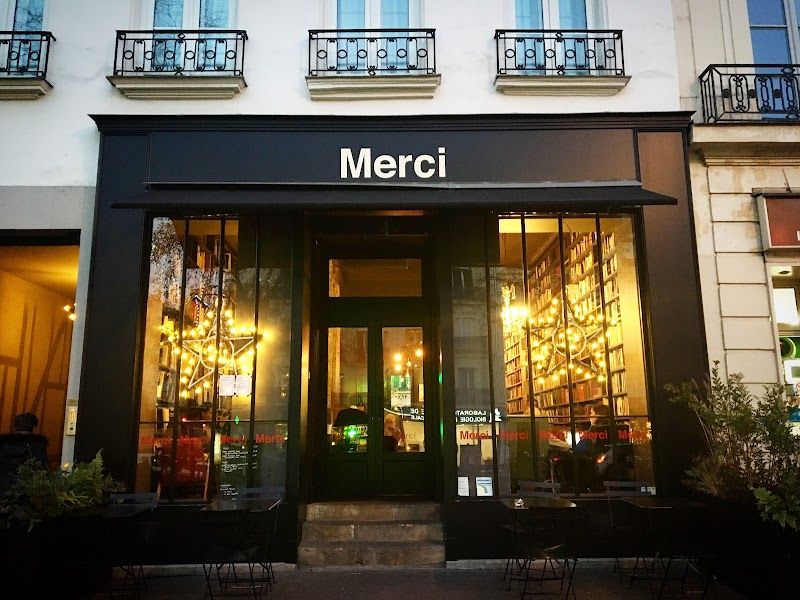
Merci
Merci occupies a sprawling former wallpaper factory with three floors of carefully curated fashion, furniture, and design objects. The red Fiat 500 permanently parked in the ground-floor café isn't just decoration-it's functional seating, and the whole space feels more like a stylish friend's loft than a traditional store. What sets it apart is the genuine editorial eye: everything from the €15 notebooks to the €800 ceramics feels intentionally chosen rather than mass-marketed. The layout encourages wandering-you'll move from vintage band tees on the first floor to Italian ceramics on the second, then down to the basement's dim cinema café where locals nurse single espressos for hours. The book café in the back corner has that lived-in feeling of a neighborhood spot, with worn leather chairs and French literary magazines scattered on low tables. The whole experience feels more like browsing a friend's collection than shopping. Most visitors rush through treating it like a department store, but Merci rewards slow exploration. The fashion selection skews expensive and trendy rather than timeless-focus on the homeware and books instead. The café food is overpriced and mediocre; come for coffee only. The Madagascar charity angle is genuine but don't expect detailed information about it-this is subtle social responsibility, not virtue signaling.
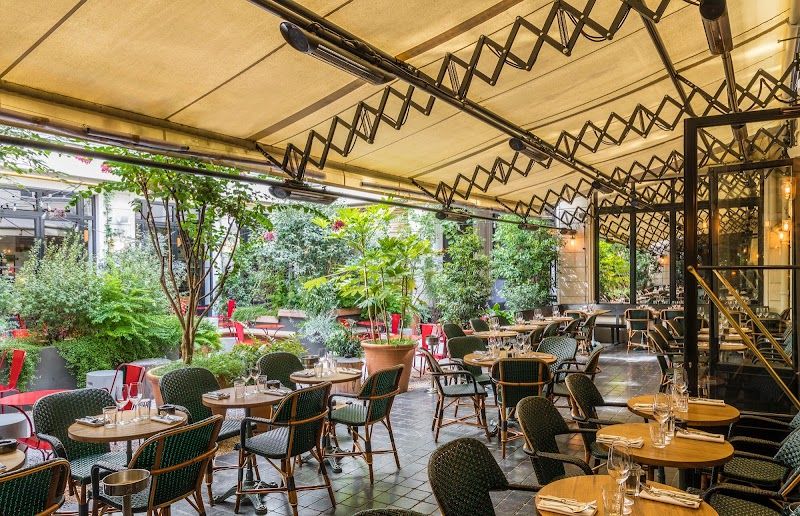
Bambou
Vietnamese restaurant in Belleville serving traditional pho, bun, and banh cuon in a simple, family-run setting. The authentic flavors and generous portions attract locals from Paris's Vietnamese community.
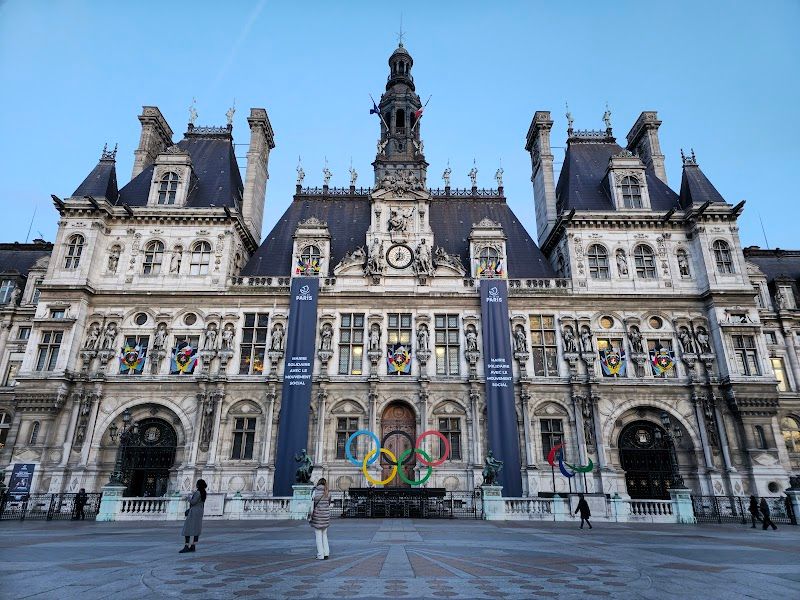
Hôtel de Ville
The Hôtel de Ville serves as Paris's working city hall while doubling as an impressive cultural venue. The Neo-Renaissance facade dominates a massive plaza, but the real attraction lies in the rotating exhibitions housed in the ground-floor galleries, I've seen everything from contemporary photography to historical displays about Parisian neighborhoods. The building's interior features gilded salons and ceremonial rooms that rival Versailles in their opulence. Visiting feels like stumbling into two different experiences. The exhibitions occupy bright, modern gallery spaces that contrast sharply with the ornate exterior. During winter, the plaza transforms into a proper ice rink with Alpine chalet-style refreshment stands, while summer brings sand and volleyball nets that create an oddly beachy atmosphere against the formal architecture. The juxtaposition works better than it should. Most visitors snap photos of the facade and leave, missing the free exhibitions entirely. The shows change every few months and range from excellent to forgettable, check what's on before making a special trip. Skip the interior tours unless you're genuinely interested in municipal history and ceremonial rooms. The plaza events are worth timing your visit around, especially the winter ice skating which runs from December through February.
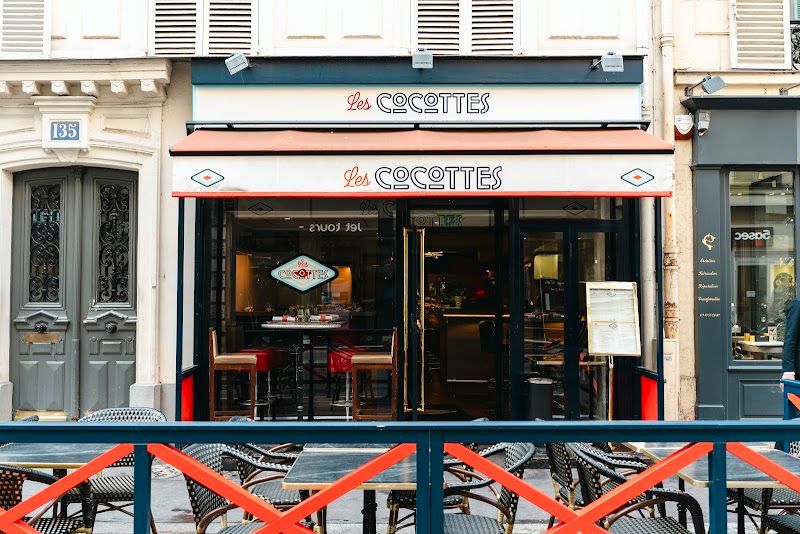
Les Cocottes
Casual restaurant by chef Christian Constant serving individual cast-iron cocotte pots of French comfort food. The counter seating and no-reservation policy create a democratic, lively atmosphere despite the pedigree.
Marché couvert des Enfants Rouges
The iron framework and red brick facade look modest from Rue de Bretagne, but step inside to find Paris's most genuine neighborhood market. Vendors here aren't performing for tourists-they're serving the same families who've shopped here for decades. The produce stalls cluster near the entrance with perfect tomatoes and herbs that smell like actual dirt, while the prepared food vendors occupy the back section with mismatched plastic chairs around communal tables. The morning rhythm follows a predictable pattern: locals grab vegetables first, then queue for bread at Du Pain et des Idées' small counter. By 11:30, office workers start trickling in for early lunch, and the Moroccan vendor begins ladling couscous into paper containers. The Japanese woman at Taeko's counter meticulously arranges bento boxes while her husband grills fish. Everything feels cramped and slightly chaotic, exactly as it should. Don't expect pristine presentation or English menus-this isn't Borough Market. The vegetable prices run higher than supermarkets, but the quality justifies it. Skip the overpriced organic honey stall near the entrance and head straight to L'Estaminet du Marché for proper French bistro food. Most food vendors close by 2 PM, so time your visit accordingly.
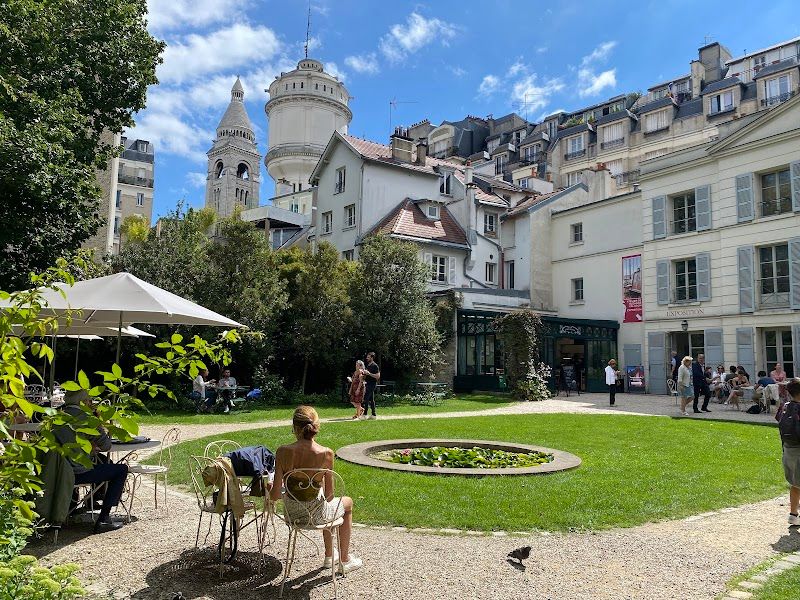
Musée de Montmartre
This 17th-century mansion holds Montmartre's most complete collection of Belle Époque posters, paintings, and memorabilia from when the hill was Paris's artistic epicenter. The reconstructed cabaret interiors show what the Chat Noir and Lapin Agile actually looked like inside, while Toulouse-Lautrec's original Moulin Rouge posters line the walls. Renoir's actual studio occupies the ground floor, complete with his easel and paint boxes. The museum flows chronologically through small, intimate rooms that feel more like browsing someone's private collection than a formal exhibition. The highlight is the third-floor atelier reconstruction where you can see Valadon and Utrillo's shared workspace, paint-stained and authentically cluttered. The Renoir Gardens behind the building offer the only quiet spot to photograph the vineyard without tourists, especially the corner bench near the old well. Skip the audio guide-the French-only wall texts are more informative. The gardens justify the admission price alone, but the museum itself runs thin after 45 minutes. The basement shadow theater exhibition feels like filler. Focus your time on the cabaret rooms and Valadon's studio, then spend the rest of your visit outside with coffee from the garden café.
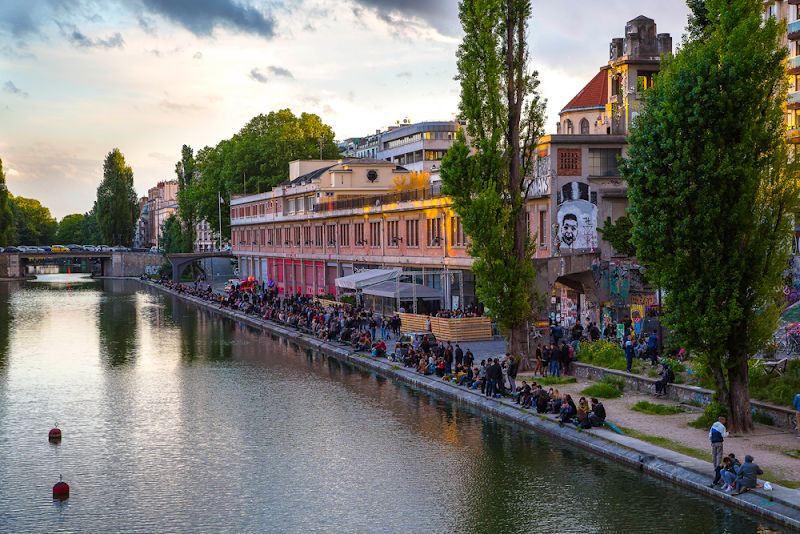
Point Éphémère
Point Éphémère occupies a raw concrete warehouse directly on Canal Saint-Martin, functioning as concert hall, gallery, restaurant, and canal-side bar. The programming leans heavily toward experimental electronic music and contemporary art installations that actually challenge rather than decorate. During the day it's surprisingly calm, with laptops scattered across tables and the steady hum of the espresso machine competing with canal boat engines. The main concert hall sits in the warehouse's belly with exposed beams and industrial lighting that creates genuine atmosphere rather than Instagram moments. Art exhibitions rotate through the upper gallery spaces, often featuring video installations and sound pieces. The canal-side terrace stretches along the water with simple metal tables where conversations drift between French and English as boats glide past. Skip the weekend evenings unless you enjoy fighting through crowds of 20-somethings chain-smoking on the terrace. The food menu is overpriced and forgettable - eat elsewhere first. Sunday afternoons around 3pm hit the sweet spot when locals settle in with books and the DJ plays ambient sets. The acoustics in the concert hall are genuinely excellent, making it worth checking their program even if the artist names mean nothing to you.
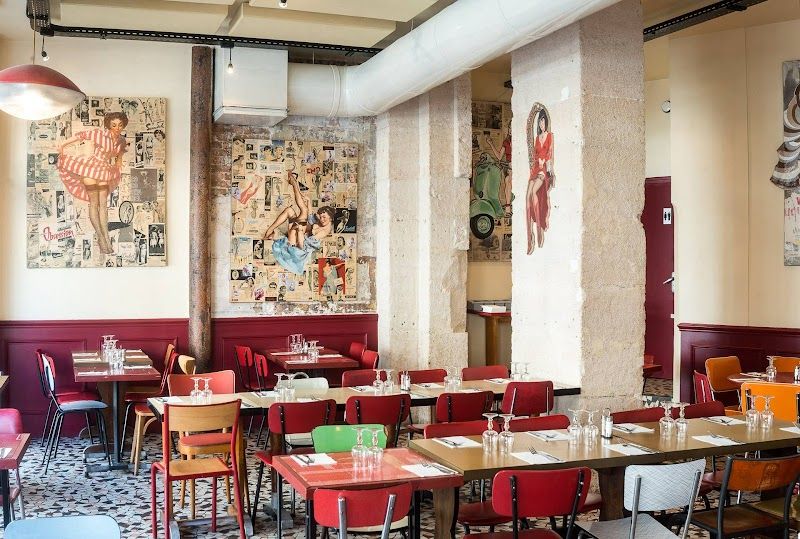
Chez Gladines
Basque bistro serving enormous portions of southwestern French comfort food at rock-bottom prices. The perpetual queue and cramped quarters are part of the experience at this Latin Quarter institution.
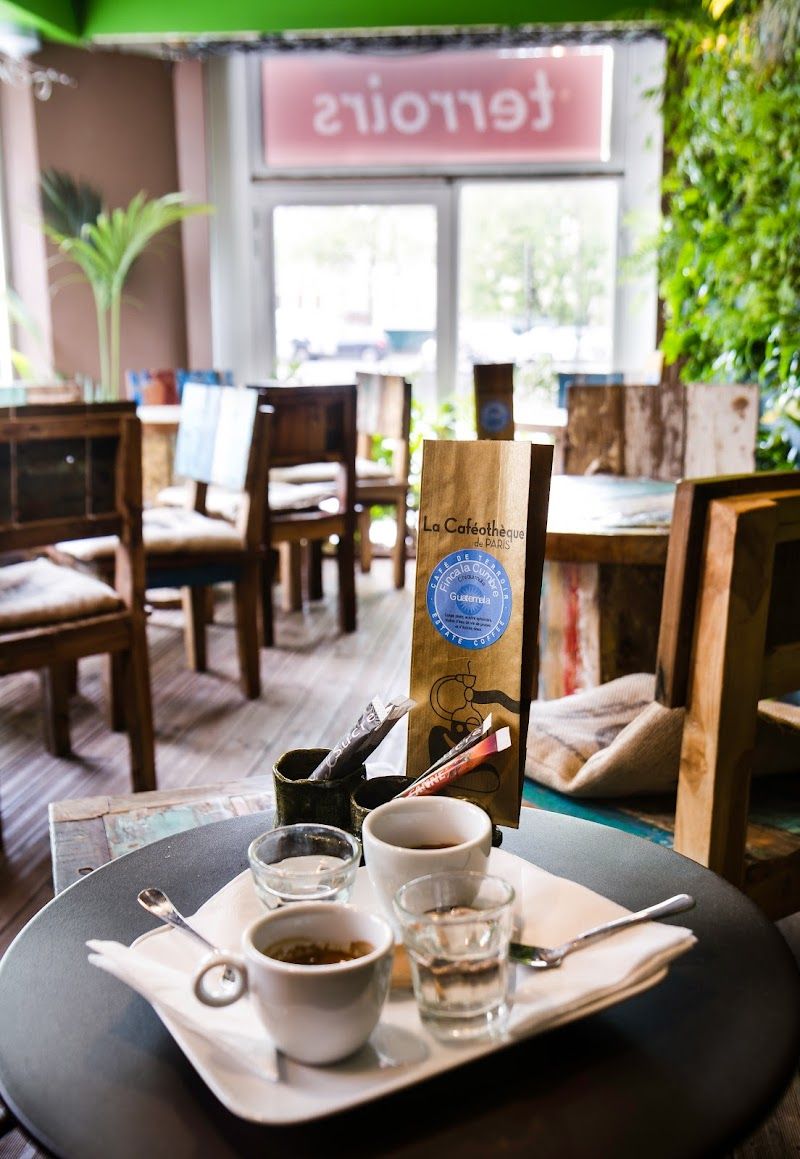
The Caféothèque of Paris
Serious coffee destination near Hôtel de Ville run by coffee expert Gloria Montenegro. Offers beans from around the world with detailed tasting notes. Brewing equipment and green beans for home roasting also for sale.
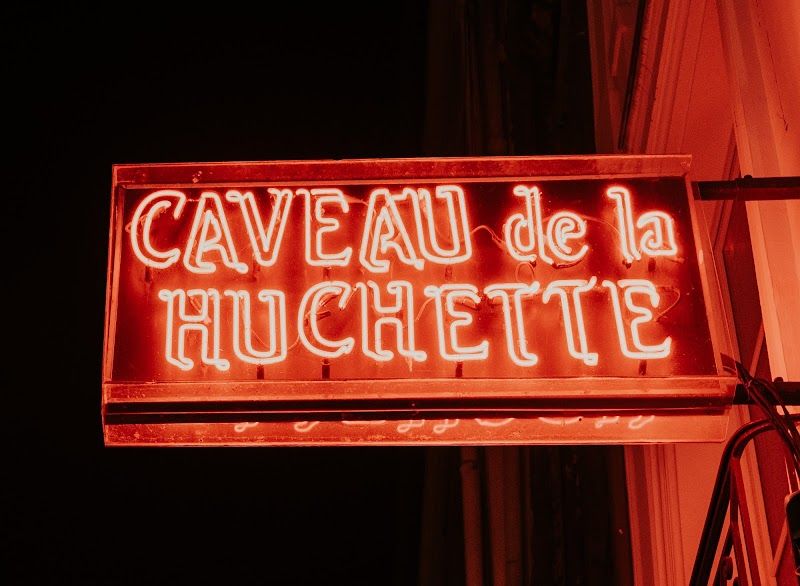
Caveau de la Huchette
This 16th-century cellar beneath the Latin Quarter has hosted jazz dancing since 1946, featuring live swing, bebop, and traditional jazz seven nights a week. The vaulted stone basement creates a unique acoustic environment, and the small dance floor fills with dancers of all ages doing lindy hop and swing to live bands.
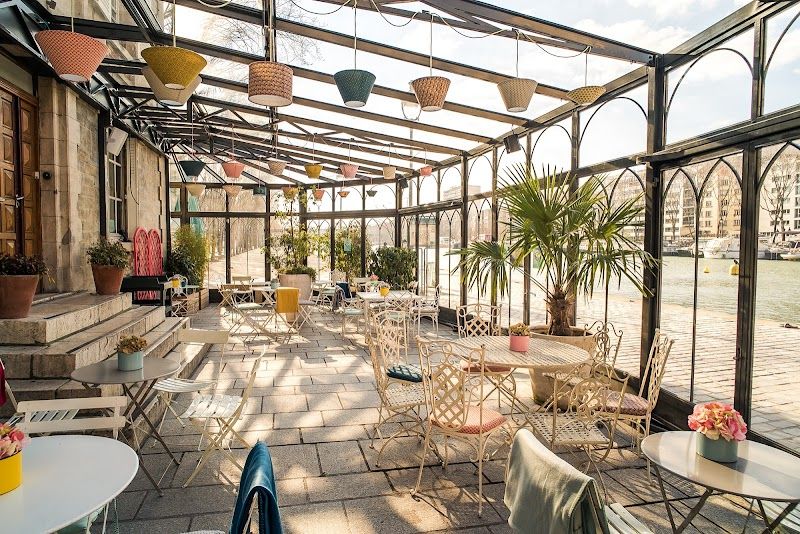
Le Pavillon des Canaux
Quirky café in a converted house along Canal de l'Ourcq with rooms styled as living spaces. You can sit on beds, in bathtubs, or at kitchen tables while drinking coffee or eating brunch. Each room has different vintage decor creating an eccentric home-like atmosphere.
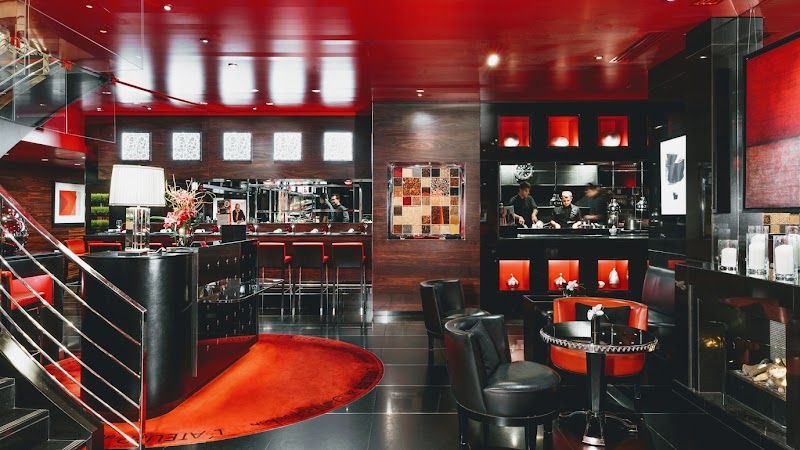
L'Atelier de Joël Robuchon Étoile
This Michelin-starred restaurant offers refined French cuisine in a sleek counter-style setting where diners watch chefs prepare sophisticated small plates. The burgundy and black lacquered décor creates an intimate atmosphere around the open kitchen.
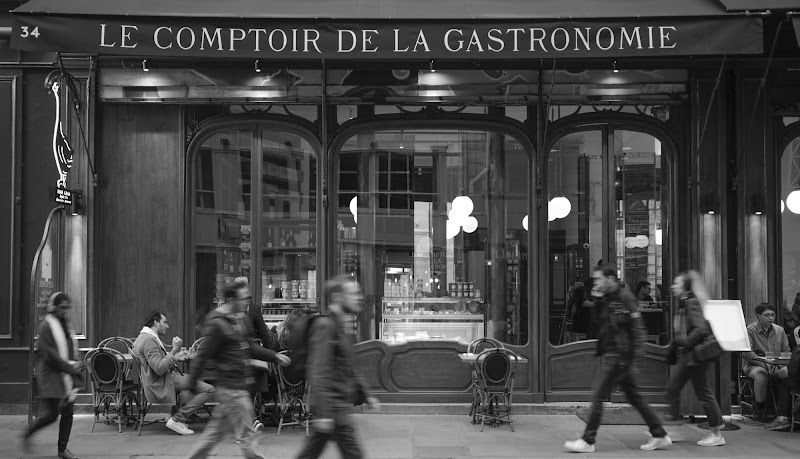
Comptoir de la Gastronomie
This 130-year-old charcuterie operates exactly as it did when Les Halles was Paris's central food market-the front counter displays dozens of terrines, pâtés, and prepared dishes behind glass, while the cramped back dining room seats maybe 30 people at marble-topped tables. The foie gras selection runs from affordable mousse to premium whole lobes, and their cassoulet comes in proper earthenware pots. You'll squeeze past other customers browsing the narrow shop front, where staff in white coats slice charcuterie to order and wrap purchases in brown paper. The restaurant feels like eating in someone's storage room-wine bottles line the walls, servers navigate tight spaces between tables, and the kitchen is basically visible from most seats. Lunch service moves efficiently despite the cramped quarters. The shop prices beat most gourmet stores, but the restaurant markup is steep-a simple terrine costs three times more plated than purchased from the counter. Skip the touristy restaurant unless you're determined to eat where Hemingway allegedly dined. Focus on the retail side: their rillettes and duck confit travel well, and the staff actually knows their products unlike most Paris gourmet shops.
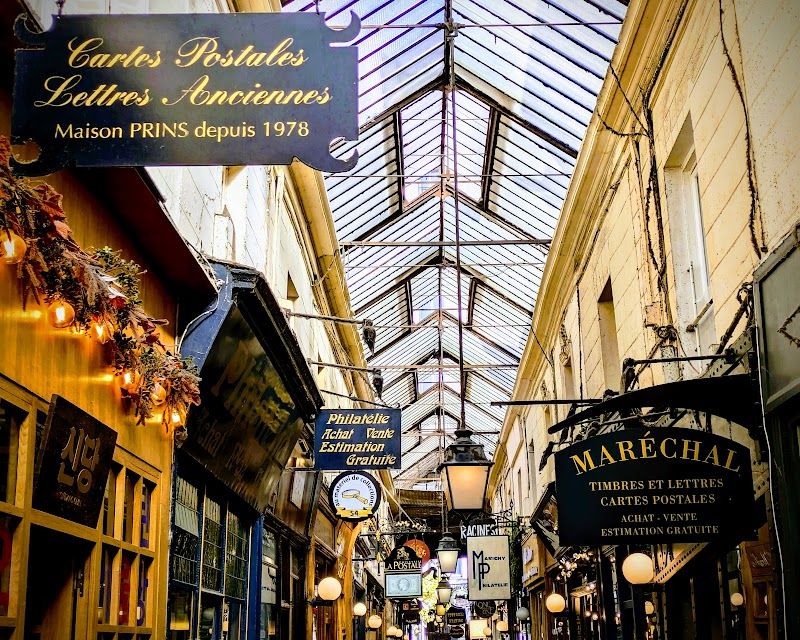
Passage des Panoramas
This is Paris's first covered shopping arcade, built in 1800 when the concept was revolutionary. The original mosaic floors are genuinely from that era, worn smooth by two centuries of foot traffic, and the glass ceiling creates this beautiful filtered light that changes throughout the day. What sets it apart from the touristy passages is that it still functions as a working neighborhood-locals actually shop here. Walking through feels like browsing someone's eccentric attic. The stamp dealers have glass cases filled with tiny treasures, vintage print shops display everything from 1920s postcards to architectural drawings, and the newer Japanese restaurants create this odd but charming cultural mix. The Stern shop is the real deal-four generations of the same family selling engravings and maps, with the owner who actually knows the provenance of everything. Honestly, it's more atmospheric than spectacular. The connecting galleries are prettier but nearly empty of shops. Come for the browsing experience rather than serious shopping-most items are overpriced antiques. Skip it if you're rushing between major sights, but perfect for a rainy afternoon when you want to wander somewhere with character.
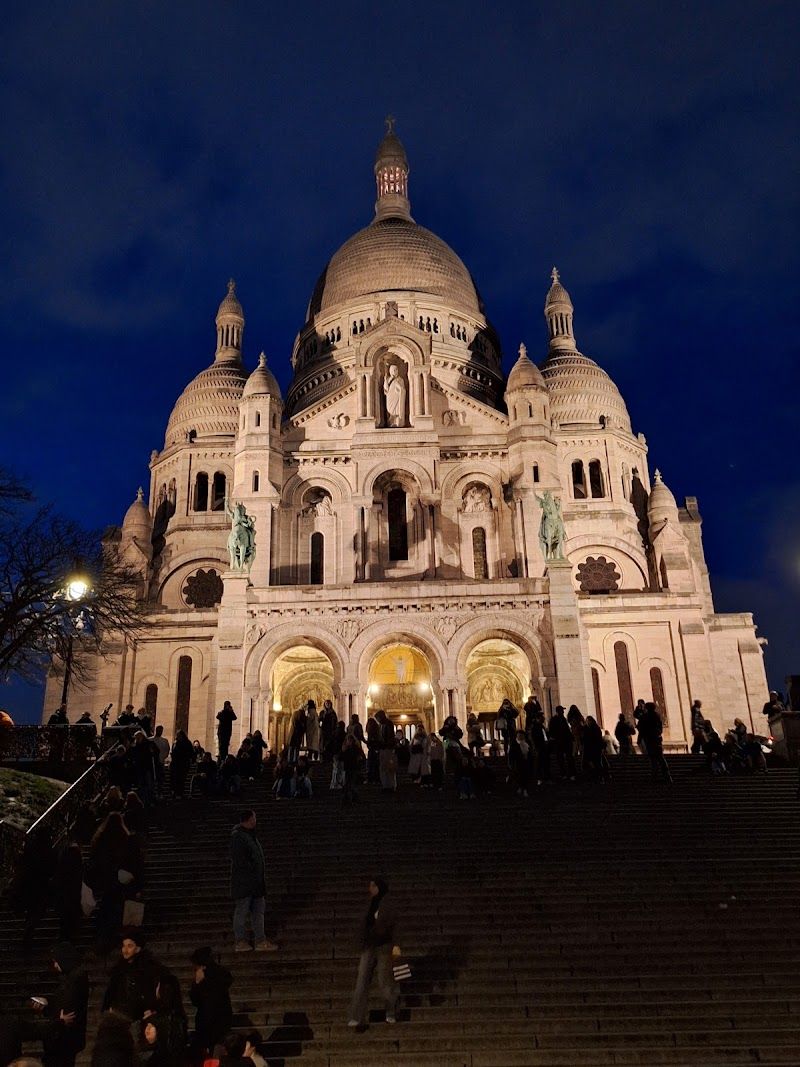
Free Tour Paris - PARIS STEP BY STEP TOURS
This is one of the better free walking tours in Paris, covering the intellectual heart of the Left Bank where Roman Lutetia once stood. You'll walk cobblestone streets that housed medieval scholars, see the exact café tables where Sartre wrote, and stand in the courtyard of the Sorbonne where student riots began in 1968. The guides know their stuff - expect detailed stories about how Hemingway actually lived (spoiler: he wasn't always drunk) and why Voltaire's remains ended up in the Panthéon. The two-hour route starts at Place Saint-Michel and winds through narrow medieval lanes most tourists never find. You'll pause at the Roman baths of Cluny, learn why the Panthéon's pendulum matters, and hear about the CIA-funded literary magazines at Shakespeare and Company. The pacing is comfortable with strategic stops at café terraces when your feet need rest. Groups cap at 20 people, so you can actually hear everything. Honestly, this beats most paid tours. The guides work for tips only, so they're motivated to keep you engaged. Skip the obvious Notre-Dame exterior shots - you'll see it from better angles along the route. The Shakespeare and Company portion can feel rushed during busy periods, but the historical context they provide makes browsing there afterward much richer. Book the morning slot if you want smaller crowds.
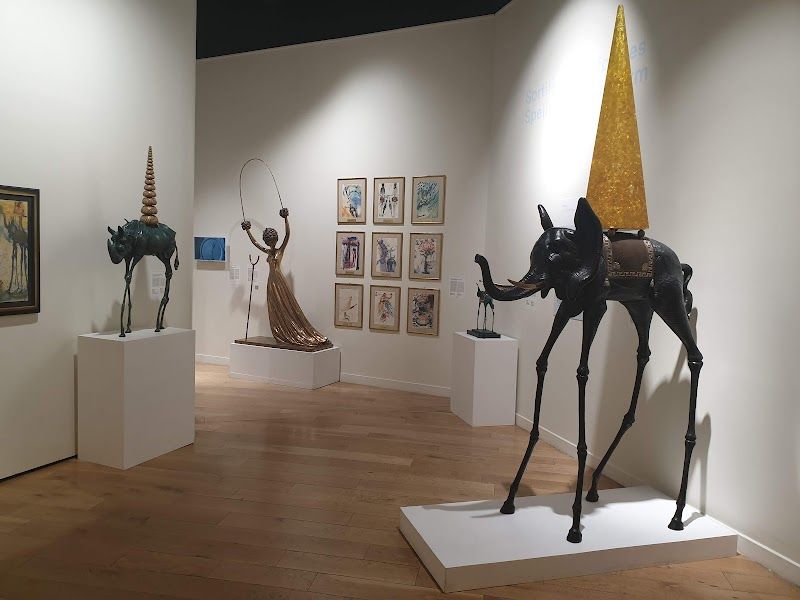
Espace Dalí
This basement museum beneath Montmartre's tourist chaos houses the world's largest collection of Dalí sculptures, engravings, and furniture pieces you've probably never seen. The Mae West lips sofa sits in actual room settings, while his melting clocks exist as bronze sculptures you can walk around. His illustrated books - Don Quixote, Divine Comedy, Alice in Wonderland - fill entire display cases with intricate etchings that reveal his technical mastery beyond the famous paintings. The experience feels deliberately theatrical: dim lighting, mirrors everywhere, and a haunting electronic soundtrack that makes even familiar pieces feel unsettling. You descend into chambers organized thematically rather than chronologically, moving from jewelry designs to furniture to large sculptures. The space amplifies Dalí's obsession with perception and reality - you'll question whether that's a sculpture or a reflection multiple times. Most visitors rush through in 30 minutes, but the detailed etchings deserve closer study. The audio guide repeats obvious information, and the gift shop prices aren't the bargain they seem compared to other Montmartre tourist traps. The location means you'll deal with crowds, but the basement setting creates genuine atmosphere that larger Dalí museums lack. Best experienced slowly, focusing on the technical craftsmanship rather than trying to photograph everything.
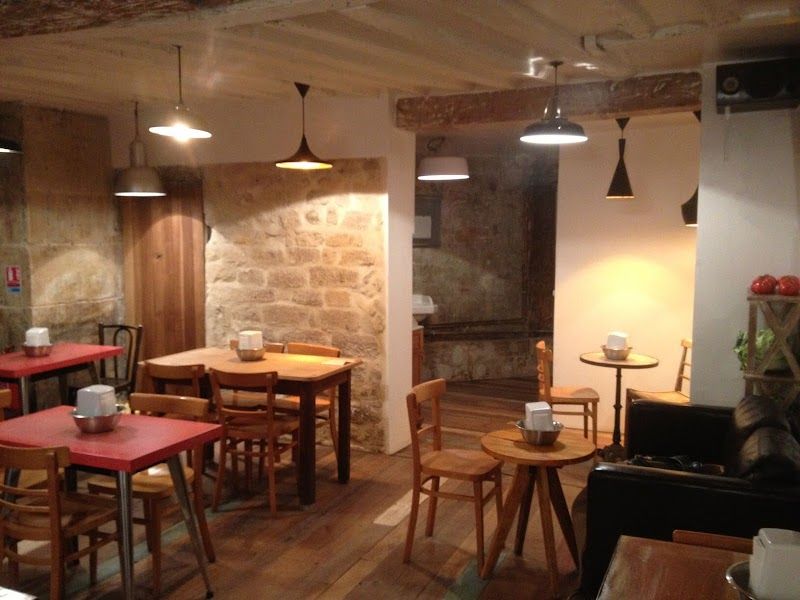
Miznon
Israeli chef Eyal Shani's energetic pita bar where everything from roasted cauliflower to steak is stuffed into fresh pitas. The open kitchen and loud music create a lively, almost chaotic atmosphere that feels more Tel Aviv than Paris.
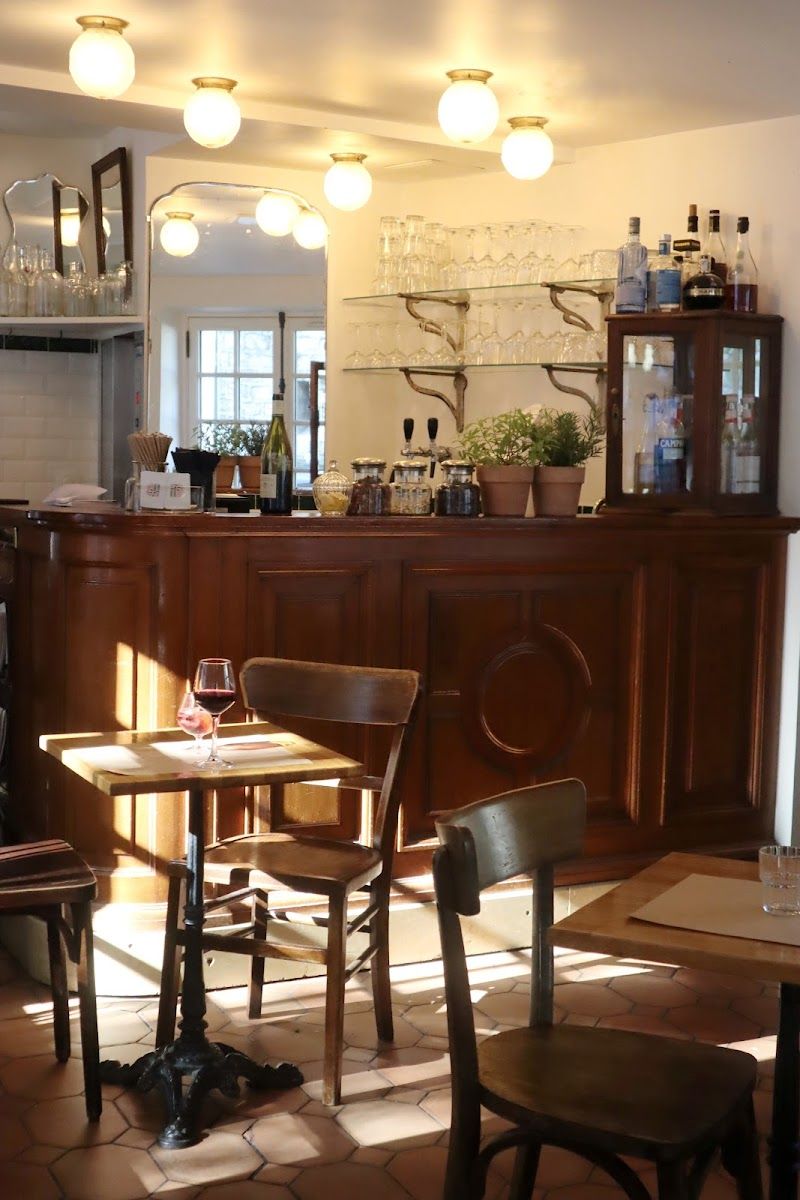
La Maison Rose
Pink-painted corner café immortalized by painter Maurice Utrillo in 1912. Located on quiet Montmartre street away from the main tourist crush. Simple French fare served on the ivy-covered terrace, though you're paying partly for the historic photo opportunity.
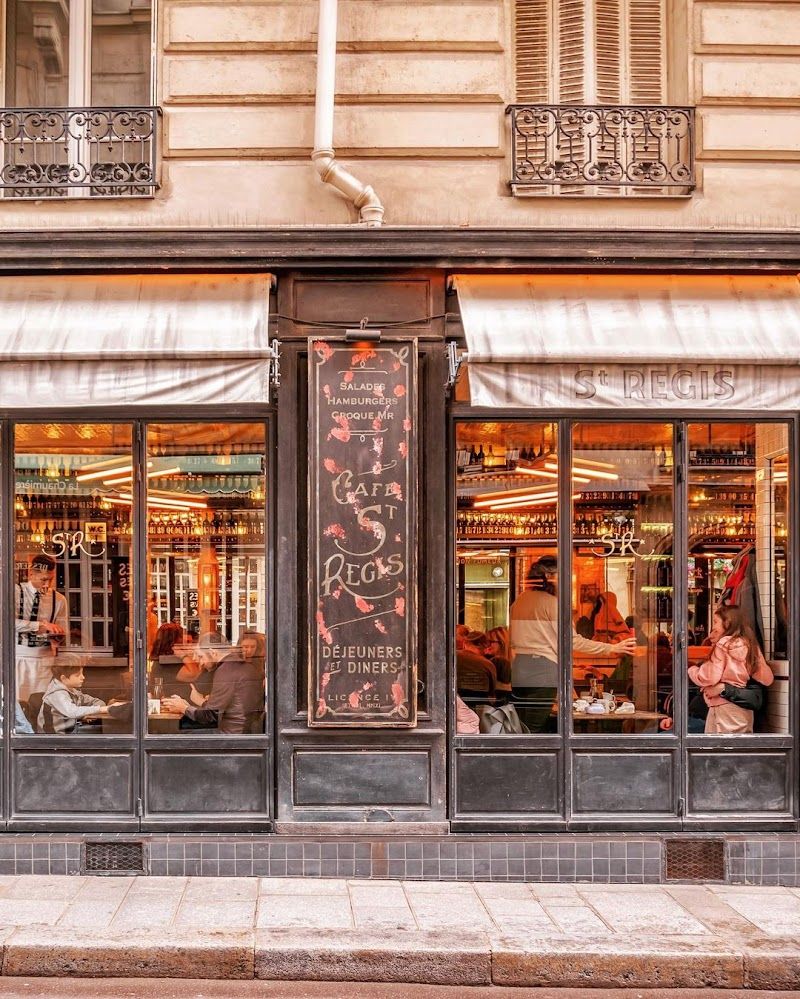
Le Saint-Regis - Paris
Classic corner café on Île Saint-Louis with a vintage zinc bar and red awning. Known for excellent hot chocolate and people-watching from the outdoor terrace overlooking the Seine. The interior retains its 1950s bistro charm with original tilework.
Secret Food Tours Paris
Secret Food Tours Paris runs intimate walking tours through the backstreets of Pigalle and South Montmartre, focusing on artisanal producers who've been feeding locals for generations. Your guide-typically a food writer or chef-takes you inside family-run bakeries, century-old charcuteries, and specialty shops where the owners still work behind the counter. You'll taste everything from hand-rolled butter at Poilâne's smaller location to natural wines at caves that don't advertise. The 3.5-hour route winds through residential streets most tourists never see, stopping at six to eight establishments. Each visit involves genuine interaction with proprietors who explain their craft-the baker at Du Pain et des Idées demonstrates lamination techniques, while the chocolatier at Jacques Genin discusses bean sourcing. The pace is unhurried, with plenty of time for questions and photos of the production process. These tours work best for serious food enthusiasts rather than casual snackers. The group size stays under twelve, which means real conversations but also higher per-person costs than larger operators. Skip this if you're vegetarian-French charcuterie features heavily, and substitutions feel awkward. The Pigalle route covers more ground than advertised, so wear comfortable shoes and bring a small bag for purchases you'll inevitably make.
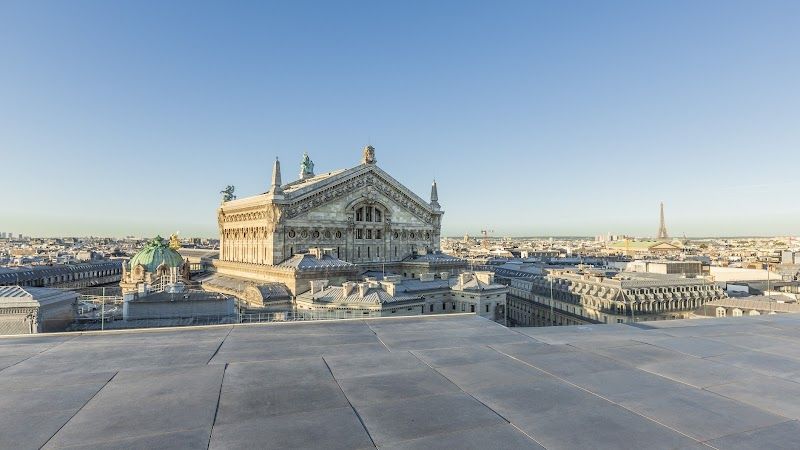
Galeries Lafayette | Rooftop
The Galeries Lafayette rooftop terrace sits atop the historic 1912 department store, delivering unobstructed 360-degree views across central Paris. You'll spot the Opéra Garnier directly across Boulevard Haussmann, the Eiffel Tower to the southwest, Sacré-Cœur's white domes on Montmartre, and the Arc de Triomphe down Avenue de l'Opéra. The famous Art Nouveau stained-glass dome below creates a stunning contrast when viewed from the store's main floor. Access requires taking elevators to the 7th floor, then walking up one flight to the terrace. The space isn't huge-maybe 30 people comfortably-but rarely feels crowded except during peak summer afternoons. The café serves overpriced drinks, but the metal tables provide decent spots to linger. Wind can be fierce up here, especially in winter. Skip the café unless you need shelter-the views are identical from anywhere on the terrace. The dome viewing from inside the store is actually more impressive than the rooftop itself. Come for photos, not to hang out. The western corner offers the best Eiffel Tower shots without other tourists' heads in frame.
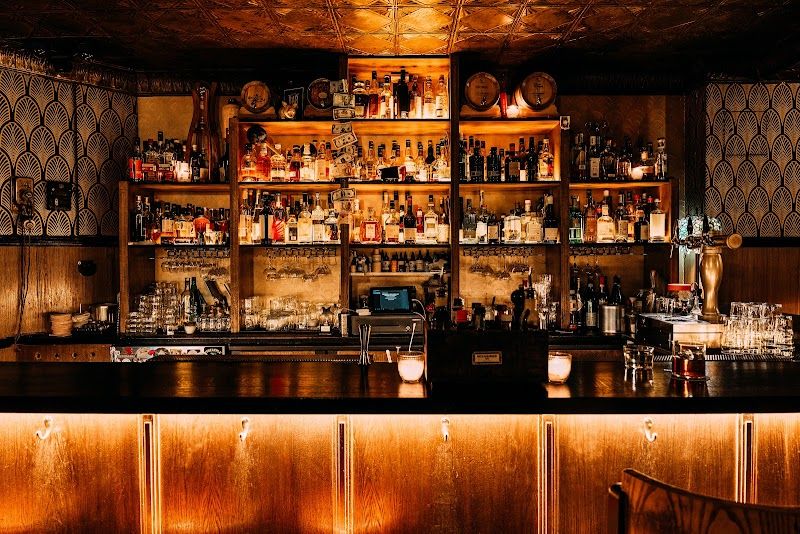
Moonshiner
This speakeasy behind a fake pizzeria door in the 11th arrondissement recreates a Prohibition-era American bar with exposed brick, vintage wooden fixtures, and serious cocktail craft. The bartenders specialize in whiskey-based drinks and house infusions, serving them in a space that feels authentically clandestine without theatrical pretense.
New Morning
This purpose-built jazz venue near Gare de l'Est has hosted legends like Prince, Roy Haynes, and Herbie Hancock since 1981. The 300-capacity hall features exceptional acoustics, a standing pit near the stage, and tiered seating, with programming that spans straight-ahead jazz, fusion, world music, and contemporary improvisation.
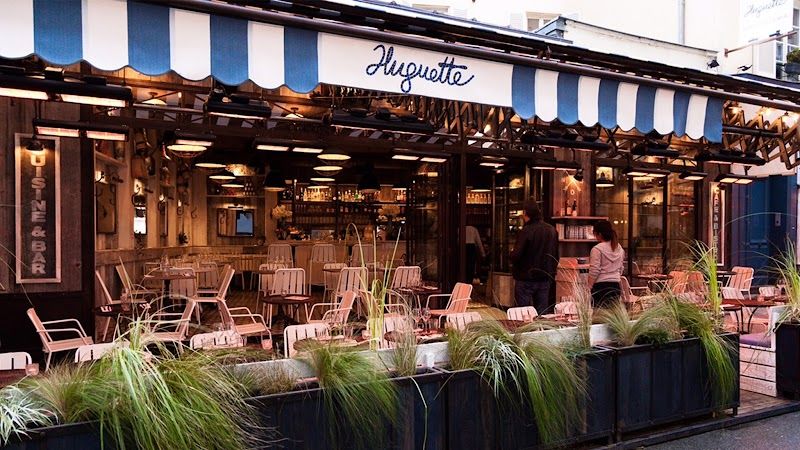
Huguette, Bistro de la mer
Seafood bistro with a 1950s cruise ship aesthetic, specializing in oysters, shellfish platters, and classic fish preparations. The playful nautical decor and quality seafood make it a reliable choice in the heart of Saint-Germain.
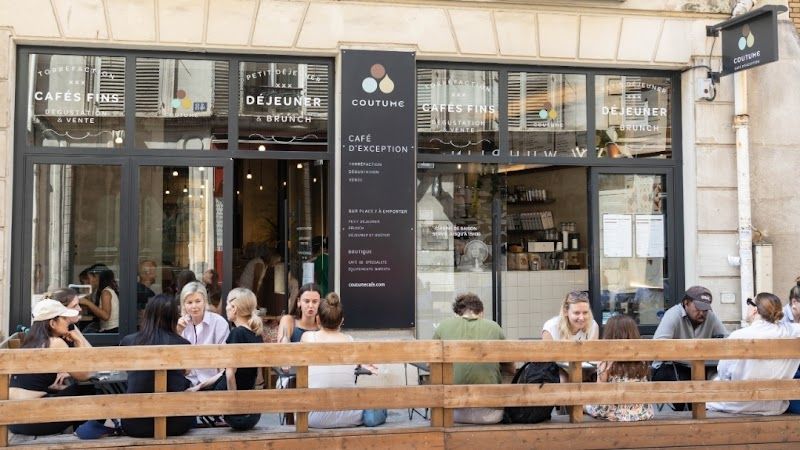
Coutume
Spacious coffee roastery and café near Bon Marché with industrial-modern design. Roasts their own beans on-site and offers brewing workshops. Popular with digital nomads for the reliable wifi and ample seating, plus a full lunch menu.
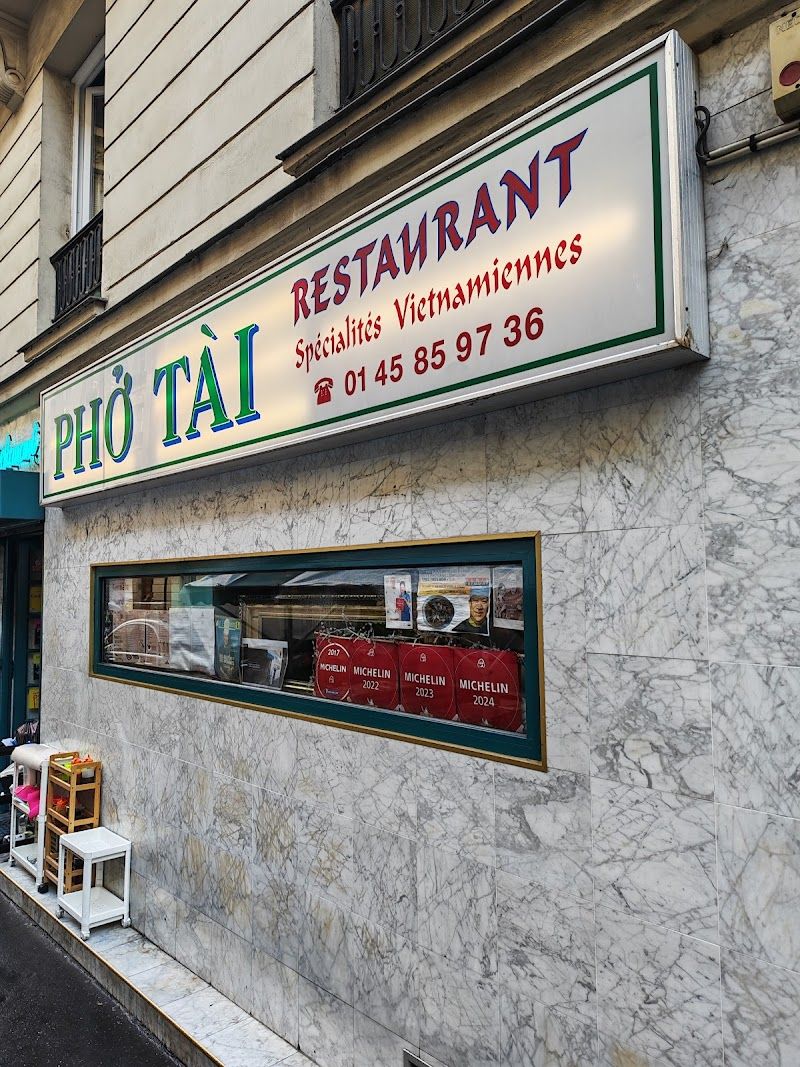
Phở Tài
A no-frills Vietnamese restaurant serving some of the best and most authentic pho in Paris at incredibly affordable prices. The family-run spot is always packed with locals from the neighborhood's Vietnamese community. The generous bowls of steaming pho and fresh spring rolls are exceptional.
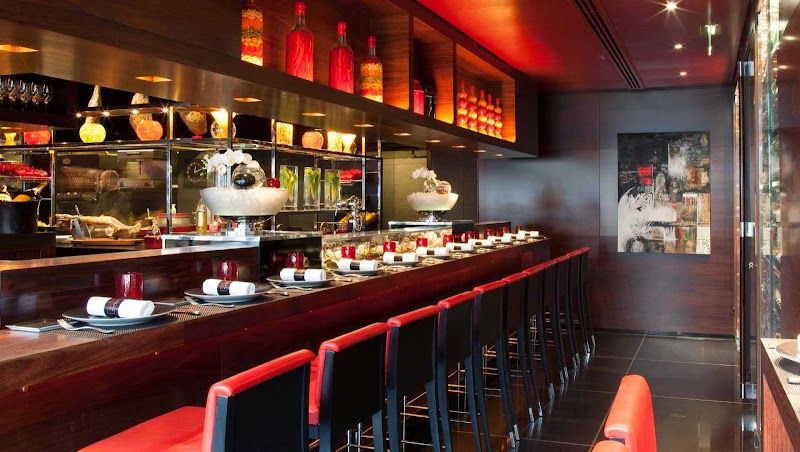
L'Atelier de Joël Robuchon
This intimate counter-dining restaurant offers refined French cuisine from the legendary chef's empire, featuring signature dishes like le caviar, la langoustine, and the famous pommes purée. The red-and-black lacquer décor and open kitchen create a theatrical dining experience where you can watch chefs at work.
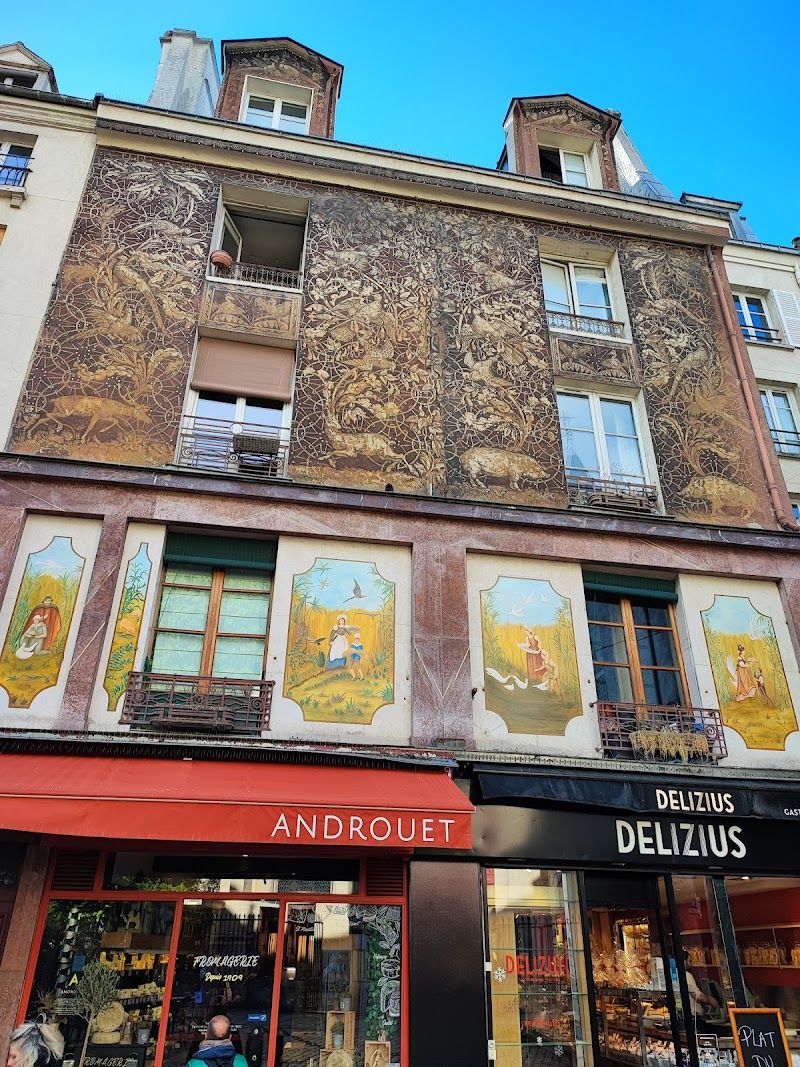
Rue Mouffetard Market
Rue Mouffetard is a narrow cobblestone street that slopes steeply from Place de la Contrescarpe down to Saint-Médard church, lined with food vendors, fromageries, and produce stalls. The Roman road foundation shows through worn stones, and medieval buildings lean inward overhead. You'll find serious cheese merchants like Androuet alongside North African spice sellers and wine shops with bins of €3 bottles. The street flows downhill in a gentle S-curve, with permanent storefronts occupying ground floors and temporary stalls spilling onto the narrow walkway. Shoppers move slowly, stopping to sample cheese or examine pyramids of seasonal fruit. The crowd thickens around Laurent Dubois cheese shop and the rotisserie chicken vendor near rue de l'Épée de Bois. Weekend mornings bring long lines at popular bakeries. This isn't a tourist market-locals actually shop here, which keeps quality high but means vendors can be brusque if you're just browsing. Skip the overpriced cafés at the top near Contrescarpe and focus on the food vendors between rue de l'Arbalète and the church. The Tuesday closure catches many visitors off guard, and afternoon crowds make serious shopping difficult.
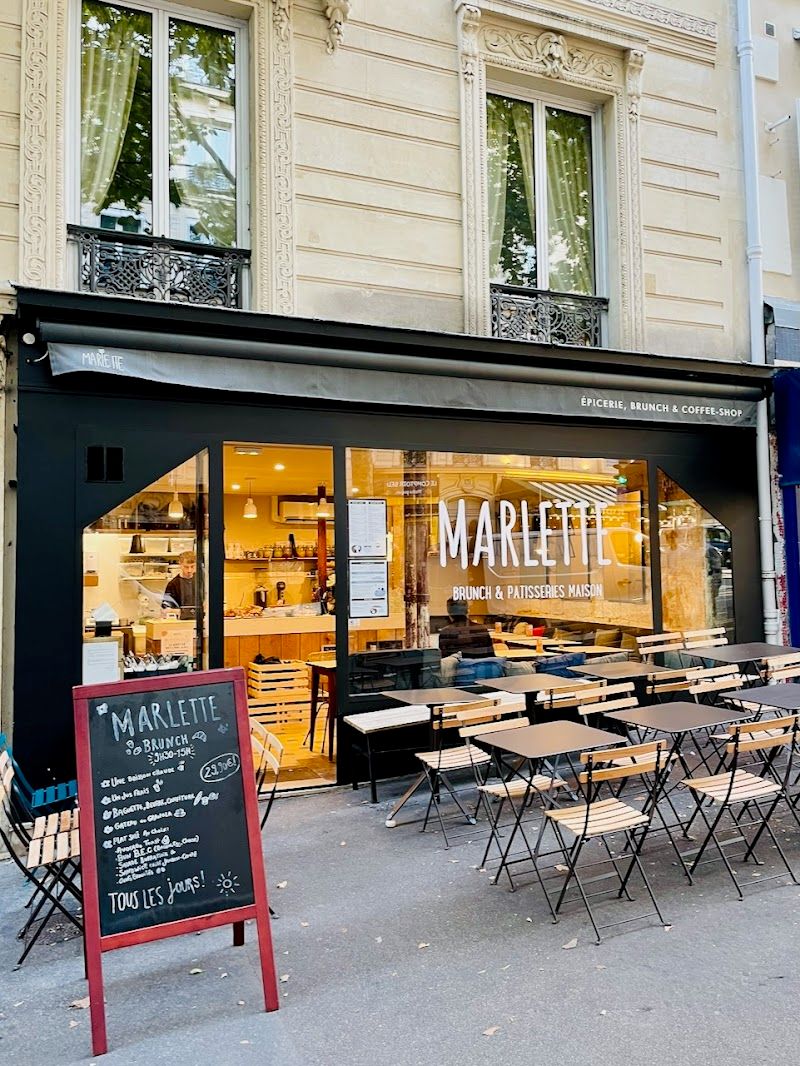
Café Marlette - Brunch Pigalle
Cozy café with homemade pastries baked with organic flour from their own mill. Located in the trendy Haut Marais area with warm wooden interior and shelves lined with jars of their house-made jams. Everything from cookies to cakes is available to take away.
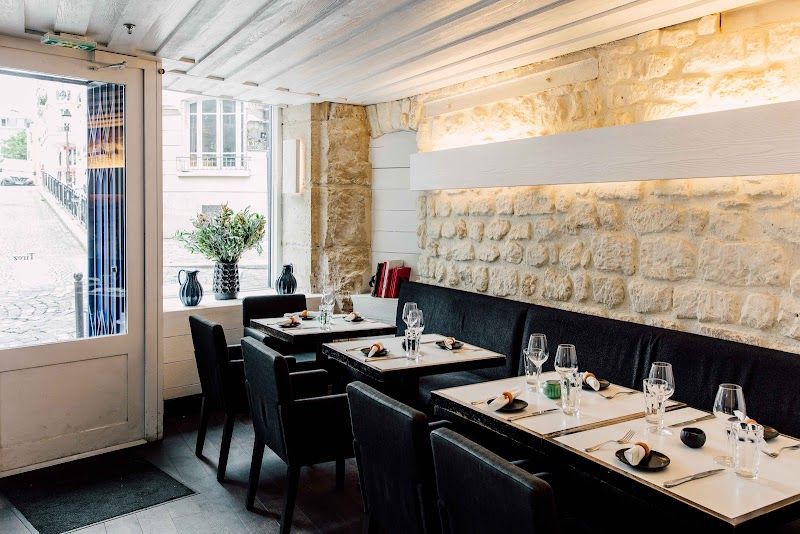
Le Coq & Fils - the Poultry House
Rotisserie restaurant by chef Antoine Westermann dedicated to heritage-breed poultry and free-range birds. The open kitchen displays whole chickens, ducks, and roosters rotating on spits, delivering some of the finest roasted poultry in Paris.
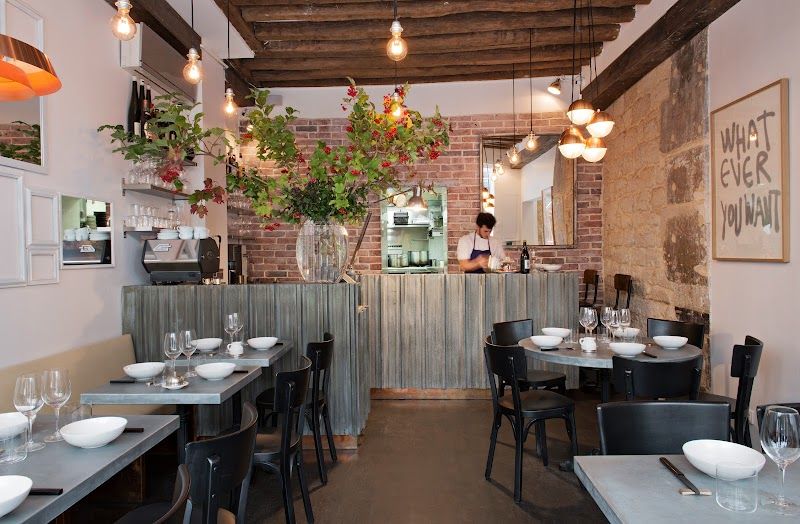
Frenchie
Small restaurant by chef Gregory Marchand serving creative modern cuisine with global influences. The no-choice tasting menu in the intimate dining room showcases seasonal ingredients and bold flavors.
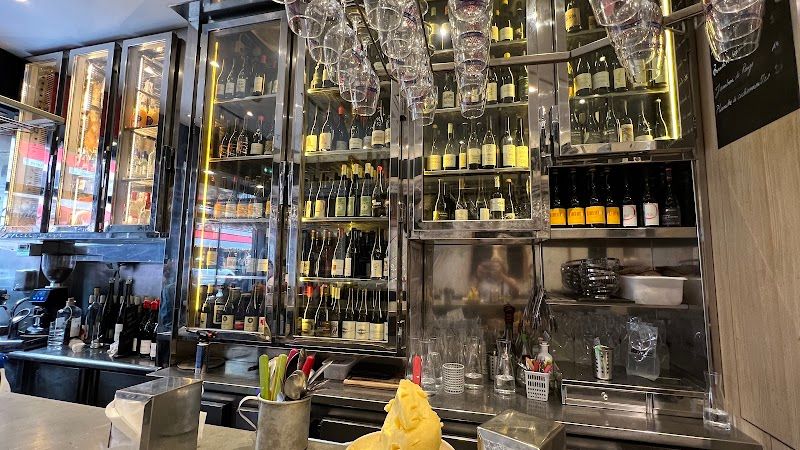
L’Avant Comptoir de la Terre
Standing-room-only seafood bar with hanging hams and small plates suspended from the ceiling. This tiny spot from Yves Camdeborde focuses on seafood tapas, oysters, and marine-focused small bites.
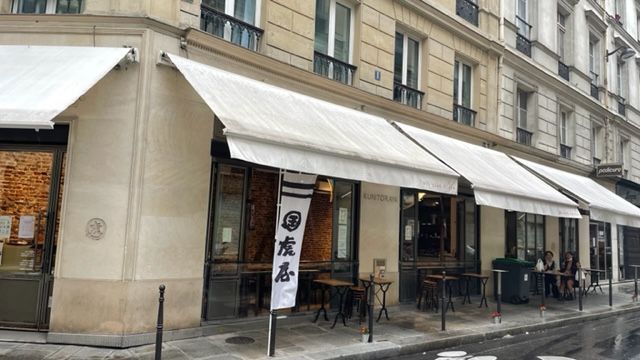
Kunitoraya
Japanese udon specialist serving handmade noodles in traditional broths and preparations. The authentic Tokyo-style udon and tempura attract Japanese expats and serious noodle enthusiasts to this simple, focused spot.
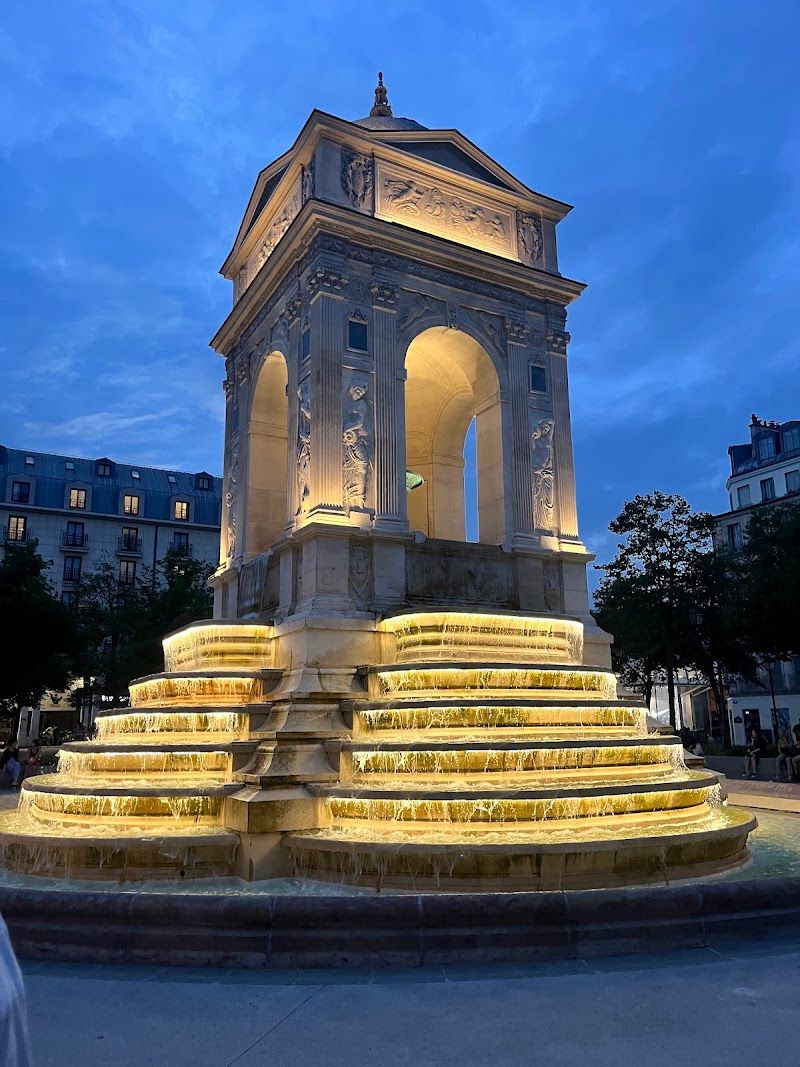
Fontaine des Innocents
The Fontaine des Innocents stands as Paris's oldest surviving public monument, a remarkably preserved Renaissance masterpiece from 1549. Pierre Lescot's architectural framework supports Jean Goujon's flowing sculptural reliefs depicting water nymphs and mythological scenes. The fountain's ornate stonework shows precise detail in the draped figures and decorative motifs that have survived centuries of weather and urban chaos. The square around the fountain buzzes with activity from the adjacent Les Halles shopping complex and Châtelet metro hub. You'll find yourself surrounded by a mix of tourists photographing the ornate carvings, office workers cutting through on lunch breaks, and teenagers using the fountain's edge as impromptu seating. The contrast between the delicate Renaissance stonework and the modern urban rush creates a compelling scene. Honestly, this works better as a brief stop than a destination. The fountain itself rewards a closer look at Goujon's masterful stone carving, but the setting feels more like a transit point than a peaceful square. The surrounding cafés are overpriced and nothing special. Come here while walking between the Louvre and Marais districts, spend ten minutes examining the sculptural details, then move on.
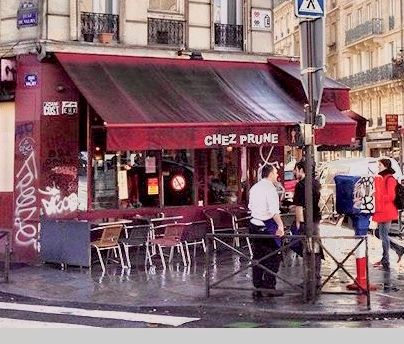
Chez Prune
Casual bistro overlooking Canal Saint-Martin, serving simple French fare and excellent people-watching from the terrace. This neighborhood institution has maintained its laid-back vibe despite the area's gentrification.
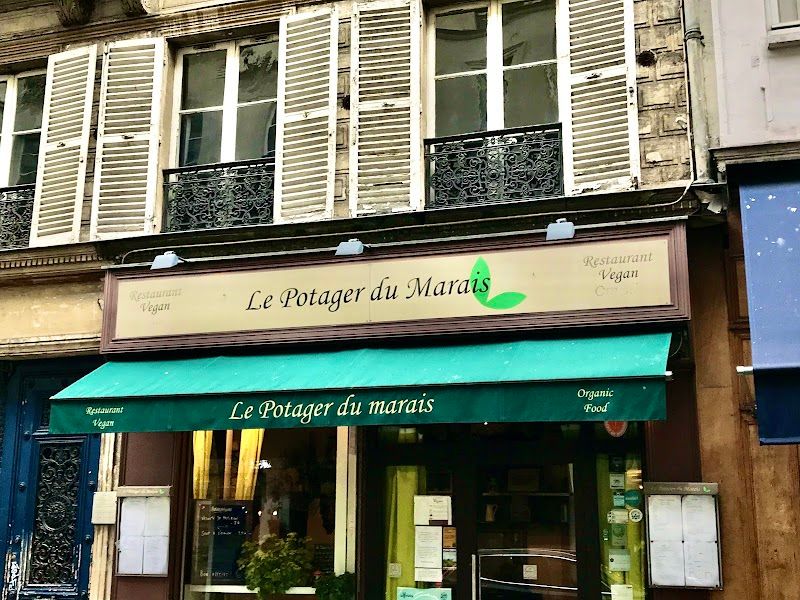
Le Potager du Marais
Long-standing vegetarian restaurant in the Marais serving creative meat-free French cuisine. The quiet courtyard terrace and extensive menu prove that vegetarian dining in Paris extends beyond salads.
Café Kitsuné Louvre
Minimalist Japanese-French café in a Palais Royal courtyard garden. Part of the Maison Kitsuné fashion brand, serving specialty coffee and matcha with Japanese precision. The serene garden setting offers an unexpected quiet retreat from the city.
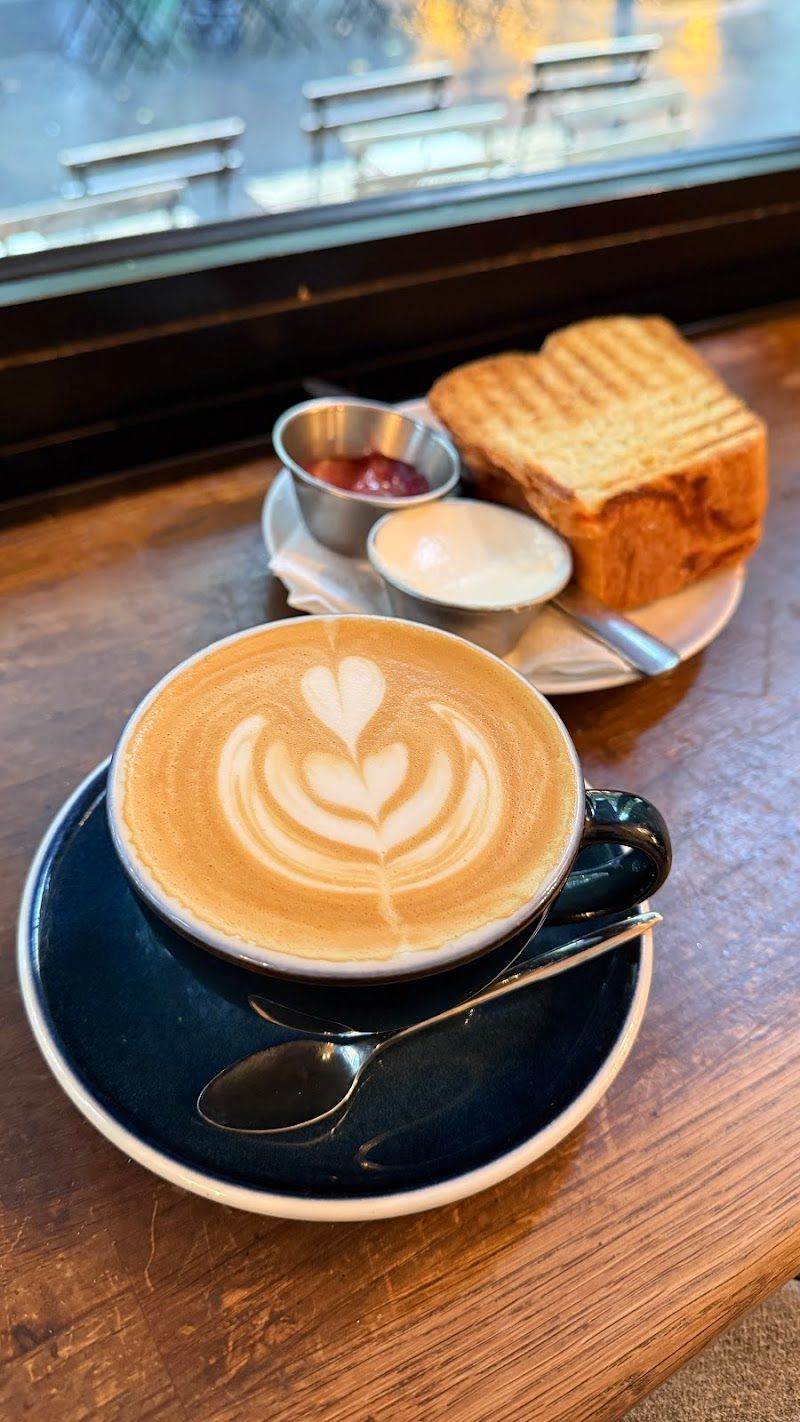
KB CaféShop
Australian-inspired specialty coffee shop near the Louvre serving flat whites and avocado toast. Minimal industrial interior with exposed brick and communal wooden tables. Their banana bread is house-made and highly regarded by local coffee enthusiasts.
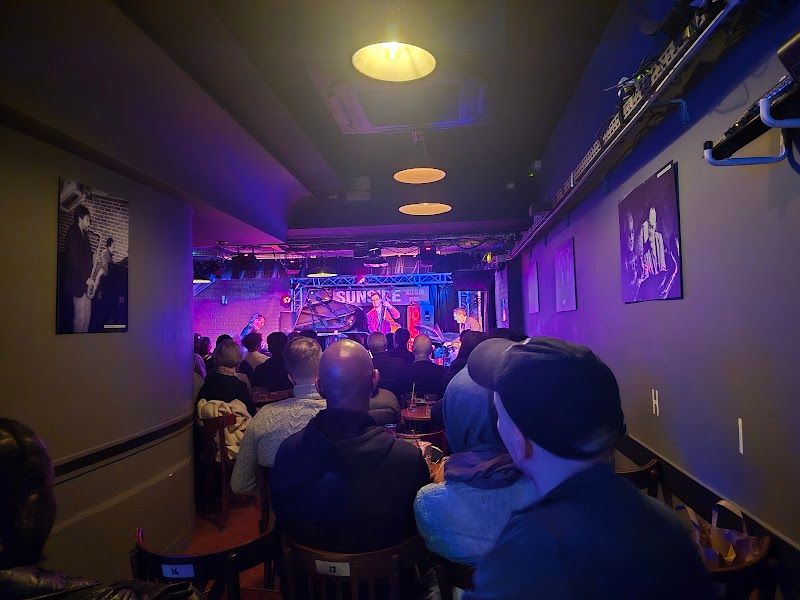
Sunset/Sunside
This dual-level jazz club near Les Halles features two distinct stages: Sunset downstairs for electric jazz and fusion, Sunside upstairs for acoustic sets. The venue hosts two shows nightly with both established international artists and emerging French talent in an intimate 60-seat setting.
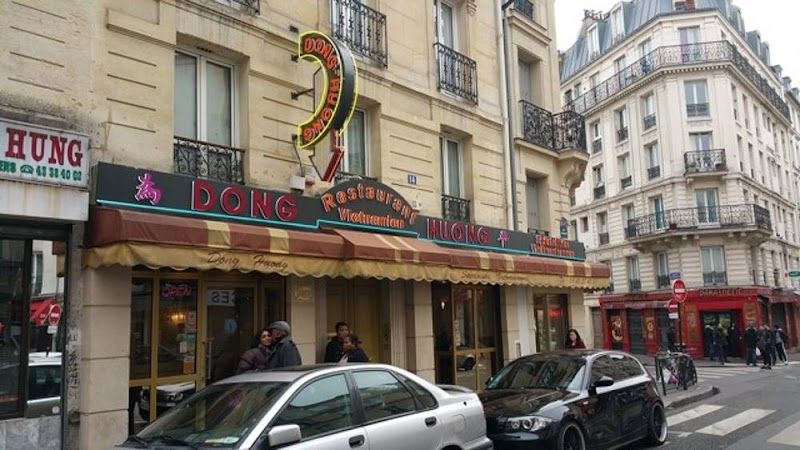
Dong Huong Restaurant
Vietnamese restaurant in Belleville's Asian quarter serving excellent pho and banh mi. The simple space fills with locals seeking authentic Vietnamese flavors at very reasonable prices.
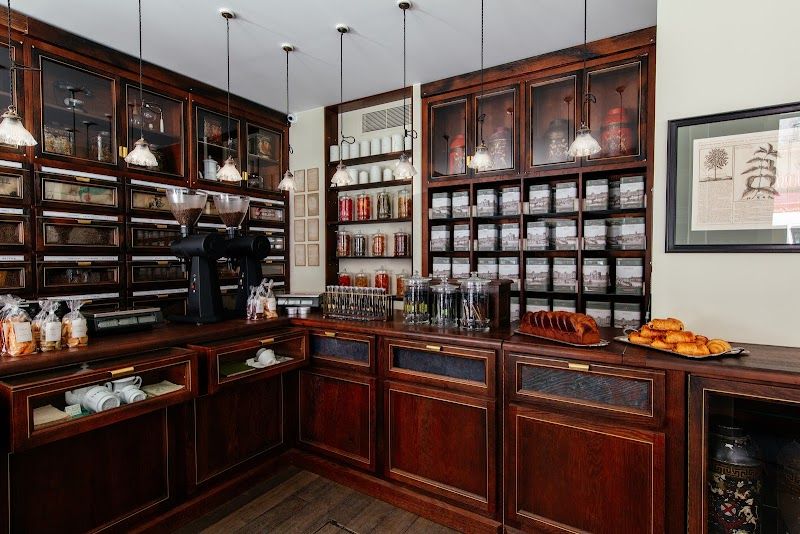
Café Verlet
Historic coffee roaster and café since 1880 hidden in Palais Royal district. They roast their own beans on-site and the aroma fills the narrow shop. Standing room only at the tiny counter, but you can buy beans or enjoy a quick espresso from one of Paris's oldest roasteries.
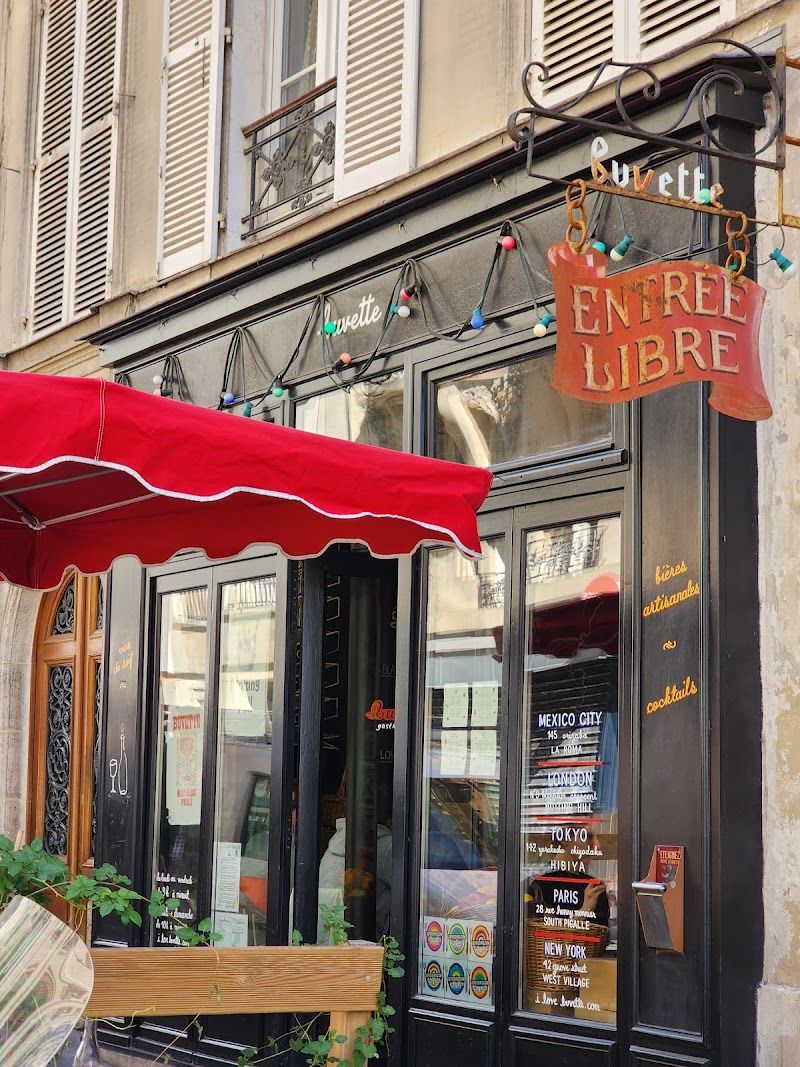
Buvette Paris
Tiny Parisian outpost of the New York original, serving French-Italian small plates in a charming vintage setting. The narrow space with marble counter and bar stools fills with locals enjoying excellent natural wines and seasonal small plates.
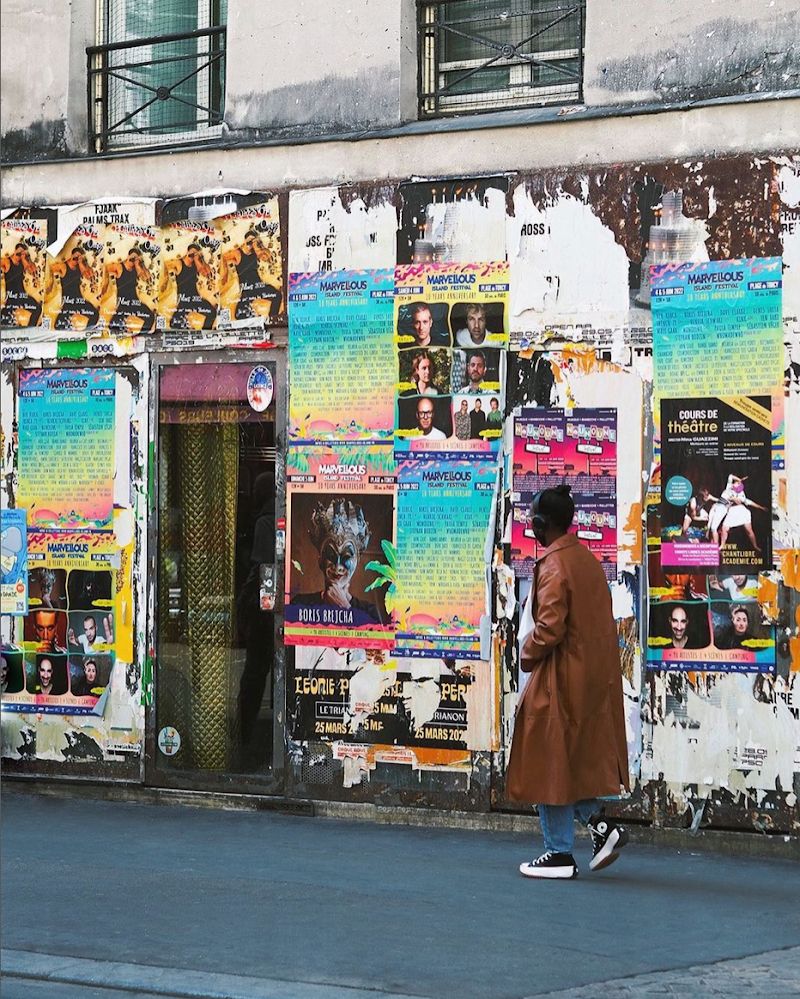
Le Syndicat
This cocktail bar near Canal Saint-Martin exclusively uses French spirits, from Chartreuse to Calvados to agricole rhum from Martinique, challenging the dominance of imported alcohol. The industrial-modern space features communal tables, and the creative menu changes seasonally to showcase lesser-known French distillers and regional specialties.
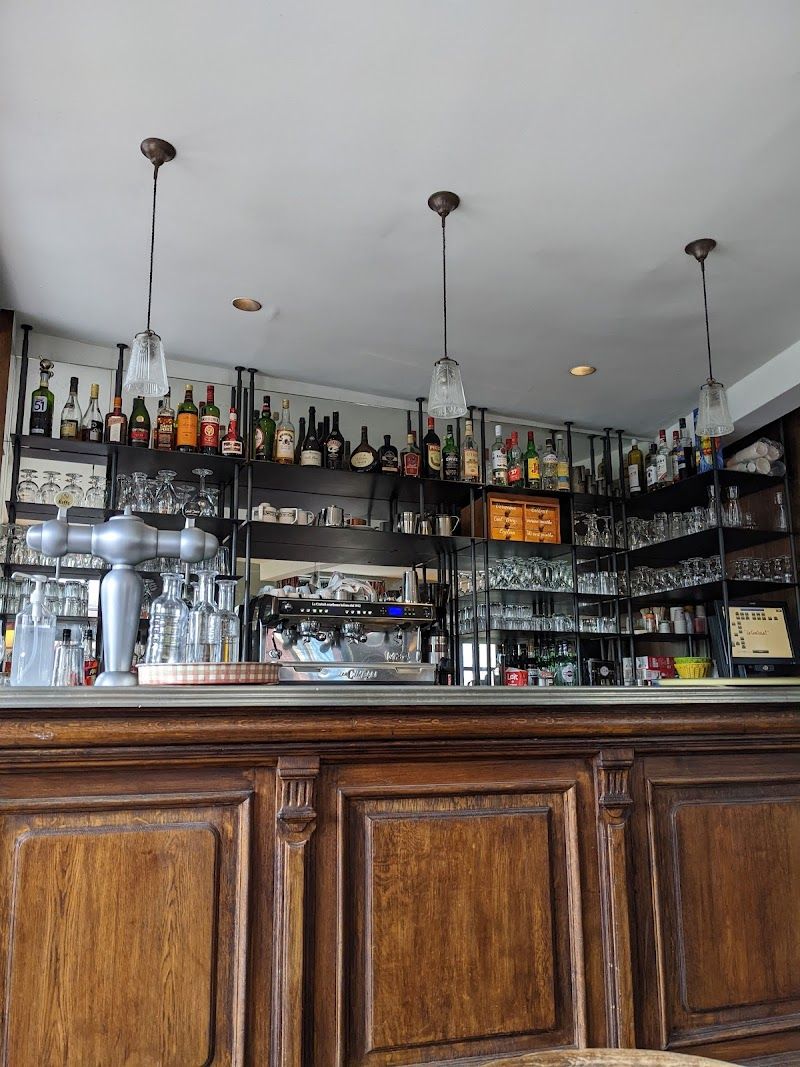
Le Consulat
Perched at the corner of Rue Norvins and Rue des Saules at the summit of Montmartre, this café-restaurant has served artists and writers since 1903. Picasso, Monet, Toulouse-Lautrec, and Van Gogh all frequented the original establishment. The building's blue-shuttered façade is one of the most photographed corners in Montmartre, and the terrace offers front-row views of the street artists and accordion players who populate the cobblestoned streets around Place du Tertre.
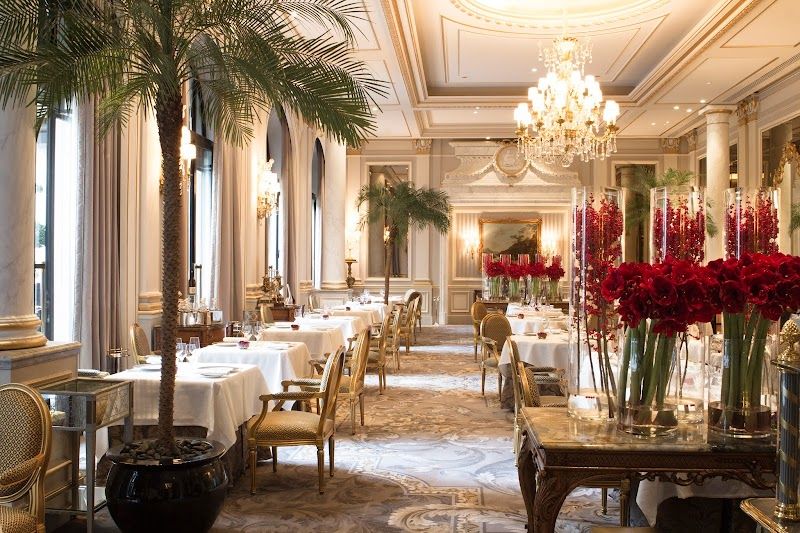
Le Cinq
The three-Michelin-starred restaurant at the Four Seasons Hotel George V showcases Christian Le Squer's extraordinary haute cuisine in a palatial dining room overlooking a marble courtyard. The impeccable service and wine cellar with over 50,000 bottles complement dishes that are both technically brilliant and artistically presented.
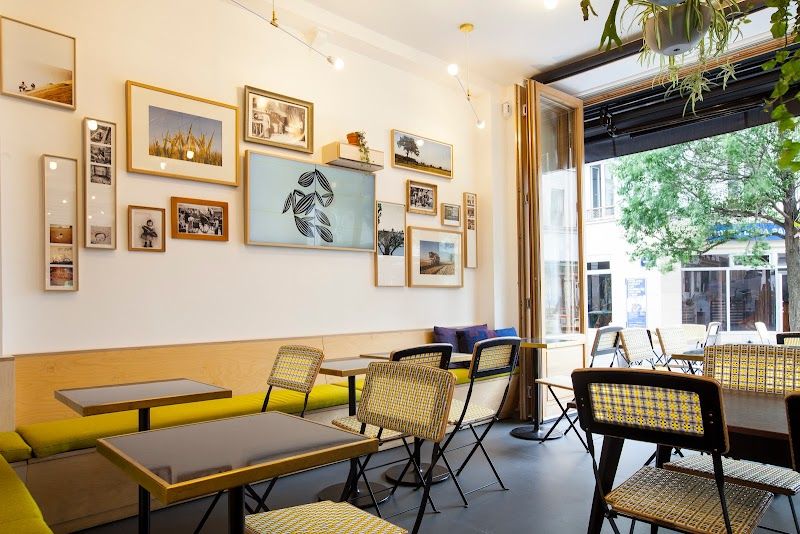
Boulangerie Chambelland
Gluten-free bakery and restaurant using rice flour for exceptional breads, pastries, and savory dishes. The bright, modern space proves that gluten-free dining can be delicious and not just accommodating.
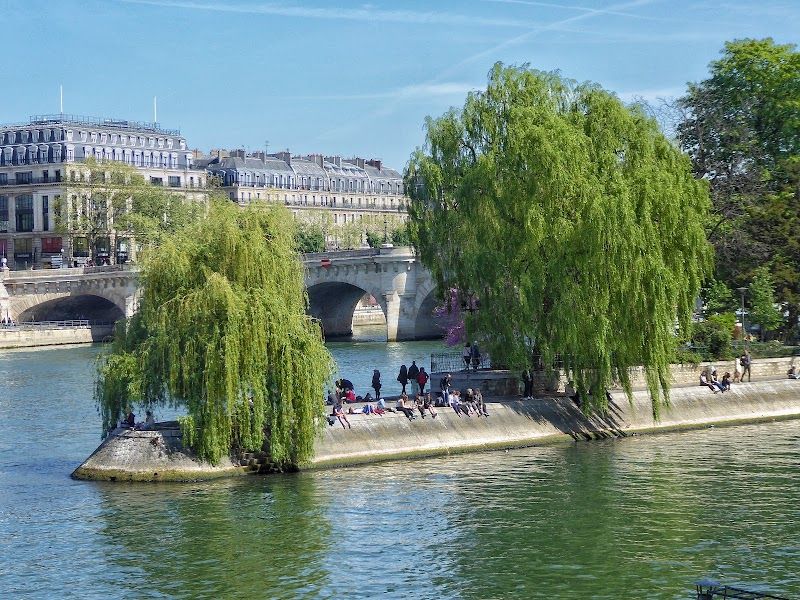
Square du Vert-Galant
This tiny wedge of parkland sits 15 feet below street level at the very tip of Île de la Cité, offering the only ground-level river access in central Paris. From here you get unobstructed views upstream toward the Louvre and downstream past Notre-Dame, with the added bonus of watching tour boats navigate the narrow channel between the island's stone embankments. The descent down the narrow stone staircase immediately transports you from the bustle of Pont Neuf to what feels like a riverside village. Weeping willows frame views of the Right Bank's elegant Haussmanian facades, while the Left Bank shows off the more intimate scale of the Latin Quarter. The stone benches fill up around 6 PM with office workers and locals who know this spot stays sunny longer than most Paris parks. Don't expect manicured gardens-this is more like a small town square that happens to be surrounded by water. The trees provide decent shade in summer, but there's no cafe or facilities. Winter visits can be muddy and the stairs get slippery when wet. Most tourists walk right past the entrance, which makes it perfect for anyone seeking 20 minutes of quiet in the heart of the city.
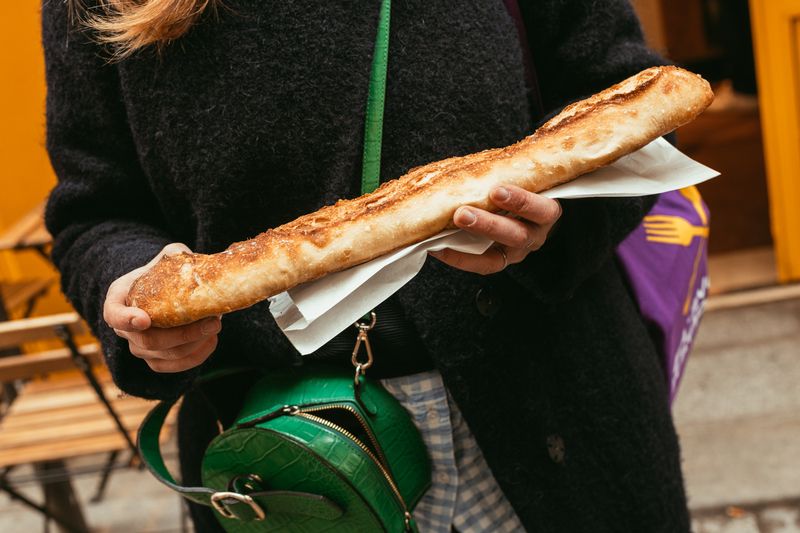
Eating Europe Food Tours Paris
This 3.5-hour walking tour hits seven different food stops across Le Marais, from the century-old L'As du Fallafel to lesser-known fromageries tucked behind Place des Vosges. You'll taste proper French charcuterie, sample three regional cheeses with explanations of aging processes, and try wine from small producers while learning why certain bakeries survived Haussmann's renovations. The route winds through narrow medieval streets between the Jewish quarter and trendy boutiques, with stops lasting 15-20 minutes each. Your guide shares stories about specific shop owners - like how the third-generation baker at Du Pain et des Idées revived forgotten bread techniques. The pacing feels unhurried, with plenty of time to ask questions about French food culture and neighborhood changes. What sets this apart from other food tours is the caliber of vendors - these aren't tourist traps but actual neighborhood institutions. The wine tastings happen at a proper cave, not random restaurants. Fair warning: you'll be quite full by the end, and some stops involve standing room only. Skip lunch beforehand but don't expect this to replace dinner either.
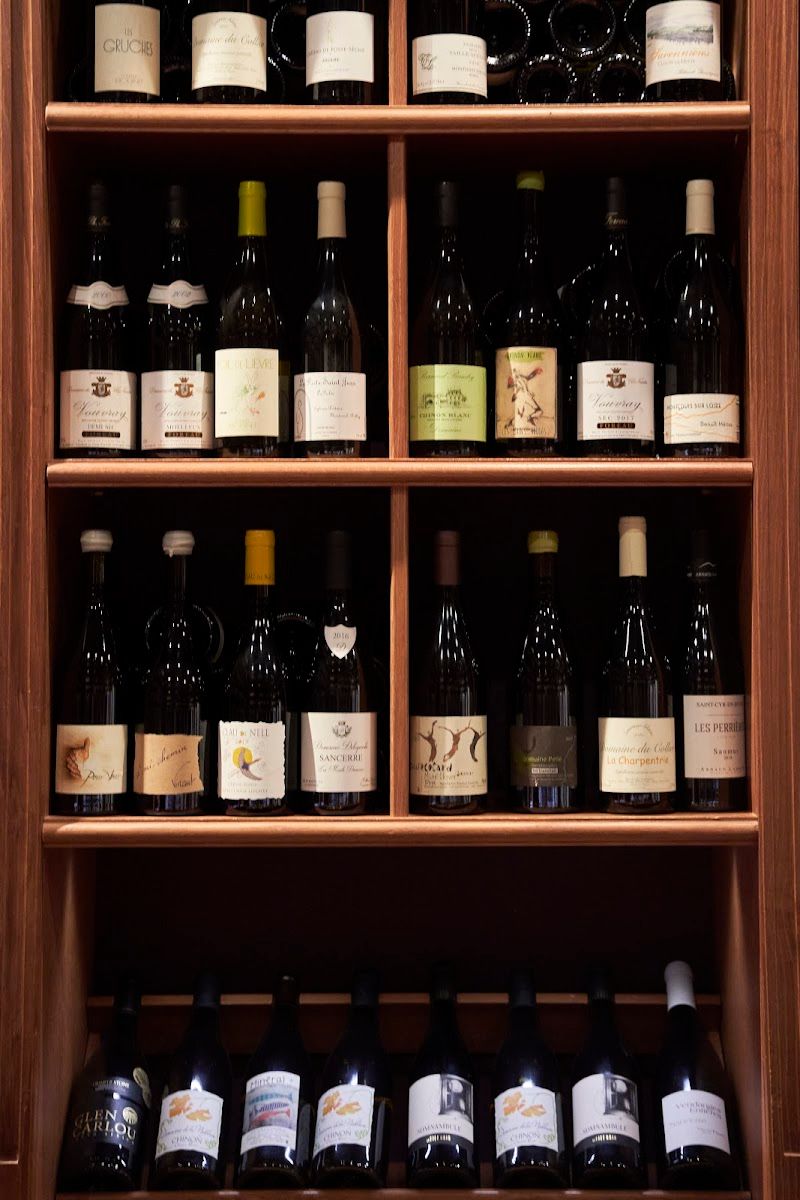
Ô Chateau
Ô Chateau operates out of a genuine 18th-century vaulted cellar where sommelier-guides walk you through structured tastings of 4-5 French wines, explaining everything from soil composition to harvest techniques. The space feels authentically Parisian with stone walls and candlelit tables, and the sommeliers actually know their stuff - they'll adjust explanations based on your wine knowledge level and answer detailed questions about specific producers. Sessions follow a logical progression from lighter to fuller wines, with each pour accompanied by detailed explanations of the region, grape varieties, and winemaking process. The cheese and charcuterie selections are thoughtfully chosen to complement each wine, and you'll taste everything from Loire Valley Sancerre to Burgundian Pinot Noir. The atmosphere strikes the right balance between educational and relaxed - serious wine learning without pretension. Book the evening sessions over afternoon ones - the cellar atmosphere works better with candlelight, and evening groups tend to be more engaged. The 2-hour format feels just right; shorter sessions rush through too quickly. Skip the private tastings unless you have specific learning goals - the group dynamic actually enhances the experience as other participants ask questions you might not think of.
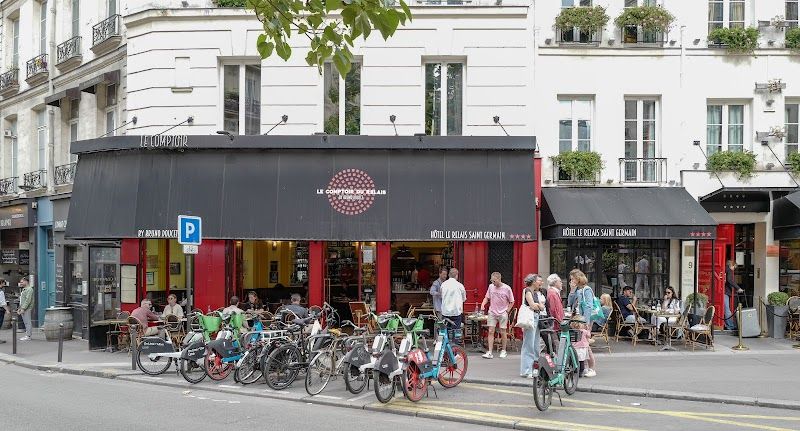
Le comptoir du Relais
Legendary bistro by chef Yves Camdeborde serving market-driven French cuisine in a tiny space near Odéon. The no-reservation lunch service and tasting-menu-only dinners have made this a pilgrimage site for serious food lovers.
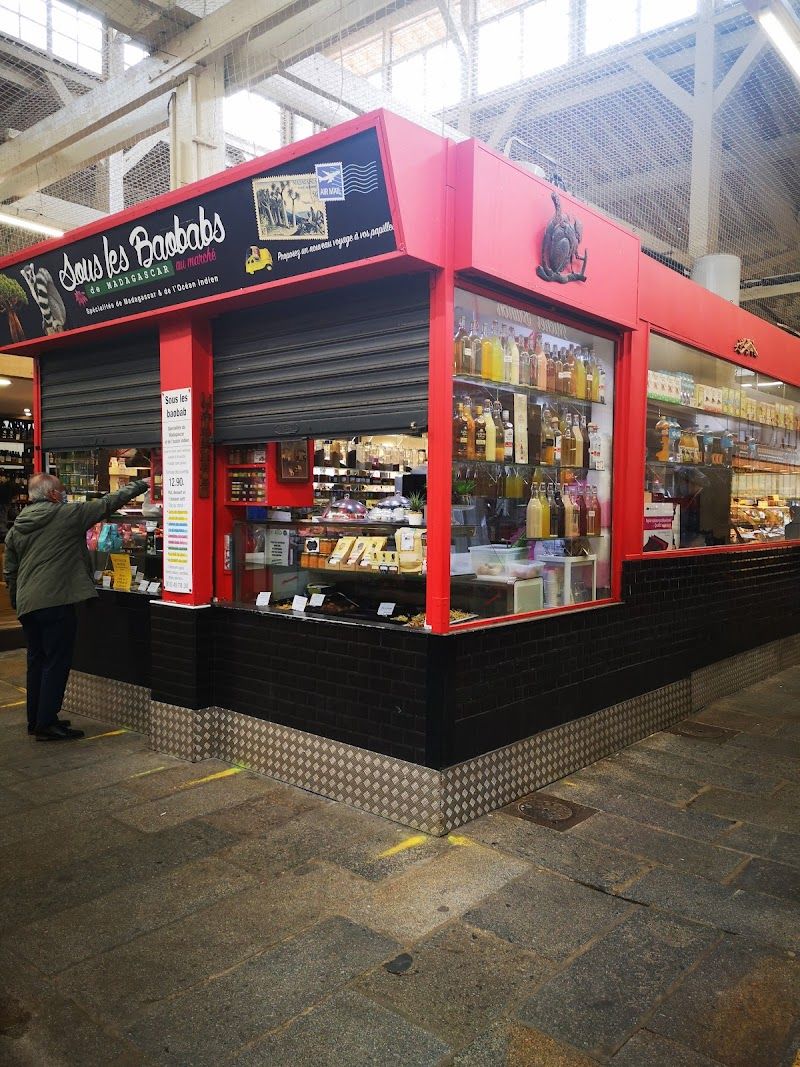
Le marché couvert Beauvau
Le marché couvert Beauvau sits at the center of Place d'Aligre, where a traditional covered hall houses proper butchers, fishmongers, and cheese vendors who've been here for decades. The surrounding square fills with fruit vendors selling perfect mangoes for €1, North African spice dealers, and clothes stalls with jeans for €10. This is where locals from the 12th arrondissement actually shop, not tourists. The covered hall feels like stepping back thirty years - vendors call out prices in francs-era rapid-fire French while wrapping purchases in brown paper. Outside, the square buzzes with haggling in Arabic and French as vendors arrange pyramids of oranges and display racks of leather jackets. The east side transforms into a proper flea market with boxes of old postcards, tarnished silverware, and random electronics. Most guidebooks oversell the "authenticity" angle, but this place genuinely hasn't changed much despite Bastille's gentrification. The produce quality rivals Marché des Enfants Rouges at half the price. Skip the clothes unless you need basics - focus on the food vendors and arrive hungry. The covered section stays open until 1pm, but the outdoor action peaks between 9-11am.
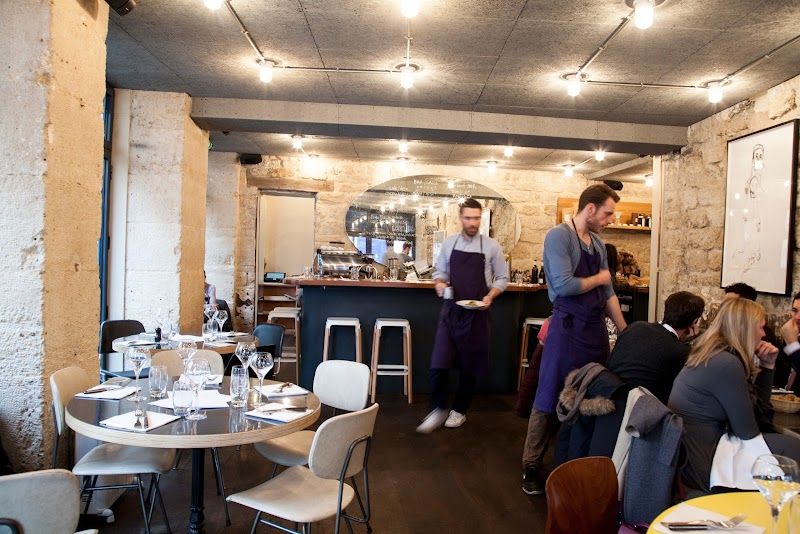
Richer
No-reservation neighborhood bistro with an open kitchen serving creative small plates and natural wines. The minimalist space and daily-changing menu draw a young, food-savvy crowd to this less touristy corner.
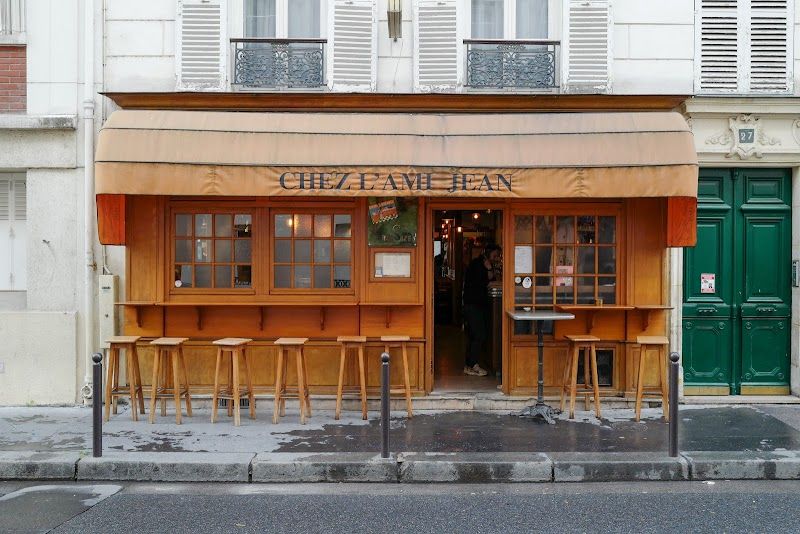
L’Ami Jean
Boisterous Basque bistro serving mountainous portions of southwestern French cuisine in a convivial atmosphere. Chef Stéphane Jégo's generous sharing-style plates and famous rice pudding have made this a local institution.
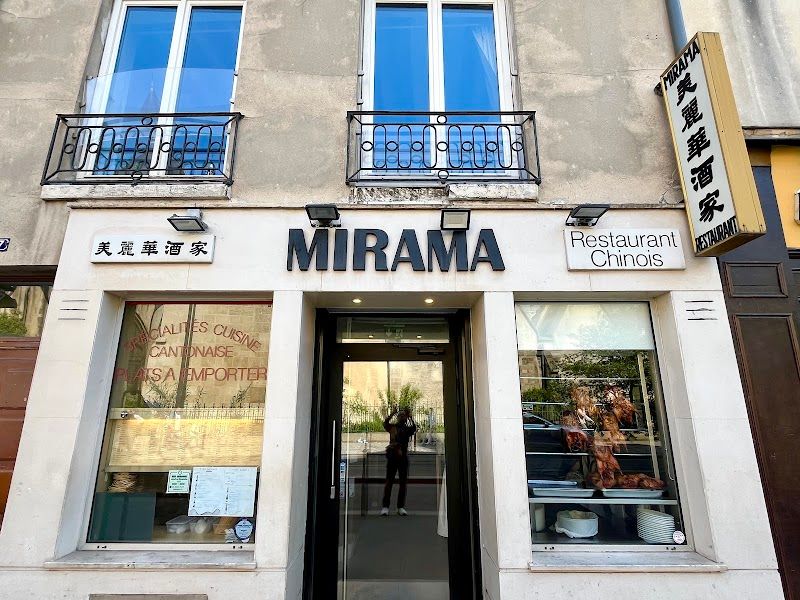
Mirama
No-frills Chinese restaurant in Belleville's Chinatown serving authentic Cantonese cuisine and dim sum. The bright fluorescent-lit space attracts Chinese families for weekend dim sum and late-night hot pot.
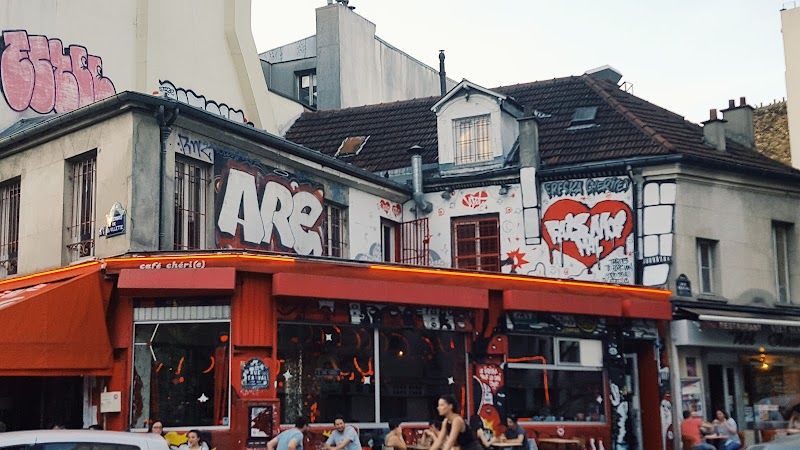
Café Chéri
A trendy yet unpretentious café-bar that perfectly captures Belleville's bohemian spirit with vintage décor and a laid-back vibe. Popular with artists and locals, it serves quality coffee by day and natural wines with small plates by night. The sidewalk terrace is ideal for watching the neighborhood's eclectic street life.
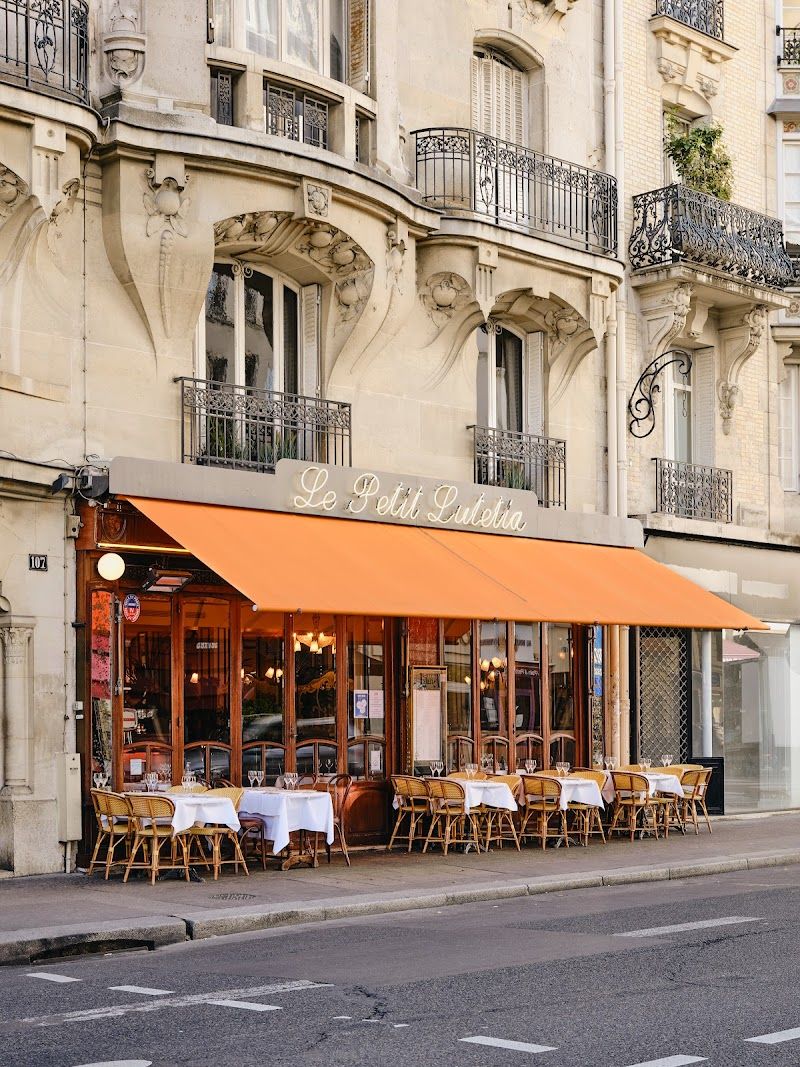
Le Petit Lutetia
Affordable bistro near Île Saint-Louis serving classic French dishes in a cozy, wood-paneled setting. The neighborhood location and reasonable prices make it a reliable option away from the tourist traps.
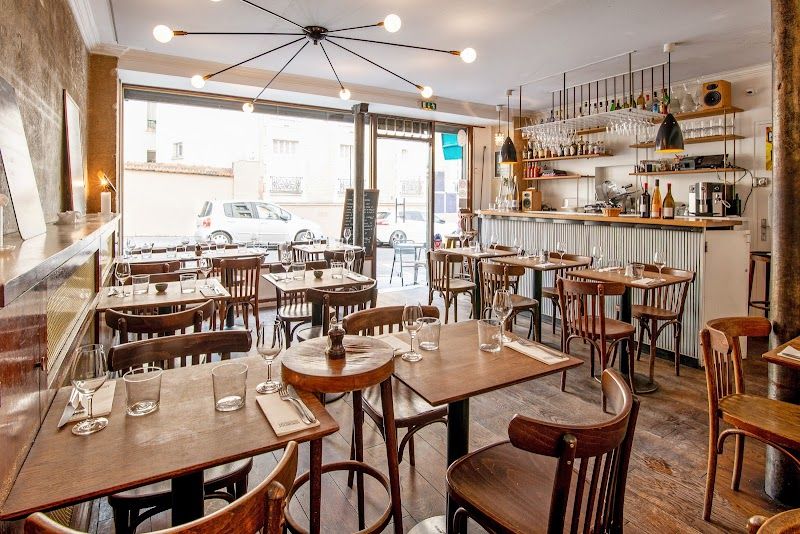
Le Jourdain
A charming neighborhood bistro serving excellent French comfort food with a modern twist in a relaxed atmosphere. The daily changing menu features seasonal ingredients and creative dishes at reasonable prices. It's a favorite among Belleville locals for its warm service and quality cooking.
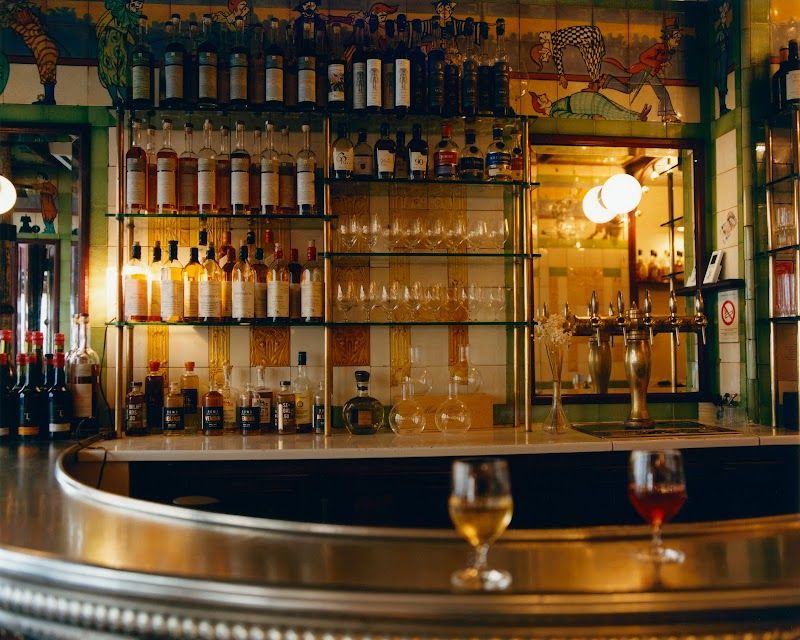
Le Clown Bar - Restaurant
Historic bistro with original circus-themed tiles from 1902, located next to the Cirque d'Hiver. Chef Sven Chartier serves inventive small plates and natural wines in a space that balances Belle Époque charm with contemporary cooking.
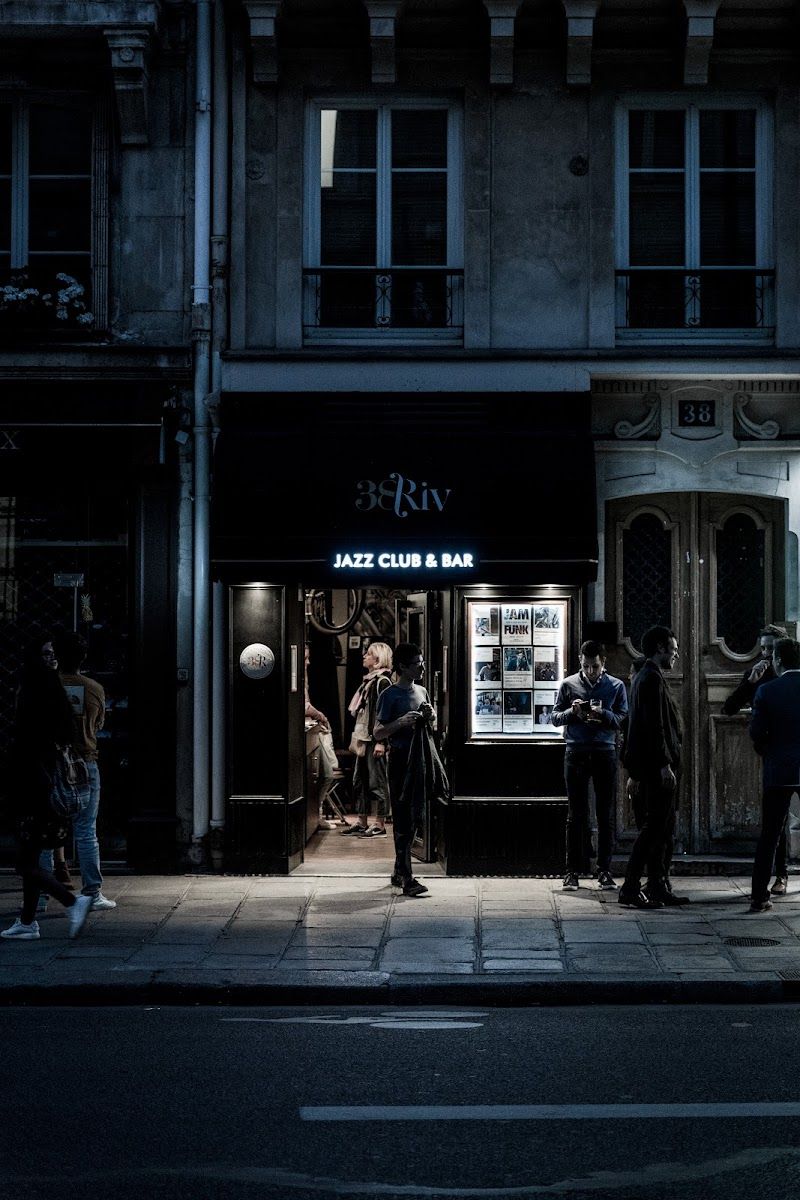
38Riv Jazz Club
38Riv Jazz Club runs evening walking tours through Saint-Germain's legendary jazz venues, ending with reserved seats at Le Procope's basement cave for a live performance. You'll visit four historic clubs where American musicians like Miles Davis lived and played during Paris's post-war jazz boom, learning how these cramped cellars became cultural sanctuaries when jazz faced hostility back home. The three-hour experience starts at Café de Flore with stories about Sidney Bechet's early Paris years, then moves through narrow Saint-Germain streets to Le Tabou and Club Saint-Germain-des-Prés. Your guide explains how French audiences embraced bebop while sharing anecdotes about late-night jam sessions. The final hour features live music in an authentic stone-walled cave with surprisingly good acoustics. Honestly, the historical context makes this worthwhile even if you're not a jazz fanatic. The walking portions feel rushed between venues, and some guides lean heavily on romanticized stories rather than hard facts. Skip their overpriced wine recommendations and stick to beer. The live performance quality varies wildly depending on which local trio is playing that night.
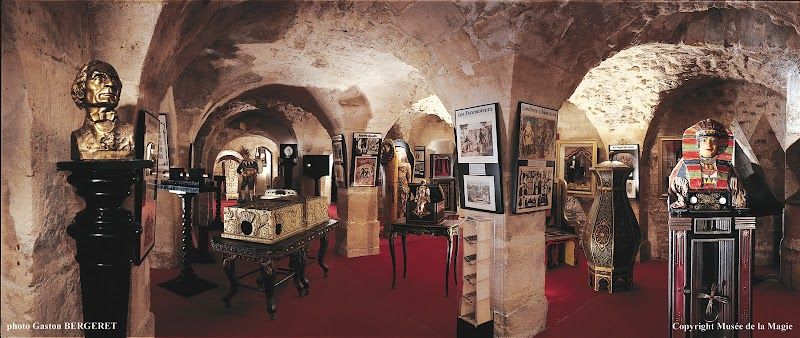
Musée de la Magie
This compact museum occupies genuine 16th-century stone cellars beneath a Marais townhouse, displaying an impressive collection of mechanical automata, antique magic boxes, and optical illusion devices. The real draw is watching 18th-century clockwork figures perform their intricate movements and examining beautifully crafted conjuring apparatus that actual magicians once used in Parisian theaters. Every visit concludes with a live performance in their tiny underground theater where professional magicians demonstrate sleight-of-hand using replica historical tricks. The experience flows naturally from the self-guided museum portion through dimly lit vaulted rooms into the intimate 20-seat theater. You'll spend about 45 minutes examining cases filled with elaborate music boxes, mechanical birds, and transforming cabinets before gathering for the show. The magicians speak French but their demonstrations transcend language barriers, especially when they pull children onstage for participation. Honestly, the museum portion feels cramped and could use better lighting, but the live show elevates the entire experience. Skip reading every placard-many lack English translations anyway-and focus on the working automata demonstrations. The real magic happens in that tiny theater where you're close enough to scrutinize every move yet still get completely fooled.
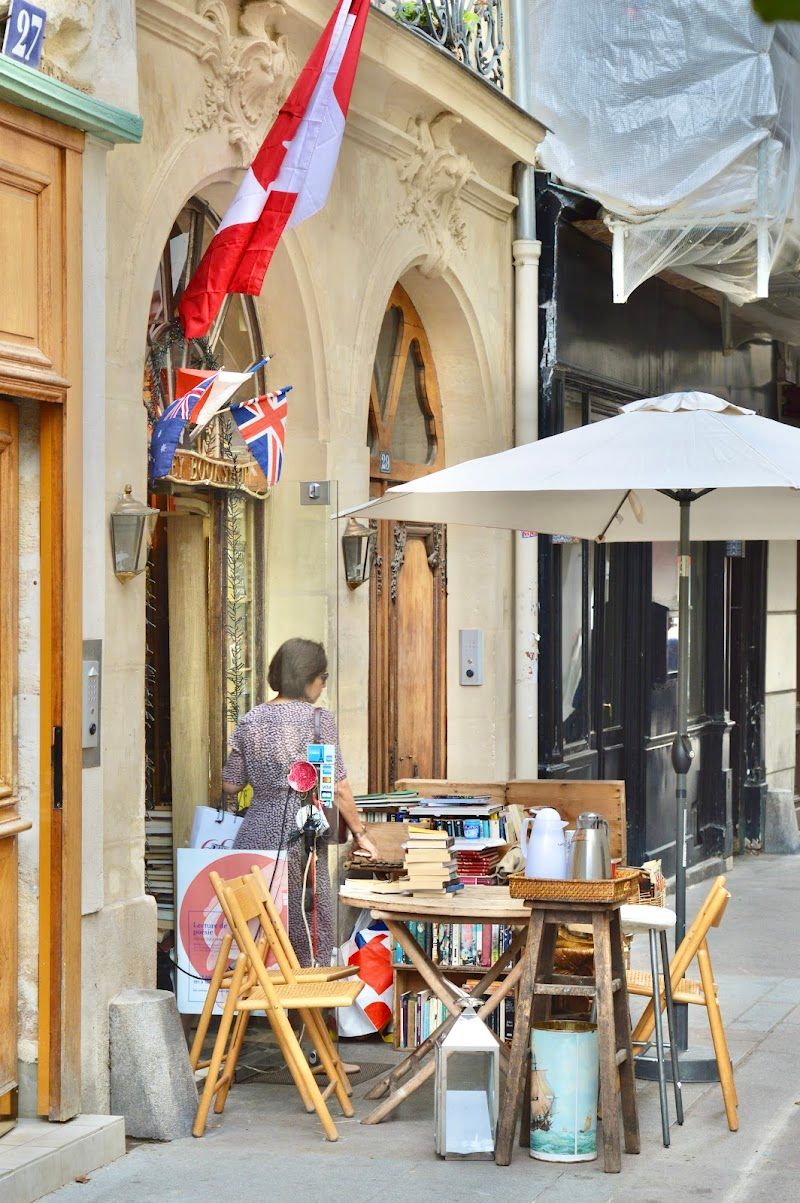
The Abbey Bookshop
Brian Spence's Abbey Bookshop occupies a wonderfully cramped medieval space on Rue de la Parcheminerie, where books are stacked from floor to ceiling in what feels like organized chaos. The Canadian owner has curated an extraordinary collection spanning 37,000 titles, with particularly strong sections on French history, Canadian literature, and literary fiction. Joe the tabby cat holds court near the entrance, and yes, that coffee offer is real-Brian keeps a pot brewing all day. Entering feels like stepping into someone's overstuffed personal library. The narrow aisles require navigation skills, and books are crammed into every conceivable space, including precarious towers on the floor. Brian usually sits at his desk near the back, reading voraciously and ready to engage in serious literary conversation. The atmosphere rewards browsers-you'll find titles you never knew existed, and Brian's handwritten shelf tags reveal his wit and deep knowledge. This isn't a quick pop-in destination. The disorganized appearance masks a sophisticated curation, but finding specific titles requires patience or Brian's help. Come when you have time to dig around-the real treasures are often buried behind other books. The coffee is decent but not gourmet, and Joe isn't always social. Skip it if you're claustrophobic or need pristine organization.
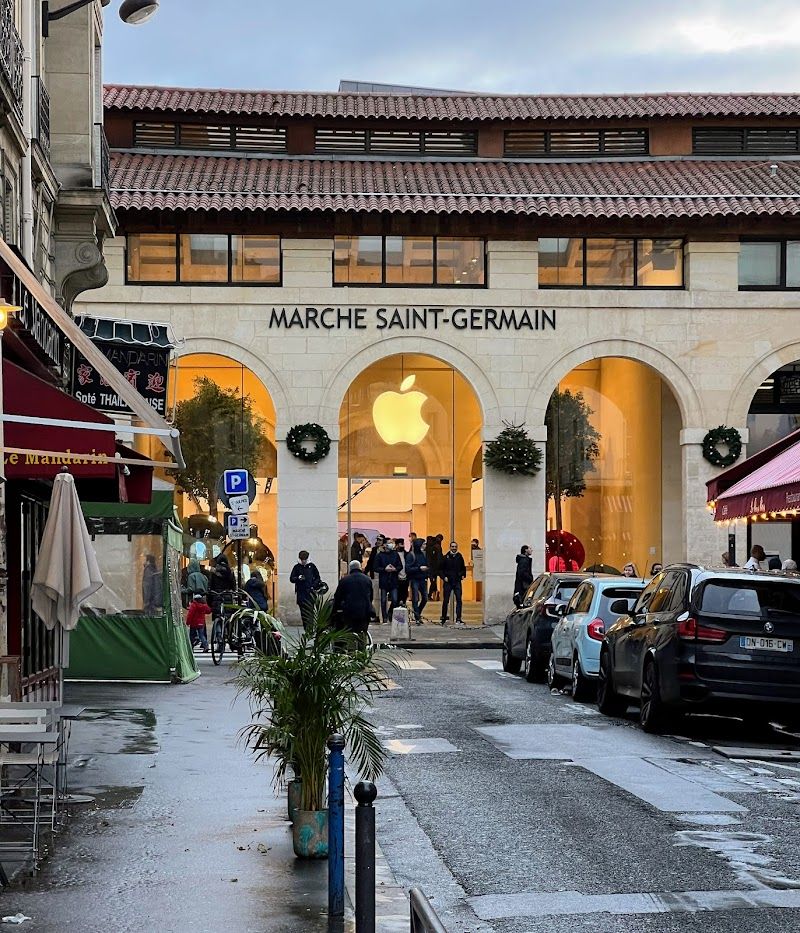
Marché Alimentaire Saint-Germain
The Marché Saint-Germain occupies a gorgeous 19th-century iron-and-glass structure that houses an unexpectedly modern mix of food vendors, chain stores, and a three-screen cinema underground. The architecture is the real star here – those soaring metal beams and glass panels create beautiful light patterns throughout the day. You'll find everything from a Monoprix to specialty cheese shops, plus that unusual swimming pool tucked into the basement. The covered halls feel more like an upscale shopping center than a traditional market, which can be jarring if you're expecting Les Halles-style chaos. The food vendors cluster mainly on the ground level – Eric Kayser bakery, a decent fishmonger, and several prepared food stalls that cater to the lunch crowd from nearby offices. The Sunday organic market outside transforms the entire experience, spilling quality produce vendors onto the surrounding streets. Honestly, it's more of a convenient neighborhood spot than a destination market. The prices run higher than you'd find at Marché des Enfants Rouges, and the selection feels limited compared to larger markets. Come for the architecture and maybe grab lunch, but don't expect the soul-stirring market experience you'll find elsewhere in Paris.
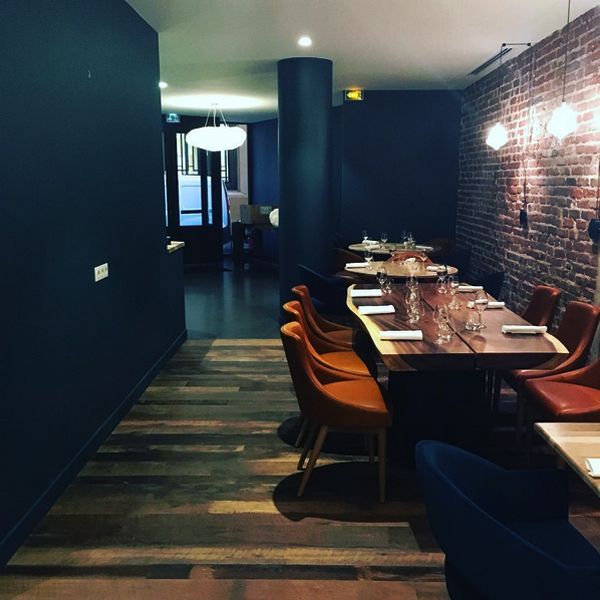
ACCENTS table bourse
Contemporary restaurant by chef Ayumi Sugiyama offering refined tasting menus with Japanese precision and French ingredients. The elegant but understated space lets the carefully composed plates take center stage.
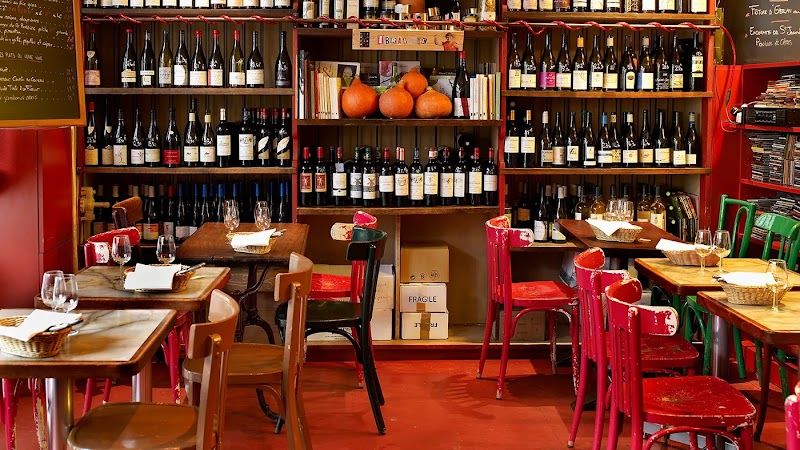
Le Verre Volé
Natural wine bar and restaurant along Canal Saint-Martin with exceptional small plates. The bottle-lined walls and communal atmosphere make it a favorite among wine enthusiasts and locals.
Le Servan
Modern bistro run by Tatiana and Katia Levha sisters, blending French technique with Filipino influences from their heritage. The industrial-chic space fills with in-the-know locals who appreciate the creative menu and exceptional value.
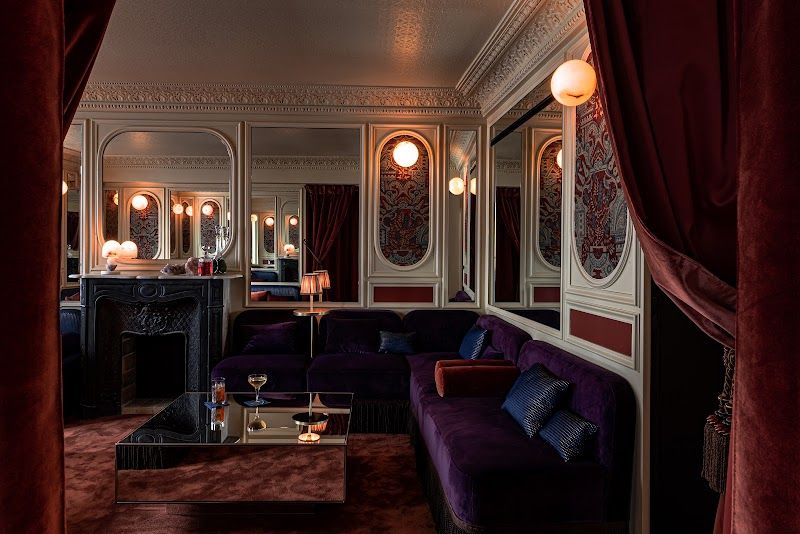
Prescription Cocktail Club
Hidden behind an unmarked door on Rue Mazarine, this 1920s-speakeasy-style cocktail bar is one of the pioneers of the Paris craft cocktail scene. Founded by the Experimental Cocktail Club group, PCC features a dimly lit, intimate interior with exposed brick, leather seating, and bartenders who take their craft seriously. The rotating seasonal menu showcases inventive house creations alongside perfectly executed classics. The upstairs lounge is more relaxed, while the ground floor buzzes with energy.
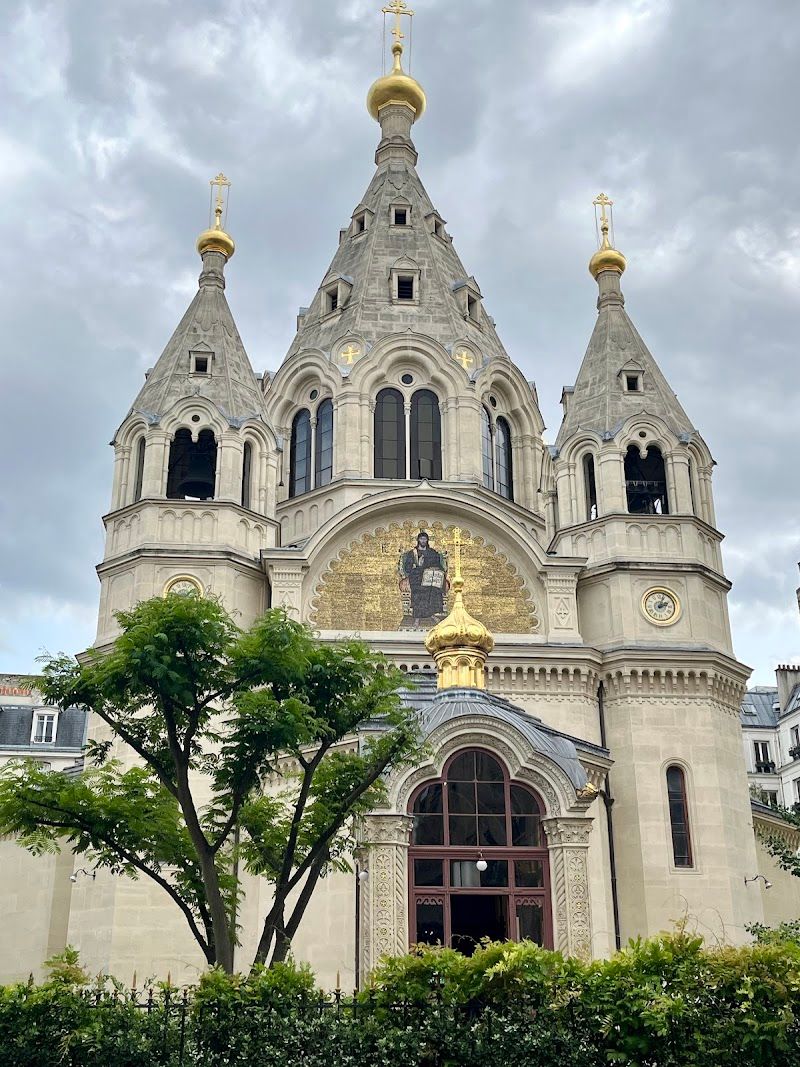
Cathedrale Saint Alexandre Nevsky
This 1861 Russian Orthodox cathedral stands like a displaced piece of Moscow on an otherwise typical Parisian street. The five golden onion domes catch sunlight beautifully, but it's the interior that delivers the real impact - floor-to-ceiling icons painted directly on the walls, a towering gilt iconostasis separating the nave from the altar, and that distinctive Orthodox incense smell that hits you immediately upon entering. The visit feels intimate since the space is relatively small, maybe 200 people maximum capacity. Your eyes need a moment to adjust to the dim lighting before the full splendor reveals itself - the walls are completely covered in religious scenes painted in rich blues, golds, and reds. The acoustics are remarkable; even whispered conversations carry, which explains why the Orthodox chanting during services sounds so ethereal here. Most visitors spend too much time photographing the exterior and rush through the interior. The real treasures are the 19th-century icons flanking the entrance and the intricate woodwork of the iconostasis - give yourself time to examine the craftsmanship up close. Skip the small gift shop unless you're specifically interested in Orthodox religious items; the selection is limited and overpriced.
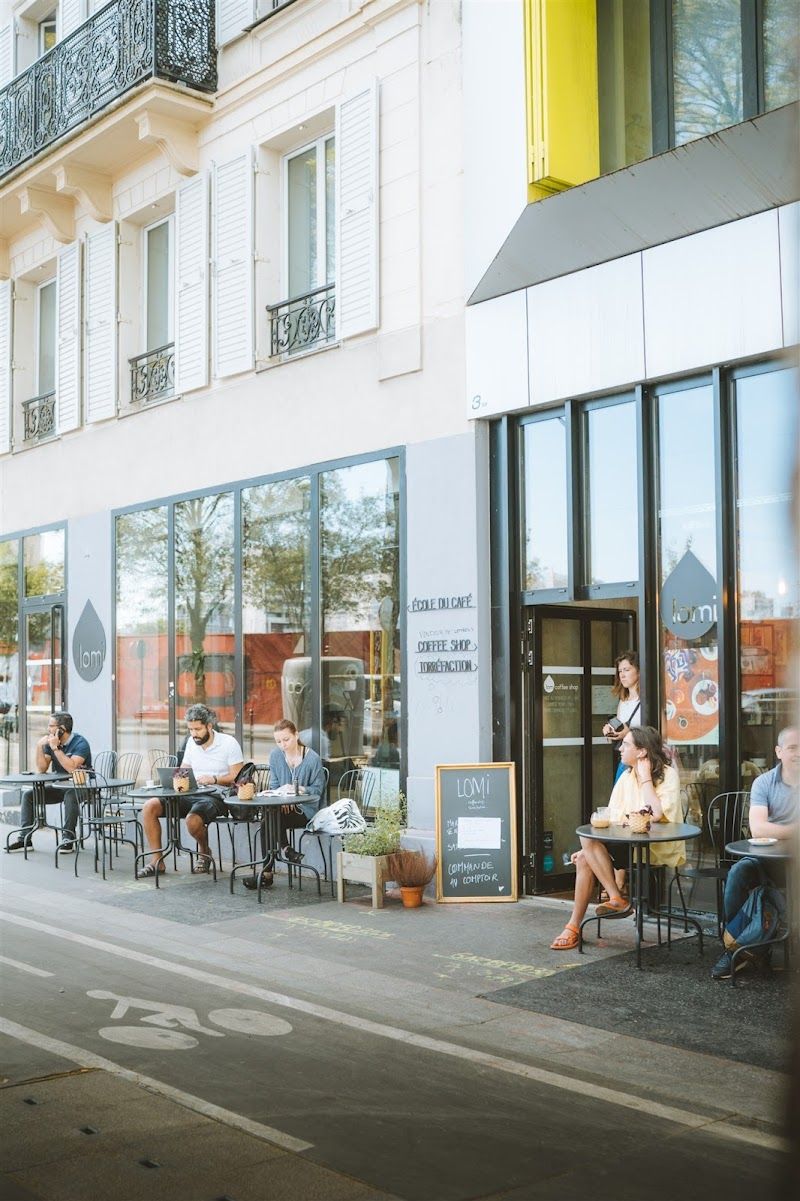
Lomi
Coffee roastery and café in the 18th near La Chapelle with an industrial warehouse setting. They roast beans on vintage equipment visible from the café space. Popular for weekend brunch and coffee brewing workshops.
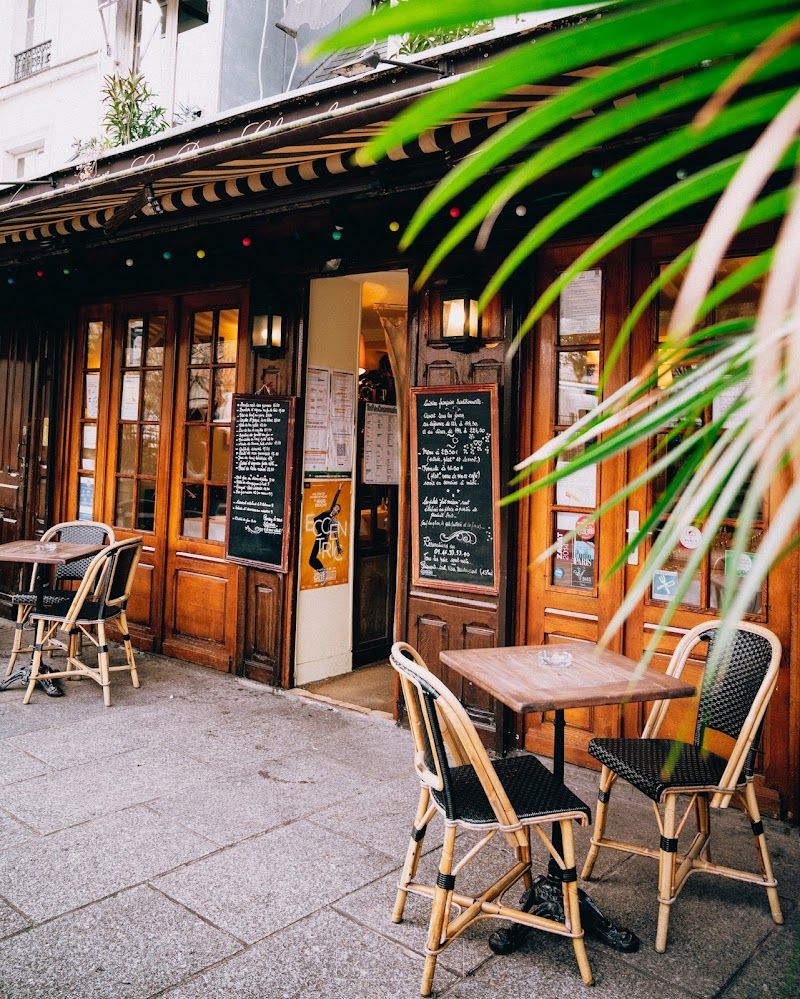
Shakespeare and Company Café
Light-filled café adjoining the legendary bookshop with organic vegetarian menu. Features floor-to-ceiling windows overlooking Notre-Dame and serves fair-trade coffee. Run separately from the bookstore but shares the literary atmosphere.
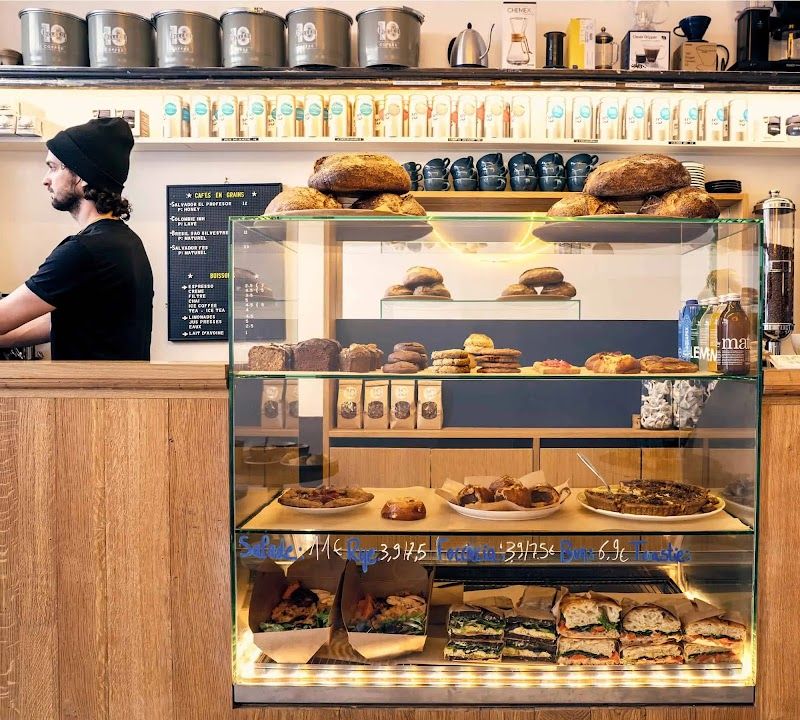
Ten Belles
Pioneering specialty coffee shop along Canal Saint-Martin that helped launch Paris's third-wave coffee scene. Minimalist space with a focus on quality beans and precise brewing methods. Small selection of pastries from local artisan bakers.
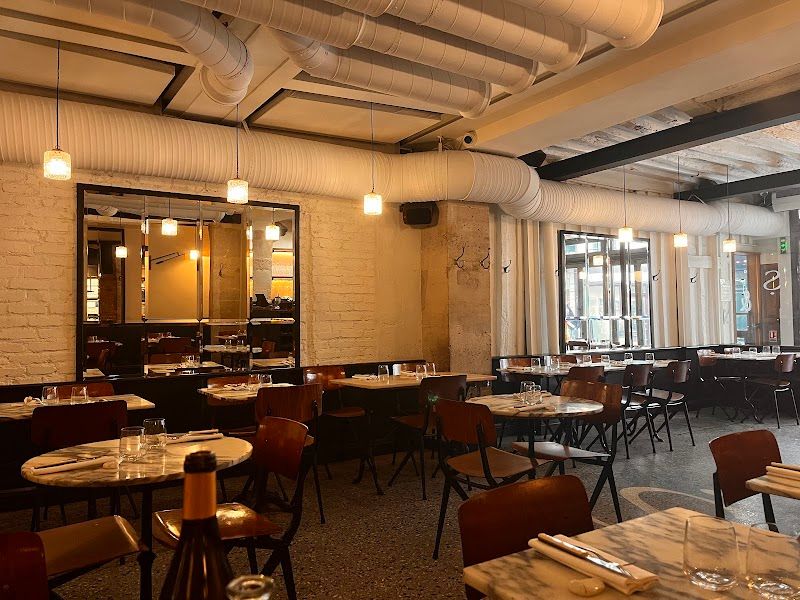
Semilla
Contemporary bistro with an open kitchen serving market-driven plates and an excellent natural wine list. The sleek, minimalist space attracts a fashionable Saint-Germain crowd seeking modern cooking without the formality.
Marché couvert Saint-Quentin
Marché Saint-Quentin is a genuine neighborhood market housed in a 1866 iron and glass pavilion that looks like a miniature train station. You'll find proper Parisian vendors selling everything from whole fish on ice to wheels of aged Comté, plus excellent charcuterie, seasonal produce, and specialty items like truffle oil and aged vinegars. The architecture alone is worth a visit: soaring glass ceilings and ornate ironwork, with natural light streaming through Victorian windows. The market feels authentically local, with vendors who've worked the same stalls for decades calling out prices and recommendations in rapid French. You'll weave between neighbors doing their weekly shopping, elderly ladies examining vegetables with scientific precision, and chefs from nearby restaurants selecting ingredients. The atmosphere reaches its peak on Saturday mornings when every stall is open and the cheese vendor offers generous samples of his selections. Most guides skip this market entirely, which keeps it refreshingly uncommercialized compared to Marché des Enfants Rouges or Saint-Germain. The fish stall near the entrance sells excellent oysters for about 8 EUR per dozen, while the cheese counter offers tastings that could replace lunch. It's best to avoid the overpriced flower stall by the door and head straight to the butcher in the back corner for the market's best deals on quality meat.
Kiliwatch
Kiliwatch is the granddaddy of Paris's vintage scene, a four-story treasure hunt that's been curating secondhand gold since 1987. You'll find everything from '70s band tees to '90s designer pieces, plus an impressive sneaker collection that spans decades. The ground floor rotates emerging designers and limited collaborations, while upper floors house the vintage motherlode: sorted by era and style with prices ranging from 15 EUR for basic tees to 200 EUR for pristine designer finds. Climbing the narrow stairs feels like raiding your cooler older sibling's closet, if they had impeccable taste and unlimited storage. Each floor has its own personality: streetwear dominates the second floor, while the third floor leans into '80s and '90s high fashion. The staff knows their stuff and can point you toward specific eras or styles. You'll spend most of your time digging through racks, and the thrill comes from stumbling across that perfect leather jacket or rare sneaker collaboration. Most vintage shops in Paris are overpriced tourist traps, but Kiliwatch's prices are surprisingly fair for the quality. Skip the accessories section on the fourth floor, it's mostly overpriced costume jewelry. Focus your energy on the second and third floors where the real gems live. The changing rooms are tiny, so wear fitted clothes if you plan to try things on. Expect to spend 30-80 EUR for quality pieces that would cost triple elsewhere.
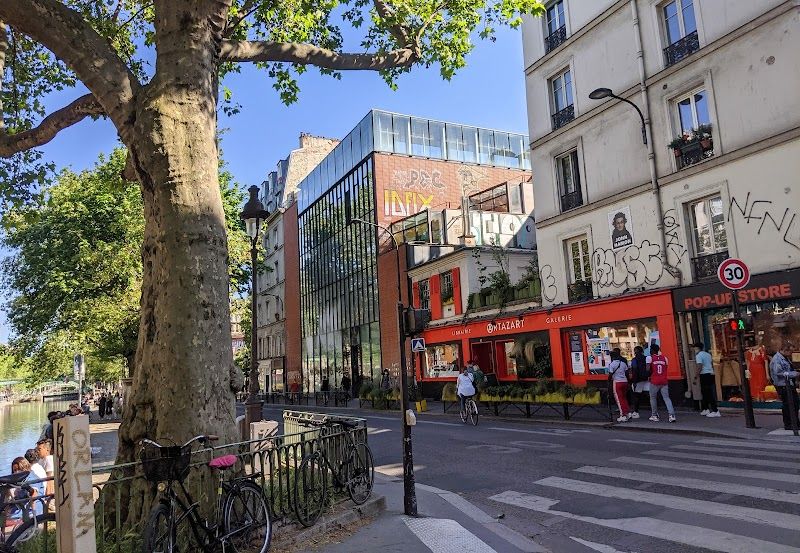
Artazart
Artazart is Paris's premier design bookstore, occupying a bright corner space overlooking Canal Saint-Martin with floor-to-ceiling windows that flood the interior with natural light. You'll find an expertly curated selection of international design magazines, photography monographs, and architecture books that are genuinely hard to source elsewhere in the city. The upstairs gallery rotates exhibitions every six weeks, showcasing emerging artists whose work you can often purchase as affordable prints (typically €30-80). The space feels more like a design studio than a traditional bookstore, with books displayed on sleek white shelving and sample pages open for browsing. The ground floor focuses on graphic design and contemporary art publications, while upstairs houses photography books and the current exhibition. Staff are knowledgeable without being pushy, and you're encouraged to spend time flipping through books while watching canal boats drift past the windows. Most travel guides oversell this as a quick stop, but you need at least an hour to properly explore the collection. The photography section upstairs is where you'll find the real treasures, including out-of-print editions and limited releases from Japanese and Scandinavian publishers. Skip the postcards near the entrance (overpriced at €3 each) and focus on the magazine section, which stocks titles you won't find at standard newsstands.
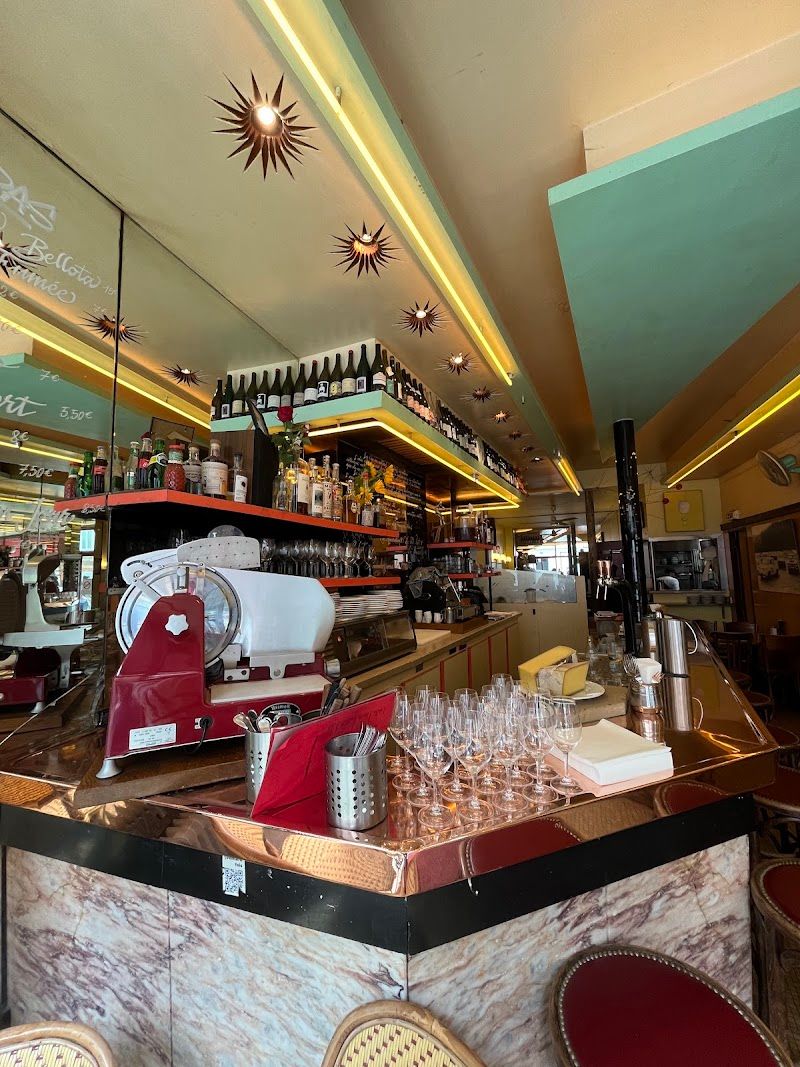
Aux Deux Amis
Tiny natural wine bar and bistro with a chalkboard menu that changes daily based on market finds. The cramped quarters and communal vibe make it feel like dining in someone's living room, with excellent small plates and a legendary wine list.
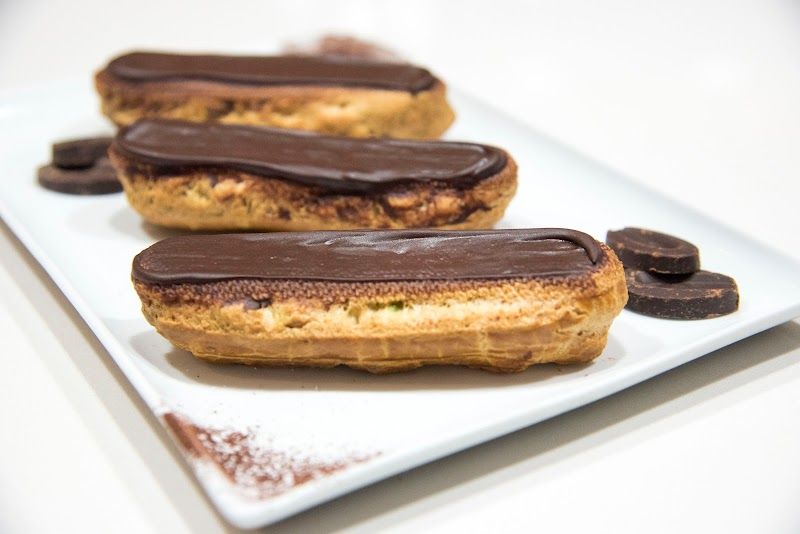
Cook'n With Class Paris
Cook'n With Class Paris takes you straight into Montmartre's morning market scene, where you'll haggle with vendors over seasonal produce before heading to their professional kitchen to turn your haul into a proper three-course French meal. Chef instructors teach classic techniques like making fresh pasta, properly searing proteins, and building mother sauces, all while you sip wine and ask endless questions. The five-hour commitment includes shopping, cooking, and eating everything you've prepared in their dining room overlooking the cobblestone streets. The experience starts at 9:30am sharp at Marché de la Poissonnerie, where your chef guide explains how to select the best ingredients and introduces you to vendors who've been there for decades. Back in the kitchen, you'll work in teams of two at individual stations equipped with gas ranges and professional tools. The atmosphere stays relaxed despite the serious cooking, with plenty of wine flowing and stories shared between stirring and chopping. You'll finish with a proper sit-down meal featuring your creations, complete with wine pairings the chef selects. At €195 per person, it's expensive but delivers genuine value compared to tourist trap cooking classes that teach you to make crepes. Skip the weekend classes if possible, weekday sessions have smaller groups and more personal attention from instructors. The market tour alone teaches you more about French food culture than most cooking schools cover, and you'll leave with techniques that actually work in home kitchens.
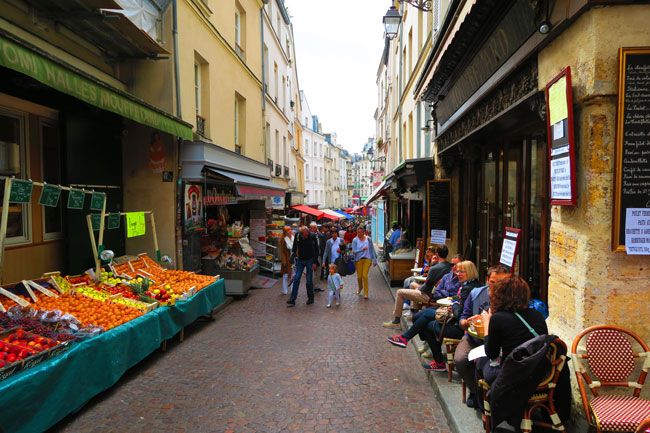
Rue Mouffetard
Rue Mouffetard follows an ancient Roman road that once connected Paris to Italy, and today it's one of the city's most authentic food markets. You'll walk downhill from Place de la Contrescarpe past medieval buildings housing century-old fromageries, wine merchants, and produce vendors. The cobblestone street comes alive Tuesday through Sunday with outdoor stalls selling everything from North African spices to perfectly ripe Cavaillon melons, while shopkeepers still call out their daily specials in French. Starting at the top near Place de la Contrescarpe, you'll pass cafes and bistros before hitting the real market action halfway down. The air fills with competing aromas: aged Roquefort from cheese shops, fresh herbs from produce stands, and roasting chickens from the rotisserie vendors. Medieval storefronts display wheels of Comté and hanging saucissons, while elderly Parisians debate tomato quality with vendors they've known for decades. The street narrows as you descend, creating an intimate atmosphere where you can barely squeeze past other shoppers. Most guides oversell the entire length, but the bottom half near Saint Médard church delivers the real magic. Skip the touristy cafes at the top and focus on the food vendors below Rue de l'Epée de Bois. Cheese runs 15-30 EUR per kilo, wine starts at 8 EUR per bottle, and you can build an excellent picnic for under 20 EUR. The Wednesday and weekend markets on Place Monge extend the experience but get crowded after 11am.
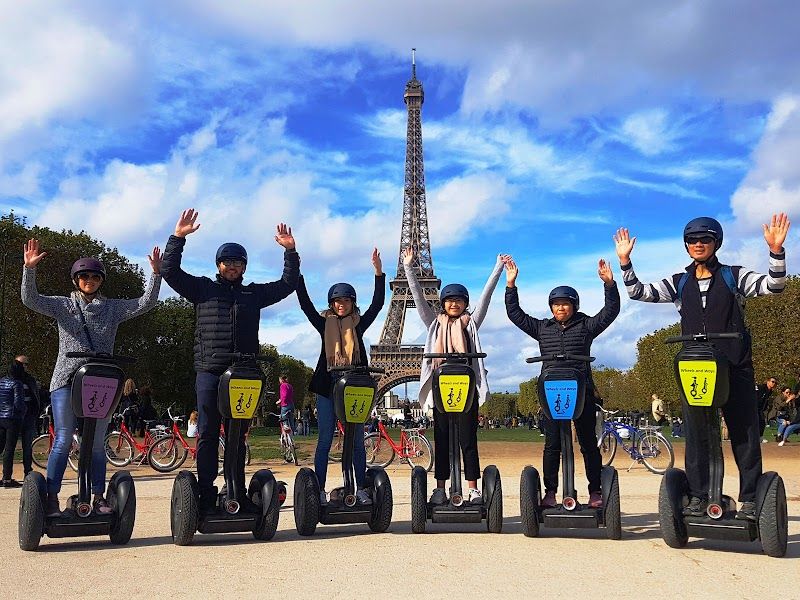
Wheels and Ways Segway Tour, Paris and Versailles
This Segway tour covers serious ground in Paris, taking you from UNESCO headquarters past the Eiffel Tower, through Champ de Mars, along the Seine to Invalides, and into the Tuileries Gardens. You'll get 15 minutes of training before rolling out with groups of 8 people max, covering about 10km in 2.5 hours with photo stops and historical commentary from bilingual guides. The route hits major sights efficiently while using bike paths and park areas where Segways are actually legal. Riding a Segway through Paris feels oddly futuristic, gliding silently past monuments while your guide shares stories through a headset. The pace is relaxed with plenty of stops, and you'll cover distances that would take hours on foot. The best moments come rolling through the wide paths of Champ de Mars with the Eiffel Tower looming overhead, or cruising along the Seine with Invalides' golden dome ahead. Groups stay together well, and the guides genuinely know their stuff about Parisian history. Honestly, this beats walking tours for covering ground, but you're paying premium prices (expect around 65-75 EUR) for what's essentially a novelty ride with decent commentary. Skip this if you're on a tight budget, walking is free and you'll see just as much. The Versailles extension adds another 90 minutes but feels rushed, stick to the Paris only version. Book directly with them rather than through hotel concierges who add markup.
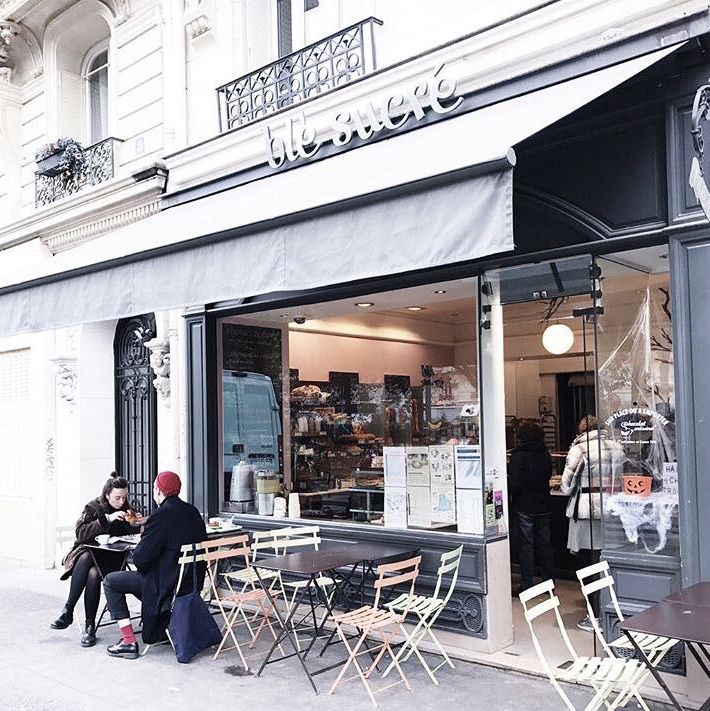
Ble Sucre
Award-winning neighborhood bakery in the 12th with seating for a few customers. Fabrice Le Bourdat creates exceptional pastries using traditional techniques-his Paris-Brest is legendary. Arrive early as the best items sell out by mid-morning.
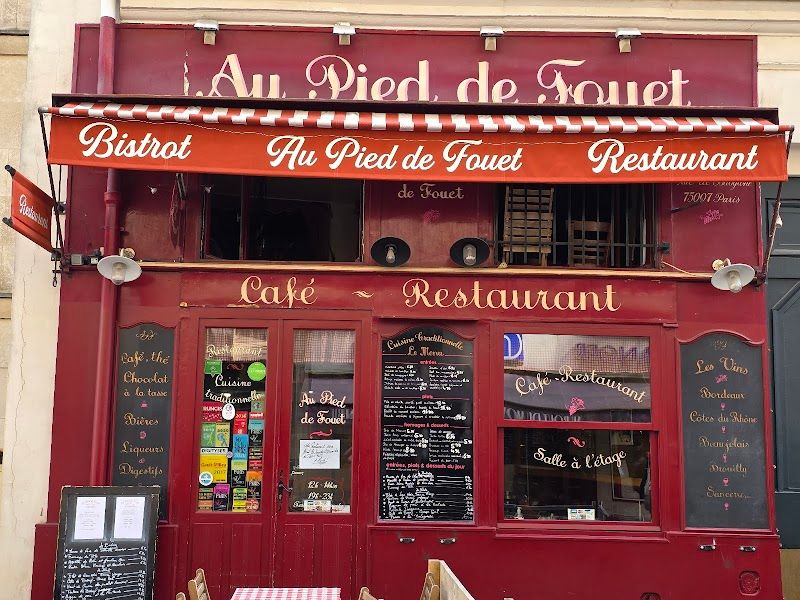
Au Pied de Fouet
Tiny traditional bistro with marble-topped tables serving classic French comfort food at remarkably low prices. The cramped quarters and handwritten menu preserve an authentic slice of old Paris dining.
Gravity Bar
Located on the top floor of a Haussmannian building near Opéra Garnier, this rooftop bar offers dramatic views of the Palais Garnier's dome and the Paris skyline beyond. The sleek modern interior contrasts with the historic setting, and the craft cocktail menu emphasizes French wines and spirits with contemporary twists.
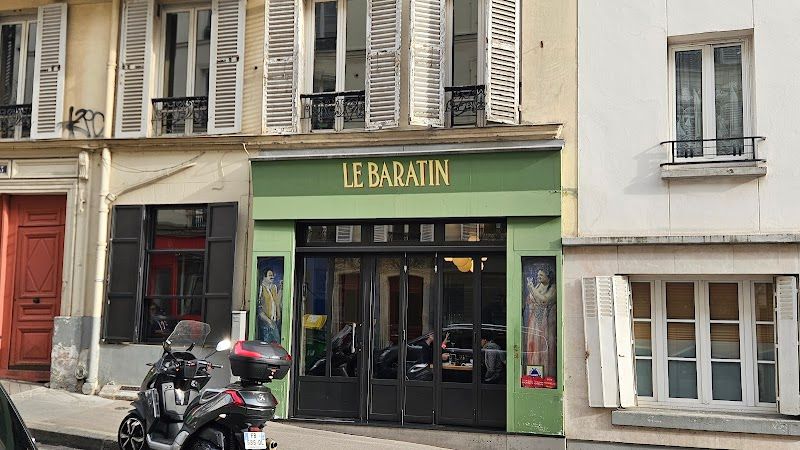
Le Baratin
Unassuming neighborhood bistro in Belleville where chef Raquel Carena serves masterful French cooking without pretension. The handwritten menu changes daily based on market finds, and the wine list is exceptional.
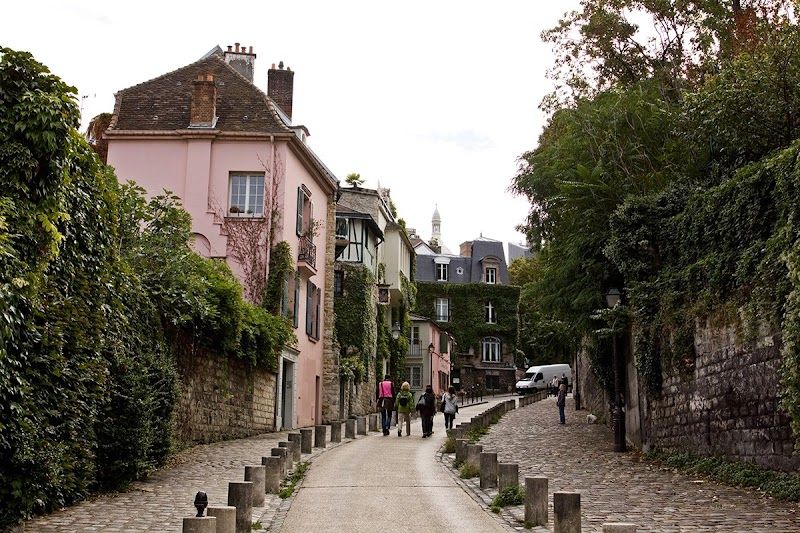
Discover Walks
Discover Walks delivers what most Paris tours don't: actual expertise from PhD historians and architecture scholars who know their stuff. You'll get deep dives into medieval street layouts, revolutionary meeting spots, or literary café culture depending on your chosen theme. The Gothic to Gargoyle tour gets you inside Saint-Chapelle's architectural secrets, while the Revolution walk covers guillotine sites and hidden courtyards where conspirators met. These aren't surface-level photo ops but genuine education wrapped in engaging storytelling. The three-hour format gives guides time to really explain context rather than rushing between landmarks. You'll spend 20 minutes in one medieval alley learning about Roman foundations, then another half hour inside a church most tourists walk past. Groups stay small (usually 15 people max), so you can actually ask questions and hear responses. The scholars geek out over architectural details and historical connections in the best possible way, pointing out gargoyle symbolism or explaining why certain streets curve where they do. Most walking tour companies use actors or part-time guides reading scripts. Here you're getting university-level expertise for around 25-30 EUR per person, though prices aren't published online. Book directly through their website rather than third-party platforms to avoid markup fees. The medieval Paris and architecture tours are strongest; skip the general overview tours which cover too much ground superficially. These guides actually know the difference between Gothic periods and won't waste time with obvious photo stops.
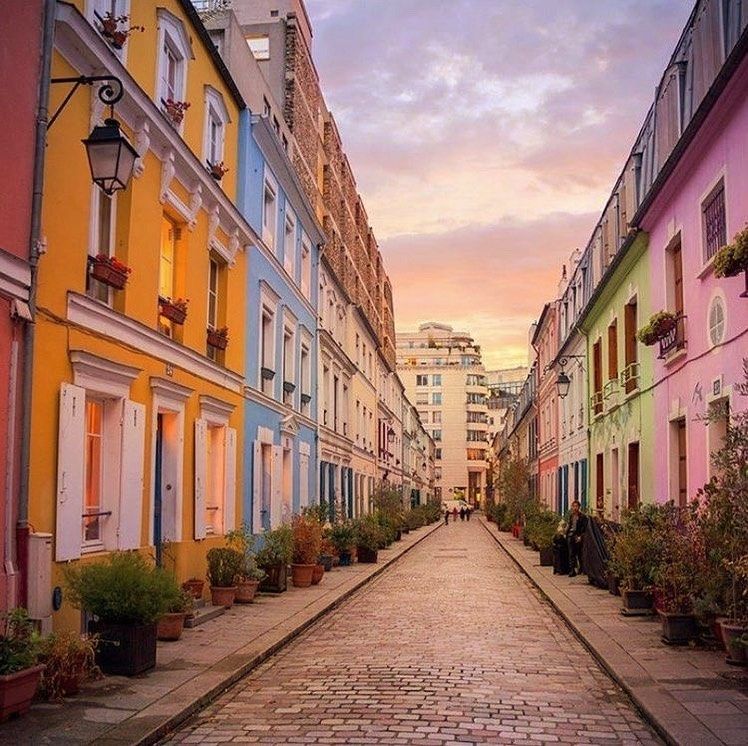
Rue Crémieux
Rue Crémieux is a 144-meter cobblestone street where every single house facade is painted a different pastel color: bubblegum pink, mint green, lavender, coral, sunshine yellow. It's a working residential street that accidentally became Paris's most photographed block when Instagram discovered it around 2015. You'll walk the entire length in under two minutes, but the charm is in the details: window boxes overflowing with flowers, vintage shutters, and the way morning light bounces off the painted walls. The experience feels like stepping into a storybook village that somehow landed between busy Boulevard Diderot and the train tracks. Each house tells its own story through color choices and small decorative touches. You'll hear residents going about their daily lives behind colorful doors while tourists quietly snap photos. The contrast with surrounding Haussmann buildings makes it feel even more special, like discovering a secret neighborhood within the city. Honestly, it's lovely but overhyped. You'll see everything worth seeing in 15 minutes, and it can feel anticlimactic after all the Instagram buildup. The residents are understandably frustrated with constant foot traffic, so respect the posted signs asking for quiet. Don't make a special trip just for this street, but it's perfect if you're already near Gare de Lyon. Skip the weekend crowds entirely and avoid late afternoon when harsh shadows kill the photo opportunities.
Rue Cremieux Khod
Rue Crémieux stretches just 144 meters between Avenue Ledru-Rollin and Rue de Lyon, but it's arguably Paris's most photogenic residential street. You'll find 35 terraced houses painted in soft pastels: mint green, powder blue, coral pink, and butter yellow. Built in 1865 as affordable workers' housing, these two-story homes now showcase wrought-iron balconies, wooden shutters, and flower boxes that residents maintain with obvious pride. Walking the cobblestones feels like stepping into a storybook, especially when morning light hits the facades. The street stays pedestrian-only, so you can wander freely and admire details like climbing ivy, vintage street lamps, and hand-painted house numbers. It's dead quiet except for the occasional resident heading to work or tending their plants. You'll spend most of your time here taking photos, trying to capture that perfect Instagram shot of the curved cobblestone perspective. Honestly, fifteen minutes is enough unless you're a serious photographer. The street gets absolutely mobbed between 10am and 6pm, turning this peaceful residential area into a tourist circus. Residents have posted multiple signs asking for quiet and respect, which many visitors ignore. Come early morning or evening when the light is better anyway, and you'll have the place mostly to yourself.
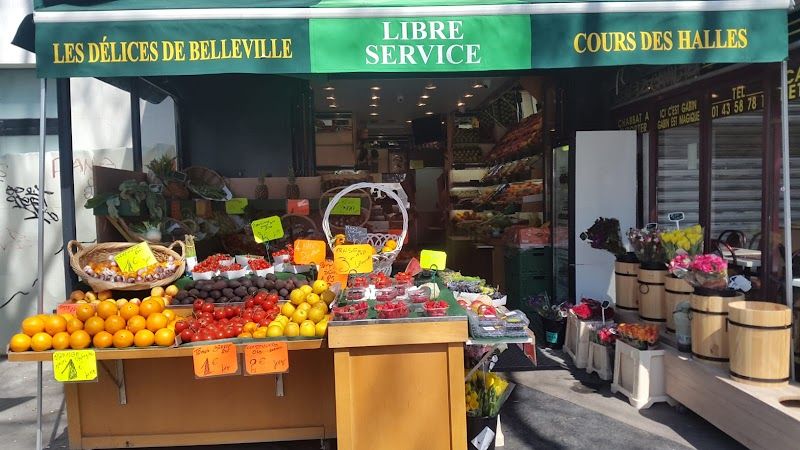
Les Délices de Belleville
Boulevard de Belleville transforms into a proper neighborhood market twice weekly, stretching nearly a kilometer with 80+ vendors selling everything from West African yams to Chinese vegetables to North African spices. The produce quality rivals Marché des Enfants Rouges but costs half the price - I regularly buy mangoes for €1.50/kg that would cost €4 elsewhere. The crowd is entirely local families doing their weekly shopping, with conversations flowing between French, Arabic, Chinese, and Bambara. The market flows downhill from Couronnes métro toward Belleville station, with fruit and vegetable stalls dominating the first section, followed by clothing, household goods, and prepared foods near the bottom. Around noon, fishmongers start packing ice around their remaining stock while produce vendors begin their discount calls. The smell of grilled merguez and fresh coriander hangs in the air as elderly Maghrebi women inspect tomatoes and Chinese grandmothers negotiate over bok choy prices. This isn't a browsing market - vendors expect you to buy, not photograph. The clothing section sells knockoffs and cheap basics that locals actually need. Focus on the food vendors between rue Julien Lacroix and rue des Couronnes for the best selection. Skip the prepared food unless you see locals eating it, and bring cash - most vendors don't take cards.
Les Fables de La Fontaine
Intimate seafood restaurant where chef Julien Duboué creates refined fish dishes with Japanese influences. The small dining room and open kitchen create an up-close experience with the precise preparations.
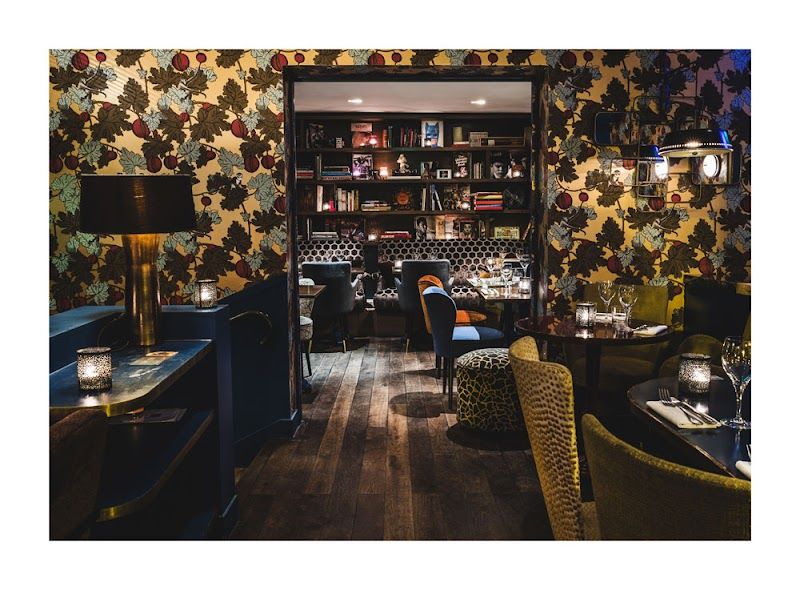
Pamela Popo
Argentine empanada shop run by a French-Argentine couple serving traditional empanadas with flaky pastry and generous fillings. The tiny space offers both savory and sweet empanadas baked fresh throughout the day, perfect for a quick lunch.
Boot Café
Anglo-French coffee shop and brunch spot in the 9th with mismatched vintage furniture. Known for excellent bagels, carrot cake, and weekend brunch plates. Cozy neighbourhood vibe attracts local regulars rather than tourists.
Riviera Bar Crawl Tours Paris
This nightly bar crawl takes you through five venues in the Latin Quarter, hitting four bars plus a final nightclub stop around 2am. You'll get free shots at each location, drink specials throughout the night, and VIP entry to the final club without waiting in line. The international crowd is genuinely fun, mostly travelers in their twenties and thirties looking to meet people, and the guides keep energy high with drinking games and group photos. Your night starts at a cozy pub on Rue de la Huchette where everyone introduces themselves over the first round of shots. The group moves every 45 minutes or so, walking through narrow medieval streets between venues that range from sports bars to cocktail lounges. Each stop has its own vibe: you might play beer pong at one, dance to live music at another, then end up in a basement club with pulsing electronic beats until 3am or later. Honestly, this delivers exactly what it promises without the awkwardness of some pub crawls. The 25 EUR price point is fair considering you get five venues plus all those shots, though expect to spend another 40-50 EUR on additional drinks throughout the night. Skip this if you're over 35 or hate loud, crowded spaces. The guides are genuinely good at mixing people together, not just herding tourists around.
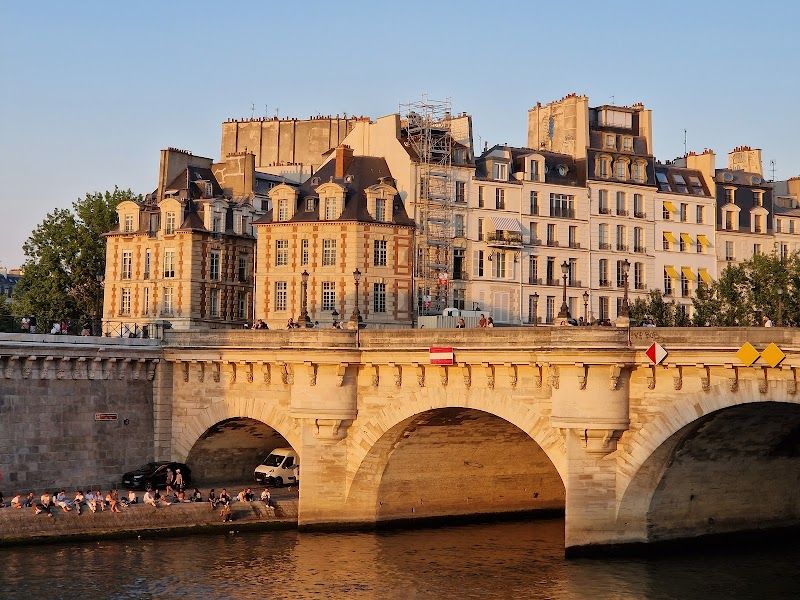
Île Saint-Louis
Île Saint-Louis sits in the Seine behind Notre-Dame like a perfectly preserved 17th-century time capsule. You'll walk tree-lined quais with unobstructed river views, browse independent bookshops and artisan galleries on the main street, and pass grand townhouses that look exactly as they did 300 years ago. The famous Berthillon ice cream shop anchors Rue Saint-Louis en l'Île, while the southern embankment offers the city's best perspective on Notre-Dame's gothic flying buttresses. The full perimeter walk takes about 40 minutes at a relaxed pace, and it feels like you've discovered Paris's secret residential quarter. Sunday afternoons are magical when cars disappear and locals emerge for leisurely strolls. The narrow main street hums with quiet activity: couples sharing ice cream, browsers in tiny shops selling everything from vintage maps to handmade jewelry. Unlike the tourist chaos across the bridge, this feels authentically Parisian. Most guides oversell the shopping, honestly the books and souvenirs are overpriced and aimed at tourists. Focus on the walk itself, especially the south side views. Berthillon ice cream costs around €3-4 per scoop and yes, it's genuinely excellent, but expect queues in summer. Skip the restaurants here, they're mediocre and expensive. The real magic is simply walking the quais at sunset when the light hits the Seine.
Ile Saint Louis Kinv
Île Saint-Louis is Paris's most peaceful retreat, a 17th-century time capsule floating between the bustling Right Bank and Notre-Dame. You'll walk cobblestone streets lined with perfectly preserved hôtels particuliers (private mansions) where Baudelaire penned his poetry and Voltaire held court. The entire island loop takes just 20 minutes, but the riverside quays offer some of Paris's best unobstructed views of Notre-Dame's flying buttresses and the city's medieval skyline. The moment you cross Pont Saint-Louis from Île de la Cité, the tourist chaos vanishes. You're strolling past 400-year-old townhouses with wrought-iron balconies and carved stone doorways, many still private residences. The Quai d'Anjou showcases the most impressive mansions, while the island's western tip gives you that postcard view of Notre-Dame that most tourists never find. Street artists occasionally set up easels along the quays, and you'll hear classical music drifting from open windows. Most guidebooks overhype Berthillon ice cream (€4-6 per scoop) but honestly, it's good not great and the queues are ridiculous in summer. Skip it and focus on the architecture and river views. The island works best as a 30-minute detour during a Latin Quarter walk, not a destination itself. Come early morning or late afternoon when the light hits the Seine just right.
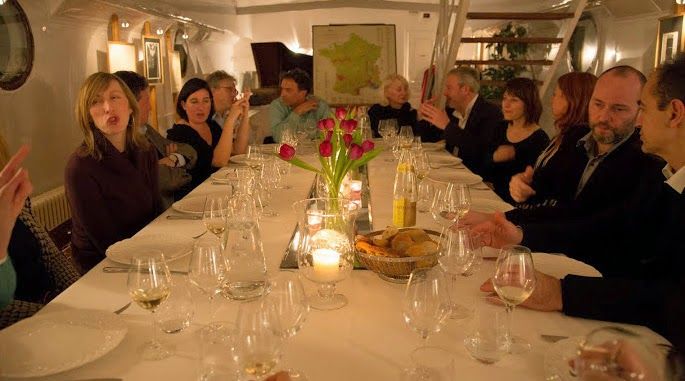
Le Foodist
Le Foodist runs some of Paris's smartest food tours, ditching touristy bistros for the neighborhoods where Parisians actually eat. You'll spend four hours walking through areas like Belleville or Batignolles, stopping at natural wine bars, Ethiopian bakeries, artisan cheese shops, and contemporary bistros that opened last month. The guides are genuine food obsessives who know which vendor makes the best Chinese dumplings and why that new Georgian restaurant matters to Paris's evolving palate. The tours feel like following a food-savvy friend through their neighborhood haunts. You'll taste your way through six to eight stops, learning why Paris's food scene extends far beyond coq au vin and macarons. The Belleville tour jumps between a Tunisian pastry shop, a natural wine cave, and a modern French bistro serving fusion dishes that would horrify traditionalists. Groups stay small (8-12 people), so you can actually ask questions and get real recommendations for your remaining nights in Paris. Most food tours stick to the Marais or Saint-Germain and serve the same tired cheese-and-wine routine. Le Foodist goes where the action actually happens, though tours book up weeks ahead during peak season. Expect to pay around 90-110 EUR per person depending on the neighborhood. The Belleville tour offers the most variety, while Batignolles focuses more on French producers experimenting with traditional techniques.
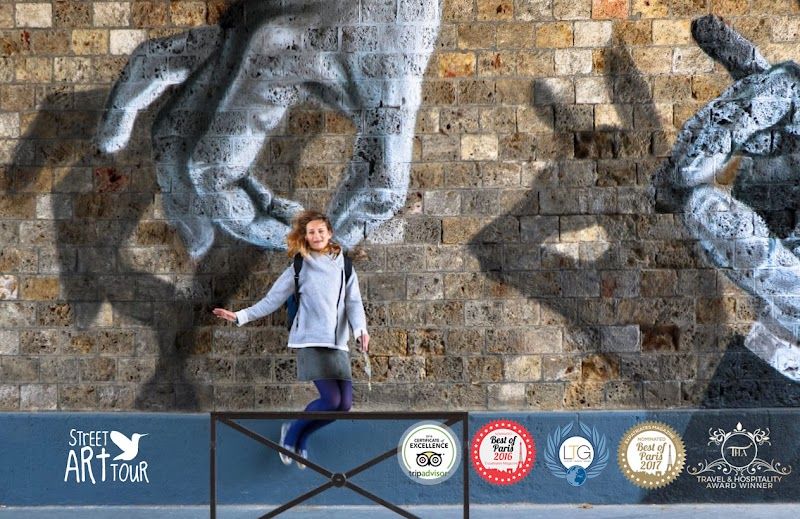
Street Art Tour Paris
Paris's 13th arrondissement has become Europe's largest open-air street art museum, with massive murals covering entire building facades along Boulevard Vincent Auriol and Rue Jeanne d'Arc. You'll see works by internationally renowned artists like Shepard Fairey, C215, and Invader, plus rotating pieces that change seasonally. This guided tour covers 20+ major works across a compact walking route, with your guide explaining techniques, artist backgrounds, and the neighborhood's transformation from industrial wasteland to creative district. The tour flows naturally from the Bibliothèque François Mitterrand area toward Place d'Italie, stopping at building-sized masterpieces that'll have you craning your neck. Your guide points out details you'd miss alone: hidden signatures, social commentary layers, and paint techniques that create optical illusions from street level. The contrast is striking as you move between sterile modern towers and explosively colorful walls, with locals barely glancing at art that would draw crowds elsewhere. Most street art tours in Paris are overpriced tourist traps focusing on Belleville's fading tags. This one costs around 25 EUR and actually delivers spectacular large-scale works in perfect condition. Skip the Marais graffiti walks entirely, they're disappointing. The 13th district pieces are professionally commissioned and maintained, so you won't waste time hunting for vandalized remnants. Start at Quai François Mauriac for the best concentration of major works.
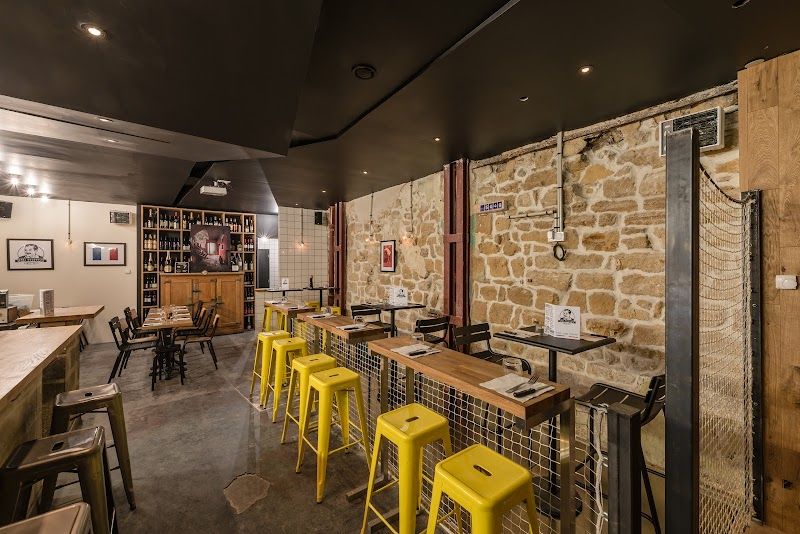
CHEZ BOUBOULE MONTORGUEIL
This tiny wine bar in Pigalle serves natural wines in a living room-sized space decorated with vintage furniture and mismatched lamps. The owner personally selects bottles from small French producers, and the convivial atmosphere encourages conversation between strangers sharing the handful of tables and bar stools.
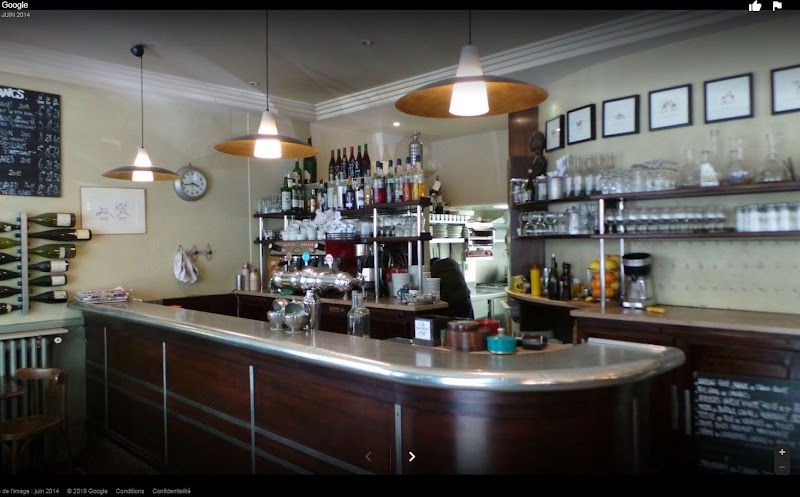
Café de la Nouvelle Mairie
A beloved neighborhood wine bar and café on a quiet square near the Panthéon, known for its natural wine selection and daily-changing menu of French small plates. The unpretentious atmosphere attracts a local crowd of students, professors, and residents who appreciate quality over flash.
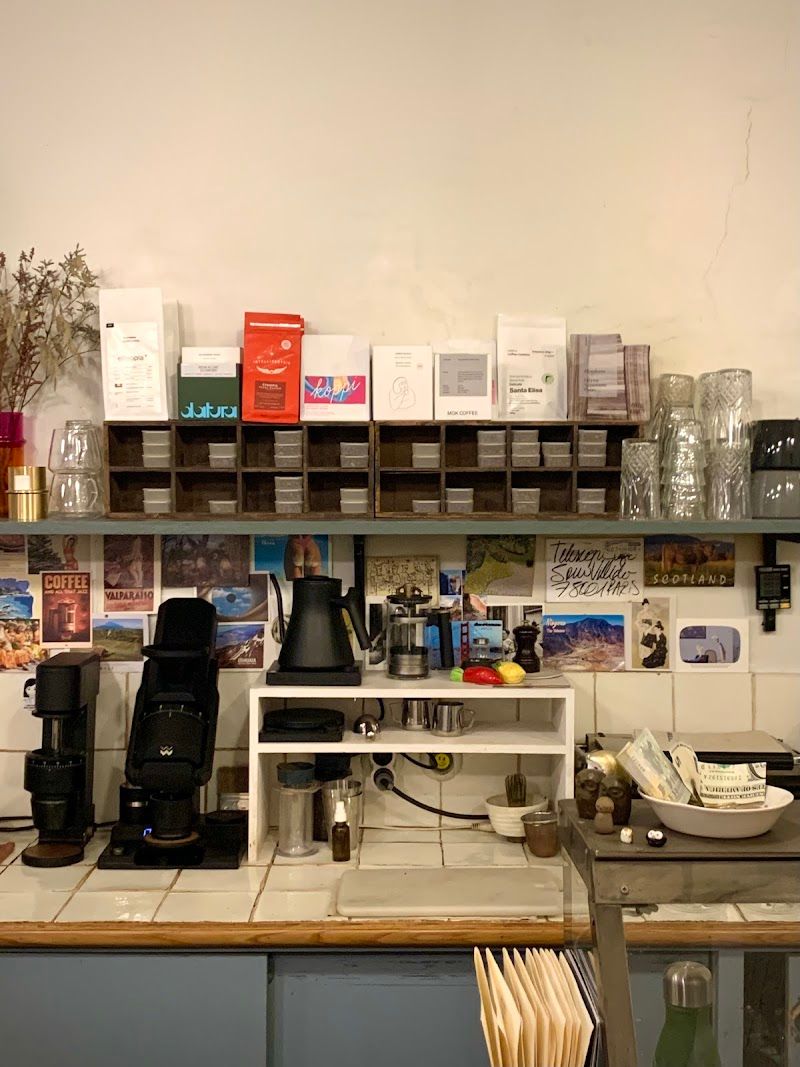
Télescope Café
Specialty coffee pioneer in Paris, serving expertly prepared espresso and filter coffee from rotating international roasters. This tiny café near the Louvre focuses on quality over quantity, with minimalist décor and a dedication to coffee craftsmanship. They also serve simple pastries and light snacks.
Cafe Laurent
This Belle Époque institution beneath Théâtre de la Renaissance has been serving artists and theatergoers since 1862. The zinc bar, mirrored walls, and red velvet banquettes remain unchanged, and the place fills with an after-show crowd discussing performances over wine and simple bistro fare until late.
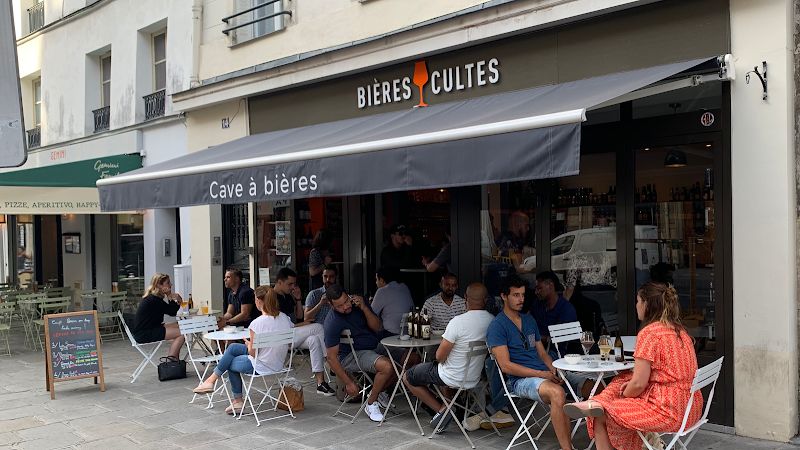
Bières Cultes Châtelet
Bières Cultes Châtelet is what happens when serious beer geeks open their dream shop in central Paris. You'll find over 400 craft beers crammed into this compact space, with bottles ranging from €4 for Belgian classics to €25 for rare barrel-aged French farmhouse ales. The selection focuses heavily on natural fermentation beers from small French producers you won't find anywhere else, plus carefully curated bottles from Belgium, Germany, and beyond. Walking in feels like entering a beer library where every shelf tells a story. The staff genuinely knows their stuff and will quiz you about flavor preferences before pulling bottles you've never heard of but will absolutely love. There's a tiny tasting area in the back where you can sample a few bottles on-site, though most people grab takeaway. The atmosphere is relaxed but passionate, with regulars stopping by for their weekly haul and newcomers getting educated about French craft brewing. Most beer shops in Paris stick to safe Belgian imports, but this place digs deeper into the French craft scene that's exploding right now. Skip the obvious Trappist beers you can find elsewhere and trust the staff's recommendations on natural French ales. Bottles under €8 offer the best value, and don't leave without trying something from Brasserie du Mont Blanc or La Débauche if they're in stock.
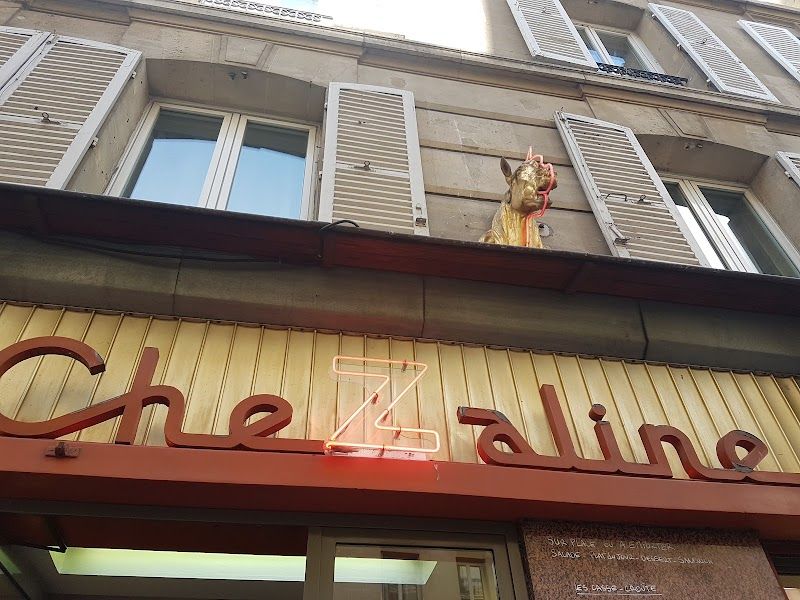
Chez Aline
Old-school corner bistro in Montmartre serving traditional French comfort food to a neighborhood crowd. The Formica tables, vintage posters, and handwritten menu preserve an authentic slice of pre-gentrification Paris.
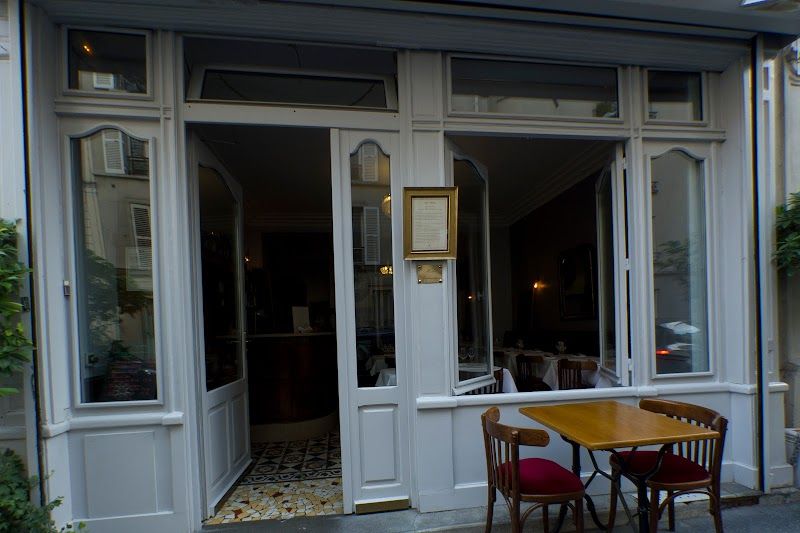
Bistrot Belhara
Basque-influenced bistro by chef Thierry Dufroux serving seasonal southwestern French cuisine. The neighborhood spot attracts locals with its market-fresh menu and warm service in a refined but unpretentious setting.
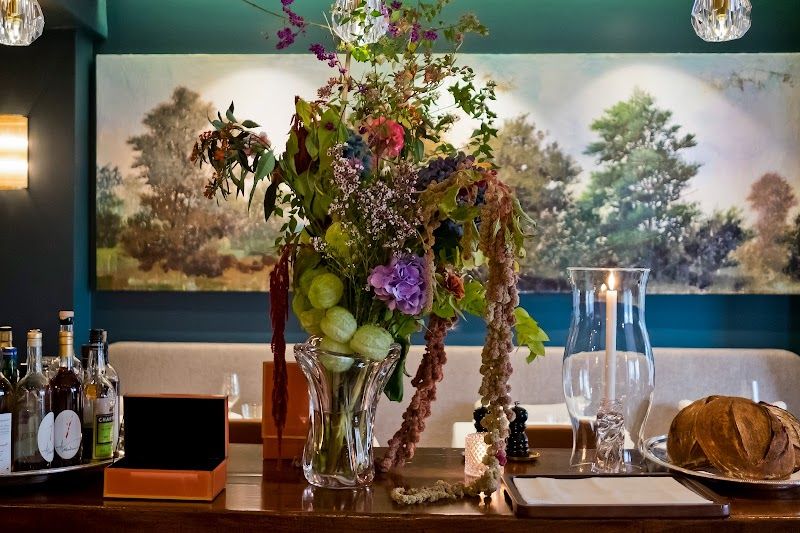
Comice
This intimate neo-bistro from chef Noam Gedalof offers creative market-driven cuisine that changes daily based on the best seasonal ingredients. The minimalist dining room with just 24 seats creates an almost clandestine atmosphere for sophisticated, ingredient-focused plates.
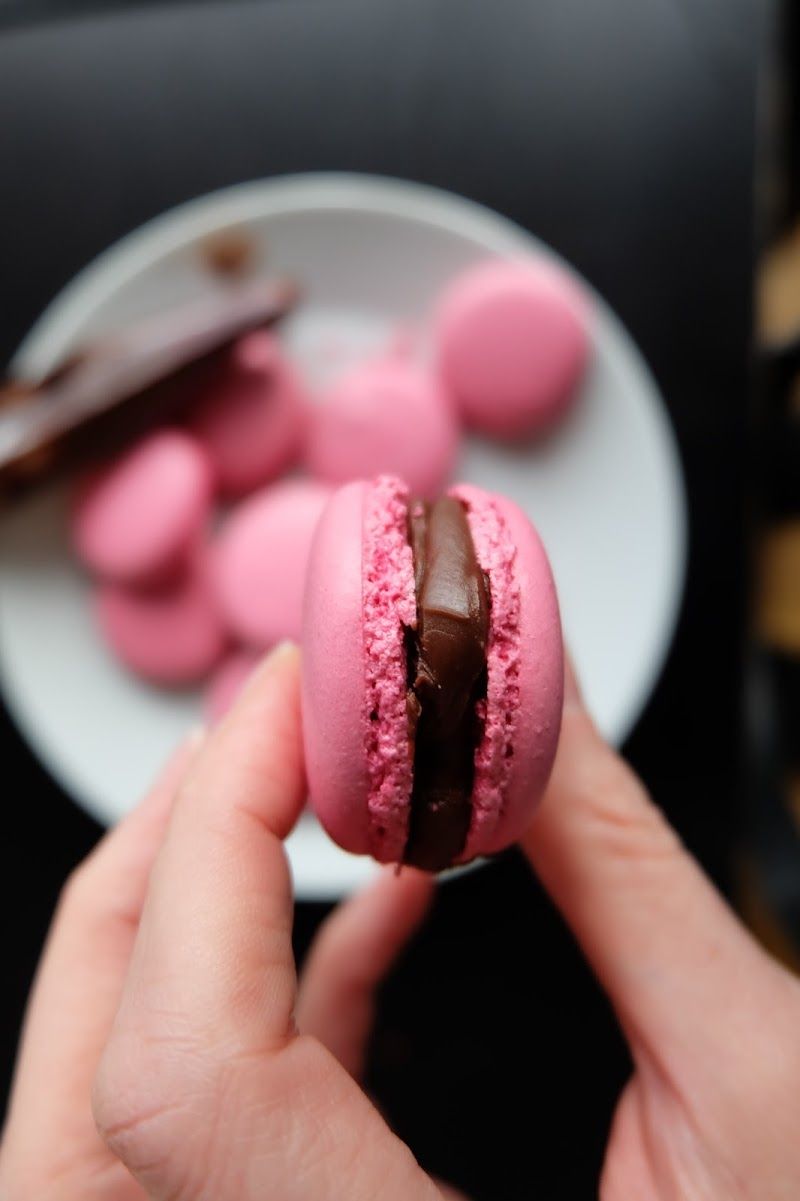
La Cuisine Paris
La Cuisine Paris runs intimate cooking classes in a cozy Latin Quarter kitchen where you'll actually learn French technique, not just follow recipes. The six-student maximum means chef instructor Olivier gives real attention to your knife work and timing. You'll master croissant lamination, perfect macaron shells, or cook a three-course menu using ingredients from morning market visits to Marché des Enfants Rouges. The four-hour classes start with coffee and technique demonstrations before you dive into hands-on cooking. The kitchen feels like someone's elegant apartment, complete with copper pots and marble counters. You'll work at individual stations but collaborate on timing for the final meal. The best part comes at the end: sitting around their wooden table sharing what you've created with carefully chosen wine pairings while Olivier explains the why behind every technique. Most cooking schools in Paris are tourist traps with assembly-line instruction, but this one teaches you skills you'll actually use. The market classes (€185) offer better value than the macaron sessions (€165) because you learn ingredient selection and multiple techniques. Book the morning slots when you're most focused, and skip the weekend classes which fill with hen parties. The location near Notre-Dame means you can walk off your meal along the Seine afterward.
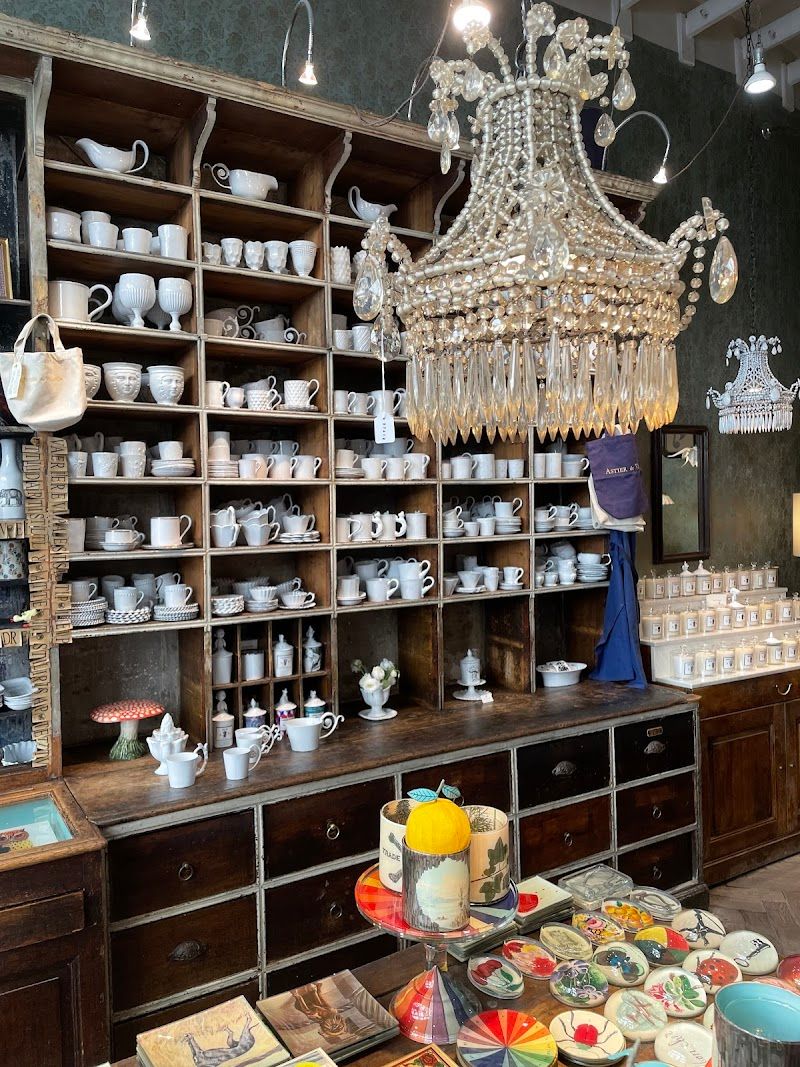
Astier de Villatte
Astier de Villatte creates some of the most beautiful ceramics in Paris, all handmade in their small atelier using black clay from the Paris Basin and finished with distinctive white milk glaze. You'll find dinner plates, bowls, vases, and serving pieces that feel substantial in your hands, plus their famous scented candles and leather notebooks. The shop occupies a refined space on Rue Saint-Honoré where each piece displays the subtle irregularities that prove it's genuinely handcrafted. Walking into the store feels like entering a sophisticated Parisian apartment where everything has been carefully curated. The white pottery catches light beautifully against dark shelving, and you can actually handle most pieces to feel their weight and texture. Staff know the story behind each item and can explain the glazing process that gives pieces their signature finish. The atmosphere stays calm even when busy, with classical music playing softly in the background. Dinner plates start around 45 EUR, bowls from 25 EUR, and their popular candles cost about 65 EUR. Many visitors focus only on the ceramics, but the notebooks (around 35 EUR) and small decorative objects make better gifts since they're easier to pack. Skip the very large serving pieces unless you're committed to careful shipping, the smaller bowls and cups travel much better and showcase the same beautiful craftsmanship.
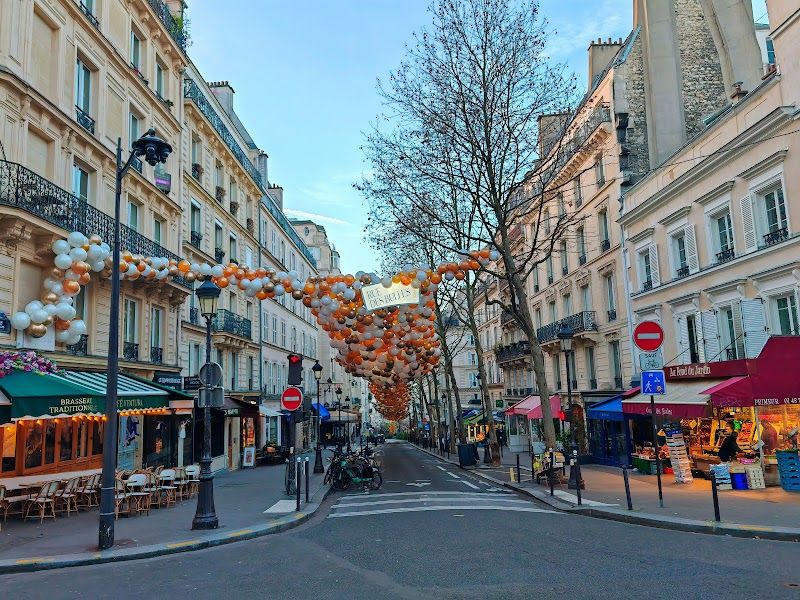
Rue des Martyrs
Rue des Martyrs stretches eight blocks uphill from Notre-Dame-de-Lorette métro to the foot of Montmartre, functioning as a working neighborhood artery rather than a tourist destination. You'll find proper Parisian commerce here: fromageries where locals debate cheese aging, wine shops with handwritten recommendations, and butchers who'll explain exactly how to cook that cut of lamb. The street serves residents from three arrondissements, creating an authentic slice of Paris commerce that feels unchanged since the 1950s. Walking uphill, each block shifts character subtly. Near the bottom, office workers grab quick lunches at corner bistros. Mid-street around Rue Saint-Georges, the pace slows as residential life takes over with mothers pushing strollers into épiceries and elderly residents chatting outside pharmacies. The bakeries release waves of butter and yeast scents that follow you between shops. By Rue des Abbesses, you're in full Montmartre territory with steeper inclines and village-like quiet between the commercial stretches. Most food tours skip this street entirely, which keeps it genuine but means fewer vendors speak English. Prices run about 20% less than tourist areas: excellent coffee costs €2-3, fresh croissants €1.20. Skip the restaurants, they're unremarkable. Focus on the food shops, especially Arnaud Delmontel bakery and the cheese shop at number 64. The walk takes an hour if you browse properly, but you could easily spend two hours tasting and buying provisions for an excellent picnic on Montmartre's slopes above.
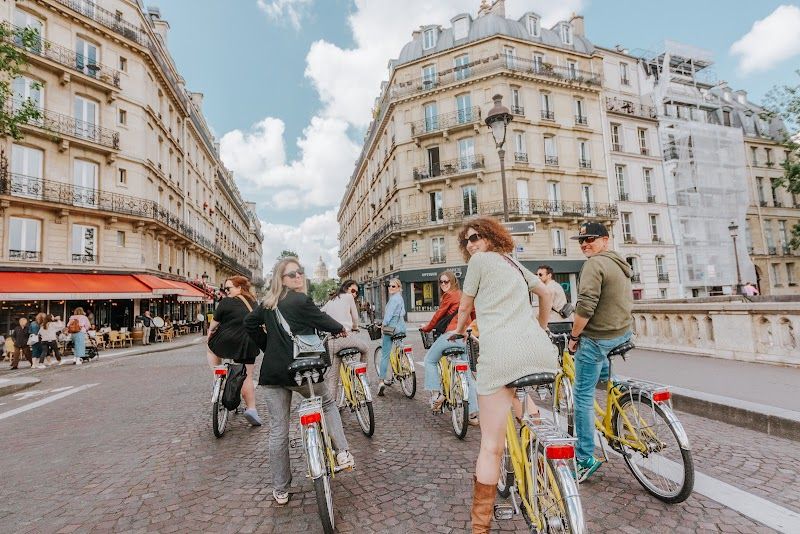
Bike About Tours
Bike About Tours runs small group cycling adventures through Paris neighborhoods that most visitors never see, led by locals who actually live in these areas. You'll cycle through residential streets in Belleville, explore the covered passages of the 2nd arrondissement, and discover family-run cafés where tour groups never venture. Their vintage bikes come with baskets and child seats, making this genuinely family-friendly unlike most Paris bike tours that just say they are. The pace stays relaxed as your guide stops frequently to point out architectural details, local street art, and neighborhood stories you'd miss entirely on foot. You'll pause at small parks where Parisians actually hang out, sample pastries from bakeries with no English menus, and learn which metro stations to avoid during rush hour. The atmosphere feels like exploring with a friend rather than following a script, especially on their evening tours when you'll join locals at wine bars. Most bike tours stick to monuments and obvious photo spots, but these guides deliberately avoid tourist magnets. The 35 EUR price point beats similar companies by 10 EUR, though you'll need to bring your own water bottle. Skip their weekend morning slots when groups get larger, and definitely book the Montmartre sunset ride if you're here during summer months when it stays light until 9pm.
L'Arbre à Café - Oberkampf
Neighborhood institution on the bustling Oberkampf street with 1980s vintage interior and local regulars. Serves simple café fare and excellent wines by the glass. The terrace is prime people-watching territory in one of Paris's liveliest nightlife districts.
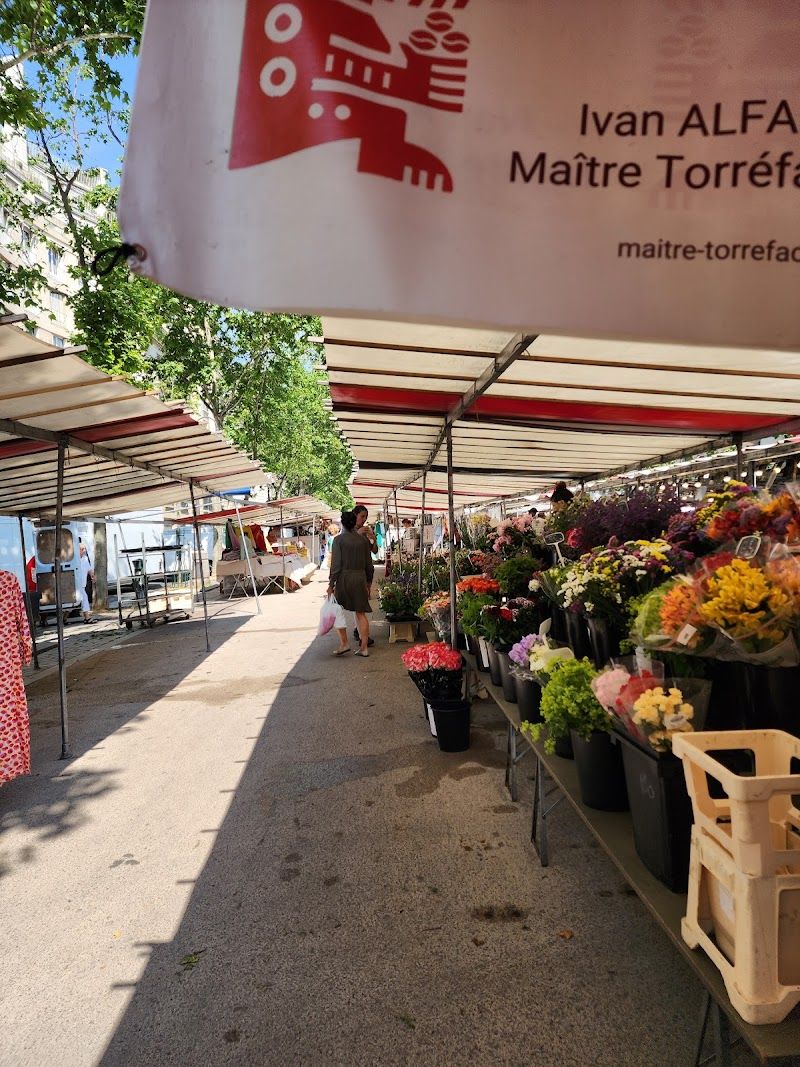
Marché Saxe-Breteuil
Marché Saxe-Breteuil runs along Avenue de Saxe every Thursday and Saturday morning, with the Eiffel Tower rising directly behind the vegetable stalls. You'll find some of Paris's best cheese mongers, fishmongers selling day-boat catches, and produce vendors who supply local restaurants. The quality here is exceptional because you're shopping alongside residents of one of Paris's wealthiest neighborhoods who won't accept anything less than perfect. The market stretches about 400 meters from Place de Breteuil toward Avenue de Ségur, with vendors setting up white canvas stalls on both sides of the tree-lined avenue. You'll weave between locals filling wicker baskets, tourists snapping photos, and vendors calling out prices in rapid French. The Eiffel Tower looms so close you can see rivets in its iron lattework, creating an almost surreal backdrop as you examine wheels of Comté or select sea bass for dinner. Most guidebooks gush about the setting, but honestly, the prices reflect the upscale location. Expect to pay 20-30% more than neighborhood markets like Marché des Enfants Rouges. The cheese at Laurent Dubois is sublime but costs accordingly (€8-12 per 100g for aged varieties). Skip the tourist-trap produce stalls near Place de Breteuil and head toward the middle section where locals actually shop. The oyster vendor near Avenue de Ségur offers the best value at €8-10 per dozen.
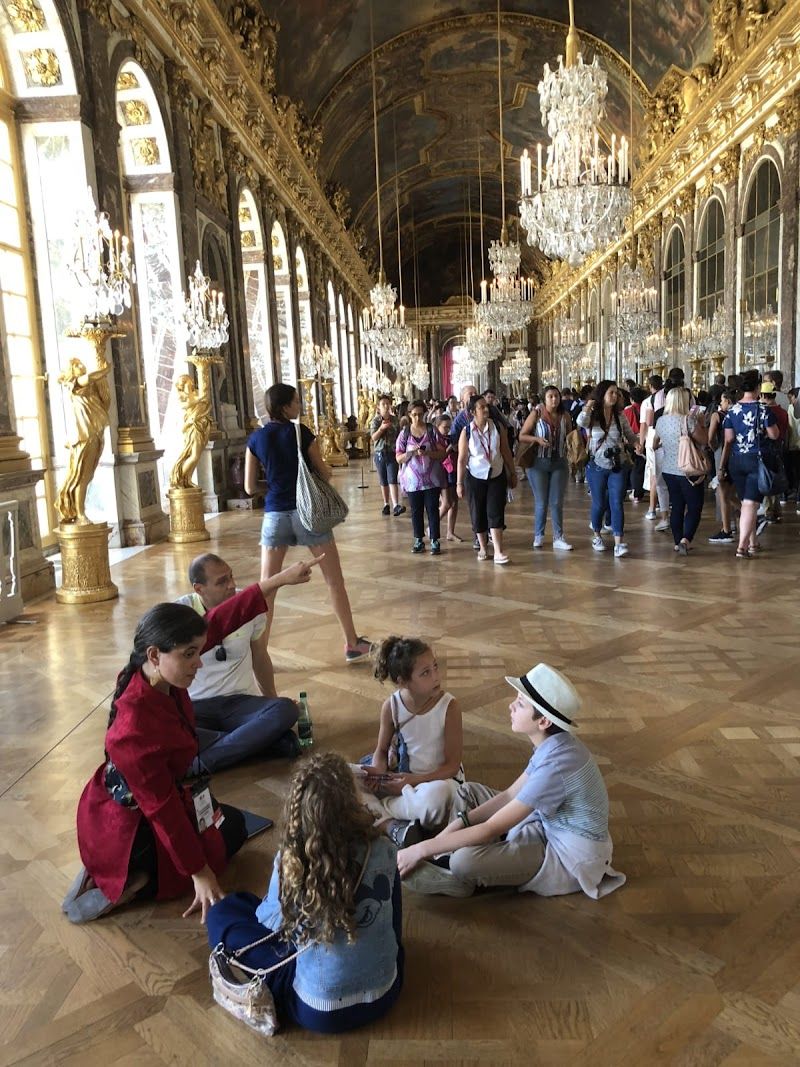
Meet The Locals - Paris, London & Rome Family Tours
Meet The Locals pairs you with actual Parisians who've turned their expertise into personalized walking tours through their own neighborhoods. You're not getting a script-reciting guide but a fashion stylist who knows every boutique worth browsing, a street artist who can decode the murals in Belleville, or a chef who'll lead you to the fromagerie where locals actually shop. Each host creates a completely custom route based on what genuinely interests them and you. The experience feels like exploring with a knowledgeable friend rather than following a tour group. Your host meets you at an agreed location, usually near their neighborhood, and the next three hours unfold organically based on conversation and curiosity. You'll duck into places tourists never find, get recommendations tailored to your actual tastes, and understand how Parisians really live in their city. The pace stays relaxed, with plenty of stops for coffee, explanations, or spontaneous discoveries. Most platforms like this are hit or miss, but Meet The Locals vets their hosts well. Prices vary wildly from 50 EUR to 200 EUR depending on the host's specialty and group size, so clarify upfront. Skip hosts with generic descriptions like "show you the real Paris" and focus on those with specific skills or neighborhood knowledge. The best hosts book weeks ahead, especially food specialists and artists, so don't expect last-minute availability for the good ones.
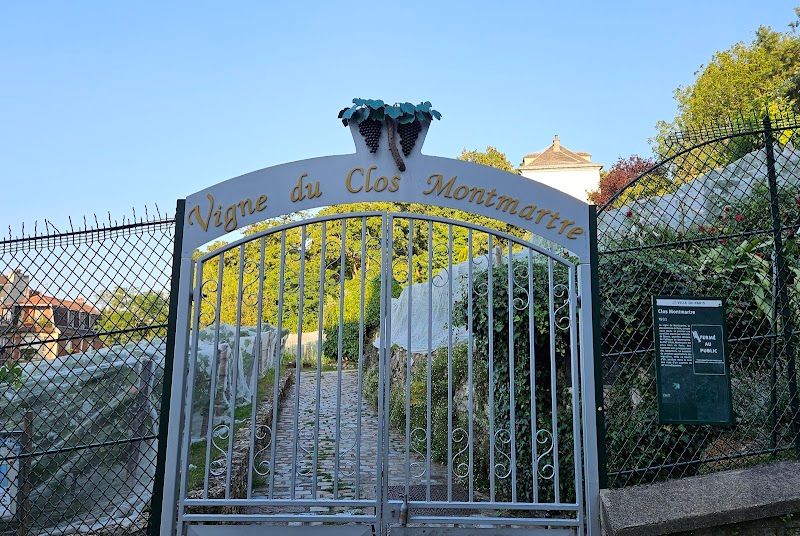
Clos Montmartre
The last remaining vineyard in Paris occupies a steep 1,556-square-meter plot on the northern slope of the Butte Montmartre, producing roughly 1,500 bottles of Gamay and Pinot Noir annually. Planted in 1933 to block property developers from building on the hillside, the vineyard is maintained by the City of Paris and harvested each October during the Fête des Vendanges de Montmartre - a 5-day wine festival with parades, concerts, and fireworks. The vineyard is fenced year-round but fully visible from Rue des Saules and the Musée de Montmartre gardens above.
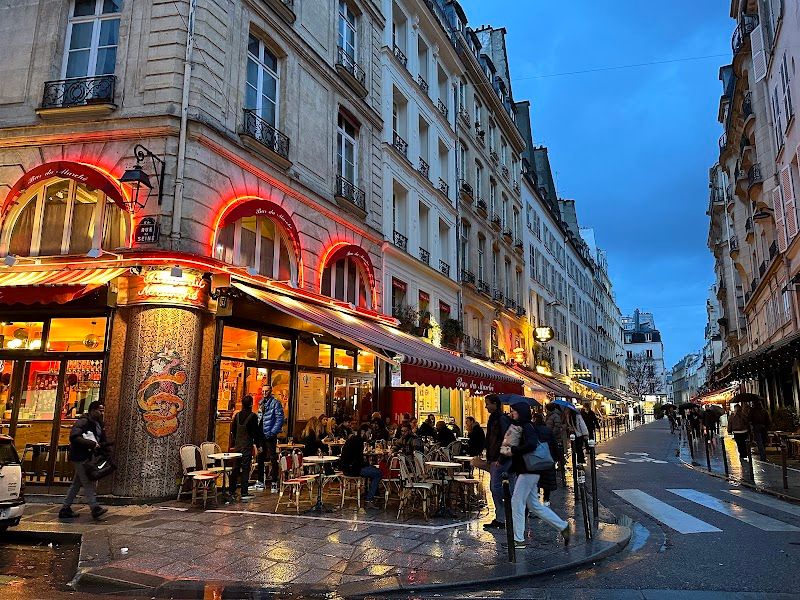
Rue de Buci
Rue de Buci is a narrow cobblestone street that feels more like a village market than central Paris. You'll find about 15 vendors selling everything from perfect tomatoes (€3-4/kg) to aged Comté cheese wheels, plus flower stalls that make the whole street smell of fresh flowers. The market runs daily from 8am to 1pm, then cafés and wine bars take over for evening service. The street slopes gently downhill from Boulevard Saint-Germain, so you're walking past cheese vendors while catching glimpses of the Seine ahead. Morning feels authentically Parisian: locals chat with fishmongers, elderly women inspect vegetables like they're buying diamonds, and café workers set up sidewalk tables around the action. By 11am it gets properly crowded, especially weekends when tourists discover the scene. Most guides portray this as some authentic experience, but it's actually quite touristy now. The produce quality is excellent but prices run 20-30% higher than neighborhood markets. Skip the overpriced café lunches (€18-25 for basic bistro fare) and focus on the morning market instead. The cheese vendors know their stuff and offer generous tastings if you're genuinely interested in buying.
With Love From Paris Tours
With Love From Paris Tours runs evening bus circuits that hit every major illuminated monument across the city. You'll see the Eiffel Tower's golden glow, Notre-Dame's dramatic floodlighting, the Arc de Triomphe gleaming against Champs-Élysées traffic, and the Louvre's courtyard bathed in warm light. The 90-minute route covers ground you'd never walk in one night, ending with a Seine cruise that shows off the riverbank monuments from water level. The double-decker bus makes strategic photo stops at each monument, giving you 5-10 minutes to snap shots before moving on. Recorded commentary runs in multiple languages, though it's fairly basic tourist information. The real magic happens when you're cruising past illuminated buildings from the Seine, watching Paris reflect in the dark water. Other passengers are mostly couples and families, creating a relaxed atmosphere without the party bus energy some night tours attract. Most Paris night tours are overpriced tourist traps, but this one delivers solid value around €35-40. Skip the expensive dinner versions and just do the basic tour. The bus gets crowded on summer evenings, so grab upper deck seats early. The Seine portion feels rushed at only 20 minutes, but you'll still get excellent views of Notre-Dame's lit facade and the Musée d'Orsay's dramatic silhouette that you simply can't see from street level.
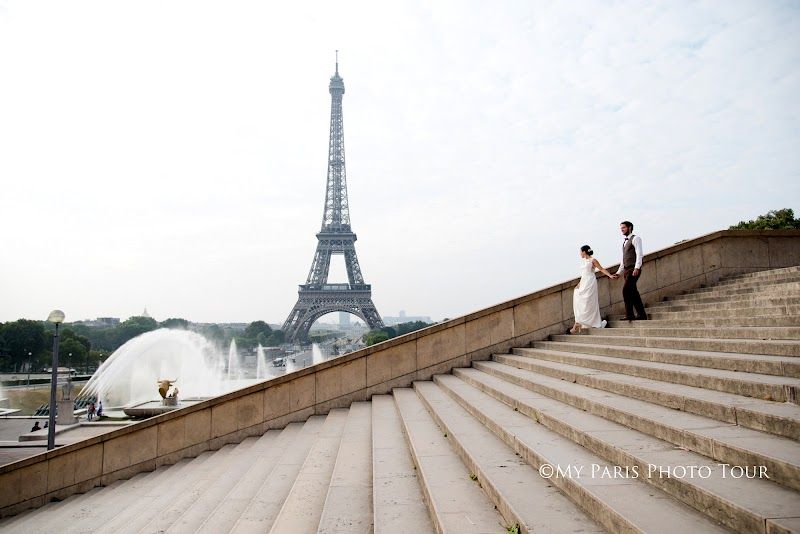
My Paris Photo Tour
My Paris Photo Tour connects you with professional photographers who'll transform your holiday snapshots into compelling images while teaching you to see Paris through a creative lens. These aren't your typical tourist photo walks: you'll learn proper composition techniques, master your camera settings, and discover how to capture authentic street life in neighborhoods like Montmartre, the Marais, or along the Seine. The guides customize each tour to your skill level, whether you're shooting with an iPhone or a professional DSLR. Your guide leads you to carefully chosen spots where light, architecture, and Parisian life intersect beautifully. You'll spend time setting up shots rather than rushing between landmarks, learning why certain angles work and others don't. The pace feels relaxed but focused: you might spend 20 minutes perfecting a single composition at a café terrace or working with shadows in a cobblestone alley. Your guide demonstrates techniques then watches you practice, offering real-time feedback that actually improves your photos immediately. Most photography tours stick to obvious landmarks, but these guides know where to find interesting subjects without fighting crowds. The three-hour format works perfectly: long enough to cover technique properly but not so long you're exhausted. Tours start around €180 per person for groups of 2-4, which feels steep until you realize you're getting personalized photography coaching plus location scouting. Skip the generic 'Instagram spots' tours and book this instead if you want photos you'll actually print.
Marché Raspail
Boulevard Raspail hosts two completely different markets depending on the day you visit. Tuesday and Friday bring a standard Parisian food market with decent produce and prepared foods, but Sunday transforms the same street into Paris's top organic market. You'll find biodynamic wines starting at 12 EUR, raw milk cheeses from farms within 250km of the city, and vegetables that actually taste like something. The Sunday crowd includes serious home cooks, restaurant chefs, and health-conscious Parisians who know their producers by name. The Sunday bio market stretches along Boulevard Raspail from Rue du Cherche-Midi to Rue de Rennes, with about 80 vendors setting up by 9am. You'll weave between stalls selling everything from unpasteurized goat cheese (try before you buy) to bread baked in wood-fired ovens that morning. The atmosphere feels more like a neighborhood gathering than a tourist market. Vendors actually explain their farming methods if you ask, and many speak decent English. The cheese vendors will let you taste multiple varieties, and the wine producers often have bottles open for sampling. Skip the Tuesday and Friday markets entirely unless you're desperate for groceries. The Sunday organic market is worth the trip, but expect to pay 20-30% more than supermarket prices. Most vendors only accept cash, so bring at least 50 EUR. The best selection disappears by noon, especially for bread and pastries. Don't bother with the prepared food stalls, they're overpriced tourist traps at 8-12 EUR for mediocre sandwiches.
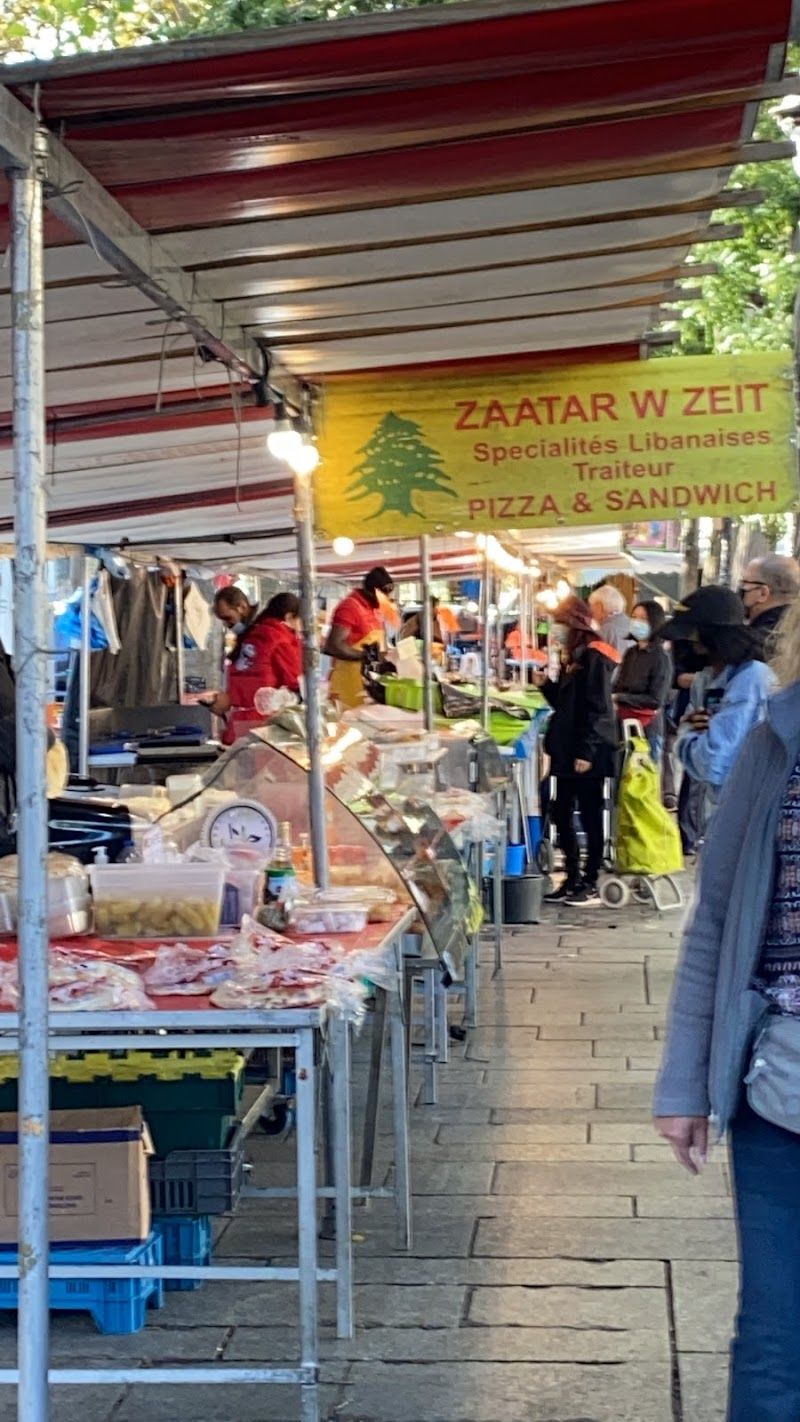
Marché alimentaire Bastille
Paris's largest open-air market stretching along Boulevard Richard-Lenoir every Thursday and Sunday. Over 100 vendors sell everything from Brittany oysters to Provençal olives, with serious produce, artisan bread, and rotisserie chickens drawing chefs and locals. The Thursday market is slightly less crowded.
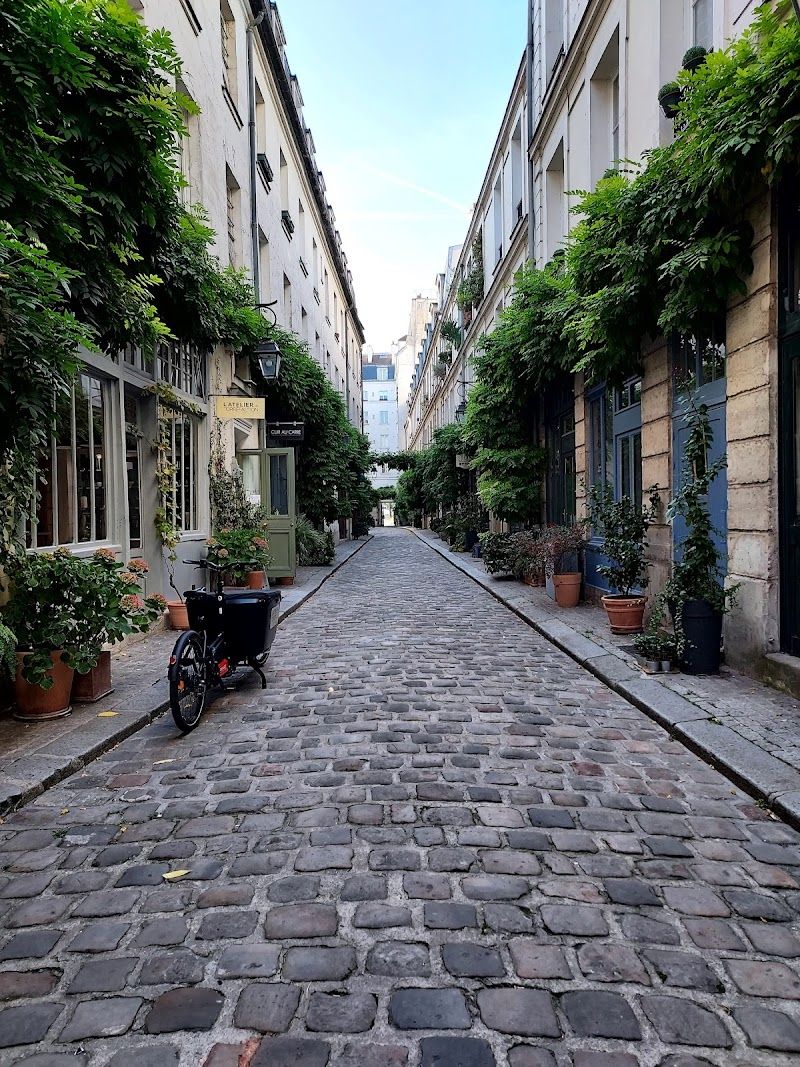
Rue du Faubourg Saint-Antoine
Historic artisan street stretching from Place de la Bastille eastward. Since the 17th century, this was the furniture-makers' quarter - and the hidden courtyards (cours) branching off the main street still house workshops, design studios, and tiny galleries. Explore Cour Damoye, Passage du Chantier, and Cour de l'Industrie.
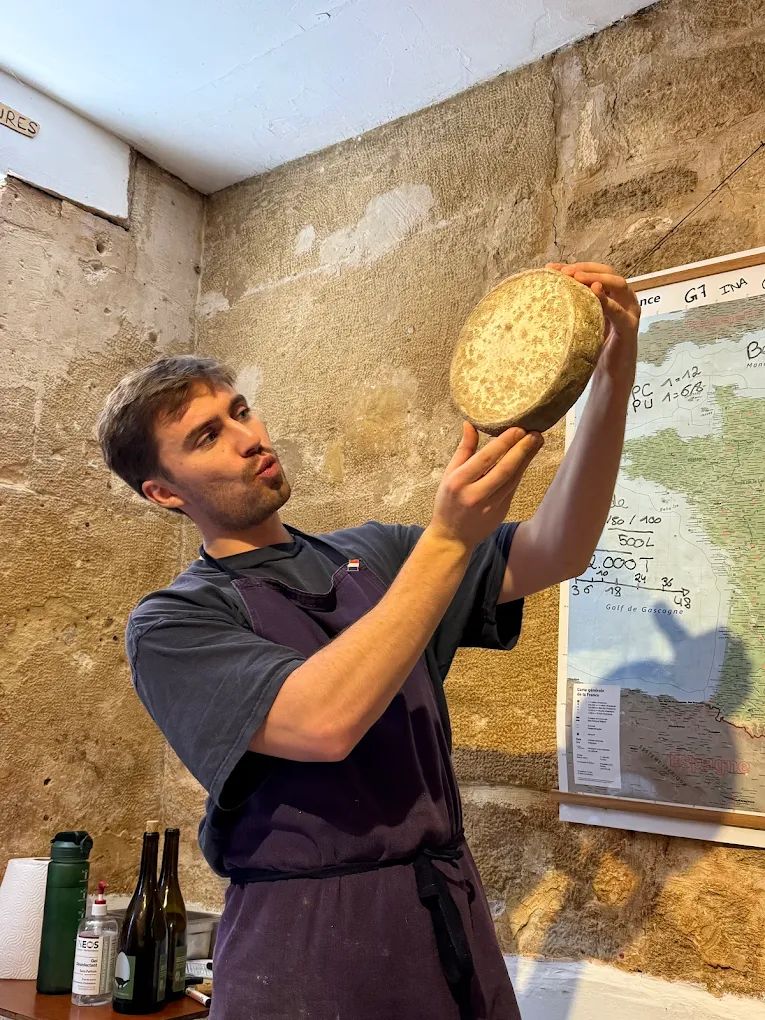
EatCheesewithMax - Wine and Cheese Tasting Paris
Intimate wine and cheese pairing session in a 17th-century cellar led by a sommelier and fromager who explain French regional specialties, production methods, and the art of pairing. Tastings include six wines from different regions matched with artisanal cheeses, charcuterie, and fresh bread.
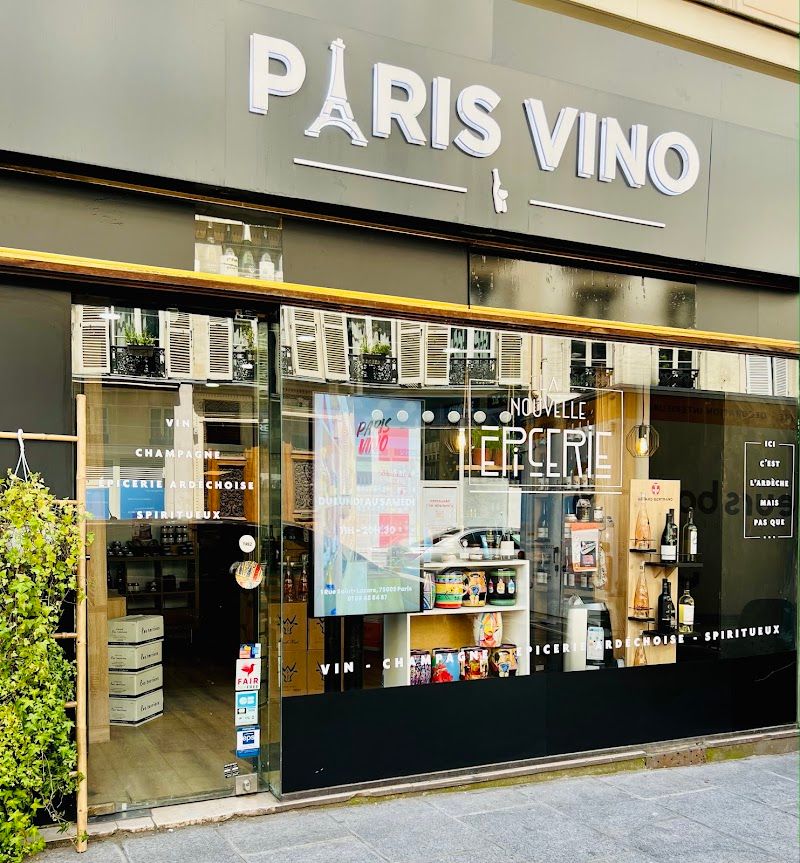
Paris Vino - Caviste - Notre Dame De Lorette
This cozy neighborhood wine bar and bottle shop specializes in natural and biodynamic wines with knowledgeable staff who guide selections. The relaxed atmosphere and excellent charcuterie boards make it perfect for an authentic Parisian apéro away from tourist areas.
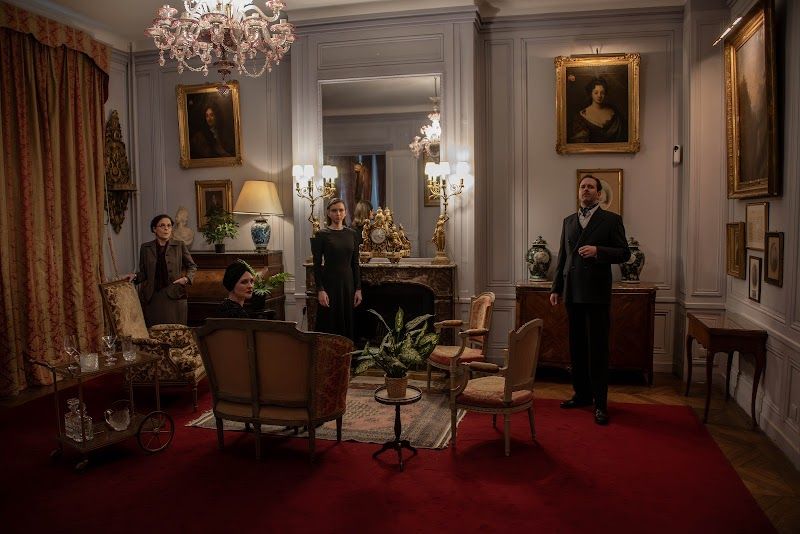
White spirit murder party
Evening walking tour through the dark history of Le Marais and Île de la Cité covering infamous murders, executions, and paranormal legends of medieval Paris. The theatrical guide shares stories of the Bloody Tower, public executions, and the city's most notorious criminals in atmospheric gaslit streets.
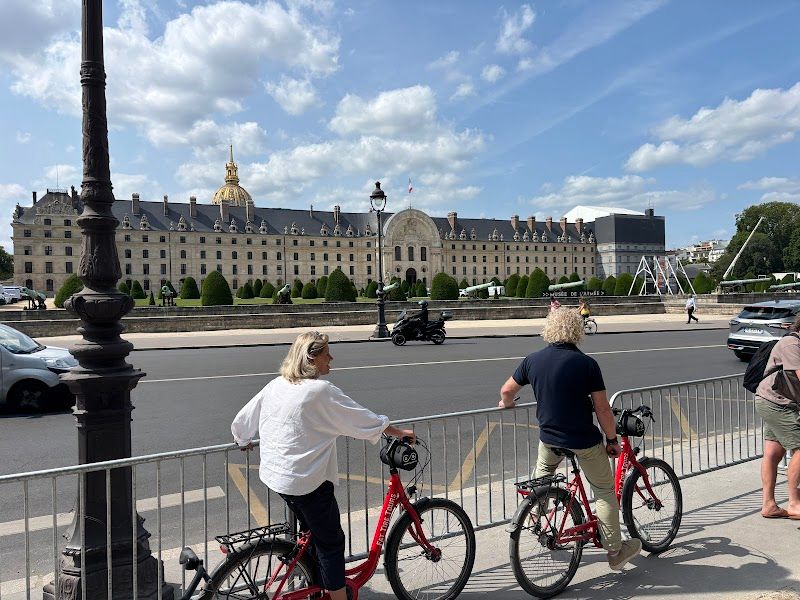
Baja Bikes Parijs (Fat Tire Tours)
Classic bike tour covering major landmarks including the Eiffel Tower, Louvre, and Notre-Dame with comfortable cruiser bikes and small group sizes. Day and night tours available, led by English-speaking guides who share historical anecdotes and stop for photo opportunities at iconic spots.
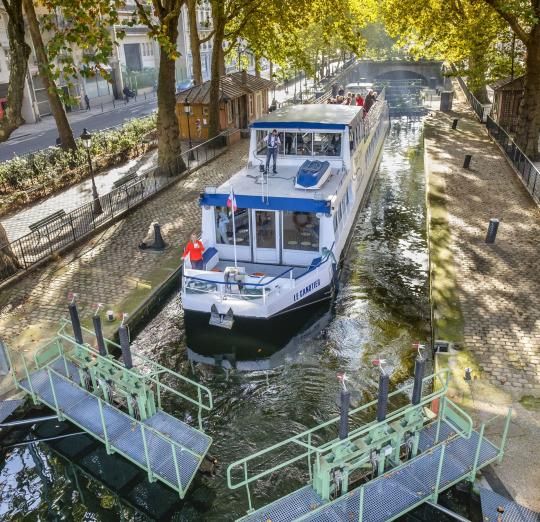
Paris Canal
Two-hour boat journey along Canal Saint-Martin from Parc de la Villette to the Seine, passing through locks, swing bridges, and the atmospheric Bastille tunnel. The gentle cruise showcases a different side of Paris with tree-lined banks, local neighborhoods, and industrial architecture.

Bon Chic Paris Personal shopper -personal stylist for men and women
Private shopping experience with a Parisian fashion stylist who customizes a tour based on your style preferences, budget, and desired brands. Tours cover Marais concept stores, Haut-Marais boutiques, Saint-Germain designer shops, or Galeries Lafayette, with insider access to showrooms and styling advice.
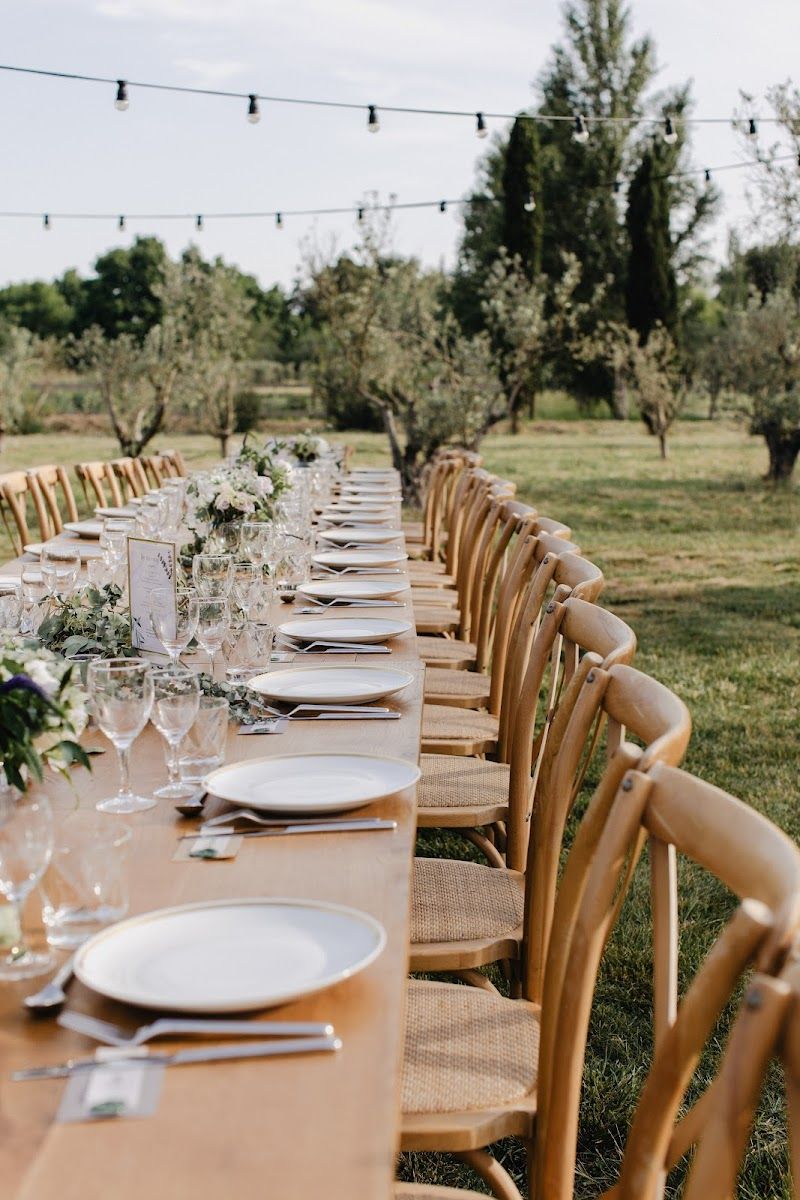
Le Refectoire Traiteur Événementiel Francilien
Modern bistro in the Latin Quarter serving market-driven French cuisine with contemporary touches. The bright, minimalist space and reasonable prices attract students and locals from the surrounding university quarter.
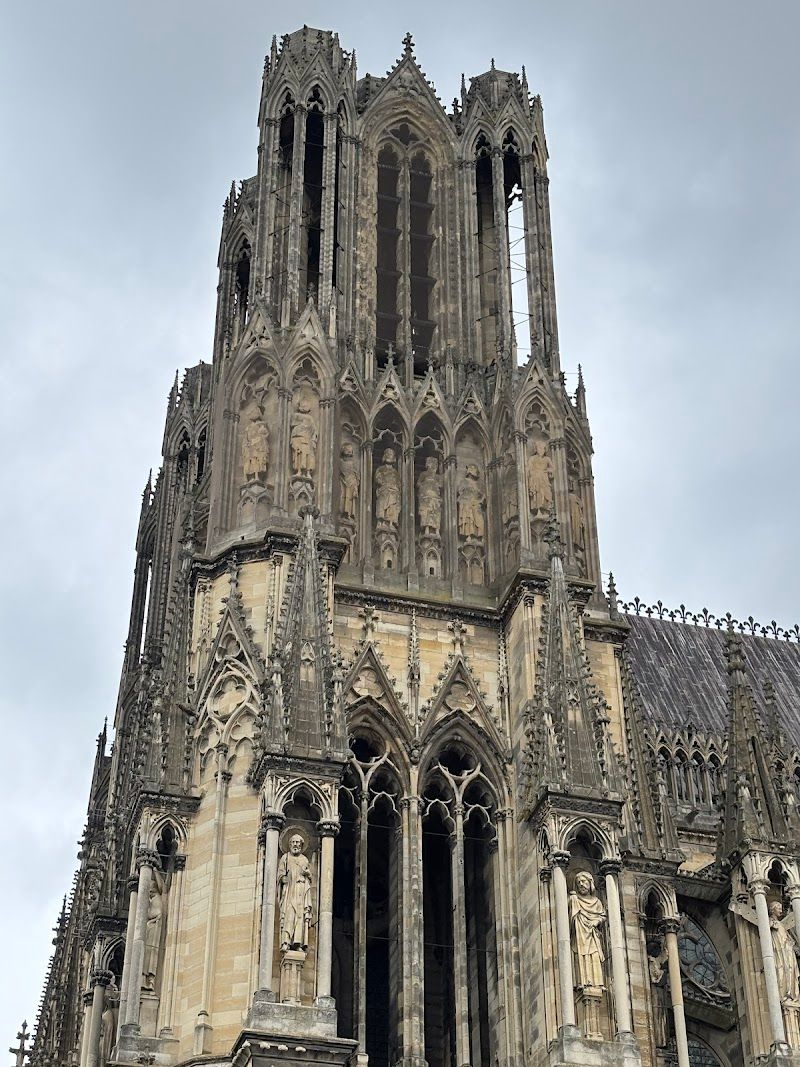
Paris Champagne Tour
Full-day guided tour to Champagne region visiting prestigious houses like Moët & Chandon or smaller family producers, with cellar tours explaining the méthode champenoise and tastings of multiple cuvées. Tours include transportation from Paris, lunch in Reims or Épernay, and visits to hillside vineyards.