Paris
Montmartre
Hilltop village with artist heritage
About Montmartre
Montmartre is the neighborhood that still looks like the paintings people made of it a hundred years ago - steep cobblestone streets, ivy-covered buildings, and views that make you understand why Renoir and Toulouse-Lautrec set up studios here. Sacre-Coeur sits at the top, and the walk up is half the point.
The tourist circuit (Place du Tertre, portrait artists, overpriced crepes) is easy to avoid. Turn onto Rue Lepic and you're in a different world - a real neighborhood with a working market street, excellent bakeries, and apartments where people actually live. The vineyard on Rue des Saules is real, they do harvest it every October, and the wine is terrible but the festival is fun.
South Montmartre, around Pigalle, has transformed from its red-light reputation into one of the best food and cocktail streets in Paris. Rue des Martyrs is the heart of this - a steep hill of specialty food shops, cheese mongers, and restaurants that haven't been discovered by most guidebooks yet.
Things to Do
Top experiences in Montmartre
Basilique du Sacré-Cœur de Montmartre
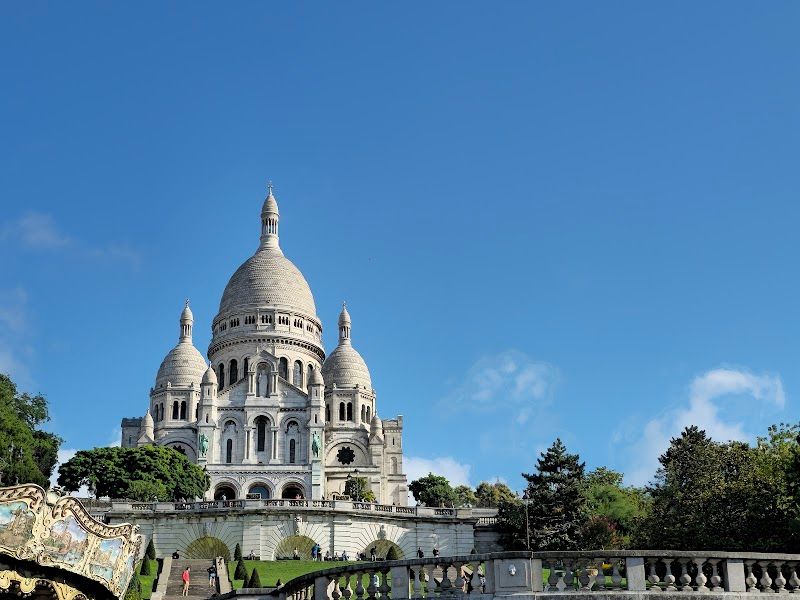
This Romano-Byzantine basilica sits atop Montmartre's highest point, its white travertine stone creating an almost ethereal presence against the Paris skyline. The interior houses France's largest mosaic, a 475-square-meter Christ in Glory that dominates the apse with its golden radiance. The real draw is the dome climb: 300 spiral steps lead to a 360-degree panorama where you can spot the Eiffel Tower, Arc de Triomphe, and the entire city sprawling below. The visit splits between the atmospheric basilica interior and the commanding exterior spaces. Inside, the Byzantine architecture creates surprising intimacy despite the grand scale, with perpetual adoration maintaining a reverent quiet. The mosaic work up close reveals intricate details invisible from the nave. Outside, the expansive parvis provides classic postcard views, while the dome climb rewards you with Paris laid out like a detailed map. Most visitors rush through without appreciating the architectural details or spending time in the crypt. The dome ticket (€7) is well worth it on clear days - if visibility is poor, consider skipping it. Early morning is the best time for photography and fewer crowds blocking the parvis views. The basilica itself is free, so don't feel pressured to see everything in one visit.
Musée de Montmartre
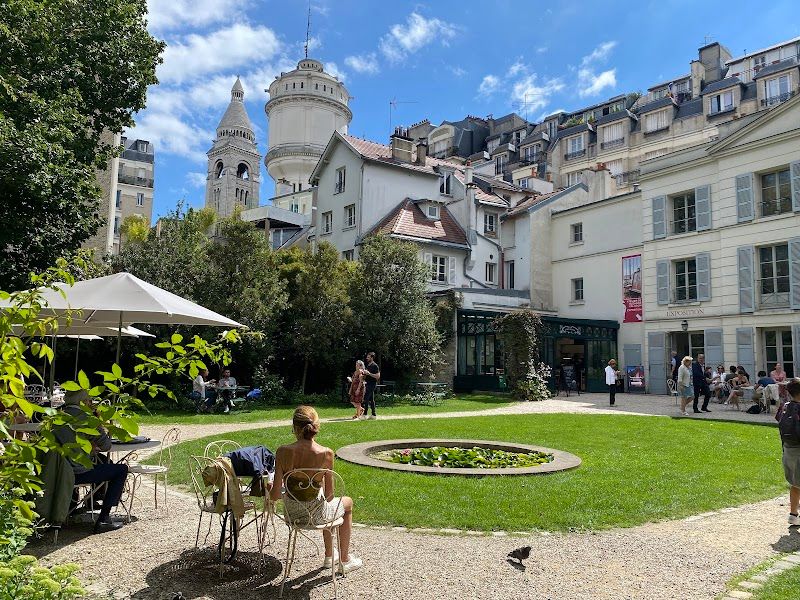
This 17th-century mansion holds Montmartre's most complete collection of Belle Époque posters, paintings, and memorabilia from when the hill was Paris's artistic epicenter. The reconstructed cabaret interiors show what the Chat Noir and Lapin Agile actually looked like inside, while Toulouse-Lautrec's original Moulin Rouge posters line the walls. Renoir's actual studio occupies the ground floor, complete with his easel and paint boxes. The museum flows chronologically through small, intimate rooms that feel more like browsing someone's private collection than a formal exhibition. The highlight is the third-floor atelier reconstruction where you can see Valadon and Utrillo's shared workspace, paint-stained and authentically cluttered. The Renoir Gardens behind the building offer the only quiet spot to photograph the vineyard without tourists, especially the corner bench near the old well. Skip the audio guide-the French-only wall texts are more informative. The gardens justify the admission price alone, but the museum itself runs thin after 45 minutes. The basement shadow theater exhibition feels like filler. Focus your time on the cabaret rooms and Valadon's studio, then spend the rest of your visit outside with coffee from the garden café.
Espace Dalí
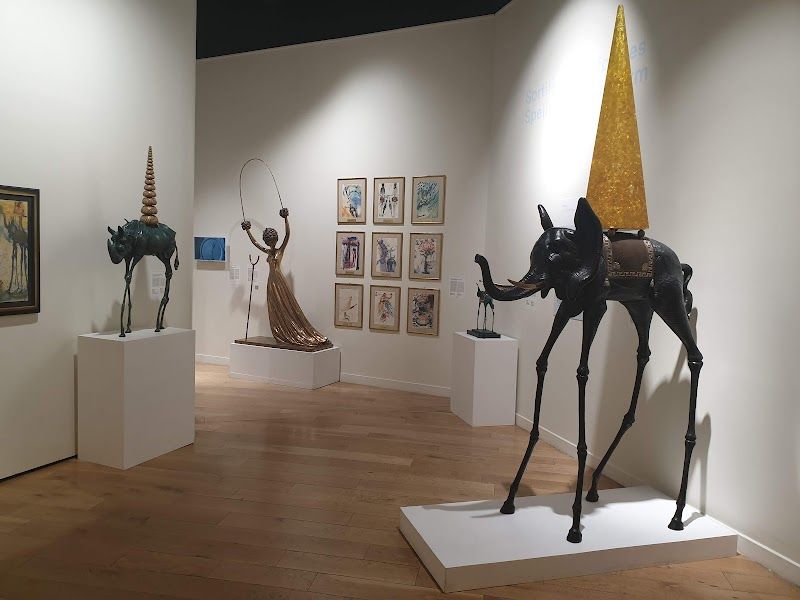
This basement museum beneath Montmartre's tourist chaos houses the world's largest collection of Dalí sculptures, engravings, and furniture pieces you've probably never seen. The Mae West lips sofa sits in actual room settings, while his melting clocks exist as bronze sculptures you can walk around. His illustrated books - Don Quixote, Divine Comedy, Alice in Wonderland - fill entire display cases with intricate etchings that reveal his technical mastery beyond the famous paintings. The experience feels deliberately theatrical: dim lighting, mirrors everywhere, and a haunting electronic soundtrack that makes even familiar pieces feel unsettling. You descend into chambers organized thematically rather than chronologically, moving from jewelry designs to furniture to large sculptures. The space amplifies Dalí's obsession with perception and reality - you'll question whether that's a sculpture or a reflection multiple times. Most visitors rush through in 30 minutes, but the detailed etchings deserve closer study. The audio guide repeats obvious information, and the gift shop prices aren't the bargain they seem compared to other Montmartre tourist traps. The location means you'll deal with crowds, but the basement setting creates genuine atmosphere that larger Dalí museums lack. Best experienced slowly, focusing on the technical craftsmanship rather than trying to photograph everything.
Cook'n With Class Paris
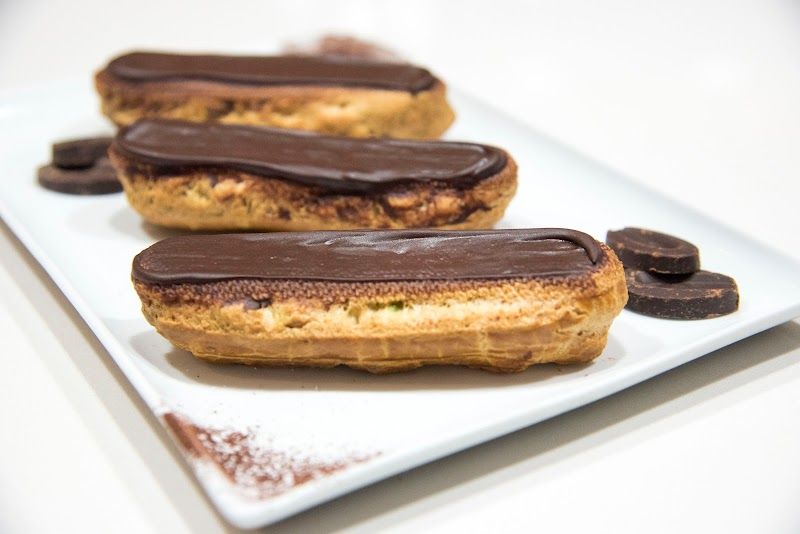
Cook'n With Class Paris takes you straight into Montmartre's morning market scene, where you'll haggle with vendors over seasonal produce before heading to their professional kitchen to turn your haul into a proper three-course French meal. Chef instructors teach classic techniques like making fresh pasta, properly searing proteins, and building mother sauces, all while you sip wine and ask endless questions. The five-hour commitment includes shopping, cooking, and eating everything you've prepared in their dining room overlooking the cobblestone streets. The experience starts at 9:30am sharp at Marché de la Poissonnerie, where your chef guide explains how to select the best ingredients and introduces you to vendors who've been there for decades. Back in the kitchen, you'll work in teams of two at individual stations equipped with gas ranges and professional tools. The atmosphere stays relaxed despite the serious cooking, with plenty of wine flowing and stories shared between stirring and chopping. You'll finish with a proper sit-down meal featuring your creations, complete with wine pairings the chef selects. At €195 per person, it's expensive but delivers genuine value compared to tourist trap cooking classes that teach you to make crepes. Skip the weekend classes if possible, weekday sessions have smaller groups and more personal attention from instructors. The market tour alone teaches you more about French food culture than most cooking schools cover, and you'll leave with techniques that actually work in home kitchens.
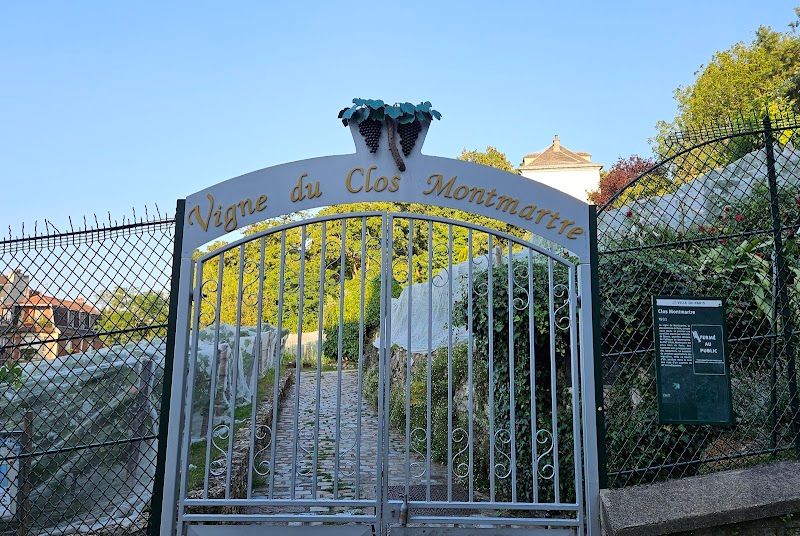
Clos Montmartre
The last remaining vineyard in Paris occupies a steep 1,556-square-meter plot on the northern slope of the Butte Montmartre, producing roughly 1,500 bottles of Gamay and Pinot Noir annually. Planted in 1933 to block property developers from building on the hillside, the vineyard is maintained by the City of Paris and harvested each October during the Fête des Vendanges de Montmartre - a 5-day wine festival with parades, concerts, and fireworks. The vineyard is fenced year-round but fully visible from Rue des Saules and the Musée de Montmartre gardens above.
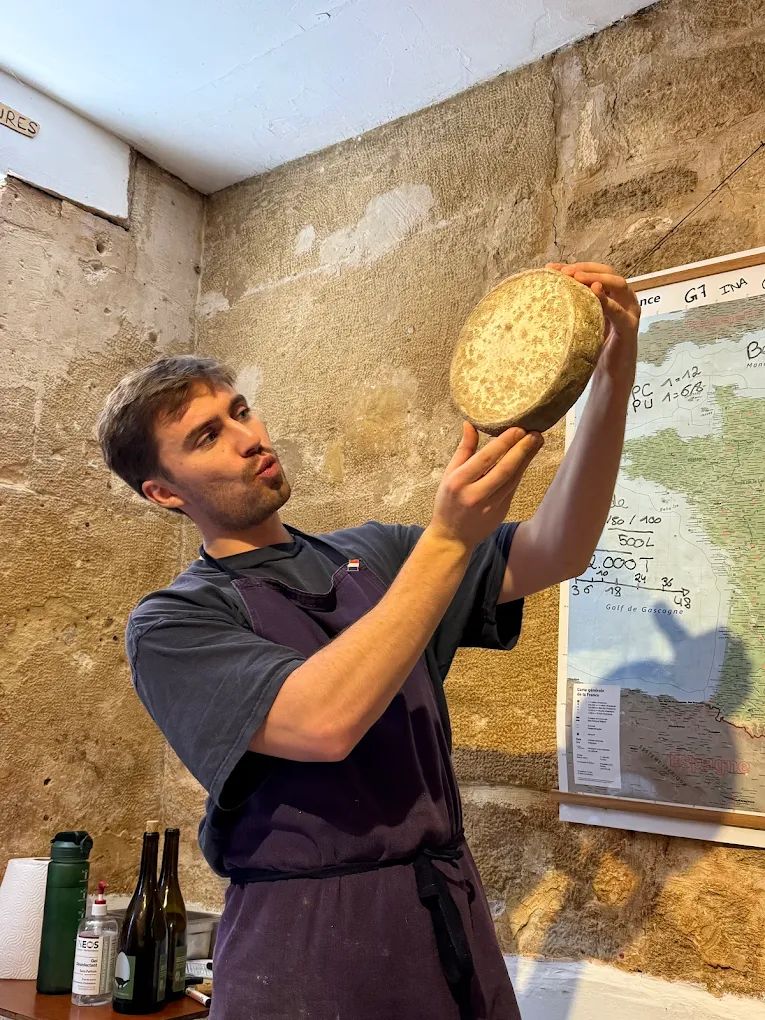
EatCheesewithMax - Wine and Cheese Tasting Paris
Intimate wine and cheese pairing session in a 17th-century cellar led by a sommelier and fromager who explain French regional specialties, production methods, and the art of pairing. Tastings include six wines from different regions matched with artisanal cheeses, charcuterie, and fresh bread.
Where to Eat
Restaurants and cafes in Montmartre
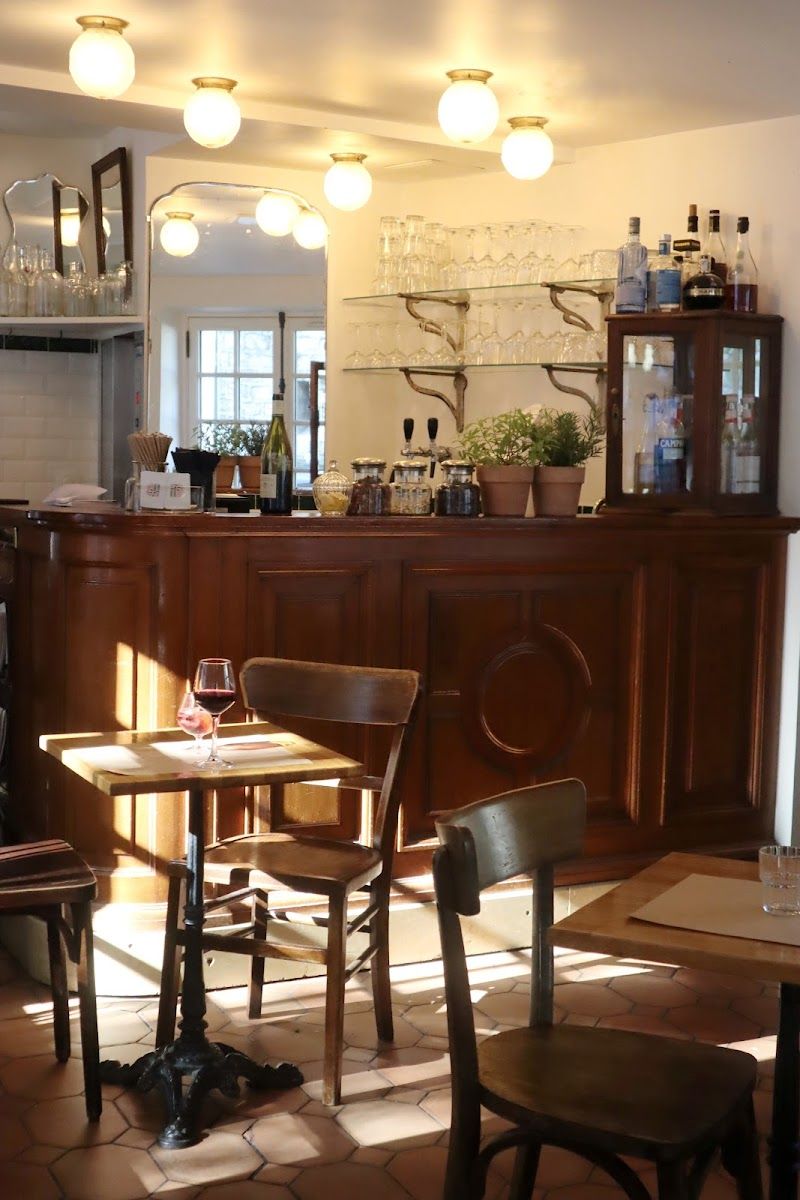
La Maison Rose
RestaurantPink-painted corner café immortalized by painter Maurice Utrillo in 1912. Located on quiet Montmartre street away from the main tourist crush. Simple French fare served on the ivy-covered terrace, though you're paying partly for the historic photo opportunity.
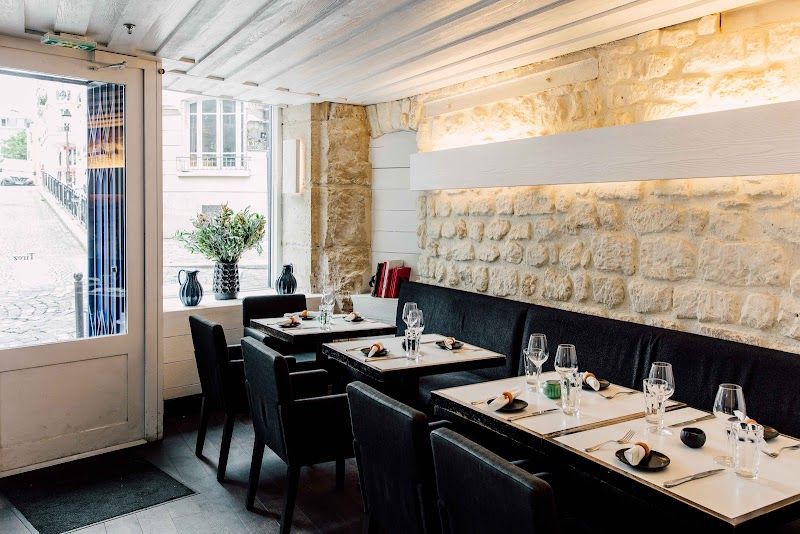
Le Coq & Fils - the Poultry House
RestaurantRotisserie restaurant by chef Antoine Westermann dedicated to heritage-breed poultry and free-range birds. The open kitchen displays whole chickens, ducks, and roosters rotating on spits, delivering some of the finest roasted poultry in Paris.
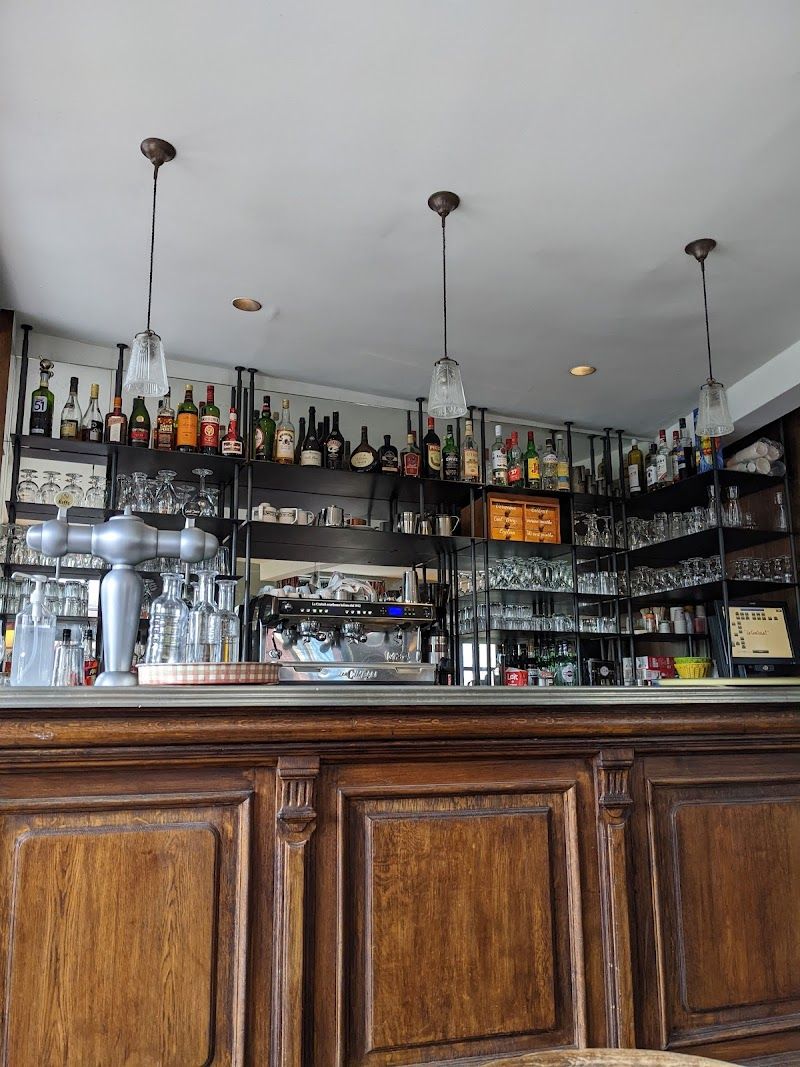
Le Consulat
CafePerched at the corner of Rue Norvins and Rue des Saules at the summit of Montmartre, this café-restaurant has served artists and writers since 1903. Picasso, Monet, Toulouse-Lautrec, and Van Gogh all frequented the original establishment. The building's blue-shuttered façade is one of the most photographed corners in Montmartre, and the terrace offers front-row views of the street artists and accordion players who populate the cobblestoned streets around Place du Tertre.
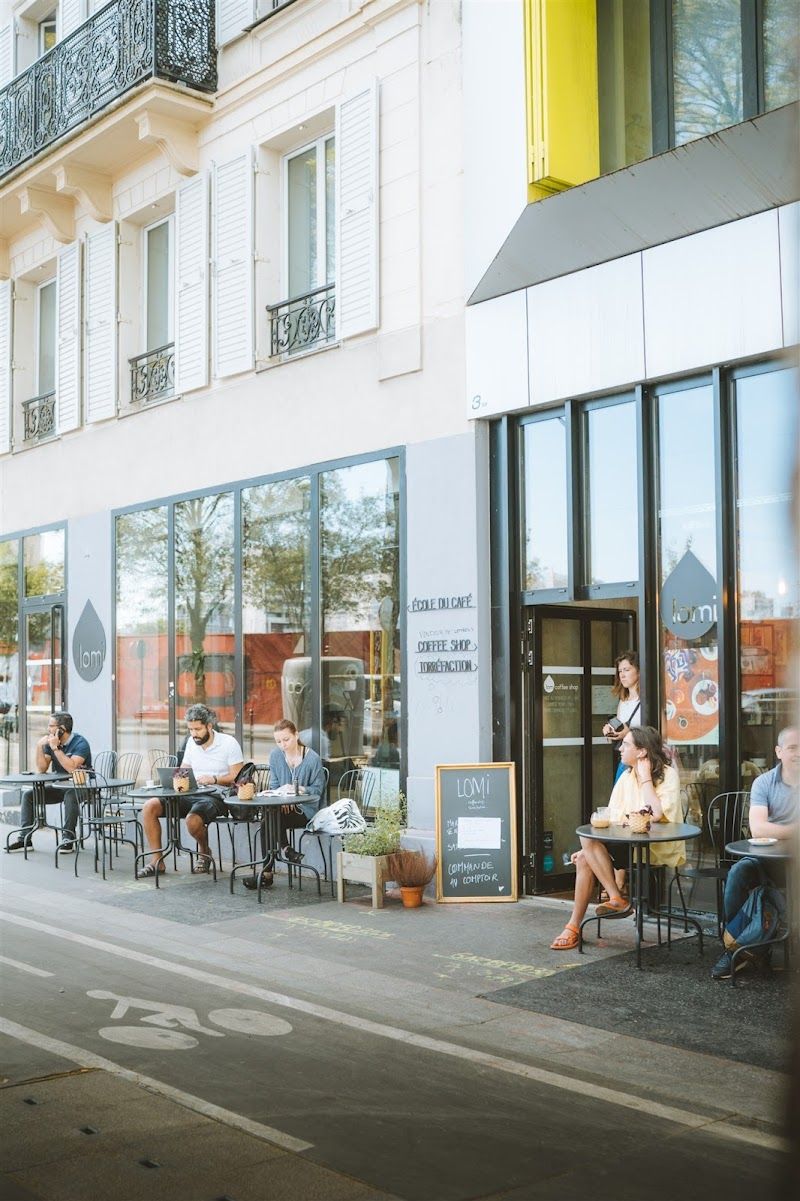
Lomi
CafeCoffee roastery and café in the 18th near La Chapelle with an industrial warehouse setting. They roast beans on vintage equipment visible from the café space. Popular for weekend brunch and coffee brewing workshops.
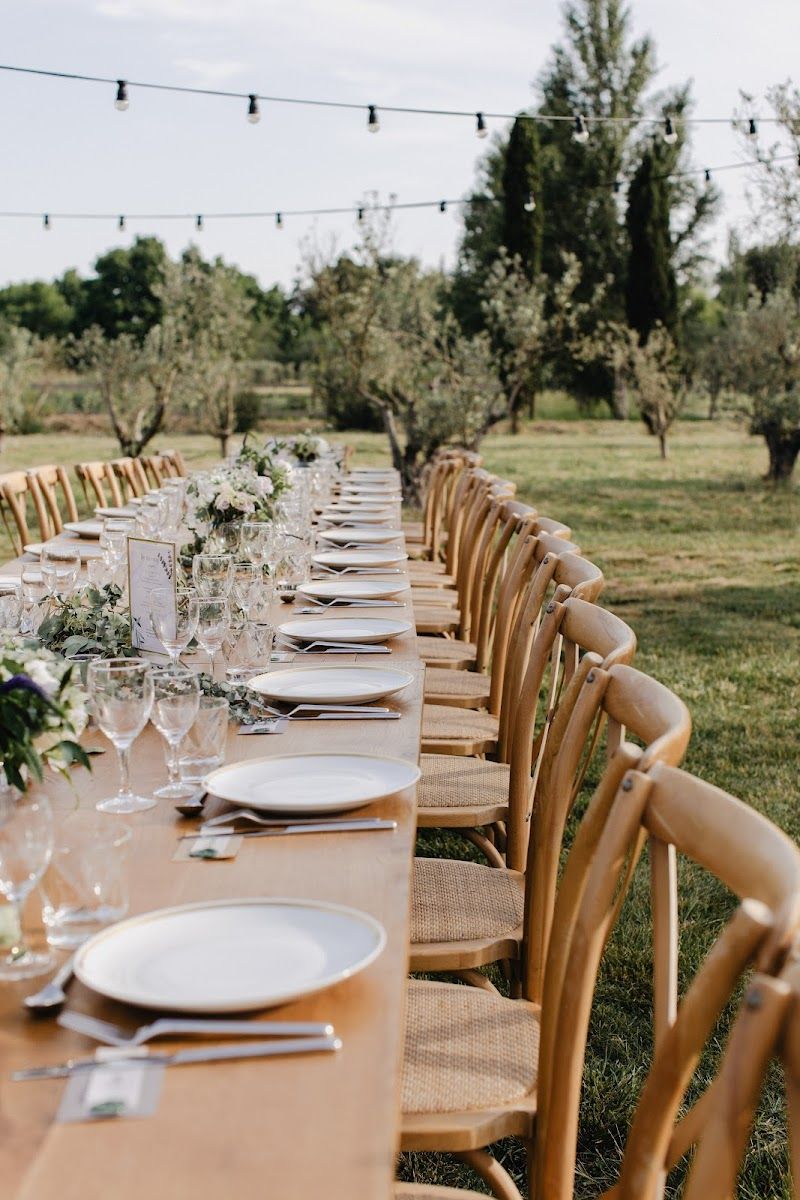
Le Refectoire Traiteur Événementiel Francilien
RestaurantModern bistro in the Latin Quarter serving market-driven French cuisine with contemporary touches. The bright, minimalist space and reasonable prices attract students and locals from the surrounding university quarter.
Getting Here
Metro Stations
Getting There
Line 12 to Abbesses (the deepest station in Paris). Line 2 to Anvers for the south side.
On Foot
The funicular runs if you want to skip the hill. Otherwise, wear comfortable shoes - it is steep.
By Bike
Not recommended - the hills are serious. Save cycling for flatter neighborhoods.
Insider Tips
Skip the Stairs
Abbesses metro has the deepest platform in Paris - use the elevator or you will regret the stairs.
Saturday Market
Rue Lepic on Saturday morning beats any tourist market in the city.
Quiet Descent
Walk down from Sacre-Coeur via Rue du Mont-Cenis for the quiet side with no crowds.
Nearby Neighborhoods
Continue exploring
Related Articles
Paris in Winter: 25 Things to Do When It's Cold and Gray
Paris winter means empty museums, cozy bistros, and the city locals actually live in. Here's what to do when it's 4°C and drizzling.
Paris Travel Cards Compared: Which Metro Pass Saves You Money?
Skip the tourist traps and tourist prices. We break down every Paris travel card option with actual numbers to show you which metro pass saves money in 2025.
Plan a trip featuring Montmartre
Get a personalized Paris itinerary with Montmartre built in.
Start Planning