Paris
Saint-Germain-des-Prés
Literary cafes and Left Bank elegance
About Saint-Germain-des-Prés
Saint-Germain is where Sartre and de Beauvoir argued about existentialism over coffee, and while that particular scene has been replaced by fashion boutiques and upscale restaurants, the neighborhood still carries the intellectual weight of its history. The cafes that made it famous - Les Deux Magots, Cafe de Flore - now charge seven euros for an espresso, but the side streets remain genuinely interesting.
The real Saint-Germain is a few blocks away from the tourist circuit. Rue de Seine and Rue Mazarine are where the serious art galleries operate. The covered market at Marche Saint-Germain is worth a stop. And the bakeries here - Poilane on Rue du Cherche-Midi has been making the same sourdough since 1932 - justify the visit on their own.
It's expensive, it knows it, and it doesn't apologize. But the quality of nearly everything - food, architecture, people-watching - is genuinely higher here than almost anywhere else.
Things to Do
Top experiences in Saint-Germain-des-Prés
Catacombs of Paris
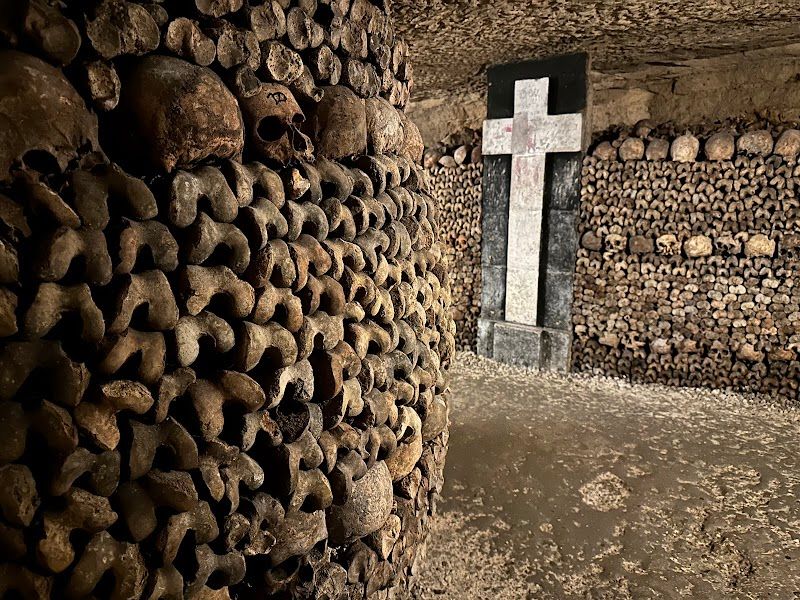
The Catacombs house the skeletal remains of over six million Parisians in a 1.7-kilometer underground network that was once limestone quarries. You'll walk through narrow tunnels lined with carefully arranged femurs, skulls, and tibias-the bone walls are stacked several meters deep in artistic patterns that took workers years to complete in the 1780s when overcrowded cemeteries were emptied. The route is one-way through cramped passages where you can't turn back once you start. The most striking section is the ossuary proper, where bones form decorative patterns and philosophical inscriptions are carved into stone. The skull arrangements are genuinely impressive-rows of empty eye sockets staring back at you from walls that stretch into darkness. The audio guide provides decent historical context about Paris's cemetery crisis. Book tickets weeks ahead online or you won't get in-the daily visitor limit is strict. The tour moves at a fixed pace through single-file passages, so claustrophobic visitors should reconsider. Skip the overpriced gift shop but don't miss the final room's ceiling made entirely of arranged leg bones. Most visitors rush through; take time to read the Latin inscriptions.
Church of Saint-Germain-des-Prés
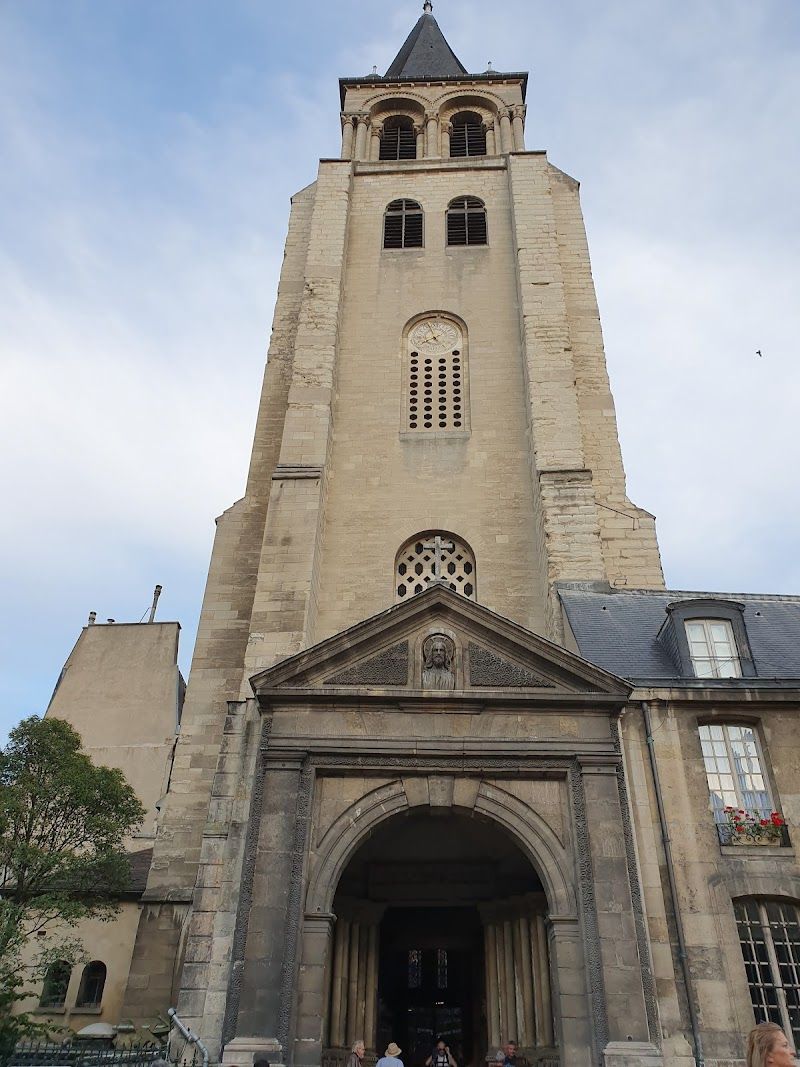
This Benedictine abbey church really is Paris's oldest, with foundations from 558 AD, though what you see today is mostly 11th-century Romanesque stonework mixed with 19th-century Gothic revival additions. The flying buttresses and pointed arches in the choir are authentic 12th century, while the colorful ceiling frescoes by Hippolyte Flandrin were painted in the 1840s. The acoustics are genuinely exceptional thanks to the stone vaulting and careful proportions. The interior feels surprisingly intimate for such an ancient space. You enter through heavy wooden doors into a nave that's darker than most Paris churches, with thick Romanesque columns supporting rounded arches. The choir glows with jewel-toned stained glass, and Flandrin's biblical scenes wrap around the sanctuary in soft blues and golds. The marble columns flanking the altar are original 6th-century pieces salvaged from the earlier church. Most tourists rush through in ten minutes, but the real reward is sitting quietly in the wooden pews for at least twenty minutes. Skip the small museum in the sacristy unless you're deeply interested in medieval manuscripts. The Sunday evening concerts are legitimately special, but arrive thirty minutes early since seating fills up fast. Morning light through the east windows illuminates the frescoes beautifully between 10-11 AM.
Jardin du Luxembourg
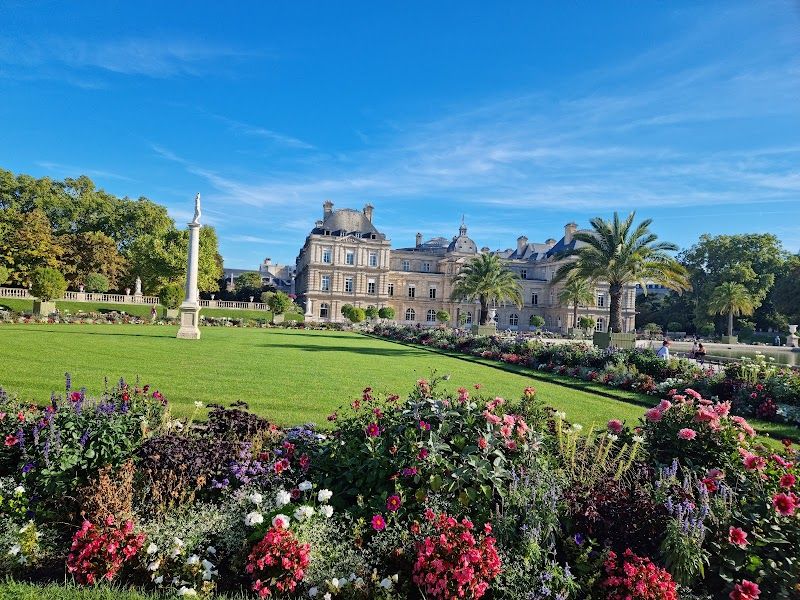
This 57-acre garden centered around the Luxembourg Palace serves as Paris's most functional green space. You'll find senators heading to work alongside joggers circling the central gravel paths, while kids push wooden sailboats across the octagonal pond with long sticks. The geometric flowerbeds change seasonally, and over 100 statues of French queens and notable women line the terraces. The layout flows from formal French gardens near the palace to English-style landscaping toward the observatory. Families cluster around the playground and puppet theater on the south side, while serious chess players occupy the permanent stone tables near Boulevard Saint-Michel. The Medici Fountain creates a cool microclimate perfect for reading, though finding a metal chair requires patience during lunch hours. Most guidebooks oversell this as romantic when it's actually wonderfully practical. The tennis courts book up weeks ahead, so forget spontaneous games. Skip the crowded central lawn and head to the quieter western sections near the greenhouse. The apple orchard behind the palace produces fruit that gardeners sell each October - worth timing a visit around.
Le Bon Marché
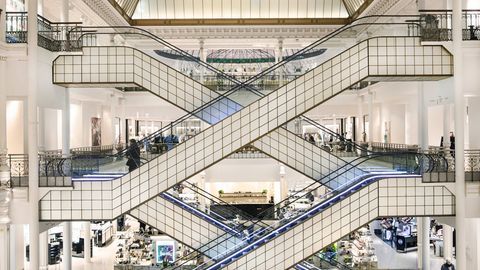
Le Bon Marché occupies an elegant glass-and-iron structure that feels more like a refined mansion than a department store. The ground floor showcases luxury cosmetics and accessories under soaring ceilings, while upper floors house carefully selected ready-to-wear from both established and emerging designers. What sets it apart is the curation-you won't find fast fashion here, just thoughtfully chosen pieces that justify the higher price points. The shopping experience flows naturally from the main entrance on Rue de Sèvres through interconnected departments that never feel cramped or overwhelming. The lighting is soft and natural, staff genuinely knowledgeable rather than pushy, and the wide aisles make browsing comfortable even during busy periods. La Grande Épicerie next door operates like a luxury food hall, with vendors calling out samples and impeccably arranged produce that looks more like art installations. Most visitors spend too much time on the crowded ground floor cosmetics section when the real treasures are upstairs in home goods and lesser-known fashion labels. The food hall's prepared section gets picked over by lunch, so morning visits yield better selection. Skip the overpriced tourist items near the entrance-the quality purchases are deeper inside where prices actually become reasonable for what you get.
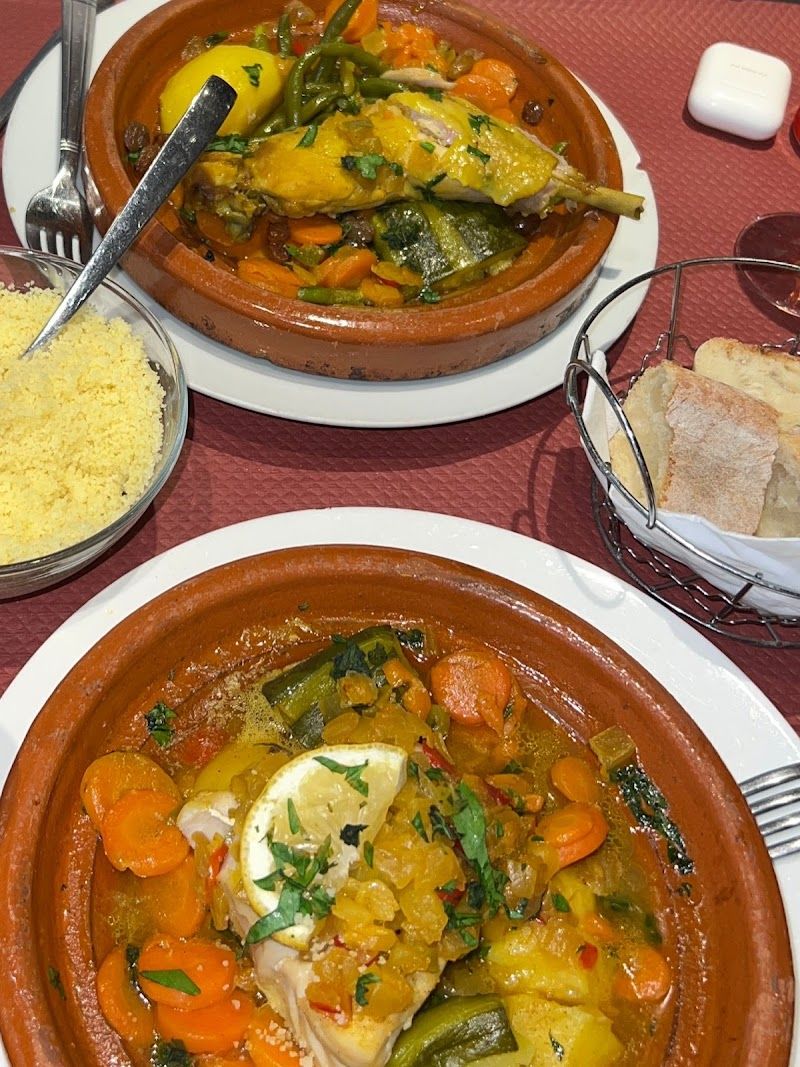
Hammam Pacha
Hammam Pacha recreates an authentic Moroccan bathhouse experience in a surprisingly spacious basement space beneath Saint-Germain. The main steam room features genuine Tadelakt plasterwork and heated marble benches where temperatures hover around 45°C. What sets this apart from typical spas is the traditional kessa glove scrubbing - therapists really go at your dead skin with black soap made from olives and eucalyptus oil. The 2.5-hour ritual follows Moroccan tradition: you start sweating in the steam room for 15 minutes, then move to marble slabs where attendants scrub you down with coarse mitts until rolls of dead skin come off (genuinely satisfying but initially shocking). The argan oil massage happens in a separate cooler room, followed by mint tea in the relaxation area with proper glass cups and fresh leaves. The hot and cold pools are small but the temperature contrast works. The experience feels genuinely restorative, though the basement location means no natural light and ventilation can feel heavy during busy periods. Skip the expensive towel rental and bring your own - theirs are thin. The full package is worth it over individual treatments since you get extended access to all facilities. Staff pushes retail products hard at checkout, but the argan oil quality is legitimate if overpriced.
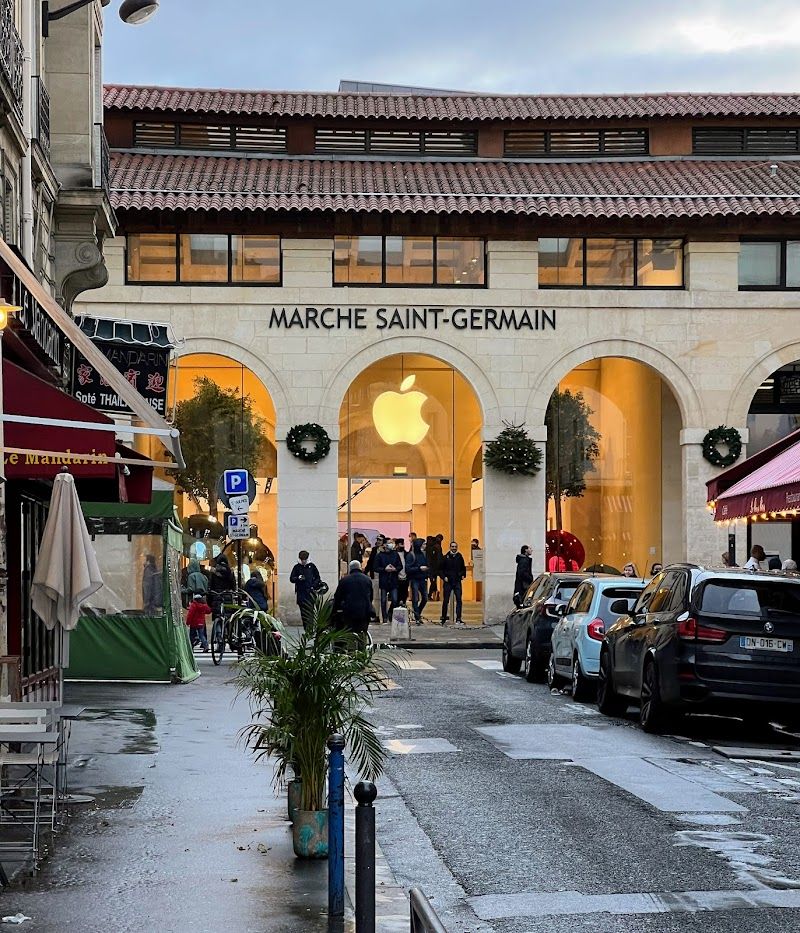
Marché Alimentaire Saint-Germain
The Marché Saint-Germain occupies a gorgeous 19th-century iron-and-glass structure that houses an unexpectedly modern mix of food vendors, chain stores, and a three-screen cinema underground. The architecture is the real star here – those soaring metal beams and glass panels create beautiful light patterns throughout the day. You'll find everything from a Monoprix to specialty cheese shops, plus that unusual swimming pool tucked into the basement. The covered halls feel more like an upscale shopping center than a traditional market, which can be jarring if you're expecting Les Halles-style chaos. The food vendors cluster mainly on the ground level – Eric Kayser bakery, a decent fishmonger, and several prepared food stalls that cater to the lunch crowd from nearby offices. The Sunday organic market outside transforms the entire experience, spilling quality produce vendors onto the surrounding streets. Honestly, it's more of a convenient neighborhood spot than a destination market. The prices run higher than you'd find at Marché des Enfants Rouges, and the selection feels limited compared to larger markets. Come for the architecture and maybe grab lunch, but don't expect the soul-stirring market experience you'll find elsewhere in Paris.
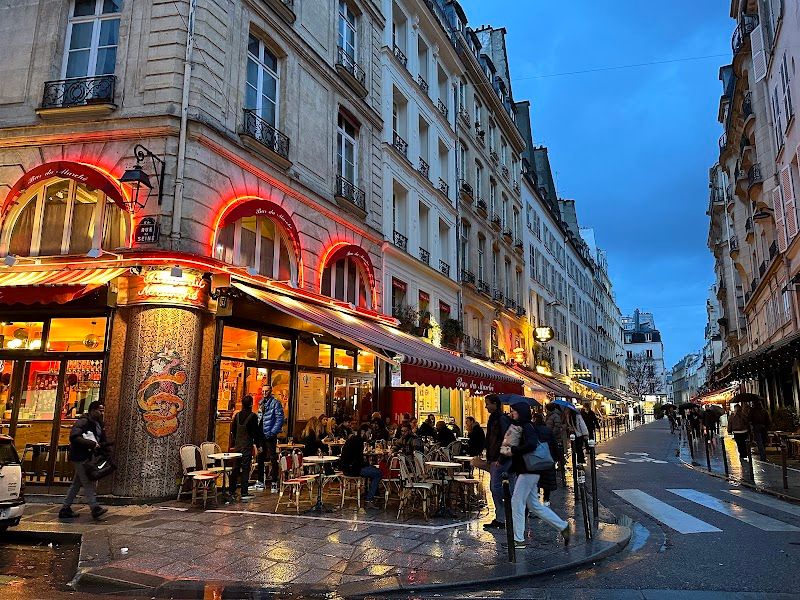
Rue de Buci
Rue de Buci is a narrow cobblestone street that feels more like a village market than central Paris. You'll find about 15 vendors selling everything from perfect tomatoes (€3-4/kg) to aged Comté cheese wheels, plus flower stalls that make the whole street smell of fresh flowers. The market runs daily from 8am to 1pm, then cafés and wine bars take over for evening service. The street slopes gently downhill from Boulevard Saint-Germain, so you're walking past cheese vendors while catching glimpses of the Seine ahead. Morning feels authentically Parisian: locals chat with fishmongers, elderly women inspect vegetables like they're buying diamonds, and café workers set up sidewalk tables around the action. By 11am it gets properly crowded, especially weekends when tourists discover the scene. Most guides portray this as some authentic experience, but it's actually quite touristy now. The produce quality is excellent but prices run 20-30% higher than neighborhood markets. Skip the overpriced café lunches (€18-25 for basic bistro fare) and focus on the morning market instead. The cheese vendors know their stuff and offer generous tastings if you're genuinely interested in buying.
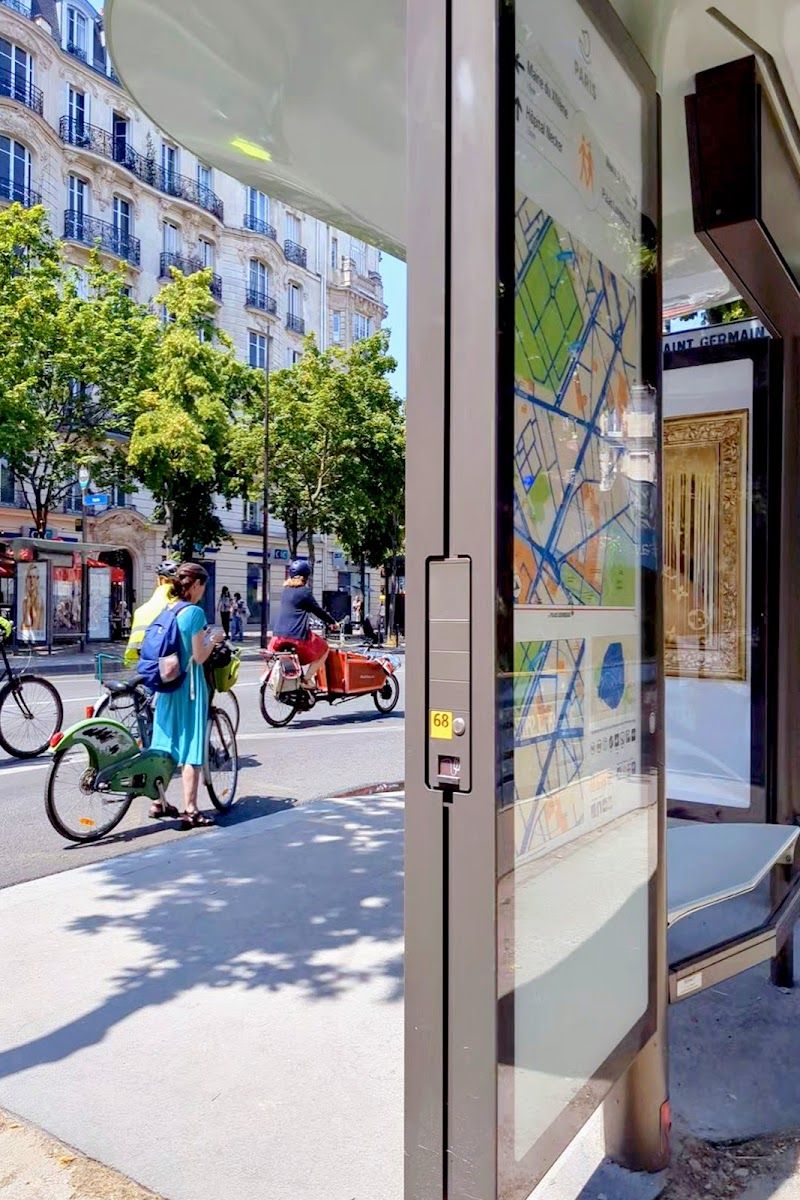
Marché Raspail
Boulevard Raspail hosts two completely different markets depending on the day you visit. Tuesday and Friday bring a standard Parisian food market with decent produce and prepared foods, but Sunday transforms the same street into Paris's top organic market. You'll find biodynamic wines starting at 12 EUR, raw milk cheeses from farms within 250km of the city, and vegetables that actually taste like something. The Sunday crowd includes serious home cooks, restaurant chefs, and health-conscious Parisians who know their producers by name. The Sunday bio market stretches along Boulevard Raspail from Rue du Cherche-Midi to Rue de Rennes, with about 80 vendors setting up by 9am. You'll weave between stalls selling everything from unpasteurized goat cheese (try before you buy) to bread baked in wood-fired ovens that morning. The atmosphere feels more like a neighborhood gathering than a tourist market. Vendors actually explain their farming methods if you ask, and many speak decent English. The cheese vendors will let you taste multiple varieties, and the wine producers often have bottles open for sampling. Skip the Tuesday and Friday markets entirely unless you're desperate for groceries. The Sunday organic market is worth the trip, but expect to pay 20-30% more than supermarket prices. Most vendors only accept cash, so bring at least 50 EUR. The best selection disappears by noon, especially for bread and pastries. Don't bother with the prepared food stalls, they're overpriced tourist traps at 8-12 EUR for mediocre sandwiches.
Where to Eat
Restaurants and cafes in Saint-Germain-des-Prés
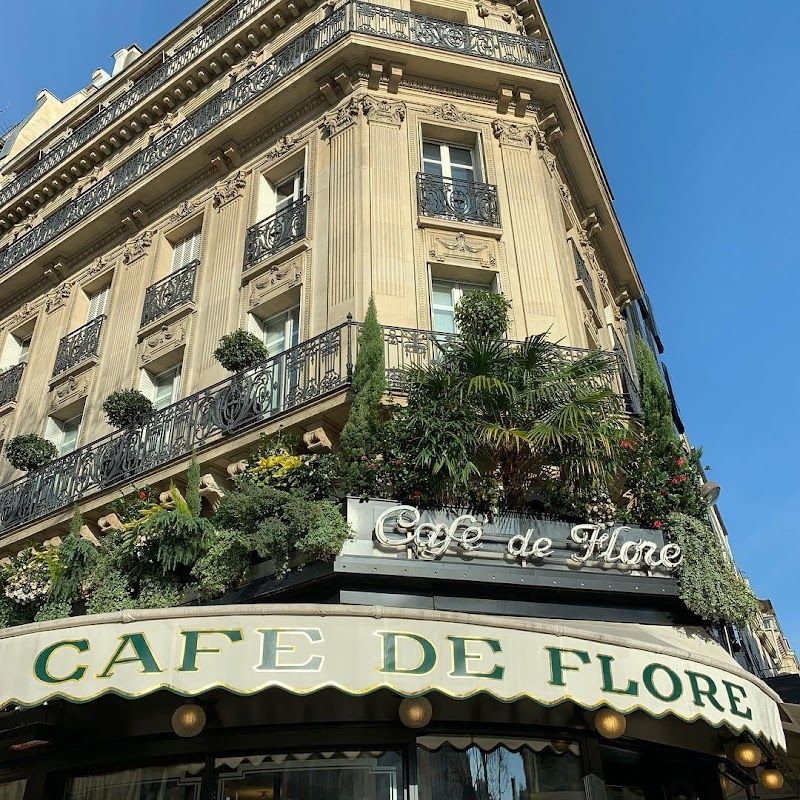
Café de Flore
CafeThis legendary Art Deco café has been a meeting place for intellectuals and artists since 1887, including Sartre, de Beauvoir, and Camus. The red banquettes, mahogany bar, and mirrors create an atmosphere that hasn't changed in decades, perfect for people-watching over a café crème.
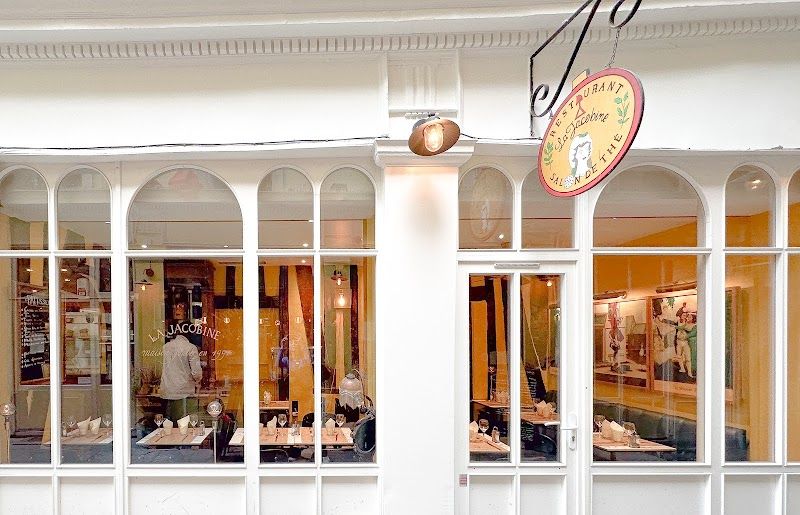
La Jacobine
RestaurantA charming neighborhood bistro tucked away on a quiet street, serving classic French cuisine with a focus on seasonal ingredients. The intimate dining room features exposed stone walls and a cozy atmosphere that feels authentically Parisian without the tourist crowds.
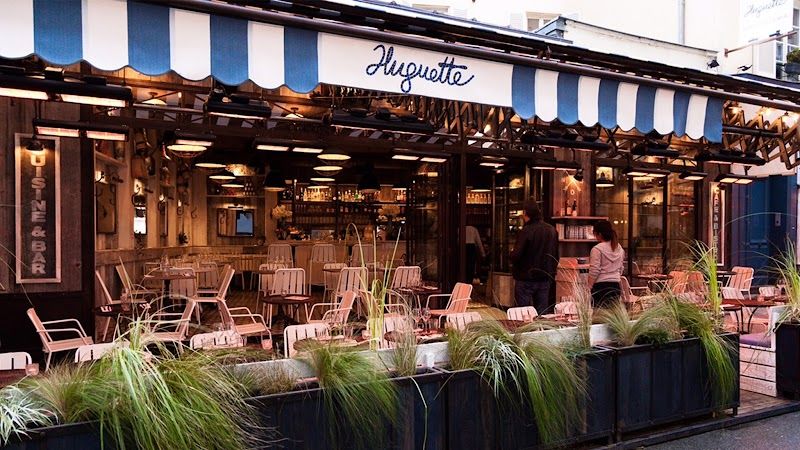
Huguette, Bistro de la mer
RestaurantSeafood bistro with a 1950s cruise ship aesthetic, specializing in oysters, shellfish platters, and classic fish preparations. The playful nautical decor and quality seafood make it a reliable choice in the heart of Saint-Germain.
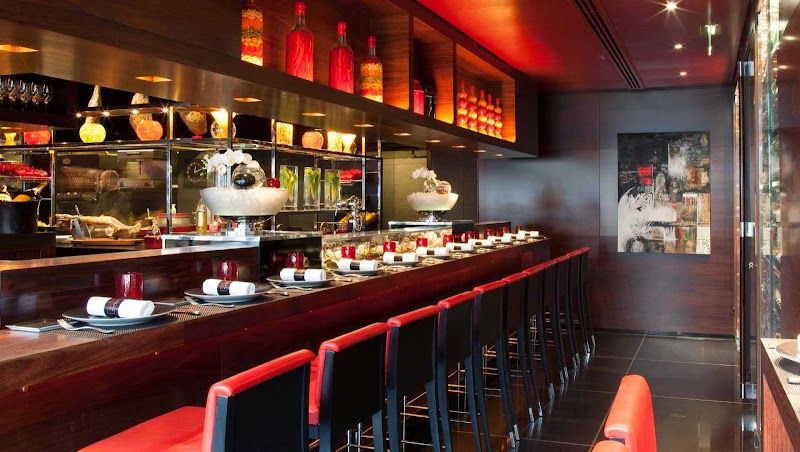
L'Atelier de Joël Robuchon
RestaurantThis intimate counter-dining restaurant offers refined French cuisine from the legendary chef's empire, featuring signature dishes like le caviar, la langoustine, and the famous pommes purée. The red-and-black lacquer décor and open kitchen create a theatrical dining experience where you can watch chefs at work.
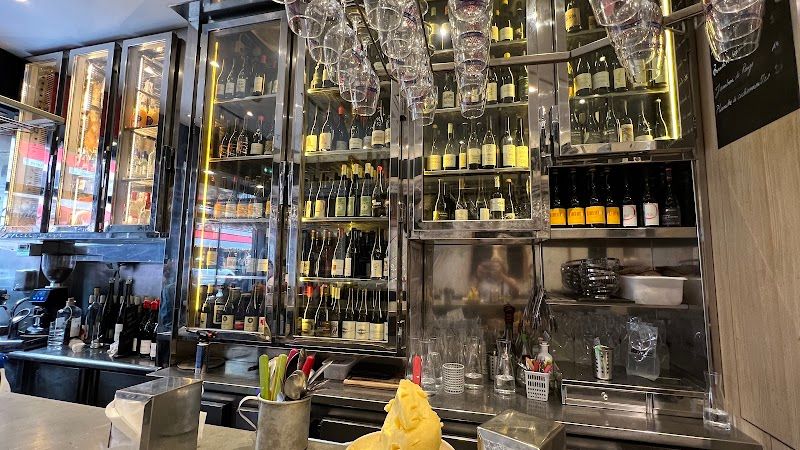
L’Avant Comptoir de la Terre
RestaurantStanding-room-only seafood bar with hanging hams and small plates suspended from the ceiling. This tiny spot from Yves Camdeborde focuses on seafood tapas, oysters, and marine-focused small bites.
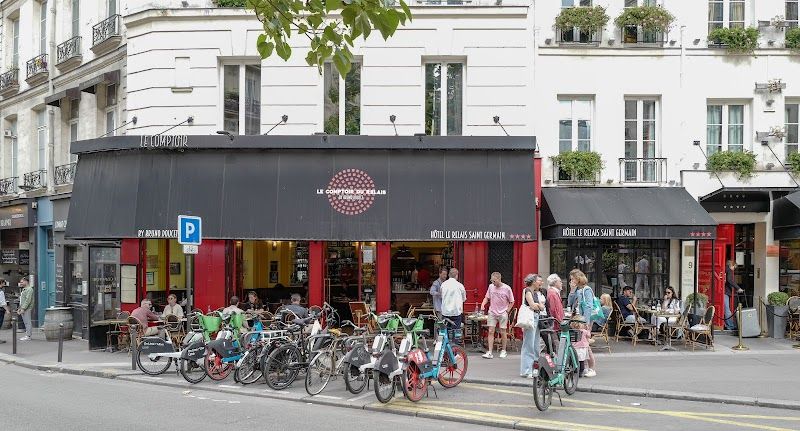
Le comptoir du Relais
RestaurantLegendary bistro by chef Yves Camdeborde serving market-driven French cuisine in a tiny space near Odéon. The no-reservation lunch service and tasting-menu-only dinners have made this a pilgrimage site for serious food lovers.
Nightlife
Bars and nightlife in Saint-Germain-des-Prés
Getting Here
Metro Stations
Getting There
Line 4 to Saint-Germain-des-Pres. Walking from Notre-Dame takes 10 minutes across Pont Saint-Michel.
On Foot
Wide boulevards and compact area make walking pleasant. From the Louvre, cross Pont des Arts.
By Bike
Boulevard Saint-Germain has bike lanes, though traffic can be heavy.
Insider Tips
Poilane Bakery
Poilane bakery on Rue du Cherche-Midi - buy the punitions (butter cookies), not just the bread.
Gallery Hopping
The small streets between Rue de Seine and Rue Mazarine have better galleries than the main boulevards.
Free Wine Thursdays
Thursday evenings, many galleries have openings with free wine - just walk in.
Nearby Neighborhoods
Continue exploring
Related Articles
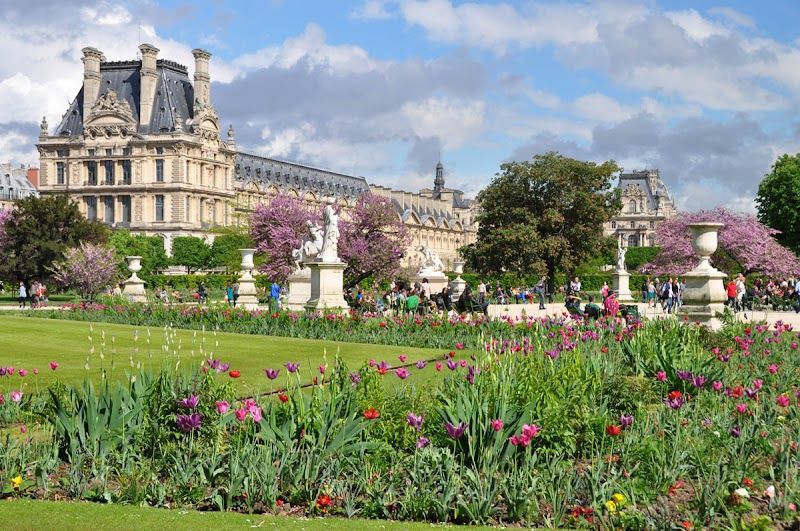
Paris in Winter: 25 Things to Do When It's Cold and Gray
Paris winter means empty museums, cozy bistros, and the city locals actually live in. Here's what to do when it's 4°C and drizzling.
Paris Travel Cards Compared: Which Metro Pass Saves You Money?
Skip the tourist traps and tourist prices. We break down every Paris travel card option with actual numbers to show you which metro pass saves money in 2025.
Plan a trip featuring Saint-Germain-des-Prés
Get a personalized Paris itinerary with Saint-Germain-des-Prés built in.
Start Planning