Paris
7th Arrondissement
Iconic landmarks and quiet elegance
About 7th Arrondissement
The 7th is where Paris keeps its most famous landmark and its quietest residential streets, often on the same block. The Eiffel Tower draws 7 million visitors a year, but walk ten minutes south and you're on Rue Cler, a market street where shopkeepers know their regulars by name and the cheese shop has been run by the same family for three generations.
Musee Rodin is the sleeper hit of this neighborhood - a sculpture garden with The Thinker and The Kiss, set in an 18th-century mansion with a garden cafe that feels like a private estate. Hotel des Invalides houses Napoleon's tomb under a gold dome visible from half the city. Musee Marmottan Monet has the largest collection of Monet paintings anywhere, and the crowds are a fraction of the Musee d'Orsay.
The restaurant scene here is split between very expensive establishments near the tower and genuine neighborhood bistros on the side streets. Les Cocottes, a few blocks from the Eiffel Tower, serves serious food in cast-iron pots at prices that won't ruin your trip.
Things to Do
Top experiences in 7th Arrondissement
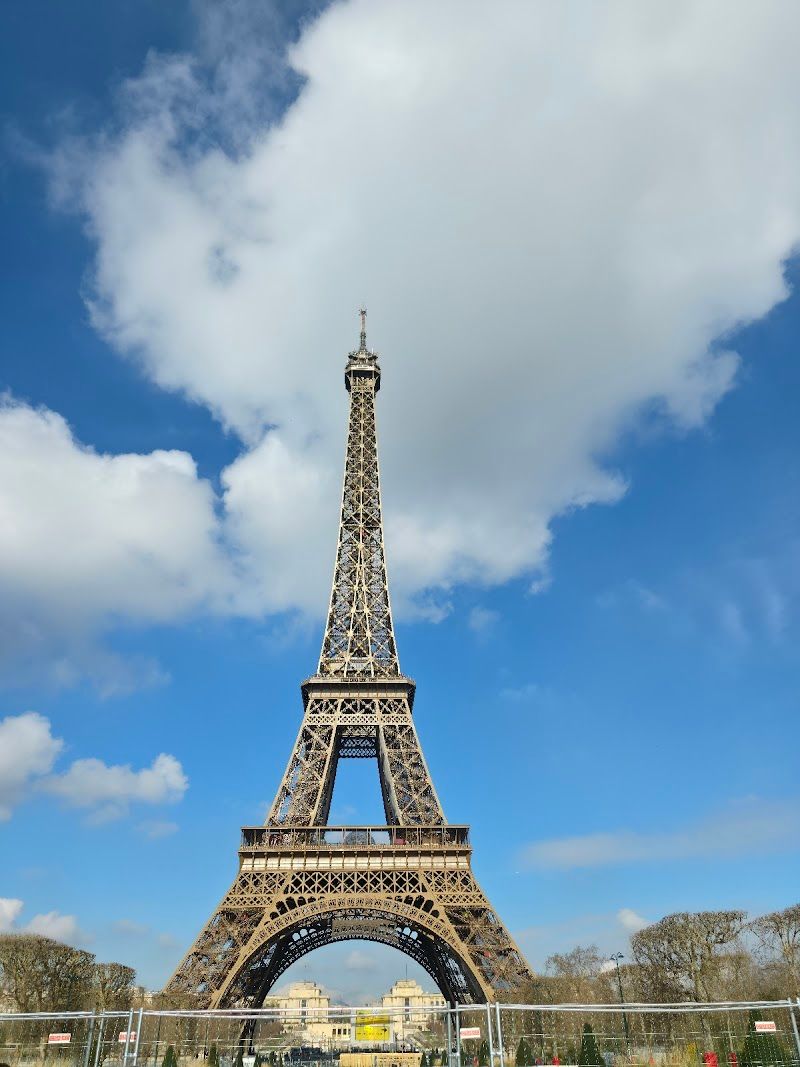
Eiffel Tower
Standing 330 meters tall, the Eiffel Tower offers three observation levels with genuinely spectacular views across Paris. The second floor at 115 meters gives you the perfect perspective to identify landmarks like Sacré-Cœur, Arc de Triomphe, and the Seine's curves, while the summit adds that vertigo-inducing wow factor. The champagne bar at the top serves overpriced but memorable Champagne Deutz with views that stretch 60 kilometers on clear days. The experience starts with security screening, then express elevators that feel surprisingly smooth despite the tower's gentle sway in wind. The second floor has glass walls installed in 2010 that eliminated the old wire mesh, making photos infinitely better. The summit feels more cramped but offers Gustave Eiffel's restored private office behind glass and that champagne bar with its tiny outdoor terrace. Honestly, the second floor delivers 90% of the experience at half the cost and wait time. The summit adds height but loses the ability to see the tower's structure beneath you. Evening slots are worth the premium-the city lights start twinkling around 8 PM in summer, and you'll catch both golden hour and blue hour. Skip the first floor entirely unless you're dining at 58 Tour Eiffel.
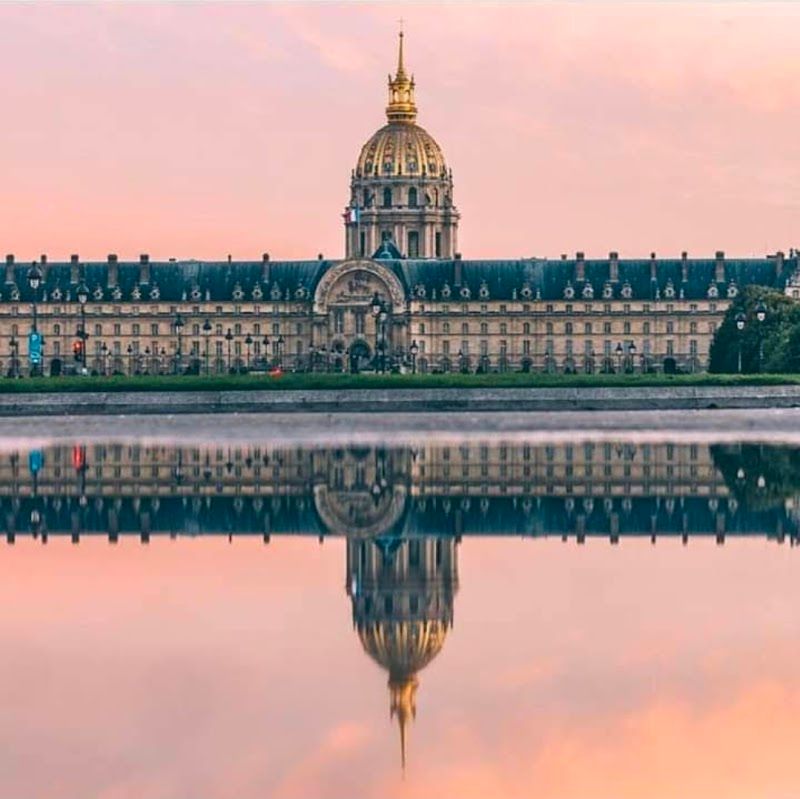
Hôtel des Invalides
This sprawling 17th-century military complex centers around Napoleon's marble tomb, housed beneath that famous golden dome you see from across the Seine. The Army Museum fills the east and west wings with an impressive chronological journey through French military history-from medieval chainmail and crossbows to Hitler's bunker maps and resistance weapons. The two churches, Saint-Louis-des-Invalides and the Dôme Church, showcase different architectural approaches to military commemoration. You'll enter through the main courtyard, where restored cannons line the arcades, then choose your route through the museum wings. The medieval armor collection in the west wing feels surprisingly intimate, while the WWI and WWII sections in the east wing can be overwhelming with their density of artifacts. The tomb visit requires descending into the circular crypt where Napoleon rests in six nested coffins-the marble balustrade keeps crowds moving but limits lingering. The museum suffers from its own comprehensiveness-most visitors burn out before seeing everything worthwhile. Skip the post-1945 sections unless you're genuinely interested in Indochina conflicts. The medieval weapons and Napoleon sections justify the visit alone, but budget three hours minimum if you want to absorb rather than rush. The audio guide helps navigate the sprawling layout but adds another hour to your visit.
Bateaux Mouches Seine River Cruise
The Bateaux Mouches fleet runs continuous hour-long loops on the Seine, offering comfortable seats and surprisingly informative multilingual commentary through individual headphones. You'll float past the Louvre's riverside facade, under Pont Neuf (Paris's oldest bridge despite the name), and get unobstructed views of Notre-Dame's flying buttresses from water level. The glass-enclosed lower deck and open upper level accommodate about 300 passengers per boat. The boats move slowly enough for photos but fast enough to keep kids engaged. Commentary highlights architectural details you'd miss from street level - like the different stone colors showing Notre-Dame's reconstruction phases. The upper deck gets crowded during golden hour, but the covered lower deck actually offers better views through floor-to-ceiling windows without wind interference. It's genuinely relaxing after walking cobblestones all morning, though the commentary can feel repetitive if you're doing multiple Seine activities. Skip the overpriced onboard refreshments. The boats run rain or shine - they're fully enclosed and heated. Weekday afternoon departures have half the crowds of weekend morning runs.
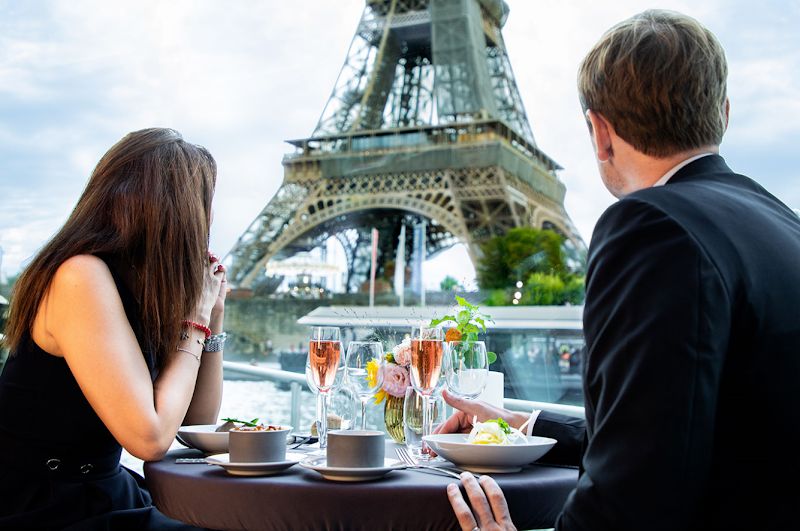
Bateaux Parisiens
Bateaux Parisiens runs the most reliable Seine cruises from their permanent dock at Port de la Bourdonnais, directly beneath the Eiffel Tower. Their fleet of glass-topped boats carries you past every major monument along the river - the real payoff is seeing how Paris was designed around the Seine, with perfect sightlines to Notre-Dame's flying buttresses and the Louvre's riverside facade that you simply can't appreciate from street level. The hour-long route follows a predictable but effective path: east toward Notre-Dame, then back west past the Musée d'Orsay and under Pont Alexandre III. The multilingual commentary is decent but not essential - the views speak for themselves. Most passengers cluster on the open upper deck, but the enclosed lower level offers better photography through clean windows and protection from wind that can be brutal even in summer. Honestly, all Seine cruise companies cover the same route, but Bateaux Parisiens wins on logistics - their Eiffel Tower location makes it easy to combine with tower visits, and their boats run every 30 minutes year-round. Skip the overpriced lunch cruises; the basic sightseeing option gives you identical views for a third of the price. The commentary gets repetitive if you've done any Paris sightseeing, but first-time visitors genuinely benefit from the river perspective.
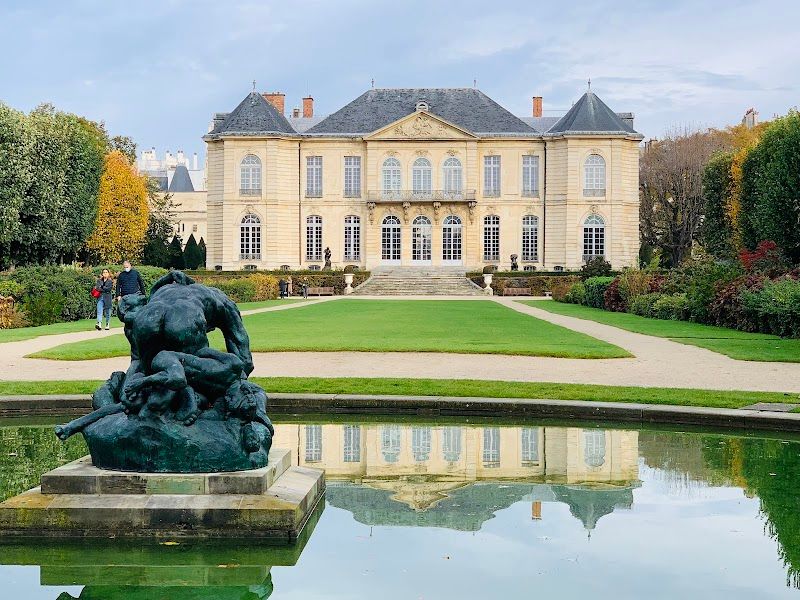
Musée Rodin
This 18th-century mansion houses Rodin's personal collection alongside his most famous sculptures, displayed exactly where he lived and worked until 1917. The Thinker broods in the front garden while The Gates of Hell dominates the rear courtyard, but the real revelation is seeing smaller works like The Hand of God up close in intimate salon rooms with original parquet floors and period furniture. The visit flows naturally from the grand entrance hall through interconnected rooms where marble and bronze pieces are arranged almost casually on antique tables and pedestals. The garden steals the show-three hectares of perfectly manicured grounds where you can walk right up to The Burghers of Calais and discover lesser-known works tucked between rose beds. The view of the Invalides dome from the back terrace is unexpectedly spectacular. Most people rush through the interior rooms to get to the famous outdoor sculptures, but they're missing the best part. The marble version of The Kiss inside is far superior to the bronze copy everyone photographs in the garden. Skip the temporary exhibitions unless you're a serious sculpture enthusiast-the permanent collection provides more than enough to absorb. Come on weekday mornings when the garden light is softest and tour groups haven't arrived.
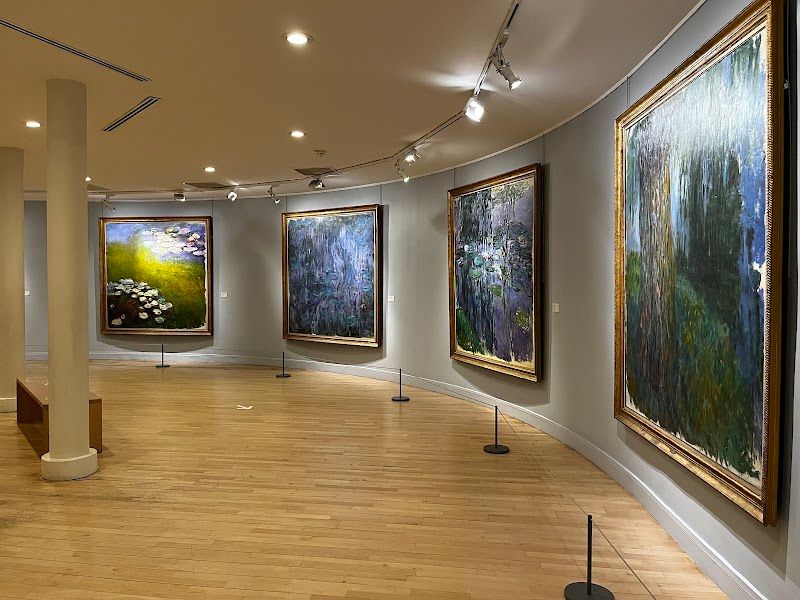
Musée Marmottan Monet
Jules and Paul Marmottan's 19th-century hunting lodge turned into Paris's most intimate Impressionist museum houses 165 Monet paintings, including the tiny canvas that accidentally named an entire art movement. The ground floor showcases Napoleon's actual furniture from Saint Helena, while upstairs you'll find medieval illuminated manuscripts that most visitors rush past on their way to the Monets. The basement level hits you immediately with Impression, Sunrise displayed alone in a climate-controlled case, it's surprisingly small at just 19 by 25 inches. The circular room beyond contains Monet's massive late water lily canvases that he painted nearly blind at Giverny, their surfaces thick with paint you can see from across the room. The lighting dims automatically every few minutes to protect the paintings, creating an almost theatrical effect. Skip the upper floors entirely unless you're genuinely interested in medieval art, the real payoff is spending your time in that basement with the Monets. The museum gets busy around 2pm when tour groups arrive, but mornings feel almost private. Audio guides cost extra and aren't worth it since the wall plaques are thorough in English.
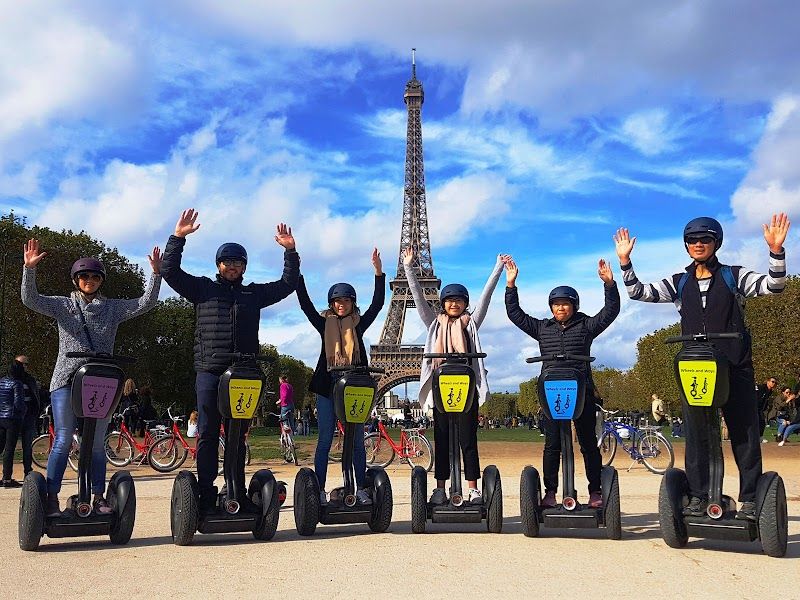
Wheels and Ways Segway Tour, Paris and Versailles
This Segway tour covers serious ground in Paris, taking you from UNESCO headquarters past the Eiffel Tower, through Champ de Mars, along the Seine to Invalides, and into the Tuileries Gardens. You'll get 15 minutes of training before rolling out with groups of 8 people max, covering about 10km in 2.5 hours with photo stops and historical commentary from bilingual guides. The route hits major sights efficiently while using bike paths and park areas where Segways are actually legal. Riding a Segway through Paris feels oddly futuristic, gliding silently past monuments while your guide shares stories through a headset. The pace is relaxed with plenty of stops, and you'll cover distances that would take hours on foot. The best moments come rolling through the wide paths of Champ de Mars with the Eiffel Tower looming overhead, or cruising along the Seine with Invalides' golden dome ahead. Groups stay together well, and the guides genuinely know their stuff about Parisian history. Honestly, this beats walking tours for covering ground, but you're paying premium prices (expect around 65-75 EUR) for what's essentially a novelty ride with decent commentary. Skip this if you're on a tight budget, walking is free and you'll see just as much. The Versailles extension adds another 90 minutes but feels rushed, stick to the Paris only version. Book directly with them rather than through hotel concierges who add markup.
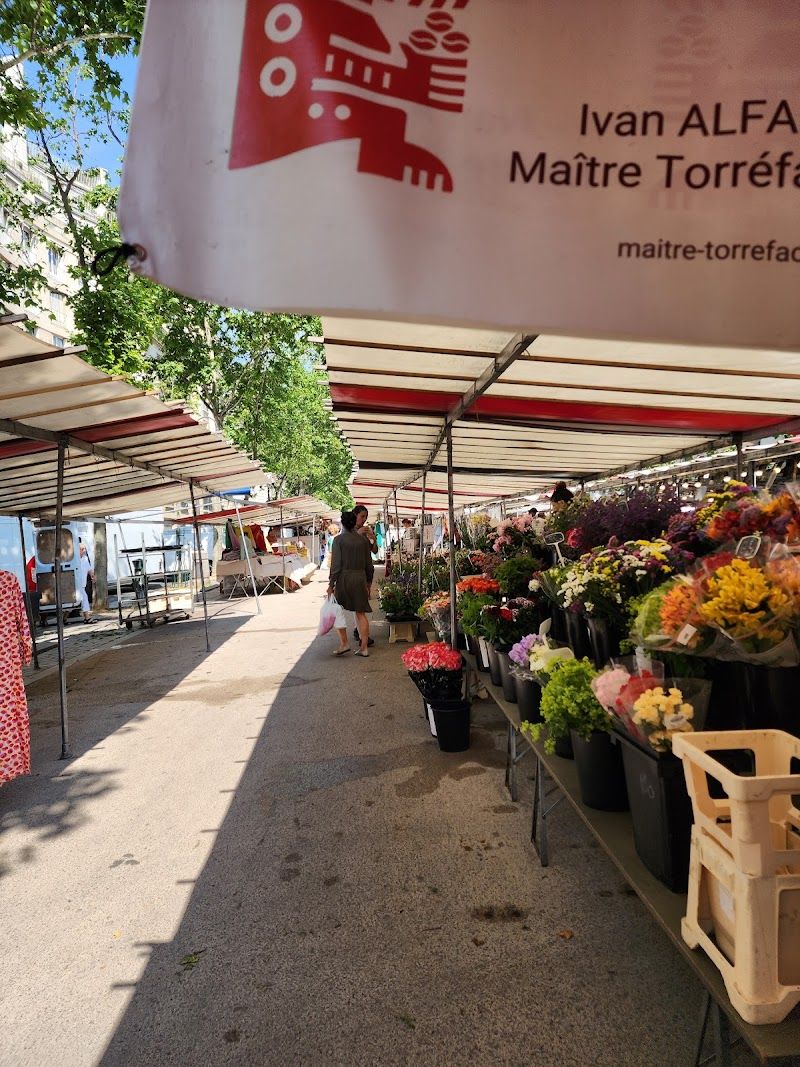
Marché Saxe-Breteuil
Marché Saxe-Breteuil runs along Avenue de Saxe every Thursday and Saturday morning, with the Eiffel Tower rising directly behind the vegetable stalls. You'll find some of Paris's best cheese mongers, fishmongers selling day-boat catches, and produce vendors who supply local restaurants. The quality here is exceptional because you're shopping alongside residents of one of Paris's wealthiest neighborhoods who won't accept anything less than perfect. The market stretches about 400 meters from Place de Breteuil toward Avenue de Ségur, with vendors setting up white canvas stalls on both sides of the tree-lined avenue. You'll weave between locals filling wicker baskets, tourists snapping photos, and vendors calling out prices in rapid French. The Eiffel Tower looms so close you can see rivets in its iron lattework, creating an almost surreal backdrop as you examine wheels of Comté or select sea bass for dinner. Most guidebooks gush about the setting, but honestly, the prices reflect the upscale location. Expect to pay 20-30% more than neighborhood markets like Marché des Enfants Rouges. The cheese at Laurent Dubois is sublime but costs accordingly (€8-12 per 100g for aged varieties). Skip the tourist-trap produce stalls near Place de Breteuil and head toward the middle section where locals actually shop. The oyster vendor near Avenue de Ségur offers the best value at €8-10 per dozen.
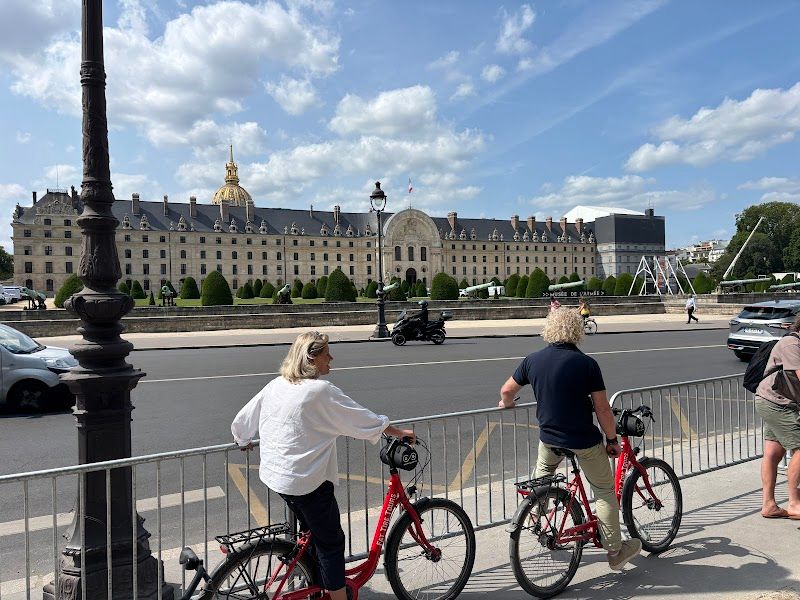
Baja Bikes Parijs (Fat Tire Tours)
Classic bike tour covering major landmarks including the Eiffel Tower, Louvre, and Notre-Dame with comfortable cruiser bikes and small group sizes. Day and night tours available, led by English-speaking guides who share historical anecdotes and stop for photo opportunities at iconic spots.
Where to Eat
Restaurants and cafes in 7th Arrondissement
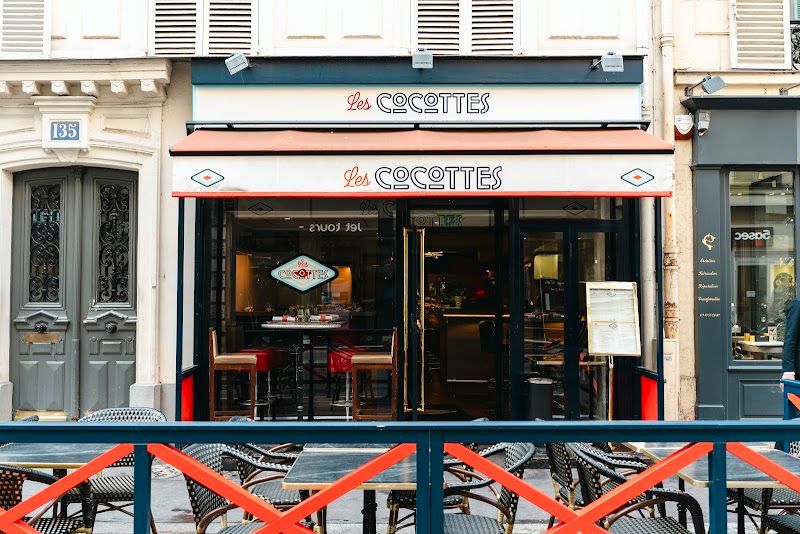
Les Cocottes
RestaurantCasual restaurant by chef Christian Constant serving individual cast-iron cocotte pots of French comfort food. The counter seating and no-reservation policy create a democratic, lively atmosphere despite the pedigree.
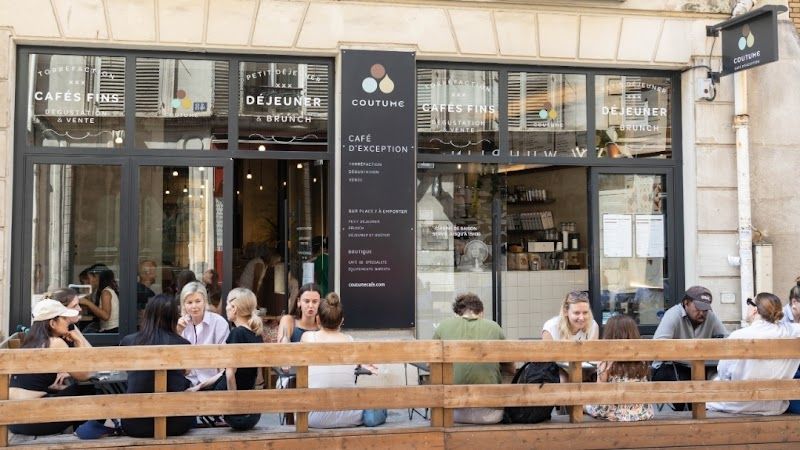
Coutume
CafeSpacious coffee roastery and café near Bon Marché with industrial-modern design. Roasts their own beans on-site and offers brewing workshops. Popular with digital nomads for the reliable wifi and ample seating, plus a full lunch menu.
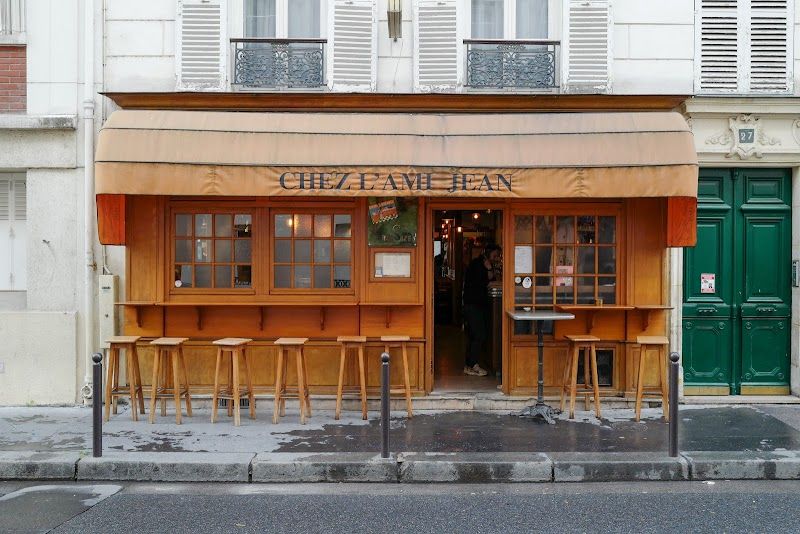
L’Ami Jean
RestaurantBoisterous Basque bistro serving mountainous portions of southwestern French cuisine in a convivial atmosphere. Chef Stéphane Jégo's generous sharing-style plates and famous rice pudding have made this a local institution.
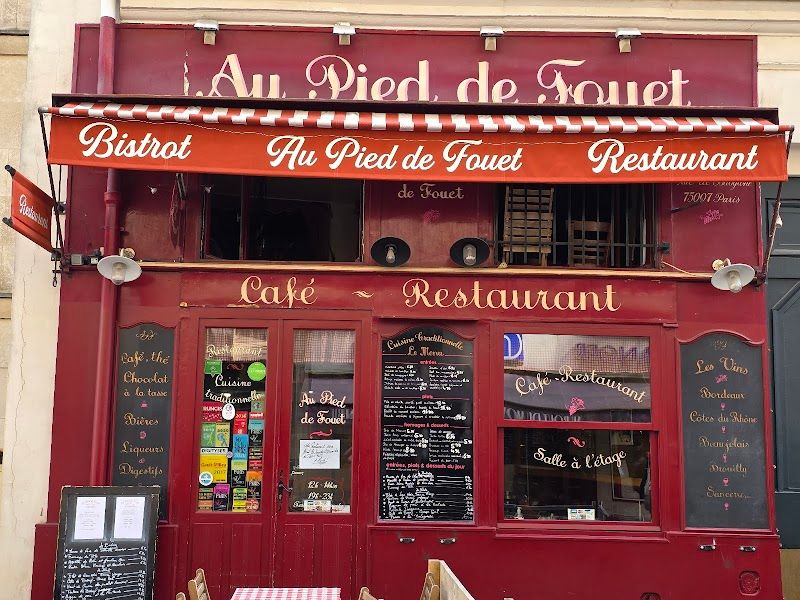
Au Pied de Fouet
RestaurantTiny traditional bistro with marble-topped tables serving classic French comfort food at remarkably low prices. The cramped quarters and handwritten menu preserve an authentic slice of old Paris dining.
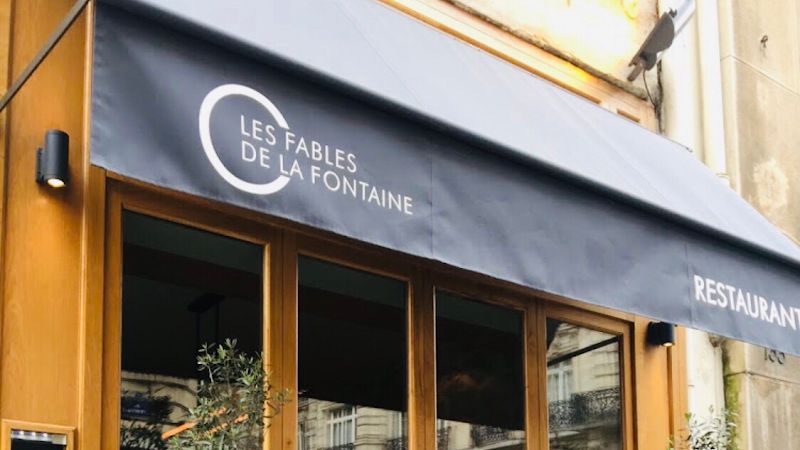
Les Fables de La Fontaine
RestaurantIntimate seafood restaurant where chef Julien Duboué creates refined fish dishes with Japanese influences. The small dining room and open kitchen create an up-close experience with the precise preparations.
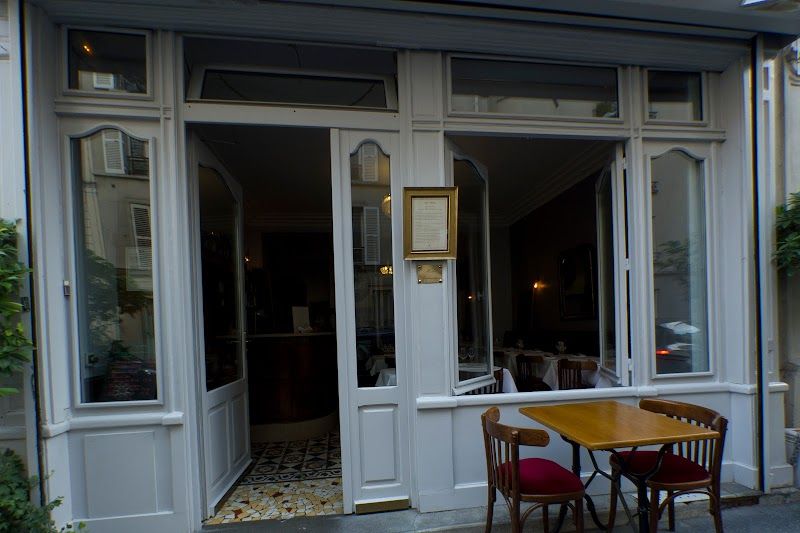
Bistrot Belhara
RestaurantBasque-influenced bistro by chef Thierry Dufroux serving seasonal southwestern French cuisine. The neighborhood spot attracts locals with its market-fresh menu and warm service in a refined but unpretentious setting.
Getting Here
Metro Stations
Getting There
Line 6 to Bir-Hakeim for the Eiffel Tower (best approach with tower views from the bridge). Line 8 for Invalides.
On Foot
Flat and spacious. Wide sidewalks make this the easiest neighborhood to walk with kids.
By Bike
Excellent cycling along the Seine. Protected bike lanes on most major streets.
Insider Tips
Skip the Tower Line
Book Eiffel Tower tickets exactly 60 days in advance at 9am Paris time. They sell out in minutes.
Musee Rodin Garden
The Musee Rodin garden-only ticket costs a few euros and includes the best sculptures plus a quiet cafe.
Rue Cler Market
Rue Cler is a real neighborhood market street, not a tourist trap. Go before noon for the best cheese and pastries.
Nearby Neighborhoods
Continue exploring
Related Articles
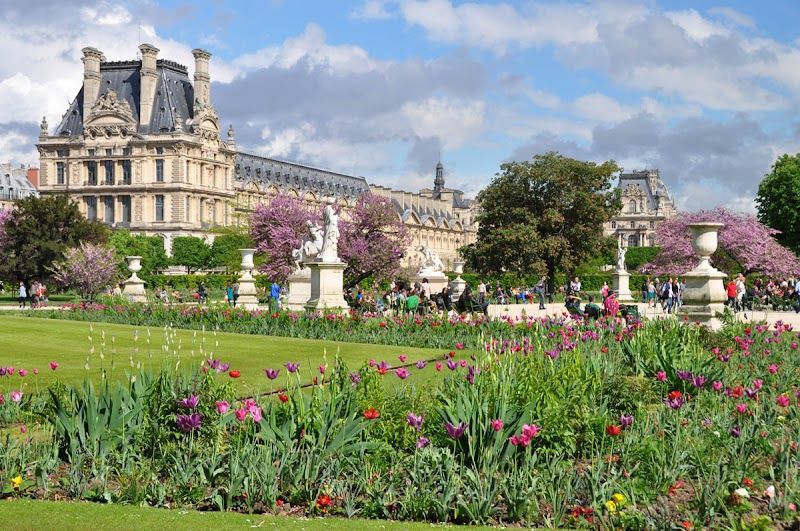
Paris in Winter: 25 Things to Do When It's Cold and Gray
Paris winter means empty museums, cozy bistros, and the city locals actually live in. Here's what to do when it's 4°C and drizzling.
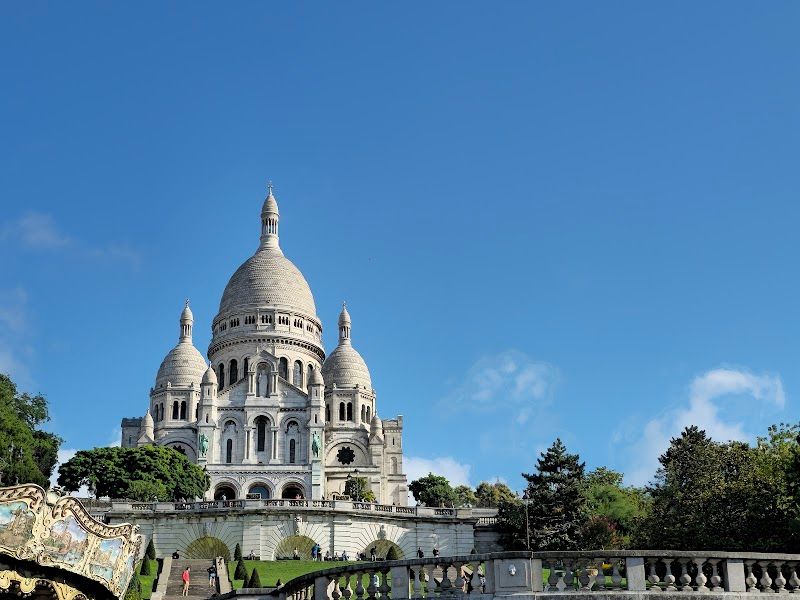
Paris Travel Cards Compared: Which Metro Pass Saves You Money?
Skip the tourist traps and tourist prices. We break down every Paris travel card option with actual numbers to show you which metro pass saves money in 2025.
Plan a trip featuring 7th Arrondissement
Get a personalized Paris itinerary with 7th Arrondissement built in.
Start Planning