Portugal
Porto
Port wine cellars on the Douro, a francesinha for EUR 10, azulejo tiles on every surface, and the city that does not try to be Lisbon
Best Time
May-September
Ideal Trip
2-3 days
Language
Portuguese, English in tourist areas and younger generation
Currency
EUR
Budget
EUR 33-68/day (excl. hotel)
About Porto
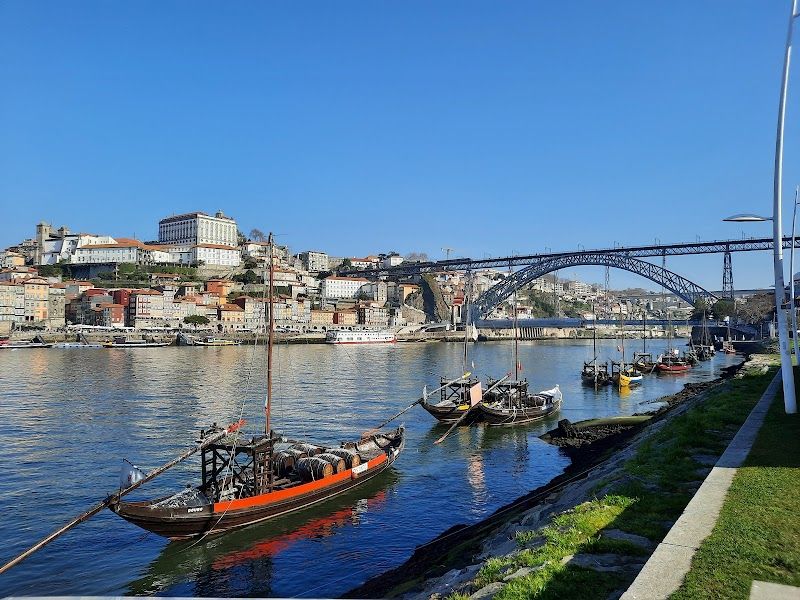
Porto is the city that gave Portugal its name and port wine its reputation, and it treats both facts with the kind of quiet confidence that comes from knowing you were here first. The Ribeira waterfront is UNESCO-listed: a vertical stack of terracotta-roofed buildings climbing from the Douro River up a granite hillside, connected by staircases so steep they count as exercise. Cross the Dom Luis I bridge to Vila Nova de Gaia and you are standing in front of 50+ port wine cellars that have been aging tawny and ruby in oak barrels since the 1700s, and a tasting costs EUR 5-15 depending on whether you want the 10-year or the 40-year.
The food is the most honest in Portugal. A francesinha (the local sandwich: layers of cured meat, fresh sausage, and steak, covered in melted cheese and a spicy tomato-beer sauce, served with fries, EUR 10-14) is Porto's answer to every hangover and most existential questions. Bacalhau (salt cod) shows up in 365 preparations, one for every day of the year according to local pride, and the pasteis de nata (custard tarts) at Manteigaria cost EUR 1.20 each and are made in front of you. A proper sit-down dinner with wine costs EUR 20-35 per person, which in Lisbon would buy you half that experience.
Porto is also the city that does not try to be Lisbon. Where Lisbon is performatively cool and increasingly expensive, Porto is gritty, affordable, and architecturally extraordinary in a way that catches you off guard. The Sao Bento train station has 20,000 azulejo tiles telling the history of Portugal, and you walk past it on the way to buy groceries. The Livraria Lello bookshop (EUR 8 entry, refundable on purchase) has a crimson staircase that inspired J.K. Rowling, and the Clerigos Tower (EUR 8, 240 steps) gives you the view that every Porto photograph tries to capture.
Neighborhoods
Each district has its own personality
Ribeira & Downtown
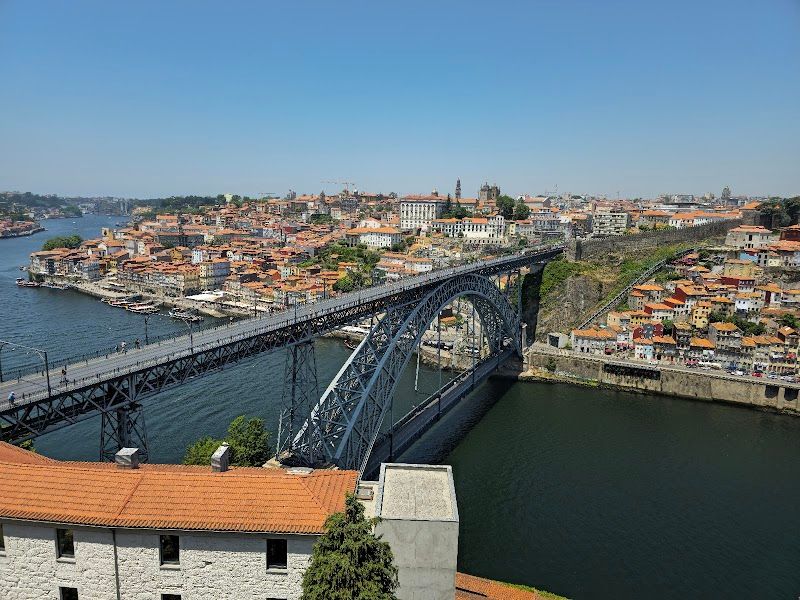
The UNESCO heart of Porto: terracotta rooftops cascading to the Douro, the iron bridge, the azulejo train station, and the restaurants where Porto eats dinner in summer
Vila Nova de Gaia
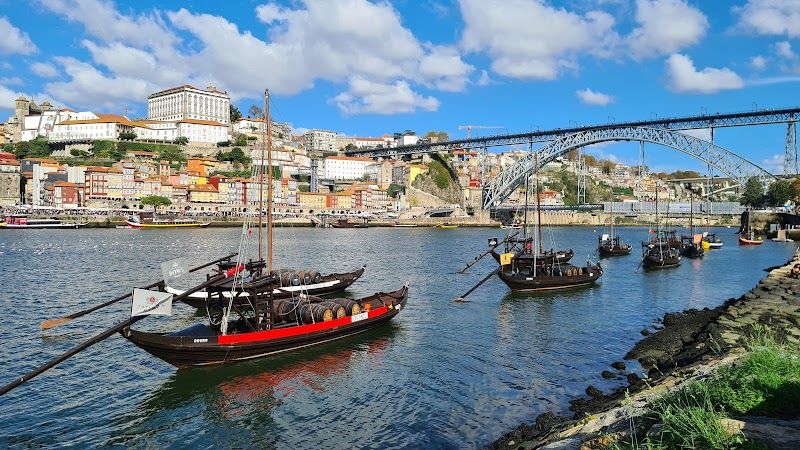
Porto's wine district across the river: 50+ port cellars aging tawny in oak barrels since the 1700s, the cable car over the rooftops, and the sunset view back to Ribeira that every photograph tries to capture
Cedofeita & Bolhao
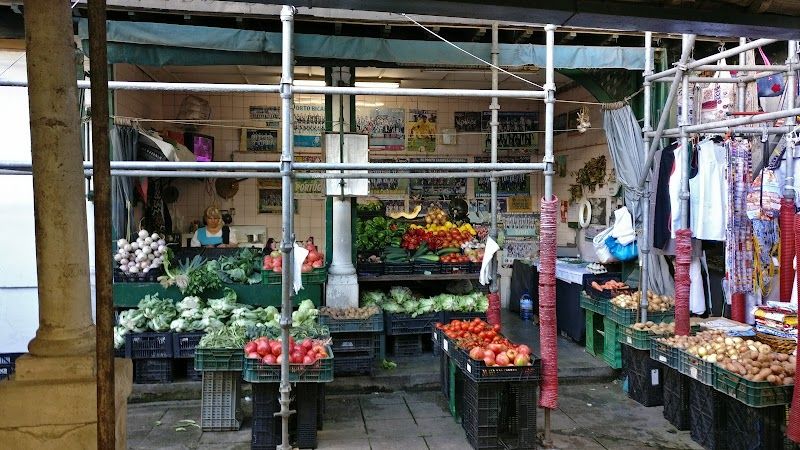
The working Porto north of the tourist centre: the renovated market hall, the main shopping street, independent galleries, street art, and azulejo-covered churches on every other corner
Things to Do
Top experiences in Porto
Cais de Gaia
Cais de Gaia stretches along the south bank of the Douro River, directly across from Porto's famous Ribeira district. You'll find a collection of historic port wine cellars that have been operating here since the 18th century, including Sandeman, Graham's, and Taylor's. The promenade offers unobstructed views of Porto's colorful buildings climbing up the hillside, while street musicians and small cafés create a relaxed waterfront atmosphere. The experience flows naturally from wine lodge to wine lodge, each offering tastings and tours that reveal how port wine ages in massive oak barrels. Between tastings, you'll walk along the riverside path where locals fish and tourists snap photos of the Dom Luís I Bridge towering overhead. The contrast between Porto's medieval chaos across the water and Gaia's organized wine tourism creates an interesting dynamic. Most guides push expensive cellar tours at 15-25 EUR when simple tastings at 5-8 EUR give you the same wines and better views from outdoor terraces. Skip the crowded Sandeman museum and head to smaller lodges like Kopke or Croft for more personal attention. The area gets packed with river cruise groups between 11am and 3pm, so early morning visits let you actually enjoy the peaceful riverside setting.
Port Wine Tasting in Vila Nova de Gaia
Vila Nova de Gaia houses over 50 port wine cellars where tawny and ruby ports have aged in oak barrels since the 1700s. You'll descend into cool, dimly lit cellars that smell of wood and fortified wine, learning how port is made while tasting 2-3 different styles. The major houses like Taylor's, Graham's, and Sandeman offer polished tours (EUR 15) with theatrical guides, while smaller producers like Cockburn's charge EUR 8-10 for more intimate tastings. The experience varies dramatically between houses. At Sandeman, guides wear dramatic black capes and deliver rehearsed presentations. Taylor's focuses on their beautiful terrace overlooking Porto's skyline. Graham's sits higher on the hillside with a restaurant attached. The cellars themselves are atmospheric, filled with massive oak barrels and the sweet aroma of aging port, but the real appeal is comparing different aged tawnies and understanding how 10-year differs from 20-year vintages. Most guides won't tell you that Taylor's terrace is accessible without paying for the tour, you can just order a glass for EUR 5-8. Skip the standard tours at multiple houses, they're repetitive. Instead, do one major house tour, then hit 1-2 smaller producers for variety. The premium tastings (EUR 25-40) with 20 and 40-year tawnies at Graham's or Taylor's are worth it if you're genuinely interested in wine, not just the novelty.
Dom Luis I Bridge
Dom Luis I Bridge is Porto's signature double-decker iron span, connecting the Ribeira district to Vila Nova de Gaia across the Douro River. Built in 1886 by a student of Gustave Eiffel, it's got two completely different experiences: the upper deck sits 60 meters high and carries the metro plus pedestrians, while the lower deck hugs the river level. The upper level gives you that classic Porto panorama with terracotta rooftops cascading down to the water, plus views of the port wine cellars across in Gaia. Walking the upper deck feels like floating above the city, especially when trams glide past you toward Gaia. The steel lattice structure frames your photos perfectly, and you'll hear a dozen languages as everyone stops to snap the same shot. The lower deck is grittier and more functional, connecting the waterfront restaurants and bars directly. Both levels are free and open 24/7, though the upper deck gets packed during sunset hours when tour groups descend. Most guides make this sound more essential than it actually is. Yes, the views are spectacular, but you can get nearly identical shots from Serra do Pilar garden on the Gaia side without fighting crowds. The bridge itself takes 5-10 minutes to cross, so don't plan more than 30 minutes total unless you're combining it with Ribeira exploration. Skip the upper deck entirely if you're afraid of heights or traveling with mobility issues.
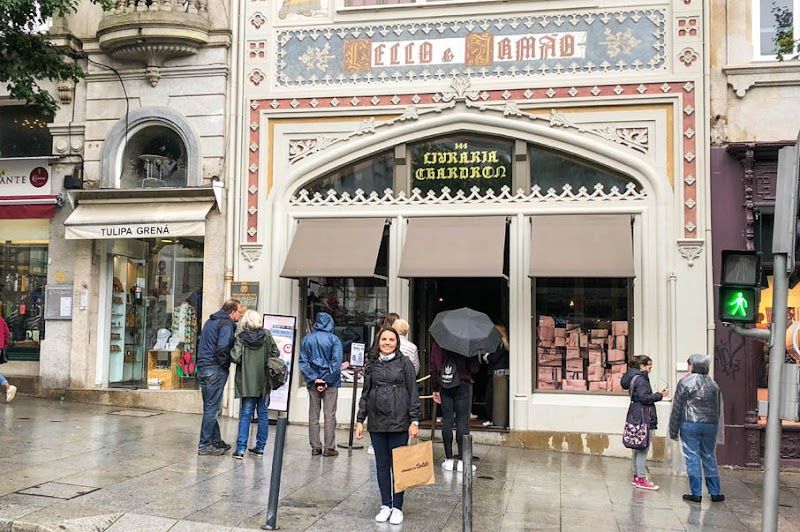
Livraria Lello
Livraria Lello is a neo-Gothic bookshop from 1906 that looks more like a cathedral than a place to buy novels. The famous crimson spiral staircase winds up through carved wood balconies under a stunning stained glass ceiling that bathes everything in golden light. J.K. Rowling supposedly drew inspiration here during her Porto teaching years, though the connection feels a bit forced. What's genuinely impressive is the intricate woodwork covering every surface and the way the staircase curves like something from a fairy tale. You'll pay EUR 8 just to enter, then shuffle through with dozens of other tourists all angling for the same Instagram shot. The ground floor gets packed, but the upper gallery offers breathing room and the best view of that stained glass dome. Most people spend 15 minutes taking photos then leave, but if you actually browse the books, you'll find Portuguese literature, art books, and tourist guides in multiple languages. The atmosphere feels reverent despite the crowds, like visiting a library that happens to be a tourist attraction. Honestly, it's beautiful but overpriced for what amounts to a very fancy bookshop. The EUR 8 entry fee is refundable if you buy a book, but most titles cost EUR 15-30, so you're essentially forced into a purchase. Summer queues hit 45 minutes by 11 AM, which is absurd for a 30-minute visit. Go at opening (9:30 AM) or after 5 PM when tour groups disperse. Buy your voucher online at livrarialello.pt to skip the ticket line, though you'll still wait to enter during peak times.
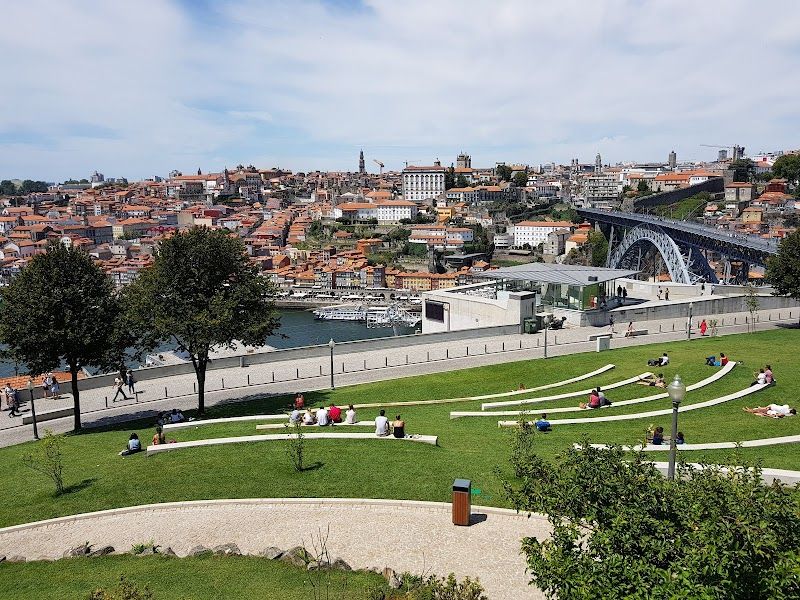
Jardim do Morro
Jardim do Morro sits at the Vila Nova de Gaia end of Dom Luís I Bridge, giving you the best panoramic views of Porto's ribeira and historic center across the Douro River. You'll find expansive grassy areas perfect for picnics, tree-lined paths offering shade, and the 16th-century Serra do Pilar Monastery anchoring the western edge. The park draws sunset crowds but there's plenty of space to claim your own spot with unobstructed views. The atmosphere shifts throughout the day from peaceful morning dog walks to bustling evening gatherings. Locals spread blankets for impromptu picnics while tourists cluster near the bridge entrance snapping photos. The monastery's circular cloister provides architectural interest, but most people come for the sweeping river views and the magic hour light hitting Porto's colorful facades. Street musicians often set up near the main pathways, adding soundtrack to the scenery. Most guides oversell this as Porto's premier sunset spot, but honestly, it can get uncomfortably packed on summer evenings. The western monastery area offers better views with fewer crowds than the bridge entrance. Entry is completely free, though the monastery charges 2 EUR if you want to climb the bell tower. Skip the overpriced cafe near the cable car station and bring your own refreshments.
Mercado do Bolhão
Mercado do Bolhão is Porto's beautifully restored 1914 market hall where locals still shop for daily essentials alongside curious visitors. After a major renovation that finished in 2022, the neoclassical iron and glass structure now houses traditional vendors selling fresh fish, produce, and flowers on the ground floor, plus a food court upstairs with counters serving proper Portuguese comfort food. You'll pay EUR 8-12 for hearty portions of bacalhau, grilled sardines, or francesinha sandwiches that locals actually eat. The atmosphere feels authentically Portuguese rather than touristy, especially in the morning when vendors arrange their displays and regulars stop by for coffee. Upstairs, the food court gets lively around lunch when office workers queue at counters like A Despensa do Bolhão for petiscos (small plates) and bifanas (pork sandwiches). The restored architecture is genuinely impressive: soaring ceilings, original ironwork, and natural light flooding through glass panels create an elegant backdrop for market chaos. Most travel guides oversell this as a major attraction when it's really just a functioning neighborhood market that happens to be gorgeous. Come hungry for lunch upstairs or browse the flower stalls, but don't expect exotic ingredients or artisanal products. The real appeal is experiencing how Porto residents actually shop and eat, not hunting for souvenirs or Instagram shots.
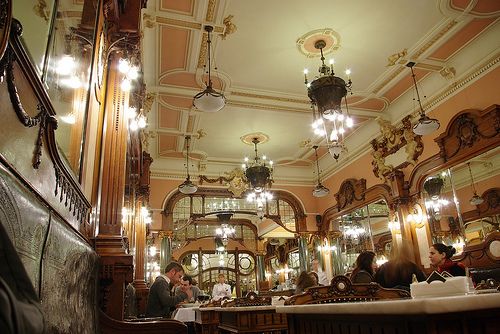
Cafe Majestic
Art Nouveau cafe from 1921 with ornate carved wood, gilded mirrors, and live piano music most afternoons. Famous for traditional Portuguese breakfast and afternoon tea service with pastries made in-house. The Belle Epoque interior has been preserved down to the original leather banquettes.
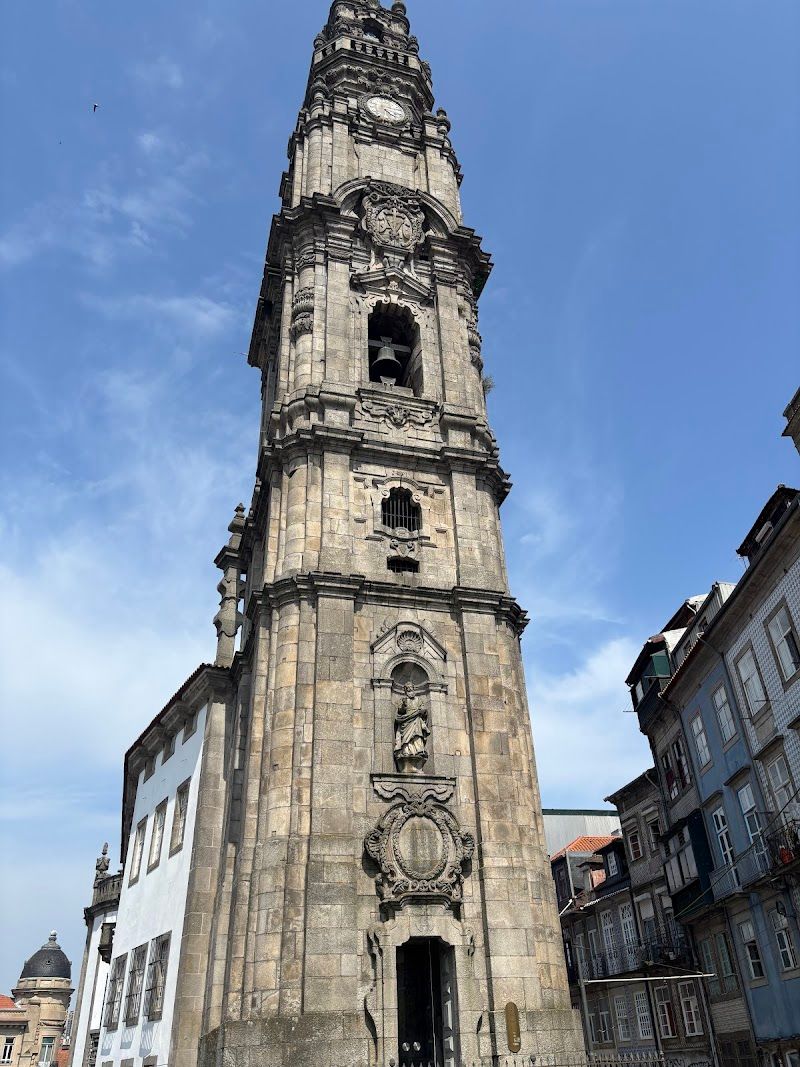
Clerigos Tower (Torre dos Clerigos)
Torre dos Clérigos is a 76-meter Baroque bell tower that dominated Porto's skyline for over a century after its completion in 1763. You'll climb 240 steps up a narrow spiral staircase to reach panoramic views stretching from the Douro River across to Vila Nova de Gaia's port cellars, and on clear days, all the way to the Atlantic Ocean. The tower sits next to the ornate Clérigos Church, designed by Italian architect Nicolau Nasoni, whose influence shaped much of Porto's Baroque architecture. The climb feels like ascending inside a stone lighthouse, with tiny windows offering glimpses of the city as you spiral upward. The staircase operates one-way traffic only, so there's no stopping midway or turning back once you start. At the top, you're rewarded with Porto's best 360-degree vista, where red-tiled rooftops cascade down toward the river and the city's layout becomes crystal clear. The viewing platform feels surprisingly spacious after the cramped ascent. Most guides won't mention that the €8 entry fee feels steep for what amounts to a 10-minute experience once you reach the top. The adjacent church is free and arguably more impressive with its gilded interior and azulejo tiles. Skip this if you're doing the climb at Miradouro da Vitória for free, which offers nearly identical views. Go at opening (9 AM) to avoid queues, especially in summer when lines stretch around the block.
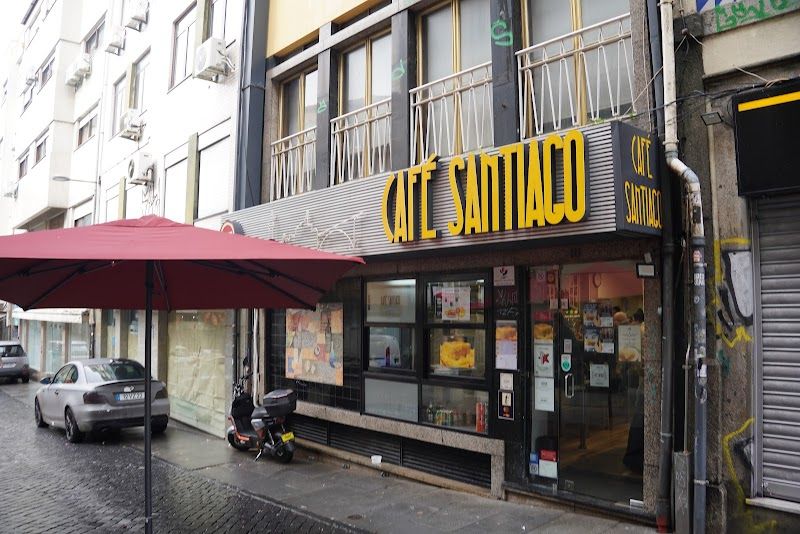
Cafe Santiago
No-frills family restaurant serving Porto's most acclaimed francesinha since 1959. The molten cheese sauce recipe remains a family secret, and locals queue outside for weekend lunch. They serve nothing but francesinhas, bifanas, and Super Bock beer.
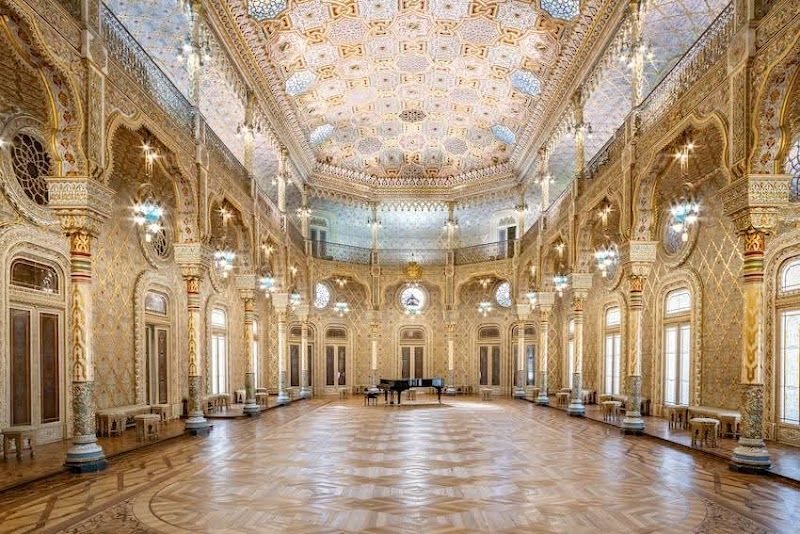
Palácio da Bolsa
Porto's Stock Exchange Palace is a 19th-century neoclassical showpiece that'll genuinely surprise you with its lavish interiors. You'll walk through rooms that get progressively more elaborate, ending in the jaw-dropping Arabian Hall covered in 18 kilograms of gold leaf and intricate Moorish patterns. The guided tours (mandatory at EUR 12) take you through the grand marble staircase, the Court of Nations with its stunning octagonal glass dome, and several ornate reception rooms that showcase Porto's wealth during its commercial heyday. The 45-minute tour feels like stepping into a banker's fever dream from the 1800s. Your guide leads you through increasingly opulent spaces, building anticipation for the Arabian Hall finale. The acoustics in the dome room are incredible, and you'll hear the guide's voice echo dramatically off the curved glass ceiling. Each room has a different architectural personality, from neoclassical restraint to full Moorish excess, and the craftsmanship details are genuinely impressive up close. Honestly, this place delivers on the hype, unlike many Porto attractions. The EUR 12 fee stings a bit, but the Arabian Hall alone justifies it. Skip the gift shop completely, it's overpriced tourist tat. Tours run every 30 minutes and fill up fast, especially after 11am when cruise groups arrive. The photography restrictions are strict inside, so don't expect great shots, but the visual impact makes up for it.
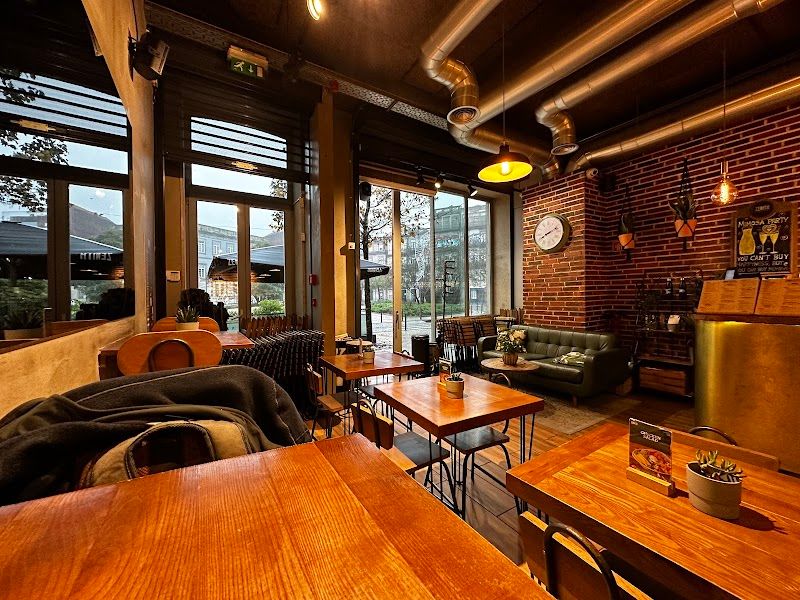
Zenith Brunch & Cocktails
All-day brunch spot in a converted textile warehouse with high ceilings and industrial decor. The menu combines Portuguese ingredients with international brunch classics, and they make fresh-squeezed juices and specialty coffee. Weekend brunch service runs until 4pm.
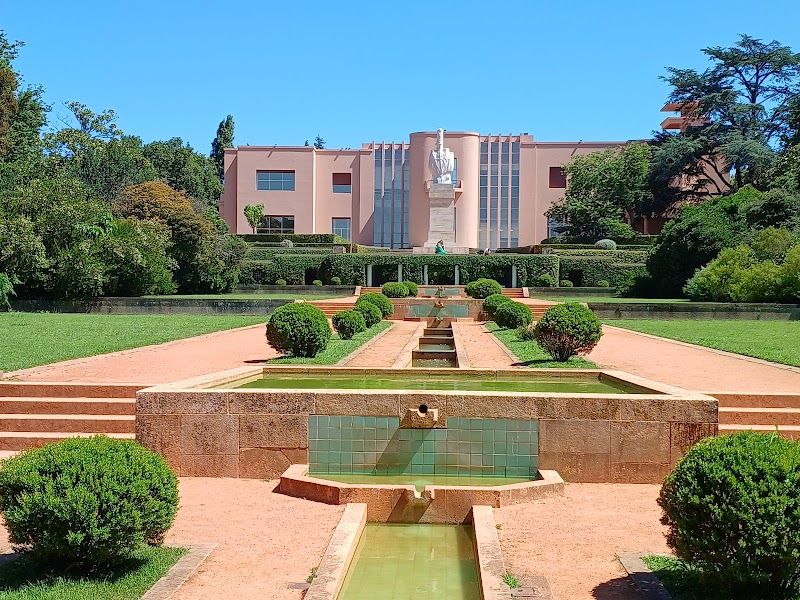
Fundação de Serralves
Serralves combines Portugal's premier contemporary art museum with some of Porto's most sophisticated gardens, all designed by architectural heavyweights. Álvaro Siza's stark white museum building houses rotating exhibitions of cutting-edge contemporary art, while the restored 1930s Art Deco mansion showcases period interiors and smaller installations. The 18-hectare grounds include formal French gardens, English woodland trails, a central lake, and scattered sculpture pieces that actually complement the landscape. You'll spend most of your time outdoors wandering between different garden styles: manicured rose beds near the mansion, wild woodland paths toward the back, and geometric lawns around the modern museum. The contrast between Siza's angular modernism and the Art Deco curves of Casa de Serralves creates visual tension that somehow works. Inside the museum, the white-walled galleries can feel clinical, but they showcase serious contemporary artists rather than crowd-pleasing installations. The combined ticket costs €20 (gardens only €12), but many visitors skip the museum entirely and just enjoy the grounds. Sunday mornings before 1pm offer free admission, though you'll share the space with half of Porto's families. The museum exhibitions can be hit or miss, honestly some are quite pretentious, so check what's showing before paying full price. Focus your energy on the gardens and save the mansion's interior for last when your feet need a break.
Travel Guides
Expert guides for every travel style
Where to Eat in Porto: Francesinha, Bacalhau & Port Wine
Porto food guide: francesinha (EUR 10-14), bacalhau in 365 preparations, bifana for EUR 3, pasteis de nata for EUR 1.20, and port wine tasting from EUR 5 in Gaia.
7 min
First Time in Porto: What You Need to Know
Everything before your first visit to Porto: airport metro, the hill situation, coffee culture, francesinha rules, the Porto Card, and why you should not compare it to Lisbon.
6 min
Frequently Asked Questions
Most cellars charge EUR 5-15 for a standard tasting of 3-4 wines. Taylor's (EUR 15), Graham's (EUR 15), and Sandeman (EUR 15 with a guide in a black cape) are the most popular. Smaller, family-run cellars like Ramos Pinto and Calem offer EUR 10 tastings with less crowding. The premium tastings (20-year and 40-year tawny) run EUR 25-40. No booking needed for standard tastings at most cellars - walk in between 10 AM and 6 PM. The cellars cluster along the Gaia waterfront, and you can visit 2-3 in an afternoon without rushing.
A francesinha is Porto's signature sandwich: layers of cured ham, linguica sausage, fresh sausage, and steak between bread, covered in melted cheese and drenched in a spicy tomato-beer sauce, served with fries. It costs EUR 10-14 everywhere. Cafe Santiago on Rua de Passos Manuel is the most famous (expect a queue after 12:30 PM). Bufete Fase on Rua de Santa Catarina is the local alternative with no queue. Lado B in Cedofeita does a modern version. Do not order a francesinha for dinner - it is a lunch dish and you will not want to move afterwards.
Porto is walkable but extremely hilly. The historic centre (Ribeira, Clerigos, Bolhao) is compact enough to cover on foot in a day, but the steep granite streets are tiring, especially in summer heat. The metro (EUR 1.50-2.50 per trip, Andante card EUR 0.60) connects the airport to the centre in 30 minutes (zone 4, EUR 2.50). The Funicular dos Guindais (EUR 2.50) saves the steepest climb between Ribeira and Batalha. Trams 1 and 22 are scenic but slow. Most visitors walk between the main areas and use the metro only for the airport and Foz do Douro coast.
Porto is smaller, cheaper, and grittier than Lisbon. Meals cost 30-40% less (dinner EUR 20-35 vs Lisbon EUR 30-50), accommodation is EUR 20-40 cheaper per night, and the tourist crowds are more manageable. Porto has better food culture (francesinha, bacalhau, port wine), while Lisbon has better nightlife and beaches. Porto takes 2-3 days to see thoroughly, Lisbon needs 3-4. Porto is hillier and more physically demanding to walk. If you have time for only one, Porto rewards food-focused travelers; Lisbon rewards those who want variety and a longer stay.