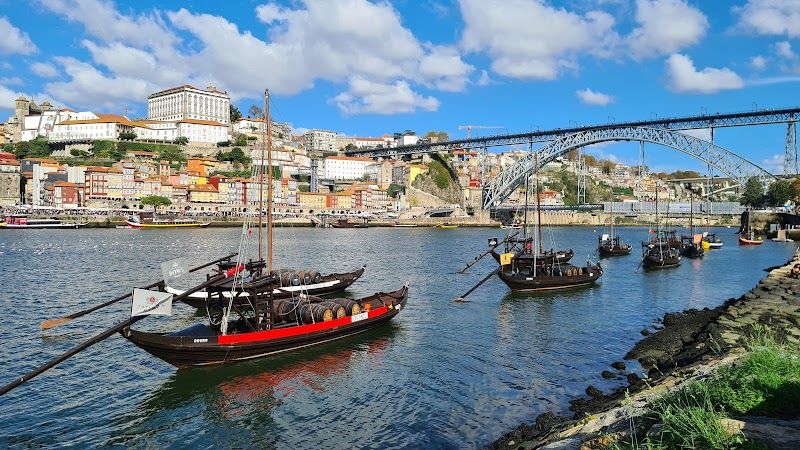
First Time in Porto: What You Need to Know
Airport metro EUR 2.50, the hills are real, bica costs EUR 0.70, and tipping is not expected
Everything before your first visit to Porto: airport metro, the hill situation, coffee culture, francesinha rules, the Porto Card, and why you should not compare it to Lisbon.
Airport to City Center: Skip the Taxi Drama
The violet Line E metro from Francisco Sá Carneiro Airport is your best bet into town. You'll need an Andante card (EUR 0.60) plus a zone 4 ticket (EUR 2.50), and the whole ride takes about 30 minutes to reach Trindade or Bolhão stations in the center. Trains run every 20-30 minutes, so don't sprint through the terminal. The alternative taxi ride costs EUR 20-25 and sits in the same traffic, so save your money unless you're hauling massive luggage or arriving after midnight when the metro stops running.
Getting Around: Embrace the Hills (Or Cheat Them)
Porto is absolutely walkable, but whoever told you it was flat was lying. The climb from the riverside Ribeira district up to Clérigos Tower is only 10-15 minutes on paper, but feels like 30 when you're sweating through your shirt in August heat. The metro system has six color-coded lines that cover all the areas you'll actually want to visit. For the steepest climbs, the Funicular dos Guindais (EUR 2.50) saves your legs between Ribeira and Batalha. The historic trams look great in photos: Tram 1 runs to the beach at Foz do Douro, while Tram 22 does a circular route through the old town. Both are scenic and slow, so use them for the experience, not efficiency.
Coffee Culture: Quality Over Quantity
A proper bica (Portuguese espresso) costs EUR 0.70-1.00 at neighborhood cafés where locals actually drink. The same coffee costs EUR 2-3 near tourist attractions, and it's not better. You'll see pastéis de nata everywhere, but the best versions are at Manteigaria or Fábrica da Nata for EUR 1.20 each. Order them morna (warm) and watch them dust cinnamon on top. Most locals drink their coffee standing at the bar counter, pay immediately, and leave within five minutes. Lingering over coffee for an hour is fine, but you'll stick out as a tourist.
What Locals Actually Eat
Francesinha is Porto's famous sandwich monster: layers of meat covered in melted cheese and a beer-tomato sauce that locals guard like state secrets. It costs EUR 10-14 and is absolutely a lunch dish, not dinner. You'll find bacalhau (salt cod) prepared dozens of ways at every restaurant because Portugal has a genuine obsession with the stuff. For quick lunches, bifana (a pork sandwich for EUR 3-4) is what working locals actually grab between meetings, not the tourist-heavy francesinhas. A proper dinner with wine at a decent restaurant runs EUR 20-35 per person. Don't stress about tipping: it's not expected in Portugal. Round up a euro or two if the service was great, but nobody will chase you down the street if you don't.
Porto Card: Do the Math First
The Porto Card costs EUR 13 for one day, EUR 20 for two days, or EUR 25 for three days. It includes unlimited public transport plus discounts (not free entry) at museums and attractions. Here's the reality check: it's only worth buying if you plan to ride the metro or trams frequently AND visit three or more paid attractions per day. Most visitors doing two to three days of walking with one or two paid sites daily will spend less buying individual tickets. The card makes sense if you're planning to hit multiple port wine cellars in Vila Nova de Gaia plus several museums in the same day, but not for a relaxed pace of sightseeing.
Weather and Timing Your Visit
Porto gets significantly more rain than Lisbon, so timing matters more here. May through September gives you the reliable window: warm temperatures between 20-28°C, dry conditions, and long summer evenings perfect for riverside dinners. June through August brings peak season crowds and higher prices, especially at places like Livraria Lello and the port wine cellars. March, April, and October offer shoulder season advantages: cooler weather around 15-20°C, occasional rain showers, but fewer tourists clogging the narrow streets and better deals on accommodation. December through February is cold (8-14°C) and wet, though the city has a moody atmosphere under grey skies if you don't mind bundling up.
Ready to Visit Porto?
Get a personalized itinerary tailored to your travel style and interests.
Plan Your Porto TripMore Porto Guides
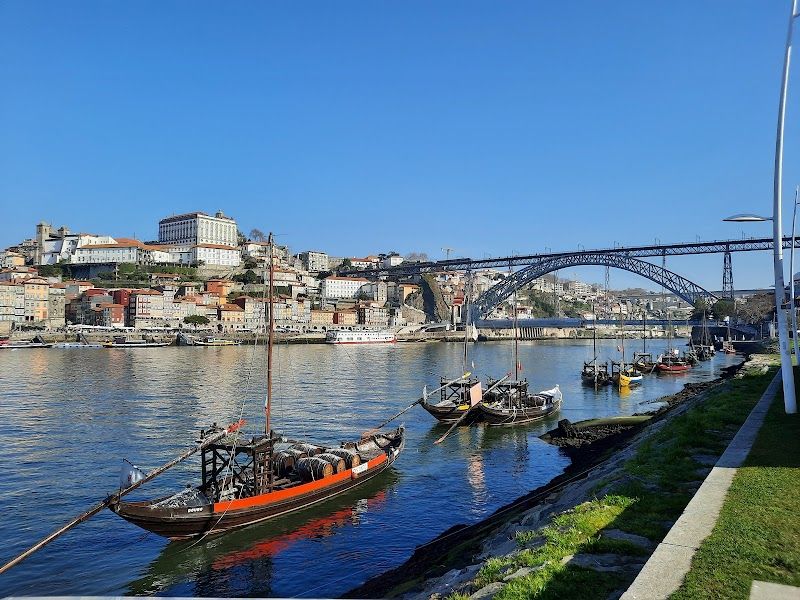
2-3 Days in Porto: First-Timer's Itinerary
How to spend 2-3 days in Porto: Sao Bento tiles at opening, Ribeira and the bridge, port wine tasting in Gaia, Clerigos Tower, Livraria Lello, and a francesinha.
8 min
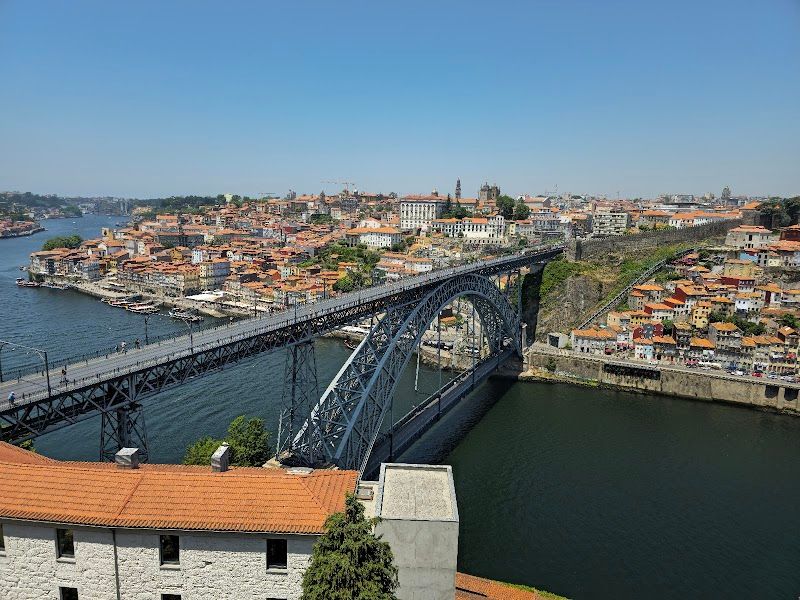
Where to Eat in Porto: Francesinha, Bacalhau & Port Wine
Porto food guide: francesinha (EUR 10-14), bacalhau in 365 preparations, bifana for EUR 3, pasteis de nata for EUR 1.20, and port wine tasting from EUR 5 in Gaia.
7 min