2-3 Days in Porto: First-Timer's Itinerary
Sao Bento azulejos, Ribeira waterfront, port wine in Gaia, and a francesinha that will ruin all other sandwiches
How to spend 2-3 days in Porto: Sao Bento tiles at opening, Ribeira and the bridge, port wine tasting in Gaia, Clerigos Tower, Livraria Lello, and a francesinha.
2-3 Days in Porto: First-Timer's Itinerary
Porto hits you like a glass of vintage port: complex, satisfying, and better than you expected. This city doesn't try to charm you with postcard prettiness like Lisbon does. Instead, it wins you over with its working-class grit, serious food culture, and the fact that locals still actually live in the historic center. Three days gives you enough time to understand why Porto feels more authentic than most European destinations, plus you'll get properly initiated into the port wine ritual that makes this place famous.
Ribeira, Bridge, and Port Wine
Your first day follows the classic Porto pilgrimage: marvel at hand-painted tiles, cross the famous bridge, and learn why port wine tastes nothing like the sweet stuff your grandmother kept in her cabinet. This route takes you from the city's most beautiful train station down to the riverside district where locals have been hauling cargo for 800 years. You'll end the day slightly wine-drunk with a proper understanding of why Porto people are so proud of their river.
- Azulejo tiles at São Bento Station
- Dom Luís I Bridge crossing
- Port wine tasting in Vila Nova de Gaia
Morning: São Bento Station and Rua das Flores
Start at São Bento train station at 8 AM, not because you're catching a train but because the entrance hall contains 20,000 hand-painted azulejo tiles that tell the story of Portuguese transport history. Yes, it's touristy, but the artistry is legitimately impressive and at this hour you can photograph the blue and white panels without dodging selfie sticks. The tiles smell faintly of cleaning products and echo with the click of early commuters' heels on marble floors. From here, walk down Rua das Flores toward the river. This pedestrian street used to house the goldsmiths and silversmiths, and you can still see some original baroque facades between the modern shops selling Portuguese ceramics to tourists.
Late Morning: Ribeira Waterfront
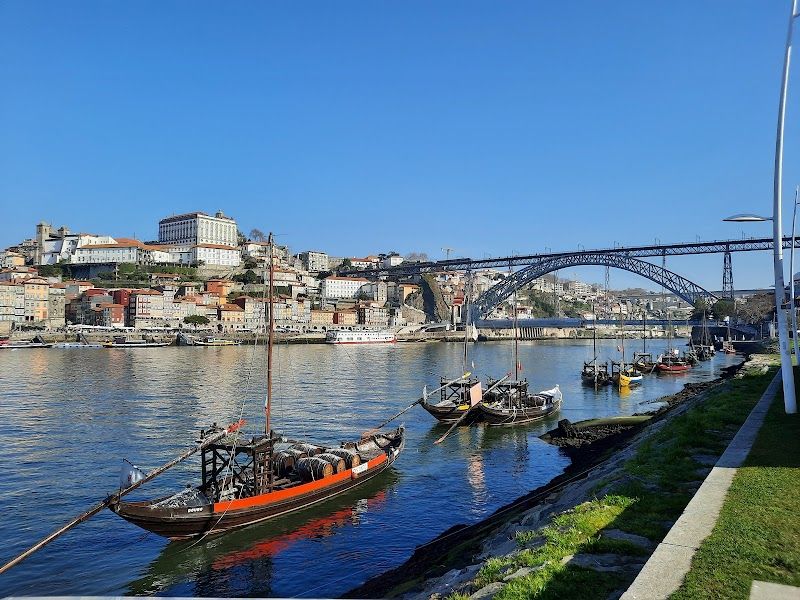
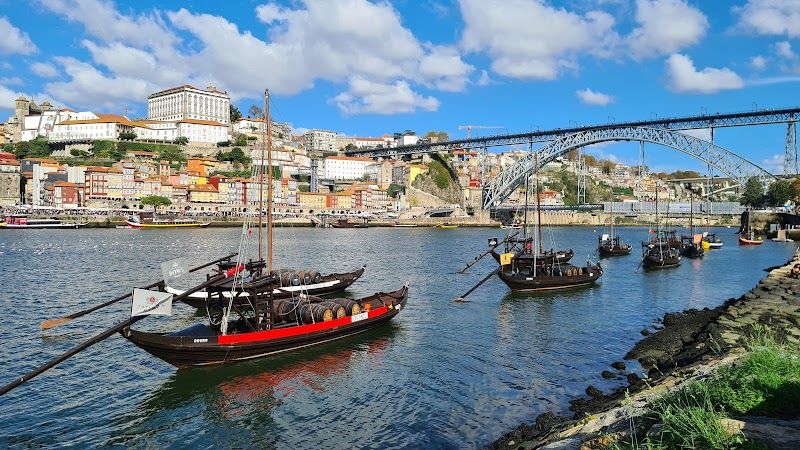
The Ribeira district spreads along the Douro River like laundry hung out to dry: colorful, slightly chaotic, and undeniably photogenic. Grab coffee and a pastel de nata at any riverside cafe for about EUR 3 total. The coffee will be strong and bitter, the custard tart will have a properly caramelized top, and you'll understand why Portuguese people drink coffee standing up. Walk along the waterfront promenade and notice how the medieval buildings lean into each other like old friends sharing secrets. The whole area smells like river water and grilled sardines, with the sound of trams clanging up the hill behind you.
Midday: Crossing Dom Luís I Bridge
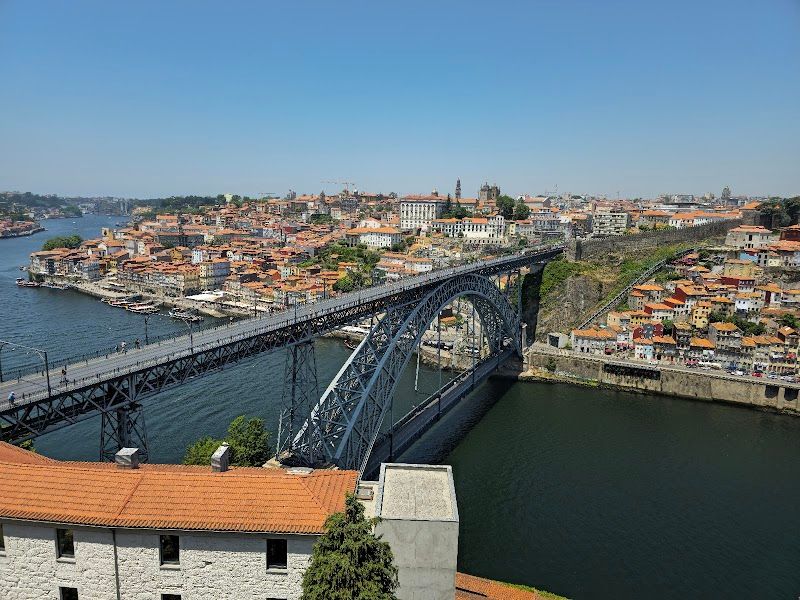
Cross the Dom Luís I bridge on the upper deck, which puts you 60 meters above the river with views that make every other European bridge look boring. The walk takes 10 minutes if you don't stop for photos, 30 minutes if you do. The metal grating under your feet vibrates when the metro train passes, and the wind off the river can be surprisingly strong even on calm days. This bridge was designed by a student of Gustave Eiffel, and you can tell: it has that same industrial elegance that makes engineering look like art.
Afternoon: Port Wine Tasting in Vila Nova de Gaia
Vila Nova de Gaia is technically a different city, but it exists solely to store and serve port wine to people who cross the bridge from Porto. Choose between Taylor's (EUR 15, includes three wines and access to their terrace with the best river views) or Sandeman (EUR 15, guided tour that actually explains the difference between ruby, tawny, and vintage ports). Taylor's has the better view and less crowded tasting room. Sandeman has more theatrical presentations and their guide will teach you to smell vanilla and dried fruit in wine that tastes like liquid raisins. Both beat the tourist traps along the waterfront that serve warm port in plastic cups.
Lunch and Return
Eat lunch at one of the waterfront restaurants in Gaia where grilled fish costs EUR 12-18 and comes with potatoes that taste like they were boiled in seawater. The sardines are better than the sea bass, and the house wine is perfectly drinkable. Walk back across the lower bridge deck, which puts you at eye level with the colorful houses and lets you see into people's windows. You'll notice laundry hanging from every balcony and the occasional cat sitting in a window box. The lower crossing feels more intimate than the upper deck, like you're walking through the city instead of floating above it.
Evening: Dinner
End your day with francesinha at Café Santiago (EUR 12), but arrive before 12:30 PM to avoid the queue that stretches around the block. If you miss the window, try Bufete Fase instead. Francesinha is Porto's contribution to world cuisine: a sandwich stuffed with steak, ham, and sausage, covered in melted cheese and a beer-based sauce that tastes like liquid comfort food. It's heavy enough to put you to sleep and delicious enough that you'll want another one tomorrow. Pair it with Super Bock beer and embrace the fact that you're eating like a Portuguese dock worker after a 12-hour shift.
Clérigos, Lello, and Bolhão
Day two takes you into Porto's commercial heart, where 18th-century church towers compete with Art Nouveau storefronts for your attention. You'll climb 240 steps for the city's best view, visit the bookstore that inspired Harry Potter's Hogwarts (yes, really), and eat lunch in a renovated market that shows how Porto balances preservation with progress. This day involves more walking uphill than day one, so wear comfortable shoes and pace yourself.
- Clérigos Tower climb
- Livraria Lello bookstore
- Mercado do Bolhão food hall
Morning: Clérigos Tower
Arrive at Clérigos Tower when it opens at 9 AM to avoid the crowds and get the clearest morning light for photos. The EUR 8 ticket gets you access to climb 240 steps up a spiral staircase that gets narrower as you ascend. Your legs will burn, you'll get mildly claustrophobic in the upper sections, and the view from the top will make you forget both complaints. From the viewing platform, you can see the entire city spread out like a map: the river curving toward the Atlantic, the red tile roofs creating a geometric pattern, and the surrounding hills covered in white houses. The tower bells ring every 15 minutes, so don't jump when they start clanging three feet from your head.
Mid-Morning: Livraria Lello
Livraria Lello charges EUR 8 just to enter, which tells you everything about how touristy this bookstore has become since J.K. Rowling allegedly found inspiration here for Hogwarts. The fee is refundable if you buy a book, but most people just want to photograph the crimson spiral staircase and the stained glass skylight. The store smells like old paper and wood polish, sounds like camera shutters clicking constantly, and looks exactly like a magical library should. It's crowded and commercialized, but the 1906 Art Nouveau interior is genuinely spectacular. Go, take your photos, buy a Portuguese poetry book to justify the entry fee, and move on.
Late Morning: Igreja do Carmo
Walk to Igreja do Carmo to see the azulejo panel that covers the entire side wall of the church. This is what azulejo work looks like when artists have unlimited space and budget: 1,680 blue and white tiles depicting the founding of the Carmelite order. The best photo angle is from the small square across the street, where you can capture the entire wall without getting a crick in your neck. Unlike the train station tiles, these are meant to be viewed from a distance, so the individual brushstrokes blur into a coherent narrative. The church interior is fine but forgettable; the outside wall is the real attraction.
Lunch: Mercado do Bolhão
Head to the upper floor of Mercado do Bolhão for lunch, where the renovated food hall offers modern versions of Portuguese classics for EUR 8-14. Order the bacalhau à brás (shredded cod with eggs and potatoes) from one of the Portuguese stalls. It tastes like comfort food that happens to be made with premium ingredients, and the portion will easily fuel your afternoon wandering. The market itself reopened in 2022 after years of renovation, and the new version successfully balances tourist appeal with local utility. You'll see actual Porto residents buying groceries alongside visitors eating lunch, which is increasingly rare in European city centers.
Afternoon: Rua de Cedofeita
Spend your afternoon exploring Rua de Cedofeita, a long street that showcases Porto's creative side without trying too hard to be hip. The galleries mix established Portuguese artists with experimental work from recent art school graduates, and the independent shops sell everything from hand-thrown ceramics to vintage Portuguese fashion. Unlike Lisbon's Chiado district, Cedofeita still feels like a neighborhood where people live and work rather than a shopping mall disguised as a historic street. Duck into side alleys to find small cafes where you can rest your feet and drink espresso for EUR 1.
Late Afternoon: Capela das Almas
Stop at Capela das Almas on Rua de Santa Catarina to see a small church completely covered in azulejo tiles. The exterior depicts scenes from the lives of various saints in blue and white tiles that were added in 1929. It's less famous than Igreja do Carmo but more intimate, and you can get close enough to see individual brushstrokes and occasional imperfections that prove these were painted by hand. The chapel sits at the intersection of two busy shopping streets, so you'll hear traffic and footsteps while you're examining 17th-century religious art. This contrast between sacred and commercial perfectly captures Porto's practical approach to preserving its heritage.
Evening: Dinner in Cedofeita
Choose any restaurant along Cedofeita for dinner and expect to spend EUR 20-30 per person including wine. The neighborhood's restaurant scene focuses on modern Portuguese cooking rather than tourist-friendly international cuisine. Try arroz de pato (duck rice) or polvo à lagareiro (octopus with olive oil and potatoes) paired with vinho verde from the Minho region. The wine is slightly sparkling, low in alcohol, and cuts through rich Portuguese food better than still wines. Most restaurants don't take reservations, so arrive by 7:30 PM to avoid waiting.
Coast, Douro Valley, or Art
Your third day offers three different ways to understand Porto's relationship with its surroundings: follow the river to the Atlantic, venture into the wine country that made the city rich, or explore Portugal's best contemporary art collection. Each option reveals a different side of the city's character, from its maritime heritage to its agricultural wealth to its modern cultural ambitions.
- Atlantic coast at Foz do Douro
- Douro Valley wine terraces
- Serralves Museum and gardens
Day 3 Options
Coast (Foz do Douro)
- -Tram 1 to Atlantic coast (EUR 3, 30 min)
- -Pergola da Foz Art Deco seafront promenade
- -Fresh seafood lunch with ocean views
- -Beach walks and lighthouse views
- -Easy, relaxing day within the city
Douro Valley
- -Day trip to wine terraces (EUR 50-80 tour or car rental)
- -90-minute drive through riverside villages
- -Quinta visits with valley views
- -Traditional wine estate lunches
- -Most expensive but most rewarding option
Serralves Museum
- -Contemporary art in Álvaro Siza building (EUR 20)
- -Sculpture gardens and Art Deco villa
- -Rotating exhibitions of Portuguese artists
- -Architecture enthusiasts' favorite
- -Best for rainy weather
Option A: Foz do Douro Coast
Take Tram 1 from the city center to Foz do Douro (EUR 3, 30 minutes) to see where the Douro River meets the Atlantic Ocean. The tram ride follows the river through increasingly upscale neighborhoods, and you'll notice the architecture becoming more modern and the gardens more elaborate as you approach the coast. Foz do Douro feels like a resort town that happens to be connected to a major city: wide beaches, seafood restaurants with ocean views, and the Pergola da Foz, an Art Deco promenade that curves along the coastline like a white ribbon. Eat lunch at any restaurant overlooking the beach and order whatever fish was caught that morning. The portions are large, the prices are reasonable, and the view beats anything you'll find in the city center.
Option B: Douro Valley Day Trip
The Douro Valley contains some of Europe's most dramatic wine scenery: steep hillsides carved into terraces that have been growing grapes for 2,000 years. A guided tour costs EUR 50-80 and includes transportation, two quinta visits, and lunch with valley views. If you rent a car, the drive takes 90 minutes through villages that look like they haven't changed since the 1950s. The valley produces the grapes for port wine, but the table wines are actually more interesting: robust reds that taste like concentrated fruit and mineral-driven whites that pair perfectly with river fish. Lunch at a quinta typically includes several courses, local wine, and views over terraced hillsides that UNESCO designated as a World Heritage site for good reason.
Option C: Serralves Museum
Serralves Museum houses Portugal's best contemporary art collection in a building designed by Álvaro Siza, the country's most celebrated architect. The EUR 20 ticket includes access to the museum, the sculpture gardens, and the original Art Deco villa that gives the institution its name. Siza's building demonstrates why he won the Pritzker Prize: clean lines, perfect proportions, and natural light that makes every gallery feel like a cathedral dedicated to modern art. The permanent collection focuses on Portuguese artists you've probably never heard of but should know, and the temporary exhibitions often feature international names. The gardens contain works by contemporary sculptors scattered among native plants and century-old trees. Plan to spend 3-4 hours if you're genuinely interested in art, 90 minutes if you're mainly there for the architecture.
Essential Porto Tips
Porto is built on hills. Wear comfortable walking shoes and budget extra time for uphill climbs that will leave you breathless.
Many restaurants close between lunch and dinner (3-7 PM). Plan accordingly or you'll be stuck with tourist cafes.
The metro uses the same Andante card as buses and trams. Buy a reusable card for EUR 0.60 and load trips as needed.
Portuguese people eat dinner late (8-10 PM). Arriving at 6 PM marks you as a tourist, but restaurants will still serve you.
Tipping is not expected but appreciated. Round up to the nearest euro or add 5-10% for exceptional service.
Ready to Visit Porto?
Get a personalized itinerary tailored to your travel style and interests.
Plan Your Porto TripMore Porto Guides
First Time in Porto: What You Need to Know
Everything before your first visit to Porto: airport metro, the hill situation, coffee culture, francesinha rules, the Porto Card, and why you should not compare it to Lisbon.
6 min
Where to Eat in Porto: Francesinha, Bacalhau & Port Wine
Porto food guide: francesinha (EUR 10-14), bacalhau in 365 preparations, bifana for EUR 3, pasteis de nata for EUR 1.20, and port wine tasting from EUR 5 in Gaia.
7 min