San Sebastian
Things to Do
36 attractions, museums, and experiences
Constitución Plaza
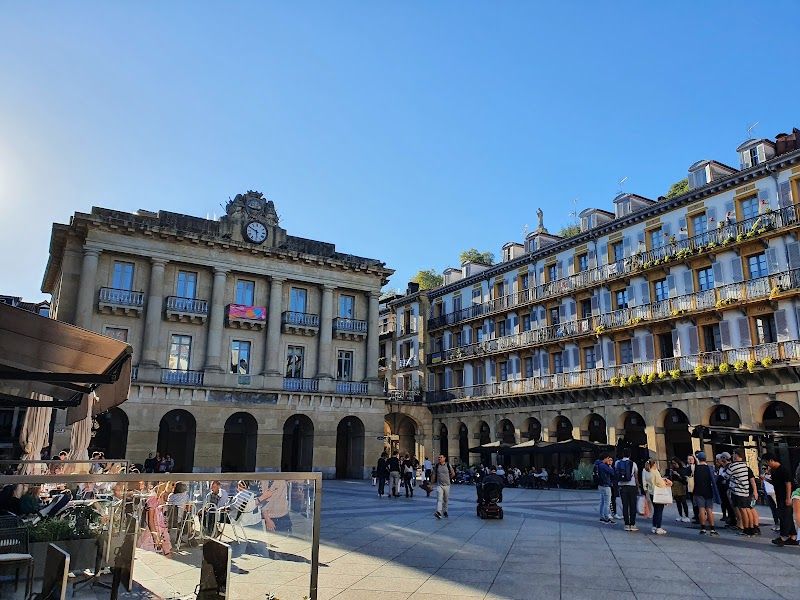
Constitución Plaza is the beating heart of San Sebastian's old town, a perfectly symmetrical square that started life as a bullring in 1817. You'll find yourself surrounded by elegant four-story buildings with pale yellow facades and continuous arcades at street level. The real charm is looking up: every single balcony still bears its original number (1 through 64), marking where spectators once paid to watch bullfights below. The atmosphere shifts dramatically throughout the day. Mornings bring a calm, almost residential feel as locals grab coffee under the arcades and elderly men read newspapers on benches. By evening, the terraces fill with pintxo hoppers and the square becomes animated with conversation spilling out from Bar Ganbara and other surrounding spots. The acoustics are remarkable: conversations echo off the enclosed walls, creating an intimate amphitheater effect. Most guides oversell this as a major destination, but it's really best appreciated as a pause between pintxo bars rather than a standalone attraction. The cafés here charge tourist prices (€3-4 for a cortado versus €1.50 elsewhere), so grab your drink from the arcade bars and sit on the free benches instead. Don't expect any shops or major activity, it's essentially a very pretty transit hub for exploring Parte Vieja.
Paseo Nuevo
Paseo Nuevo is San Sebastian's wildest waterfront walk, a concrete promenade that hugs the rocky base of Monte Urgull where the Atlantic meets the city head-on. You'll walk along massive seawalls built to absorb the ocean's punishment, and when conditions are right, waves explode over the barriers in spectacular displays that'll soak you if you're not paying attention. The 800-meter path connects the fishing port to Zurriola Beach, giving you front-row seats to the raw power of the Cantabrian Sea. The walk feels completely different from the genteel curve of La Concha Bay. Here you're exposed to the elements, with salt spray in the air and the constant sound of waves hammering stone. When swells are up, locals gather to watch the show as water crashes over the walkway in dramatic bursts. The path is wide enough for joggers and cyclists, but everyone stops when a big set rolls in. You'll pass small rocky coves where brave swimmers take the plunge and fishermen cast lines into the churning water. Most guides don't mention that this walk is completely weather dependent. On calm days it's pleasant but unremarkable, just another seafront stroll. You want some wave action for the real experience, but not so much that it's dangerous. The stretch nearest the port offers the best wave-watching spots, while the section approaching Zurriola gets tamer. Skip it entirely if there are storm warnings, the waves here can be genuinely hazardous and the city sometimes closes sections during rough weather.
La Concha Beach
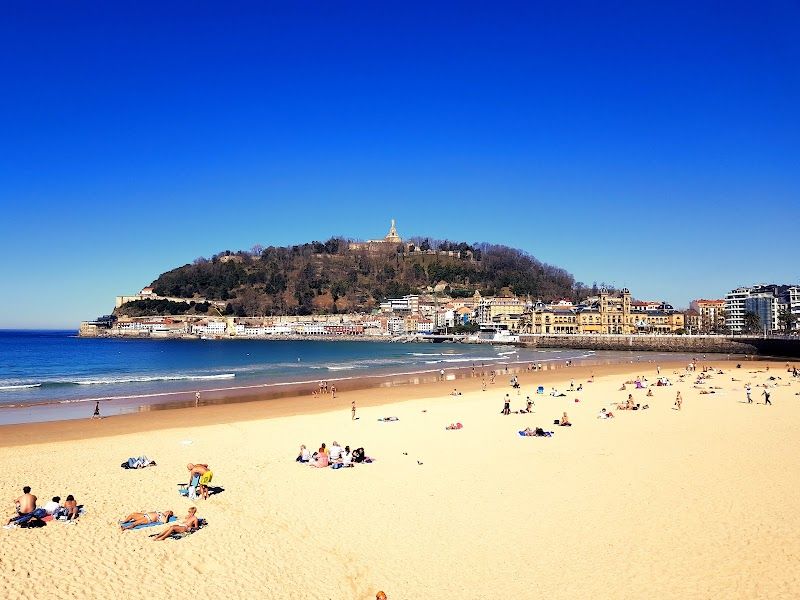
La Concha is a perfectly curved crescent of pale sand stretching between two green hills, with a small island floating in the middle of the bay like a postcard come to life. The water's bracingly cold but swimmable in summer, and the Belle Epoque promenade behind you feels like stepping into a 19th century novel. You'll spend hours here switching between swimming, sunbathing, and people watching as half the city treats this beach like their outdoor living room from June through September. The beach fills up in concentric circles: locals claim the prime spots facing the island by 9 AM, families spread out toward the western end where the water's shallower, and tourists cluster near the rental huts. The atmosphere shifts throughout the day from peaceful morning swims to afternoon family chaos to evening strolls along the illuminated promenade. You can take a small boat to Isla de Santa Clara for 4 EUR return, where you'll find the city's best photo angle and a surprisingly decent restaurant. Most guides won't tell you that the center gets uncomfortably packed by 11 AM in July and August, so arrive early or head to the western end near Ondarreta instead. Beach chair rental costs 12 to 15 EUR per day from the service huts, but honestly, most locals just bring towels. Skip the boat to the island unless you're desperate for Instagram shots, the beach itself is the real attraction here.
Gandarias
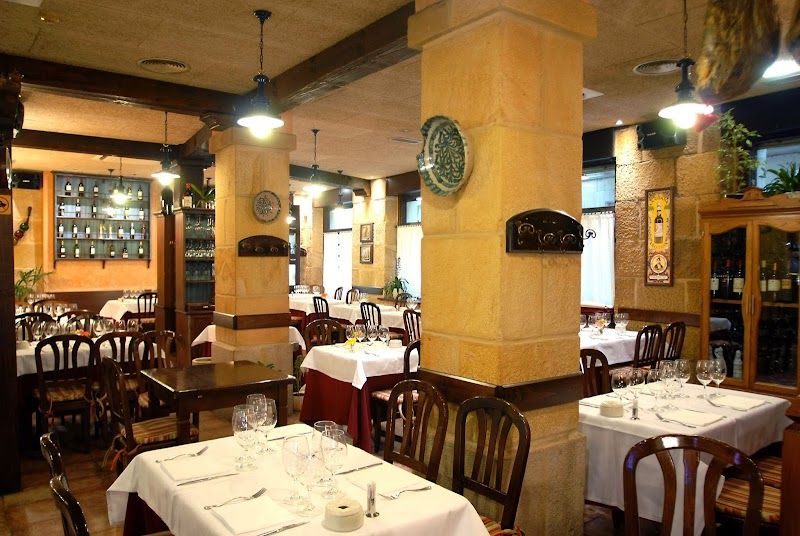
Family-run since 1967, famous for grilled steak pintxos and white anchovies from Getaria. The txuleton (T-bone steak) is grilled over charcoal and served by the slice at the bar. Tables upstairs for full meals.
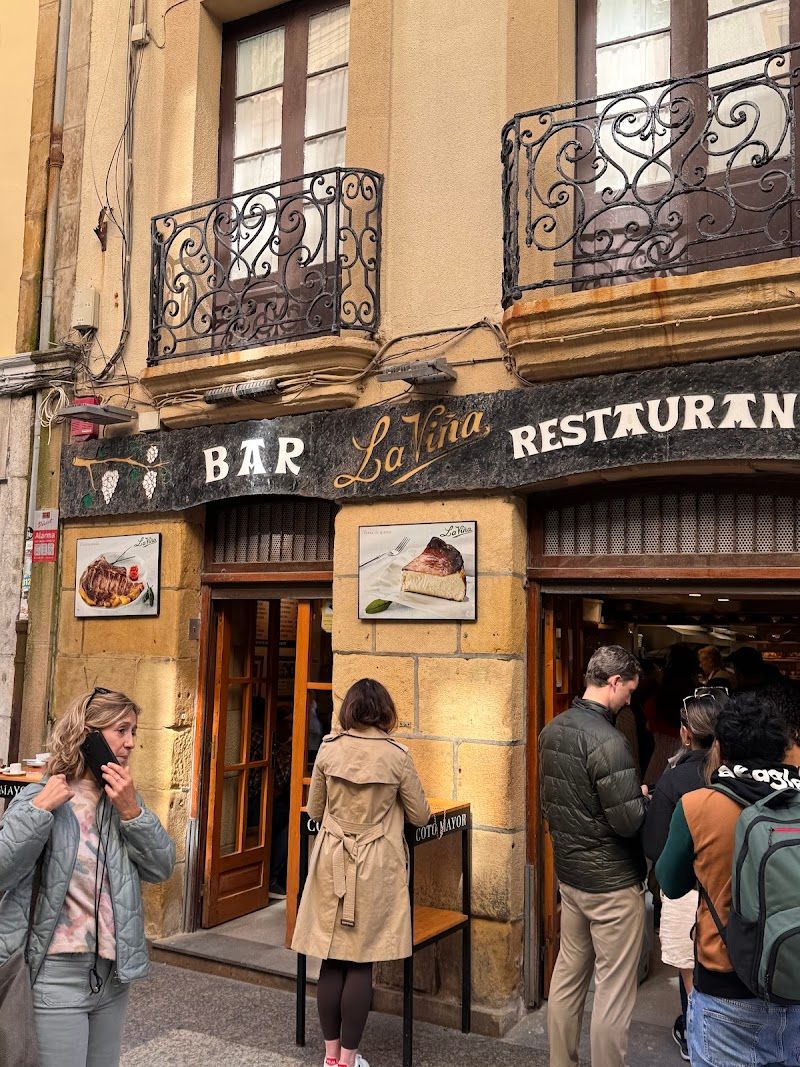
La Viña
The birthplace of burnt Basque cheesecake, now copied worldwide. This unassuming bar has been making their tarta de queso since the 1990s, with a caramelized top and creamy, almost liquid center. Slices are served at room temperature.
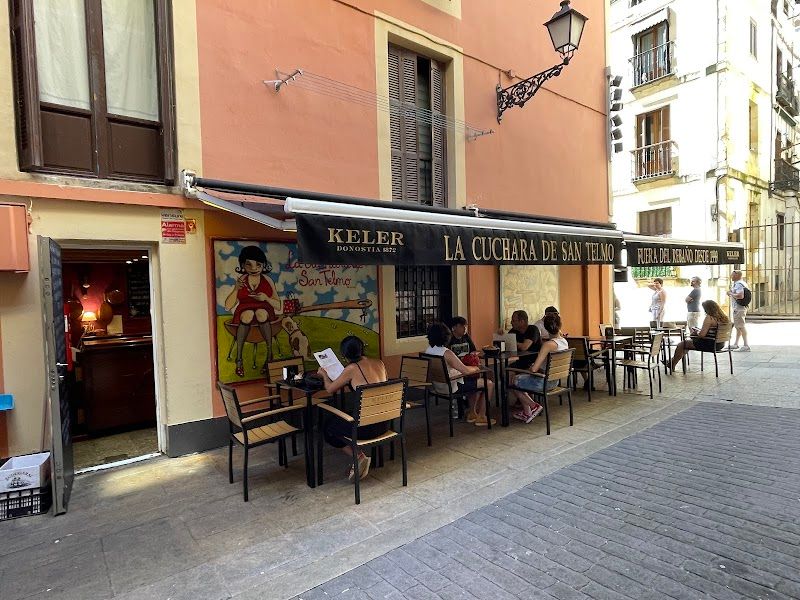
La Cuchara de San Telmo
No cold pintxos on the bar here. Everything is cooked to order from a tiny kitchen, with specialties like foie micuit with apple compote and slow-cooked veal cheek. The carrillera (veal cheek) melts on the tongue and is worth the wait.
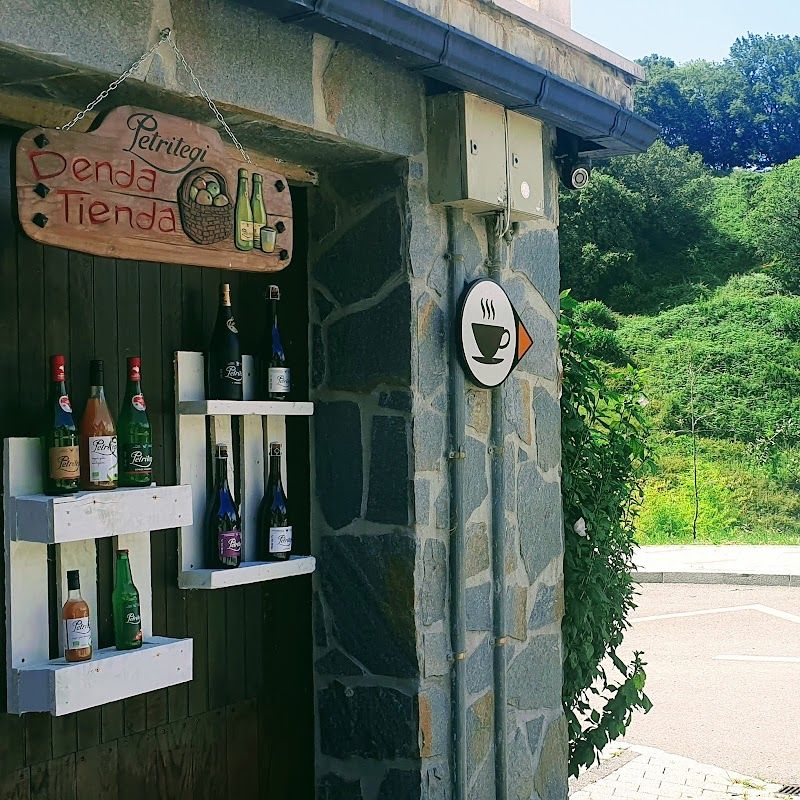
Petritegi Sagardotegia
Petritegi is the real deal: a 500-year-old cider house where you'll drink unlimited sagardoa straight from enormous oak barrels and eat a fixed menu that hasn't changed in decades. Open only during cider season (January through April), this isn't a restaurant but a genuine Basque ritual where you catch streams of cider in your glass while standing around massive wooden vats. The €35 per person covers everything: unlimited cider, salt cod tortilla, chorizo with beans, and massive txuleta steaks grilled over open flames. You'll spend 3.5 hours here, and it feels like stepping into rural Basque culture from centuries past. The atmosphere builds as locals arrive in groups, filling long communal tables in cavernous stone rooms. Between courses, someone inevitably starts singing traditional Basque songs, and the entire room joins in while raising glasses of cider. The ritual of catching cider from the barrel (called txotx) happens constantly, with streams of golden liquid arcing through the air as people line up with their glasses. Most guides romanticize this, but here's the truth: the food is simple and repetitive, the benches get uncomfortable, and you'll leave smelling like cider and smoke. But that's exactly the point. This isn't refined dining, it's cultural immersion. Book ahead on weekends when the singing gets loudest, and don't come expecting quick service or vegetarian options.
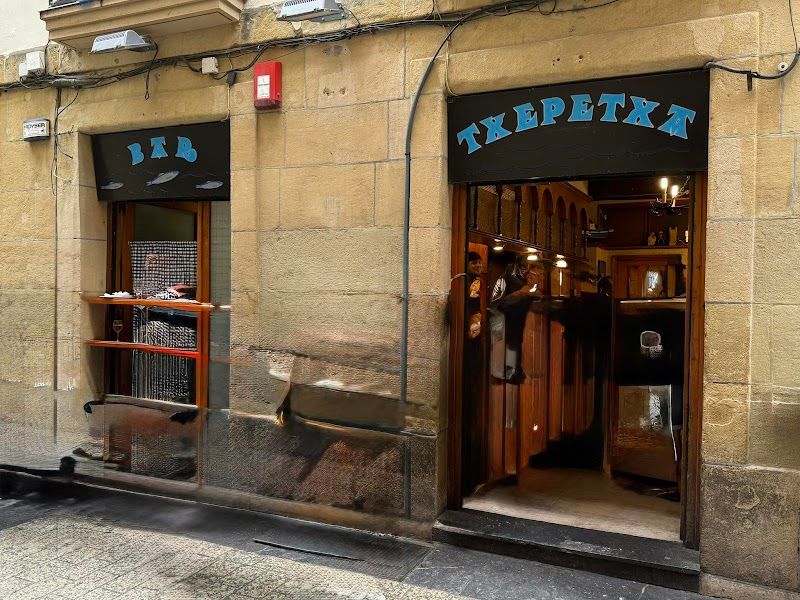
Pintxo Bar Crawl in Parte Vieja
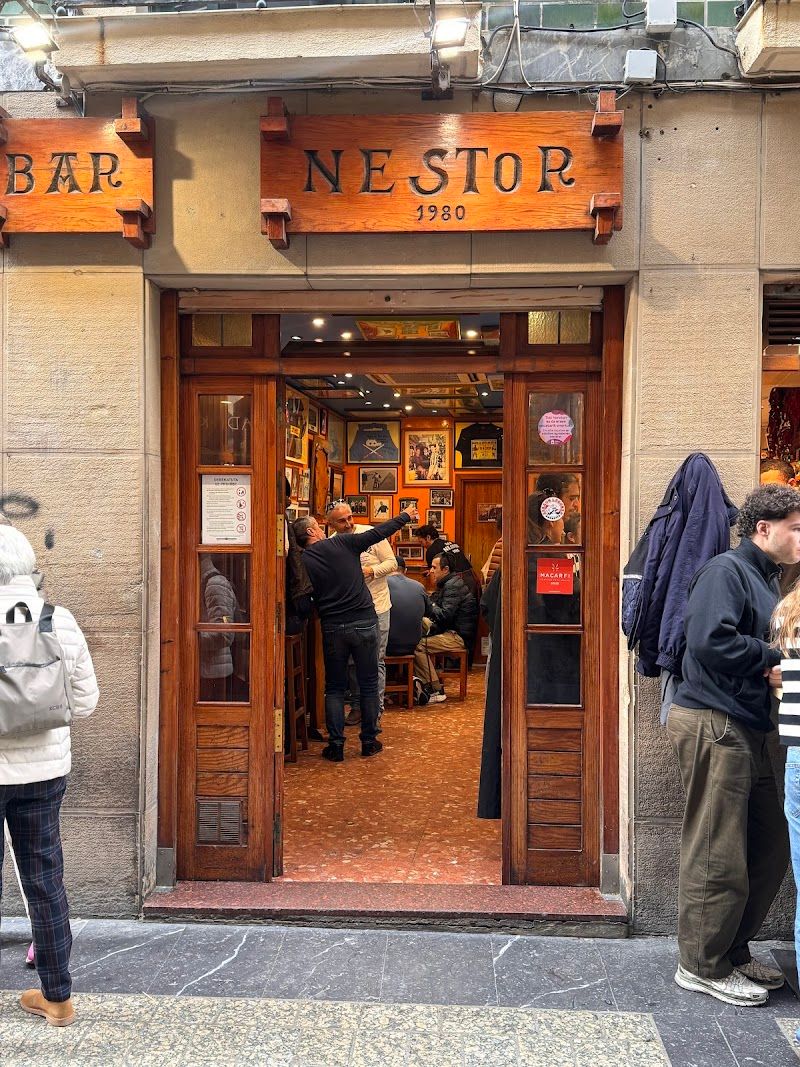
The Parte Vieja (Old Town) of San Sebastian is the densest concentration of pintxo bars in the world. A pintxo (pronounced "pincho") is a small portion of food served on a slice of bread or a skewer, arranged on the bar counter, and taken by hand. You eat what you want, keep track of your toothpicks, and pay at the end. A single pintxo costs EUR 2.50-4. A txakoli (the local Basque sparkling white wine, poured from height to aerate it and increase the bubble effect) costs EUR 3. An evening of bar-hopping through the Parte Vieja hitting 5-6 bars, eating 2-3 pintxos and a drink at each, costs EUR 20-35 and constitutes one of the best meals in Europe. The essential bars: Bar Nestor (Calle de la Pescaderia 11, the tortilla de patata, made to order and served at 1 PM and 8 PM only, get there 15 minutes early to put your name on the list, the queue is visible from the street), Gandarias (Calle 31 de Agosto 23, the steak pintxo and the anchovy on bread), La Cuchara de San Telmo (Calle 31 de Agosto 28, hot pintxos cooked to order at the counter rather than pre-prepared, the slow-cooked veal cheek and the foie with apple jam), A Fuego Negro (Calle 31 de Agosto 31, modern experimental pintxos, the gin and tonic prepared tableside).
Castillo de la Mota
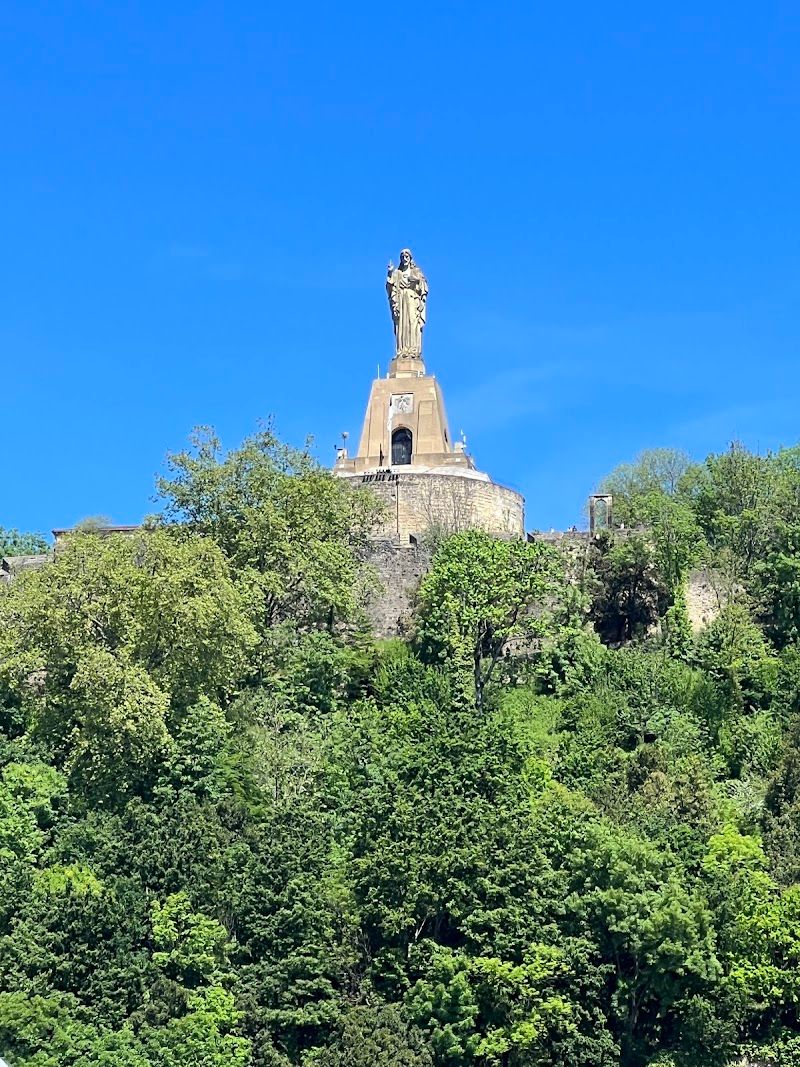
This 12th-century fortress sits atop Monte Urgull like a stone crown, offering the best panoramic views in San Sebastián without the tourist hordes of other viewpoints. You'll explore thick medieval walls, check out military exhibits in the old barracks, and stand beneath the Cristo de la Mota statue that watches over the bay. The real draw isn't the castle itself but what you see from it: La Concha's perfect crescent, the old town's terracotta maze, and the wild Basque coastline stretching toward France. The 20-minute uphill walk through pine forests feels like a proper adventure, passing old cannons and bunkers that most people barely notice. Inside the castle grounds, you can wander freely along the ramparts and peek into the small military museum (though it's pretty basic). The atmosphere is peaceful and contemplative, especially when clouds roll in from the Atlantic and you're literally above the city watching life unfold below. Most guides don't mention that the castle itself is underwhelming compared to the journey and views. Skip the small museum unless you're really into Basque military history, and don't bother with the Cristo statue up close. Focus your time on the southeastern ramparts for the money shot over La Concha, and bring water since there's nothing to buy up there. The walk down takes 15 minutes if you're not stopping for photos.
Bar Nestor
Legendary pintxo bar known for two things served at exact times: tortilla de patata at 1 PM and 8 PM, and tomato salad in season. The tortilla is barely set in the center, creamy and rich, and people queue before service time. Cash only.
Kokotxa
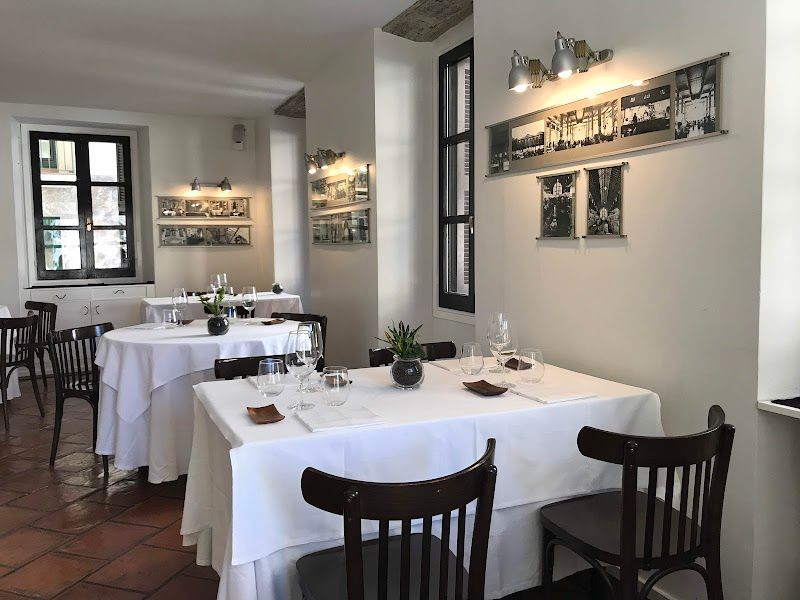
One Michelin star restaurant in the old town focusing on traditional Basque cuisine with modern technique. Chef Daniel Lopez uses seasonal ingredients from local suppliers, with standout dishes featuring kokotxas (hake cheeks) and turbot from the Bay of Biscay.
Getaria Day Trip
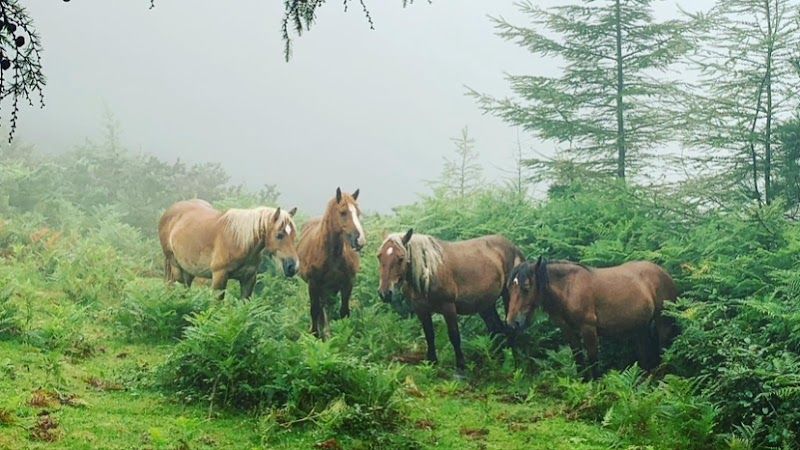
Getaria delivers everything you want from a Basque fishing village: medieval stone streets, a Gothic church perched on a hill, and Elkano, the country's most celebrated fish restaurant where they grill turbot over charcoal coals. The 25-minute bus ride from San Sebastian lands you in a place that feels authentically working class, not touristy. You'll walk the same cobblestones where Juan Sebastian Elcano grew up before becoming the first person to circumnavigate the globe, and the museum dedicated to him sits right in the village center. The village unfolds in layers from the harbor upward. Fishermen still unload their catch at the small port each morning while locals gather at the waterfront cafes. The clifftop walk to Getaria Mouse, a distinctive rock formation jutting into the Bay of Biscay, offers some of the best coastal views in the region. The medieval quarter feels lived in rather than preserved, with laundry hanging from stone balconies and old men playing cards in doorways. Most people come just for Elkano and leave, but you're missing the point if you don't explore the upper village and coastal path. The restaurant books two months ahead and costs around 80-100 EUR per person, but you can get excellent grilled fish at Kaia Kaipe for half the price. Skip the Elcano museum unless you're genuinely interested in maritime history. The coastal walk takes 45 minutes round trip and beats any restaurant reservation.
Alderdi Eder parkea
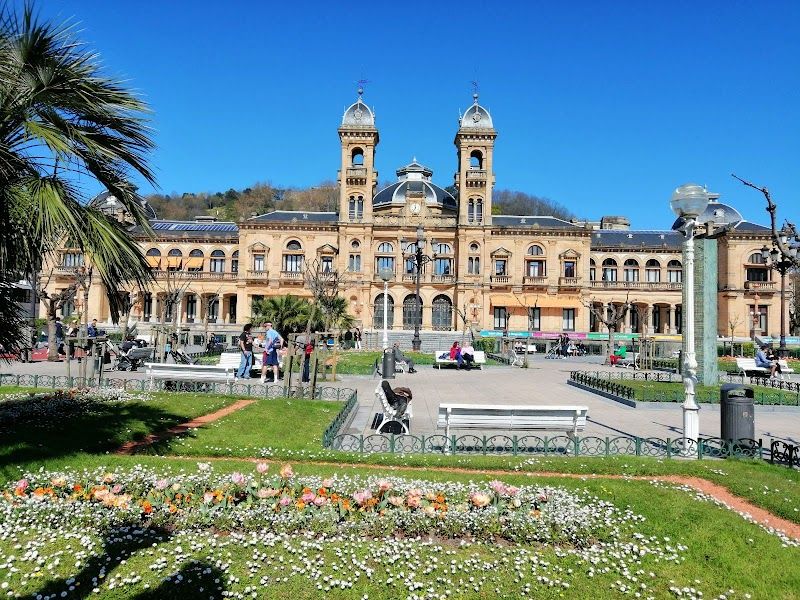
Alderdi Eder is San Sebastian's formal front garden, a pristine rectangle of manicured lawns and flower beds sitting between the old town and La Concha beach. You'll find geometric patterns of seasonal blooms, towering tamarind trees that provide natural air conditioning, and three ornate fountains that actually work. The park serves as the city's living room, flanked by the neoclassical Town Hall on one side and the belle époque casino on the other. The atmosphere here shifts throughout the day from morning joggers cutting through to reach the beach, to afternoon families letting kids run on the grass while parents claim shaded benches. The fountains provide white noise that drowns out traffic, and the mature trees create cool pockets even in summer heat. You'll notice locals treating this as their backyard, reading newspapers on benches or having quiet conversations while tourists rush past toward La Concha. Most guides make this sound grander than it is. It's lovely but genuinely small, maybe 10 minutes to walk the perimeter slowly. The real value is as a breather between beach time and exploring the old town, not a destination itself. Spring flower displays are genuinely spectacular, but in winter it's just well kept grass. Skip it if you're short on time, the beach views are better from the promenade anyway.
Aquarium Donostia-San Sebastián
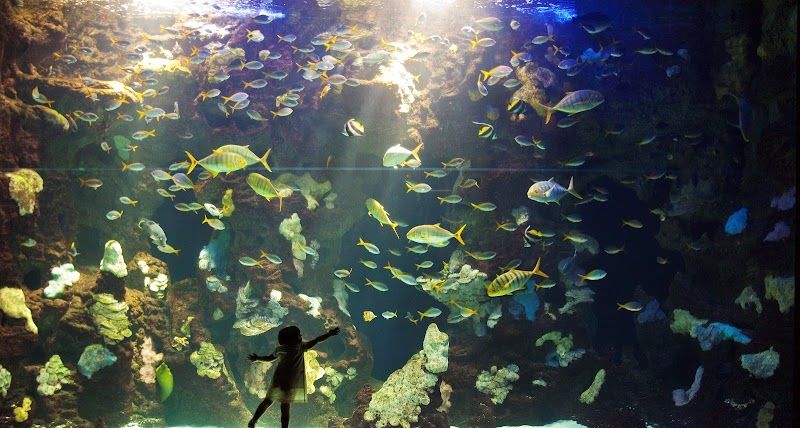
This compact 1928 aquarium sits right at San Sebastian's port entrance, built into the historic Monte Urgull fortifications. You'll walk through a curved 360-degree tunnel with sharks, rays, and tropical fish swimming overhead and around you, plus handle starfish and small rays in the interactive touch pools. The focus stays local: excellent displays of Cantabrian Sea species like spider crabs and sea bream, alongside a surprisingly good coral reef section that feels authentic rather than flashy. The visit flows naturally from the entrance through themed tanks showcasing local marine life, then into the main oceanarium tunnel where nurse sharks and stingrays glide past at eye level. The touch pools usually have kids (and adults) mesmerized, while the conservation exhibits explain local fishing traditions and marine protection efforts. The space feels intimate rather than overwhelming, and staff genuinely know their stuff about both the animals and local maritime history. Most guides oversell this as a major attraction, but it's perfectly sized for 75 minutes. Skip the gift shop (overpriced trinkets) and don't bother with the audio guide. At 13 EUR for adults and 6.50 EUR for kids, it's fairly priced for what you get. The real win is timing: come early or late afternoon to avoid school groups, and you'll have the tunnel practically to yourself.
Monte Igueldo Funicular and Viewpoint
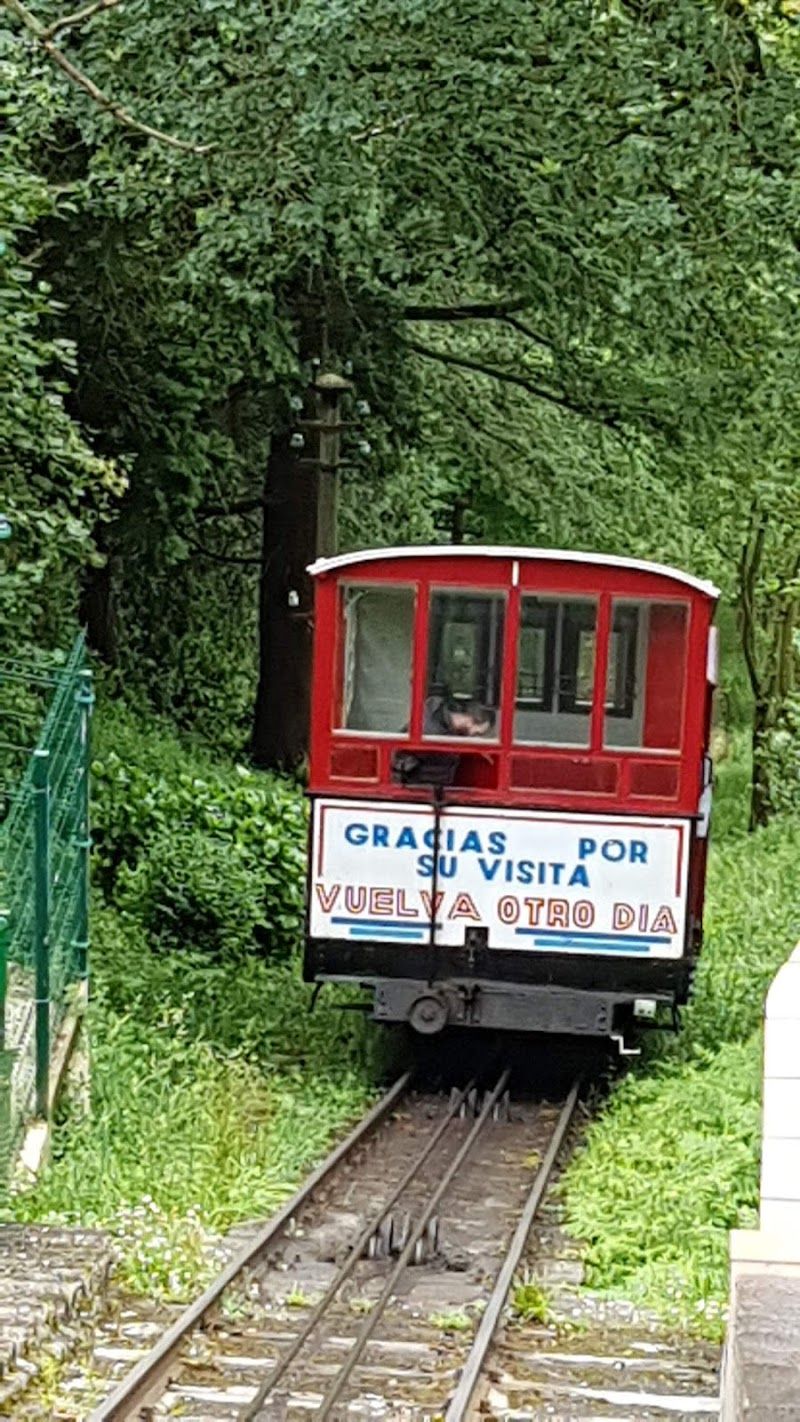
Monte Igueldo is the hill at the west end of La Concha bay with a vintage funicular railway (opened 1912, EUR 4 return) that climbs 180 metres to a summit with a small amusement park from the 1920s and a panoramic view of the entire bay, La Concha, the city, Monte Urgull, and the coast toward France. The amusement park (roller coaster, bumper cars, fortune teller machines, all from another era) is genuinely strange and makes Monte Igueldo one of the more unexpected experiences in a Michelin-starred food city. The view from the top is the best in San Sebastian: La Concha curves below in one direction, the Cantabrian coast stretches in both directions, and on clear days the French Basque coast toward Biarritz is visible. The funicular runs from the Ondarreta end of La Concha. Buy the funicular ticket at the bottom station. The amusement park rides cost extra. Allow 1-1.5 hours for the round trip.
Zurriola Beach and Gros Neighbourhood
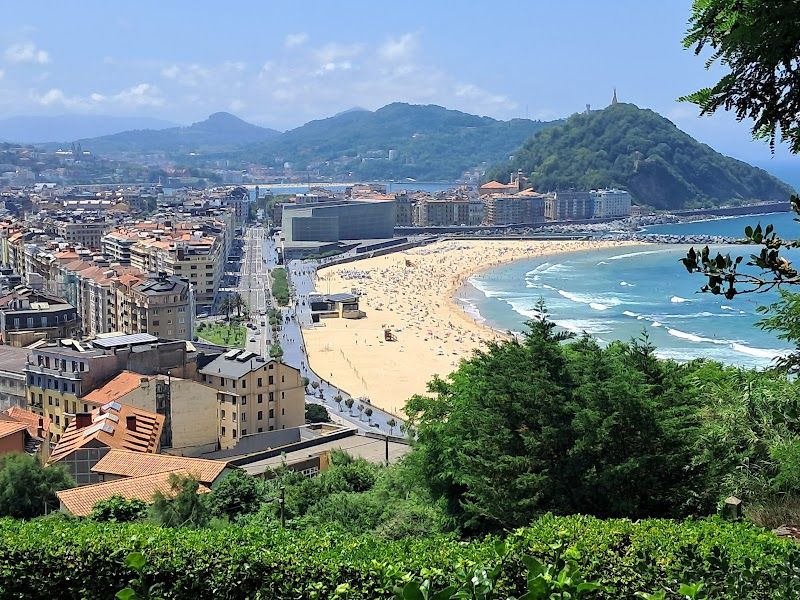
Zurriola is the surf beach east of the Urumea river, across from the old town in the Gros neighbourhood. Where La Concha is calm and sheltered, Zurriola faces the open Bay of Biscay with Atlantic swells that make it the main surf beach in the city. The Kursaal conference centre (two glass cubes on the beach designed by Rafael Moneo) is the architectural statement of the eastern seafront. The Gros neighbourhood behind the beach has a different energy from the old town: more local, younger, with pintxo bars that are less crowded than the Parte Vieja, better table availability, and prices that are slightly lower. The bars on Calle del General Arteche and Calle Zabaleta are the best in the neighbourhood. Bodega Donostiarra on Calle de Peñaflorida is a wine bar with a loyal local clientele. Hidalgo 56 on Calle de Fuenterrabia 56 is the pintxo bar most Gros locals recommend first.
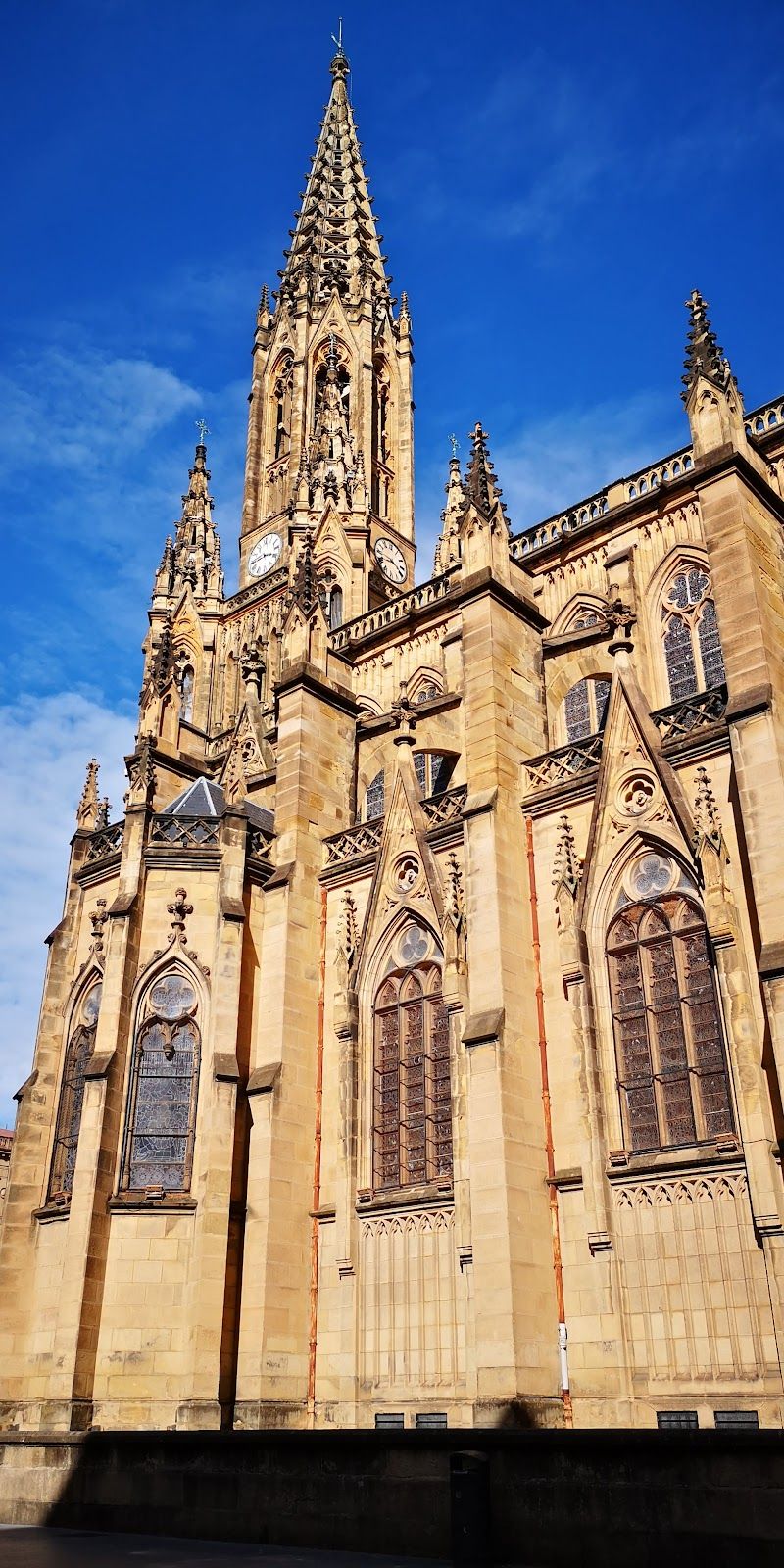
Catedral del Buen Pastor
Catedral del Buen Pastor towers over San Sebastian with its 75-meter neo-Gothic spire, the tallest in the city. You'll find it just outside Parte Vieja in the Centro district, a five-minute walk from the old town's edge. The cathedral's most striking feature is its collection of stained glass windows that transform the interior into a kaleidoscope of colored light. Built in 1897, it's relatively young for a European cathedral but makes up for it with impressive scale and surprisingly peaceful acoustics. Stepping inside feels like entering a different world after the lively streets outside. The soaring vaulted ceilings and stone columns create natural quiet zones where locals come to sit and reflect. The afternoon light streaming through those famous windows creates constantly shifting patterns on the floor and walls. You'll notice the church isn't packed with tourists like some European cathedrals, giving you space to actually appreciate the architecture without crowds. Honestly, this isn't Spain's most spectacular cathedral, but it serves a purpose if you need 20 minutes of quiet between pintxos bars. The exterior is more impressive than the interior, so don't feel obligated to spend ages inside. Entry is free, which is refreshing compared to Barcelona or Seville's paid cathedral visits. Most people photograph it from the street and move on, which is probably the right call unless you're particularly drawn to neo-Gothic architecture.
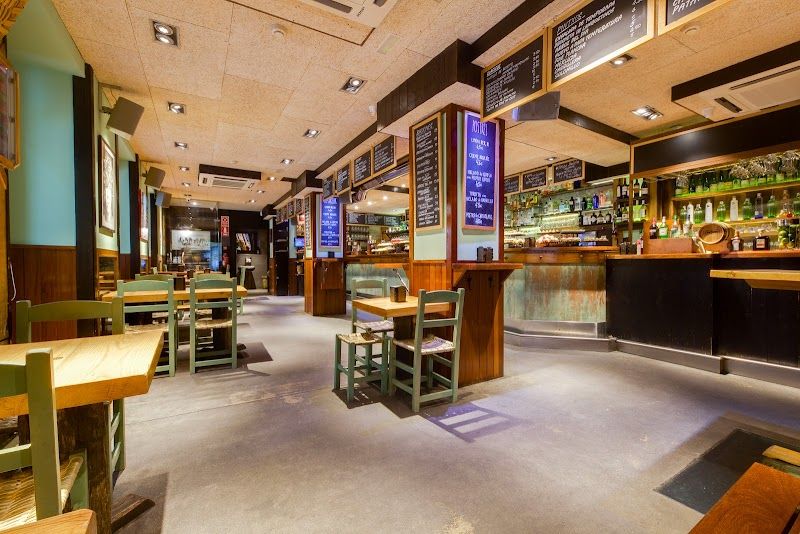
Atari Gastroteka
Modern gastro bar on the edge of Gros serving creative pintxos and full plates designed for sharing. The octopus with potato cream and paprika oil and the beef tataki with ponzu show Asian influences. Wine list focuses on natural and biodynamic producers.
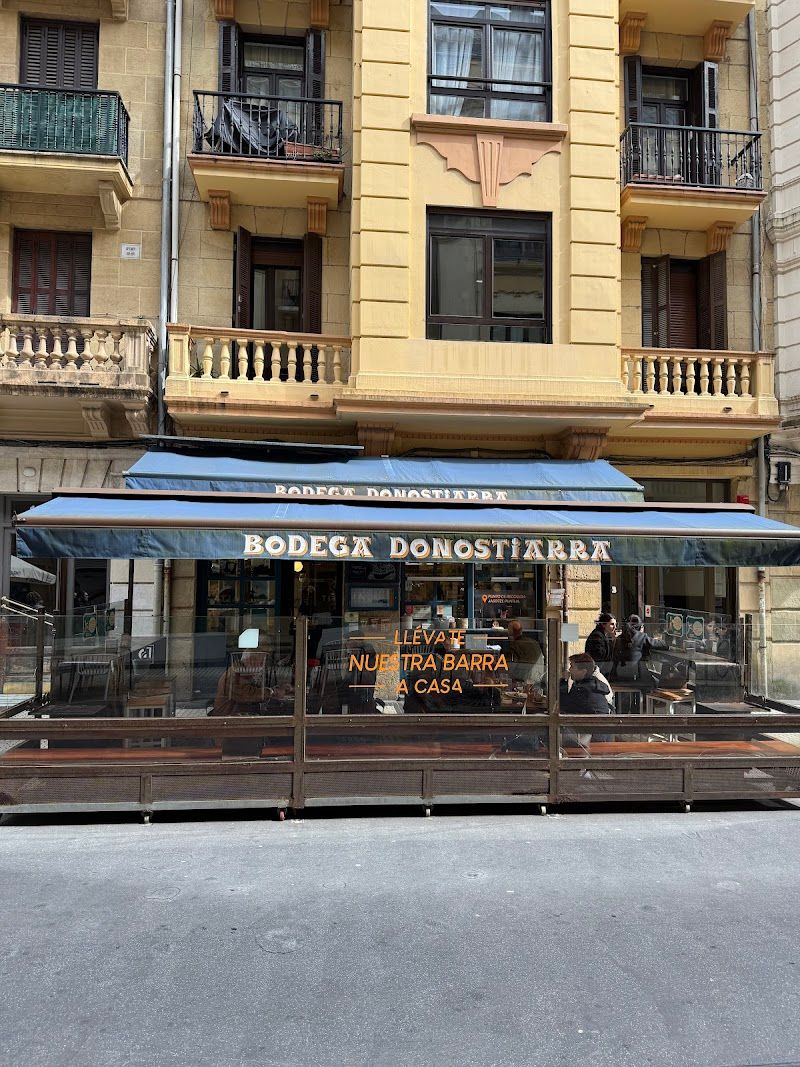
Bodega Donostiarra
Operating since 1928, this traditional bodega serves pintxos from large glass counters filled with mountains of cured meats, anchovies, and preserved peppers. The jamon iberico de bellota is sliced by hand and the cider is poured from barrels.
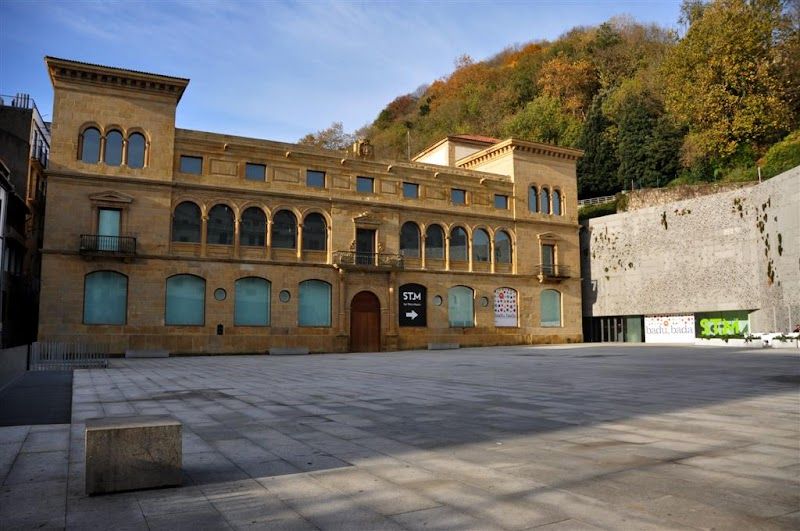
San Telmo Museum
The San Telmo Museum is the Basque history and contemporary art museum in the Parte Vieja, housed in a 16th-century Dominican convent with a modern addition from 2011 by the architects Nieto Sobejano. The permanent collection covers Basque cultural history, ethnography, and identity from prehistoric times to the present, with particular attention to the tradition of Basque identity under Francoist repression and the emergence of Basque political culture after. The contemporary art section has significant works by Basque artists including Eduardo Chillida (the sculptor whose large-scale steel works are permanently installed in San Sebastian) and Jorge Oteiza. Entry is EUR 6. The cloister of the original convent (with painted murals by Jose Maria Sert depicting Basque history) is the architectural highlight. The museum is a 10-minute walk from the pintxo bars of the old town: combine them in the same morning.
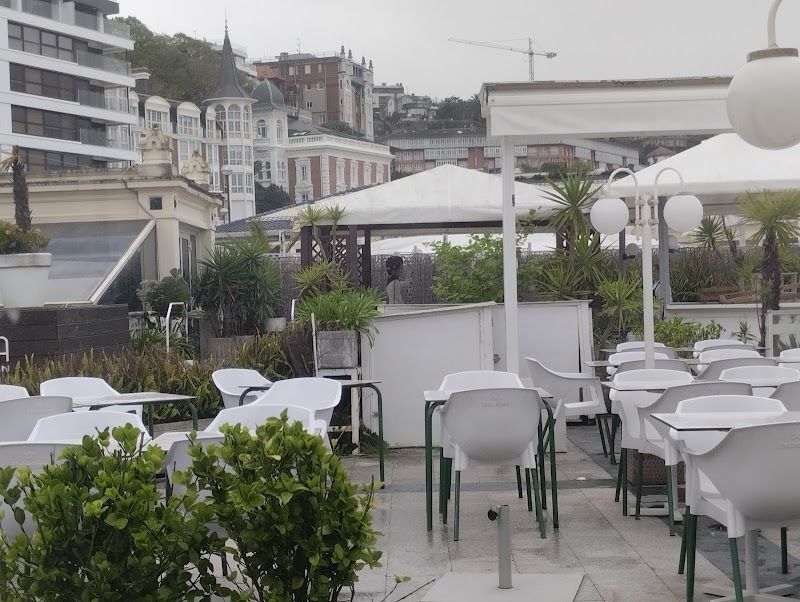
Café de la Concha
Elegant Belle Époque-style café right on La Concha beach promenade, serving excellent coffee, pastries, and light meals. The terrace offers stunning bay views and is a favorite spot for locals to linger over breakfast or afternoon coffee. The interior retains its classic early 20th-century charm.
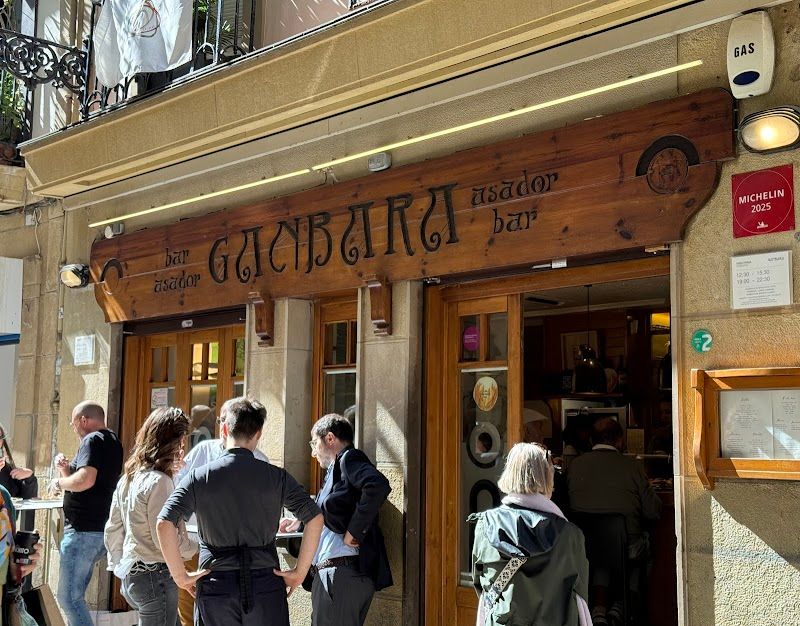
Ganbara
A standing-room-only bar specializing in wild mushrooms in season and year-round seafood. The setas (mushrooms) are grilled simply with garlic and olive oil, while the txangurro (spider crab) is served in its shell with a splash of brandy.
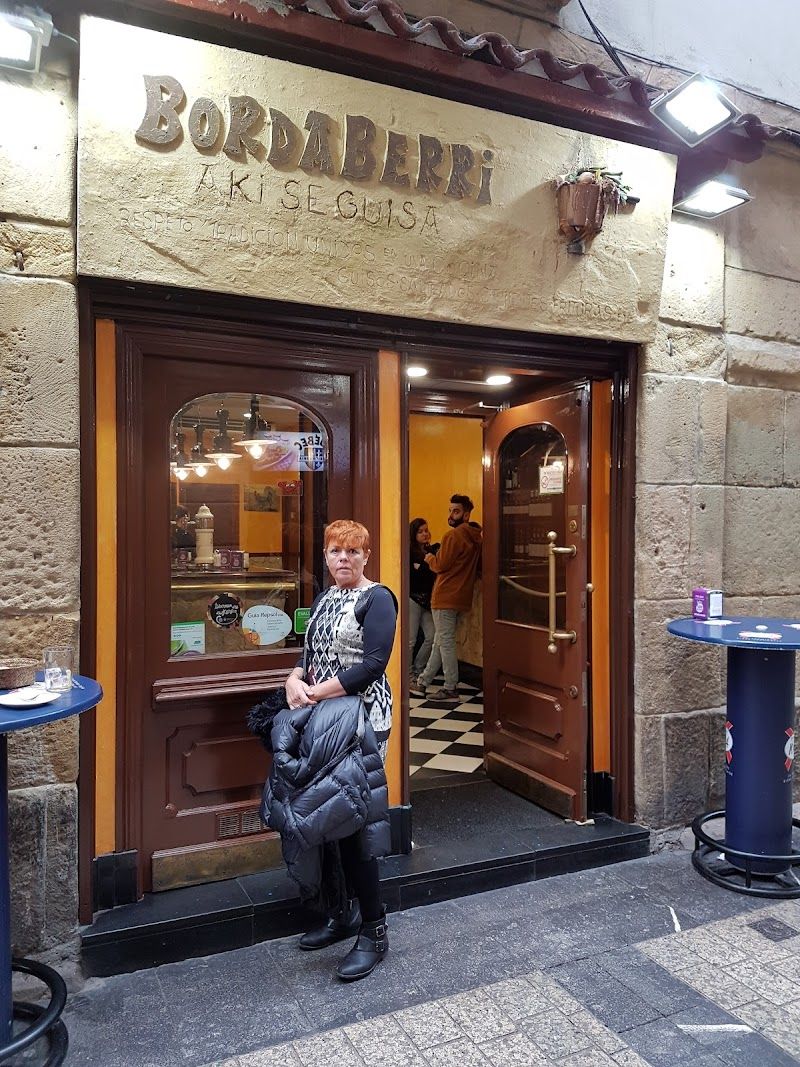
Borda Berri
Tiny bar with no seats at the counter, known for slow-cooked dishes like rabo de buey (oxtail) and carrilleras (pork cheeks). Everything is prepared in the open kitchen behind the bar and served in small cazuelas (clay dishes).
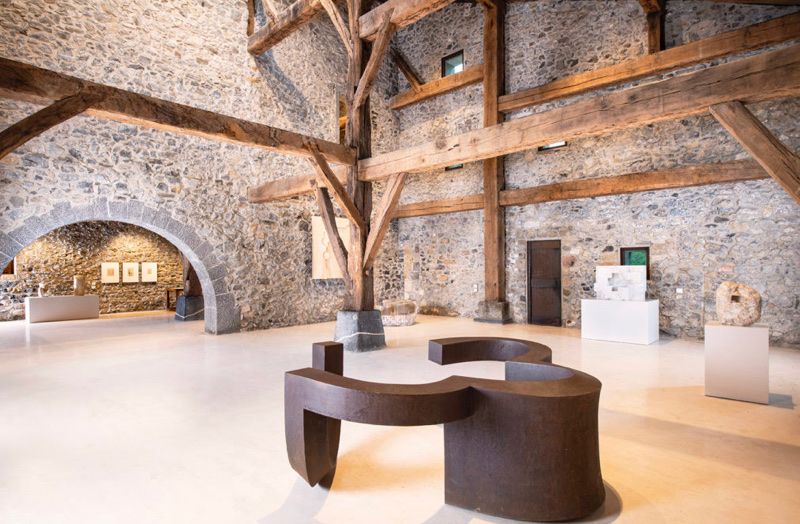
Chillida Leku
Eduardo Chillida's sculpture park spreads across 12 hectares of rolling Basque countryside, where massive steel and stone works emerge from meadows and beech groves like ancient monuments. You'll encounter 40 large-scale pieces, including the dramatic 'Buscando la Luz' series, while the restored 16th-century farmhouse displays his sketches, smaller sculptures, and the tools he used to create these monumental works. This isn't just an outdoor museum: it's Chillida's vision of art living within nature rather than imposed upon it. The experience feels more like wandering through an enchanted landscape than visiting a traditional museum. Gravel paths wind between sculptures, some towering 4 meters high, others nestled in forest clearings where dappled light plays across weathered steel surfaces. Inside the farmhouse, intimate galleries reveal Chillida's process through preparatory drawings and maquettes, while large windows frame views of the sculptures outside. The silence here is profound, broken only by birdsong and the crunch of gravel underfoot. Most visitors rush through in an hour, but you need at least two to properly absorb this place. Entry costs €10, and while the audio guide adds context, the sculptures speak powerfully on their own. Skip the overcrowded summer weekends when tour groups disrupt the contemplative atmosphere. The real magic happens on misty mornings or late afternoons when the light transforms the steel surfaces and you might have entire sections to yourself.
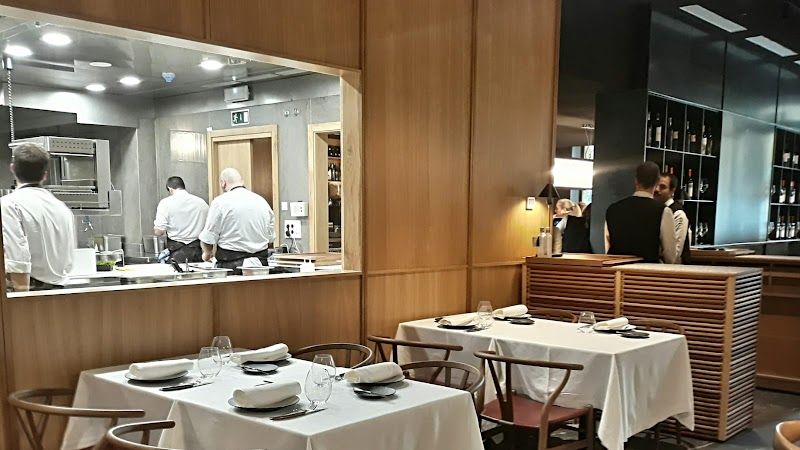
Narru Restaurant
Contemporary Basque restaurant offering innovative takes on traditional dishes with a focus on seasonal, local ingredients. The intimate dining room creates a refined yet relaxed atmosphere, and the tasting menus showcase creative chef-driven cuisine. Excellent wine selection featuring txakoli and Rioja wines.
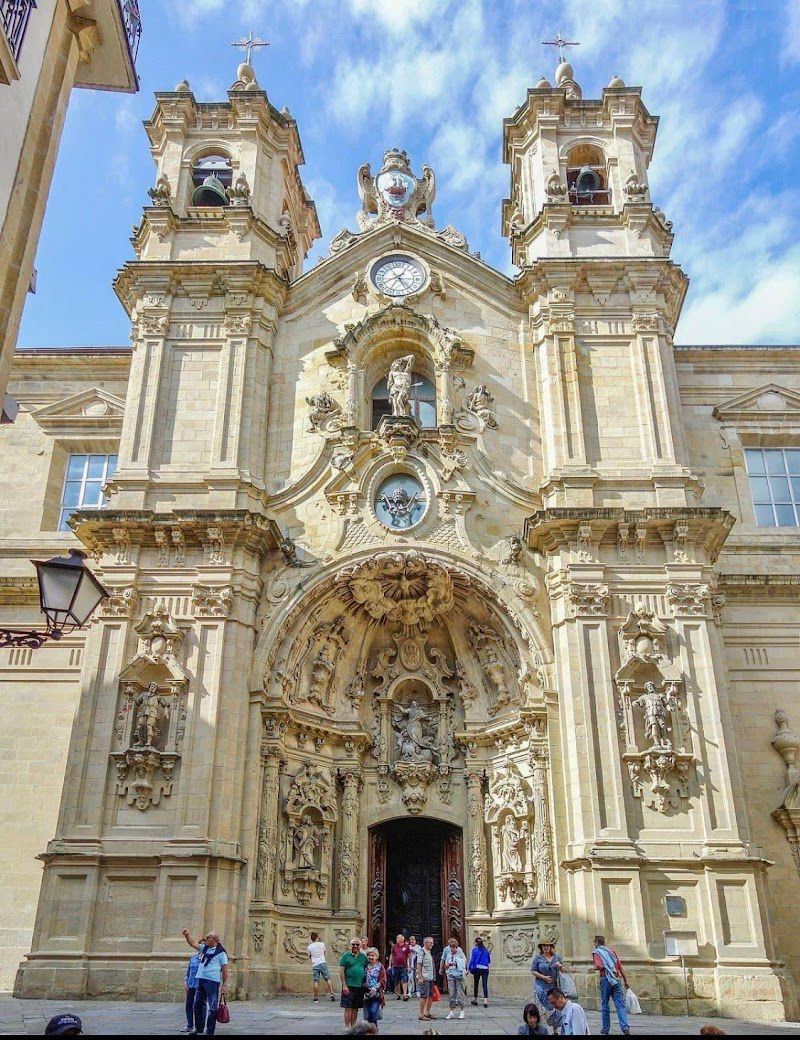
Basílica de Santa María del Coro
The Basílica de Santa María del Coro stands as San Sebastián's most impressive Baroque church, built in the mid-18th century on the site of a much older sanctuary. You'll find it right in the heart of the Parte Vieja, its imposing facade carved with detailed scenes of Saint Sebastian's martyrdom that took local artisans decades to complete. Inside, the main attraction is the revered statue of Santa María del Coro, the city's patron saint, surrounded by elaborate gilded altarpieces that represent the finest examples of Basque religious craftsmanship. Walking into the basilica feels like stepping from the narrow medieval streets into a golden jewel box. The interior is surprisingly intimate despite its grandeur, with afternoon light filtering through stained glass windows and illuminating the intricate woodwork. You'll hear the quiet murmur of locals lighting candles and saying prayers, creating an atmosphere that's genuinely peaceful rather than touristy. The baroque details are everywhere: twisted columns, cherub faces, and gold leaf that catches the light from every angle. Most guidebooks oversell this as a major attraction when it's really a lovely 15-minute stop while exploring the old town. The exterior is more impressive than the interior, so don't feel obligated to go inside unless you're interested in religious art. It's completely free to enter, but they appreciate small donations. Skip the crypt unless you're particularly interested in local history, it's not much to see down there.
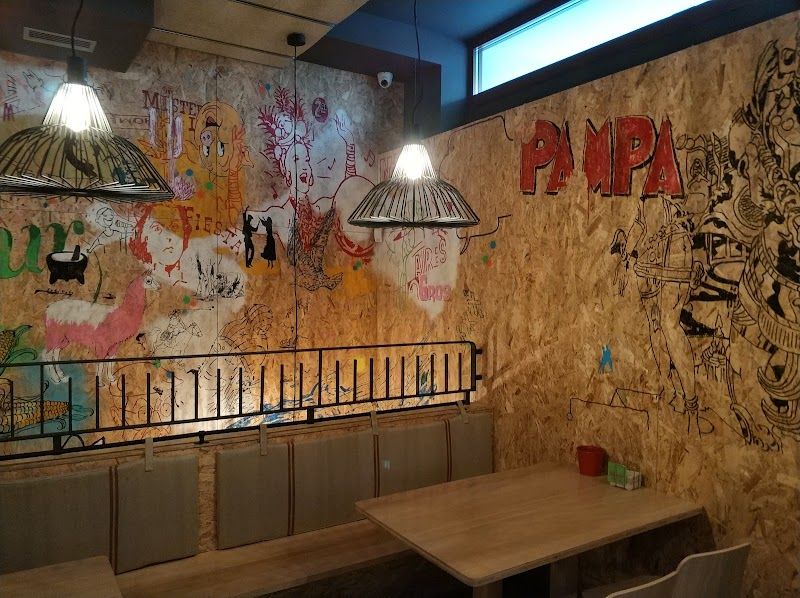
Topa Sukaldategi
This txakoli-focused bar specializes in Basque white wines from Getaria, Bizkaia, and Txakoli de Alava appellations, offering vertical tastings that showcase different terroirs produced using the traditional method. The sommelier guides guests through the subtle differences between coastal and inland txakoli varieties, pairing them with anchovy and cheese selections. Small producer bottles dominate the list, many unavailable elsewhere in the city.
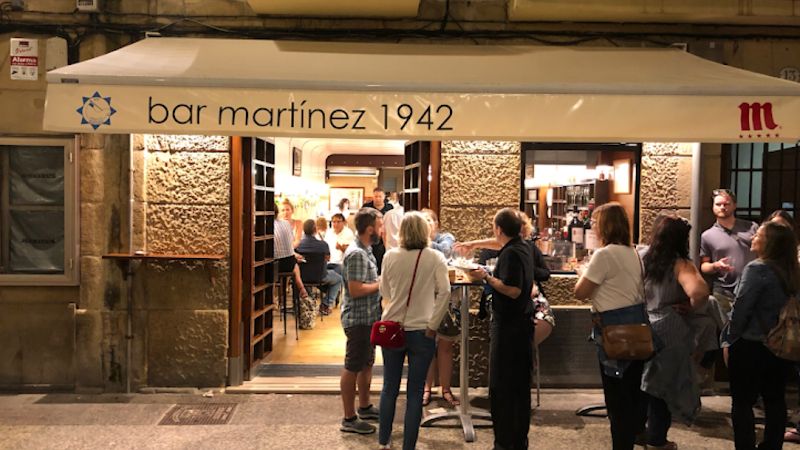
Bar Martínez
Historic pintxos bar dating back to 1942, known for its excellent tortilla de patata and traditional Basque atmosphere. The bar counter is always lined with creative pintxos that change throughout the day. A neighborhood favorite that maintains authentic old-world charm.
Bretxa Mercado
Bretxa Mercado sits right in the heart of Parte Vieja, serving as San Sebastian's main food market since 1870. You'll find locals doing their daily shopping across two floors: pristine seafood displays dominate the ground level while upstairs houses produce vendors, butchers, and specialty food stalls. The fish selection is extraordinary, from day-boat txangurro (spider crab) to line-caught hake, plus you can pick up jamón ibérico, local cheeses, and pintxos ingredients. The market feels authentically local rather than touristy, with vendors calling out prices in Euskera and regulars chatting over their morning shopping. Downstairs gets quite active as fishmongers slice and clean your selections, while the upper floor moves at a gentler pace among fruit pyramids and cheese wheels. The building's glass roof lets in natural light, and you'll hear a mix of Spanish, Basque, and occasional French from across the border. Most food markets in Spain's tourist zones feel sanitized, but Bretxa keeps its working-class edge. The seafood prices fluctuate daily but expect around €25-35/kg for good hake and €15-20/kg for sardines. Skip the overpriced tourist-focused stalls near the entrance and head straight upstairs for the best cheese selection. The Idiazabal vendor offers generous samples, and their aged wheels (€18-22/kg) beat anything you'll find in regular shops.
Café Bar Koh Tao
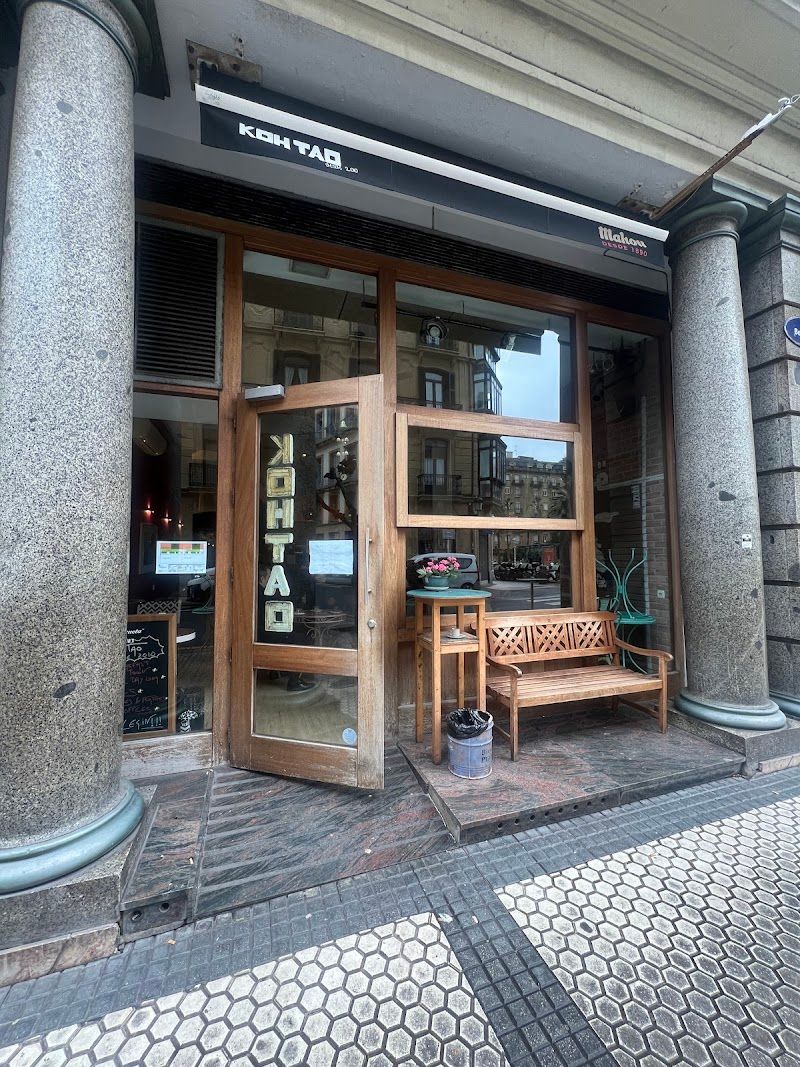
Relaxed corner café popular with locals for morning coffee and casual drinks throughout the day. Named after the Thai island, it offers a laid-back vibe with outdoor seating perfect for people-watching. Known for excellent café con leche and friendly service.
Tedone
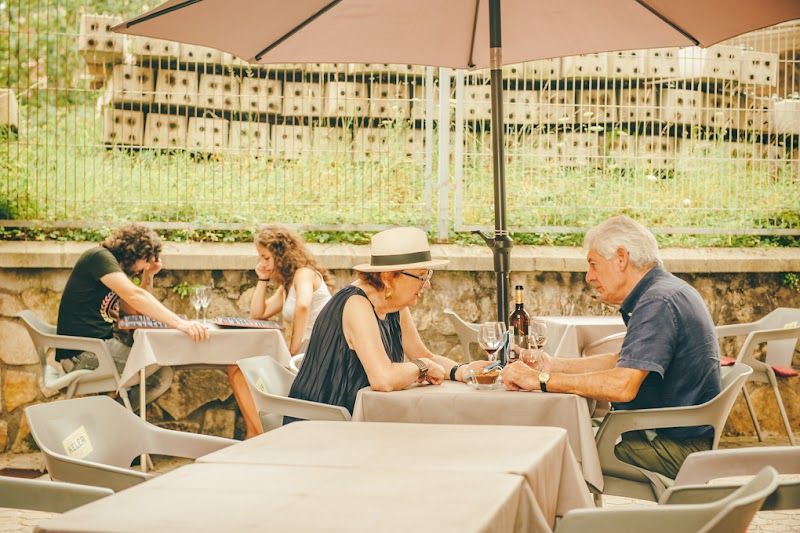
Craft beer bar in Gros serving 16 rotating taps of Spanish and international beers, paired with elevated pintxos. The pulled pork bao and the beef brisket sandwich show American BBQ influences adapted to Basque tastes.
La Zurriola Cocktail Bar
This cocktail bar in Gros becomes the destination for the post-pintxo crowd after midnight, when the Parte Vieja bars have shuttered. Mixologists prepare classic and signature cocktails with Basque spirits including gin from neighboring distilleries and patxaran liqueur. The dark, intimate space with exposed brick stays lively until 3am on weekends.
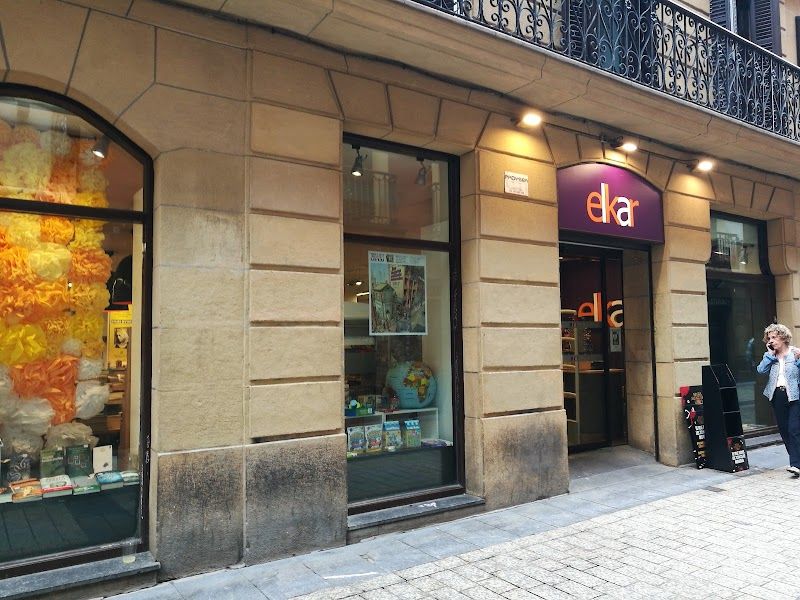
Elkar Megadenda Donosti
Elkar Megadenda sits on one of the Parte Vieja's main shopping streets and serves as the cultural heartbeat for anyone serious about Basque literature and culture. You'll find three floors packed with books in Euskera, Spanish, French, and English, plus an impressive selection of local music, artisanal stationery, and cultural magazines you won't see anywhere else. The real draw is their curated collection of Basque authors and regional publications that give you genuine insight into local identity. The ground floor focuses on bestsellers and travel guides, but head upstairs where the real treasures live. The second floor houses their exceptional Basque literature section and local history books, while the third floor transforms into event space for regular author readings and book presentations. Staff members are genuine book lovers who'll chat about recommendations, and the atmosphere feels more like a cultural salon than a typical bookshop. Most visitors stick to the ground floor tourist guides, but you're missing the point. The upstairs Basque cookbook section is legitimately the best in the city, with titles starting around 15 EUR for local recipe collections. Skip the generic San Sebastian guidebooks downstairs and invest in the locally published food or cultural histories instead. The staff speaks excellent English, but don't be surprised if conversations drift into passionate discussions about Basque literature.
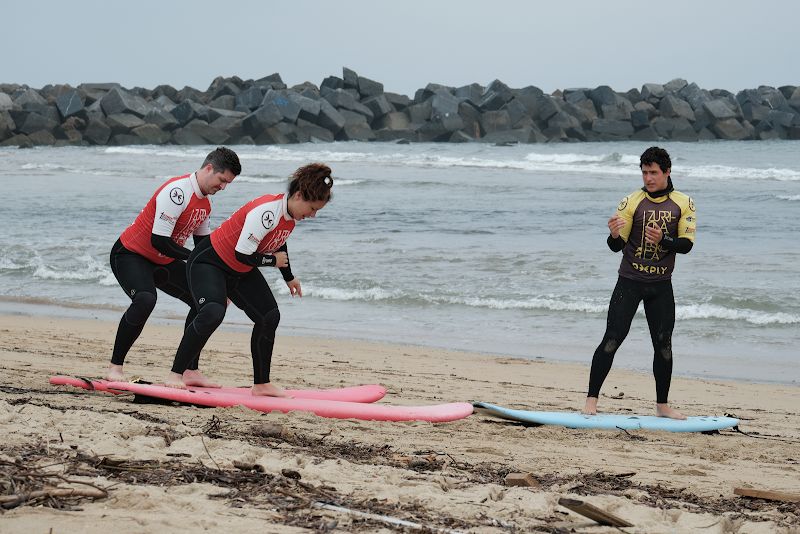
Zurriola Surf Eskola
Zurriola Surf Eskola runs proper surf lessons on San Sebastian's most consistent beach break, where Atlantic swells wrap around Monte Ulia headland to create beginner-friendly waves year-round. Your two-hour session includes wetsuit, board, and instruction on reading the Bay of Biscay's rolling sets. The eastern end of Zurriola Beach offers protection from stronger currents, making it perfect for first-timers who want to catch real waves rather than practice on flat water. Lessons start with 20 minutes of beach theory before you paddle out into waist-deep water where instructors push you into your first waves. The water stays surprisingly warm in summer thanks to the sheltered bay position, though you'll still need the provided 3/2mm wetsuit. Instructors speak multiple languages and genuinely care about your progression, adjusting technique based on your comfort level. You'll spend most of the session actually surfing rather than listening to endless explanations. Most surf schools in Spain are tourist traps with overcrowded groups, but Zurriola Eskola keeps classes to six people maximum. Lessons cost around 45 EUR, which includes all equipment and is honestly fair value for the quality. Skip the afternoon sessions when onshore winds make waves choppy and messy. The school's location right on Zurriola means no long walks carrying boards, unlike competitors based further inland.
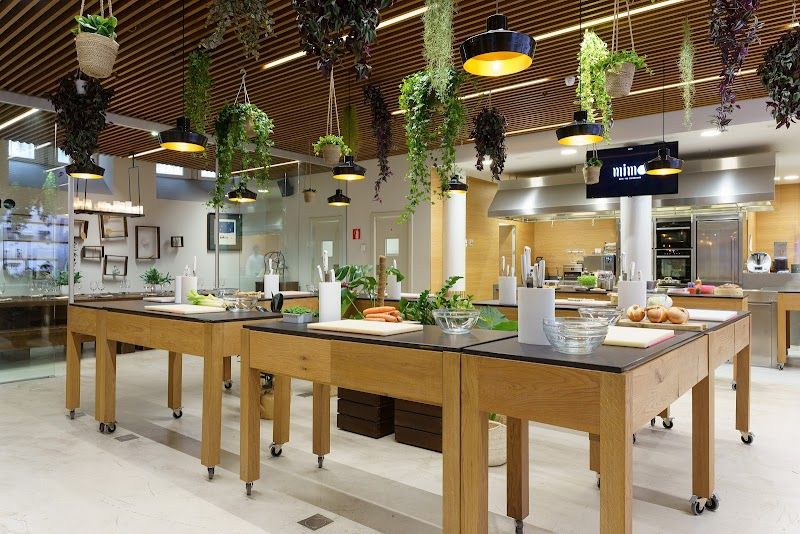
Mimo San Sebastián Cooking Class
This isn't your typical tourist cooking class where you roll out pasta for Instagram. Mimo focuses exclusively on hot pintxos, the cooked-to-order bar snacks that separate real Basque cuisine from the cold stuff sitting on counters. You'll master three cornerstone techniques: the perfect tortilla de patatas with its creamy center, traditional croquetas with proper bechamel, and grilled prawns that actually taste like the sea. Each dish comes with wine pairings that make sense, not just whatever's open. The class happens in an actual residential kitchen, not some sterile cooking school setup. You're working alongside other food lovers, sleeves rolled up, while your instructor explains why temperature matters more than timing for tortilla and how to tell when croqueta batter is ready. The wine flows throughout, and you eat everything you make while it's still hot. The whole experience feels like cooking with friends who happen to know what they're doing. Most cooking classes in San Sebastian teach you dishes you'll never make at home. This one teaches techniques you'll actually use, especially if you plan to eat pintxos later. The €85 price includes all ingredients and wine, which is fair for three hours of hands-on instruction plus a proper meal. Skip the afternoon slot if you can, morning classes get better ingredients since they shop that day. Book directly through their website to avoid booking fees.
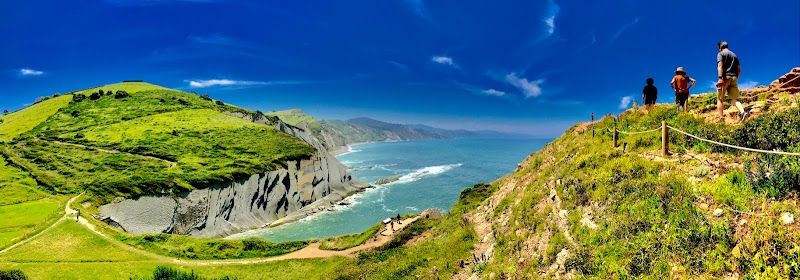
San Sebastian Pintxos and Txakoli Tour
A guided pintxos tour with a local guide is the best way to navigate the Parte Vieja if you find standing at packed bars confusing or if you want context for what you are eating and drinking. A good guide knows the rotation: which bars have the best hot pintxos cooked to order versus the pre-prepared counter variety, when Bar Nestor's tortilla list opens, and which txakoli producers are worth asking about. Tours run EUR 70-95 per person with 5-6 bars, 3-4 pintxos at each, and a glass of txakoli or local wine at every stop. The guide pays for the food and drink: you tip at the end. Evening tours (7:30-8 PM start) align with the real eating habits of San Sebastian: the evening paseo, the pre-dinner pintxo round, and the streets filling with people who eat standing up and consider it dinner.
Filters
Must-See
Neighborhood
Sort By
Filters
Must-See
Neighborhood
Sort By
Plan your San Sebastian trip
Get a personalized itinerary with the best of San Sebastian.
Start Planning