Spain
San Sebastian
More Michelin stars per capita than almost anywhere, EUR 3 pintxos at the bar, La Concha beach, and txakoli poured from height
Best Time
June-September
Ideal Trip
2-3 days
Language
Spanish and Basque (Euskara), English in tourist areas
Currency
EUR
Budget
EUR 39-76/day (excl. hotel)
About San Sebastian
San Sebastian has more Michelin stars per capita than any city in the world except Kyoto, and unlike Kyoto, you can also eat the best meal of your life for EUR 3 standing at a bar. The pintxo is a small portion of food served on bread or a skewer, lined up on the bar counter, and you take what you want and pay at the end based on how many toothpicks are on your plate. A single pintxo costs EUR 2.50-4. A txakoli (the local sparkling white wine, poured from height into a glass) costs EUR 3. An evening of bar-hopping through the Parte Vieja hitting 5-6 bars costs EUR 20-30 and constitutes one of the best meals you will eat anywhere in Europe.
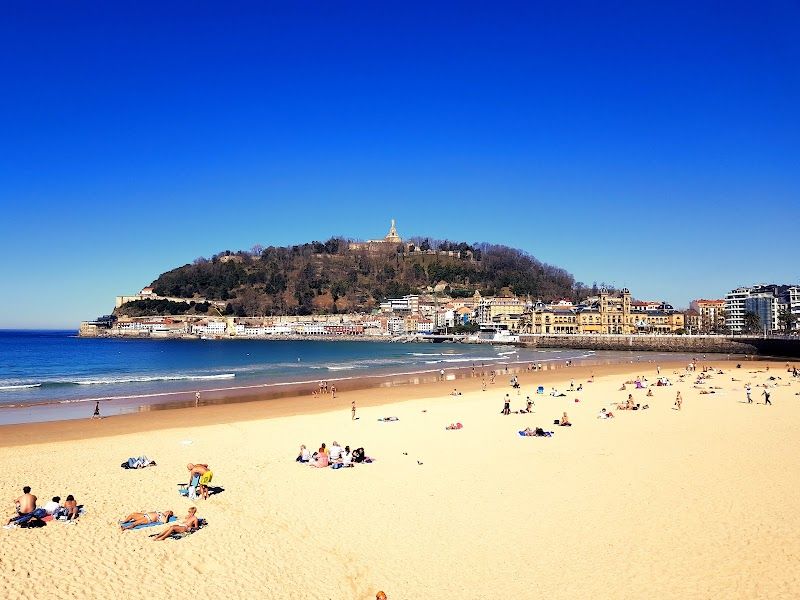
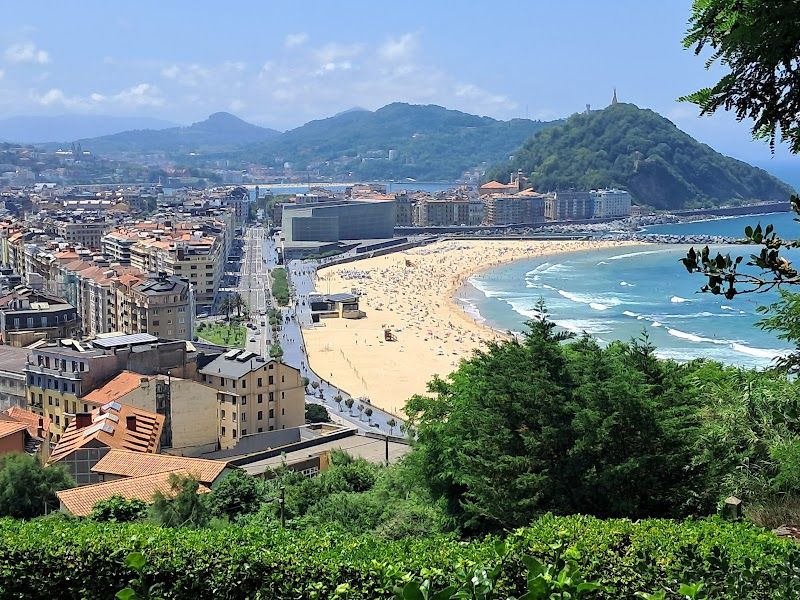
La Concha is the beach, and it is regularly ranked among the best urban beaches in the world. A perfect crescent of sand framed by green hills on both sides, with a promenade, a Belle Epoque railing, and water that is cold enough to wake you up and warm enough (in summer) to swim in. The beach is the living room of the city from June to September.
The food is the identity. Beyond the pintxo bars, the city has 3-star restaurants (Arzak, with Mugaritz and Martin Berasategui nearby) that defined modern Basque cuisine. The cooking here is inventive, seafood-heavy, and taken with a seriousness that borders on religious. The cider houses (sidrerias) in the hills outside town, open January-April, serve unlimited cider poured from barrels with a steak and cod dinner for EUR 35-40 per person.
Neighborhoods
Each district has its own personality
Parte Vieja
The pintxo district: narrow streets packed with bars, each counter loaded with 8-15 different pintxos, txakoli poured from height at every stop, and the San Telmo Museum in the old convent
La Concha & Centro
The elegant seafront: the crescent La Concha beach with its Belle Epoque promenade railing, the Monte Igueldo funicular for the panoramic bay view, and the grand hotels and park
Gros
The surfer and local neighbourhood east of the Urumea river: Zurriola beach with Atlantic surf, the Kursaal glass cubes, and pintxo bars with shorter queues and more regular clients than the old town
Things to Do
Top experiences in San Sebastian
Paseo Nuevo
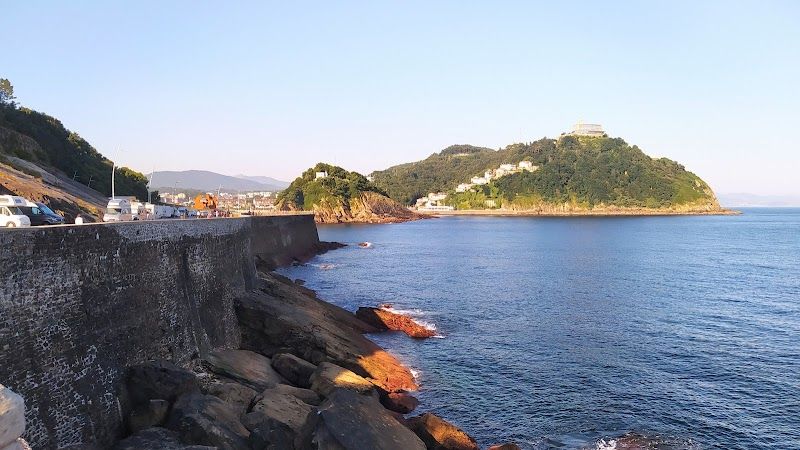
Paseo Nuevo is San Sebastian's wildest waterfront walk, a concrete promenade that hugs the rocky base of Monte Urgull where the Atlantic meets the city head-on. You'll walk along massive seawalls built to absorb the ocean's punishment, and when conditions are right, waves explode over the barriers in spectacular displays that'll soak you if you're not paying attention. The 800-meter path connects the fishing port to Zurriola Beach, giving you front-row seats to the raw power of the Cantabrian Sea. The walk feels completely different from the genteel curve of La Concha Bay. Here you're exposed to the elements, with salt spray in the air and the constant sound of waves hammering stone. When swells are up, locals gather to watch the show as water crashes over the walkway in dramatic bursts. The path is wide enough for joggers and cyclists, but everyone stops when a big set rolls in. You'll pass small rocky coves where brave swimmers take the plunge and fishermen cast lines into the churning water. Most guides don't mention that this walk is completely weather dependent. On calm days it's pleasant but unremarkable, just another seafront stroll. You want some wave action for the real experience, but not so much that it's dangerous. The stretch nearest the port offers the best wave-watching spots, while the section approaching Zurriola gets tamer. Skip it entirely if there are storm warnings, the waves here can be genuinely hazardous and the city sometimes closes sections during rough weather.
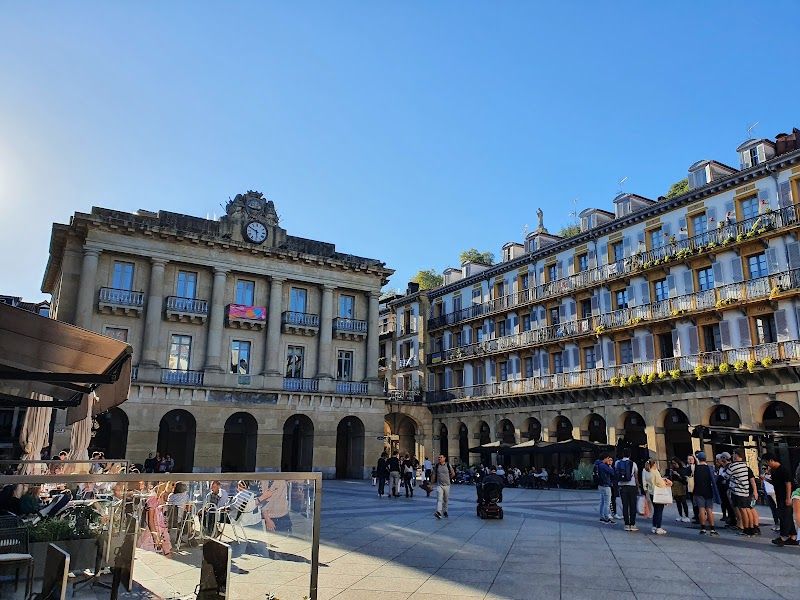
Constitución Plaza
Constitución Plaza is the beating heart of San Sebastian's old town, a perfectly symmetrical square that started life as a bullring in 1817. You'll find yourself surrounded by elegant four-story buildings with pale yellow facades and continuous arcades at street level. The real charm is looking up: every single balcony still bears its original number (1 through 64), marking where spectators once paid to watch bullfights below. The atmosphere shifts dramatically throughout the day. Mornings bring a calm, almost residential feel as locals grab coffee under the arcades and elderly men read newspapers on benches. By evening, the terraces fill with pintxo hoppers and the square becomes animated with conversation spilling out from Bar Ganbara and other surrounding spots. The acoustics are remarkable: conversations echo off the enclosed walls, creating an intimate amphitheater effect. Most guides oversell this as a major destination, but it's really best appreciated as a pause between pintxo bars rather than a standalone attraction. The cafés here charge tourist prices (€3-4 for a cortado versus €1.50 elsewhere), so grab your drink from the arcade bars and sit on the free benches instead. Don't expect any shops or major activity, it's essentially a very pretty transit hub for exploring Parte Vieja.
La Concha Beach
La Concha is a perfectly curved crescent of pale sand stretching between two green hills, with a small island floating in the middle of the bay like a postcard come to life. The water's bracingly cold but swimmable in summer, and the Belle Epoque promenade behind you feels like stepping into a 19th century novel. You'll spend hours here switching between swimming, sunbathing, and people watching as half the city treats this beach like their outdoor living room from June through September. The beach fills up in concentric circles: locals claim the prime spots facing the island by 9 AM, families spread out toward the western end where the water's shallower, and tourists cluster near the rental huts. The atmosphere shifts throughout the day from peaceful morning swims to afternoon family chaos to evening strolls along the illuminated promenade. You can take a small boat to Isla de Santa Clara for 4 EUR return, where you'll find the city's best photo angle and a surprisingly decent restaurant. Most guides won't tell you that the center gets uncomfortably packed by 11 AM in July and August, so arrive early or head to the western end near Ondarreta instead. Beach chair rental costs 12 to 15 EUR per day from the service huts, but honestly, most locals just bring towels. Skip the boat to the island unless you're desperate for Instagram shots, the beach itself is the real attraction here.
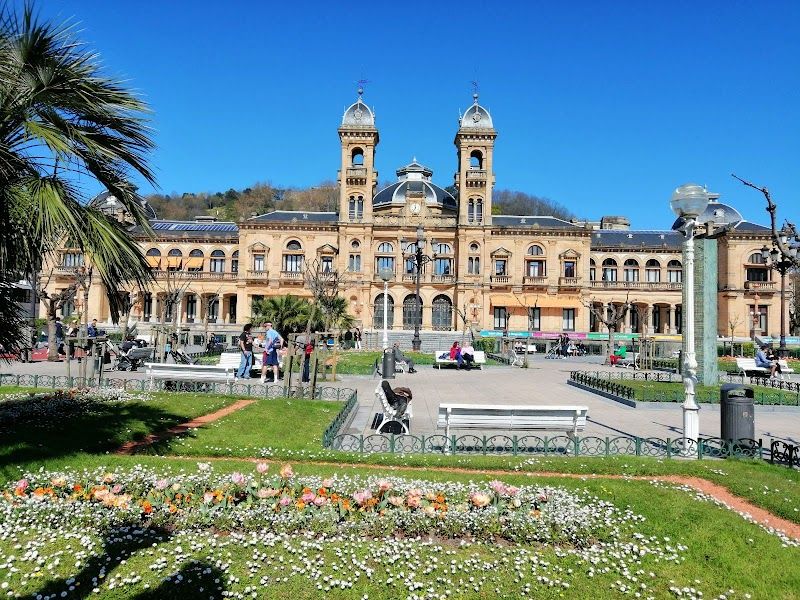
Alderdi Eder parkea
Alderdi Eder is San Sebastian's formal front garden, a pristine rectangle of manicured lawns and flower beds sitting between the old town and La Concha beach. You'll find geometric patterns of seasonal blooms, towering tamarind trees that provide natural air conditioning, and three ornate fountains that actually work. The park serves as the city's living room, flanked by the neoclassical Town Hall on one side and the belle époque casino on the other. The atmosphere here shifts throughout the day from morning joggers cutting through to reach the beach, to afternoon families letting kids run on the grass while parents claim shaded benches. The fountains provide white noise that drowns out traffic, and the mature trees create cool pockets even in summer heat. You'll notice locals treating this as their backyard, reading newspapers on benches or having quiet conversations while tourists rush past toward La Concha. Most guides make this sound grander than it is. It's lovely but genuinely small, maybe 10 minutes to walk the perimeter slowly. The real value is as a breather between beach time and exploring the old town, not a destination itself. Spring flower displays are genuinely spectacular, but in winter it's just well kept grass. Skip it if you're short on time, the beach views are better from the promenade anyway.
Aquarium Donostia-San Sebastián
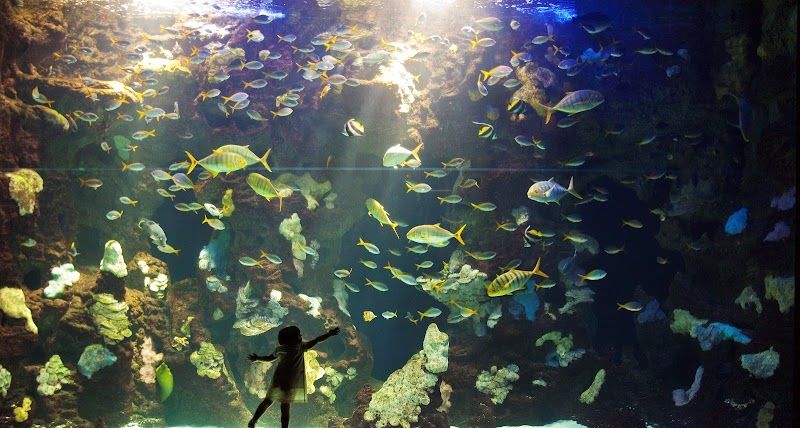
This compact 1928 aquarium sits right at San Sebastian's port entrance, built into the historic Monte Urgull fortifications. You'll walk through a curved 360-degree tunnel with sharks, rays, and tropical fish swimming overhead and around you, plus handle starfish and small rays in the interactive touch pools. The focus stays local: excellent displays of Cantabrian Sea species like spider crabs and sea bream, alongside a surprisingly good coral reef section that feels authentic rather than flashy. The visit flows naturally from the entrance through themed tanks showcasing local marine life, then into the main oceanarium tunnel where nurse sharks and stingrays glide past at eye level. The touch pools usually have kids (and adults) mesmerized, while the conservation exhibits explain local fishing traditions and marine protection efforts. The space feels intimate rather than overwhelming, and staff genuinely know their stuff about both the animals and local maritime history. Most guides oversell this as a major attraction, but it's perfectly sized for 75 minutes. Skip the gift shop (overpriced trinkets) and don't bother with the audio guide. At 13 EUR for adults and 6.50 EUR for kids, it's fairly priced for what you get. The real win is timing: come early or late afternoon to avoid school groups, and you'll have the tunnel practically to yourself.
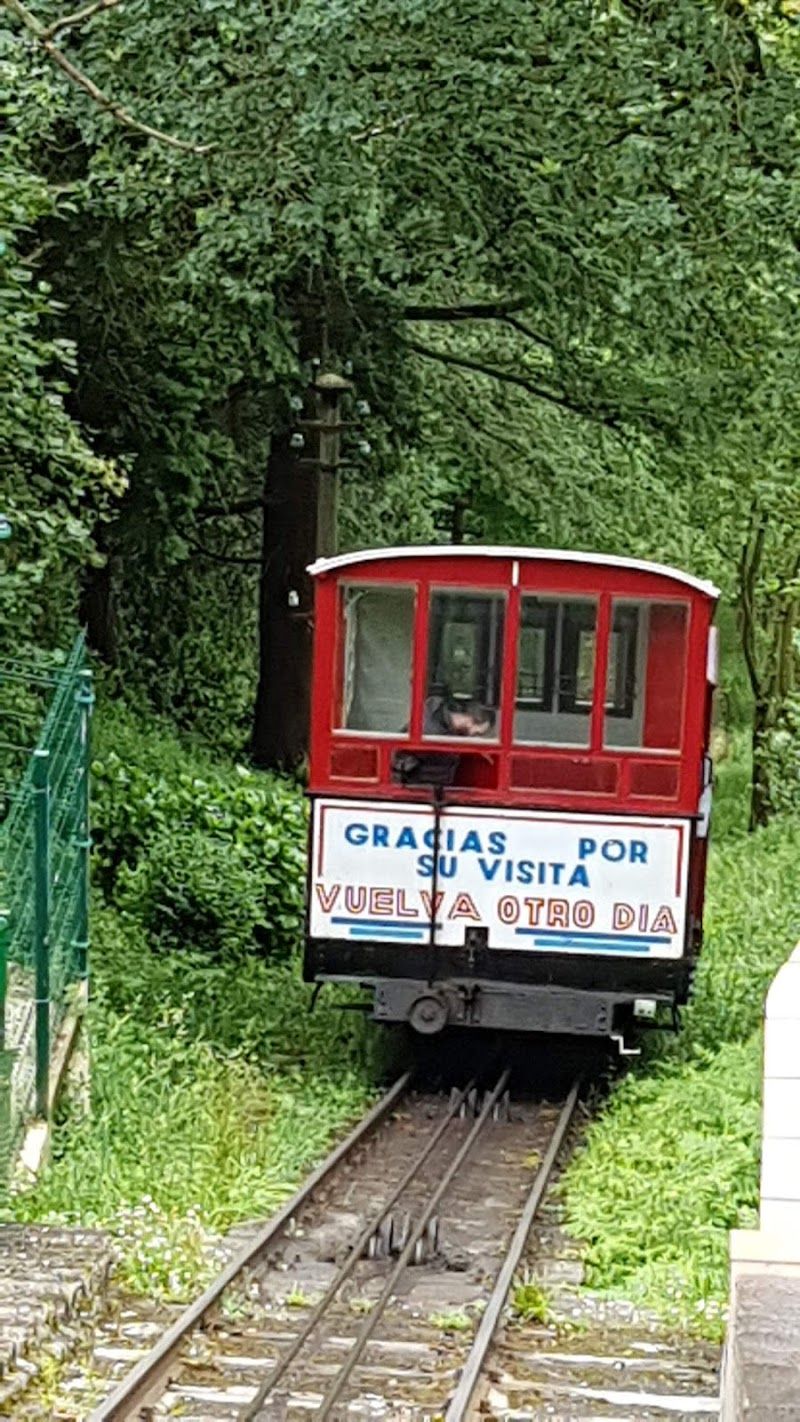
Monte Igueldo Funicular and Viewpoint
Monte Igueldo is the hill at the west end of La Concha bay with a vintage funicular railway (opened 1912, EUR 4 return) that climbs 180 metres to a summit with a small amusement park from the 1920s and a panoramic view of the entire bay, La Concha, the city, Monte Urgull, and the coast toward France. The amusement park (roller coaster, bumper cars, fortune teller machines, all from another era) is genuinely strange and makes Monte Igueldo one of the more unexpected experiences in a Michelin-starred food city. The view from the top is the best in San Sebastian: La Concha curves below in one direction, the Cantabrian coast stretches in both directions, and on clear days the French Basque coast toward Biarritz is visible. The funicular runs from the Ondarreta end of La Concha. Buy the funicular ticket at the bottom station. The amusement park rides cost extra. Allow 1-1.5 hours for the round trip.
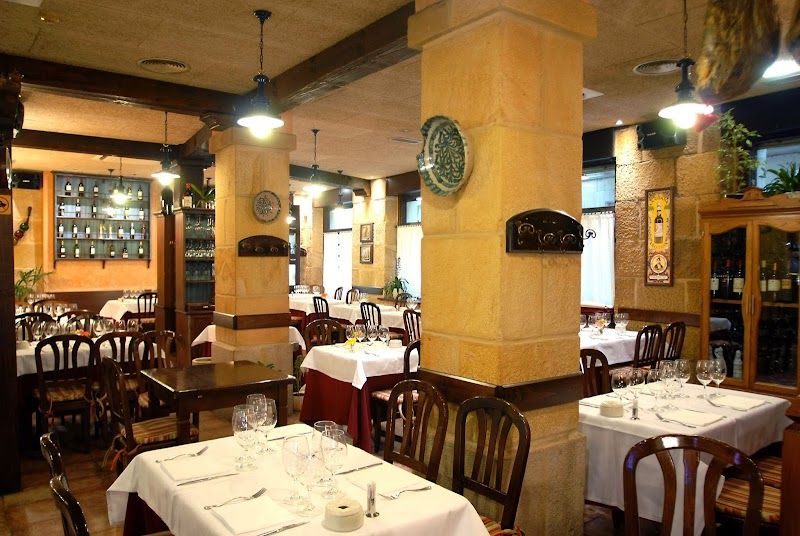
Gandarias
Family-run since 1967, famous for grilled steak pintxos and white anchovies from Getaria. The txuleton (T-bone steak) is grilled over charcoal and served by the slice at the bar. Tables upstairs for full meals.
Zurriola Beach and Gros Neighbourhood
Zurriola is the surf beach east of the Urumea river, across from the old town in the Gros neighbourhood. Where La Concha is calm and sheltered, Zurriola faces the open Bay of Biscay with Atlantic swells that make it the main surf beach in the city. The Kursaal conference centre (two glass cubes on the beach designed by Rafael Moneo) is the architectural statement of the eastern seafront. The Gros neighbourhood behind the beach has a different energy from the old town: more local, younger, with pintxo bars that are less crowded than the Parte Vieja, better table availability, and prices that are slightly lower. The bars on Calle del General Arteche and Calle Zabaleta are the best in the neighbourhood. Bodega Donostiarra on Calle de Peñaflorida is a wine bar with a loyal local clientele. Hidalgo 56 on Calle de Fuenterrabia 56 is the pintxo bar most Gros locals recommend first.
La Viña
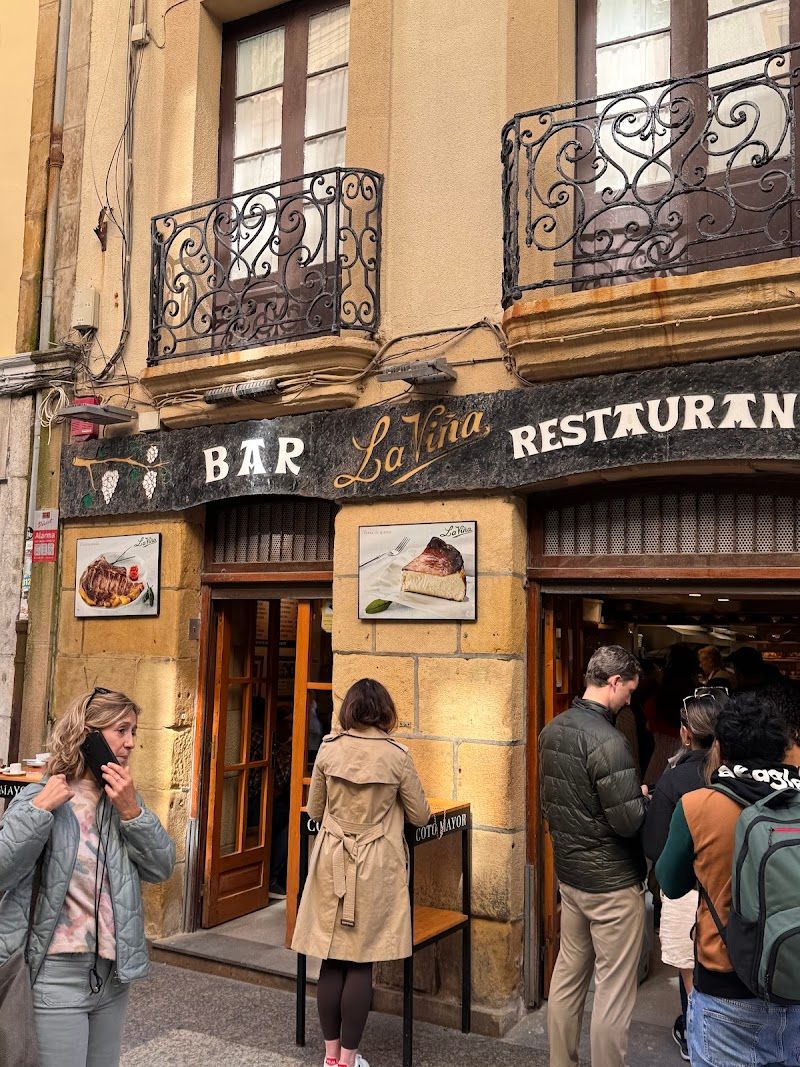
The birthplace of burnt Basque cheesecake, now copied worldwide. This unassuming bar has been making their tarta de queso since the 1990s, with a caramelized top and creamy, almost liquid center. Slices are served at room temperature.
La Cuchara de San Telmo
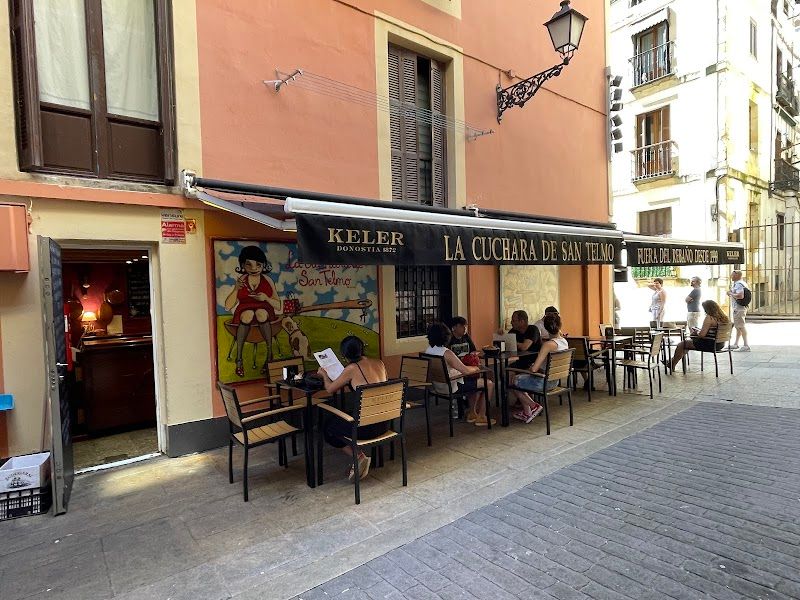
No cold pintxos on the bar here. Everything is cooked to order from a tiny kitchen, with specialties like foie micuit with apple compote and slow-cooked veal cheek. The carrillera (veal cheek) melts on the tongue and is worth the wait.
Petritegi Sagardotegia
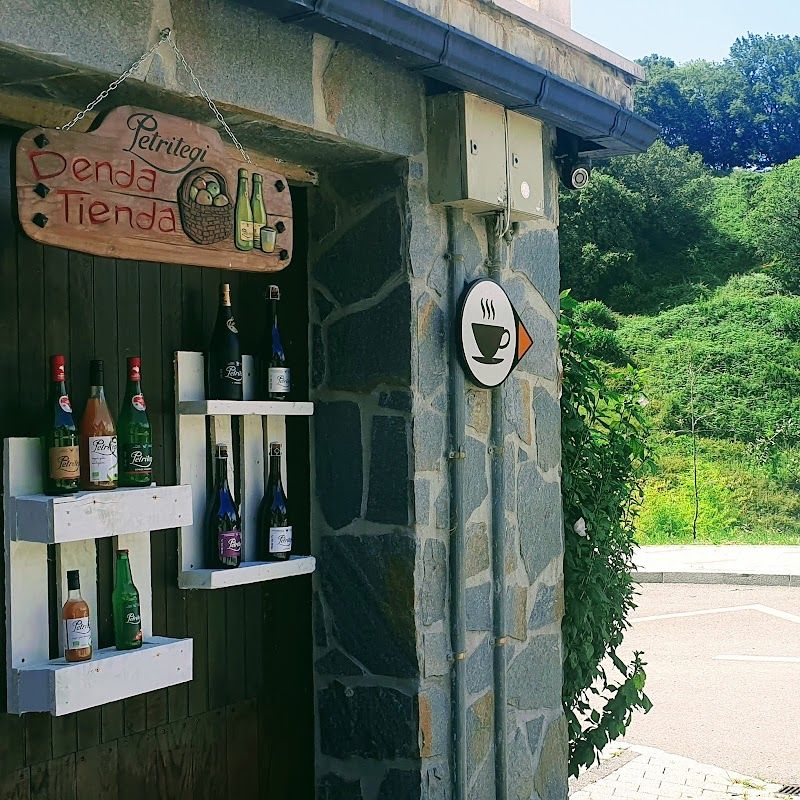
Petritegi is the real deal: a 500-year-old cider house where you'll drink unlimited sagardoa straight from enormous oak barrels and eat a fixed menu that hasn't changed in decades. Open only during cider season (January through April), this isn't a restaurant but a genuine Basque ritual where you catch streams of cider in your glass while standing around massive wooden vats. The €35 per person covers everything: unlimited cider, salt cod tortilla, chorizo with beans, and massive txuleta steaks grilled over open flames. You'll spend 3.5 hours here, and it feels like stepping into rural Basque culture from centuries past. The atmosphere builds as locals arrive in groups, filling long communal tables in cavernous stone rooms. Between courses, someone inevitably starts singing traditional Basque songs, and the entire room joins in while raising glasses of cider. The ritual of catching cider from the barrel (called txotx) happens constantly, with streams of golden liquid arcing through the air as people line up with their glasses. Most guides romanticize this, but here's the truth: the food is simple and repetitive, the benches get uncomfortable, and you'll leave smelling like cider and smoke. But that's exactly the point. This isn't refined dining, it's cultural immersion. Book ahead on weekends when the singing gets loudest, and don't come expecting quick service or vegetarian options.
Pintxo Bar Crawl in Parte Vieja
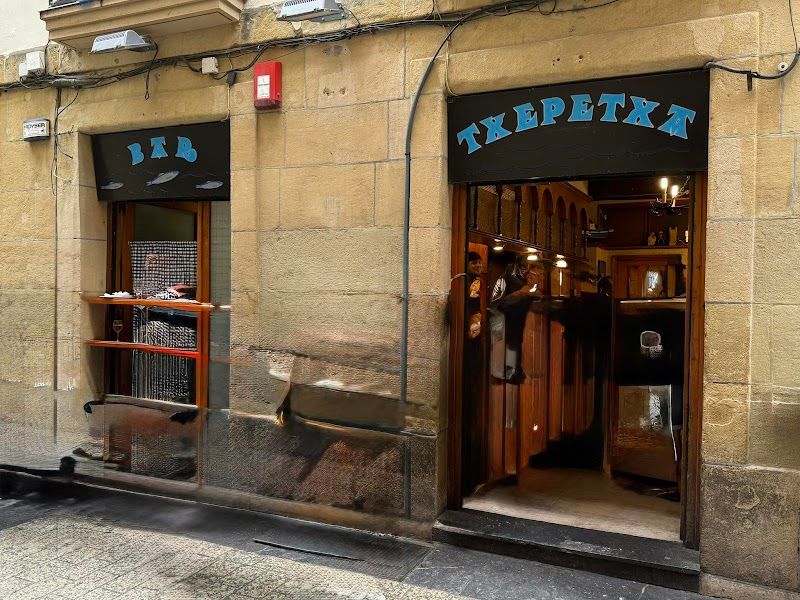
The Parte Vieja (Old Town) of San Sebastian is the densest concentration of pintxo bars in the world. A pintxo (pronounced "pincho") is a small portion of food served on a slice of bread or a skewer, arranged on the bar counter, and taken by hand. You eat what you want, keep track of your toothpicks, and pay at the end. A single pintxo costs EUR 2.50-4. A txakoli (the local Basque sparkling white wine, poured from height to aerate it and increase the bubble effect) costs EUR 3. An evening of bar-hopping through the Parte Vieja hitting 5-6 bars, eating 2-3 pintxos and a drink at each, costs EUR 20-35 and constitutes one of the best meals in Europe. The essential bars: Bar Nestor (Calle de la Pescaderia 11, the tortilla de patata, made to order and served at 1 PM and 8 PM only, get there 15 minutes early to put your name on the list, the queue is visible from the street), Gandarias (Calle 31 de Agosto 23, the steak pintxo and the anchovy on bread), La Cuchara de San Telmo (Calle 31 de Agosto 28, hot pintxos cooked to order at the counter rather than pre-prepared, the slow-cooked veal cheek and the foie with apple jam), A Fuego Negro (Calle 31 de Agosto 31, modern experimental pintxos, the gin and tonic prepared tableside).
Travel Guides
Expert guides for every travel style
Where to Eat in San Sebastian: Pintxos, Txakoli & Michelin
San Sebastian has the highest Michelin star density in the world outside Kyoto and the best EUR 3 food on any bar counter in Europe. This is how to eat it.
8 min
First Time in San Sebastian: What You Need to Know
The practical guide: how pintxo bars work (take what you want, keep the toothpicks), what txakoli is, the difference between La Concha and Zurriola, when to go, and a few words of Basque.
6 min
Frequently Asked Questions
Walk up to the bar. Take a pintxo from the counter display: some bars have elaborate counter arrangements of pre-prepared items, others (like La Cuchara de San Telmo) cook hot pintxos to order at the counter. Order a drink (txakoli EUR 3, beer EUR 3, wine EUR 2.50). Keep your toothpicks or the paper that came with the pintxo as a tally. Pay at the end based on the count. Move to the next bar after 2-3 items. The evening cost is EUR 20-35 for 5-6 bars.
Txakoli (also spelled chacolí) is the local Basque sparkling white wine made from Hondarribia Zuri grapes. It is slightly fizzy, low in alcohol (around 11%), high in acidity, and drunk very young. The bartender pours it from a height (30-40 cm above the glass) to aerate it and increase the bubble effect. It costs EUR 3 a glass and should be ordered with seafood pintxos, anchovies, or anything from the ocean. Getaria, 30 km from San Sebastian, is the most important txakoli production area.
Yes. Arzak (3 stars) and Mugaritz (2 stars, outside the city) book up 2-3 months ahead. Martin Berasategui (3 stars, 20 min from the city) is similarly competitive. If you want to eat at one of these restaurants, book as soon as you fix your dates. For the pintxo bars, no reservation is needed or possible. For mid-range restaurants like Kokotxa, booking 1 week ahead is usually sufficient.
The cider houses (sidrerias or sagardotegiak in Basque) open annually from January to April. The cider pressing season ends in autumn and the new cider is ready to drink in the new year. A txotx evening means the proprietor opens a barrel tap, you fill your glass directly from the barrel, and the fixed menu (cod omelette, salt cod with peppers, beef steak, cheese, quince and nuts, dessert) runs through the evening. EUR 35-40 per person all-inclusive. Petritegi, Zelaia, and Bereziartua are well-regarded operators within 15-30 min of the city. Book ahead: cider houses fill quickly in season.
Signs are bilingual (Spanish and Euskara). Menus in the Parte Vieja are often trilingual (Basque, Spanish, English). Most locals speak Spanish as their main language, with varying levels of Basque. In tourist areas, English is widely spoken. A few words of Basque are appreciated: "kaixo" (hello), "eskerrik asko" (thank you), "agur" (goodbye). The Basque Country flag (the ikurrina: green, red, and white) and the Basque cultural identity are visible everywhere and taken seriously.