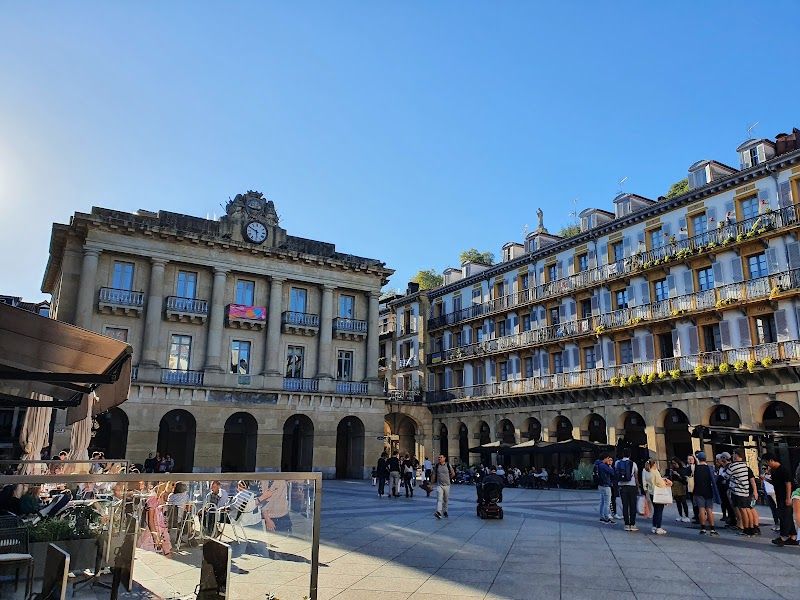
First Time in San Sebastian: What You Need to Know
Pintxo etiquette, txakoli, the beaches, when to go, and the Basque language on signs
The practical guide: how pintxo bars work (take what you want, keep the toothpicks), what txakoli is, the difference between La Concha and Zurriola, when to go, and a few words of Basque.
First Time in San Sebastian: What You Need to Know
San Sebastian isn't just another Spanish beach town. It's the unofficial culinary capital of Europe crammed into 60,000 people, where pintxo bars serve food that would cost EUR 200 in Paris for EUR 15, and the locals take their food culture so seriously that they have private gastronomic societies you can't join unless you're born here. The learning curve is steep but worth it: this is a city with rules, rhythms, and rituals that matter.
Pintxo Etiquette: The Rules Matter
Approach the bar and take what you want from the counter display. Don't wait to be served: the system assumes you know what you're doing. Order a drink immediately after grabbing your pintxos. Keep every toothpick on your plate or on the bar in front of you, this is your running tally. When you're ready to leave, tell the bartender how many pintxos you had or let them count your toothpicks. Pay and move on. The correct amount at one bar is 2-3 pintxos and one drink. More than that marks you as someone who doesn't understand the culture. A proper pintxo evening is movement through 5-7 bars over 2-3 hours, not camping at one place. Do not sit at tables if bar counter space is available: pintxo culture is standing-at-the-bar culture, and sitting changes the entire social dynamic.
Txakoli: Your New Favorite Wine
This is the local Basque sparkling white wine, made from Hondarribia Zuri grapes grown near Getaria. The bartender will pour it from 30-40 cm above your glass, and this isn't showmanship: it aerates the wine and increases the carbonation. Txakoli is slightly fizzy, high acidity, low alcohol around 11%, and bone dry. This is the correct drink with seafood pintxos and anchovies, not an arbitrary choice. It costs EUR 3 a glass everywhere. Ask for 'un txakoli' at any pintxo bar and drink it cold and quickly before it warms up and loses its sparkle.
The Beaches: Pick the Right One
La Concha
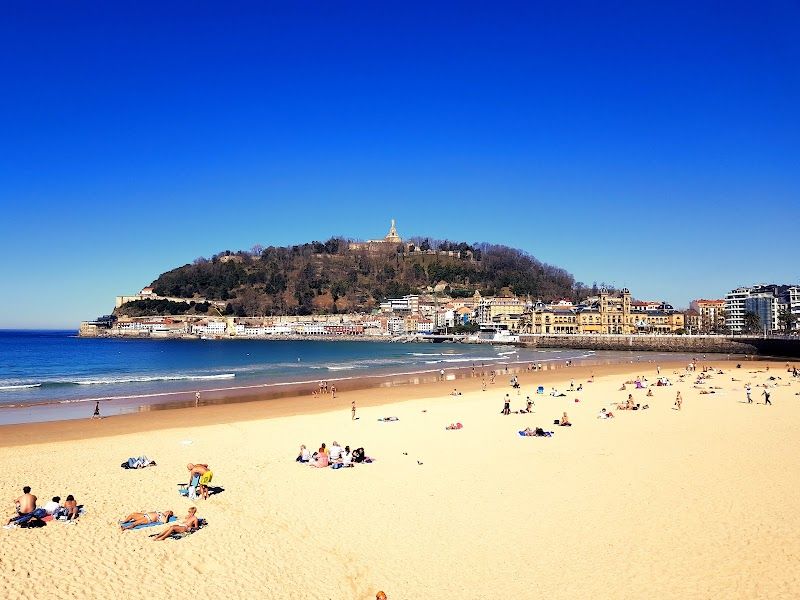
The main beach, a sheltered crescent with calm water and the Belle Epoque promenade. Good for swimming June through September when water reaches 20C in late August. Beach chairs cost EUR 12-15 per day from the huts. This gets crowded but the infrastructure handles it well.
Playa de Ondarreta
The quieter western end of La Concha, smaller and better for families. Same protected water as La Concha but with half the crowd density. Choose this over La Concha if you want the same swimming conditions with more space.
Zurriola
Across the Urumea river in Gros, this faces the open Bay of Biscay and catches Atlantic swells. This is the surf beach, not recommended for casual swimming because waves are stronger and currents can be significant. Surf lessons happen on the sand if that's your goal.
When to Go: Timing Changes Everything
June through September is peak season when La Concha fills up and pintxo bars hit maximum volume, but the energy is at its best. September is optimal: the sea is still warm, crowds are thinner than August, and the Film Festival during the third week adds a different energy to the city. October and November are quieter and cooler but still very pleasant for walking and eating. January through April is cider house season, which is mandatory if you're visiting during this period. Winter is wet and quiet, but the food scene never stops.
Basque Language: What You Need to Know
Signs are bilingual in Spanish and Euskara, menus are often trilingual. You don't need Basque to function: Spanish or English works everywhere in tourist areas. A few words are appreciated: 'kaixo' for hello, 'eskerrik asko' for thank you, 'agur' for goodbye. The Basque identity isn't performative tourism: the ikurrina flag is everywhere and the language is genuinely used in everyday life, not just for signage. This cultural pride is real and shapes how the city operates.
Getting Around: It's Smaller Than You Think
San Sebastian is small: the Parte Vieja, La Concha, and Monte Urgull are all within a 15-minute walk of each other. Gros is across the Zurriola bridge, a 5-minute walk from the Parte Vieja. Monte Igueldo requires bus line 16 from La Concha or a 30-minute walk along the seafront. There's no metro system and you won't need one. Taxis are available but rarely necessary. The city is flat except for the hills, Urgull and Igueldo, which require walking uphill or taking the funicular on Igueldo.
Ready to Visit San Sebastian?
Get a personalized itinerary tailored to your travel style and interests.
Plan Your San Sebastian TripMore San Sebastian Guides
2-3 Days in San Sebastian: First-Timer's Itinerary
How to spend 2-3 days: the Parte Vieja pintxo crawl with the key bars (and when to arrive at Nestor), La Concha and Monte Igueldo, Gros and Zurriola, and a Michelin-adjacent dinner on Day 2.
8 min
Where to Eat in San Sebastian: Pintxos, Txakoli & Michelin
San Sebastian has the highest Michelin star density in the world outside Kyoto and the best EUR 3 food on any bar counter in Europe. This is how to eat it.
8 min