2-3 Days in San Sebastian: First-Timer's Itinerary
The pintxo circuit, Bar Nestor's tortilla, La Concha, Monte Igueldo at sunset
How to spend 2-3 days: the Parte Vieja pintxo crawl with the key bars (and when to arrive at Nestor), La Concha and Monte Igueldo, Gros and Zurriola, and a Michelin-adjacent dinner on Day 2.
2-3 Days in San Sebastian: First-Timer's Itinerary
San Sebastian is the kind of place where you'll eat more in three days than you thought possible and somehow still want more. This itinerary assumes you're here to eat well, walk off the pintxos, and understand why locals never really leave. The city is small enough to walk everywhere, which is good because you'll need to after all that food. Your biggest decisions will be whether to have one more pintxo or save room for the next bar.
La Concha and Your First Real Pintxo Crawl
Your first day is about understanding the geography and getting your pintxo legs under you. The morning gives you the full sweep of what makes this bay special, while the afternoon introduces you to how locals actually eat here. By evening, you'll be ready for the real thing: a proper crawl through bars that have been perfecting the same three pintxos for decades.
- Full La Concha bay walk with Monte Igueldo funicular
- Bar Nestor's famous 1 PM tortilla ritual
- Proper Parte Vieja pintxo crawl starting at 8 PM
Morning: La Concha Bay and Monte Igueldo
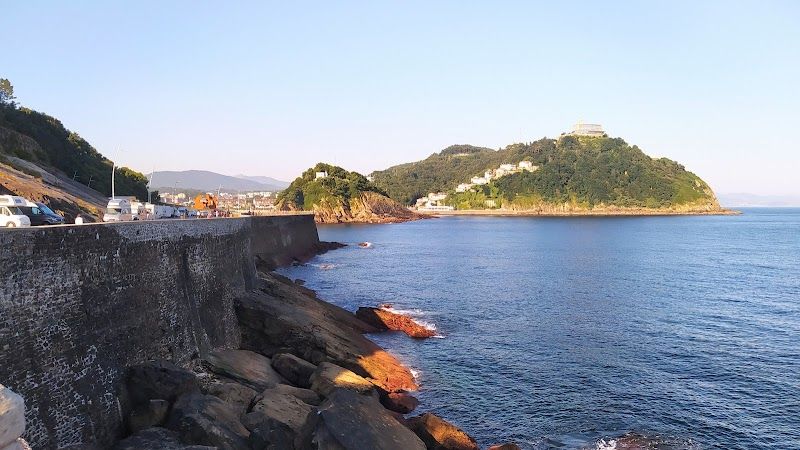
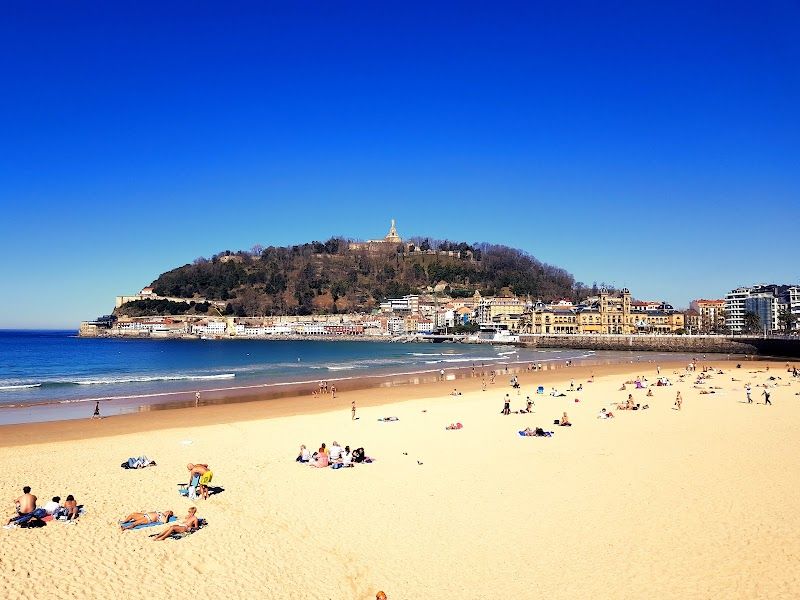
Start with the full promenade walk from the port end to Ondarreta beach at the west. This takes 20 minutes if you don't stop, but you will stop because the bay opens up in front of you like someone designed it specifically for postcards. The small island in the middle is Isla de Santa Clara, and that hill at the far end with the amusement park on top is Monte Igueldo, where you're headed. If it's summer and the water looks inviting, swim at Playa de Ondarreta rather than the main La Concha beach. Same sand, half the crowds, and the locals swimming laps here at 8 AM will make you feel lazy in the best way.
The Monte Igueldo funicular costs EUR 4 return and leaves from the Ondarreta end of the beach. The amusement park at the top is genuinely from the 1920s, complete with creaky wooden roller coasters and games that look like your great-grandfather might have played them. It's touristy, yes, but in the way that feels like stepping into someone's family photos from 1925. The real reason you're here is the view: the entire bay spreads out below you, and you can finally see how the mountains frame everything. Stay 45 minutes, take your photos, and come down by 12:30 PM. You have a tortilla to catch.
Lunch: The Bar Nestor Experience and Pintxo Basics
Arrive at Bar Nestor on Calle de la Pescaderia by 12:45 PM. There will be a piece of paper near the door where you write your name for the 1 PM tortilla. Do this immediately. The tortilla only comes out twice a day (1 PM and 8 PM), and it's worth the fuss: thick, creamy in the center, with a slight char on the outside. While you wait, order txakoli (the local white wine, served in small glasses) and 2-3 pintxos from the counter. Point at what looks good and don't overthink it.
After Nestor, walk 2 minutes to Gandarias on Calle 31 de Agosto. The steak pintxo here is a small piece of perfectly cooked beef on bread that costs EUR 3 and tastes like they care about every detail. The anchovy on toast looks simple until you taste how good the anchovy actually is. Then hit La Cuchara de San Telmo on the same street for hot pintxos cooked to order. The foie with apple jam sounds fancy but costs EUR 4 and arrives warm on a small plate. This is how lunch works in San Sebastian: small plates, standing up, moving between bars when you feel like it.
Afternoon: San Telmo Museum and Monte Urgull
Walk off lunch at the San Telmo Museum (EUR 6, Plaza Zuloaga). The building is an old convent with a modern glass addition that somehow works. The Sert murals on the church walls show Basque history in bold colors and dramatic scenes, and the ethnography collection explains how people actually lived here before tourism. Budget 1 to 1.5 hours and focus on understanding what makes Basque culture different rather than trying to see everything.
Monte Urgull is the hill on the opposite side of the bay from where you were this morning. The walk up to the castle takes 20 minutes through woods that feel surprisingly wild for the middle of a city. At the top, the view covers both beaches, and you can see why someone put a fort here. The castle itself is mostly ruins, but it's free and the walk is worth it for the exercise and perspective. Come down the back side toward the port to see how the working parts of the city fit together.
Evening: Your First Real Pintxo Crawl
Put your name on Bar Nestor's 8 PM tortilla list at 7:45 PM, then spend the waiting time at 2-3 other bars. A Fuego Negro on Calle 31 de Agosto does creative pintxos that look like tiny works of art and actually taste good, which isn't always the case with creative pintxos. Zeruko on Calle Pescaderia specializes in seafood and has pintxos that look too elaborate to be real. Bar Bergara on Calle General Artetxe feels more traditional but with better ingredients than most traditional places use.
The rhythm is simple: order a drink and 1-2 pintxos per bar, eat standing up, pay when you leave, move on when you feel like it. Don't try to sit down, don't order a full meal, and don't worry about finishing everything. This is social eating, and the point is as much about the movement between bars as the food itself. Stop eating by 10 PM, or you won't sleep. Budget EUR 20-35 for the evening, including drinks.
Gros, the Working Port, and a Proper Dinner
Today you see the other side of San Sebastian: the newer Gros neighborhood where surfers hang out, the working port that still brings in fish, and the market where actual cooking happens. The evening shifts gears entirely with a proper sit-down dinner that shows you what Basque cuisine looks like when chefs have a full kitchen and time to work.
- Zurriola beach and the Kursaal's morning light
- Bretxa market lunch where chefs actually shop
- Real restaurant dinner at Kokotxa or Bodegon Alejandro
Morning: Gros and the Kursaal
Cross the Urumea River to Gros, the neighborhood that feels younger and less polished than the Parte Vieja. Zurriola beach runs along the front, and the waves here are bigger and rougher than La Concha. The two glass cube buildings are the Kursaal, designed to look like beached rocks. They're conference halls, not museums, but photograph them from the beach in morning light when they catch the sun and actually look like the architect's drawings.
Gros has its own pintxo scene, less crowded than the old town. Hidalgo 56 on Calle Peña y Goñi does excellent coffee and lighter pintxos for late breakfast. Bodega Donostiarra nearby feels more like a neighborhood bar where people actually live, which is refreshing after yesterday's tourist-heavy crawl. The quality is the same, the prices are slightly lower, and you can usually find a seat.
Late Morning: Aquarium or Naval Museum
Walk back across the Zurriola bridge and choose your indoor activity. The Aquarium (EUR 13, at the end of the port) takes 1.5 hours and has a decent collection, but it's expensive for what it is. The highlight is the 360-degree tunnel through the main tank, where rays swim overhead and you can pretend you're underwater. The Naval Museum (EUR 3, Plaza Zuloaga) is smaller, cheaper, and more focused on how San Sebastian's relationship with the sea actually works. Choose based on weather and attention span.
The Paseo Nuevo Coastal Walk
The walk around the north side of Monte Urgull follows the Paseo Nuevo, a path carved into the rocks above the sea. In calm weather, it's a pleasant stroll with views. In rough weather, waves crash over the path and you get soaked, which is actually more fun if you're dressed for it. The path connects the port to La Concha beach and gives you the full force of the Atlantic. Budget 30 minutes unless you stop to watch the waves, which you should.
Lunch: Bretxa Market
The covered Bretxa market sits in the middle of the Parte Vieja, and this is where the city's chefs buy their fish and vegetables. The stalls on the ground floor sell pristine ingredients, while the small restaurants upstairs serve simple food made from what's being sold below. Order whatever fish looks best that day, grilled or simply prepared. It's not fancy, but it's probably the freshest fish you'll eat in San Sebastian. Budget EUR 15 and expect to stand or sit at a high table.
Afternoon: Rest and Process
You've been eating and walking for a day and a half. Spend the afternoon on La Concha beach reading, swimming if the weather permits, or just watching other people do the same. The promenade has benches facing the water, and sitting here with coffee from one of the kiosks is perfectly acceptable. You have a real dinner tonight, so save your appetite.
Evening: Proper Restaurant Dinner
Tonight you sit down and eat like an adult. Kokotxa (Calle del Campanario 11) has 1 Michelin star and does modern Basque cuisine that justifies the reputation. The tasting menu runs EUR 60-80 per person, and dishes arrive looking like small sculptures that happen to taste excellent. Alternatively, Bodegon Alejandro (Fermin Calbeton 4) offers more traditional cooking with modern technique, EUR 40-55 per person, and feels less like a special occasion.
Both restaurants require reservations, ideally made before you arrive in San Sebastian. This is proper Basque cooking: ingredients treated with respect, techniques passed down through generations, and presentation that doesn't sacrifice flavor for appearance. Expect 2-3 hours, multiple courses, and to leave understanding why people make food pilgrimages to this region.
Getaria Day Trip or Cider House Evening
Your third day splits into two completely different experiences depending on the season and your interests. Getaria offers a perfect Basque fishing village with serious food, while cider houses provide the most traditional group dining experience in the region. Both show you sides of Basque culture that you can't see in the city.
- Getaria fishing village and Balenciaga Museum
- Elkano restaurant's legendary grilled turbot
- Traditional cider house experience (seasonal)
Option A: Getaria Day Trip (Year-Round)
Take the bus from Gipuzkoa station to Getaria (30 minutes, EUR 2.50 each way, buses run hourly). This fishing village produced Cristobal Balenciaga and still produces some of the region's best white wine. The village is small enough to see in half a day: a working harbor, stone houses climbing up from the water, and the church where locals still get married and buried.
The Balenciaga Museum (EUR 12) sits above the village and explains how a fisherman's son became one of the most influential fashion designers in history. The building is striking black concrete, and the collection shows Balenciaga's work alongside pieces by designers he influenced. Even if fashion doesn't interest you, the story of how creativity emerges from small places is worth the visit.
Elkano restaurant serves what many consider the best grilled turbot in Spain. The fish comes whole, grilled over charcoal, and costs EUR 60-90 per person depending on market price and size. You need reservations 1-2 months ahead during high season, but the experience is worth the planning. The restaurant feels like a simple local place until the fish arrives and you understand what perfect technique applied to perfect ingredients actually produces.
Getariako Txakolina, the local white wine, is the best txakoli in the region. Slightly fizzy, bone dry, and made to drink with seafood. Most restaurants in the village pour it, and several wineries offer tastings. The wine doesn't travel well, so this is your chance to taste it where it's made, paired with food it was designed to complement.
Option B: Cider House Experience (January-April Only)
Cider houses operate only during cider season, from January through April. Petritegi and Zelaia, both 15-20 minutes from San Sebastian, offer the full traditional experience for EUR 35-40 per person, all inclusive. This isn't a restaurant dinner; it's a social ritual that hasn't changed much in centuries.
The evening follows a fixed pattern: unlimited cider poured directly from massive wooden barrels, and a set menu that never varies. Cod omelet arrives first, followed by salt cod with red peppers, then grilled beef steak cooked rare, and finally local cheese with quince paste. Everyone sits at long communal tables, and when someone shouts 'Txotx!' you line up at the barrels for fresh cider.
The ritual requires you to hold your glass low while cider pours from height, creating foam and releasing aroma. It's social drinking designed for groups, and you'll end up talking to strangers whether you planned to or not. The food is simple but good, the cider is dry and slightly effervescent, and the experience feels like joining a very old party that happens to include dinner.
Book ahead because cider houses fill up quickly during season. The evening starts early (8 PM) and runs late, and most people take taxis back to the city rather than trying to navigate buses after several hours of unlimited cider. Consider this your introduction to how Basques turn eating and drinking into community events that feel both ancient and completely contemporary.
Ready to Visit San Sebastian?
Get a personalized itinerary tailored to your travel style and interests.
Plan Your San Sebastian TripMore San Sebastian Guides
First Time in San Sebastian: What You Need to Know
The practical guide: how pintxo bars work (take what you want, keep the toothpicks), what txakoli is, the difference between La Concha and Zurriola, when to go, and a few words of Basque.
6 min
Where to Eat in San Sebastian: Pintxos, Txakoli & Michelin
San Sebastian has the highest Michelin star density in the world outside Kyoto and the best EUR 3 food on any bar counter in Europe. This is how to eat it.
8 min