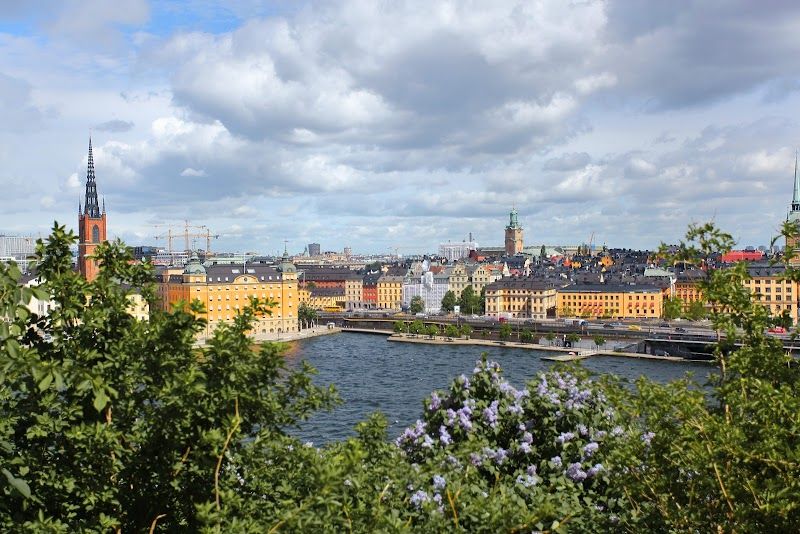
Stockholm
Things to Do
54 attractions, museums, and experiences
Gamla Stan (Old Town)
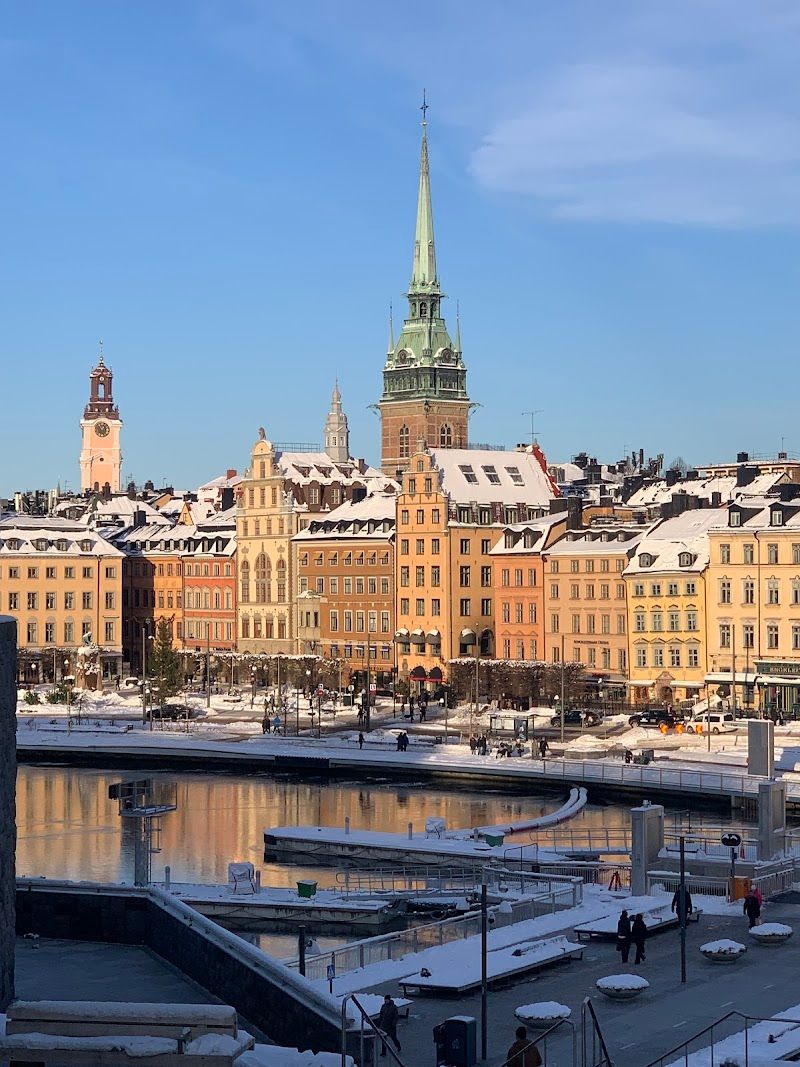
Gamla Stan is Stockholm's 13th-century island core where medieval cobblestone streets wind between ochre and rust-colored buildings that house everything from tiny cafes to the Royal Palace. You'll walk the same narrow passages where merchants traded 700 years ago, the original street grid intact and surprisingly navigable. The Nobel Museum on Stortorget square (SEK 130) covers prize history, while the massive Royal Palace offers state apartments and crown jewels, but the real draw is simply wandering streets like Västerlånggatan and Österlånggatan. The island feels like a film set, especially early morning when soft light hits the weathered facades and you can hear your footsteps echo off ancient walls. Stortorget's colorful buildings frame the main square where 90 people were executed in 1520, a grim history marked by a simple plaque. Side streets like Prästgatan and Kåkbrinken reveal tiny courtyards and medieval details most tourists rush past. The contrast between tourist-packed main drags and quiet residential corners is striking. Most guides oversell this as unmissable, but honestly, summer crowds make it claustrophobic by 10 AM and the souvenir shops feel repetitive quickly. The Royal Palace is expensive (SEK 160) and takes hours you could spend exploring for free. Focus on the architecture and atmosphere rather than paid attractions, and don't bother with the touristy restaurants along Västerlånggatan where you'll pay SEK 200+ for mediocre food.
Monteliusvägen
Monteliusvägen is a 500-meter pedestrian walkway that hugs the cliff edge of Södermalm, delivering Stockholm's best free panoramic view. You'll see Gamla Stan's medieval spires, the imposing City Hall with its distinctive tower, and Lake Mälaren stretching toward the horizon. The elevated position puts you about 30 meters above the water, creating that perfect postcard perspective that makes Stockholm look like a fairy tale city. This isn't just a quick photo stop: benches line the entire route, positioned specifically for optimal viewing angles. The walk itself feels surprisingly peaceful despite being completely free and wildly popular. You'll start at either end (most people begin near Mariaberget) and stroll along the narrow paved path with the city spreading out below. The atmosphere shifts throughout the day: morning brings joggers and dog walkers, afternoon draws tourists with cameras, and evening transforms it into an open-air theater for sunset watching. The path stays busy but never feels cramped since it's one-way traffic along the cliff edge. Here's what most guides won't mention: the view is identical from every bench, so don't stress about finding the "perfect" spot. Summer evenings turn into a circus of tripods and sunset chasers, which can kill the serene vibe entirely. If you're here for photography, the light is actually better 45 minutes before sunset when it's warmer and less harsh. Skip the crowded summer weekends and come on a crisp winter morning instead when the low light makes the red buildings of Gamla Stan absolutely glow.

Vasa Museum
The Vasa Museum houses the world's only preserved 17th-century warship, a massive 69-meter vessel that sank embarrassingly 1,300 meters into its maiden voyage in 1628. You'll stand face to face with an almost complete wooden warship, 98% original, covered in hundreds of carved sculptures depicting lions, faces, and biblical scenes. The ship towers above you in a custom-built museum that feels like a cathedral, with walkways at different levels letting you examine everything from the gun decks to the ornate stern. Walking around the Vasa feels surreal because you're seeing something that shouldn't exist: a perfectly preserved piece of the 1600s. The ship dominates the space completely, and you can spend ages studying the carved decorations that were meant to intimidate enemies but never got the chance. The surrounding exhibitions explain how 30 people died when this top-heavy warship tipped over, and how Swedish engineers pulled off one of history's greatest salvage operations in 1961. You'll smell the old wood and preservation chemicals, giving the whole experience an oddly laboratory-like atmosphere. Most guides oversell the surrounding exhibitions, which are fine but forgettable compared to the ship itself. Focus your time on the vessel from multiple levels rather than getting stuck reading every panel about 17th-century naval warfare. At SEK 170, it's pricey for what amounts to seeing one object, but it's genuinely unlike anything else you'll encounter. Skip the gift shop entirely unless you need overpriced Viking-themed souvenirs.
Royal Palace
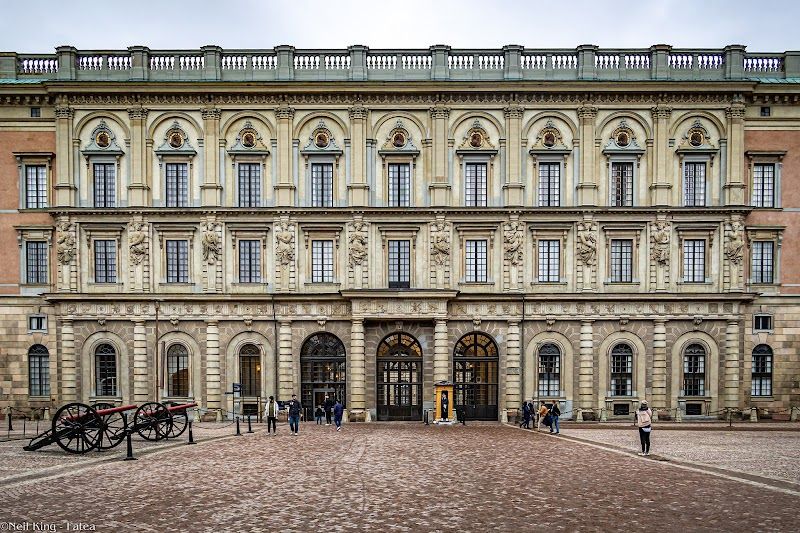
Stockholm's Royal Palace houses the Swedish monarchy across 608 rooms and seven floors, making it one of Europe's largest working royal residences. You'll walk through baroque State Apartments dripping with gilt furniture, crystal chandeliers, and royal portraits spanning centuries. The Treasury displays actual crown jewels including Gustav Vasa's ceremonial sword, while the Tre Kronor Museum shows ruins of the medieval castle that burned down in 1697. The experience feels like wandering through a living museum where the king still conducts official business. Guards in dark blue uniforms patrol marble corridors lined with enormous tapestries and oil paintings. The Hall of State impresses most with its silver throne and soaring ceiling, while the Guest Apartments showcase how visiting dignitaries live when they stay over. Summer brings the changing of the guard ceremony to the outer courtyard, complete with military band and ceremonial marching. At SEK 180, it's pricey but comprehensive: four museums plus the apartments justify the cost if you spend 2-3 hours inside. Skip the Royal Armory unless you're fascinated by medieval weapons, it's separately ticketed and repetitive. The Treasury delivers the biggest wow factor for your money, especially the coronation regalia. Most visitors rush through in 90 minutes and miss the stunning Bernadotte Apartments on the upper floors.
Skansen Open-Air Museum
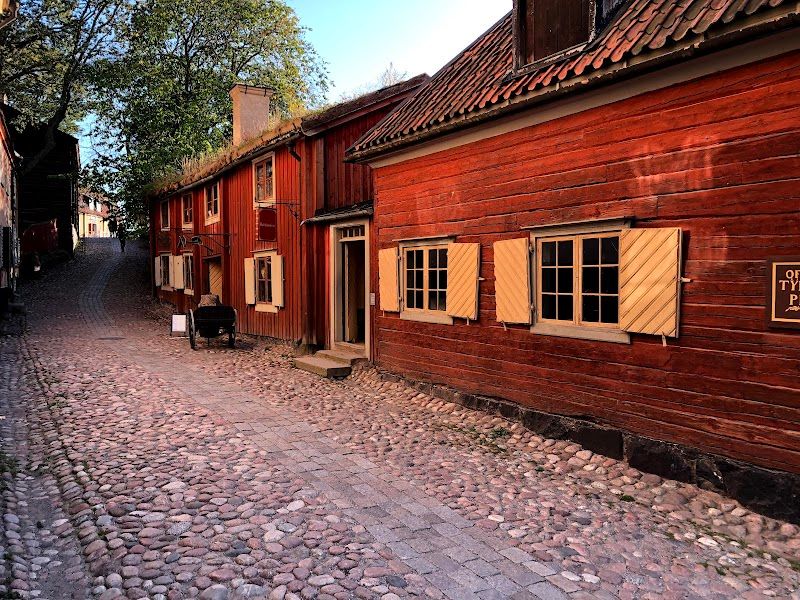
Skansen is the world's first open-air museum, founded in 1891, where 160 authentic buildings from across Sweden create a living timeline of Scandinavian life. You'll walk through actual 18th and 19th-century farmhouses, watch costumed interpreters bake bread in wood-fired ovens, and see blacksmiths hammering away at red-hot iron. The 75-hectare site on Djurgården also houses Nordic animals: elk, reindeer, wolves, bears, and wolverines roam in spacious enclosures that feel more like natural habitats than zoo pens. Your visit unfolds like wandering through different centuries and regions of Sweden. The Sami camp with its traditional lavvu tents contrasts sharply with the ornate manor houses from Skåne, while farm animals roam freely around red wooden barns. The working craftspeople aren't just for show: the bakery sells actual sourdough bread (SEK 45), the glassblower creates pieces you can buy, and the printing press produces postcards using 1800s techniques. The hilltop Bredablick Tower offers panoramic Stockholm views that most visitors discover by accident. Most guides won't tell you that summer admission (SEK 225) feels steep for what's essentially walking around old buildings, but the place transforms completely during winter's Christmas market when everything feels magical and admission drops to SEK 170. Skip the overcrowded Seglora Church service unless you're genuinely interested in Swedish hymns. The Nordic animals are most active in cooler weather, so prioritize them early morning or late afternoon. Budget 4 hours minimum, not the suggested 3.
Drottningholm Palace
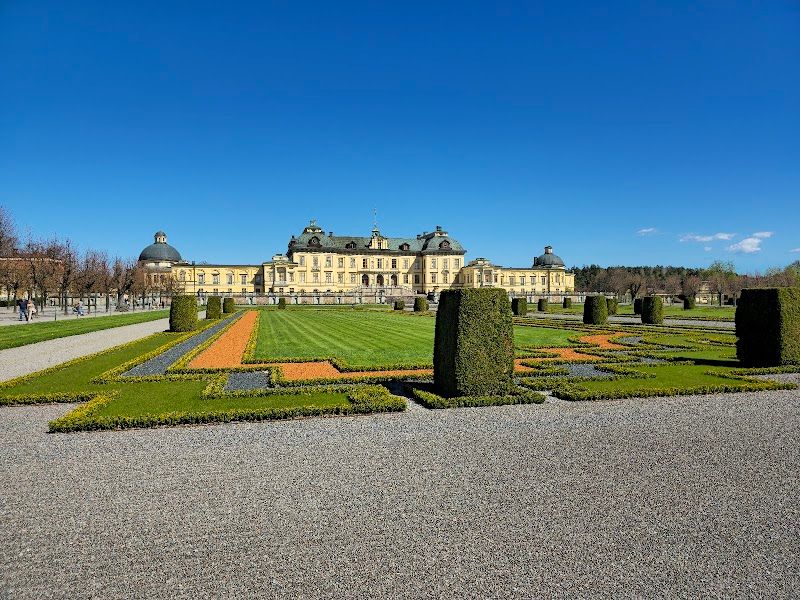
Drottningholm Palace serves as the actual home of Sweden's royal family, making it feel refreshingly lived-in compared to other European palaces turned museums. You'll tour about 30 rooms spanning 300 years of royal taste, from the baroque State Apartments where King Carl XVI Gustaf still receives guests, to Queen Hedvig Eleonora's ornate bedroom with its original 1600s ceiling frescoes. The Chinese Pavilion, a rococo fantasy built as a birthday surprise in 1753, houses the most impressive collection of 18th-century chinoiserie outside Asia. The palace visit flows chronologically through Swedish royal history, starting in the grand Ehrenstrahl Gallery where massive battle paintings dwarf visitors. Each room tells a story: you'll see bullet holes in mirrors from a 1792 assassination plot, and the library where Gustav III wrote his plays before his own dramatic murder. The formal gardens stretch endlessly toward Lake Mälaren, with geometric hedges that look pristine even in winter. Inside, the silence feels profound, broken only by your footsteps on original parquet floors. Most guides won't tell you the State Apartments close randomly for royal functions, so check the website morning-of. Skip the overpriced palace café (SEK 180 for mediocre lunch) and bring snacks for the gardens instead. The Court Theatre costs extra (SEK 120) but it's genuinely spectacular, with 18th-century stage machinery that still creates thunder and lightning effects. Allow four hours total if you're doing everything, or just two for the palace and Chinese Pavilion.
Nordiska museet
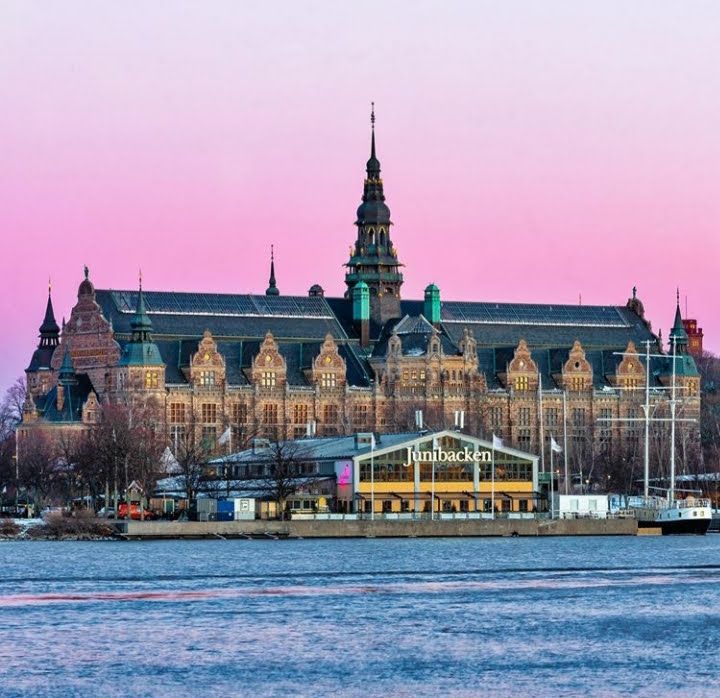
Nordiska museet houses Sweden's most comprehensive collection of cultural artifacts spanning five centuries, from Renaissance furniture to 1980s kitchen appliances. You'll walk through meticulously reconstructed period rooms showing how Swedish families lived across different eras and social classes, complete with original wallpaper, furniture, and personal belongings. The folk costume collection is genuinely spectacular, displaying regional variations in traditional dress that reveal Sweden's diverse cultural regions. The museum also covers Sami culture, traditional crafts, and Swedish holiday traditions with an impressive Christmas exhibition that runs year round. The building itself is a Neo Renaissance palace that feels appropriately grand for the cultural treasures inside. You'll start on the ground floor with temporary exhibitions, then work your way up through chronologically arranged periods. The domestic interiors section on the second floor is where most people spend their time, moving between fully furnished rooms that span from noble manor houses to working class apartments. The atmosphere is quiet and contemplative, with excellent lighting that makes you feel like you're peering into real homes frozen in time. Admission costs 140 SEK for adults, which is reasonable given the quality and scope. Most visitors rush through trying to see everything, but you're better off focusing on two or three sections that interest you most. The temporary exhibitions are often more engaging than the permanent collection, so check what's running before you visit. Skip the top floor unless you're specifically interested in textiles, as it can feel repetitive after seeing the room displays below.
Nationalmuseum
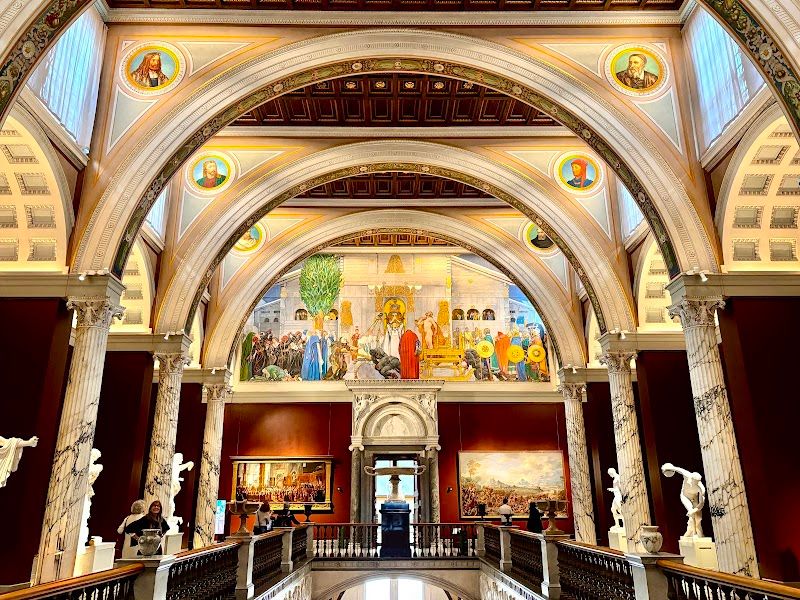
Sweden's premier art museum reopened in 2018 after a five-year renovation that transformed it into one of Europe's most elegant gallery spaces. You'll find the country's finest collection of European masters including Rembrandt's dramatic portraits, Goya's haunting works, and French Impressionist pieces by Renoir and Cézanne. The Swedish art collection spans medieval altarpieces to 19th-century romantic landscapes, plus an exceptional decorative arts section showcasing everything from Viking silver to Gustavian furniture. The experience flows beautifully across three floors in this neoclassical palace overlooking Stockholm's harbor. Natural light floods the renovated galleries through restored skylights, making colors pop in ways many older museums can't match. The ground floor design galleries feel intimate and residential, while the grand staircase leads to soaring painting halls that rival the Louvre's presentation. You'll spend most of your time on the second floor where the European masterworks hang in chronological rooms that tell art history's story coherently. Most visitors rush through in 90 minutes, but you need at least two hours to appreciate the quality here. The free admission since 2024 means no pressure to see everything in one visit. Skip the contemporary exhibitions unless you're specifically interested, they're often weaker than the permanent collection. The museum shop is overpriced at 200-400 SEK for books, but the café overlooking the water is reasonably priced at 45-65 SEK for coffee and pastries.
Vete-Katten
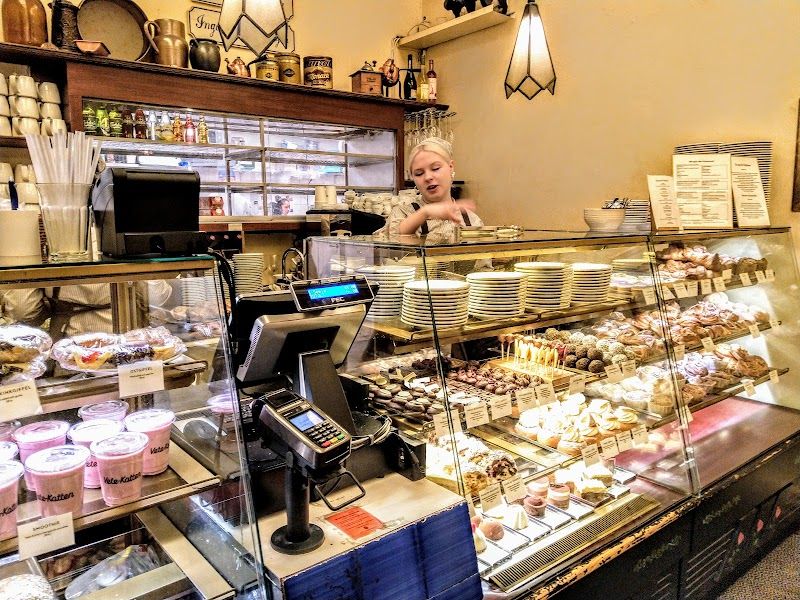
Stockholm's most beloved konditori since 1928, with multiple rooms of vintage decor and a dizzying selection of pastries baked on-site. The kanelbulle here set the standard for the city, with the perfect balance of cardamom-spiced dough and pearl sugar crunch. Expect queues on weekend mornings as this is where generations of Stockholm families have taken their fika.
Hagaparken
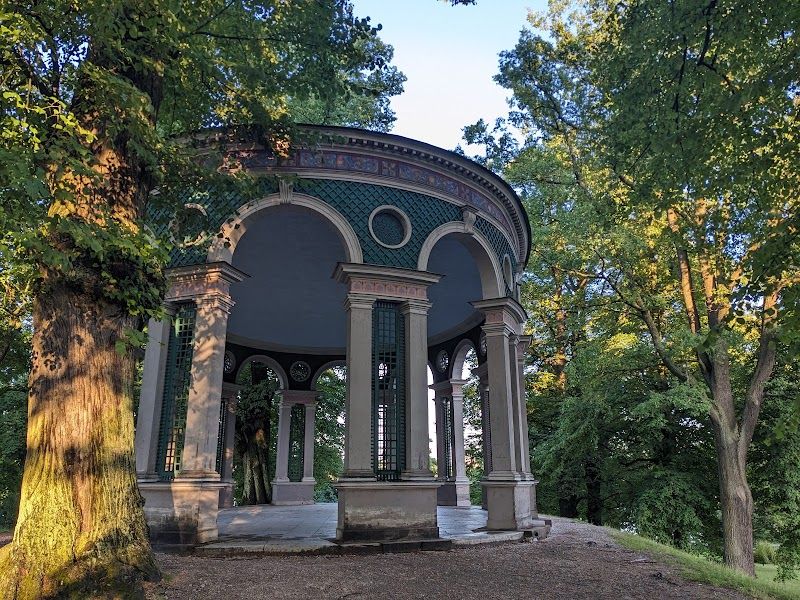
Hagaparken is Stockholm's most elegant escape, an 18th-century royal park that feels like stumbling into a Jane Austen novel. You'll find peacocks strutting across manicured lawns, neoclassical pavilions that look like miniature temples, and Gustav III's unfinished palace that tells the story of royal ambition cut short. The copper-roofed Echo Temple sits perfectly positioned over Brunnsviken lake, while the Butterfly House (Fjärilshuset) houses hundreds of tropical species in a climate-controlled greenhouse. The park flows naturally from formal gardens near the entrance to wilder sections along the waterfront. Families spread picnics on the central lawns while joggers follow winding gravel paths that connect each architectural surprise. The atmosphere shifts throughout the day: morning brings serious runners and dog walkers, afternoons see families with strollers, and evenings attract couples heading to the romantic temple overlooks. You'll hear peacock calls echoing across the grounds, and the butterfly house feels tropically humid after Stockholm's crisp air. Most guides oversell Gustav III's Palace, which is impressive from outside but charges 120 SEK for rooms that are mostly empty. The real magic is free: the temple views, peacock encounters, and those perfect picnic spots locals guard jealously. Skip the palace tour and spend that time exploring the waterfront paths instead. The Butterfly House costs 180 SEK but delivers genuine tropical magic, especially on gray Stockholm days.
Historiska museet
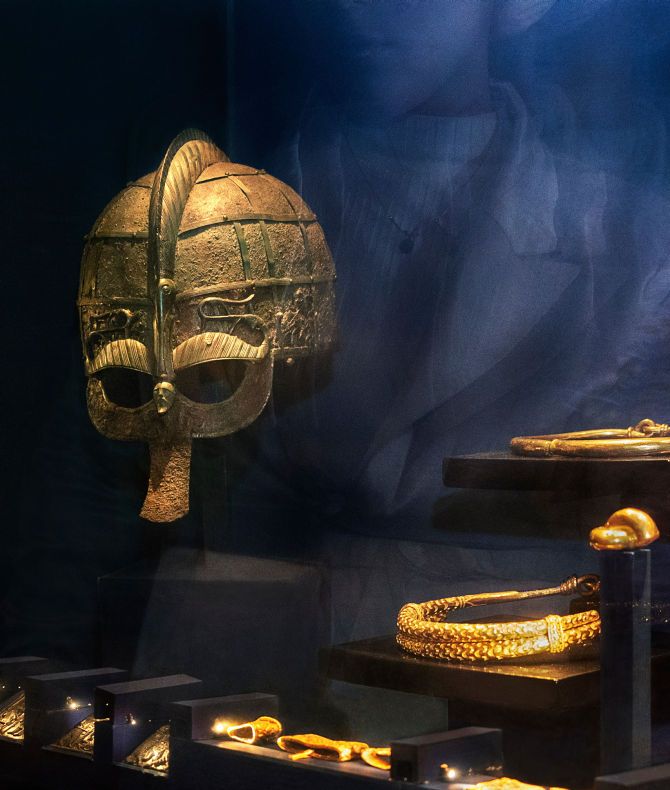
Stockholm's national history museum houses Sweden's most impressive collection of Viking artifacts, medieval treasures, and archaeological finds spanning 10,000 years. The free Gold Room contains genuine Viking arm rings, medieval church crowns, and ceremonial objects that survived centuries of war and plunder. Beyond the gold, you'll find reconstructed Viking Age homes, actual runestones, and weapons that tell the real story of Norse society, not the Hollywood version. The museum flows chronologically from prehistoric Sweden through medieval times, with dimly lit cases creating an almost reverential atmosphere around ancient objects. The Gold Room requires a separate timed ticket and feels like entering a bank vault, with dramatic lighting highlighting intricate metalwork and precious stones. Interactive displays let you handle replica Viking tools and weapons, while detailed maps show trade routes stretching from Greenland to Constantinople. Most visitors rush straight to the Vikings and miss the excellent Stone Age section with its 5,000 year old skis and bog bodies. The temporary exhibitions upstairs often outshine the permanent collection but cost extra (around 120 SEK). Skip the overpriced museum shop, it's mostly generic Scandinavian souvenirs you'll find cheaper elsewhere in Stockholm.
Östermalms Saluhall
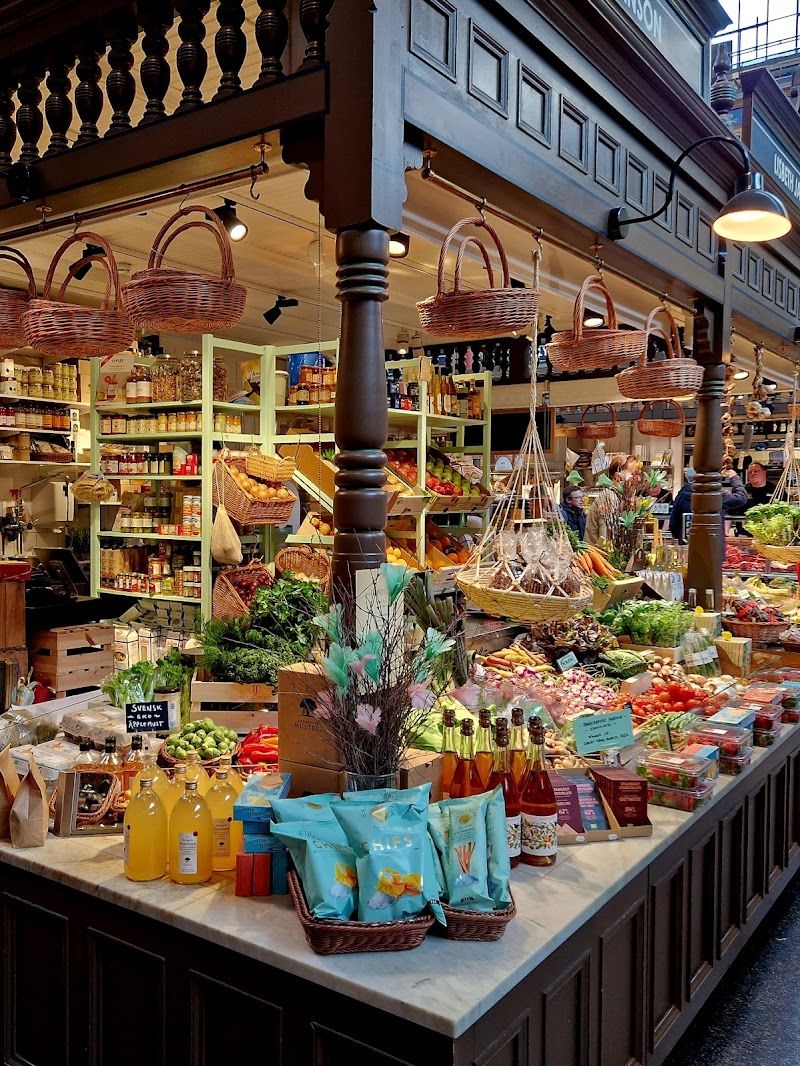
Stockholm's grandest food hall from 1888, recently restored to its original ornate glory with brick and ironwork. The permanent vendors include Lisa Elmqvist for seafood (toast Skagen is essential), Tysta Mari for game meats, and multiple cheese counters with Swedish artisanal producers. This is where Östermalm residents shop daily and where chefs source ingredients.
Humlegården
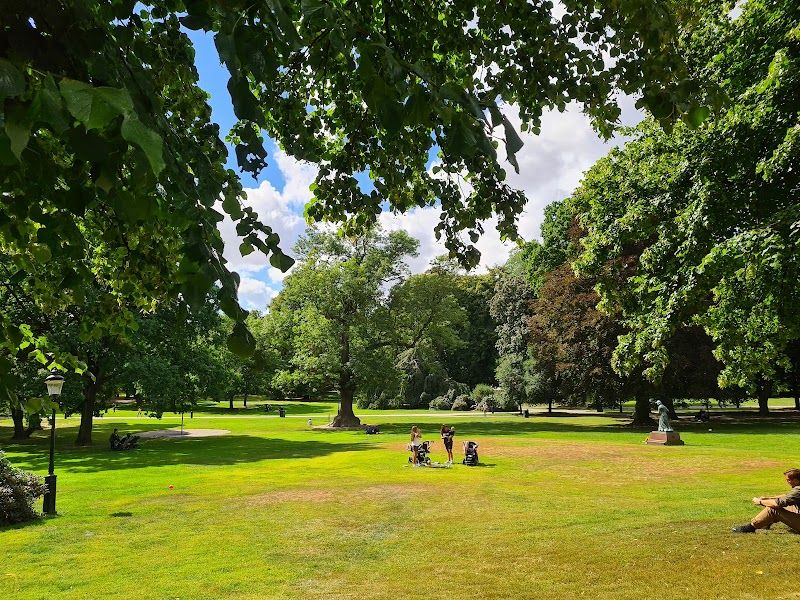
Humlegården is Stockholm's most democratic park, a sprawling green rectangle where office workers, families, and tourists all claim their patch of grass with equal authority. You'll find Carl von Linné's statue presiding over the main lawn, the imposing Royal Library anchoring the northern edge, and a surprisingly good playground that keeps kids happy while parents decompress. The tree-lined paths create natural corridors between sunny clearings, and the mix of manicured and wild areas gives it more character than the tourist-heavy Gamla Stan parks. On sunny days, the park transforms into Stockholm's biggest outdoor living room. You'll see people sprawled on blankets by 11am, claiming spots like they're staking mining claims. The atmosphere shifts from quiet morning dog walks to afternoon picnic chaos, then mellows into evening frisbee games and casual drinks (discreetly consumed). Winter brings a completely different energy: snow muffles the city noise, cross-country skiers appear on the paths, and the bare trees create dramatic silhouettes against the short daylight. Most guides oversell this as a sightseeing destination when it's really about the Stockholm lifestyle experience. The Royal Library is worth a peek if you're into architecture, but don't expect guided tours or much tourist infrastructure. Skip the northern sections near the library unless you need quiet: the southern lawns are where the action happens. Bring your own food and drinks, as the nearest cafés are outside the park and overpriced even by Stockholm standards.
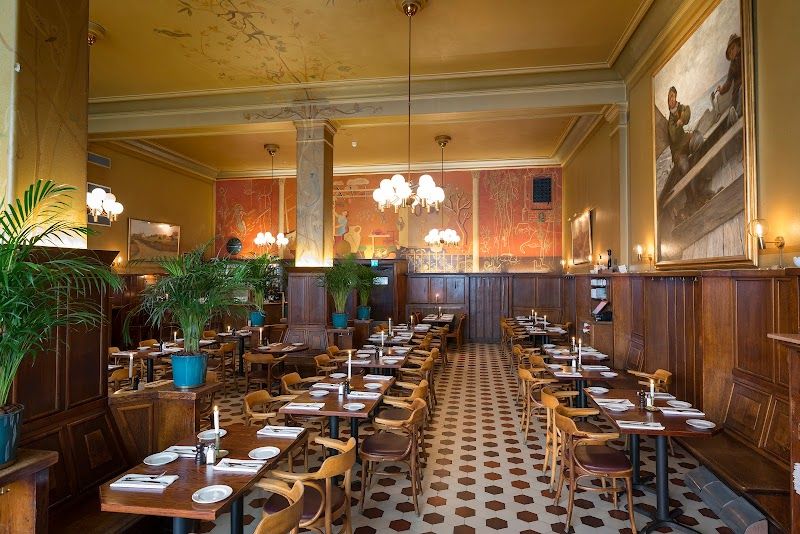
Pelikan
Classic beer hall serving traditional Swedish husmanskost since 1733 in a grand, high-ceilinged space with original tilework. The köttbullar with lingonberries and cream sauce is the definitive version, and Thursday's ärtsoppa (yellow pea soup) with punsch follows authentic Swedish tradition. This is where locals bring visitors who want to understand Swedish food culture without pretense.
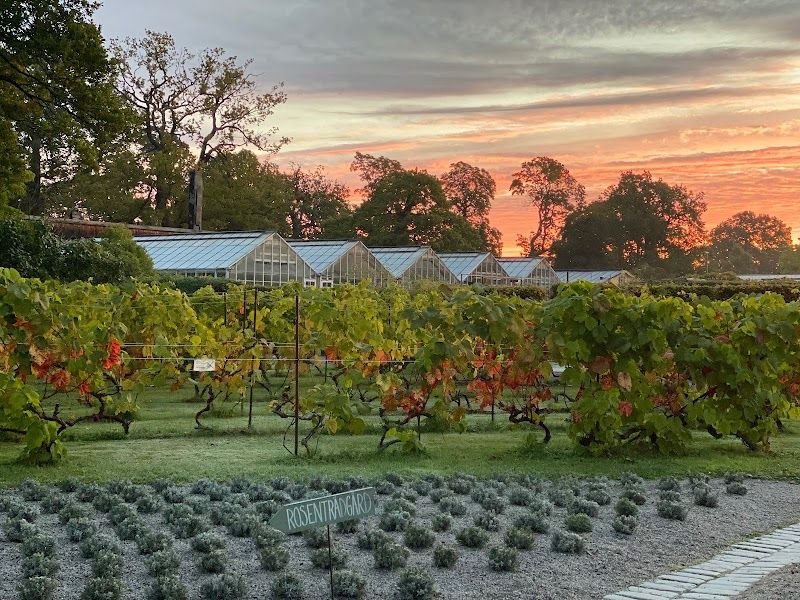
Rosendals Trädgård
Biodynamic garden café on Djurgården island serving lunch and fika made from produce grown in the surrounding gardens and greenhouses. Everything is vegetarian, from the daily quiche to the open-faced sandwiches, with ingredients picked that morning. The apple cake served with vanilla cream is legendary among Stockholm locals who bike here on weekends.
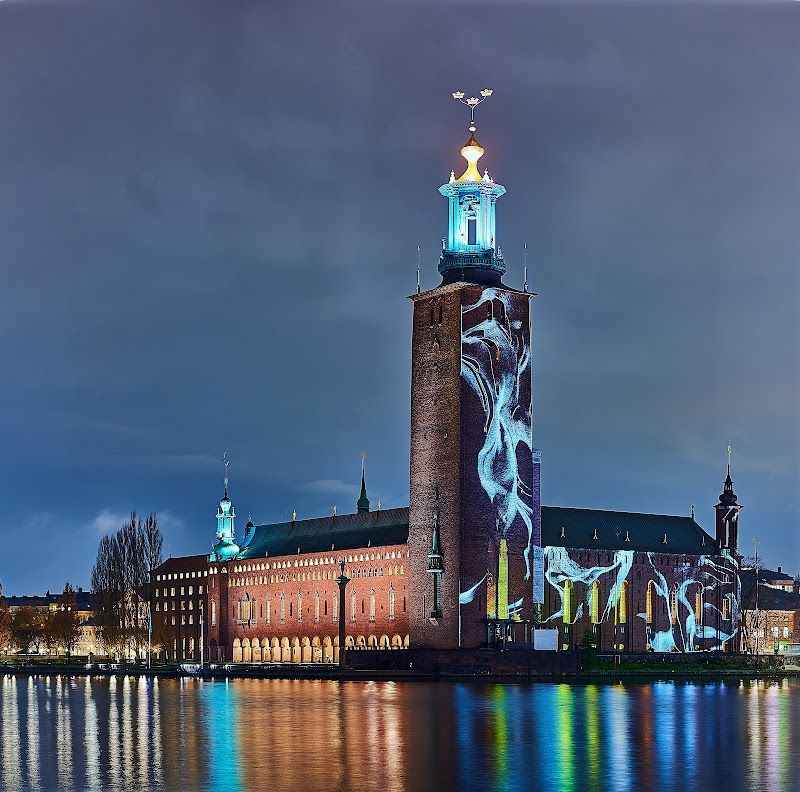
Stockholm City Hall
Stockholm City Hall is where they hold the Nobel Prize banquet every December, and you can actually walk through those same grand rooms. The Blue Hall (confusingly, it's red brick) seats 1,300 Nobel laureates and dignitaries, while the Golden Hall sparkles with 18 million gold mosaic tiles depicting Swedish history and mythology. The 106-meter tower offers the best panoramic views in Stockholm, though it's only open May through September. You'll join a mandatory guided tour that takes you through the ceremonial spaces where Nobel winners dine and dance. The Golden Hall feels overwhelming at first, all that gold catching light from every angle, while the Blue Hall has this theatrical grandeur that makes you understand why they chose it for such prestigious events. The tour guides are genuinely knowledgeable about both the architecture and Nobel traditions, sharing stories about awkward speeches and dropped medals. Most guides oversell this as unmissable, but honestly, it's worth it mainly for the tower views and Nobel connection. Skip it if you're not interested in either. The tour costs SEK 130 and runs every 30 minutes, but book the tower climb separately for SEK 70 since spots fill up fast in summer. The 365 steps are steep with no elevator, so consider your fitness level.
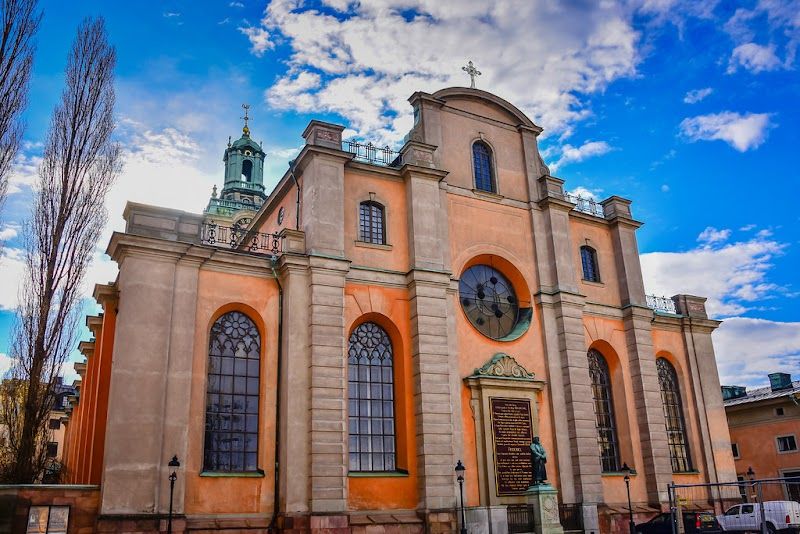
Storkyrkan
Storkyrkan sits in the heart of Gamla Stan as Stockholm's cathedral and oldest church, built in 1279 but completely transformed over seven centuries. You're here for the extraordinary St. George and the Dragon sculpture from 1489, a towering 3.5-meter wooden masterpiece that's genuinely Sweden's finest medieval artwork. The polychrome details are incredible up close, and you'll also see royal pews where actual monarchs sat during coronations. Walking into Storkyrkan feels like entering a time capsule where Gothic meets Baroque in surprisingly harmonious chaos. The vaulted ceilings soar above ornate royal pews, while afternoon light filters through stained glass onto centuries-old stone floors. The massive Last Judgment painting from 1636 dominates one wall, though honestly the St. George sculpture steals every scene. During services, the acoustics transform completely as organ music fills every corner. Most tourists pay the SEK 60 entrance fee and rush through in 15 minutes, missing the point entirely. Skip the audio guide and spend your time studying the St. George sculpture's intricate details, especially the dragon's scales and the horse's expression. If you're budget-conscious, attend the 11 AM Sunday service for free access plus incredible organ music, though you'll need to be respectful during worship.
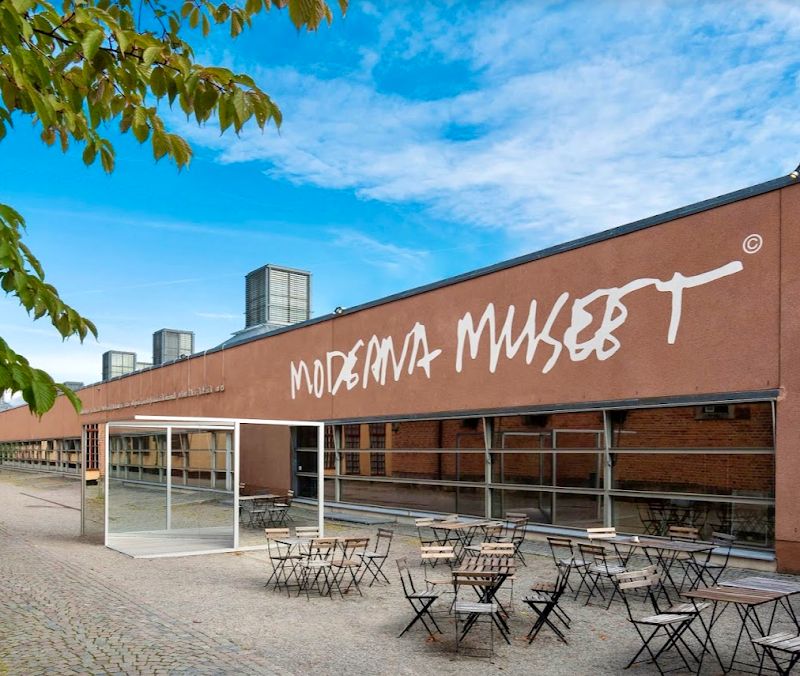
Moderna Museet
Moderna Museet houses Sweden's premier modern art collection in a striking Rafael Moneo building on Skeppsholmen island. You'll find the world's second largest Picasso collection after Paris, plus major works by Dalí, Matisse, and Warhol alongside Swedish modernists like Hilma af Klint. The permanent collection spans 1900 to today, with rotating exhibitions that often feature contemporary Scandinavian artists. Entry to permanent collections is free, making this one of Europe's best modern art bargains. The museum flows chronologically across two floors, starting with early 20th century pieces and moving toward contemporary installations. Floor to ceiling windows frame Stockholm's harbor throughout your visit, creating an unexpectedly serene backdrop for intense abstract works. The Picasso rooms feel intimate rather than overwhelming, while the Swedish collection reveals artists you've likely never encountered but should have. Contemporary installations often spill into unexpected spaces, including outdoor sculptures on the museum's waterfront terrace. Most visitors rush through to hit the famous names, but the Swedish rooms on the upper floor contain the real discoveries. Skip the overcrowded Picasso galleries on weekend afternoons when tour groups cluster around the same five paintings. Special exhibitions cost 120 SEK but are often worth it, particularly the Nordic contemporary shows that rarely travel elsewhere. The building itself photographs beautifully from the water, but the interior spaces work better for actual art viewing than Instagram shots.
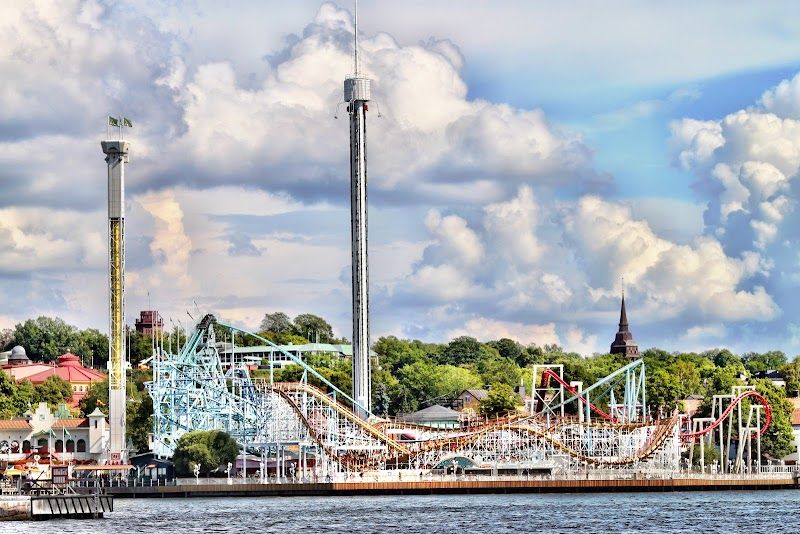
Djurgården
Djurgården is Stockholm's green lung, a massive island that combines world-class museums with genuine wilderness just minutes from the city center. You'll find the famous Vasa Museum and Skansen open-air museum clustered near the bridge, but the real magic lies in the island's 700 acres of ancient oak forests, meadows dotted with wildflowers, and quiet waterfront paths. The entire island bans cars except for essential services, making it feel like a nature reserve that happens to contain some of Sweden's best cultural attractions. Walking or cycling here feels surprisingly wild for being so central. The museum district buzzes with tour groups and families, but venture five minutes into the forest trails and you'll hear nothing but birdsong and waves lapping against the rocky shoreline. The contrast is striking: you can examine a 17th-century warship at Vasa, then twenty minutes later be picking blueberries in a grove where deer occasionally wander through. Even on summer weekends, the eastern half of the island stays remarkably peaceful. Most visitors never leave the museum strip, which is a genuine mistake. Skip the overpriced Gröna Lund amusement park (rides cost 50-80 SEK each) and head straight for the walking trails if you want the authentic Djurgården experience. The Rosendals Trädgård cafe serves excellent organic food, but at tourist prices around 180 SEK for lunch. Bring a picnic instead and claim one of the waterside spots near Blockhusudden for half the cost and twice the atmosphere.
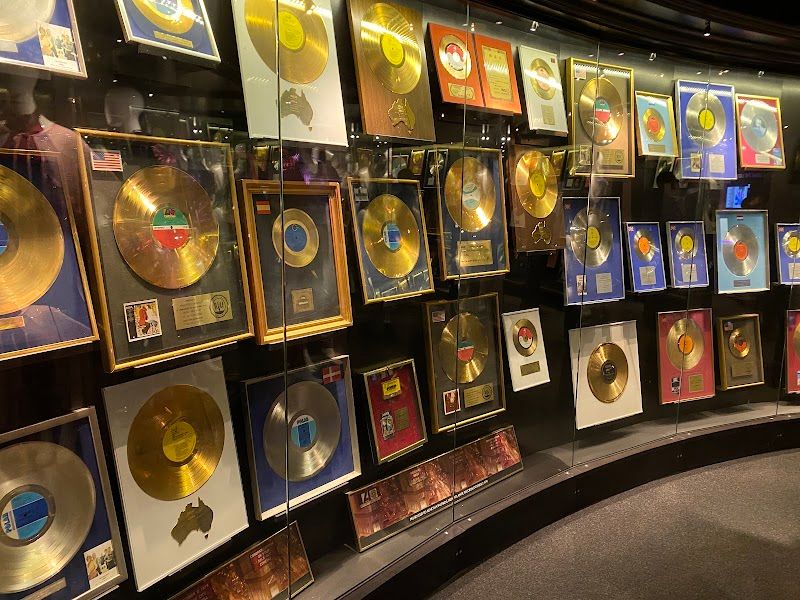
ABBA The Museum
ABBA The Museum is a permanent exhibition on Djurgarden dedicated to the band's history, music, and cultural impact. It includes original costumes, instruments, gold records, staging from their Eurovision win in 1974, and interactive elements (you can sing on stage with holograms of the band members). SEK 250 entry. Open daily. The exhibition is professionally put together regardless of your relationship to the music - the documentation of how four Swedes became the best-selling music act in history by the mid-1970s is genuinely interesting. Allow 1.5-2 hours.
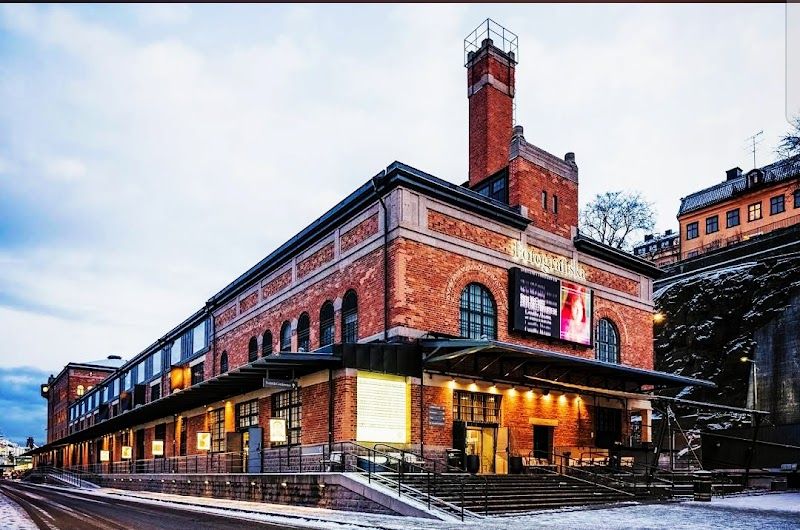
Fotografiska (Museum of Photography)
Fotografiska is a private photography museum in a converted 1906 customs house in Södermalm with four floors of rotating exhibitions. It does not have a permanent collection but runs 3-4 major exhibitions simultaneously across 2,500 square metres of gallery space, focusing on contemporary documentary and artistic photography. SEK 195 entry. Open until midnight Friday and Saturday. The rooftop restaurant has views over Saltsjön and is used as a bar and terrace in the evenings. The bookshop specialises in photography books.
Hötorgshallen
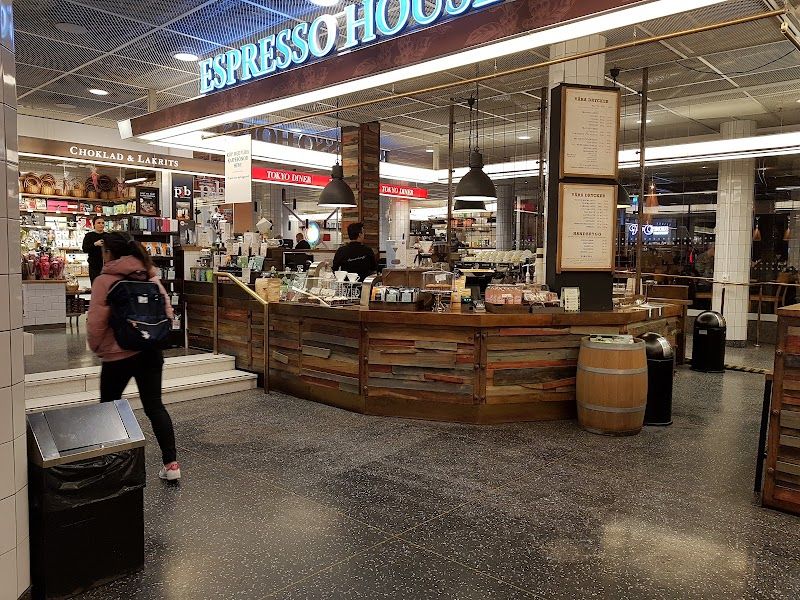
Hötorgshallen is Stockholm's best international food market, operating in a basement beneath Hötorget square since 1958. You'll find vendors selling everything from Turkish baklava to Korean kimchi, with particularly strong Middle Eastern and Mediterranean sections. The outdoor square above runs a daily fruit and vegetable market with prices that beat any supermarket in the city. This isn't tourist theater: locals pack both levels hunting for ingredients you won't find elsewhere in Stockholm. The basement feels like wandering through a Mediterranean bazaar, with narrow aisles between stalls selling olives, spices, and specialty cheeses. Vendors call out samples and prices, and the mix of languages creates a genuinely international atmosphere. Upstairs on the square, fruit sellers arrange colorful displays of seasonal produce, from cloudberries in summer to root vegetables in winter. The contrast between the cozy underground market and the open-air square above makes this feel like two experiences in one. Most food guides oversell this as some exotic adventure, but it's really just an excellent place to shop for ingredients at good prices. The basement gets cramped during lunch hours when office workers crowd the prepared food stalls. Skip the touristy souvenir vendors and focus on the actual food: a bag of mixed olives costs around 80-120 SEK, while upstairs you'll pay 30-40 SEK for strawberries that cost 60 SEK at ICA.
Meatballs for the People
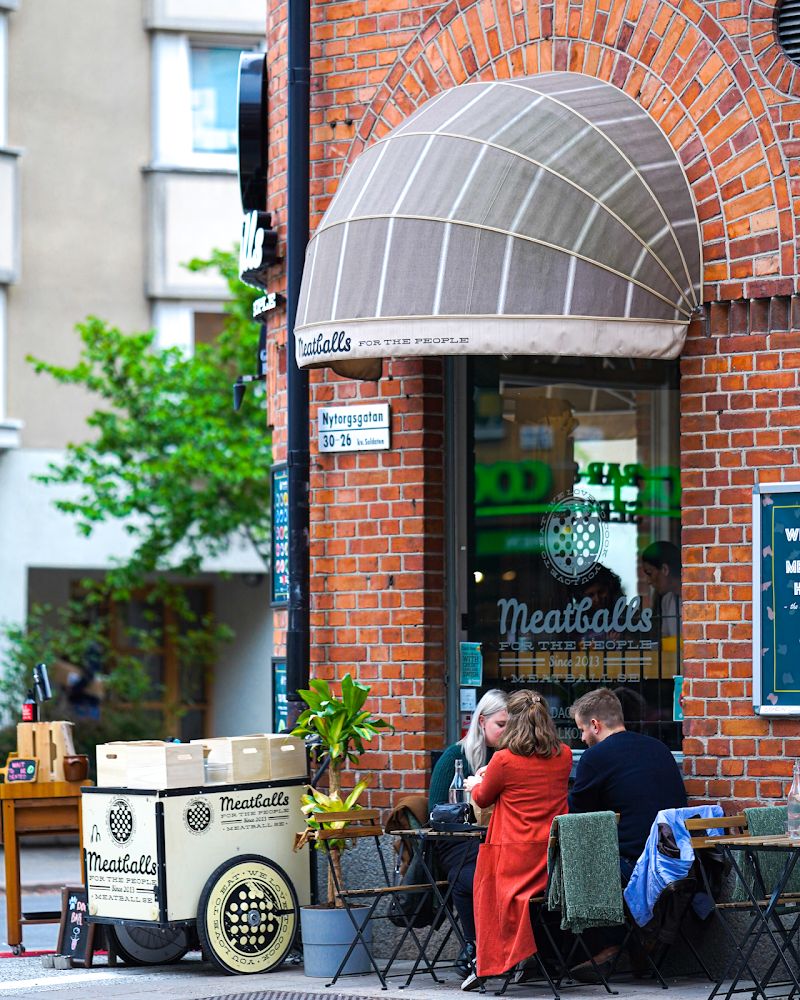
A modern köttbullar specialist in Södermalm serving eight different varieties of Swedish meatballs with proper lingonberries and pickled cucumber. The moose meatballs are gamey and delicious, while the classic pork-beef blend is perfection with brown cream sauce. Despite the novelty name, this is a serious restaurant treating Sweden's national dish with deserved respect.
Nobelmuseet
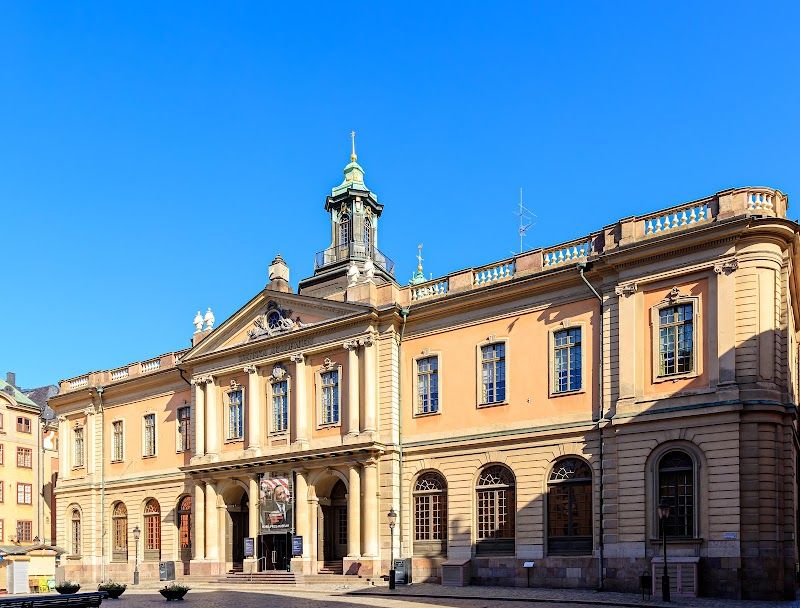
The Nobel Museum occupies the elegant former stock exchange building on Stortorget, housing artifacts, documents, and interactive displays about Nobel Prize winners from 1901 to today. You'll find Alfred Nobel's original will, personal items from laureates like Einstein's pipe, and rotating exhibitions on groundbreaking discoveries in peace, literature, science, and economics. The permanent collection focuses on how these achievements changed our world, with touchscreens letting you explore laureate biographies and watch acceptance speeches. The museum feels intimate rather than grand, with just four main rooms flowing around a central atrium. Overhead, a slow-moving cable car system displays portraits of all 900+ laureates, creating an oddly mesmerizing backdrop as you read about their work. The temporary exhibitions change every few months and often tackle current global issues through a Nobel lens. The museum shop stocks books by Nobel literature winners and science-themed gifts you won't find elsewhere. Most visitors finish in under two hours, and honestly, that's plenty. The 120 SEK admission feels steep for the size, but the quality of curation justifies it if you're genuinely interested in scientific breakthroughs or literature. Skip the audio guide and use the interactive screens instead. The museum gets packed during summer afternoons, so morning visits feel much more relaxed.
Tantolunden
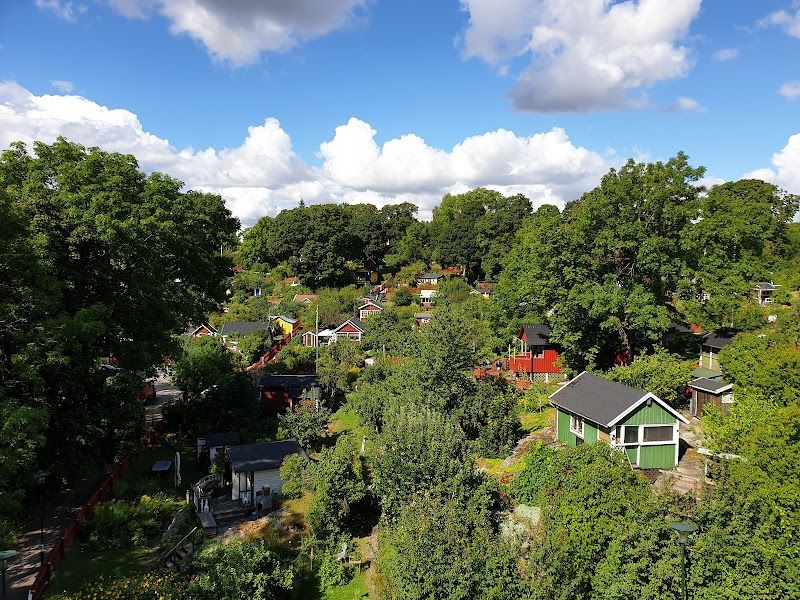
Tantolunden sprawls across 35 hectares of southwestern Södermalm, combining Sweden's most charming allotment gardens with open parkland and Stockholm's most authentic local swimming spot. You'll walk past 200+ tiny cottages painted in reds, yellows, and blues where Stockholmers have grown vegetables and flowers since the 1920s. The park rolls down gentle hills to Tantobaden, a wooden pier complex where locals swim, sunbathe, and play pétanque on summer evenings. The experience feels like discovering Stockholm's secret backyard community. Narrow gravel paths wind between cottage gardens overflowing with roses, tomatoes, and Swedish flags, while families picnic on the grassy slopes overlooking Årstaviken bay. At Tantobaden, you'll find Swedes of all ages jumping from wooden platforms into surprisingly clean city water, while others play boules on dedicated courts or grill on designated barbecue areas. The whole scene pulses with genuine local life, not tourist performance. Most guides treat this as a quick photo stop, but you need 2+ hours to appreciate both the gardens and waterfront properly. Skip the crowded afternoon swimming rush (2-5pm) when finding dock space becomes impossible. The allotment gardens look best in June and July when flowers peak, but the swimming season runs May through September. Bring cash for the small kiosk, and don't expect fancy facilities, this is Stockholm's most unpretentious park experience.
Artipelag
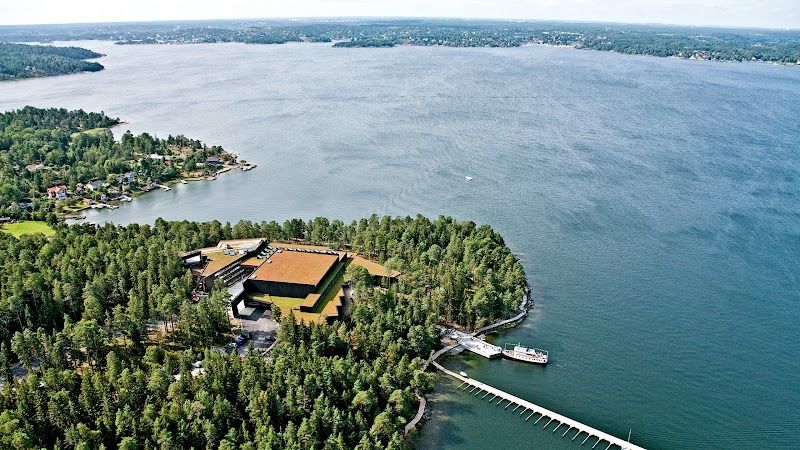
Artipelag sits on a rocky peninsula in Stockholm's archipelago, housing rotating contemporary art exhibitions in a building that's as impressive as the artworks inside. The museum showcases both Swedish and international artists, with shows changing every few months, so you'll see everything from large-scale installations to intimate photography collections. The real draw is how the glass, wood, and stone architecture melts into the landscape, creating viewing spaces that frame both art and nature simultaneously. Your visit flows naturally from the moment you step off the bus into this forested setting. Inside, the galleries feel more like connected pavilions than traditional white-box rooms, with floor-to-ceiling windows offering glimpses of Baltic waters between artworks. The building itself becomes part of the experience, especially the main hall where massive windows create dramatic natural lighting that changes throughout the day. You'll find yourself pausing as much for the views as for the art. Most guides don't mention that admission runs 180 SEK for adults, which is steep for what's often just 3-4 exhibition rooms. The restaurant is overpriced at 280-350 SEK for mains, but the outdoor terrace justifies lingering with coffee (55 SEK) instead. Skip the gift shop unless you're after expensive design books. The real value here is the complete experience, not just the art, so don't rush through in an hour.
Tradition
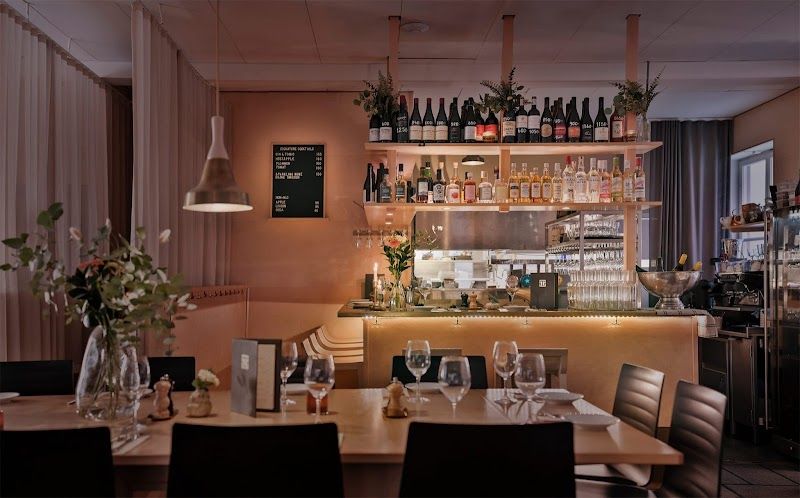
A Gamla Stan restaurant dedicated exclusively to authentic Swedish smörgåsbord, served daily with over 30 dishes including multiple herring preparations, gravlax, Janssons frestelse, and köttbullar. The format follows traditional Swedish buffet etiquette with designated rounds for herring, cold seafood, hot dishes, and dessert. This is smörgåsbord done properly, not the tourist trap version.
Söderhallarna
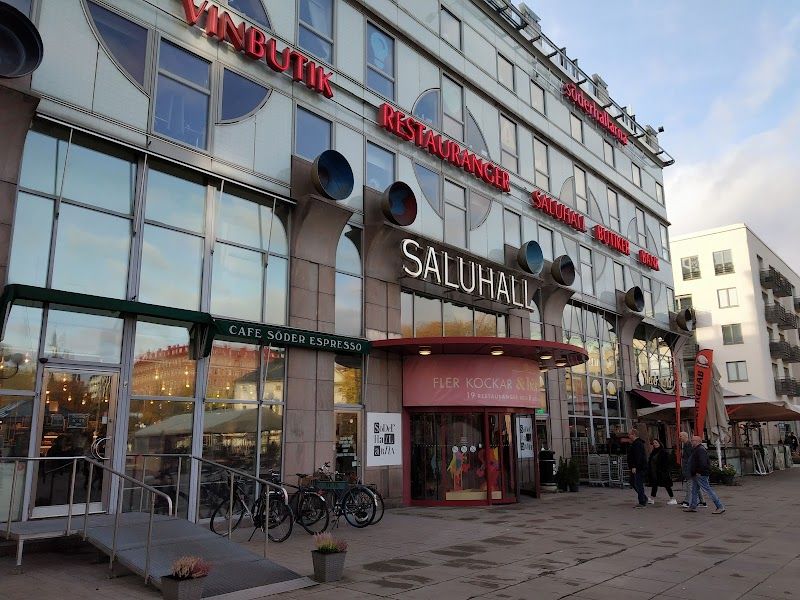
Söderhallarna is Stockholm's newest food hall, a sleek glass building that opened in 2018 on busy Medborgarplatsen. Inside you'll find about a dozen vendors selling everything from sourdough bread (60-80 SEK per loaf) to aged cheeses, plus a wine shop and several lunch counters. The real draw is the Saturday morning organic market outside, where local farmers sell vegetables, herbs, and preserves you won't find in regular grocery stores. The indoor hall feels airy and modern, with high ceilings and communal seating that gets packed during lunch hours. Vendors are chatty and knowledgeable, especially the cheese counter staff who'll let you taste before buying. Saturday mornings transform the space completely when outdoor stalls set up around the building's perimeter. The atmosphere becomes more lively and local, with families doing their weekly shopping and producers eager to talk about their farming methods. Honestly, the indoor hall is fine but not extraordinary compared to other European food markets. Prices run high for what you get, with lunch plates averaging 120-180 SEK. The Saturday farmers market is the real reason to visit, though it's weather dependent and some stalls close early if they sell out. Skip the overpriced coffee inside and grab a cup from the cart outside for 35 SEK instead.
Sturehof
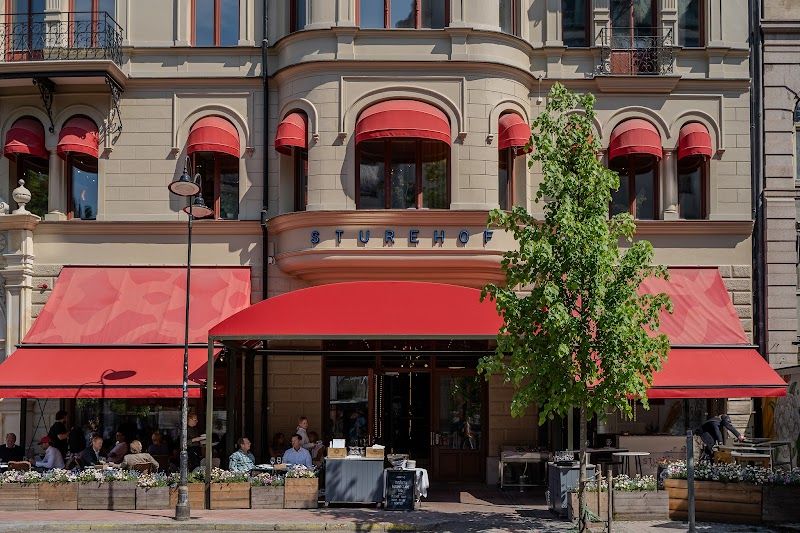
Classic Swedish brasserie and seafood restaurant that has been an Östermalm institution since 1897. Known for its fresh shellfish platters, traditional Swedish dishes, and vibrant atmosphere that attracts both locals and celebrities. The outdoor terrace on Stureplan is one of Stockholm's best people-watching spots.
Millesgården
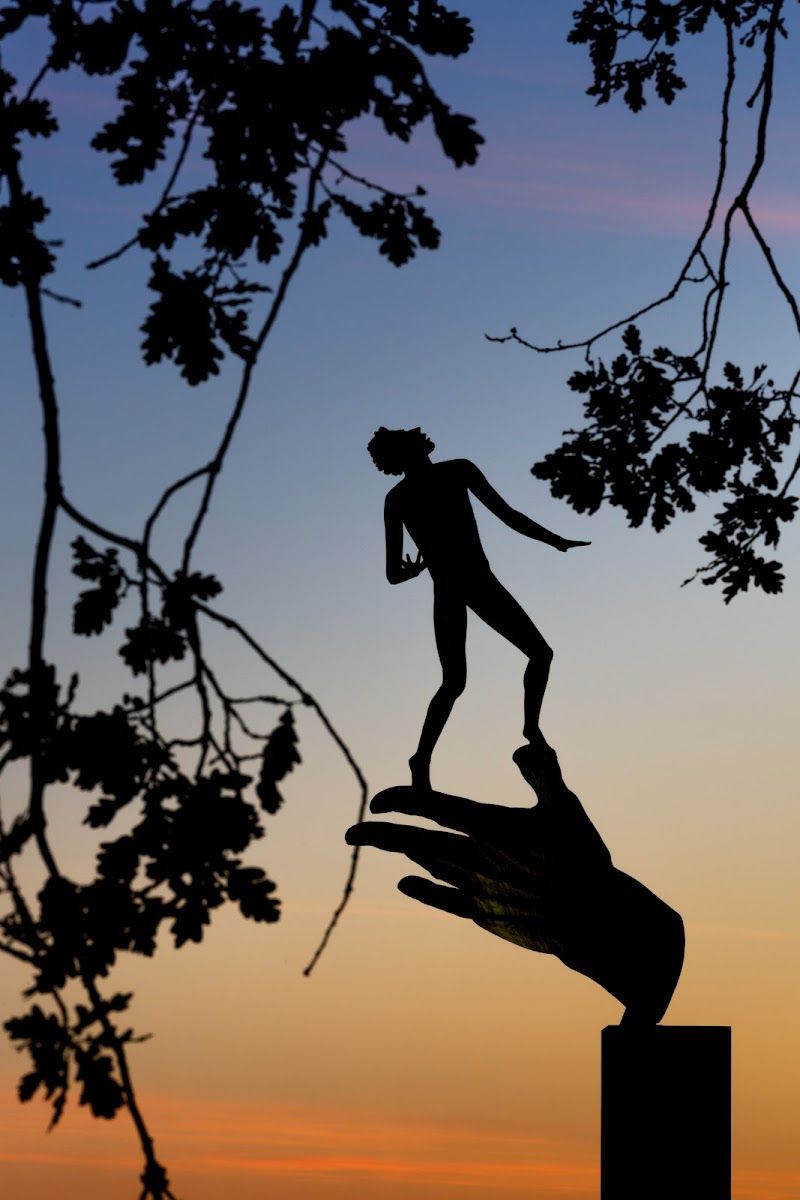
The hilltop home and sculpture garden of artist Carl Milles (1875-1955) on Lidingö island, featuring dramatic bronze fountains and figures perched on columns with sweeping views over Stockholm's harbor. The terraced gardens display replicas of his most famous works including Hand of God and Man and Pegasus. Admission is SEK 140 and it's a 30-minute journey by metro to Ropsten then bus 207.
Riche
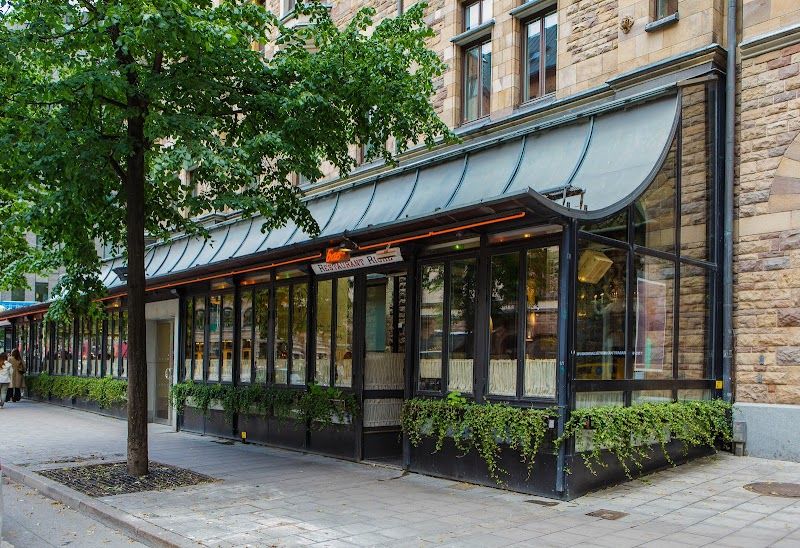
Legendary French-inspired brasserie and bar that opened in 1893 and remains a cornerstone of Stockholm nightlife. The restaurant offers classic brasserie fare while the bar attracts a stylish crowd late into the night. The interior features stunning original 19th-century details with Belle Époque charm.
Riddarholmen Church
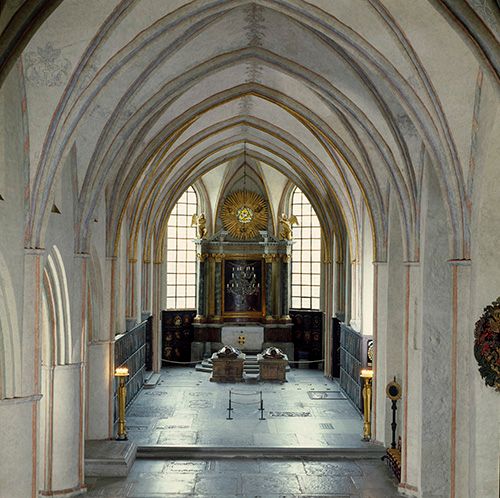
Sweden's only preserved medieval abbey church, serving as the burial site for Swedish monarchs from 1290 to 1950. The cast-iron spire pierces the Gamla Stan skyline at 90 meters, while inside you'll find ornate royal sarcophagi and coats of arms. The exterior is free to admire, while interior access costs SEK 60.
Café Pascal
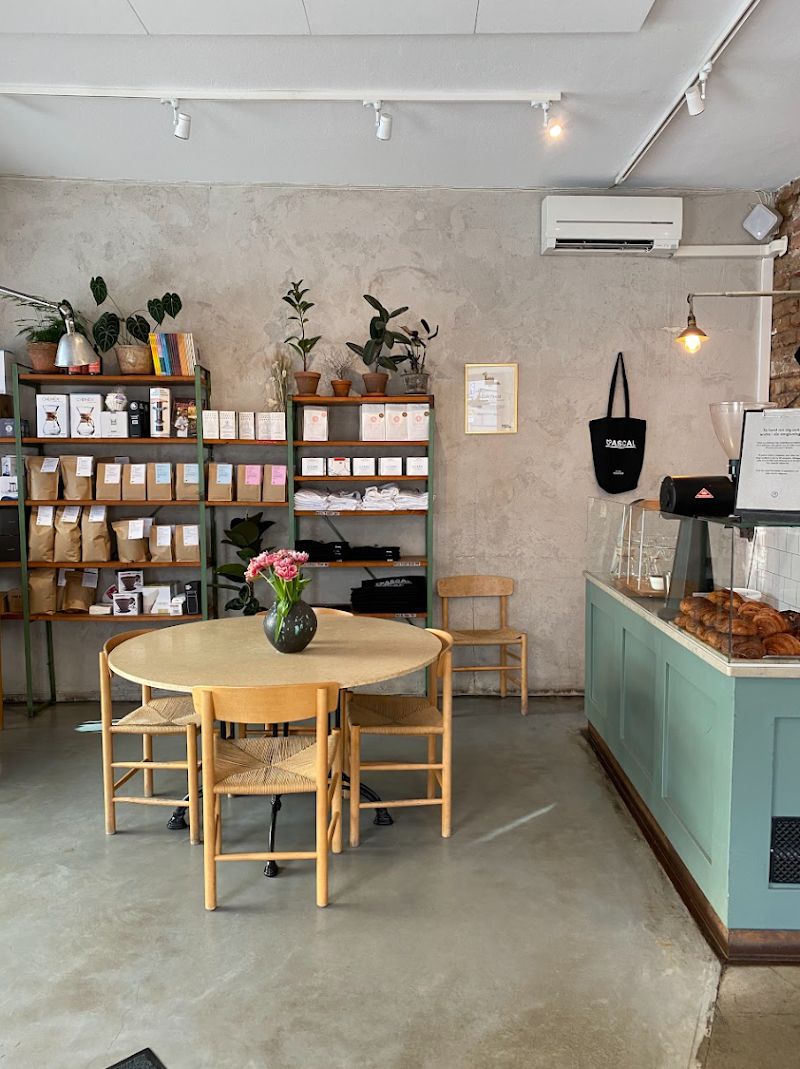
A tiny French-Swedish konditori in Södermalm where everything is baked by hand each morning, from flaky kardemummabullar to perfect croissants. The space fits maybe 15 people, with most customers taking their pastries to nearby Nytorget park. Owner and baker Pascal brings French technique to Swedish fika traditions with outstanding results.
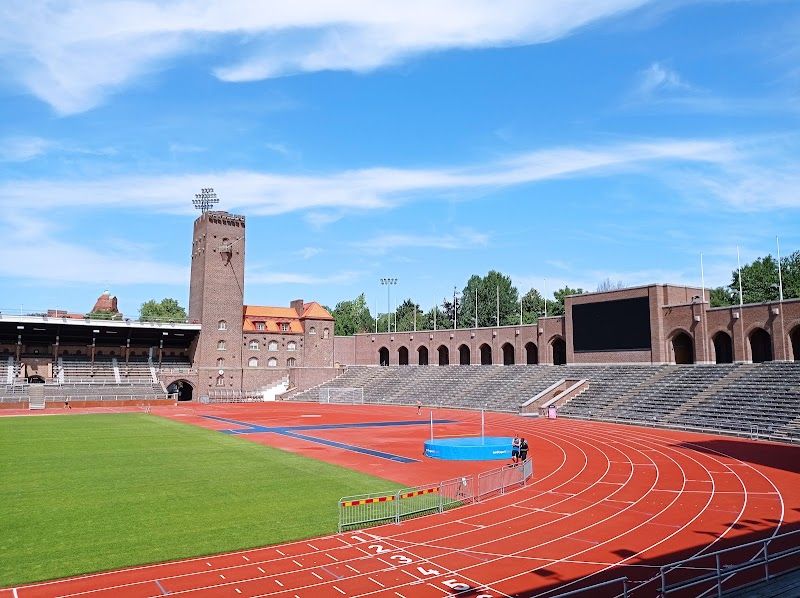
Stockholms Stadion
Historic Olympic Stadium built for the 1912 Summer Olympics, featuring distinctive red brick towers and beautiful functionalist architecture. Still in active use for sports events and concerts, the stadium is surrounded by parkland perfect for jogging. The area offers excellent views and a glimpse into Stockholm's sporting heritage.
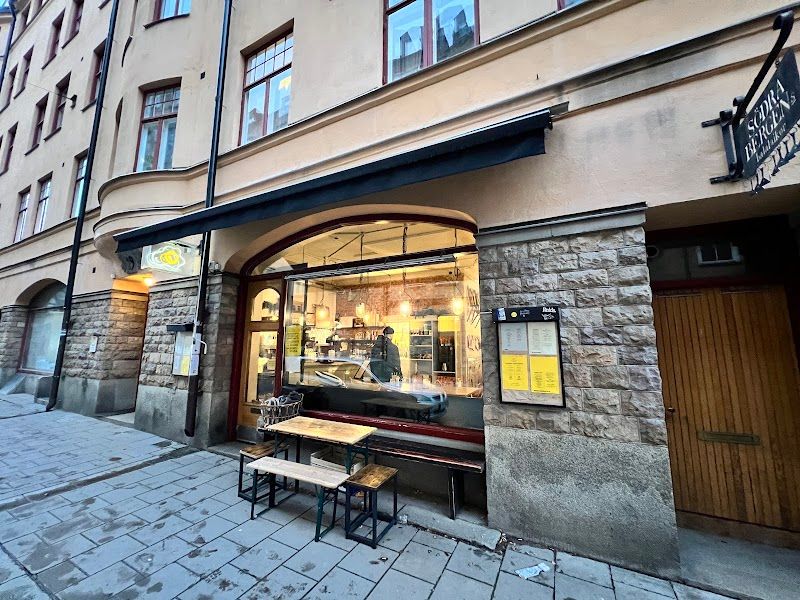
Greasy Spoon
A Södermalm restaurant serving elevated versions of British and American comfort food in a retro diner setting with Swedish ingredients. The fish and chips uses Arctic cod with a beer batter that's impossibly crispy, while the burger features Swedish beef and house-made pickles. Despite the casual vibe, the execution is meticulous and the cocktails are excellent.
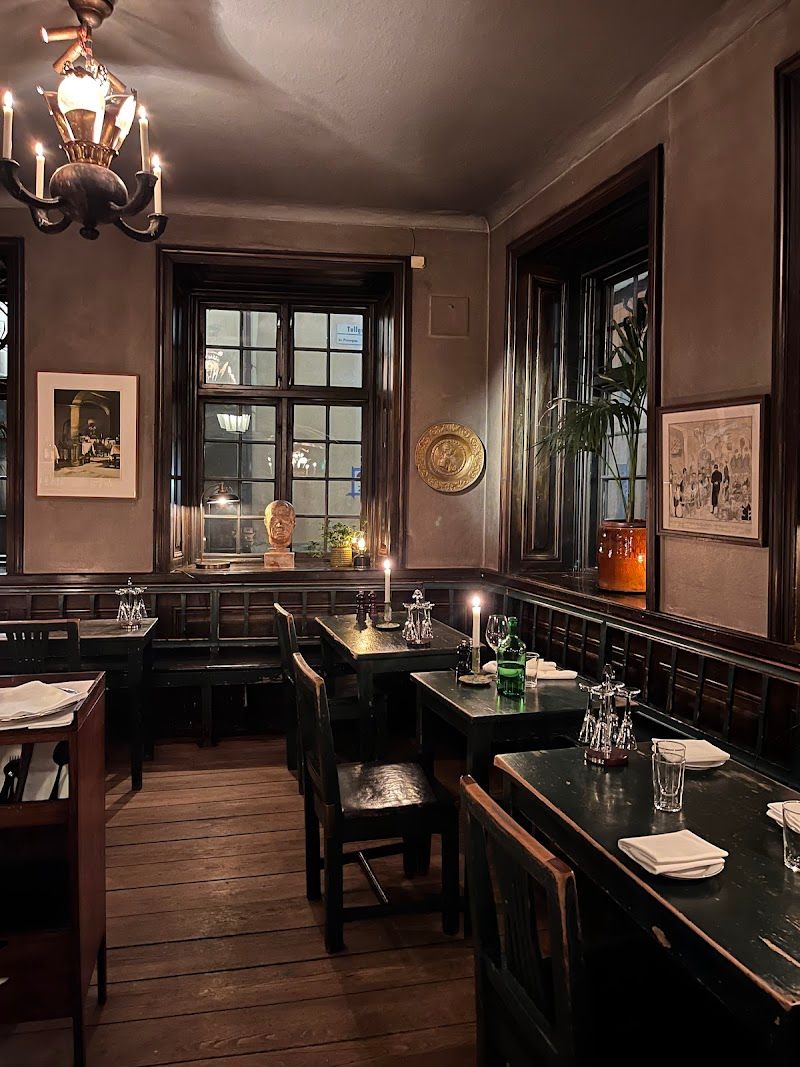
Den Gyldene Freden
Sweden's oldest restaurant, operating since 1722 in a Gamla Stan cellar with original vaulted brick ceilings and creaky wooden floors. The menu features traditional Swedish dishes like pytt i panna and herring prepared six ways, served in an atmosphere little changed in three centuries. The Swedish Academy has dined here monthly since 1929, occupying the same private room.
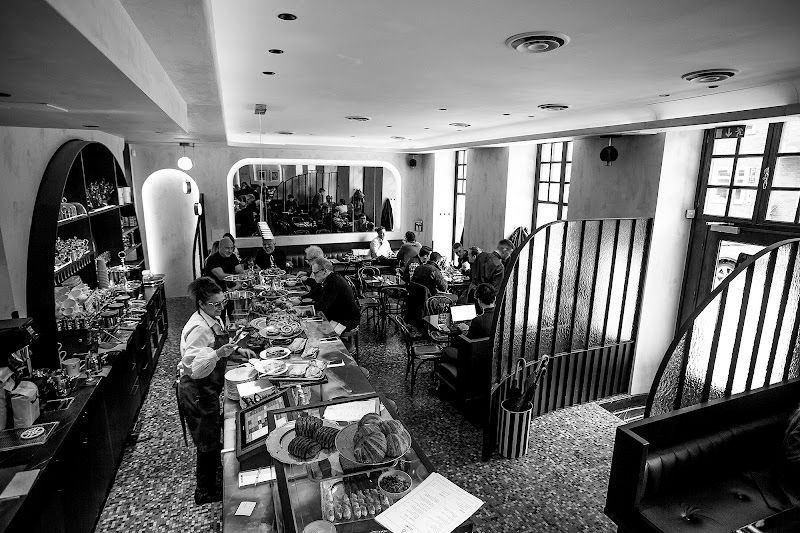
Café Saturnus
Östermalm café famous for Stockholm's largest kanelbullar, each one roughly the size of a dinner plate and served warm with pearl sugar. The space mixes Parisian brasserie style with Swedish fika culture, resulting in a neighborhood institution that's packed from morning through evening. The cinnamon buns are genuinely massive and best shared unless you're very hungry.
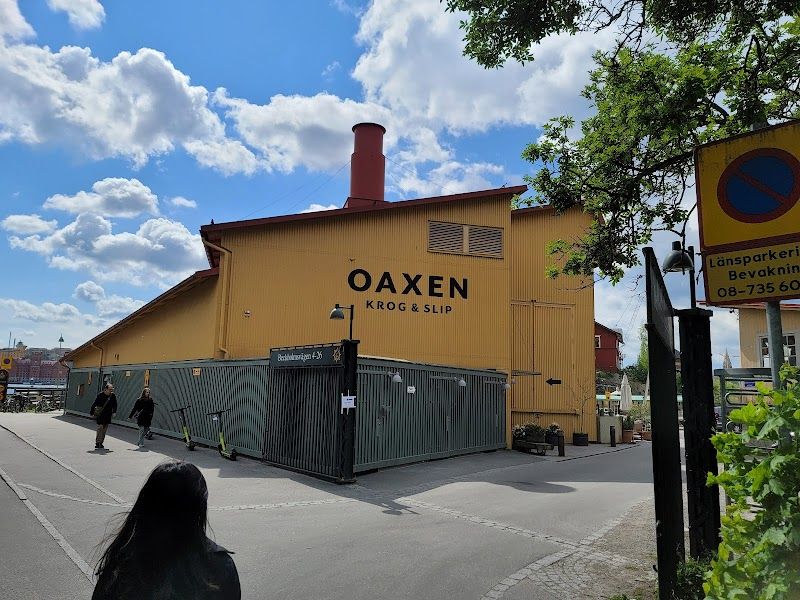
Oaxen Slip
Waterfront bistro on Djurgården island serving Nordic cuisine in a converted boat-building warehouse with harbor views. The menu focuses on sustainable seafood and vegetables from the restaurant's own farm, with dishes like vendace roe on crispy potatoes and fermented kohlrabi. This is the casual sister to Michelin-starred Oaxen Krog next door, sharing the same ingredient philosophy.
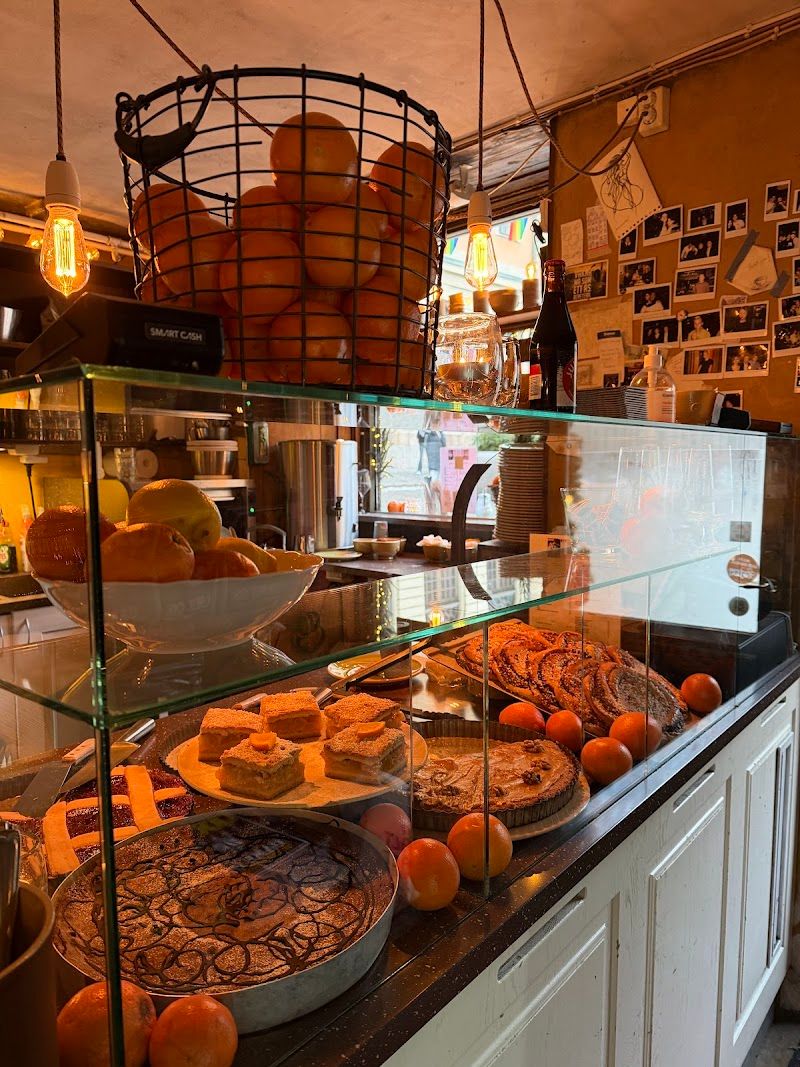
Chokladkoppen
A cozy Gamla Stan café on Stortorget square, popular with both locals and visitors for excellent fika in the heart of the Old Town. The semlor during Lent season are particularly good, with almond paste filling and cardamom-spiced buns. The rainbow flag outside marks this as Stockholm's oldest LGBT-friendly café, established in 1972.
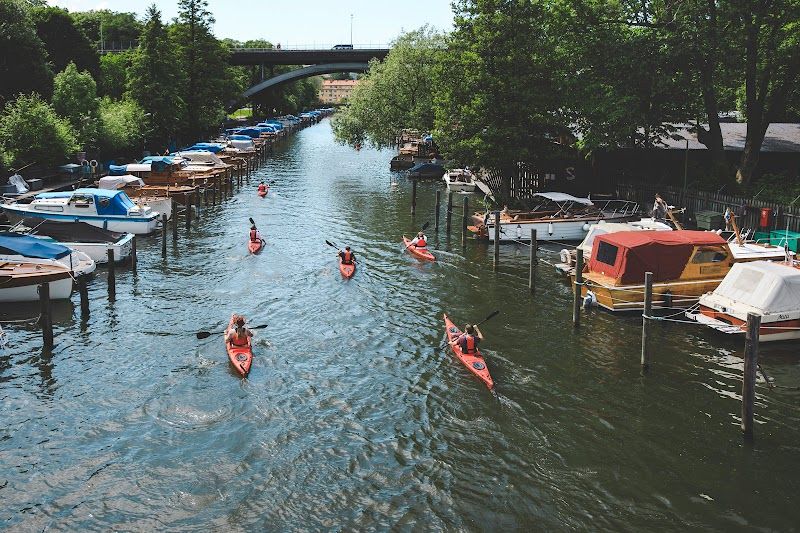
Bryggeriet Kajak
Operating from May through September, this company offers midnight sun kayaking tours departing from Djurgarden. Paddle through calm waters around the islands during the magical late evening light when Stockholm's summer nights never fully darken.
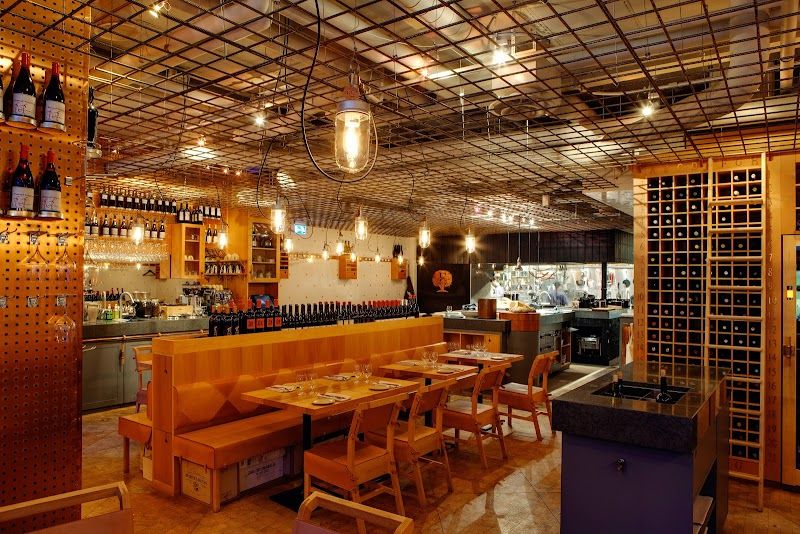
Ekstedt
Michelin-starred restaurant where every dish is cooked over open fire, in the wood oven, or smoked in the chimney, creating a primitive Nordic feast with sophisticated technique. Chef Niklas Ekstedt serves reindeer, Baltic herring, and root vegetables transformed by smoke and flame in a dining room heated by the central hearth. The scent of burning birch wood defines the experience.
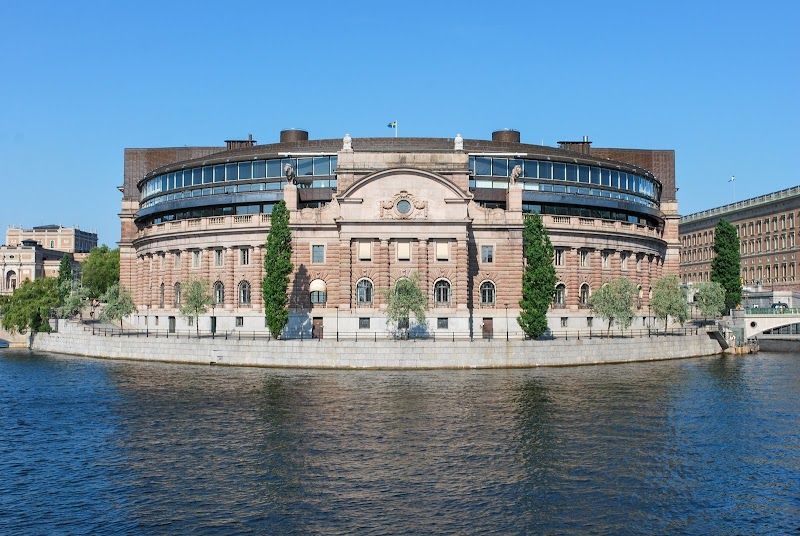
Riksdagshuset
The Swedish Parliament building on Helgeandsholmen island, featuring neoclassical architecture from 1905 and a semicircular debating chamber. Free guided tours in English run on weekends, taking you through the parliamentary chambers, the members' dining room, and explaining Sweden's political system. You can also watch live debates from the public gallery when parliament is in session.
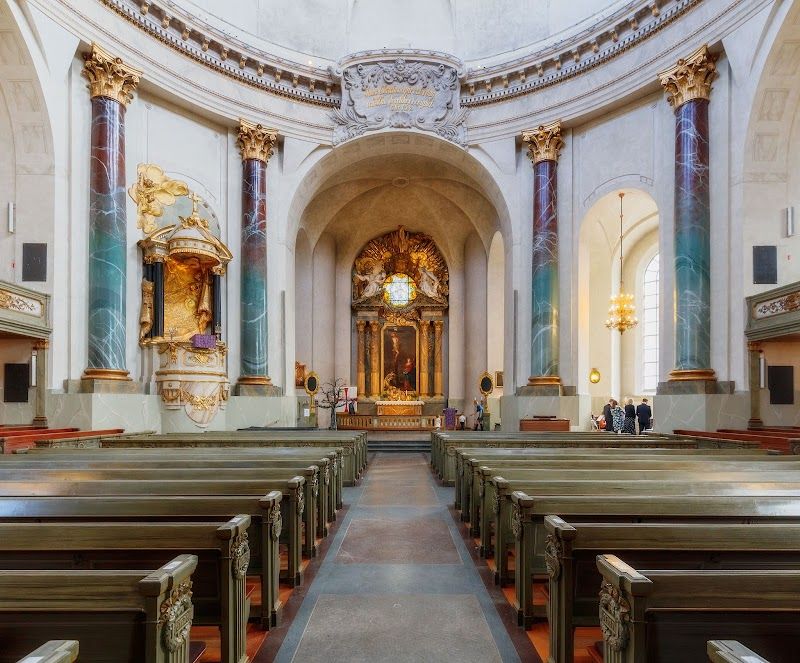
Hedvig Eleonora kyrka
Magnificent baroque church completed in 1737, featuring a stunning copper dome that dominates the Östermalm skyline. The interior boasts ornate decorations, a beautiful pipe organ, and exceptional acoustics that make it a popular venue for concerts. The church is named after Queen Hedvig Eleonora and represents one of Stockholm's finest examples of baroque architecture.
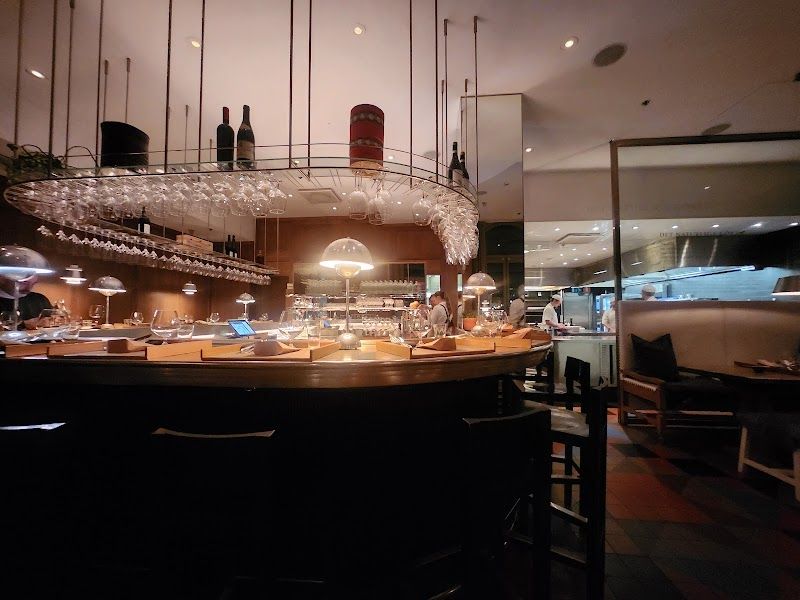
Mathias Dahlgren Matbaren
A Michelin-starred bistro in the Grand Hôtel serving refined Swedish ingredients in a more casual format than chef Dahlgren's formal dining room. The menu changes daily based on market finds, with dishes like raw Arctic char with burnt onion and Swedish pork with black garlic. Counter seating overlooks the open kitchen where precision and creativity happen simultaneously.
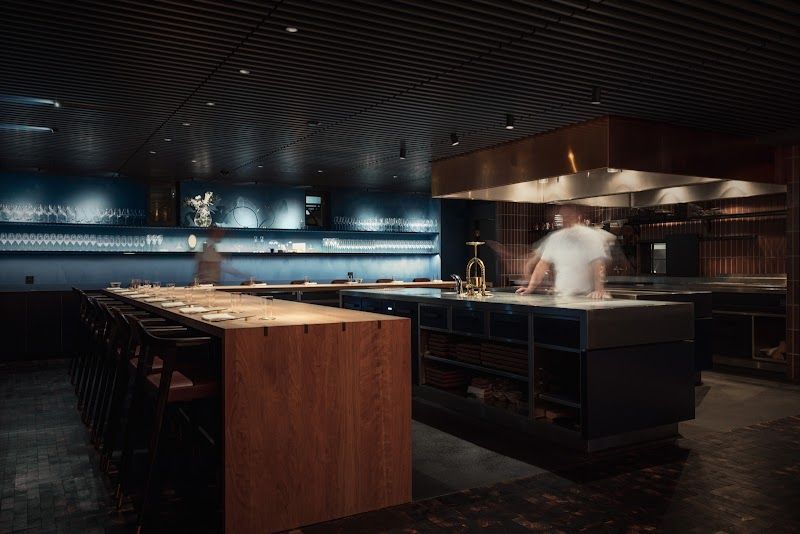
Frantzén
Three-Michelin-starred restaurant occupying a townhouse in Norrmalm, where chef Björn Frantzén serves a 20+ course tasting menu blending Nordic ingredients with Japanese precision. Diners move through three floors during the evening, from canapés in the lounge to the main dining room. This is Stockholm's most celebrated restaurant and reservations open exactly three months in advance.
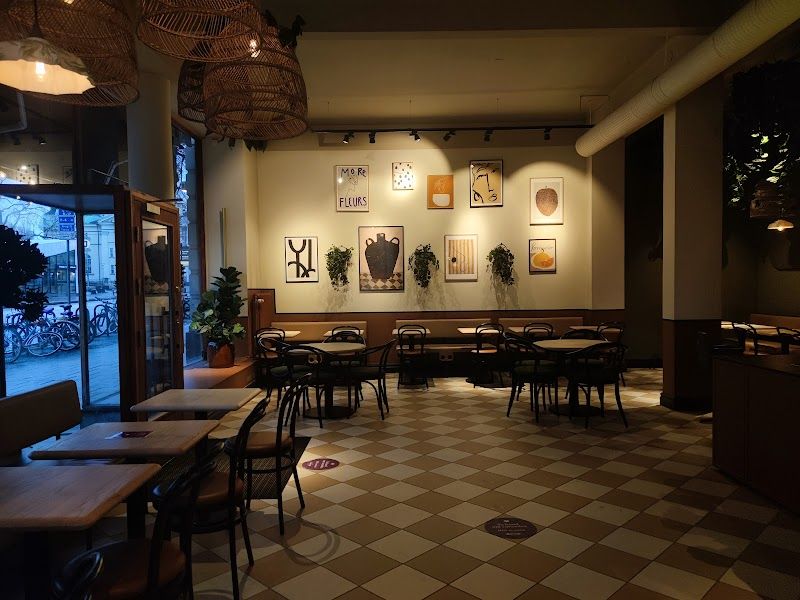
Bröd & Salt
A Södermalm bakery-café obsessed with sourdough, baking 15+ varieties daily using Swedish and ancient grains. The cardamom buns here use a 48-hour fermented dough that creates impossibly fluffy layers, while the rye loaves are dense and sour in the traditional Scandinavian style. The morning queue of local bakers and chefs speaks to the quality.
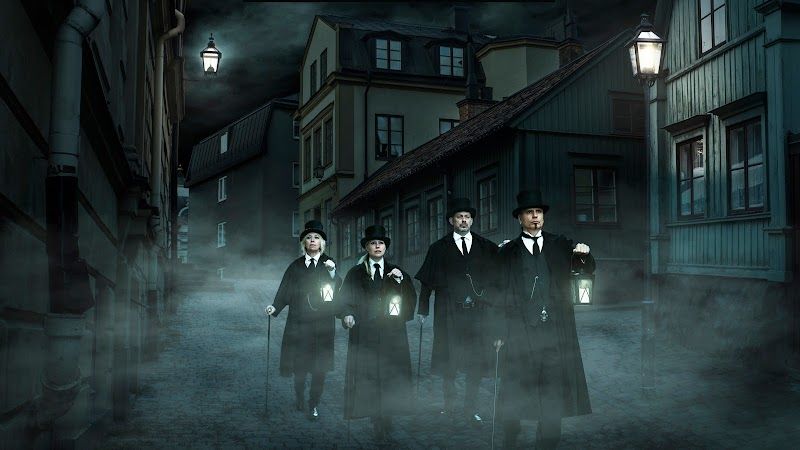
Stockholm Ghost Walk
This evening walking tour takes you through the narrow medieval alleys of Gamla Stan, recounting tales of executions, hauntings, and dark Stockholm history. The guide shares stories of the Stockholm Bloodbath and other grim events that shaped the old town.
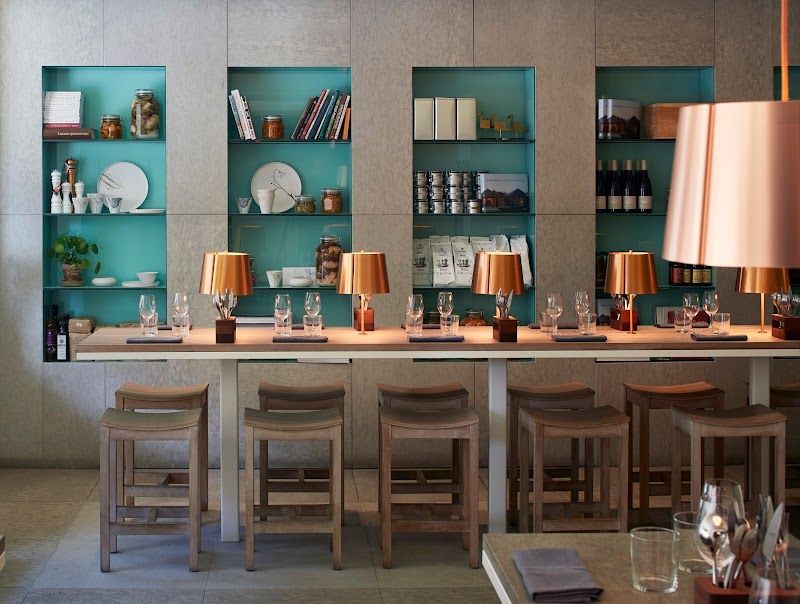
Speceriet
A 24-seat restaurant in a former pharmacy on Artillerigatan, where the seasonal menu changes based on what chef Linnéa Jeppsson finds at the morning markets. The focus is vegetable-forward Swedish cooking with occasional game or seafood, presented in a tasting menu format. The intimate space and single-seating approach create a dinner party atmosphere.

Arket
Modern Nordic lifestyle store by H&M Group offering minimalist clothing, homeware, and a popular café serving simple, seasonal dishes. The spacious store embodies Scandinavian design principles with clean lines and functional aesthetics. The ground-floor café is particularly popular for its healthy lunch options and Swedish fika.

Green Trails
This bike tour company offers guided cycling routes across Stockholm's islands, including Djurgarden's nature trails and waterfront paths. Tours include bike rental, helmet, and a Swedish fika stop at a local cafe.
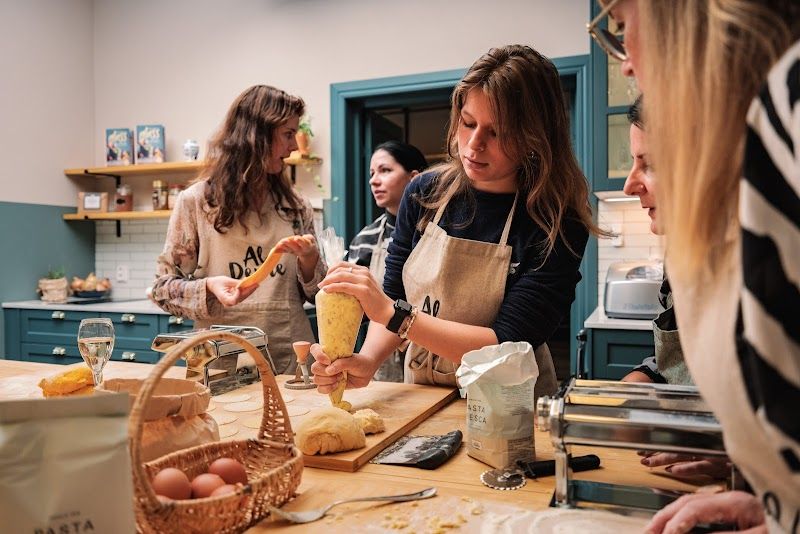
Matlagningskurs Stockholm
Learn to prepare classic Swedish husmanskost including köttbullar, gravlax, and lingonberry sauce in this hands-on cooking class. The session concludes with enjoying your three-course meal paired with Swedish beer or aquavit.
Stockholm Archipelago Day Trip
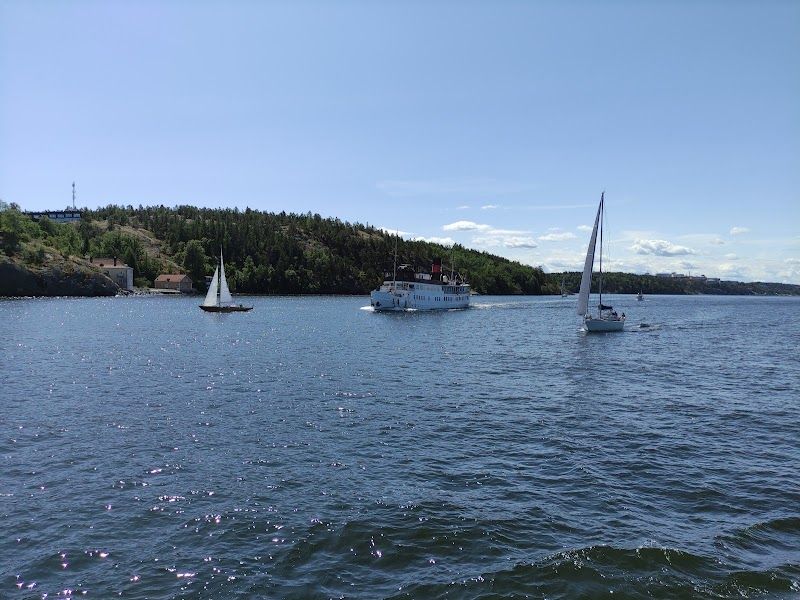
The Stockholm archipelago contains 30,000 islands, islets, and rocks stretching 150 km from the city into the Baltic. The Waxholmsbolaget ferry service connects the inner islands from Strömkajen (central Stockholm) - a single fare is SEK 75. The most accessible day trips: Vaxholm (a 75-minute ferry, the medieval fortress island that controls the main shipping channel, the painted wooden houses, the 19th century fortress museum), Sandhamn (2.5 hours by fast ferry, the sailing village at the outer edge of the archipelago, sand beaches, the long walk around the island), and Grinda (1 hour, forest, beaches, a youth hostel and hotel in old farmhouses). The best experience of Stockholm that is not in the city.
Kastellholmen
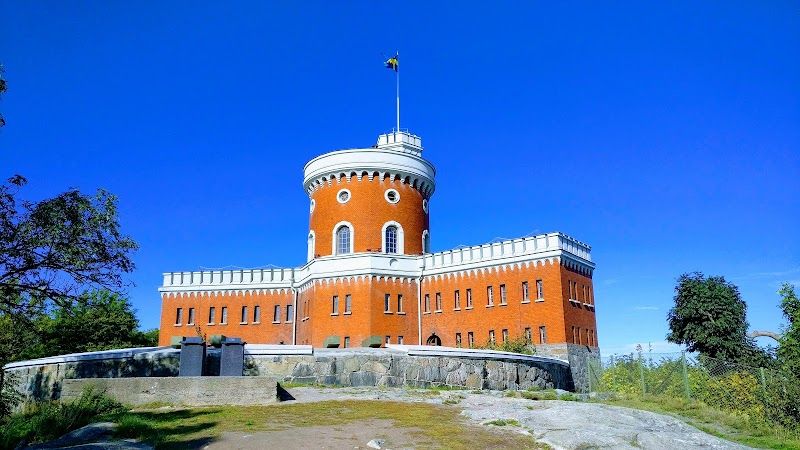
A tiny island between Skeppsholmen and Djurgården, crowned by a small red fortress that fires a ceremonial cannon at noon on Swedish flag days. The tree-lined paths around the island offer excellent views of the harbor entrance, Djurgården, and passing ferries. Quiet and uncommercial, it feels like a secret despite being steps from major attractions.
Stockholm Photo Tours
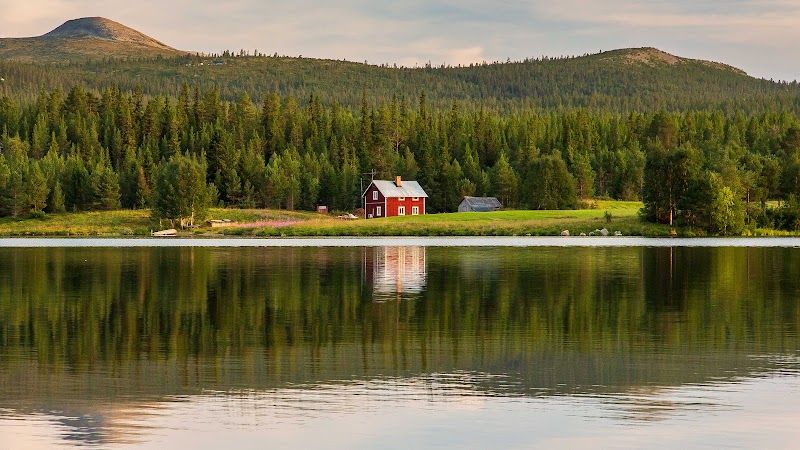
These specialized photography tours focus on capturing Stockholm's archipelago islands, leading small groups to lesser-known viewpoints and fishing villages. Tours include boat transport and instruction on landscape and maritime photography techniques.