Sweden
Stockholm
14 islands, a 17th-century warship pulled from the harbour, fika twice daily, and water clean enough to swim in
Best Time
May-September; June for the longest days
Ideal Trip
2-3 days
Language
Swedish, English spoken almost universally
Currency
SEK
Budget
SEK 903-1714/day (excl. hotel)
About Stockholm
Stockholm is built on 14 islands connected by 57 bridges, and the water is everywhere: between buildings, under bridges, lapping at restaurant terraces, and clean enough that people swim in the city centre in summer. The old town (Gamla Stan) is a medieval island of narrow cobblestone lanes, ochre and rust-coloured buildings, and the Royal Palace (the largest functioning royal palace in Europe, 608 rooms, free changing of the guard daily at 12:15). It looks like a film set and it is packed with tourists from 10 AM to 6 PM, but at 8 AM or 9 PM the lanes empty and you can hear your footsteps on the cobblestones.
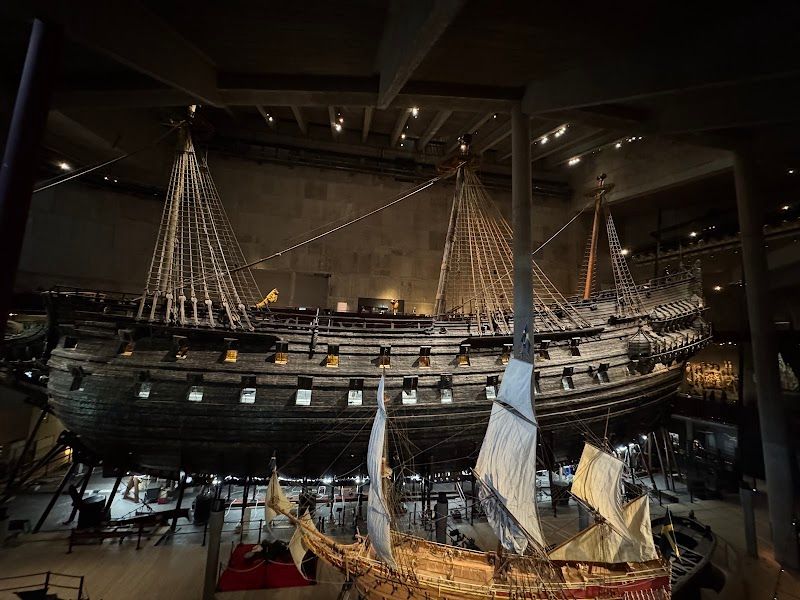
The Vasa Museum (SEK 200) is the single best museum in Scandinavia. A 17th-century warship that sank 20 minutes into its maiden voyage in 1628, was pulled from the harbour 333 years later, and is now displayed intact in a purpose-built hall. It is 69 metres long, covered in 700 sculptures, and the fact that it exists at all is extraordinary. The ABBA Museum (SEK 280) is nearby on the same island and is more fun than any serious person wants to admit. Fotografiska (SEK 195) is one of the world's best photography museums, housed in an Art Nouveau customs building with a rooftop bar.
The food has moved far beyond meatballs, though the meatballs are still excellent (the ones at Pelikan in Sodermalm, SEK 195, with lingonberry and cream sauce, are the benchmark). The New Nordic influence from Copenhagen crossed the bridge and mutated into something distinctly Swedish: fermented vegetables, smoked fish, foraged ingredients, and the concept of fika (the twice-daily coffee and pastry break that is a cultural requirement, not a suggestion). A kanelbulle (cinnamon bun) at a proper bakery costs SEK 35-45 and is the taste of Sweden.
Neighborhoods
Each district has its own personality
Gamla Stan
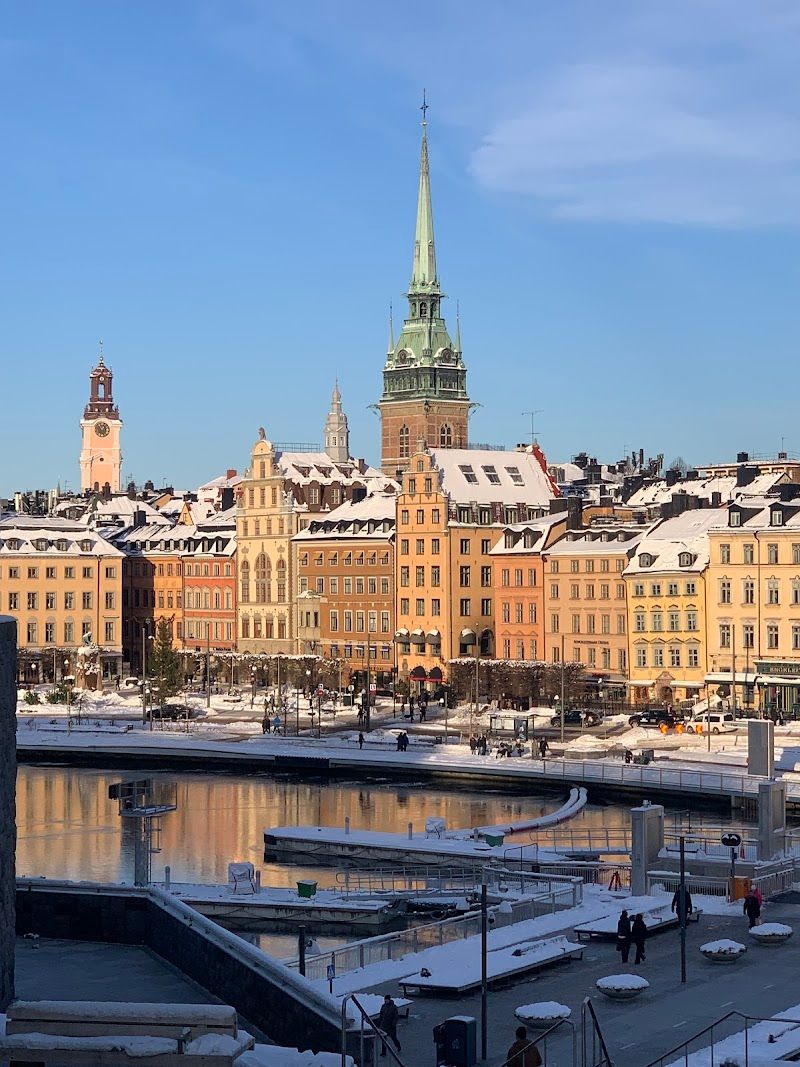
The medieval island where Stockholm was founded: cobblestone lanes, the Royal Palace, the Nobel Museum on Stortorget, and the narrowest alley in the city at 90 centimetres
Djurgarden
The museum island: a 17th-century warship, ABBA in interactive form, Sweden's cultural history, and one of the world's best photography museums, all within a 20-minute walk of each other
Sodermalm
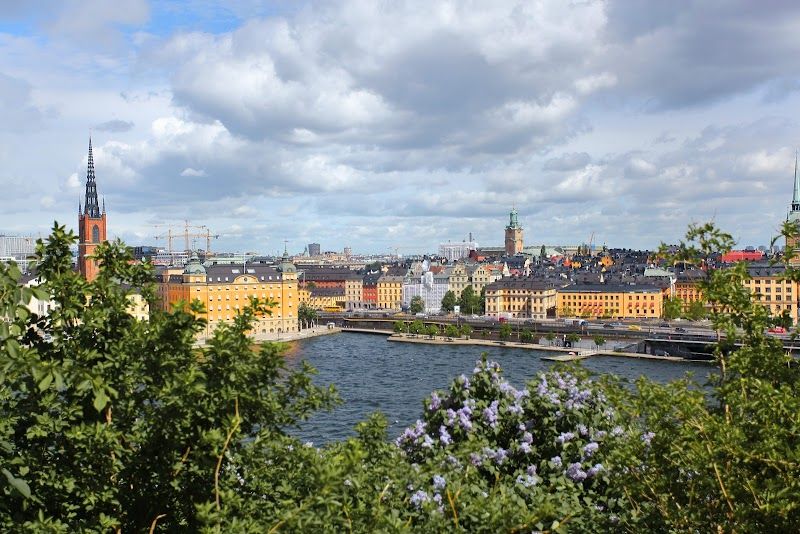
Stockholm's creative hub on the southern island: vintage shops and record stores in SoFo, the benchmark meatballs at Pelikan, and the best free panoramic view of the old town from the clifftop walk
Things to Do
Top experiences in Stockholm
Gamla Stan (Old Town)
Gamla Stan is Stockholm's 13th-century island core where medieval cobblestone streets wind between ochre and rust-colored buildings that house everything from tiny cafes to the Royal Palace. You'll walk the same narrow passages where merchants traded 700 years ago, the original street grid intact and surprisingly navigable. The Nobel Museum on Stortorget square (SEK 130) covers prize history, while the massive Royal Palace offers state apartments and crown jewels, but the real draw is simply wandering streets like Västerlånggatan and Österlånggatan. The island feels like a film set, especially early morning when soft light hits the weathered facades and you can hear your footsteps echo off ancient walls. Stortorget's colorful buildings frame the main square where 90 people were executed in 1520, a grim history marked by a simple plaque. Side streets like Prästgatan and Kåkbrinken reveal tiny courtyards and medieval details most tourists rush past. The contrast between tourist-packed main drags and quiet residential corners is striking. Most guides oversell this as unmissable, but honestly, summer crowds make it claustrophobic by 10 AM and the souvenir shops feel repetitive quickly. The Royal Palace is expensive (SEK 160) and takes hours you could spend exploring for free. Focus on the architecture and atmosphere rather than paid attractions, and don't bother with the touristy restaurants along Västerlånggatan where you'll pay SEK 200+ for mediocre food.
Monteliusvägen
Monteliusvägen is a 500-meter pedestrian walkway that hugs the cliff edge of Södermalm, delivering Stockholm's best free panoramic view. You'll see Gamla Stan's medieval spires, the imposing City Hall with its distinctive tower, and Lake Mälaren stretching toward the horizon. The elevated position puts you about 30 meters above the water, creating that perfect postcard perspective that makes Stockholm look like a fairy tale city. This isn't just a quick photo stop: benches line the entire route, positioned specifically for optimal viewing angles. The walk itself feels surprisingly peaceful despite being completely free and wildly popular. You'll start at either end (most people begin near Mariaberget) and stroll along the narrow paved path with the city spreading out below. The atmosphere shifts throughout the day: morning brings joggers and dog walkers, afternoon draws tourists with cameras, and evening transforms it into an open-air theater for sunset watching. The path stays busy but never feels cramped since it's one-way traffic along the cliff edge. Here's what most guides won't mention: the view is identical from every bench, so don't stress about finding the "perfect" spot. Summer evenings turn into a circus of tripods and sunset chasers, which can kill the serene vibe entirely. If you're here for photography, the light is actually better 45 minutes before sunset when it's warmer and less harsh. Skip the crowded summer weekends and come on a crisp winter morning instead when the low light makes the red buildings of Gamla Stan absolutely glow.
Vasa Museum
The Vasa Museum houses the world's only preserved 17th-century warship, a massive 69-meter vessel that sank embarrassingly 1,300 meters into its maiden voyage in 1628. You'll stand face to face with an almost complete wooden warship, 98% original, covered in hundreds of carved sculptures depicting lions, faces, and biblical scenes. The ship towers above you in a custom-built museum that feels like a cathedral, with walkways at different levels letting you examine everything from the gun decks to the ornate stern. Walking around the Vasa feels surreal because you're seeing something that shouldn't exist: a perfectly preserved piece of the 1600s. The ship dominates the space completely, and you can spend ages studying the carved decorations that were meant to intimidate enemies but never got the chance. The surrounding exhibitions explain how 30 people died when this top-heavy warship tipped over, and how Swedish engineers pulled off one of history's greatest salvage operations in 1961. You'll smell the old wood and preservation chemicals, giving the whole experience an oddly laboratory-like atmosphere. Most guides oversell the surrounding exhibitions, which are fine but forgettable compared to the ship itself. Focus your time on the vessel from multiple levels rather than getting stuck reading every panel about 17th-century naval warfare. At SEK 170, it's pricey for what amounts to seeing one object, but it's genuinely unlike anything else you'll encounter. Skip the gift shop entirely unless you need overpriced Viking-themed souvenirs.
Royal Palace
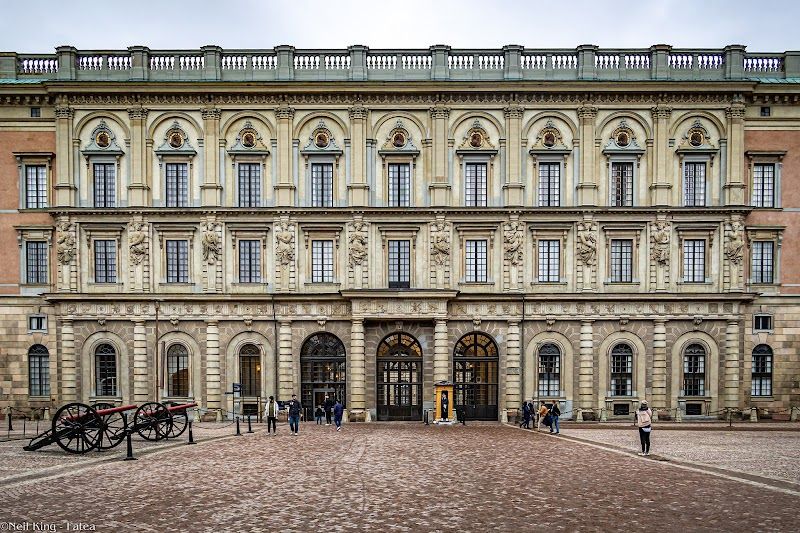
Stockholm's Royal Palace houses the Swedish monarchy across 608 rooms and seven floors, making it one of Europe's largest working royal residences. You'll walk through baroque State Apartments dripping with gilt furniture, crystal chandeliers, and royal portraits spanning centuries. The Treasury displays actual crown jewels including Gustav Vasa's ceremonial sword, while the Tre Kronor Museum shows ruins of the medieval castle that burned down in 1697. The experience feels like wandering through a living museum where the king still conducts official business. Guards in dark blue uniforms patrol marble corridors lined with enormous tapestries and oil paintings. The Hall of State impresses most with its silver throne and soaring ceiling, while the Guest Apartments showcase how visiting dignitaries live when they stay over. Summer brings the changing of the guard ceremony to the outer courtyard, complete with military band and ceremonial marching. At SEK 180, it's pricey but comprehensive: four museums plus the apartments justify the cost if you spend 2-3 hours inside. Skip the Royal Armory unless you're fascinated by medieval weapons, it's separately ticketed and repetitive. The Treasury delivers the biggest wow factor for your money, especially the coronation regalia. Most visitors rush through in 90 minutes and miss the stunning Bernadotte Apartments on the upper floors.
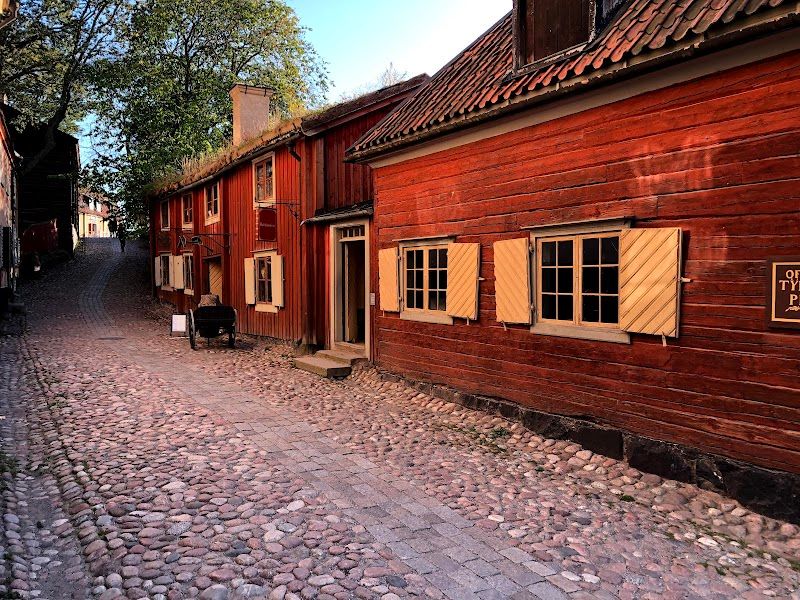
Skansen Open-Air Museum
Skansen is the world's first open-air museum, founded in 1891, where 160 authentic buildings from across Sweden create a living timeline of Scandinavian life. You'll walk through actual 18th and 19th-century farmhouses, watch costumed interpreters bake bread in wood-fired ovens, and see blacksmiths hammering away at red-hot iron. The 75-hectare site on Djurgården also houses Nordic animals: elk, reindeer, wolves, bears, and wolverines roam in spacious enclosures that feel more like natural habitats than zoo pens. Your visit unfolds like wandering through different centuries and regions of Sweden. The Sami camp with its traditional lavvu tents contrasts sharply with the ornate manor houses from Skåne, while farm animals roam freely around red wooden barns. The working craftspeople aren't just for show: the bakery sells actual sourdough bread (SEK 45), the glassblower creates pieces you can buy, and the printing press produces postcards using 1800s techniques. The hilltop Bredablick Tower offers panoramic Stockholm views that most visitors discover by accident. Most guides won't tell you that summer admission (SEK 225) feels steep for what's essentially walking around old buildings, but the place transforms completely during winter's Christmas market when everything feels magical and admission drops to SEK 170. Skip the overcrowded Seglora Church service unless you're genuinely interested in Swedish hymns. The Nordic animals are most active in cooler weather, so prioritize them early morning or late afternoon. Budget 4 hours minimum, not the suggested 3.
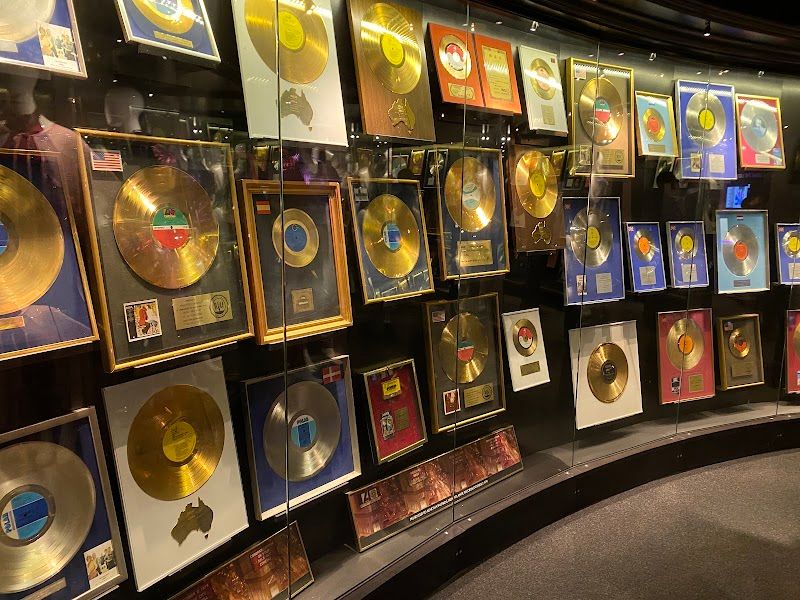
ABBA The Museum
ABBA The Museum is a permanent exhibition on Djurgarden dedicated to the band's history, music, and cultural impact. It includes original costumes, instruments, gold records, staging from their Eurovision win in 1974, and interactive elements (you can sing on stage with holograms of the band members). SEK 250 entry. Open daily. The exhibition is professionally put together regardless of your relationship to the music - the documentation of how four Swedes became the best-selling music act in history by the mid-1970s is genuinely interesting. Allow 1.5-2 hours.
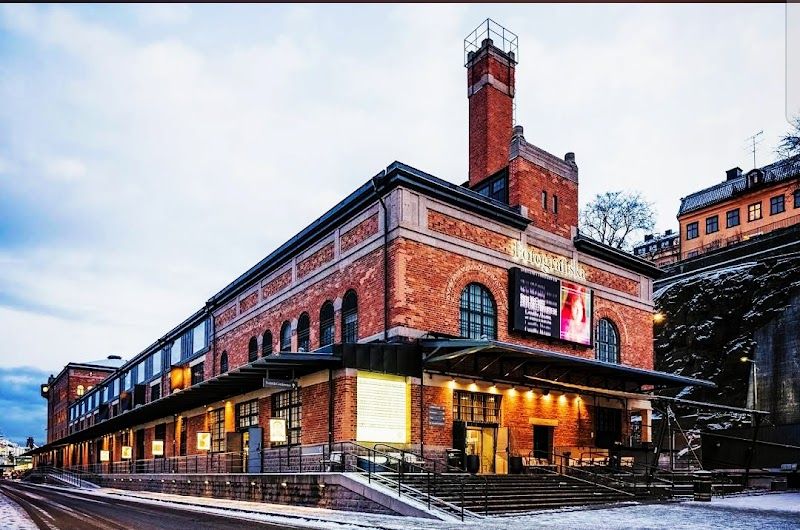
Fotografiska (Museum of Photography)
Fotografiska is a private photography museum in a converted 1906 customs house in Södermalm with four floors of rotating exhibitions. It does not have a permanent collection but runs 3-4 major exhibitions simultaneously across 2,500 square metres of gallery space, focusing on contemporary documentary and artistic photography. SEK 195 entry. Open until midnight Friday and Saturday. The rooftop restaurant has views over Saltsjön and is used as a bar and terrace in the evenings. The bookshop specialises in photography books.
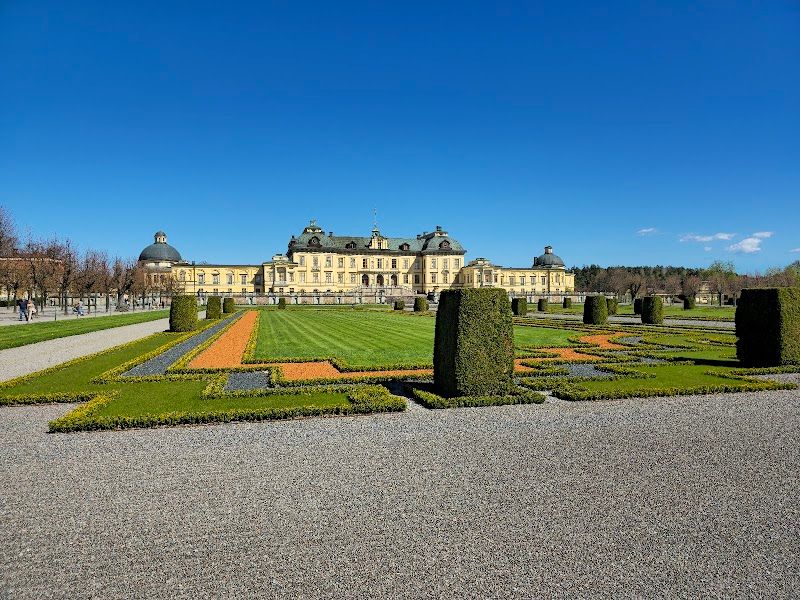
Drottningholm Palace
Drottningholm Palace serves as the actual home of Sweden's royal family, making it feel refreshingly lived-in compared to other European palaces turned museums. You'll tour about 30 rooms spanning 300 years of royal taste, from the baroque State Apartments where King Carl XVI Gustaf still receives guests, to Queen Hedvig Eleonora's ornate bedroom with its original 1600s ceiling frescoes. The Chinese Pavilion, a rococo fantasy built as a birthday surprise in 1753, houses the most impressive collection of 18th-century chinoiserie outside Asia. The palace visit flows chronologically through Swedish royal history, starting in the grand Ehrenstrahl Gallery where massive battle paintings dwarf visitors. Each room tells a story: you'll see bullet holes in mirrors from a 1792 assassination plot, and the library where Gustav III wrote his plays before his own dramatic murder. The formal gardens stretch endlessly toward Lake Mälaren, with geometric hedges that look pristine even in winter. Inside, the silence feels profound, broken only by your footsteps on original parquet floors. Most guides won't tell you the State Apartments close randomly for royal functions, so check the website morning-of. Skip the overpriced palace café (SEK 180 for mediocre lunch) and bring snacks for the gardens instead. The Court Theatre costs extra (SEK 120) but it's genuinely spectacular, with 18th-century stage machinery that still creates thunder and lightning effects. Allow four hours total if you're doing everything, or just two for the palace and Chinese Pavilion.
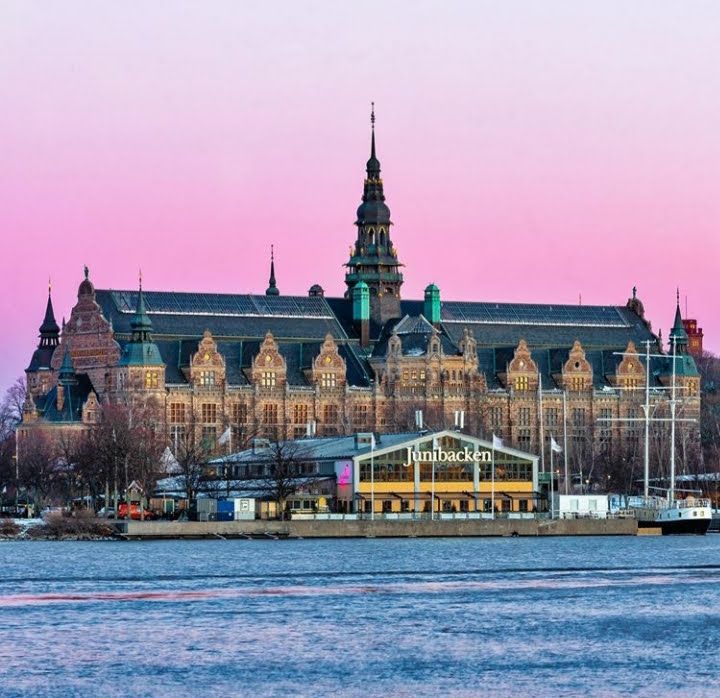
Nordiska museet
Nordiska museet houses Sweden's most comprehensive collection of cultural artifacts spanning five centuries, from Renaissance furniture to 1980s kitchen appliances. You'll walk through meticulously reconstructed period rooms showing how Swedish families lived across different eras and social classes, complete with original wallpaper, furniture, and personal belongings. The folk costume collection is genuinely spectacular, displaying regional variations in traditional dress that reveal Sweden's diverse cultural regions. The museum also covers Sami culture, traditional crafts, and Swedish holiday traditions with an impressive Christmas exhibition that runs year round. The building itself is a Neo Renaissance palace that feels appropriately grand for the cultural treasures inside. You'll start on the ground floor with temporary exhibitions, then work your way up through chronologically arranged periods. The domestic interiors section on the second floor is where most people spend their time, moving between fully furnished rooms that span from noble manor houses to working class apartments. The atmosphere is quiet and contemplative, with excellent lighting that makes you feel like you're peering into real homes frozen in time. Admission costs 140 SEK for adults, which is reasonable given the quality and scope. Most visitors rush through trying to see everything, but you're better off focusing on two or three sections that interest you most. The temporary exhibitions are often more engaging than the permanent collection, so check what's running before you visit. Skip the top floor unless you're specifically interested in textiles, as it can feel repetitive after seeing the room displays below.
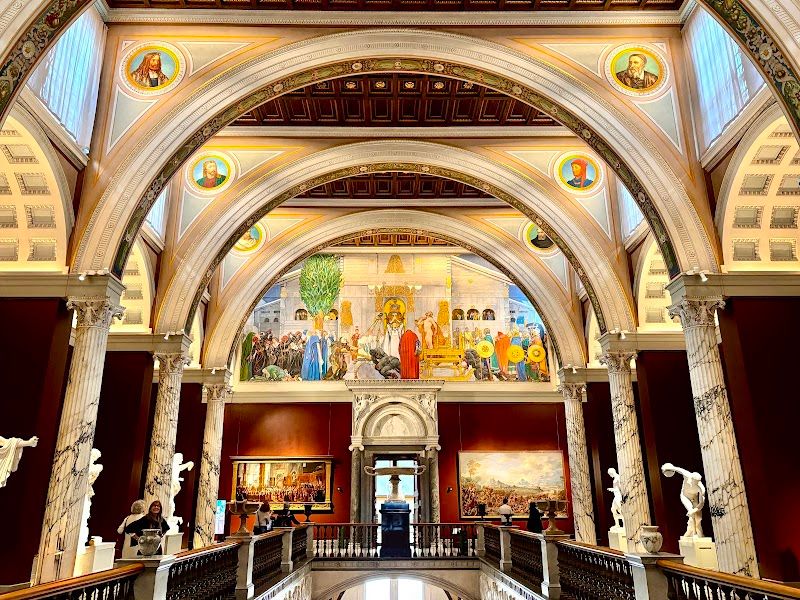
Nationalmuseum
Sweden's premier art museum reopened in 2018 after a five-year renovation that transformed it into one of Europe's most elegant gallery spaces. You'll find the country's finest collection of European masters including Rembrandt's dramatic portraits, Goya's haunting works, and French Impressionist pieces by Renoir and Cézanne. The Swedish art collection spans medieval altarpieces to 19th-century romantic landscapes, plus an exceptional decorative arts section showcasing everything from Viking silver to Gustavian furniture. The experience flows beautifully across three floors in this neoclassical palace overlooking Stockholm's harbor. Natural light floods the renovated galleries through restored skylights, making colors pop in ways many older museums can't match. The ground floor design galleries feel intimate and residential, while the grand staircase leads to soaring painting halls that rival the Louvre's presentation. You'll spend most of your time on the second floor where the European masterworks hang in chronological rooms that tell art history's story coherently. Most visitors rush through in 90 minutes, but you need at least two hours to appreciate the quality here. The free admission since 2024 means no pressure to see everything in one visit. Skip the contemporary exhibitions unless you're specifically interested, they're often weaker than the permanent collection. The museum shop is overpriced at 200-400 SEK for books, but the café overlooking the water is reasonably priced at 45-65 SEK for coffee and pastries.
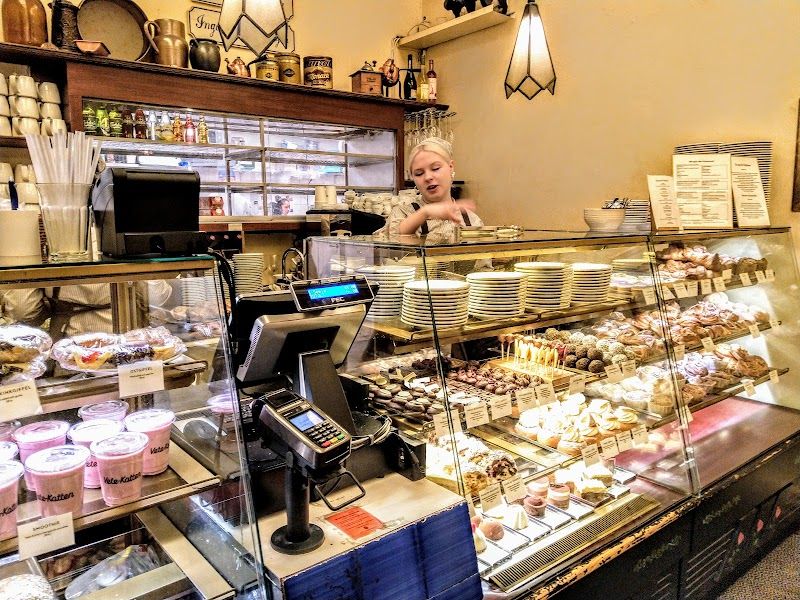
Vete-Katten
Stockholm's most beloved konditori since 1928, with multiple rooms of vintage decor and a dizzying selection of pastries baked on-site. The kanelbulle here set the standard for the city, with the perfect balance of cardamom-spiced dough and pearl sugar crunch. Expect queues on weekend mornings as this is where generations of Stockholm families have taken their fika.
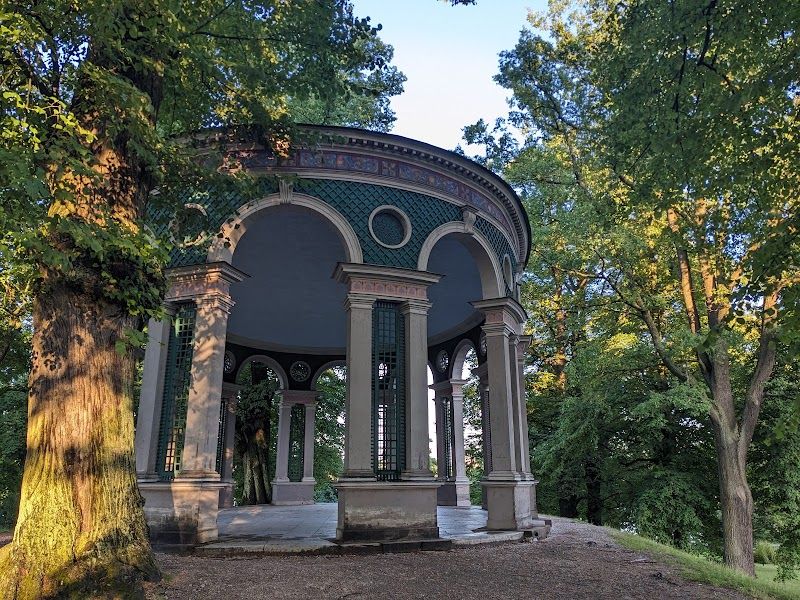
Hagaparken
Hagaparken is Stockholm's most elegant escape, an 18th-century royal park that feels like stumbling into a Jane Austen novel. You'll find peacocks strutting across manicured lawns, neoclassical pavilions that look like miniature temples, and Gustav III's unfinished palace that tells the story of royal ambition cut short. The copper-roofed Echo Temple sits perfectly positioned over Brunnsviken lake, while the Butterfly House (Fjärilshuset) houses hundreds of tropical species in a climate-controlled greenhouse. The park flows naturally from formal gardens near the entrance to wilder sections along the waterfront. Families spread picnics on the central lawns while joggers follow winding gravel paths that connect each architectural surprise. The atmosphere shifts throughout the day: morning brings serious runners and dog walkers, afternoons see families with strollers, and evenings attract couples heading to the romantic temple overlooks. You'll hear peacock calls echoing across the grounds, and the butterfly house feels tropically humid after Stockholm's crisp air. Most guides oversell Gustav III's Palace, which is impressive from outside but charges 120 SEK for rooms that are mostly empty. The real magic is free: the temple views, peacock encounters, and those perfect picnic spots locals guard jealously. Skip the palace tour and spend that time exploring the waterfront paths instead. The Butterfly House costs 180 SEK but delivers genuine tropical magic, especially on gray Stockholm days.
Travel Guides
Expert guides for every travel style
Where to Eat in Stockholm: Meatballs, Fika & New Nordic
Stockholm food without the tasting menu: meatballs at Pelikan, fika at Ostermalm Saluhall, husmanskost explained, the smorgasbord tradition, and the best lunch under SEK 180.
7 min
First Time in Stockholm: What You Need to Know
Everything before your first Stockholm visit: the cost in SEK, the mandatory fika, the metro as an art gallery, getting to the archipelago, and why Stockholm is almost entirely cashless.
6 min
Frequently Asked Questions
The Vasa Museum is the best museum in Stockholm and one of the most unusual museums in Europe. The Vasa was a Swedish warship that sank on its maiden voyage in 1628, was recovered from the harbour in 1961, and is now displayed in a purpose-built hall exactly as it was raised. The ship is 69 metres long, stands seven storeys tall, and is covered in 700 original wooden sculptures that were preserved by the cold, low-salinity water of Stockholm harbour. No other comparable ship from this period exists. SEK 200 adult entry, allow 1.5-2 hours minimum. Arrive at opening (10 AM daily) to see the ship with fewer people: the scale of the ship is clearer when there are fewer people in front of it. The guided tours (included in ticket, run hourly) add significant context but are not necessary for a first visit.
Fika is the Swedish institution of a coffee break with a pastry, taken at least twice a day, and it is both a practice and a social philosophy. The practice: sit down, order a coffee (filter or espresso-based), order a kanelbulle (cinnamon bun, SEK 35-45) or a kardemummabulle (cardamom bun, slightly more flavourful), and sit with it for 15-20 minutes without your phone. The philosophy: this is not a break from work, it is a required part of the day, and Swedish workplaces build fika into the schedule. As a visitor, you are expected to do this at least once. The best places for fika in Stockholm are Fabrique (multiple locations, SEK 35-45 for a bun), the Ostermalm Saluhall (the covered market, more atmospheric, slightly higher prices), and any neighbourhood bakery that has locals in it at 10 AM and 3 PM.
Stockholm's islands are connected by bridges, ferries, and the metro (T-bana). The SL Access card for 72 hours costs SEK 165 and covers all buses, metro, trams, and local trains within Stockholm county. A single metro fare is SEK 42. The transit pass pays for itself if you take more than four single journeys. The T-bana (metro) is worth taking even if you only plan to walk: 90 of 100 stations have permanent art installations, and stations like Solna Centrum, Kungstradgarden, and T-Centralen are significant art spaces. The ferry from Slussen to Djurgarden runs year-round and takes 10 minutes (included in the transit pass). Gamla Stan, Sodermalm, and the city centre are all walkable from each other.