
Stockholm
Djurgarden
The museum island: a 17th-century warship, ABBA in interactive form, Sweden's cultural history, and one of the world's best photography museums, all within a 20-minute walk of each other.
About Djurgarden
Djurgarden is a royal park island that contains the highest concentration of museums in Stockholm. The Vasa Museum is at the western end: the restored 17th-century warship in a purpose-built hall, the single best museum in Scandinavia. ABBA The Museum (SEK 280) is next door: interactive, loud, and more genuinely interesting than its concept suggests. Skansen (SEK 220) is the world's oldest open-air museum (founded 1891): 150+ historical Swedish buildings relocated from around the country, Nordic animals (wolverine, elk, brown bear), and demonstrations of traditional crafts. Nordiska Museet (SEK 150) covers Swedish cultural history from the 16th century to the present in a Renaissance Revival palace. Fotografiska (SEK 195), technically at the edge of Sodermalm on the Djurgarden ferry route, is one of the three best photography museums in the world with a rooftop bar that has the best view of the water in Stockholm.
Things to Do
Top experiences in Djurgarden
Vasa Museum
The Vasa Museum houses the world's only preserved 17th-century warship, a massive 69-meter vessel that sank embarrassingly 1,300 meters into its maiden voyage in 1628. You'll stand face to face with an almost complete wooden warship, 98% original, covered in hundreds of carved sculptures depicting lions, faces, and biblical scenes. The ship towers above you in a custom-built museum that feels like a cathedral, with walkways at different levels letting you examine everything from the gun decks to the ornate stern. Walking around the Vasa feels surreal because you're seeing something that shouldn't exist: a perfectly preserved piece of the 1600s. The ship dominates the space completely, and you can spend ages studying the carved decorations that were meant to intimidate enemies but never got the chance. The surrounding exhibitions explain how 30 people died when this top-heavy warship tipped over, and how Swedish engineers pulled off one of history's greatest salvage operations in 1961. You'll smell the old wood and preservation chemicals, giving the whole experience an oddly laboratory-like atmosphere. Most guides oversell the surrounding exhibitions, which are fine but forgettable compared to the ship itself. Focus your time on the vessel from multiple levels rather than getting stuck reading every panel about 17th-century naval warfare. At SEK 170, it's pricey for what amounts to seeing one object, but it's genuinely unlike anything else you'll encounter. Skip the gift shop entirely unless you need overpriced Viking-themed souvenirs.
Skansen Open-Air Museum
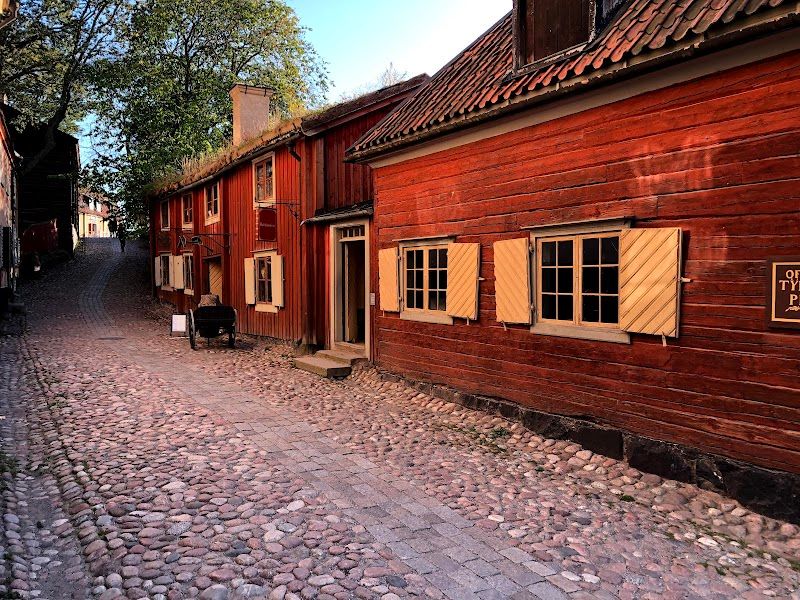
Skansen is the world's first open-air museum, founded in 1891, where 160 authentic buildings from across Sweden create a living timeline of Scandinavian life. You'll walk through actual 18th and 19th-century farmhouses, watch costumed interpreters bake bread in wood-fired ovens, and see blacksmiths hammering away at red-hot iron. The 75-hectare site on Djurgården also houses Nordic animals: elk, reindeer, wolves, bears, and wolverines roam in spacious enclosures that feel more like natural habitats than zoo pens. Your visit unfolds like wandering through different centuries and regions of Sweden. The Sami camp with its traditional lavvu tents contrasts sharply with the ornate manor houses from Skåne, while farm animals roam freely around red wooden barns. The working craftspeople aren't just for show: the bakery sells actual sourdough bread (SEK 45), the glassblower creates pieces you can buy, and the printing press produces postcards using 1800s techniques. The hilltop Bredablick Tower offers panoramic Stockholm views that most visitors discover by accident. Most guides won't tell you that summer admission (SEK 225) feels steep for what's essentially walking around old buildings, but the place transforms completely during winter's Christmas market when everything feels magical and admission drops to SEK 170. Skip the overcrowded Seglora Church service unless you're genuinely interested in Swedish hymns. The Nordic animals are most active in cooler weather, so prioritize them early morning or late afternoon. Budget 4 hours minimum, not the suggested 3.
Nordiska museet
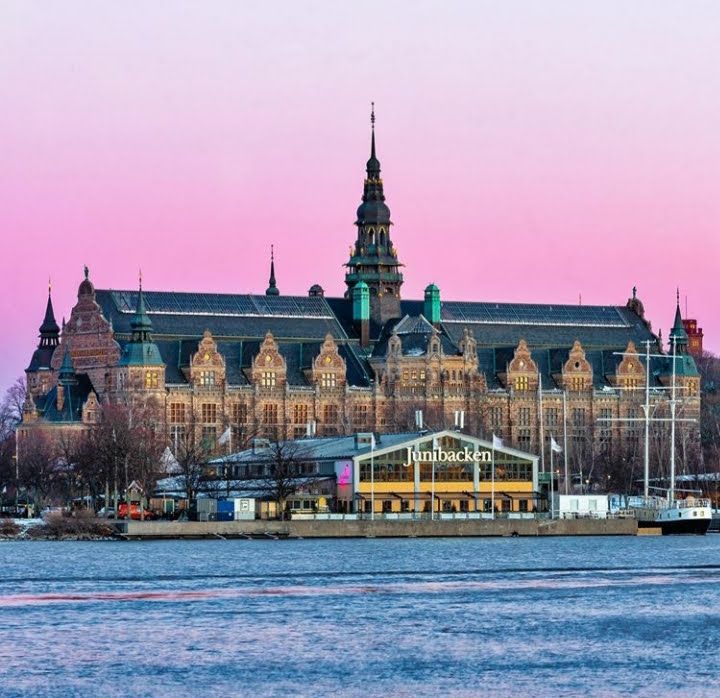
Nordiska museet houses Sweden's most comprehensive collection of cultural artifacts spanning five centuries, from Renaissance furniture to 1980s kitchen appliances. You'll walk through meticulously reconstructed period rooms showing how Swedish families lived across different eras and social classes, complete with original wallpaper, furniture, and personal belongings. The folk costume collection is genuinely spectacular, displaying regional variations in traditional dress that reveal Sweden's diverse cultural regions. The museum also covers Sami culture, traditional crafts, and Swedish holiday traditions with an impressive Christmas exhibition that runs year round. The building itself is a Neo Renaissance palace that feels appropriately grand for the cultural treasures inside. You'll start on the ground floor with temporary exhibitions, then work your way up through chronologically arranged periods. The domestic interiors section on the second floor is where most people spend their time, moving between fully furnished rooms that span from noble manor houses to working class apartments. The atmosphere is quiet and contemplative, with excellent lighting that makes you feel like you're peering into real homes frozen in time. Admission costs 140 SEK for adults, which is reasonable given the quality and scope. Most visitors rush through trying to see everything, but you're better off focusing on two or three sections that interest you most. The temporary exhibitions are often more engaging than the permanent collection, so check what's running before you visit. Skip the top floor unless you're specifically interested in textiles, as it can feel repetitive after seeing the room displays below.
Moderna Museet
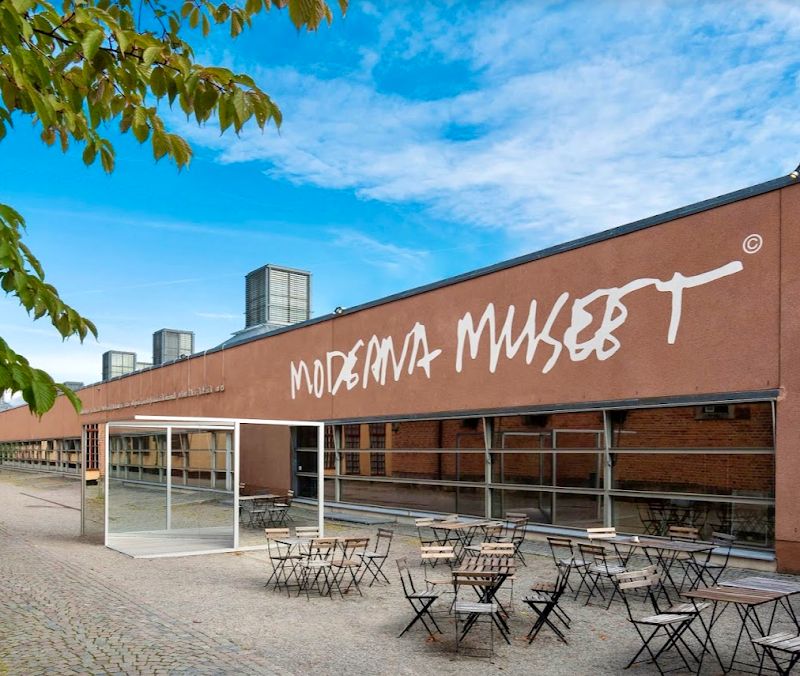
Moderna Museet houses Sweden's premier modern art collection in a striking Rafael Moneo building on Skeppsholmen island. You'll find the world's second largest Picasso collection after Paris, plus major works by Dalí, Matisse, and Warhol alongside Swedish modernists like Hilma af Klint. The permanent collection spans 1900 to today, with rotating exhibitions that often feature contemporary Scandinavian artists. Entry to permanent collections is free, making this one of Europe's best modern art bargains. The museum flows chronologically across two floors, starting with early 20th century pieces and moving toward contemporary installations. Floor to ceiling windows frame Stockholm's harbor throughout your visit, creating an unexpectedly serene backdrop for intense abstract works. The Picasso rooms feel intimate rather than overwhelming, while the Swedish collection reveals artists you've likely never encountered but should have. Contemporary installations often spill into unexpected spaces, including outdoor sculptures on the museum's waterfront terrace. Most visitors rush through to hit the famous names, but the Swedish rooms on the upper floor contain the real discoveries. Skip the overcrowded Picasso galleries on weekend afternoons when tour groups cluster around the same five paintings. Special exhibitions cost 120 SEK but are often worth it, particularly the Nordic contemporary shows that rarely travel elsewhere. The building itself photographs beautifully from the water, but the interior spaces work better for actual art viewing than Instagram shots.
Djurgården
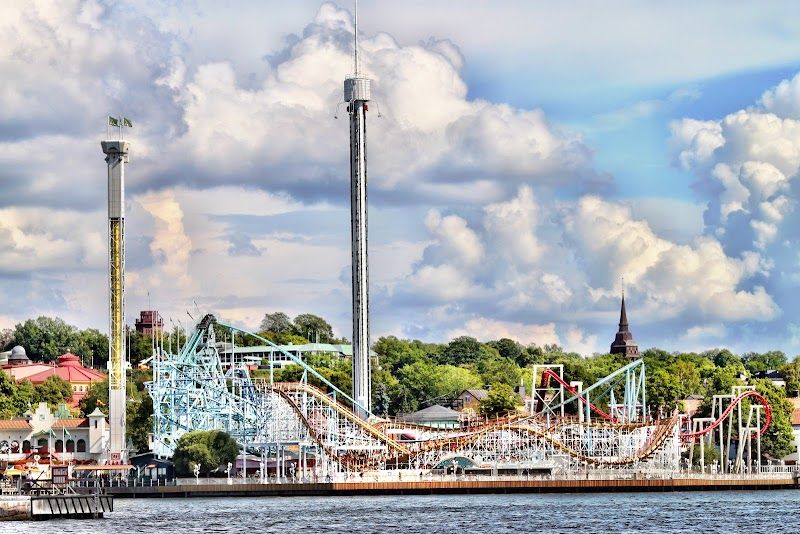
Djurgården is Stockholm's green lung, a massive island that combines world-class museums with genuine wilderness just minutes from the city center. You'll find the famous Vasa Museum and Skansen open-air museum clustered near the bridge, but the real magic lies in the island's 700 acres of ancient oak forests, meadows dotted with wildflowers, and quiet waterfront paths. The entire island bans cars except for essential services, making it feel like a nature reserve that happens to contain some of Sweden's best cultural attractions. Walking or cycling here feels surprisingly wild for being so central. The museum district buzzes with tour groups and families, but venture five minutes into the forest trails and you'll hear nothing but birdsong and waves lapping against the rocky shoreline. The contrast is striking: you can examine a 17th-century warship at Vasa, then twenty minutes later be picking blueberries in a grove where deer occasionally wander through. Even on summer weekends, the eastern half of the island stays remarkably peaceful. Most visitors never leave the museum strip, which is a genuine mistake. Skip the overpriced Gröna Lund amusement park (rides cost 50-80 SEK each) and head straight for the walking trails if you want the authentic Djurgården experience. The Rosendals Trädgård cafe serves excellent organic food, but at tourist prices around 180 SEK for lunch. Bring a picnic instead and claim one of the waterside spots near Blockhusudden for half the cost and twice the atmosphere.
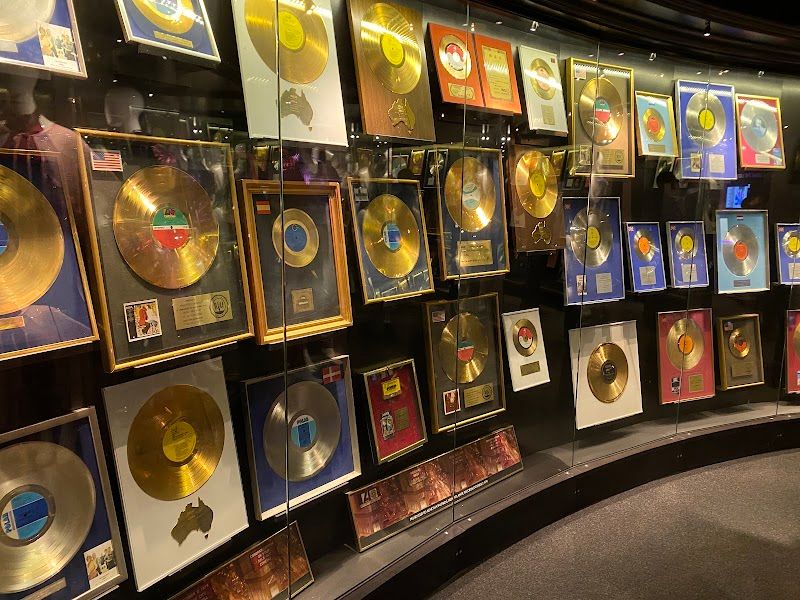
ABBA The Museum
ABBA The Museum is a permanent exhibition on Djurgarden dedicated to the band's history, music, and cultural impact. It includes original costumes, instruments, gold records, staging from their Eurovision win in 1974, and interactive elements (you can sing on stage with holograms of the band members). SEK 250 entry. Open daily. The exhibition is professionally put together regardless of your relationship to the music - the documentation of how four Swedes became the best-selling music act in history by the mid-1970s is genuinely interesting. Allow 1.5-2 hours.
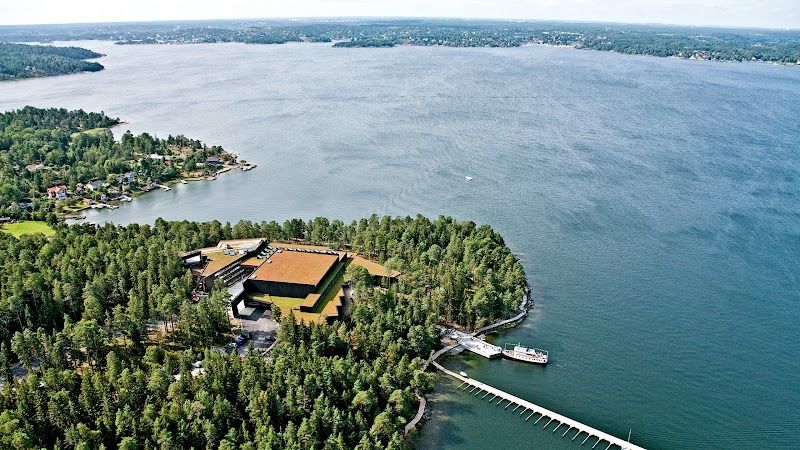
Artipelag
Artipelag sits on a rocky peninsula in Stockholm's archipelago, housing rotating contemporary art exhibitions in a building that's as impressive as the artworks inside. The museum showcases both Swedish and international artists, with shows changing every few months, so you'll see everything from large-scale installations to intimate photography collections. The real draw is how the glass, wood, and stone architecture melts into the landscape, creating viewing spaces that frame both art and nature simultaneously. Your visit flows naturally from the moment you step off the bus into this forested setting. Inside, the galleries feel more like connected pavilions than traditional white-box rooms, with floor-to-ceiling windows offering glimpses of Baltic waters between artworks. The building itself becomes part of the experience, especially the main hall where massive windows create dramatic natural lighting that changes throughout the day. You'll find yourself pausing as much for the views as for the art. Most guides don't mention that admission runs 180 SEK for adults, which is steep for what's often just 3-4 exhibition rooms. The restaurant is overpriced at 280-350 SEK for mains, but the outdoor terrace justifies lingering with coffee (55 SEK) instead. Skip the gift shop unless you're after expensive design books. The real value here is the complete experience, not just the art, so don't rush through in an hour.
Where to Eat
Restaurants and cafes in Djurgarden
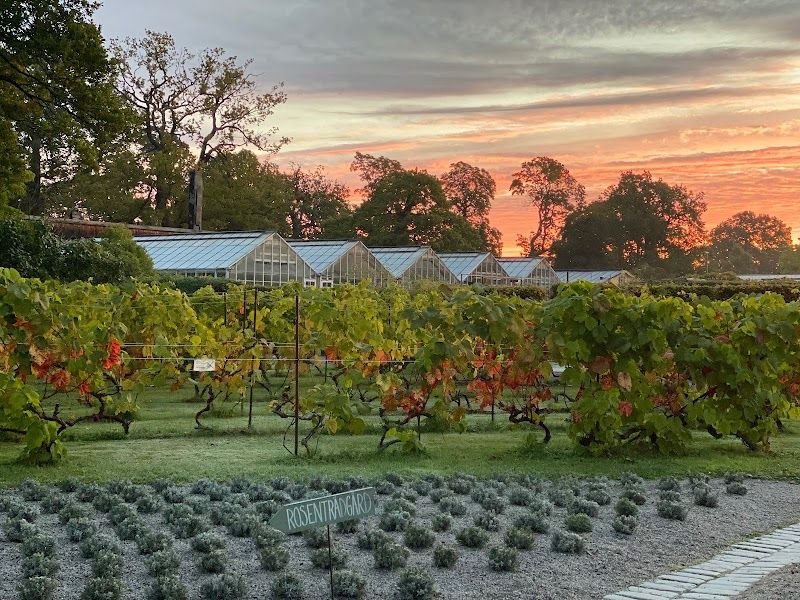
Rosendals Trädgård
RestaurantBiodynamic garden café on Djurgården island serving lunch and fika made from produce grown in the surrounding gardens and greenhouses. Everything is vegetarian, from the daily quiche to the open-faced sandwiches, with ingredients picked that morning. The apple cake served with vanilla cream is legendary among Stockholm locals who bike here on weekends.
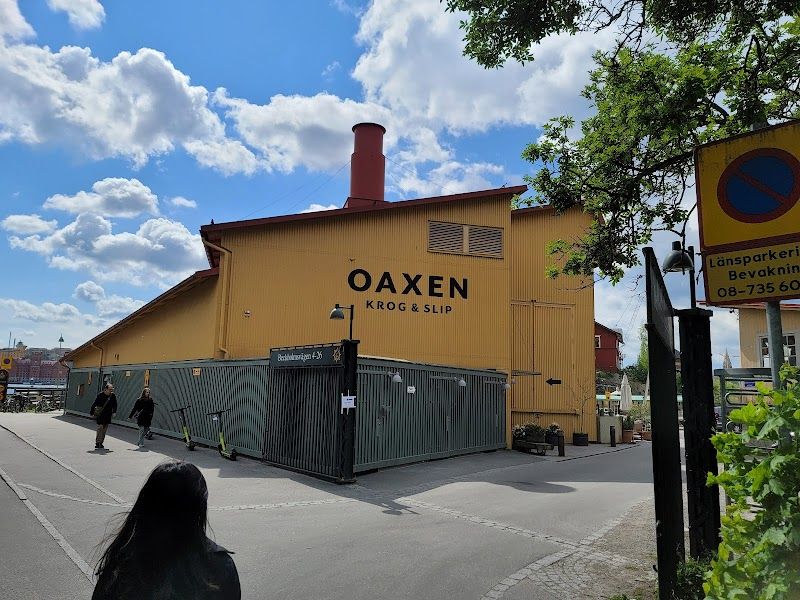
Oaxen Slip
RestaurantWaterfront bistro on Djurgården island serving Nordic cuisine in a converted boat-building warehouse with harbor views. The menu focuses on sustainable seafood and vegetables from the restaurant's own farm, with dishes like vendace roe on crispy potatoes and fermented kohlrabi. This is the casual sister to Michelin-starred Oaxen Krog next door, sharing the same ingredient philosophy.
Getting Here
On Foot
The main museums are within 1 km of the ferry landing. Skansen is a 15-minute walk from the Vasa Museum.
Insider Tips
Vasa Museum: arrive at 10 AM on a weekday
The museum opens at 10 AM (some seasonal variation). Weekday morning visits give you the ship with no tour group congestion - by 11 AM on weekends the viewing galleries fill with groups. The ship occupies a single hall and you spiral around it on galleries at different heights: plan to spend 20-30 minutes at each level. The free guided tours run every 30 minutes in summer and add context to specific parts of the ship. The bookshop has the best historical catalogue of the recovery project.
Ferry to Djurgarden, not the bus
The Djurgardsfärjan ferry from Slussen (Gamla Stan side) or Strandvagen (Ostermalm side) takes 10 minutes and gives you the water approach to the island that the bus route misses. Ferries run every 20 minutes from 10 AM to 6 PM. The ferry is included in the SL transit pass. Arriving by water, with the Nordiska Museet visible on the right and the trees of Djurgarden ahead, is the correct introduction to the island.
Nearby Neighborhoods
Continue exploring
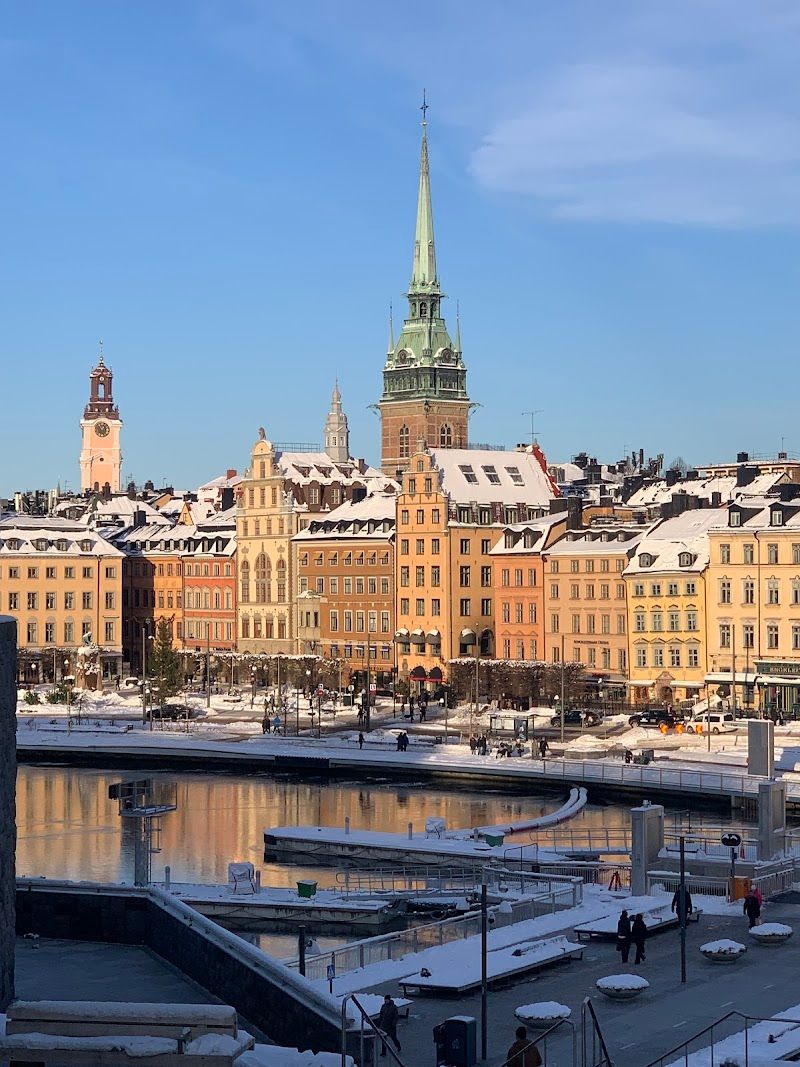
Gamla Stan
The medieval island where Stockholm was founded: cobblestone lanes, the Royal Palace, the Nobel Museum on Stortorget, and the narrowest alley in the city at 90 centimetres.
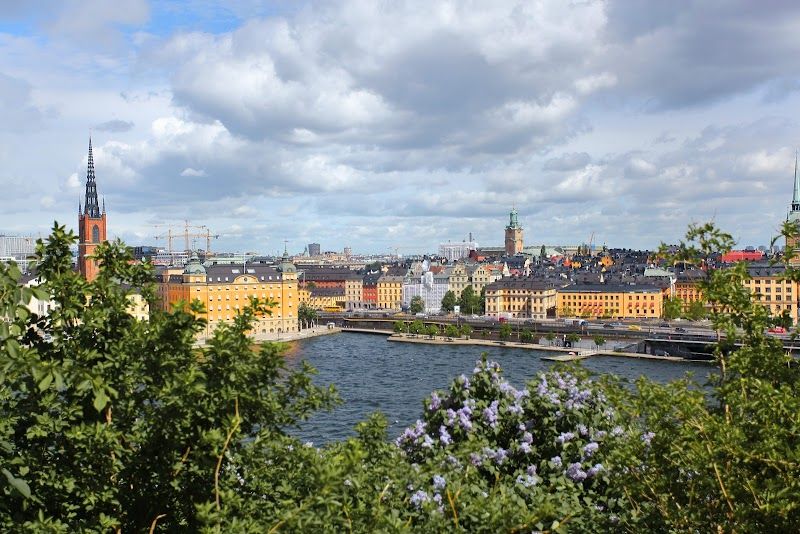
Sodermalm
Stockholm's creative hub on the southern island: vintage shops and record stores in SoFo, the benchmark meatballs at Pelikan, and the best free panoramic view of the old town from the clifftop walk.
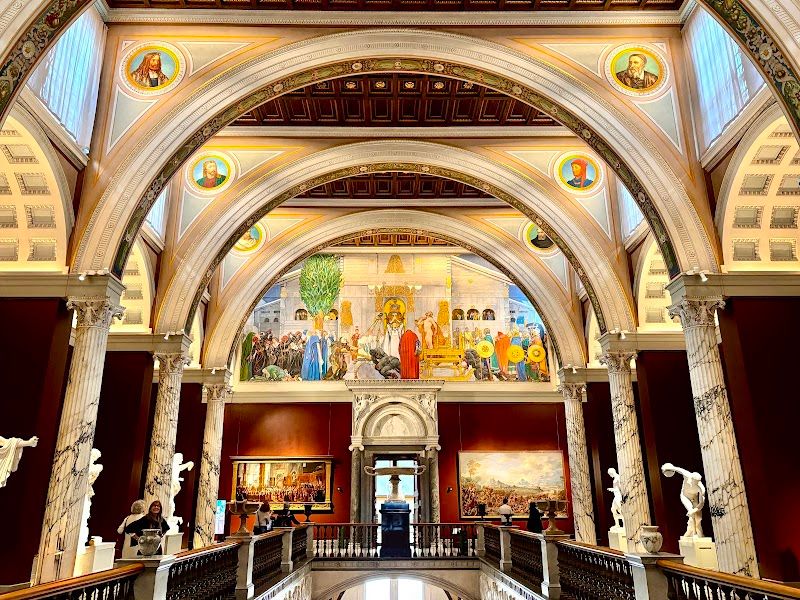
Norrmalm & City Centre
The modern centre: the City Hall where Nobel Prize dinners happen, the free Nationalmuseum, the central park with cherry blossoms in April, and the shopping streets that lead to everything.
Plan a trip featuring Djurgarden
Get a personalized Stockholm itinerary with Djurgarden built in.
Start Planning