Stockholm
Sodermalm
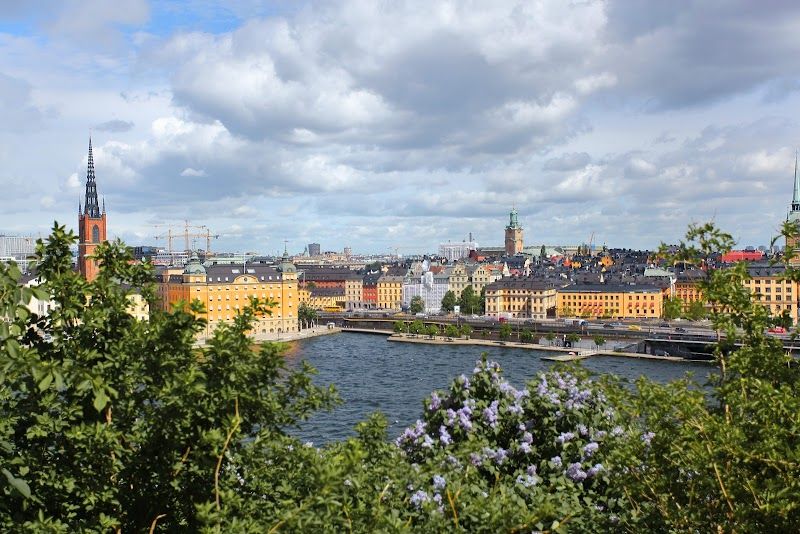
Stockholm's creative hub on the southern island: vintage shops and record stores in SoFo, the benchmark meatballs at Pelikan, and the best free panoramic view of the old town from the clifftop walk.
About Sodermalm
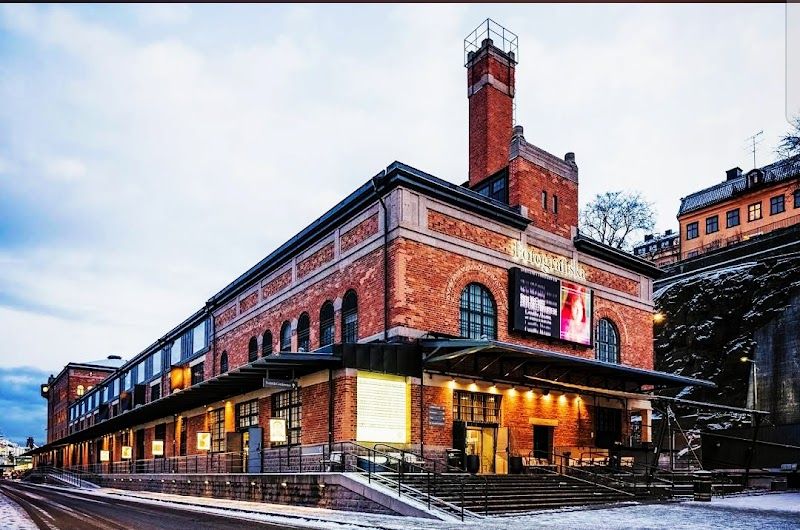
Sodermalm (Sodermalm, abbreviated to Soeder by locals) is the large island south of Gamla Stan that has been Stockholm's creative district since the 1990s. SoFo (South of Folkungagatan) is the concentrated area of vintage clothing shops, independent record stores, ceramics studios, and cafes that runs roughly between Gotgatan and Ringvagen. The clifftop walk Monteliusvagen runs along the northern edge of the island above the water: 500 metres of free panoramic view taking in Gamla Stan, the City Hall, Lake Malaren, and the western archipelago. Pelikan on Blekingegatan is the traditional Swedish restaurant where the benchmark husmanskost (Swedish home cooking) is served: the meatballs with lingonberry, cream sauce, and pickled cucumber (SEK 195) are what this dish is supposed to taste like. Fotografiska at the eastern end of the island is housed in a 1906 Art Nouveau customs building and is one of the top photography exhibition spaces in the world.
Things to Do
Top experiences in Sodermalm
Monteliusvägen
Monteliusvägen is a 500-meter pedestrian walkway that hugs the cliff edge of Södermalm, delivering Stockholm's best free panoramic view. You'll see Gamla Stan's medieval spires, the imposing City Hall with its distinctive tower, and Lake Mälaren stretching toward the horizon. The elevated position puts you about 30 meters above the water, creating that perfect postcard perspective that makes Stockholm look like a fairy tale city. This isn't just a quick photo stop: benches line the entire route, positioned specifically for optimal viewing angles. The walk itself feels surprisingly peaceful despite being completely free and wildly popular. You'll start at either end (most people begin near Mariaberget) and stroll along the narrow paved path with the city spreading out below. The atmosphere shifts throughout the day: morning brings joggers and dog walkers, afternoon draws tourists with cameras, and evening transforms it into an open-air theater for sunset watching. The path stays busy but never feels cramped since it's one-way traffic along the cliff edge. Here's what most guides won't mention: the view is identical from every bench, so don't stress about finding the "perfect" spot. Summer evenings turn into a circus of tripods and sunset chasers, which can kill the serene vibe entirely. If you're here for photography, the light is actually better 45 minutes before sunset when it's warmer and less harsh. Skip the crowded summer weekends and come on a crisp winter morning instead when the low light makes the red buildings of Gamla Stan absolutely glow.
Drottningholm Palace
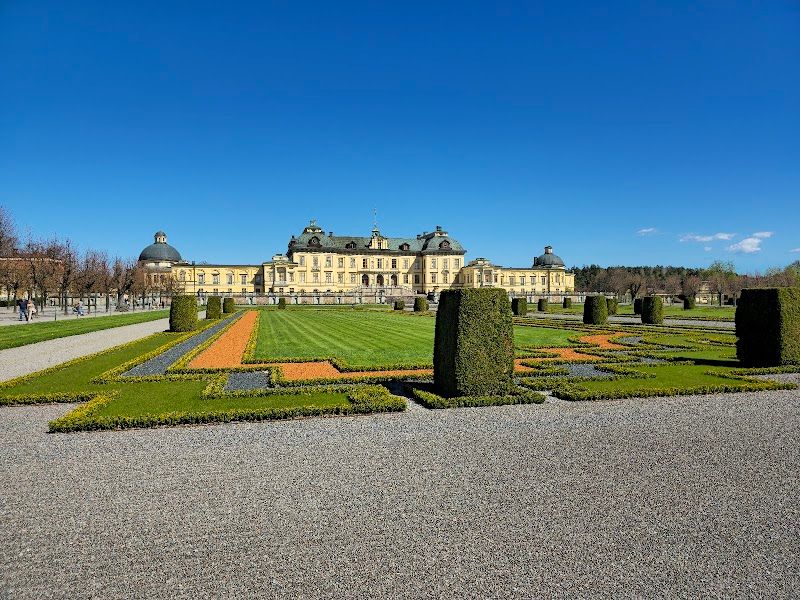
Drottningholm Palace serves as the actual home of Sweden's royal family, making it feel refreshingly lived-in compared to other European palaces turned museums. You'll tour about 30 rooms spanning 300 years of royal taste, from the baroque State Apartments where King Carl XVI Gustaf still receives guests, to Queen Hedvig Eleonora's ornate bedroom with its original 1600s ceiling frescoes. The Chinese Pavilion, a rococo fantasy built as a birthday surprise in 1753, houses the most impressive collection of 18th-century chinoiserie outside Asia. The palace visit flows chronologically through Swedish royal history, starting in the grand Ehrenstrahl Gallery where massive battle paintings dwarf visitors. Each room tells a story: you'll see bullet holes in mirrors from a 1792 assassination plot, and the library where Gustav III wrote his plays before his own dramatic murder. The formal gardens stretch endlessly toward Lake Mälaren, with geometric hedges that look pristine even in winter. Inside, the silence feels profound, broken only by your footsteps on original parquet floors. Most guides won't tell you the State Apartments close randomly for royal functions, so check the website morning-of. Skip the overpriced palace café (SEK 180 for mediocre lunch) and bring snacks for the gardens instead. The Court Theatre costs extra (SEK 120) but it's genuinely spectacular, with 18th-century stage machinery that still creates thunder and lightning effects. Allow four hours total if you're doing everything, or just two for the palace and Chinese Pavilion.
Fotografiska (Museum of Photography)
Fotografiska is a private photography museum in a converted 1906 customs house in Södermalm with four floors of rotating exhibitions. It does not have a permanent collection but runs 3-4 major exhibitions simultaneously across 2,500 square metres of gallery space, focusing on contemporary documentary and artistic photography. SEK 195 entry. Open until midnight Friday and Saturday. The rooftop restaurant has views over Saltsjön and is used as a bar and terrace in the evenings. The bookshop specialises in photography books.
Tantolunden
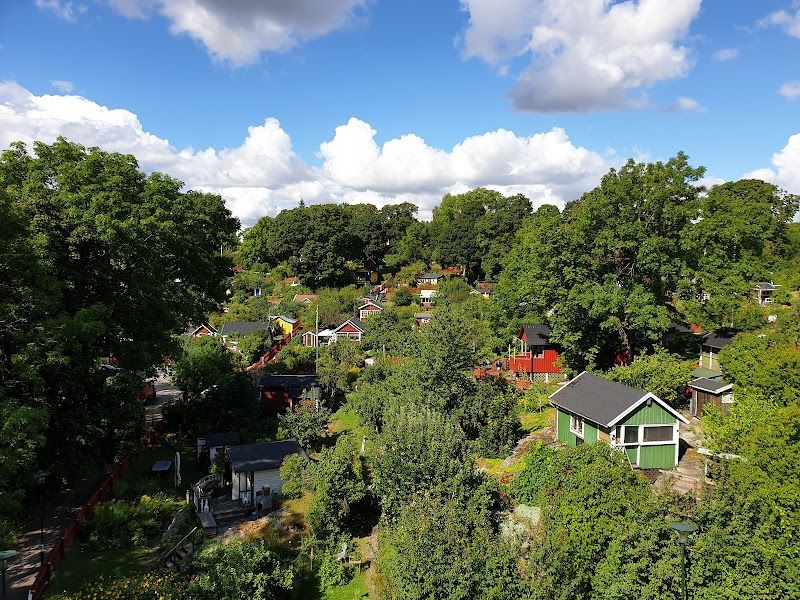
Tantolunden sprawls across 35 hectares of southwestern Södermalm, combining Sweden's most charming allotment gardens with open parkland and Stockholm's most authentic local swimming spot. You'll walk past 200+ tiny cottages painted in reds, yellows, and blues where Stockholmers have grown vegetables and flowers since the 1920s. The park rolls down gentle hills to Tantobaden, a wooden pier complex where locals swim, sunbathe, and play pétanque on summer evenings. The experience feels like discovering Stockholm's secret backyard community. Narrow gravel paths wind between cottage gardens overflowing with roses, tomatoes, and Swedish flags, while families picnic on the grassy slopes overlooking Årstaviken bay. At Tantobaden, you'll find Swedes of all ages jumping from wooden platforms into surprisingly clean city water, while others play boules on dedicated courts or grill on designated barbecue areas. The whole scene pulses with genuine local life, not tourist performance. Most guides treat this as a quick photo stop, but you need 2+ hours to appreciate both the gardens and waterfront properly. Skip the crowded afternoon swimming rush (2-5pm) when finding dock space becomes impossible. The allotment gardens look best in June and July when flowers peak, but the swimming season runs May through September. Bring cash for the small kiosk, and don't expect fancy facilities, this is Stockholm's most unpretentious park experience.
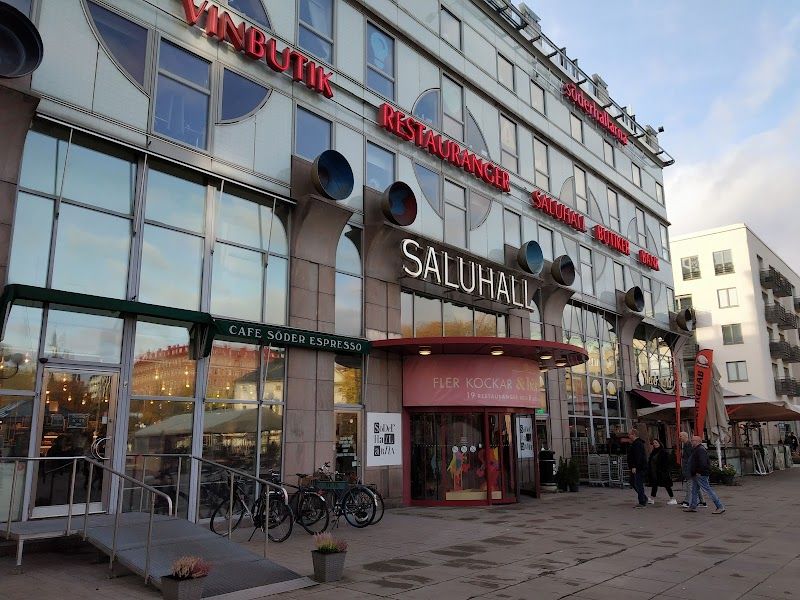
Söderhallarna
Söderhallarna is Stockholm's newest food hall, a sleek glass building that opened in 2018 on busy Medborgarplatsen. Inside you'll find about a dozen vendors selling everything from sourdough bread (60-80 SEK per loaf) to aged cheeses, plus a wine shop and several lunch counters. The real draw is the Saturday morning organic market outside, where local farmers sell vegetables, herbs, and preserves you won't find in regular grocery stores. The indoor hall feels airy and modern, with high ceilings and communal seating that gets packed during lunch hours. Vendors are chatty and knowledgeable, especially the cheese counter staff who'll let you taste before buying. Saturday mornings transform the space completely when outdoor stalls set up around the building's perimeter. The atmosphere becomes more lively and local, with families doing their weekly shopping and producers eager to talk about their farming methods. Honestly, the indoor hall is fine but not extraordinary compared to other European food markets. Prices run high for what you get, with lunch plates averaging 120-180 SEK. The Saturday farmers market is the real reason to visit, though it's weather dependent and some stalls close early if they sell out. Skip the overpriced coffee inside and grab a cup from the cart outside for 35 SEK instead.
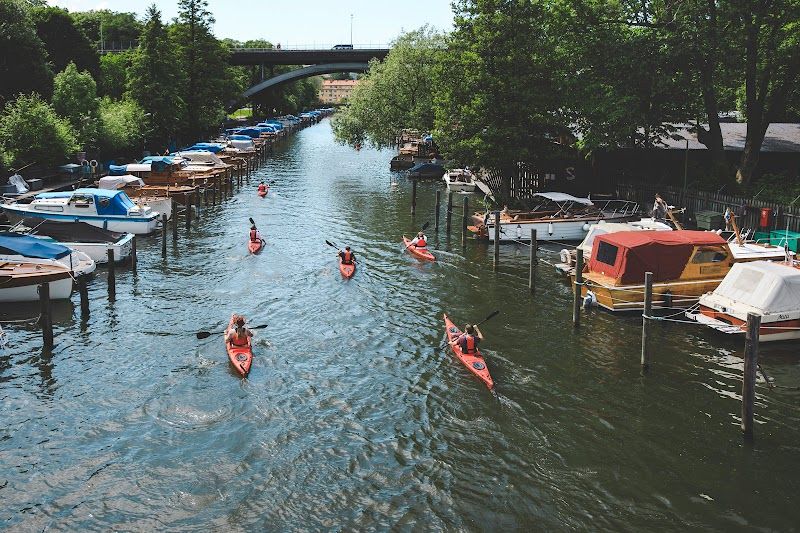
Bryggeriet Kajak
Operating from May through September, this company offers midnight sun kayaking tours departing from Djurgarden. Paddle through calm waters around the islands during the magical late evening light when Stockholm's summer nights never fully darken.

Green Trails
This bike tour company offers guided cycling routes across Stockholm's islands, including Djurgarden's nature trails and waterfront paths. Tours include bike rental, helmet, and a Swedish fika stop at a local cafe.
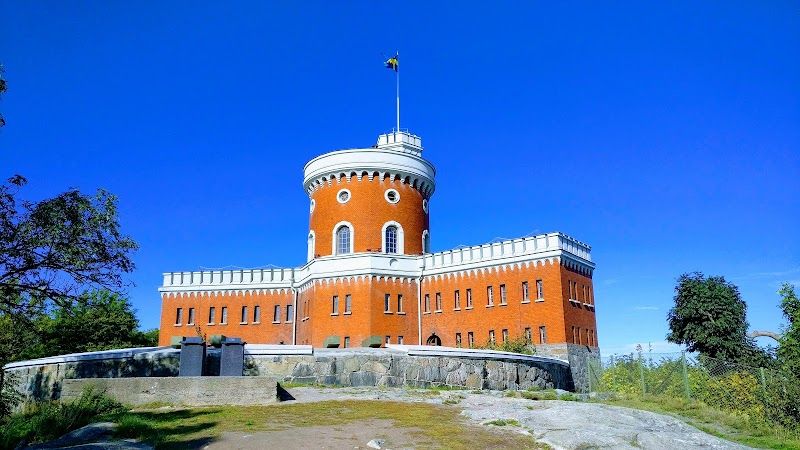
Kastellholmen
A tiny island between Skeppsholmen and Djurgården, crowned by a small red fortress that fires a ceremonial cannon at noon on Swedish flag days. The tree-lined paths around the island offer excellent views of the harbor entrance, Djurgården, and passing ferries. Quiet and uncommercial, it feels like a secret despite being steps from major attractions.
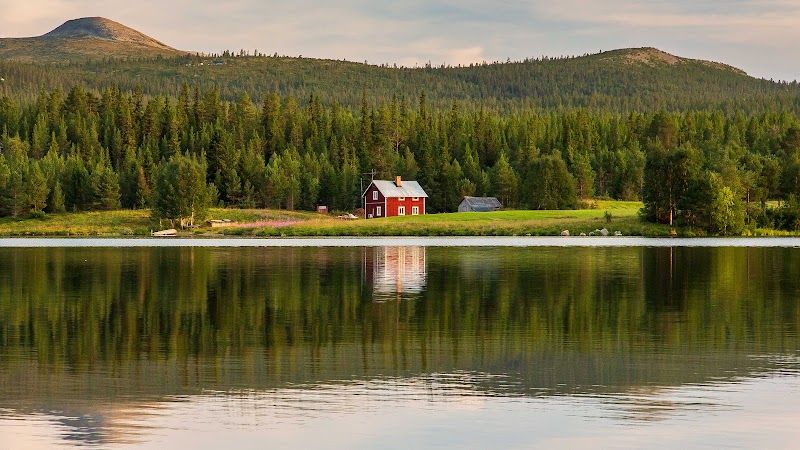
Stockholm Photo Tours
These specialized photography tours focus on capturing Stockholm's archipelago islands, leading small groups to lesser-known viewpoints and fishing villages. Tours include boat transport and instruction on landscape and maritime photography techniques.
Where to Eat
Restaurants and cafes in Sodermalm
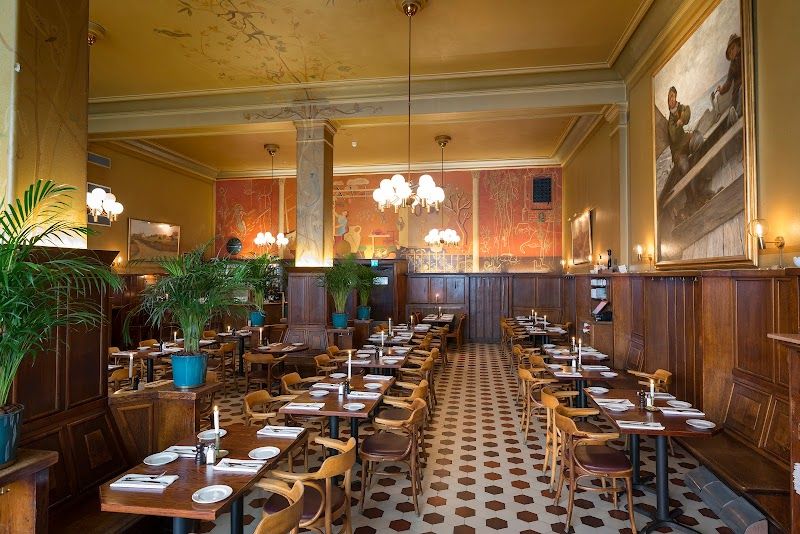
Pelikan
RestaurantClassic beer hall serving traditional Swedish husmanskost since 1733 in a grand, high-ceilinged space with original tilework. The köttbullar with lingonberries and cream sauce is the definitive version, and Thursday's ärtsoppa (yellow pea soup) with punsch follows authentic Swedish tradition. This is where locals bring visitors who want to understand Swedish food culture without pretense.
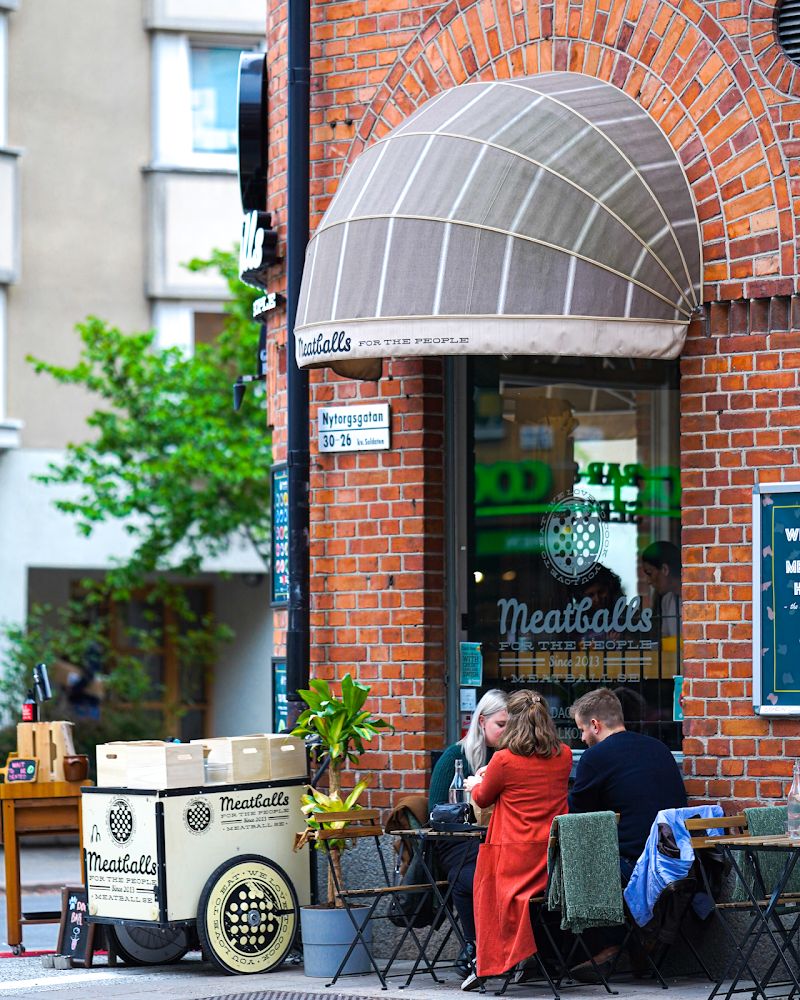
Meatballs for the People
RestaurantA modern köttbullar specialist in Södermalm serving eight different varieties of Swedish meatballs with proper lingonberries and pickled cucumber. The moose meatballs are gamey and delicious, while the classic pork-beef blend is perfection with brown cream sauce. Despite the novelty name, this is a serious restaurant treating Sweden's national dish with deserved respect.
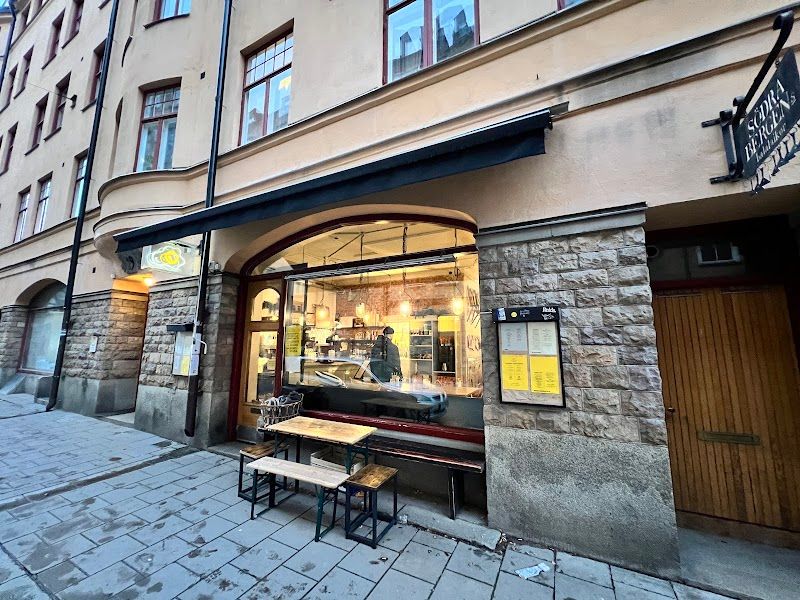
Greasy Spoon
RestaurantA Södermalm restaurant serving elevated versions of British and American comfort food in a retro diner setting with Swedish ingredients. The fish and chips uses Arctic cod with a beer batter that's impossibly crispy, while the burger features Swedish beef and house-made pickles. Despite the casual vibe, the execution is meticulous and the cocktails are excellent.
Getting Here
Getting There
Slussen station (Red/Green Lines) at the northern edge. Medborgarplatsen station (Green Line) in the centre of the island. Mariatorget station (Red Line) at the western end.
On Foot
The island is large but flat. Most of SoFo is walkable from Slussen in 15-20 minutes.
Insider Tips
Monteliusvagen for the free best view in Stockholm
The Monteliusvagen walkway runs along the cliff edge on the north side of Sodermalm, 500 metres from Mariatorget park to Mariaberget. The view takes in the entire Gamla Stan skyline, the City Hall tower, and the western water. It is free, accessible at any time, and most dramatic in evening light when the Gamla Stan buildings catch the low sun. The path starts near Mariatorget metro station.
Pelikan for meatballs, not a tourist restaurant for meatballs
Pelikan (Blekingegatan 40) is a Swedish working-class restaurant that opened in 1904 and has maintained its husmanskost menu without compromise. The meatballs (SEK 195) come with the correct accompaniments: cream sauce, lingonberry, pickled cucumber. The dining room is a large painted hall with wooden booths and high ceilings. Book 2-3 days ahead for dinner. The lunch menu is cheaper (SEK 120-160 for the same dishes) and walk-in is easier.
Nearby Neighborhoods
Continue exploring
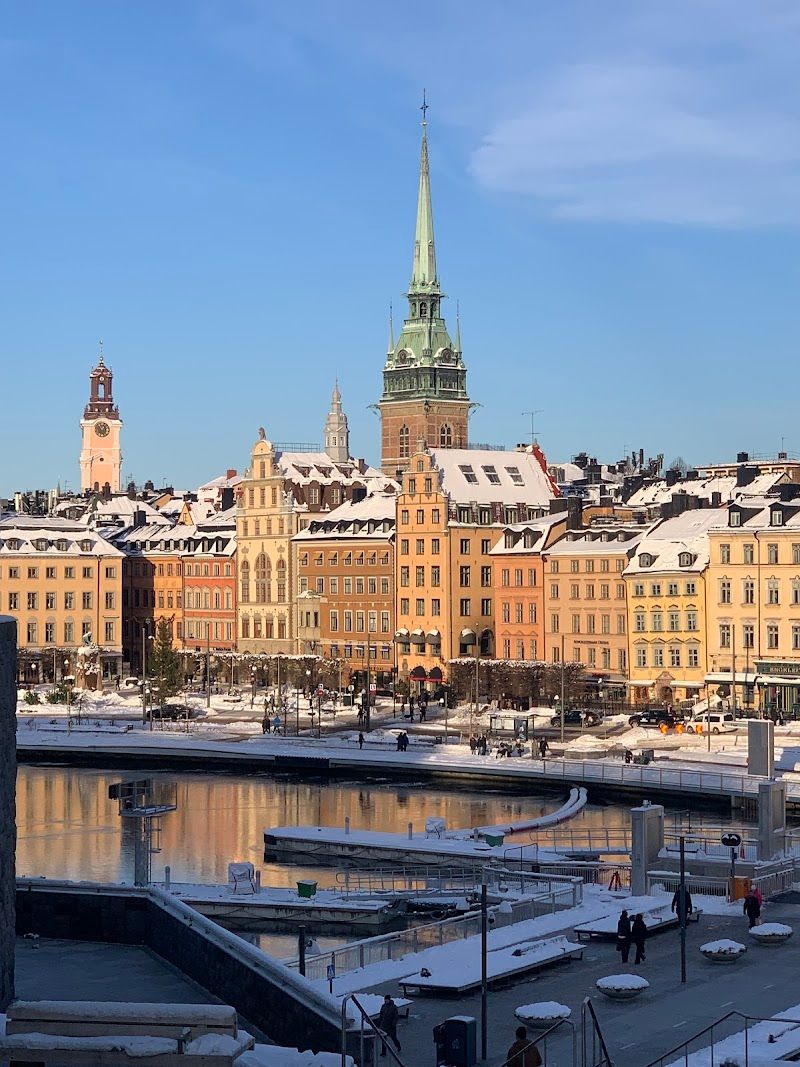
Gamla Stan
The medieval island where Stockholm was founded: cobblestone lanes, the Royal Palace, the Nobel Museum on Stortorget, and the narrowest alley in the city at 90 centimetres.

Djurgarden
The museum island: a 17th-century warship, ABBA in interactive form, Sweden's cultural history, and one of the world's best photography museums, all within a 20-minute walk of each other.
Norrmalm & City Centre
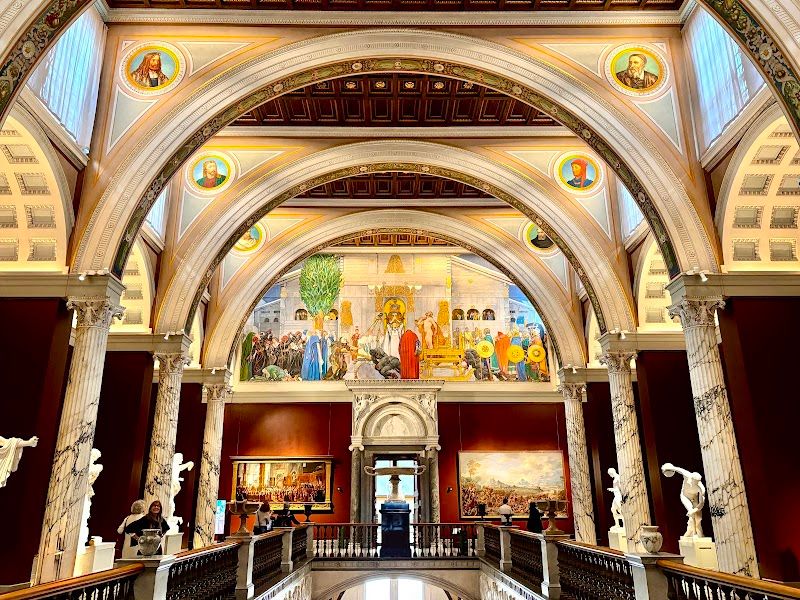
The modern centre: the City Hall where Nobel Prize dinners happen, the free Nationalmuseum, the central park with cherry blossoms in April, and the shopping streets that lead to everything.
Plan a trip featuring Sodermalm
Get a personalized Stockholm itinerary with Sodermalm built in.
Start Planning