Stockholm
Norrmalm & City Centre
The modern centre: the City Hall where Nobel Prize dinners happen, the free Nationalmuseum, the central park with cherry blossoms in April, and the shopping streets that lead to everything.
About Norrmalm & City Centre
Norrmalm is the commercial centre of Stockholm: Drottninggatan (the main pedestrian shopping street), Sergels Torg (the central plaza with its glass obelisk), and the main train station (T-Centralen) are all here. Stockholm City Hall (Stadshuset, SEK 130 guided tour) is at the western edge of the neighbourhood where the water meets the mainland: the Blue Hall (despite its name, it is red brick, not blue, because the original plan to paint it blue was abandoned) is where the Nobel Prize banquet is held every December, and the Golden Hall upstairs has 18 million gold mosaic tiles on the walls. The Nationalmuseum (free, reopened after renovation in 2018) is Sweden's national art museum: Rembrandt, Rubens, and the best collection of Swedish art and design. Kungstradgarden is the central park: cherry blossoms in April (the most photographed single event in Stockholm's calendar), an ice rink in winter.
Things to Do
Top experiences in Norrmalm & City Centre
Nationalmuseum
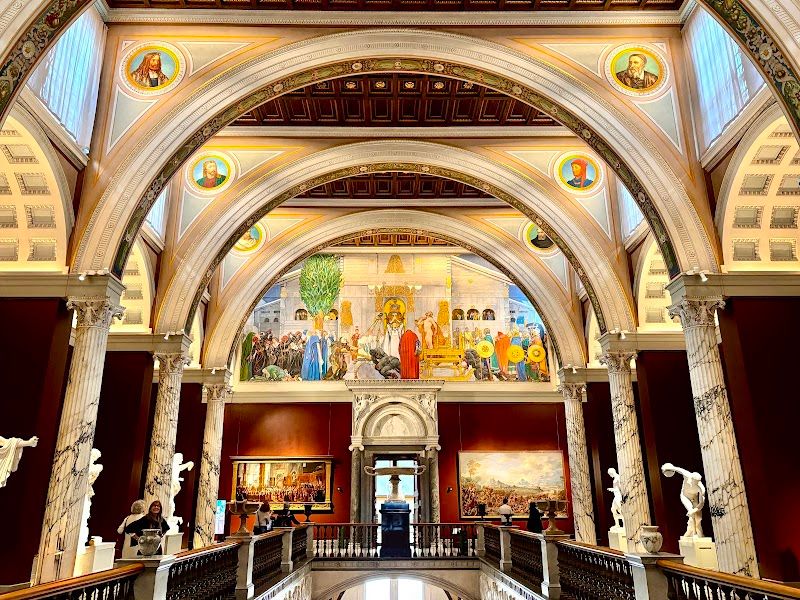
Sweden's premier art museum reopened in 2018 after a five-year renovation that transformed it into one of Europe's most elegant gallery spaces. You'll find the country's finest collection of European masters including Rembrandt's dramatic portraits, Goya's haunting works, and French Impressionist pieces by Renoir and Cézanne. The Swedish art collection spans medieval altarpieces to 19th-century romantic landscapes, plus an exceptional decorative arts section showcasing everything from Viking silver to Gustavian furniture. The experience flows beautifully across three floors in this neoclassical palace overlooking Stockholm's harbor. Natural light floods the renovated galleries through restored skylights, making colors pop in ways many older museums can't match. The ground floor design galleries feel intimate and residential, while the grand staircase leads to soaring painting halls that rival the Louvre's presentation. You'll spend most of your time on the second floor where the European masterworks hang in chronological rooms that tell art history's story coherently. Most visitors rush through in 90 minutes, but you need at least two hours to appreciate the quality here. The free admission since 2024 means no pressure to see everything in one visit. Skip the contemporary exhibitions unless you're specifically interested, they're often weaker than the permanent collection. The museum shop is overpriced at 200-400 SEK for books, but the café overlooking the water is reasonably priced at 45-65 SEK for coffee and pastries.
Hagaparken
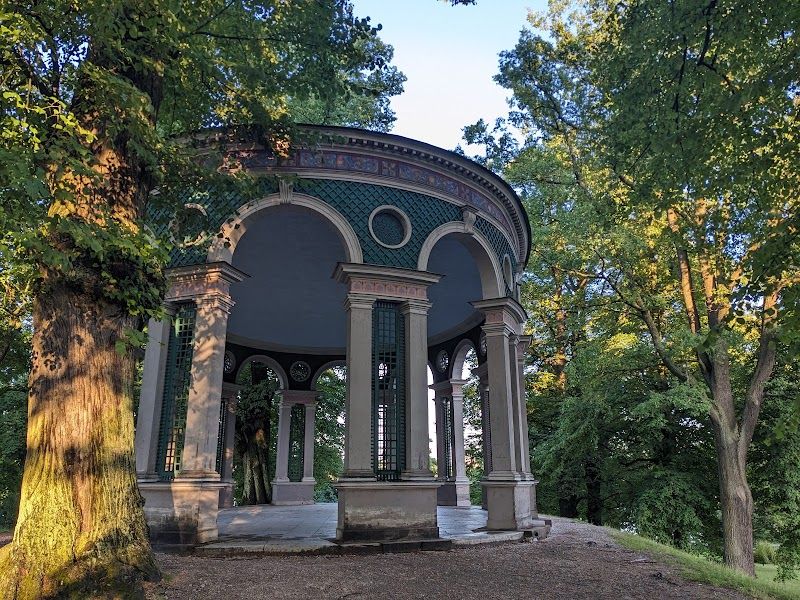
Hagaparken is Stockholm's most elegant escape, an 18th-century royal park that feels like stumbling into a Jane Austen novel. You'll find peacocks strutting across manicured lawns, neoclassical pavilions that look like miniature temples, and Gustav III's unfinished palace that tells the story of royal ambition cut short. The copper-roofed Echo Temple sits perfectly positioned over Brunnsviken lake, while the Butterfly House (Fjärilshuset) houses hundreds of tropical species in a climate-controlled greenhouse. The park flows naturally from formal gardens near the entrance to wilder sections along the waterfront. Families spread picnics on the central lawns while joggers follow winding gravel paths that connect each architectural surprise. The atmosphere shifts throughout the day: morning brings serious runners and dog walkers, afternoons see families with strollers, and evenings attract couples heading to the romantic temple overlooks. You'll hear peacock calls echoing across the grounds, and the butterfly house feels tropically humid after Stockholm's crisp air. Most guides oversell Gustav III's Palace, which is impressive from outside but charges 120 SEK for rooms that are mostly empty. The real magic is free: the temple views, peacock encounters, and those perfect picnic spots locals guard jealously. Skip the palace tour and spend that time exploring the waterfront paths instead. The Butterfly House costs 180 SEK but delivers genuine tropical magic, especially on gray Stockholm days.
Humlegården
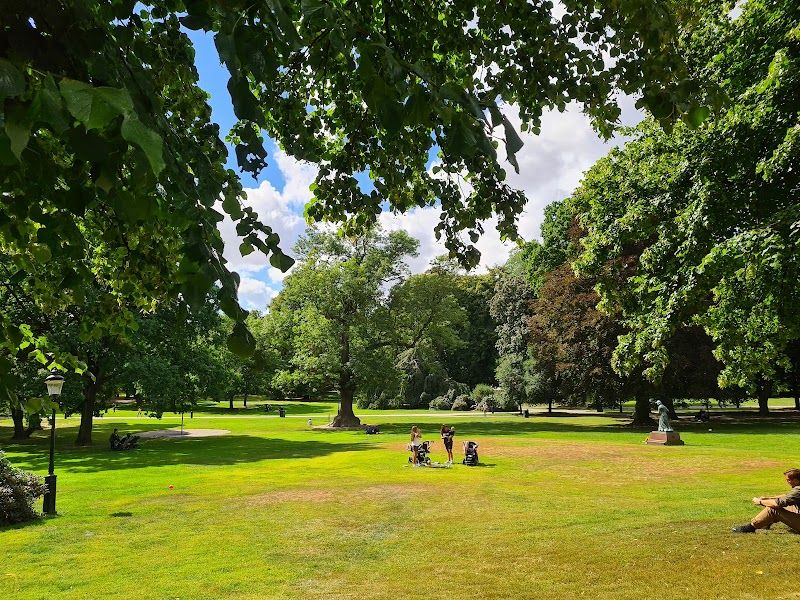
Humlegården is Stockholm's most democratic park, a sprawling green rectangle where office workers, families, and tourists all claim their patch of grass with equal authority. You'll find Carl von Linné's statue presiding over the main lawn, the imposing Royal Library anchoring the northern edge, and a surprisingly good playground that keeps kids happy while parents decompress. The tree-lined paths create natural corridors between sunny clearings, and the mix of manicured and wild areas gives it more character than the tourist-heavy Gamla Stan parks. On sunny days, the park transforms into Stockholm's biggest outdoor living room. You'll see people sprawled on blankets by 11am, claiming spots like they're staking mining claims. The atmosphere shifts from quiet morning dog walks to afternoon picnic chaos, then mellows into evening frisbee games and casual drinks (discreetly consumed). Winter brings a completely different energy: snow muffles the city noise, cross-country skiers appear on the paths, and the bare trees create dramatic silhouettes against the short daylight. Most guides oversell this as a sightseeing destination when it's really about the Stockholm lifestyle experience. The Royal Library is worth a peek if you're into architecture, but don't expect guided tours or much tourist infrastructure. Skip the northern sections near the library unless you need quiet: the southern lawns are where the action happens. Bring your own food and drinks, as the nearest cafés are outside the park and overpriced even by Stockholm standards.
Hötorgshallen
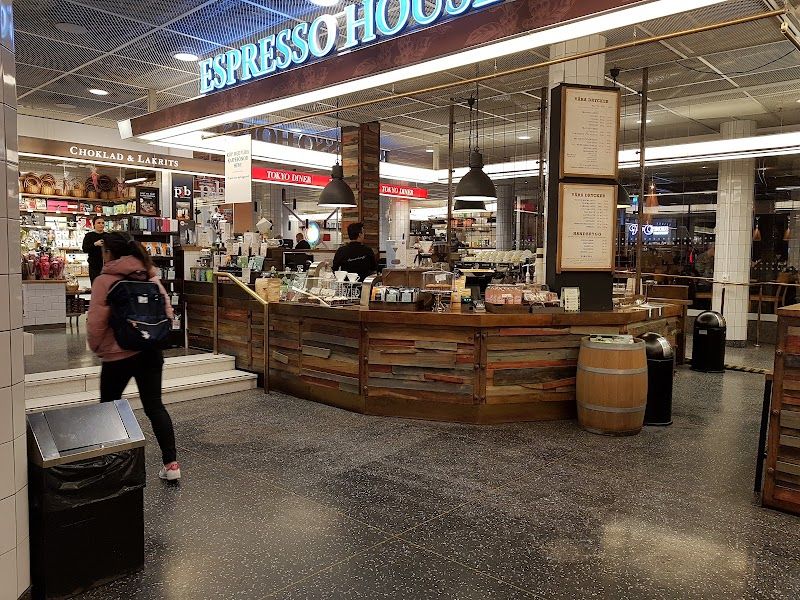
Hötorgshallen is Stockholm's best international food market, operating in a basement beneath Hötorget square since 1958. You'll find vendors selling everything from Turkish baklava to Korean kimchi, with particularly strong Middle Eastern and Mediterranean sections. The outdoor square above runs a daily fruit and vegetable market with prices that beat any supermarket in the city. This isn't tourist theater: locals pack both levels hunting for ingredients you won't find elsewhere in Stockholm. The basement feels like wandering through a Mediterranean bazaar, with narrow aisles between stalls selling olives, spices, and specialty cheeses. Vendors call out samples and prices, and the mix of languages creates a genuinely international atmosphere. Upstairs on the square, fruit sellers arrange colorful displays of seasonal produce, from cloudberries in summer to root vegetables in winter. The contrast between the cozy underground market and the open-air square above makes this feel like two experiences in one. Most food guides oversell this as some exotic adventure, but it's really just an excellent place to shop for ingredients at good prices. The basement gets cramped during lunch hours when office workers crowd the prepared food stalls. Skip the touristy souvenir vendors and focus on the actual food: a bag of mixed olives costs around 80-120 SEK, while upstairs you'll pay 30-40 SEK for strawberries that cost 60 SEK at ICA.
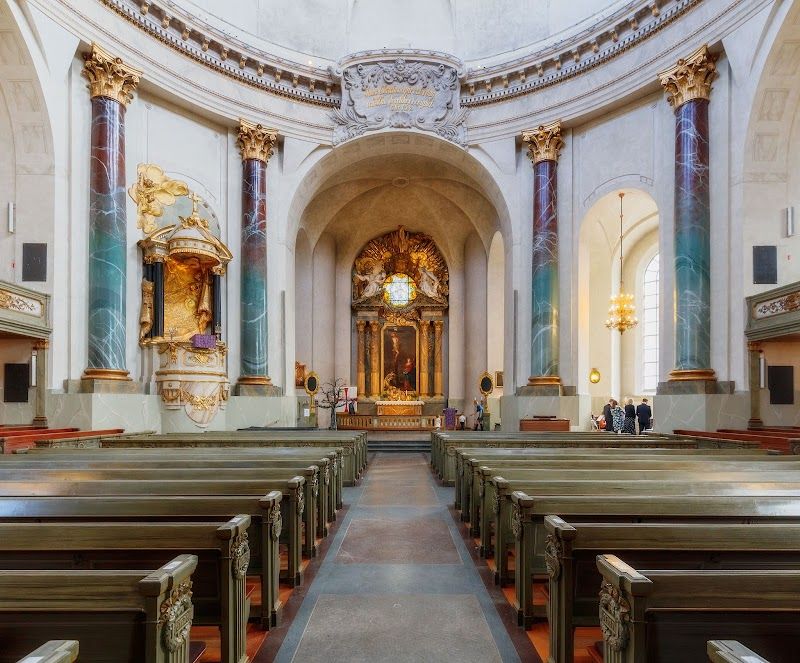
Hedvig Eleonora kyrka
Magnificent baroque church completed in 1737, featuring a stunning copper dome that dominates the Östermalm skyline. The interior boasts ornate decorations, a beautiful pipe organ, and exceptional acoustics that make it a popular venue for concerts. The church is named after Queen Hedvig Eleonora and represents one of Stockholm's finest examples of baroque architecture.
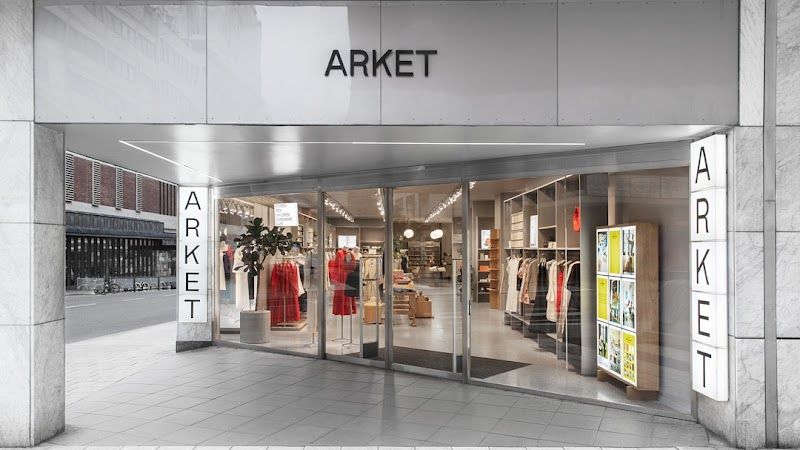
Arket
Modern Nordic lifestyle store by H&M Group offering minimalist clothing, homeware, and a popular café serving simple, seasonal dishes. The spacious store embodies Scandinavian design principles with clean lines and functional aesthetics. The ground-floor café is particularly popular for its healthy lunch options and Swedish fika.
Where to Eat
Restaurants and cafes in Norrmalm & City Centre
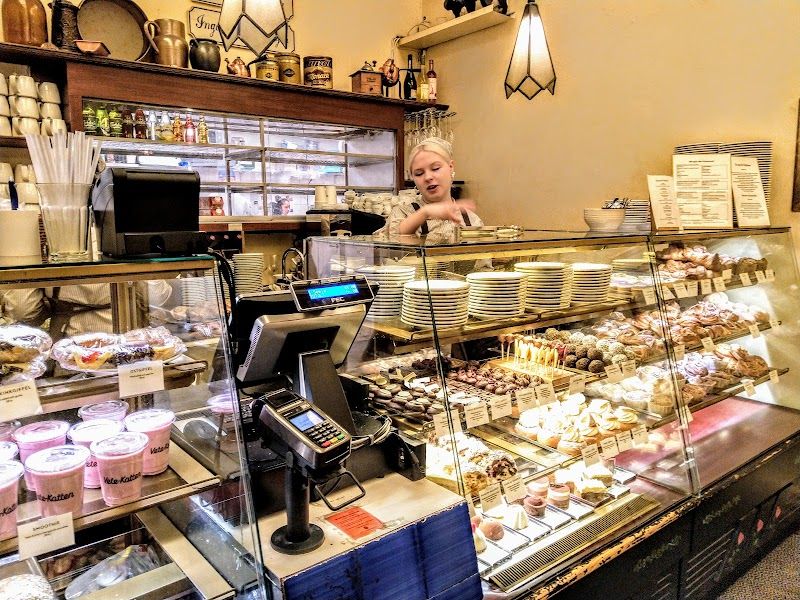
Vete-Katten
CafeStockholm's most beloved konditori since 1928, with multiple rooms of vintage decor and a dizzying selection of pastries baked on-site. The kanelbulle here set the standard for the city, with the perfect balance of cardamom-spiced dough and pearl sugar crunch. Expect queues on weekend mornings as this is where generations of Stockholm families have taken their fika.
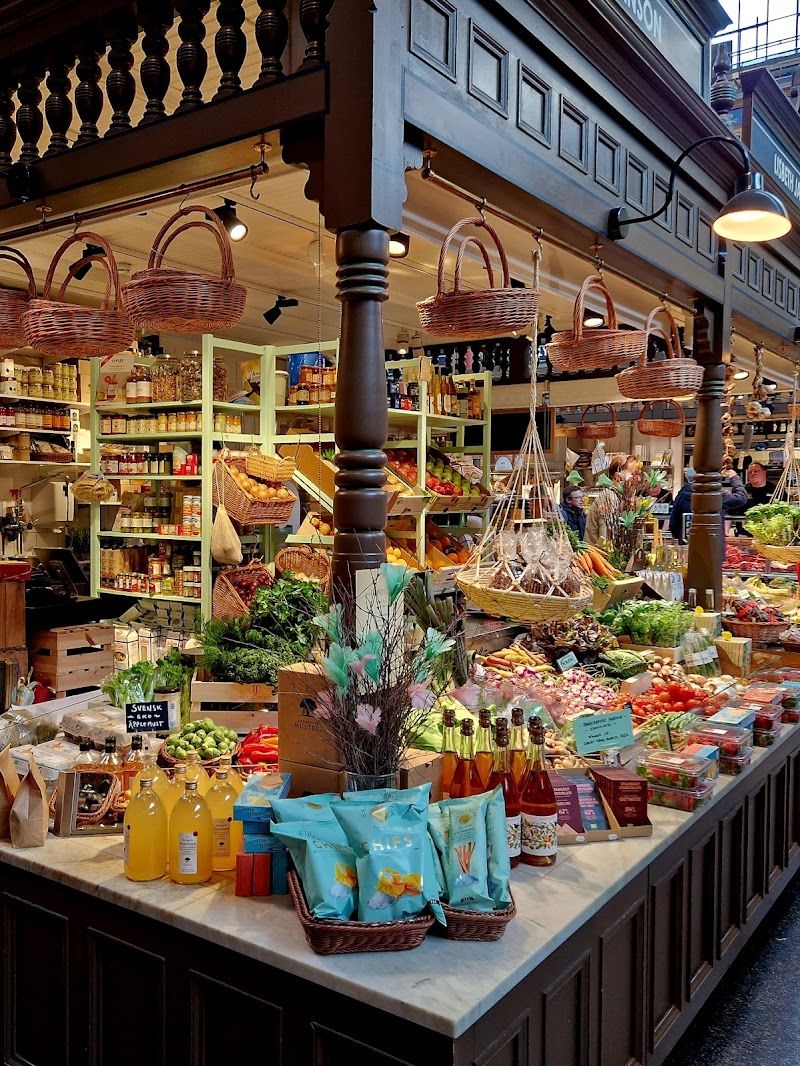
Östermalms Saluhall
RestaurantStockholm's grandest food hall from 1888, recently restored to its original ornate glory with brick and ironwork. The permanent vendors include Lisa Elmqvist for seafood (toast Skagen is essential), Tysta Mari for game meats, and multiple cheese counters with Swedish artisanal producers. This is where Östermalm residents shop daily and where chefs source ingredients.
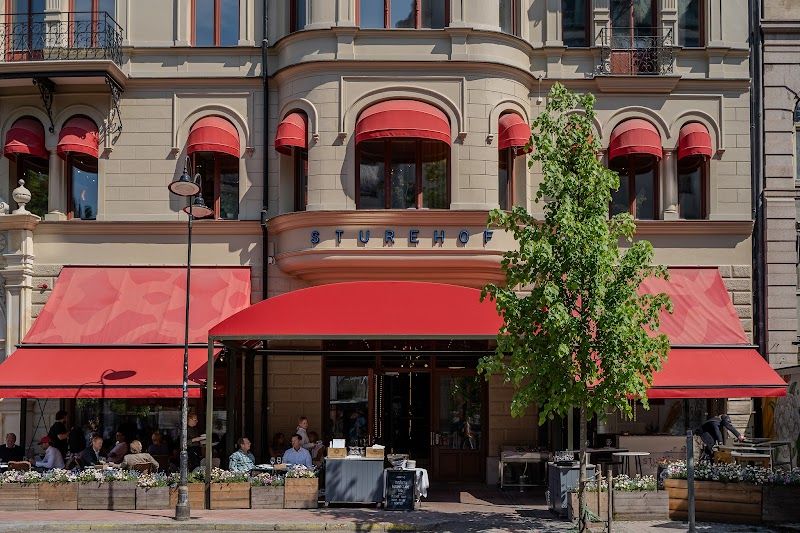
Sturehof
RestaurantClassic Swedish brasserie and seafood restaurant that has been an Östermalm institution since 1897. Known for its fresh shellfish platters, traditional Swedish dishes, and vibrant atmosphere that attracts both locals and celebrities. The outdoor terrace on Stureplan is one of Stockholm's best people-watching spots.
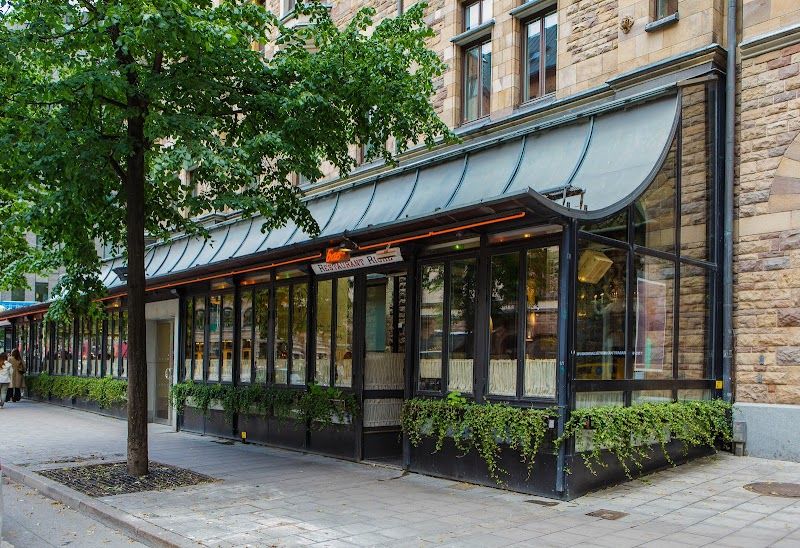
Riche
RestaurantLegendary French-inspired brasserie and bar that opened in 1893 and remains a cornerstone of Stockholm nightlife. The restaurant offers classic brasserie fare while the bar attracts a stylish crowd late into the night. The interior features stunning original 19th-century details with Belle Époque charm.
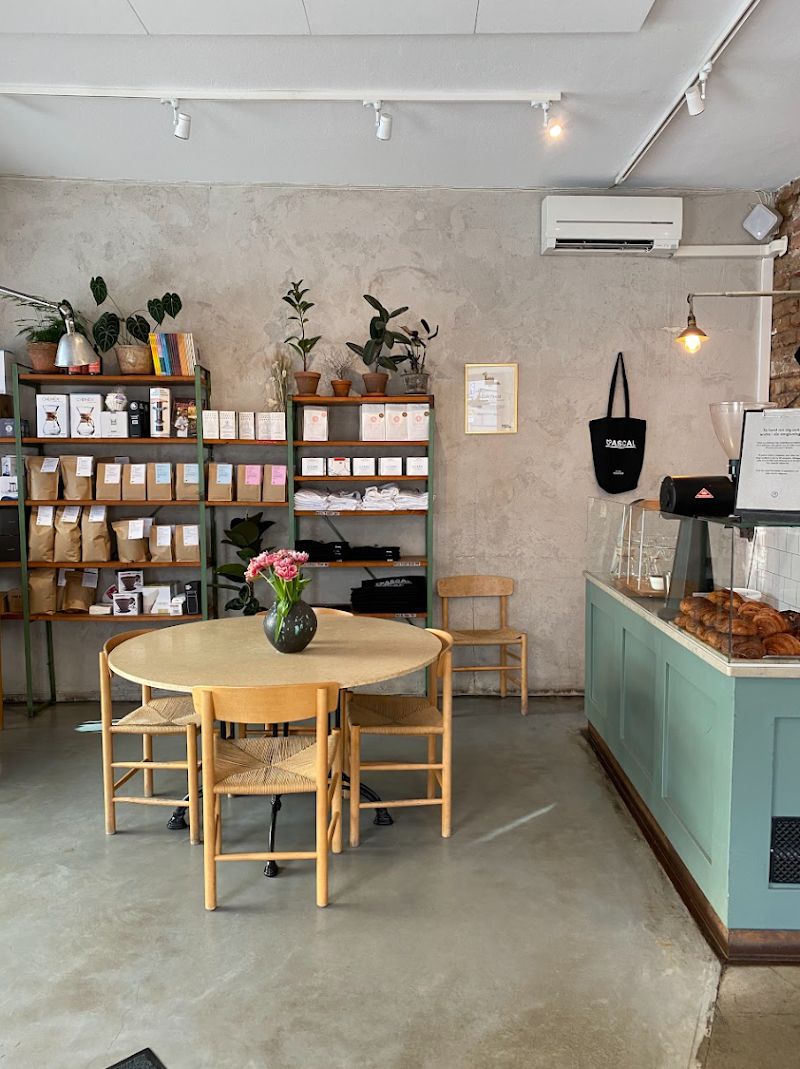
Café Pascal
CafeA tiny French-Swedish konditori in Södermalm where everything is baked by hand each morning, from flaky kardemummabullar to perfect croissants. The space fits maybe 15 people, with most customers taking their pastries to nearby Nytorget park. Owner and baker Pascal brings French technique to Swedish fika traditions with outstanding results.
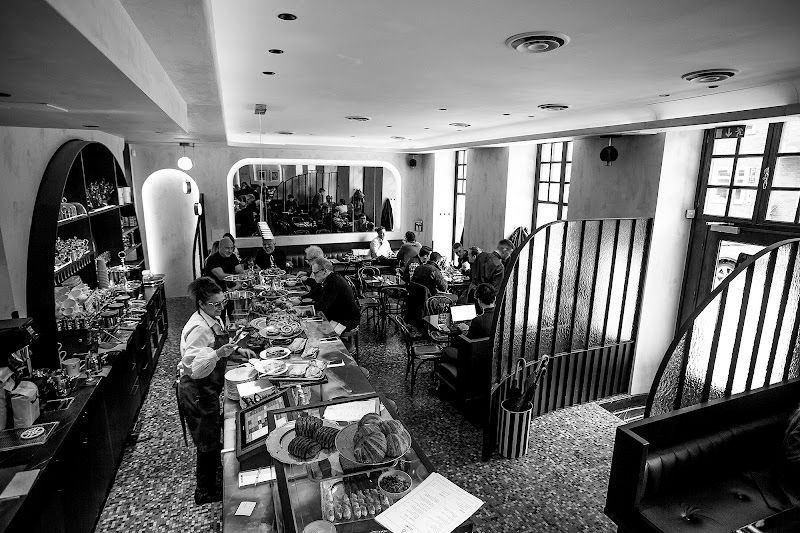
Café Saturnus
CafeÖstermalm café famous for Stockholm's largest kanelbullar, each one roughly the size of a dinner plate and served warm with pearl sugar. The space mixes Parisian brasserie style with Swedish fika culture, resulting in a neighborhood institution that's packed from morning through evening. The cinnamon buns are genuinely massive and best shared unless you're very hungry.
Getting Here
Getting There
T-Centralen is the main interchange for all three metro lines. Multiple surface routes from all directions.
On Foot
The centre of Norrmalm is 10-15 minutes walk from Gamla Stan and 20 minutes from Sodermalm.
Insider Tips
City Hall tour: book the morning slot
The Stockholm City Hall guided tour (SEK 130, runs daily at 10 AM and 12 PM, additional slots in summer) takes 45 minutes and includes the Blue Hall, the Council Chamber, and the Golden Hall. The tours are genuinely informative about both the architecture and the Nobel Prize banquet logistics. The tower (SEK 60 extra, 365 steps) is open June-August and has the best elevated view of the city centre and the water.
Nationalmuseum is free and underused by visitors
The Nationalmuseum (Sodra Blasieholmshamnen, free entry) reopened in 2018 after a decade-long renovation. The collection covers European painting from the 16th century to the early 20th century alongside the best collection of Swedish decorative arts (furniture, ceramics, glassware, textiles) anywhere. The building itself, a Venetian Renaissance Revival palace from 1866, is part of the experience. Allow 90 minutes minimum.
Nearby Neighborhoods
Continue exploring
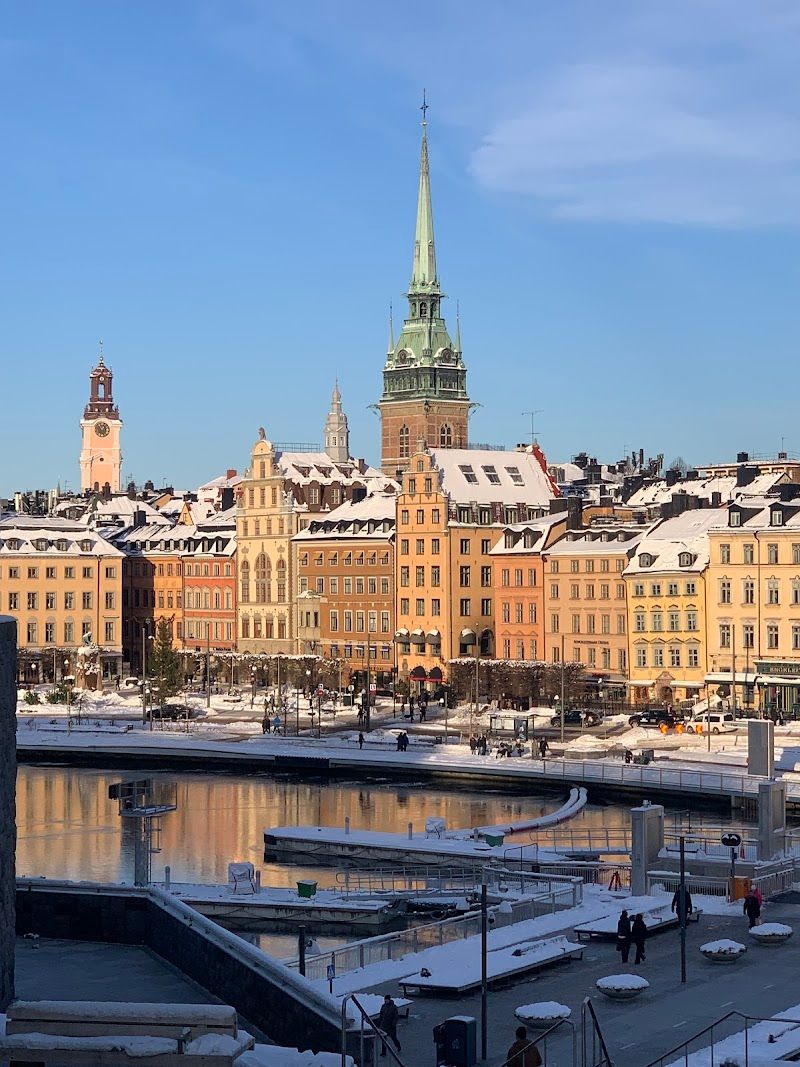
Gamla Stan
The medieval island where Stockholm was founded: cobblestone lanes, the Royal Palace, the Nobel Museum on Stortorget, and the narrowest alley in the city at 90 centimetres.

Djurgarden
The museum island: a 17th-century warship, ABBA in interactive form, Sweden's cultural history, and one of the world's best photography museums, all within a 20-minute walk of each other.
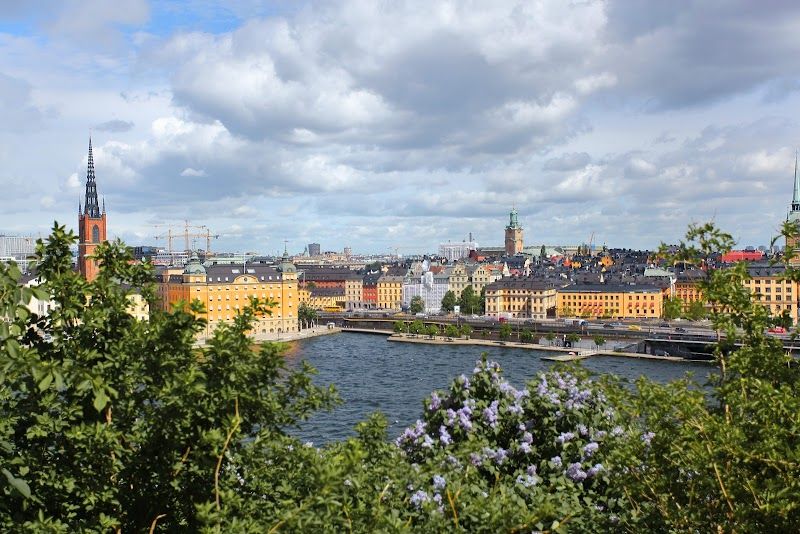
Sodermalm
Stockholm's creative hub on the southern island: vintage shops and record stores in SoFo, the benchmark meatballs at Pelikan, and the best free panoramic view of the old town from the clifftop walk.
Plan a trip featuring Norrmalm & City Centre
Get a personalized Stockholm itinerary with Norrmalm & City Centre built in.
Start Planning