Stockholm
Gamla Stan
The medieval island where Stockholm was founded: cobblestone lanes, the Royal Palace, the Nobel Museum on Stortorget, and the narrowest alley in the city at 90 centimetres.
About Gamla Stan
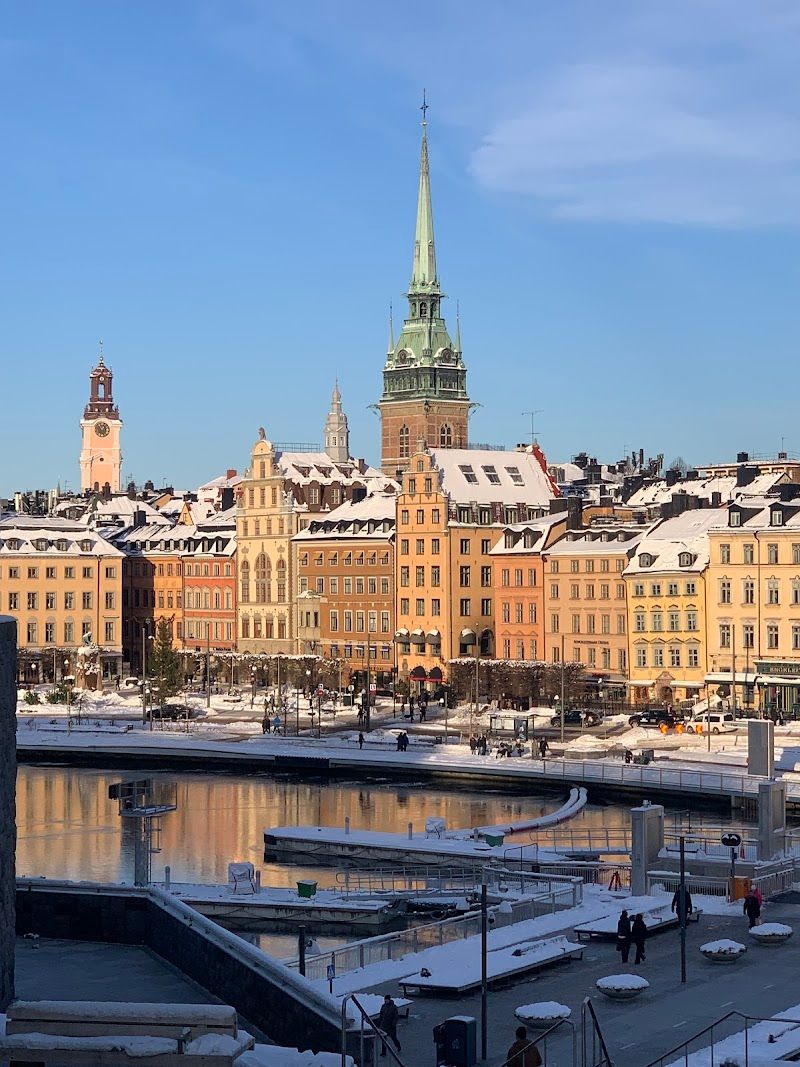
Gamla Stan (Old Town) is the original Stockholm, an island of narrow medieval lanes, 17th-century buildings in amber and terracotta, and the Royal Palace at the north end. The island is roughly triangular and can be walked across in 10 minutes - but the lanes and passageways between the main streets are where the medieval street plan survives intact. Stortorget (the main square) is the site of the Stockholm Bloodbath of 1520 and now contains the Nobel Prize Museum (SEK 120, covers all Nobel laureates and the history of the prize). The Royal Palace (Kungliga Slottet) is the largest functioning royal palace in the world by room count: 608 rooms, 1,430 windows, and the changing of the guard happens in the outer courtyard daily at 12:15 PM. Marten Trotzigs Grand is Stockholm's narrowest alley at 90 centimetres: it connects two parts of the old town and is worth walking through for the spatial experience.
Things to Do
Top experiences in Gamla Stan
Gamla Stan (Old Town)
Gamla Stan is Stockholm's 13th-century island core where medieval cobblestone streets wind between ochre and rust-colored buildings that house everything from tiny cafes to the Royal Palace. You'll walk the same narrow passages where merchants traded 700 years ago, the original street grid intact and surprisingly navigable. The Nobel Museum on Stortorget square (SEK 130) covers prize history, while the massive Royal Palace offers state apartments and crown jewels, but the real draw is simply wandering streets like Västerlånggatan and Österlånggatan. The island feels like a film set, especially early morning when soft light hits the weathered facades and you can hear your footsteps echo off ancient walls. Stortorget's colorful buildings frame the main square where 90 people were executed in 1520, a grim history marked by a simple plaque. Side streets like Prästgatan and Kåkbrinken reveal tiny courtyards and medieval details most tourists rush past. The contrast between tourist-packed main drags and quiet residential corners is striking. Most guides oversell this as unmissable, but honestly, summer crowds make it claustrophobic by 10 AM and the souvenir shops feel repetitive quickly. The Royal Palace is expensive (SEK 160) and takes hours you could spend exploring for free. Focus on the architecture and atmosphere rather than paid attractions, and don't bother with the touristy restaurants along Västerlånggatan where you'll pay SEK 200+ for mediocre food.
Royal Palace
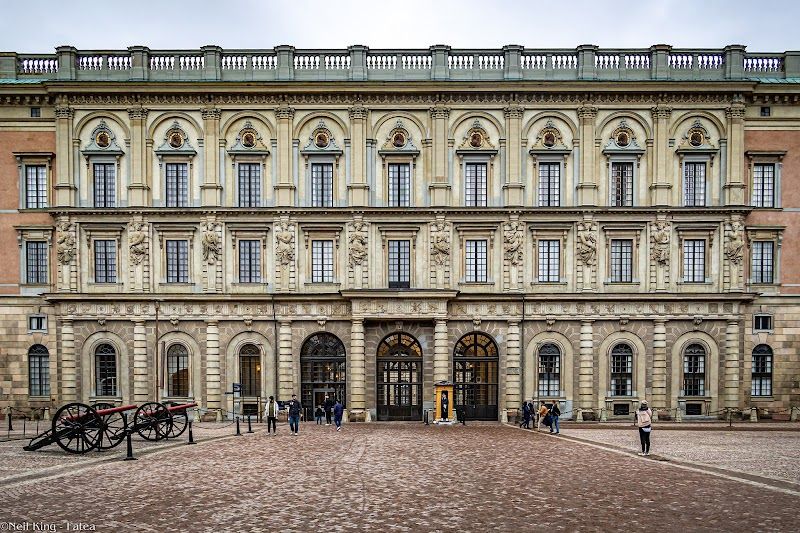
Stockholm's Royal Palace houses the Swedish monarchy across 608 rooms and seven floors, making it one of Europe's largest working royal residences. You'll walk through baroque State Apartments dripping with gilt furniture, crystal chandeliers, and royal portraits spanning centuries. The Treasury displays actual crown jewels including Gustav Vasa's ceremonial sword, while the Tre Kronor Museum shows ruins of the medieval castle that burned down in 1697. The experience feels like wandering through a living museum where the king still conducts official business. Guards in dark blue uniforms patrol marble corridors lined with enormous tapestries and oil paintings. The Hall of State impresses most with its silver throne and soaring ceiling, while the Guest Apartments showcase how visiting dignitaries live when they stay over. Summer brings the changing of the guard ceremony to the outer courtyard, complete with military band and ceremonial marching. At SEK 180, it's pricey but comprehensive: four museums plus the apartments justify the cost if you spend 2-3 hours inside. Skip the Royal Armory unless you're fascinated by medieval weapons, it's separately ticketed and repetitive. The Treasury delivers the biggest wow factor for your money, especially the coronation regalia. Most visitors rush through in 90 minutes and miss the stunning Bernadotte Apartments on the upper floors.
Stockholm City Hall
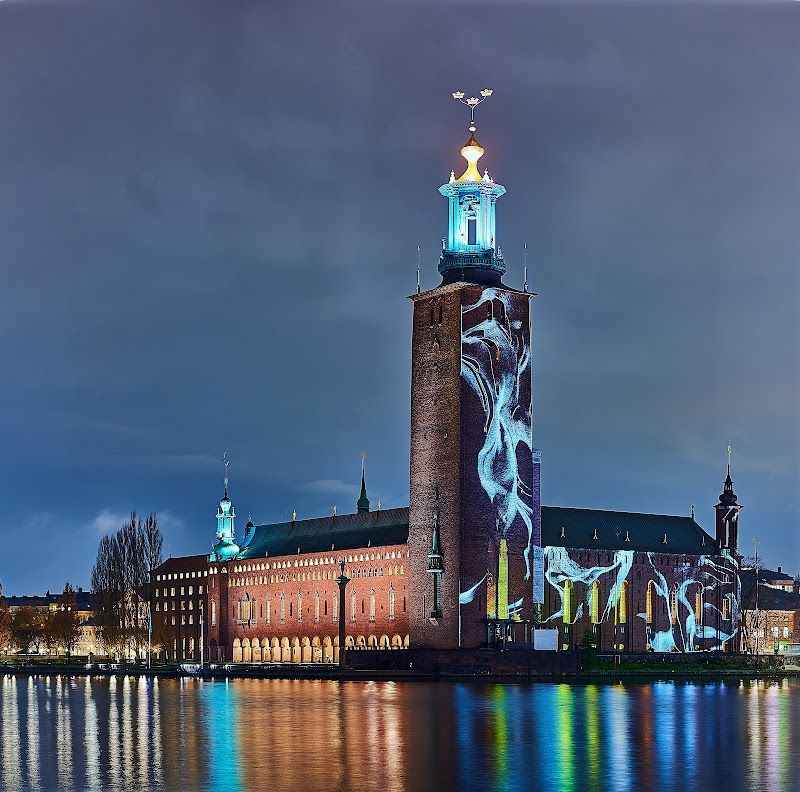
Stockholm City Hall is where they hold the Nobel Prize banquet every December, and you can actually walk through those same grand rooms. The Blue Hall (confusingly, it's red brick) seats 1,300 Nobel laureates and dignitaries, while the Golden Hall sparkles with 18 million gold mosaic tiles depicting Swedish history and mythology. The 106-meter tower offers the best panoramic views in Stockholm, though it's only open May through September. You'll join a mandatory guided tour that takes you through the ceremonial spaces where Nobel winners dine and dance. The Golden Hall feels overwhelming at first, all that gold catching light from every angle, while the Blue Hall has this theatrical grandeur that makes you understand why they chose it for such prestigious events. The tour guides are genuinely knowledgeable about both the architecture and Nobel traditions, sharing stories about awkward speeches and dropped medals. Most guides oversell this as unmissable, but honestly, it's worth it mainly for the tower views and Nobel connection. Skip it if you're not interested in either. The tour costs SEK 130 and runs every 30 minutes, but book the tower climb separately for SEK 70 since spots fill up fast in summer. The 365 steps are steep with no elevator, so consider your fitness level.
Storkyrkan
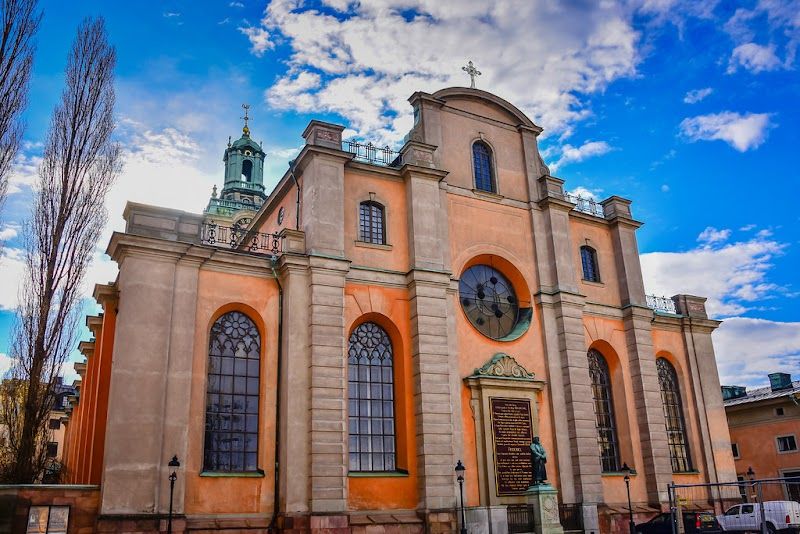
Storkyrkan sits in the heart of Gamla Stan as Stockholm's cathedral and oldest church, built in 1279 but completely transformed over seven centuries. You're here for the extraordinary St. George and the Dragon sculpture from 1489, a towering 3.5-meter wooden masterpiece that's genuinely Sweden's finest medieval artwork. The polychrome details are incredible up close, and you'll also see royal pews where actual monarchs sat during coronations. Walking into Storkyrkan feels like entering a time capsule where Gothic meets Baroque in surprisingly harmonious chaos. The vaulted ceilings soar above ornate royal pews, while afternoon light filters through stained glass onto centuries-old stone floors. The massive Last Judgment painting from 1636 dominates one wall, though honestly the St. George sculpture steals every scene. During services, the acoustics transform completely as organ music fills every corner. Most tourists pay the SEK 60 entrance fee and rush through in 15 minutes, missing the point entirely. Skip the audio guide and spend your time studying the St. George sculpture's intricate details, especially the dragon's scales and the horse's expression. If you're budget-conscious, attend the 11 AM Sunday service for free access plus incredible organ music, though you'll need to be respectful during worship.
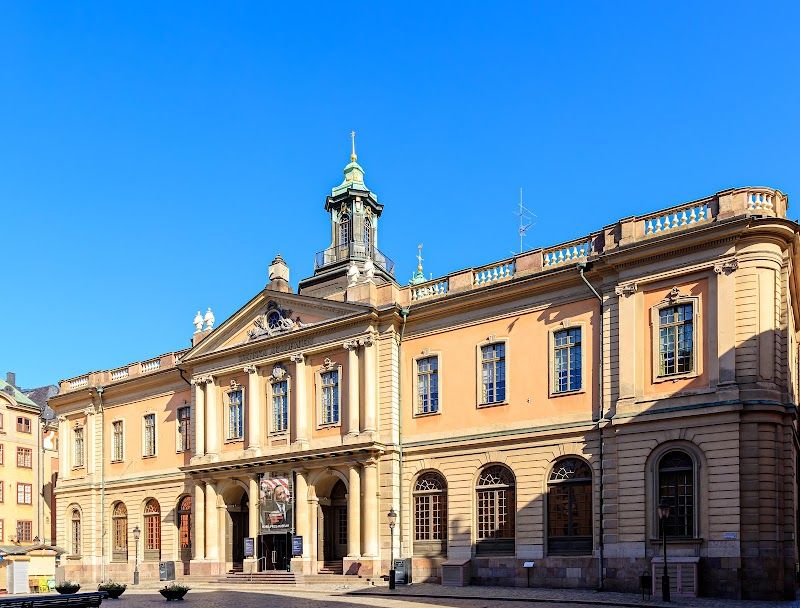
Nobelmuseet
The Nobel Museum occupies the elegant former stock exchange building on Stortorget, housing artifacts, documents, and interactive displays about Nobel Prize winners from 1901 to today. You'll find Alfred Nobel's original will, personal items from laureates like Einstein's pipe, and rotating exhibitions on groundbreaking discoveries in peace, literature, science, and economics. The permanent collection focuses on how these achievements changed our world, with touchscreens letting you explore laureate biographies and watch acceptance speeches. The museum feels intimate rather than grand, with just four main rooms flowing around a central atrium. Overhead, a slow-moving cable car system displays portraits of all 900+ laureates, creating an oddly mesmerizing backdrop as you read about their work. The temporary exhibitions change every few months and often tackle current global issues through a Nobel lens. The museum shop stocks books by Nobel literature winners and science-themed gifts you won't find elsewhere. Most visitors finish in under two hours, and honestly, that's plenty. The 120 SEK admission feels steep for the size, but the quality of curation justifies it if you're genuinely interested in scientific breakthroughs or literature. Skip the audio guide and use the interactive screens instead. The museum gets packed during summer afternoons, so morning visits feel much more relaxed.
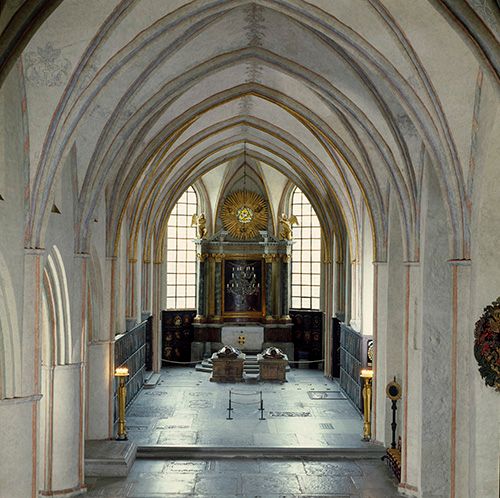
Riddarholmen Church
Sweden's only preserved medieval abbey church, serving as the burial site for Swedish monarchs from 1290 to 1950. The cast-iron spire pierces the Gamla Stan skyline at 90 meters, while inside you'll find ornate royal sarcophagi and coats of arms. The exterior is free to admire, while interior access costs SEK 60.
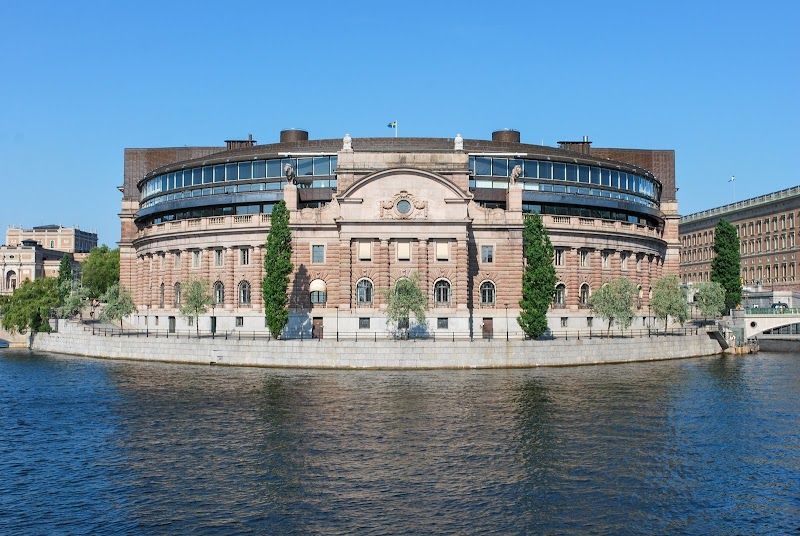
Riksdagshuset
The Swedish Parliament building on Helgeandsholmen island, featuring neoclassical architecture from 1905 and a semicircular debating chamber. Free guided tours in English run on weekends, taking you through the parliamentary chambers, the members' dining room, and explaining Sweden's political system. You can also watch live debates from the public gallery when parliament is in session.
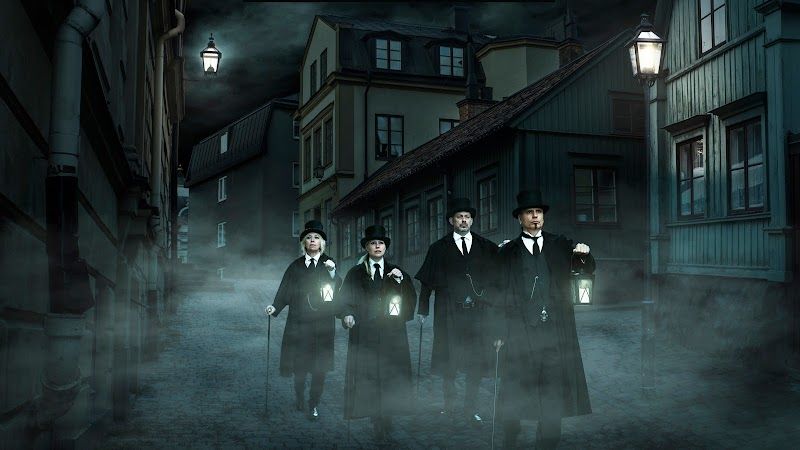
Stockholm Ghost Walk
This evening walking tour takes you through the narrow medieval alleys of Gamla Stan, recounting tales of executions, hauntings, and dark Stockholm history. The guide shares stories of the Stockholm Bloodbath and other grim events that shaped the old town.
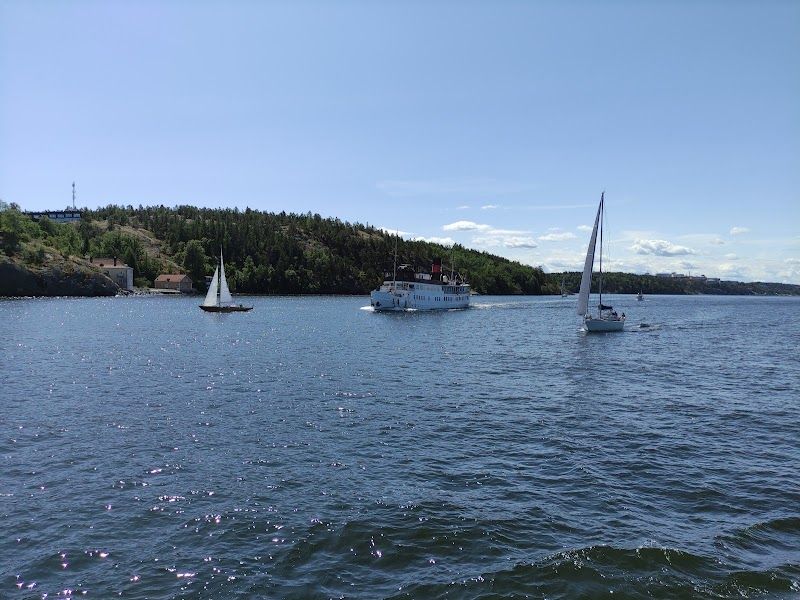
Stockholm Archipelago Day Trip
The Stockholm archipelago contains 30,000 islands, islets, and rocks stretching 150 km from the city into the Baltic. The Waxholmsbolaget ferry service connects the inner islands from Strömkajen (central Stockholm) - a single fare is SEK 75. The most accessible day trips: Vaxholm (a 75-minute ferry, the medieval fortress island that controls the main shipping channel, the painted wooden houses, the 19th century fortress museum), Sandhamn (2.5 hours by fast ferry, the sailing village at the outer edge of the archipelago, sand beaches, the long walk around the island), and Grinda (1 hour, forest, beaches, a youth hostel and hotel in old farmhouses). The best experience of Stockholm that is not in the city.
Where to Eat
Restaurants and cafes in Gamla Stan
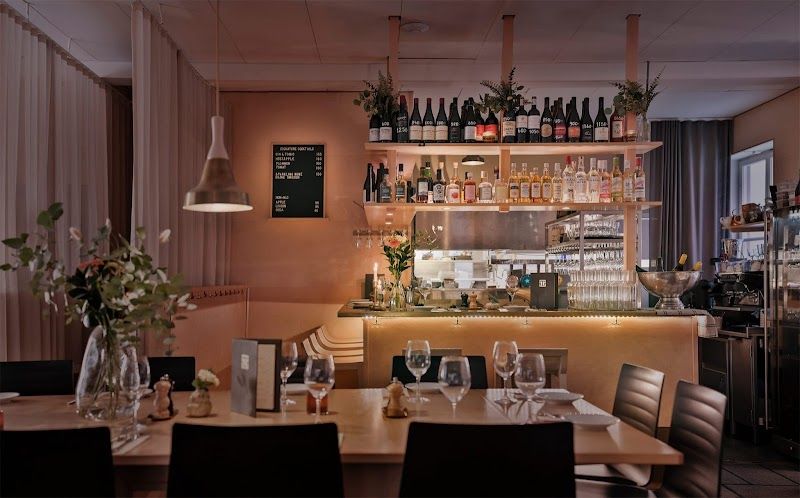
Tradition
RestaurantA Gamla Stan restaurant dedicated exclusively to authentic Swedish smörgåsbord, served daily with over 30 dishes including multiple herring preparations, gravlax, Janssons frestelse, and köttbullar. The format follows traditional Swedish buffet etiquette with designated rounds for herring, cold seafood, hot dishes, and dessert. This is smörgåsbord done properly, not the tourist trap version.
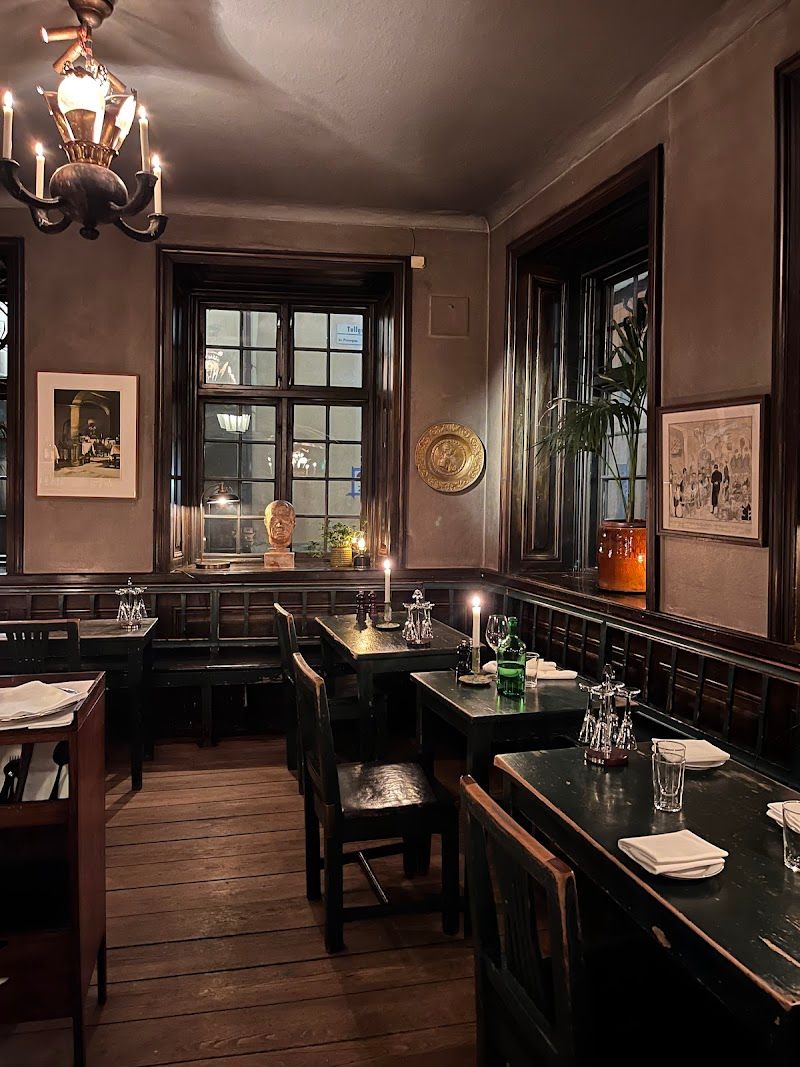
Den Gyldene Freden
RestaurantSweden's oldest restaurant, operating since 1722 in a Gamla Stan cellar with original vaulted brick ceilings and creaky wooden floors. The menu features traditional Swedish dishes like pytt i panna and herring prepared six ways, served in an atmosphere little changed in three centuries. The Swedish Academy has dined here monthly since 1929, occupying the same private room.
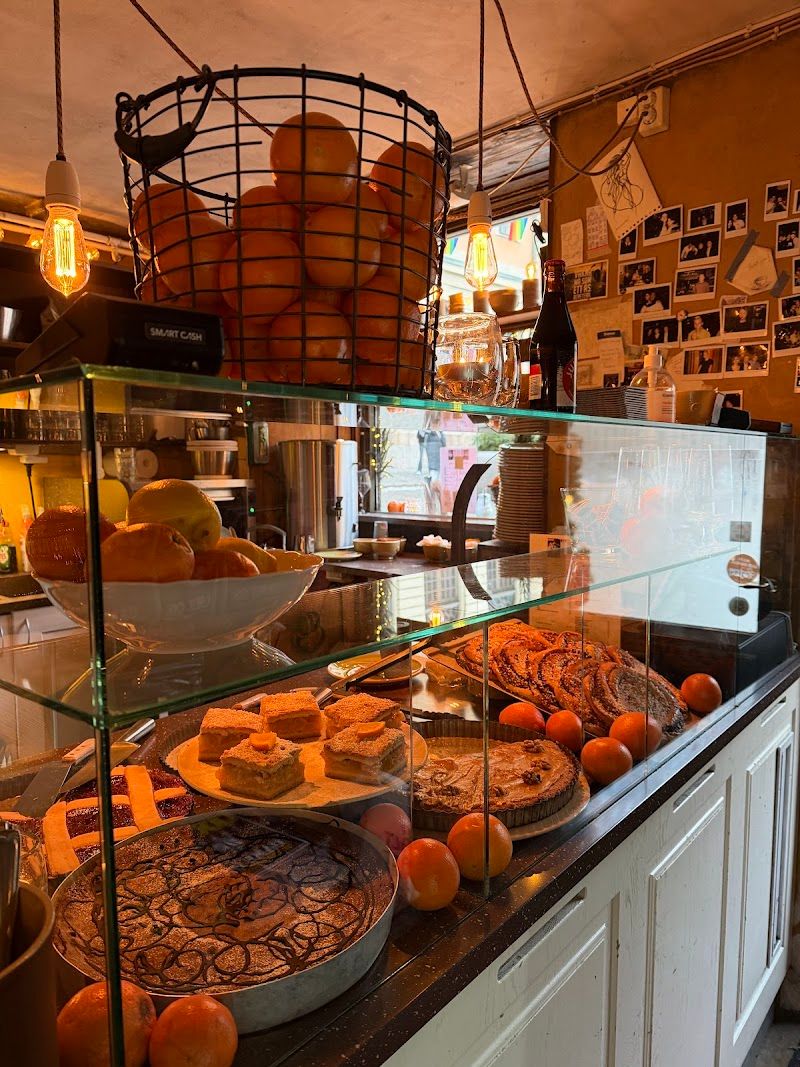
Chokladkoppen
CafeA cozy Gamla Stan café on Stortorget square, popular with both locals and visitors for excellent fika in the heart of the Old Town. The semlor during Lent season are particularly good, with almond paste filling and cardamom-spiced buns. The rainbow flag outside marks this as Stockholm's oldest LGBT-friendly café, established in 1972.
Getting Here
Getting There
Gamla Stan station (Red Line T13, Green Line T17/T19) is at the southern end of the island.
On Foot
Completely walkable. The island is 800 metres from the northern to southern tip. No cars in most lanes.
Insider Tips
Gamla Stan at 8 AM is a different city
The lanes of Gamla Stan fill with tour groups from 10 AM onwards. Before 9 AM the island is quiet enough to hear your own footsteps on the cobblestones. The light in the lane entrances is best in early morning. Go to Stortorget first (the Nobel Museum does not open until 10 AM or 11 AM, but the square itself is worth seeing in morning light). Walk east from the square into the smaller lanes: Osterlangatan and Prästgatan are the most preserved.
Royal Palace changing of the guard: position matters
The changing of the guard at the Royal Palace happens daily at 12:15 PM (13:15 PM on Sundays). The guards march from Strommenskasernen barracks and arrive via Storgatan. Position yourself in the outer courtyard (Yttre Borggarden) at 12:00 PM to see the full ceremony without being pushed to the back. The ceremony takes 25-30 minutes. Entry to the palace grounds is free; tickets are required for the Royal Apartments (SEK 180).
Nearby Neighborhoods
Continue exploring
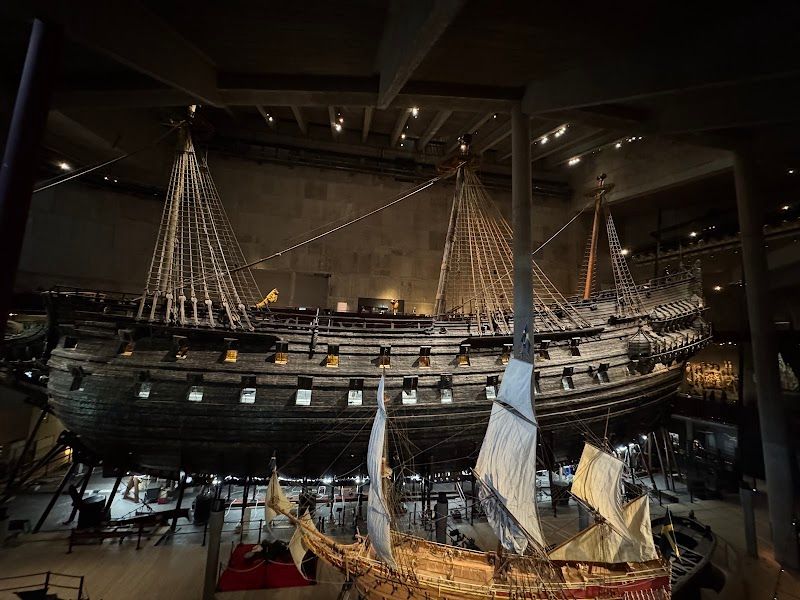
Djurgarden
The museum island: a 17th-century warship, ABBA in interactive form, Sweden's cultural history, and one of the world's best photography museums, all within a 20-minute walk of each other.
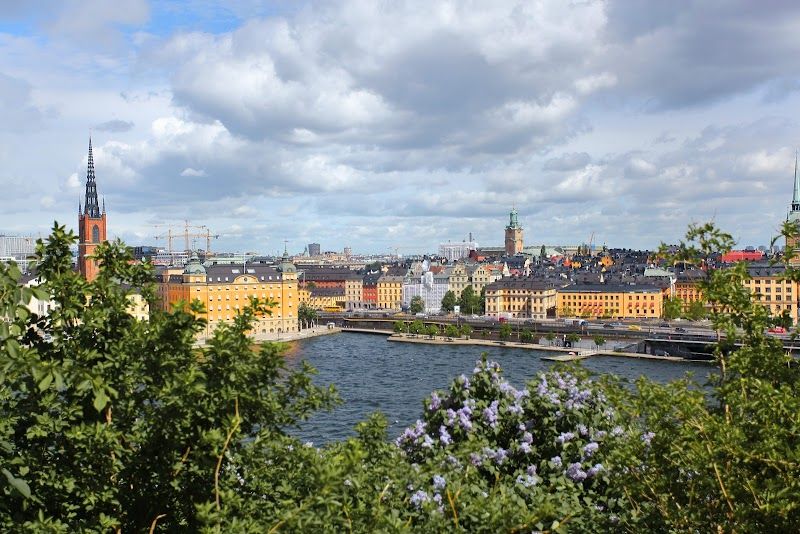
Sodermalm
Stockholm's creative hub on the southern island: vintage shops and record stores in SoFo, the benchmark meatballs at Pelikan, and the best free panoramic view of the old town from the clifftop walk.
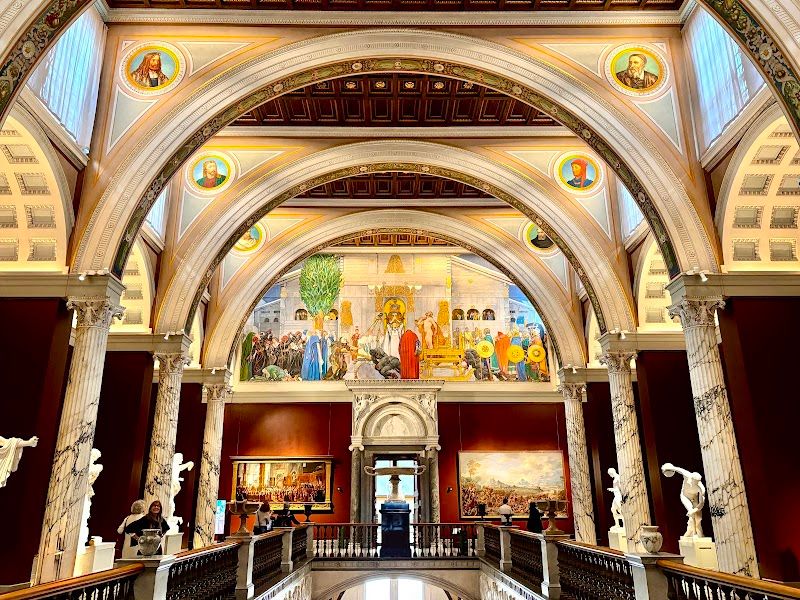
Norrmalm & City Centre
The modern centre: the City Hall where Nobel Prize dinners happen, the free Nationalmuseum, the central park with cherry blossoms in April, and the shopping streets that lead to everything.
Plan a trip featuring Gamla Stan
Get a personalized Stockholm itinerary with Gamla Stan built in.
Start Planning