Strasbourg
Things to Do
43 attractions, museums, and experiences
Pont du Corbeau
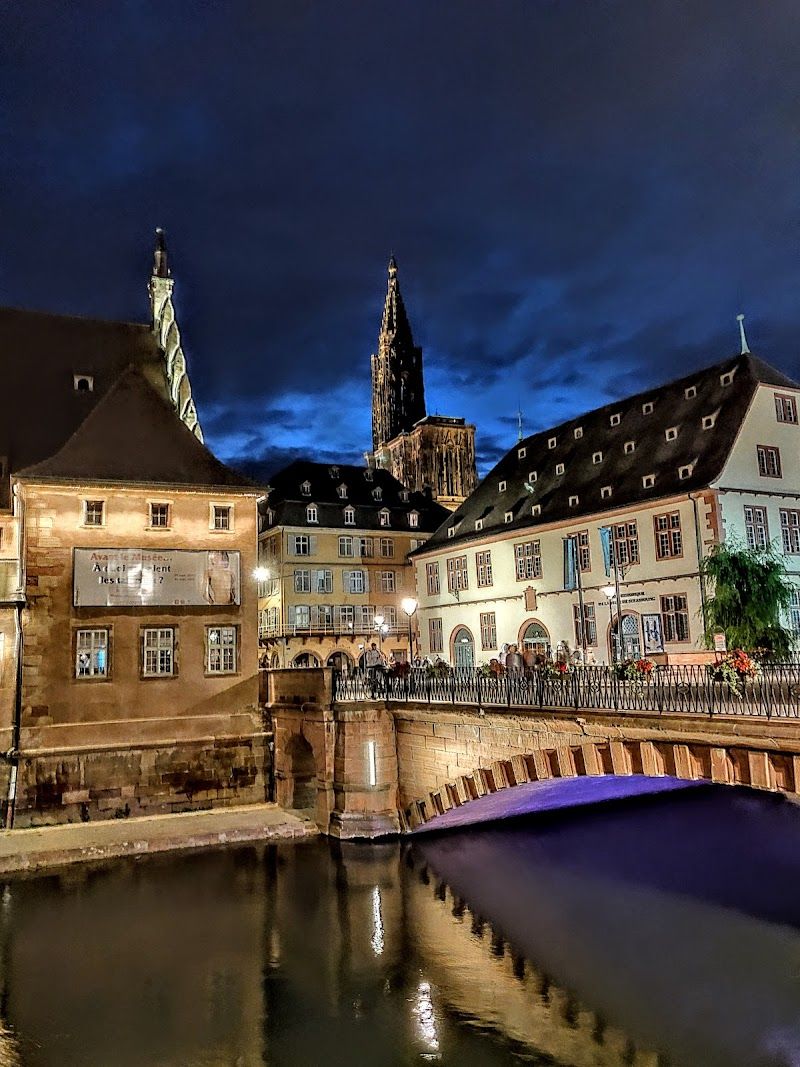
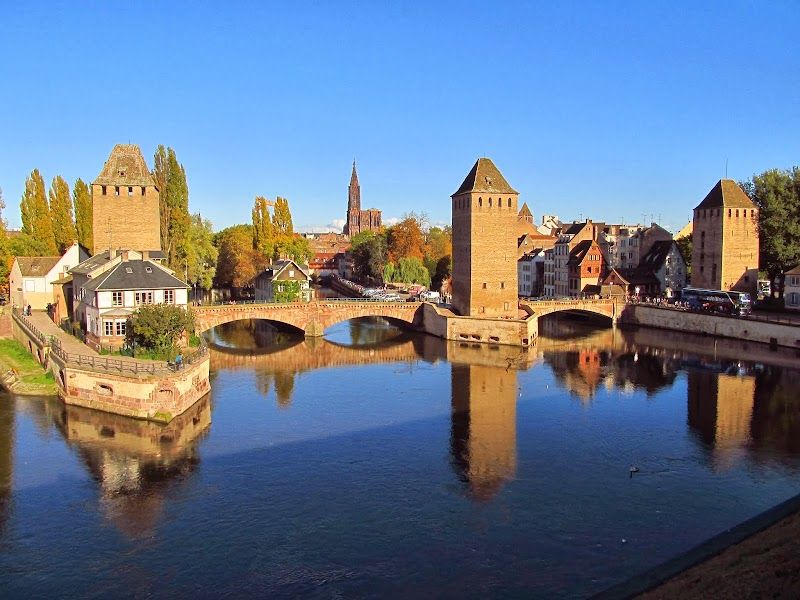
Pont du Corbeau spans the Ill River with a genuinely dark past: this medieval bridge served as Strasbourg's execution site where convicted criminals were drowned in sacks. Today it's one of the best vantage points for photographing the Ponts Couverts towers and the postcard-perfect half-timbered houses of Petite France. The Gothic buildings along Quai des Bateliers create that classic Alsatian riverside scene you see on every Strasbourg postcard. Walking across feels peaceful now, but plaques remind you of its grim history. The bridge itself is narrow stone, nothing fancy, but the views in every direction are spectacular. Water flows underneath while tour boats drift past, and you'll hear multiple languages as visitors pause to snap photos. The medieval atmosphere hits differently when you know people were executed right where you're standing. Most guides oversell this as a major attraction when it's really a 10-minute photo stop. The bridge gets packed during peak hours, especially when river cruises pass through. Early morning or late afternoon light makes the half-timbered reflections pop, but don't make a special trip just for this. Combine it with exploring Petite France properly, and skip the overpriced €15 boat tours that pass underneath.
Petite France Quarter
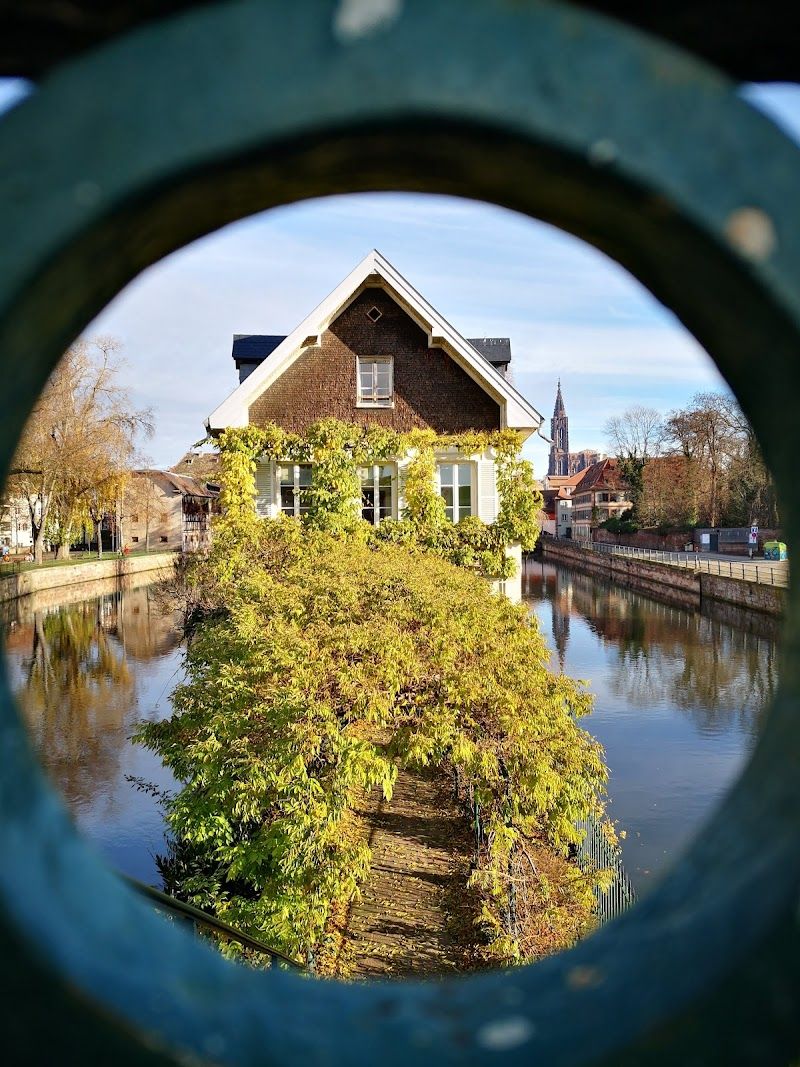
Petite France is Strasbourg's perfectly preserved medieval quarter where half-timbered houses from the 1500s lean over slow-moving canals, creating the postcard reflections you've seen everywhere. This is where tanners, millers, and fishermen lived and worked, and the old guild houses with their carved wooden frames and flower boxes remain exactly as they were centuries ago. The 14th-century Ponts Couverts (three defensive towers connected by bridges) and the Barrage Vauban dam complete the scene with genuine medieval atmosphere. Walking through feels like stepping into a fairy tale, especially when morning light hits the water and reflects the timber-framed facades back at you. The canals move slowly enough that reflections stay sharp, and you can follow the waterways around the entire quarter in about 30 minutes. Climb the free rooftop terrace at Barrage Vauban for the panoramic overview, then wander the cobblestone streets at water level where each corner reveals another perfect view. Most visitors arrive with tour groups around 10 AM and miss the magic entirely. The crowds turn this peaceful quarter into a photo-taking frenzy, and the harsh midday light kills the atmospheric reflections. Come at 8 AM instead when you'll have the canals to yourself and the golden hour lighting that makes those Instagram shots actually worth taking. Skip the tourist restaurants along the main canal and head to Maison des Tanneurs for authentic tarte flambee (EUR 12) in a real 1572 tanning house.
Place du Marché aux Cochons de Lait
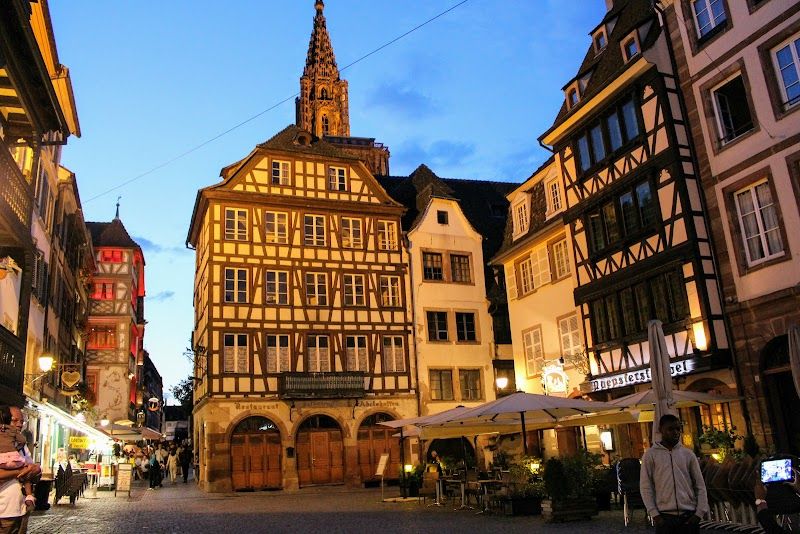
Place du Marché aux Cochons de Lait is a postcard-perfect medieval square where half-timbered houses lean inward like they're sharing secrets. The colorful facades date back centuries, with intricate wooden frameworks painted in blues, greens, and warm yellows that pop against white plaster walls. You'll find genuine 16th and 17th-century architecture here, complete with carved details and flower boxes that locals actually maintain. The square feels like a movie set, but it's completely authentic and refreshingly quiet compared to the tourist crowds around the cathedral. Walking into the space, you're surrounded by these towering timber-framed buildings that seem to close in overhead, creating an intimate courtyard effect. The cobblestones are uneven medieval originals, and small cafés spill onto the square with outdoor seating where you can sit among the architecture. Most guidebooks barely mention this spot, which works in your favor since you'll often have it to yourself for photos. The square is tiny, so 15 minutes is plenty unless you're settling in for coffee (expect €3-4 for an espresso at the corner café). Skip it if you're rushed, but if you're wandering Petite France anyway, it's a two-minute detour that delivers more medieval atmosphere than much larger squares.
Strasbourg Cathedral and Astronomical Clock
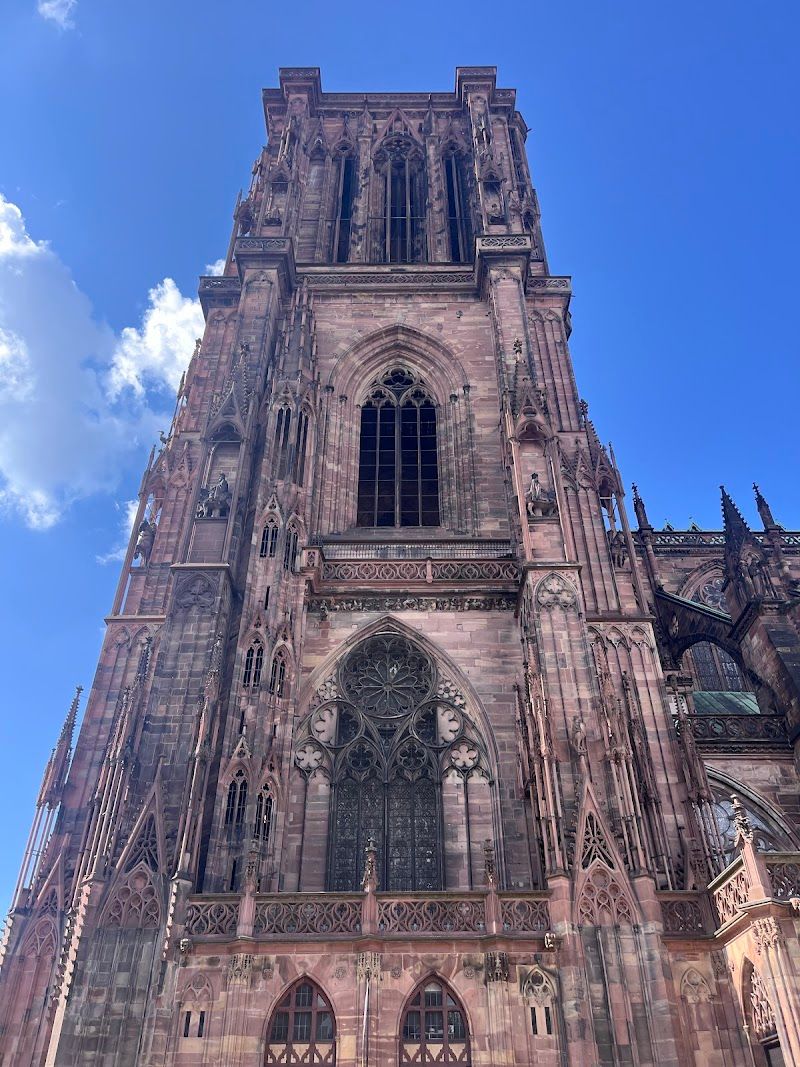
Strasbourg Cathedral dominates the city with its asymmetrical Gothic facade, covered in hundreds of carved figures that look like they're about to step off the stone. You're here for two main attractions: climbing the 332 steps up the north spire for views over Alsace, and watching the famous astronomical clock perform its mechanical theater at 12:30 PM sharp. The clock itself is a marvel of 19th century engineering, with apostles parading past Christ while Death strikes the hours and a rooster crows three times. Inside, the cathedral feels surprisingly intimate despite its massive scale. The light filtering through medieval stained glass creates an otherworldly atmosphere, especially in the rose window above the west entrance. When the astronomical clock springs to life, mechanical figures emerge from hidden compartments as crowds press forward with phones raised. The climb up the spire is a workout, but the spiral staircase opens onto a platform where you can see the Rhine plain stretching toward the Black Forest. Most visitors underestimate the timing here. The clock performance draws huge crowds, so you'll need that EUR 3 ticket sold inside the cathedral, not at the entrance. The spire climb costs EUR 8 and the morning queues are brutal in summer, so go right at 9:30 AM opening or skip it entirely if you're not committed to the workout. Honestly, the exterior facade is more impressive than the interior, and photographing it in golden hour beats fighting crowds inside.
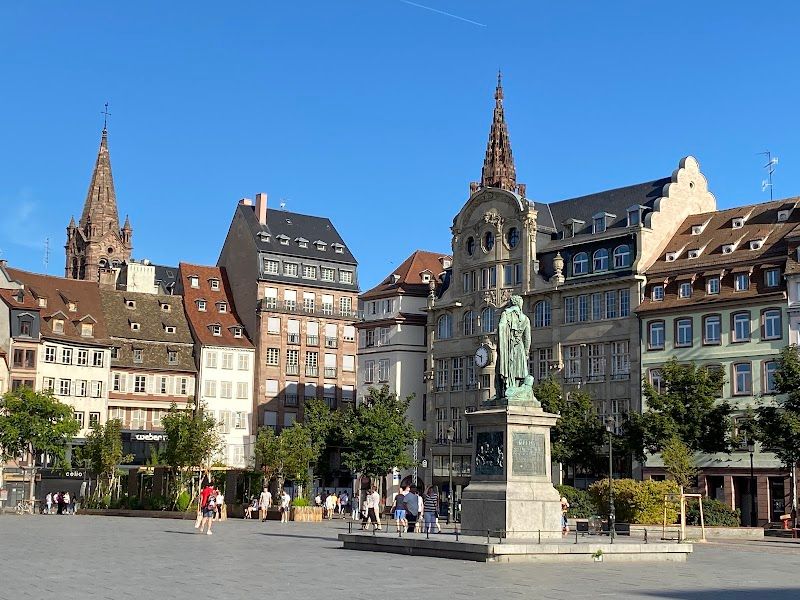
Place Kléber
Place Kléber is Strasbourg's central command center, a massive pedestrian square anchored by General Kléber's statue and the grand Aubette building with its pink sandstone facade. You're here for the famous Christmas market (November 25 to December 30), where 300 wooden chalets create France's oldest holiday market around a towering 30-meter Christmas tree. The rest of the year, it's where locals meet before heading to restaurants or catch trams to other neighborhoods. The square feels different depending when you visit. Mornings are quiet with commuters cutting across to catch trams, while afternoons bring street performers and tourists photographing the statue. During Christmas season, the entire space transforms into a wonderland that smells like vin chaud and roasted chestnuts, though you'll be shoulder to shoulder with crowds. The Aubette's ground floor houses shops and cafes where you can escape the weather. Most guides oversell this as a destination itself, but honestly, it's more of a transit hub with good photo ops. The Christmas market is genuinely spectacular but expect to pay €4-5 for vin chaud and €8-12 for food portions. Skip the overpriced restaurants facing the square and use it as your starting point to explore the more interesting old town streets radiating outward.
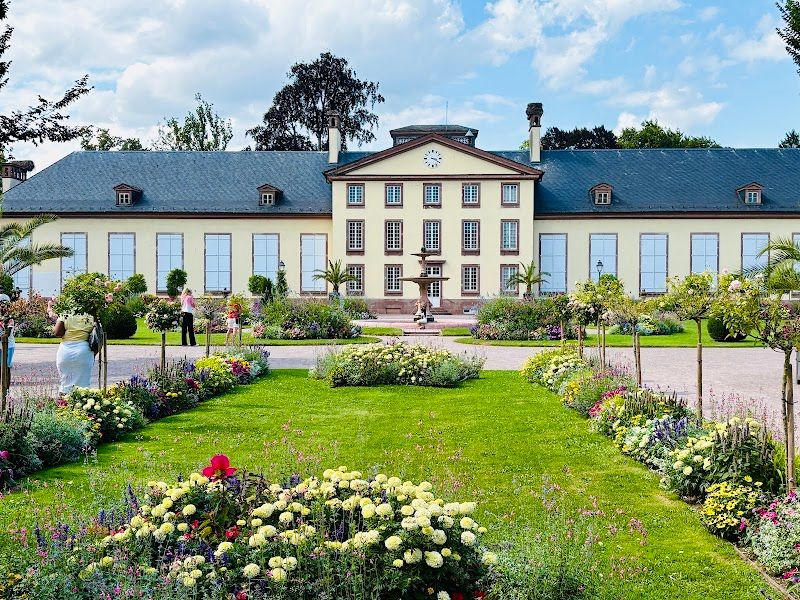
Parc de l'Orangerie
Parc de l'Orangerie sprawls across 26 hectares as Strasbourg's oldest and most complete park, built in 1804 where Napoleon's orangery once stood. You'll find genuine white storks nesting in a dedicated enclosure (they're real residents, not just for show), a proper lake where you can rent paddle boats for €8 per half hour, and the elegant neoclassical Pavillon Joséphine that hosts art exhibitions. The small zoo houses farmyard animals and deer, while bowling greens and mini golf keep families busy for hours. The park feels like a proper European garden where locals actually live their daily lives rather than a tourist attraction. Joggers circle the lake at dawn, elderly men play pétanque under the plane trees, and families spread picnic blankets near the stork enclosure. The Pavillon Joséphine sits photogenically at the park's heart, surrounded by formal flowerbeds that bloom magnificently in spring. You'll hear multiple languages as European Parliament workers lunch here between sessions, giving the place an genuinely international atmosphere. Most guides oversell the zoo, which is tiny and honestly skippable unless you're traveling with small children. The real draw is the storks: they're magnificent up close and completely free to observe. Skip the crowded weekend afternoons when the paddle boat queue stretches forever. The mini golf costs €4 and takes 20 minutes, perfect for restless kids. Come on weekday mornings when you'll practically have the place to yourself.
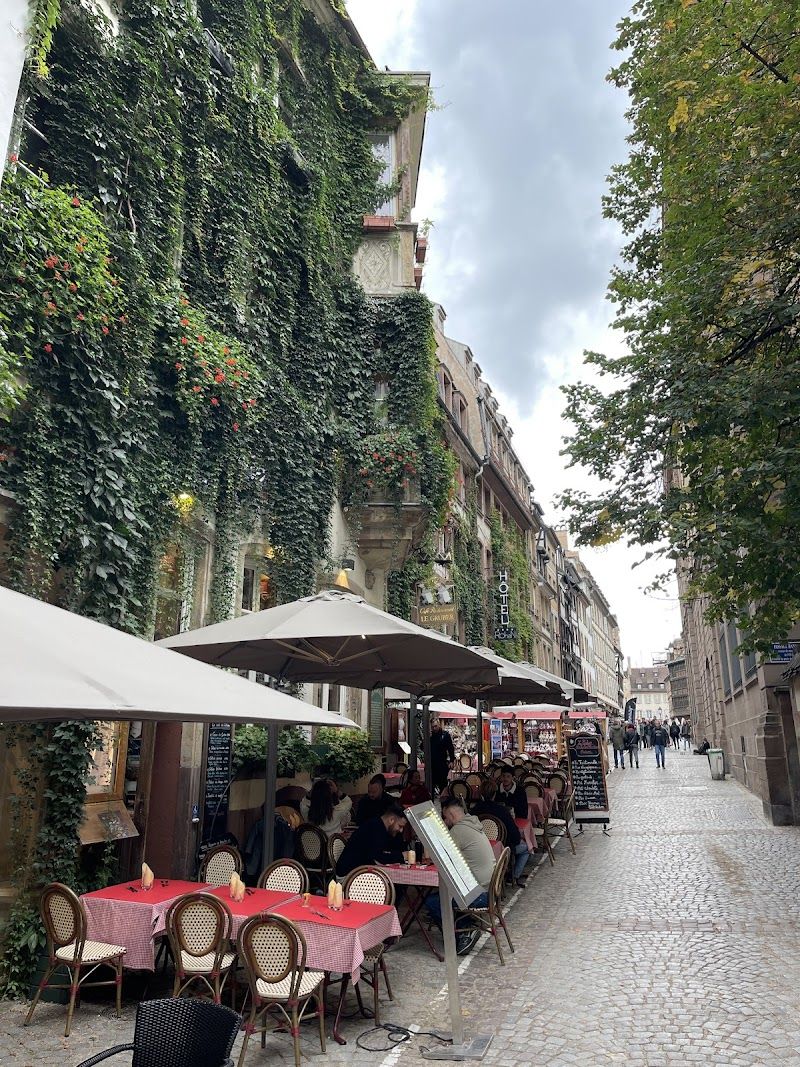
Maison Kammerzell
Restaurant located in a 1427 half-timbered building directly facing the cathedral, with elaborate wood carvings throughout the dining rooms. The menu focuses on Alsatian specialties including baeckeoffe slow-cooked in white wine and the house foie gras served with Gewurztraminer jelly. The ground floor brasserie has lower prices than the upstairs restaurant.
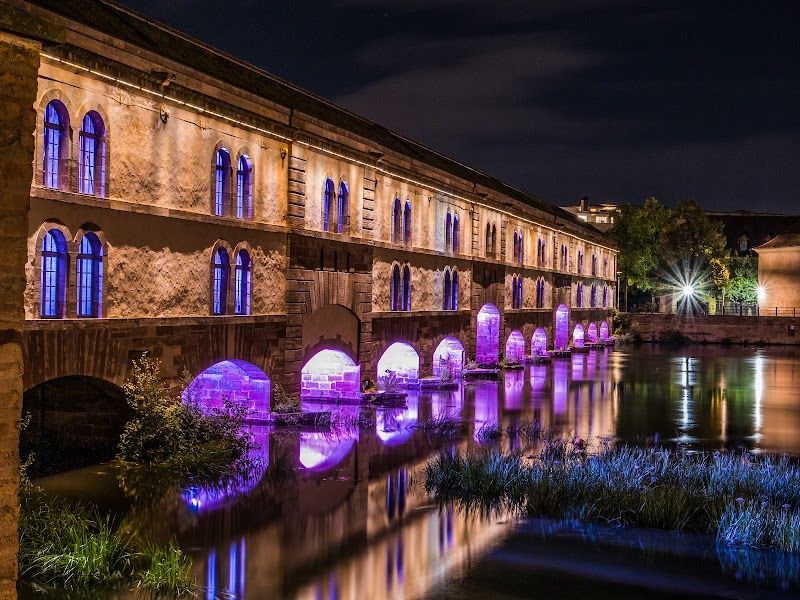
Barrage Vauban
Barrage Vauban is a 17th-century dam that doubles as Strasbourg's best free viewpoint, built by Louis XIV's engineer to flood the city's southern approaches during sieges. You'll climb to a rooftop terrace that delivers spectacular 360-degree views over Petite France's canals, the medieval Ponts Couverts towers, and Strasbourg Cathedral's Gothic spire. The structure spans the River Ill with three massive stone arches, and inside you'll find a small exhibition about Vauban's military engineering. The visit flows naturally: enter through the ground floor, glance at the historical displays (five minutes maximum), then head straight up to the terrace. Up here, the view opens dramatically across the water toward the fairy-tale towers and half-timbered houses of Petite France. Canal boats glide beneath you while tourists pose endlessly at the stone balustrade. The atmosphere feels relaxed and contemplative, especially when afternoon light hits the cathedral's red sandstone facade. Most guides oversell the interior exhibition, which is fairly basic and only in French and German. The real draw is purely that terrace view, so don't feel obligated to linger downstairs. Come in late afternoon when the light is warmest, but avoid weekends when coach tours clog the narrow staircase. The view beats any paid observation deck in the city.
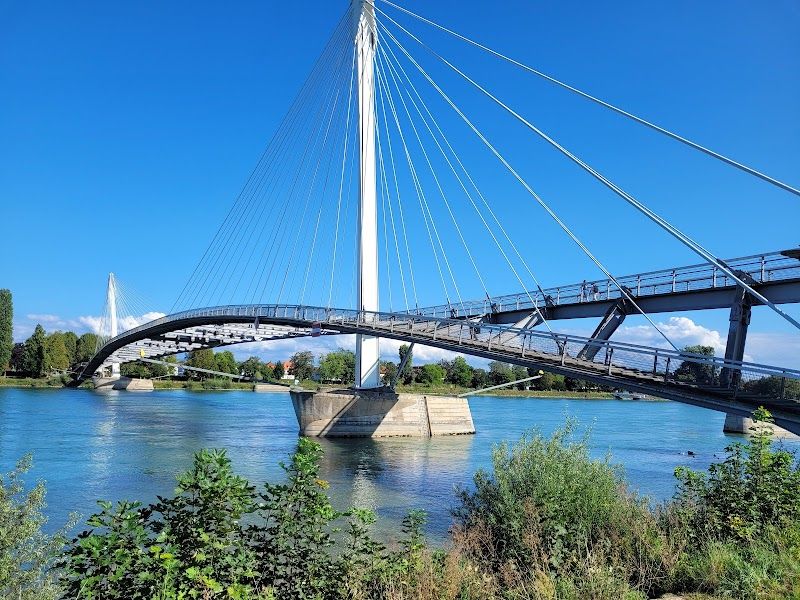
Jardin des Deux Rives
Jardin des Deux Rives is the only park where you can casually stroll from France to Germany in five minutes, crossing the Rhine on a sleek pedestrian bridge that's become Strasbourg's modern landmark. The French side offers manicured lawns perfect for picnics, contemporary sculptures, and multiple playgrounds that actually entertain kids for hours. You'll get unobstructed views of the Rhine's industrial barges mixing with leisure boats, plus the German Black Forest hills on clear days. The experience feels surreal: you're having lunch on French grass, then walking across 387 meters of bridge suspended above Europe's busiest river, landing in Germany without ceremony or border checks. The bridge itself becomes the attraction, with its curved design creating perfect photo frames of both countries. Families dominate weekends with elaborate picnic setups, while joggers and cyclists treat it as their daily circuit. The contrast hits you immediately: France feels designed and artistic, Germany more functional and green. Most guides oversell the German side, which is frankly just pleasant parkland and a decent restaurant. The real magic is the bridge crossing at sunset when the light hits the water perfectly. Skip the weekend crowds if possible, parking costs €1.20 per hour on nearby streets, and the German Zwei Ufer restaurant serves better value meals than anything on the French side. The bridge can get windy, so jackets help even in summer.
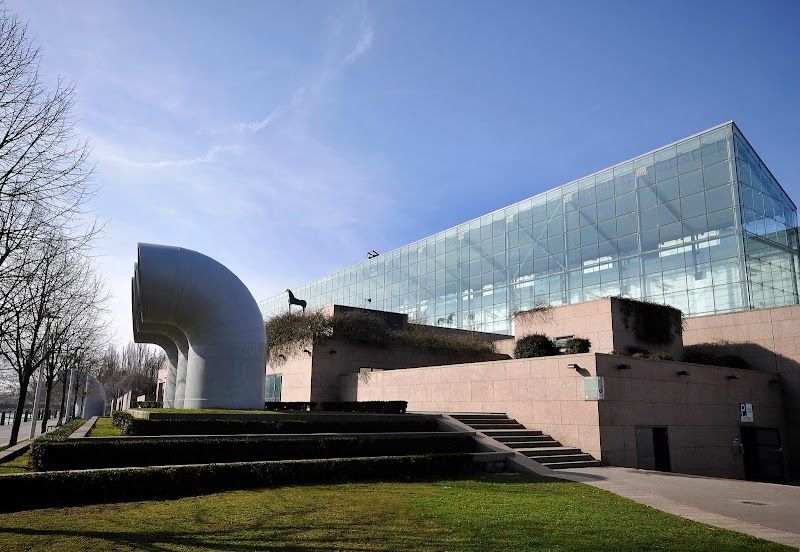
Musée d'Art Moderne et Contemporain de Strasbourg
This sleek modernist museum sits right on the Ill River and houses one of France's best collections of modern art outside Paris. You'll find exceptional works by Kandinsky, Monet, Picasso, and Gustav Klimt, plus an outstanding Jean Arp collection that most people don't expect. The building itself is gorgeous: floor to ceiling windows flood the galleries with natural light, and the rooftop terrace gives you sweeping views over Strasbourg's old town and cathedral spire. The visit flows beautifully across three floors, starting with 19th century works on the ground level and moving up through increasingly contemporary pieces. The Kandinsky room on the second floor is genuinely spectacular, with several of his best abstract compositions displayed together. You'll spend most of your time on the upper floors where the light is best and the river views through the windows create this lovely dialogue between the art and the city outside. Here's what most guides won't tell you: the permanent collection is relatively small, so 90 minutes is plenty unless there's a special exhibition running. Skip the basement contemporary section unless you're really into video installations and conceptual work. At €7 for adults, it's excellent value, but honestly, you can see the best views from the rooftop cafe without buying a museum ticket at all.
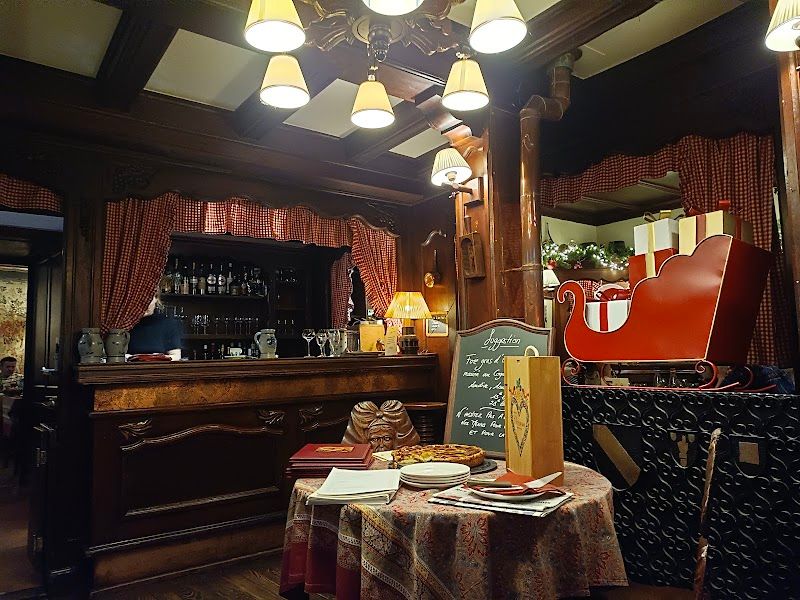
Chez Yvonne
Classic winstub with red-checked tablecloths and wood paneling, serving Alsatian standards since 1873. The choucroute garnie arrives with five cuts of pork and boiled potatoes, and the tarte flambee is cooked in a traditional wood oven. Reserve at least two days ahead for dinner service.
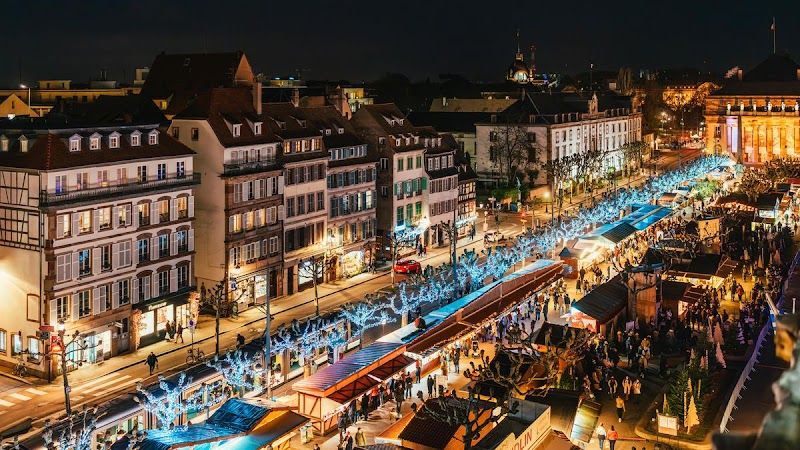
Strasbourg Christmas Market (Christkindelsmärik)
France's oldest Christmas market has been running since 1570, transforming central Strasbourg into a wonderland of wooden chalets, mulled wine, and Gothic architecture. You'll find 300 stalls spread across Place Broglie and the streets around the cathedral, selling everything from handcrafted ornaments to bredele (traditional Alsatian cookies) and steaming cups of vin chaud for EUR 4-5. The 30-meter Christmas tree on Place Kléber dominates the skyline while the cathedral's illuminated facade creates one of Europe's most photogenic backdrops. Walking through feels like stepping into a Christmas card, especially on cold evenings when your breath mingles with the steam from food stalls and lantern light flickers off medieval stonework. The scents hit you first: cinnamon, roasted almonds, and spiced wine create an intoxicating mix as you weave between families clutching ceramic mugs and vendors calling out in French and German. The cathedral bells chime hourly above the chatter, while street musicians add accordion melodies that echo off narrow Alsatian buildings. Most guides won't tell you that weekends are absolutely brutal with 2 million annual visitors crammed into medieval streets. Book accommodation by September or you'll pay triple rates for mediocre hotels. The vin chaud mugs require a EUR 2 deposit but you can return them at any stall, so don't feel tied to one vendor.
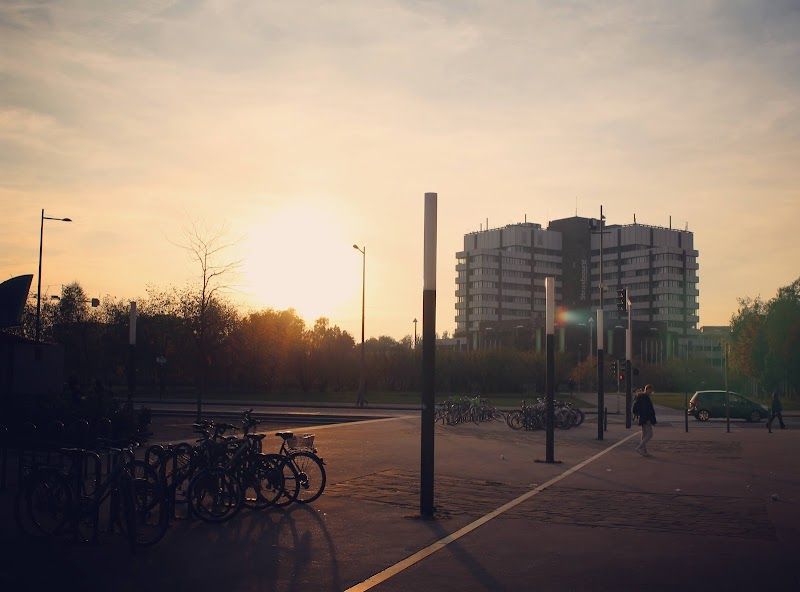
Parc de l'Étoile
Parc de l'Étoile sits right in Strasbourg's European Quarter, serving as the green lung for thousands of EU civil servants who work in the imposing glass and concrete buildings around it. You'll find well-maintained lawns perfect for picnicking, several striking contemporary sculptures that actually complement rather than clash with the surroundings, and wide gravel paths that loop through the space in about 15 minutes of casual walking. It's genuinely peaceful despite being surrounded by institutional architecture. The atmosphere shifts dramatically throughout the day. Mornings feel almost empty, just joggers and dog walkers using the paths. Come lunchtime and the park transforms into a mini United Nations as staffers from the European Parliament spill out with their sandwiches, speaking French, German, Italian, and languages you probably can't identify. Afternoons bring local families with children who use the open lawns for impromptu football games while parents chat on the benches. Most travel guides either ignore this park entirely or oversell it as some cultural experience. The truth is simpler: it's a pleasant 20-hectare space that does exactly what it promises. Don't expect botanical wonders or historic significance. The sculptures are hit or miss, though the large metallic installation near the center makes for decent photos. Skip it if you're pressed for time, but it's perfect for a lunch break if you're exploring the European institutions nearby.
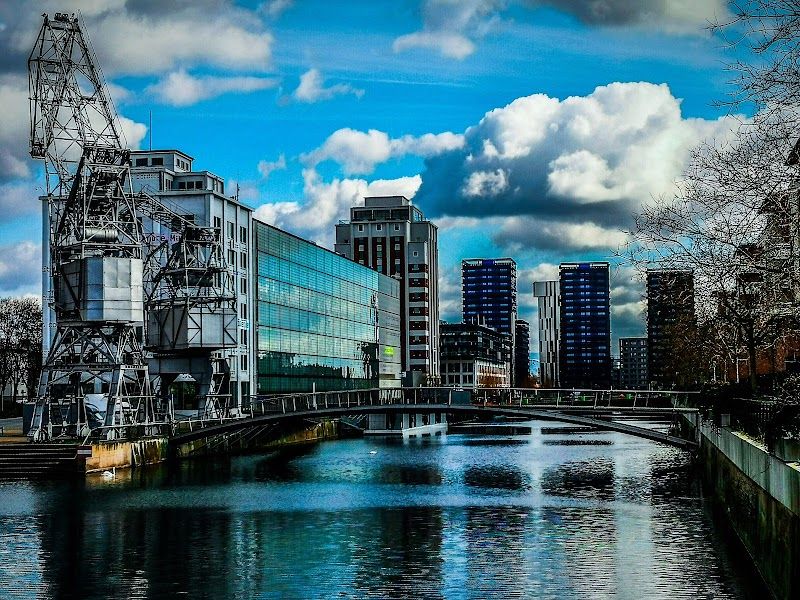
La Presqu'île Malraux
This contemporary cultural complex sits on a narrow island in the Ill River, housing the Strasbourg National Theater, multimedia library, and rotating art exhibitions. The angular glass and concrete architecture looks completely alien next to Strasbourg's half-timbered buildings, which is exactly the point. You'll find serious theater productions, experimental performances, and surprisingly good photography exhibitions that change every few months. The library's upper floors offer free wifi and river views if you need a quiet workspace. The complex feels like three separate buildings connected by glass walkways, so you'll do some walking between venues. The theater lobby buzzes with university students and local culture vultures before evening shows, while the library stays calm throughout the day. The exhibition spaces on the ground floor flow naturally into each other, and the rooftop terrace gives you an unexpected perspective on the cathedral spires across the water. Everything feels very French-intellectual, in the best possible way. Most people skip this entirely, thinking it's just for locals, but that's their loss. Library access is completely free, exhibitions usually cost 5-8 EUR, and theater tickets range from 15-35 EUR. Skip the overpriced cafe inside and grab coffee at the university area just across the bridge. The building looks intimidating from outside but the staff are genuinely helpful once you're inside.
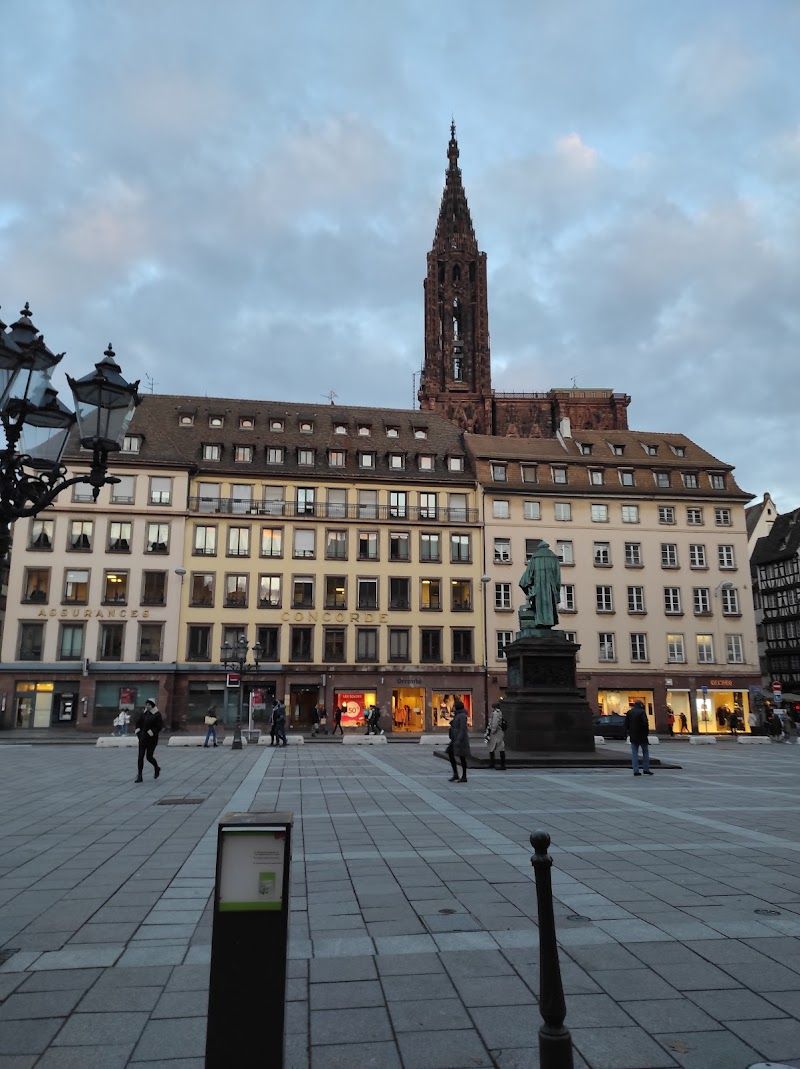
Place Gutenberg
Place Gutenberg sits at the center of Strasbourg's old town, anchored by David d'Angers' bronze statue of Johannes Gutenberg from 1840. The square showcases some of the city's finest architecture: the ornate Maison Kammerzell with its 1589 carved facade dominates one corner, while the Renaissance Chambre de Commerce building (the former city hall) commands another side. Half-timbered Alsatian houses complete the picture, creating one of Strasbourg's most photogenic squares. The cobblestoned space feels intimate despite being surrounded by shops and cafes. You'll find yourself naturally drawn to the Gutenberg statue in the center, where the printing pioneer holds a matrix from his revolutionary press. The square serves as a crossroads for pedestrian streets, so there's constant movement of locals and tourists flowing through. Street performers occasionally set up near the statue, and the outdoor cafe terraces fill up quickly on sunny days. Most guidebooks oversell this as a major attraction when it's really just a pleasant square to pass through. The real draw is the architecture, especially Maison Kammerzell, rather than any deep Gutenberg connection. Skip the overpriced cafes facing the square (coffees run 4-5 EUR) and grab a pretzel from a nearby bakery instead. The lighting hits the carved facades best in mid-morning, making it prime time for photos.
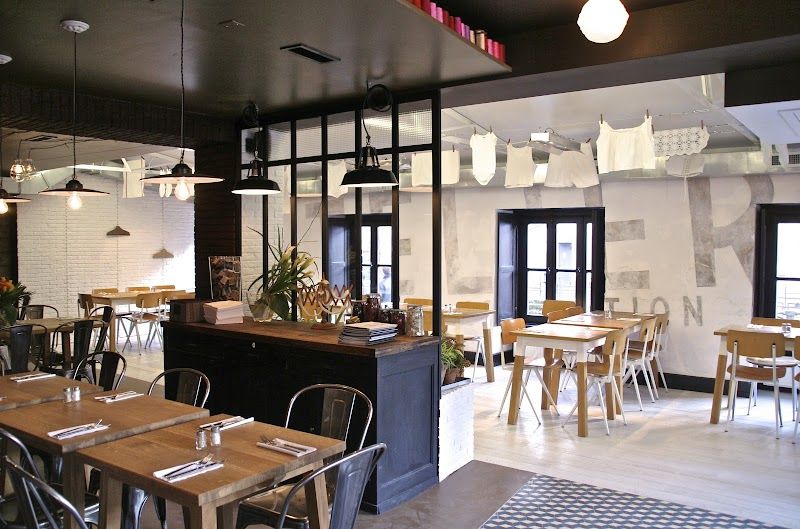
La Corde à Linge
Petite France restaurant with terrace tables overlooking the Ill River and the Ponts Couverts. The menu offers Alsatian classics alongside French brasserie dishes, with tarte flambee available all day. The building dates to 1672 and retains original window frames and shutters.
Le Tire-Bouchon
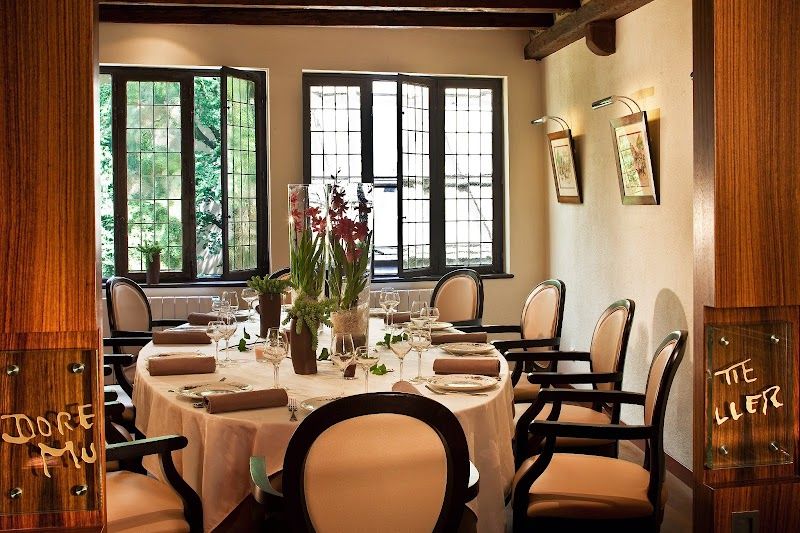
Authentic Alsatian winstub tucked into a narrow medieval street, serving traditional dishes like choucroute and baeckeoffe. The cozy half-timbered interior and excellent local wine list make it a favorite among Strasbourg residents.
Brasserie Les Haras
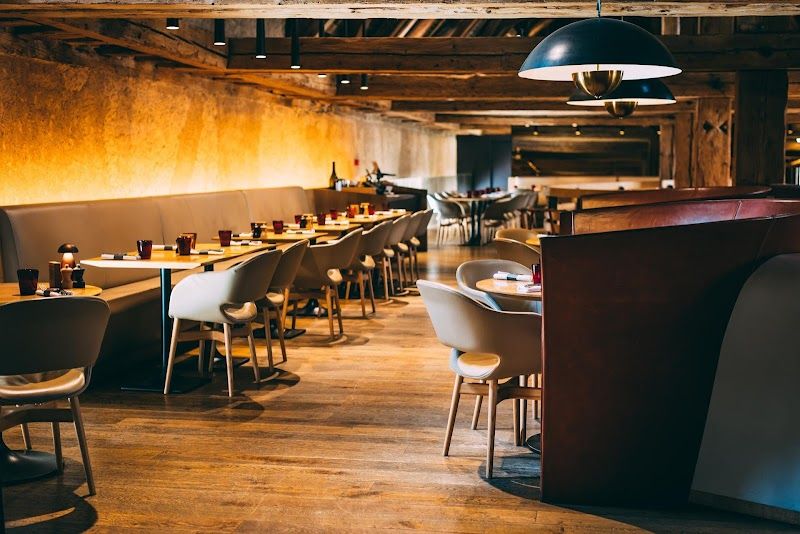
Marc Haeberlin restaurant in a converted 18th-century royal stables, with original stone arches and a glass-roofed courtyard. The menu includes both Alsatian classics and modern French plates, with the baeckeoffe and sander fish from the Rhine both standouts. The bar serves Meteor beer on tap, the brewery founded in Strasbourg in 1640.
Parc de la Citadelle
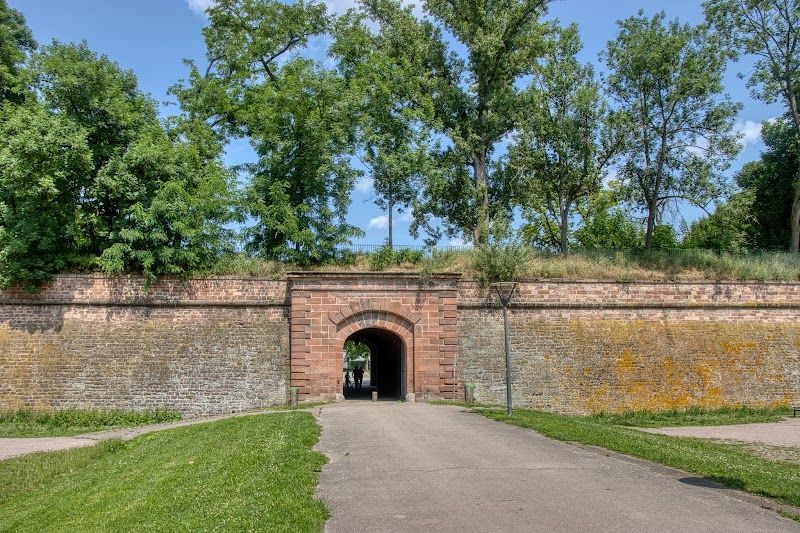
This 11-hectare park sits on genuine 17th-century Vauban fortifications, and you can still walk along the original star-shaped ramparts that once defended Strasbourg. The elevated stone walkways give you aerial views of the geometric military design, while below, wide gravel paths wind past old powder magazines and bastions now covered in ivy. You'll find joggers using it as their regular circuit, families picnicking on the central lawns, and university students reading under the mature plane trees. The experience feels like exploring a living history lesson where military architecture meets urban green space. You start by climbing onto the ramparts through stone archways, then follow the star-shaped perimeter with views over the park's interior and glimpses of Strasbourg's skyline. The contrast is striking: formal geometric paths below, wild vegetation growing over ancient stone walls above. It's quiet here, with just the sound of gravel underfoot and birds in the old fortification niches. Most guides oversell this as a major attraction when it's really a lovely neighborhood park with historical bones. The ramparts walk takes 20 minutes maximum, and there's not much interpretive signage explaining what you're seeing. Come for a peaceful break between Strasbourg's busier sights, or combine it with the nearby university area. Skip it if you're short on time, the European institutions are far more impressive.
Strasbourg Boat Tour (Batorama)
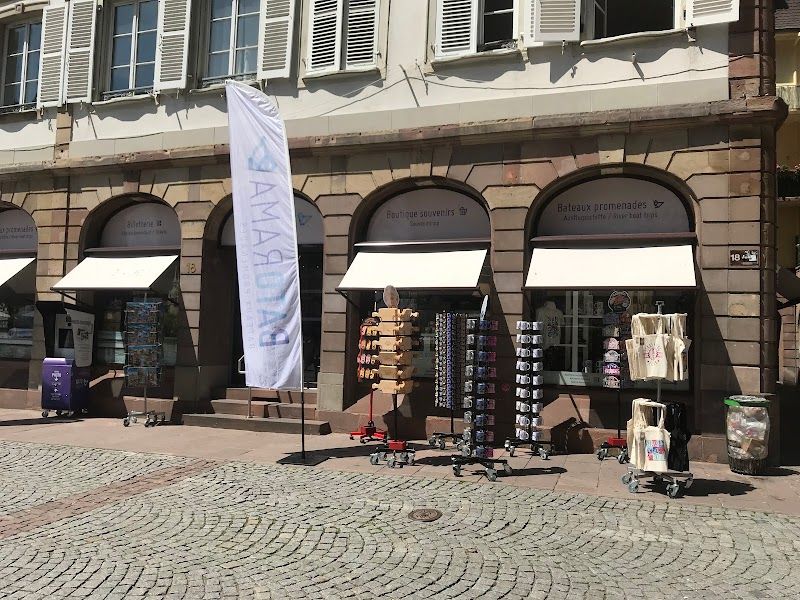
The Batorama boat tours navigate the canals and river arms of the Grande Ile, offering a 70-minute circuit that covers Petite France from water level, the Ponts Couverts, the modern European Parliament and European Court of Human Rights buildings from the Ill, and the waterfront of the Grande Ile including the Palais Rohan from the river. EUR 14.90 adult, EUR 7.90 child. Boats depart every 30 minutes in season from the Palais Rohan landing on the Quai des Bateliers. The boat circuit is the most efficient way to understand the geography of the city: the Grande Ile is genuinely surrounded by water on all sides, which is clearer from the water than from any map. The European Parliament section (the glass buildings are visible from the river) gives the circuit a contemporary bookend to the medieval cathedral start. The tour uses an audio guide in 13 languages. Covered boats with heated interiors operate in winter. The evening departure (last boat at dusk) has the best light on the cathedral from the water.
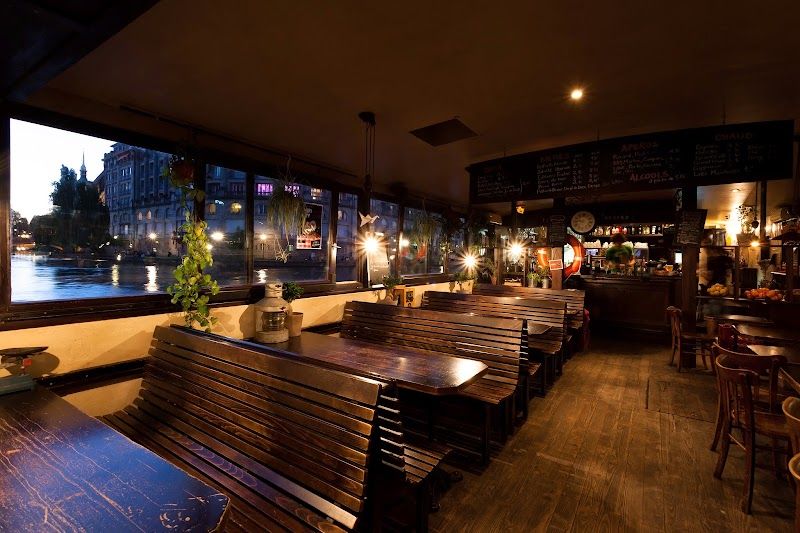
Café Atlantico
Beloved neighborhood café and bar in Krutenau known for its relaxed bohemian vibe and diverse clientele of students, artists, and locals. Features an extensive selection of beers, wines, and cocktails alongside light meals and tapas. The large outdoor terrace along Rue du Vieux Marché aux Poissons is perfect for people-watching.
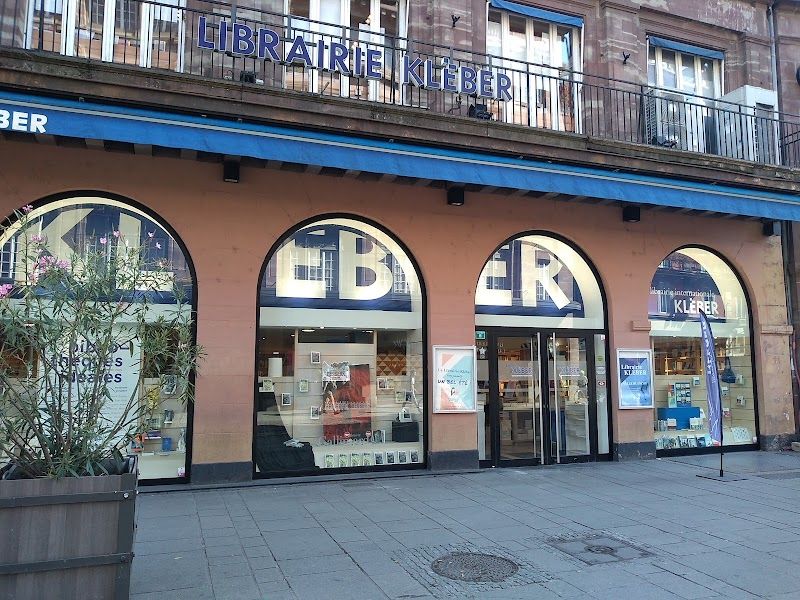
Librairie Kléber
Librairie Kléber sprawls across four floors of a gorgeous 19th century building right in central Strasbourg, making it the city's most impressive independent bookstore. You'll find over 100,000 titles here, from French literature to travel guides, plus an exceptional Alsatian section that locals actually use for research. The third floor houses rare regional books and historical texts about Strasbourg that you won't find elsewhere, while the ground floor stocks quality stationery, Alsatian-themed gifts, and postcards. The experience feels like exploring a literary mansion rather than shopping in a typical bookstore. Each floor has its own character: the ground floor buzzes with browsers and gift hunters, while upper floors grow quieter and more scholarly. The reading nooks scattered throughout invite you to settle in with potential purchases, and the staff genuinely knows their inventory. The building's original wood floors creak pleasantly as you climb between sections, and tall windows flood the space with natural light. Most visitors stick to the ground floor and miss the real treasures upstairs. Skip the tourist guidebooks on the main level, they're overpriced at 25-35 EUR compared to elsewhere. The Alsatian cookbook section on the second floor offers better value, with local recipe collections starting around 15 EUR. Come on weekday afternoons when it's less crowded and you can actually browse the rare book section properly.
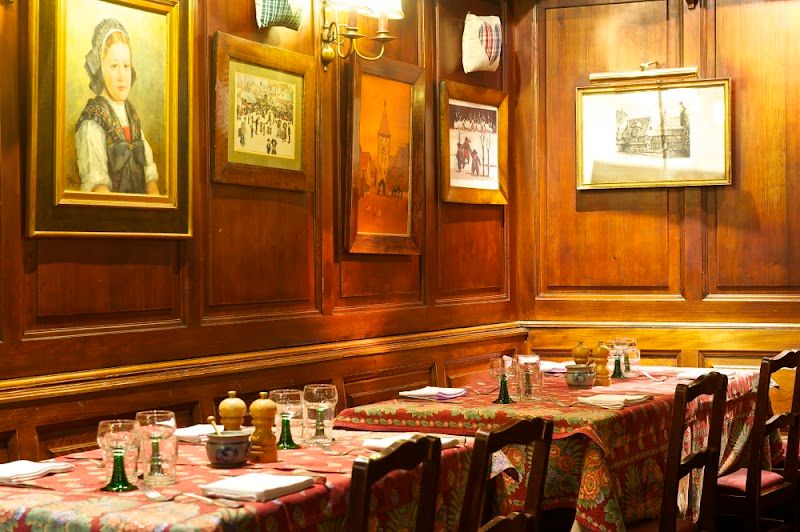
Le Clou
Petite France winstub in a 17th-century building with exposed beams and tile floors. The tarte flambee selection includes 15 varieties, from classic onion and bacon to munster cheese with cumin. Portions are generous and prices lower than the tourist spots on the main canal.
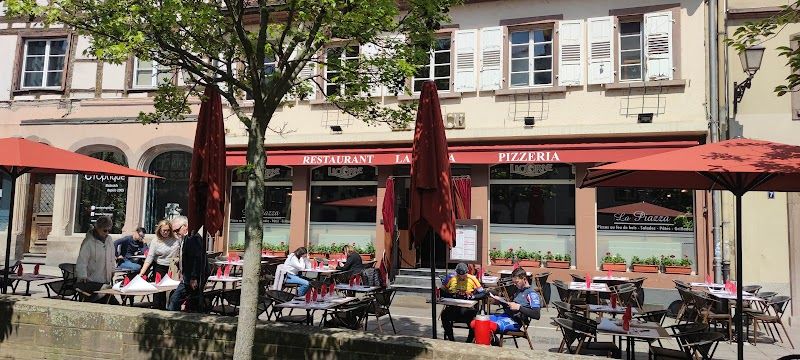
Les Berthom
Popular craft beer pub offering over 20 Belgian and French beers on tap with an impressive selection of bottled beers from around the world. The knowledgeable staff provide excellent recommendations and the casual atmosphere attracts a mix of beer enthusiasts and locals. Pairs well with their selection of cheese and charcuterie boards.
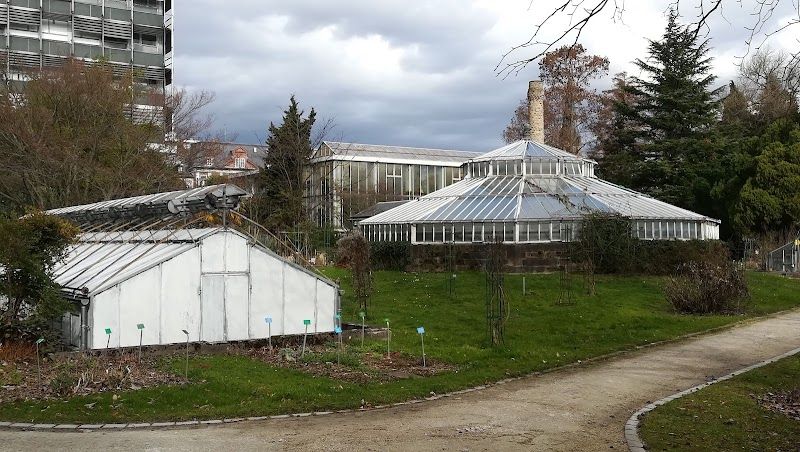
Jardin botanique de l'Université de Strasbourg
This working university botanical garden spreads across 3.5 hectares with over 6,000 plant species organized for actual research, not just pretty displays. You'll find rare specimens in the systematic garden where plants are arranged by botanical families, plus an impressive arboretum with mature trees you won't see elsewhere in Strasbourg. The 1884 greenhouses house tropical collections including massive Victoria amazonica water lilies, while the desert house showcases cacti and succulents from around the world. The garden feels refreshingly academic rather than touristy, with detailed botanical labels and students sketching specimens on benches. The outdoor collections flow naturally from European natives to exotic introductions, while gravel paths wind between themed sections. Inside the historic greenhouses, humidity hits you immediately and the air smells earthy and green. The tropical house feels genuinely jungle like with towering palms creating a canopy overhead. Most visitors rush through without reading the excellent plant labels, missing the educational point entirely. The outdoor gardens are free and accessible daily, but the greenhouses close at odd hours and aren't always staffed. Skip this if you just want Instagram worthy flower beds, but it's perfect if you actually enjoy learning about plants. The systematic garden section looks boring but contains the rarest specimens.
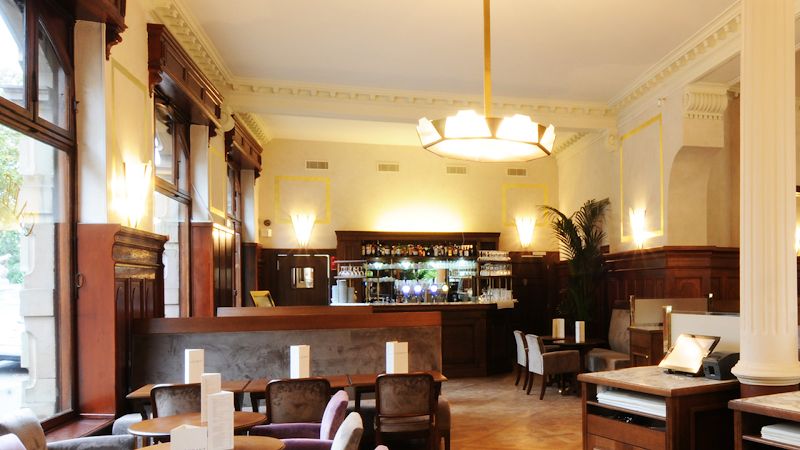
Café Brant
Historic café established in 1895 with Art Nouveau interior and ornate ceiling frescoes. A local favorite for breakfast or afternoon coffee, serving excellent pastries and light meals in an elegant Belle Époque setting.
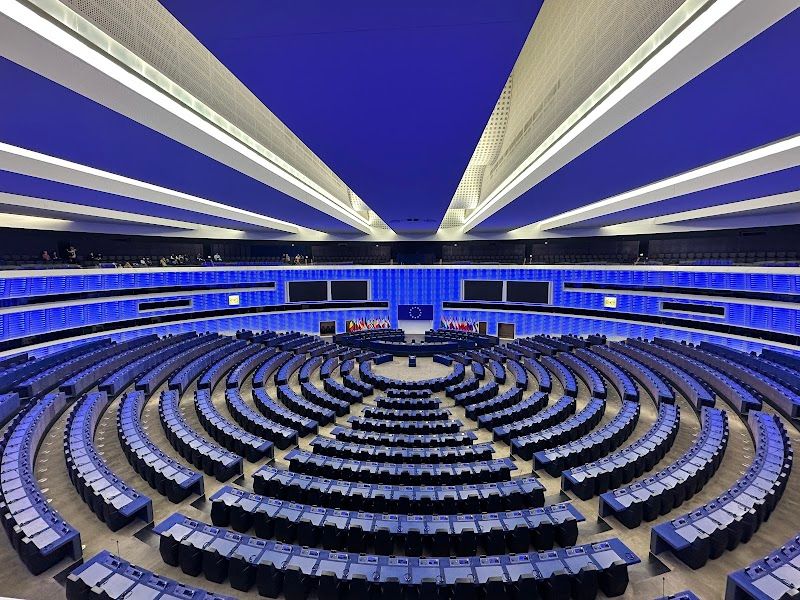
Le Parlementaire
A contemporary brasserie frequented by MEPs, EU officials, and journalists covering European politics, serving classic French cuisine with a modern twist. The restaurant features seasonal menus and an excellent wine selection. Its terrace offers views of the European Parliament building.
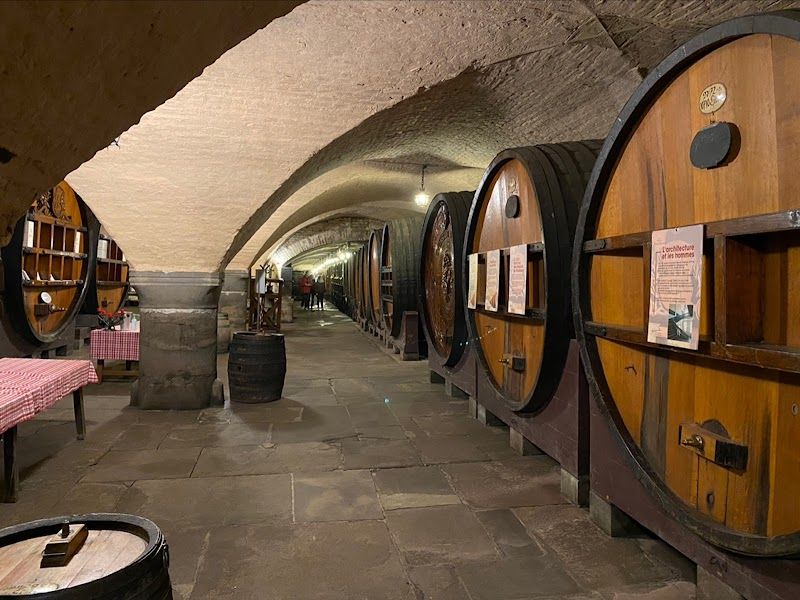
Caves Historiques des Hospices de Strasbourg
Beneath Strasbourg's Civil Hospital lie medieval wine cellars that have stored Alsatian wines for over 600 years. You'll walk through vaulted stone chambers dating to the 14th century, past massive wooden barrels including the famous 1472 Riesling that's never been opened. The 90-minute guided tour includes tastings of current hospital-produced wines from their own vineyards, plus fascinating stories about how wine sales funded patient care for centuries. The tour starts in the hospital's courtyard before descending into surprisingly cool cellars with thick stone walls and arched ceilings. Your guide explains the medieval wine trade while you examine enormous oak barrels, some still in use today. The atmosphere feels genuinely historical rather than touristy, with dim lighting and the musty scent of aging wine. The highlight comes in the final chamber where the 1472 barrel sits behind protective glass, its contents a mystery that will never be solved. Most tours cost around 15 EUR including three wine tastings, though prices vary by season. Skip this if you're not interested in wine history, as the tour focuses heavily on winemaking rather than general medieval history. The Saturday morning slots fill up quickly but offer the most intimate experience with smaller groups. The cellars stay at 12°C year-round, so bring a light jacket even in summer.
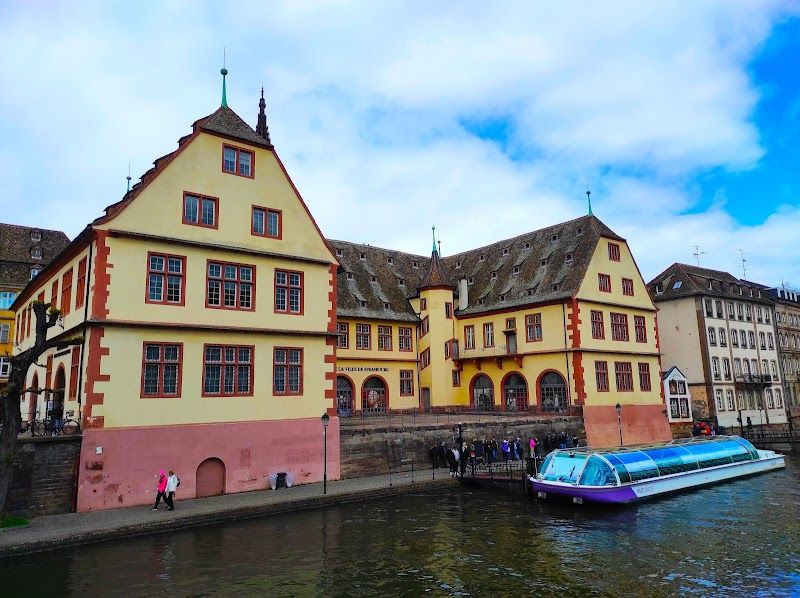
Musée Historique de la Ville de Strasbourg
The Musée Historique occupies a remarkably well-preserved 16th-century slaughterhouse, and you'll see Strasbourg's entire story unfold through interactive displays and authentic artifacts. The star attraction is the original clockwork figures from the cathedral's astronomical clock, complete with their intricate gears and mechanisms. You'll also find medieval guild treasures, detailed fortress models showing how the city walls evolved, and fascinating exhibits about Strasbourg's ping-pong history between French and German rule. The visit flows chronologically through three floors, starting with Roman foundations in the basement and ending with modern European Parliament history on the top level. The building itself tells a story: original butcher hooks hang from Gothic arches, while Renaissance stonework frames computer screens showing historical animations. The atmosphere feels intimate rather than overwhelming, with just enough visitors to feel engaged but never crowded. Each room flows naturally into the next, and the multilingual displays actually explain context instead of just listing dates. Most guides oversell the weapons collection on the second floor, which is frankly repetitive after the first few cases. Focus your time on the basement clockwork display and the top floor's political history section, which explains why Strasbourg changed hands so many times. Entry costs 6.50 EUR for adults, but it's included in the Strasbourg Museum Pass (18 EUR) if you're planning to visit multiple sites. Skip weekday mornings when school groups dominate the space.
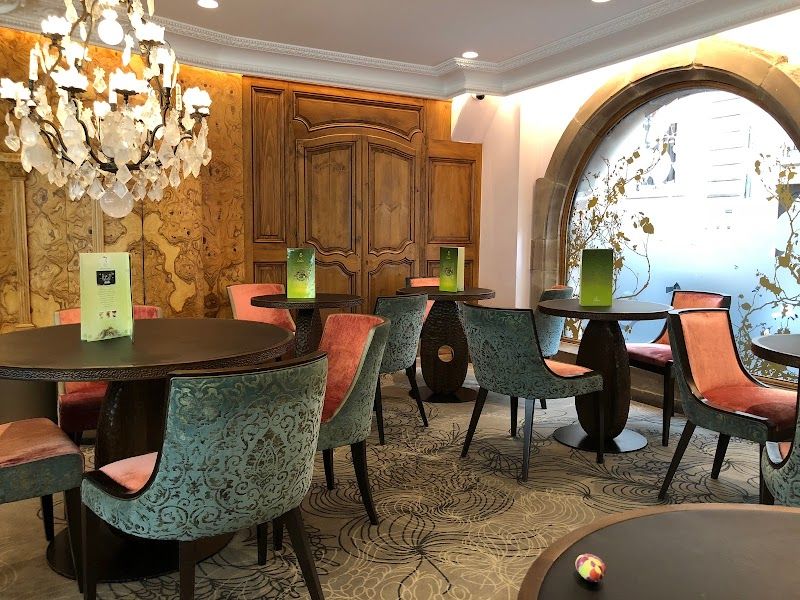
Christian
Elegant fine dining restaurant helmed by a Michelin-trained chef, offering creative French cuisine with Alsatian influences. The intimate dining room and carefully curated wine list make it perfect for special occasions.
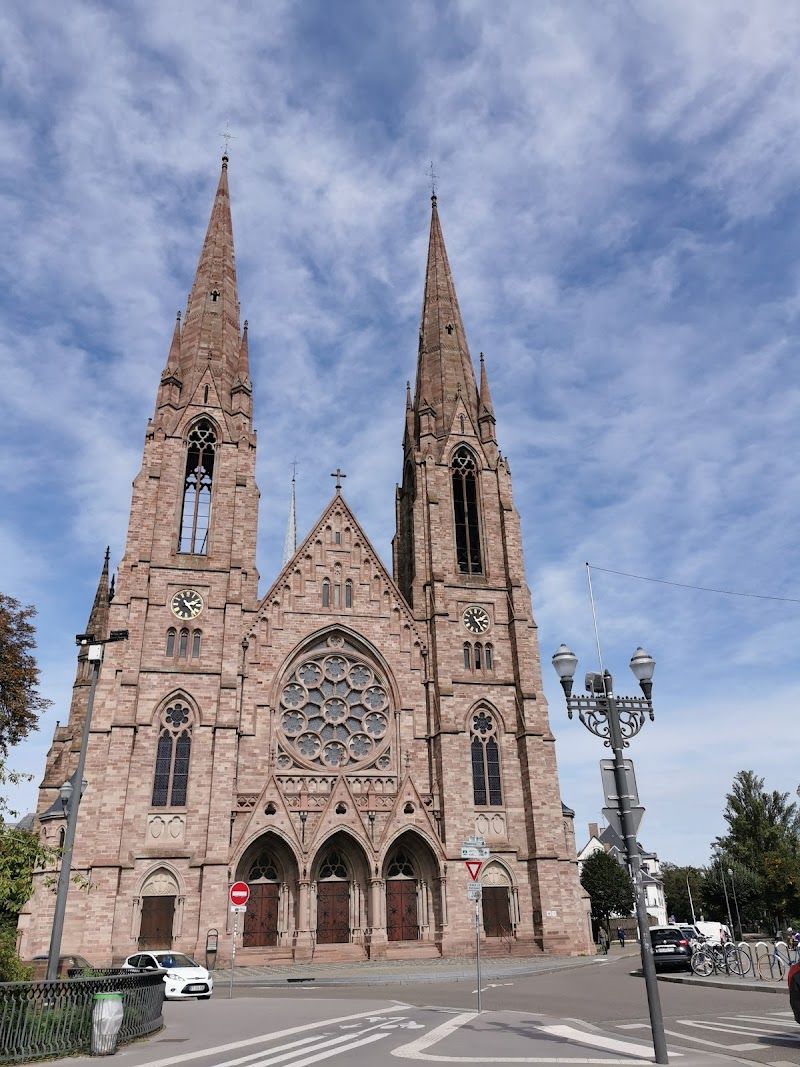
Église Saint-Paul
Église Saint-Paul rises from the Krutenau district with twin neo-Gothic spires that pierce Strasbourg's skyline like stone exclamation marks. Built between 1892 and 1897, this Protestant church houses one of the finest organs in eastern France, a massive instrument with 3,500 pipes that fills the space with sound during regular concerts. The interior surprises with soaring ribbed vaulting and jewel-toned stained glass that casts shifting patterns across limestone walls. You'll enter through heavy wooden doors into a surprisingly bright nave where light streams through tall Gothic windows. The organ dominates the rear gallery, its elaborate wooden case carved with intricate details that reward close inspection. During concerts, the acoustics transform the space into a resonating chamber where every note seems to hang in the air. The riverside setting means you can combine your visit with a walk along the Ill River, where the church's reflection wavers in the dark water. Most visitors snap photos from the front plaza and leave, missing the real magic inside during organ performances. Concert tickets cost 10-15 EUR when available, but many rehearsals and smaller performances are free. The church gets tourist groups around 11am, so arrive early morning or late afternoon for quieter contemplation. Skip the climb to the bell tower unless you're desperate for views, the nearby cathedral offers better panoramas.
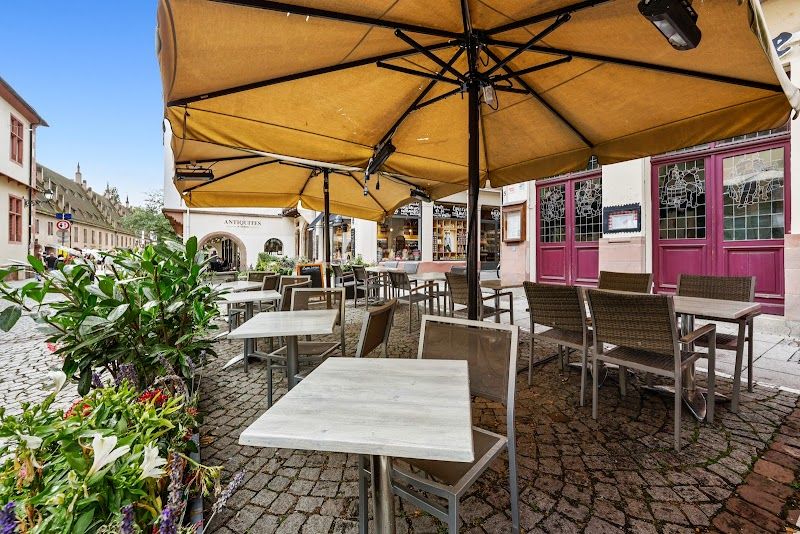
Zum Strissel
14th-century winstub with vaulted ceilings and stone walls, serving the full range of Alsatian dishes. The baeckeoffe is prepared following a three-day marination process and arrives bubbling in a ceramic terrine. The wine selection includes 40 Alsatian references, with detailed tasting notes in French and German.
Strasbourg Old Town Walking Tour
A guided walking tour of Strasbourg's Grande Ile covers the full context of the city that self-guided walking misses: the German-French history (Strasbourg changed hands four times between 1871 and 1945), the meaning of the Alsatian dialect (a mix of German and French that still functions as a daily language for some older residents), the architectural shifts between French Baroque (Palais Rohan), German neo-Gothic (the buildings from the German annexation period 1871-1918), and medieval (the cathedral and Petite France). Tours typically last 2-3 hours, EUR 12-18 per person, leaving from Place Gutenberg or the cathedral square. The guide quality varies: the best operators are those who grew up in Strasbourg and can explain the bilingual heritage without simplifying it. Architecture-focused tours are also available (EUR 15-22) concentrating on the Cathedral facade and the Palais Rohan. Most tours run year-round; Christmas market season (November-December) adds a special festive circuit.
L'Eveil des Sens
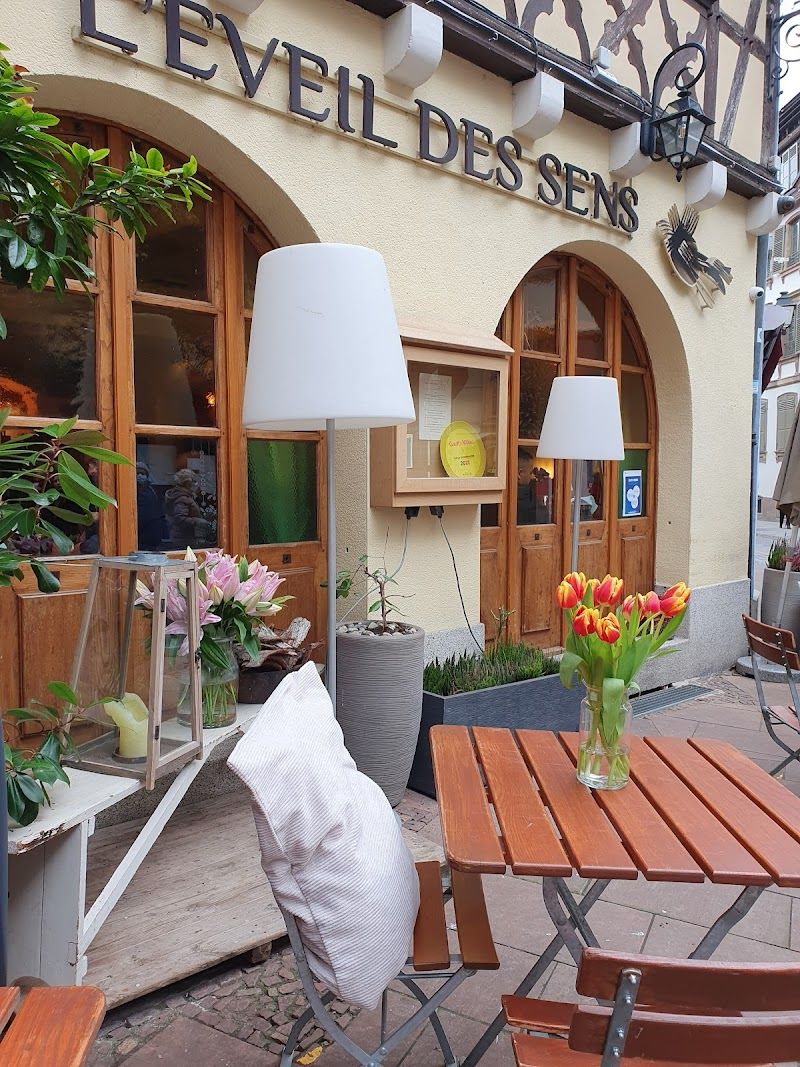
Contemporary French restaurant in Krutenau with a seasonal tasting menu and wine pairings from Alsace and Burgundy. Chef Julien Bindel trained in Lyon and brings Rhone Valley techniques to local ingredients like Kochersberg asparagus and Vosges trout. The dining room seats only 24 people.
Le Gayot
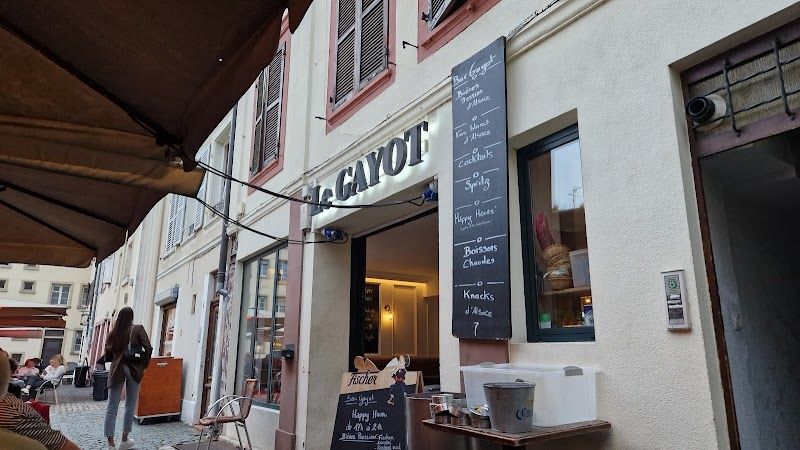
Lively student bar in the heart of Krutenau with mismatched vintage furniture and walls covered in concert posters. Pints of local Météor beer cost EUR 4.50 and the daily happy hour (5-8pm) offers half-price cocktails. The backroom hosts DJ sets and live indie bands most Thursday through Saturday nights.
Musée de l'Œuvre Notre-Dame
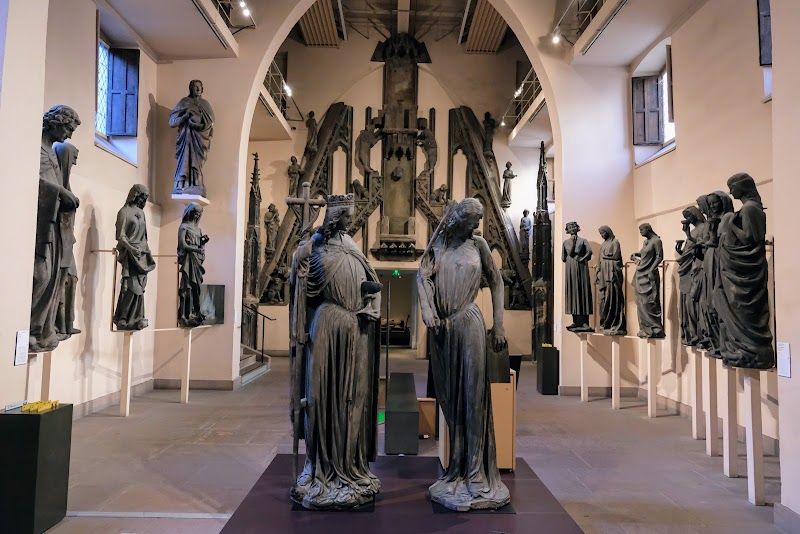
This cathedral museum houses seven centuries of original medieval art in a gorgeous 14th-century building complex right beside Notre-Dame. You'll see the actual stone statues that once decorated the cathedral facade (now replaced by copies), plus extraordinary medieval stained glass windows and the famous Wissembourg Christ head from 1060. The Gothic courtyard garden recreates authentic medieval plantings, complete with medicinal herbs and period vegetables. The visit flows chronologically through interconnected historic rooms, each showcasing different periods of Strasbourg's artistic heritage. Room 15 steals the show with the original 13th-century Synagogue and Church statues from the cathedral's south portal, their medieval paint and facial expressions incredibly preserved. The atmosphere feels intimate and scholarly, like exploring a private collector's treasure trove rather than a formal museum. At EUR 6.50, it's excellent value but skip the audio guide (EUR 3 extra) which adds unnecessary fluff. Most visitors rush through to tick boxes, but spend at least 90 minutes to appreciate the craftsmanship details. The upstairs rooms get overlooked but contain some of the finest pieces. Don't bother with the temporary exhibition space unless medieval art is your passion, focus your time on the permanent collection's masterpieces.
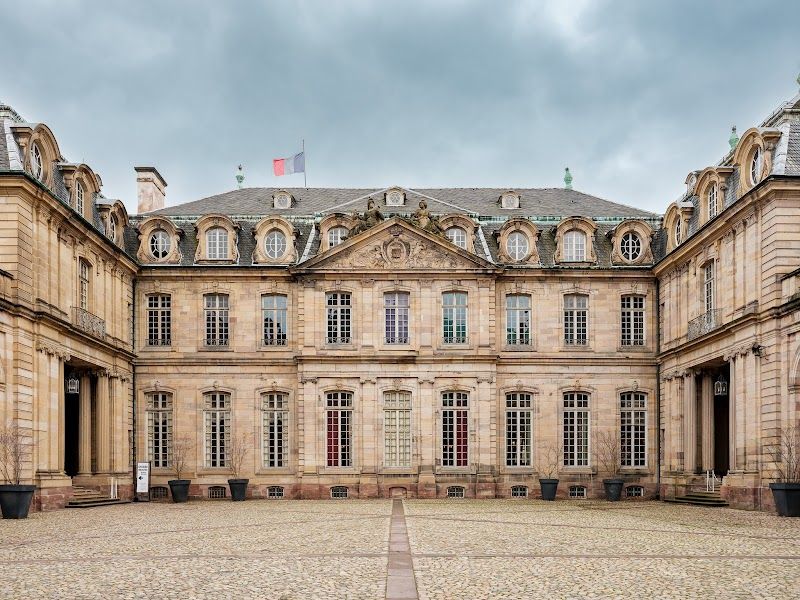
Palais Rohan
The Palais Rohan is the former episcopal palace built between 1731 and 1742 for Cardinal Armand-Gaston de Rohan, who wanted a residence worthy of his position (and his ambitions: the Rohan family produced four cardinals who each served as Bishop of Strasbourg). The palace is one of the finest examples of French Baroque architecture east of Paris. It houses three separate museums: the Musee Archeologique (the pre-Roman and Roman collections from Alsace, EUR 6.50), the Musee des Arts Decoratifs (the original royal apartments furnished as they were under Louis XV and Louis XVI, with the full porcelain production from the Strasbourg manufactory, EUR 6.50), and the Musee des Beaux-Arts (Flemish, Dutch, Italian, and French paintings from the 14th to 19th centuries, including a Giotto, a Raphael attributed work, and El Greco, EUR 6.50). A combined ticket covers all three for EUR 13. The interior of the apartments is extraordinary: the Chambre du Roi (the room prepared for Louis XV in case he visited) is the finest court interior in Alsace. Napoleon stayed here twice. Open Wednesday to Monday.
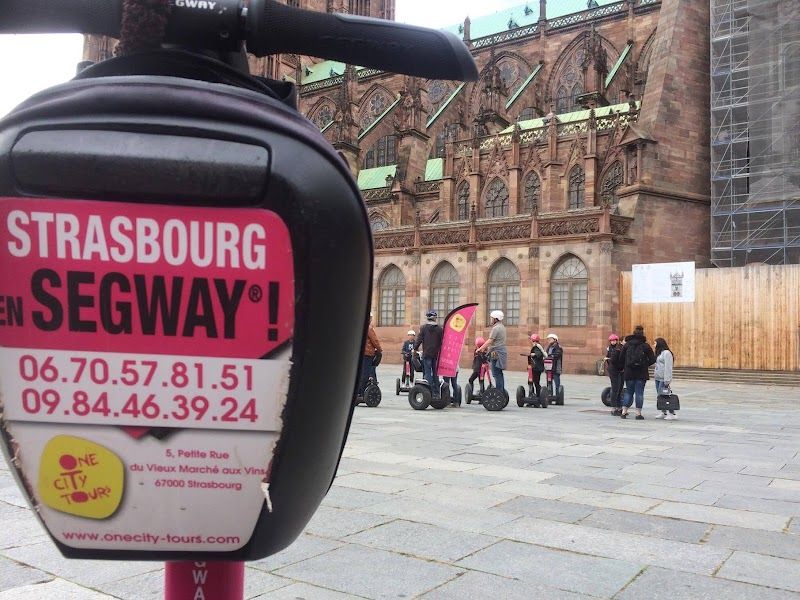
Segway Tour Strasbourg
Segway Tour Strasbourg takes you on a two-hour glide through three distinct areas: the medieval Grande Île with its cathedral and timber houses, the canals and bridges of Petite France, and the modern European Quarter where actual EU business happens. You'll cover about 8 kilometers total, which would take hours on foot but feels effortless on wheels. The guide shares stories spanning 2,000 years, from Roman settlements to today's European Parliament sessions. After 15 minutes of training (easier than you'd think), you're rolling through cobblestone streets and along quiet canal paths. The Segway handles Strasbourg's varied terrain well, from the narrow alleys around the cathedral to the wide boulevards near the European institutions. You'll stop frequently for photos and commentary, and the small group size (maximum 8 people) keeps things personal. The contrast between medieval Petite France and the glass towers of the EU district really hits when you're moving smoothly between them. Most tours feel rushed, but this one gets the pacing right with substantial stops at each major sight. The 45 EUR price point sits fair for what you get, though some guides are stronger on historical details than others. Skip this if you're uncomfortable with any kind of balance challenge, despite their reassurances. The morning departure at 10am works better than afternoon since you'll have the historic center largely to yourself before tour groups arrive.
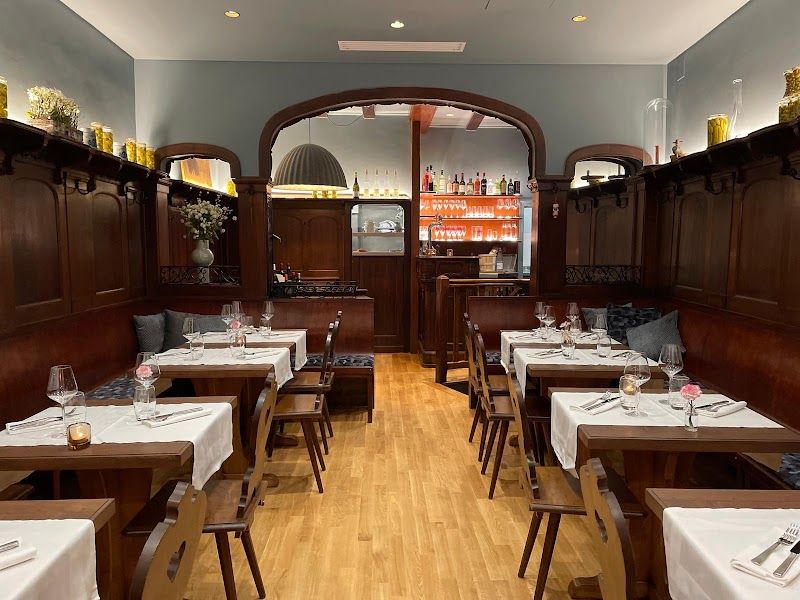
Au Coin des Pucelles
Intimate winstub on a quiet street with bench seating and daily specials written on a chalkboard. The choucroute comes with Strasbourg sausages and smoked pork belly, and the wine list features small Alsatian producers. Only 30 seats, so the atmosphere stays quiet even when full.
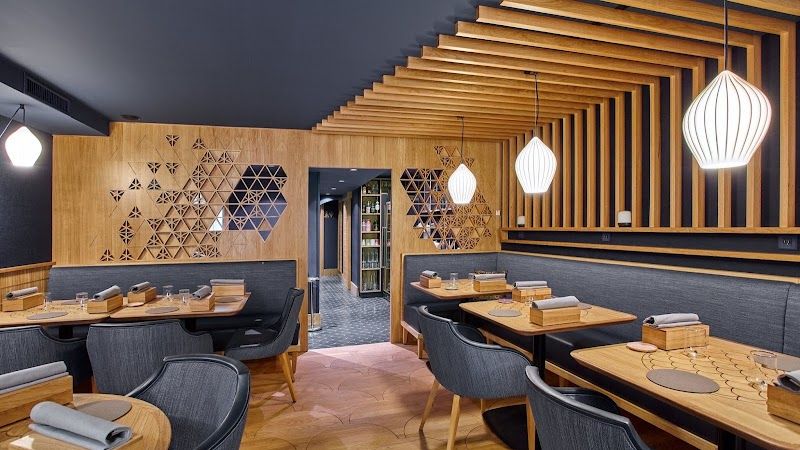
Restaurant Umami
Korean restaurant near the European Parliament serving banchan side dishes, bulgogi, and kimchi jjigae stew. The lunch menu includes bibimbap with eight vegetable toppings for 13 EUR, popular with Parliament staffers. The owner sources gochugaru and doenjang from a supplier in Paris's 13th arrondissement.
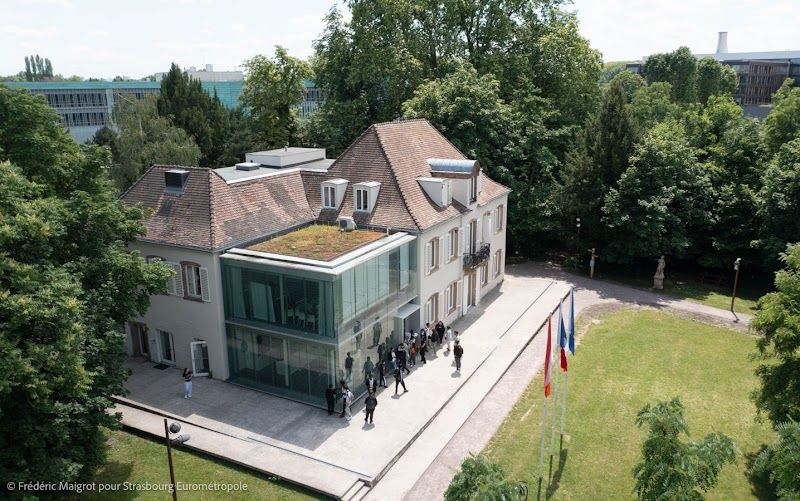
Lieu d'Europe
Lieu d'Europe serves as Strasbourg's free crash course in European politics, housed in a modern glass building that feels more like a tech startup than a stuffy government center. You'll find interactive touchscreens explaining how EU laws actually get made, voting simulators that let you experience parliamentary debates, and surprisingly engaging displays about the Council of Europe's human rights work. The exhibitions change regularly, but always focus on making complex European institutions understandable for regular people. The visit flows through three main zones: an introductory area with timeline displays, interactive stations where you can dive deep into specific topics like the euro or migration policy, and a debate space that hosts live discussions. The atmosphere feels purposefully welcoming rather than bureaucratic, with multilingual staff who genuinely seem to enjoy explaining European democracy. The multimedia displays actually work (a rarity in many museums), and you can spend as little or as much time as you want on each topic. Most travel guides treat this as a quick checkbox, but it's genuinely worth 90 minutes if you're curious about how Europe actually functions. Skip the historical timeline section if you're short on time and head straight to the voting simulators and current affairs displays. The place gets packed during school holidays with French students, so visit mid-morning on weekdays for a quieter experience.
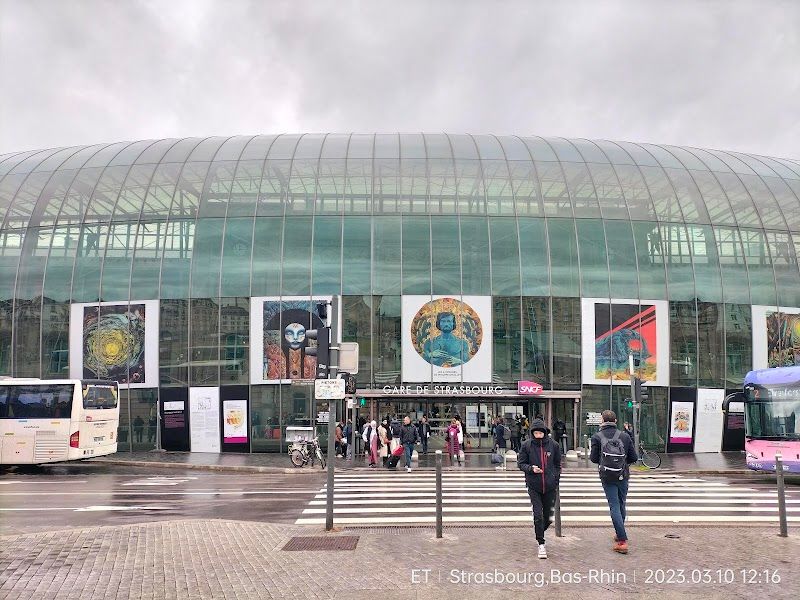
Vélhop Bike Tour
Strasbourg's Vélhop system gives you access to over 600km of cycling paths that thread through one of Europe's most bike-friendly cities. The classic route loops around Grande Île (the UNESCO-listed old town), then heads west through the canals and half-timbered houses of Petite France before extending northeast to the gleaming European Parliament complex. You'll cycle past medieval churches, contemporary EU buildings, and plenty of locals who treat bikes as their primary transport. The paths feel remarkably safe and well-marked, with dedicated bike lanes separated from traffic throughout most of the city. Petite France is the scenic highlight where you'll weave between 16th-century tanners' houses and cross small bridges over the Ill River's multiple channels. The European Quarter provides a stark contrast with its modern architecture and manicured parks. Expect other cyclists everywhere: this isn't a tourist novelty but how Strasbourg actually moves. Most guides don't mention that bike stations frequently run empty during peak hours (especially weekends), leaving you stranded. The €5 day pass is decent value, but factor in the €150 deposit that gets held on your card. Skip the longer routes to Orangerie park unless you have extra time, the city center loop gives you the best payoff in under three hours.
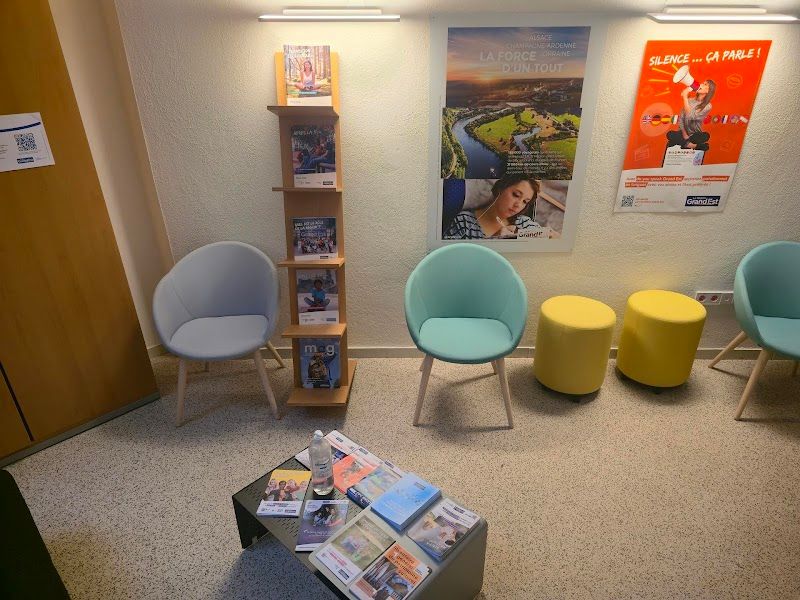
Maison de la Région Alsace
This 16th-century Renaissance mansion serves as the official showcase for Alsace's regional products, from wines and foie gras to handwoven textiles and pottery. You'll find a curated boutique selling authentic Alsatian goods alongside rotating exhibitions featuring local artisans. The building itself is gorgeous, with original stone archways, wooden beams, and a peaceful inner courtyard that feels worlds away from the tourist crowds. The visit flows naturally from the ground floor exhibition space into the boutique upstairs, where you can sample local wines and spirits before buying. The staff genuinely knows their products and will let you taste Gewürztraminer or regional brandies without pressure. The courtyard provides a quiet spot to sit and plan your next move, especially welcome after navigating Petite France's busy streets. Most travel guides oversell this as a major attraction when it's really a pleasant 30-minute browse. The prices are fair but not bargains: expect to pay 15-25 EUR for decent Alsatian wines, 8-12 EUR for local jams or honey. Skip the tourist trinkets near the entrance and head straight to the wine section if you're serious about taking home quality Alsatian products. The exhibitions change monthly and range from excellent to forgettable.