Titisee-Neustadt
Things to Do
30 attractions, museums, and experiences
Seerundweg Titisee
The Seerundweg circles Titisee lake through 6km of Black Forest terrain, offering constant water views framed by Feldberg mountain peaks. You'll walk through dense beech and spruce groves on two distinct paths: a paved northern route perfect for families with strollers, and a quieter southern trail that hugs the shoreline on packed gravel. Wooden benches appear every few hundred meters, positioned to capture the best lake vistas. The walk feels like a gentle meditation through pristine forest, with the lake's dark waters reflecting surrounding peaks. Sound travels beautifully across the water, so you'll hear distant conversations from paddle boats and the occasional splash of swimmers at Strandbad beach. The southern section climbs gently through quieter woodland where you might spot red squirrels, while the northern path stays level and attracts more foot traffic near the town center. Most guides claim this takes 90 minutes, but you'll want closer to two hours if you actually stop at those scenic benches. The route can feel repetitive after 4km since lake views don't change dramatically. Skip the crowded Strandbad starting point on summer weekends when parking costs 3 EUR and head to the free spots near Bruderhalde instead. The southern trail gets muddy after rain, so stick to the paved northern section if you're wearing decent shoes.
Badeparadies Schwarzwald
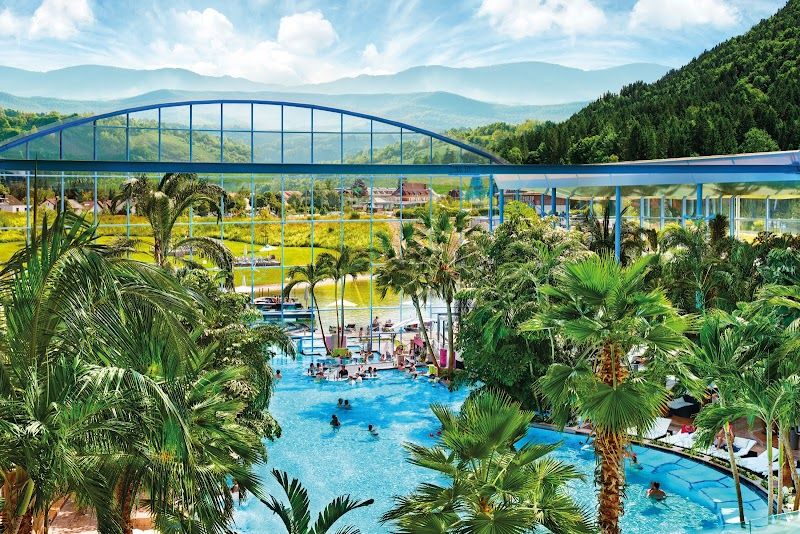
Badeparadies Schwarzwald is Germany's largest indoor tropical water park, sprawling across 32,000 square meters with palm trees, 34°C temperatures, and a massive glass dome that makes you forget you're in the Black Forest. The centerpiece is the Black Hole, Germany's tallest water slide at 150 meters, plus a proper wave pool that actually generates surfable waves and a lazy river that takes 15 minutes to float completely around. The adults-only Palmenoase section feels like a luxury resort with its palm-lined pools and extensive sauna complex. You'll spend most of your time in Galaxy Schwarzwald, the family zone that buzzes with kids but never feels chaotic thanks to smart design and multiple pool areas. The wave pool sessions happen every 30 minutes and create genuine excitement as families position themselves for the best waves. Between slides, you can float the lazy river or lounge under artificial palm trees while rain patters on the glass roof above. The whole place maintains that perfect tropical humidity that makes your skin feel soft and your muscles relax. Most guides don't mention that four hours (EUR 25) is plenty for most visitors, and the full day ticket (EUR 35) only makes sense if you're using the saunas extensively. Skip the overpriced food court and eat beforehand. The Palmenoase add-on (EUR 15) is worth it for adults seeking peace, but families should stick to the main area where kids can actually enjoy everything.
Hasenhorn Coaster
The Hasenhorn Coaster delivers exactly what it promises: Germany's longest summer toboggan run at 2.9 kilometers of pure downhill fun. You'll ride rail-guided sleds with hand brakes down the Hasenhorn mountain, controlling your own speed as you navigate banked curves and straightaways through Black Forest scenery. The chairlift ride up takes about 8 minutes and gives you forest views before the real excitement begins. The experience feels like a controlled roller coaster where you're the driver. Your sled hugs the metal rails as you zip through pine trees, and the hand brake gives you complete control over how wild or cautious you want to be. Kids shriek with delight, adults grin like children, and the ride down takes about 7 minutes if you don't brake much. The adjacent playground keeps families busy between runs, and you can see riders flying down the track while you wait. Most visitors underestimate how addictive this gets, so buy the 6-pack for EUR 22 instead of single rides at EUR 5 each. Avoid summer weekends when waits hit 40 minutes, but shoulder season offers walk-on rides. The 20-minute drive from Titisee is worth it, and combining with Todtnau waterfall makes a perfect half-day trip. Skip it entirely if weather looks iffy since they close for safety.
Ravennaschlucht
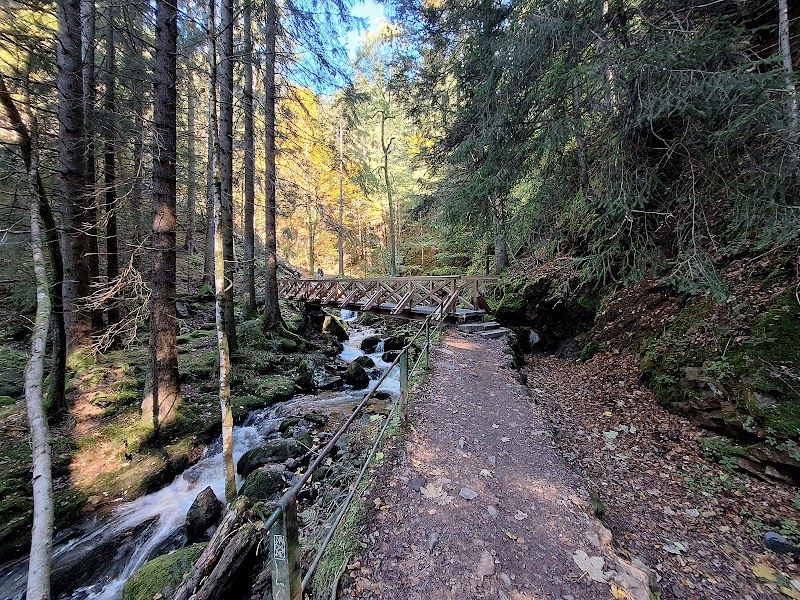
Ravennaschlucht is a narrow rock gorge that cuts dramatically through the Black Forest, creating one of the region's most atmospheric short hikes. You'll walk a 1.5-hour loop through towering rock walls that rise 20-30 meters above your head, crossing wooden footbridges over cascading waterfalls and passing a beautifully restored 19th-century mill. The highlight is when the historic Höllentalbahn railway viaduct appears high overhead, its stone arches framing the gorge perfectly. The atmosphere feels almost mystical as you follow the wooden walkways deeper into the gorge. Water rushes constantly beside the path, and the rock walls create natural acoustics that amplify every splash and bird call. Despite being minutes from the main road, you'll feel completely immersed in forest once you're inside. The bridges have gaps that require careful footing, and the path stays cool even on hot summer days thanks to the sheltered location. Most guides don't mention that this place gets absolutely packed on weekends between May and September, so weekday mornings are your best bet for peace. The lighting is terrible for photos except between 10am and noon when sun actually penetrates the gorge. Winter visits can be magical with ice formations, but the wooden bridges become genuinely treacherous. Skip the overpriced cafe at Hofgut Sternen and pack water instead.
Hofgut Sternen
Hofgut Sternen sits at the mouth of Ravenna Gorge in a 17th-century farmstead that's been feeding travelers for centuries. The glass-walled dining room overlooks the rushing Ravenna stream, and you'll hear the water even from inside. They source ingredients from their own trout farm plus foraged mushrooms, herbs, and berries from the surrounding Black Forest. The seasonal game menu changes based on hunting seasons, so you might find venison, wild boar, or rabbit alongside their famous fresh trout. You'll eat surrounded by weathered wood beams and modern glass panels that frame the stream perfectly. The kitchen operates with serious precision: trout gets pulled from their ponds that morning, and the chef knows exactly which meadow your salad greens came from. Service moves at Black Forest pace, not city speed, so plan for a leisurely two-hour meal. The sound of rushing water creates natural white noise that makes conversations feel intimate even when the dining room fills up. Most reviews rave about the setting, but honestly, the food quality varies depending on the season and what's available that day. The trout preparation is consistently excellent at EUR 24, but skip the game dishes in summer when they're frozen from winter hunting. Lunch crowds peak around 1 PM, so arrive at noon or after 2:30 PM for better service. The parking validation deal is real: spend EUR 25 and you get three hours free to explore the gorge afterward.
Parkhotel Adler Restaurant
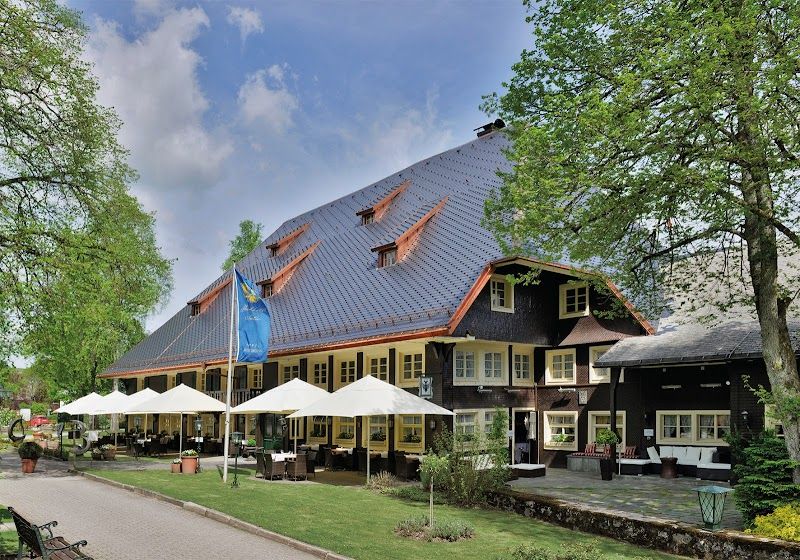
You're dining at the birthplace of the authentic Black Forest gateau, created here in 1915 by pastry chef Josef Keller. The Parkhotel Adler's main restaurant occupies a Belle Époque dining room with original parquet floors, white tablecloths, and crystal chandeliers that transport you back to the early 1900s. Executive chef Andreas Krolik serves elevated Black Forest cuisine: think venison with juniper berries, locally foraged mushrooms, and that famous gateau made from the original recipe. Service runs at a leisurely European pace in the formal dining room, where servers know the provenance of every ingredient and wine pairing. The atmosphere feels genuinely old world without being stuffy, locals celebrate anniversaries here alongside hotel guests discovering the region's culinary heritage. You'll taste the difference in dishes made with ingredients sourced within 30 kilometers, from Simmental beef to wild herbs gathered from surrounding forests. Most visitors order à la carte (mains run EUR 28-42), but the tasting menu at EUR 68 represents better value and showcases the kitchen's range. Skip the hotel café completely, it serves mass produced desserts, not the real gateau. Book dinner for 7:30pm when the dining room fills with a good mix of guests but isn't rushed.
Gasthaus Adler Neustadt
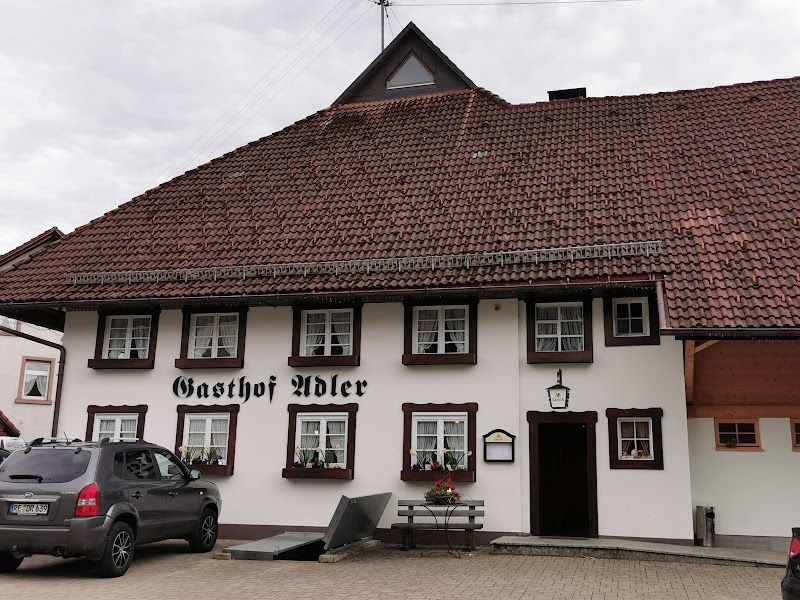
Gasthaus Adler Neustadt occupies a prime corner on Neustadt's historic Marktplatz, serving proper Badisch cuisine that locals have relied on for generations. You'll find hearty plates like Zwiebelrostbraten (EUR 19.50) and house-made Maultaschen (EUR 13) that follow family recipes, all priced about 25% less than the tourist traps around Titisee. The wood-paneled dining rooms feel authentically regional without any forced Alpine kitsch. Walking into the main Stube feels like entering a neighbor's dining room where conversations flow in Alemannisch dialect and the Wirtin knows everyone's usual order. Sunday lunch brings three generations of local families crowding around sturdy wooden tables, creating that convivial atmosphere you can't manufacture. The service moves at a relaxed pace that matches the clientele, never rushing but always attentive to your beer glass. Most travel guides completely miss this place because it's not directly on the lake, which works in your favor. The Tagesgericht on the chalkboard runs EUR 3-4 cheaper than menu items and showcases whatever the kitchen sourced locally that morning. Skip the touristy Sauerbraten and go for the daily special or the Maultaschen, which are genuinely exceptional here.
Seehotel Wiesler Restaurant
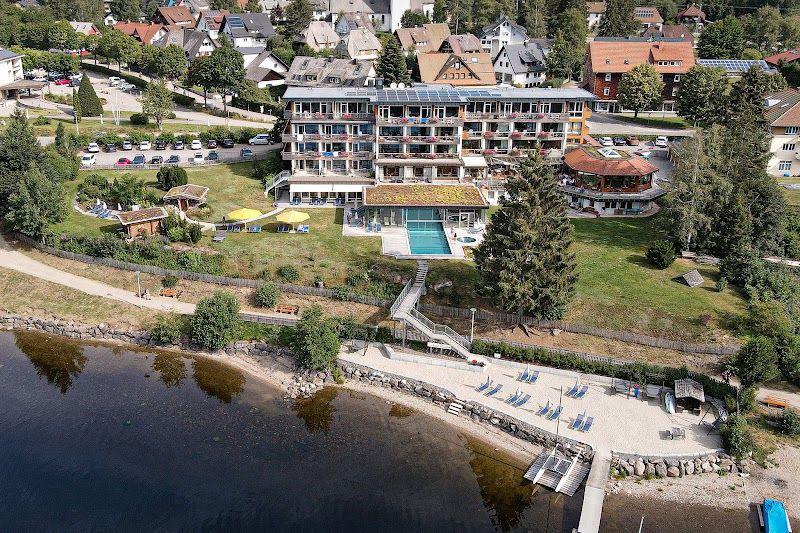
Seehotel Wiesler Restaurant sits directly on Titisee's shoreline with floor-to-ceiling windows and a panoramic terrace that extends over the water. You're here for the Schwarzwaldforelle (EUR 22), locally caught trout that arrives whole at your table with traditional almond butter, plus solid Badisch classics like Sauerbraten and spätzle. The setting delivers what most Black Forest restaurants promise but can't: actual lakefront dining where you can watch rowing boats drift past while eating. The indoor dining room feels like eating inside a fishbowl, with massive windows framing Titisee's dark water and forested hills beyond. Service moves at a relaxed German pace, which works perfectly since you'll want to linger over the view. The terrace tables get snapped up fast in good weather, and for good reason: you're literally dining above the lake with swans occasionally gliding underneath. The atmosphere stays refined but not stuffy, with a mix of hotel guests and day visitors. Most reviewers rave about everything, but stick to the fish dishes and skip the international menu items that feel out of place. The trout is genuinely excellent and worth the EUR 22, but the schnitzel (EUR 18) is generic hotel food. Book ahead for weekend dinners since walk-ins often get stuck with interior tables facing the lobby instead of the lake. The wine list leans heavily on local Badisch bottles that pair well with the fish but expect to pay EUR 8-12 per glass.
Feldbergbahn
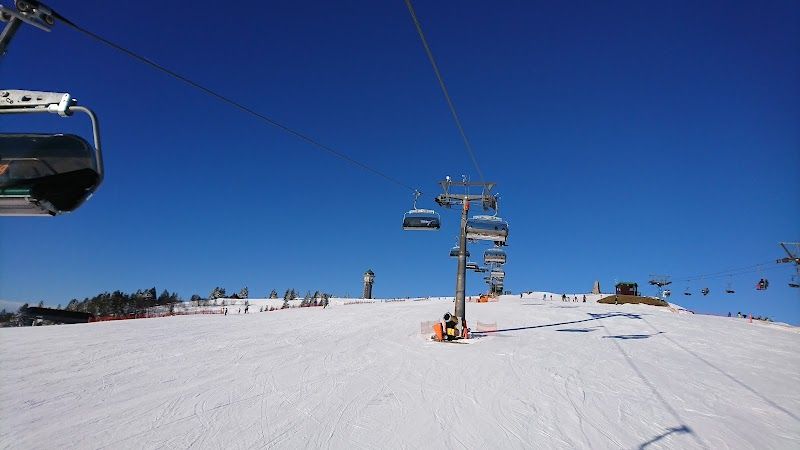
The Feldbergbahn cable car takes you to the top of Germany's highest Black Forest peak at 1,493 meters, where you'll find sweeping views across Baden-Württemberg and into Switzerland on clear days. The eight-minute ride up covers 950 vertical meters, delivering you to alpine terrain that feels more Swiss than German. In winter you'll access 14 ski runs plus snowshoe trails, while summer brings wildflower meadows and hiking paths that connect to the extensive Black Forest trail network. The cable car runs every 15 minutes and carries 100 passengers in modern cabins with panoramic windows. At the top station you'll step into a different world: cooler temperatures, thinner air, and views that stretch to the Alps when visibility cooperates. The summit area includes an observation tower (additional 3 EUR), multiple hiking trail starts, and a restaurant serving traditional Black Forest cake. Weather changes fast up here, so you'll often watch clouds roll in below while standing in sunshine. Most visitors underestimate how much colder it gets at the summit, even in summer bring a jacket. The restaurant charges tourist prices (cake slice 4.50 EUR, coffee 3.20 EUR), but the views justify the cost if you snag a window table. Skip the observation tower unless visibility is perfect, the cable car station's outdoor deck gives you 90% of the same views. Round trip tickets cost 16 EUR for adults, 10 EUR for children.
Lake Titisee Strandbad
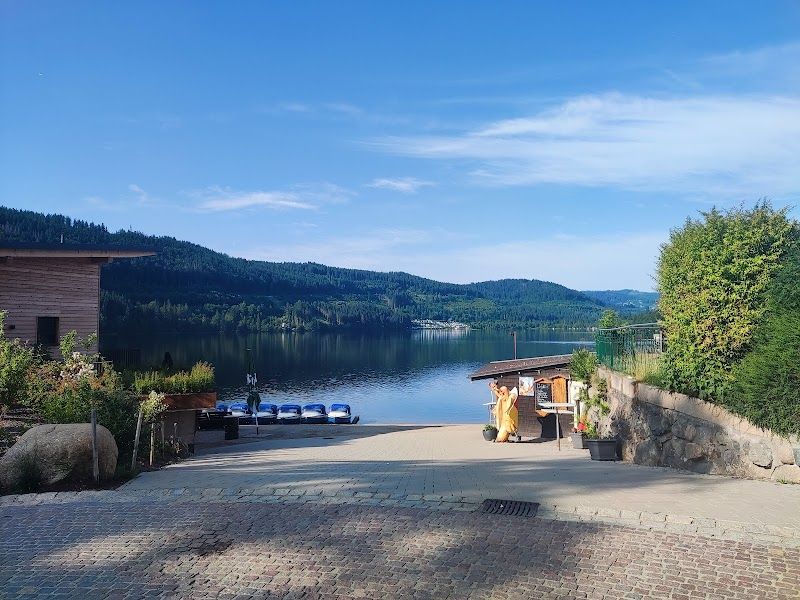
Lake Titisee's main public beach sits on crystal-clear glacial water at 847 meters elevation in the heart of the Black Forest. You'll find a proper roped swimming area with surprisingly warm water (20-22°C in summer), plus changing rooms, a decent snack bar, and generous grass lawns for spreading out. The lake maintains drinking-water quality with continuous monitoring, making it one of Germany's cleanest swimming spots. The atmosphere feels like a European mountain resort without the pretension. Families claim spots on the grass early while kids splash in the dedicated shallow section. The setting is genuinely spectacular: dark forest rising directly from the water's edge, with the Feldberg peaks visible across the lake. You'll hear German families chatting, the splash of swimmers, and surprisingly little traffic noise despite the nearby town. Here's what nobody tells you: EUR 5 for adults (EUR 3 kids) is steep for a lake beach, especially when free swimming spots exist around the south shore with identical water quality. The paid area does get packed by 11 AM on summer weekends, turning into a towel-to-towel situation. Skip the overpriced snack bar and bring your own food. If you're budget-conscious or hate crowds, try the free access points instead.
Hochfirstturm
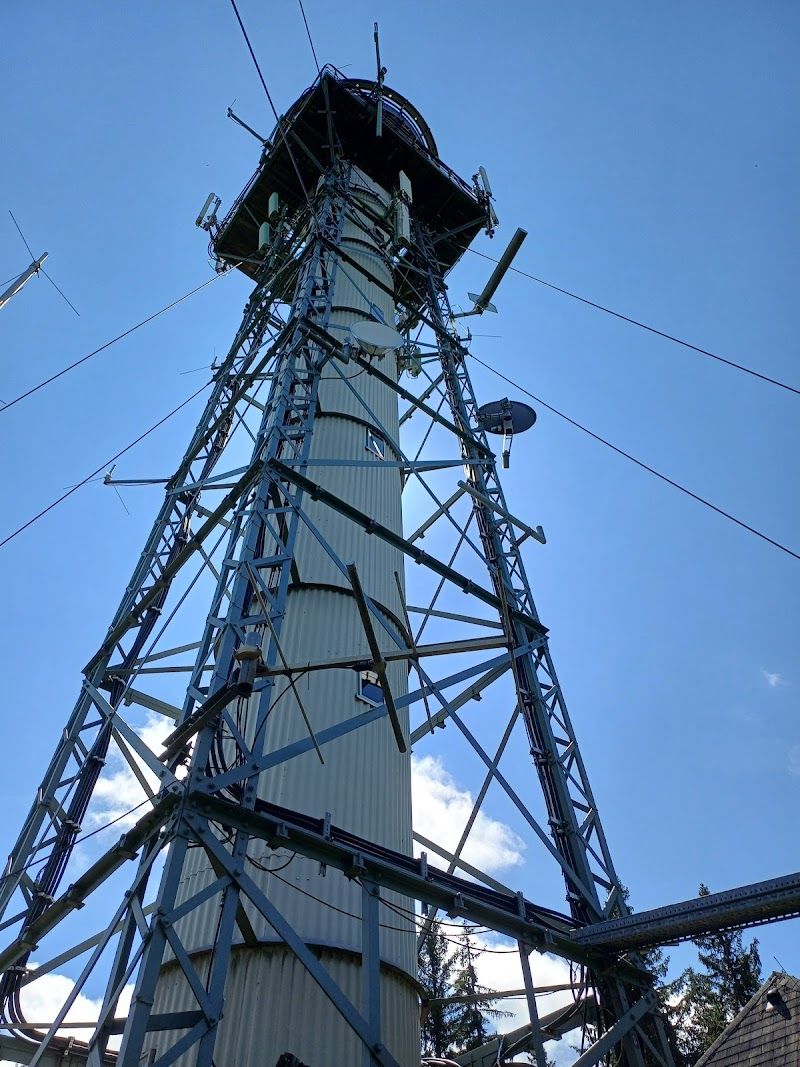
The Hochfirstturm is a 25-meter steel observation tower perched on the 1,190-meter Hochfirst summit, offering the Black Forest's most accessible alpine panorama above Lake Titisee. On clear days, you'll see rolling forested ridges stretching endlessly in every direction, with the distant Alps creating a dramatic southern backdrop. The 360-degree view from the platform takes in the entire Titisee valley below, plus dozens of neighboring peaks that look deceptively close but stretch for miles. Getting there involves a pleasant 20-minute forest walk from Titisee's south shore, covering 1.5km with a gentle 90-meter elevation gain on well-maintained unpaved paths. The trail winds through dense spruce forest with occasional glimpses of the lake below, building anticipation for the big reveal at the top. Once you reach the tower base, it's a EUR 2 climb up steel stairs to the observation deck, where the full panorama unfolds dramatically. Honestly, this only works on crystal-clear days, anything less makes it a waste of time and effort. Check the Black Forest weather cams at hochschwarzwald.de before heading out, as mountain weather changes quickly here. Most visitors arrive midday when harsh light washes out the distant views, but early morning or late afternoon creates much better photography conditions with softer, more dramatic lighting across the ridges.
Schluchsee
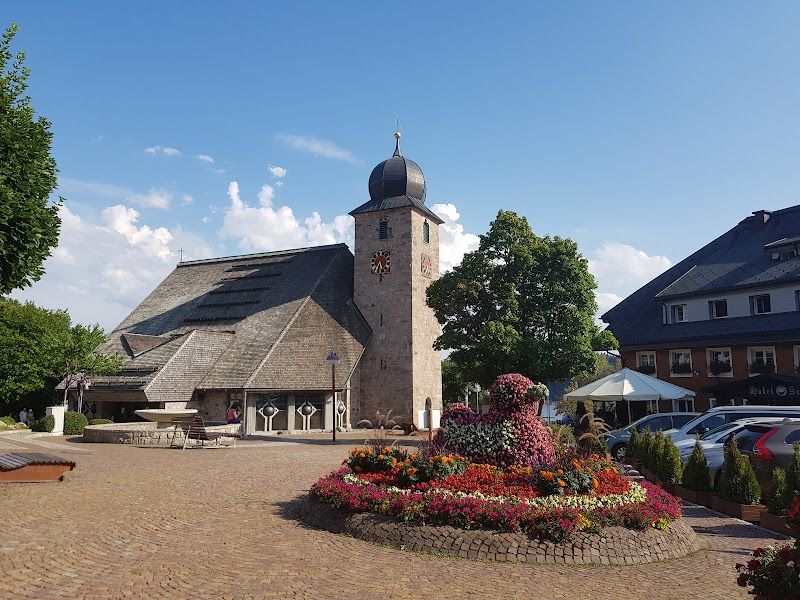
Schluchsee stretches 7.3 kilometers through steep Black Forest valleys, making it Germany's largest natural reservoir and a much quieter alternative to overcrowded Titisee. The water stays remarkably clear thanks to strict environmental protections, reaching a pleasant 23°C by mid-July for swimming. You can rent electric boats at Seebrugg harbor for around 25 EUR per hour, cycle the complete 18-kilometer lakeside path, or simply claim a spot on the wooden jetties that dot the shoreline. The lake feels genuinely peaceful, especially along the less developed eastern shores where dense fir forests drop straight into deep water. Morning mist clings to the surface until around 10am, creating an almost mystical atmosphere that photographers love. Six small villages ring the lake, each with its own character: Seebrugg buzzes with boat rental activity while Aha offers the gentlest swimming beaches and Schluchsee village provides the best dining options. Most visitors make the mistake of only visiting Seebrugg harbor, which gets surprisingly busy on summer weekends. The real magic happens along the Unterkrummen shore on the lake's southern side, where you'll find deeper swimming spots and far fewer crowds. Skip the overpriced lakeside restaurants and pack a picnic instead, parking costs around 4 EUR for the day at most locations.
Todtnau Waterfall
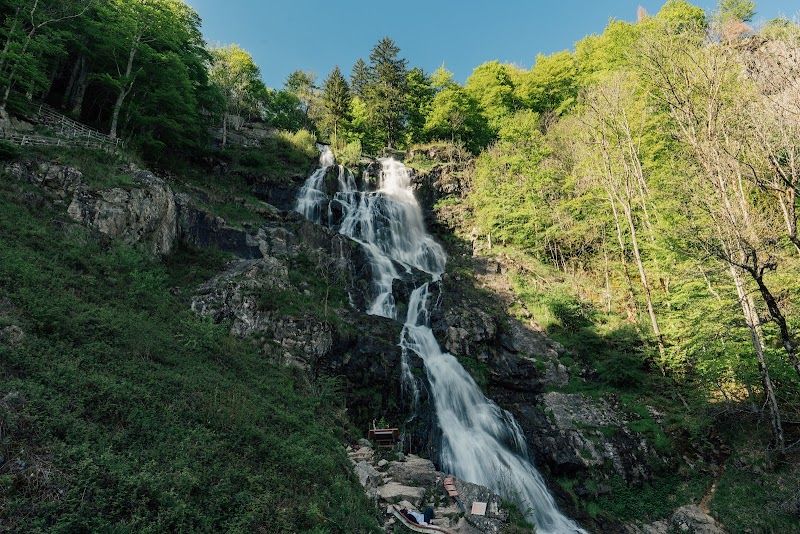
The Todtnau Waterfall is a 97-metre cascade through forest in Todtnau, a 5-minute walk from the Hasenhorn Coaster parking lot. A 30-minute circular trail passes the main cascade (3 tiers through mossy rock walls), crosses two wooden footbridges, and returns via an upper viewpoint. The trail is well-marked and works for kids 5 and up; the steepest section has railings. Free entry. Best in spring (April-May) when snowmelt drives the highest flow; summer and autumn flow is still respectable. Dogs allowed on lead. The waterfall combines naturally with a Hasenhorn Coaster visit: do the coaster rides first, then the waterfall walk as a cool-down in the shade.
Bräustüble Rothaus
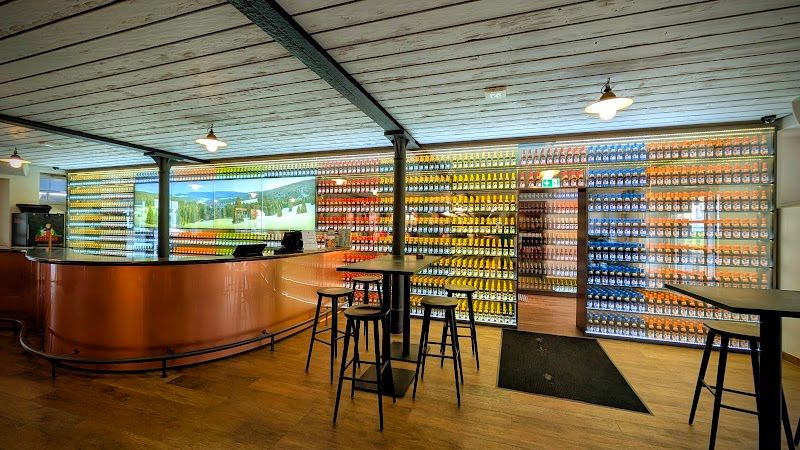
Bräustüble Rothaus sits in a gorgeous half-timbered building from 1791, perched in the hills above Grafenhausen about 15km from Titisee. This is the brewery tavern for Germany's cult favorite Rothaus brewery, where you can drink all six of their legendary beers straight from the source while eating proper Baden comfort food. The setting feels authentically rural German: wooden tables, hunting trophies on walls, and locals who've been coming here for decades mixing with beer pilgrims from across Europe. You'll walk into rooms that smell like hops and roasted meat, with servers in traditional dress carrying massive steins of Rothaus Pils and Tannenzäpfle. The atmosphere is genuinely gemütlich without feeling touristy, especially in the main dining room where regulars hold court at corner tables. The beer tastes noticeably different here compared to bottles elsewhere, fresher and more complex, while the kitchen turns out satisfying plates of schnitzel, sausages, and regional specialties that pair perfectly with whatever's in your glass. Most beer tourists make the pilgrimage but rush through without booking the brewery tour, which runs several times daily and costs EUR 8. The food is honest and well-priced: mains run EUR 14-18, and portions are generous enough to share. Skip the basic schnitzel and go for regional dishes like the Bierbrauerves per at EUR 16.50, four small plates designed specifically to complement their beers. Weekend evenings get packed with locals, so afternoons offer a more relaxed experience.
Treschers Schwarzwaldhotel Restaurant
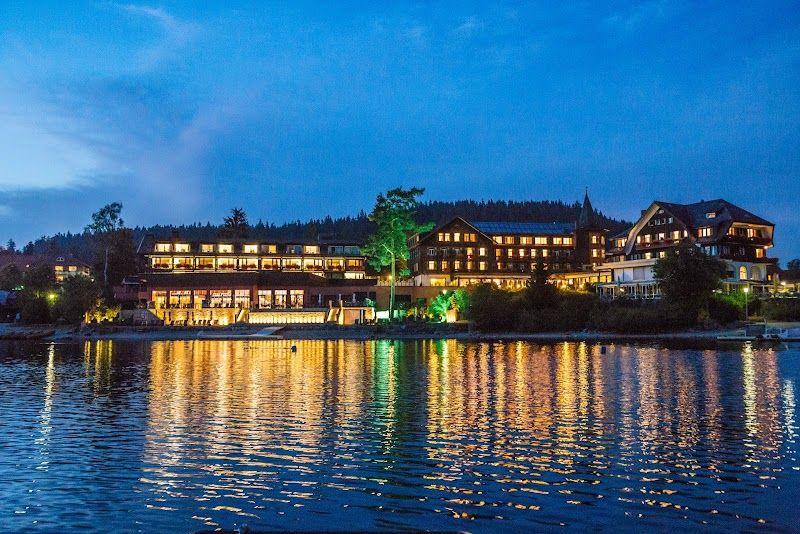
Treschers sits just south of Titisee in a converted Black Forest lodge, serving traditional Swabian dishes that locals actually eat. The restaurant's biggest draw is the Schwarzwälder Vesperteller (EUR 18), a generous wooden board loaded with house-smoked ham, spicy Landjäger sausage, aged farmhouse cheese, and tangy pickled vegetables. The heated winter garden feels like dining in a greenhouse, with year-round warmth and views of the surrounding pine forest. The atmosphere strikes that perfect balance between gemütlich and refined, attracting more German families than tour groups. Service runs efficiently but never feels rushed, and the staff genuinely knows their ingredients and preparation methods. The winter garden fills with soft afternoon light, making it feel miles away from the lakefront tourist chaos just 500 meters north. You'll hear more German than English, which usually signals authentic local cooking. Most visitors order individual entrees and overspend, but the Vesperteller genuinely feeds two adults when paired with a side of crispy Bratkartoffeln (EUR 5.50). Skip the tourist-focused Schnitzel variations and stick to the regional specialties. The wine list favors Baden varietals that pair perfectly with cured meats. Reservations aren't required, but weekend evenings fill up with locals celebrating family gatherings.
Restaurants Alemannenhof
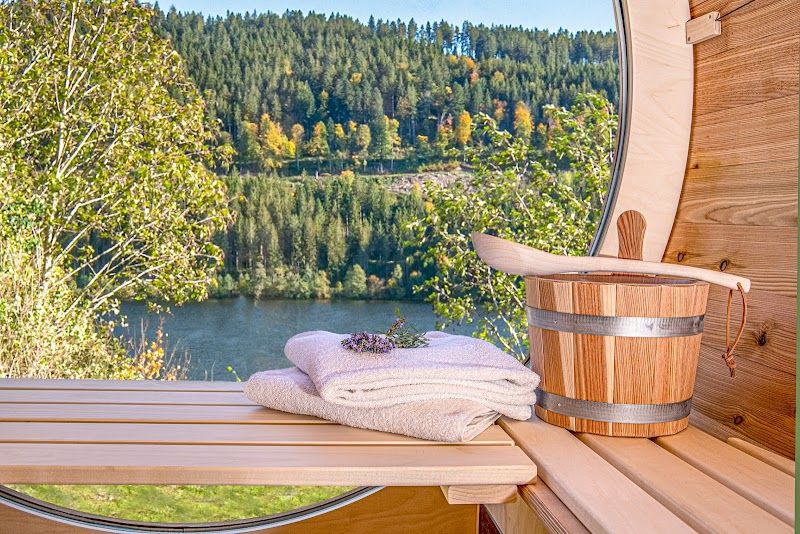
Family-run lakefront restaurant with a large sun terrace and direct Titisee views, specializing in Flammkuchen variations (EUR 13-15) and regional game dishes. The Wildgulasch with Spätzle (EUR 24, October-March) uses venison from local Hochschwarzwald forests. Children's play corner indoors.
Bäckerei Café Armbruster
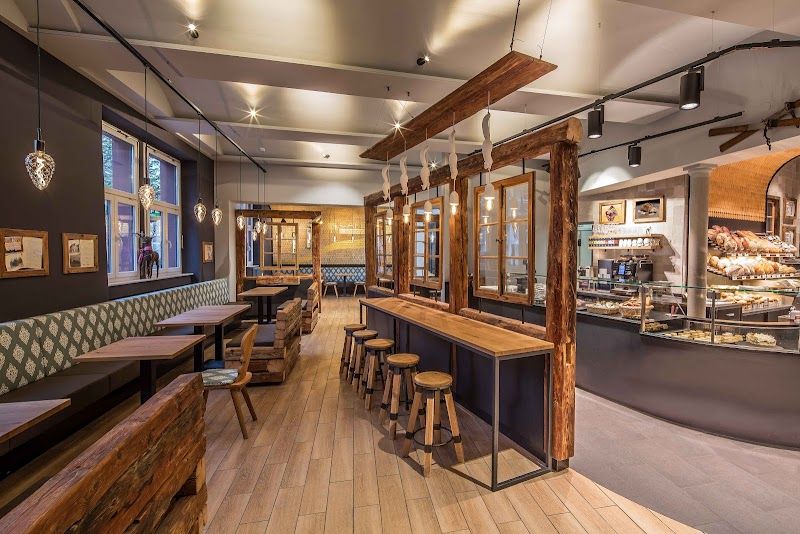
Local bakery chain with early morning hours starting at 6:30 AM on weekdays, ideal for families in self-catering apartments stocking up on fresh bread and Brezeln. The Titisee location has a small cafe section with high chairs and changing facilities, plus a self-service counter for quick grab-and-go breakfast items. Fresh rolls, whole grain breads, and regional specialties baked on-site.
Gasthaus Löwen
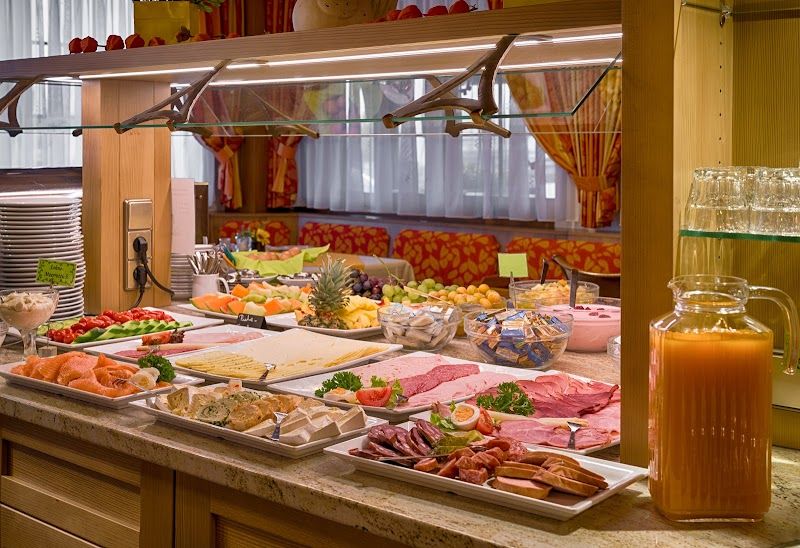
Neustadt village Gasthaus with a ceramic-tiled Stube and beer garden serving hearty Badisch portions at local prices. The Jägerschnitzel (EUR 17.50) comes with hand-rolled Spätzle and house-made mushroom cream sauce. Rothaus Tannenzäpfle on tap for EUR 3.80/half-liter.
Restaurant Hirschen
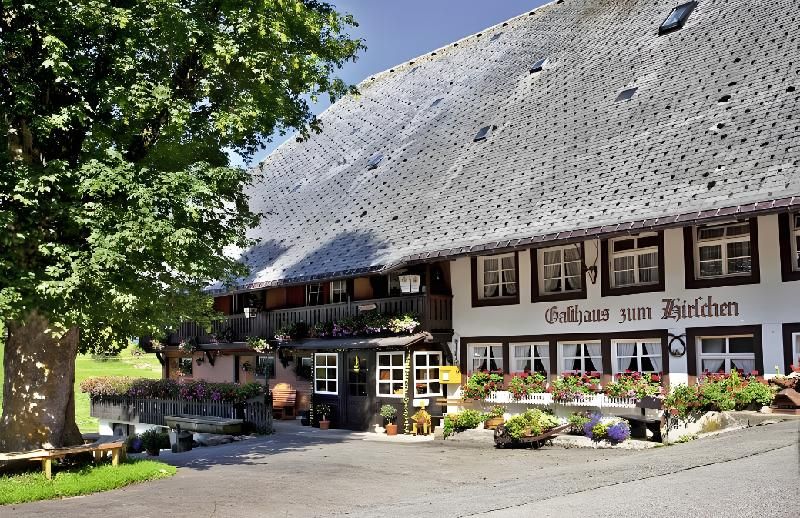
Traditional Black Forest inn and restaurant serving hearty regional cuisine in a rustic setting with wood-paneled dining rooms. Known for game dishes in autumn and classic Schwarzwald specialties year-round. The Hirschen has been a local institution for decades.
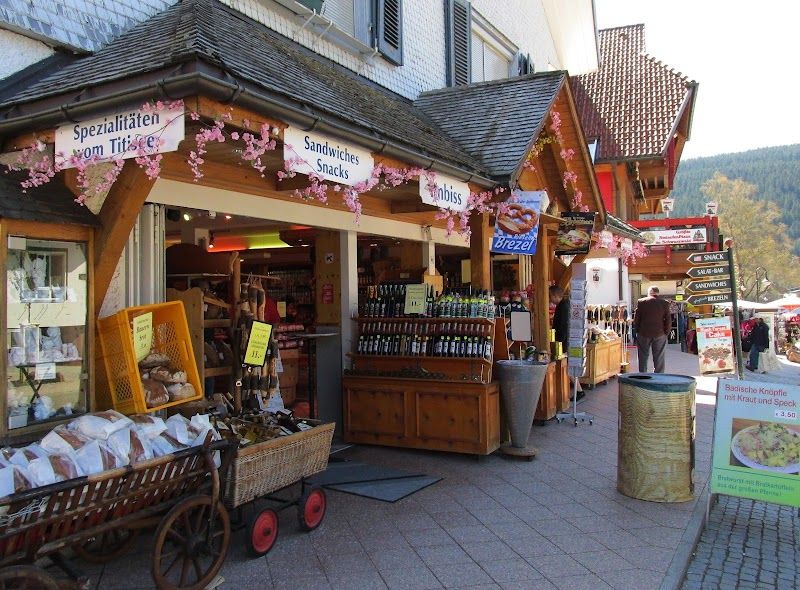
Schwarzwald Spezialitäten Hansemann
Focused regional goods shop selling authentic Black Forest products including wild flower honey (EUR 9-15), multiple kirsch varieties (EUR 20-42), smoked Black Forest ham vacuum packs (EUR 13-25 per 200g), and fruit preserves. Family-run operation that sources from local producers in the Hochschwarzwald region rather than mass tourist suppliers.
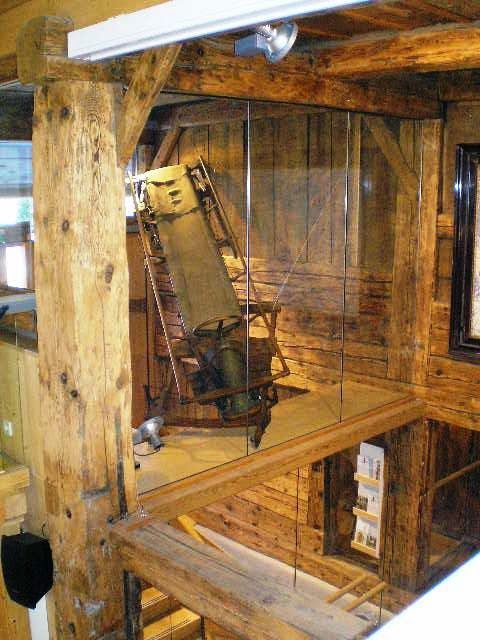
Schwarzwaldmuseum Hinterzarten
This family-friendly museum chronicles 300 years of Black Forest clockmaking and the region's pioneering ski history, including original timepieces and vintage winter sports equipment. The 45 to 60 minute visit covers traditional crafts, local costumes, and the evolution of tourism in the Hochschwarzwald. Entry costs EUR 5 with displays in German and some English signage.
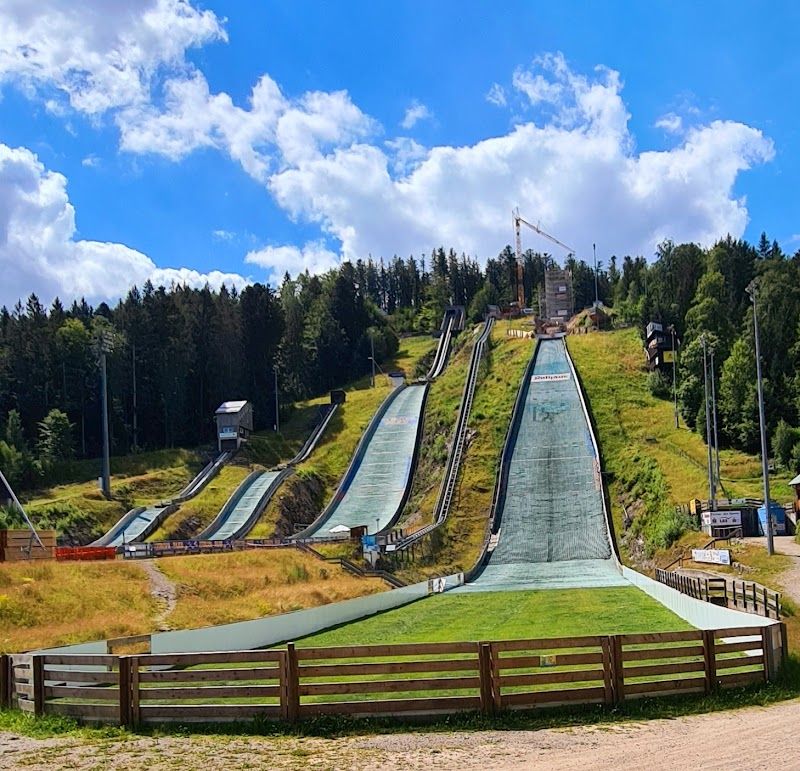
Adler-Skistadion
This historic ski-jumping stadium in Hinterzarten has launched German Olympians since 1920 and still hosts summer grass-jumping training sessions. The smaller K38 and K64 hills are visible from the public viewing area at the base, and lucky visitors may catch athletes mid-flight during July training camps. Entry is free when no competition events are scheduled.
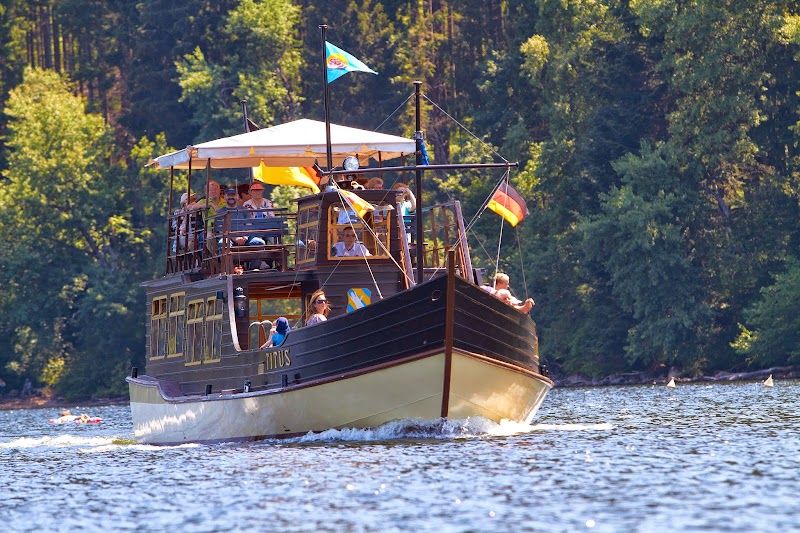
Bootsvermietung am Titisee - Kiosk
Casual lakeside kiosk at the boat rental station serving Flammkuchen (EUR 11), Bratwurst, and Black Forest gateau by the slice. No table service - order at the counter and eat on the wooden benches facing the water. Perfect for a quick lunch between paddleboat sessions.
Gasthaus Sternen Post
Roadside Gasthaus near Titisee-Neustadt's eastern edge serving traditional Black Forest cooking with a focus on seasonal venison and trout. The Forelle Müllerin (trout with butter and parsley, EUR 19.50) is prepared whole in the open kitchen. Small front terrace with Hochtal meadow views.
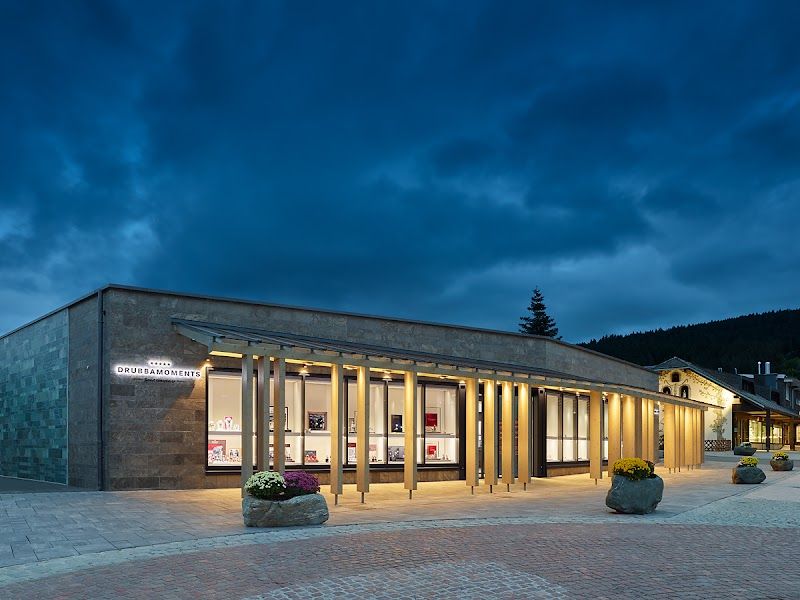
Drubba Uhren und Souvenirs
Tourist-tier cuckoo clock and souvenir shop directly on the Titisee lakefront promenade. Clocks range EUR 80-250, acceptable for quick gift shopping but not for serious collectors who should visit Triberg or Schonach instead. Also stocks Black Forest honey (EUR 8-12), kirsch bottles (EUR 22-38), and carved wooden figurines.
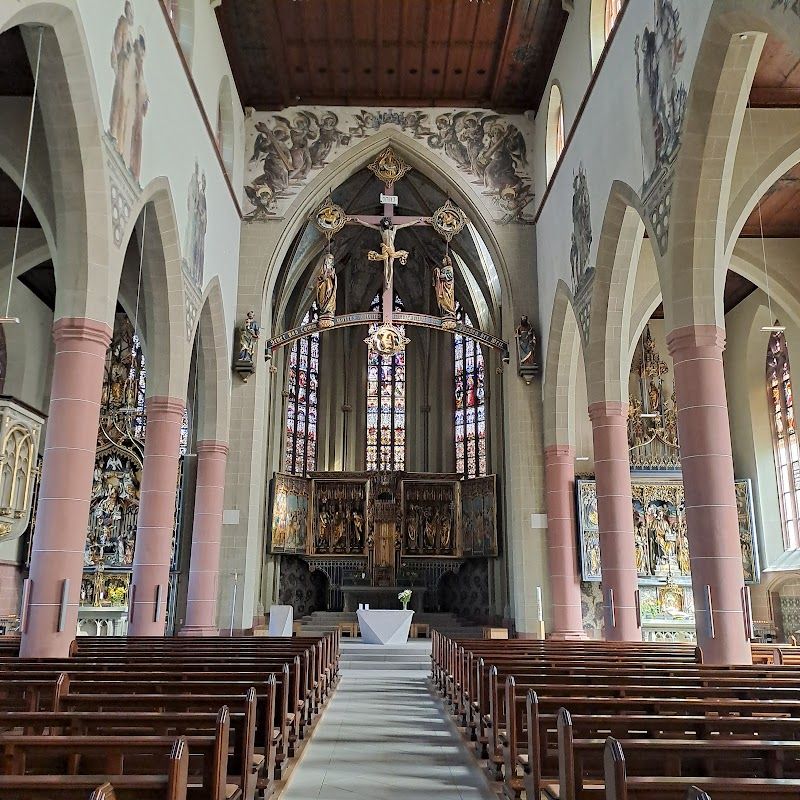
Kirche St. Jakobus Neustadt
Historic Catholic parish church dating back to the 18th century, featuring beautiful baroque interior elements and regional religious art. The church bell tower is a distinctive landmark in Neustadt's skyline. Peaceful location perfect for quiet reflection.
Black Forest day tour from Titisee
A guided small-group day tour from Titisee covering the wider southern Black Forest highlights in 8-10 hours. Typical route: pickup in Titisee at 9 AM, drive to Feldberg (the highest Black Forest peak at 1,493 m, stop for summit views if clear weather), visit Todtnau for the Hasenhorn Coaster (rides not always included in the tour price), drive through the Glottertal valley with its traditional Schwarzwaldhof farms, lunch at a valley Gasthaus, afternoon at St. Peter or St. Margen village (traditional Black Forest monasteries), return to Titisee by 5-6 PM. EUR 80-130 per adult, EUR 60-90 per kid for small-group. Private tours for a family of four EUR 300-500. Good option for visitors who want a deeper Black Forest tour than the standard Triberg-focused day tours from Freiburg. Book through the Titisee tourist office or at hotel concierge desks.
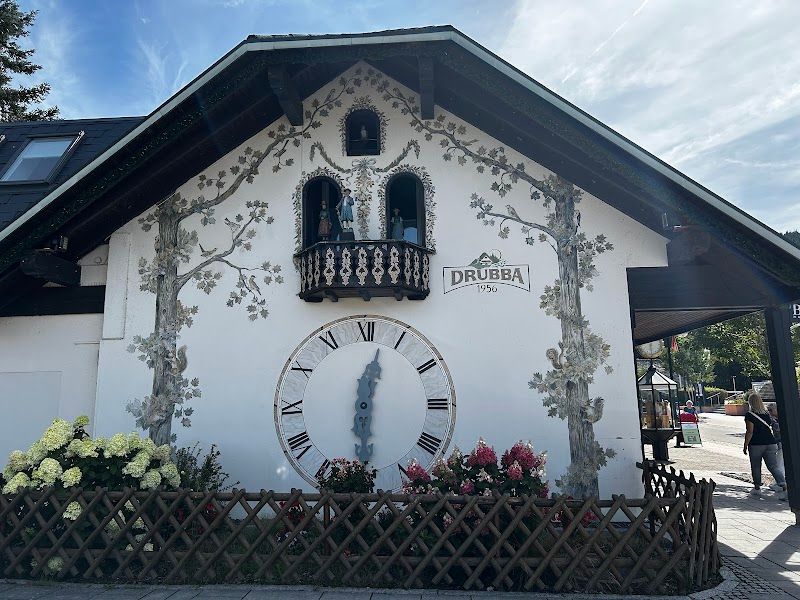
Kuckucksuhren-Kapelle
This tiny roadside chapel in Titisee village features a distinctive bell tower styled after a traditional Black Forest cuckoo clock, complete with decorative wooden elements. Built as a quirky local landmark, it takes just 5 minutes to admire and photograph. The chapel represents the region's playful embrace of its cuckoo clock heritage and sits along the main road near the lake.
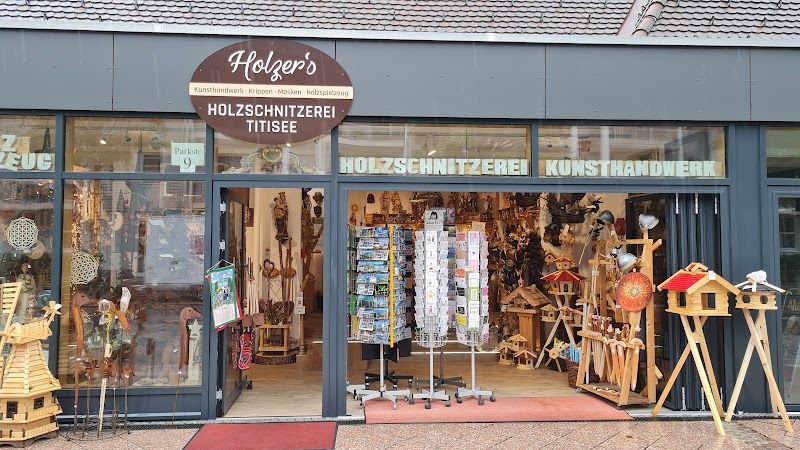
Holzschnitzerei Willmann
Independent woodwork and carving shop in Neustadt proper specializing in traditional Black Forest carved items including Schnapps boards, knife holders, and decorative pieces. Owner Herbert Willmann works on commission pieces in the back workshop, and the small front room displays finished work ranging EUR 25-180 for functional items.
Kurpark Titisee-Neustadt
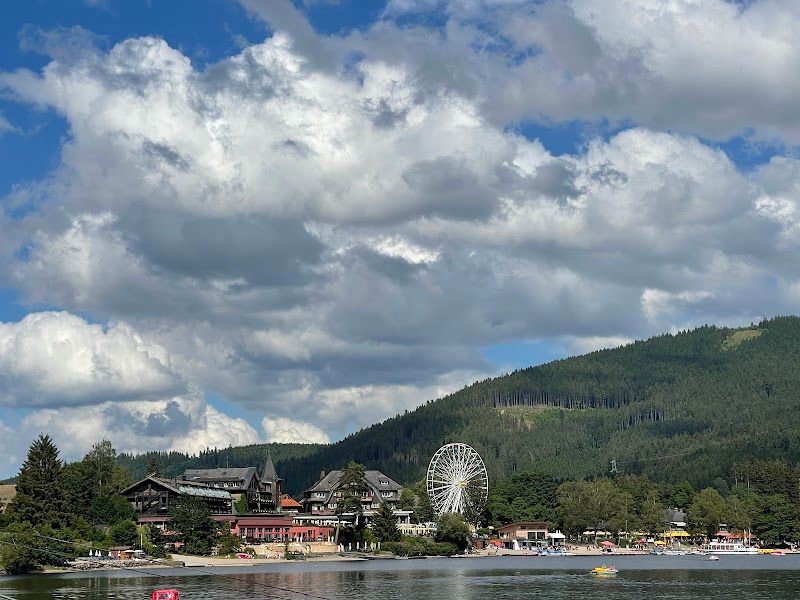
Well-maintained public park in the heart of Neustadt with walking paths, benches, and seasonal flower displays. Features a small playground and open green spaces ideal for picnics. Popular with locals for relaxed afternoon strolls and morning walks.
Filters
Must-See
Neighborhood
Sort By
Filters
Must-See
Neighborhood
Sort By
Plan your Titisee-Neustadt trip
Get a personalized itinerary with the best of Titisee-Neustadt.
Start Planning