Germany
Triberg
Germany's highest waterfalls, two competing world's largest cuckoo clocks, and the village where Black Forest cake was invented
Best Time
May to October (waterfalls at full flow in spring)
Ideal Trip
1 day
Language
German
Currency
EUR
Budget
EUR 21-42/day (excl. hotel)
About Triberg
Triberg is a small town of 4,700 people at the geographic centre of the Black Forest, best known for three things: the Triberg Waterfalls (Germany's highest at a cumulative 163 metres), the cuckoo clock industry, and its claim to have invented the Black Forest gateau (Schwarzwalder Kirschtorte). The town itself runs along a narrow valley between forested ridges at 700 metres elevation. The main street (Hauptstrasse) is one long strip of cuckoo clock shops, souvenir stalls, traditional Konditoreien, and Gasthof hotels.
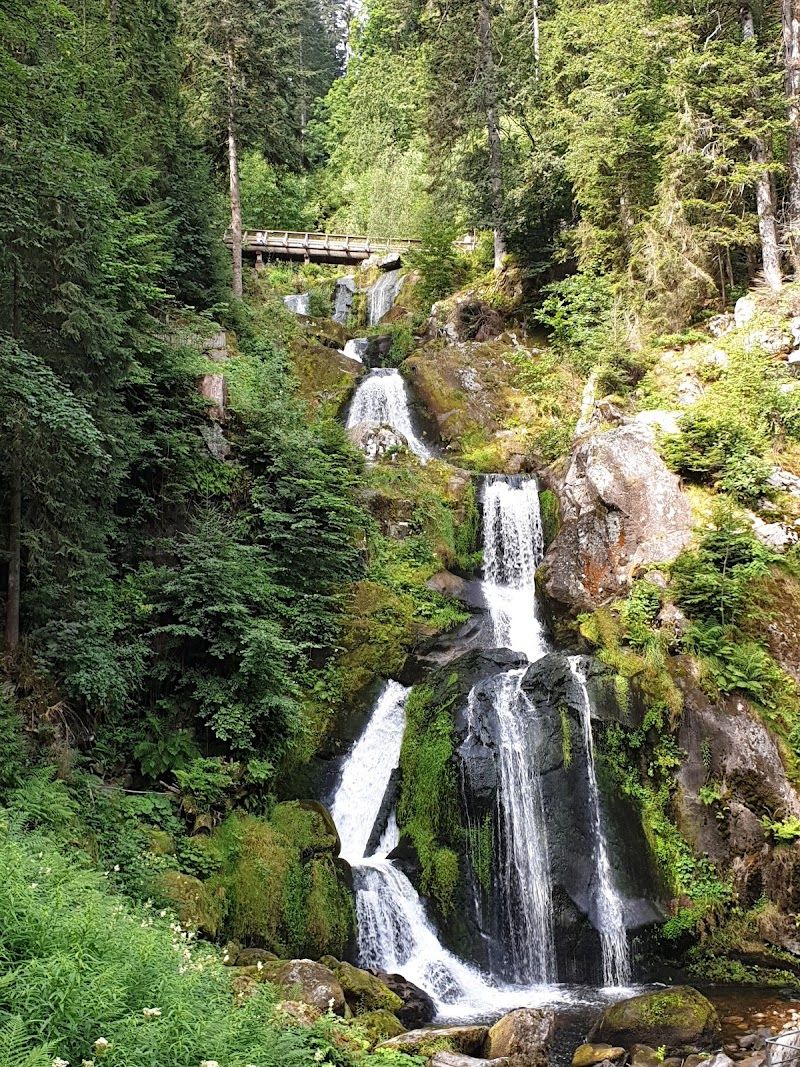
The Triberg Waterfalls are the main attraction. The cascade drops 163 metres over seven stages through granite walls and mixed Black Forest woodland. Three marked trails follow the water: the Kulturweg (cultural path, paved, stroller-accessible for the lower stages, easy), the Naturweg (nature path, unpaved, ages 5 and up, moderate, 45 minutes round trip), and the Kaskadenweg (cascade path, steep, for older kids and teens, 1 hour round trip). Admission EUR 8 adults, EUR 5 kids 6-17, free under 6, KONUS guest card free entry. Red squirrels are common on the trails and a persistent presence at the cafe terrace at the top of the waterfall.
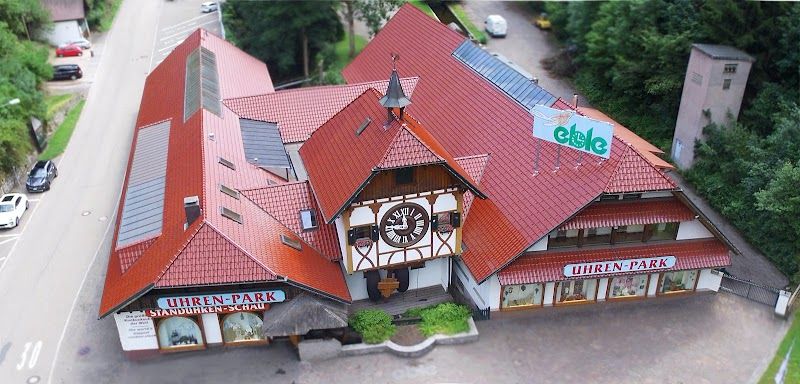
The cuckoo clock situation: Triberg has two shops that each claim to be the "world's largest cuckoo clock". The House of 1000 Clocks on the main street displays a shop-sized cuckoo clock that fills an entire wall. The rival Eble Uhren-Park in neighbouring Schonach (5 km west) has a walk-in cuckoo clock the size of a small house. Both are gimmicks, both are worth 15 minutes, and kids enjoy both regardless of which is technically larger. The Cafe Schaefer on the main street claims the original 1915 Black Forest gateau recipe; whether or not the claim is true, the cake is good (EUR 4-6 per slice) and the Konditorei has been baking it for over a century. Neighbouring Gutach (8 km north) has the Vogtsbauernhof open-air museum (working Black Forest farms demonstrating 18th-century life) and the Schwarzwald-Sommerrodelbahn summer alpine slide, which together make a natural all-day extension when visiting Triberg. The Schwarzwaldmuseum in town has a 3,000-piece mechanical music collection that reliably holds kids' attention for 45-60 minutes.
Neighborhoods
Each district has its own personality
Waterfalls & Forest Trails
Germany's highest waterfalls tumbling through Black Forest granite, with three trails for three difficulty levels and red squirrels that are reliably present at the top cafe
Town Center & Cuckoo Clocks
The touristy but characterful main street of Triberg: cuckoo clock shops in every second building, the Konditorei that claims to have invented Black Forest cake, and the Schwarzwaldmuseum with the mechanical music collection kids remember
Schonach & Surroundings
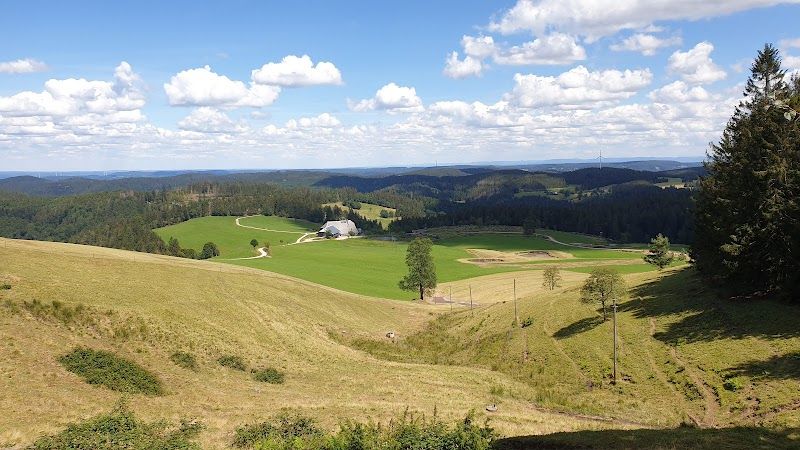
The quieter village 5 km west of Triberg with the walk-in "world's largest cuckoo clock", traditional Schwarzwaldhof farm architecture, and the forest walks that Triberg visitors usually skip
Things to Do
Top experiences in Triberg
Triberg Waterfalls
Triberg's waterfalls plunge 163 meters through seven distinct cascades, making them Germany's highest waterfall system by total drop. You'll follow granite steps and forest paths as the Gutach River tumbles through a narrow gorge lined with spruce and beech trees. Three different trails let you choose your adventure: a paved cultural path perfect for pushchairs, a moderate nature trail through the forest, or a steep cascade route with wooden staircases hugging the rock face. The experience feels like walking through a fairy tale, especially when mist from the falls catches afternoon sunlight filtering through the canopy. You'll hear the water before you see each cascade, then round a bend to find another thundering drop. The resident red squirrels at the top cafe have zero fear of humans and will perch on your hand for sunflower seeds, creating Instagram moments that'll make your friends back home jealous. Spring brings the most dramatic water flow, while winter often freezes sections into spectacular ice formations. Most visitors rush straight to the top and miss the best individual cascade viewpoints along the way. The middle section actually offers better photography angles than the famous upper falls. At EUR 8 for adults and EUR 5 for kids 6 to 17, it's pricey for what amounts to a forest walk, but the KONUS guest card (free with most local hotel stays) makes it worthwhile. Skip the overpriced cafe food and bring your own snacks, but do buy sunflower seeds from the gift shop for the squirrels.
Vogtsbauernhof Open Air Museum
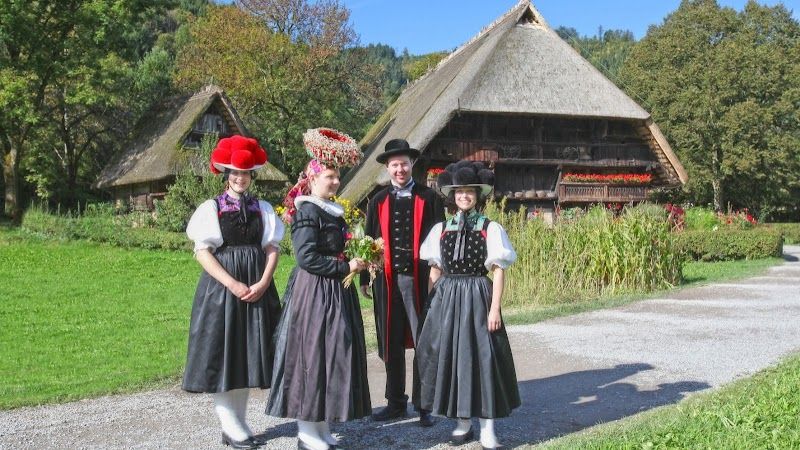
This open-air museum brings six authentic Black Forest farmhouses from the 16th and 17th centuries to life, complete with working mills, traditional barns, and costumed craftspeople demonstrating everything from basket weaving to bread baking. You'll walk through fully furnished farmsteads that were carefully relocated here beam by beam, each representing different periods and social classes of rural Black Forest life. The highlight is watching traditional crafts in action: blacksmiths hammering iron, millers grinding grain, and woodcarvers creating the intricate clocks this region is famous for. The experience feels like stepping into a living history book where you can touch, smell, and hear the past. Smoke rises from chimneys, water wheels turn steadily, and the sound of traditional tools echoes across the grounds. Each farmhouse tells a different story, from the wealthy Vogtsbauernhof itself (complete with elaborate painted furniture) to the humble Hippenseppenhof where you'll see how poorer families lived. The staff genuinely knows their stuff and loves sharing stories about daily life centuries ago. Entry costs €9 for adults, which is fair considering you'll easily spend 2-3 hours here if you're genuinely interested. Most visitors rush through in an hour and miss the best parts: the working sawmill demonstration and the seasonal activities like flax processing or apple pressing. Skip the restaurant (overpriced tourist food) but don't miss the small shop selling authentic regional crafts. The museum gets surprisingly crowded on weekend afternoons, so aim for weekday mornings when you can actually chat with the craftspeople.
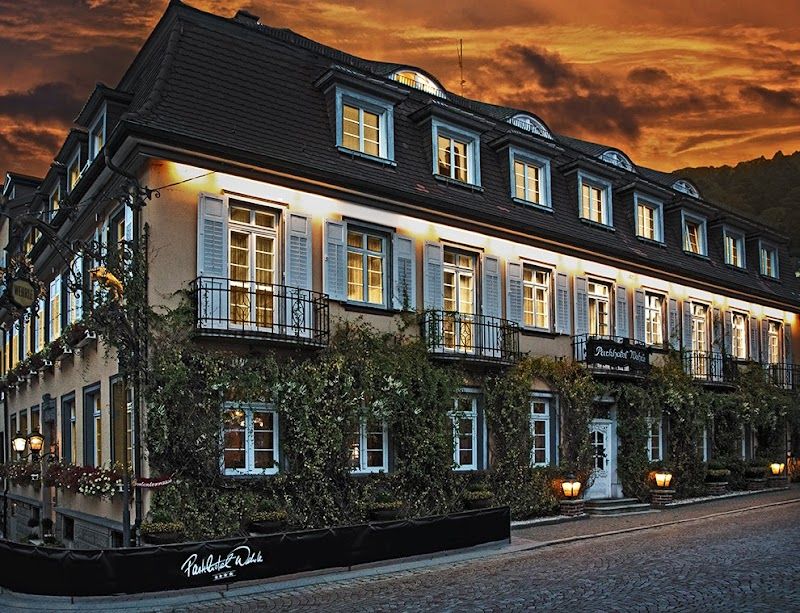
Parkhotel Wehrle Restaurant
The Parkhotel Wehrle's restaurant occupies the elegant dining room of Triberg's oldest grand hotel, built in 1767. You're here for seriously refined Black Forest cooking in a proper white tablecloth setting, complete with crystal chandeliers and waiters who know their way around a wine list. The Schwarzwaldforelle arrives perfectly prepared with almonds and brown butter, while the Zwiebelrostbraten comes with house-made Spätzle that puts hotel restaurants elsewhere to shame. Stepping into the dining room feels like entering a different century, with dark wood paneling and formal table settings that locals reserve for anniversaries and special occasions. The service moves at a deliberate pace, giving you time to appreciate each course and the forest views from select tables. The Wintergarten extension offers the best atmosphere, with floor-to-ceiling windows framing the Black Forest beyond. You'll hear a mix of German and respectful tourist chatter, never rushed or noisy. Most travel guides treat this as just another hotel restaurant, but locals know it's Triberg's finest dining experience. Expect to spend around 35-45 EUR per person for a full meal with wine. The portions are generous, particularly the Jägerschnitzel which easily feeds two people. Skip the overpriced appetizers and save room for their exceptional Schwarzwälder Kirschtorte, which puts the tourist versions to shame.
Dorotheenhütte Wolfach
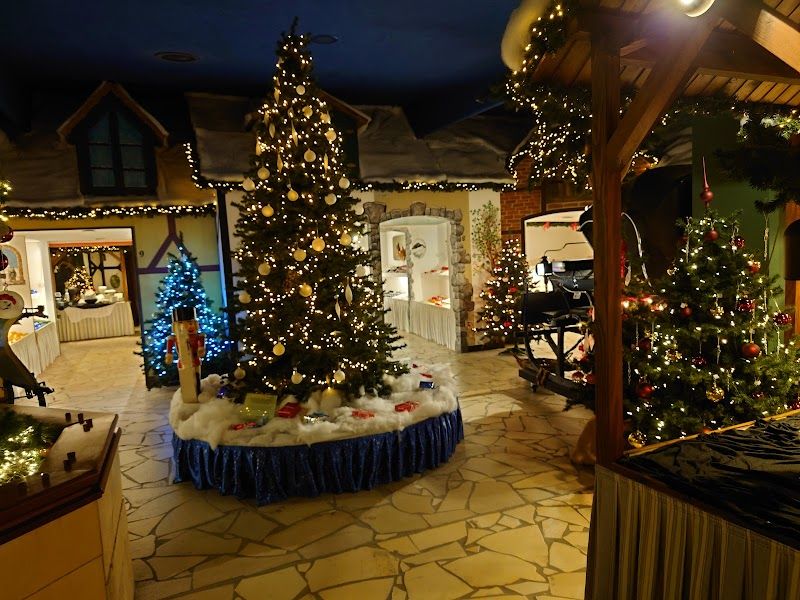
Working glass-blowing workshop where artisans demonstrate traditional Black Forest glassmaking techniques. Visitors can watch skilled craftsmen create intricate glass pieces and browse the attached shop featuring handmade glass art. Historic facility dating back centuries with live demonstrations throughout the day.
Schonacher Rohrhardsberg
Rohrhardsberg delivers the Black Forest views you came here for, rising 1,164 meters above Schonach with a solid lookout tower that puts you above the treeline. The panorama stretches across rolling forested hills, deep valleys, and on clear days reaches the distant Alps. You'll earn these views through a steady 2.5-hour hike up well-maintained forest trails, passing through thick spruce and fir groves that smell exactly like Christmas. The climb feels properly alpine without being punishing, winding through dense forest where sunlight filters through branches in golden shafts. The lookout tower adds another 20 meters of height and suddenly the whole Black Forest spreads below you like a green carpet. Wooden benches circle the summit, perfect for unpacking lunch while you catch your breath. In winter, the hiking trails become groomed cross-country ski routes that locals use religiously. Most hiking guides oversell the difficulty here. It's a straightforward walk up, not a technical climb, though your legs will definitely feel it. The tower can get crowded on sunny weekends with families from Stuttgart, so time your visit accordingly. There's no entrance fee, no parking charges, and the trails are marked clearly enough that you won't need a guide. Skip the winter visit unless you're actually skiing, the views disappear in snow and fog.
Travel Guides
Expert guides for every travel style
Black Forest Cake Trail: Where to Eat the Real Thing
The Black Forest cake guide for travellers who want the real thing: where it was invented, what the cake actually contains, which Konditoreien bake it traditionally, and the kirsch question that separates serious versions from tourist versions.
8 min
Triberg Cuckoo Clock Guide: Which to See and What to Buy
The practical cuckoo clock guide: where the authentic clocks are made, the difference between EUR 200 tourist souvenirs and EUR 2,000 craftsman clocks, and which of the two "world's largest" rivals is actually worth visiting.
8 min
Practical Tips
Triberg is a small Black Forest town where everything is within walking distance. The main attractions like the Triberg Waterfalls and cuckoo clock shops are all clustered around the town center. Local buses run infrequently and cost around EUR 2-3 per ride [VERIFY]. Save your money and wear comfortable shoes - the steep hills and forest paths are part of the experience. Taxis are limited and expensive at approximately EUR 15-20 for short distances [VERIFY].
Skip the touristy restaurants and head to Cafe Schaefer on Hauptstrasse for authentic Black Forest cake at EUR 4.50 per slice [VERIFY]. Restaurants serve lunch from 11:30am-2pm and dinner from 5:30pm-9pm. Many close on Mondays. Tipping is 8-10% rounded to the nearest euro. A full meal at local restaurants costs EUR 12-18 [VERIFY], while the hotel restaurants charge EUR 25-35 [VERIFY] for similar quality.
Plan for EUR 40-60 daily including meals, attractions, and souvenirs. The Triberg Waterfalls entrance costs EUR 5 for adults [VERIFY]. Cuckoo clocks start at EUR 80 for basic models and reach EUR 500+ for hand-carved pieces [VERIFY]. Most shops accept cards, but carry cash for parking meters (EUR 1-2 per hour [VERIFY]) and small cafes. Some traditional establishments still prefer cash payments.
Visit Triberg Waterfalls before 10am or after 4pm to avoid tour bus crowds. The paths can be slippery when wet - wear proper shoes with grip. In winter, some upper trails close due to ice. The town is generally very safe, but watch for uneven cobblestones in the old town center, especially when wet. Keep valuables secure when trying on expensive cuckoo clocks in shops.
While younger shop owners speak some English, many traditional craftspeople and older locals speak only German. Learn 'Wieviel kostet das?' (How much does this cost?) and 'Haben Sie einen Rabatt?' (Do you have a discount?) for cuckoo clock shopping. Numbers are essential for price negotiations. Restaurant menus are usually in German only - use a translation app or ask for 'Schwarzwalder Schinken' (Black Forest ham) and 'Forelle' (trout) as local specialties.
Frequently Asked Questions
Half a day for the waterfalls plus a walk through the town. A full day if you add Vogtsbauernhof (the open-air farm museum in Gutach) and the Sommerrodelbahn alpine slide. Most families on a Black Forest road trip visit Triberg as a driving-day stop between Freiburg and Titisee, spending 4-5 hours on site. An overnight stay in Triberg is pleasant if you want a slower pace but is not necessary for seeing the main attractions.
Yes, but the difficulty depends on which trail you pick. The Kulturweg (cultural path) is paved and stroller-accessible for the lower two cascades, suitable for all ages. The Naturweg (nature path) is unpaved but gently graded and works for kids 5 and up, about 45 minutes round trip. The Kaskadenweg (cascade path) is steep with some stairs and railings, better for older kids and teens, about 1 hour round trip. All three trails start from the main ticket entrance and you choose which to take.
EUR 8 adults, EUR 5 kids 6-17, free under 6. KONUS guest card (included with most hotel stays in the Black Forest region) gives free entry. Parking at the main waterfall lot runs EUR 4-5 for the day. Bringing a bottle of water is wise; the trails have no refill stations.
Both claim the title and both are right depending on how you measure. The clock in Schonach at Eble Uhren-Park (5 km west of Triberg town) is a walk-in house-sized clock with a 4.5-metre pendulum. The clock in Triberg at the House of 1000 Clocks fills an entire building wall and has the largest visible gear. Kids enjoy both and the tourist industry benefits from the rivalry. Visit one or the other, or both if you have time; neither takes more than 20 minutes.
Cafe Schaefer in Triberg claims to have the original 1915 Schwarzwalder Kirschtorte recipe, attributed to master confectioner Josef Keller who worked in the region before opening his own Konditorei. The claim is widely disputed (Bad Godesberg and others also claim origin) and not definitively provable. What is true: Cafe Schaefer has been baking Black Forest cake on this exact site for over 100 years, the cake is good (EUR 4-6 per slice), and it is one of the better traditional Konditoreien in the area. Worth a visit regardless of the origin claim.
Triberg has a train station on the Schwarzwaldbahn line (Karlsruhe to Konstanz). Direct trains from Freiburg take about 90 minutes via Offenburg. The station is a 15-minute walk downhill to the town centre and waterfalls; the walk back up is steep. By car: Triberg is on the B500 (the main Black Forest north-south road) about 1 hour east of Freiburg and 45 minutes west of Villingen-Schwenningen. Free or paid parking is available at the waterfall entrance and in the town centre.