Triberg
Things to Do
26 attractions, museums, and experiences
Triberg Waterfalls
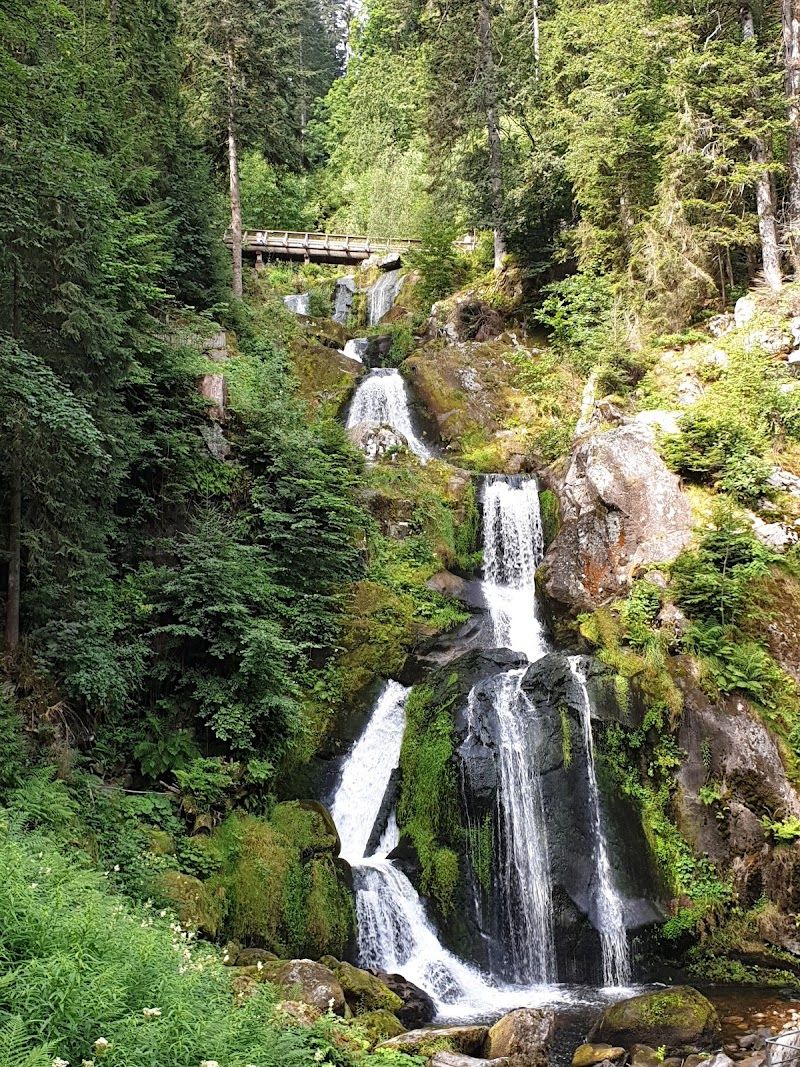
Triberg's waterfalls plunge 163 meters through seven distinct cascades, making them Germany's highest waterfall system by total drop. You'll follow granite steps and forest paths as the Gutach River tumbles through a narrow gorge lined with spruce and beech trees. Three different trails let you choose your adventure: a paved cultural path perfect for pushchairs, a moderate nature trail through the forest, or a steep cascade route with wooden staircases hugging the rock face. The experience feels like walking through a fairy tale, especially when mist from the falls catches afternoon sunlight filtering through the canopy. You'll hear the water before you see each cascade, then round a bend to find another thundering drop. The resident red squirrels at the top cafe have zero fear of humans and will perch on your hand for sunflower seeds, creating Instagram moments that'll make your friends back home jealous. Spring brings the most dramatic water flow, while winter often freezes sections into spectacular ice formations. Most visitors rush straight to the top and miss the best individual cascade viewpoints along the way. The middle section actually offers better photography angles than the famous upper falls. At EUR 8 for adults and EUR 5 for kids 6 to 17, it's pricey for what amounts to a forest walk, but the KONUS guest card (free with most local hotel stays) makes it worthwhile. Skip the overpriced cafe food and bring your own snacks, but do buy sunflower seeds from the gift shop for the squirrels.
Vogtsbauernhof Open Air Museum
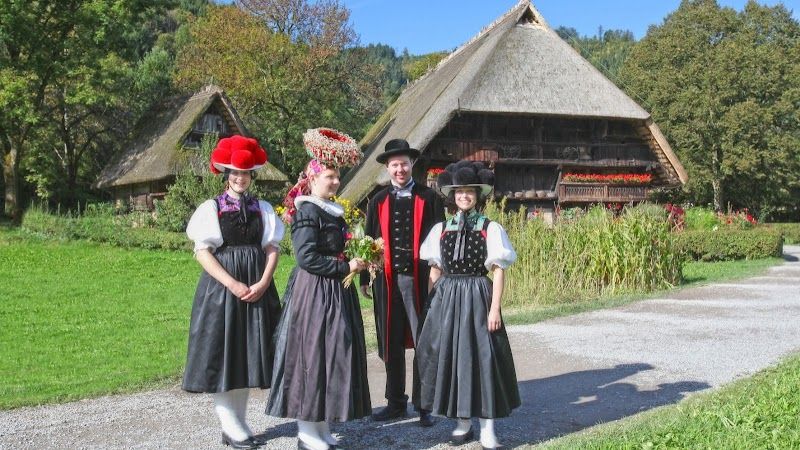
This open-air museum brings six authentic Black Forest farmhouses from the 16th and 17th centuries to life, complete with working mills, traditional barns, and costumed craftspeople demonstrating everything from basket weaving to bread baking. You'll walk through fully furnished farmsteads that were carefully relocated here beam by beam, each representing different periods and social classes of rural Black Forest life. The highlight is watching traditional crafts in action: blacksmiths hammering iron, millers grinding grain, and woodcarvers creating the intricate clocks this region is famous for. The experience feels like stepping into a living history book where you can touch, smell, and hear the past. Smoke rises from chimneys, water wheels turn steadily, and the sound of traditional tools echoes across the grounds. Each farmhouse tells a different story, from the wealthy Vogtsbauernhof itself (complete with elaborate painted furniture) to the humble Hippenseppenhof where you'll see how poorer families lived. The staff genuinely knows their stuff and loves sharing stories about daily life centuries ago. Entry costs €9 for adults, which is fair considering you'll easily spend 2-3 hours here if you're genuinely interested. Most visitors rush through in an hour and miss the best parts: the working sawmill demonstration and the seasonal activities like flax processing or apple pressing. Skip the restaurant (overpriced tourist food) but don't miss the small shop selling authentic regional crafts. The museum gets surprisingly crowded on weekend afternoons, so aim for weekday mornings when you can actually chat with the craftspeople.
Parkhotel Wehrle Restaurant
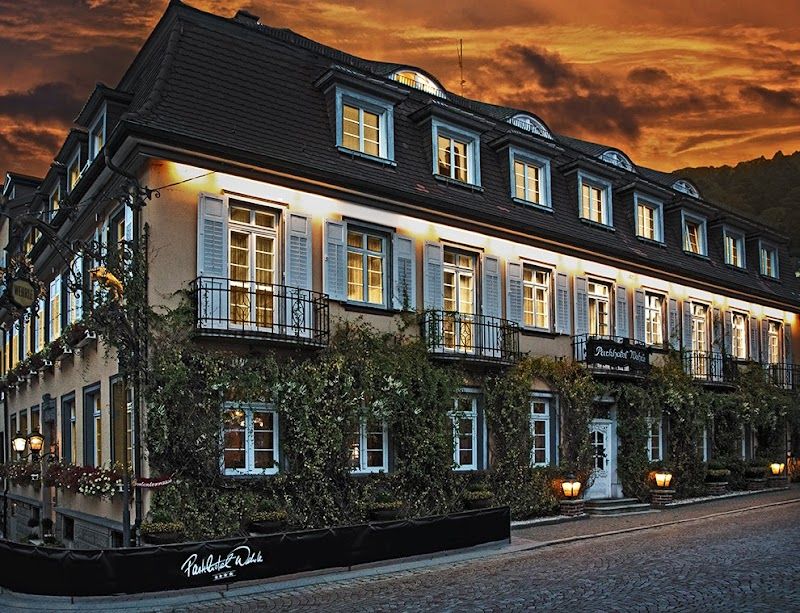
The Parkhotel Wehrle's restaurant occupies the elegant dining room of Triberg's oldest grand hotel, built in 1767. You're here for seriously refined Black Forest cooking in a proper white tablecloth setting, complete with crystal chandeliers and waiters who know their way around a wine list. The Schwarzwaldforelle arrives perfectly prepared with almonds and brown butter, while the Zwiebelrostbraten comes with house-made Spätzle that puts hotel restaurants elsewhere to shame. Stepping into the dining room feels like entering a different century, with dark wood paneling and formal table settings that locals reserve for anniversaries and special occasions. The service moves at a deliberate pace, giving you time to appreciate each course and the forest views from select tables. The Wintergarten extension offers the best atmosphere, with floor-to-ceiling windows framing the Black Forest beyond. You'll hear a mix of German and respectful tourist chatter, never rushed or noisy. Most travel guides treat this as just another hotel restaurant, but locals know it's Triberg's finest dining experience. Expect to spend around 35-45 EUR per person for a full meal with wine. The portions are generous, particularly the Jägerschnitzel which easily feeds two people. Skip the overpriced appetizers and save room for their exceptional Schwarzwälder Kirschtorte, which puts the tourist versions to shame.
Schonacher Rohrhardsberg
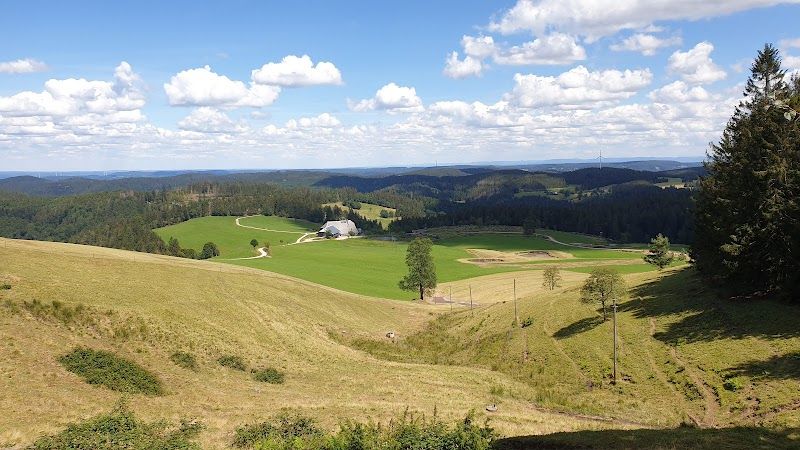
Rohrhardsberg delivers the Black Forest views you came here for, rising 1,164 meters above Schonach with a solid lookout tower that puts you above the treeline. The panorama stretches across rolling forested hills, deep valleys, and on clear days reaches the distant Alps. You'll earn these views through a steady 2.5-hour hike up well-maintained forest trails, passing through thick spruce and fir groves that smell exactly like Christmas. The climb feels properly alpine without being punishing, winding through dense forest where sunlight filters through branches in golden shafts. The lookout tower adds another 20 meters of height and suddenly the whole Black Forest spreads below you like a green carpet. Wooden benches circle the summit, perfect for unpacking lunch while you catch your breath. In winter, the hiking trails become groomed cross-country ski routes that locals use religiously. Most hiking guides oversell the difficulty here. It's a straightforward walk up, not a technical climb, though your legs will definitely feel it. The tower can get crowded on sunny weekends with families from Stuttgart, so time your visit accordingly. There's no entrance fee, no parking charges, and the trails are marked clearly enough that you won't need a guide. Skip the winter visit unless you're actually skiing, the views disappear in snow and fog.
Schonacher Straße
Schonacher Straße runs through the heart of Triberg as the town's main commercial strip, where traditional Black Forest culture meets tourist commerce. You'll find authentic cuckoo clock workshops alongside souvenir shops selling everything from wooden figurines to Black Forest ham. The street maintains its old world charm with half-timbered buildings housing family businesses that have operated here for decades, some since the 1800s. Walking the cobblestone street feels like browsing through a living museum of Black Forest craftsmanship. Clock shops display hundreds of handcarved timepieces in their windows, with prices ranging from 50 EUR for simple designs to over 2,000 EUR for elaborate musical pieces. The sound of woodworking drifts from back workshops, and you'll often see artisans carving clock cases or painting details. Tourist groups cluster around the larger shops, but smaller family-run stores offer more personal attention and better stories. Most visitors rush through buying mass-produced souvenirs, but the real value lies in the working clock shops where you can watch craftsmen at work. Skip the generic souvenir stores near the bus stops and focus on Hubert Herr or Rombach & Haas for authentic pieces. Prices are negotiable in smaller shops, especially if you're buying multiple items or visiting during slower periods.
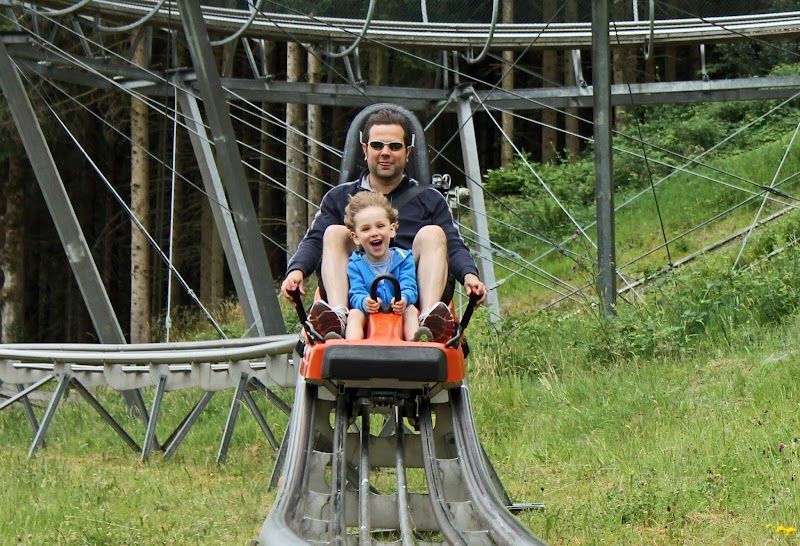
Sommerrodelbahn Gutach
Sommerrodelbahn Gutach delivers exactly what it promises: a 1,100-meter alpine coaster that winds down the Black Forest mountainside with genuine thrills. You'll control your own sled through banked curves, gentle jumps, and rolling waves while the Gutach valley spreads out below. The track sits high enough to give you proper forest views but stays manageable for kids as young as three (with an adult). Unlike many tourist rides, this one actually gets your heart racing on the steeper sections. Your ride starts with a chairlift that hauls you and your toboggan up the mountain, giving you time to scout the route ahead. The descent takes about four minutes if you brake conservatively, but experienced riders can fly down in under three. The sleds have simple hand brakes that work well, though the track's banking means you rarely need to slow down much. You'll hear plenty of whooping from other riders, and the forest setting makes it feel more authentic than the concrete versions at some theme parks. Most guides won't mention that the €6 single ride price adds up fast, especially with kids who'll want multiple goes. The 6-ride ticket at €28 makes much more sense for families. Skip the mini-golf, it's forgettable, but the playground keeps younger siblings happy while others ride. The track runs in all weather except heavy rain or ice, but wet conditions make it noticeably slower and less exciting.
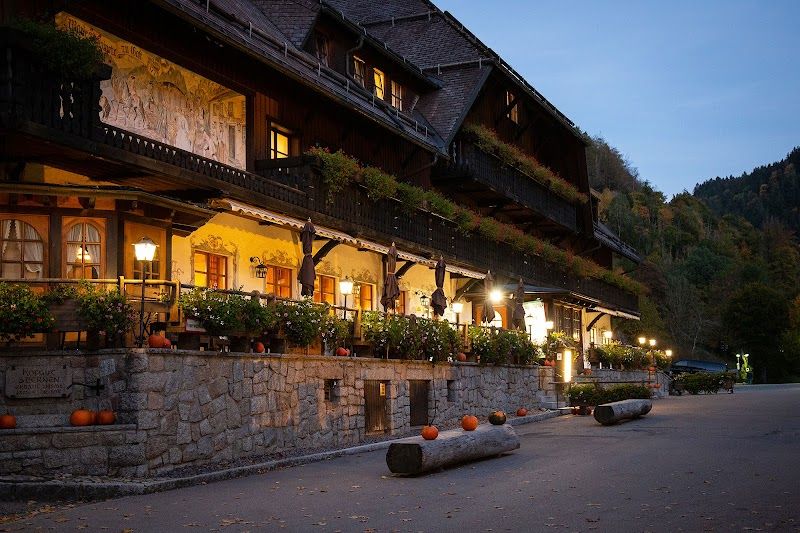
Hofgut Sternen
Hofgut Sternen sits where the Ravenna Gorge opens into the Black Forest, combining a working farm, traditional restaurant, and active glassblowing studio in one sprawling complex. You'll find regional dishes like venison goulash (€18) and spätzle with forest mushrooms (€14) served on the terrace overlooking Ravenna stream, while the adjacent studio lets you watch artisans shape molten glass into Christmas ornaments and drinking vessels. The property has operated as an inn since 1820, and the farm still raises cattle whose milk goes into the kitchen's butter and cream. The restaurant feels authentically rural without being touristy, with wooden tables scattered across multiple rooms and a large terrace where water sounds drown out conversation. Service moves at Black Forest pace, so expect 30 minutes between ordering and eating, but the glassblowing studio provides perfect entertainment while you wait. The shop sells everything from hand-blown wine glasses (€25) to intricate Christmas decorations, and demonstrations run every hour from 10am to 5pm. Most visitors rush through lunch and miss the real draw: this is your best staging point for hiking the dramatic Ravenna Gorge behind the property. The restaurant gets packed with tour buses between noon and 2pm, so come at 11am or after 3pm for better service and gorge access. Skip the tourist menu and order from the regular German menu for better value and authentic flavors.
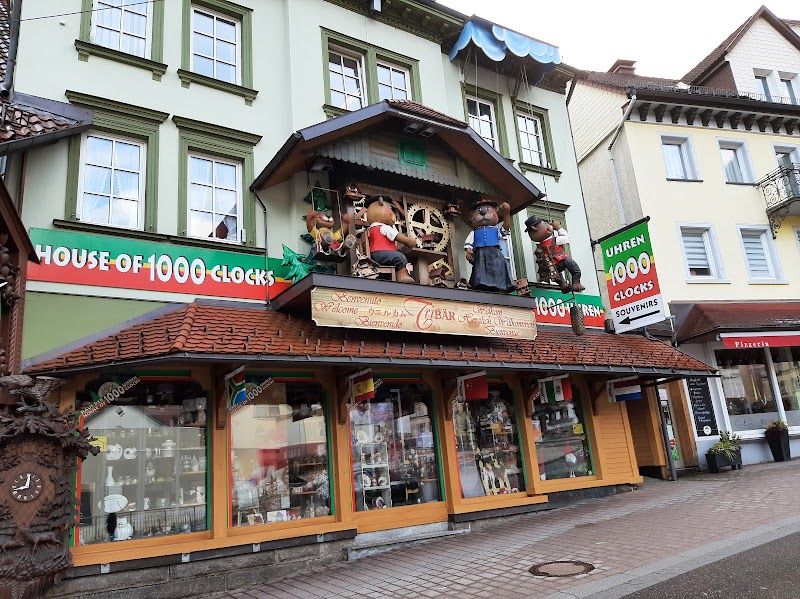
House of 1000 Clocks
The House of 1000 Clocks (Haus der 1000 Uhren) on Triberg's main street is one of two shops in the region claiming the title of world's largest cuckoo clock. The shop's wall-sized cuckoo clock fills an entire building facade, with the largest visible gear mechanism of any operating cuckoo clock. Free to view from the outside. Inside, the shop sells authentic Black Forest cuckoo clocks from multiple regional workshops across the full price range: souvenir-tier clocks EUR 80-250, mid-tier mechanical clocks EUR 300-800, craftsman-tier hand-carved clocks EUR 1,000-4,000. Shopping is transparently tourist-oriented but the clocks are genuine regional production and the shop will ship internationally. Visit is 15-30 minutes depending on browsing time. Demonstrations of the wall clock mechanism run on the hour. Hauptstrasse 79, 10-minute walk from the waterfall entrance.
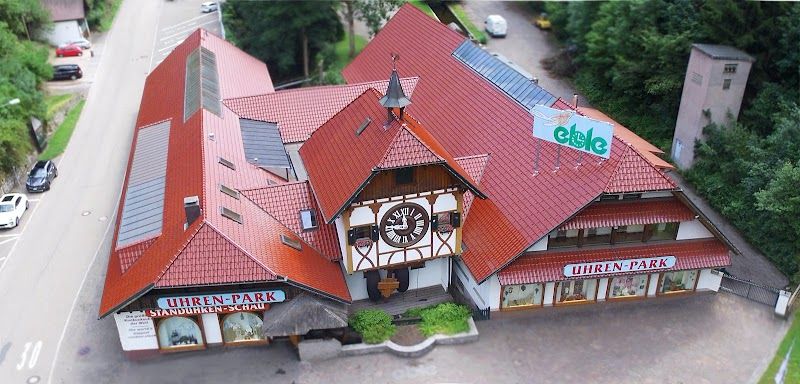
Uhren-Park Rombach
Uhren-Park Rombach sits in a converted traditional Black Forest house where you can watch actual clockmakers assembling cuckoo clocks while browsing their surprisingly diverse collection. You'll find everything from EUR 80 quartz starter models to EUR 3,500 hand-carved eight-day movements, with about 60% of their inventory still made in local workshops within 20 kilometers. The shop doubles as a working demonstration space where craftsmen explain the difference between mechanical and quartz movements without the hard sell you get at tourist traps. The experience flows naturally from the main showroom displaying hundreds of clocks (the constant ticking creates an oddly soothing soundtrack) into the workshop area where you can watch springs being installed and wooden cases being fitted. Staff genuinely know their craft and will explain why some clocks cost EUR 200 while others hit EUR 2,000, pointing out hand-carved details versus machine work. The atmosphere feels more like visiting a working studio than a retail shop, especially when the craftsman is carving wooden leaves or adjusting pendulum weights. Most guides skip this place for the flashier tourist shops, but you'll get better prices and authenticity here. Skip the mass-produced souvenir clocks near the entrance and head straight to the regional craftsman section in the back room. The sweet spot for quality without breaking the bank sits around EUR 300 to EUR 600 for genuine Black Forest eight-day movements that'll last decades.
Schwarzwaldmuseum Triberg
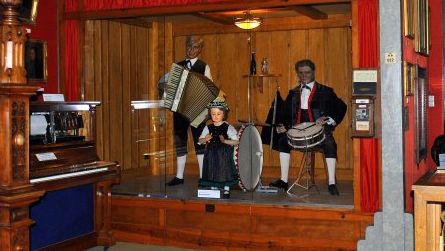
The Schwarzwaldmuseum (Black Forest Museum) in Triberg has a collection of 3,000 objects covering Black Forest cultural history with a particular strength in mechanical music: orchestrions, music boxes, player pianos, and mechanical musical automata, many still in working condition. Demonstrations of the mechanical music collection run on guided tours most afternoons. The museum also covers traditional Black Forest dress and costume, mining tools from the regional silver and lead industry, cuckoo clock history and mechanism, winter sports history (the Black Forest developed competitive skiing in the 1890s), and traditional Schwarzwaldhof farm life. Admission EUR 6 adults, EUR 3 kids 6-16, free under 6. Open daily 10 AM to 5 PM in peak season (May-October), closed Mondays in winter. Allow 45-90 minutes; the mechanical music hall is the kid hit and alone justifies the ticket.
Gasthaus Rößle
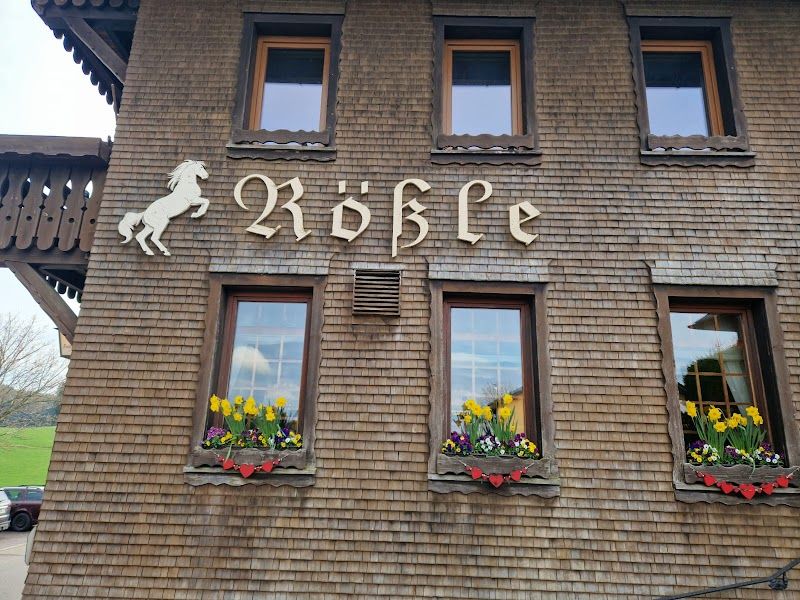
Gasthaus Rößle has been serving proper Black Forest cooking since 1897, and you can tell the moment you walk into their wood-beamed Stube. This isn't tourist food: locals pack the tables at lunch for house-made Maultaschen (around €9) and Flammkuchen topped with local Black Forest ham and sharp Münster cheese (€8-10). The family running it knows every regular by name, and they've kept the menu focused on what Baden cooks have perfected over generations. You'll squeeze past farmers and forestry workers to find a table in the cozy dining room, where conversations mix Hochdeutsch with thick Badisch dialect. The kitchen works in full view, rolling Maultaschen dough by hand each morning and sliding Flammkuchen into their wood-fired oven. Service feels unhurried but efficient, and the Rothaus Tannenzäpfle flows freely from ceramic steins. Summer opens the Biergarten where you'll eat under apple trees with direct forest views. Most restaurants in Triberg cater to day-trippers, but Rößle feeds the people who actually live here. Skip anything fancy: stick to the classics like Sauerbraten (€12) or Schäufele (€14). The portions are enormous, so the Kinderkarte offers half-portions at half-price, perfect for lighter appetites. Book ahead for weekend dinners, though lunch usually has tables available.
Restaurant Pfaff
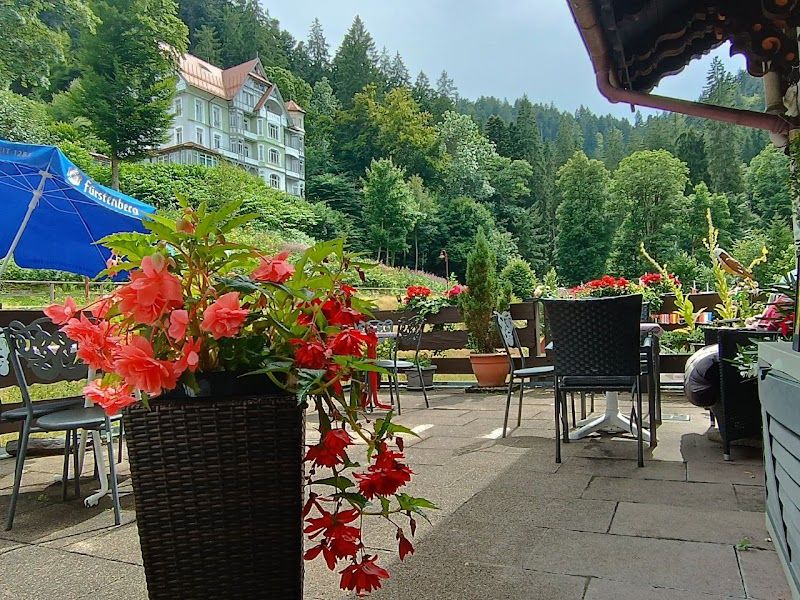
Restaurant Pfaff serves the kind of traditional Black Forest cooking that locals have been perfecting for generations. You'll find hearty game dishes like wild boar and venison alongside regional specialties such as fresh trout from local streams and proper Swabian spätzle. The restaurant occupies a traditional half-timbered building on Triberg's main street, with wood-paneled dining rooms that feel authentically rustic without being touristy. The atmosphere strikes that perfect balance between cozy and refined. Dark wooden beams frame intimate dining spaces where you'll hear a mix of local dialect and tourist chatter. Service follows the old-school German tradition: efficient, knowledgeable about the menu, and genuinely proud of what they're serving. The portions are generous in true Black Forest style, and the wine list focuses on Baden regional bottles that pair beautifully with the rich, sauce-heavy dishes. Most visitors order safely but miss the seasonal game menu, which is where this kitchen really shines. Skip the schnitzel (it's fine but unremarkable) and go for whatever wild meat they're featuring. Main courses run 16-24 EUR, which is fair for the quality and portion sizes. The restaurant fills up with tour groups around 1 PM, so book for early evening if you want a quieter experience with better service attention.
Imbiss zur Linde
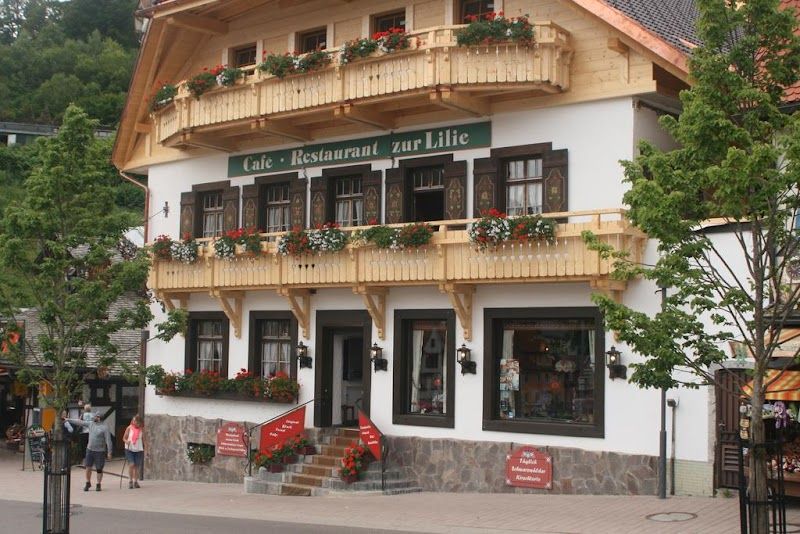
Imbiss zur Linde is exactly what Triberg needs: a proper local snack bar serving honest German fast food without any tourist markup. You'll find authentic Currywurst for €4.50, hefty Maultaschen portions for €6, and the kind of homemade potato salad that locals argue about. This isn't Instagram food, it's the real deal where construction workers and office employees grab lunch together at plastic tables. The atmosphere feels refreshingly normal after Triberg's cuckoo clock theater. You order at the counter from a handwritten menu board, grab your tray, and sit wherever there's space. The Currywurst comes properly sauced with decent fries, while the Maultaschen arrive steaming hot with that perfect chewy texture you can't fake. Conversations happen in thick Swabian dialect, and nobody's taking photos of their food. Most food guides completely miss places like this, focusing instead on overpriced tourist restaurants near the waterfalls. The portions here are genuinely filling, prices haven't inflated for visitors, and you'll actually eat alongside people who live here. Skip the tourist traps charging €12 for mediocre schnitzel and come here for lunch that costs half as much and tastes twice as good.
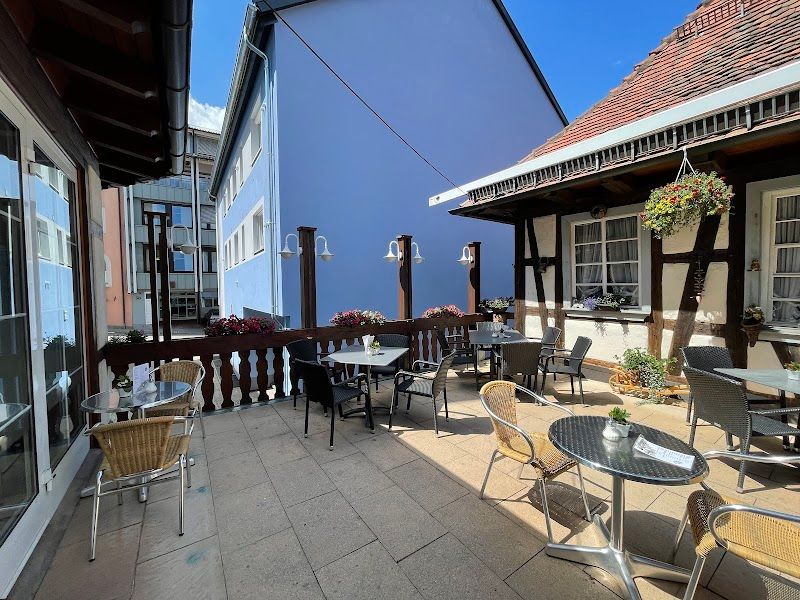
Gasthaus Adler Schonach
This family-run Gasthof in the village center serves what locals genuinely consider the Black Forest's best Flammkuchen, thin-crust flatbreads baked in a proper wood oven and served on rustic wooden paddles. You'll find creative combinations like wild mushroom with herbs, caramelized onion with speck, and seasonal specials that change monthly. The dining room feels authentically regional with hand-painted Black Forest furniture, ceramic tile ovens, and Fürstenberg beer on tap. The atmosphere strikes that perfect balance between cozy village inn and proper restaurant. Servers know the regular ski instructors and hiking guides by name, but they're equally welcoming to visitors who stumble in after exploring the nearby waterfalls. The Flammkuchen arrives bubbling hot with perfectly crispy edges, and you'll hear the satisfying crack of the wood oven throughout your meal. Tables fill with a mix of locals catching up over beer and tourists comparing notes on forest trails. Most travel guides skip this place entirely, which keeps it refreshingly authentic. The Flammkuchen runs 8 to 12 EUR depending on toppings, with generous portions that easily satisfy. Skip the schnitzel and other standard German fare, they're fine but unremarkable. The real magic happens with anything that comes from that wood oven, and the apple strudel makes an excellent finish at 4.50 EUR.
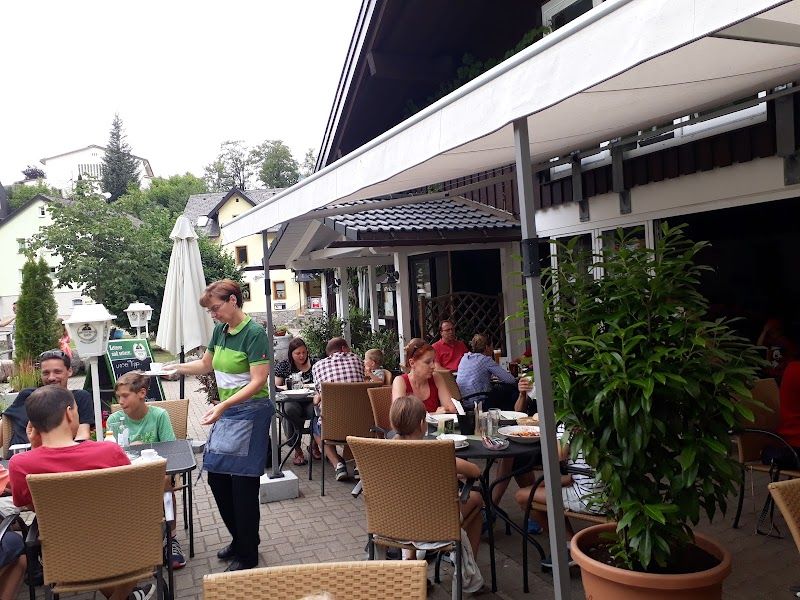
Bergsee-Cafe
Small café with a terrace offering views of the surrounding Black Forest landscape. Serves simple meals, coffee, and homemade cakes in a relaxed atmosphere. Popular with hikers taking a break and locals enjoying afternoon coffee.
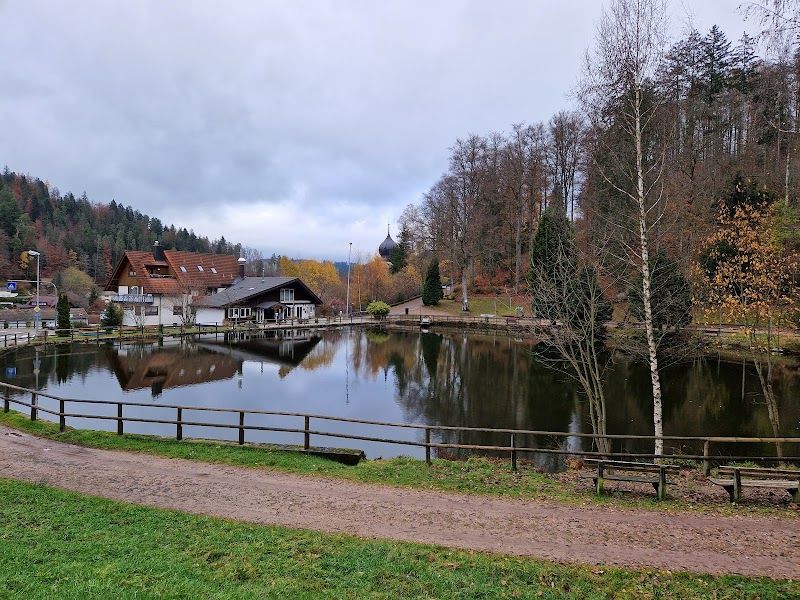
Bergsee Forellenhof
A fishing lodge restaurant perched above the Bergsee lake, specializing in fresh trout pulled from their own ponds that morning. The Forelle Müllerin (trout in butter) is simple and perfect, served with boiled potatoes and salad. The terrace overlooks the water and forest.
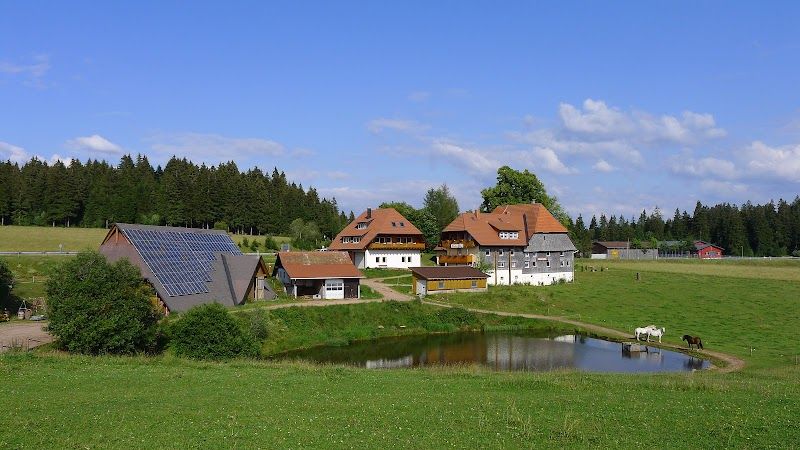
Gasthaus Hirsch Schonach
Authentic Black Forest inn serving hearty regional cuisine with a focus on game dishes and seasonal ingredients. The rustic dining room features traditional wood paneling and a warm atmosphere perfect for trying local specialties like venison with Spätzle. Known among locals for generous portions and reasonable prices.
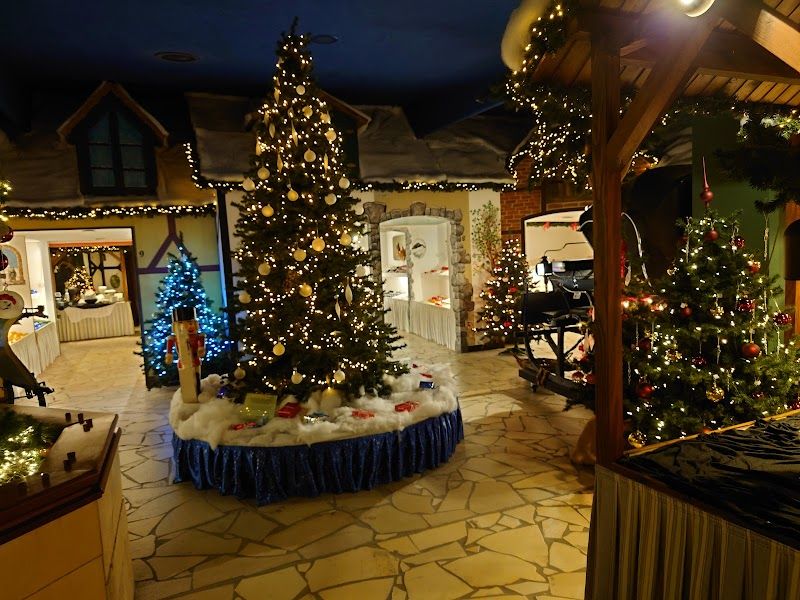
Dorotheenhütte Wolfach
Working glass-blowing workshop where artisans demonstrate traditional Black Forest glassmaking techniques. Visitors can watch skilled craftsmen create intricate glass pieces and browse the attached shop featuring handmade glass art. Historic facility dating back centuries with live demonstrations throughout the day.
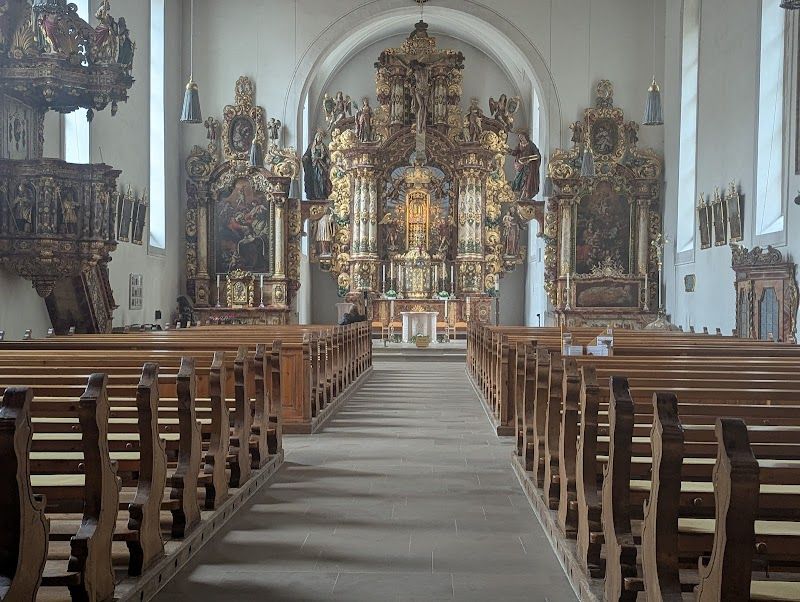
Wallfahrtskirche Maria in der Tanne
This Baroque pilgrimage church on Wallfahrtsstrasse features an ornate folk-art altar and traditional votive offerings that reflect centuries of Black Forest devotion. The interior showcases regional woodcarving craftsmanship and colorful ceiling frescoes typical of 18th-century Catholic pilgrimage sites. Free entry makes it an easy 10-minute stop before or after the adjacent Schwarzwaldmuseum.
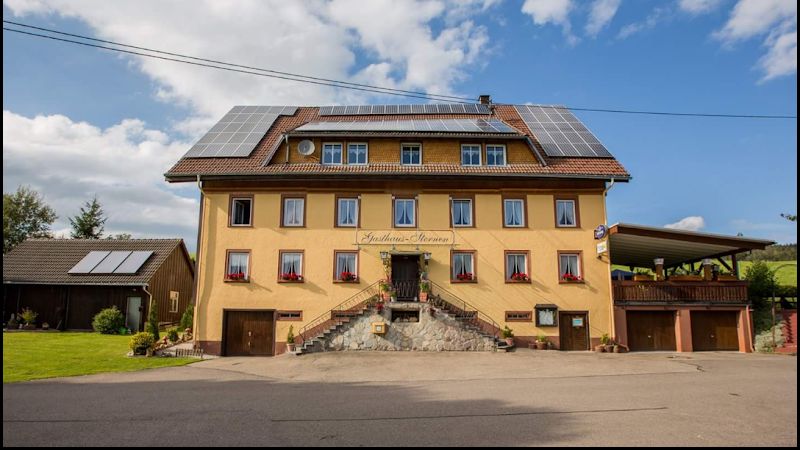
Gasthaus Sternen Gutach
A 300-year-old half-timbered Gasthof where the Gutach stream runs directly under the dining room through stone channels. The menu focuses on game in autumn (Hirschgulasch, venison goulash) and trout year-round. The creaking floors and low beams feel genuinely medieval.
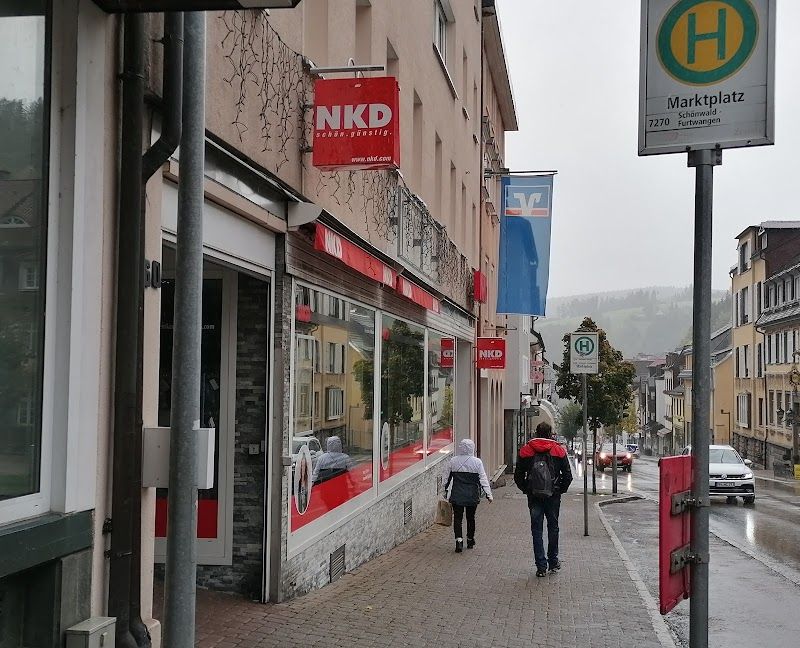
Marktplatz Triberg
The central market square of Triberg, surrounded by traditional Black Forest buildings and shops. The square hosts seasonal markets and serves as the social heart of the town center. It offers beautiful views of the surrounding hills and is a popular meeting spot for locals.
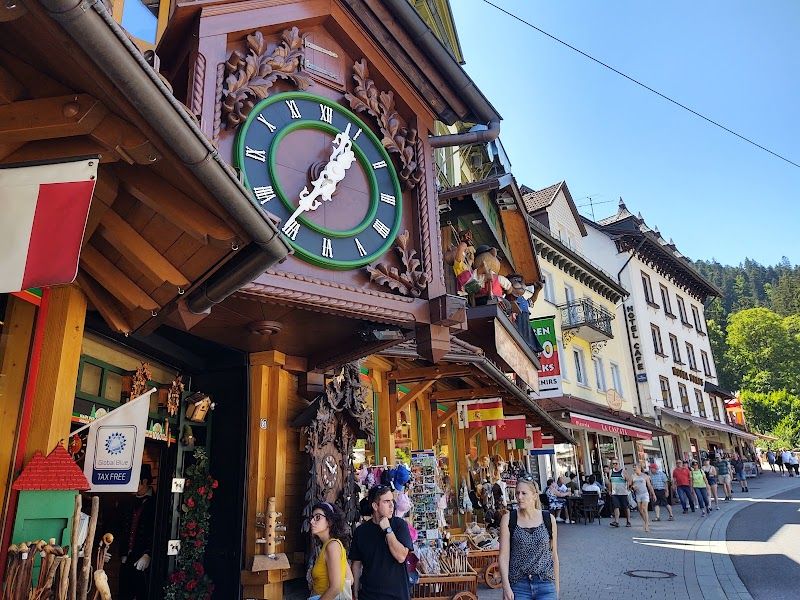
Trachtenstube Triberg
Specialist in traditional Black Forest textiles including authentic Bollenhut pompom hats (EUR 45-120), hand-embroidered dirndl aprons, and wool capes made in Gutach workshops. The leather goods section features belts and bags tooled with regional motifs, all from German tanneries.
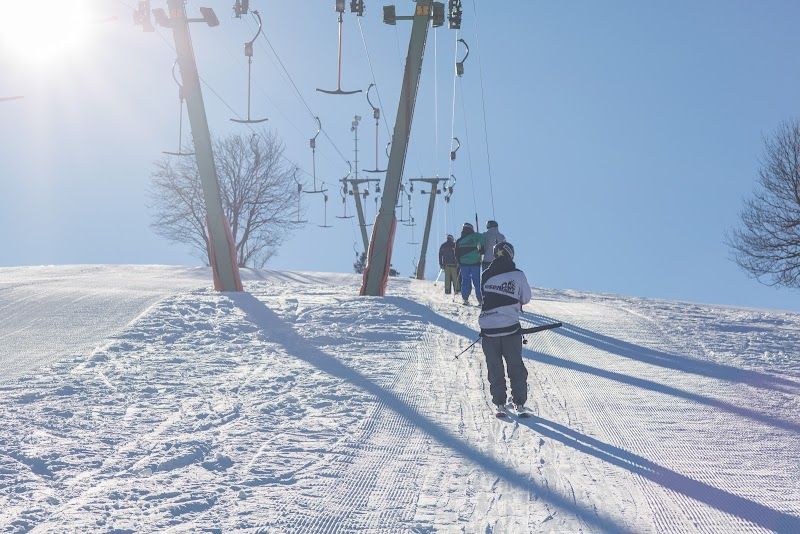
Skilift Schonach
Local ski lift and winter sports area popular with families and beginners learning to ski. The gentle slopes and well-maintained facilities make it ideal for a relaxed day on the mountain without the crowds of larger resorts. During summer, the area serves as a starting point for mountain biking trails.
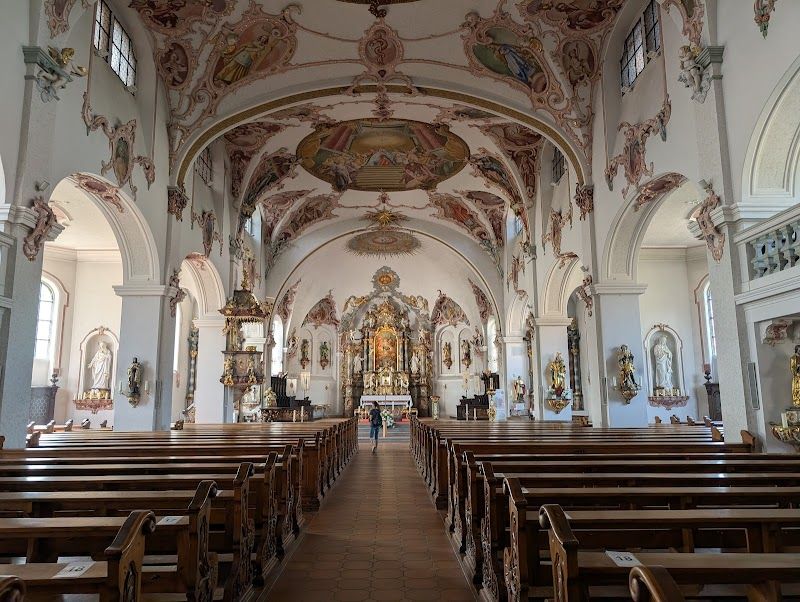
Dorfkirche St. Urban Schonach
Historic parish church dating back to the 18th century with a distinctive onion-domed tower visible throughout the village. The baroque interior features beautifully preserved frescoes and an ornate altar typical of Black Forest church architecture. The church remains an active center of village life and cultural events.
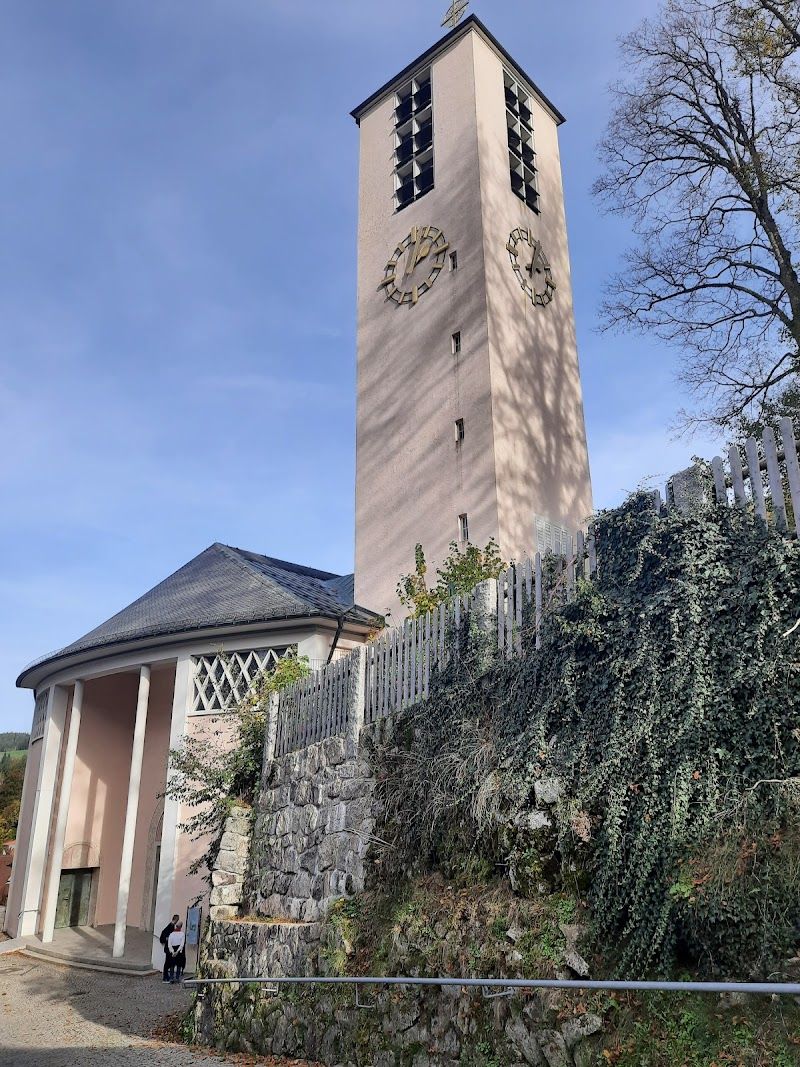
St. Clemens Kirche
Historic Catholic parish church built in the 18th century, featuring beautiful Baroque interior elements. The church's twin towers are a distinctive landmark visible throughout Triberg's town center. Inside, visitors can admire ornate altars and religious artwork from the region.
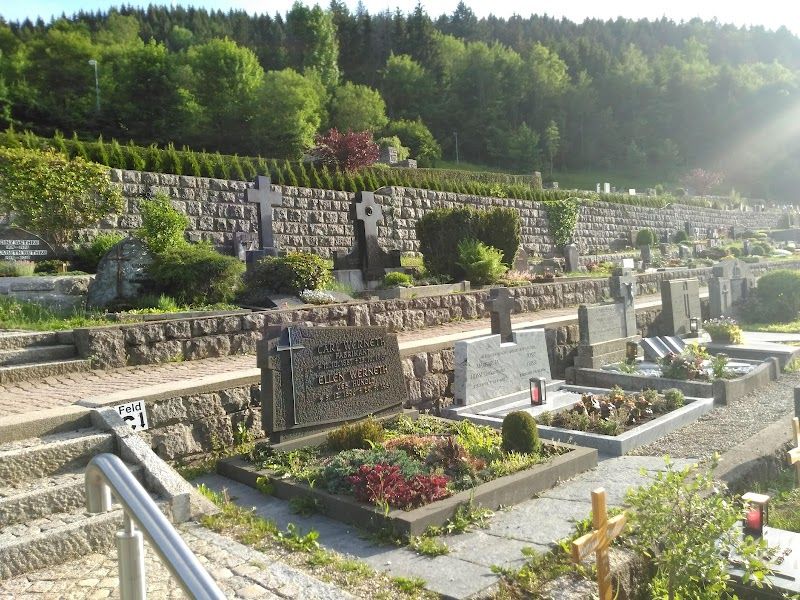
Friedhofskapelle Triberg
This small cemetery chapel near the town center displays traditional Black Forest memorial art and distinctive wrought-iron grave markers unique to the region. The surrounding cemetery features ornate 19th and early 20th-century family tombs with characteristic Black Forest metalwork. It offers a quiet cultural experience showing local funerary traditions rarely seen by tourists.