1-2 Days in Val d'Orcia: Wine, Cheese & Cypress Roads
Brunello in Montalcino, pecorino in Pienza, Vino Nobile cellars in Montepulciano, and the cypress-lined roads between them
How to spend 1-2 days in Val d'Orcia: Pienza pecorino, Montalcino Brunello, Montepulciano cellars, the Vitaleta Chapel, thermal baths, and the famous cypress roads.
This is the classic Val d'Orcia route that every photographer dreams about and every wine lover should experience at least once. You'll drive through landscapes that look like Renaissance paintings, taste sheep cheese that's been made the same way for 500 years, and drink wine that costs more per bottle than most people spend on dinner. The roads here wind through rolling hills dotted with cypress trees, and every turn reveals another postcard view. A car is absolutely essential for this itinerary.
Pienza, Montalcino, and the Landscape
This day starts with Renaissance urban planning and sheep cheese, then moves to serious wine tasting in a medieval fortress. You'll spend the afternoon driving the cypress-lined roads that appear on every Tuscany calendar, stopping to photograph the most famous chapel in the valley. The landscape here rolls like green velvet, punctuated by perfectly placed farmhouses and those signature dark green cypress trees.
- Pecorino cheese tastings in Pienza
- Brunello wine at Montalcino's fortress
- The famous cypress chapel drive
Morning: Pienza and Its Cheese Empire
Start in Pienza around 9am when the cheese shops open and the tour buses haven't arrived yet. Park outside the city walls where it costs EUR 1.50 per hour, much cheaper than the lots inside. Walk straight up Corso Rossellino, the main street that Pope Pius II designed as his ideal Renaissance town. The street is lined with pecorino shops, and you should taste at 2-3 of them. The owners will slice off pieces for free tastings, and you can buy portions for EUR 3-8. The aged pecorino tastes sharp and salty, while the fresh stuff is creamy and mild. At Palazzo Piccolomini (EUR 7), skip the pope's bedroom and head straight to the hanging garden and the triple-arched loggia. The view stretches across the entire Orcia valley, and you can see all the way to Monte Amiata on clear days. Walk the panoramic path along the south wall afterward, it's free and gives you the same view without the palace entry fee.
The Cypress Chapel Drive
Drive 10 minutes south to the Cappella della Madonna di Vitaleta, the tiny chapel that appears in every Tuscany photo. You'll need to park on the side road and walk 15 minutes through the fields to reach it. The chapel sits between two perfect rows of cypress trees, and it looks exactly like the postcards suggest. The walk through the wheat fields (or golden stubble in summer) is half the experience. This is tourist photography territory, but the landscape genuinely is this perfect. The chapel itself is usually locked, but you're here for the view anyway.
Montalcino and Serious Wine
Drive to Montalcino (20 minutes from the chapel) and park below the town walls. Walk up to the Fortezza, the 14th-century fortress that dominates the town. The entry costs EUR 4, but the real attraction is the wine bar inside where you can taste Brunello for EUR 6-15 per glass. Brunello is Sangiovese aged for at least 5 years, and it tastes like dark cherries, leather, and earth. The fortress wine bar is touristy but convenient, and the setting is genuinely medieval. For lunch, eat pici pasta with wild boar ragu at any restaurant in town (EUR 8-12), and order a glass of Rosso di Montalcino (EUR 4-8), which is Brunello's younger, more affordable brother.
Afternoon Scenic Drive
Spend the afternoon driving the scenic roads back through the valley toward Pienza. Take the road through San Quirico d'Orcia and past the Gladiator house (yes, from the movie). The landscape here changes with the light throughout the day, turning golden in the late afternoon. Drive slowly, pull over frequently, and take too many photos. The roads are narrow but well-maintained, and Italian drivers will pass you aggressively if you go too slow in the curves.
Evening: Dinner in Pienza
Return to Pienza for dinner at one of the pecorino-focused restaurants along Corso Rossellino. Order the pecorino tasting plate with local honey and pear jam, pici cacio e pepe made with aged pecorino, and a bottle of local Orcia DOC wine. Dinner will cost EUR 30-45 per person with wine. The restaurants here are all tourist-oriented, but the cheese is genuinely exceptional, and the setting in a Renaissance planned city is worth the premium. Sit outside if the weather allows, the evening light on the travertine buildings is beautiful.
Montepulciano and Thermal Baths
Day two combines wine tasting in ancient cellars with soaking in natural hot springs. Montepulciano sits high on a hilltop, and you'll work for the views by climbing steep medieval streets. The afternoon is pure relaxation, soaking in thermal waters that have been bubbling up from the earth since Roman times. The contrast between the refined wine culture and the primitive pleasure of hot springs captures what makes this valley special.
- Underground wine cellars in Montepulciano
- Medieval thermal pools at Bagno Vignoni
- Free natural hot springs at Bagni San Filippo
Morning: Climbing Montepulciano
Drive to Montepulciano (15 minutes from Pienza) and park at Porta al Prato, the lower entrance to town. The walk uphill to Piazza Grande takes 15 minutes and is genuinely steep, following Via di Gracciano through the heart of the medieval town. The street is lined with wine cellars, Renaissance palaces, and shops selling Vino Nobile di Montepulciano. At Piazza Grande, visit Contucci cellar for free tastings directly on the square. The family has been making wine here since 1700, and they'll pour 3-4 different wines without pressure to buy. De' Ricci cellar (EUR 5) has the most impressive underground space, carved from tufa rock with barrels aging in natural caves.
The Tower and the View
Climb the Palazzo Comunale tower (EUR 5) for the best view in town. The stairs are narrow and steep, but the 360-degree view from the top stretches to Lago Trasimeno and across the entire Val d'Orcia. You can see all the way back to Pienza and Montalcino from up here. The tower climb takes about 10 minutes each way, and it's worth every euro for the view. Lunch on Piazza Grande or back down on Via di Gracciano, where pasta and wine cost EUR 12-18. Order pici all'aglione (pasta with tomato and garlic) and a glass of Vino Nobile.
Thermal Waters and Medieval Pools
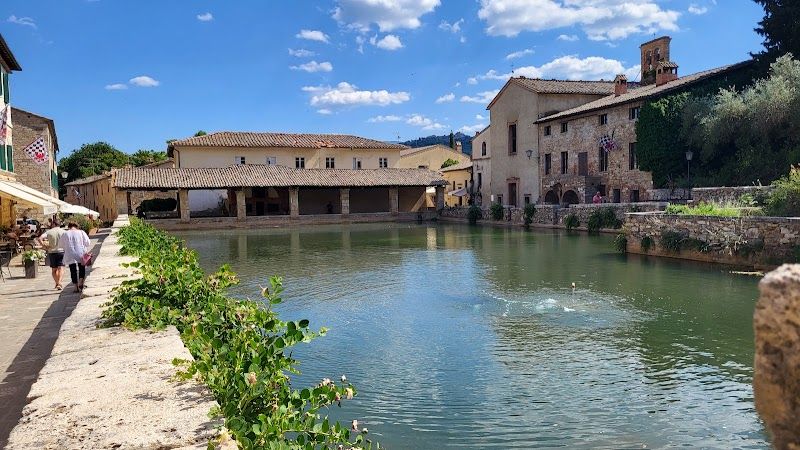
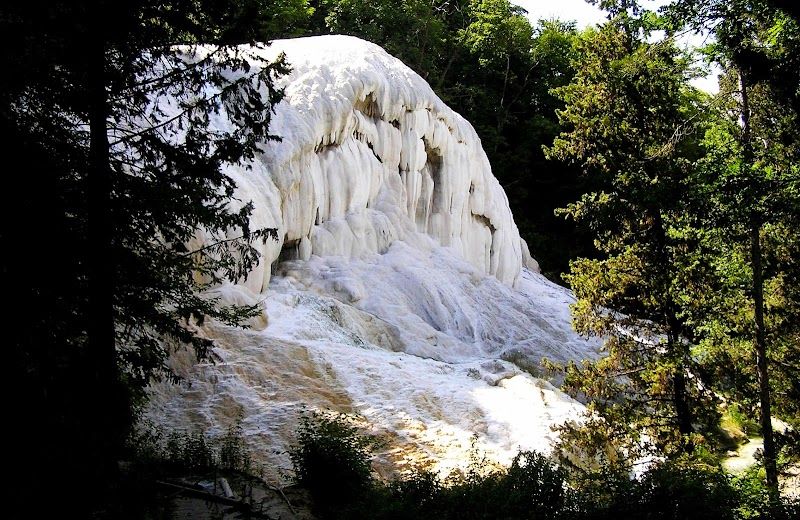
Drive to Bagno Vignoni (30 minutes from Montepulciano) to see the medieval thermal pool that fills the town's main square. The pool is now just for looking, not soaking, but it's a unique sight with thermal water bubbling up at 52°C and steam rising constantly. The village is tiny and touristy, but genuinely medieval. Continue 10 minutes to Bagni San Filippo for the free natural hot springs at Fosso Bianco. Park along the road and follow the path down to the white calcium pools formed by mineral deposits. Bring a towel and plan to soak for at least an hour. The water temperature ranges from warm to quite hot, and the white limestone formations look like frozen waterfalls.
The Classic Cypress Road Photo
On your way back, drive the cypress road near Monticchiello for the classic Tuscany photograph. This is the winding dirt road lined with cypress trees that appears on wine labels and travel posters. The road is rough but passable in any car, and the views across the valley are exactly what you imagine when you think of Tuscany. Stop frequently, take photos, and drive slowly to avoid the dust clouds. This is pure tourist photography territory, but sometimes the most famous views become famous because they're genuinely beautiful.
Essential Planning Details
A car is mandatory for this itinerary. Book in advance, especially in summer.
All cheese tastings in Pienza are free, but buy something if you taste at multiple shops.
Brunello tastings in Montalcino range from EUR 6-15 per glass, cheaper wines available.
Bring a towel for the natural hot springs at Bagni San Filippo.
Park outside city walls when possible, it's always cheaper than inside.
Most attractions close 12:30-2:30pm for lunch, plan accordingly.
Ready to Visit Val d'Orcia?
Get a personalized itinerary tailored to your travel style and interests.
Plan Your Val d'Orcia TripMore Val d'Orcia Guides
First Time in Val d'Orcia: What You Need to Know
Everything before your first visit to Val d'Orcia: why you need a car, where to base yourself, the wine differences, cypress road locations, thermal bath logistics, and seasonal timing.
6 min
Val d'Orcia Wine Guide: Brunello, Vino Nobile & Rosso
Val d'Orcia wine guide: Brunello di Montalcino explained, Vino Nobile cellars in Montepulciano, Rosso as the smart choice, where to taste, and what to buy.
7 min