Val d'Orcia
Cypress Roads & Countryside
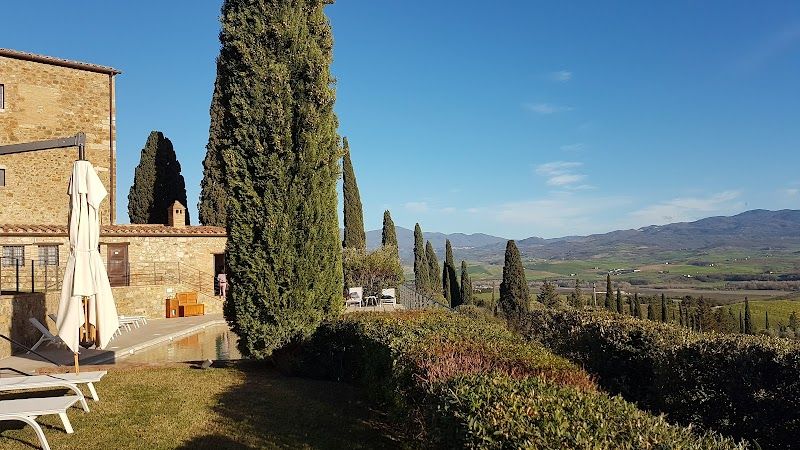
The landscape between the towns that is the actual UNESCO World Heritage Site: cypress avenues disappearing over ridgelines, the lone chapel between two trees, thermal springs in a valley, and the Tuscan countryside that every photograph tries to capture.
About Cypress Roads & Countryside
The Val d'Orcia countryside between the towns is the actual UNESCO World Heritage Site: the landscape of rolling clay hills, lone cypress trees, gravel roads lined with cypress avenues, medieval farmhouses, and the quality of light that has attracted painters since the Renaissance. The most photographed locations are the cypress-lined road near Monticchiello (on the SP88 between Pienza and Montepulciano), the Cappella della Madonna di Vitaleta (the lone chapel between two cypress trees, visible from the road between Pienza and San Quirico d'Orcia, reachable by a 15-minute walk across a field), and the cypress avenue at Agriturismo Poggio Covili (near Castiglione d'Orcia). Bagno Vignoni is a village built around a medieval thermal pool (free to view, the pool is not for swimming) with restaurants around the edges. Bagni San Filippo (10 km south) has free natural hot springs in a forest setting with white calcium deposits (the Fosso Bianco). All locations are reached by car on scenic roads that are part of the experience.
Things to Do
Top experiences in Cypress Roads & Countryside
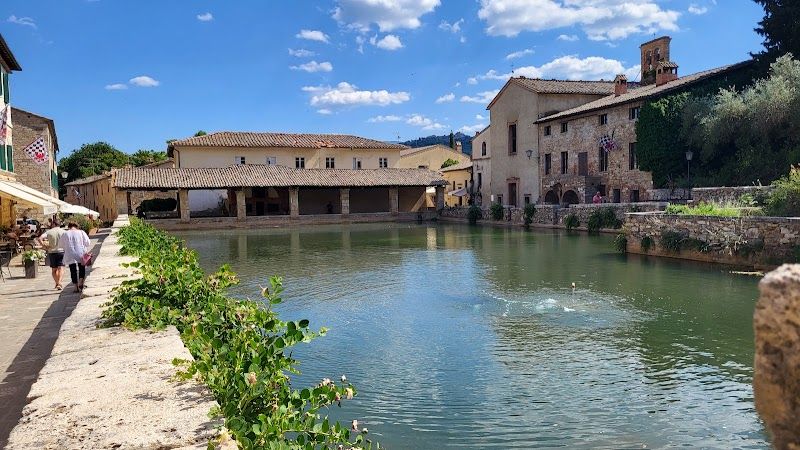
Bagno Vignoni
Bagno Vignoni is probably the most surreal village you'll encounter in Tuscany: the entire main piazza is filled with a massive rectangular thermal pool that's been bubbling at 49°C since Roman times. Steam rises constantly from the mineral-rich water while Renaissance loggias and weathered stone buildings frame this ancient bathing site. You can't swim in the main pool anymore (it's protected), but the sight of this steaming lake surrounded by medieval architecture feels like stumbling into a fantasy film set. The village itself takes maybe 20 minutes to explore completely, but the atmosphere keeps you lingering longer than expected. Steam drifts across the piazza creating an almost mystical mood, especially in cooler months when the contrast is most dramatic. The handful of restaurants and cafes have terraces overlooking the thermal pool, so you'll find yourself nursing a coffee while watching the hypnotic steam patterns. The sound of gently bubbling water creates a surprisingly meditative backdrop. Most guides oversell this as a full morning destination when it's really a atmospheric 1-hour stop. The restaurants around the piazza are predictably overpriced (expect €15-20 for basic pasta), so eat elsewhere. The real value is in the free Parco dei Mulini below the village where thermal water cascades over ancient mill ruins and you can actually soak your feet. Skip the souvenir shops, grab your photos of the steaming piazza, then head down to the park for the genuine thermal experience.
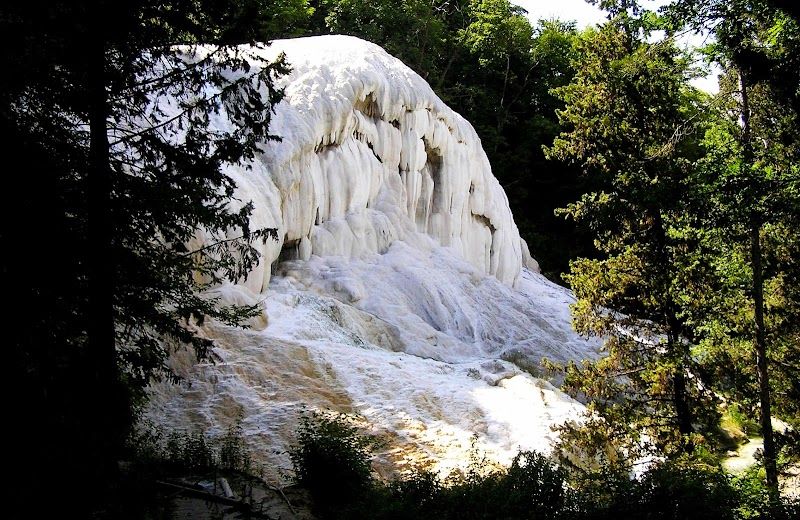
Bagni San Filippo
Bagni San Filippo delivers some of Tuscany's most dramatic natural thermal pools, where 37-48°C spring water has carved brilliant white travertine terraces into the forested hillside. The star attraction is Fosso Bianco, a stunning cascade of calcium deposits that looks like frozen waterfalls against the dark trees. You'll soak in multiple natural pools of varying temperatures, each one sculpted by centuries of mineral-rich water flow. The experience starts with a gentle 10-minute hike down forest paths to reach the main pools, where steam rises through the trees and the sulfur smell tells you you're close. The white limestone formations are genuinely spectacular, especially when sunlight filters through the canopy onto the flowing water. You'll move between different pools to find your perfect temperature, with locals often camping out in their favorites for hours. Most guides don't mention that weekends turn this place into a thermal pool party, complete with portable speakers and crowds. The free access is fantastic, but bring proper footwear since the rocks get slippery. Skip the upper pools near the parking area, they're lukewarm and unremarkable. The real magic happens downstream where fewer people venture.
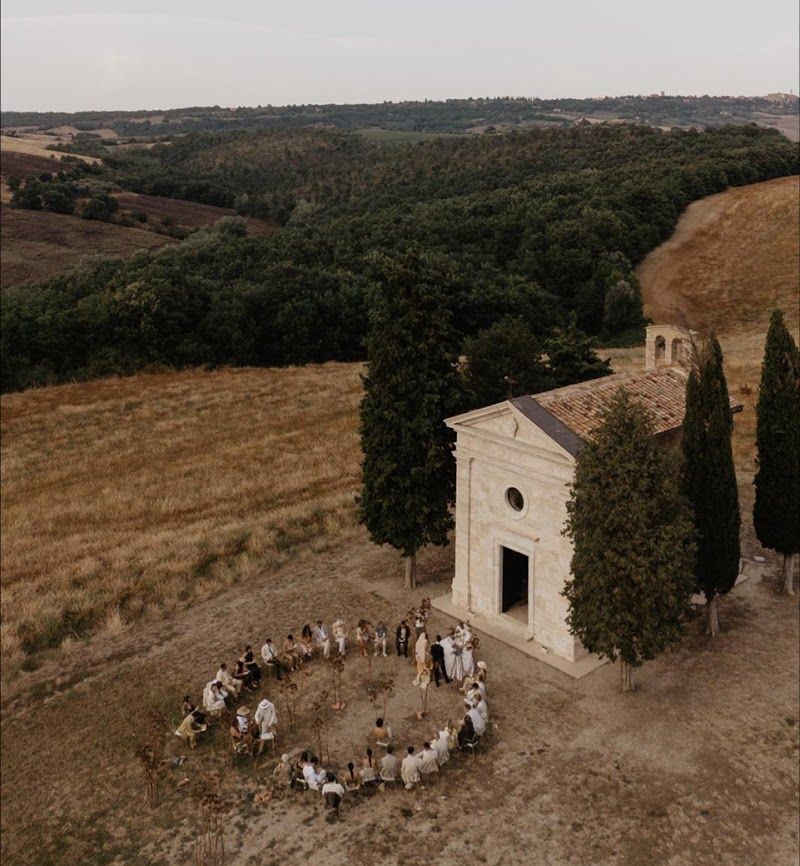
Cappella della Madonna di Vitaleta
This 16th century chapel sits perfectly centered between two towering cypress trees in Val d'Orcia's golden wheat fields, creating what's arguably Tuscany's most photographed rural scene. The tiny Renaissance structure was built by Pope Pius II's family as a roadside shrine, and today it draws photographers from around the world who come for that classic Tuscan composition. You'll walk 15 minutes through working farmland on a gravel track, passing olive groves and getting close-up views of the rolling hills that UNESCO protects. The walk itself is half the experience, taking you through genuine agricultural land where tractors still work the fields and farmers wave from their doorways. When you reach the chapel, you understand immediately why it's so famous: the proportions are absolutely perfect, with the two cypresses framing the small stone building like natural columns. The light changes constantly as clouds move across the sky, and you'll find yourself taking dozens of photos as the shadows shift across the wheat. It's peaceful here, with only the sound of wind through grain and the occasional bird call. Most photography guides oversell this as a sunrise spot, but honestly, any time except harsh midday works beautifully. The walk can get muddy after rain, and your shoes will definitely get dusty. Skip it during harvest season (late June through July) when combine harvesters make the path dangerous and the wheat is gone anyway. The chapel itself is always locked, so this is purely about the exterior shot and the experience of walking through working farmland.
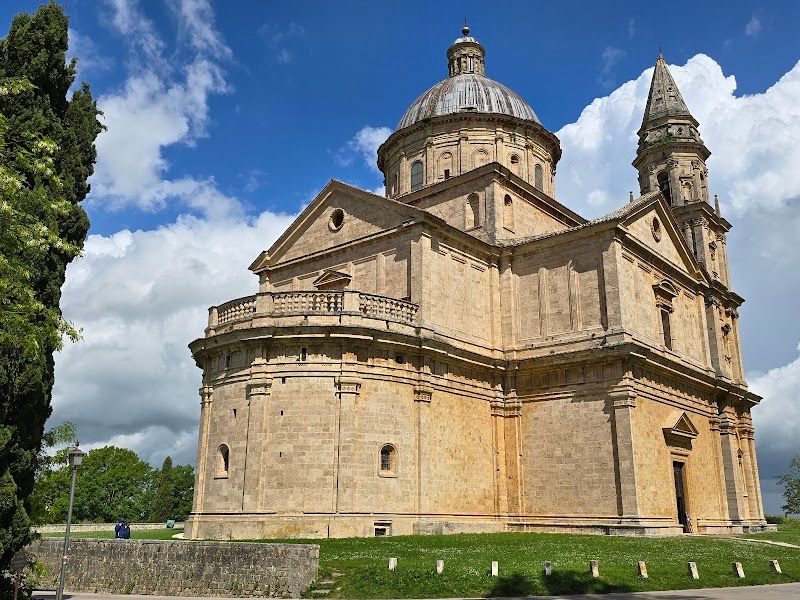
Tempio di San Biagio
Tempio di San Biagio stands alone in a cypress-dotted meadow below Montepulciano, one of the most perfect examples of High Renaissance architecture you'll find in Tuscany. Antonio da Sangallo the Elder designed this honey-colored travertine church in 1518, creating a masterpiece of geometric harmony with its Greek cross plan and soaring central dome. The building's isolation makes it even more striking, rising from green fields with nothing to distract from its pure proportions. You'll circle the exterior first, appreciating how the building looks perfectly balanced from every angle. The travertine stone changes color throughout the day, from pale gold in morning light to warm amber at sunset. Inside, the space feels surprisingly intimate despite the grand proportions, with simple decoration that lets the architecture speak for itself. The acoustics are remarkable, every footstep echoing softly in the vaulted spaces. Most visitors rush through in 15 minutes, but you'll want at least 30 to really absorb the craftsmanship. Entry is free, though there's sometimes a small donation box. Skip the small museum next door unless you're obsessed with Renaissance construction techniques. The real magic happens when you sit on the steps and look back toward Montepulciano perched on its hilltop, understanding exactly why Sangallo chose this spot.
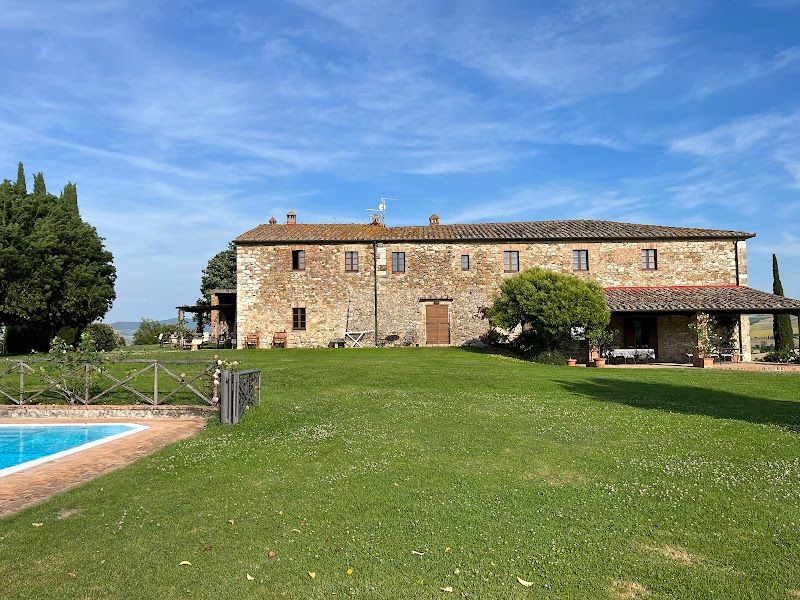
Viale dei Cipressi Poggio Covili
This perfectly straight cypress avenue leads to a classic Tuscan farmhouse and represents everything people imagine when they think of Val d'Orcia. You'll find a double row of towering cypresses creating a natural corridor that frames the weathered stone building at the end. The trees stand like sentinels, their dark green spires contrasting beautifully with the golden rolling hills that stretch beyond. It's free to visit since you're photographing from the public road. You'll spend most of your time positioning yourself along Via Cassia to capture the perfect shot. The experience is purely visual: the geometric precision of the cypress alignment creates an almost hypnotic effect as your eye follows the trees toward the farmhouse. Late afternoon light transforms the scene completely, backlighting the building and creating long shadows that emphasize the avenue's dramatic perspective. You'll hear nothing but wind through the cypresses and perhaps the distant sound of tractors. Honestly, thirty minutes is generous unless you're a serious photographer. Most people snap their photos in ten minutes and move on. The farmhouse and grounds are strictly private property, so don't even think about walking down that tempting avenue. This spot gets busy with tour groups around 4-5 PM when the light is best, so arrive earlier or later for solitude.
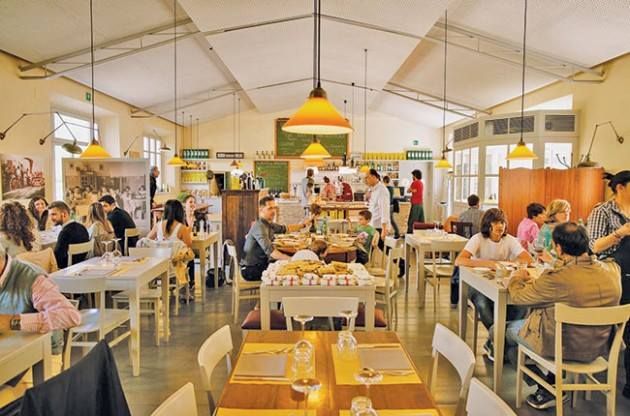
Dopolavoro La Foce
Dopolavoro La Foce occupies a restored 1930s workers' club on one of Tuscany's most photographed estates, serving simple lunches that change daily based on what's growing in their garden. You'll eat house-made salumi, local pecorino, and whatever soup they've made that morning, all sourced from the estate or neighboring farms within a few kilometers. The real draw is the terrace overlooking those perfectly aligned cypress trees that appeared in Gladiator, plus the rolling hills that define this corner of Val d'Orcia. The space feels authentically rustic without being precious about it: weathered wooden tables, mismatched chairs, and a handwritten menu that reflects whatever arrived fresh that morning. Service moves at countryside pace, which means you'll have plenty of time to soak in the view while nursing a glass of local Brunello. The food is honest and unpretentious, the kind of simple plates that taste better because of where you're eating them. Most people just snap photos of the cypress road and leave, missing this completely. The menu is limited but that's the point: they do a few things well rather than trying to please everyone. Expect to pay around 15-20 EUR for a light lunch with wine. Skip it if you want a full meal, but it's perfect for a leisurely break while exploring the area.
Where to Eat
Restaurants and cafes in Cypress Roads & Countryside
Getting Here
Getting There
No public transport between countryside locations. A car is required. The roads are paved and well-maintained. Distances are short: Pienza to Monticchiello 5 km, Pienza to Vitaleta Chapel 7 km, Pienza to Bagno Vignoni 10 km.
On Foot
Not walkable between locations. Within each location (Bagno Vignoni village, Bagni San Filippo springs) distances are short.
Insider Tips
Vitaleta Chapel timing
The Cappella della Madonna di Vitaleta is best photographed in early morning (sunrise) or late afternoon (golden light). The chapel faces roughly east-west. Park on the road between Pienza and San Quirico d'Orcia and walk 15 minutes across the field. The path is obvious but not paved.
Bagni San Filippo hot springs
Free natural hot springs in a forest 10 km south of Bagno Vignoni. The Fosso Bianco (white calcium deposits) is the main attraction. Park at the signed lot and walk 10 minutes downhill. Bring a towel. Best visited early morning or late afternoon when the pools are less crowded. The water temperature is 37-48 degrees C depending on the pool.
Nearby Neighborhoods
Continue exploring
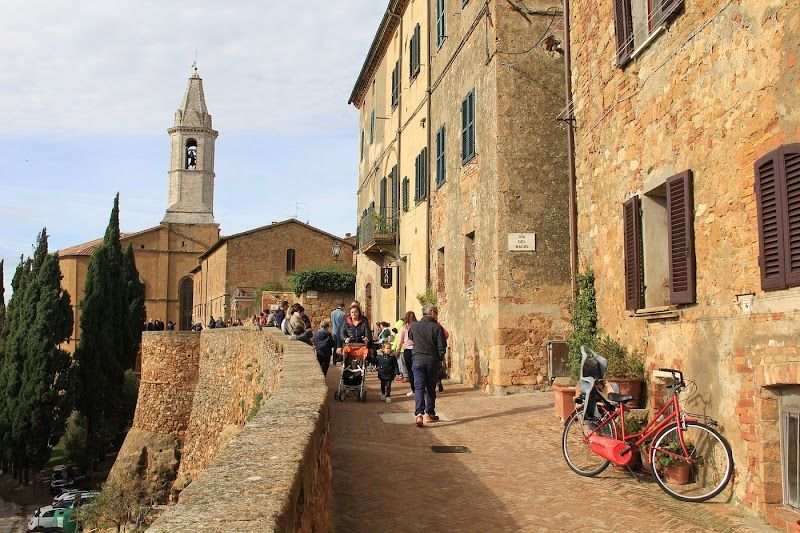
Pienza
The Renaissance ideal city on a hilltop: one harmonious main street, the best pecorino in Tuscany, a papal palace with a hanging garden, and a panoramic walk that looks out over the Val d'Orcia to Montalcino.
Montalcino
The hilltop wine town: Brunello in the fortress, Rosso at the enotecas, vineyards visible from every terrace, and the quiet confidence of a place that produces one of the world's great reds.

Montepulciano
The largest and most dramatic Val d'Orcia town: a main street climbing steeply to a Renaissance piazza, underground cellars aging Vino Nobile in tufa caves, and the energy of a place that functions as a real town, not a museum.
Plan a trip featuring Cypress Roads & Countryside
Get a personalized Val d'Orcia itinerary with Cypress Roads & Countryside built in.
Start Planning