Valencia
Things to Do
44 attractions, museums, and experiences
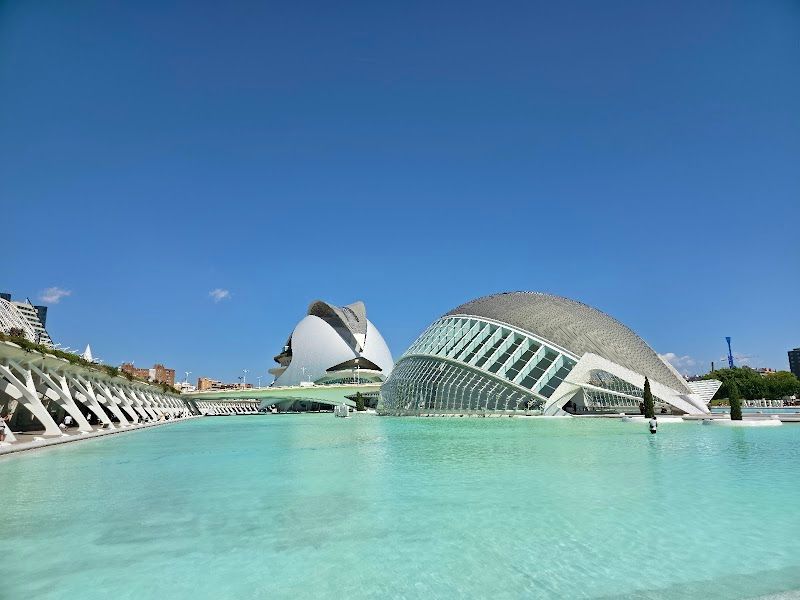
City of Arts and Sciences
Valencia's City of Arts and Sciences sprawls across 350,000 square meters of what used to be the Turia riverbed, featuring six futuristic white structures designed by Santiago Calatrava. You're looking at Europe's largest aquarium (the Oceanogràfic), an IMAX cinema shaped like a giant eye (the Hemisfèric), an interactive science museum that resembles a whale skeleton, and an opera house that pushes architectural boundaries. The buildings reflect dramatically in shallow surrounding pools, creating some of Spain's most photographed modern architecture. Walking through feels like exploring a sci-fi movie set where every angle reveals new curves and impossible-looking supports. The structures change completely as you move around them: what looks like a spine from one side becomes flowing wings from another. Early morning and late afternoon light transforms the white surfaces and creates mirror-perfect reflections in the water. The scale hits you gradually as you realize each building is massive, yet they feel weightless thanks to Calatrava's engineering. Most guides push you to buy tickets for everything, but honestly, walking the exterior for free gives you 70% of the experience. The Oceanogràfic justifies its EUR 33 price if you've got 3 hours and love aquariums, but the science museum at EUR 9 feels dated. Skip the IMAX unless you're desperate for air conditioning. The real magic happens outside with your camera during golden hour.
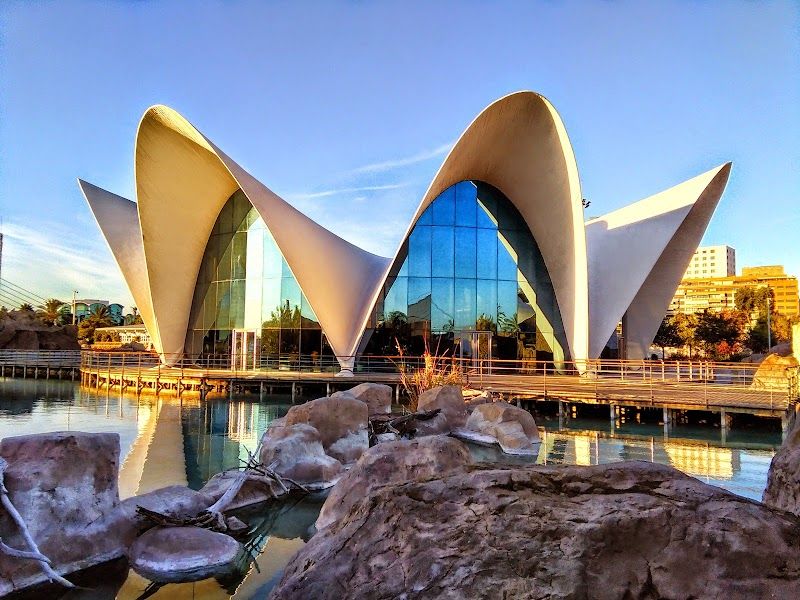
Oceanogràfic València
Oceanogràfic València houses 45,000 marine animals across nine underwater towers, each replicating different ocean ecosystems from Arctic waters to tropical coral reefs. You'll walk through Europe's longest underwater tunnel (35 meters) surrounded by sharks, rays, and massive groupers, then explore separate pavilions for dolphins, beluga whales, walruses, and penguins. The architecture alone is spectacular: Félix Candela's futuristic white structures look like giant water lilies floating on artificial lagoons. Your visit flows naturally from ecosystem to ecosystem, starting with Mediterranean waters and progressing to tropical seas, Arctic zones, and finally the impressive dolphinarium. The underwater tunnels create genuine wow moments as hammerhead sharks glide overhead, while the beluga whale habitat lets you watch these Arctic giants both above and below water. The dolphin shows happen four times daily, but honestly, the spontaneous interactions you'll see just walking around the dolphin lagoons are more engaging. Tickets cost 32.70 EUR for adults (book online for small discounts), and you'll need a full morning or afternoon to see everything properly. Skip the overpriced restaurant inside and eat beforehand. Most visitors rush through the smaller exhibits to reach the big attractions, but the jellyfish gallery and sea turtle recovery center are actually more memorable than the crowded dolphin shows. Start with the Red Sea tower if you arrive after 11am, as tour groups hit the main tunnel first.
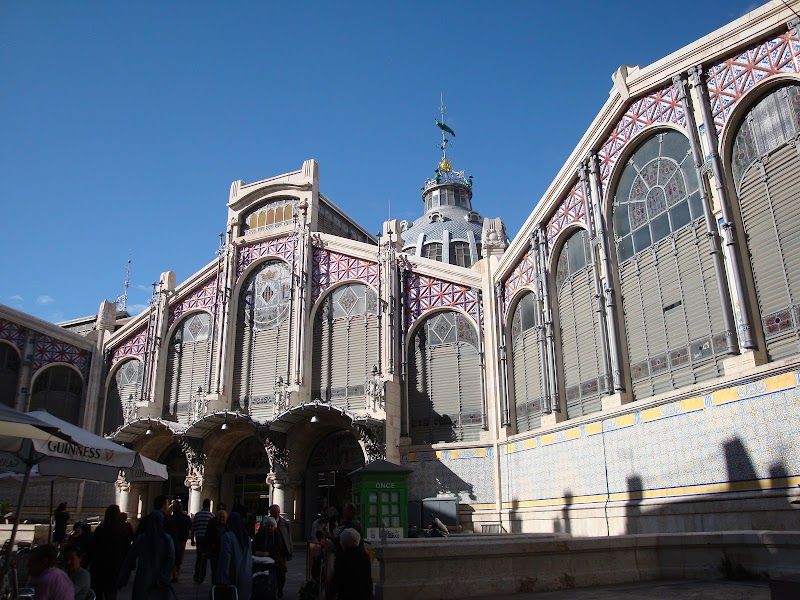
Mercado Central Valencia
Mercado Central is Europe's largest fresh food market, housed in a stunning 1928 Modernist building with iron columns, ceramic tiles, and stained glass that casts colored light across 1,000+ stalls. You'll find everything Valencia's top chefs buy: glistening fish, jamón ibérico, citrus varieties that don't exist outside Spain, and the city's best fresh horchata. This isn't a tourist market, it's where locals actually shop, which means genuine quality and real prices. The moment you step inside, the scale hits you: soaring ceilings, endless aisles of produce, and vendors calling out prices in rapid Valencian. The central dome area feels almost cathedral-like, while the fish section near the back buzzes with serious buyers examining the daily catch. The horchata stall by the main entrance draws constant queues of locals getting their thick, fresh tiger nut drink with fartons for dipping. You'll hear more Spanish than English, which is exactly what you want. Most food tours bring groups here around 11am, making it crowded and less authentic. The real magic happens before 10am when chefs are selecting ingredients and vendors are at their chattiest. Skip the overpriced jamón near the entrances and head to the back corners where locals shop. The horchata costs EUR 2.50 to 3 and beats every restaurant version in the city. Don't bother after 2pm when half the stalls start closing early.
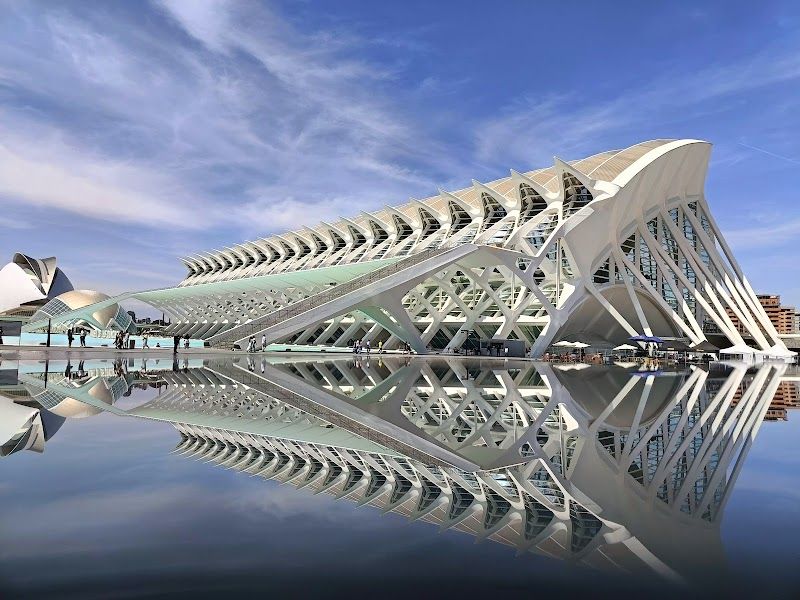
Museu de les Ciències Príncipe Felipe
Santiago Calatrava's skeletal white architecture houses one of Spain's most engaging science museums, where you'll spend hours with hands-on exhibits that actually work. The Zero Gravity simulator lets you experience weightlessness, while the giant Foucault pendulum demonstrates Earth's rotation in real time. Interactive displays cover everything from DNA sequencing to Mars exploration, with most explanations in Spanish, Valencian, and English. You can manipulate real lab equipment, walk through a reproduction of the International Space Station, and test physics principles that would make your school teacher jealous. The building itself steals the show with its ribbed white exterior and cathedral-like interior spaces flooded with natural light. You'll start on the ground floor with basic physics exhibits, then climb through increasingly complex displays about biology, technology, and space. The atmosphere feels more like a playground for curious adults than a stuffy museum. Kids run between exhibits while parents get equally absorbed in the demonstrations. The upper levels offer the best exhibits and fewer crowds, especially the astronomy section with its planetarium-style projections. Most guides don't mention that entry costs €8 for adults, but the combined ticket with other City of Arts and Sciences attractions gets expensive fast at €37.20. Skip the ground floor's basic exhibits about simple machines and head straight upstairs where the real innovations live. The museum works best for 2-3 hours maximum, after that the interactive novelty wears thin and you'll want to explore the stunning exterior architecture and reflecting pools outside.
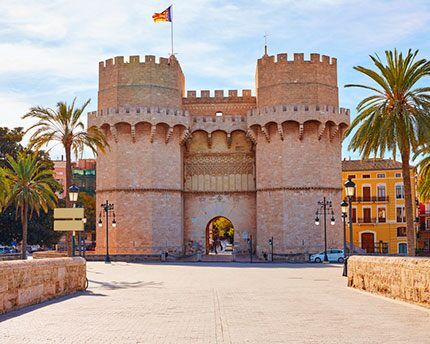
Torres de Serranos
Torres de Serranos stands as Valencia's most impressive medieval gateway, a pair of 33-meter Gothic towers that once protected the northern entrance to the walled city. You'll climb narrow stone staircases inside the towers to reach the rooftop terrace, where you get the best panoramic view in all of Ciutat Vella. The vista stretches across red-tiled rooftops, church spires, and the green ribbon of the former Turia riverbed turned park. The climb takes you through small chambers that once housed guards and prisoners, with thick stone walls and narrow arrow slits that show how seriously Valencia took its defenses. The staircases are genuinely medieval: uneven, narrow, and steep enough to make you appreciate why attacking armies struggled. Once you reach the top, the cityscape opens up dramatically, and you can see clear across to the City of Arts and Sciences in the distance. Entry costs 2 EUR, but it's free on Sundays and holidays when locals pack the place. Most visitors rush straight up and miss the carved heraldic shields and Gothic details on the facade. The towers close at sunset, so don't arrive expecting a night view. Skip this if you're claustrophobic, the staircases are genuinely tight, and there's no elevator.
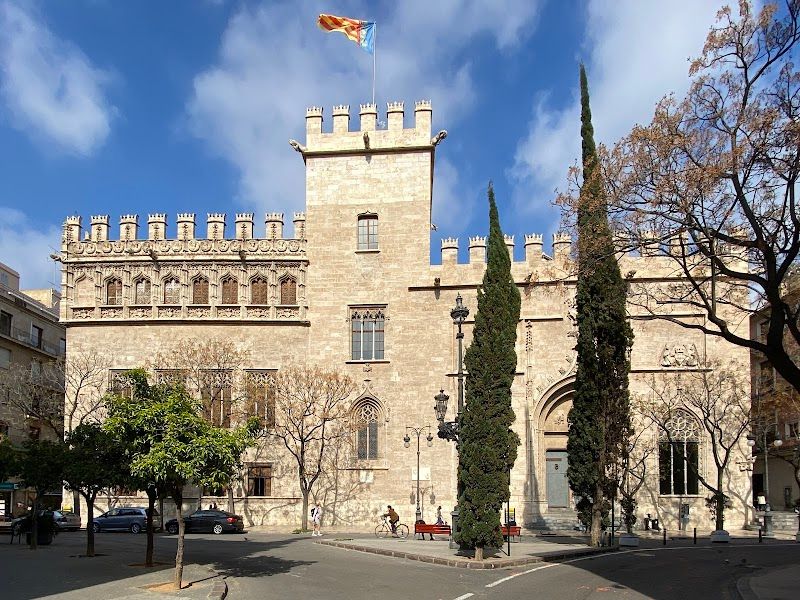
La Llotja de la Seda (Silk Exchange)
This 15th century silk trading hall showcases the most spectacular Gothic columns you'll see in Spain: nine twisted stone pillars that spiral 17 meters up to intricate fan vaulting. You're walking through Europe's best preserved medieval commercial exchange, where Valencia's silk merchants once conducted business that made this one of the continent's wealthiest cities. The main trading hall (Sala de Contratación) contains those famous twisted columns, while the Torre del Consulado houses the old merchant tribunal, and a peaceful Gothic courtyard with orange trees completes the complex. The moment you enter the main hall, those columns dominate everything. They look like massive stone ropes frozen mid-twist, and the narrow Gothic windows cast shifting shadows that make them appear to move as you walk around. The acoustics are remarkable: whisper at one column and someone across the hall can hear you clearly. The courtyard provides a quiet contrast with its geometric garden layout and the sound of water from the central well. Most visitors spend their time photographing the columns from every angle, and you should too. At €2, this is ridiculously good value for a UNESCO World Heritage site. Most people rush through in 20 minutes, but give yourself the full hour to appreciate how the light changes on those columns. The audio guide costs extra and isn't worth it: the visual impact speaks for itself. Skip the tower climb unless you're obsessed with medieval tribunals. Come right after visiting Mercado Central across the plaza, both represent Valencia's commercial heart perfectly.
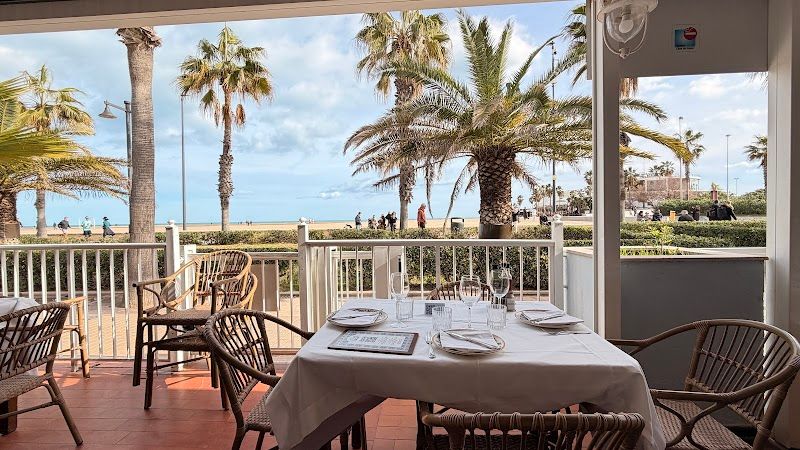
La Pepica
Family-run paella restaurant since 1898, serving traditional Valencian paella and seafood rice dishes in a dining room decorated with photos of celebrity visitors including Hemingway. The beachfront terrace offers views of the Mediterranean while you wait for your paella to cook.
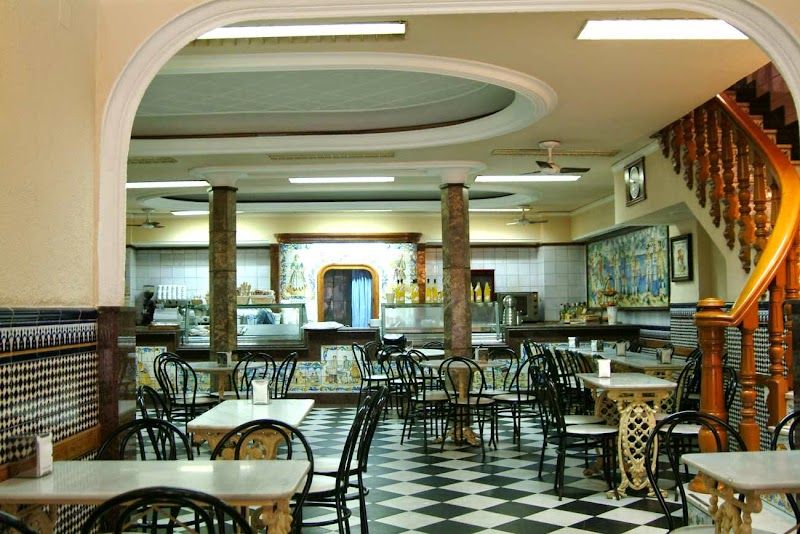
Horchatería Santa Catalina
Traditional horchatería serving fresh horchata made daily from local tiger nuts, accompanied by fartons for dipping. The tiled interior dates to the early 20th century and the recipe has remained unchanged for four generations.
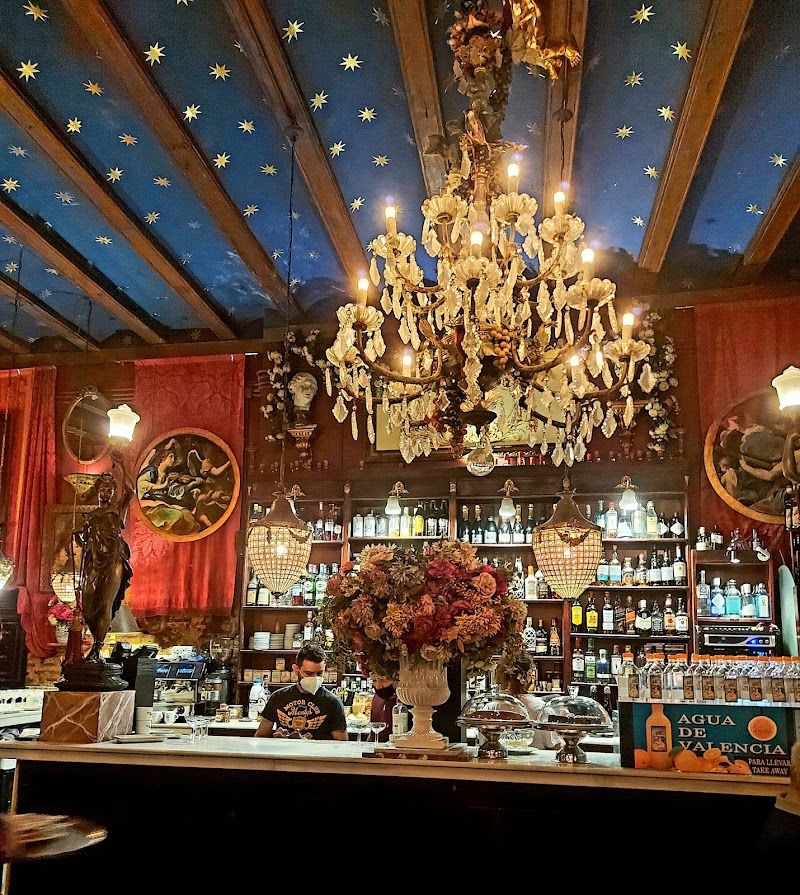
Café de las Horas
A baroque-style cocktail bar in a 19th-century palace with velvet drapes, gilt mirrors, and candlelit tables. The Agua de Valencia was invented here in 1959, served in oversized goblets with fresh orange juice and cava. The theatrical interior features cherub statues and religious iconography creating an opulent, almost church-like atmosphere.
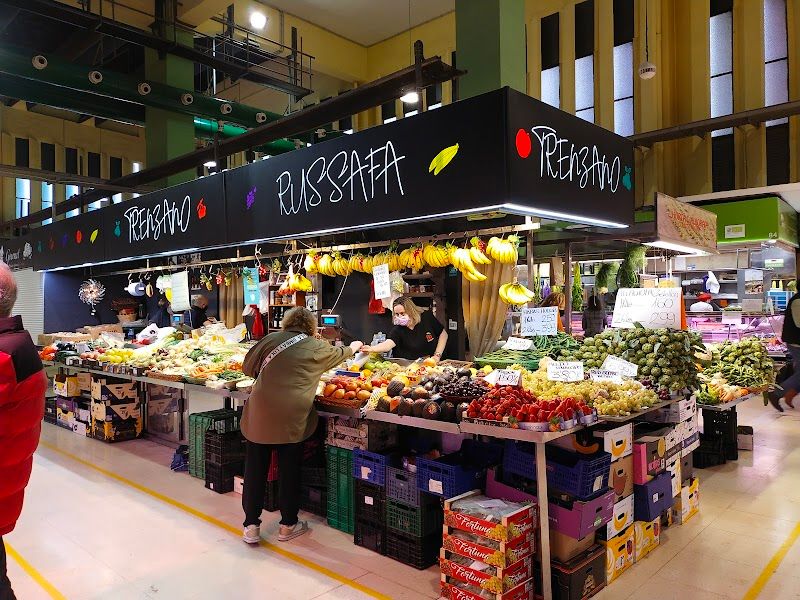
Mercado de Ruzafa
Mercado de Ruzafa is a proper neighborhood market where Valencia locals do their actual grocery shopping, not a tourist trap disguised as authenticity. Built in 1957 and recently renovated, it's got everything from pristine seafood counters to elderly vendors selling produce they've likely been hawking for decades. The surrounding tapas bars aren't an afterthought: they're where market workers and shoppers pause for vermouth and clóchinas before continuing their rounds. You'll weave between residents comparing tomato prices and debating fish freshness while vendors call out daily specials in rapid Valencian. The atmosphere peaks mid-morning when the bars fill with locals clutching market bags, downing small glasses of vermouth like it's coffee. Unlike sanitized food halls, this feels genuinely functional: vendors know their customers by name, prices aren't inflated for tourists, and the pace follows neighborhood rhythms rather than Instagram schedules. Most travel guides oversell markets as cultural experiences, but Ruzafa delivers because it's not performing for visitors. Skip the generic stalls near the entrance and head straight to the seafood section where quality is obvious. Bar Central's clóchinas cost around 8 EUR and they're legitimately excellent, not just atmospheric. The market gets picked over by afternoon, so come before noon when selection is best and the bars are liveliest.
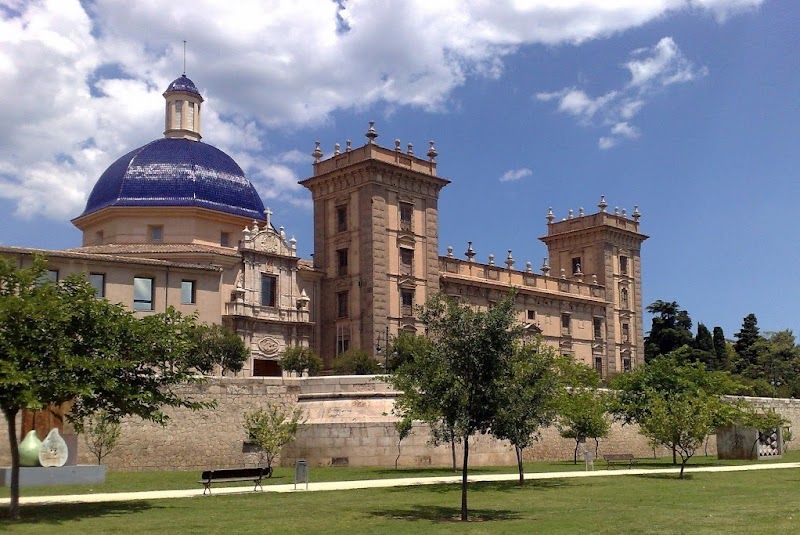
Museo de Bellas Artes de Valencia
Valencia's fine arts museum houses Spain's finest collection of Valencian Gothic and Golden Age paintings in a beautifully converted 18th-century seminary. You'll find masterpieces by Joaquín Sorolla, whose beach scenes practically glow with Mediterranean light, plus religious works by Juan de Juanes that defined Spanish Renaissance painting. The collection spans six centuries, but the real treasures are the Valencian primitives from the 14th and 15th centuries, many displayed nowhere else in the world. The museum flows chronologically through elegant rooms with high ceilings and natural light that flatters the artwork perfectly. Sorolla's paintings occupy an entire upper floor room where his luminous seaside scenes make you feel the Valencia sun on your skin. The medieval religious paintings might seem repetitive at first, but look closer at the intricate details and rich colors that have survived centuries. The building itself adds atmosphere, with original stone archways and peaceful courtyards breaking up the galleries. Most guides don't mention that entry is completely free, making this one of Europe's best museum bargains. Skip the ground floor contemporary section unless you have extra time, it's forgettable compared to the historical masterpieces upstairs. The audio guide costs 3 EUR and actually adds value, especially for the context behind the Valencian primitives that most visitors walk past without understanding their significance.
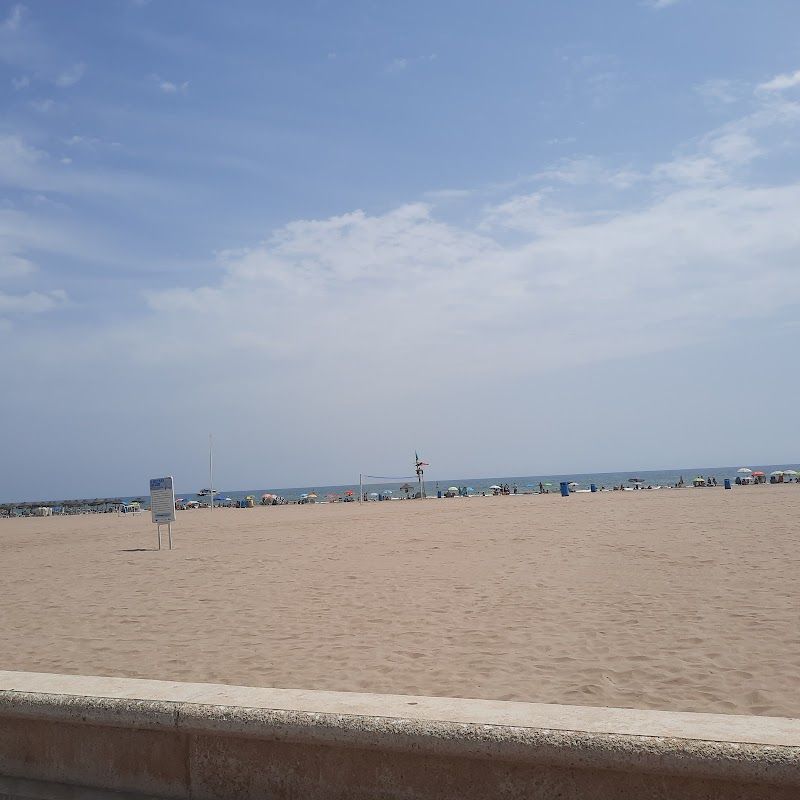
Platja de la Malva-rosa
Platja de la Malva-rosa stretches 1.2 kilometers along Valencia's coast, offering proper city beach life with wide golden sand and consistent Mediterranean swells. You'll find six lifeguard stations during summer months, beach volleyball courts, and the famous chiringuitos (beachside restaurants) that invented paella Valenciana right here on this sand. The Paseo Marítimo promenade runs the entire length, perfect for evening strolls or morning runs with sea views. The beach buzzes with authentic Spanish beach culture rather than tourist crowds. Families claim spots early with umbrellas and coolers, while groups gather around the volleyball nets throughout the day. The real action centers on the restaurant terraces where waiters carry enormous paella pans directly from kitchen to table, and the aroma of saffron rice mixes with salt air. You can swim, sunbathe, then sit down for a three-hour lunch without leaving the sand. Most guides oversell the entire stretch, but the best section runs from Calle Eugenia Viñes to Doctor Lluch where the restaurants are densest and the sand widest. Skip the northern end near the port, it gets windy and less appealing. Paella for two starts around 25-30 EUR at beachfront spots like La Pepica, where Hemingway ate. The metro connection (Neptu station) makes this infinitely better than Valencia's other beaches.
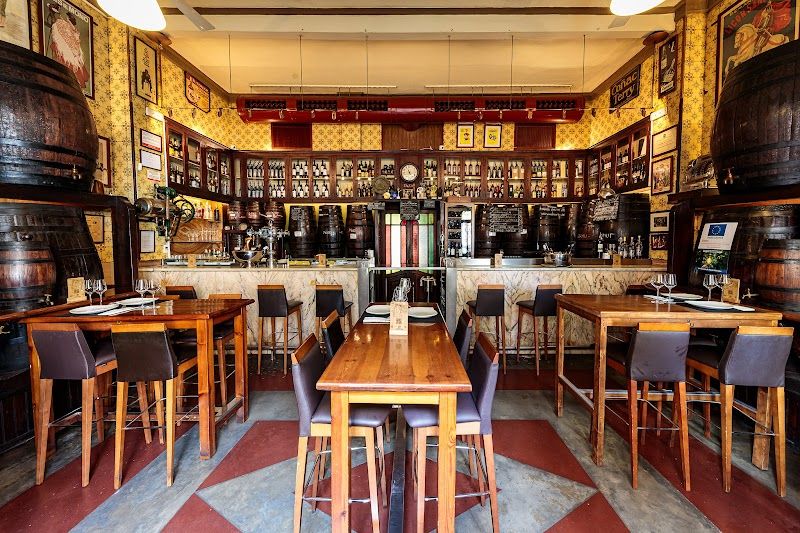
Casa Montaña
Historic tapas bar from 1836 specializing in conservas (tinned seafood), local wines, and traditional Valencian small plates. The wooden bar and tile walls preserve the original atmosphere, while the wine selection focuses on regional producers from Utiel-Requena and Terra Alta.
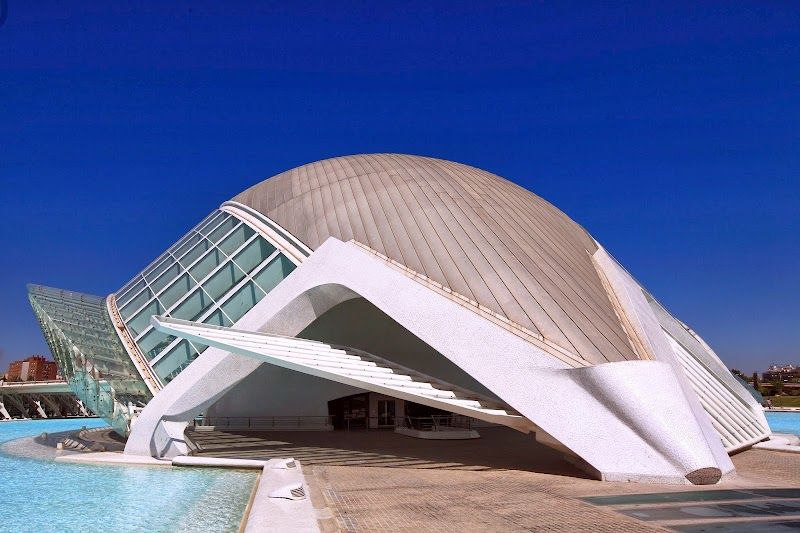
L'Hemisfèric
L'Hemisfèric houses Europe's largest IMAX dome screen inside Santiago Calatrava's eye-shaped architectural marvel. You'll watch immersive documentaries about space, nature, and science while lying back in specially angled seats as images wrap around you in 180 degrees. The building itself sits like a giant blinking eye beside a reflecting pool, with mechanical eyelids that actually open and close throughout the day. Inside, the experience feels like being swallowed by the screen. The 900-square-meter concave dome surrounds you completely, making you forget you're in a theater. Films range from flying through galaxies to swimming with sharks, all with crystal-clear 8K resolution and surround sound that rumbles through your seat. The 45-minute shows rotate throughout the day, typically featuring 3-4 different documentaries. Tickets cost around 8-11 EUR depending on the show, but honestly, half the films are recycled nature documentaries you could watch at home. The space and astronomy films deliver the most wow factor on this massive screen. Skip the afternoon sessions when school groups turn it into chaos. The architecture outside photographs beautifully, but don't spend more than 10 minutes walking around the building itself.
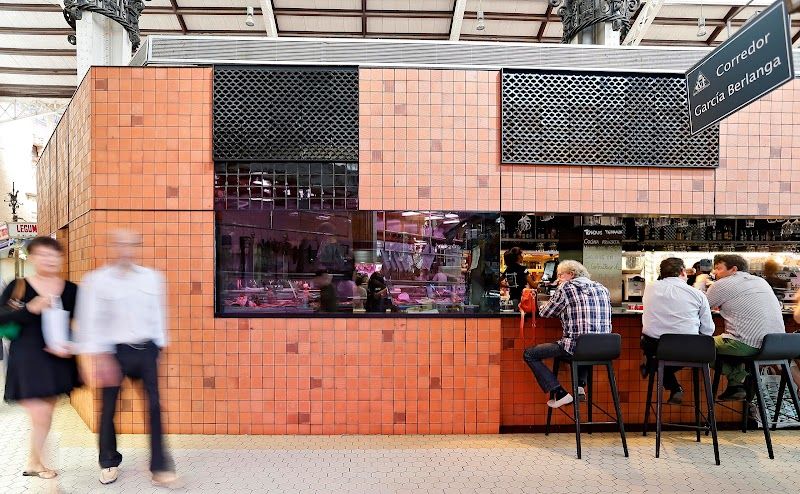
Central Bar
Tapas counter inside the Mercado Central serving market-fresh ingredients transformed into creative small plates and pintxos. Chef Ricard Camarena operates this casual spot where you can eat standing at the bar or grab a table in the market hall.
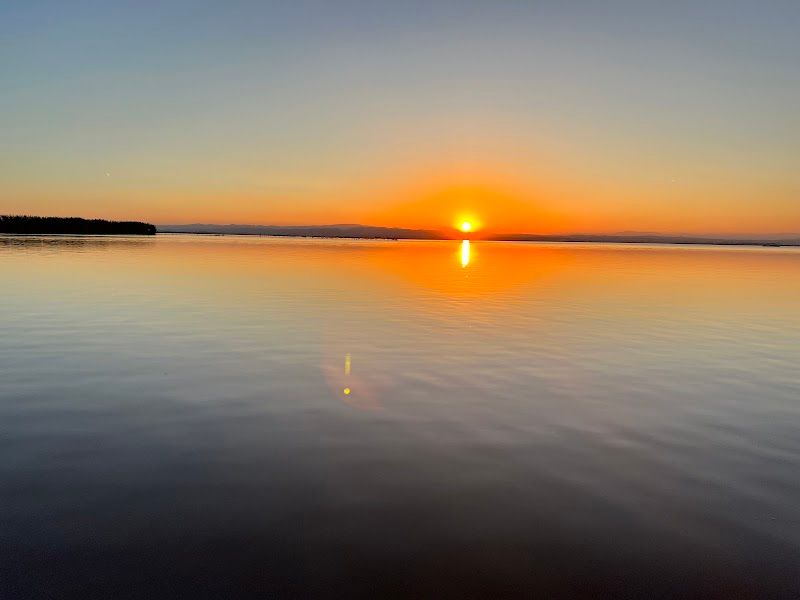
Parc Natural de l'Albufera
Parc Natural de l'Albufera is Europe's largest freshwater lake, sitting 15km south of Valencia amid 21,000 hectares of rice paddies that supply the city's paella restaurants. You'll cruise shallow waters dotted with traditional thatched fishing huts called barracas, while flamingos, herons, and over 350 bird species feed in the marshlands. The boat trips cost around 4-6 EUR and last 45 minutes, but the real draw is staying for sunset when the entire lagoon turns molten gold. The experience feels wonderfully unhurried after Valencia's pace. Your boat putters slowly through reed-lined channels where fishermen still use traditional nets, exactly as they have for centuries. The silence is broken only by bird calls and the gentle splash of oars. During migration seasons (spring and autumn), the sky fills with thousands of birds creating an almost otherworldly atmosphere. The landscape shifts constantly as you move between open water, narrow canals, and rice field borders. Most visitors rush through on day tours and miss the magic. Skip the crowded restaurant terraces in El Palmar village (overpriced tourist traps) and focus on the boat trip plus sunset viewing from the shoreline. The morning trips at 10am offer better bird watching, but afternoon departures around 4pm let you stay for that famous golden hour. Parking costs 2-3 EUR for the day, and you can easily combine this with a proper paella lunch in nearby Cullera for better value.
Valencia Bikes
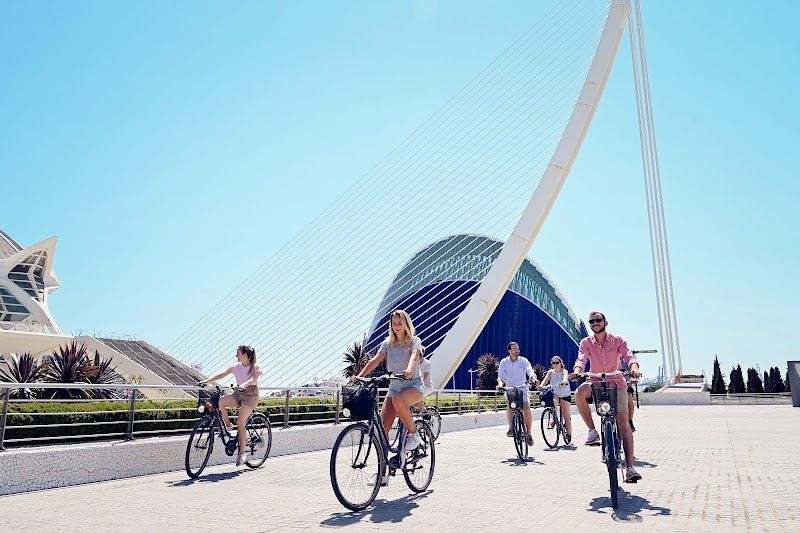
Valencia Bikes runs proper guided tours through the city's genuinely flat terrain, covering three distinct zones: the medieval old town with its cathedral and silk exchange, the converted Turia riverbed gardens, and the beachfront promenade. You'll cycle about 12 kilometers total on dedicated bike lanes and pedestrian areas, with frequent stops for photos and historical context. The guides actually know their stuff about Valencia's Roman origins, Islamic period, and modern transformation. The tour moves at a leisurely pace that works for most fitness levels, though you'll still feel like you're covering real ground. Starting in Ciutat Vella, you'll weave through narrow streets past the Central Market and Lonja before heading into the expansive Turia Gardens where the cycling gets more enjoyable. The final stretch along Malvarosa beach provides Mediterranean views and a chance to understand why Valencia works so well for cyclists. Groups stay around 12 people maximum, so it doesn't feel like a tourist parade. Most bike tour companies in Valencia are interchangeable, but these guys consistently deliver better commentary than average. Skip this if you're already comfortable cycling Valencia independently, the routes aren't particularly secret. Tours cost around 25 EUR and they provide decent hybrid bikes, though serious cyclists might find them sluggish. Book directly to avoid markup fees, and don't bother with the sunset option since you'll miss the architectural details in poor light.
Albufera Excursions
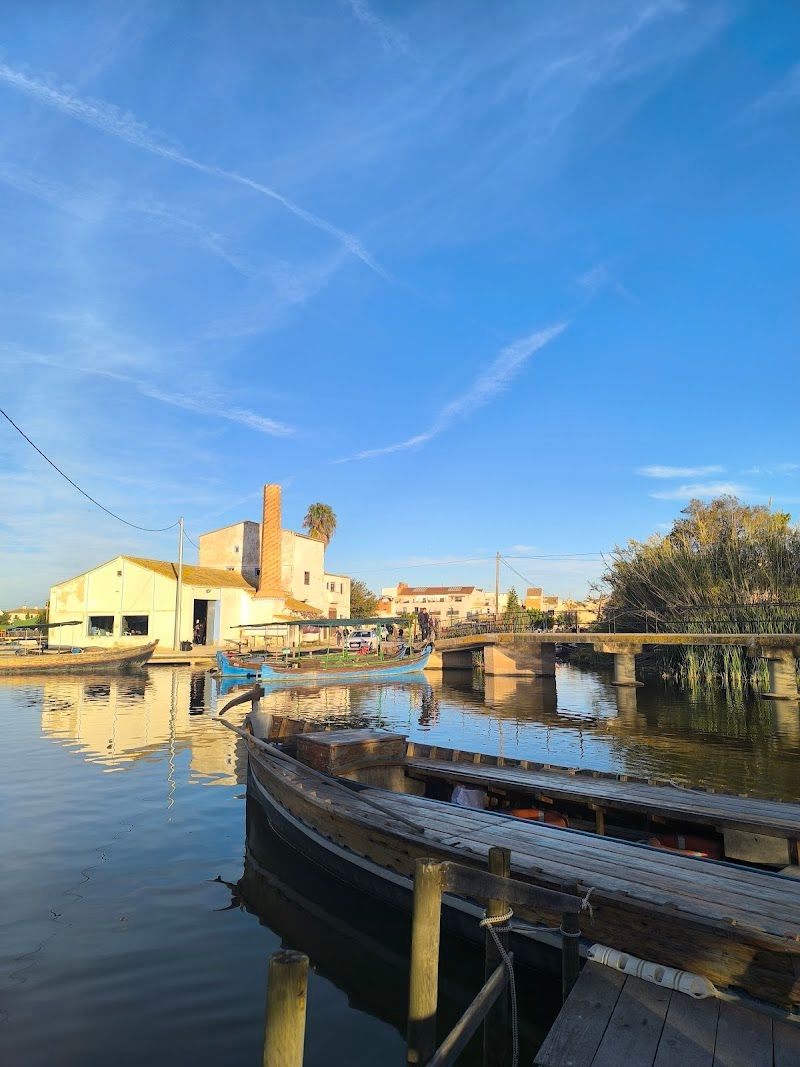
Albufera Natural Park sits 15km south of Valencia, where Spain's largest freshwater lagoon meets endless rice paddies that supply the city's paella restaurants. You'll cruise across mirror-still waters on traditional wooden boats called albuferencs, watching flamingos and herons fish in the shallows while farmers tend fields that have fed Valencia for over 700 years. The boat rides at sunset are genuinely spectacular, not tourist trap material. The experience starts with a drive through flat agricultural landscape that looks unremarkable until you reach the water. Your boat captain, usually a local fisherman, poles through narrow channels between reed beds where the only sounds are water lapping and birds calling. The lagoon opens up to reveal a 21-square-kilometer expanse that turns gold, then pink, then deep orange as the sun drops. Rice paddies stretch to the horizon, flooded fields creating a patchwork of mirrors. Most tour companies charge 25-35 EUR for boat rides plus transport, but you can drive yourself and pay locals directly at El Palmar village for 12-15 EUR per person. Skip the restaurant stops that tour groups push, the paella is mediocre tourist food. The morning boat trips are pretty but lack the dramatic lighting that makes this place special. Go for late afternoon departures between 5-7pm depending on season.
L'Horta de València
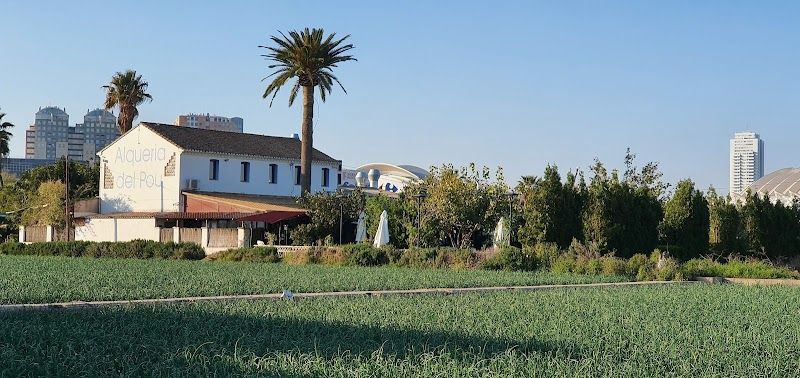
L'Horta de València is the 23,000-hectare agricultural belt that wraps around Valencia, where working farms and citrus groves still operate using a thousand-year-old irrigation system. You'll cycle past orange orchards heavy with fruit, vegetable plots worked by local farmers, and the historic acequias (irrigation canals) that channel water through geometric field patterns. The contrast is striking: one moment you're in urban Valencia, the next you're surrounded by farmland that looks unchanged since Moorish times. The experience feels like time travel on two wheels. You'll follow narrow paths between plots of artichokes, onions, and peppers, hearing only the sound of water flowing through ancient channels and birds calling from orange trees. Local farmers wave from their tractors, roadside stands sell produce for a few euros, and the flat terrain makes cycling effortless. The geometric field patterns create an almost mathematical beauty, especially when viewed from the small bridges crossing the acequias. Most visitors never discover this side of Valencia, which is a shame because it's completely free and more authentic than any museum. Rent a bike in the city center for about 12-15 EUR per day and you can reach the horta in 20 minutes. Skip the northern sections which feel more suburban: focus on the southern routes through Sedaví and Alfafar where the traditional farming landscape remains intact. Early morning visits offer the best light and fewer people.
Ubik Cabanyal
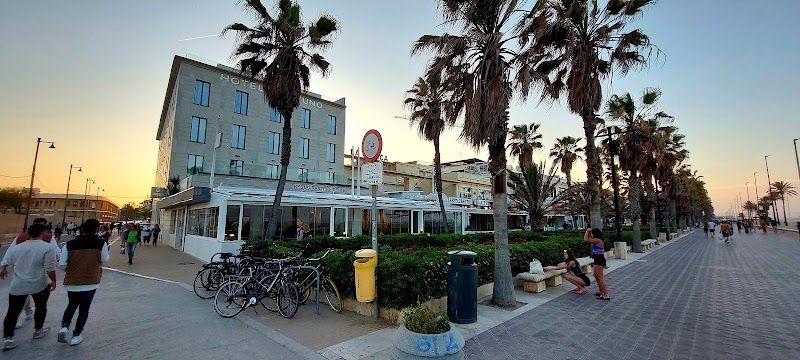
Independent bookstore and cultural space in a beautifully restored corner building in El Cabanyal. Specializes in contemporary literature, local authors, and cultural events including book presentations and readings. The café area serves excellent coffee and provides a cozy atmosphere for reading or working.
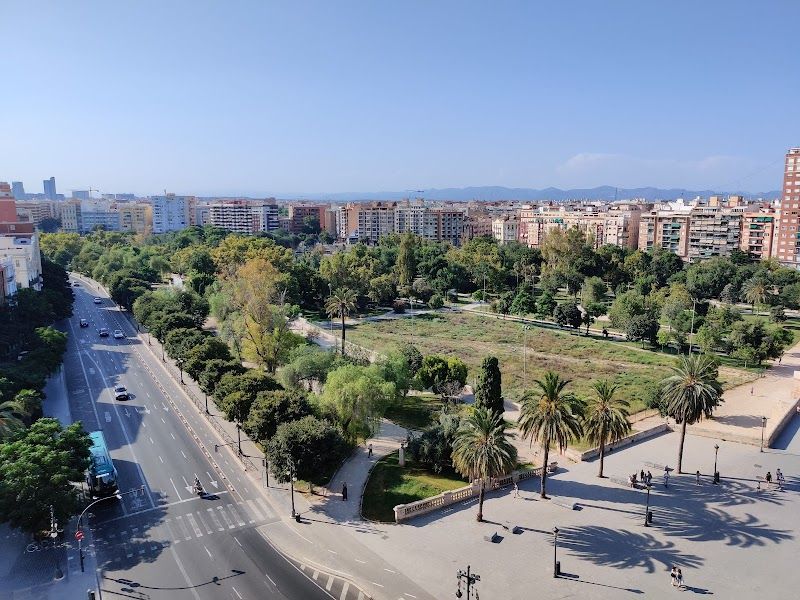
Turia Gardens Bike Ride
The Jardines del Turia is a 9 km linear park that runs through the centre of Valencia in the bed of the Turia river. After the 1957 flood (the worst in Valencia's history, 81 people killed, 200,000 displaced), the city diverted the river around the urban perimeter. The dried riverbed was converted into a park in the 1980s after citizens successfully defeated a plan to turn it into a motorway. Today it connects the old town to the City of Arts and Sciences in a continuous green corridor with gardens, sports courts, playgrounds, fountains, and the Parque de Gulliver (a giant Gulliver figure on the grass with climbing structures inside). Bikes can be rented at any ValenBisi city bike station (EUR 0.50 for 30 minutes, registration requires a credit card or the app) or from private rental shops near the old town. The full 9 km ride from the Torres de Serranos to the City of Arts and Sciences takes 30-40 minutes at a relaxed pace. The gardens are flat, car-free, and connect the main sights.
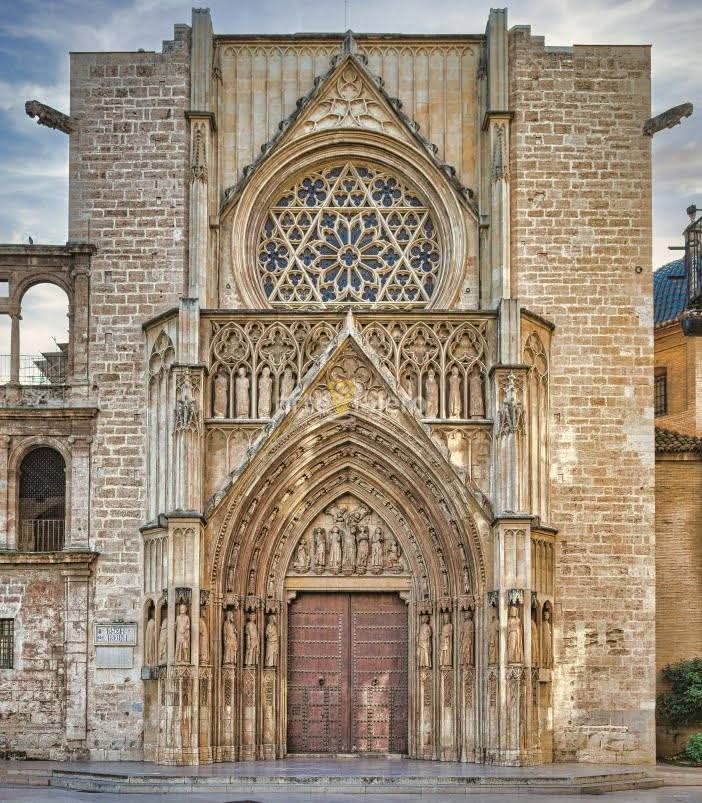
Valencia Cathedral and Micalet Tower
The Valencia Cathedral was built on the site of a former mosque between the 13th and 15th centuries and is a layered Gothic structure with Baroque, Romanesque, and Renaissance elements added over the centuries. The main entry is through the Puerta de los Apostoles (the Gothic doorway facing the Tribunal de las Aguas, which still meets here every Thursday at noon). Inside, the Chapel of the Holy Chalice contains what Valencia claims is the actual Holy Grail: a 1st-century agate cup that was in Valencia from the 11th century. The Micalet Tower (the bell tower, EUR 2) is 51 metres high with a staircase of 207 steps and a platform with 360-degree views over the tiled rooftops and the old city. The tower is octagonal (unlike the square minaret it replaced) and its bells are still rung by hand for major events. Entry to the cathedral is EUR 9.
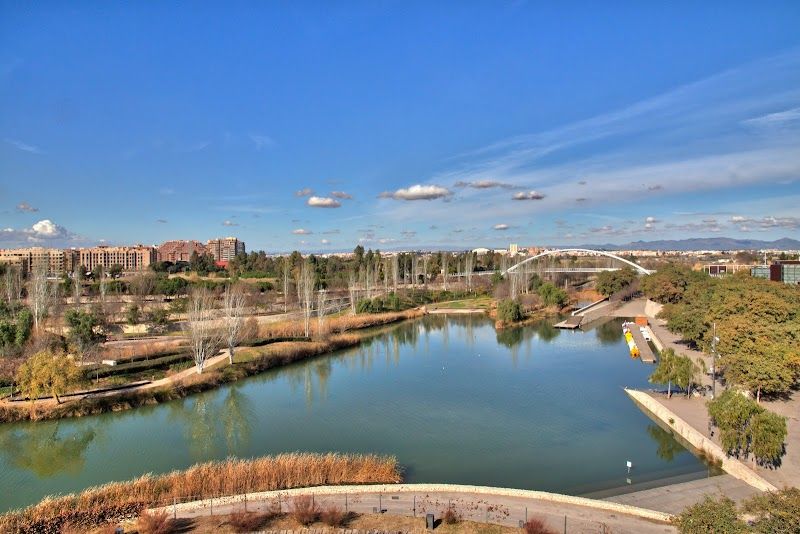
Parc de Capçalera
Parc de Capçalera spreads across 13 hectares at the western tip of Valencia's old Turia riverbed, anchoring one end of Europe's longest urban park system. You'll find an artificial lake surrounded by Mediterranean pines, eucalyptus groves, and rolling lawns where locals spread picnic blankets on weekends. The park connects seamlessly to the 9km Turia Gardens greenway that cuts straight through Valencia's heart, making it your launching point for the city's best cycling route. The atmosphere here feels distinctly local compared to touristy spots downtown. Families cycle the wide paths while kids feed ducks at the lake's edge, and you'll hear more Valencian than English. The southern section stays quieter since most visitors gravitate toward Bioparc zoo in the north. Tall palms and citrus trees provide genuine shade during Valencia's scorching summers, and the lake's fountains create a cooling microclimate that drops temperatures noticeably. Most guides mention this park as an afterthought, but it's actually Valencia's best escape from urban heat without leaving the city. Skip the overpriced Bioparc (€23.80 for adults) unless you're traveling with young kids. The free southern parkland delivers the same peaceful atmosphere. Come early morning or late afternoon when locals exercise, the light hits the lake perfectly, and you'll avoid the midday sun that makes the open areas uncomfortable.
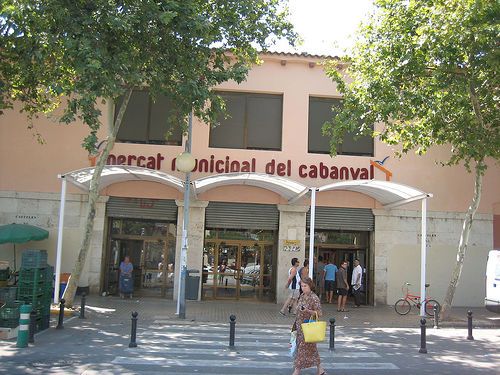
Mercat del Cabanyal
Mercat del Cabanyal sits in a beautiful 1920s modernist building where fishermen's families have sold their catch for generations. You'll find the best seafood in Valencia here: langostinos for €12-15/kg, local dorada at €8-10/kg, and whatever the boats brought in that morning. The stalls reflect El Cabanyal's fishing heritage, with vendors who've worked here for decades and know exactly which fish was caught where. The market feels authentically local, not prettied up for visitors. Fishmongers call out prices in rapid Valencian, elderly neighbors debate the merits of different catches, and the smell of sea salt mingles with fresh bread from the bakery stalls. Bar Mercat inside serves proper working-class almuerzo: grilled sardines, tortilla española, and cold beer for under €8. The modernist iron and glass architecture creates beautiful light patterns across the stalls. Most travel guides oversell Valencia's Mercado Central and completely ignore this place, which works in your favor. The seafood quality here often surpasses the central market because turnover is faster and fishermen sell directly. Skip the few tourist-oriented stalls near the entrance; the real action happens in the back sections where locals shop. Prices drop significantly after 1pm when vendors want to clear stock.
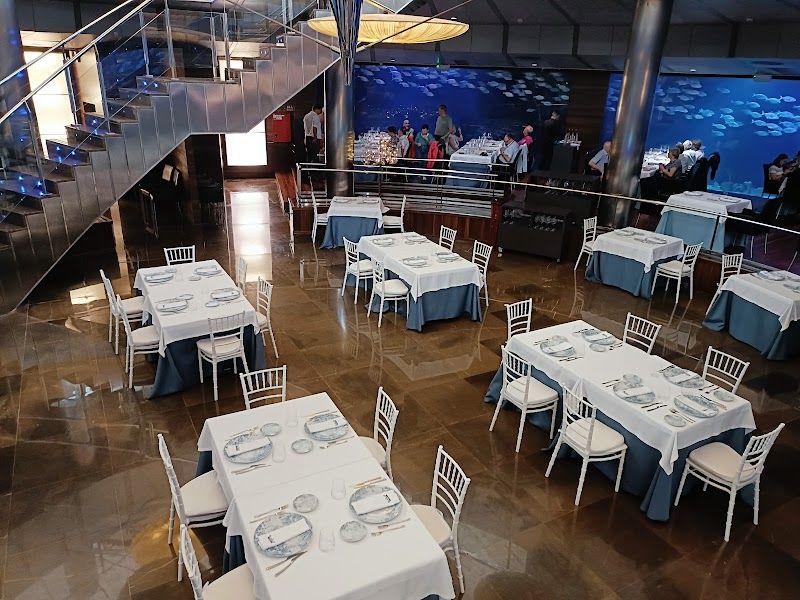
Restaurante Submarino
A unique underwater restaurant located inside the Oceanogràfic aquarium with floor-to-ceiling windows overlooking a massive aquarium tank. Diners enjoy Mediterranean cuisine while sharks, rays, and tropical fish swim past their tables. The tasting menus feature fresh local seafood and rice dishes with creative presentations.
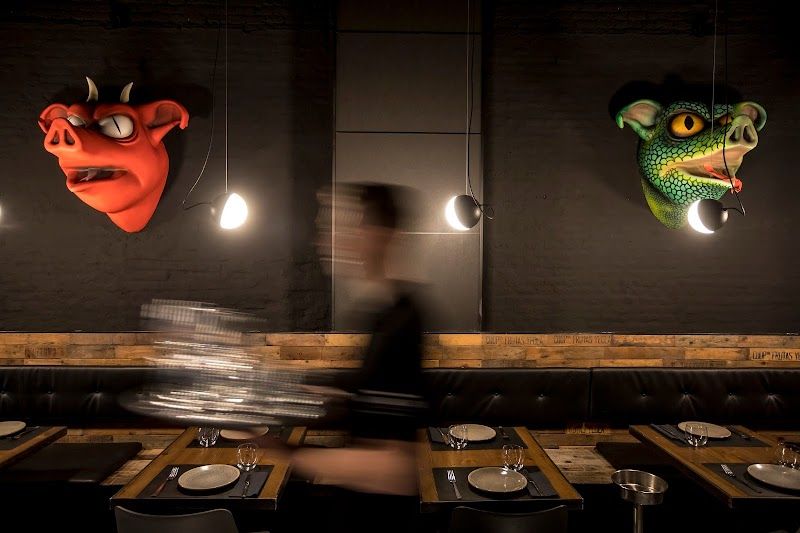
Canalla Bistro
Modern tapas restaurant by chef Ricard Camarena offering creative small plates that reinterpret Valencian classics with international influences. The open kitchen and industrial design create a casual atmosphere despite the high-quality cooking and technique.
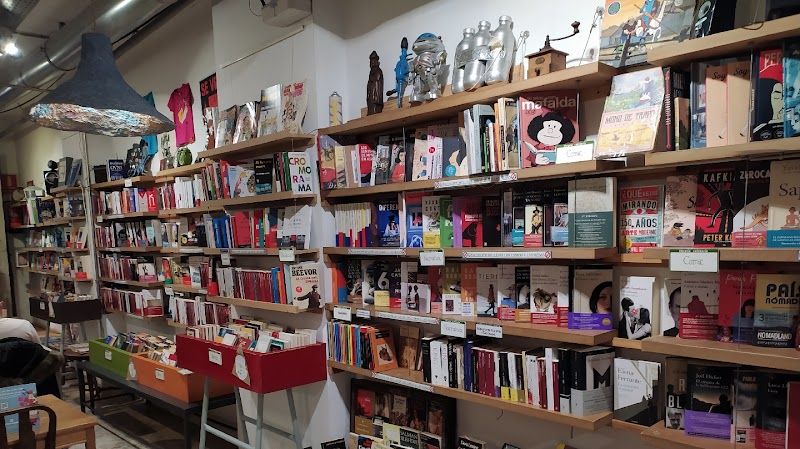
Ubik Café
A bookshop-cafe hybrid in Ruzafa serving specialty coffee, craft beer, and cocktails including Agua de Valencia until late. The exposed brick walls are lined with books for sale, and the mismatched vintage furniture creates a living room atmosphere. Live music and poetry readings happen several nights a week.
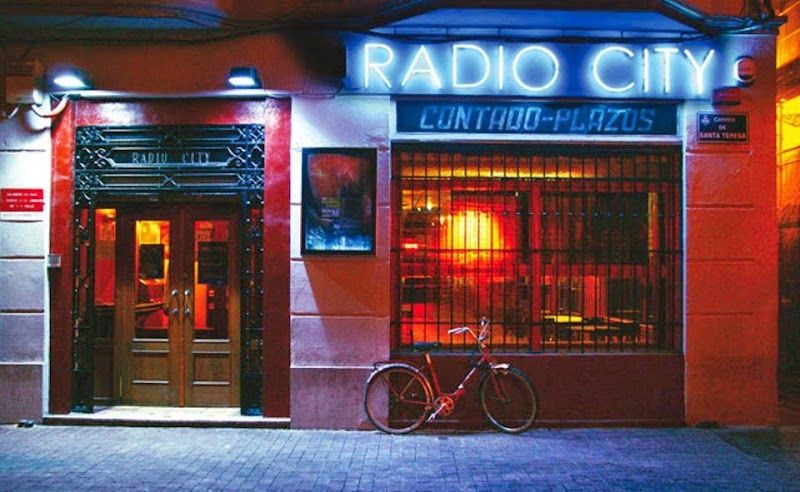
Radio City
Iconic Ruzafa venue that has been a neighborhood institution since the 1990s, combining a bar, live music stage, and event space. Known for its eclectic programming from indie rock to electronic music and DJ sets. The grungy, authentic atmosphere attracts a diverse crowd of locals and artists.
La Riuà
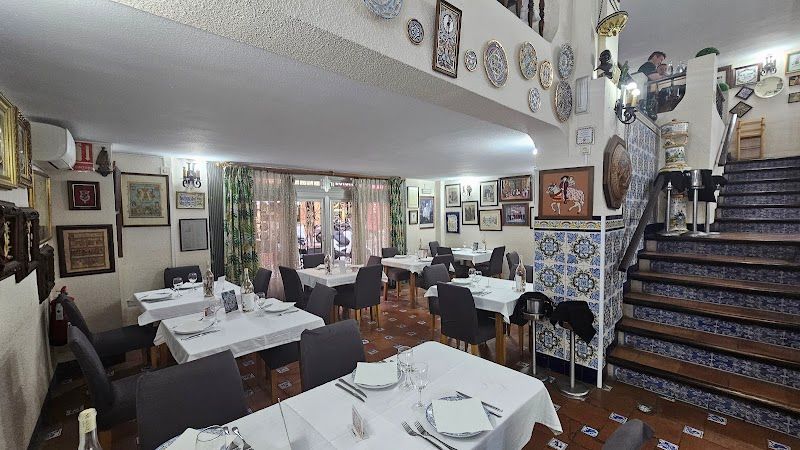
Traditional restaurant specializing in paella valenciana and other rice dishes cooked in wood-fired ovens. The dining room is simple and the focus remains entirely on the quality of the rice, which uses bomba rice from the Albufera region.
Restaurante Navarro
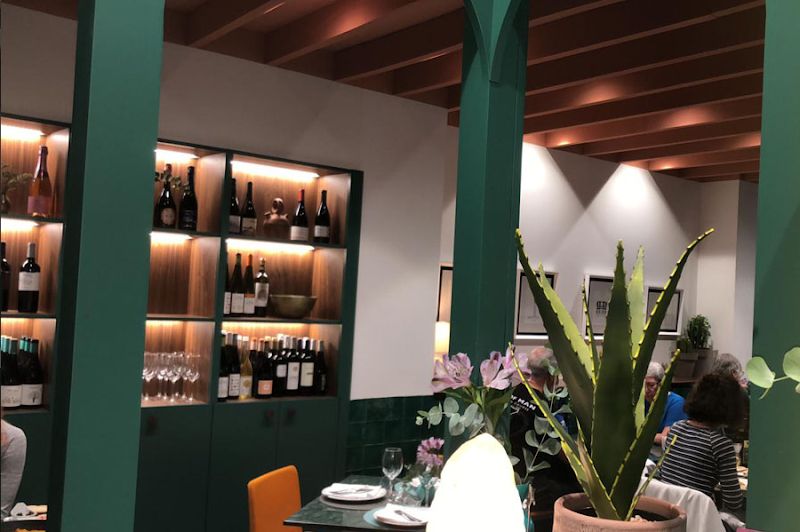
No-frills paella specialist near the beach serving traditional rice dishes cooked over orange wood fire. The menu focuses exclusively on different rice preparations, with paella valenciana and arroz a banda being the signature dishes.
Casa Roberto
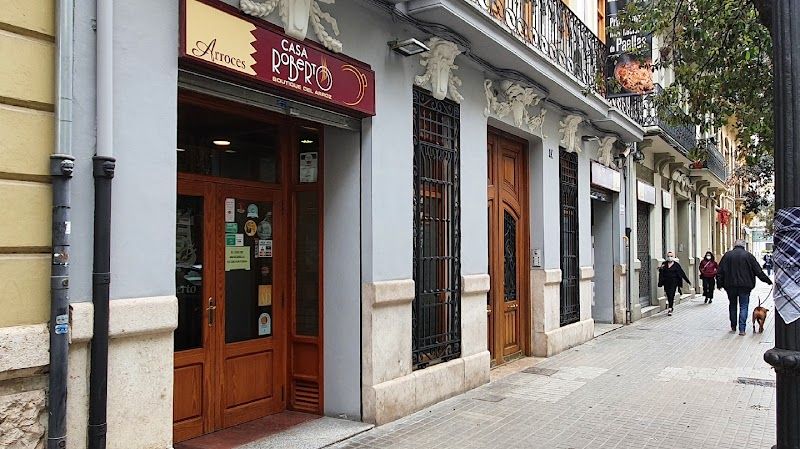
Family-run paella restaurant since 1950 serving traditional Valencian rice dishes in a simple dining room with checkered tablecloths. The paella valenciana here follows the authentic recipe with rabbit, chicken, and snails, cooked over orange wood.
La Lola Restaurante
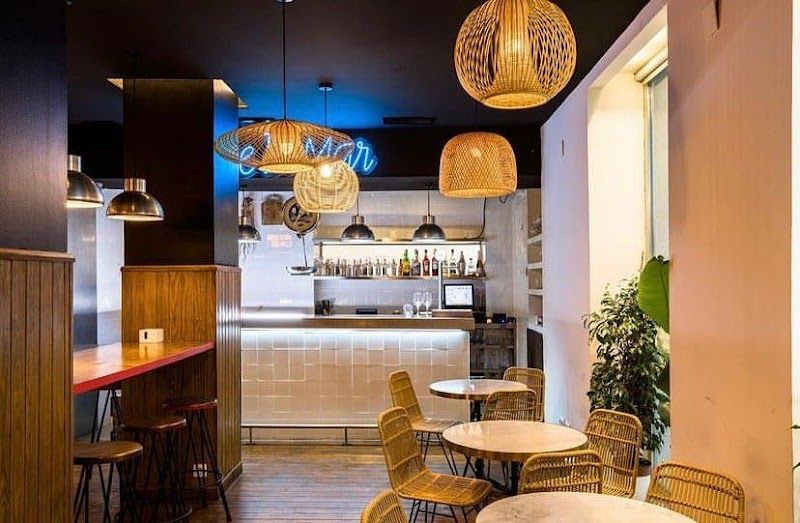
Contemporary restaurant in Ruzafa focusing on seasonal Valencian ingredients prepared with modern techniques. The small dining room seats only 30 people and the menu changes monthly based on what local farmers and fishermen provide.
Lonja de Pescadores del Cabanyal
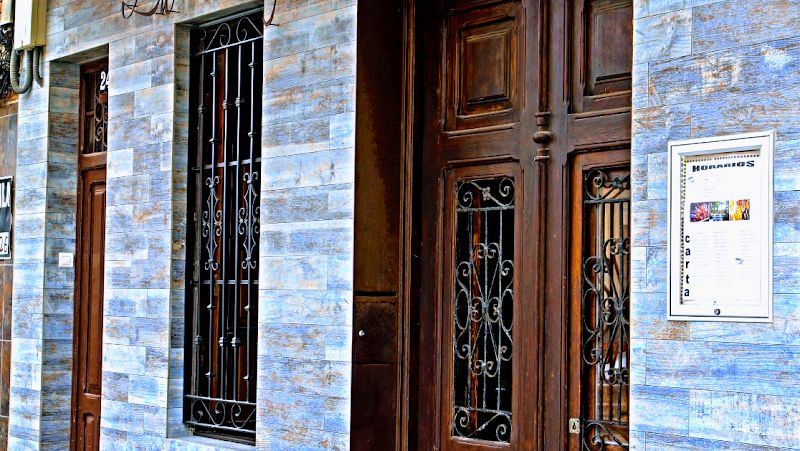
This working fish auction house operates exactly as it has for decades, with local fishermen arriving before dawn to sell their catch to restaurants and markets across Valencia. You'll see the day's haul laid out on ice while buyers inspect red mullet, sea bream, and whatever else the Mediterranean delivered that morning. The early 20th century industrial building perfectly captures El Cabanyal's authentic maritime character, far removed from the sanitized tourist experiences elsewhere in the city. The real action happens between 6am and 8am when the auction floor comes alive with rapid-fire Spanish bidding and the constant scrape of ice across concrete floors. Outside those hours, you can still wander the exterior and peek through windows at the vast auction hall with its soaring metal beams and utilitarian charm. The smell of the sea hangs heavy in the air, mixed with diesel from fishing boats moored nearby. It feels genuinely working class, which is exactly what makes it special. Most travel guides oversell this as a major attraction when it's really a quick cultural glimpse worth 20 minutes max. Unless you're genuinely interested in fish markets or industrial architecture, don't make a special trip. The building looks more impressive from outside than in, and the auction action can be underwhelming if boats didn't have a good night. Pair it with breakfast at a nearby bar rather than visiting solo.
Museu d'Història de València
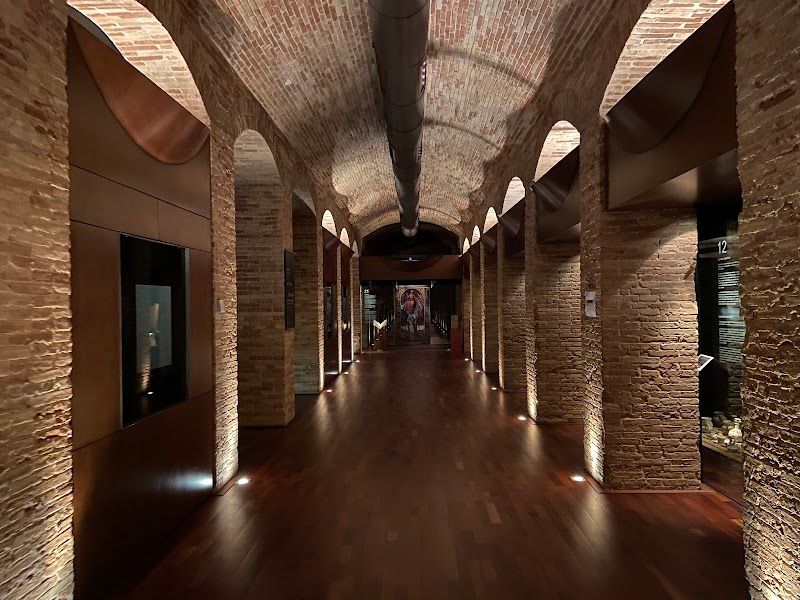
This city history museum sits inside a beautiful 19th-century water cistern, where curved brick arches create an atmospheric setting for Valencia's story from Roman times to today. The star attraction is an incredibly detailed scale model of medieval Valencia that shows exactly how the old city was laid out within its walls, complete with tiny buildings, streets, and the original riverbed. You'll also find Roman artifacts, interactive touchscreens about different historical periods, and audiovisual displays that do a solid job explaining how Valencia grew from a small settlement into Spain's third-largest city. The museum flows chronologically through spacious rooms where the old cistern's architecture steals the show. You'll start with Roman foundations and work your way through Moorish rule, the Christian conquest, and Valencia's golden age as a Mediterranean trading power. The medieval model sits in the center of the main hall, and you can walk around it from different angles while audio guides explain what you're seeing. The lighting is excellent, and the displays feel modern without being flashy. Most travel guides oversell this place, but it's genuinely useful if you're planning to explore Ciutat Vella afterward. The medieval model alone makes the visit worthwhile because it shows you exactly where the old walls stood and how the street layout worked. Skip the later historical periods unless you're really into 19th-century urban planning. At around 2 EUR for adults, it's excellent value, and you can easily see everything worthwhile in an hour.
IVAM Institut Valencià d'Art Modern
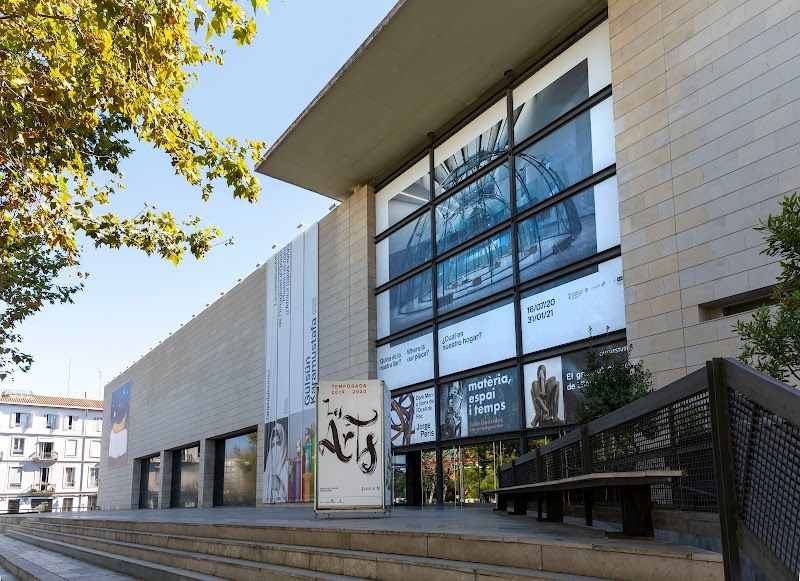
IVAM focuses entirely on 20th and 21st-century art, making it Valencia's most serious contemporary gallery. The permanent collection centers on Julio González's revolutionary iron sculptures from the 1930s, displayed in a dedicated basement gallery that feels like a private museum. You'll also find rotating exhibitions of international contemporary artists, plus significant photography collections including Pilar Aymerich's documentary work. The building itself is a stark modernist structure that puts the art first. The visit flows chronologically downward: start on the upper floors with temporary exhibitions, then work your way to González's basement sanctuary. The galleries feel spacious and uncluttered, with excellent natural light filtering through the building's geometric windows. Unlike Barcelona's contemporary museums, IVAM doesn't try to overwhelm you with scale or spectacle. The atmosphere stays contemplative, even when school groups visit. Most guides oversell the temporary exhibitions, which can be hit or miss. The González collection is the real draw: his welded iron sculptures influenced Picasso and changed modern art forever. Entry costs €6 (free on Sundays), but skip the audio guide at €3 extra since the wall texts are excellent. The museum café's courtyard provides a perfect break, though the coffee is overpriced at €3.50.
Platja del Saler
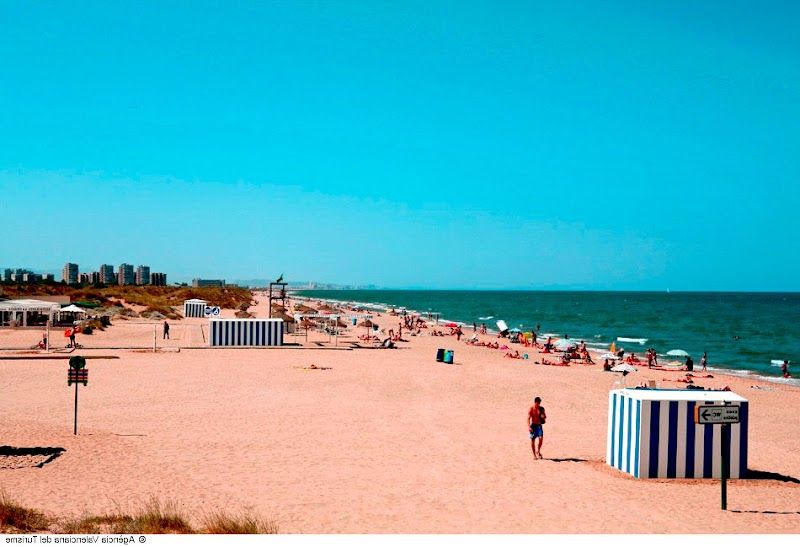
Platja del Saler stretches for miles along Valencia's southern coast, backed by protected pine forests and natural dunes that create genuine wilderness just 15km from the city center. You'll find wide expanses of golden sand where you can walk for ages without seeing development, plus shallow waters perfect for swimming. The beach sits within the Albufera Natural Park, so the backdrop is all maritime pines and wild vegetation instead of hotels and restaurants. The experience feels completely different from Valencia's northern beaches: you'll hear waves and wind through pine trees rather than traffic and construction. Wooden walkways lead through the dunes to multiple beach access points, each offering slightly different vibes. The sand stays relatively soft even in summer, and you can find your own space even on busy weekends. Bus 25 drops you right at the forest edge, then it's a short walk through aromatic pine groves to reach the shore. Most guides don't mention that facilities are extremely limited here, so bring everything you need including water and snacks. The northern sections get busy with Valencia families on weekends, but walk 10 minutes south from any bus stop and you'll have space to yourself. Skip the area near the main parking lots where cars kick up sand, the southern stretches past Gola del Pujol offer the best combination of accessibility and solitude.
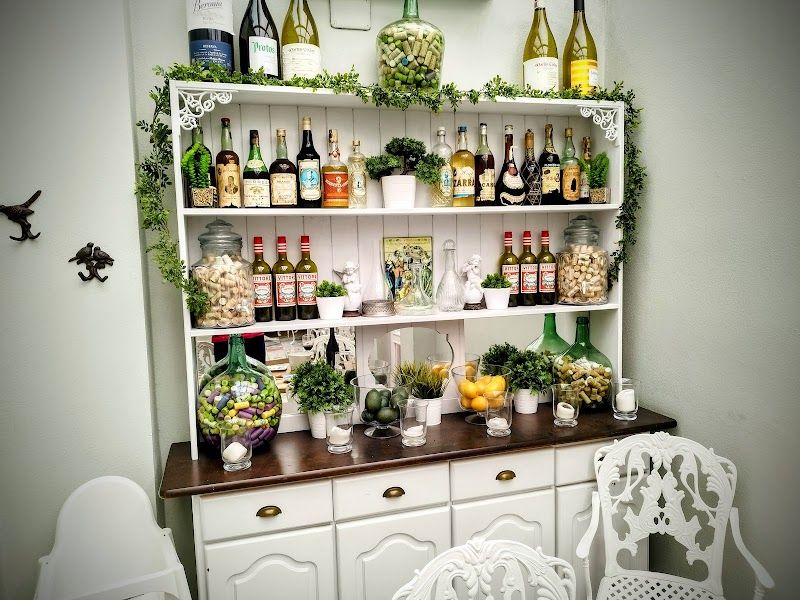
Casa Guillermo
Traditional seafood restaurant in the heart of El Cabanyal, famous for its fresh fish and rice dishes. Family-run establishment with a no-frills atmosphere that focuses on quality ingredients and authentic Valencian maritime cuisine. Popular with locals for its grilled fish and seafood paella.
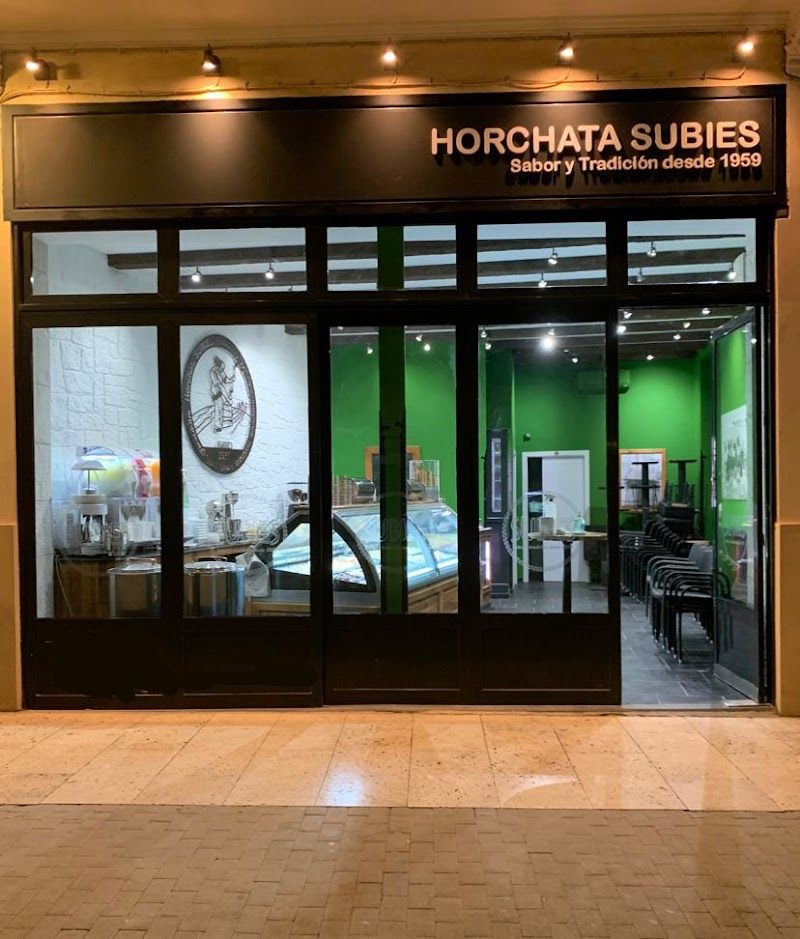
Horchatería Subies
Neighborhood horchatería in Ruzafa serving horchata granizada (frozen horchata) alongside the traditional cold version, both made from tiger nuts grown in the nearby town of Alboraya. The simple terrace fills with locals taking a mid-morning break.
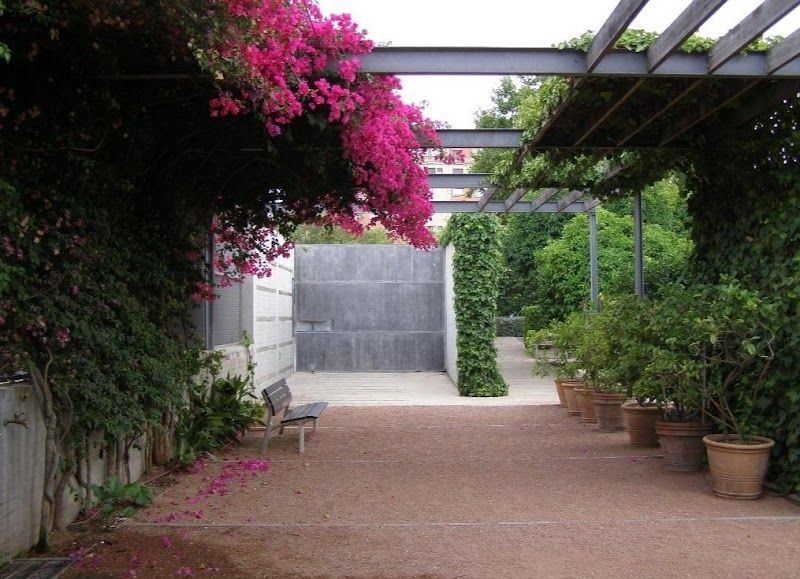
Jardin de las Hesperides
Jardín de las Hespérides is a pocket-sized community garden squeezed between apartment buildings in Ruzafa, created by neighbors who transformed an abandoned lot into shared green space. You'll find orange trees, rosemary bushes, and small vegetable plots alongside handmade benches and a tiny amphitheater for workshops. It's genuinely grassroots urban gardening, not a manicured tourist attraction. The space feels intimate and lived-in, with hand-painted signs, mismatched seating, and the occasional cat wandering through. Weekend mornings bring yoga classes, kids' activities, and neighbors tending plants while chatting in Valencian and Castilian. The garden's charm lies in its authenticity: this is what community-driven urbanism actually looks like, complete with weathered furniture and plants that sometimes struggle in Valencia's heat. Most travel guides oversell this as a major attraction when it's really a 15-minute peek into neighborhood life. The gate is often locked during weekdays, and there's literally nothing to do here except sit and observe. Skip it unless you're already exploring Ruzafa or genuinely interested in urban gardening movements. Free entry when open, but don't make a special trip.
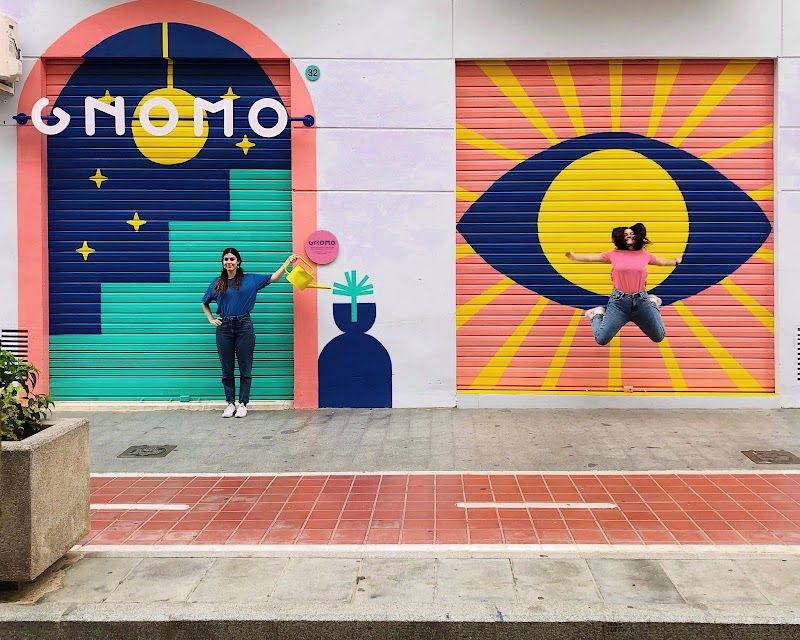
Gnomo
Gnomo is Ruzafa's best vintage clothing shop, specializing in carefully curated pieces from the 70s, 80s, and 90s that actually look good on real people. The owner has a sharp eye for quality and won't stock anything with obvious wear or that dated smell you get in most second-hand stores. You'll find genuine designer pieces mixed with unique everyday items, from silk scarves and leather jackets to perfectly faded band tees and tailored blazers. The shop feels more like browsing a stylish friend's closet than hunting through racks of random clothes. Everything is organized by type and color, making it easy to spot what works for you. The owner genuinely knows fashion and will help you put together complete outfits if you ask, plus she's honest about what doesn't work rather than pushing every sale. The space itself is small but well-lit, so you can actually see fabric quality and true colors. Most vintage shops in Valencia are either overpriced tourist traps or genuine thrift stores with more misses than hits. Gnomo sits perfectly in between with fair prices, typically ranging from 15 EUR for basic pieces to 60 EUR for designer items. The quality justifies the cost, you're not paying premium prices for clothes that fall apart after one wash. Skip the weekend crowds when locals are all shopping, afternoons on weekdays give you proper time to browse.
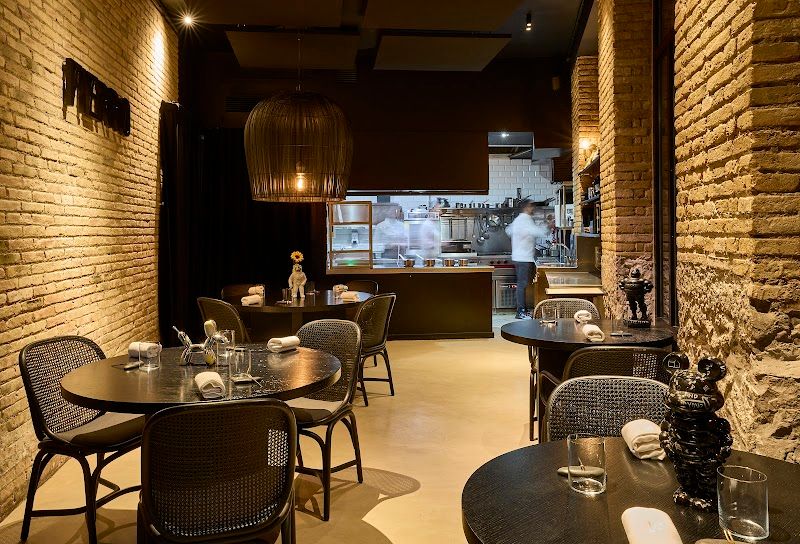
Restaurante Fierro
Contemporary Argentine steakhouse known for exceptional meat quality and South American wine selection. The intimate space features exposed brick and a modern industrial aesthetic. Their empanadas and provoleta are standout starters before the main grilled meats.
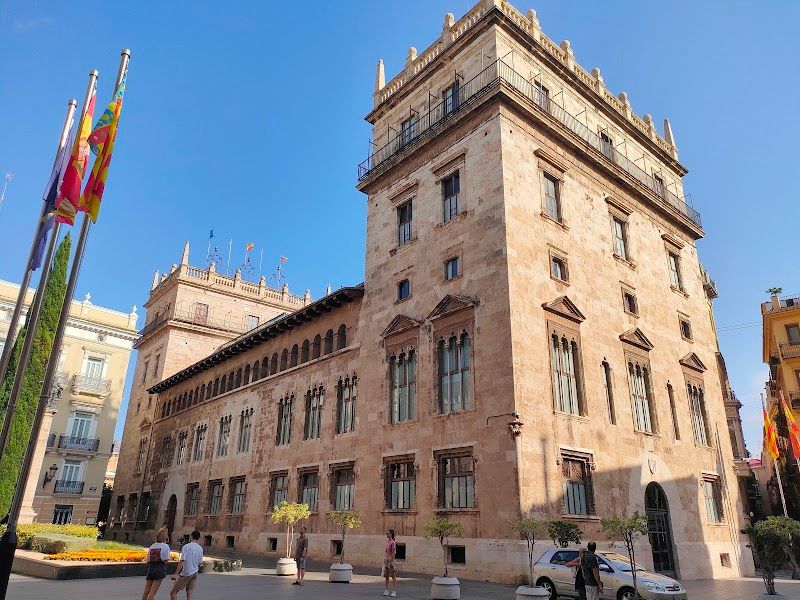
Palau de la Generalitat
The Palau de la Generalitat stands as Valencia's most important government building, a 15th century Gothic palace where regional politics still happen today. You'll see the striking twisted Gothic columns supporting the main porch, plus that distinctive tower rising above Carrer dels Cavallers. The facade blends Gothic stonework with later Renaissance additions, creating architectural layers that span centuries. Most days you're limited to admiring the exterior and peeking into the entrance courtyard, but that's honestly enough to appreciate the craftsmanship. Walking up to the palace feels like approaching a medieval fortress that got dressed up for modern politics. The entrance courtyard draws you in with its Renaissance arches, while the Gothic tower looms overhead with surprising elegance. Security guards patrol discretely, reminding you this isn't just a museum but an active seat of power. The contrast between 600 year old stonework and contemporary Valencian government creates an oddly compelling atmosphere. Most travel guides oversell the interior tours, which only happen a few weekends per year and require advance booking through their website. The exterior viewing delivers 80% of the experience in 15 minutes, and it's free every day. Skip waiting around hoping for spontaneous access, the guards won't let you past the entrance courtyard without official tours. Focus your time on the tower details and column work, then move on to nearby attractions like the Central Market.
Turia Bike
Turia Bike takes you on guided cycling tours through what was once Valencia's river but is now Europe's largest urban park. You'll pedal along 9 kilometers of transformed riverbed, passing through 18 distinct garden sections from the Bioparc area all the way to Calatrava's futuristic City of Arts and Sciences. The route showcases everything from rose gardens and orange groves to contemporary sculptures and medieval bridges that once spanned actual water. The ride flows beautifully downhill from west to east, making it feel effortless as you glide past joggers, families, and street performers. Your guide stops at key points to explain how the 1957 flood led to this incredible transformation from dangerous river to green corridor. The contrast is striking: one moment you're cycling past 14th century towers, the next you're approaching the gleaming titanium and glass structures that look like they've landed from another planet. Most tour companies charge around 25-30 EUR for similar routes, but these guides know stories others miss about the old riverbed. Skip the weekend afternoon slots when the park fills with local families and stick to morning departures for clearer photos at the Arts and Sciences complex. The tour covers more ground than you'd manage alone, but experienced cyclists might find the pace too leisurely.
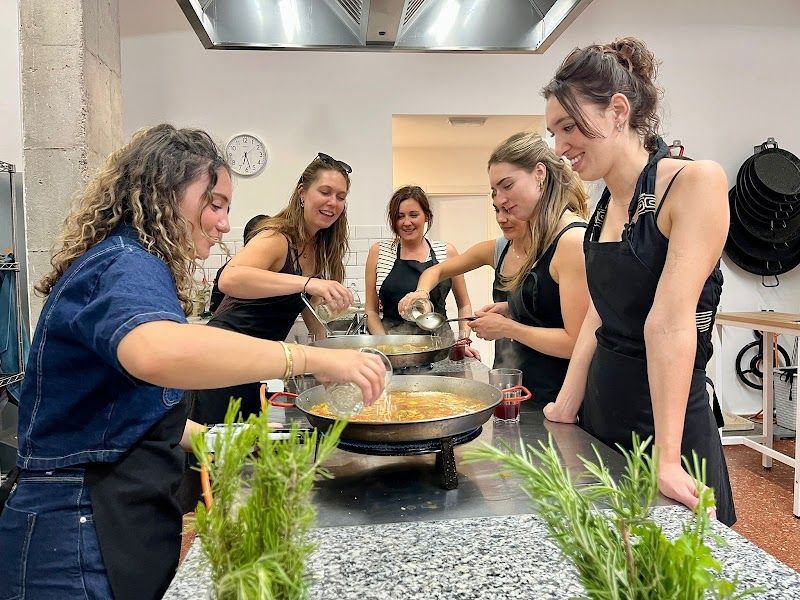
Valencia Paella Cooking Class
A paella cooking class in Valencia is the most practical culinary education in Spain: the dish is simple to understand (rice, broth, protein, fire) and genuinely difficult to execute correctly (the socarrat requires timing, the broth ratio is learnable, the wood fire is controllable). A 3-hour class typically covers the selection of the ingredients (saffron, garrofon beans, short-grain Valencian rice, local rabbit and chicken), the preparation of the broth, the cooking sequence in the paella pan, and the rest period after the fire is removed. The best classes are taught by Valencian home cooks or small operators who also explain the cultural rules: paella is lunch, not dinner, and the leftovers belong to the cook. EUR 60-90 per person. Some classes include a market visit first.