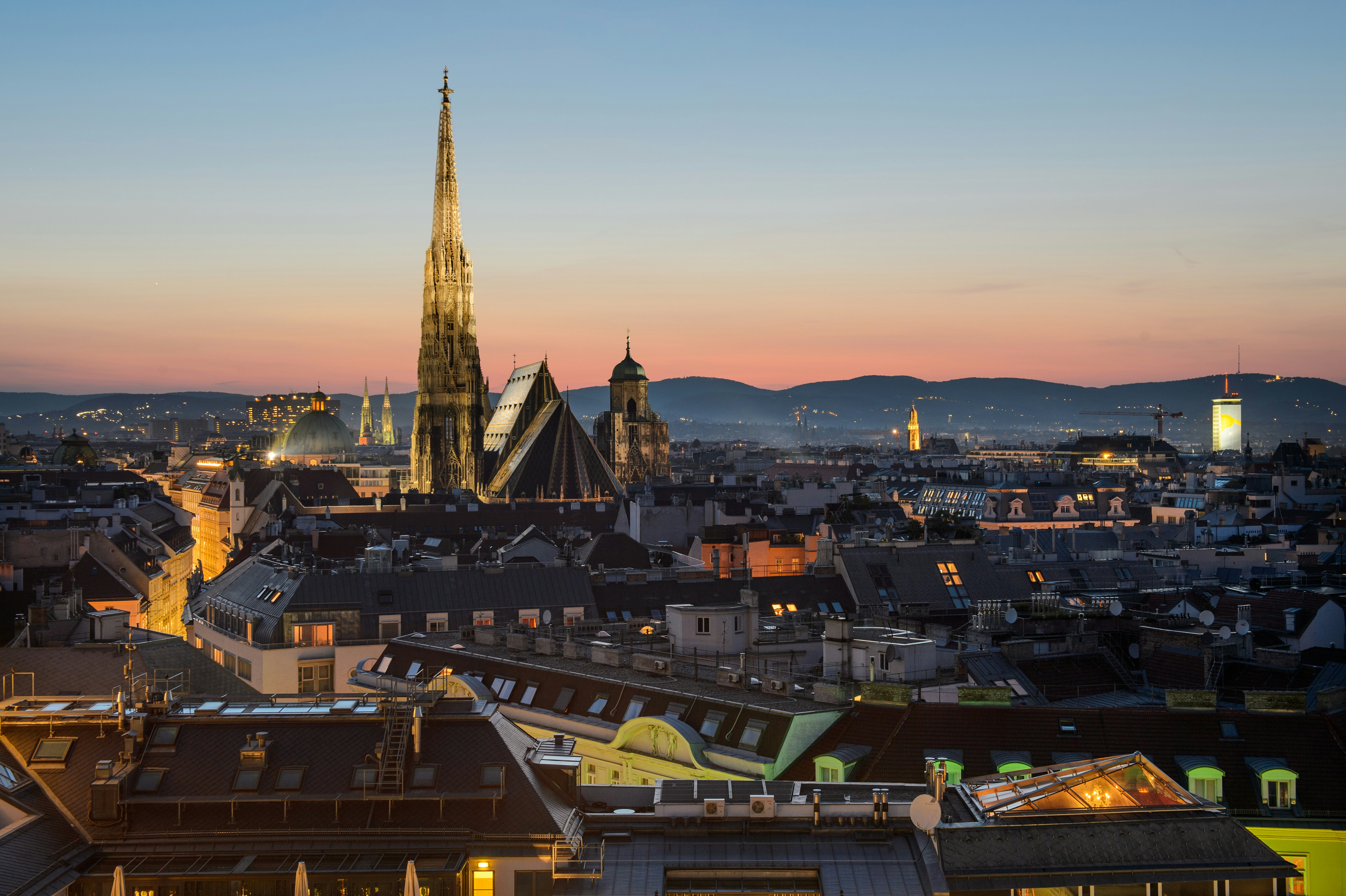
Vienna
Things to Do
128 attractions, museums, and experiences
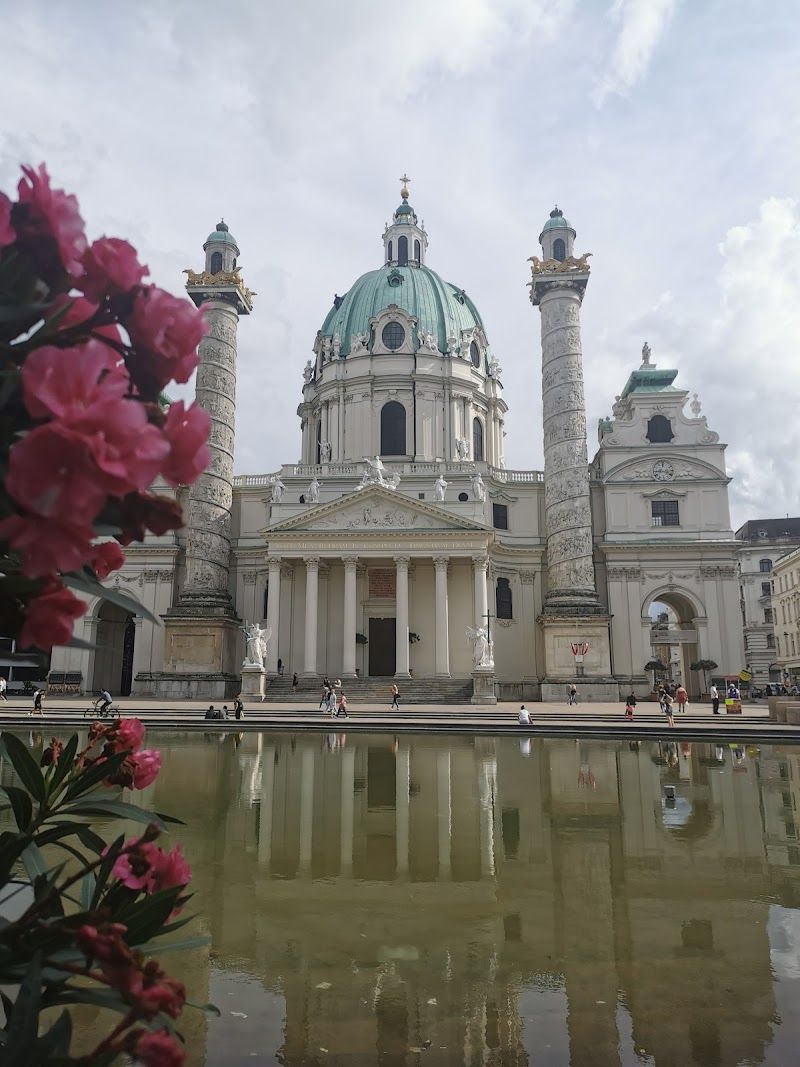
Karlsplatz
Karlsplatz anchors Vienna's cultural district with the Karlskirche dominating one side and two Otto Wagner Pavilions flanking the other. You'll find yourself in Europe's largest baroque church square, where green lawns stretch between ornate architecture and modern university buildings. The Wien Museum sits at the plaza's edge, housing the city's most comprehensive historical collection, while the U-Bahn stations below showcase more of Wagner's Art Nouveau mastery. The square feels like Vienna in miniature: students from the Technical University sprawl on the grass, tourists crane their necks at Karlskirche's massive dome, and commuters stream through the ornate subway entrances. The contrast works well. The Wagner Pavilions catch afternoon light like architectural details, while the church's green copper dome shifts colour throughout the day. You can easily spend an hour just people-watching from the steps or benches scattered around the plaza's perimeter. Most guidebooks may exaggerate the Wien Museum's (€10 entry, often crowded with school groups) importance, but the real treats here come at no extra cost. It is recommended to skip the museum unless you're genuinely interested in Vienna's municipal history. The exterior views of the Wagner Pavilions are certainly impressive, and climbing Karlskirche's dome (€8) offers better city views than any museum exhibit. Visit early morning or late afternoon when the light transforms both the architecture and the atmosphere.
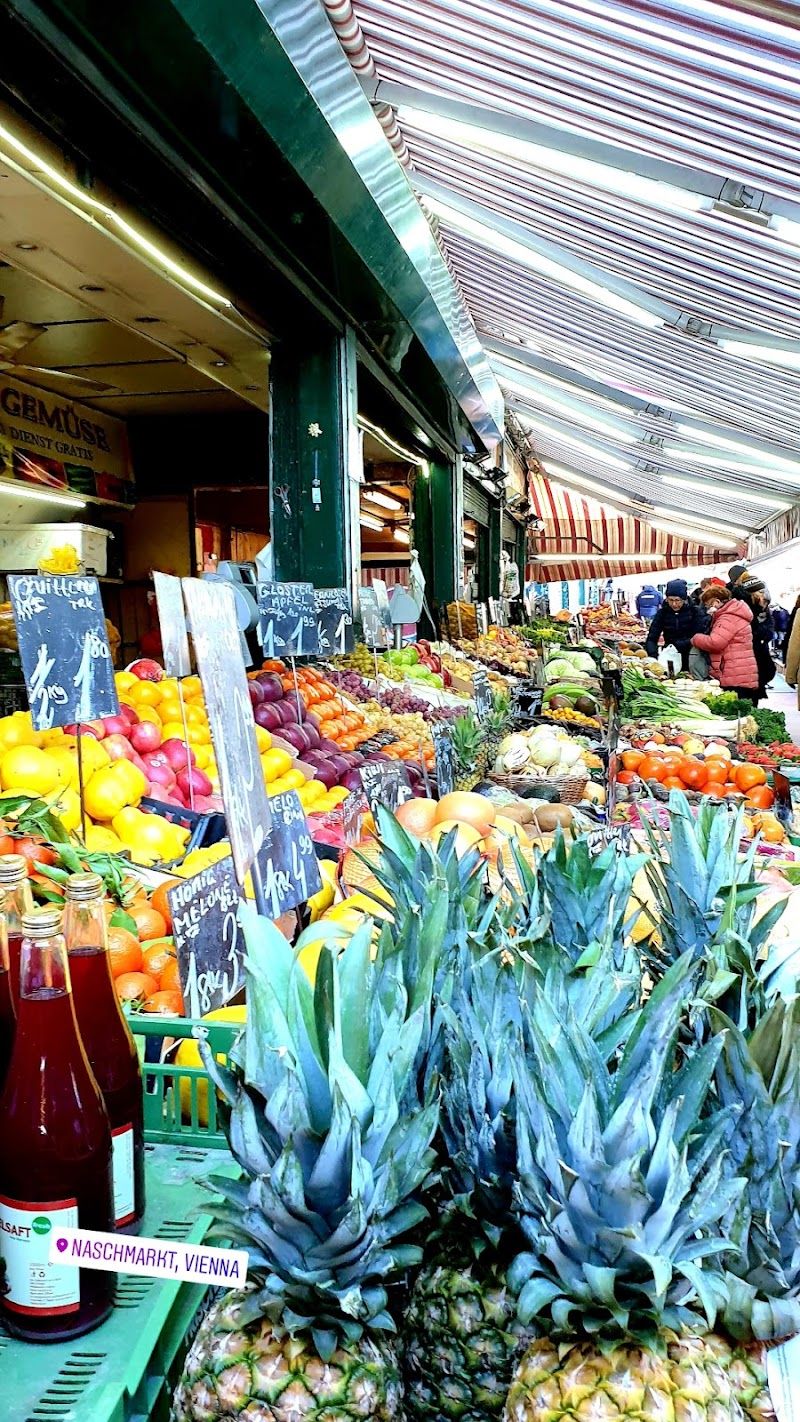
Naschmarkt
Vienna's legendary Naschmarkt stretches 1.6 kilometers along the Wienzeile, housing over 120 stalls that create Austria's most vibrant culinary melting pot. Operating since the 16th century, this market opens Monday through Saturday from 6 AM to 7:30 PM, with restaurants staying open until 11 PM. The sensory overload begins immediately: Turkish vendors slice döner for €4.50, Austrian cheese mongers offer tastings of Vorarlberg mountain cheese at €25 per kilo, and Vietnamese stalls serve steaming pho bowls for €8. Italian antipasti platters cost around €12, while Greek olive vendors let you sample Kalamata varieties before buying. Fresh Adriatic fish prices vary daily, typically €15 to €30 per kilo depending on the catch. What makes Naschmarkt special is its authentic chaos. This isn't a sanitized tourist market but Vienna's real food hub where locals shop daily. Permanent restaurants line both sides, ranging from €3 standing counters serving Leberkäse to sit-down establishments with wine lists where meals cost €20 to €35. Saturday transforms the western end into a legendary flea market starting at 6:30 AM. Vintage cameras, Soviet memorabilia, vinyl records, and genuine antiques create treasure hunting opportunities. Prices are negotiable, with small finds starting at €2. Visit before noon for the best selection and authentic atmosphere. Eat standing up at stall counters, bring cash since many vendors don't accept cards, and prepare for crowds. The U4 Kettenbrückengasse station provides direct access to the market's heart.
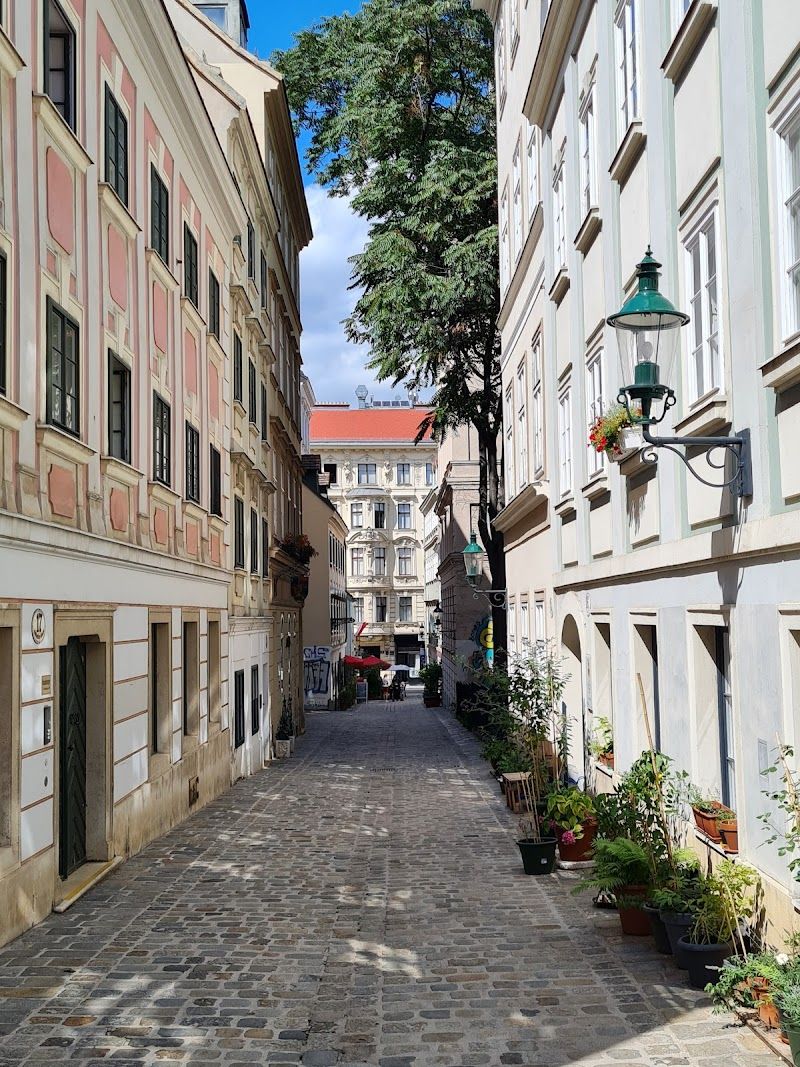
Spittelberg
Spittelberg is Vienna's best preserved 18th century neighborhood, a collection of narrow cobblestone streets lined with pastel Biedermeier houses that now house independent boutiques, art galleries, and cafes. You'll find handmade ceramics, vintage clothing, and local jewelry in shops that feel like someone's living room. The entire quarter covers just four small streets, making it suitable for an unhurried browse through Vienna's residential area. Walking through feels like stepping into a film set from the 1800s, complete with wrought iron signs creaking in the wind and cats sunning themselves on windowsills. The pedestrian-only streets allow you to wander freely, visiting Galerie Werkstatt for handmade textiles or stopping at Stomach for excellent coffee in a tiny courtyard. During December, the Christmas market transforms the area with wooden stalls selling mulled wine (€4) and artisan gifts, though it gets busy on weekends. Most visitors rush through in 30 minutes, but you'll miss the experience entirely. The magic is in lingering: chatting with shop owners, sitting in a courtyard cafe, watching daily life unfold. Avoid touristy restaurants on Burggasse and eat at Figar instead, where locals actually go. Come on weekday mornings when shops are just opening, and you'll have the place mostly to yourself.
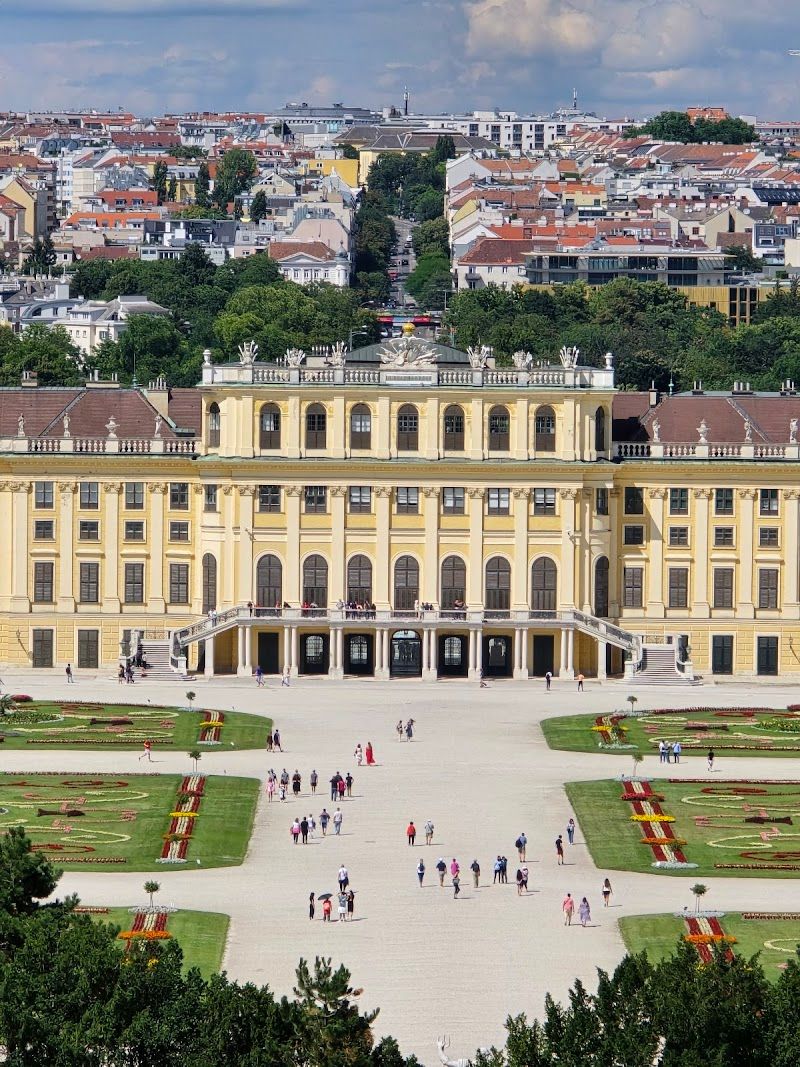
Schonbrunn Palace
Schonbrunn Palace stands as Vienna's answer to Versailles, serving as the summer residence of the Habsburg dynasty and claiming the title of Austria's most visited attraction. This UNESCO World Heritage site offers multiple ways to explore its imperial splendor. The Grand Tour costs EUR 24 and takes you through 40 opulent rooms over 50 minutes with an excellent audio guide. You'll walk through Rococo state rooms, the Great Gallery where European powers danced during the famous Congress of Vienna, Maria Theresa's private chambers, and the very room where six-year-old Mozart performed for Empress Maria Theresa in 1762. The Imperial Tour (EUR 20, 22 rooms) covers the highlights if you're short on time. The palace opens daily at 8:00 AM, closing between 4:30 PM and 6:30 PM depending on the season. Booking online will help you skip entrance queues, especially during summer months and weekends when crowds can be overwhelming. The gardens alone justify the visit, and they're free to explore. These vast baroque gardens stretch endlessly, featuring the dramatic Neptune Fountain, the romantic Roman Ruin folly, and the challenging maze (EUR 6 extra). The crown jewel is the Gloriette pavilion perched on the hill, offering panoramic views of both palace and city. The walk up is free, though the cafe terrace costs EUR 4.50. Don't miss the Tiergarten Schonbrunn (EUR 24 adults, EUR 18 children), the world's oldest zoo dating to 1752. Despite its age, it's thoroughly modern and excellent, housing giant pandas and maintaining impressive conservation programs. Allow at least half a day for the palace, gardens, and one additional attraction. Wear comfortable walking shoes and bring water, especially in the summer.
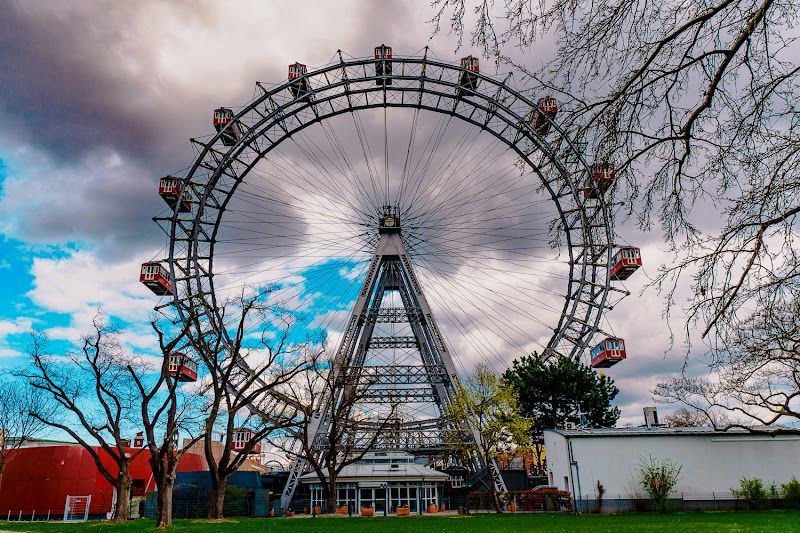
Prater
Prater is Vienna's massive public park that combines a century-old amusement park with 6 square kilometers of green space where locals jog, cycle, and picnic. The centerpiece is the 1897 Riesenrad, one of the world's oldest Ferris wheels, offering genuine panorama views from wooden cabins that creak authentically as you slowly rotate 65 meters above the city. The 20-minute rotation allows plenty of time to spot landmarks like St. Stephen's Cathedral and the Danube. Beyond the fairground rides and carnival games, the Hauptallee boulevard stretches 4.5 kilometers through actual forests and meadows where you'll see more Viennese than tourists. The amusement park section feels retro rather than slick, with bumper cars, a ghost train, and traditional Austrian snack stands selling Langos (fried bread) for about 8 EUR. The Riesenrad dominates everything: each cabin holds up to 15 people and offers views for everyone inside. The Ferris wheel costs 12 EUR for adults, while most rides run 3-5 EUR each. Skip the expensive restaurant in the Ferris wheel and grab Schnitzel from the food stands instead. The park works year-round, but winter visits feel melancholy in a way that is hard to explain. Most tourists never venture past the amusement area, which is their loss because the real Prater starts beyond the carnival lights. Once you leave the rides behind, the park opens into genuine wilderness where joggers disappear into tree-lined paths and families spread blankets near small ponds.
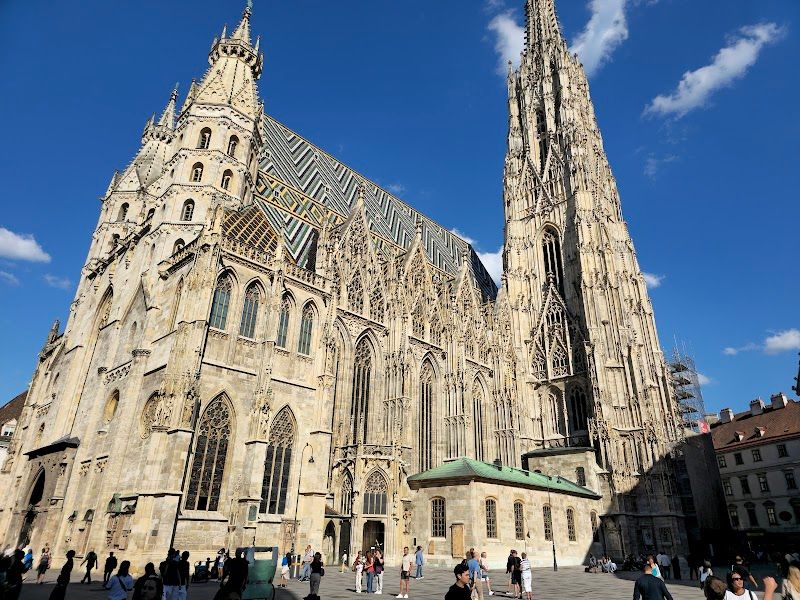
Stephansdom Catacombs Tours
The catacombs beneath St. Stephen's Cathedral hold 11,000 bodies spanning from Roman times through the 18th century, including plague victims whose remains were hastily moved here when Vienna's cemeteries overflowed. You'll descend stone steps into dimly lit chambers where bishops rest in ornate tombs and commoners lie stacked in bone repositories. The tour covers the Rudolf Crypt, the bishops' vault with copper coffins, and chambers where bodies were stored during cholera outbreaks. Your guide leads groups of 25 through narrow corridors that smell faintly of old stone and dampness. The temperature drops noticeably as you move deeper underground, and the contrast between the cathedral's soaring Gothic architecture above and these cramped burial chambers below feels jarring. You'll see medieval burial urns, copper coffins green with age, and rooms where bones are arranged in systematic piles. The lighting is atmospheric but practical, illuminating carved stone details and religious symbols etched into walls. Most visitors expect something more dramatic after seeing Paris catacombs, but this is more historical than theatrical. Tours cost 6 EUR and run every 30 minutes from 10am to 5:30pm Monday through Saturday, Sundays from 1:30pm. The stairs are steep and uneven, so skip this if mobility is an issue. English tours happen at set times: 10:15am, 11:45am, 1:15pm, 2:45pm, and 4:15pm. Groups often fill up during summer, so arrive 15 minutes early.
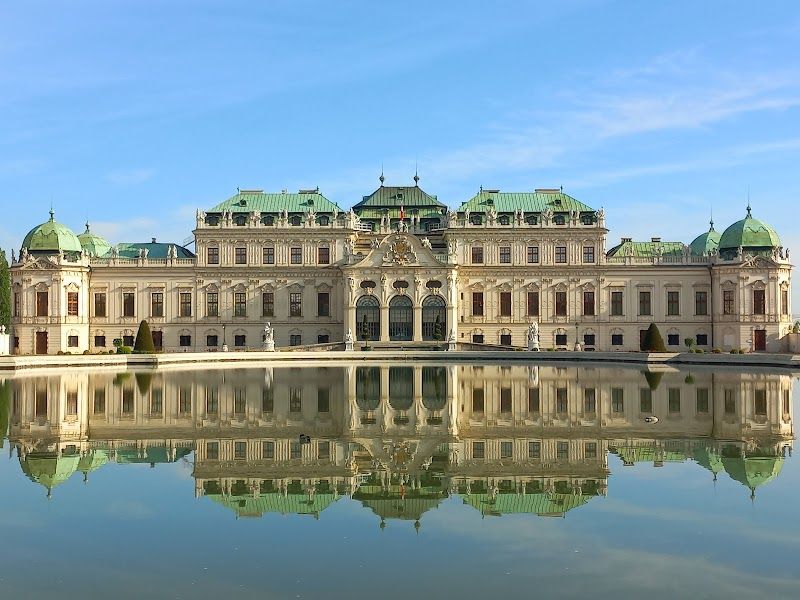
Belvedere Palace
The Belvedere consists of two Baroque palaces connected by formal French gardens, creating one of Vienna's most significant museum complexes. The Upper Belvedere (EUR 16.70, daily 9am to 6pm) houses Austria's premier art collection, including Gustav Klimt's iconic "The Kiss" from 1907-1908. This golden masterpiece deserves its legendary status: seeing it in person reveals intricate details and a presence that reproductions simply cannot capture. The museum's Austrian collection spans centuries, featuring Egon Schiele's intense works, French Impressionists including Monet and Renoir, plus comprehensive displays of Austrian art from medieval religious pieces to 19th-century Biedermeier paintings. The formal gardens between palaces offer free access and provide Vienna's most photographed view: terraced fountains leading to the city skyline with St. Stephen's Cathedral spire. Perfect for photos, especially during the golden hour. The Lower Belvedere (EUR 16.70 separately, or EUR 25 combined ticket) showcases rotating exhibitions in opulent Baroque state rooms and the historic Orangerie. Practical tips: buy tickets online to skip queues, especially during summer. The Upper Belvedere gets extremely crowded around "The Kiss," so visit early morning or late afternoon. Allow three hours minimum for both palaces. The gift shop is pricey but offers quality reproductions. The Belvedere delivers world-class art in impressive architectural settings.
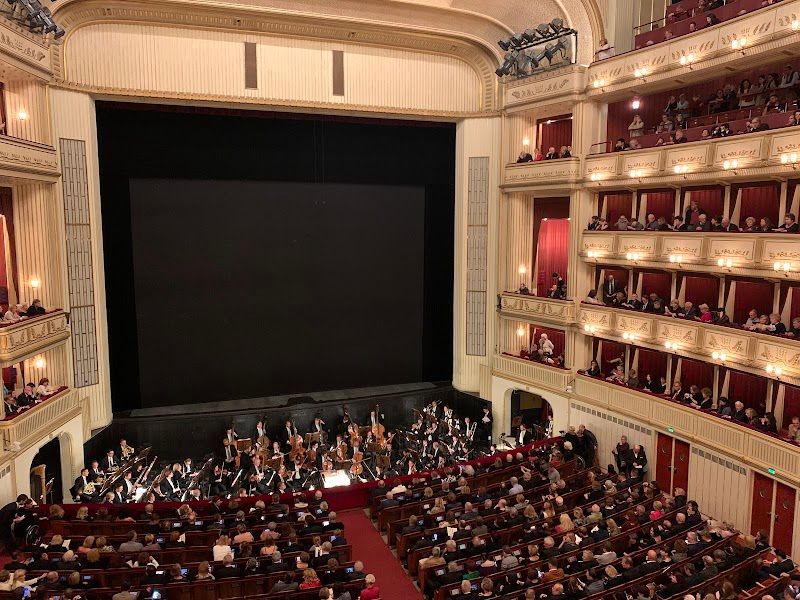
Vienna State Opera (Wiener Staatsoper)
The Vienna State Opera stands as one of the world's most prestigious opera houses, offering an unmatched cultural experience in the heart of Innere Stadt. This architectural masterpiece, completed in 1869 as the first major building on the famous Ringstrasse, combines stunning Neo-Renaissance design with world-class acoustics that have captivated audiences for over 150 years. What makes this venue truly special is its incredible accessibility through standing room tickets priced at just EUR 4 to 10, making it one of Europe's greatest cultural bargains. The opera house seats 1,709 with additional space for 567 standing patrons. The repertoire changes nightly, so you might experience Tosca on Monday, Don Giovanni on Tuesday, and The Magic Flute on Wednesday, ensuring every visit offers something different. The orchestra consists of members from the legendary Vienna Philharmonic, delivering performances of extraordinary quality. Even if you cannot attend a show, guided tours run for EUR 13 lasting 40 minutes when no rehearsals are scheduled, typically between 1 PM and 3 PM daily. While the building was heavily damaged during WWII and subsequently rebuilt, the original grand staircase and opulent foyer survived, showcasing breathtaking 19th-century craftsmanship with marble columns, frescoed ceilings, and crystal chandeliers. Practical tip: arrive early for standing room tickets, which go on sale 80 minutes before performances. The sound quality from standing areas is excellent, though comfort requires stamina. Dress code expectations vary, but smart casual works perfectly for most performances.
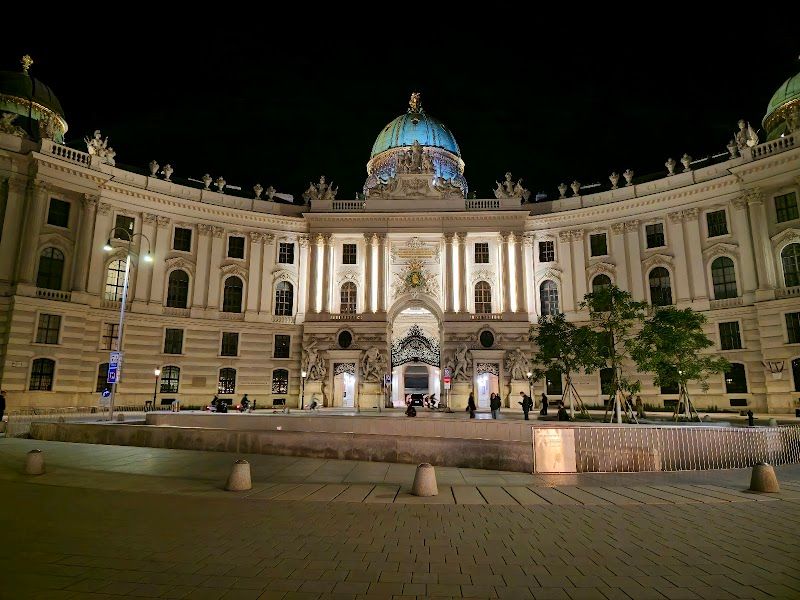
Hofburg Palace
The Hofburg Palace stands as Vienna's most significant imperial complex, serving as the Habsburg dynasty's primary residence for over six centuries until 1918. Today this sprawling palace houses Austria's president, multiple world-class attractions, and offers visitors an authentic glimpse into imperial life. The essential three-museum ticket (EUR 17.50) includes the Imperial Apartments, Sisi Museum, and Imperial Silver Collection. Allow 2.5 hours minimum. The Sisi Museum deserves special praise for its refreshingly honest portrayal of Empress Elisabeth, debunking romantic myths to reveal a complex woman obsessed with beauty, fitness, and freedom. Her actual corsets and gym equipment surprise many visitors. The Imperial Apartments showcase Emperor Franz Joseph's surprisingly modest personal quarters alongside elaborate state rooms where crucial European decisions were made. The Silver Collection displays over 7,000 pieces of imperial tableware, including a 30-meter-long dining table setting. The Spanish Riding School (performances EUR 25-180, morning exercises EUR 18) has trained Lipizzaner stallions since 1572. Book performances months ahead; morning exercises offer better value and authentic atmosphere. The baroque Winter Riding School is a highly impressive architectural masterpiece. Don't miss the free Augustinerkirche, site of Habsburg weddings including Marie Antoinette's proxy ceremony. The Hofburg Chapel hosts Vienna Boys' Choir Sunday masses (EUR 5-29, book early). Practical tips: start early to avoid crowds, wear comfortable shoes for extensive walking, and consider the one-year Sisi Ticket (EUR 34) if visiting Schönbrunn Palace too. The palace's large size can be overwhelming; focus on your interests rather than attempting everything.
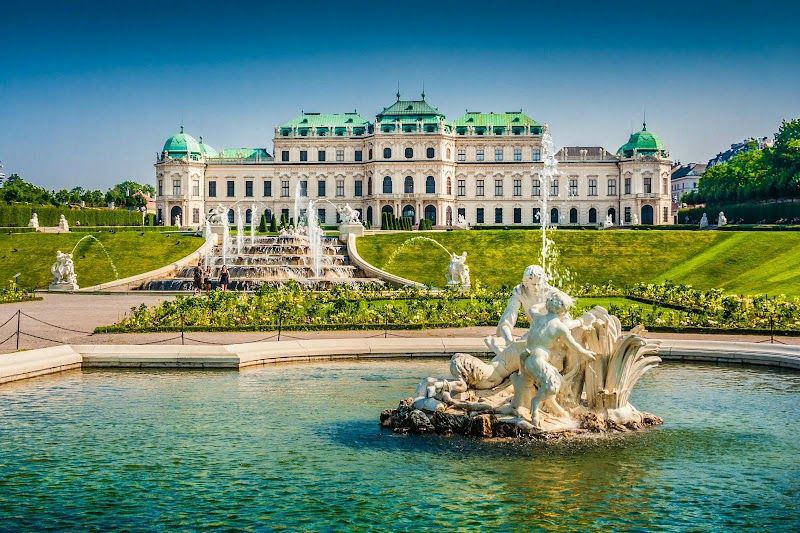
Belvedere Gardens
Belvedere Gardens stretch between two baroque palaces in three distinct terraces, each with its own character and views. You'll climb past cascading fountains, sphinx statues that look oddly at home among the Austrian hedges, and perfectly manicured parterres that change with the seasons. The real payoff comes at the upper level where Vienna spreads out below you, with St. Stephen's Cathedral's spire cutting through the skyline. It's completely free and feels like having a royal backyard to yourself. The walk up takes about 20 minutes if you stop to admire the fountains and take photos at each level. The lower gardens feel more intimate with detailed hedge work, while the middle terrace opens up dramatically. By the time you reach the upper basin, the city view makes the climb worthwhile. Spring brings thousands of tulips, but even in winter the formal layout and city backdrop deliver. Tour groups cluster around the palace entrances, but the gardens themselves rarely feel crowded. Most people rush through on their way to the palace museums, which is their loss. The gardens are actually more impressive than the interiors, and you'll save the 16 EUR museum entrance fee. Skip the lower sections if you're short on time and head straight to the upper terrace for the views. Early morning or late afternoon light makes the fountains and city panorama spectacular for photos.
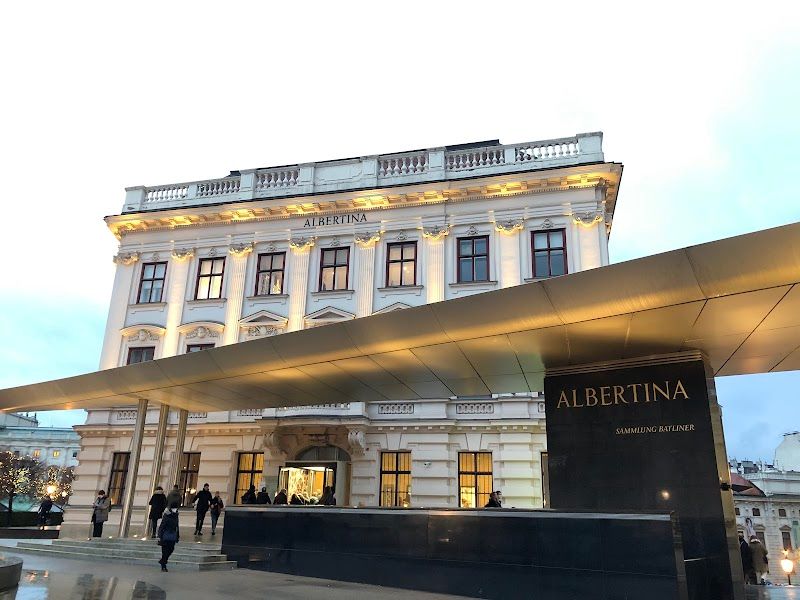
Albertina Museum
The Albertina sits atop the Hofburg complex housing one of the world's most impressive collections of prints and drawings, with over one million works spanning five centuries. You'll see original sketches by Dürer, Michelangelo's studies, and complete series by masters like Rembrandt and Schiele. The Habsburg state rooms upstairs showcase imperial living at its most extravagant, with gilded furniture, crystal chandeliers, and floors so polished you can see your reflection. The experience flows between intimate gallery spaces where you examine delicate works on paper and grand palatial rooms that make you feel tiny. The print galleries keep lighting deliberately low to protect the works, creating an almost reverent atmosphere. Then you climb to the state rooms where everything explodes in gold and marble. The contrast hits you immediately: from studying a pencil sketch worth millions to standing in a ballroom where emperors once waltzed. Most guides oversell the permanent collection, which rotates constantly since works on paper can't handle continuous light exposure. The real draw is whatever major exhibition is running, usually Impressionist or modern masters that justify the €16 entry fee. Skip the audio guide and spend your time in the Batliner Collection of modern art on the second floor, which most tourists miss entirely. The state rooms photograph beautifully but take only 20 minutes to see properly.
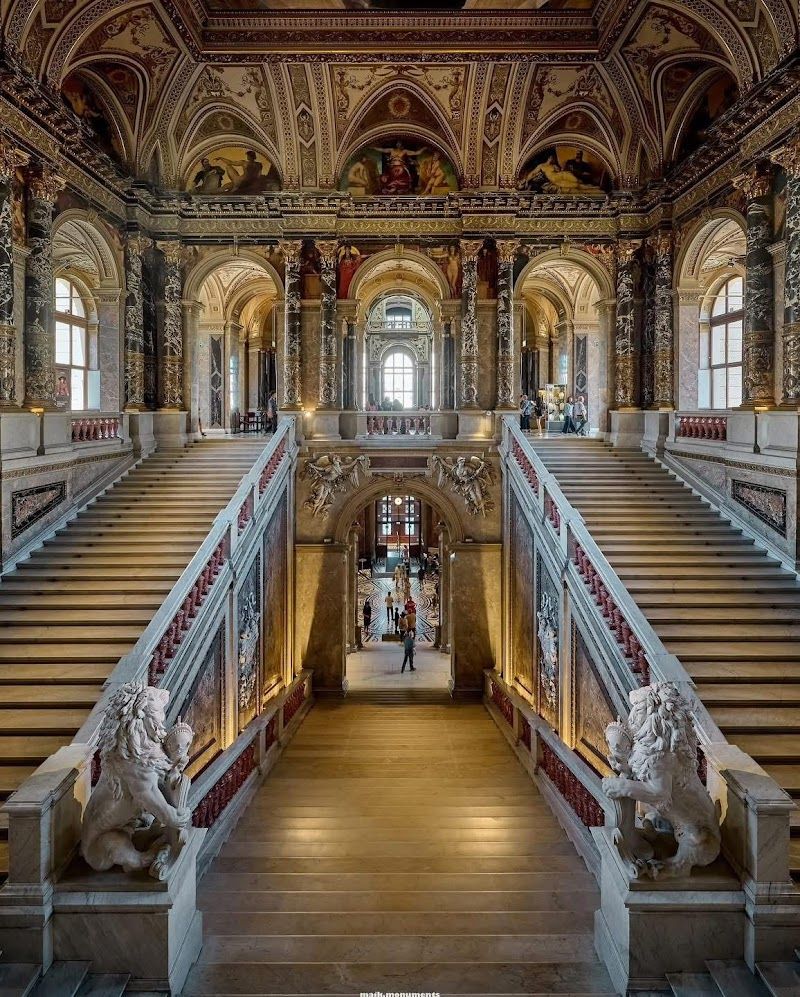
Kunsthistorisches Museum
The Kunsthistorisches Museum stands as one of the world's premier art institutions, housed in a palatial 19th-century building that rivals its contents in grandeur. Open Tuesday through Sunday from 10:00 to 18:00, with Thursday hours extended until 21:00, this Habsburg treasure trove justifies its EUR 21 admission fee with an unparalleled collection spanning centuries. The museum's crown jewels include the world's largest Bruegel collection, featuring masterpieces like Tower of Babel and Hunters in the Snow. Vermeer's enigmatic The Art of Painting captivates visitors, while works by Raphael, Titian, Caravaggio, and Velazquez demonstrate the Habsburgs' discerning taste. The Egyptian and Near Eastern Collection on the ground floor houses mummies, sarcophagi, and ancient artifacts that transport you millennia back in time. Don't miss the Kunstkammer, reopened after extensive renovation, displaying the famous Cellini Salt Cellar and bizarre Habsburg curiosities that blur the line between art and oddity. The building itself deserves attention: Klimt and Makart's ceiling paintings adorn the marble staircase, creating an Instagram-worthy ascent to artistic heaven. Plan at least three hours for a meaningful visit, though art enthusiasts could easily spend an entire day. Tuesday mornings offer smaller crowds. The museum cafe provides respite with views of Maria-Theresien-Platz. While pricey, this is Vienna's essential cultural experience, representing 500 years of imperial collecting passion in one magnificent location.
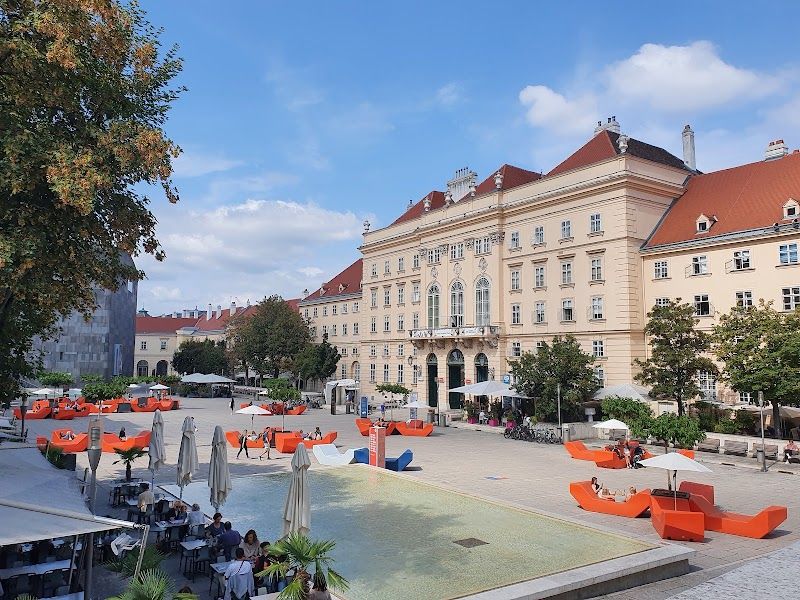
MuseumsQuartier (MQ)
Vienna's MuseumsQuartier stands as one of the world's largest cultural complexes, magnificently housed within former imperial stables designed by Fischer von Erlach in 1725. This remarkable fusion of Baroque grandeur and contemporary innovation creates an extraordinary cultural campus where historic architecture embraces cutting-edge art and design. The Leopold Museum (EUR 15, daily 10:00-18:00, Thursdays until 21:00) houses the world's most comprehensive Egon Schiele collection alongside masterpieces by Gustav Klimt and other Austrian modernists. MUMOK, the Museum of Modern Art (EUR 13, Tuesday-Sunday 10:00-18:00, Thursdays until 21:00), showcases an impressive contemporary collection featuring Warhol, Picasso, and Yoko Ono across seven floors of striking dark basalt architecture. The Kunsthalle Wien (EUR 8-12) presents rotating exhibitions of international contemporary art. However, the MQ's true magic unfolds in its expansive courtyards, particularly during summer evenings when colorful Enzi benches transform the space into Vienna's beloved outdoor living room. Locals gather here with drinks, food trucks serve gourmet bites, and the atmosphere buzzes with creative energy. Winter brings an enchanting ice bar, maintaining the social spirit year-round. Entry to the complex itself costs nothing, making it perfect for casual exploration. Visit late afternoon to experience both museum offerings and evening courtyard culture. The free WiFi and numerous cafes make it ideal for lingering. This isn't just museum visiting, it's experiencing Vienna's contemporary cultural heartbeat within imperial walls.
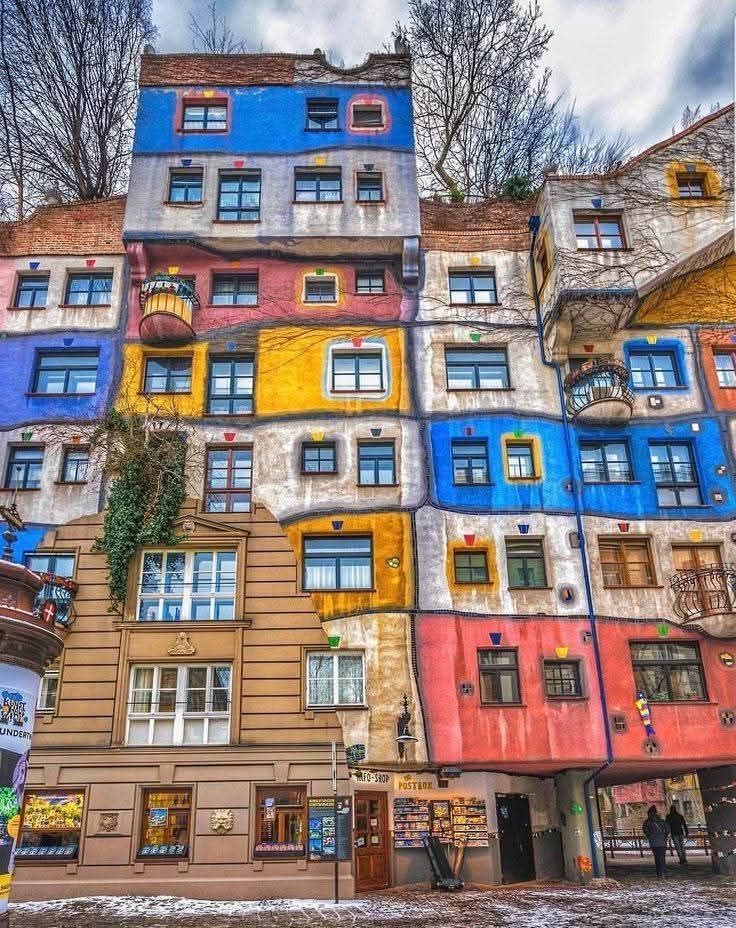
Hundertwasserhaus
Friedensreich Hundertwasser's 1985 apartment building looks like a fairy tale dropped into Vienna's third district. The colorful facade ripples with irregular windows, gold onion domes, and over 250 trees growing directly from balconies and rooftops. Inside, the floors intentionally undulate because Hundertwasser believed flat surfaces were against human nature, though you can't access the residential interiors. You'll spend most of your time circling the building's perimeter, craning your neck at the whimsical details. The irregular ceramic tiles create a mosaic effect, and no two windows are identical in size or placement. Groups of tourists constantly gather at the corner of Kegelgasse and Löwengasse for photos, while residents occasionally peer down from their tree-lined balconies. The surrounding streets feel ordinary by comparison, making the building's explosion of color even more striking. Most guides oversell this as a lengthy visit, but 20 minutes covers everything unless you're an architecture fanatic. The building is genuinely photogenic but purely exterior viewing gets repetitive quickly. Skip the overpriced Hundertwasser Village shopping center two blocks away, it's a tourist trap with inflated prices. Instead, walk five minutes to Kunst Haus Wien museum (€12 adults) where you can experience Hundertwasser's interior design philosophy properly.
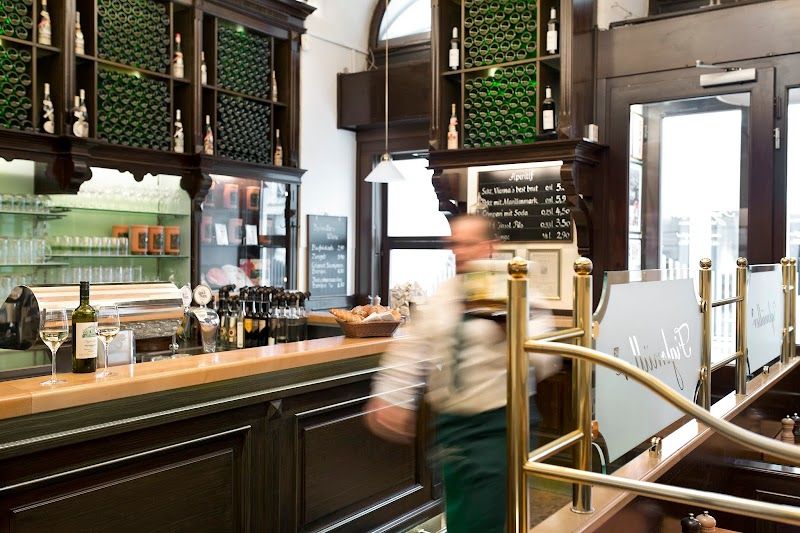
Figlmüller
Figlmüller has been Vienna's undisputed schnitzel champion since 1905, serving comically oversized Wiener Schnitzel that literally cascades over the plate edges. Located steps from St. Stephen's Cathedral in the historic Innere Stadt, this legendary restaurant attracts massive crowds for good reason: their veal cutlets are pounded gossamer-thin, creating an impossibly light, crispy coating when fried in clarified butter. The original Wollzeile location operates Monday to Sunday 11:30am to 10:30pm, though expect queues during peak hours. Reservations are essential, especially for dinner service. The famous Wiener Schnitzel costs around 24 EUR, while pork schnitzel runs about 19 EUR. Portions are genuinely enormous: one schnitzel easily feeds two people, though sharing isn't encouraged during busy periods. The atmosphere buzzes with tourist excitement and local tradition. Wooden tables, vintage photographs, and efficient waitstaff in traditional dress complete the authentic Viennese experience. The schnitzel arrives golden and crispy, accompanied by potato salad and lingonberry sauce. Quality is consistently excellent, justifying the premium price and inevitable wait. Practical tips: arrive early for lunch to avoid crowds, book dinner reservations well ahead, and come hungry since portions are massive. The nearby Bäckerstrasse location offers similar quality with potentially shorter waits. While touristy, Figlmüller delivers an authentic taste of Vienna's culinary heritage that shouldn't be missed despite the premium pricing and crowds.
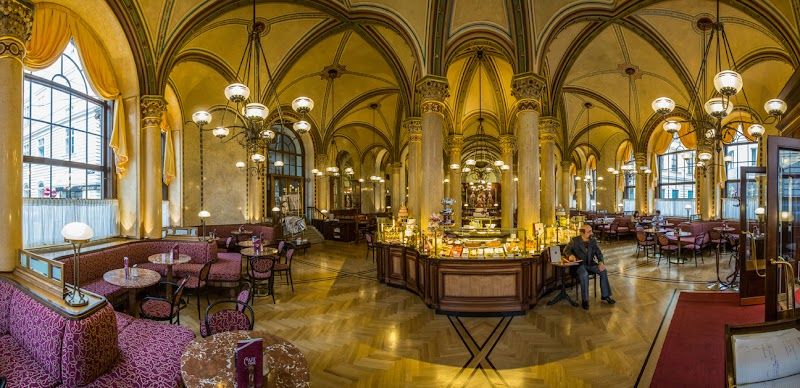
Café Central
Café Central stands as Vienna's most legendary coffeehouse, housed in a magnificent 1876 building with soaring Neo-Gothic arches that create an almost cathedral-like atmosphere. This historic establishment served as the intellectual salon for some of history's most influential figures: Sigmund Freud pondered his theories here, Leon Trotsky plotted revolution over coffee, and poet Peter Altenberg practically lived at table number two (where his life-size papier-mâché figure still sits today). The café operates daily from 7:30am to 10pm, with the house pianist performing classical pieces from 5pm onwards, adding an elegant soundtrack to your visit. The menu features traditional Viennese fare: expect to pay around €15-25 for main dishes like Wiener Schnitzel or Tafelspitz, while the famous Sachertorte costs approximately €6. Coffee drinks range from €4-7, with the Melange being the quintessential choice. What makes Central truly special is its authentic atmosphere: marble-topped tables, bentwood chairs, and newspapers hanging on wooden rods create an unchanged ambiance. The pastry selection is exceptional, particularly the Apfelstrudel served warm with vanilla sauce. Practical tip: arrive before 10am or after 3pm to avoid tourist crowds. Service can be slow, which locals consider part of the authentic coffeehouse experience. Reservations are recommended for weekend visits. While pricier than typical cafés, the historical significance and architectural beauty justify the premium.
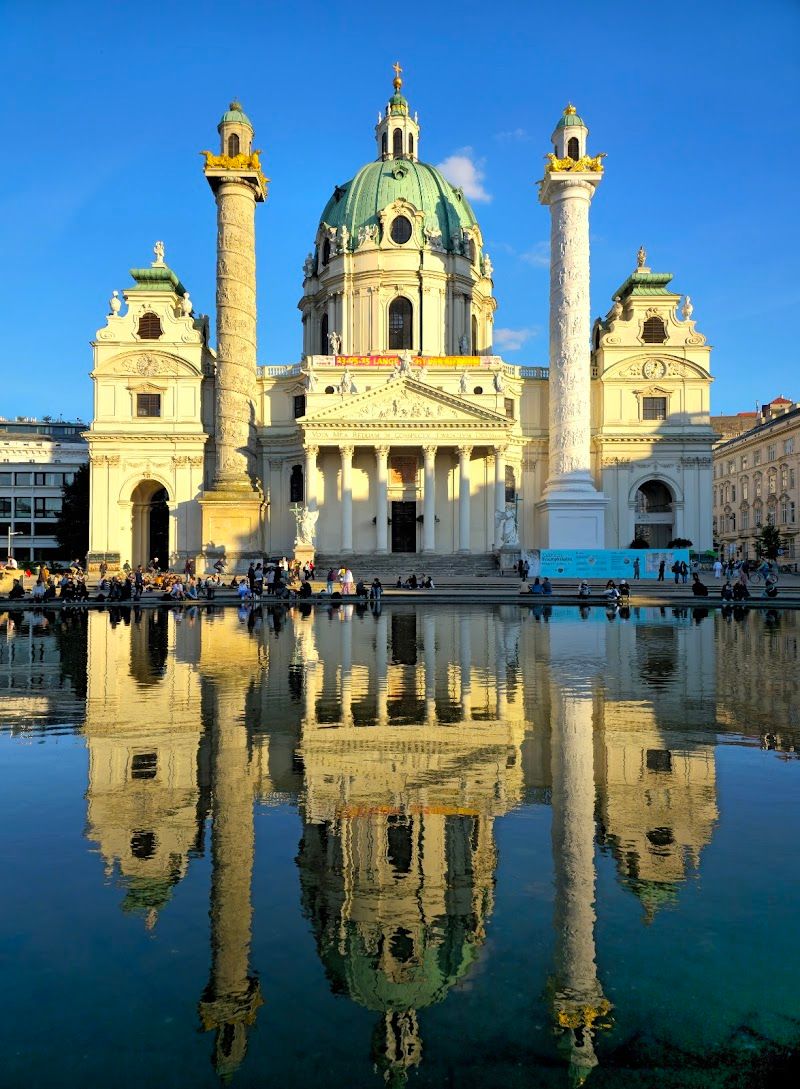
Karlskirche
Karlskirche stands as Vienna's most theatrical baroque church, built by Emperor Charles VI after surviving the 1713 plague. You'll find yourself staring up at a large copper dome painted with Johann Michael Rottmayr's heavenly frescoes, but there's a twist: a glass elevator takes you up inside the dome for eye-level views of angels and St. Charles Borromeo ascending to paradise. The facade features two massive Roman-style columns covered in spiraling reliefs that tell the saint's life story in stone. The experience starts outside where you can properly appreciate those towering columns, before heading into the surprisingly intimate interior. The lift ride up feels slightly surreal, rising through scaffolding and restoration equipment until you emerge at viewing platforms mere feet from 18th-century masterpieces. Classical concerts happen regularly in the evenings, transforming the space from daytime tourist attraction to atmospheric concert hall with excellent acoustics. Most visitors rush through in 30 minutes and miss the point entirely. The dome lift costs €8 and runs until 17:30 (16:30 in winter), so don't arrive late expecting to go up. The audio guide at €4 is mostly generic baroque church information, so it's worth skipping. The real value is spending time on those dome platforms studying the frescoes up close, something impossible in virtually any other historic church.
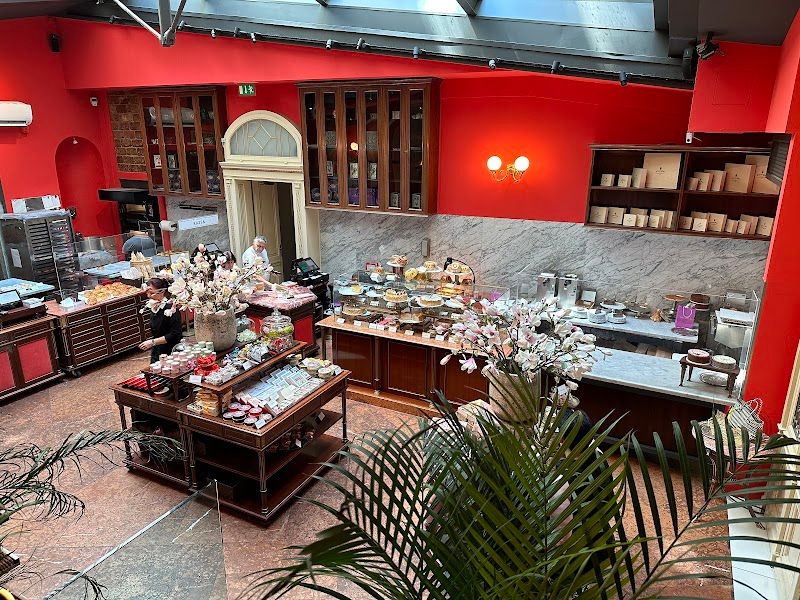
Demel
Step into Vienna's most legendary confectionery, where imperial tradition meets exquisite craftsmanship since 1786. Demel holds the prestigious title of k.u.k. Hofzuckerbäcker (imperial court confectioner), serving Austrian royalty and discerning visitors for over two centuries. The famous rivalry with Hotel Sacher over the original Sachertorte recipe continues today, making this a pilgrimage site for dessert enthusiasts. The baroque interior transports you to imperial Vienna with gleaming crystal chandeliers, elegant marble columns, and ornate details that whisper of Habsburg grandeur. The highlight is watching master confectioners at work through the large window facing Kohlmarkt, where they hand-craft delicate pastries and elaborate cakes using centuries-old techniques. A slice of the legendary Sachertorte costs EUR 6.50, while their signature Anna Torte runs EUR 7.20. Coffee ranges from EUR 4.80 to EUR 6.50, and expect to pay EUR 15-25 for an afternoon coffee and cake experience. The breakfast menu offers Viennese classics for EUR 12-18. Open Monday to Saturday 10:00-19:00, Sunday 10:00-18:00. Arrive early or late to avoid tourist crowds, especially around lunch time. The standing area near the confectionery window offers the best views of cake-making artistry. Service maintains old-world formality, which some find charming while others consider it stiff. The quality justifies premium prices, though portions are modest. Reserve tables upstairs for a more relaxed dining experience away from street-level bustle.
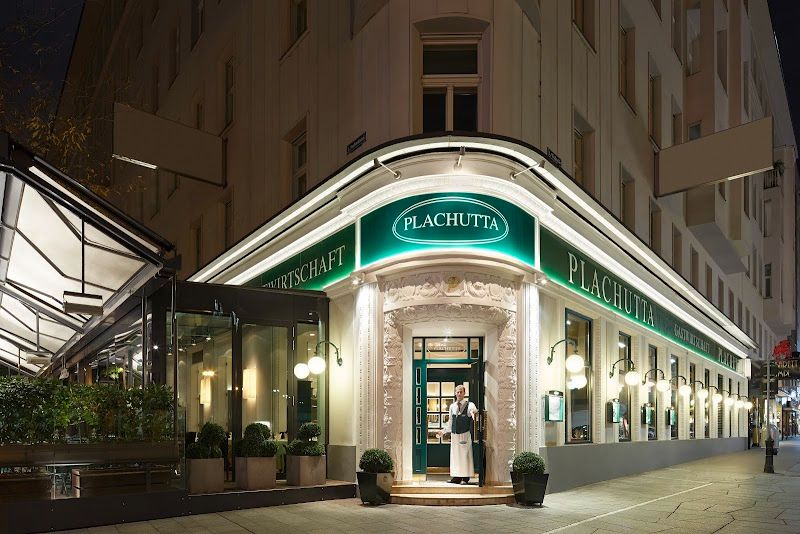
Plachutta Wollzeile
Plachutta Wollzeile stands as Vienna's undisputed temple to Tafelspitz, the boiled beef dish that graced Emperor Franz Joseph's table daily. This legendary restaurant has perfected the art of preparing Austria's national dish using traditional copper pots and century-old techniques passed down through generations. The menu showcases nine distinct cuts of beef, each offering unique textures and flavors. The classic Tafelspitz costs around 24 EUR, while premium cuts like Beinfleisch or Schulterscherzel range from 26 to 32 EUR. Every portion arrives with traditional accompaniments: tangy apple horseradish, creamy chive sauce, and roasted potatoes. The beef broth, clear as crystal and rich in flavor, comes as a starter with liver dumplings or pancake strips. Open Tuesday through Saturday from 11:30 AM to midnight, the restaurant closes on Sundays and Mondays. Reservations are essential, especially for dinner service, as locals and tourists alike flock here for authentic Viennese cuisine. The elegant dining room features dark wood paneling and crisp white tablecloths, creating an atmosphere that balances tradition with comfort. Service follows old-school Austrian standards: formal yet warm, with waiters who know their craft intimately. Portions are generous, expect to spend 35 to 45 EUR per person including soup and dessert. While some find the preparation simple, that's precisely the point: perfect ingredients prepared flawlessly. This isn't fusion cuisine but rather culinary heritage executed at its finest, making it essential for any serious food lover visiting Vienna.
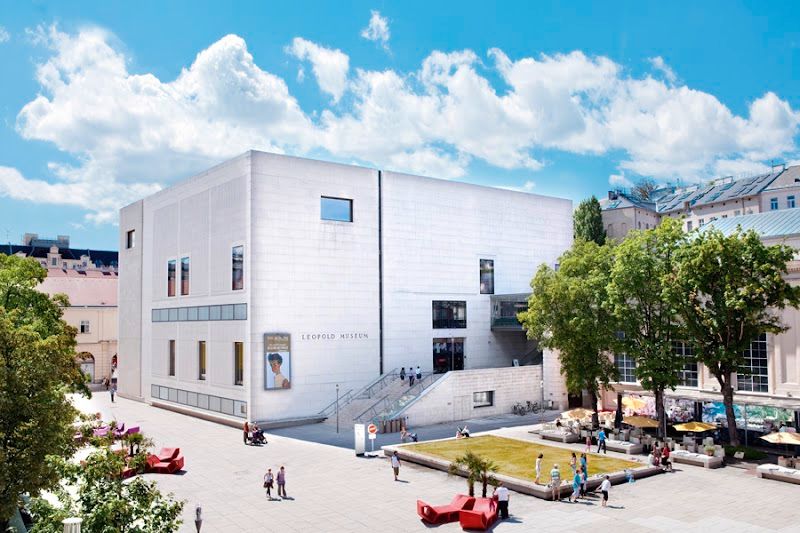
Leopold Museum
The Leopold Museum houses the world's most comprehensive collection of Egon Schiele's raw, sexually charged paintings and drawings, with over 220 works spanning his brief but revolutionary career. You'll also find substantial collections of Gustav Klimt's golden portraits, Oskar Kokoschka's psychological landscapes, and key Vienna Secession pieces that defined Austrian modernism. The stark white cube building lets the art breathe, and the top floor café delivers sweeping views across the MuseumsQuartier's baroque courtyard. Your visit flows chronologically from Vienna 1900 through the collapse of the empire, starting with Klimt's luxurious portraits before moving into Schiele's increasingly desperate self-portraits and nudes. The atmosphere feels contemplative rather than crowded, with spacious galleries that give each piece room to shock or seduce. Schiele's death masks and personal effects add an unexpectedly intimate dimension to rooms filled with his tortured figures and angular landscapes. Most guides oversell the non-Schiele collections, but honestly, you're here for the world's best survey of one artist's obsessions. Skip the basement contemporary exhibitions entirely and spend your time with Schiele's prison drawings and late masterpieces on the upper floors. Standard admission runs EUR 14, but Wednesday evenings drop to EUR 9 after 5 PM when the museum stays open until 9 PM.
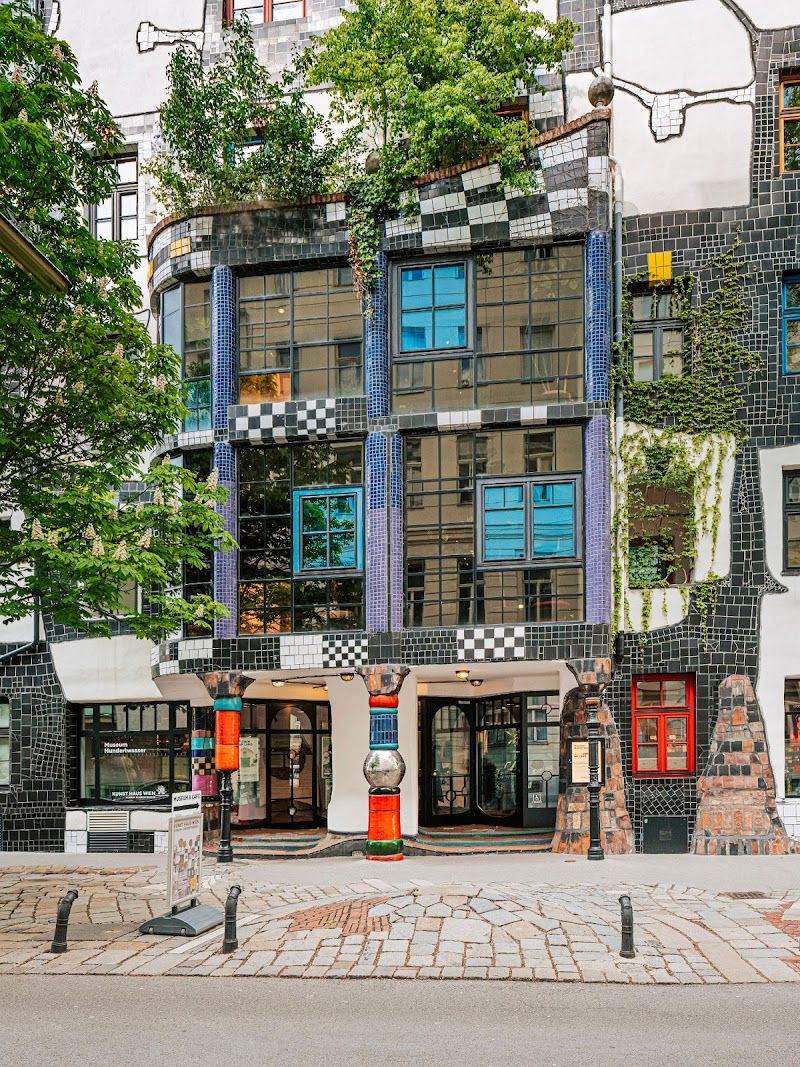
Kunst Haus Wien Museum Hundertwasser
Kunst Haus Wien is where you'll find Austria's largest collection of Friedensreich Hundertwasser's work, displayed inside a building the eccentric artist redesigned himself. You'll walk through rooms with deliberately uneven floors, spot trees growing through windows, and see his philosophy that straight lines don't exist in nature applied to every surface. The permanent collection covers his complete artistic evolution from early paintings to architectural models, plus his environmental manifestos that feel decades ahead of their time. The building itself is half the experience. Your feet constantly adjust to the wavy floors while you navigate rooms where no two windows are the same size or shape. The facade looks like a patchwork quilt of colors and materials, and inside you'll find columns wrapped in ceramics and mosaics covering unexpected surfaces. The atmosphere feels playful yet thoughtful, like stepping into someone's colorful fever dream of how buildings should work. Most people spend too long on the ground floor photography exhibitions and rush the Hundertwasser floors upstairs, but do the opposite. The temporary photo shows are hit or miss, while the permanent collection on floors 2 and 3 is consistently fascinating. Entry costs €12 for adults, and the audio guide (€4 extra) is actually worth it since Hundertwasser's philosophy behind each piece adds context you'd miss otherwise. Skip the gift shop unless you want overpriced prints.
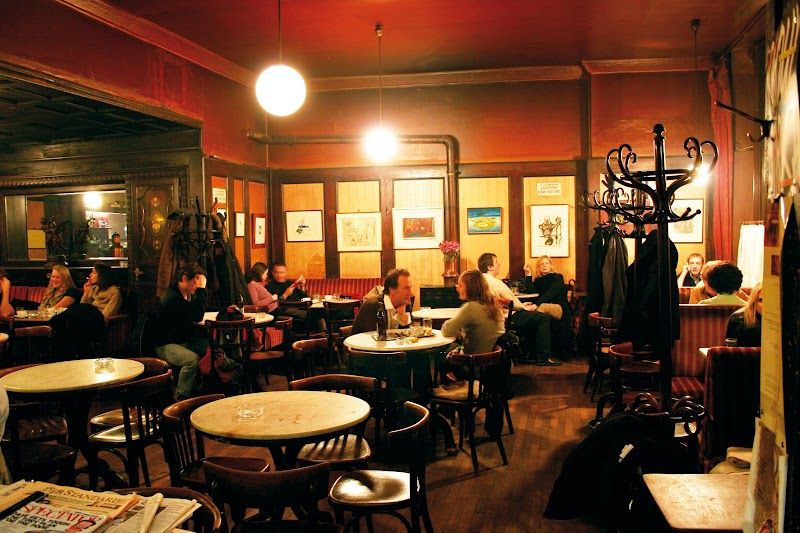
Café Hawelka
Café Hawelka stands as Vienna's most authentic bohemian coffeehouse, a legendary institution that has remained virtually unchanged since opening in 1939. Located in the heart of Innere Stadt, this atmospheric café captures the essence of old Vienna with its worn red velvet banquettes, dimly lit interior, and walls adorned with paintings left by struggling artists who couldn't pay their bills with cash. The café's crown jewel is the famous Buchteln, sweet yeast buns filled with plum jam that have achieved cult status among locals and visitors alike. These legendary pastries are baked fresh every single night after 10pm and typically sell out within 60 minutes, so arrive early for your best chance. A portion costs around 8 EUR and pairs perfectly with their strong, traditional Viennese coffee. Open Monday through Saturday from 8am to 2am (closed Sundays), Hawelka maintains its delightfully chaotic atmosphere throughout the day. The elderly waiters, some who have worked here for decades, move through the cramped space with practiced ease, serving coffee in traditional porcelain cups. Expect to pay 4-6 EUR for coffee specialties. The interior retains its wonderfully shabby charm: nicotine-stained walls, mismatched furniture, and an authentic smokiness that seems embedded in the very fabric of the place. While not the cleanest or most comfortable café in Vienna, Hawelka offers something increasingly rare: genuine, unvarnished authenticity. This is Vienna as it was, not as tourist boards imagine it should be.
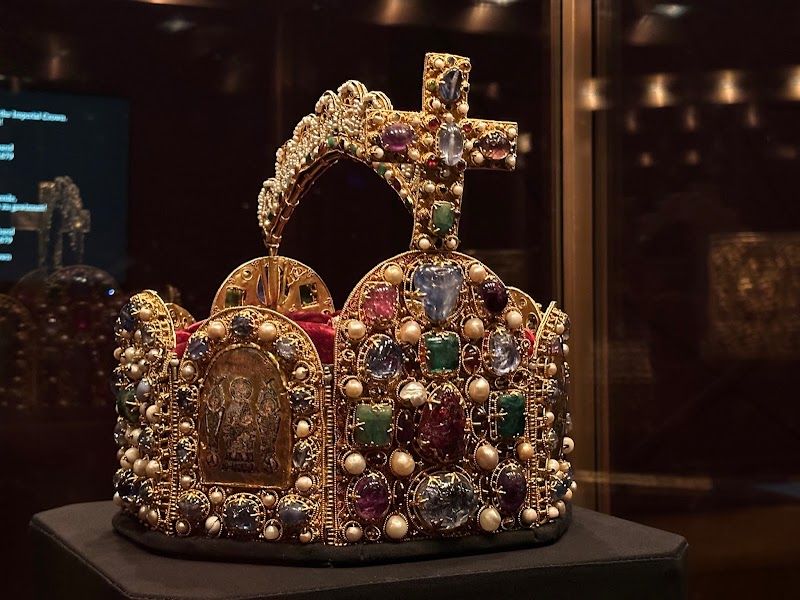
Kaiserliche Schatzkammer Wien
The Imperial Treasury houses the actual crown jewels of the Holy Roman Empire, including the 1,000-year-old Imperial Crown encrusted with uncut sapphires, emeralds, and pearls. You'll see the Holy Lance (supposedly the spear that pierced Christ), Napoleon's cradle made of solid gold, and the world's largest cut emerald at 2,860 carats. The Burgundian rooms display the Order of the Golden Fleece regalia, while Habsburg ceremonial objects span centuries of European power. The treasury feels intimate compared to other Hofburg attractions, with just 21 rooms winding through the palace's medieval core. Dim lighting protects the artifacts but creates an appropriately mysterious atmosphere as you move between display cases of imperial regalia. Room 2 stops most visitors cold: the Imperial Crown sits under spotlights, its medieval craftsmanship somehow more impressive than flashier modern pieces. Audio guides explain the political significance, but honestly, the visual impact speaks for itself. Most guides oversell this as essential Vienna, but it's genuinely fascinating if you're into European history or craftsmanship. Skip the audio guide at 5 EUR, the descriptions are detailed enough. The 14 EUR entrance fee feels steep for 90 minutes, but you're seeing objects that shaped European politics for centuries. Come early or after 3pm to avoid school groups who turn Room 2 into a bottleneck.
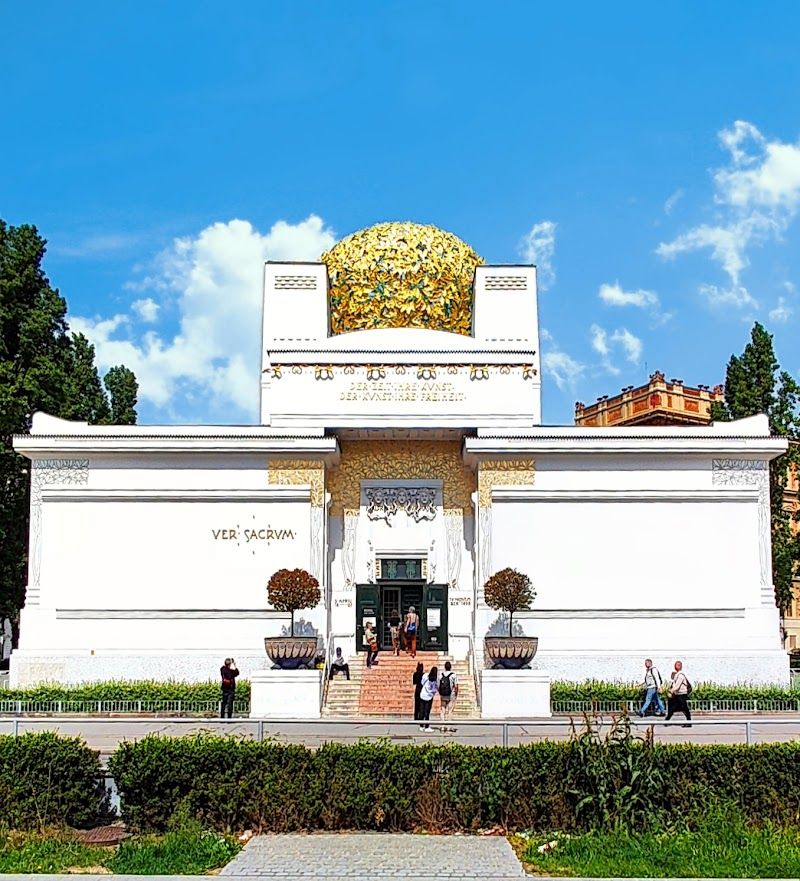
Secession
The Secession is where Vienna's rebel artists made their stand in 1897, breaking away from stuffy academic traditions to create Austria's answer to Art Nouveau. The striking white cube building with its golden dome of laurel leaves houses Gustav Klimt's extraordinary 34-meter Beethoven Frieze in the basement, a swirling masterpiece of symbolism and sensuality that wraps around an entire room. Upstairs, rotating contemporary exhibitions fill the stark white galleries that were revolutionary for their time. You'll enter through the main hall where temporary shows occupy the clean, minimalist spaces the Secession artists designed to let art breathe. The real magic happens when you descend to the basement Beethoven Frieze room, where Klimt's golden figures seem to dance along the walls behind protective glass. The frieze tells the story of humanity's search for happiness through three panels, and you can spend ages decoding the symbolism while other visitors whisper around you in the dimly lit space. Most guides oversell the building's exterior drama but undersell how intimate the Klimt experience actually feels. Entry costs €11 for adults, €8.50 for students, and the whole visit takes about an hour unless you're a serious Klimt obsessive. Skip the audio guide and just absorb the frieze naturally. The temporary exhibitions upstairs can be hit or miss, so don't feel obligated to spend equal time on both floors.
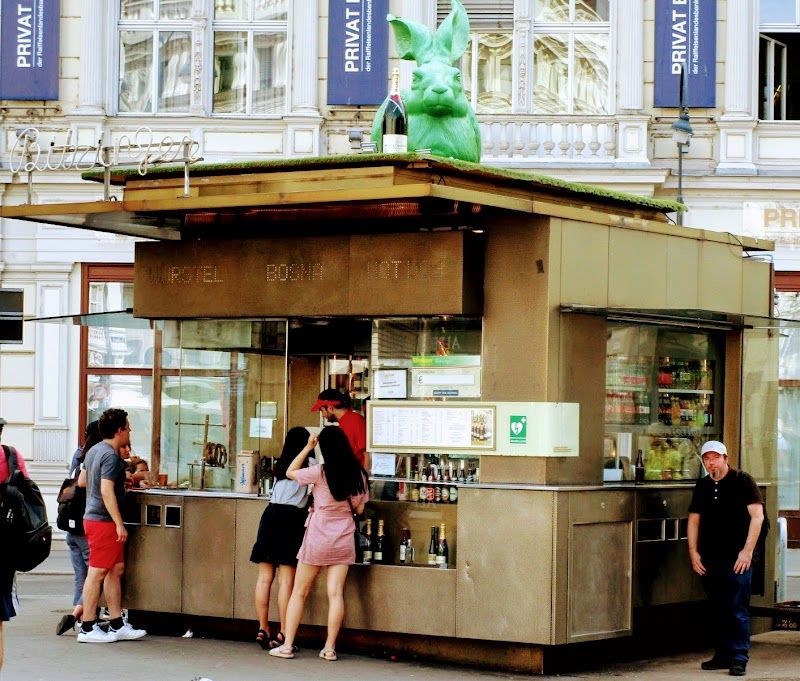
Bitzinger Würstelstand am Albertinaplatz
This legendary sausage stand behind the Vienna State Opera has been serving hungry locals and tourists since 1928, making it an authentic piece of Viennese culinary history. Open 24 hours a day, seven days a week, Bitzinger attracts an extraordinary mix of customers: elegant opera patrons in tuxedos and evening gowns queue alongside construction workers, taxi drivers, and late night revelers. The famous Käsekrainer costs 4.50 EUR, featuring a perfectly grilled pork sausage with molten cheese that oozes out with each bite. Bratwurst runs 3.80 EUR, while the traditional Burenwurst costs 3.60 EUR. All sausages come with crusty bread and your choice of mustard, horseradish, or ketchup. What makes Bitzinger special isn't just the quality sausages grilled to perfection on the outdoor counter, but the democratic atmosphere where social boundaries dissolve over shared appreciation for good street food. The stand gets particularly lively after opera performances when formally dressed patrons emerge for a quick bite before heading home. Service is brisk and no-nonsense, typical Viennese style. Practical tips: arrive hungry since portions are generous, bring cash as cards aren't accepted, and don't expect seating since everyone eats standing at the counter. The experience feels authentically local, making it perfect for travelers seeking genuine Viennese culture beyond tourist restaurants.
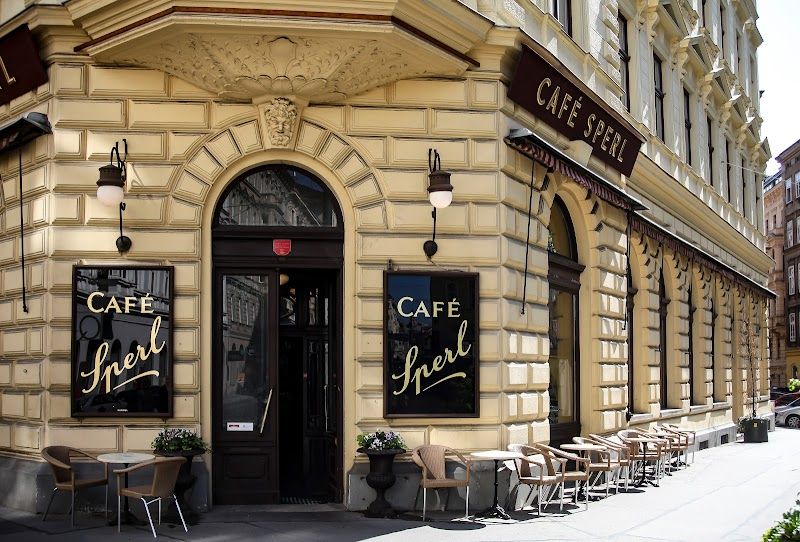
Café Sperl
Café Sperl stands as Vienna's most authentic coffeehouse experience, frozen in time since 1880 with its original marble-topped tables, burgundy velvet banquettes, and iconic Thonet bentwood chairs. The legendary waiters, some serving here for over 30 years, glide between tables in traditional black vests and bow ties, embodying old-world Viennese charm. Open Monday to Saturday 7:00 to 23:00, Sunday 11:00 to 20:00 (closed Sundays in July and August). The star attraction is the daily-made Apfelstrudel (EUR 4.50), served steaming hot with vanilla sauce that perfectly complements the paper-thin pastry. Their Melange coffee (EUR 4.20) arrives on silver trays with the customary glass of water. The Sachertorte (EUR 5.80) rivals the hotel original, while Tafelspitz (EUR 16.90) represents hearty Viennese cuisine at its finest. What makes Sperl magical: original billiard tables from the 1880s still in use, newspapers on wooden rods for leisurely reading, and an atmosphere untouched by modern renovation. The tobacco-stained ceiling and worn marble floors tell stories of countless conversations over centuries. Practical tips: arrive before 10:00 or after 15:00 to avoid tourist crowds. Cash preferred though cards accepted. Service follows traditional Viennese pace, so embrace the slowness. The corner table near the window offers prime people-watching. Expect to share tables during busy periods, it's part of the authentic coffeehouse culture.
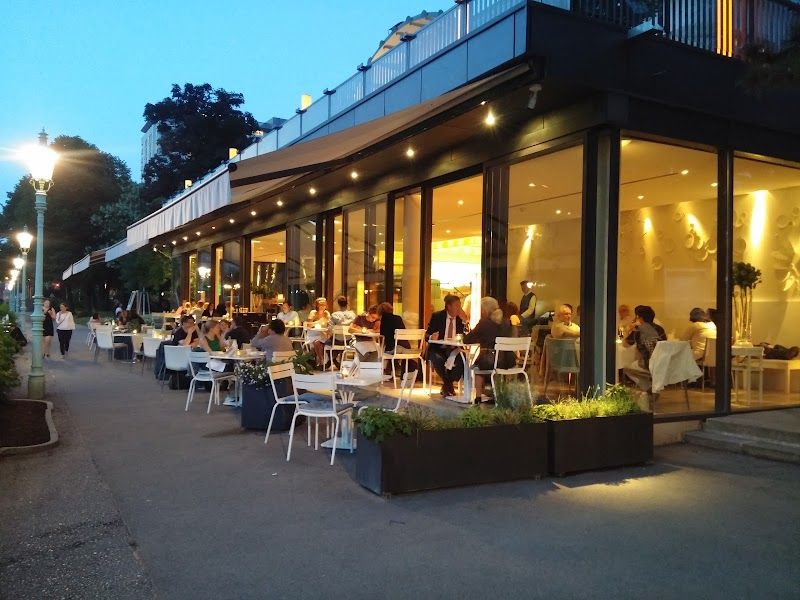
Steirereck
Steirereck stands as Austria's culinary crown jewel, earning two Michelin stars for Chef Heinz Reitbauer's revolutionary approach to traditional Austrian cuisine. Housed in a stunning glass pavilion within the romantic Stadtpark, this restaurant transforms local treasures like Carinthian trout, heritage Mangalitsa pork, and foraged wild herbs into extraordinary avant-garde masterpieces that challenge every preconception about Austrian food. The restaurant operates Tuesday through Friday from 11:30 to 14:00 and 18:30 to 22:00, with weekend service Saturday from 18:30 to 22:00. Expect to invest significantly: lunch menus start around EUR 120, while dinner experiences range from EUR 180 to EUR 280 per person. Wine pairings add another EUR 80 to EUR 150, but the exceptional Austrian wine selection justifies every euro. What makes Steirereck truly special is Reitbauer's obsessive dedication to Austrian terroir. He sources ingredients from specific regions, working directly with farmers and foragers to showcase flavors many Austrians have never experienced. The seasonal menus change constantly, reflecting Austria's natural rhythms with stunning precision. Reserve months ahead through their website or phone. The glass architecture creates a magical dining atmosphere, especially during sunset. While expensive, Steirereck delivers an unforgettable journey through Austria's culinary soul, making it worth the splurge for serious food enthusiasts seeking world-class innovation rooted in authentic local tradition.
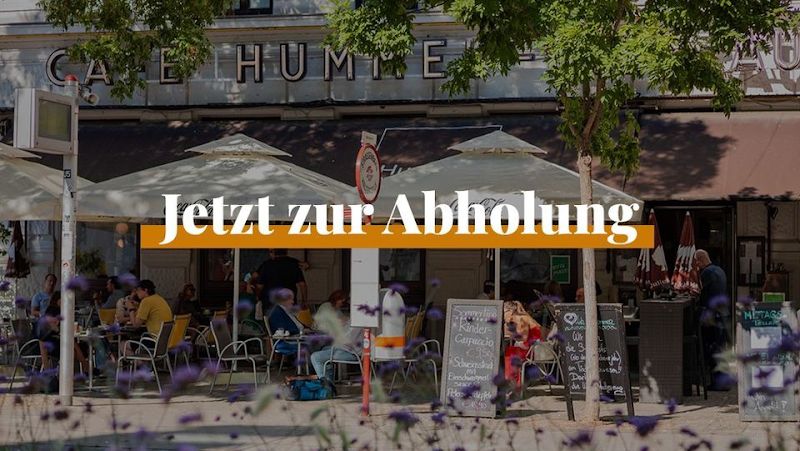
Café Hummel
Café Hummel stands as one of Vienna's most authentic coffeehouses, operating continuously since 1904 in the charming Josefstadt district. This genuine local institution offers refuge from tourist-heavy alternatives while maintaining impeccable Viennese coffeehouse traditions. The interior showcases original Jugendstil architectural details, with dark wood paneling, vintage mirrors, and marble-topped tables that transport visitors back to imperial Vienna. The café excels at breakfast service, offering traditional Austrian fare including fresh Semmel rolls (€2.50), creamy scrambled eggs (€8.90), and house-made jams. Their pastry selection features exceptional Apfelstrudel (€4.20) and Sachertorte (€5.10), all prepared on-site using traditional recipes. Coffee preparation follows classic Viennese methods: expect perfectly crafted Melange (€3.80), Einspänner (€4.20), and Turkish coffee (€3.50). Open Monday through Saturday from 7:00 AM to 7:00 PM, and Sunday 8:00 AM to 6:00 PM, Café Hummel attracts primarily locals, creating an authentic atmosphere where newspapers rustle and conversations flow in German. The service embodies traditional Viennese coffeehouse culture: waiters in formal attire serve with professional efficiency rather than forced friendliness. Visit during mid-morning for the best pastry selection and quieter atmosphere. Afternoon brings a livelier crowd of locals meeting friends. Cash payment preferred, though cards accepted. This represents Vienna's coffeehouse culture at its most genuine, without pretension or tourist pandering.
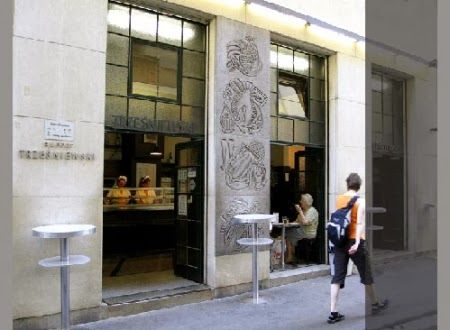
Trzesniewski
This legendary Viennese institution has been serving its famous open-faced sandwiches since 1902, maintaining the same authentic atmosphere that has attracted locals for over a century. The tiny delicatessen operates on a simple concept: 26 varieties of bite-sized Brötchen served on dark pumpernickel bread with creative toppings like egg and anchovy, smoked salmon with horseradish, herring, ham with pickle, and vegetarian options including cucumber with cream cheese. Each sandwich costs approximately 1.20 to 1.80 EUR, making it one of Vienna's most affordable dining experiences. The traditional way to order follows local custom: request six pieces with a Pfiff (0.2L beer for around 2.50 EUR) and eat standing at the original marble counter. The cramped space accommodates maybe 15 people maximum, creating an intimate, bustling atmosphere where conversations flow easily between strangers. Open Monday through Friday from 8:30 AM to 7:30 PM, and Saturday until 6:00 PM, this standing-only establishment closes on Sundays. Arrive during off-peak hours (mid-afternoon) to avoid lunch crowds. The efficient staff works behind glass display cases, assembling orders with practiced precision. What makes Trzesniewski special is its unwavering commitment to tradition. Nothing has changed: same recipes, same counter service, same convivial atmosphere. It represents authentic Viennese culture where business people, tourists, and longtime residents share the same small space. The sandwiches are surprisingly satisfying despite their size, and the quality remains consistently excellent. This is Vienna's most democratic dining experience.
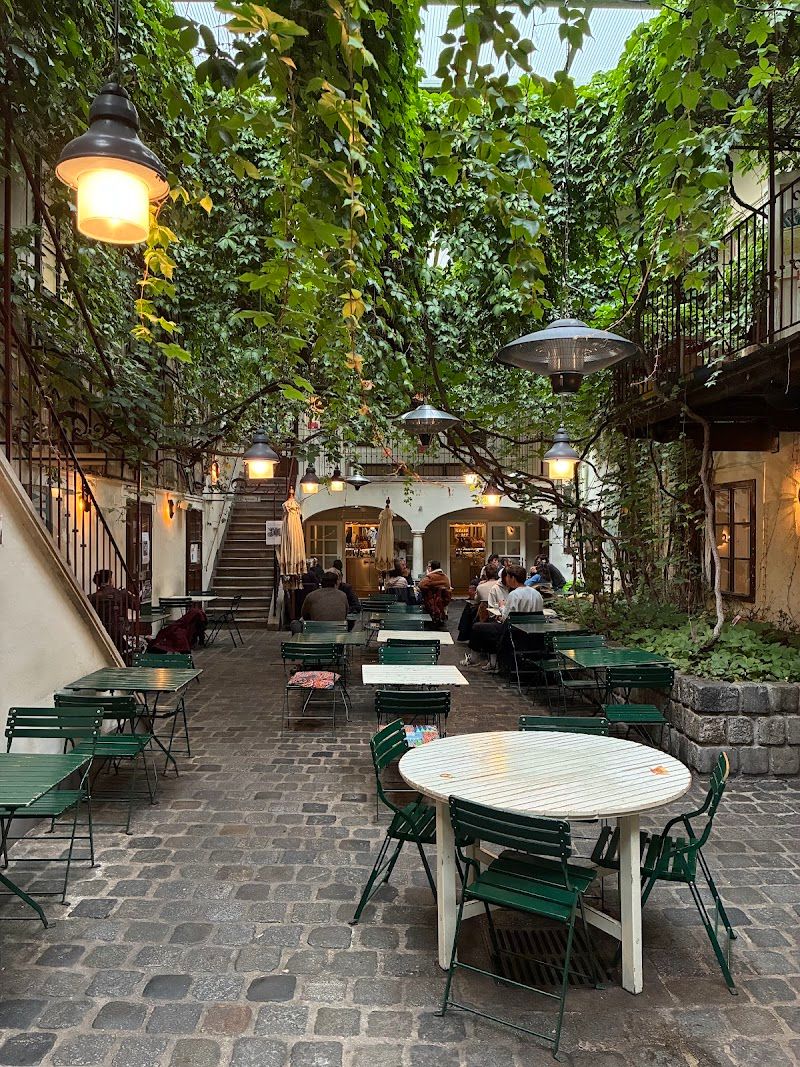
Amerlingbeisl
Amerlingbeisl stands as one of Vienna's most enchanting dining secrets, nestled within a hidden cobblestone courtyard that feels worlds away from the bustling MuseumsQuartier streets. This atmospheric restaurant occupies a beautifully preserved historic building where ivy-covered walls and ancient stonework create an almost fairy-tale ambiance. The charming outdoor garden, shaded by old trees and adorned with romantic lighting, transforms into a magical dining space during warmer months. The menu skillfully balances traditional Viennese cuisine with international influences. Expect to pay EUR 14-22 for main courses like perfectly prepared Wiener Schnitzel or tender beef goulash with dumplings. Their dessert selection, including classic Sachertorte at EUR 6, maintains authentic Austrian flavors. Wine selections feature excellent Austrian varietals starting around EUR 4 per glass. Open Tuesday through Sunday from 11:30am to midnight (closed Mondays), Amerlingbeisl attracts a sophisticated mix of locals and discerning visitors. The interior dining rooms, with their exposed beams and cozy nooks, provide intimate alternatives during winter months. Reservations are essential, especially for weekend dinners and summer garden seating. Service can be leisurely by international standards, reflecting Vienna's coffee house culture where lingering is encouraged. While prices reflect the prime location and romantic setting, the unique atmosphere and consistently good food justify the cost. This hidden gem delivers an authentically Viennese experience that larger tourist restaurants simply cannot match.
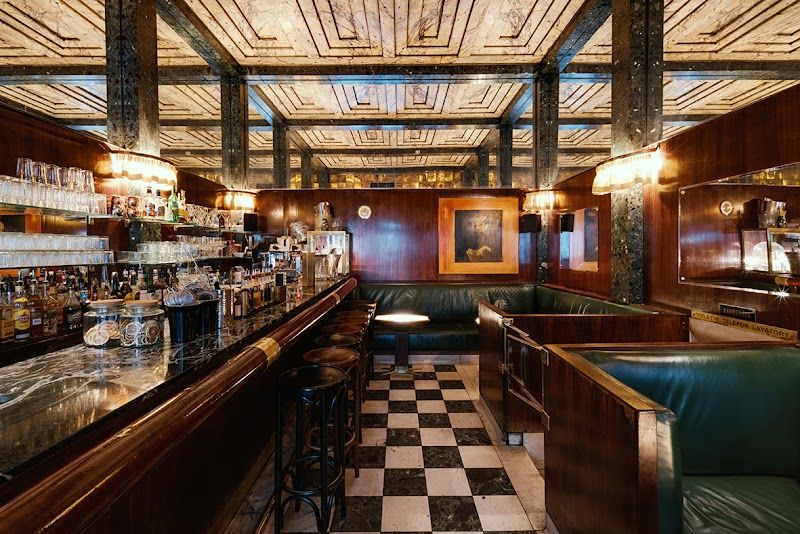
Loos American Bar
Step into Vienna's legendary Loos American Bar, a masterpiece of early 20th-century design compressed into just 27 square meters of pure architectural brilliance. Created by Adolf Loos in 1908, this intimate cocktail haven showcases the architect's revolutionary approach to spatial design through strategically placed mirrors and rich mahogany panels that create an optical illusion of grandeur within impossibly tight quarters. The bar operates Tuesday through Saturday from 6 PM to 4 AM, with Sunday and Monday hours from 6 PM to 2 AM. Cocktails range from €12 to €18, reflecting the premium ingredients and meticulous craftsmanship that define every drink. The skilled bartenders, working in synchronized precision behind the narrow bar, prepare classic cocktails like Martinis, Manhattans, and Negronis with theatrical flair. With seating for only 20 guests, securing a spot requires strategy. Reservations are highly recommended for peak hours, or arrive right at opening for the best chance of snagging one of the coveted red leather banquettes. The acoustics amplify conversations, creating an unexpectedly lively atmosphere despite the compact dimensions. What makes this bar truly special is experiencing how Loos manipulated space through design psychology. The ceiling mirrors double the apparent height, while the warm lighting and polished surfaces create depth that defies the room's actual size. It's simultaneously claustrophobic and expansive, a contradiction that perfectly embodies Viennese sophistication. This isn't just a bar; it's an immersive lesson in architectural genius.
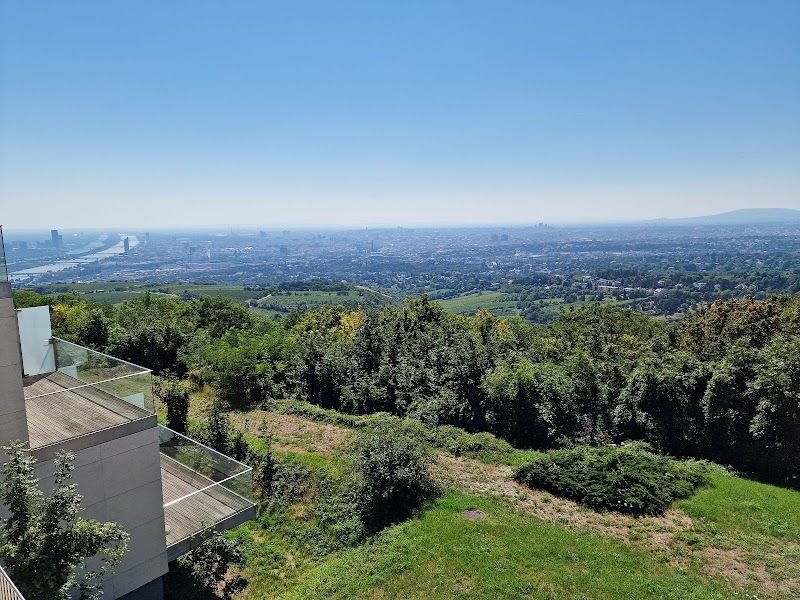
Kahlenberg
Kahlenberg sits 484 meters above Vienna's northern edge, delivering the city's most spectacular panoramic views without the tourist crowds of Schönbrunn or the Prater Tower. You'll see all of Vienna spread below, the Danube snaking east toward the Carpathian Mountains, and on clear days, the Alps rising to the south. The baroque church at the summit commemorates the 1683 Battle of Vienna, where Polish King Jan Sobieski's forces broke the Ottoman siege from this exact spot. Vineyards cover the slopes, and hiking trails connect to neighboring Leopoldsberg through Vienna Woods. The summit feels remarkably peaceful despite being just 30 minutes from central Vienna. You'll find locals sipping wine at the restaurant terrace, hikers refueling after climbs through the Vienna Woods, and photographers waiting for golden hour shots over the city. The church stays open for quick visits, but most people come for the wraparound terrace views and the surprisingly good Heuriger restaurant. Weekend afternoons bring families and couples, but it never feels overcrowded like other Vienna viewpoints. Most guides don't mention that the restaurant charges €4.50 for a small beer and €6.80 for basic schnitzel, making it pricey for what you get. Skip the church interior unless you're particularly interested in baroque religious art. The best photos come from the terrace behind the restaurant, not the main viewing platform where everyone clusters. Come after 3pm when the light softens and stay until sunset if weather permits.
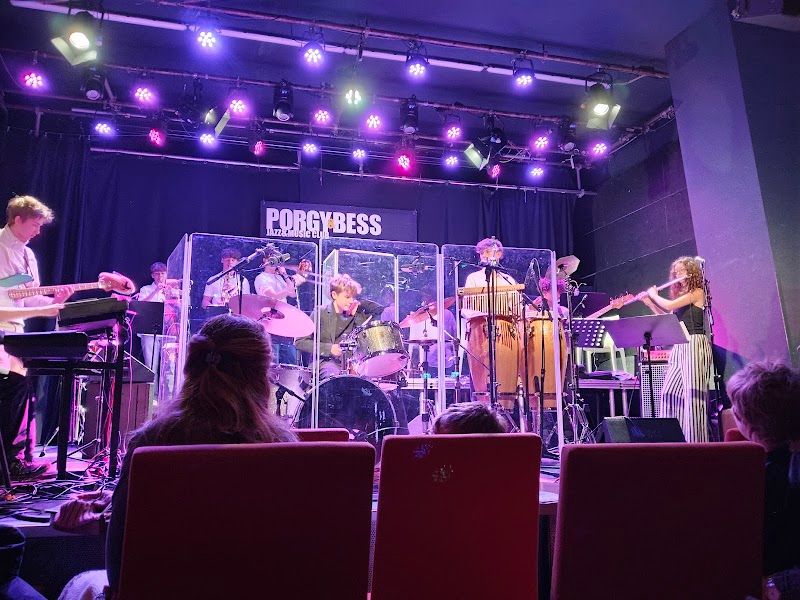
Porgy & Bess
Porgy & Bess stands as Vienna's most respected jazz venue, tucked into the atmospheric Stadtbahnbogen railway arches near Karlsplatz in the heart of the city. This underground club transforms industrial architecture into an intimate musical sanctuary, hosting approximately 300 concerts annually that span from traditional jazz legends to cutting-edge electronic experimentalists. The venue's acoustics are genuinely exceptional, thanks to the natural reverberation of the brick vaulted ceilings combined with a professional-grade sound system that audiophiles will appreciate. The intimate 200-person capacity means every seat offers an excellent view of the performers, creating an almost living room atmosphere where you can practically feel the musicians' energy. Concert tickets typically range from 15 to 45 EUR depending on the artist, with most shows starting between 20:30 and 21:30. The bar serves quality cocktails from 8 to 15 EUR and local beers around 4 to 6 EUR, staying open until 2:00 AM or later depending on the night's programming. What sets Porgy & Bess apart is its fearless programming: you might catch a bebop quartet one night and an avant-garde electronic duo the next. The venue attracts serious music lovers rather than casual party-goers, so expect an attentive, respectful audience. Practical tip: arrive 30 minutes early for popular shows as seating is first-come, first-served. The location is easily accessible via U1, U2, or U4 to Karlsplatz. Book tickets online in advance for weekend performances, as sellouts are common for acclaimed international acts.
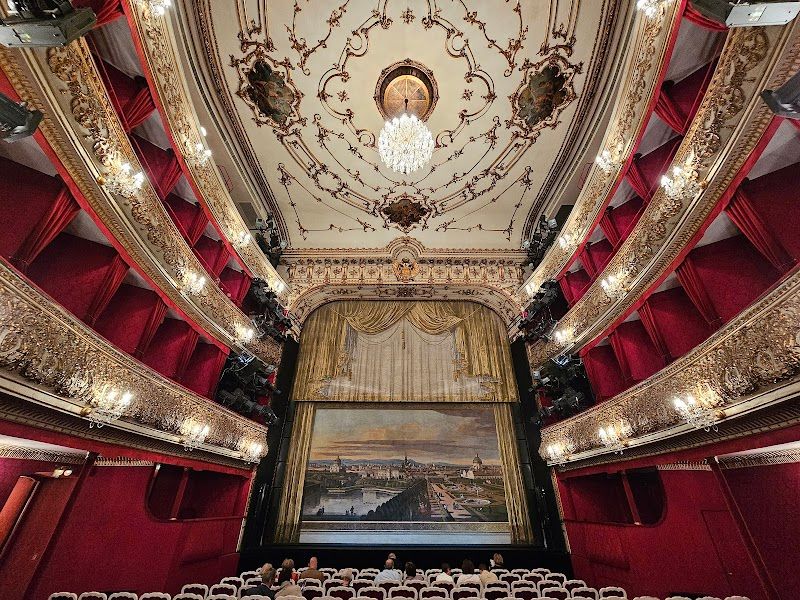
Theater in der Josefstadt
Theater in der Josefstadt sits in a beautifully preserved baroque building that's been staging German-language theater since 1788. You'll watch Austria's finest actors perform everything from Nestroy comedies to contemporary Austrian premieres in an intimate 600-seat auditorium with original 18th-century details. The theater's claim to fame includes Beethoven conducting his overture here in 1822, and today it remains Vienna's go-to venue for serious German theater. The experience feels refreshingly intimate compared to Vienna's grand opera houses. You'll enter through a modest street-level lobby that opens into a jewel box theater with three tiers of red velvet seats. The acoustics are exceptional from anywhere in the house, and the close quarters mean you can see every facial expression. Intermissions happen in a small bar area where locals discuss the performance over wine and schnaps. Tickets range from €15 for upper balcony to €45 for orchestra seats, making this Vienna's most affordable quality theater. Most tourists skip it entirely because performances are in German, but the acting is so strong you'll follow along even without perfect language skills. Book directly through their website to avoid fees, and avoid the cramped second balcony unless you're on a tight budget.
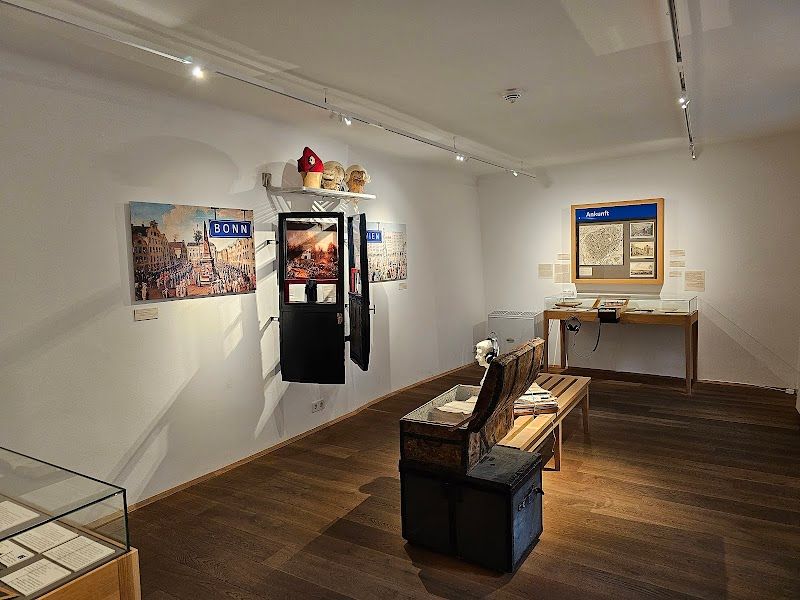
Beethoven Museum Heiligenstadt
Step into the museum housed in the actual residence where Ludwig van Beethoven lived during the crucial summer of 1802. Located in the Heiligenstadt district, this small but profoundly significant museum occupies the very rooms where Beethoven penned his famous Heiligenstadt Testament, a heart-wrenching letter to his brothers revealing his despair over his increasing deafness. The museum opens Tuesday through Sunday from 10:00 to 13:00 and 14:00 to 18:00, closed Mondays. Adult admission costs EUR 5, with reduced tickets at EUR 4 for students and seniors. The compact exhibition focuses on this pivotal period in Beethoven's life, displaying original manuscripts, personal letters, and period furniture that recreate the atmosphere of early 19th century Vienna. What makes this museum special is its authentic setting and emotional resonance. You can stand in the actual room where Beethoven contemplated suicide before finding renewed purpose in his music. The exhibition thoughtfully explores how this rural retreat influenced his creativity, leading to masterpieces like the Second Symphony. Visit during weekday mornings for a more contemplative experience. The museum is small, requiring about 45 minutes for a thorough visit. Audio guides are available in multiple languages for EUR 2. Combine your visit with a walk through Heiligenstadt's wine taverns and the nearby Beethoven Path. While modest in size, this museum offers a moving and personal encounter with musical genius that allows visitors to connect with Beethoven's experiences in a unique way.
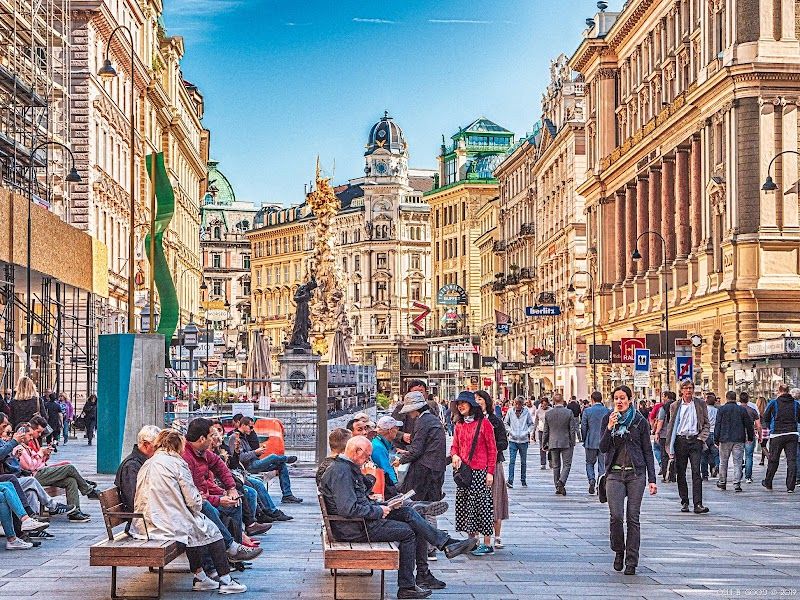
Graben
Graben stands as Vienna's most prestigious shopping boulevard, where centuries of imperial grandeur meet modern luxury retail. This elegant pedestrian street stretches between Kohlmarkt and Stephansplatz, lined with spectacular Baroque facades that house flagship stores of renowned brands like Swarovski, Manner, and traditional Viennese jewelers. The ornate architecture creates a museum-like shopping experience, with elaborate window displays that transform into winter wonderlands during Christmas season. At the street's heart rises the magnificent Pestsäule (Plague Column), an intricate Baroque monument commemorating Vienna's survival of the plague. This towering sculpture serves as both historical landmark and popular meeting point for visitors exploring the area. Shopping here ranges from accessible souvenirs at Manner (famous wafer cookies from €3) to high-end jewelry and crystal pieces reaching hundreds of euros at Swarovski and local artisans. Traditional Austrian clothing stores offer quality dirndls and lederhosen starting around €150. Most shops open Monday through Saturday 10:00 to 19:00, with extended hours during holiday seasons. The cobblestone street buzzes with street performers, particularly classical musicians who add authentic Viennese atmosphere. Early morning visits (before 11:00) offer the best photo opportunities with fewer crowds, while evening strolls showcase beautifully illuminated storefronts. Honestly, prices reflect the premium location, but the architectural splendor and quality craftsmanship justify browsing even for budget travelers. The street connects seamlessly to nearby attractions, making it perfect for combining shopping with sightseeing in Vienna's historic core.
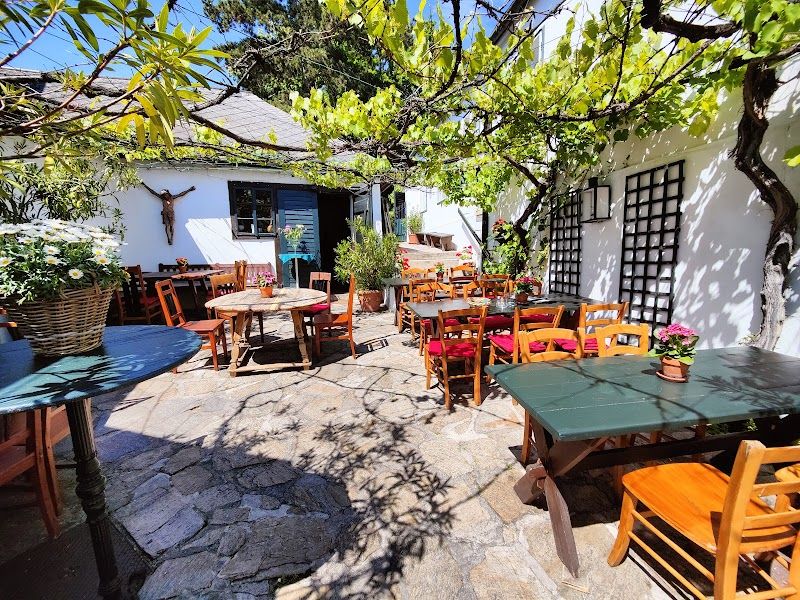
Heuriger Zimmermann
Heuriger Zimmermann stands as one of Vienna's most authentic wine taverns, family-operated since 1860 in the picturesque Grinzing district. This traditional establishment offers an genuine alternative to the more commercialized heurigen nearby, maintaining old-world charm without sacrificing quality. The tavern opens Tuesday through Sunday from 3:00 PM to midnight, closed Mondays except during peak season. Their rustic garden courtyard becomes magical during summer evenings, with wooden tables under chestnut trees and traditional accordion music on weekends. The atmosphere feels genuinely local, attracting Viennese families alongside discerning visitors. The Zimmermann family produces excellent wines from their own vineyards, particularly noteworthy Grüner Veltliner and Riesling. Wine prices range from 3.50 to 5.80 EUR per glass, with bottles starting at 18 EUR. The traditional buffet features homemade specialties including schmalzbrot, leberwurst, and hearty goulash. Expect to pay 8 to 15 EUR per person for a satisfying meal. What sets Zimmermann apart is its unpretentious authenticity. The interior maintains original wooden furnishings and wine barrels, while service remains refreshingly unhurried. The quality consistently exceeds tourist-focused competitors, though English-speaking staff can be limited. Practical tip: arrive before 6 PM for better table selection, especially in the coveted garden area. Cash is preferred, and reservations are recommended for groups over four. The 38A bus from the city center stops nearby, making access convenient without driving.
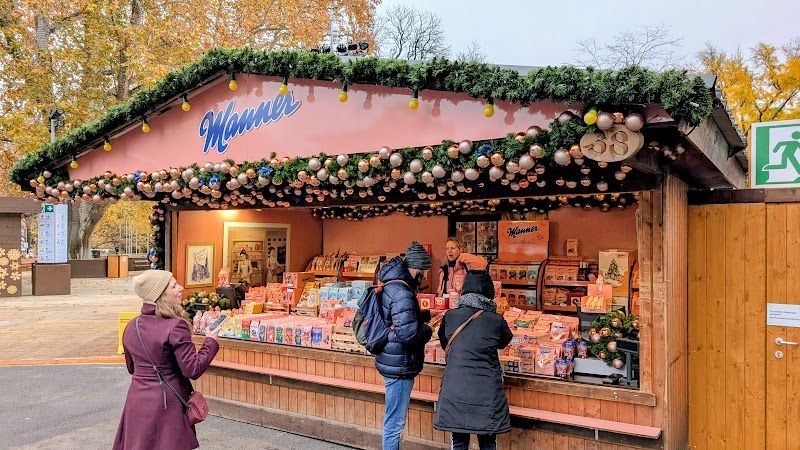
Wiener Christkindlmarkt Rathausplatz
Vienna's largest and most enchanting Christmas market transforms Rathausplatz into a winter wonderland from mid-November through December 26. This iconic market features over 150 wooden stalls arranged around the magnificent Gothic Revival City Hall, creating an atmospheric backdrop that epitomizes Austrian holiday tradition. The market excels in authentic craftsmanship, offering hand-carved ornaments (€8-25), traditional wooden toys (€12-40), and quality woolen goods (€15-60). Food stalls serve essential seasonal treats: steaming Glühwein costs €4-6 (€2 mug deposit), hearty Kartoffelpuffer runs €6-8, and roasted chestnuts sell for €4 per bag. The famous Lebkuchen hearts range from €3-12 depending on size and decoration. What truly sets this market apart is the magical ice skating experience winding through Rathauspark. The illuminated skating trail (€8 adults, €6 children, skate rental €4) meanders between towering trees adorned with thousands of twinkling lights, creating an almost fairytale atmosphere unique among European Christmas markets. Operating hours run Monday through Thursday 10:00-21:30, Friday and Saturday until 22:00, and Sunday 10:00-21:00. Visit weekday evenings after 18:00 for smaller crowds while maintaining the festive ambiance. The market can feel overwhelmingly touristy during peak weekend afternoons, but the quality remains consistently high. Honest assessment: while pricier than neighborhood markets, the spectacular setting and comprehensive offerings justify the premium. The combination of traditional market charm with the innovative skating trail creates an unforgettable Vienna holiday experience that delights both children and adults.
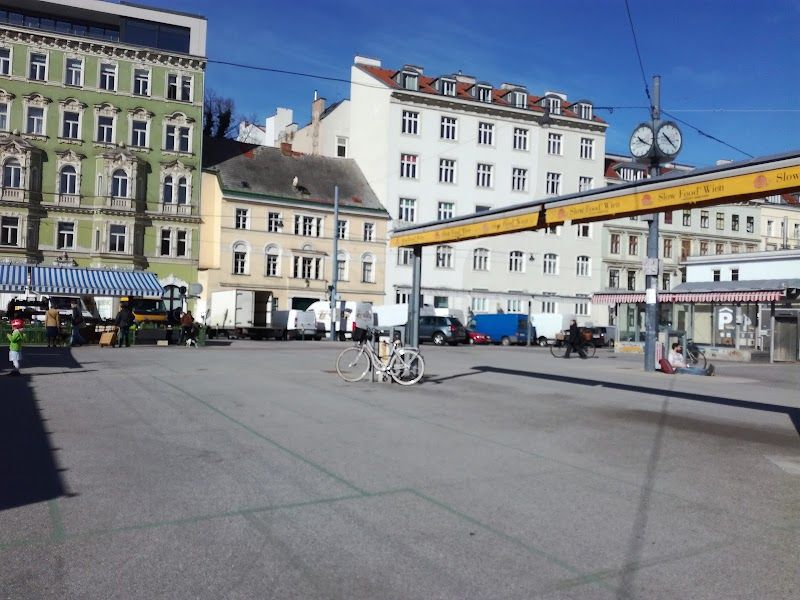
Karmelitermarkt
Karmelitermarkt is Vienna's most authentic neighborhood market, operating since 1671 in a cobblestone square that feels like a village center. You'll find about 20 permanent stalls selling exceptional produce, artisanal cheeses, fresh flowers, and local specialties like Zotter chocolates and organic honey. The surrounding cafés serve proper Viennese coffee and pastries to locals who've shopped here for decades, creating an atmosphere that's genuinely Austrian rather than tourist-focused. The market flows around a central square where vendors call out daily specials in German and broken English. You'll hear opera playing from the flower stall while the cheese vendor offers generous samples of alpine varieties. The pace is unhurried: locals chat with stallholders they've known for years, kids run between the stalls, and café patrons linger over newspapers. It's ten minutes from Schwedenplatz but feels worlds away from tourist Vienna. Most travel guides barely mention Karmelitermarkt, which keeps it refreshingly local. Prices beat Naschmarkt by about 30% for comparable quality. The flower stalls offer stunning bouquets for €8-12 versus €15-20 elsewhere. Skip the small prepared food section, it's overpriced and mediocre. Focus on the produce vendors on the north side and definitely hit the chocolate stall for free samples of flavors you won't find anywhere else.
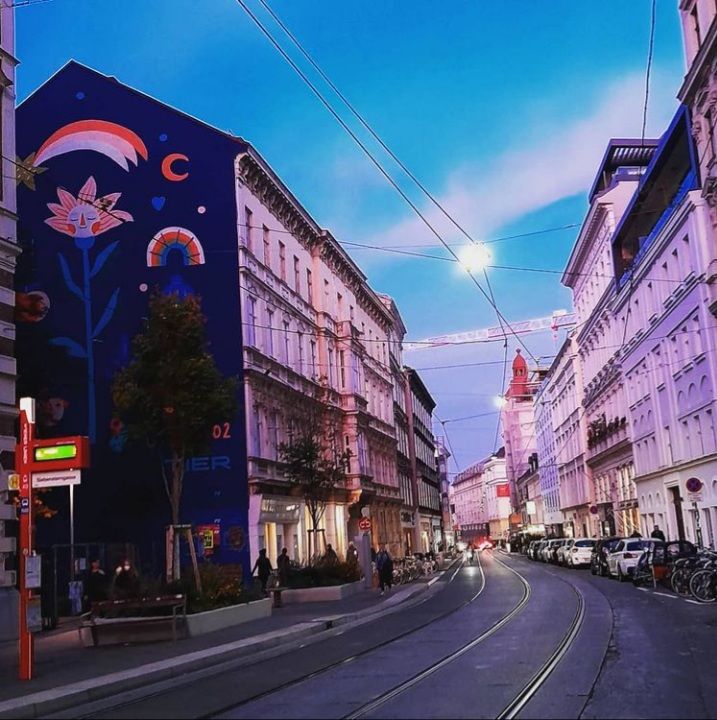
Neubaugasse
Neubaugasse stretches through Vienna's 7th district as the city's most concentrated strip of independent design boutiques and concept stores. You'll find Austrian designers selling handmade ceramics, vintage furniture dealers with carefully curated mid-century pieces, and small fashion ateliers where owners often work in the back while you browse. The street mixes established shops like Kommod (known for Scandinavian homewares starting around €25) with rotating pop-ups and gallery spaces. Walking the street feels like browsing through Vienna's creative community's living room. Most shops occupy narrow storefronts in 19th-century buildings, creating intimate spaces where you can actually talk to owners about their products. You'll smell coffee roasting at local spots like Kaffemik, hear jazz spilling from natural wine bars, and see locals stopping to chat with shopkeepers they know personally. The pace is deliberately slow, encouraging you to linger and discover. Most travel guides oversell the entire length, but focus on the stretch between Westbahnstrasse and Siebensterngasse for the best concentration of interesting shops. Many boutiques close Mondays, and weekend crowds can make the narrow spaces feel cramped. Prices run higher than mainstream shopping streets, expect €40-80 for clothing pieces and €15-35 for small homewares, but the quality and uniqueness justify the cost.
Stadtbahnbögen
Historic railway arches beneath the U6 metro line transformed into a vibrant strip of trendy bars, restaurants, and shops. These atmospheric brick vaults house everything from craft beer bars to vintage boutiques and ethnic restaurants. The industrial-chic setting makes it a popular evening destination for locals.
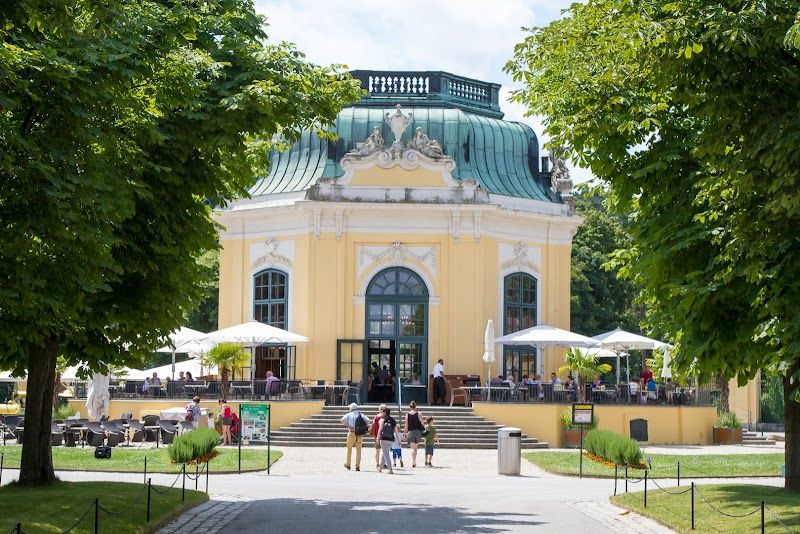
Schonbrunn Zoo (Tiergarten)
Schonbrunn Zoo is the oldest zoo in the world (1752) and genuinely one of the best. Founded as the imperial menagerie by Emperor Franz I, it has evolved into a modern conservation-focused zoo with naturalistic enclosures that do not feel depressing. The giant pandas are the star attraction (one of the few European zoos with giant pandas). The rainforest house, the aquarium, and the big cat enclosures are highlights. The zoo sits in the grounds of Schonbrunn Palace, so you can combine the two. EUR 24 adults, EUR 18 children 6-18, free under 6. Allow 3-5 hours.
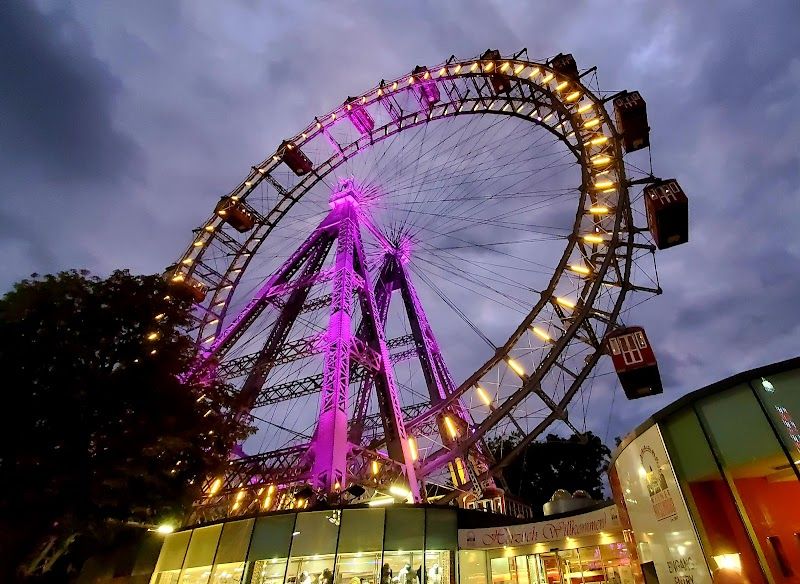
Prater & Riesenrad
The Prater is Vienna's great public park and the Riesenrad (Giant Ferris Wheel, EUR 13.50) is its icon. The Ferris wheel has been turning since 1897, survived two world wars, appeared in The Third Man, and gives a slow, creaking, beautiful view of Vienna from 65 metres. The Wurstelprater amusement park surrounds it: roller coasters, dodgems, ghost trains, and the kind of old-school rides that feel nostalgic even if you have never been before. But the Prater is much more than the amusement park. The Hauptallee is a 4.4 km straight avenue through chestnut trees, perfect for running, cycling, or walking. The park extends to 6 square kilometres of meadows, woods, and sports facilities. Entry to the park and amusement area is free; you pay per ride.
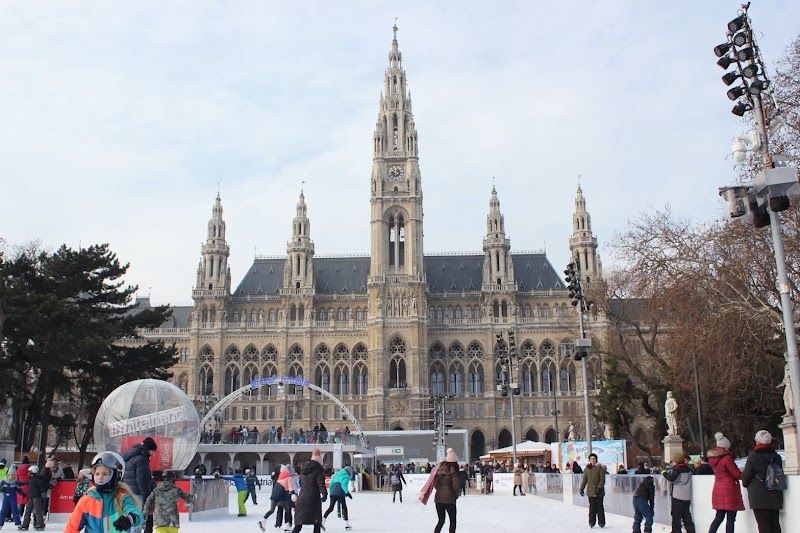
Rathausplatz
Vienna's City Hall square gives you front-row seats to the city's most theatrical Gothic Revival building, complete with a 98-meter spire that dominates the skyline. You'll spend most of your time photographing the ornate facade and exploring whatever seasonal attraction has taken over the massive square: ice skating from January through March, outdoor cinema screenings during summer, or the famous Christmas market with 150+ stalls from mid-November through December. The Rathaus itself offers free interior tours three times weekly, revealing council chambers and ceremonial halls most tourists never see. The square feels different depending on when you visit, but the building's fairy-tale silhouette remains constant. During market season, you'll weave through crowds sipping glühwein (€4-5 per mug) while vendors hawk handmade ornaments and roasted chestnuts. Summer brings a more relaxed vibe with food trucks, outdoor screenings, and locals lounging on the grass. The building's nighttime illumination turns golden after sunset, creating Vienna's most photogenic backdrop regardless of season. Most visitors only snap photos from the main entrance, but the best views come from the park benches along the building's sides where you can frame the spire without crowds. Skip the overpriced market food and grab coffee at Cafe Landtmann across the street instead. The Christmas market gets impossibly packed after 6 PM, so visit before 4 PM or accept that you'll be shuffling rather than walking.
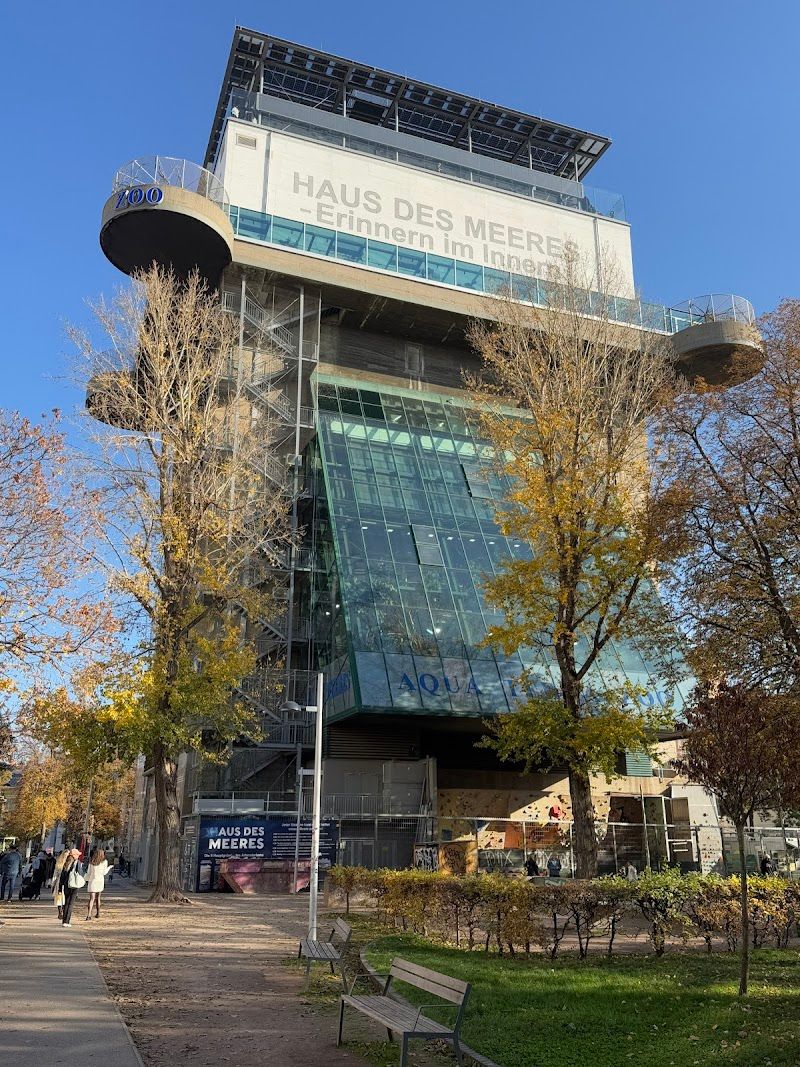
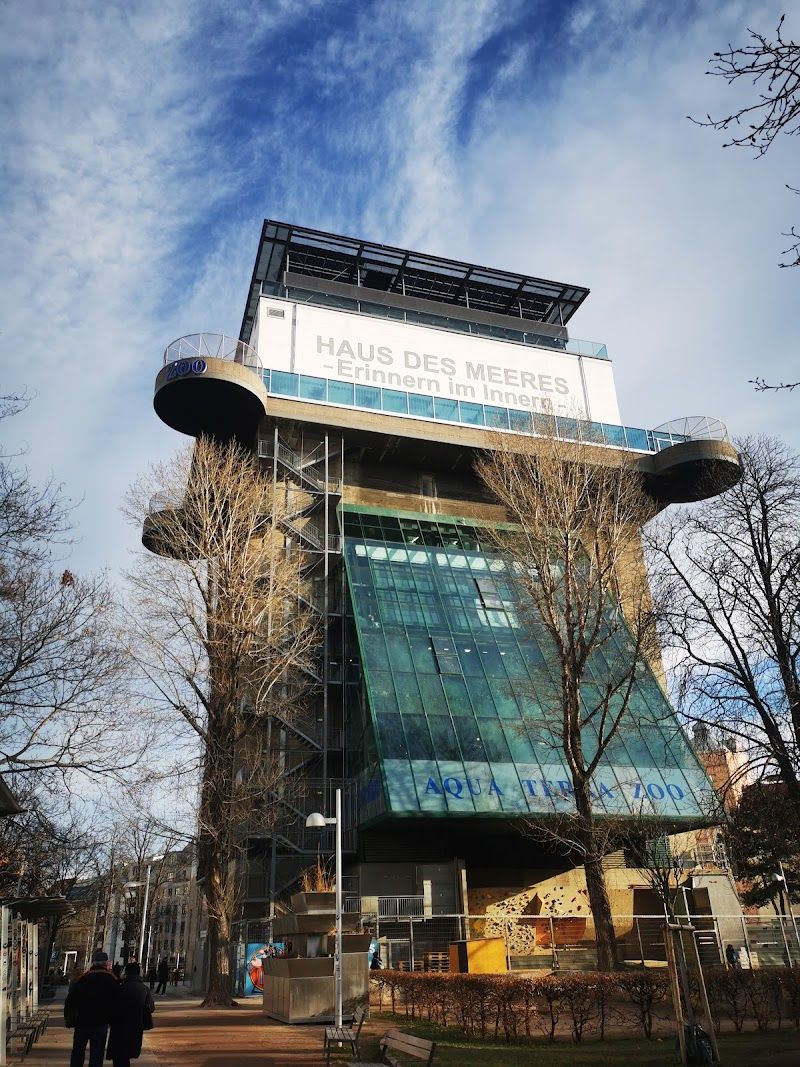
Haus des Meeres
Haus des Meeres is an aquarium and terrarium built inside a WWII flak tower in Mariahilf. The tower itself is a stark concrete anti-aircraft fortress from 1944, and the contrast between the brutalist exterior and the tropical fish inside is surreal. The shark tank, the tropical house (with free-flying birds and crocodiles), and the monkey section are the highlights. But the real reason to visit is the rooftop: 360-degree panoramic views of Vienna from a platform on top of the tower, with a cafe and bar. EUR 11 adults, EUR 6 children. The tower exterior still has original WWII-era murals and a climbing wall.
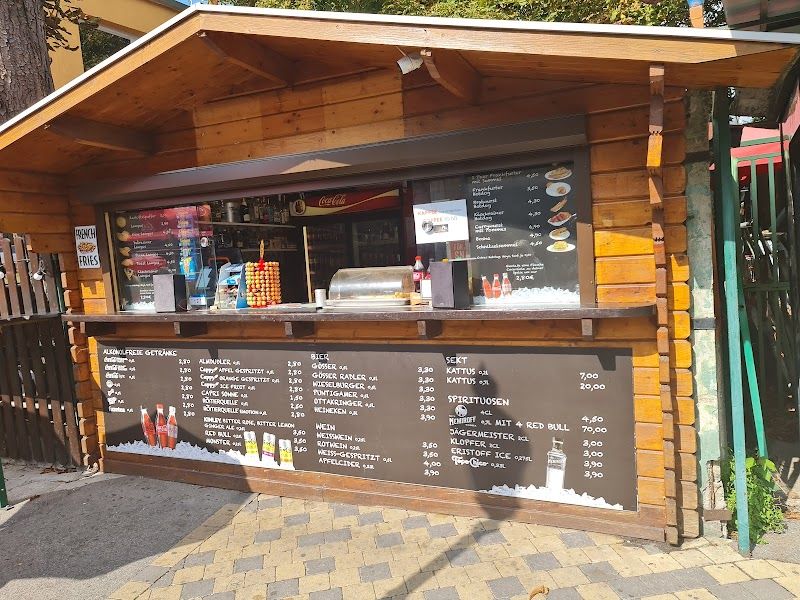
Schweizerhaus
A massive beer garden in the Prater park famous for its Stelze (roasted pork knuckle) served on wooden boards with mustard and horseradish. The outdoor tables seat hundreds under chestnut trees, and locals drink Budvar from the Czech Republic on tap.
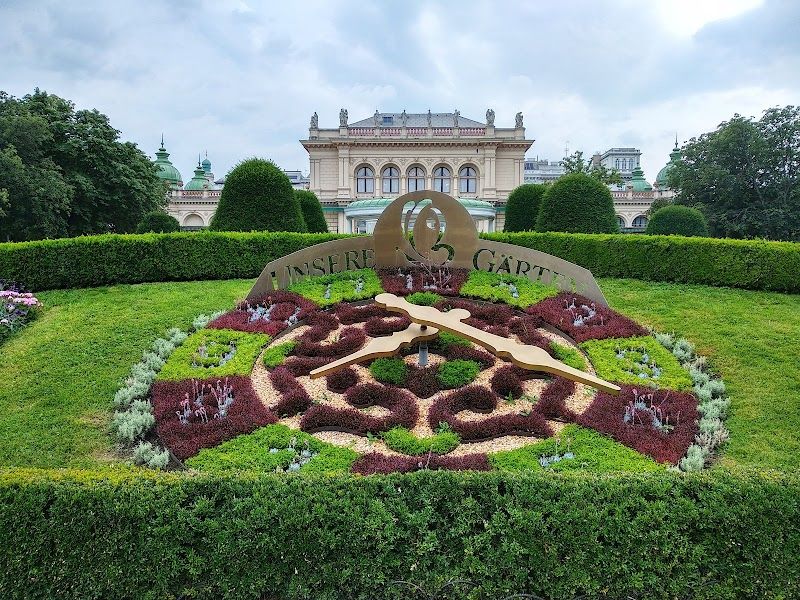
Stadtpark
Stadtpark stretches along the Wien River as Vienna's oldest public park, opened in 1862 when the city walls came down. You'll find the famous golden Johann Strauss II monument here, Austria's most photographed statue, plus several Art Nouveau pavilions designed by Otto Wagner for the old Stadtbahn metro system. The Kursalon concert hall anchors the park's western edge, hosting tourist-friendly classical concerts daily in period costumes. Walking through feels like stepping into a 19th-century postcard. The landscaped paths wind past manicured flower beds, small ponds, and mature trees that create genuine shade in summer. You'll hear classical music drifting from the Kursalon while tour groups cluster around the Strauss statue for photos. The Wagner pavilions, now cafes, showcase beautiful green ironwork and curved glass that catches afternoon light perfectly. Most guides oversell this as a major attraction when it's really a pleasant 30-minute stroll. The Kursalon concerts are overpriced tourist traps at €50+ per ticket, skip them for actual opera houses. Focus on the Wagner architecture and use the park as a shortcut between Stadtring and the river rather than a destination itself.
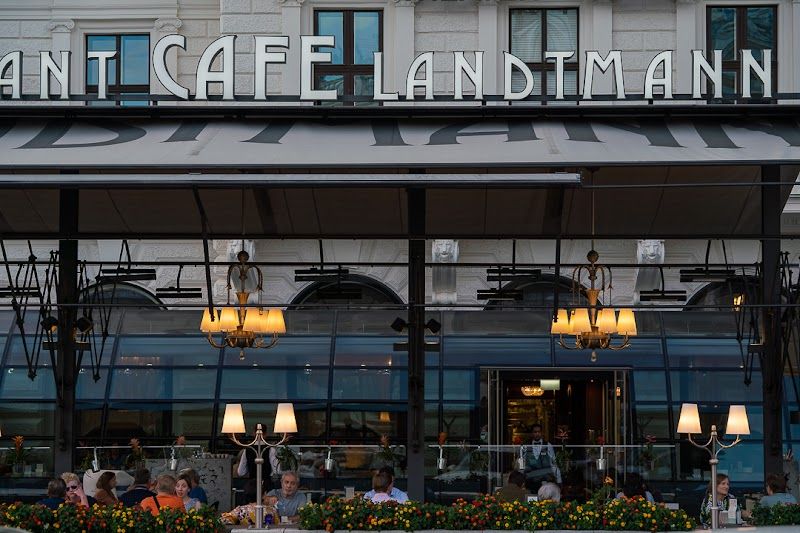
Café Landtmann
Elegant 1873 grand cafe directly opposite the Burgtheater, frequented by actors, politicians, and Sigmund Freud who had his regular table. The terrace is Vienna's best for people-watching along the Ringstrasse, with Melange at EUR 6.80 and exceptional Sachertorte for EUR 8.20. White-jacketed waiters serve on silver trays amid crystal chandeliers.
Volksgarten
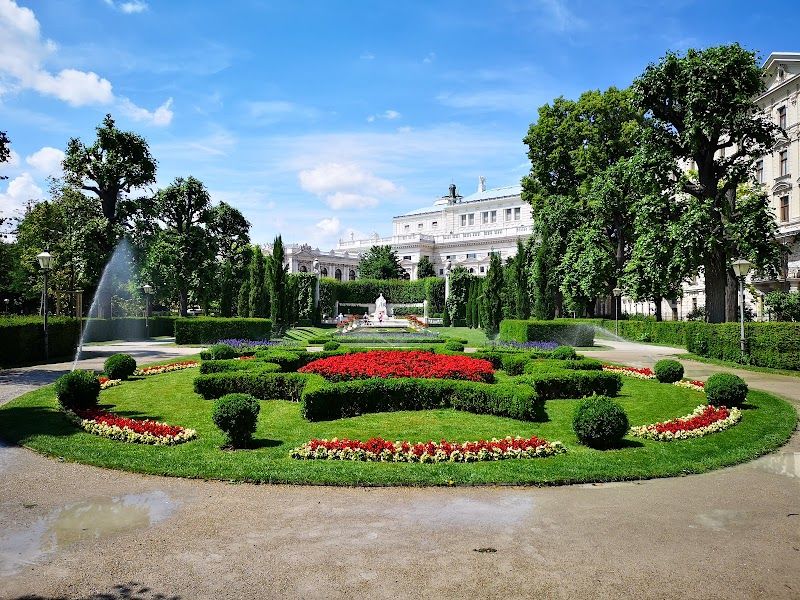
Volksgarten gives you Vienna's best rose garden right in the city center, with over 3,000 bushes creating a perfumed maze from June through September. The neoclassical Theseus Temple anchors the space, a precise 1823 replica of Athens' original that houses changing art exhibitions. You're literally between the Hofburg Palace and Parliament, but once you're inside, the Ringstrasse traffic fades to a distant hum behind centuries-old trees. The garden follows formal French design principles with geometric beds and gravel paths that crunch satisfyingly underfoot. Early morning brings joggers and dog walkers, while lunch hours see office workers claiming benches with takeaway coffee. The roses peak differently: hybrid teas bloom first in early June, followed by climbing varieties that cover the pergolas by mid-July. Evening transforms the space when the Volksgarten Pavilion switches from daytime café to nightclub, creating Vienna's most unusual garden-to-dancefloor transition. Most guidebooks oversell the temple, it's pretty but small and often closed between exhibitions. The real magic happens during rose season when varieties like 'Mister Lincoln' and 'Double Delight' create natural perfume clouds. Skip visiting in winter when it's just bare thorns and muddy paths. The pavilion charges standard Vienna club prices (around 15-20 EUR entry after 10pm), but day visits are completely free.
1516 Brewing Company
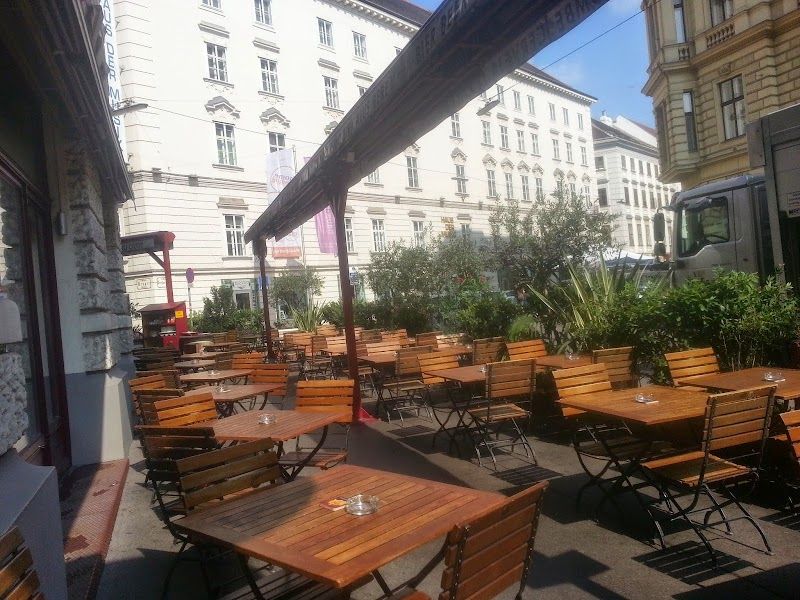
Vienna's oldest craft brewery and restaurant in the 1st district, brewing unfiltered lagers and wheat beers on-site. The menu pairs Austrian classics with the beers, including schnitzel with Märzen and goulash with Schwarzbier.
Burggarten
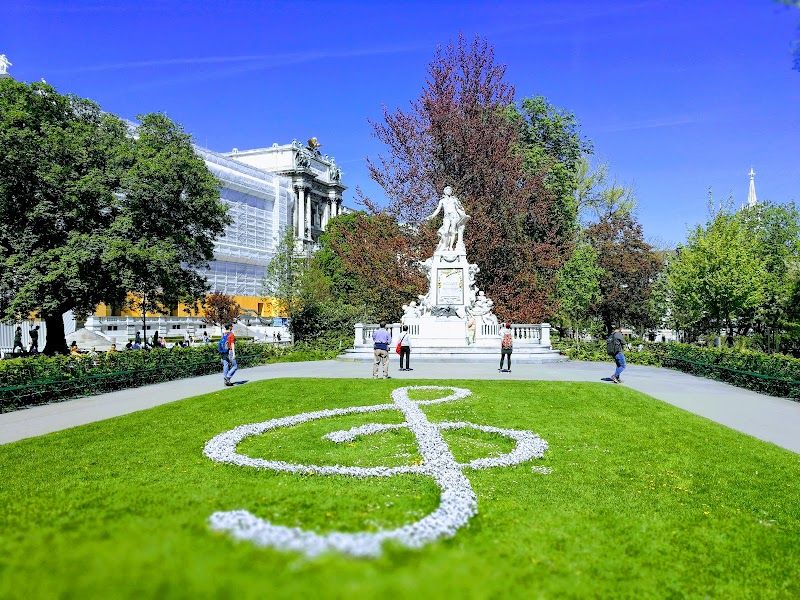
The Burggarten transforms from imperial private garden to Vienna's most civilized park, where you'll find the elaborate Mozart Monument surrounded by perfectly manicured English-style landscaping. The real draw is the Art Nouveau Palmenhaus, a soaring glass palace that houses both towering tropical palms and an excellent café where you can dine surrounded by greenery. The adjacent Schmetterlingshaus (EUR 7) lets you walk through a humid tropical environment with free-flying butterflies, though it's quite small for the price. Your visit flows naturally from the Mozart statue through tree-lined paths toward the magnificent glass structure of the Palmenhaus, where the contrast between Vienna's grey stone architecture and lush tropical plants feels almost surreal. Inside the greenhouse café, light filters through the curved glass ceiling while palms tower overhead, creating an unexpectedly peaceful dining experience. The butterfly house gets steamy quickly, and you'll spend about 15 minutes max walking the single path while colorful butterflies land on the tropical plants around you. Most guides oversell the butterfly house, which is genuinely tiny and overpriced unless you're traveling with kids who love insects. The Palmenhaus café is where you should spend your time and money instead, especially for afternoon coffee when the light is spectacular. Skip the expensive butterfly experience and grab those sunny benches behind Mozart's statue if the weather's decent, they're Vienna's best free warming spot in winter.
Schnitzelwirt
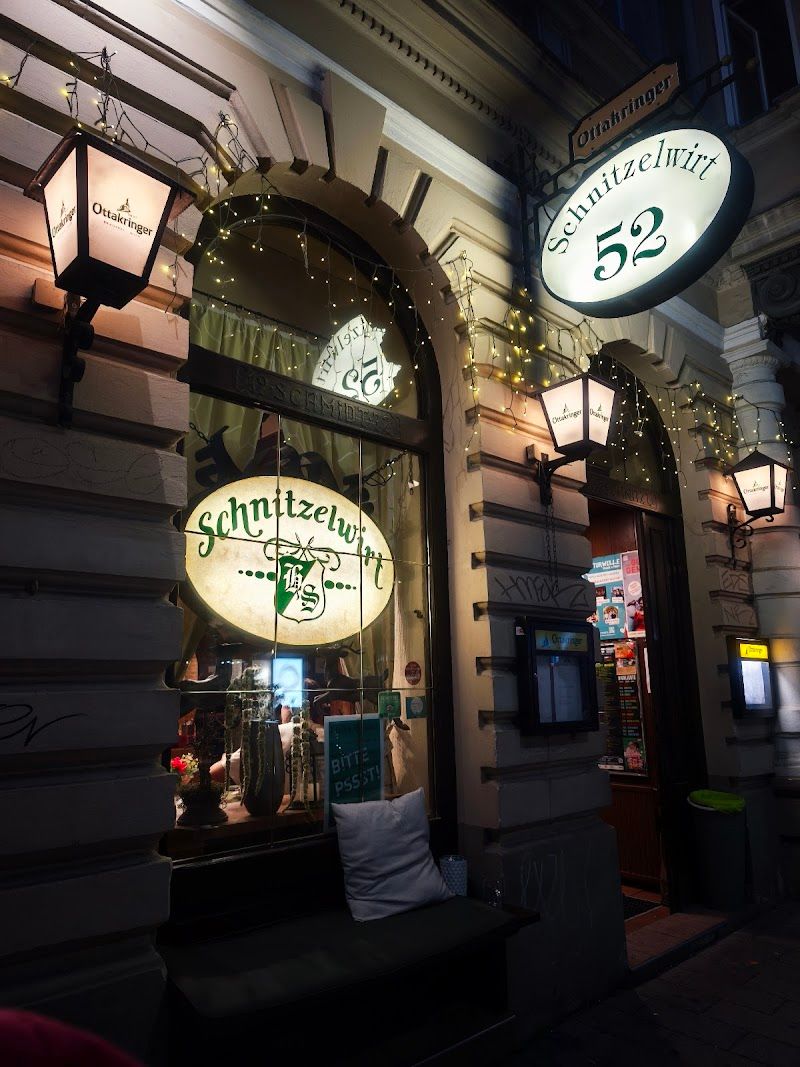
A no-frills Beisl in Neubau serving enormous schnitzels that completely cover the plate for EUR 12-15. The interior is basic with wooden tables and beer posters, but the locals pack it for authentic, budget-friendly Viennese cooking.
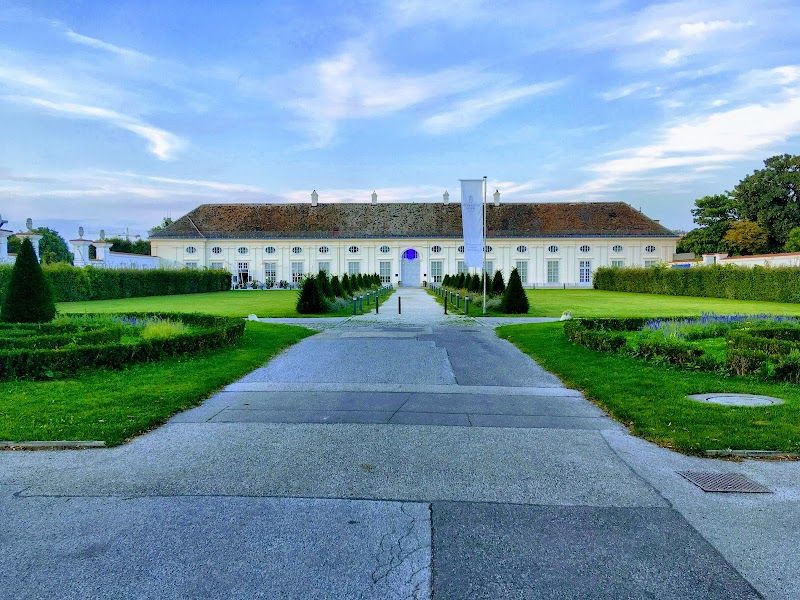
Augarten
Augarten combines Vienna's oldest baroque garden with one of the city's most jarring historical contrasts. You'll walk perfectly manicured paths dating to 1775 while two massive concrete flak towers from WWII dominate the skyline, now covered in colorful graffiti. The original baroque palace houses Austria's famous Augarten Porcelain Manufactory, where you can watch craftspeople hand-paint delicate pieces, and the modern MuTh concert hall hosts the Vienna Boys' Choir rehearsals. The experience feels like wandering through layers of Austrian history. You'll start on symmetrical gravel paths lined with precisely trimmed hedges, then suddenly encounter these brutal 40-meter concrete towers that the Nazis built for anti-aircraft defense. The contrast is deliberately unsettling: baroque elegance meets wartime brutality. Locals jog past both daily, treating this historical collision as completely normal. The porcelain workshop adds another layer, with artisans creating delicate beauty in the shadow of these war monuments. Most guides focus too much on the baroque elements and gloss over how powerful those flak towers actually are. Skip the porcelain factory tour unless you're genuinely interested in ceramics, it costs 8 EUR and feels touristy. The real magic happens when you sit on a bench near the towers at golden hour and absorb this weird historical sandwich. Those gates really do lock at sunset year-round, no exceptions, so don't test it.
Esterházypark
Esterházypark sprawls across what used to be the palace gardens of one of Austria's most powerful noble families, the Esterházys. You'll find yourself in a genuine neighborhood park where Viennese families actually spend their weekends, complete with two excellent playgrounds, a basketball court, and table tennis tables that locals use constantly. The mature chestnut and plane trees create natural shade pockets perfect for picnicking, while the open lawns give kids room to run wild. The park feels refreshingly unpretentious compared to Vienna's more formal gardens. Parents chat on benches while toddlers navigate the modern playground equipment, teenagers shoot hoops, and dog walkers follow the winding paths between flower beds. You'll hear more German than English here, which gives you a real slice of local Vienna life. The atmosphere stays relaxed even on sunny weekends when the place fills up with families. Most guidebooks skip this place entirely, which works in your favor. The park's biggest strength is also its limitation: it's purely functional rather than scenic. Don't come expecting Instagram moments or historical significance beyond the Esterházy connection. The playground equipment is top quality, but if you don't have kids, you'll probably exhaust the park's appeal in 30 minutes rather than the suggested hour.
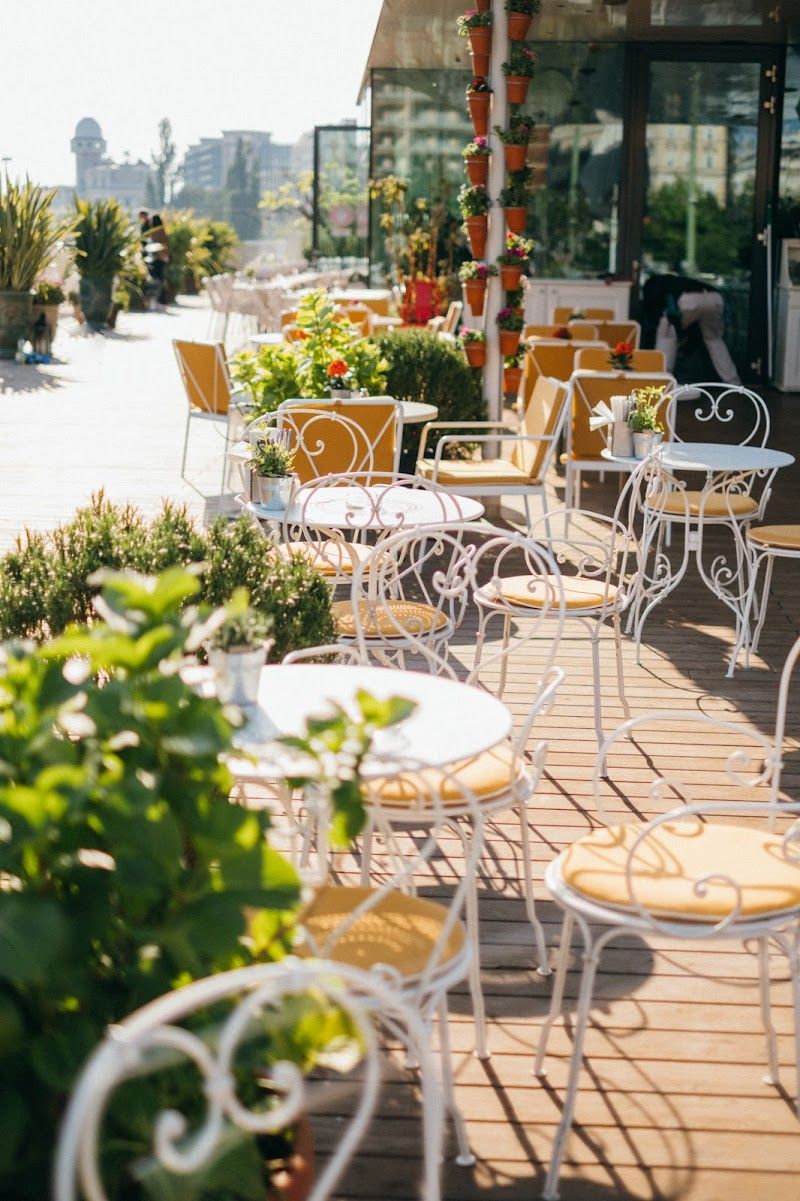
Motto am Fluss
A glass pavilion restaurant floating on the Danube Canal with floor-to-ceiling windows and a terrace overlooking the water. The menu is modern European, and the location makes it ideal for sunset cocktails followed by dinner.
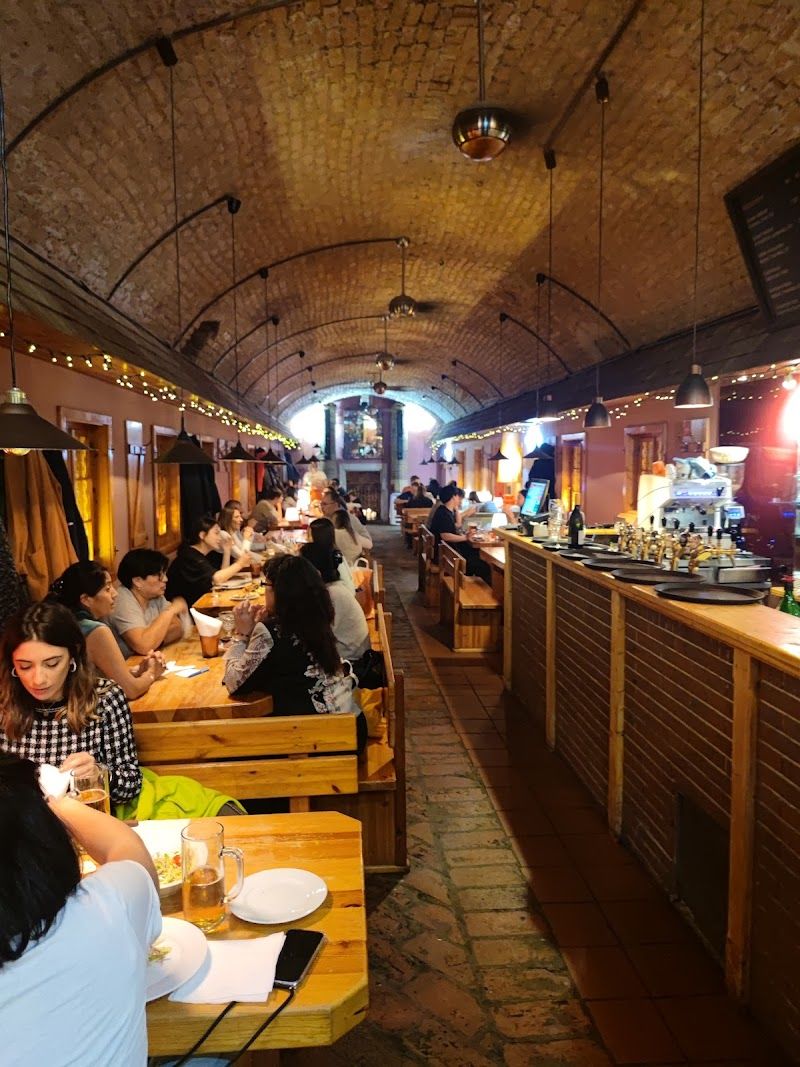
Ribs of Vienna
A casual rib specialist in Mariahilf serving American-style BBQ ribs with Viennese touches like horseradish sauce and Gulasch spices. The portions are massive, and the ribs are slow-cooked for 12 hours until they fall off the bone.
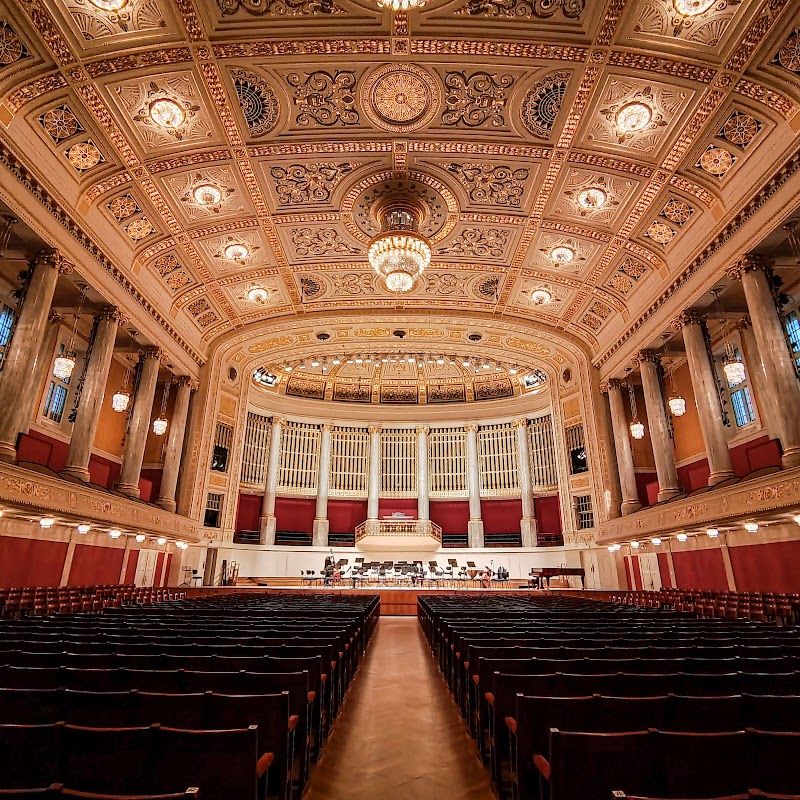
Wiener Konzerthaus
Grand concert hall opened in 1913, hosting over 750 events annually from classical concerts to contemporary music, with three main halls featuring different acoustic properties. The Great Hall seats 1,840 and is renowned for its perfect acoustics, while the smaller Mozart Hall and Schubert Hall host chamber music and recitals. The Art Nouveau building is less touristy than the Musikverein but equally prestigious.
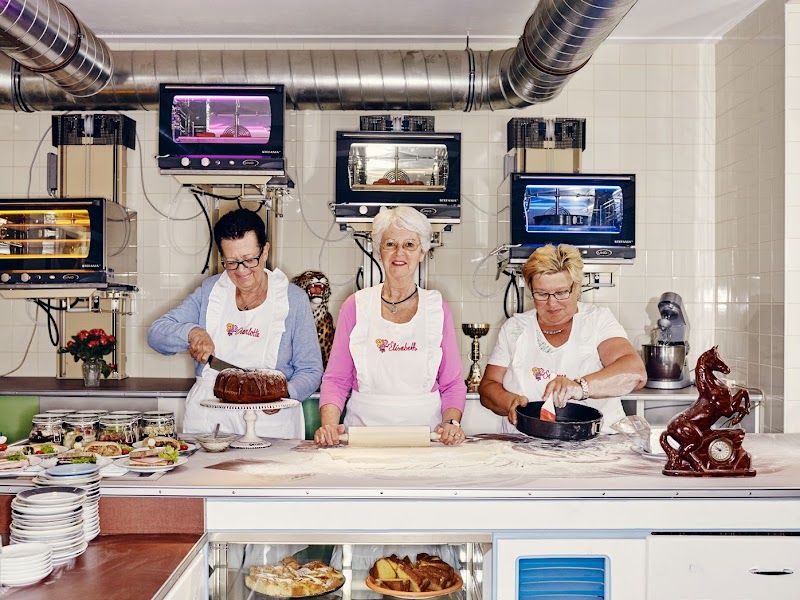
Vollpension
Unique generational cafe in MuseumsQuartier where elderly women bake homemade cakes using their own recipes, served in a cozy living-room setting with mismatched vintage furniture. The cake selection changes daily based on what the grandmothers baked, with prices around EUR 5.50 per slice and excellent coffee for EUR 3.80. A social enterprise providing income for pensioners.
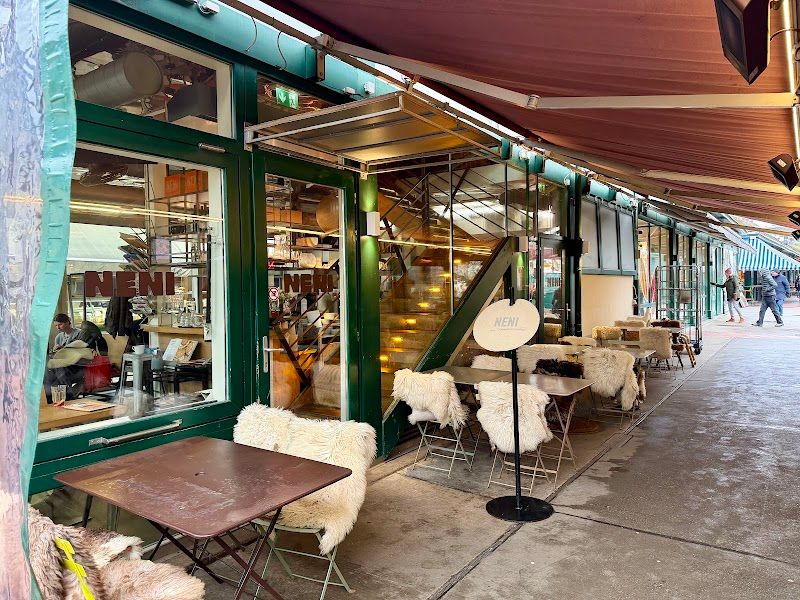
Neni am Naschmarkt
A rooftop restaurant above the Naschmarkt serving Israeli-Arab fusion cuisine with panoramic views across the market stalls. The mezze platters are meant for sharing, and the shakshuka at brunch is a local favorite.
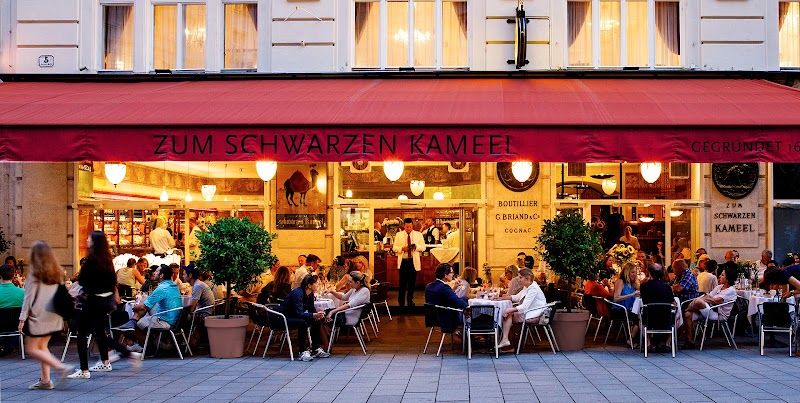
Zum Schwarzen Kameel
A Jugendstil delicatessen and wine bar since 1618, where Art Nouveau mosaics line the walls and open-faced sandwiches are topped with quail eggs, smoked fish, and caviar. The stand-up bar serves lunch to business people, while the restaurant behind requires reservations.
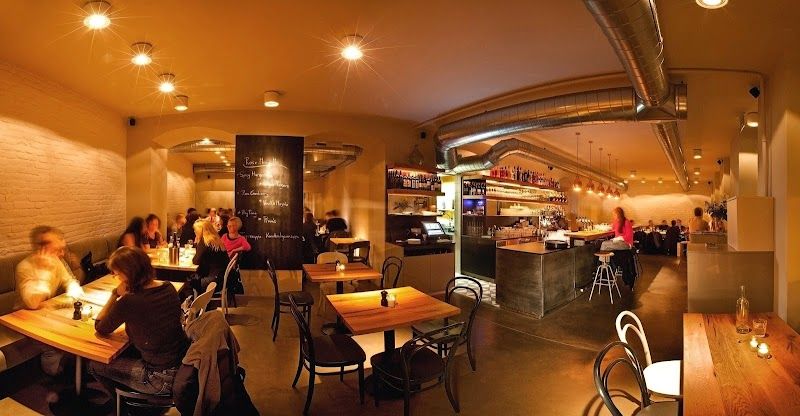
Ulrich
A casual all-day café in the MuseumsQuartier courtyard serving breakfast until 4pm, creative salads, and Austrian-Mediterranean fusion dishes. The outdoor seating is prime people-watching territory, and the interior has vintage furniture and art books.
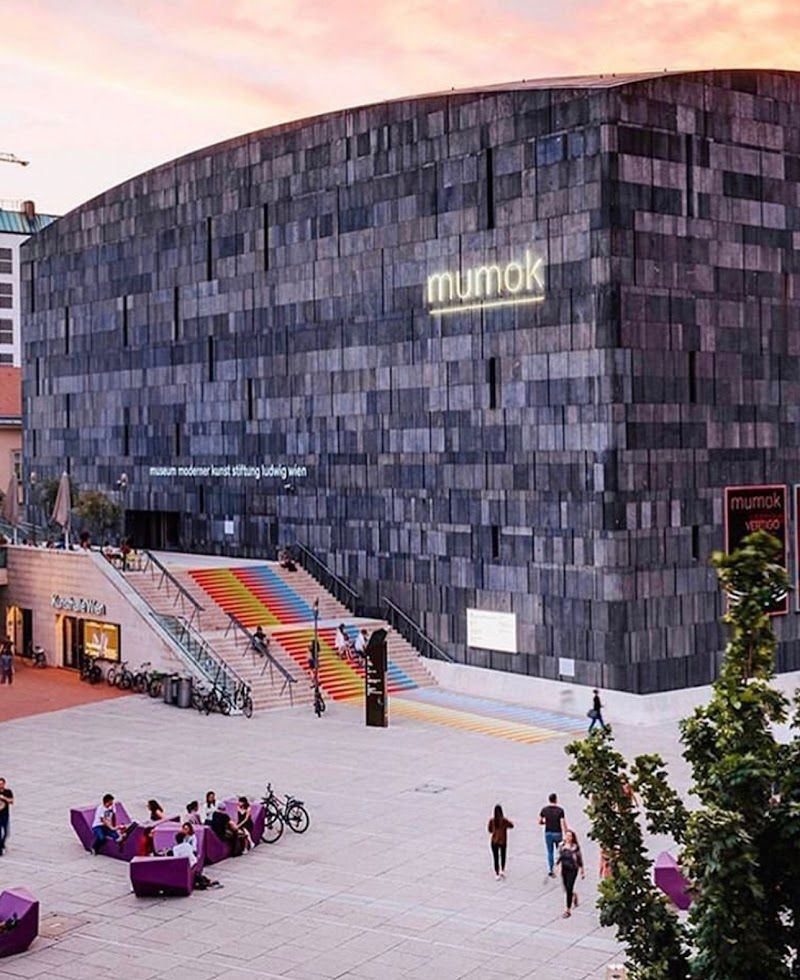
MUMOK - Museum moderner Kunst Stiftung Ludwig Wien
MUMOK houses Central Europe's largest modern art collection inside a striking dark basalt cube that looks like it landed from outer space. You'll find major works by Warhol, Picasso, Koons, and Yoko Ono spread across five floors, with particularly strong collections of Pop Art, Fluxus, and the notorious Viennese Actionism movement. The permanent collection rotates regularly, so repeat visits always reveal something new alongside temporary exhibitions featuring cutting-edge contemporary artists. The museum feels deliberately provocative, starting with that imposing black exterior that locals call "the monolith." Inside, you'll navigate white-walled galleries where Warhol's colorful soup cans hang near disturbing performance art documentation. The atmosphere is serious and contemplative, quite different from Vienna's ornate classical museums. Level 0 eases you in with Pop Art favorites, while deeper floors get progressively more challenging and experimental. Most visitors spend too much time on the crowded ground floor with the Warhols and miss the real treasures. Skip the overpriced museum shop (€25 for basic catalogs) and head straight to level 2 for the most thought-provoking pieces. Adult tickets cost €14, students €11. The controversial Viennese Actionism works on basement level 2 aren't for everyone, but they're what sets MUMOK apart from every other modern art museum in Europe.
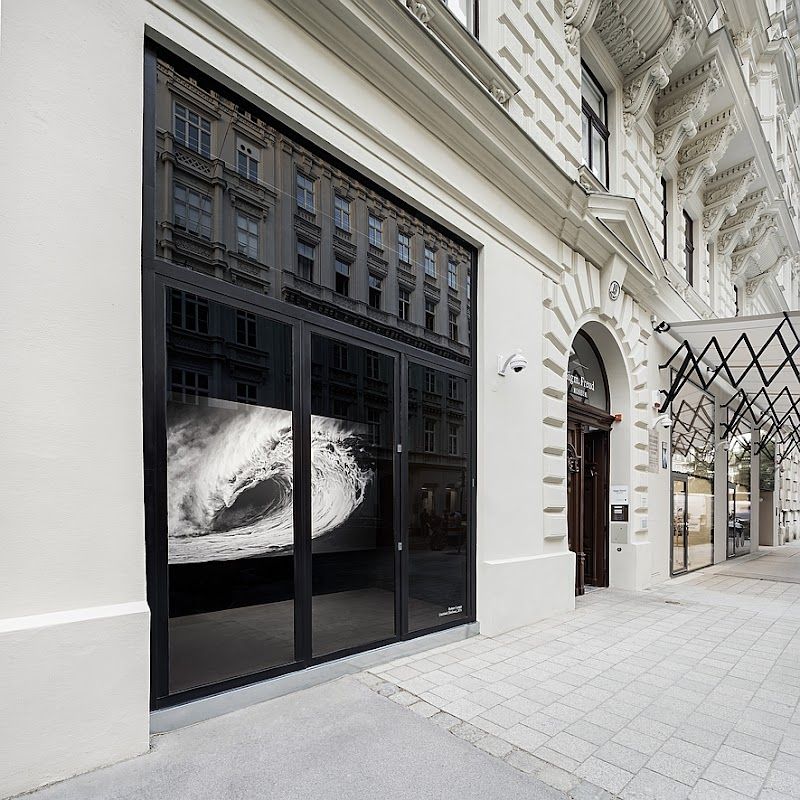
Sigmund Freud Museum
This modest apartment on Berggasse preserved the rooms where Freud lived and worked for 47 years, developing psychoanalysis from 1891 until the Nazis forced him to flee in 1938. You'll see his actual consultation room with the famous couch (a replica, since the original went to London), his personal library filled with first editions, and family photographs covering every surface. The waiting room where patients like the Wolf Man sat nervously before sessions has been restored exactly as it was, complete with Persian rugs and antiquarian furniture. The experience feels intimate and slightly eerie, walking through rooms where groundbreaking therapy sessions happened. His study overflows with ancient artifacts, books in multiple languages, and the desk where he wrote The Interpretation of Dreams. The audio guide (included) provides essential context, but you'll spend most time just absorbing the atmosphere of these cramped, book-lined rooms. Everything feels frozen in 1938, down to his hat hanging by the door. Most visitors rush through in 30 minutes, but you need at least an hour to appreciate the detail. The €12 entry fee is reasonable for what you get, though don't expect interactive displays or modern museum techniques. Skip the basement exhibition about psychoanalysis history and focus on the actual apartment upstairs where the magic happened.
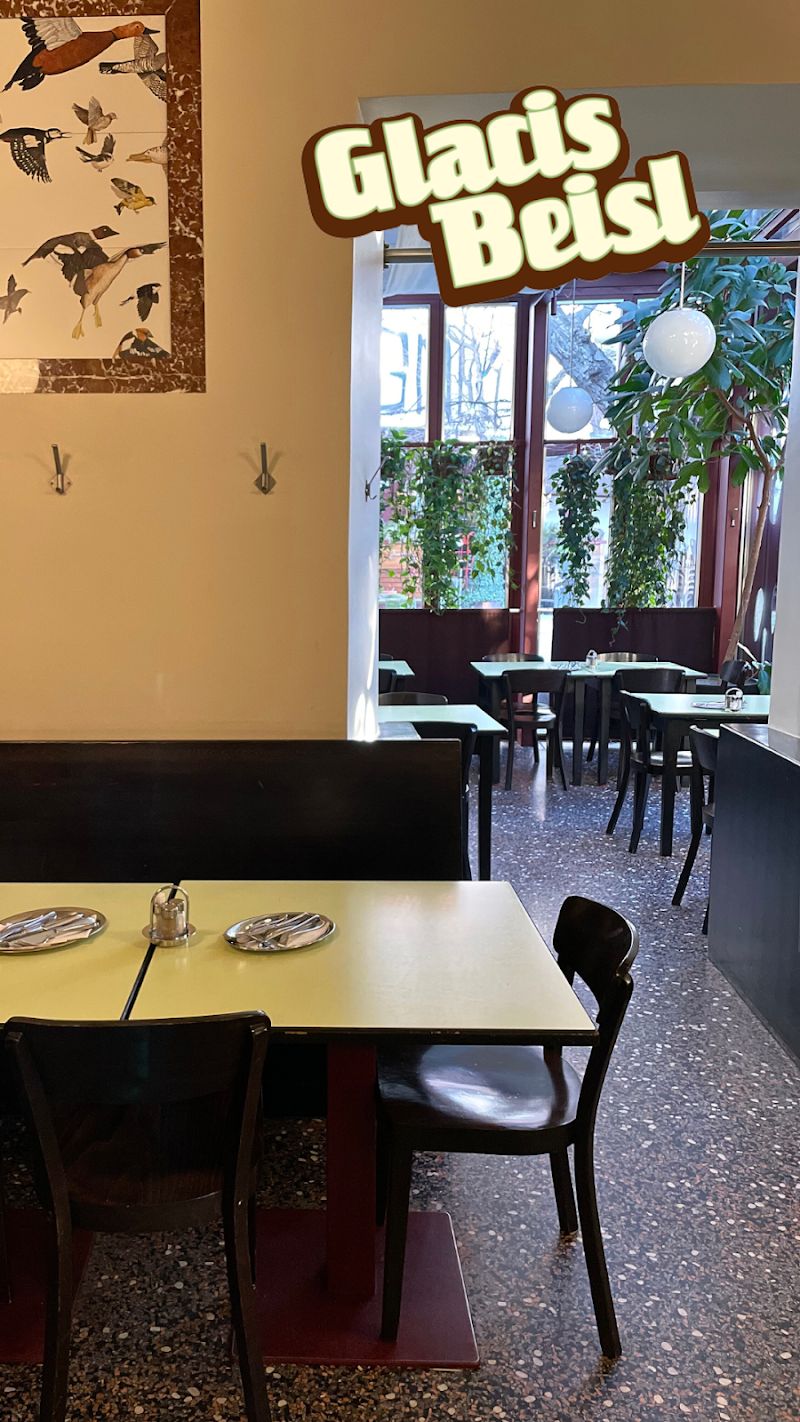
Glacis Beisl
A garden restaurant in the MuseumsQuartier courtyard serving Austrian comfort food beneath chestnut trees. The Stelze (roasted pork knuckle) is massive enough to share, and the outdoor seating makes it perfect for a break between museums.
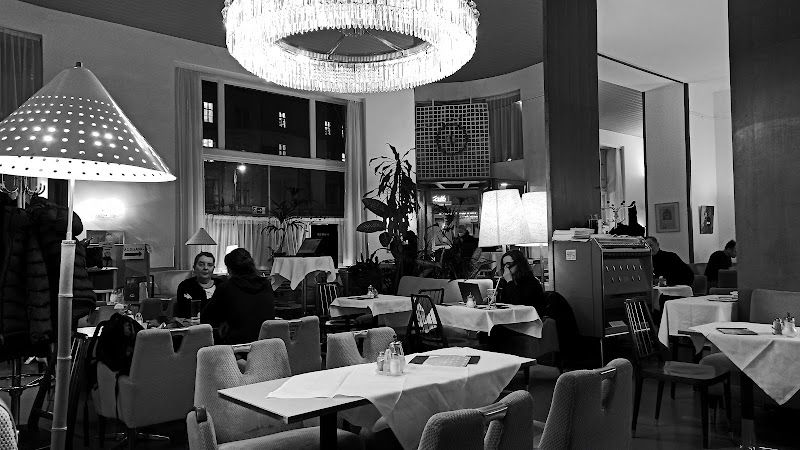
Café Prückel
A 1950s coffeehouse with original midcentury furniture, Formica tables, and geometric lighting that hasn't been updated since opening. The Viennese breakfast includes soft-boiled eggs, ham, cheese, and fresh rolls, and the barista still uses a vintage espresso machine.
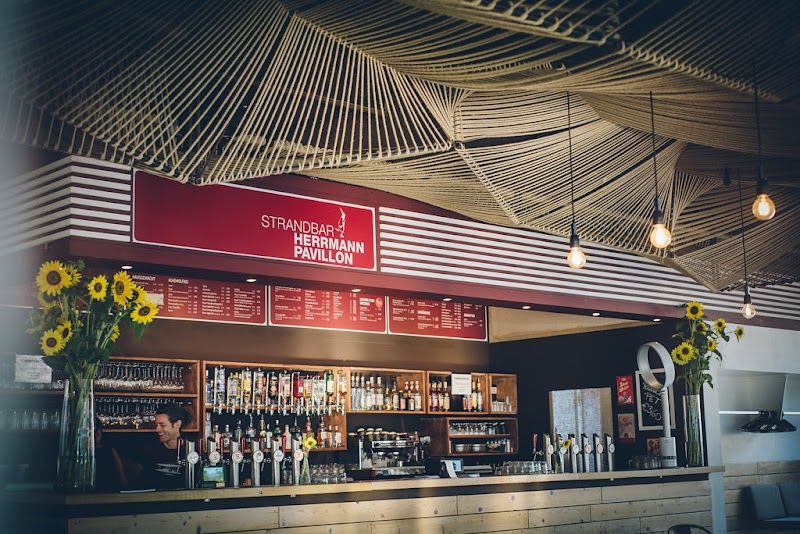
Strandbar Herrmann
A beloved beach bar along the Danube Canal with sandy floors, deck chairs, and stunning sunset views. This seasonal outdoor venue serves cocktails, Austrian wines, and light bites in a relaxed, summery atmosphere. Popular with locals who come to unwind after work or spend lazy weekend afternoons by the water.
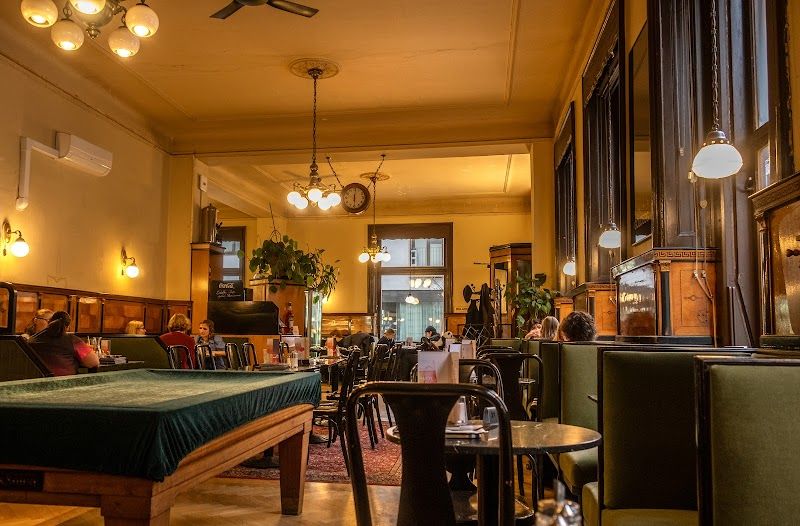
Café Goldegg
A beloved neighborhood café near Wiedner Hauptstrasse serving traditional Viennese coffeehouse culture with excellent breakfast and lunch options. The interior features classic wood paneling and marble tables, while the outdoor seating is perfect for people-watching. Known for its friendly service and quality Melange coffee.
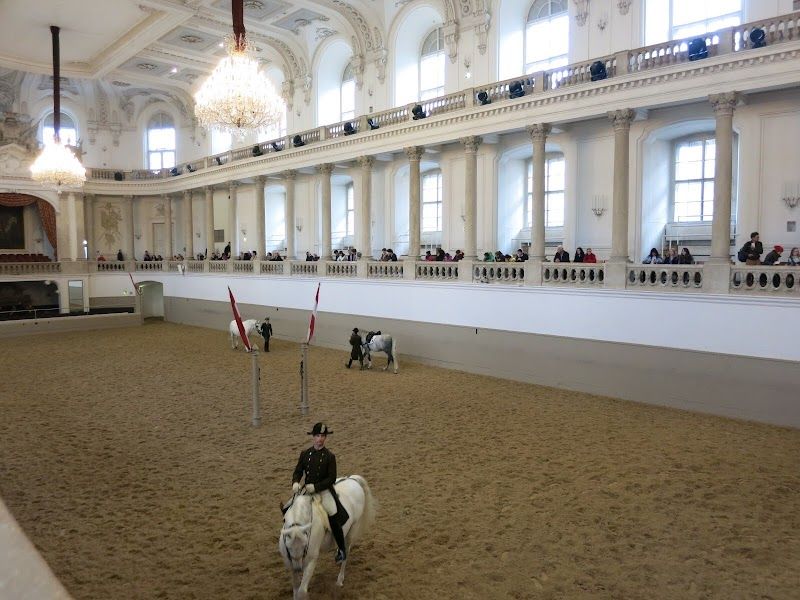
Spanish Riding School
The Spanish Riding School has been training Lipizzaner stallions in baroque dressage for over 450 years, and you can watch them practice in Vienna's most impressive riding hall. The morning exercise sessions at 10 AM show you riders in brown uniforms putting these snow-white horses through classical movements like piaffe and levade for just €18, compared to €35-75 for evening performances. The Winter Riding School itself is worth the price: three tiers of white columns, crystal chandeliers, and a coffered ceiling that leaves a lasting impression. You'll sit in wooden galleries watching horses and riders work through precise choreography in near silence, broken only by hoofbeats and quiet commands. The atmosphere feels serious and focused, not showy like the evening galas. Riders wear simple brown jackets instead of fancy uniforms, and horses practice individual movements rather than synchronized routines. The hall's acoustics amplify every sound, creating an oddly meditative experience as these powerful animals perform impossibly controlled movements. Most guides push the expensive evening performances, but morning training gives you 90% of the magic at half the price. Skip the museum tour (€16 extra for a few saddles and photos) and focus on the live training. The seats are unreserved, so arriving 30 minutes early gets you front-row spots in the gallery. If you're not into horses, come anyway for the hall itself, with one of Europe's most famous baroque interiors.
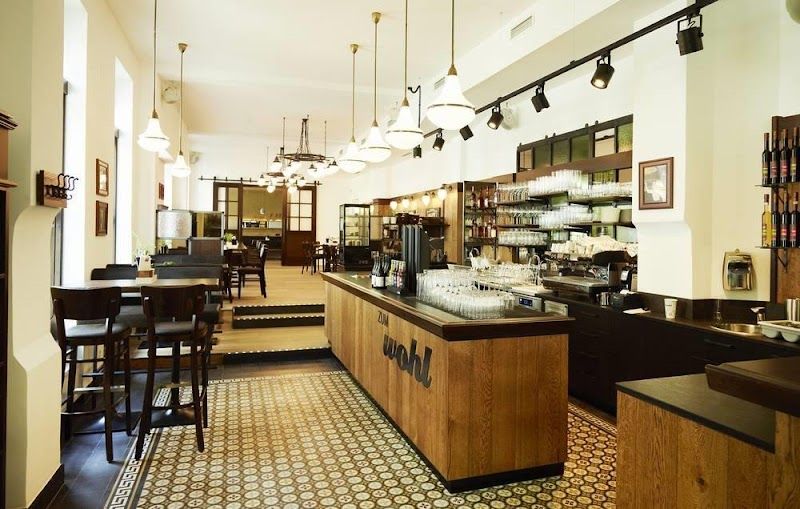
Zum Wohl
A modern wine bar in Leopoldstadt with 200+ Austrian wines by the glass, paired with creative small plates that riff on traditional ingredients. The vaulted brick cellar creates an intimate atmosphere, and the staff can guide you through Austria's wine regions.
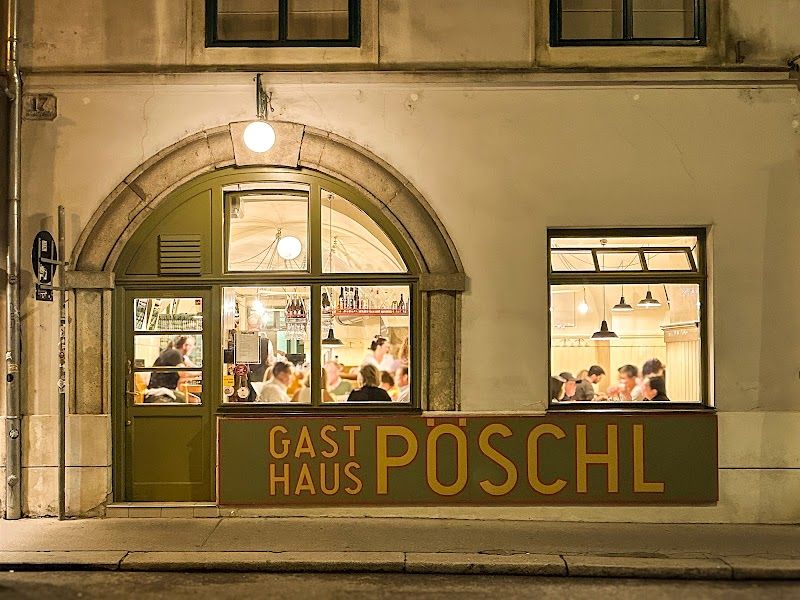
Gasthaus Pöschl
A family-run Beisl in the Josefstadt district serving honest Viennese cooking since 1970, with wood-paneled walls and a loyal neighborhood crowd. The Schnitzel vom Kalb is perfectly fried, and the Erdäpfelsalat (potato salad) is made with beef broth, not mayonnaise.
Café Francais
Belle époque-style cafe and bistro in Alsergrund with high stuccoed ceilings, velvet banquettes, and art nouveau light fixtures creating a Left Bank Paris atmosphere. The breakfast menu (EUR 8-14) runs until 4 PM on weekends, featuring eggs benedict and French toast alongside traditional Viennese options. Melange costs EUR 4.90.
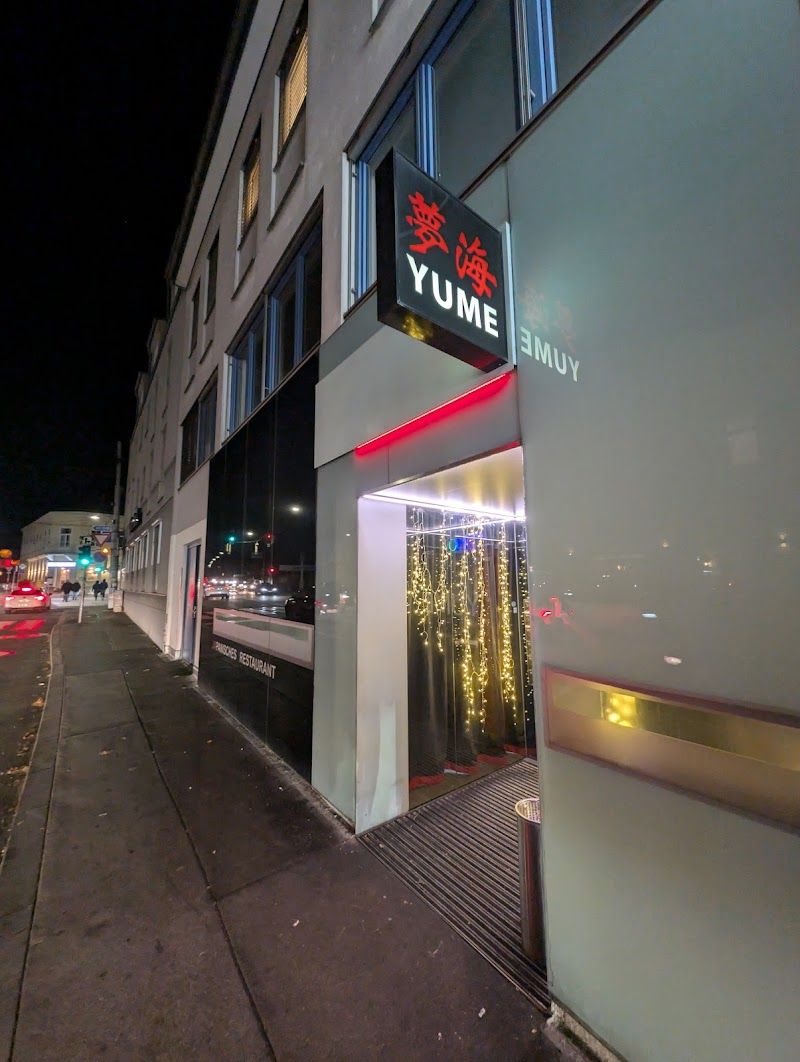
Yume Ramen
An authentic Japanese ramen shop serving rich, flavorful broths and handmade noodles in a minimalist setting. Run by Japanese owners, this small restaurant focuses on traditional ramen varieties including tonkotsu, shoyu, and miso. The intimate space only seats about 20 people, creating an authentic Tokyo-style ramen bar experience.
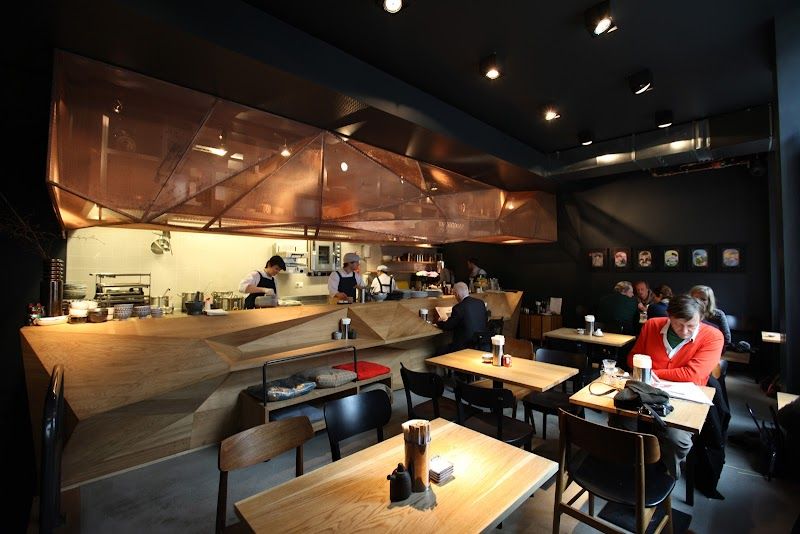
Mochi
A modern Asian-Austrian fusion restaurant near the Prater serving ramen with Käsekrainer sausage, kimchi schnitzel, and miso-glazed pork belly. The industrial space with exposed brick attracts a young, design-conscious crowd.
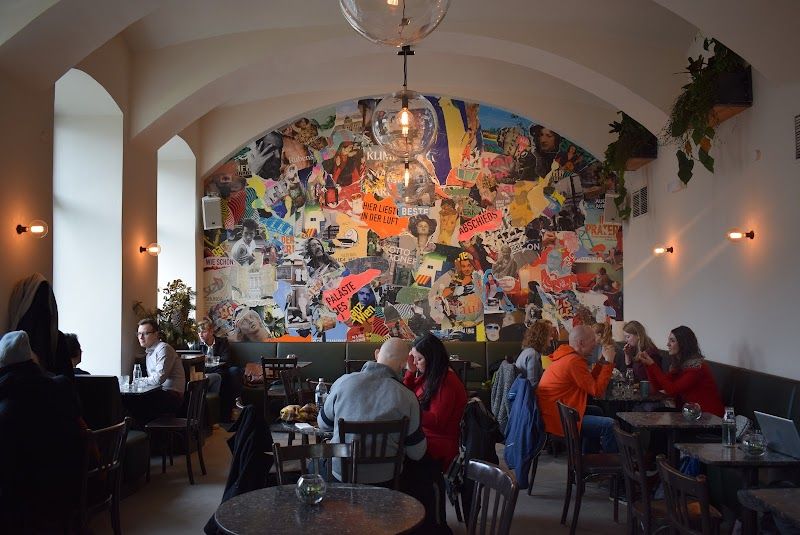
Cafe Drechsler
Reopened 1919 coffee house near Naschmarkt, redesigned by British architects with red leather booths and chrome details while maintaining classic coffee house traditions. Open until 2 AM on weekends, serving late-night Wiener Schnitzel (EUR 16.90) and Melange (EUR 4.80) to market workers, clubbers, and insomniacs. The breakfast menu from 8 AM features exceptional Kaiserschmarrn.
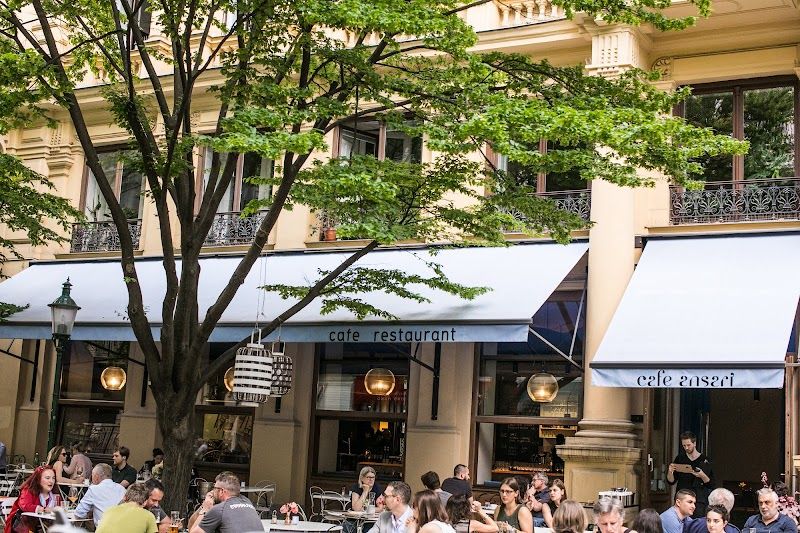
Café Ansari
A cozy Persian-inspired café and restaurant serving exceptional Middle Eastern breakfast plates, fragrant stews, and fresh-baked flatbreads in a warmly lit, intimate space. The tahdig (crispy rice) is legendary among regulars, and the Persian tea selection is extensive. This family-run spot brings authentic flavors while maintaining a relaxed Viennese coffeehouse vibe.
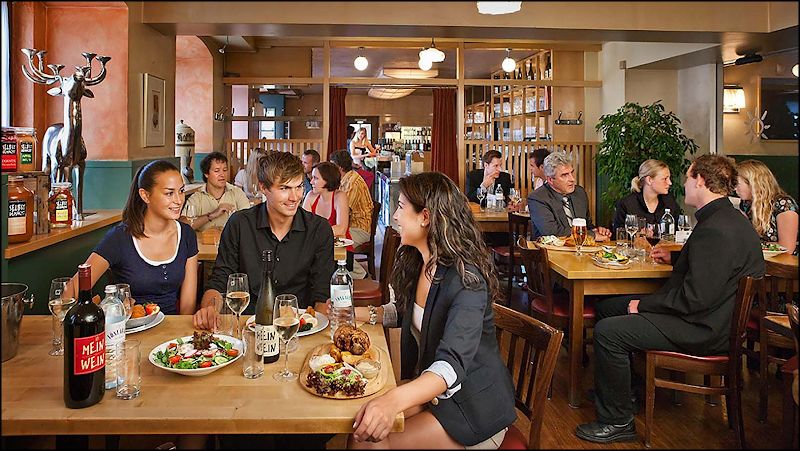
Silberwirt
An authentic Viennese Beisl serving traditional Austrian cuisine in a cozy, unpretentious atmosphere since 1907. The menu features classic dishes like Tafelspitz and Wiener Schnitzel, all made with quality ingredients. The dark wood interior and checkered tablecloths create a genuine local dining experience.
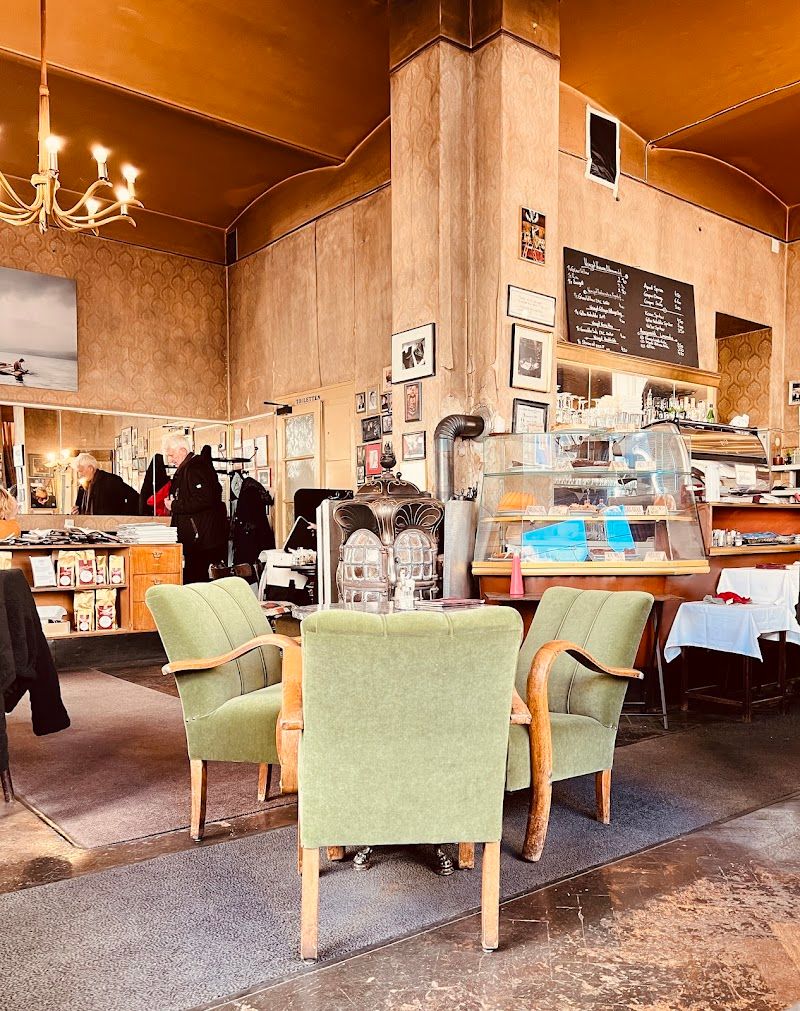
Café Jelinek
Unrenovated neighborhood coffee house in Mariahilf where tourists never venture, with worn wooden floors, smoke-stained ceilings, and regulars who have claimed the same tables for decades. The Melange costs EUR 4.20, and the handwritten daily specials board offers Tafelspitz and Beuschel that locals come for at lunch. No English menu, cash only.
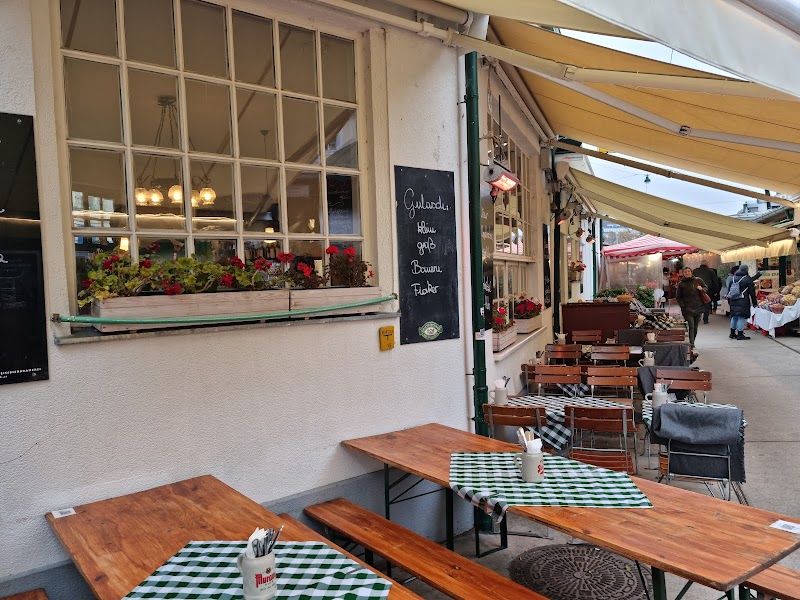
Zur Eisernen Zeit
A hidden Beisl in Spittelberg with only eight tables and a menu that hasn't changed in 40 years. The Backhendl (fried chicken) is legendary among locals, served with potato salad and eaten with your hands.
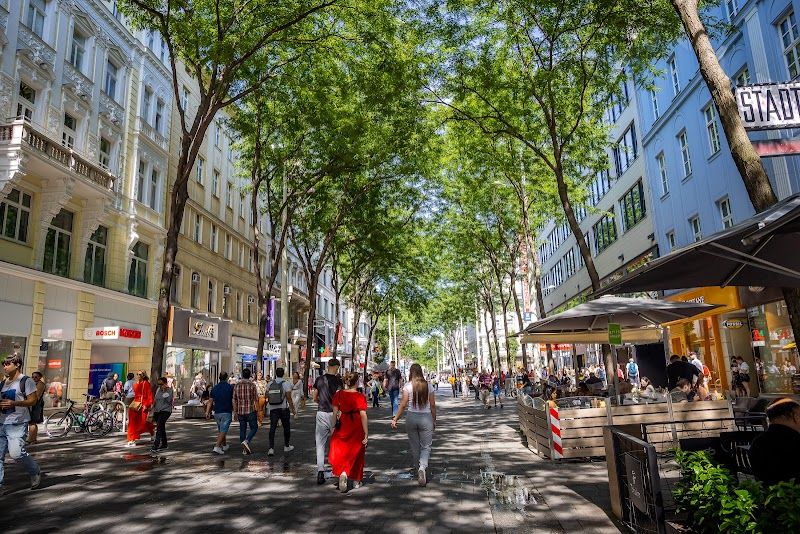
Mariahilfer Straße
Mariahilfer Straße stretches 1.8 kilometers from MuseumsQuartier to Westbahnhof station, making it Vienna's longest shopping strip. The pedestrianized middle section between Neubaugasse and Museumsquartier creates a car-free zone where you'll find everything from H&M and Zara to Austrian chains like Humanic shoes and Peek & Cloppenburg. The western end near Neubaugasse shifts into indie territory with vintage stores, record shops, and quirky boutiques that locals actually use. The pedestrian zone feels spacious compared to cramped European shopping streets, with wide sidewalks and outdoor café seating spilling onto the pavement. You'll weave between street musicians, families with strollers, and teenagers treating the area like their outdoor mall. The atmosphere changes as you move west: corporate retail gives way to handwritten window signs and experimental fashion stores. Weekend afternoons bring the biggest crowds, especially around the major department stores like Gerngross. Most guides treat this as one homogeneous shopping street, but that's wrong. The eastern half near MuseumsQuartier is standard international retail, fine for basics but nothing special. The real finds are west of Neubaugasse where rent gets cheaper and creativity increases. Skip the overcrowded Saturdays and go on weekday evenings when stores stay open until 8pm but foot traffic drops significantly. Budget around 15-25 EUR for vintage pieces, 40-80 EUR for local designer items.
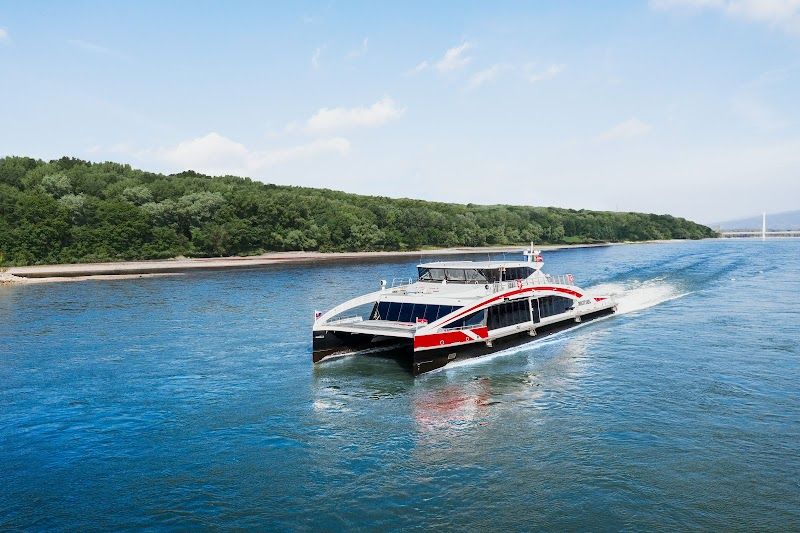
Twin City Liner
The Twin City Liner is a sleek catamaran that rockets you from Vienna to Bratislava in just 75 minutes, turning what would be a tedious bus ride into a scenic cruise along the Danube. You'll zip past medieval castles, riverside villages, and the point where Austria meets Slovakia, all from air-conditioned comfort with panoramic windows. The onboard cafe serves decent coffee and snacks, though prices are tourist-level steep at around €4 for coffee. The journey feels surprisingly fast once you're underway, with the catamaran's hull cutting smoothly through the water while you watch the Austrian countryside blur past. The outdoor sun deck is perfect when weather cooperates, offering unobstructed views and fresh river air. Inside, the cabin stays cool and quiet, with airline-style seating that's comfortable enough for the short journey. Most passengers crowd the windows during the dramatic approach to Bratislava Castle. Honestly, this works best as transportation rather than a sightseeing cruise. The €35 one-way ticket makes sense if you're planning to explore Bratislava anyway, but don't expect a leisurely river cruise experience. The commentary is minimal and often drowned out by engine noise. Book online for slight discounts, and avoid peak summer afternoons when the sun deck becomes unbearably hot.
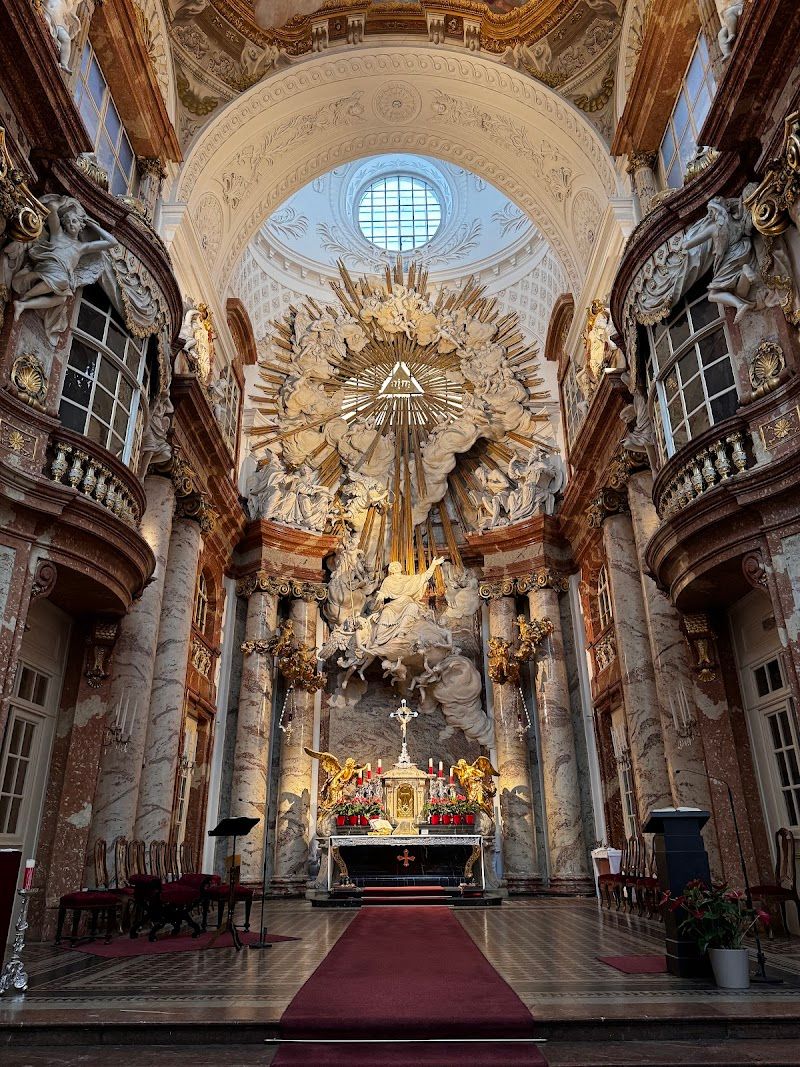
Resselpark
Resselpark is a compact neighborhood square that serves as the 4th district's main breathing space, wedged between the Naschmarkt chaos and Karlskirche's tourist crowds. You'll find a central monument to Josef Ressel (the guy who invented the ship's propeller), surrounded by mature plane trees that create genuine shade in summer. The park hosts an eclectic mix of office workers on lunch breaks, elderly locals feeding pigeons, and street musicians who use the acoustics near the church. The atmosphere shifts throughout the day from quiet morning refuge to lively afternoon social hub. Business people claim benches by 12:30pm with takeaway lunches, while buskers set up near the Karlskirche end where foot traffic peaks. The sound of fountain water mixing with distant church bells creates an unexpectedly peaceful backdrop, even when the adjacent streets buzz with activity. Dogs run off leash here despite the rules, and nobody seems to mind. Most guides oversell this as a major attraction when it's really just a pleasant pit stop. The monument itself is forgettable, but the park excels as a strategic rest point between Naschmarkt shopping and museum visits. Come for lunch around 1pm when the energy peaks, or skip the crowds entirely by visiting after 4pm when office workers head home. It's completely free and requires maybe 20 minutes unless you're picnicking.
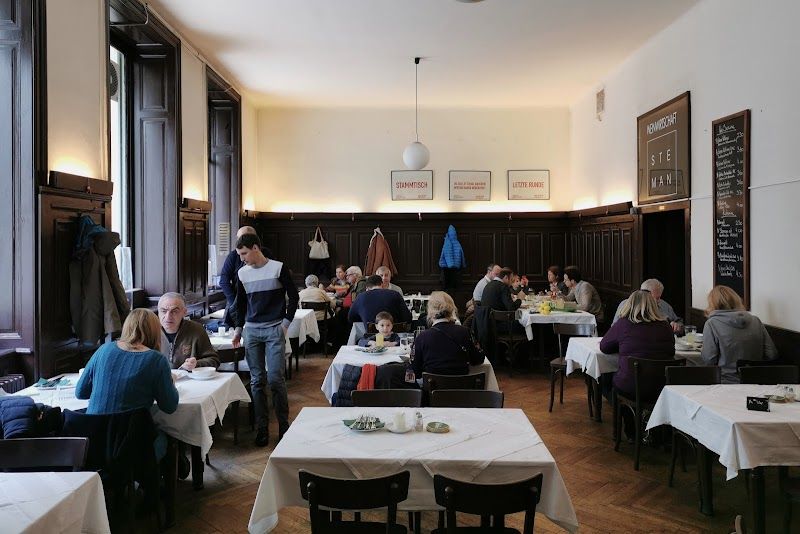
Steman
A traditional Beisl where university professors and students share long wooden tables over massive portions of Gulasch, Schnitzel, and daily specials. The walls are covered with vintage film posters, and the handwritten menu changes based on what's fresh at the market.
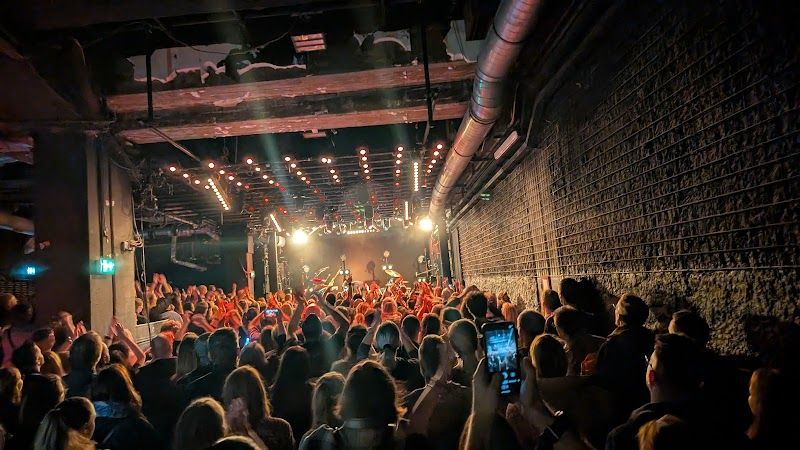
Flex
Legendary electronic music club housed in a graffiti-covered former warehouse directly on the Danube Canal, hosting international DJs and live acts since 1995. The venue has two stages with different music programs, an outdoor terrace right on the water, and a reputation for serious techno and house music. It's Vienna's most important club for electronic music culture.
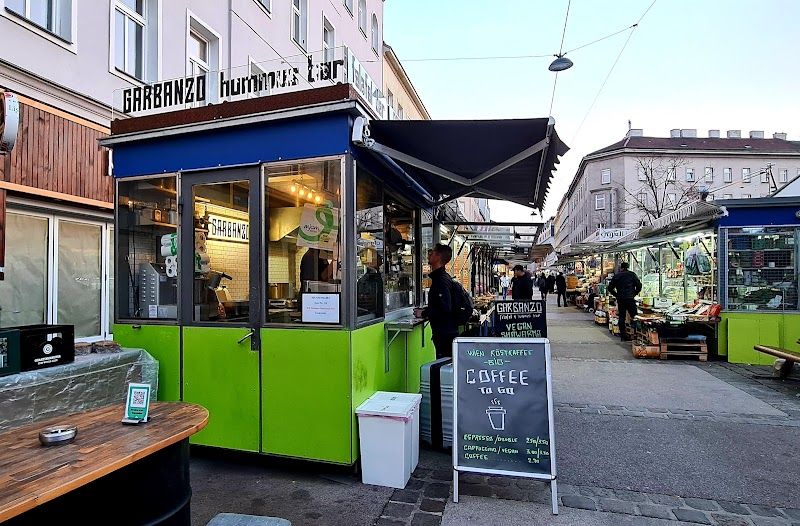
Brunnenmarkt
Europe's longest street market stretches for nearly a mile along Brunnengasse, bringing authentic Middle Eastern and Balkan flavors to Vienna's multicultural 16th district. You'll find Turkish spice vendors measuring out sumac and za'atar by the gram, Serbian butchers selling fresh chevapi, and produce stalls where 2kg of tomatoes costs what you'd pay for 500g at Naschmarkt. The market serves Vienna's large immigrant communities, so prices stay honest and quality stays high. Walking the full length takes about an hour if you stop to browse, weaving between wooden stalls that spill onto the sidewalk with pyramids of pomegranates, hanging strings of dried peppers, and steam rising from fresh bread ovens. The sounds shift from German to Turkish to Arabic as you move between sections, with vendors calling out prices and neighbors catching up over coffee. Saturday mornings bring the biggest crowds when the organic farmers set up around Yppenplatz square, turning the area into a proper food festival. Most travel guides romanticize this place, but honestly, it's a working neighborhood market first and tourist attraction second. The produce is excellent value (expect to pay 3 to 4 EUR for items that cost 8 EUR elsewhere), but skip the clothes stalls unless you need cheap basics. Come hungry and bring cash since most vendors don't take cards, and don't expect English everywhere.
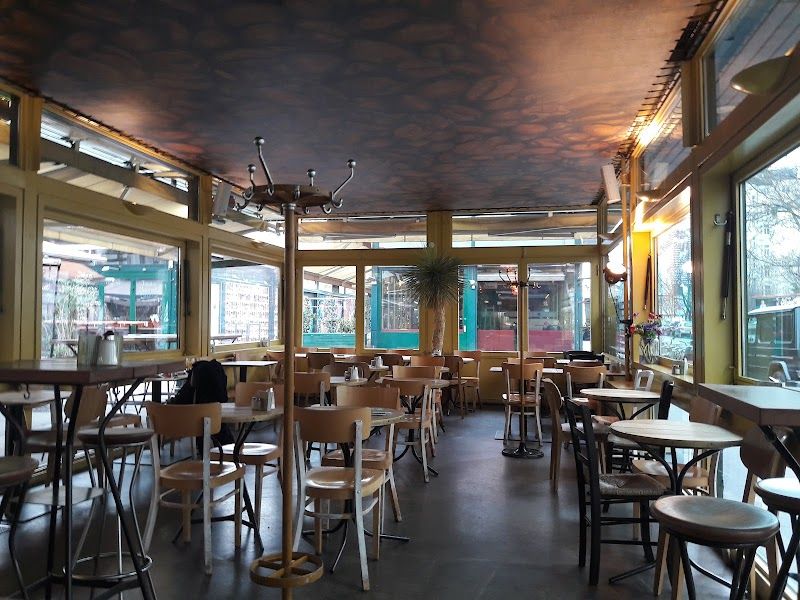
Naschmarkt Deli
A casual Middle Eastern restaurant at the Naschmarkt serving fresh falafel, shawarma, and mezze platters made by Syrian refugees. The ingredients come directly from the market stalls, and the hummus is ground fresh every morning.
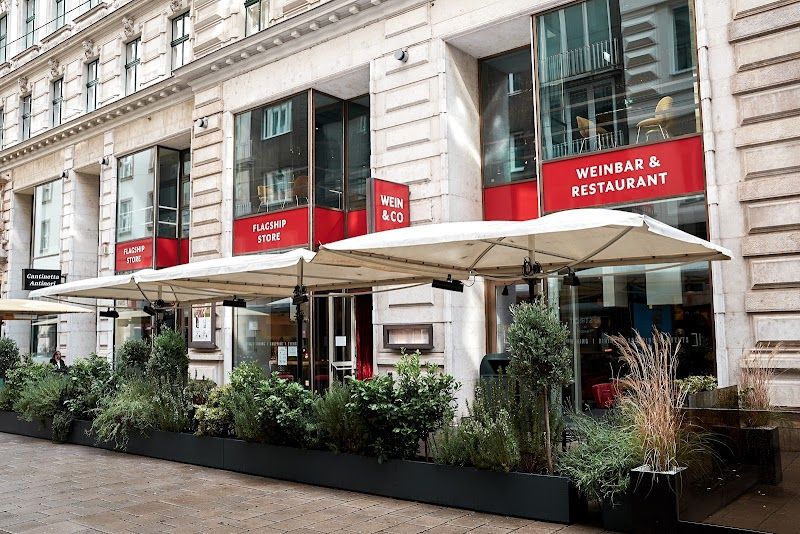
Wein & Co Bar am Stephansplatz
Wein & Co Bar am Stephansplatz specializes in Austrian wines you won't find in regular shops, focusing on small producers from Wachau, Burgenland, and Styria. The guided tastings include 5-6 wines with proper sommelier commentary, regional cheese pairings, and stories about the vineyards. You'll learn to distinguish between different Grüner Veltliner styles and discover why Austrian Rieslings taste different from German ones. The sessions run about 90 minutes and they've got a private room for larger groups. The atmosphere strikes a nice balance between educational and relaxed. You'll sit at proper tasting tables while the sommelier walks you through each wine's background, from soil composition to harvest techniques. The cheese selections actually complement the wines instead of just filling space. The staff knows their stuff without being pretentious, and you can ask questions without feeling stupid. The space itself mixes modern wine bar aesthetics with traditional Austrian touches. Most wine tastings in Vienna tourist areas are overpriced and generic, but this one delivers real value at around 35-45 EUR per person. Skip their red wine focused sessions unless you're already familiar with Austrian reds, the whites are where they truly excel. The Thursday Grüner Veltliner sessions feature producers you literally can't buy elsewhere in the city. Book ahead for weekend slots, but weekday afternoons often have walk-in availability.
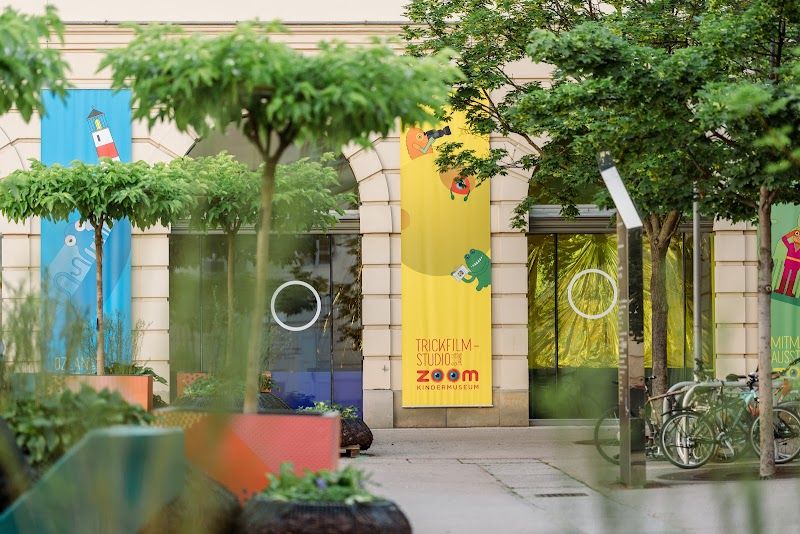
Zoom Kindermuseum
Zoom Kindermuseum sits inside the MuseumsQuartier's converted baroque stables and delivers exactly what Vienna's families need: guilt-free screen time for parents while kids get genuinely educational play. The rotating exhibitions change every 6-8 months and tackle themes like sound, movement, or sustainability through cleverly designed hands-on stations. You'll find microscopes that actually work, building zones with real tools, and sensory experiences that keep toddlers occupied for the full 90-minute time slots. The space feels intimate rather than overwhelming, with just four rooms that flow naturally from one activity to the next. Kids move at their own pace between stations while multilingual facilitators hover nearby to help without being pushy. The ocean room for under-threes features soft play areas and water tables that somehow stay manageable despite constant use. Parents can actually relax on benches strategically placed throughout, and the acoustics work well enough that it never feels chaotic even when full. Tickets cost €6 for kids and €4 for adults, making it Vienna's best value rainy day activity. Most guides don't mention the mandatory 90-minute sessions, which initially feels restrictive but actually works perfectly since kids tire out right around then anyway. Skip the gift shop, it's overpriced museum fare, but do use the family bathroom facilities which are genuinely excellent. Book online at least 48 hours ahead for weekend slots.
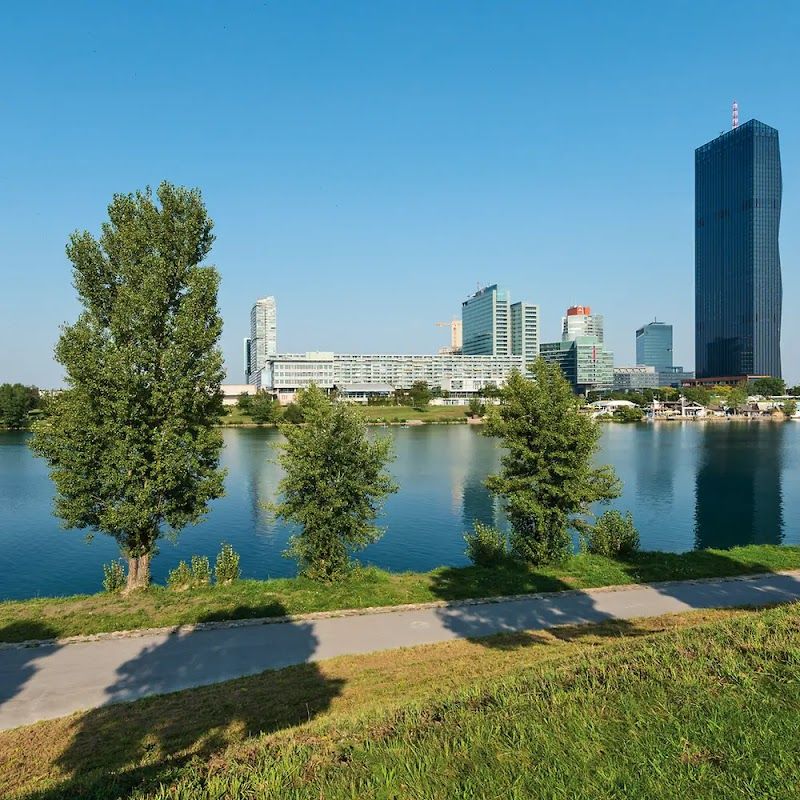
Donauinsel
Donauinsel stretches 21 kilometers along the Danube, Vienna's accidental beach paradise created for flood control in the 1970s. The island splits the river into two channels: the main Danube for shipping and the Neue Donau for swimming, kayaking, and paddleboarding. You'll find actual sandy beaches (imported sand, not riverside mud), grilling zones where locals set up elaborate barbecues, and surprisingly good beach bars serving cold Ottakringer for €3.50. The atmosphere shifts dramatically as you move north to south. The southern end feels like a nature reserve with cycling paths through tall grass and bird watching spots. Move north toward Copa Cagrana and you hit Vienna's version of a beach resort: volleyball courts buzzing with games, SUP rental stations (€15 per hour), and families claiming prime spots under the few shade trees. The water stays shallow for 20 meters out, making it perfect for nervous swimmers. Most guides make this sound like a full day trip, but three hours covers the highlights unless you're seriously into water sports. Skip the crowded middle sections in summer weekends and head to the quieter southern beaches past Reichsbrücke. The northern Copa Cagrana area gets overhyped: sure, it has the most bars, but you'll pay €8 for a basic schnitzel that costs €5 elsewhere on the island.
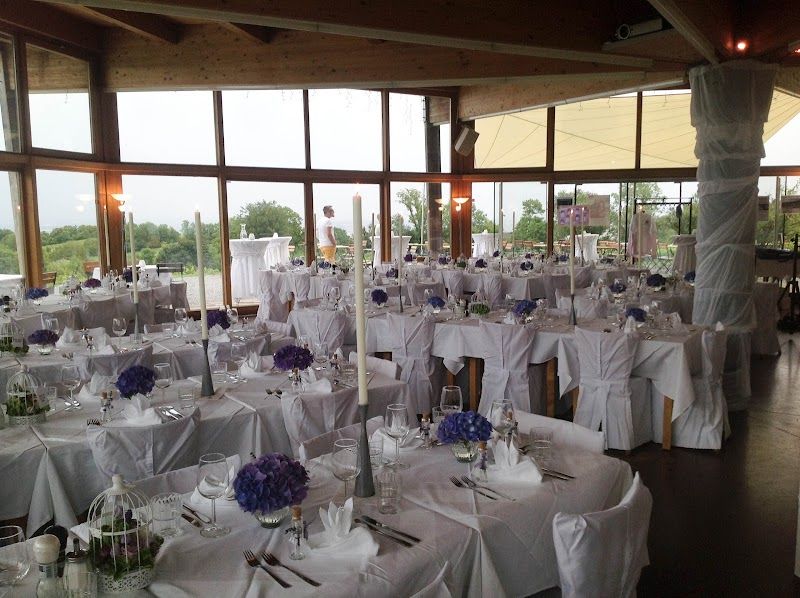
Café-Restaurant Oktogon am Himmel
Stunning hilltop café and restaurant with panoramic views over Vienna, situated at 470 meters above the city. The modern glass architecture provides 360-degree views, and the terrace is perfect for watching the sunset over the Vienna Woods while enjoying quality Austrian cuisine.
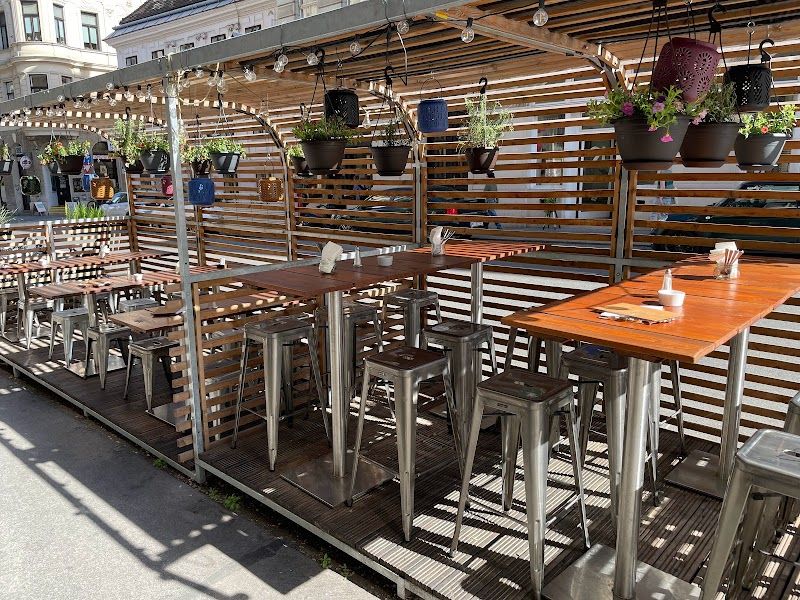
Die Burgermacher
A craft burger restaurant in Neubau using organic Austrian beef, house-made buns, and creative toppings like Käsekrainer sausage and horseradish mayo. The sweet potato fries are double-fried for extra crispiness, and the craft beer selection focuses on Austrian microbreweries.
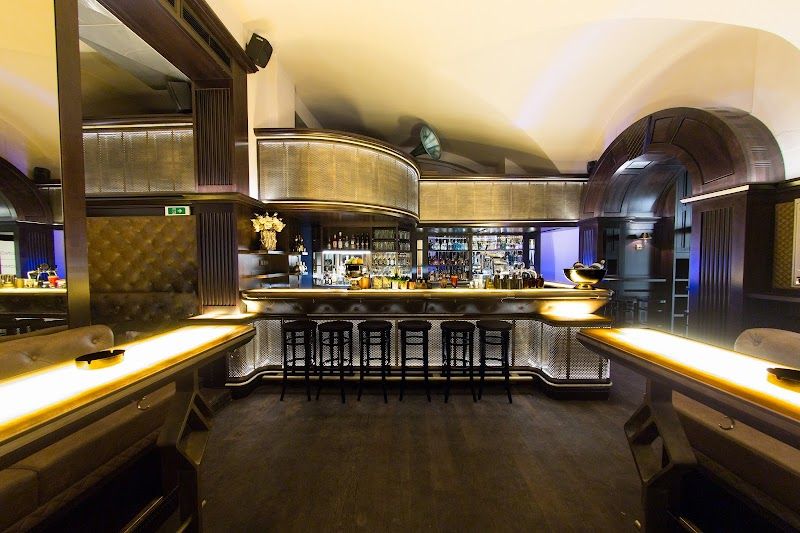
Kleinod
Intimate cocktail bar in Neubau with only 12 seats, where award-winning bartender Ari Shtober creates innovative drinks using house-made ingredients and seasonal flavors. The constantly changing menu features creative cocktails alongside perfectly executed classics, all served in a minimalist space with impeccable attention to detail. Reservations are essential at this hidden gem.
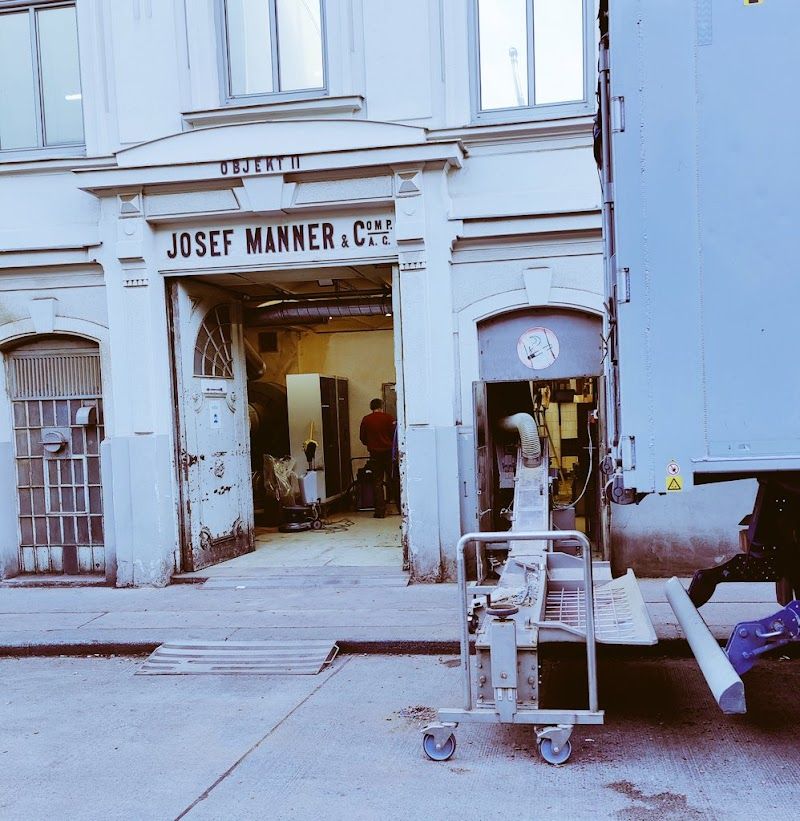
Manner Shop & Factory Outlet
Manner's factory shop gives you a rare peek inside Austria's most beloved confectionery empire, where those pink Neapolitaner wafers have been made since 1890. You'll walk through a small museum displaying vintage advertisements and original machinery, then peer through viewing windows to watch modern production lines cranking out thousands of wafers daily. The guided tour covers everything from cocoa sourcing to the precise baking temperatures that create those distinctive layers, plus you get to taste limited edition flavors that never make it to regular stores. The hour-long experience feels more like visiting a friend's quirky family business than a corporate tour. Your guide (usually a longtime employee) shares genuine stories about wartime sugar shortages and celebrity endorsements while you sample warm wafers straight from the cooling racks. The museum section showcases beautifully preserved 1950s packaging and advertising posters that'll make design lovers swoon. The factory viewing area lets you watch workers in hairnets carefully packaging those familiar pink boxes by hand. Most travel guides oversell this as some grand tourist attraction, but it's really just a sweet (literally) hour for anyone curious about local manufacturing. The €12 tour fee includes generous samples and a 20% discount in the outlet shop, where irregular wafers sell for €3 per bag instead of €5 retail. Skip the weekend slots when production stops and you're basically paying to look at silent machinery. Book directly by phone rather than through hotel concierges who add unnecessary markup.
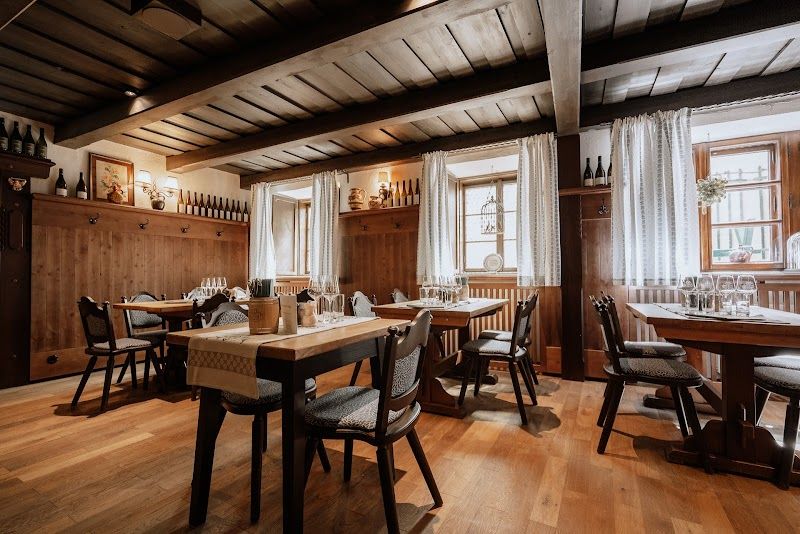
Heuriger Mayer am Pfarrplatz
A traditional Heuriger wine tavern in Heiligenstadt where Beethoven composed the 9th Symphony while living upstairs. The buffet serves cold cuts, cheese, and spreads, and the house wine comes from the family's own vineyards on the hills above.
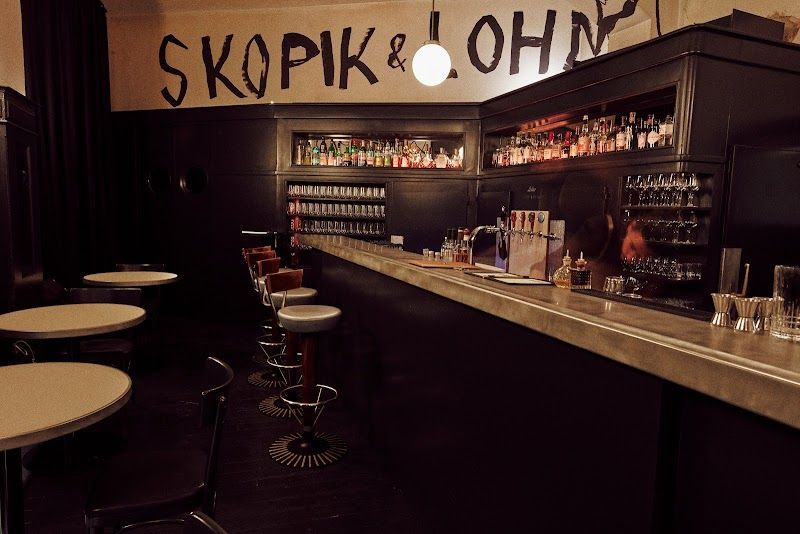
Skopik & Lohn
A design-forward restaurant in Leopoldstadt with walls and ceilings covered in intricate botanical murals by artist Murad Khan Mumtaz. The modern European menu changes monthly, and the atmosphere is intimate with dim lighting and velvet banquettes.
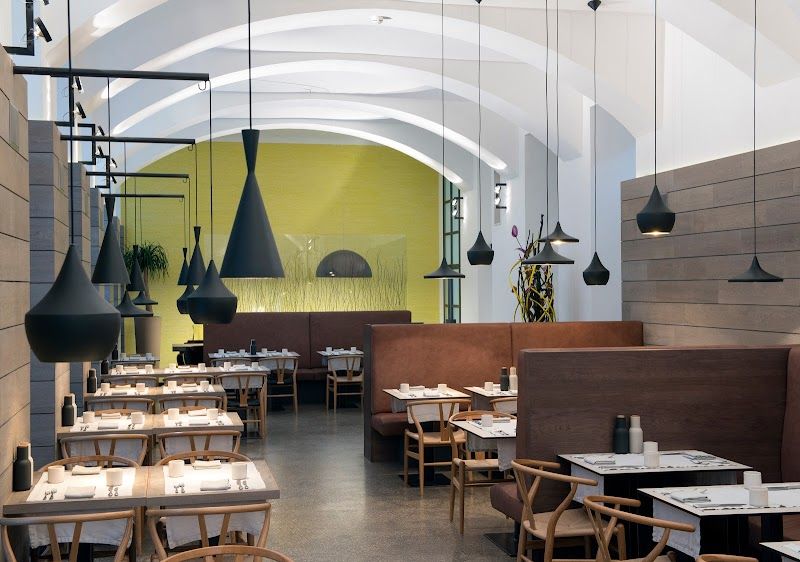
Labstelle
A farm-to-table restaurant in Neubau where 90% of ingredients come from within 50km of Vienna, including rare breed pork, heritage vegetables, and artisan cheeses. The menu changes weekly based on what's available from partner farms.
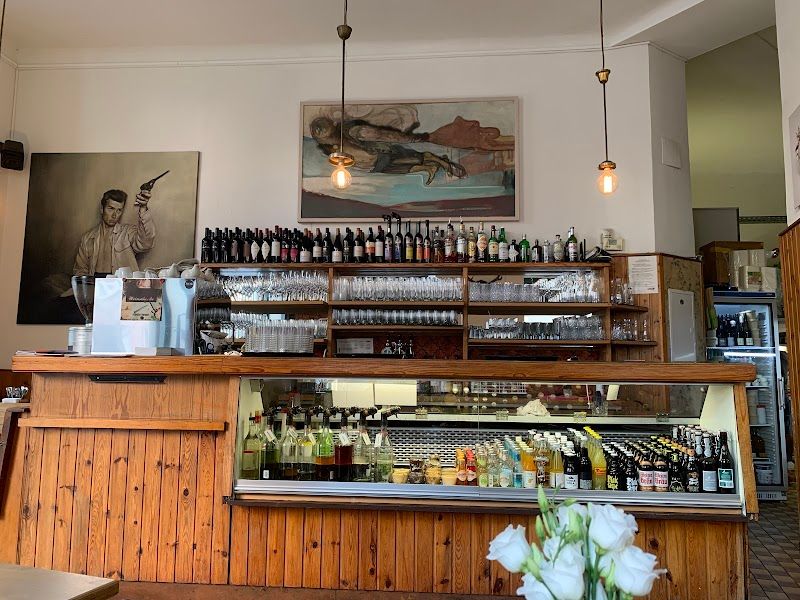
Weinschenke
Natural wine bar in Leopoldstadt serving over 300 Austrian and international organic wines by the glass or bottle, with a focus on small producers and minimal intervention winemaking. The cozy space fills with locals who come for the knowledgeable staff, rotating wine selection, and quality cheese and charcuterie plates. It's a neighborhood favorite that perfectly captures Vienna's growing natural wine scene.
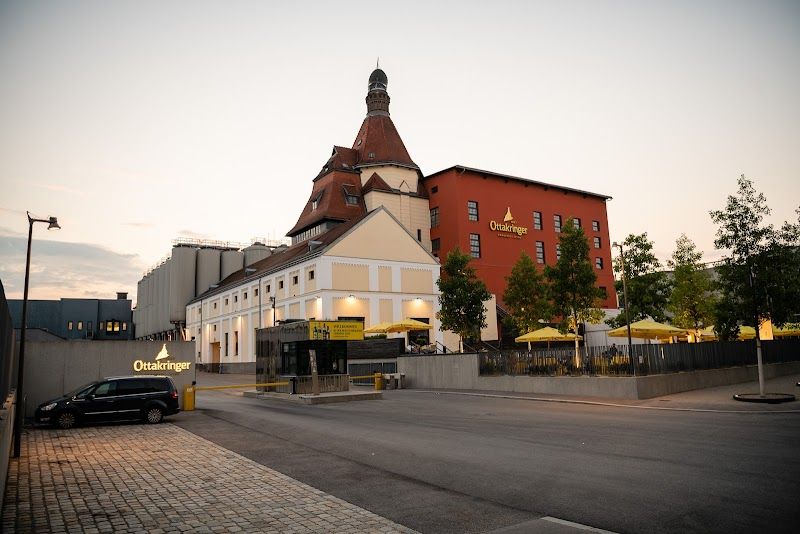
Ottakringer Brauerei
Ottakringer Brauerei has been churning out Vienna's most popular beer since 1837, and their 90-minute tours take you through the entire operation from grain to glass. You'll walk through massive copper brewing vessels that still bubble away daily, descend into cool fermentation cellars where the magic happens over weeks, and learn why Viennese prefer their local brew over imported options. The tour ends in their cozy tap room where you sample four different varieties, including their flagship Ottakringer Gold that you'll see in every Viennese pub. The experience feels authentically industrial rather than polished for tourists. Your guide (usually a longtime brewery employee) explains the brewing process while massive machinery hums around you, and the fermentation cellars maintain that perfect beer-making temperature year-round. The best part comes at the end when you settle into wooden benches in the tap room, comparing the crisp lager against their seasonal wheat beer while other tour groups create a genuine pub atmosphere. You can hear bottling lines working in the background, reminding you this isn't a museum but a working brewery producing 500,000 hectoliters annually. Most brewery tours in Europe cost 15-20 EUR, but Ottakringer runs theirs for just 12 EUR including all tastings, making it Vienna's best beer value. Skip the weekend tours if you want smaller groups and more personal attention from guides. The tap room stays open after tours end, so you can order additional beers for 3-4 EUR each if you want to extend the experience, though four samples usually satisfy most visitors.
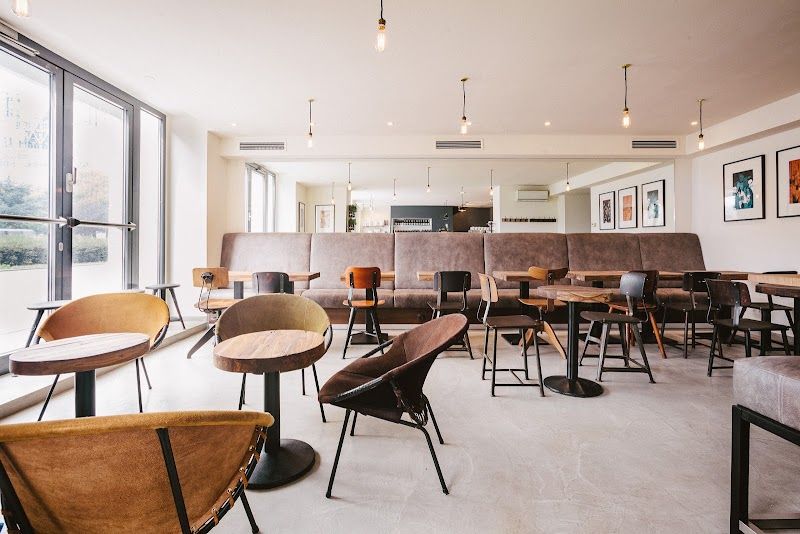
Jonas Reindl Coffee
Micro-roastery and espresso bar in Leopoldstadt with a cult following for their meticulously sourced beans and precise brewing temperatures displayed on digital thermometers. Filter coffee costs EUR 3.80, and the rotating guest beans from Nordic roasters attract serious coffee geeks. Stand at the bar or take one of six seats at the window counter.
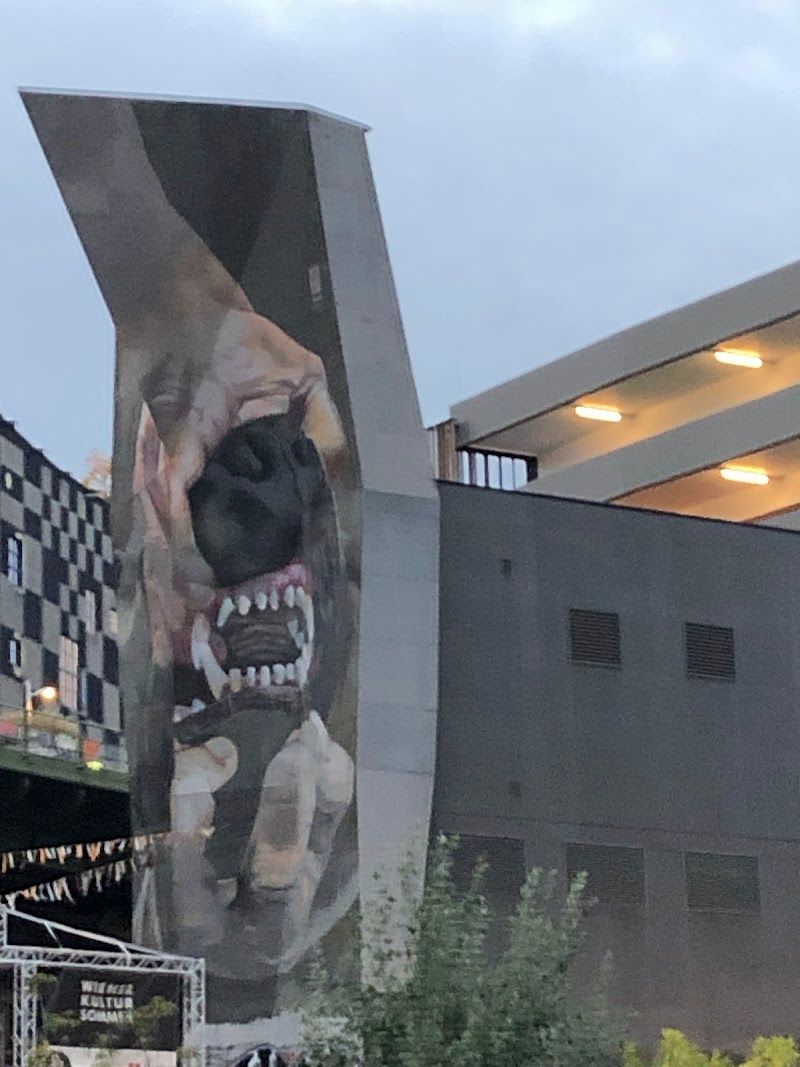
Grelle Forelle
Underground electronic music club in a former warehouse on the Danube Canal, featuring a world-class sound system and hosting cutting-edge techno, house, and experimental electronic acts. The industrial space has exposed concrete walls, a main floor that gets packed after 2 AM, and a more relaxed bar area upstairs. It's a serious club for serious dancers with a no-photo policy on the dance floor.
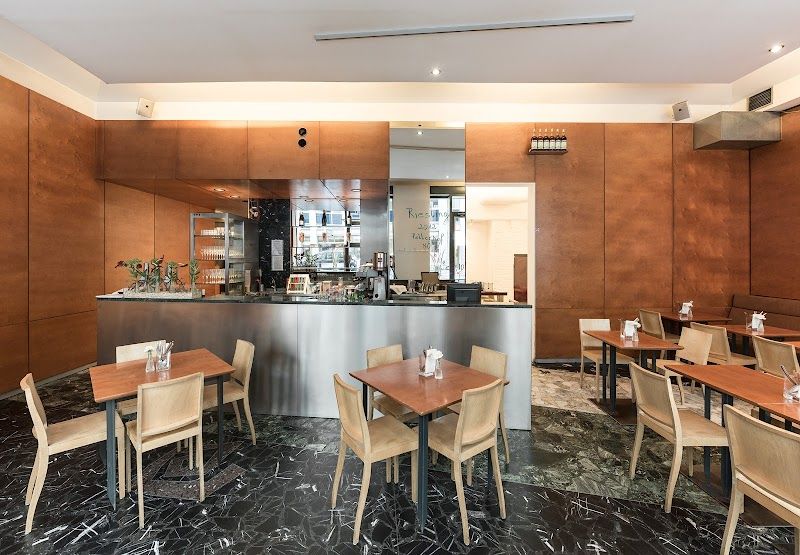
Kochsalon Wrenkh
Kochsalon Wrenkh teaches you to cook proper Viennese dishes in a spotless professional kitchen just two blocks from Stephansdom. You'll spend three hours mastering techniques that most tourists only read about: pounding schnitzel to the perfect thickness, slow-cooking Tafelspitz until it falls apart, and stretching strudel dough so thin you can read through it. The classes max out at 12 people, so you get real attention from chef instructors who've worked in Vienna's top restaurants. The kitchen feels like stepping into a high-end restaurant's prep area, complete with induction burners and proper ventilation that keeps things comfortable even when everyone's frying schnitzel simultaneously. Chef Wrenkh demonstrates each technique first, then you work in pairs at individual stations with quality ingredients sourced from Naschmarkt vendors. The atmosphere stays relaxed despite the professional setup, and you'll find yourself chatting with fellow participants while your Tafelspitz simmers. Most cooking classes in Vienna are tourist traps serving mediocre food, but this one delivers restaurant-quality results you'll actually want to eat. Classes cost €89 per person, which includes all ingredients, recipes printed in English, and the three-course meal you've prepared. Skip the weekend sessions if possible since they fill with large groups that slow down instruction.
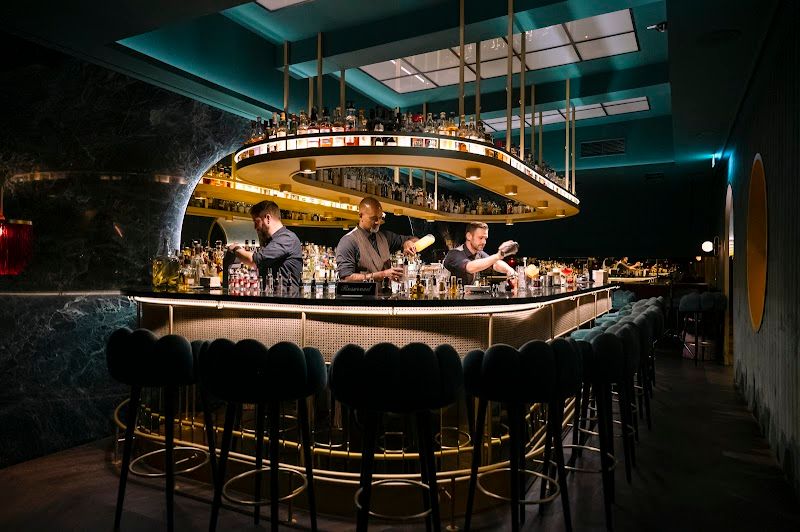
Barfly's Club
Sophisticated cocktail bar inside the Hotel Am Konzerthaus near Stadtpark, featuring a 1950s-inspired interior with leather booths and dim lighting. The extensive cocktail menu includes creative signatures and flawless classics, served by highly skilled bartenders who take their craft seriously. The bar attracts a well-dressed, older crowd and is perfect for an elegant nightcap.
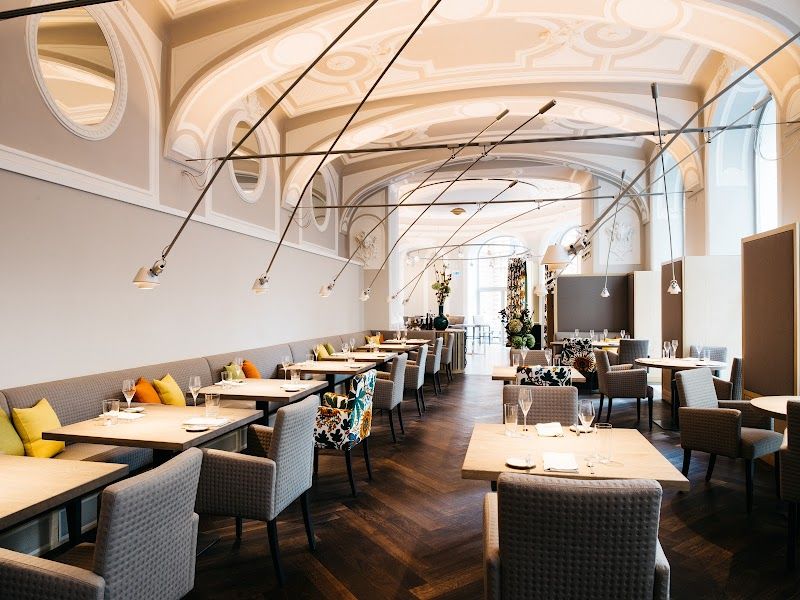
Tian
A Michelin-starred vegetarian restaurant where chef Paul Ivić creates artful, multi-course menus from vegetables, grains, and dairy. The dishes are so technically accomplished that even meat-eaters praise the flavor complexity and presentation.
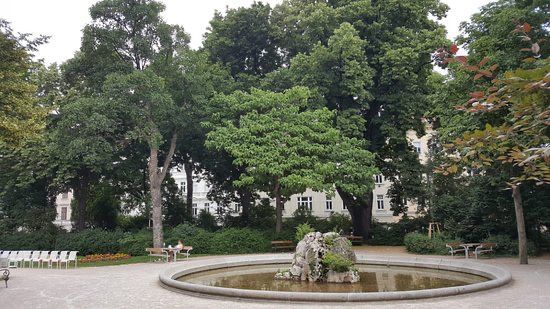
Schönborn Park
Schönborn Park transforms what was once an aristocratic palace garden into Vienna's most authentic neighborhood green space. You'll find tree-lined gravel paths winding through manicured lawns, a well-equipped playground that draws local families, and plenty of benches where Josefstadt residents come to read or chat. The baroque layout still shows through in the symmetrical plantings and formal hedgerows, but this feels like a real park, not a tourist attraction. The atmosphere here is pure residential Vienna. Office workers cut through on their commute, parents push strollers along the main paths, and kids dominate the playground after school. You'll hear more German than English, which tells you everything about who actually uses this space. The park has a lived-in quality that the grander Viennese gardens lack, with locals treating it like their extended backyard. Most guidebooks barely mention Schönborn Park, which works in your favor. Skip it if you're hunting for Instagram shots or historical significance, but if you want to see how real Viennese families spend their downtime, it's perfect. The summer concerts are pleasant but nothing special. Come here when you need a break from sightseeing rather than as a destination itself.
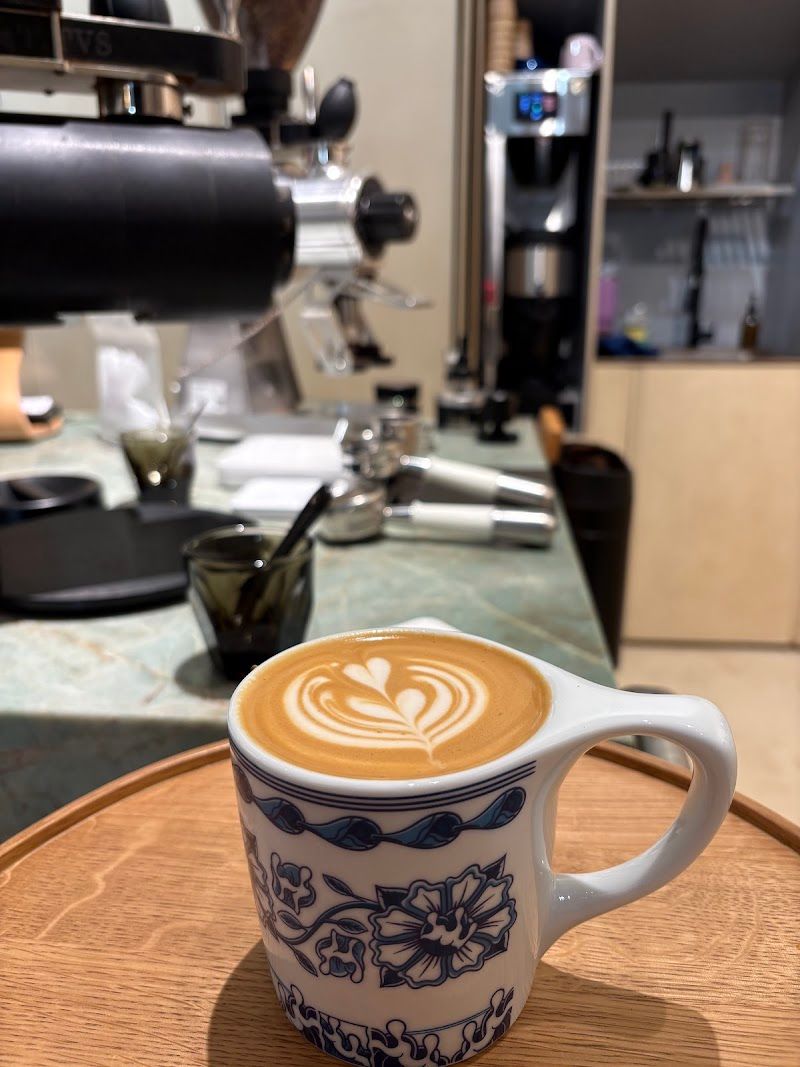
Café Couture
Third-wave specialty coffee roastery in Neubau serving single-origin pour-overs (EUR 4.20) and flat whites with latte art in a minimalist space with exposed brick and communal tables. The beans rotate weekly from roasters like Mitte and Bonanza, with tasting notes explained by knowledgeable baristas. Excellent banana bread and homemade granola for breakfast.
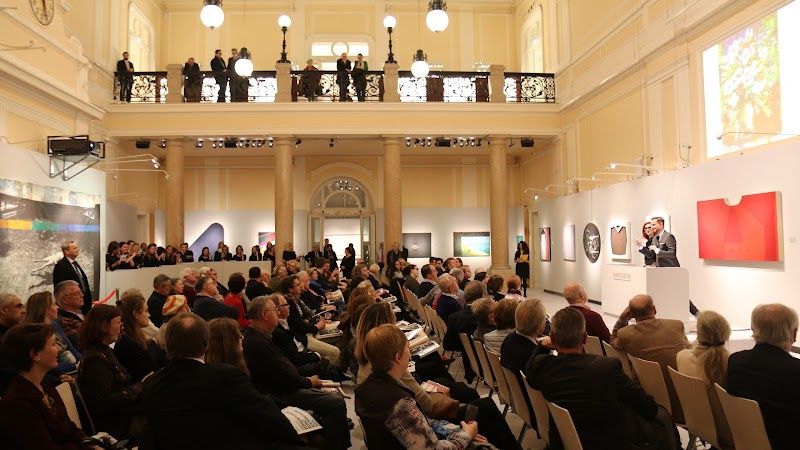
Dorotheum
The Dorotheum is Europe's oldest auction house, operating since 1707 as a fascinating mix of high-end auction gallery and working pawn shop. You'll wander through five floors of curated objects waiting for auction: 18th-century porcelain, contemporary art, vintage jewelry, rare books, and everything from grandfather clocks to designer handbags. Entry is completely free, and you can examine items up close that would be behind glass in most museums. The Art Nouveau staircase alone justifies the visit, spiraling up through rooms where Mozart's piano once sold alongside Habsburg family heirlooms. The atmosphere feels like exploring a wealthy relative's attic, if that relative had impeccable taste and unlimited storage. Each floor specializes in different categories: jewelry and watches on one level, paintings and sculpture on another. You'll see well-dressed Viennese examining lot numbers alongside curious tourists trying on estate rings. The auction rooms buzz with serious bidding Monday through Friday, while the ground floor pawn operation processes everything from luxury watches to family silver. Staff speak excellent English and genuinely enjoy explaining pieces that catch your interest. Most guides don't mention the huge quality variation between floors. The upper levels showcase museum-quality pieces with estimates starting around €500, while the basement often holds overpriced tourist trinkets. Skip the souvenir-level items and focus on the second and third floors where the real treasures live. Bidding requires registration with ID and credit card details, but browsing costs nothing. The cafe on the first floor serves decent coffee for €3.50 if you need a break between floors.
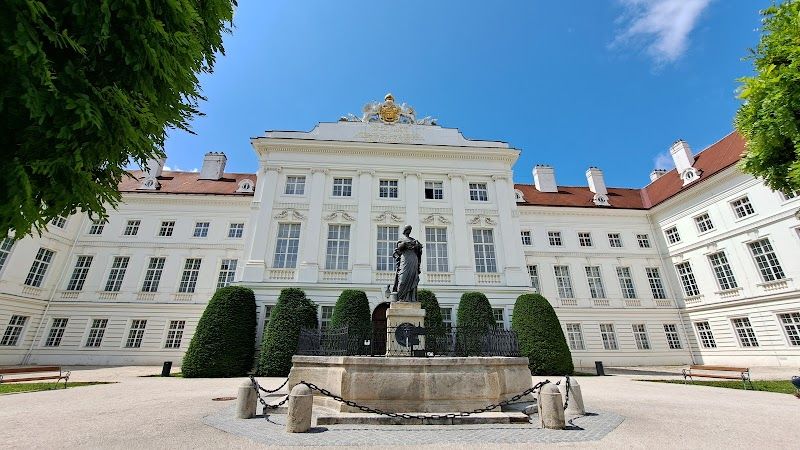
Cafe Josefinum
Cafe Josefinum sits on a busy street corner in the medical university district, serving as the unofficial canteen for broke med students and locals who've discovered Vienna's best value breakfast. You'll pay EUR 2.80 for expertly pulled espresso and EUR 6.50 to 9.50 for plates piled high with eggs, bread, ham, and cheese that'll fuel you until dinner. The real draw is the back garden: chestnut trees create natural shade over mismatched tables where you can linger for hours without dirty looks. Inside feels wonderfully ordinary, with worn wooden tables, medical textbooks scattered about, and the kind of unpretentious atmosphere that makes tourist coffee houses seem ridiculous by comparison. The daily lunch board lists traditional Austrian dishes for under EUR 10, and you'll hear more German than English from tables of students cramming for exams. Service moves at neighborhood pace, not tourist speed, which means your coffee stays hot and conversations flow naturally. Most Vienna cafe guides push you toward expensive tourist traps with EUR 5 espressos and tiny portions. Skip those entirely and come here for what locals actually drink and eat. The garden fills up fast in summer, so arrive before 11am or after 2pm. Don't expect Instagram worthy presentation, but do expect to leave satisfied and with money still in your wallet.
Witwe Bolte
Traditional Viennese restaurant in a historic Spittelberg building serving classic Austrian cuisine with a modern twist. Known for their excellent Tafelspitz and seasonal game dishes, all served in a cozy atmosphere with exposed brick walls. The outdoor seating on the cobblestoned street is particularly charming in warm weather.
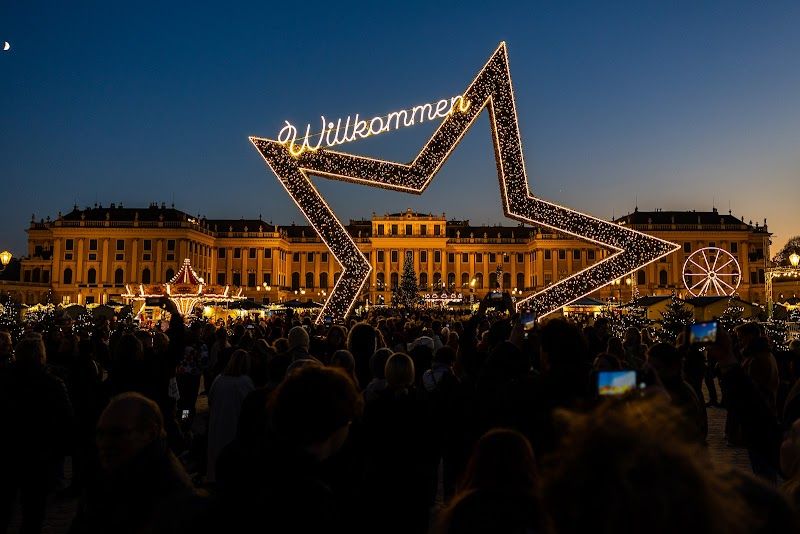
Weihnachtsmarkt Schloss Schönbrunn
Schönbrunn's Christmas market transforms the palace's front courtyard into Austria's most elegant holiday shopping experience, with 70+ wooden chalets selling everything from hand-carved nativity scenes to Swarovski crystal ornaments. You'll find quality crafts here that outshine other markets: wooden toys from the Tyrol region (€15-45), hand-painted ceramics from local artisans (€8-25), and delicate glass baubles that somehow survive the flight home. The imperial yellow facade is a fitting backdrop, especially when lit up after dark. The market flows in a neat grid pattern around a central Christmas tree, making it easy to navigate without the chaos of Vienna's bigger markets. Food stalls cluster near the palace entrance, serving proper Wiener schnitzel sandwiches (€8) alongside roasted chestnuts and mulled wine (€4-6). The whole place has a refined atmosphere where you can browse without getting elbowed by tour groups. Classical musicians often perform near the fountain, adding to the palace ambiance. Most guides rave about this market, but honesty is the best policy – the craft quality varies wildly between stalls. Skip the generic souvenir booths near the main entrance and head straight to the back rows where local artisans set up shop. The food is overpriced compared to neighborhood spots, but the Kaiserschmarrn (€9) is genuinely excellent. Come on weekday mornings when vendors are eager to chat and demonstrate their crafts.
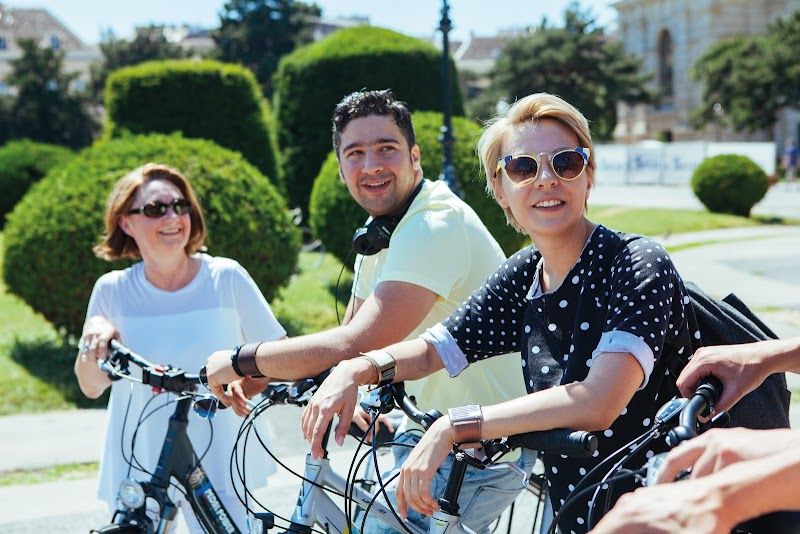
Pedal Power Fahrradverleih
Pedal Power runs Vienna's cycling tours, taking you through three distinct areas: the graffiti-lined Danube Canal, the sprawling Prater parkland with its famous Ferris wheel views, and car-free Danube Island where locals swim and sunbathe. You'll ride vintage Dutch-style bikes that feel sturdy, and your English-speaking guide knows the street art stories behind each major mural along the canal walls. The 12-person limit ensures you can hear the commentary and ask questions without shouting over traffic. The three-hour route flows naturally from urban to green to waterfront, with plenty of stops for photos and stories. Starting in the historic center, you'll coast downhill to the canal where colorful murals cover concrete walls and locals jog along the water. The Prater section takes you past the amusement park into quieter tree-lined paths, then you'll cross onto Danube Island where the city opens up into beaches and bike paths that stretch for miles. Your guide pauses frequently to point out details you'd never notice alone. Most bike tours in Vienna stick to the Ring Road's tourist highlights, but this one shows you where Viennese people spend their free time. The vintage bikes look stylish but aren't great for speed, so don't expect an athletic workout. Skip this tour if it's raining heavily since much of the route lacks tree cover, especially on Danube Island where you'll be exposed to weather.
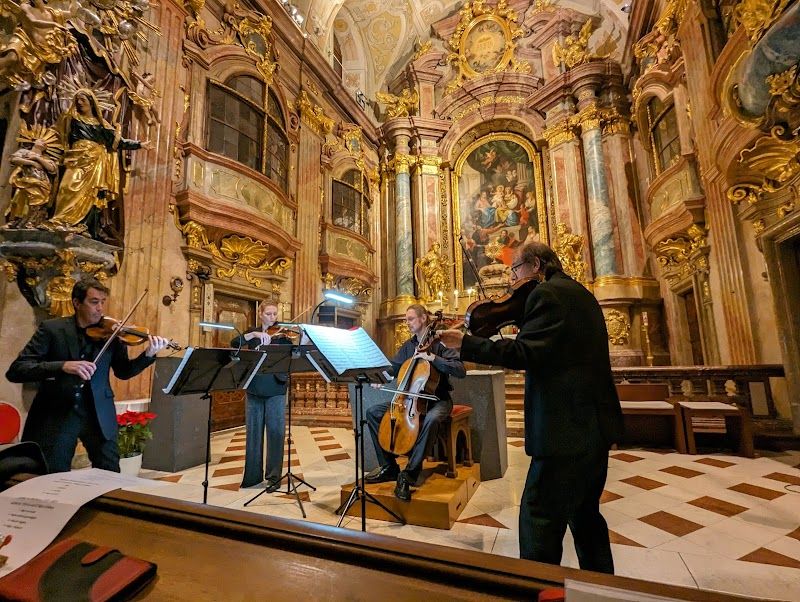
Vienna Classical Music Concert
Vienna is the city of Mozart, Beethoven, Strauss, Schubert, Brahms, and Mahler, and attending a classical music performance is not optional. The Musikverein (home of the Vienna Philharmonic, and the Golden Hall where the New Year's Concert is broadcast worldwide) has the best acoustics in the world. The Konzerthaus is the modern alternative with a more varied program. Ticket prices range from EUR 15-200 depending on venue, seat, and performance. Church concerts (particularly at Karlskirche and Augustinerkirche) run EUR 25-45 and are often excellent. Avoid the costumed "Mozart concert" touts on the street: they are tourist traps with mediocre musicians.
Lingenhel
A delicatessen and wine bar near the opera focusing on Austrian artisan products, hams, cheeses, and preserves from small producers. The tasting plates are beautifully composed, and the staff can explain the terroir of each cheese and salumi.
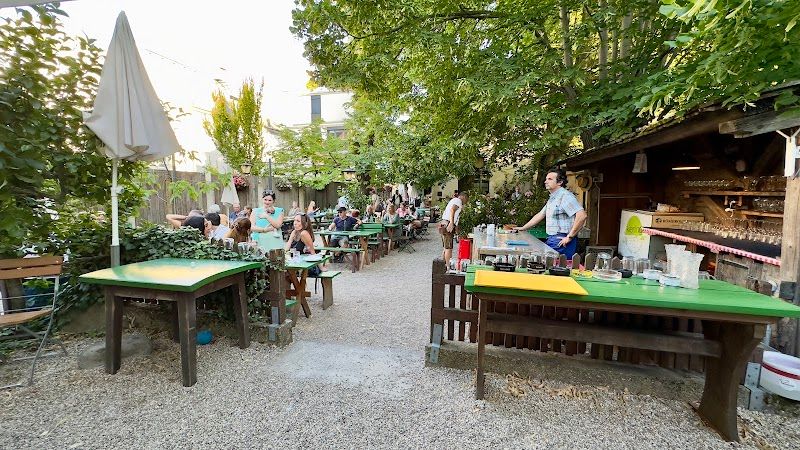
Heuriger Kierlinger
A family-run Heuriger in Nussdorf with a tree-shaded garden overlooking vineyards and the Danube. The cold buffet features house-made Liptauer cheese spread, blood sausage, and Sulz (meat aspic), and the wines come from the family's own vines.
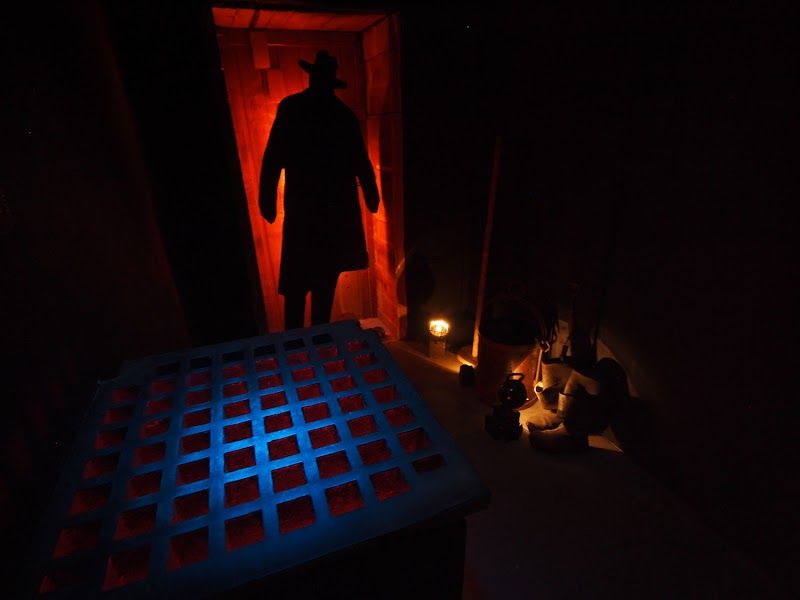
The Third Man Private Collection Museum
This specialized museum celebrates the 1949 film noir classic "The Third Man" with genuine props, behind-the-scenes photographs, and original costumes from the Orson Welles thriller. You'll see Harry Lime's actual zither, authentic period documents, and rare production stills that capture post-war Vienna's bombed-out atmosphere. The €29 ticket includes a 90-minute guided walking tour through the actual filming locations around the city center, plus optional access to Vienna's sewers where the famous chase scenes were shot. The experience starts in a small museum space packed with memorabilia, then moves onto Vienna's streets where your guide explains how director Carol Reed used the war-damaged city as a character itself. You'll visit the Riesenrad ferris wheel, the Café Mozart, and several courtyards where key scenes unfolded. The sewer portion feels genuinely atmospheric: you're walking through the same tunnels where Orson Welles ran from British military police, complete with period lighting effects and audio clips. Most film tours feel gimmicky, but this one works because Vienna still looks remarkably similar to the movie's backdrop. Skip the basic €19 museum-only option: the walking tour provides essential context and the sewer access (€10 extra) is genuinely thrilling, not touristy. Book the sewer portion separately since it fills up fast, especially during winter when fewer outdoor activities compete for attention.
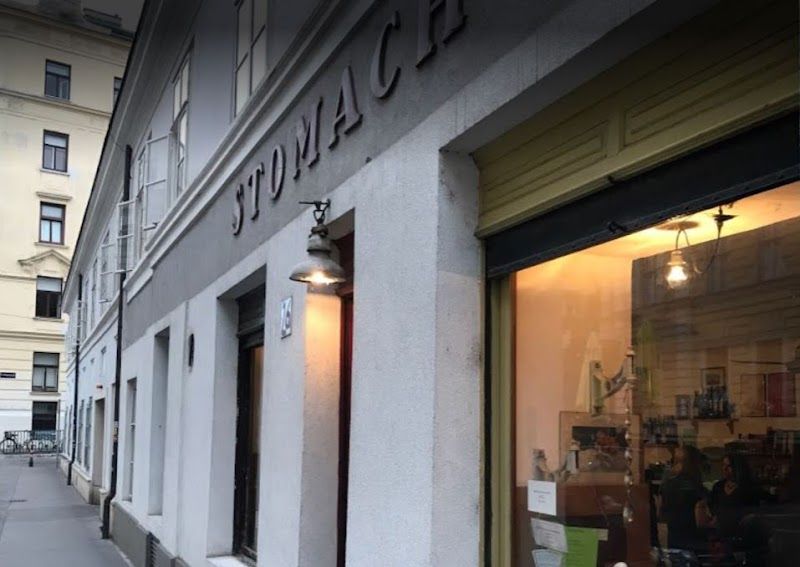
Stomach
A modern Austrian bistro in Neubau with an open kitchen where you can watch chefs prepare market-driven daily menus. The lunch special includes soup, main, and coffee for EUR 14.50, and the wine list focuses on natural Austrian producers.
Vienna Explorer
Vienna Explorer takes you deep into the Wienerwald on foot, covering three completely different sites that most Vienna visitors never see. You'll hike 12km through dense forest trails to reach Mayerling hunting lodge (where Crown Prince Rudolf died in 1889), explore the working Cistercian monastery at Heiligenkreuz Abbey with its haunting Gregorian chants, and descend into Seegrotte, Europe's largest underground lake formed by flooded gypsum mines. The day starts with pickup from Franz-Josefs-Kai, then a 45-minute drive south into proper wilderness. The hiking feels surprisingly remote for being so close to Vienna, with sections through beech and oak forests where you'll hear nothing but birds and your own footsteps. At Heiligenkreuz, you'll join the monks for part of their daily prayers (genuinely moving, even if you're not religious), while Seegrotte involves a 20-minute boat ride across mirror-still water 60 meters underground. This tour works best if you actually enjoy hiking rather than just want to tick boxes. The 12km isn't technical but it's legitimate walking, not gentle strolling. Skip this if you're expecting luxury transport or gourmet meals. The trail snacks are basic (think energy bars and fruit), and lunch is a simple Austrian meal at a forest gasthaus. Most other Vienna Woods tours just drive you around, so this one's genuinely different if you want to earn your views.
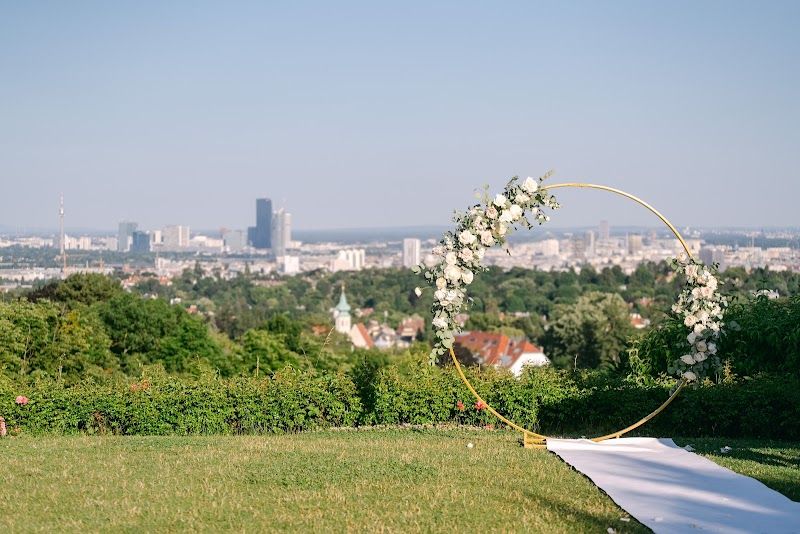
Weingut am Reisenberg
Weingut am Reisenberg is a working family vineyard that's been making wine on Vienna's hillsides since the 1800s, with terraced vines cascading down slopes that give you sweeping views over the entire city. You'll taste their Grüner Veltliner and Riesling in centuries-old stone cellars carved directly into the hillside, then walk through vine rows where grapes literally grow within city limits. The property includes a traditional Heuriger tavern where locals come for new wine and cold cuts, making this one of the few places you can experience authentic Viennese wine culture without any tourist theater. The guided tours start in the historic cellars where massive oak barrels line stone corridors that stay cool year-round, and the owner explains how Vienna's unique microclimate produces surprisingly good white wines. You'll sample four wines paired with local cheeses while learning about urban viticulture, then climb up through the terraced vineyard where Vienna spreads out below like a detailed map. The atmosphere feels genuinely local, especially when elderly Viennese neighbors stop by the tavern for their daily glass of Sturm during autumn harvest season. Most wine guides oversell Vienna's vineyards, but this one delivers because it's still primarily focused on wine production rather than tourism. The guided tastings cost around 25 EUR per person and include substantial food, making them good value compared to central Vienna wine bars. Skip the basic self-guided option and book the full cellar tour, it's only 5 EUR more but includes twice the wine and all the interesting technical details about how they manage vines on such steep terrain.
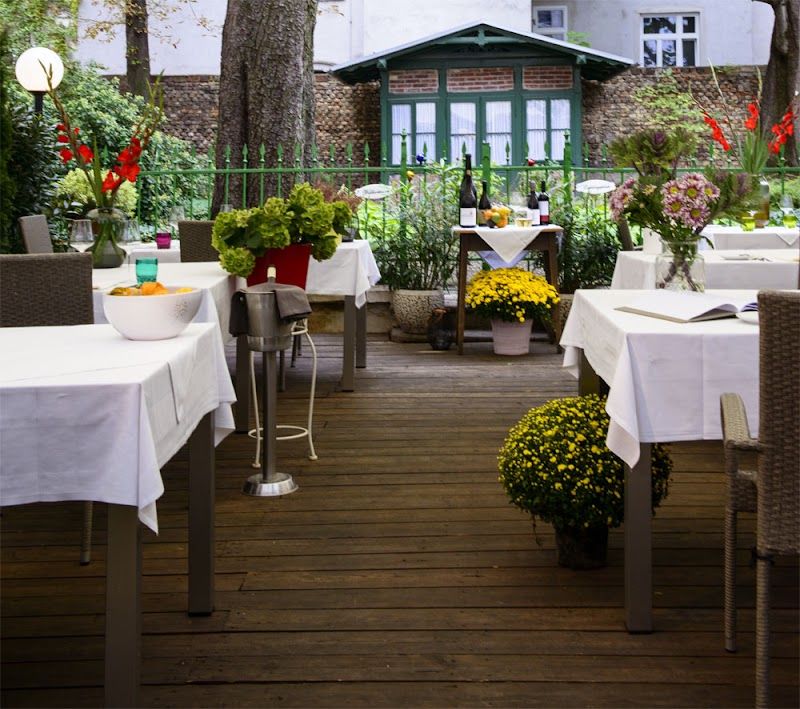
Fuhrmanns Garten
A charming neighborhood restaurant with a lovely garden courtyard that's perfect for warm weather dining. They serve modern Austrian cuisine with seasonal ingredients and have an excellent wine selection. The cozy interior features exposed brick and a relaxed, unpretentious atmosphere.
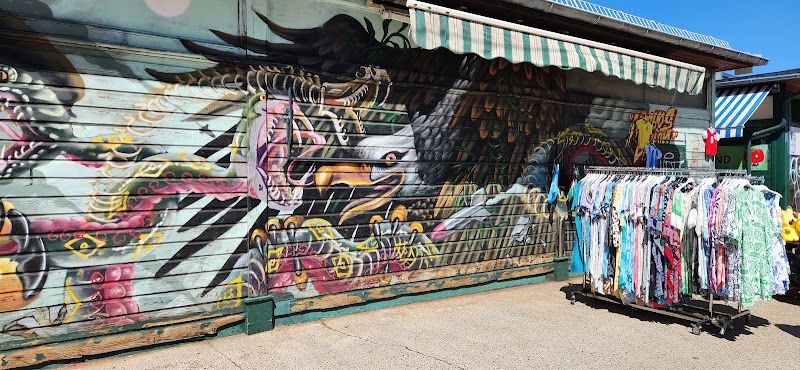
Neubau Flohmarkt
Neubau Flohmarkt is Vienna's most authentic Saturday flea market, where locals actually shop for vintage finds instead of posing for Instagram. You'll dig through racks of 1970s leather jackets, original mid-century furniture, and crates of vinyl records from the 1960s onward. The dealers here are serious collectors themselves, so you're getting quality pieces that have been pre-curated by people who know their stuff. The market spreads across a small courtyard and adjacent streets, creating an intimate browsing experience where you can actually talk to sellers about their items. Most vendors speak decent English and love sharing stories about their finds. You'll see Austrian grandmothers selling family heirlooms alongside young dealers specializing in designer vintage. The atmosphere is relaxed and local, with a small coffee stand serving decent espresso for €2. Prices are fair but not bargain basement. Expect to pay €15-30 for vintage band t-shirts, €40-80 for leather jackets, and €5-15 for vinyl records. The quality is consistently better than Naschmarkt's weekend flea section, which has become overrun with tourist trinkets. Skip the handmade crafts section, which feels forced. Focus on the vintage clothing and records where this market really shines.
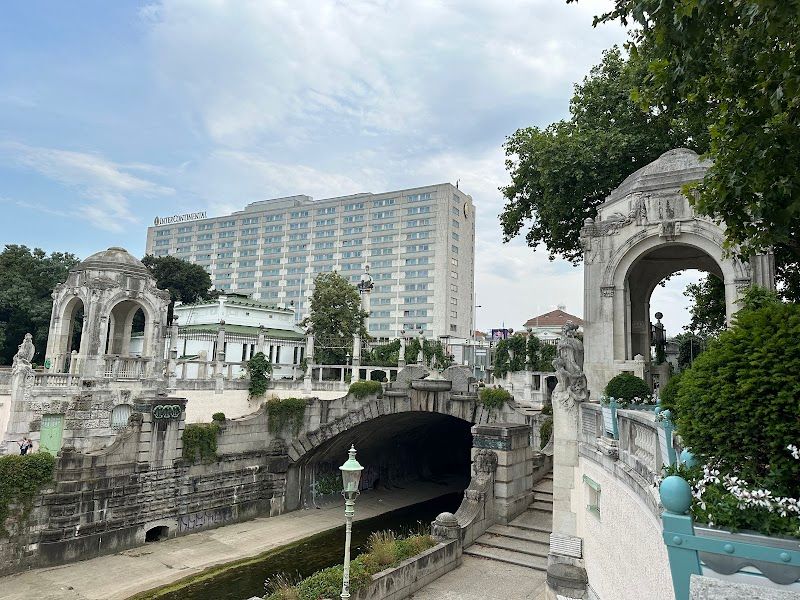
Wienfluss Portal
The Wienfluss Portal marks where Vienna's Wien River disappears underground, created by Friedrich Ohmann in 1905 as part of the massive Ringstrasse development. You'll find intricate Art Nouveau stonework, carved river gods, and flowing water motifs that most tourists walk right past while heading to the Naschmarkt. The portal sits at street level near Karlsplatz, framing what was once an open waterway but now covers a hidden tunnel system beneath your feet. Walking up to the portal feels like discovering a movie set piece accidentally left behind. The carved figures seem to guard the underground river, while decorative elements climb up the stone archway in typical Viennese excess. Traffic flows around it constantly, but the portal holds its ground with surprising dignity. You can peek through the ironwork to glimpse the tunnel entrance where the Wien River continues its journey toward the Danube. Most guidebooks either skip this completely or oversell it as some major attraction. It's neither: just a beautiful 20-minute stop that works perfectly as part of a Naschmarkt visit. The matching portal across the street completes the architectural story, but honestly, one photo from the main side covers it. Don't make a special trip here, but absolutely pause if you're already in the area. Free to admire, impossible to miss once you know what to look for.
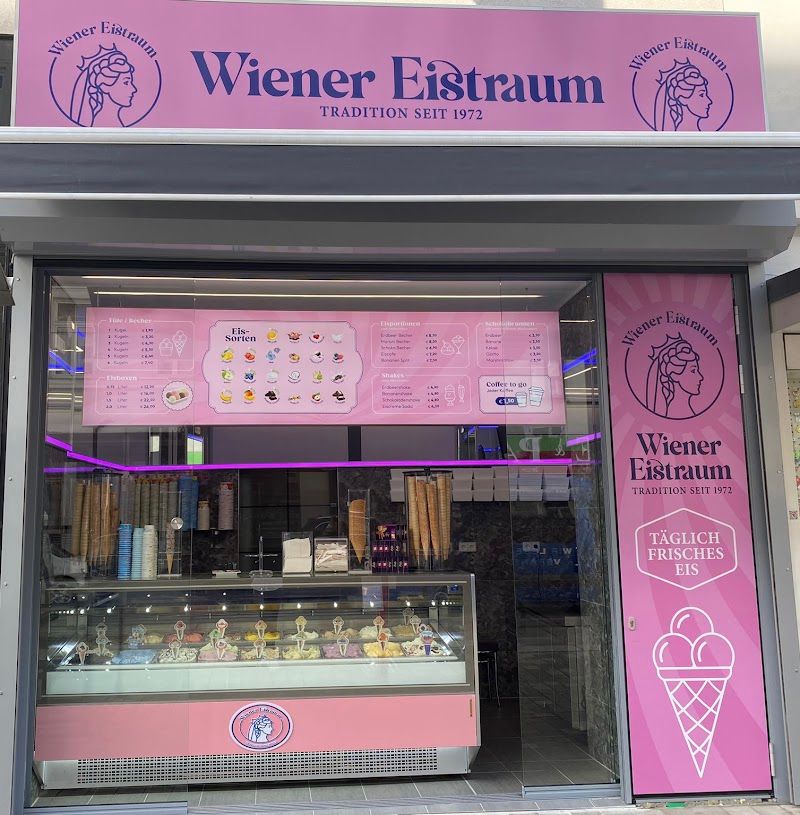
Wiener Eistraum
Wiener Eistraum transforms Vienna's Rathausplatz into Austria's largest outdoor ice rink each winter, creating a winding 9,000 square meter ice path that snakes through the City Hall park. You'll glide past neo-Gothic architecture under thousands of twinkling lights while traditional Austrian music plays overhead. The experience combines skating with Vienna's winter charm: mulled wine stands, roasted chestnut vendors, and couples taking romantic evening spins around the illuminated course. The ice path isn't your typical oval rink. Instead, you'll follow curved routes that weave between trees and past the imposing Rathaus facade, creating natural stopping points for photos or warm-up breaks. Evening visits offer the most atmosphere when golden lights reflect off the ice and Vienna's winter mist creates an almost magical setting. The rental booth stays busy, but skates are decent quality (sizes run small, so go up one). Most skaters are locals out for evening exercise rather than tourists, giving it an authentic neighborhood feel. Skip the weekend evenings when it's packed with families and inexperienced skaters who clog the narrow sections. Admission runs €6.50 for adults, €4 for students, with skate rental adding another €5. The ice quality varies dramatically: fresh morning sessions glide smoothly, but by afternoon you're navigating rough patches and puddles. Most travel guides oversell this as romantic, but it's genuinely fun if you time it right and don't expect pristine Olympic-level ice.
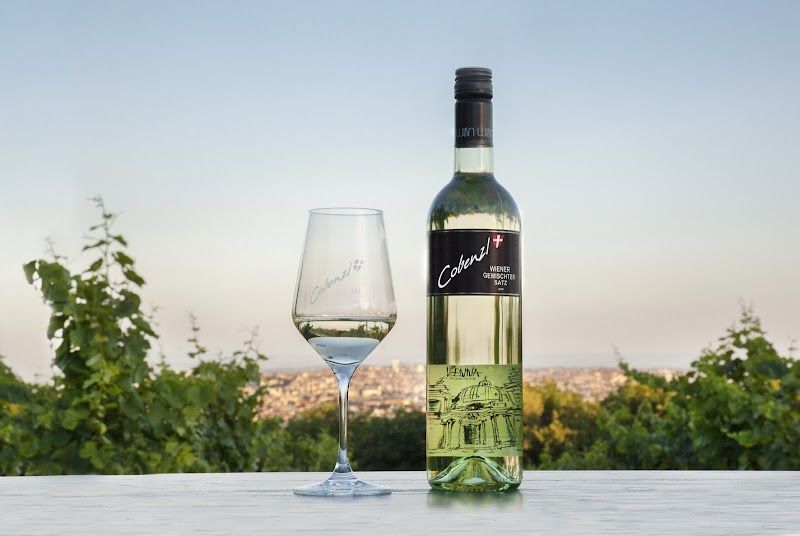
Weingut Cobenzl
Working vineyard and Heuriger high on the Cobenzl hill with panoramic views over Vienna, serving wines from their own production alongside a traditional cold buffet. The modern interpretation of a Heuriger combines the rustic tradition with contemporary design, and the large terrace offers spectacular sunset views. It's a 20-minute bus ride from the city center but worth the trip for the scenery.
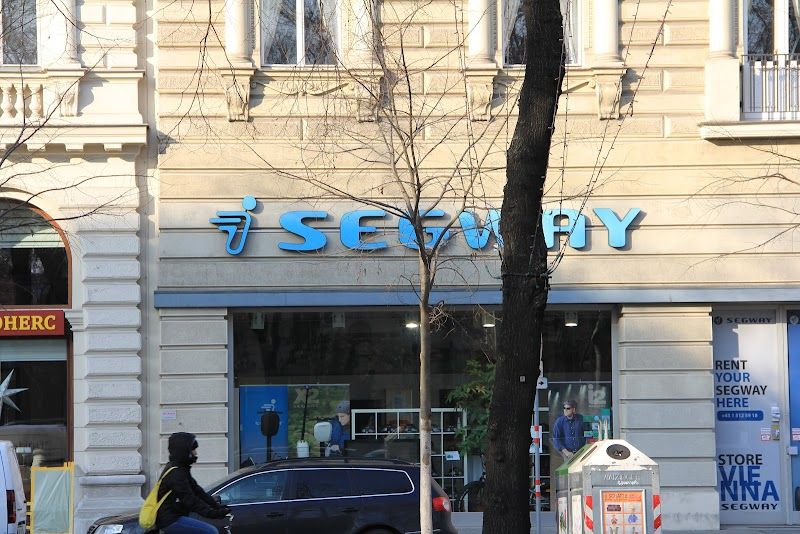
Vienna Segway Tours
Vienna Segway Tours takes you through the city's green spaces and waterfront areas on electric two-wheelers, covering about 15 kilometers in 2.5 hours. You'll glide through the expansive Prater park, cruise along the graffiti-lined Danube Canal, and roll past Hundertwasser's colorful apartment building with its wavy lines and rooftop gardens. The route cleverly avoids Vienna's tram-heavy streets, sticking to bike paths and parkland where you can actually enjoy the ride. The experience starts with 15 minutes of training in a quiet courtyard until you're comfortable leaning to steer. Once you're rolling, the Segway feels like floating: you'll cover ground faster than walking but slower than cycling, perfect for taking in details. The Prater section lets you zip past the giant Ferris wheel and through tree-lined paths where locals jog and walk dogs. Along the Danube Canal, you'll stop frequently for photos and explanations from your guide. Most Segway tours elsewhere feel gimmicky, but Vienna's bike-friendly infrastructure makes this genuinely practical. The €49 price point beats similar tours in Paris or Rome by about €20. Skip this if you're comfortable cycling in Vienna, rent a bike from Citybike Wien for €1 per hour instead. But if you want guided commentary and don't mind the tourist factor, it's actually well-executed.
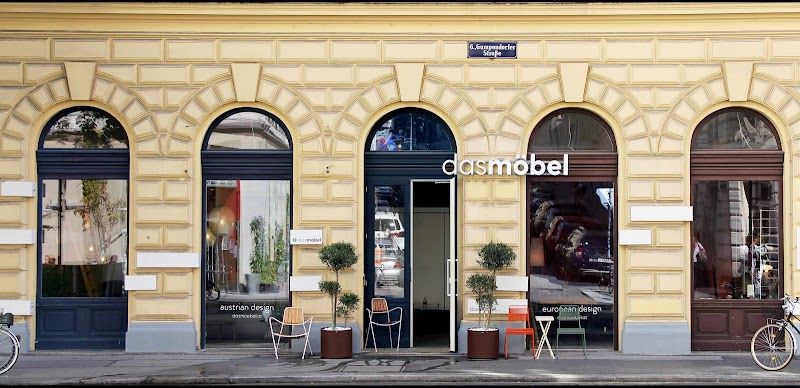
Das Möbel
A unique café-restaurant where all the furniture is designed by local artists and available for purchase. The constantly changing interior features experimental seating and table designs that you can actually buy. They serve quality coffee, breakfast, and light meals in this one-of-a-kind creative space.
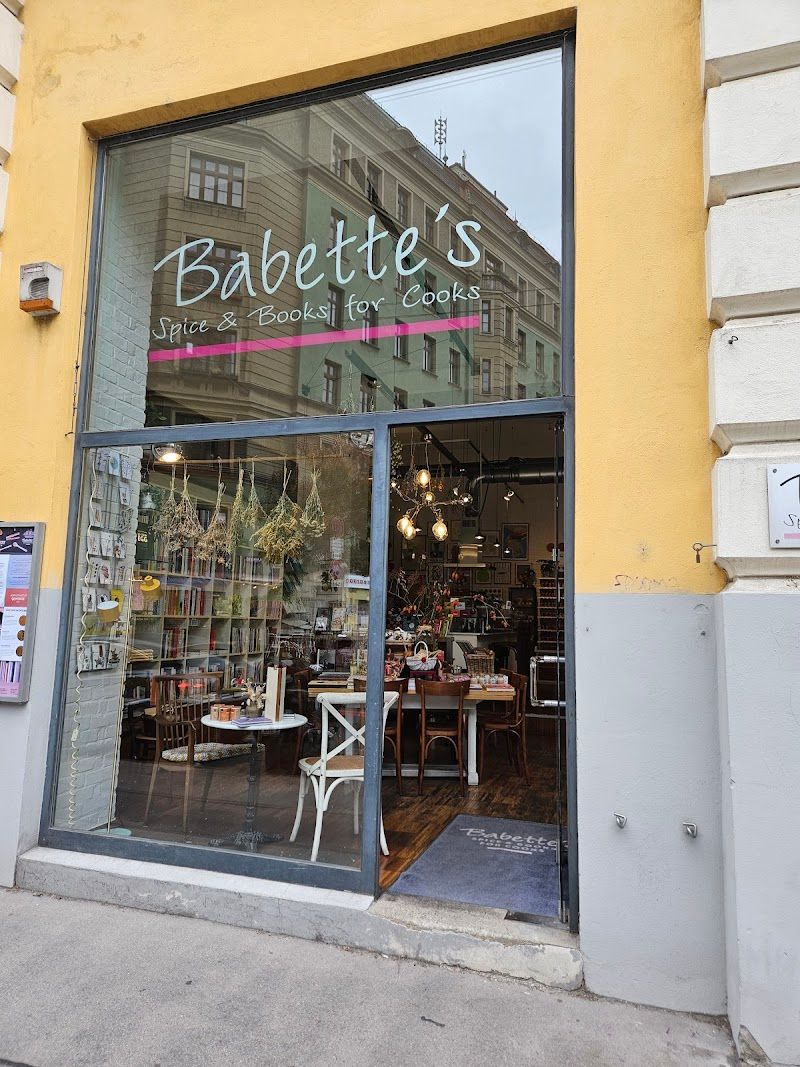
Babette's
A beloved neighborhood café and restaurant known for its excellent brunch and Austrian-Mediterranean cuisine. The warm, intimate atmosphere features mismatched vintage furniture and walls lined with wine bottles. Their homemade cakes and extensive breakfast menu make it a local favorite throughout the day.
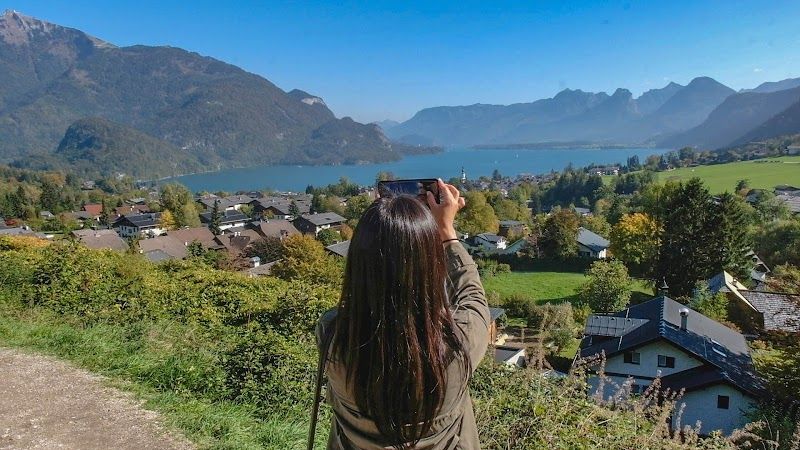
Vienna a la carte
Vienna a la carte takes you through two of Vienna's best food markets with a guide who actually knows Austrian cuisine, not just tourist favorites. You'll hit 8 to 10 vendors across Naschmarkt and Karmelitermarkt, tasting everything from traditional Austrian cheeses and charcuterie to international specialties that reflect modern Vienna. The tastings are substantial, not tiny samples, and include wine pairings that showcase Austrian varietals most visitors never try. The tour moves at a comfortable pace through both markets, giving you time to chat with vendors and understand what you're eating. Your guide explains the stories behind Austrian food traditions while you're actually tasting them, which beats reading about schnitzel in a guidebook. The group size stays small (maximum 12 people), so you can ask questions without shouting over crowds. The mix of traditional and international vendors shows you how Vienna's food scene has evolved beyond sachertorte and coffee culture. Most food tours in Vienna stick to obvious tourist spots and charge €80+ for mediocre experiences. This one costs around €65 and delivers better variety and quality. The Saturday morning tours are worth the early start because farmers bring produce from the Marchfeld region that's genuinely different from weekday offerings. Skip the afternoon tours if possible, as vendors start running low on their best items and the markets get more crowded with casual shoppers.
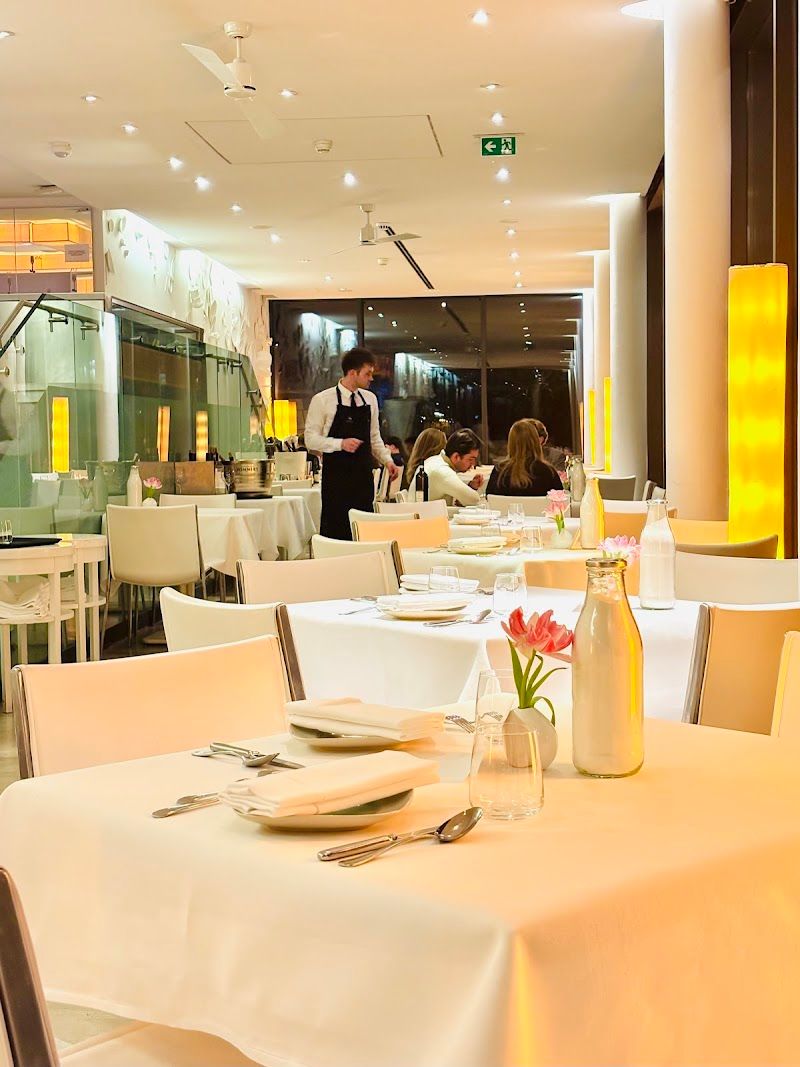
Meierei im Stadtpark
A glass-walled pavilion in the Stadtpark serving modern Austrian cuisine with park views and a terrace overlooking the pond. The kitchen combines traditional techniques with contemporary presentation, and the weekend brunch features Kaiserschmarrn made to order.
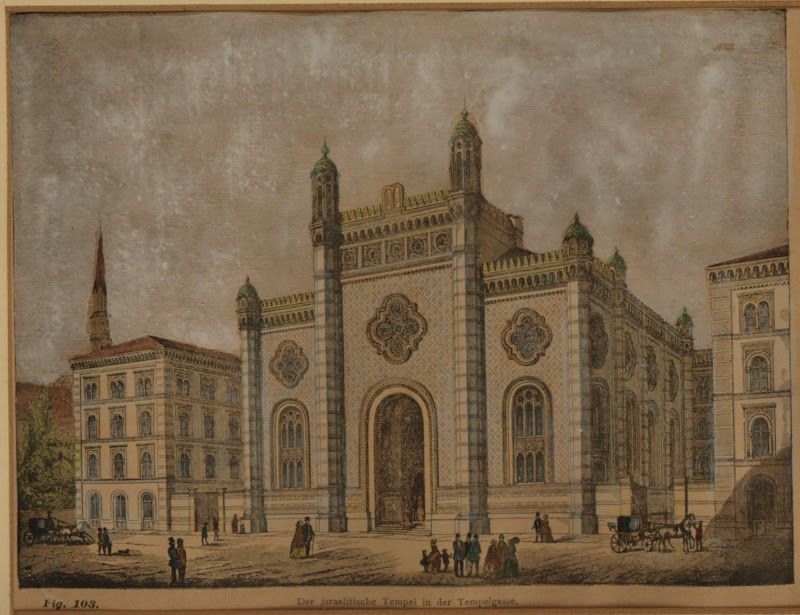
Jewish Vienna - The Vienna Guide
This walking tour takes you through Vienna's complex Jewish history, from medieval times to today. You'll see the excavated remains of a 13th-century synagogue beneath Judenplatz, the stark concrete Holocaust Memorial by Rachel Whiteread, and the only surviving 19th-century synagogue at Stadttempel. Your historian guide connects these sites with stories of expulsion, return, destruction, and resilience across seven centuries. The tour moves at a comfortable pace through cobblestone squares and residential streets. At Judenplatz, you'll descend underground to see actual stone foundations and ritual baths from the medieval Jewish quarter. The memorial above feels heavy and contemplative, its book-like forms casting shadows that shift throughout the day. At Stadttempel, the ornate interior surprises visitors who expect something grander from the plain street entrance, designed deliberately to avoid persecution. Most tours focus too heavily on tragedy and skip contemporary Jewish Vienna entirely. This one balances historical sites with current community life, though some guides get bogged down in dates rather than stories. The small group size means you can ask questions, but also means less confident guides sometimes struggle with difficult topics. Book the morning tour if possible, as afternoon groups often feel rushed when visiting the museum afterward.
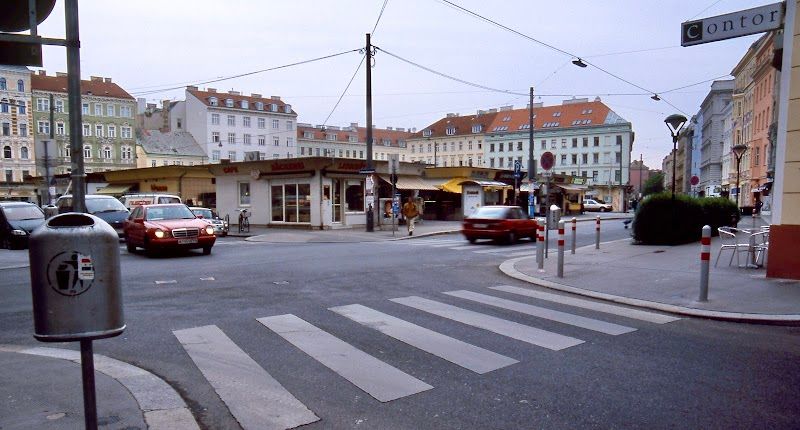
Tandelmarkt
Tandelmarkt is Vienna's most authentic Saturday flea market, sprawling across a small square in Leopoldstadt where you'll find genuine vintage furniture, old books in German, Soviet-era cameras, and peculiar Austrian curiosities that locals actually want to buy. The vendors aren't tourists selling mass-produced junk: these are serious dealers who've been coming here for 20+ years, often inheriting their spots from family members. Prices are fair because it's mostly locals shopping, not tourists. The atmosphere feels like stepping into a neighborhood yard sale that's been running since the 1950s. You'll hear more German than English as regulars chat with vendors about everything from Habsburg-era postcards to communist-era vinyl records. The market spreads organically around trees and benches, with no formal stalls, just blankets and folding tables. It moves slowly: people actually examine items, negotiate in hushed tones, and vendors pack up by 2 PM regardless of sales. Most travel guides completely ignore this place, which keeps it genuine. Skip it if you want Instagram-worthy vintage fashion or touristy souvenirs: this is functional antiques, old tools, and books you can't read. Come with cash (most vendors don't take cards) and expect prices from 2 EUR for small items to 150 EUR for furniture. The real finds disappear by 10 AM, so the early bird advice isn't just tourism fluff here.