Austria
Vienna
Imperial palaces, the world's best coffee house culture, and a schnitzel that hangs off the plate
Best Time
April-June and September-October
Ideal Trip
3-4 days
Language
German, English widely spoken in tourist areas
Currency
EUR
Budget
EUR 39-89/day (excl. hotel)
About Vienna
Vienna is the city that perfected the art of doing nothing beautifully. The coffee house culture here is not a marketing gimmick, it is a UNESCO-recognized tradition, and it works like this: you order a Melange (the Viennese cappuccino, EUR 4.50-6), you get a glass of water on the side without asking, and you sit for as long as you want reading newspapers on wooden sticks while the waiter pretends you do not exist. This is not rudeness. This is respect. The Viennese believe that being left alone with your coffee and your thoughts is one of life's great pleasures, and after a morning at Cafe Central, you will agree.
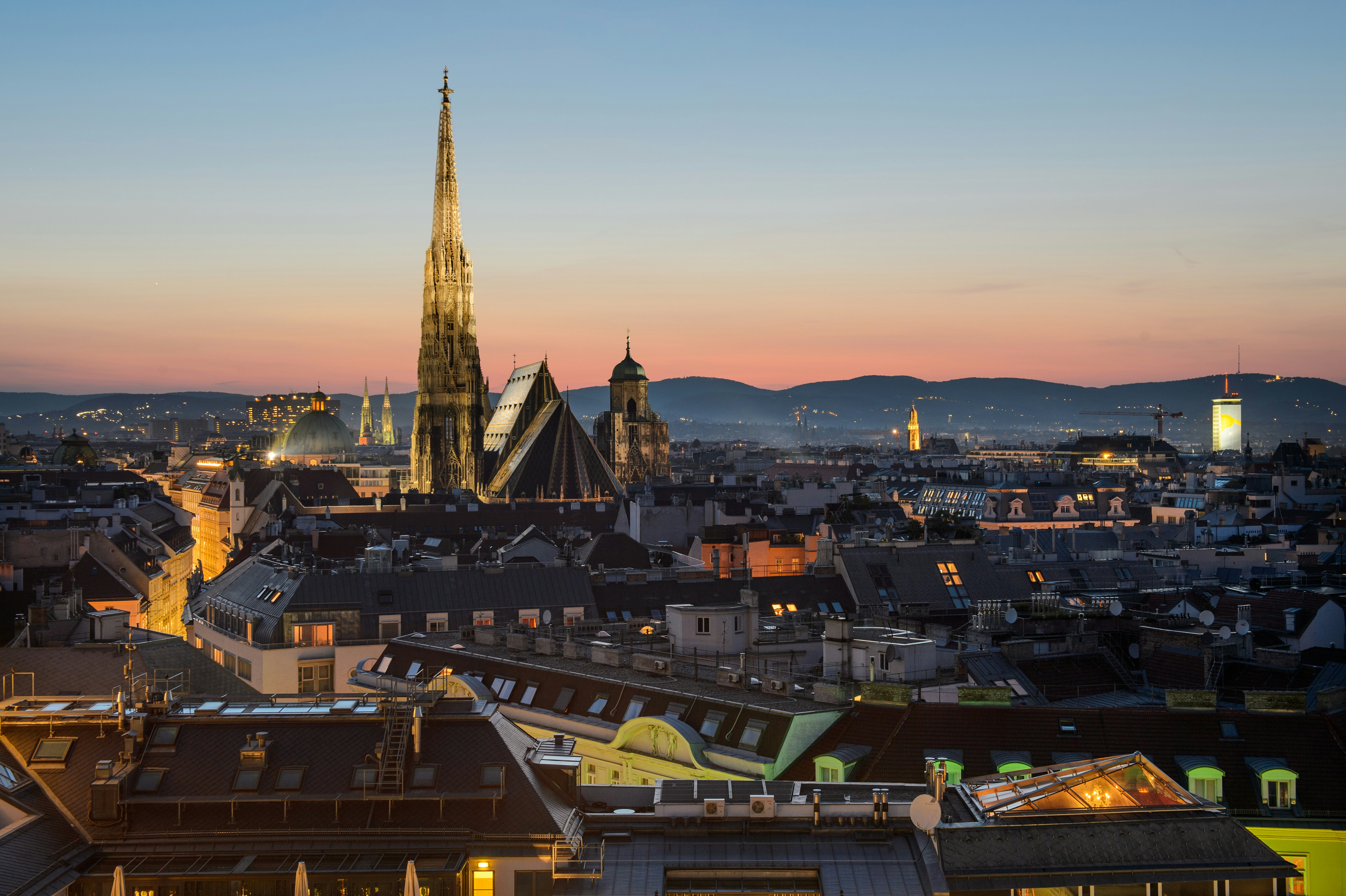
The city looks like the Habsburgs spent 600 years trying to outdo themselves, which is exactly what happened. The Ringstrasse alone has more imperial architecture per kilometre than most countries have total: the Opera House, Parliament, City Hall, the twin museums, the Burgtheater, all of it built in a 50-year sprint to prove that Vienna was the centre of the world. Schonbrunn Palace is Versailles with better gardens and shorter queues. The Belvedere has Klimt's The Kiss, which is one of those paintings that genuinely stops you in your tracks even if you have seen it on a thousand postcards. St. Stephen's Cathedral has been standing since the 12th century and the south tower gives you a view that explains why everyone wanted to control this city.
The food is heavier than you expect and better than you expect. Wiener Schnitzel (the real one, veal, pounded thin, fried in butter, hanging off the plate, EUR 16-22) is a perfect dish. Tafelspitz (boiled beef with apple horseradish, the dish Emperor Franz Joseph ate every day) sounds boring and tastes extraordinary. Sachertorte at Hotel Sacher (EUR 8.50 per slice) versus Demel (same price, different recipe) is a rivalry that has been running since 1832 and both sides are right. The Naschmarkt has 120 stalls of everything from Turkish flatbread to Austrian cheese to Vietnamese pho, and it is the single best lunch spot in the city.
Vienna also has a side that the imperial facade does not advertise. The MuseumsQuartier is one of the world's largest cultural complexes, and the courtyard fills with locals on summer evenings who bring wine and sit on the colourful benches until midnight. The Danube Canal has open-air bars and street art that feels closer to Berlin than to the Opera House. Leopoldstadt is where the restaurant scene is actually evolving, with wine bars and modern Austrian cooking that would not exist in the Vienna of 20 years ago. The city is changing, slowly and on its own terms, which is the most Viennese thing imaginable.
Neighborhoods
Each district has its own personality
Innere Stadt
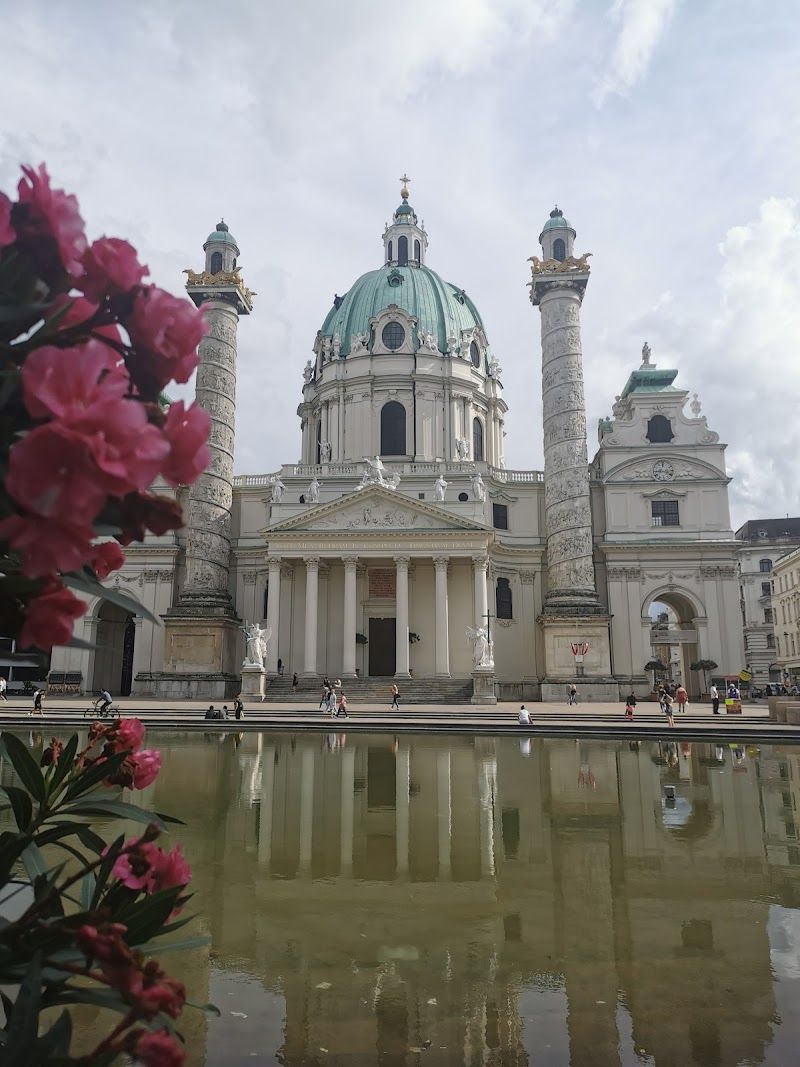
The old city inside the Ring: imperial palaces, Gothic cathedral, opera house, and the shopping streets where Habsburg grandeur meets daily Viennese life
MuseumsQuartier & Spittelberg
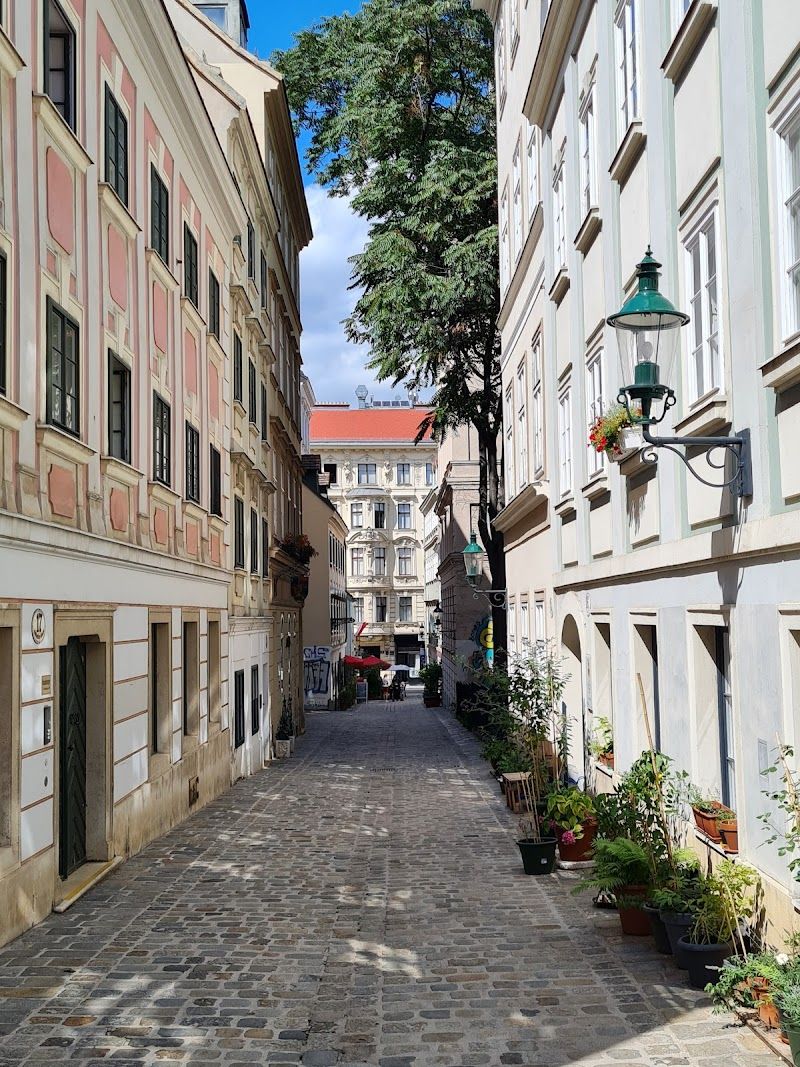
Vienna's cultural heart: the MQ courtyard that becomes a living room on summer evenings, world-class museums, and Spittelberg's Biedermeier lanes
Leopoldstadt
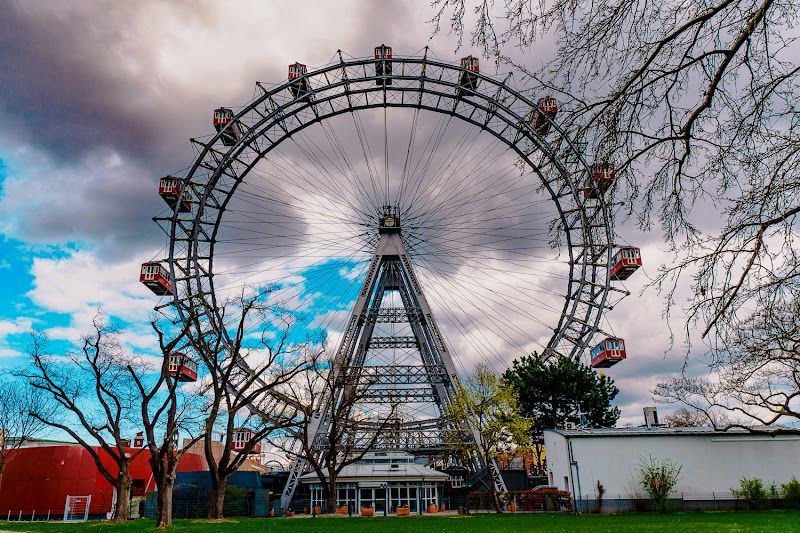
The Prater, the local market, and the restaurant scene that is quietly becoming the most interesting in Vienna
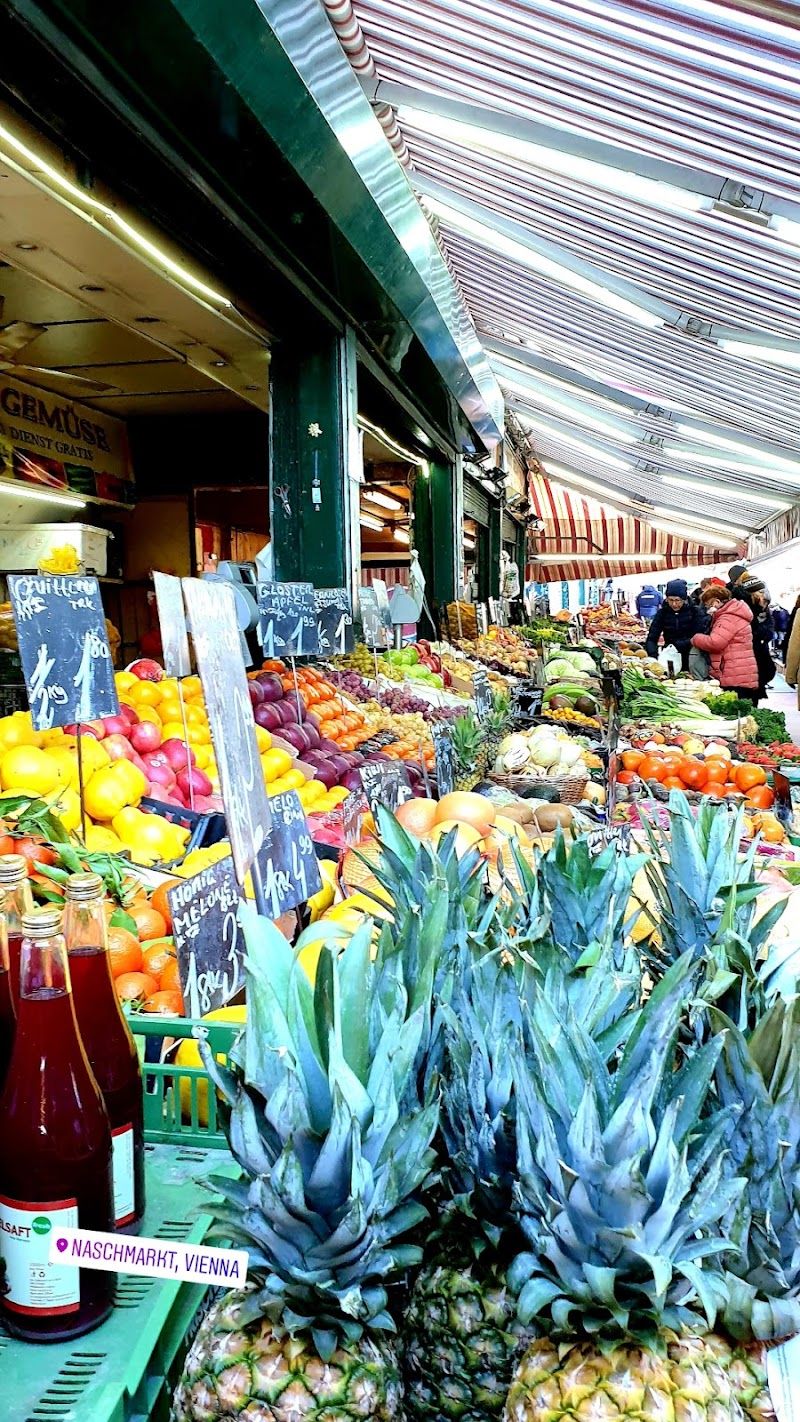
Naschmarkt & Freihausviertel
Vienna's food market, the Secession building, and the residential streets south of the market with cafes that locals guard jealously
Neubau
Vienna's design district: concept stores, vinyl shops, third-wave coffee, and the younger, creative energy that the imperial centre does not have
Mariahilf
Vienna's main shopping street, a WWII tower turned aquarium, and the quiet streets between here and the Naschmarkt with surprisingly good coffee
Things to Do
Top experiences in Vienna
Spittelberg
Spittelberg is Vienna's best preserved 18th century neighborhood, a collection of narrow cobblestone streets lined with pastel Biedermeier houses that now house independent boutiques, art galleries, and cafes. You'll find handmade ceramics, vintage clothing, and local jewelry in shops that feel like someone's living room. The entire quarter covers just four small streets, making it suitable for an unhurried browse through Vienna's residential area. Walking through feels like stepping into a film set from the 1800s, complete with wrought iron signs creaking in the wind and cats sunning themselves on windowsills. The pedestrian-only streets allow you to wander freely, visiting Galerie Werkstatt for handmade textiles or stopping at Stomach for excellent coffee in a tiny courtyard. During December, the Christmas market transforms the area with wooden stalls selling mulled wine (€4) and artisan gifts, though it gets busy on weekends. Most visitors rush through in 30 minutes, but you'll miss the experience entirely. The magic is in lingering: chatting with shop owners, sitting in a courtyard cafe, watching daily life unfold. Avoid touristy restaurants on Burggasse and eat at Figar instead, where locals actually go. Come on weekday mornings when shops are just opening, and you'll have the place mostly to yourself.
Naschmarkt
Vienna's legendary Naschmarkt stretches 1.6 kilometers along the Wienzeile, housing over 120 stalls that create Austria's most vibrant culinary melting pot. Operating since the 16th century, this market opens Monday through Saturday from 6 AM to 7:30 PM, with restaurants staying open until 11 PM. The sensory overload begins immediately: Turkish vendors slice döner for €4.50, Austrian cheese mongers offer tastings of Vorarlberg mountain cheese at €25 per kilo, and Vietnamese stalls serve steaming pho bowls for €8. Italian antipasti platters cost around €12, while Greek olive vendors let you sample Kalamata varieties before buying. Fresh Adriatic fish prices vary daily, typically €15 to €30 per kilo depending on the catch. What makes Naschmarkt special is its authentic chaos. This isn't a sanitized tourist market but Vienna's real food hub where locals shop daily. Permanent restaurants line both sides, ranging from €3 standing counters serving Leberkäse to sit-down establishments with wine lists where meals cost €20 to €35. Saturday transforms the western end into a legendary flea market starting at 6:30 AM. Vintage cameras, Soviet memorabilia, vinyl records, and genuine antiques create treasure hunting opportunities. Prices are negotiable, with small finds starting at €2. Visit before noon for the best selection and authentic atmosphere. Eat standing up at stall counters, bring cash since many vendors don't accept cards, and prepare for crowds. The U4 Kettenbrückengasse station provides direct access to the market's heart.
Karlsplatz
Karlsplatz anchors Vienna's cultural district with the Karlskirche dominating one side and two Otto Wagner Pavilions flanking the other. You'll find yourself in Europe's largest baroque church square, where green lawns stretch between ornate architecture and modern university buildings. The Wien Museum sits at the plaza's edge, housing the city's most comprehensive historical collection, while the U-Bahn stations below showcase more of Wagner's Art Nouveau mastery. The square feels like Vienna in miniature: students from the Technical University sprawl on the grass, tourists crane their necks at Karlskirche's massive dome, and commuters stream through the ornate subway entrances. The contrast works well. The Wagner Pavilions catch afternoon light like architectural details, while the church's green copper dome shifts colour throughout the day. You can easily spend an hour just people-watching from the steps or benches scattered around the plaza's perimeter. Most guidebooks may exaggerate the Wien Museum's (€10 entry, often crowded with school groups) importance, but the real treats here come at no extra cost. It is recommended to skip the museum unless you're genuinely interested in Vienna's municipal history. The exterior views of the Wagner Pavilions are certainly impressive, and climbing Karlskirche's dome (€8) offers better city views than any museum exhibit. Visit early morning or late afternoon when the light transforms both the architecture and the atmosphere.
Schonbrunn Palace
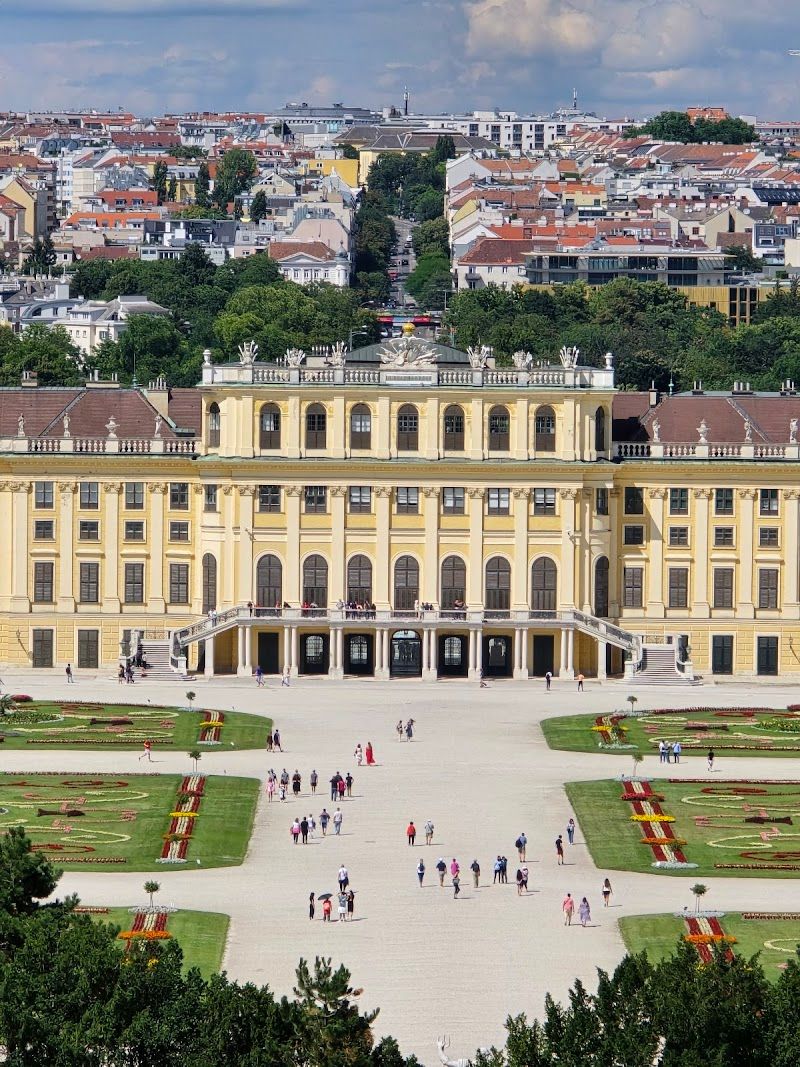
Schonbrunn Palace stands as Vienna's answer to Versailles, serving as the summer residence of the Habsburg dynasty and claiming the title of Austria's most visited attraction. This UNESCO World Heritage site offers multiple ways to explore its imperial splendor. The Grand Tour costs EUR 24 and takes you through 40 opulent rooms over 50 minutes with an excellent audio guide. You'll walk through Rococo state rooms, the Great Gallery where European powers danced during the famous Congress of Vienna, Maria Theresa's private chambers, and the very room where six-year-old Mozart performed for Empress Maria Theresa in 1762. The Imperial Tour (EUR 20, 22 rooms) covers the highlights if you're short on time. The palace opens daily at 8:00 AM, closing between 4:30 PM and 6:30 PM depending on the season. Booking online will help you skip entrance queues, especially during summer months and weekends when crowds can be overwhelming. The gardens alone justify the visit, and they're free to explore. These vast baroque gardens stretch endlessly, featuring the dramatic Neptune Fountain, the romantic Roman Ruin folly, and the challenging maze (EUR 6 extra). The crown jewel is the Gloriette pavilion perched on the hill, offering panoramic views of both palace and city. The walk up is free, though the cafe terrace costs EUR 4.50. Don't miss the Tiergarten Schonbrunn (EUR 24 adults, EUR 18 children), the world's oldest zoo dating to 1752. Despite its age, it's thoroughly modern and excellent, housing giant pandas and maintaining impressive conservation programs. Allow at least half a day for the palace, gardens, and one additional attraction. Wear comfortable walking shoes and bring water, especially in the summer.
Prater
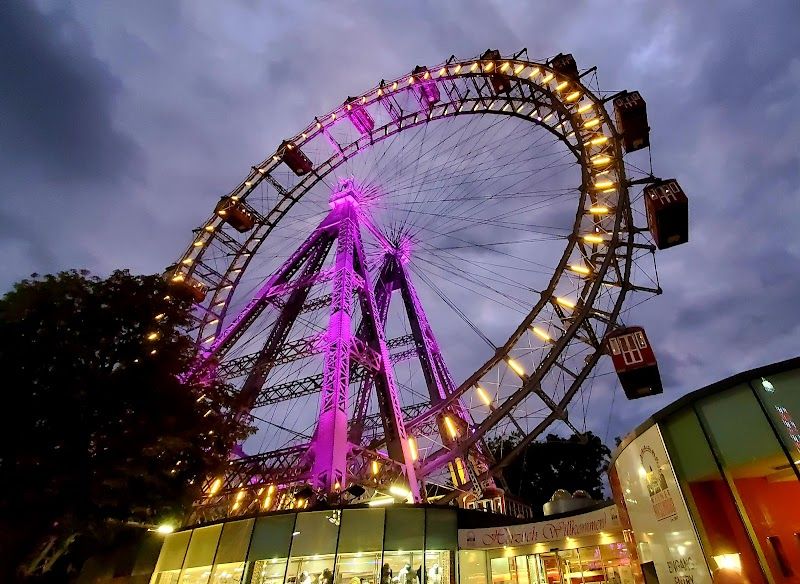
Prater is Vienna's massive public park that combines a century-old amusement park with 6 square kilometers of green space where locals jog, cycle, and picnic. The centerpiece is the 1897 Riesenrad, one of the world's oldest Ferris wheels, offering genuine panorama views from wooden cabins that creak authentically as you slowly rotate 65 meters above the city. The 20-minute rotation allows plenty of time to spot landmarks like St. Stephen's Cathedral and the Danube. Beyond the fairground rides and carnival games, the Hauptallee boulevard stretches 4.5 kilometers through actual forests and meadows where you'll see more Viennese than tourists. The amusement park section feels retro rather than slick, with bumper cars, a ghost train, and traditional Austrian snack stands selling Langos (fried bread) for about 8 EUR. The Riesenrad dominates everything: each cabin holds up to 15 people and offers views for everyone inside. The Ferris wheel costs 12 EUR for adults, while most rides run 3-5 EUR each. Skip the expensive restaurant in the Ferris wheel and grab Schnitzel from the food stands instead. The park works year-round, but winter visits feel melancholy in a way that is hard to explain. Most tourists never venture past the amusement area, which is their loss because the real Prater starts beyond the carnival lights. Once you leave the rides behind, the park opens into genuine wilderness where joggers disappear into tree-lined paths and families spread blankets near small ponds.
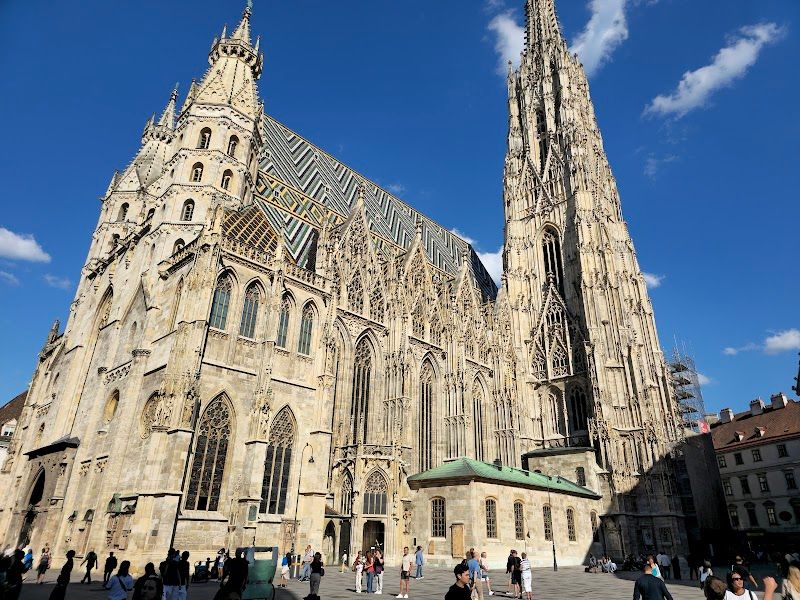
Stephansdom Catacombs Tours
The catacombs beneath St. Stephen's Cathedral hold 11,000 bodies spanning from Roman times through the 18th century, including plague victims whose remains were hastily moved here when Vienna's cemeteries overflowed. You'll descend stone steps into dimly lit chambers where bishops rest in ornate tombs and commoners lie stacked in bone repositories. The tour covers the Rudolf Crypt, the bishops' vault with copper coffins, and chambers where bodies were stored during cholera outbreaks. Your guide leads groups of 25 through narrow corridors that smell faintly of old stone and dampness. The temperature drops noticeably as you move deeper underground, and the contrast between the cathedral's soaring Gothic architecture above and these cramped burial chambers below feels jarring. You'll see medieval burial urns, copper coffins green with age, and rooms where bones are arranged in systematic piles. The lighting is atmospheric but practical, illuminating carved stone details and religious symbols etched into walls. Most visitors expect something more dramatic after seeing Paris catacombs, but this is more historical than theatrical. Tours cost 6 EUR and run every 30 minutes from 10am to 5:30pm Monday through Saturday, Sundays from 1:30pm. The stairs are steep and uneven, so skip this if mobility is an issue. English tours happen at set times: 10:15am, 11:45am, 1:15pm, 2:45pm, and 4:15pm. Groups often fill up during summer, so arrive 15 minutes early.
Belvedere Palace
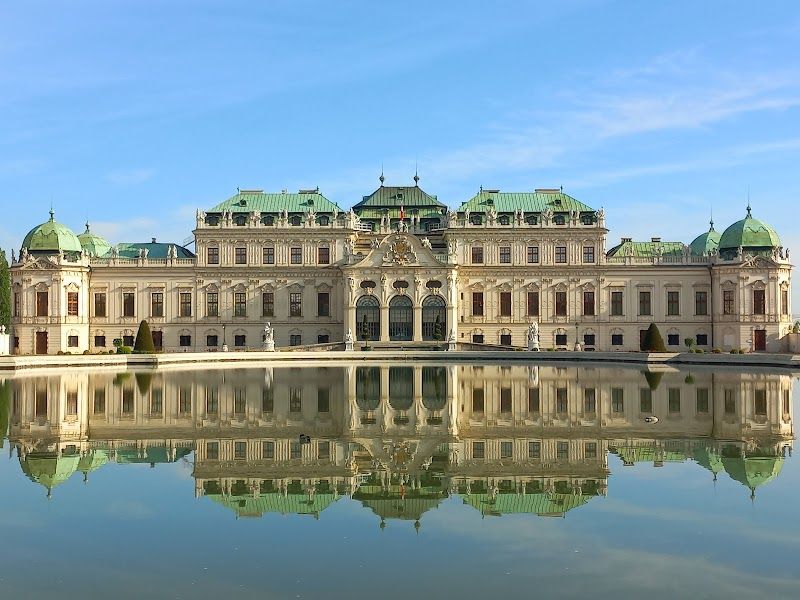
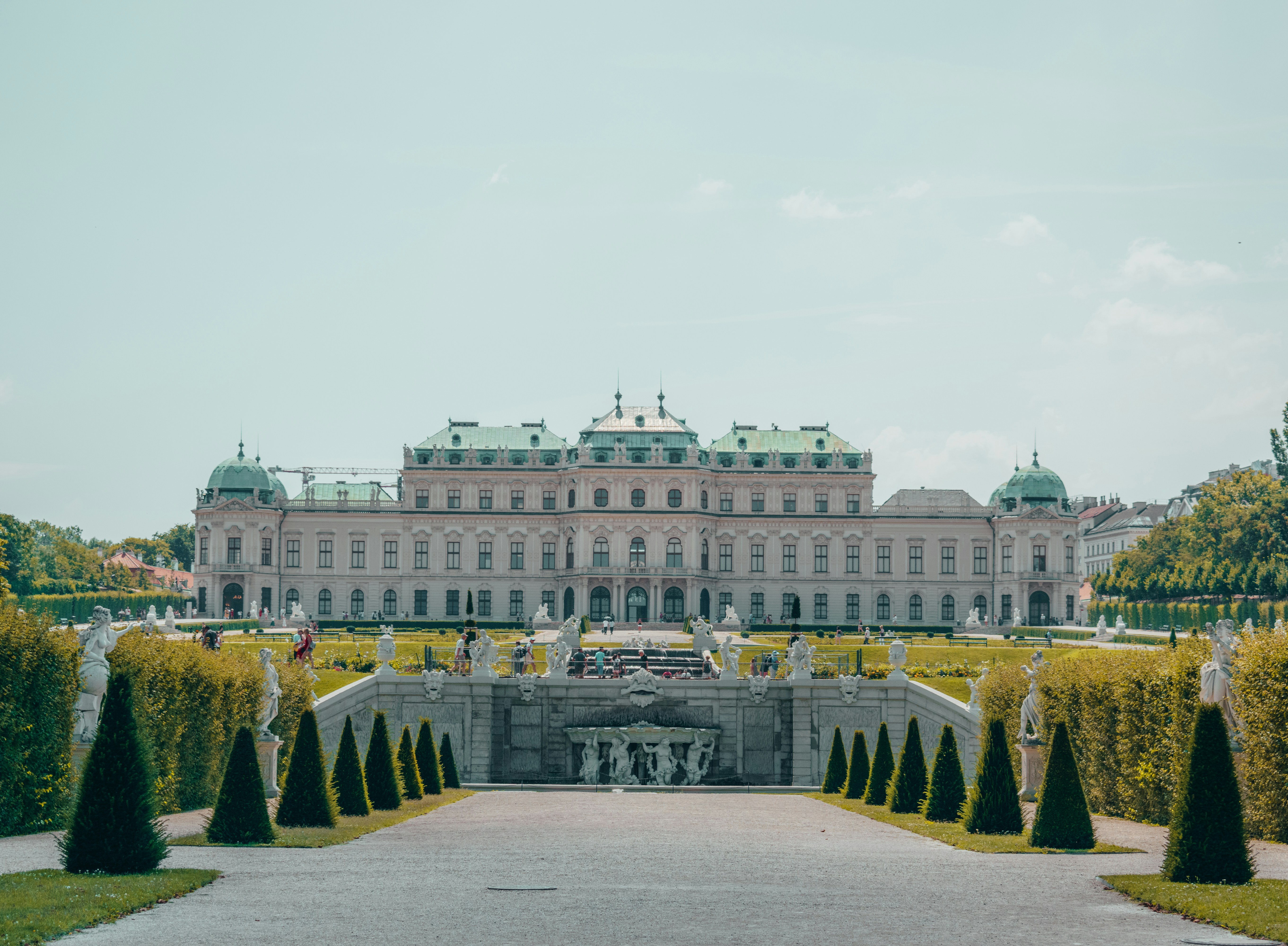
The Belvedere consists of two Baroque palaces connected by formal French gardens, creating one of Vienna's most significant museum complexes. The Upper Belvedere (EUR 16.70, daily 9am to 6pm) houses Austria's premier art collection, including Gustav Klimt's iconic "The Kiss" from 1907-1908. This golden masterpiece deserves its legendary status: seeing it in person reveals intricate details and a presence that reproductions simply cannot capture. The museum's Austrian collection spans centuries, featuring Egon Schiele's intense works, French Impressionists including Monet and Renoir, plus comprehensive displays of Austrian art from medieval religious pieces to 19th-century Biedermeier paintings. The formal gardens between palaces offer free access and provide Vienna's most photographed view: terraced fountains leading to the city skyline with St. Stephen's Cathedral spire. Perfect for photos, especially during the golden hour. The Lower Belvedere (EUR 16.70 separately, or EUR 25 combined ticket) showcases rotating exhibitions in opulent Baroque state rooms and the historic Orangerie. Practical tips: buy tickets online to skip queues, especially during summer. The Upper Belvedere gets extremely crowded around "The Kiss," so visit early morning or late afternoon. Allow three hours minimum for both palaces. The gift shop is pricey but offers quality reproductions. The Belvedere delivers world-class art in impressive architectural settings.
Vienna State Opera (Wiener Staatsoper)
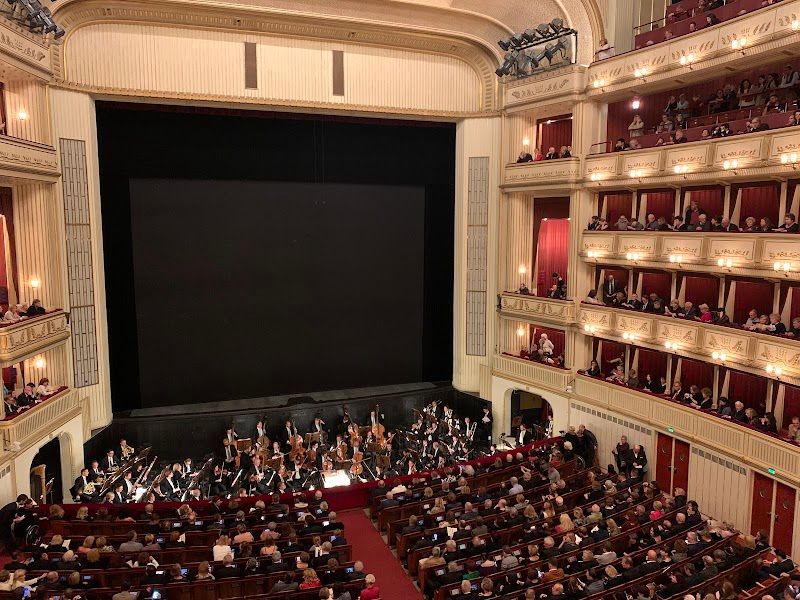
The Vienna State Opera stands as one of the world's most prestigious opera houses, offering an unmatched cultural experience in the heart of Innere Stadt. This architectural masterpiece, completed in 1869 as the first major building on the famous Ringstrasse, combines stunning Neo-Renaissance design with world-class acoustics that have captivated audiences for over 150 years. What makes this venue truly special is its incredible accessibility through standing room tickets priced at just EUR 4 to 10, making it one of Europe's greatest cultural bargains. The opera house seats 1,709 with additional space for 567 standing patrons. The repertoire changes nightly, so you might experience Tosca on Monday, Don Giovanni on Tuesday, and The Magic Flute on Wednesday, ensuring every visit offers something different. The orchestra consists of members from the legendary Vienna Philharmonic, delivering performances of extraordinary quality. Even if you cannot attend a show, guided tours run for EUR 13 lasting 40 minutes when no rehearsals are scheduled, typically between 1 PM and 3 PM daily. While the building was heavily damaged during WWII and subsequently rebuilt, the original grand staircase and opulent foyer survived, showcasing breathtaking 19th-century craftsmanship with marble columns, frescoed ceilings, and crystal chandeliers. Practical tip: arrive early for standing room tickets, which go on sale 80 minutes before performances. The sound quality from standing areas is excellent, though comfort requires stamina. Dress code expectations vary, but smart casual works perfectly for most performances.
Schonbrunn Zoo (Tiergarten)
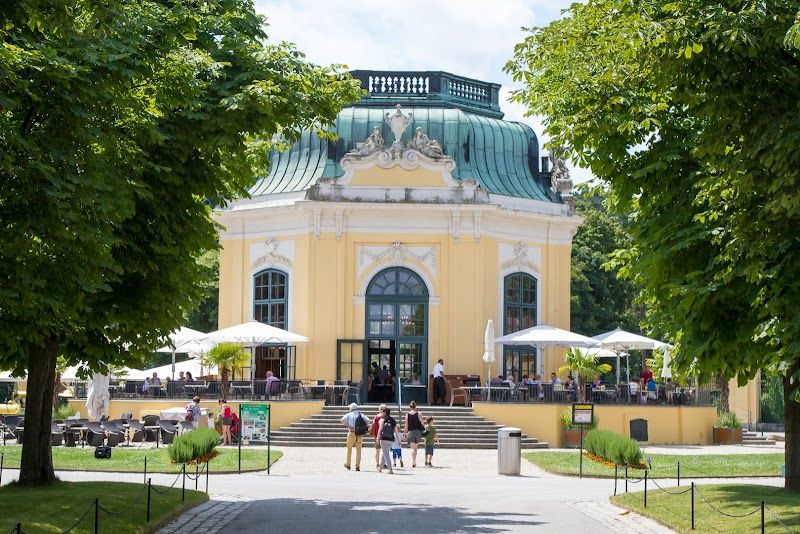
Schonbrunn Zoo is the oldest zoo in the world (1752) and genuinely one of the best. Founded as the imperial menagerie by Emperor Franz I, it has evolved into a modern conservation-focused zoo with naturalistic enclosures that do not feel depressing. The giant pandas are the star attraction (one of the few European zoos with giant pandas). The rainforest house, the aquarium, and the big cat enclosures are highlights. The zoo sits in the grounds of Schonbrunn Palace, so you can combine the two. EUR 24 adults, EUR 18 children 6-18, free under 6. Allow 3-5 hours.
Hofburg Palace
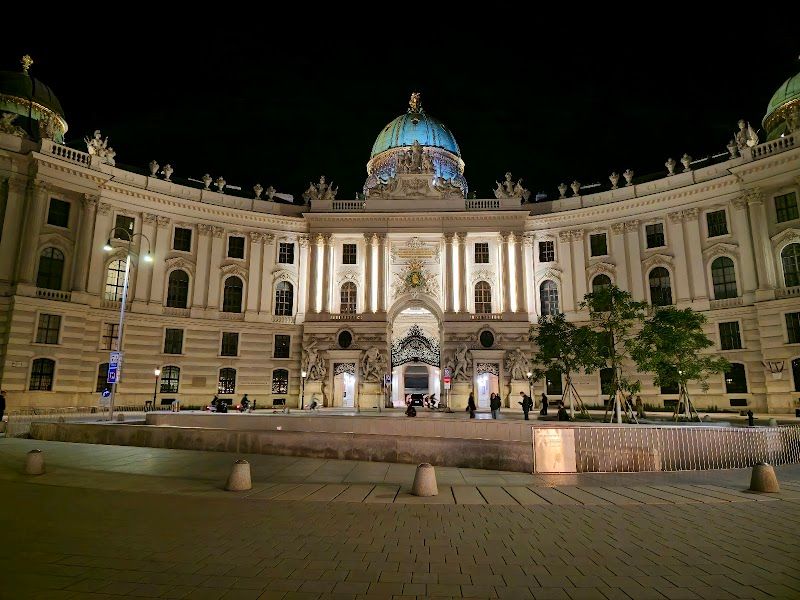
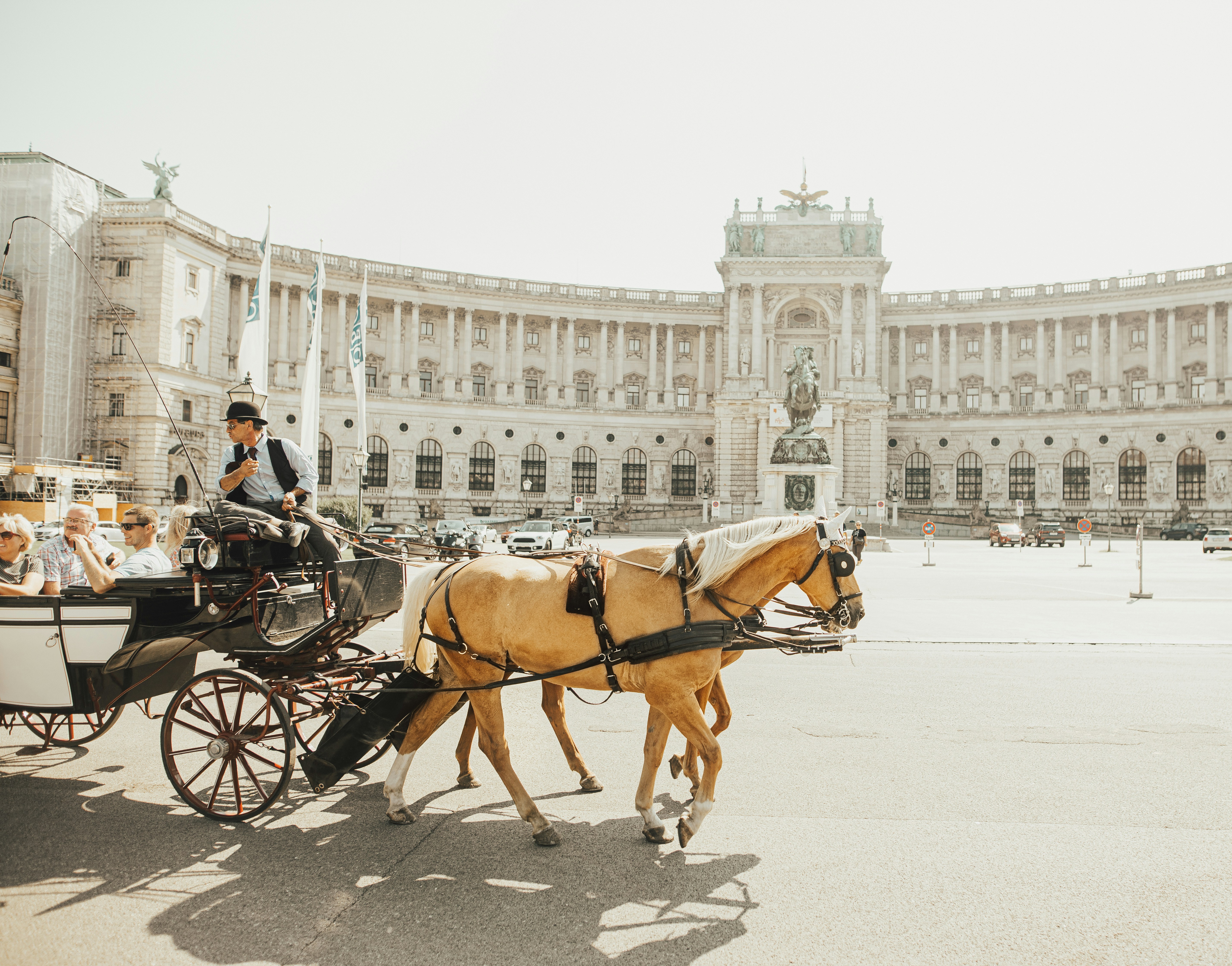
The Hofburg Palace stands as Vienna's most significant imperial complex, serving as the Habsburg dynasty's primary residence for over six centuries until 1918. Today this sprawling palace houses Austria's president, multiple world-class attractions, and offers visitors an authentic glimpse into imperial life. The essential three-museum ticket (EUR 17.50) includes the Imperial Apartments, Sisi Museum, and Imperial Silver Collection. Allow 2.5 hours minimum. The Sisi Museum deserves special praise for its refreshingly honest portrayal of Empress Elisabeth, debunking romantic myths to reveal a complex woman obsessed with beauty, fitness, and freedom. Her actual corsets and gym equipment surprise many visitors. The Imperial Apartments showcase Emperor Franz Joseph's surprisingly modest personal quarters alongside elaborate state rooms where crucial European decisions were made. The Silver Collection displays over 7,000 pieces of imperial tableware, including a 30-meter-long dining table setting. The Spanish Riding School (performances EUR 25-180, morning exercises EUR 18) has trained Lipizzaner stallions since 1572. Book performances months ahead; morning exercises offer better value and authentic atmosphere. The baroque Winter Riding School is a highly impressive architectural masterpiece. Don't miss the free Augustinerkirche, site of Habsburg weddings including Marie Antoinette's proxy ceremony. The Hofburg Chapel hosts Vienna Boys' Choir Sunday masses (EUR 5-29, book early). Practical tips: start early to avoid crowds, wear comfortable shoes for extensive walking, and consider the one-year Sisi Ticket (EUR 34) if visiting Schönbrunn Palace too. The palace's large size can be overwhelming; focus on your interests rather than attempting everything.
Prater & Riesenrad
The Prater is Vienna's great public park and the Riesenrad (Giant Ferris Wheel, EUR 13.50) is its icon. The Ferris wheel has been turning since 1897, survived two world wars, appeared in The Third Man, and gives a slow, creaking, beautiful view of Vienna from 65 metres. The Wurstelprater amusement park surrounds it: roller coasters, dodgems, ghost trains, and the kind of old-school rides that feel nostalgic even if you have never been before. But the Prater is much more than the amusement park. The Hauptallee is a 4.4 km straight avenue through chestnut trees, perfect for running, cycling, or walking. The park extends to 6 square kilometres of meadows, woods, and sports facilities. Entry to the park and amusement area is free; you pay per ride.
Rathausplatz
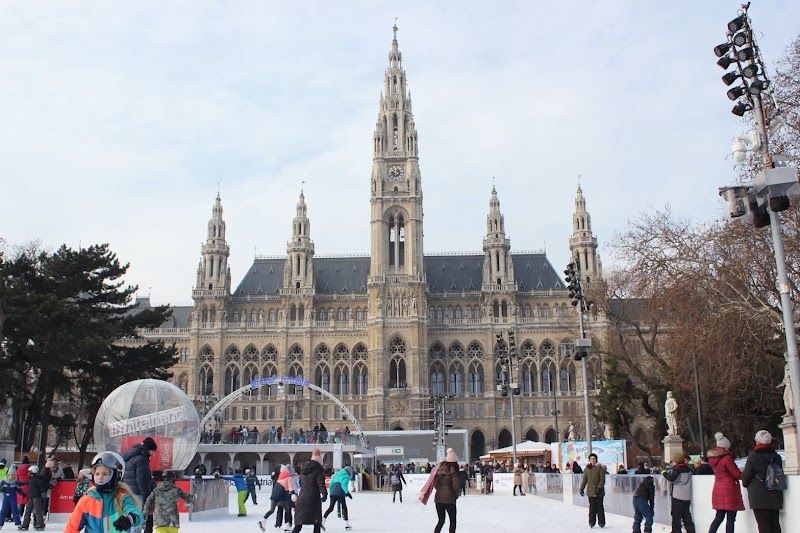
Vienna's City Hall square gives you front-row seats to the city's most theatrical Gothic Revival building, complete with a 98-meter spire that dominates the skyline. You'll spend most of your time photographing the ornate facade and exploring whatever seasonal attraction has taken over the massive square: ice skating from January through March, outdoor cinema screenings during summer, or the famous Christmas market with 150+ stalls from mid-November through December. The Rathaus itself offers free interior tours three times weekly, revealing council chambers and ceremonial halls most tourists never see. The square feels different depending on when you visit, but the building's fairy-tale silhouette remains constant. During market season, you'll weave through crowds sipping glühwein (€4-5 per mug) while vendors hawk handmade ornaments and roasted chestnuts. Summer brings a more relaxed vibe with food trucks, outdoor screenings, and locals lounging on the grass. The building's nighttime illumination turns golden after sunset, creating Vienna's most photogenic backdrop regardless of season. Most visitors only snap photos from the main entrance, but the best views come from the park benches along the building's sides where you can frame the spire without crowds. Skip the overpriced market food and grab coffee at Cafe Landtmann across the street instead. The Christmas market gets impossibly packed after 6 PM, so visit before 4 PM or accept that you'll be shuffling rather than walking.
Travel Guides
Expert guides for every travel style
5 Days: The Complete Vienna Experience
Five days covering imperial Vienna, the art museums, a day trip to the Wachau wine region, and an evening at the Heurigen that explains why Vienna invented the concept of Gemutlichkeit.
16 min
3 Days in Vienna: First-Timer's Itinerary
Three days covering imperial Vienna, the art museums, and the coffee houses, with exact prices, queue-skipping strategies, and the standing-room opera trick that costs EUR 4.
12 min
Best of the MuseumsQuartier: A Half-Day Guide
The MQ courtyard on a summer evening, with people sprawled on the Enzis drinking wine from paper cups while the Leopold Museum glows behind them, is the most convincing argument that Vienna is not stuck in the 19th century.
8 min
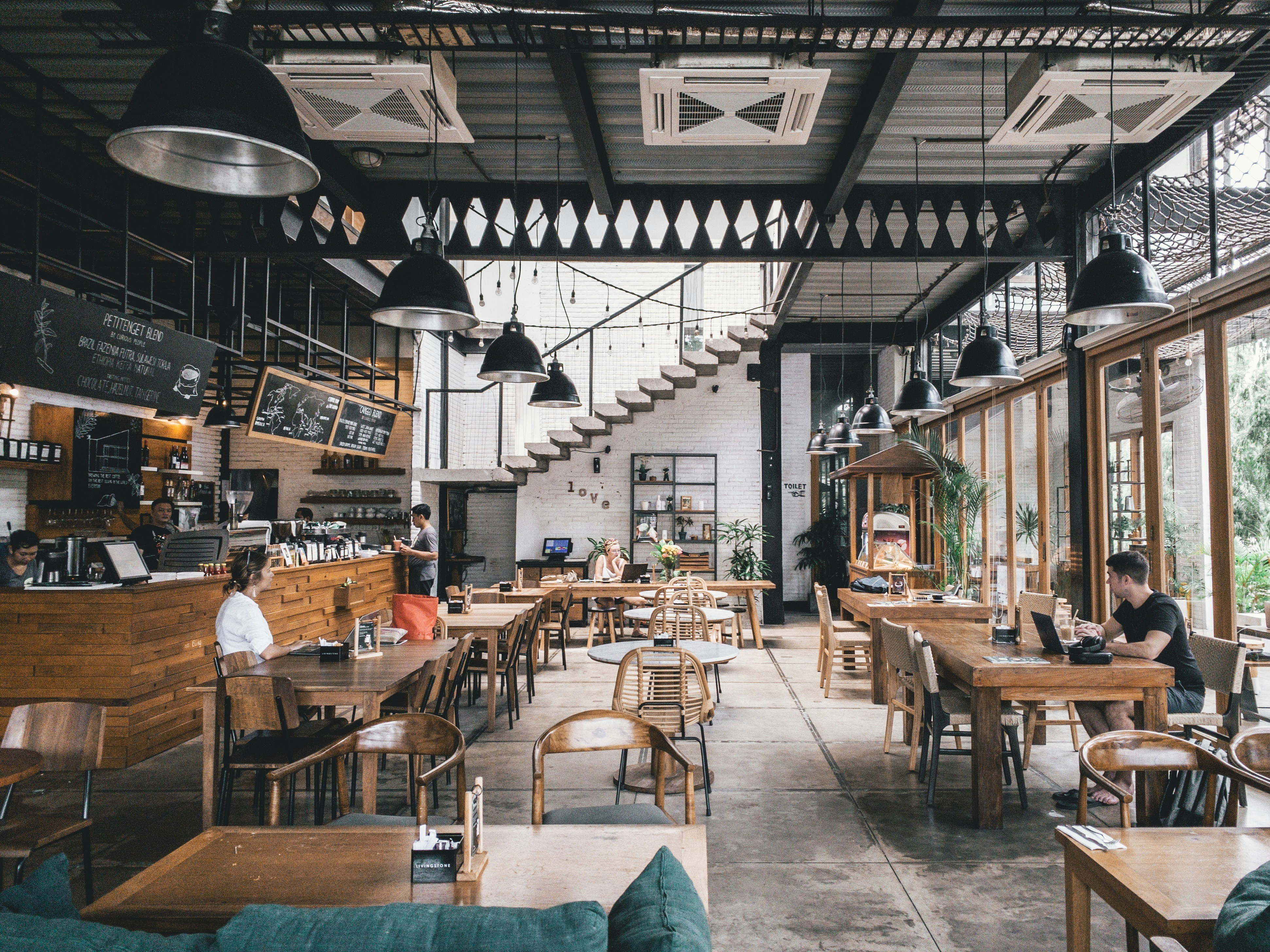
Where to Eat in Vienna: A Neighbourhood Guide
Beisl culture, the coffee house ranking nobody asked for but everyone needs, the Sachertorte war between Hotel Sacher and Demel, and the neighbourhood-by-neighbourhood breakdown.
14 min
First Time in Vienna: Everything You Need to Know
The practical guide to Vienna: how to order coffee like a local, which transport pass to buy, whether the Vienna Pass is worth EUR 87/day, and the opera standing room trick.
14 min
Vienna with Kids: Family-Friendly Guide
Vienna is a surprisingly good city for kids. The parks are immaculate, the museums have children's programs, the Prater is basically a free park with rides attached, and a Wiener Schnitzel the size of a dinner plate makes any child forget they are in a museum city.
10 min
Frequently Asked Questions
Most travelers find 4-5 days ideal to explore the main neighborhoods, museums, and dining scenes without feeling rushed. A long weekend works for a focused visit, while a week allows for day trips and deeper neighborhood exploration.
Le Marais offers the best balance of central location, walkability, dining, and nightlife. Saint-Germain-des-Pres suits those seeking a quieter, more literary atmosphere. For first-time visitors who want proximity to major landmarks, the 7th Arrondissement near the Eiffel Tower is convenient.
Generally very safe for tourists. Standard big-city precautions apply: watch for pickpockets in crowded metro stations and tourist areas, keep valuables secure, and stay aware of your surroundings at night. Avoid leaving bags unattended at cafe terraces.
April through June and September through October offer the best weather, fewer crowds than peak summer, and pleasant temperatures for walking. July and August are hot and busy but have the longest days. Winter is cold but offers lower prices and shorter museum queues.
The metro is fast, cheap, and covers the entire city - stations are never more than 500 meters apart. Buy a Navigo Easy card and load t+ tickets. Walking is the best way to discover neighborhoods. Avoid taxis during rush hour; ride-sharing apps work well late at night.
English is widely spoken in tourist areas, hotels, and restaurants. However, starting interactions with "Bonjour" goes a long way - Parisians appreciate the effort. Learn a few basics: "merci", "s'il vous plait", "l'addition" (the bill). Younger staff are typically more comfortable in English.