
Vienna
Innere Stadt
The old city inside the Ring: imperial palaces, Gothic cathedral, opera house, and the shopping streets where Habsburg grandeur meets daily Viennese life.
About Innere Stadt
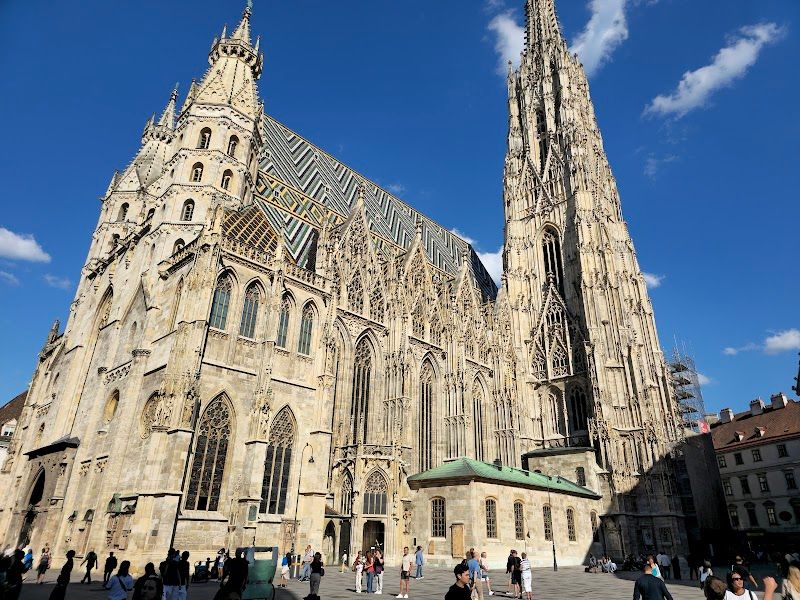
Innere Stadt is everything inside the Ringstrasse, and it is where Vienna concentrates its imperial greatest hits. St. Stephen's Cathedral (Stephansdom) is the centrepiece: free entry to the nave, EUR 6 to climb the south tower (343 steps, the best view in Vienna), and a Gothic interior that has been accumulating beauty since 1137. The Hofburg Palace is the former imperial residence and now houses the Imperial Apartments, the Sisi Museum, and the Silver Collection (EUR 17.50 combined). Graben and Kohlmarkt are the main shopping streets, one leading to the other, connecting the cathedral to the Hofburg. The State Opera anchors the southern edge: the building alone justifies the EUR 4-10 standing room tickets. The Albertina (EUR 18.90, Monet to Picasso) and the Kunsthistorisches Museum (EUR 21, one of the world's great art collections) are both within walking distance.
Things to Do
Top experiences in Innere Stadt
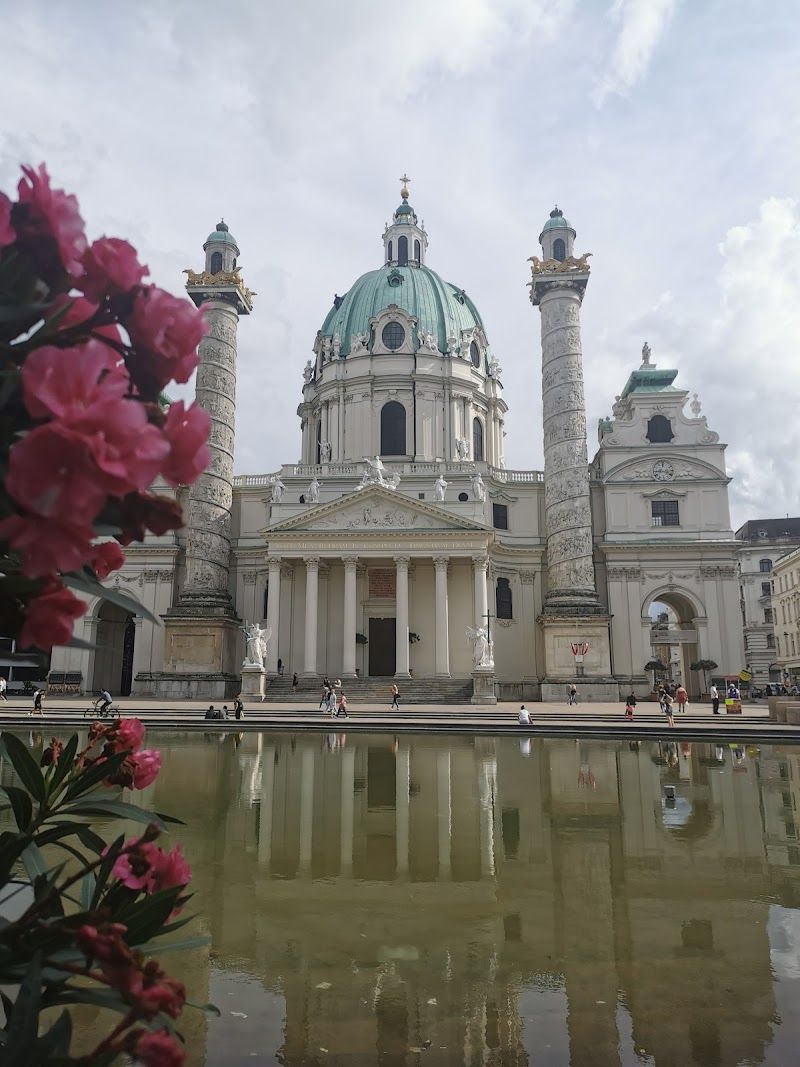
Karlsplatz
Karlsplatz anchors Vienna's cultural district with the Karlskirche dominating one side and two Otto Wagner Pavilions flanking the other. You'll find yourself in Europe's largest baroque church square, where green lawns stretch between ornate architecture and modern university buildings. The Wien Museum sits at the plaza's edge, housing the city's most comprehensive historical collection, while the U-Bahn stations below showcase more of Wagner's Art Nouveau mastery. The square feels like Vienna in miniature: students from the Technical University sprawl on the grass, tourists crane their necks at Karlskirche's massive dome, and commuters stream through the ornate subway entrances. The contrast works well. The Wagner Pavilions catch afternoon light like architectural details, while the church's green copper dome shifts colour throughout the day. You can easily spend an hour just people-watching from the steps or benches scattered around the plaza's perimeter. Most guidebooks may exaggerate the Wien Museum's (€10 entry, often crowded with school groups) importance, but the real treats here come at no extra cost. It is recommended to skip the museum unless you're genuinely interested in Vienna's municipal history. The exterior views of the Wagner Pavilions are certainly impressive, and climbing Karlskirche's dome (€8) offers better city views than any museum exhibit. Visit early morning or late afternoon when the light transforms both the architecture and the atmosphere.
Stephansdom Catacombs Tours
The catacombs beneath St. Stephen's Cathedral hold 11,000 bodies spanning from Roman times through the 18th century, including plague victims whose remains were hastily moved here when Vienna's cemeteries overflowed. You'll descend stone steps into dimly lit chambers where bishops rest in ornate tombs and commoners lie stacked in bone repositories. The tour covers the Rudolf Crypt, the bishops' vault with copper coffins, and chambers where bodies were stored during cholera outbreaks. Your guide leads groups of 25 through narrow corridors that smell faintly of old stone and dampness. The temperature drops noticeably as you move deeper underground, and the contrast between the cathedral's soaring Gothic architecture above and these cramped burial chambers below feels jarring. You'll see medieval burial urns, copper coffins green with age, and rooms where bones are arranged in systematic piles. The lighting is atmospheric but practical, illuminating carved stone details and religious symbols etched into walls. Most visitors expect something more dramatic after seeing Paris catacombs, but this is more historical than theatrical. Tours cost 6 EUR and run every 30 minutes from 10am to 5:30pm Monday through Saturday, Sundays from 1:30pm. The stairs are steep and uneven, so skip this if mobility is an issue. English tours happen at set times: 10:15am, 11:45am, 1:15pm, 2:45pm, and 4:15pm. Groups often fill up during summer, so arrive 15 minutes early.
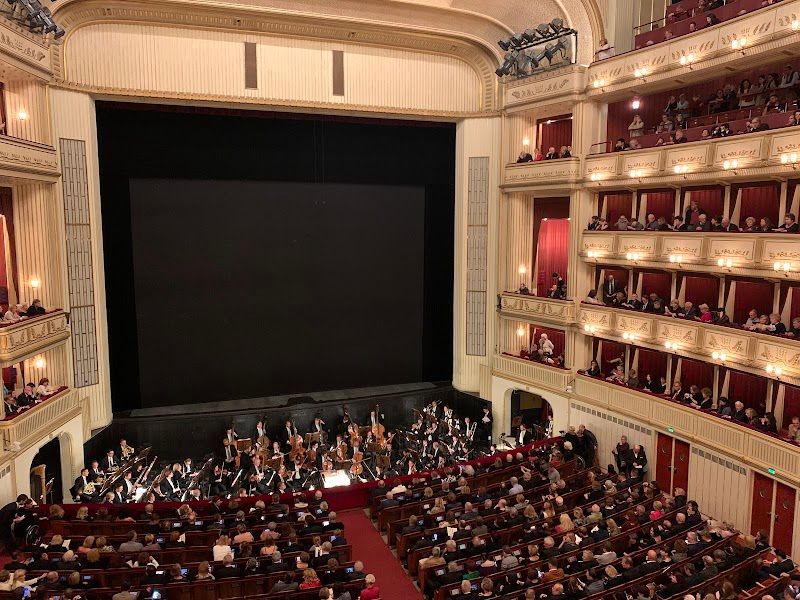
Vienna State Opera (Wiener Staatsoper)
The Vienna State Opera stands as one of the world's most prestigious opera houses, offering an unmatched cultural experience in the heart of Innere Stadt. This architectural masterpiece, completed in 1869 as the first major building on the famous Ringstrasse, combines stunning Neo-Renaissance design with world-class acoustics that have captivated audiences for over 150 years. What makes this venue truly special is its incredible accessibility through standing room tickets priced at just EUR 4 to 10, making it one of Europe's greatest cultural bargains. The opera house seats 1,709 with additional space for 567 standing patrons. The repertoire changes nightly, so you might experience Tosca on Monday, Don Giovanni on Tuesday, and The Magic Flute on Wednesday, ensuring every visit offers something different. The orchestra consists of members from the legendary Vienna Philharmonic, delivering performances of extraordinary quality. Even if you cannot attend a show, guided tours run for EUR 13 lasting 40 minutes when no rehearsals are scheduled, typically between 1 PM and 3 PM daily. While the building was heavily damaged during WWII and subsequently rebuilt, the original grand staircase and opulent foyer survived, showcasing breathtaking 19th-century craftsmanship with marble columns, frescoed ceilings, and crystal chandeliers. Practical tip: arrive early for standing room tickets, which go on sale 80 minutes before performances. The sound quality from standing areas is excellent, though comfort requires stamina. Dress code expectations vary, but smart casual works perfectly for most performances.
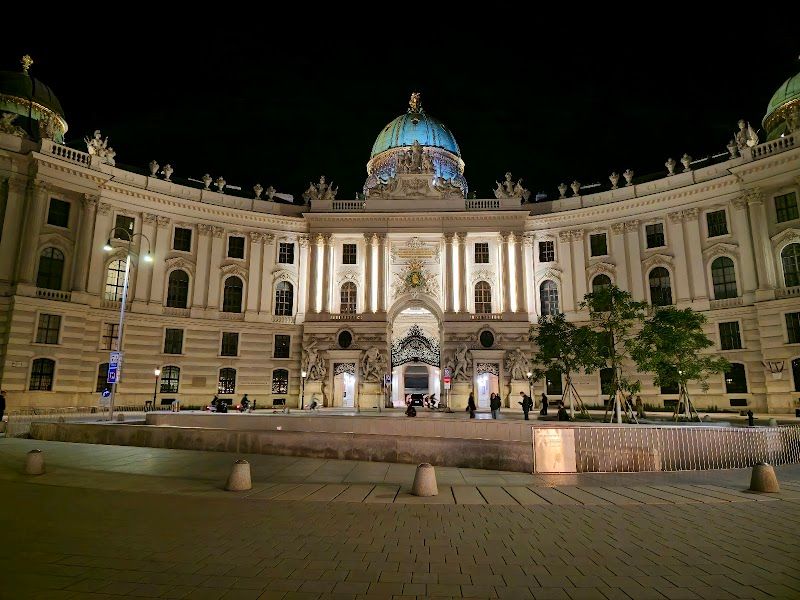
Hofburg Palace
The Hofburg Palace stands as Vienna's most significant imperial complex, serving as the Habsburg dynasty's primary residence for over six centuries until 1918. Today this sprawling palace houses Austria's president, multiple world-class attractions, and offers visitors an authentic glimpse into imperial life. The essential three-museum ticket (EUR 17.50) includes the Imperial Apartments, Sisi Museum, and Imperial Silver Collection. Allow 2.5 hours minimum. The Sisi Museum deserves special praise for its refreshingly honest portrayal of Empress Elisabeth, debunking romantic myths to reveal a complex woman obsessed with beauty, fitness, and freedom. Her actual corsets and gym equipment surprise many visitors. The Imperial Apartments showcase Emperor Franz Joseph's surprisingly modest personal quarters alongside elaborate state rooms where crucial European decisions were made. The Silver Collection displays over 7,000 pieces of imperial tableware, including a 30-meter-long dining table setting. The Spanish Riding School (performances EUR 25-180, morning exercises EUR 18) has trained Lipizzaner stallions since 1572. Book performances months ahead; morning exercises offer better value and authentic atmosphere. The baroque Winter Riding School is a highly impressive architectural masterpiece. Don't miss the free Augustinerkirche, site of Habsburg weddings including Marie Antoinette's proxy ceremony. The Hofburg Chapel hosts Vienna Boys' Choir Sunday masses (EUR 5-29, book early). Practical tips: start early to avoid crowds, wear comfortable shoes for extensive walking, and consider the one-year Sisi Ticket (EUR 34) if visiting Schönbrunn Palace too. The palace's large size can be overwhelming; focus on your interests rather than attempting everything.
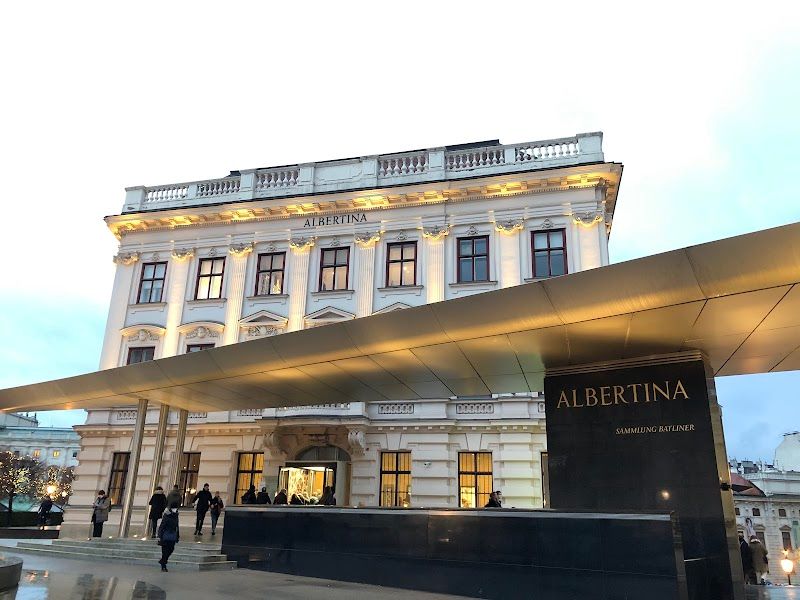
Albertina Museum
The Albertina sits atop the Hofburg complex housing one of the world's most impressive collections of prints and drawings, with over one million works spanning five centuries. You'll see original sketches by Dürer, Michelangelo's studies, and complete series by masters like Rembrandt and Schiele. The Habsburg state rooms upstairs showcase imperial living at its most extravagant, with gilded furniture, crystal chandeliers, and floors so polished you can see your reflection. The experience flows between intimate gallery spaces where you examine delicate works on paper and grand palatial rooms that make you feel tiny. The print galleries keep lighting deliberately low to protect the works, creating an almost reverent atmosphere. Then you climb to the state rooms where everything explodes in gold and marble. The contrast hits you immediately: from studying a pencil sketch worth millions to standing in a ballroom where emperors once waltzed. Most guides oversell the permanent collection, which rotates constantly since works on paper can't handle continuous light exposure. The real draw is whatever major exhibition is running, usually Impressionist or modern masters that justify the €16 entry fee. Skip the audio guide and spend your time in the Batliner Collection of modern art on the second floor, which most tourists miss entirely. The state rooms photograph beautifully but take only 20 minutes to see properly.
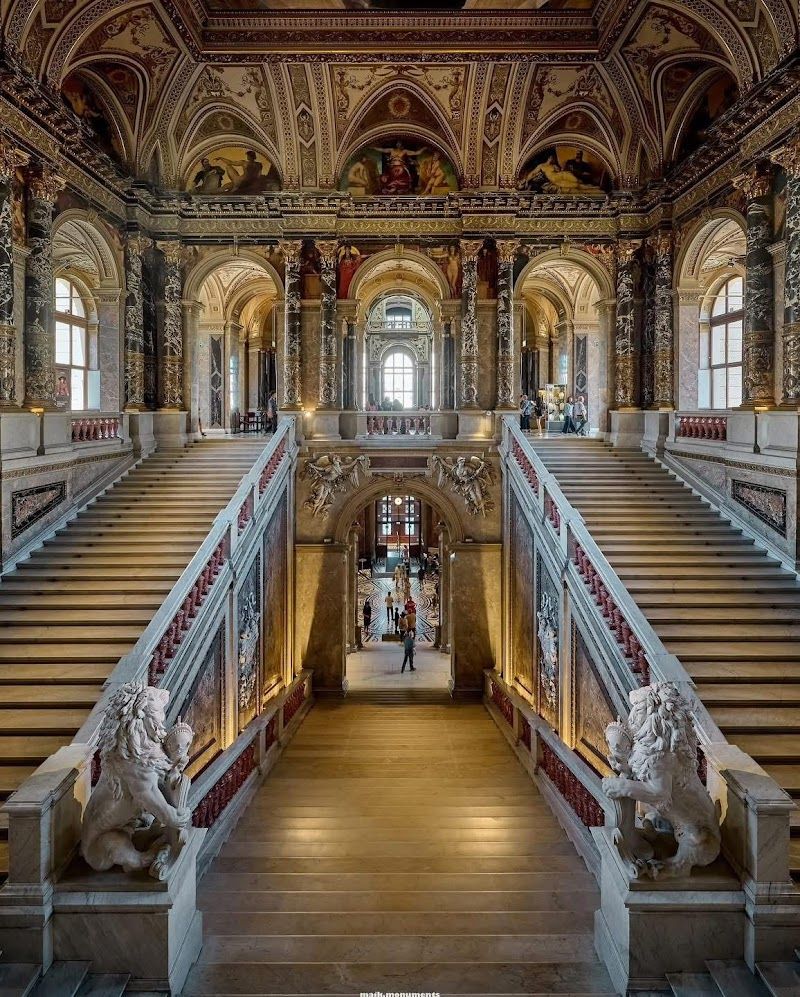
Kunsthistorisches Museum
The Kunsthistorisches Museum stands as one of the world's premier art institutions, housed in a palatial 19th-century building that rivals its contents in grandeur. Open Tuesday through Sunday from 10:00 to 18:00, with Thursday hours extended until 21:00, this Habsburg treasure trove justifies its EUR 21 admission fee with an unparalleled collection spanning centuries. The museum's crown jewels include the world's largest Bruegel collection, featuring masterpieces like Tower of Babel and Hunters in the Snow. Vermeer's enigmatic The Art of Painting captivates visitors, while works by Raphael, Titian, Caravaggio, and Velazquez demonstrate the Habsburgs' discerning taste. The Egyptian and Near Eastern Collection on the ground floor houses mummies, sarcophagi, and ancient artifacts that transport you millennia back in time. Don't miss the Kunstkammer, reopened after extensive renovation, displaying the famous Cellini Salt Cellar and bizarre Habsburg curiosities that blur the line between art and oddity. The building itself deserves attention: Klimt and Makart's ceiling paintings adorn the marble staircase, creating an Instagram-worthy ascent to artistic heaven. Plan at least three hours for a meaningful visit, though art enthusiasts could easily spend an entire day. Tuesday mornings offer smaller crowds. The museum cafe provides respite with views of Maria-Theresien-Platz. While pricey, this is Vienna's essential cultural experience, representing 500 years of imperial collecting passion in one magnificent location.
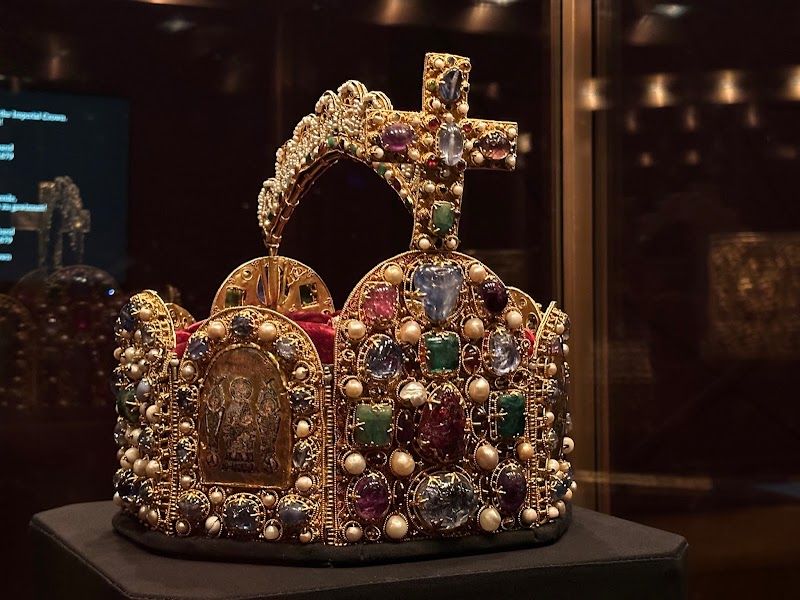
Kaiserliche Schatzkammer Wien
The Imperial Treasury houses the actual crown jewels of the Holy Roman Empire, including the 1,000-year-old Imperial Crown encrusted with uncut sapphires, emeralds, and pearls. You'll see the Holy Lance (supposedly the spear that pierced Christ), Napoleon's cradle made of solid gold, and the world's largest cut emerald at 2,860 carats. The Burgundian rooms display the Order of the Golden Fleece regalia, while Habsburg ceremonial objects span centuries of European power. The treasury feels intimate compared to other Hofburg attractions, with just 21 rooms winding through the palace's medieval core. Dim lighting protects the artifacts but creates an appropriately mysterious atmosphere as you move between display cases of imperial regalia. Room 2 stops most visitors cold: the Imperial Crown sits under spotlights, its medieval craftsmanship somehow more impressive than flashier modern pieces. Audio guides explain the political significance, but honestly, the visual impact speaks for itself. Most guides oversell this as essential Vienna, but it's genuinely fascinating if you're into European history or craftsmanship. Skip the audio guide at 5 EUR, the descriptions are detailed enough. The 14 EUR entrance fee feels steep for 90 minutes, but you're seeing objects that shaped European politics for centuries. Come early or after 3pm to avoid school groups who turn Room 2 into a bottleneck.
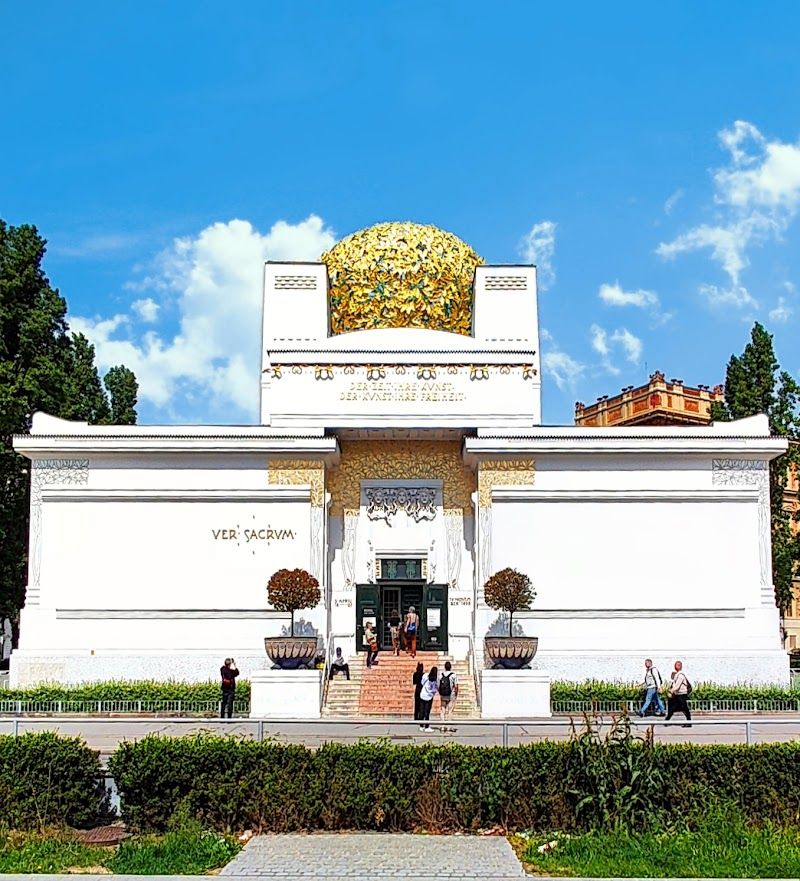
Secession
The Secession is where Vienna's rebel artists made their stand in 1897, breaking away from stuffy academic traditions to create Austria's answer to Art Nouveau. The striking white cube building with its golden dome of laurel leaves houses Gustav Klimt's extraordinary 34-meter Beethoven Frieze in the basement, a swirling masterpiece of symbolism and sensuality that wraps around an entire room. Upstairs, rotating contemporary exhibitions fill the stark white galleries that were revolutionary for their time. You'll enter through the main hall where temporary shows occupy the clean, minimalist spaces the Secession artists designed to let art breathe. The real magic happens when you descend to the basement Beethoven Frieze room, where Klimt's golden figures seem to dance along the walls behind protective glass. The frieze tells the story of humanity's search for happiness through three panels, and you can spend ages decoding the symbolism while other visitors whisper around you in the dimly lit space. Most guides oversell the building's exterior drama but undersell how intimate the Klimt experience actually feels. Entry costs €11 for adults, €8.50 for students, and the whole visit takes about an hour unless you're a serious Klimt obsessive. Skip the audio guide and just absorb the frieze naturally. The temporary exhibitions upstairs can be hit or miss, so don't feel obligated to spend equal time on both floors.
Graben
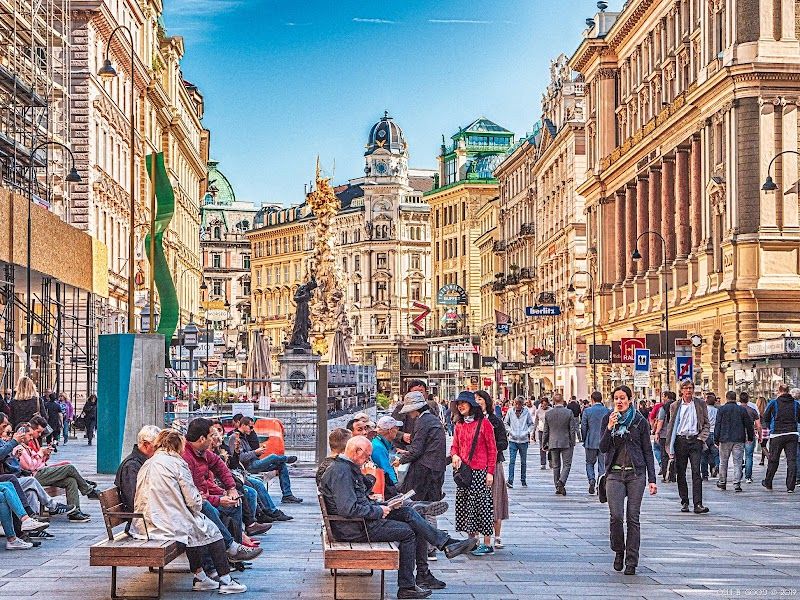
Graben stands as Vienna's most prestigious shopping boulevard, where centuries of imperial grandeur meet modern luxury retail. This elegant pedestrian street stretches between Kohlmarkt and Stephansplatz, lined with spectacular Baroque facades that house flagship stores of renowned brands like Swarovski, Manner, and traditional Viennese jewelers. The ornate architecture creates a museum-like shopping experience, with elaborate window displays that transform into winter wonderlands during Christmas season. At the street's heart rises the magnificent Pestsäule (Plague Column), an intricate Baroque monument commemorating Vienna's survival of the plague. This towering sculpture serves as both historical landmark and popular meeting point for visitors exploring the area. Shopping here ranges from accessible souvenirs at Manner (famous wafer cookies from €3) to high-end jewelry and crystal pieces reaching hundreds of euros at Swarovski and local artisans. Traditional Austrian clothing stores offer quality dirndls and lederhosen starting around €150. Most shops open Monday through Saturday 10:00 to 19:00, with extended hours during holiday seasons. The cobblestone street buzzes with street performers, particularly classical musicians who add authentic Viennese atmosphere. Early morning visits (before 11:00) offer the best photo opportunities with fewer crowds, while evening strolls showcase beautifully illuminated storefronts. Honestly, prices reflect the premium location, but the architectural splendor and quality craftsmanship justify browsing even for budget travelers. The street connects seamlessly to nearby attractions, making it perfect for combining shopping with sightseeing in Vienna's historic core.
Where to Eat
Restaurants and cafes in Innere Stadt
Figlmüller
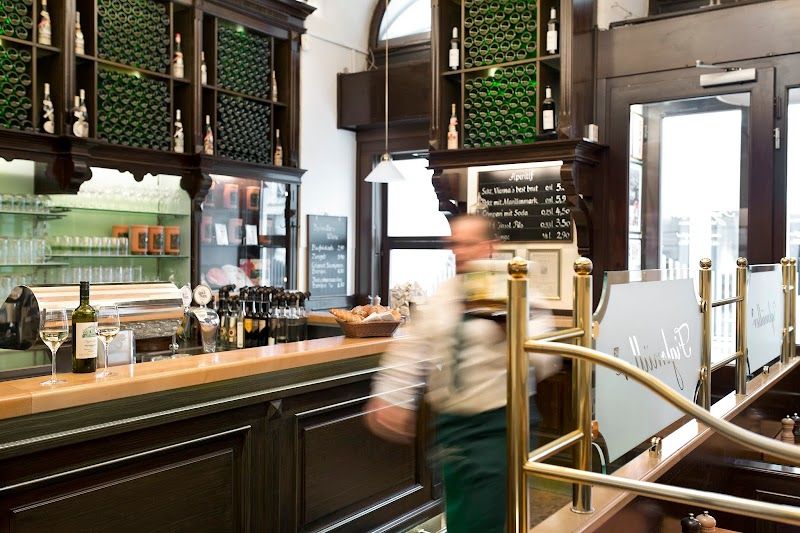
RestaurantFiglmüller has been Vienna's undisputed schnitzel champion since 1905, serving comically oversized Wiener Schnitzel that literally cascades over the plate edges. Located steps from St. Stephen's Cathedral in the historic Innere Stadt, this legendary restaurant attracts massive crowds for good reason: their veal cutlets are pounded gossamer-thin, creating an impossibly light, crispy coating when fried in clarified butter. The original Wollzeile location operates Monday to Sunday 11:30am to 10:30pm, though expect queues during peak hours. Reservations are essential, especially for dinner service. The famous Wiener Schnitzel costs around 24 EUR, while pork schnitzel runs about 19 EUR. Portions are genuinely enormous: one schnitzel easily feeds two people, though sharing isn't encouraged during busy periods. The atmosphere buzzes with tourist excitement and local tradition. Wooden tables, vintage photographs, and efficient waitstaff in traditional dress complete the authentic Viennese experience. The schnitzel arrives golden and crispy, accompanied by potato salad and lingonberry sauce. Quality is consistently excellent, justifying the premium price and inevitable wait. Practical tips: arrive early for lunch to avoid crowds, book dinner reservations well ahead, and come hungry since portions are massive. The nearby Bäckerstrasse location offers similar quality with potentially shorter waits. While touristy, Figlmüller delivers an authentic taste of Vienna's culinary heritage that shouldn't be missed despite the premium pricing and crowds.
Café Central
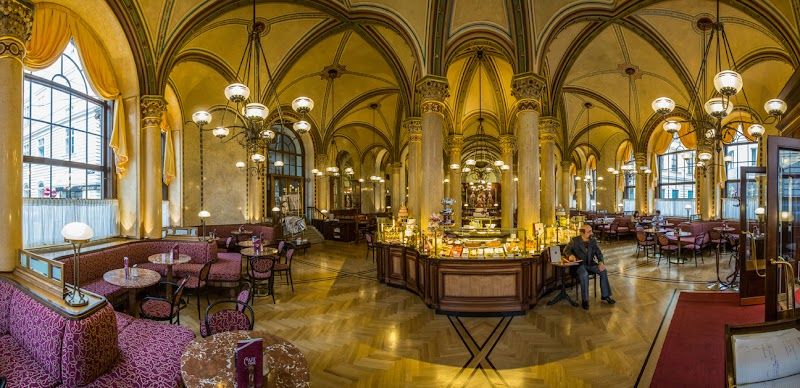
RestaurantCafé Central stands as Vienna's most legendary coffeehouse, housed in a magnificent 1876 building with soaring Neo-Gothic arches that create an almost cathedral-like atmosphere. This historic establishment served as the intellectual salon for some of history's most influential figures: Sigmund Freud pondered his theories here, Leon Trotsky plotted revolution over coffee, and poet Peter Altenberg practically lived at table number two (where his life-size papier-mâché figure still sits today). The café operates daily from 7:30am to 10pm, with the house pianist performing classical pieces from 5pm onwards, adding an elegant soundtrack to your visit. The menu features traditional Viennese fare: expect to pay around €15-25 for main dishes like Wiener Schnitzel or Tafelspitz, while the famous Sachertorte costs approximately €6. Coffee drinks range from €4-7, with the Melange being the quintessential choice. What makes Central truly special is its authentic atmosphere: marble-topped tables, bentwood chairs, and newspapers hanging on wooden rods create an unchanged ambiance. The pastry selection is exceptional, particularly the Apfelstrudel served warm with vanilla sauce. Practical tip: arrive before 10am or after 3pm to avoid tourist crowds. Service can be slow, which locals consider part of the authentic coffeehouse experience. Reservations are recommended for weekend visits. While pricier than typical cafés, the historical significance and architectural beauty justify the premium.
Demel
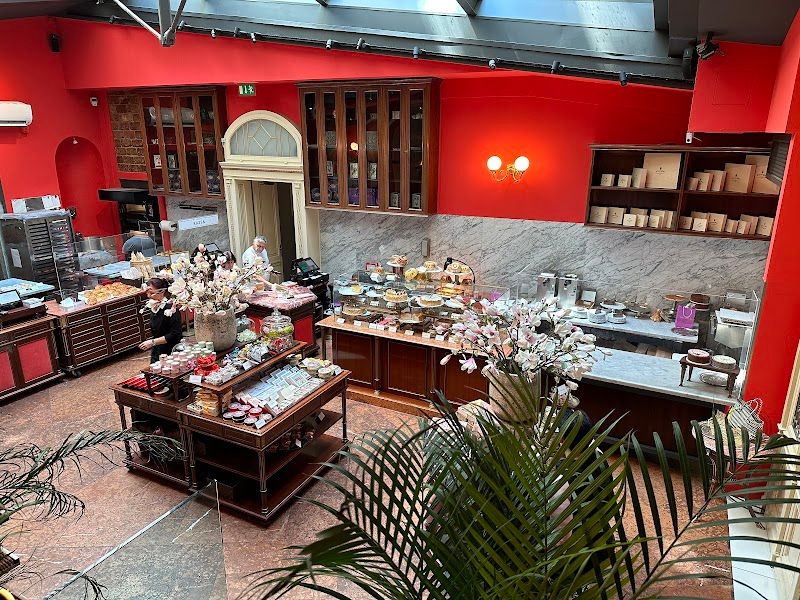
RestaurantStep into Vienna's most legendary confectionery, where imperial tradition meets exquisite craftsmanship since 1786. Demel holds the prestigious title of k.u.k. Hofzuckerbäcker (imperial court confectioner), serving Austrian royalty and discerning visitors for over two centuries. The famous rivalry with Hotel Sacher over the original Sachertorte recipe continues today, making this a pilgrimage site for dessert enthusiasts. The baroque interior transports you to imperial Vienna with gleaming crystal chandeliers, elegant marble columns, and ornate details that whisper of Habsburg grandeur. The highlight is watching master confectioners at work through the large window facing Kohlmarkt, where they hand-craft delicate pastries and elaborate cakes using centuries-old techniques. A slice of the legendary Sachertorte costs EUR 6.50, while their signature Anna Torte runs EUR 7.20. Coffee ranges from EUR 4.80 to EUR 6.50, and expect to pay EUR 15-25 for an afternoon coffee and cake experience. The breakfast menu offers Viennese classics for EUR 12-18. Open Monday to Saturday 10:00-19:00, Sunday 10:00-18:00. Arrive early or late to avoid tourist crowds, especially around lunch time. The standing area near the confectionery window offers the best views of cake-making artistry. Service maintains old-world formality, which some find charming while others consider it stiff. The quality justifies premium prices, though portions are modest. Reserve tables upstairs for a more relaxed dining experience away from street-level bustle.
Plachutta Wollzeile
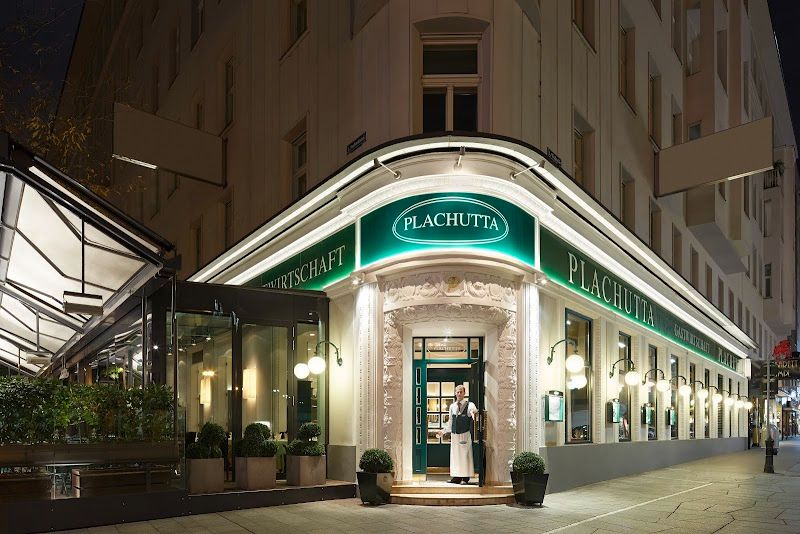
RestaurantPlachutta Wollzeile stands as Vienna's undisputed temple to Tafelspitz, the boiled beef dish that graced Emperor Franz Joseph's table daily. This legendary restaurant has perfected the art of preparing Austria's national dish using traditional copper pots and century-old techniques passed down through generations. The menu showcases nine distinct cuts of beef, each offering unique textures and flavors. The classic Tafelspitz costs around 24 EUR, while premium cuts like Beinfleisch or Schulterscherzel range from 26 to 32 EUR. Every portion arrives with traditional accompaniments: tangy apple horseradish, creamy chive sauce, and roasted potatoes. The beef broth, clear as crystal and rich in flavor, comes as a starter with liver dumplings or pancake strips. Open Tuesday through Saturday from 11:30 AM to midnight, the restaurant closes on Sundays and Mondays. Reservations are essential, especially for dinner service, as locals and tourists alike flock here for authentic Viennese cuisine. The elegant dining room features dark wood paneling and crisp white tablecloths, creating an atmosphere that balances tradition with comfort. Service follows old-school Austrian standards: formal yet warm, with waiters who know their craft intimately. Portions are generous, expect to spend 35 to 45 EUR per person including soup and dessert. While some find the preparation simple, that's precisely the point: perfect ingredients prepared flawlessly. This isn't fusion cuisine but rather culinary heritage executed at its finest, making it essential for any serious food lover visiting Vienna.
Café Hawelka
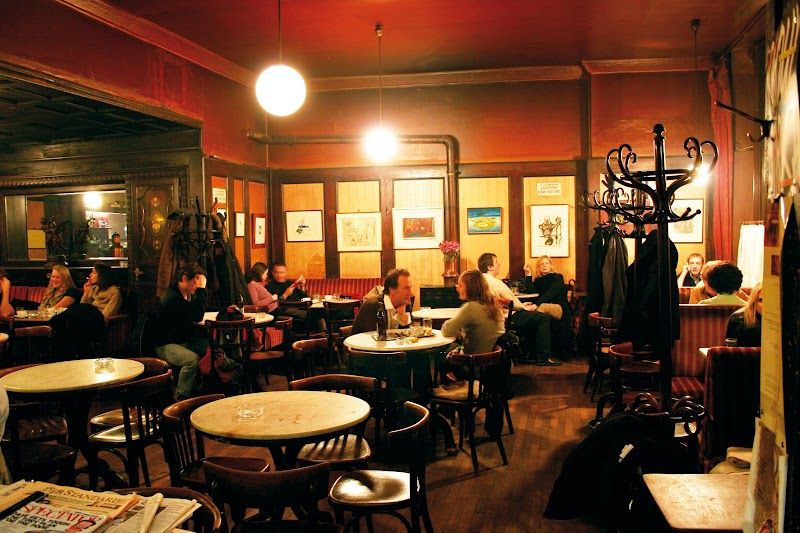
RestaurantCafé Hawelka stands as Vienna's most authentic bohemian coffeehouse, a legendary institution that has remained virtually unchanged since opening in 1939. Located in the heart of Innere Stadt, this atmospheric café captures the essence of old Vienna with its worn red velvet banquettes, dimly lit interior, and walls adorned with paintings left by struggling artists who couldn't pay their bills with cash. The café's crown jewel is the famous Buchteln, sweet yeast buns filled with plum jam that have achieved cult status among locals and visitors alike. These legendary pastries are baked fresh every single night after 10pm and typically sell out within 60 minutes, so arrive early for your best chance. A portion costs around 8 EUR and pairs perfectly with their strong, traditional Viennese coffee. Open Monday through Saturday from 8am to 2am (closed Sundays), Hawelka maintains its delightfully chaotic atmosphere throughout the day. The elderly waiters, some who have worked here for decades, move through the cramped space with practiced ease, serving coffee in traditional porcelain cups. Expect to pay 4-6 EUR for coffee specialties. The interior retains its wonderfully shabby charm: nicotine-stained walls, mismatched furniture, and an authentic smokiness that seems embedded in the very fabric of the place. While not the cleanest or most comfortable café in Vienna, Hawelka offers something increasingly rare: genuine, unvarnished authenticity. This is Vienna as it was, not as tourist boards imagine it should be.
Bitzinger Würstelstand am Albertinaplatz
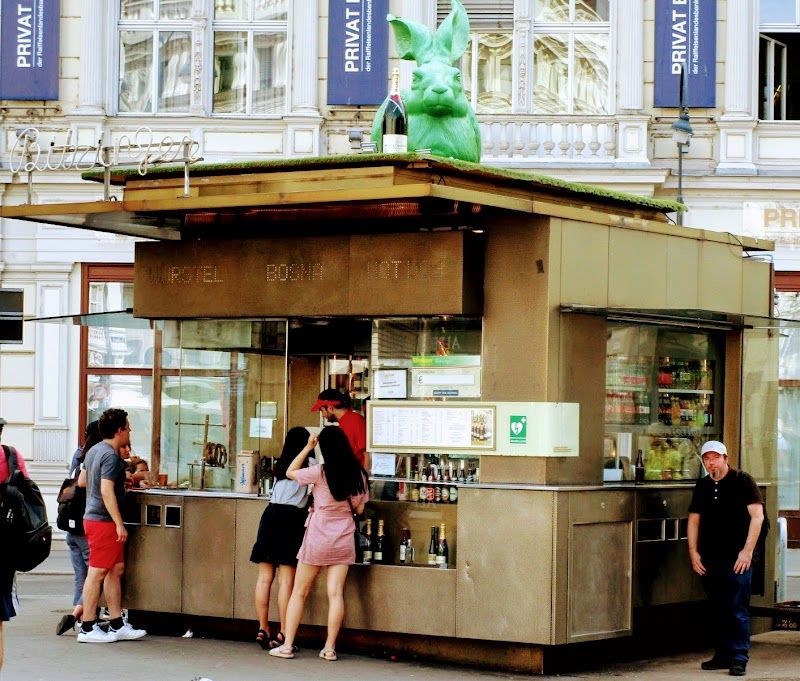
RestaurantThis legendary sausage stand behind the Vienna State Opera has been serving hungry locals and tourists since 1928, making it an authentic piece of Viennese culinary history. Open 24 hours a day, seven days a week, Bitzinger attracts an extraordinary mix of customers: elegant opera patrons in tuxedos and evening gowns queue alongside construction workers, taxi drivers, and late night revelers. The famous Käsekrainer costs 4.50 EUR, featuring a perfectly grilled pork sausage with molten cheese that oozes out with each bite. Bratwurst runs 3.80 EUR, while the traditional Burenwurst costs 3.60 EUR. All sausages come with crusty bread and your choice of mustard, horseradish, or ketchup. What makes Bitzinger special isn't just the quality sausages grilled to perfection on the outdoor counter, but the democratic atmosphere where social boundaries dissolve over shared appreciation for good street food. The stand gets particularly lively after opera performances when formally dressed patrons emerge for a quick bite before heading home. Service is brisk and no-nonsense, typical Viennese style. Practical tips: arrive hungry since portions are generous, bring cash as cards aren't accepted, and don't expect seating since everyone eats standing at the counter. The experience feels authentically local, making it perfect for travelers seeking genuine Viennese culture beyond tourist restaurants.
Nightlife
Bars and nightlife in Innere Stadt
Loos American Bar
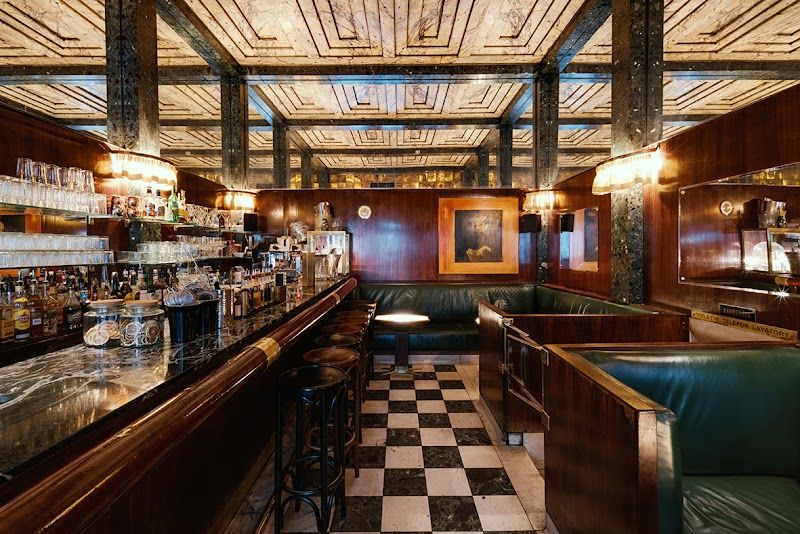
NightlifeStep into Vienna's legendary Loos American Bar, a masterpiece of early 20th-century design compressed into just 27 square meters of pure architectural brilliance. Created by Adolf Loos in 1908, this intimate cocktail haven showcases the architect's revolutionary approach to spatial design through strategically placed mirrors and rich mahogany panels that create an optical illusion of grandeur within impossibly tight quarters. The bar operates Tuesday through Saturday from 6 PM to 4 AM, with Sunday and Monday hours from 6 PM to 2 AM. Cocktails range from €12 to €18, reflecting the premium ingredients and meticulous craftsmanship that define every drink. The skilled bartenders, working in synchronized precision behind the narrow bar, prepare classic cocktails like Martinis, Manhattans, and Negronis with theatrical flair. With seating for only 20 guests, securing a spot requires strategy. Reservations are highly recommended for peak hours, or arrive right at opening for the best chance of snagging one of the coveted red leather banquettes. The acoustics amplify conversations, creating an unexpectedly lively atmosphere despite the compact dimensions. What makes this bar truly special is experiencing how Loos manipulated space through design psychology. The ceiling mirrors double the apparent height, while the warm lighting and polished surfaces create depth that defies the room's actual size. It's simultaneously claustrophobic and expansive, a contradiction that perfectly embodies Viennese sophistication. This isn't just a bar; it's an immersive lesson in architectural genius.
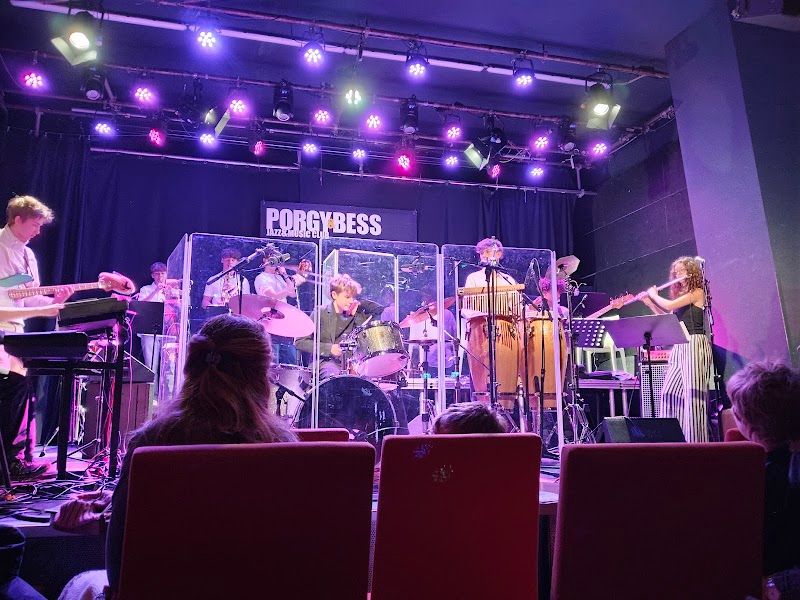
Porgy & Bess
NightlifePorgy & Bess stands as Vienna's most respected jazz venue, tucked into the atmospheric Stadtbahnbogen railway arches near Karlsplatz in the heart of the city. This underground club transforms industrial architecture into an intimate musical sanctuary, hosting approximately 300 concerts annually that span from traditional jazz legends to cutting-edge electronic experimentalists. The venue's acoustics are genuinely exceptional, thanks to the natural reverberation of the brick vaulted ceilings combined with a professional-grade sound system that audiophiles will appreciate. The intimate 200-person capacity means every seat offers an excellent view of the performers, creating an almost living room atmosphere where you can practically feel the musicians' energy. Concert tickets typically range from 15 to 45 EUR depending on the artist, with most shows starting between 20:30 and 21:30. The bar serves quality cocktails from 8 to 15 EUR and local beers around 4 to 6 EUR, staying open until 2:00 AM or later depending on the night's programming. What sets Porgy & Bess apart is its fearless programming: you might catch a bebop quartet one night and an avant-garde electronic duo the next. The venue attracts serious music lovers rather than casual party-goers, so expect an attentive, respectful audience. Practical tip: arrive 30 minutes early for popular shows as seating is first-come, first-served. The location is easily accessible via U1, U2, or U4 to Karlsplatz. Book tickets online in advance for weekend performances, as sellouts are common for acclaimed international acts.
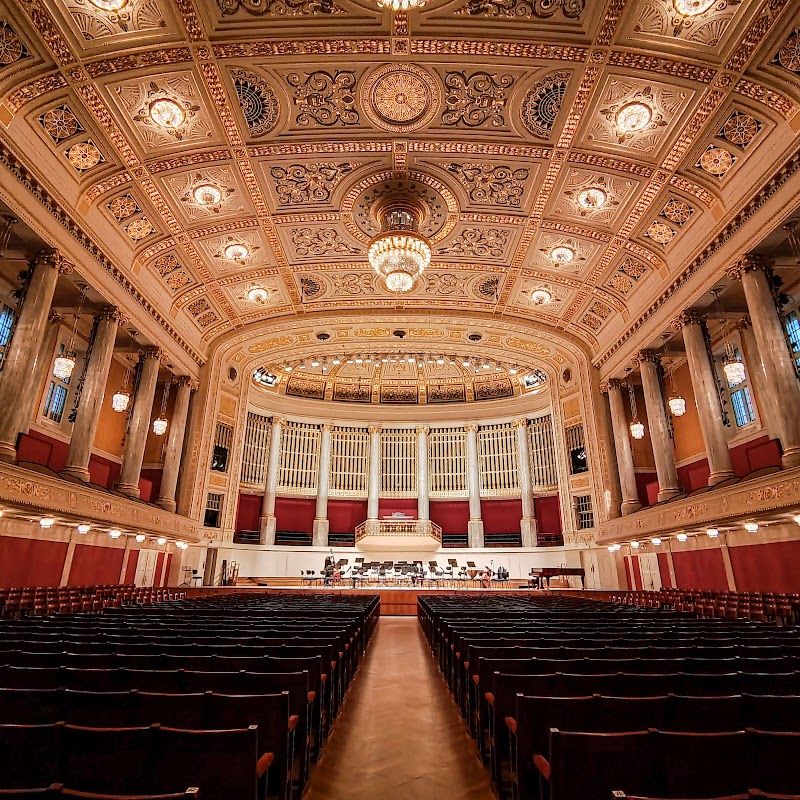
Wiener Konzerthaus
NightlifeGrand concert hall opened in 1913, hosting over 750 events annually from classical concerts to contemporary music, with three main halls featuring different acoustic properties. The Great Hall seats 1,840 and is renowned for its perfect acoustics, while the smaller Mozart Hall and Schubert Hall host chamber music and recitals. The Art Nouveau building is less touristy than the Musikverein but equally prestigious.
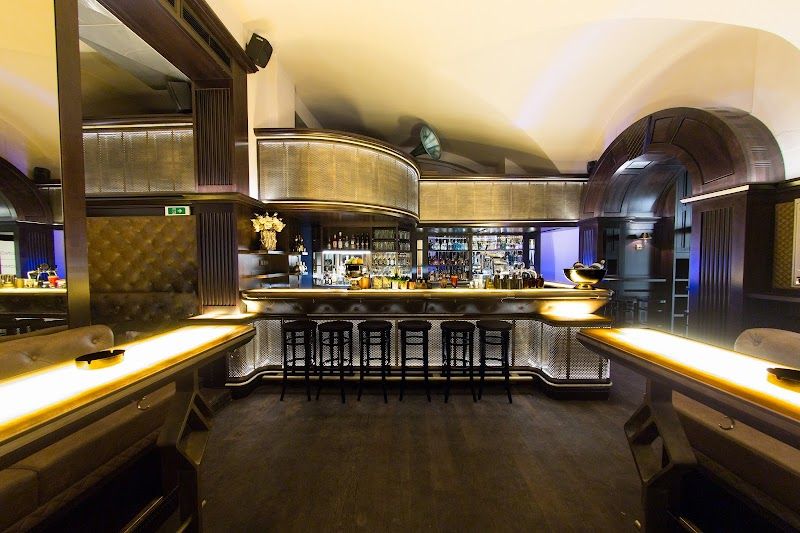
Kleinod
NightlifeIntimate cocktail bar in Neubau with only 12 seats, where award-winning bartender Ari Shtober creates innovative drinks using house-made ingredients and seasonal flavors. The constantly changing menu features creative cocktails alongside perfectly executed classics, all served in a minimalist space with impeccable attention to detail. Reservations are essential at this hidden gem.
Getting Here
Insider Tips
Opera standing room
Standing room tickets at the Wiener Staatsoper cost EUR 4-10 and are one of Europe's best cultural bargains. Queue 80 minutes before the performance. Tie your scarf to the railing to claim your spot. World-class opera for the price of a coffee.
Stephansdom south tower
EUR 6 for 343 steps. Go first thing in the morning for the shortest queue and the best light. The view from the top explains the entire city layout: the Ring, the Danube Canal, the Prater Ferris wheel in the distance.
Side streets off Graben
The side streets between Graben and Am Hof have EUR 4 espresso, tiny church courtyards nobody enters, and wine bars that serve by the glass from EUR 4. Far more interesting than the main shopping drag.
Nearby Neighborhoods
Continue exploring

MuseumsQuartier & Spittelberg
Vienna's cultural heart: the MQ courtyard that becomes a living room on summer evenings, world-class museums, and Spittelberg's Biedermeier lanes.

Leopoldstadt
The Prater, the local market, and the restaurant scene that is quietly becoming the most interesting in Vienna.

Naschmarkt & Freihausviertel
Vienna's food market, the Secession building, and the residential streets south of the market with cafes that locals guard jealously.
Plan a trip featuring Innere Stadt
Get a personalized Vienna itinerary with Innere Stadt built in.
Start Planning