
Vienna
Leopoldstadt
The Prater, the local market, and the restaurant scene that is quietly becoming the most interesting in Vienna.
About Leopoldstadt
Leopoldstadt is the 2nd district, across the Danube Canal from the old city, and it is where Vienna is actually evolving. The Prater is the headline: the Riesenrad Ferris wheel (EUR 13.50, the one from The Third Man), the amusement park, and a long green park for running, cycling, and weekend walks. The Karmelitermarkt is the smaller, more local version of the Naschmarkt: fewer tourists, better brunch spots, and a Saturday farmers' market. The restaurant scene here is where the action is: wine bars with natural wine lists, modern Austrian cooking that breaks from the schnitzel-and-Tafelspitz tradition, and Middle Eastern food from the district's diverse community. Cross the canal from Schwedenplatz (5-minute walk) and you are in a different city.
Things to Do
Top experiences in Leopoldstadt
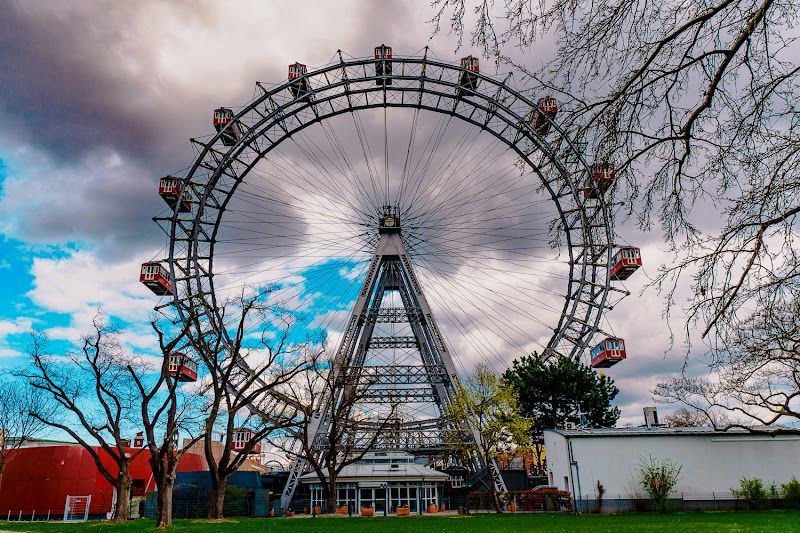
Prater
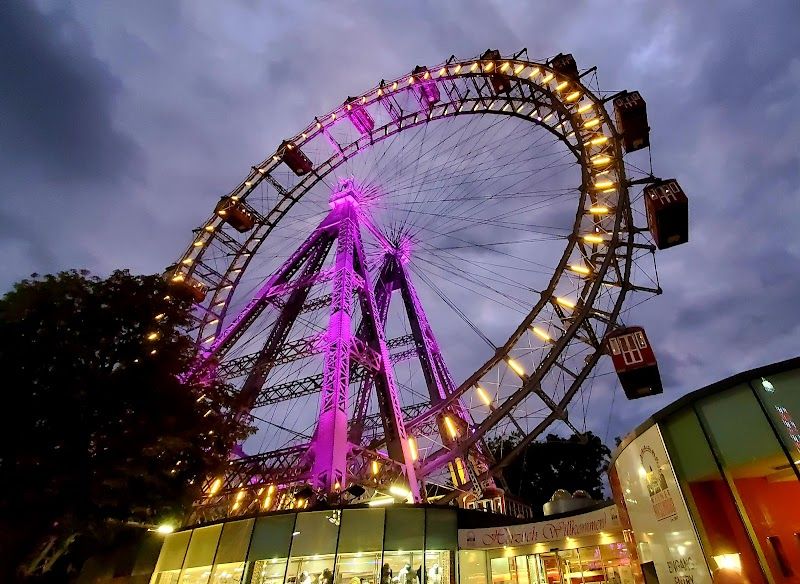
Prater is Vienna's massive public park that combines a century-old amusement park with 6 square kilometers of green space where locals jog, cycle, and picnic. The centerpiece is the 1897 Riesenrad, one of the world's oldest Ferris wheels, offering genuine panorama views from wooden cabins that creak authentically as you slowly rotate 65 meters above the city. The 20-minute rotation allows plenty of time to spot landmarks like St. Stephen's Cathedral and the Danube. Beyond the fairground rides and carnival games, the Hauptallee boulevard stretches 4.5 kilometers through actual forests and meadows where you'll see more Viennese than tourists. The amusement park section feels retro rather than slick, with bumper cars, a ghost train, and traditional Austrian snack stands selling Langos (fried bread) for about 8 EUR. The Riesenrad dominates everything: each cabin holds up to 15 people and offers views for everyone inside. The Ferris wheel costs 12 EUR for adults, while most rides run 3-5 EUR each. Skip the expensive restaurant in the Ferris wheel and grab Schnitzel from the food stands instead. The park works year-round, but winter visits feel melancholy in a way that is hard to explain. Most tourists never venture past the amusement area, which is their loss because the real Prater starts beyond the carnival lights. Once you leave the rides behind, the park opens into genuine wilderness where joggers disappear into tree-lined paths and families spread blankets near small ponds.
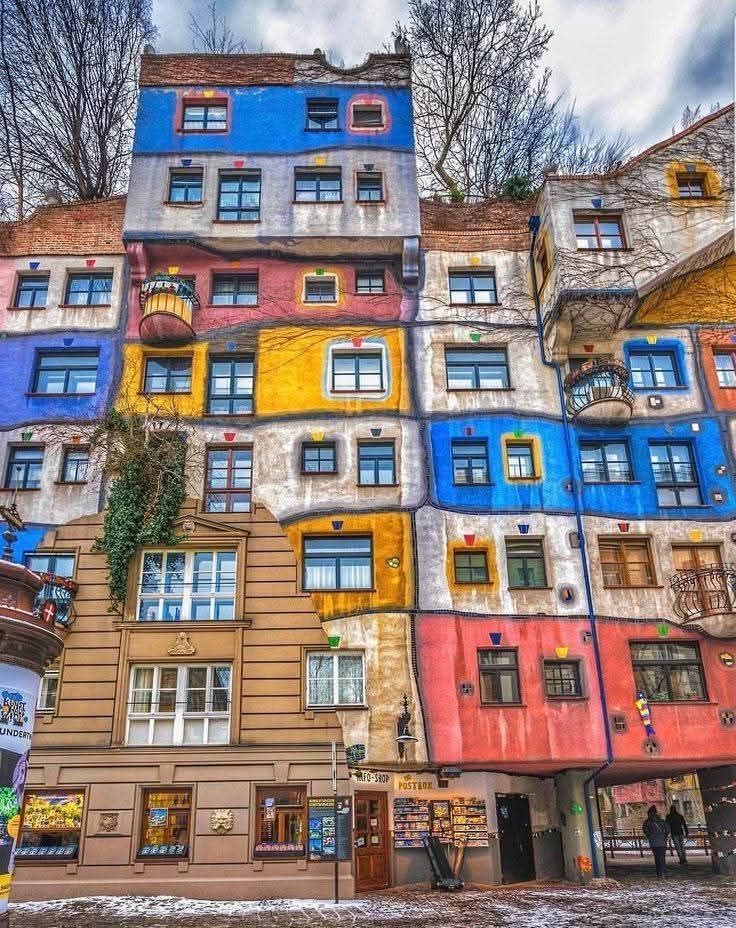
Hundertwasserhaus
Friedensreich Hundertwasser's 1985 apartment building looks like a fairy tale dropped into Vienna's third district. The colorful facade ripples with irregular windows, gold onion domes, and over 250 trees growing directly from balconies and rooftops. Inside, the floors intentionally undulate because Hundertwasser believed flat surfaces were against human nature, though you can't access the residential interiors. You'll spend most of your time circling the building's perimeter, craning your neck at the whimsical details. The irregular ceramic tiles create a mosaic effect, and no two windows are identical in size or placement. Groups of tourists constantly gather at the corner of Kegelgasse and Löwengasse for photos, while residents occasionally peer down from their tree-lined balconies. The surrounding streets feel ordinary by comparison, making the building's explosion of color even more striking. Most guides oversell this as a lengthy visit, but 20 minutes covers everything unless you're an architecture fanatic. The building is genuinely photogenic but purely exterior viewing gets repetitive quickly. Skip the overpriced Hundertwasser Village shopping center two blocks away, it's a tourist trap with inflated prices. Instead, walk five minutes to Kunst Haus Wien museum (€12 adults) where you can experience Hundertwasser's interior design philosophy properly.
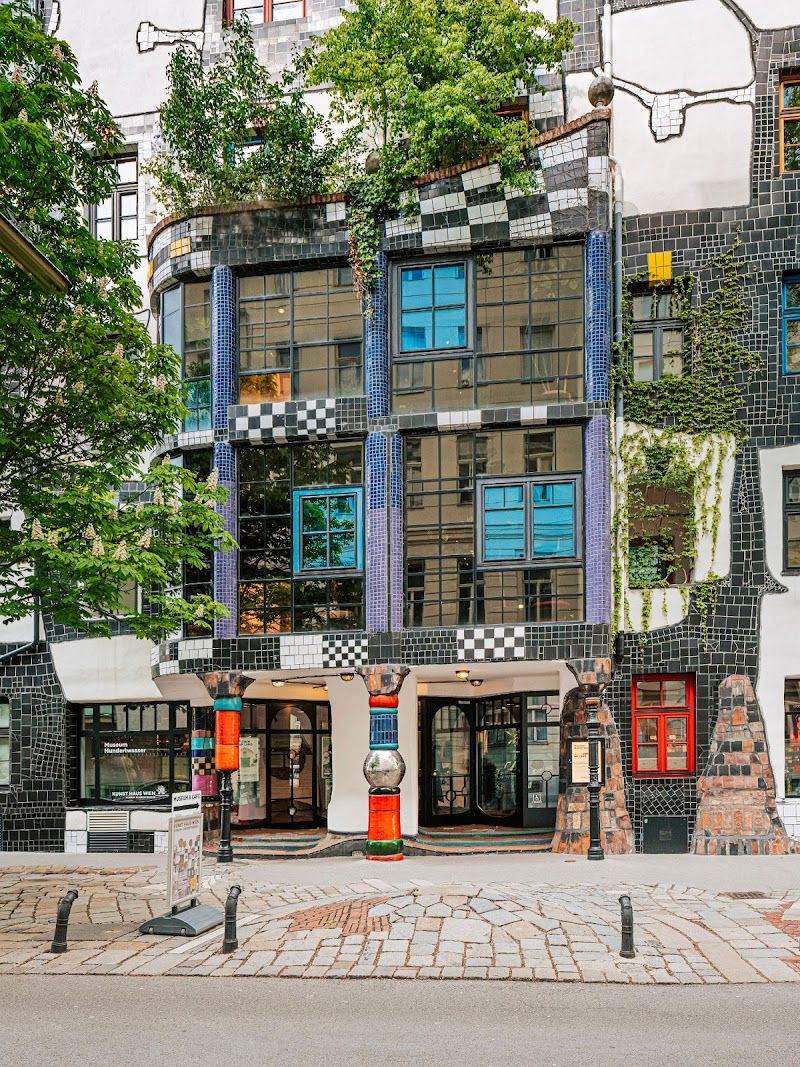
Kunst Haus Wien Museum Hundertwasser
Kunst Haus Wien is where you'll find Austria's largest collection of Friedensreich Hundertwasser's work, displayed inside a building the eccentric artist redesigned himself. You'll walk through rooms with deliberately uneven floors, spot trees growing through windows, and see his philosophy that straight lines don't exist in nature applied to every surface. The permanent collection covers his complete artistic evolution from early paintings to architectural models, plus his environmental manifestos that feel decades ahead of their time. The building itself is half the experience. Your feet constantly adjust to the wavy floors while you navigate rooms where no two windows are the same size or shape. The facade looks like a patchwork quilt of colors and materials, and inside you'll find columns wrapped in ceramics and mosaics covering unexpected surfaces. The atmosphere feels playful yet thoughtful, like stepping into someone's colorful fever dream of how buildings should work. Most people spend too long on the ground floor photography exhibitions and rush the Hundertwasser floors upstairs, but do the opposite. The temporary photo shows are hit or miss, while the permanent collection on floors 2 and 3 is consistently fascinating. Entry costs €12 for adults, and the audio guide (€4 extra) is actually worth it since Hundertwasser's philosophy behind each piece adds context you'd miss otherwise. Skip the gift shop unless you want overpriced prints.
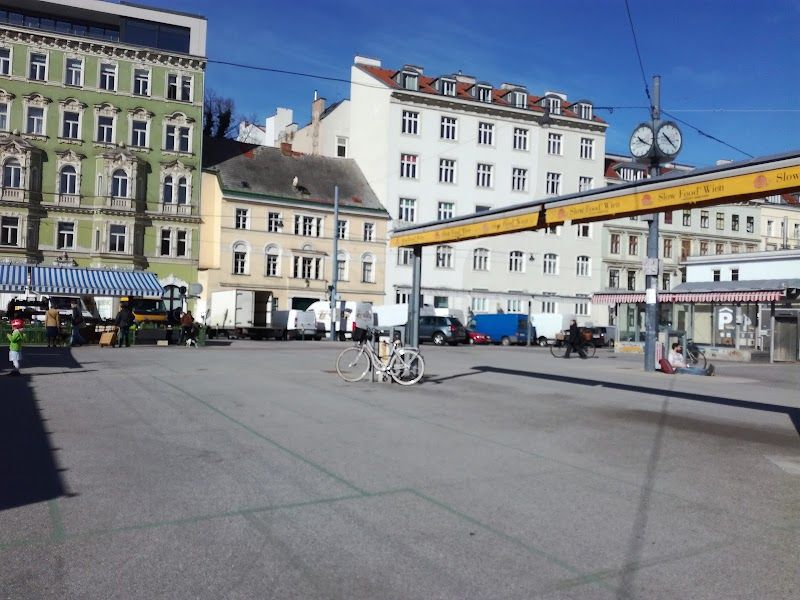
Karmelitermarkt
Karmelitermarkt is Vienna's most authentic neighborhood market, operating since 1671 in a cobblestone square that feels like a village center. You'll find about 20 permanent stalls selling exceptional produce, artisanal cheeses, fresh flowers, and local specialties like Zotter chocolates and organic honey. The surrounding cafés serve proper Viennese coffee and pastries to locals who've shopped here for decades, creating an atmosphere that's genuinely Austrian rather than tourist-focused. The market flows around a central square where vendors call out daily specials in German and broken English. You'll hear opera playing from the flower stall while the cheese vendor offers generous samples of alpine varieties. The pace is unhurried: locals chat with stallholders they've known for years, kids run between the stalls, and café patrons linger over newspapers. It's ten minutes from Schwedenplatz but feels worlds away from tourist Vienna. Most travel guides barely mention Karmelitermarkt, which keeps it refreshingly local. Prices beat Naschmarkt by about 30% for comparable quality. The flower stalls offer stunning bouquets for €8-12 versus €15-20 elsewhere. Skip the small prepared food section, it's overpriced and mediocre. Focus on the produce vendors on the north side and definitely hit the chocolate stall for free samples of flavors you won't find anywhere else.
Prater & Riesenrad
The Prater is Vienna's great public park and the Riesenrad (Giant Ferris Wheel, EUR 13.50) is its icon. The Ferris wheel has been turning since 1897, survived two world wars, appeared in The Third Man, and gives a slow, creaking, beautiful view of Vienna from 65 metres. The Wurstelprater amusement park surrounds it: roller coasters, dodgems, ghost trains, and the kind of old-school rides that feel nostalgic even if you have never been before. But the Prater is much more than the amusement park. The Hauptallee is a 4.4 km straight avenue through chestnut trees, perfect for running, cycling, or walking. The park extends to 6 square kilometres of meadows, woods, and sports facilities. Entry to the park and amusement area is free; you pay per ride.
Augarten
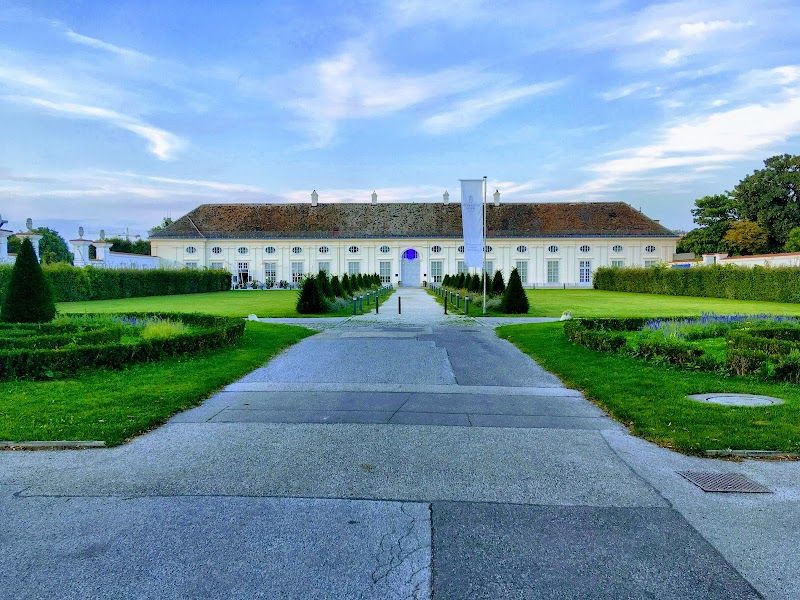
Augarten combines Vienna's oldest baroque garden with one of the city's most jarring historical contrasts. You'll walk perfectly manicured paths dating to 1775 while two massive concrete flak towers from WWII dominate the skyline, now covered in colorful graffiti. The original baroque palace houses Austria's famous Augarten Porcelain Manufactory, where you can watch craftspeople hand-paint delicate pieces, and the modern MuTh concert hall hosts the Vienna Boys' Choir rehearsals. The experience feels like wandering through layers of Austrian history. You'll start on symmetrical gravel paths lined with precisely trimmed hedges, then suddenly encounter these brutal 40-meter concrete towers that the Nazis built for anti-aircraft defense. The contrast is deliberately unsettling: baroque elegance meets wartime brutality. Locals jog past both daily, treating this historical collision as completely normal. The porcelain workshop adds another layer, with artisans creating delicate beauty in the shadow of these war monuments. Most guides focus too much on the baroque elements and gloss over how powerful those flak towers actually are. Skip the porcelain factory tour unless you're genuinely interested in ceramics, it costs 8 EUR and feels touristy. The real magic happens when you sit on a bench near the towers at golden hour and absorb this weird historical sandwich. Those gates really do lock at sunset year-round, no exceptions, so don't test it.
Donauinsel
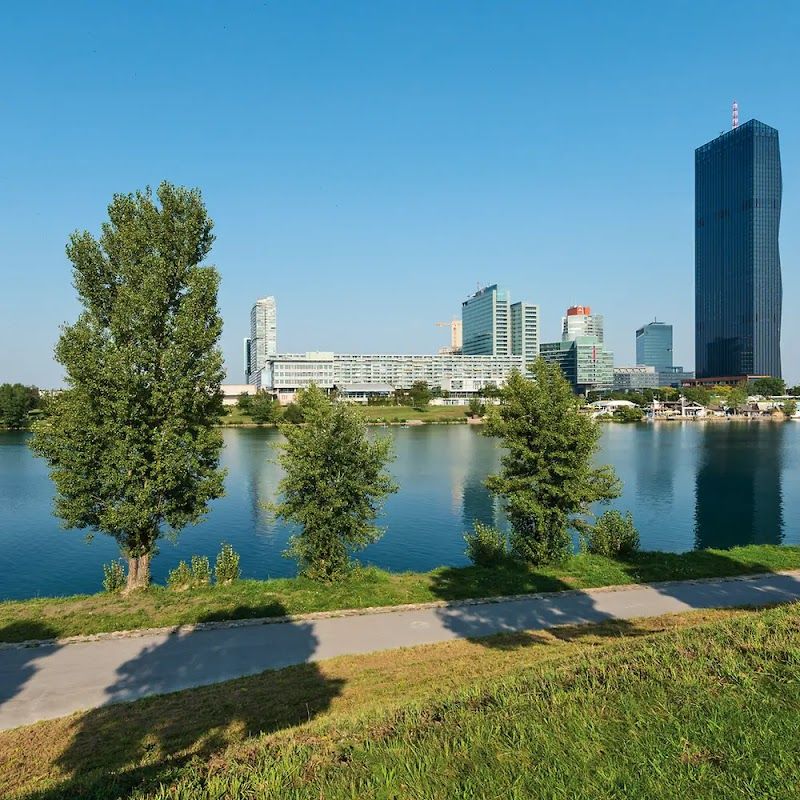
Donauinsel stretches 21 kilometers along the Danube, Vienna's accidental beach paradise created for flood control in the 1970s. The island splits the river into two channels: the main Danube for shipping and the Neue Donau for swimming, kayaking, and paddleboarding. You'll find actual sandy beaches (imported sand, not riverside mud), grilling zones where locals set up elaborate barbecues, and surprisingly good beach bars serving cold Ottakringer for €3.50. The atmosphere shifts dramatically as you move north to south. The southern end feels like a nature reserve with cycling paths through tall grass and bird watching spots. Move north toward Copa Cagrana and you hit Vienna's version of a beach resort: volleyball courts buzzing with games, SUP rental stations (€15 per hour), and families claiming prime spots under the few shade trees. The water stays shallow for 20 meters out, making it perfect for nervous swimmers. Most guides make this sound like a full day trip, but three hours covers the highlights unless you're seriously into water sports. Skip the crowded middle sections in summer weekends and head to the quieter southern beaches past Reichsbrücke. The northern Copa Cagrana area gets overhyped: sure, it has the most bars, but you'll pay €8 for a basic schnitzel that costs €5 elsewhere on the island.
Jewish Vienna - The Vienna Guide
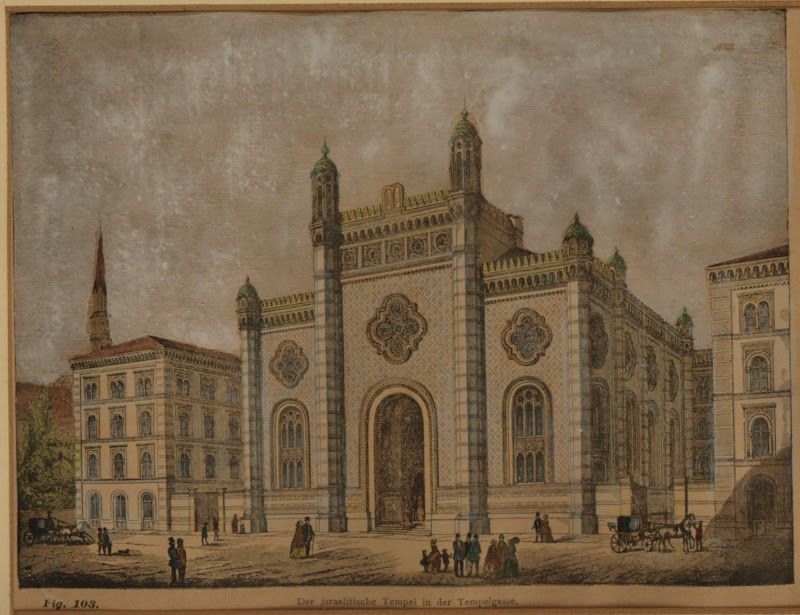
This walking tour takes you through Vienna's complex Jewish history, from medieval times to today. You'll see the excavated remains of a 13th-century synagogue beneath Judenplatz, the stark concrete Holocaust Memorial by Rachel Whiteread, and the only surviving 19th-century synagogue at Stadttempel. Your historian guide connects these sites with stories of expulsion, return, destruction, and resilience across seven centuries. The tour moves at a comfortable pace through cobblestone squares and residential streets. At Judenplatz, you'll descend underground to see actual stone foundations and ritual baths from the medieval Jewish quarter. The memorial above feels heavy and contemplative, its book-like forms casting shadows that shift throughout the day. At Stadttempel, the ornate interior surprises visitors who expect something grander from the plain street entrance, designed deliberately to avoid persecution. Most tours focus too heavily on tragedy and skip contemporary Jewish Vienna entirely. This one balances historical sites with current community life, though some guides get bogged down in dates rather than stories. The small group size means you can ask questions, but also means less confident guides sometimes struggle with difficult topics. Book the morning tour if possible, as afternoon groups often feel rushed when visiting the museum afterward.
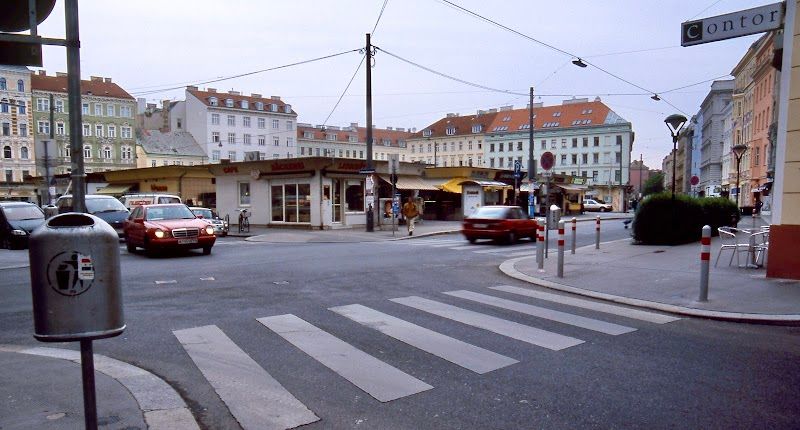
Tandelmarkt
Tandelmarkt is Vienna's most authentic Saturday flea market, sprawling across a small square in Leopoldstadt where you'll find genuine vintage furniture, old books in German, Soviet-era cameras, and peculiar Austrian curiosities that locals actually want to buy. The vendors aren't tourists selling mass-produced junk: these are serious dealers who've been coming here for 20+ years, often inheriting their spots from family members. Prices are fair because it's mostly locals shopping, not tourists. The atmosphere feels like stepping into a neighborhood yard sale that's been running since the 1950s. You'll hear more German than English as regulars chat with vendors about everything from Habsburg-era postcards to communist-era vinyl records. The market spreads organically around trees and benches, with no formal stalls, just blankets and folding tables. It moves slowly: people actually examine items, negotiate in hushed tones, and vendors pack up by 2 PM regardless of sales. Most travel guides completely ignore this place, which keeps it genuine. Skip it if you want Instagram-worthy vintage fashion or touristy souvenirs: this is functional antiques, old tools, and books you can't read. Come with cash (most vendors don't take cards) and expect prices from 2 EUR for small items to 150 EUR for furniture. The real finds disappear by 10 AM, so the early bird advice isn't just tourism fluff here.
Where to Eat
Restaurants and cafes in Leopoldstadt
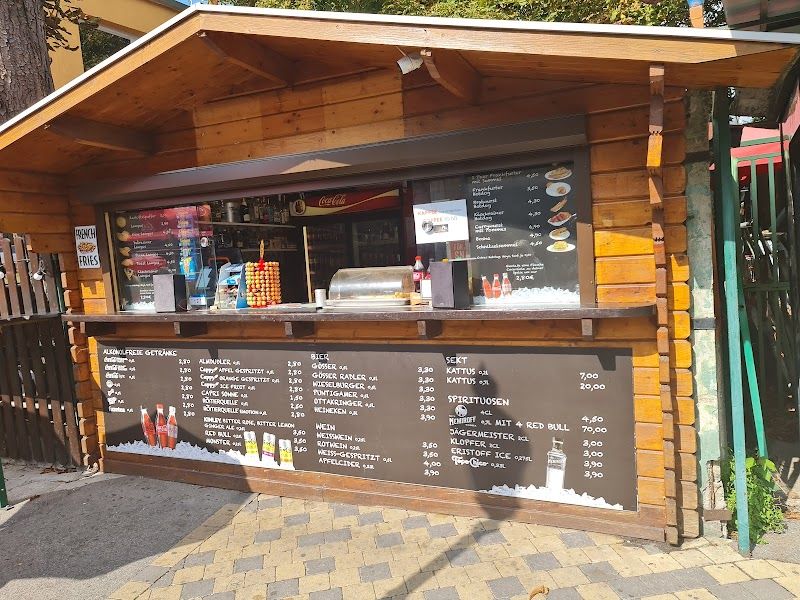
Schweizerhaus
RestaurantA massive beer garden in the Prater park famous for its Stelze (roasted pork knuckle) served on wooden boards with mustard and horseradish. The outdoor tables seat hundreds under chestnut trees, and locals drink Budvar from the Czech Republic on tap.
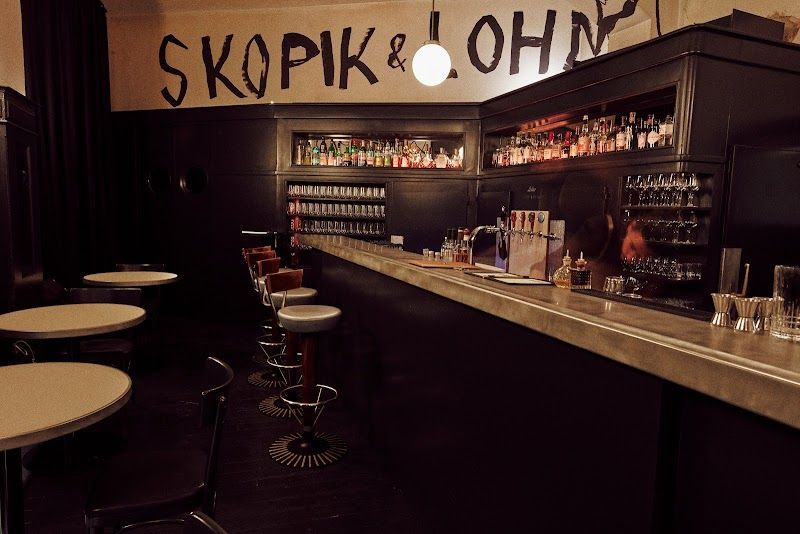
Skopik & Lohn
RestaurantA design-forward restaurant in Leopoldstadt with walls and ceilings covered in intricate botanical murals by artist Murad Khan Mumtaz. The modern European menu changes monthly, and the atmosphere is intimate with dim lighting and velvet banquettes.
Nightlife
Bars and nightlife in Leopoldstadt
Getting Here
Insider Tips
Karmelitermarkt brunch
Saturday morning is the best time. The permanent restaurants around the market do weekend brunch, and the farmers' market adds fresh produce, cheese, and baked goods. Less crowded and more local than the Naschmarkt.
Prater Hauptallee
The main avenue of the Prater park runs 4.4 km in a straight line through chestnut trees. Perfect for running, cycling, or a long walk. The amusement park is at one end, the green park stretches to the other. Free entry to the park.
Evening dining
Leopoldstadt wine bars and restaurants are where Vienna's food scene is evolving. Smaller, less formal, more experimental than the traditional Beisln in the old city. Book ahead on weekends.
Nearby Neighborhoods
Continue exploring

Innere Stadt
The old city inside the Ring: imperial palaces, Gothic cathedral, opera house, and the shopping streets where Habsburg grandeur meets daily Viennese life.

MuseumsQuartier & Spittelberg
Vienna's cultural heart: the MQ courtyard that becomes a living room on summer evenings, world-class museums, and Spittelberg's Biedermeier lanes.

Naschmarkt & Freihausviertel
Vienna's food market, the Secession building, and the residential streets south of the market with cafes that locals guard jealously.
Plan a trip featuring Leopoldstadt
Get a personalized Vienna itinerary with Leopoldstadt built in.
Start Planning