
Vienna
MuseumsQuartier & Spittelberg
Vienna's cultural heart: the MQ courtyard that becomes a living room on summer evenings, world-class museums, and Spittelberg's Biedermeier lanes.
About MuseumsQuartier & Spittelberg
The MuseumsQuartier (MQ) is one of the world's largest cultural complexes, and the courtyard is where Vienna stops being imperial and starts being fun. The Leopold Museum (Schiele collection, EUR 15) and MUMOK (contemporary art, EUR 13) are the main draws, but the courtyard itself is the point: colourful Enzis benches, food trucks in summer, an ice bar in winter, and locals sprawled everywhere on warm evenings with wine from paper cups. Spittelberg, the neighbourhood immediately behind the MQ, has narrow Biedermeier lanes with craft shops, wine bars, and the Christmas market that Viennese actually prefer over the Rathausplatz one. The Kunsthalle (rotating exhibitions, EUR 8-12) fills out the cultural offering.
Things to Do
Top experiences in MuseumsQuartier & Spittelberg
Spittelberg
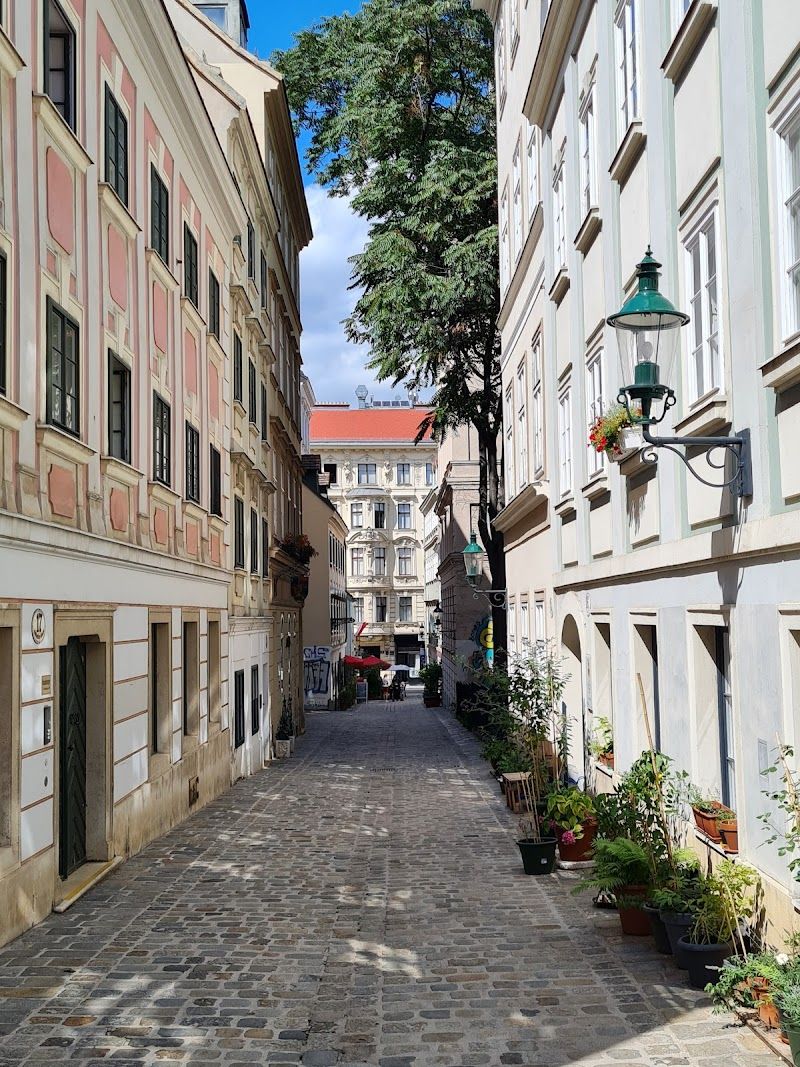
Spittelberg is Vienna's best preserved 18th century neighborhood, a collection of narrow cobblestone streets lined with pastel Biedermeier houses that now house independent boutiques, art galleries, and cafes. You'll find handmade ceramics, vintage clothing, and local jewelry in shops that feel like someone's living room. The entire quarter covers just four small streets, making it suitable for an unhurried browse through Vienna's residential area. Walking through feels like stepping into a film set from the 1800s, complete with wrought iron signs creaking in the wind and cats sunning themselves on windowsills. The pedestrian-only streets allow you to wander freely, visiting Galerie Werkstatt for handmade textiles or stopping at Stomach for excellent coffee in a tiny courtyard. During December, the Christmas market transforms the area with wooden stalls selling mulled wine (€4) and artisan gifts, though it gets busy on weekends. Most visitors rush through in 30 minutes, but you'll miss the experience entirely. The magic is in lingering: chatting with shop owners, sitting in a courtyard cafe, watching daily life unfold. Avoid touristy restaurants on Burggasse and eat at Figar instead, where locals actually go. Come on weekday mornings when shops are just opening, and you'll have the place mostly to yourself.
MuseumsQuartier (MQ)
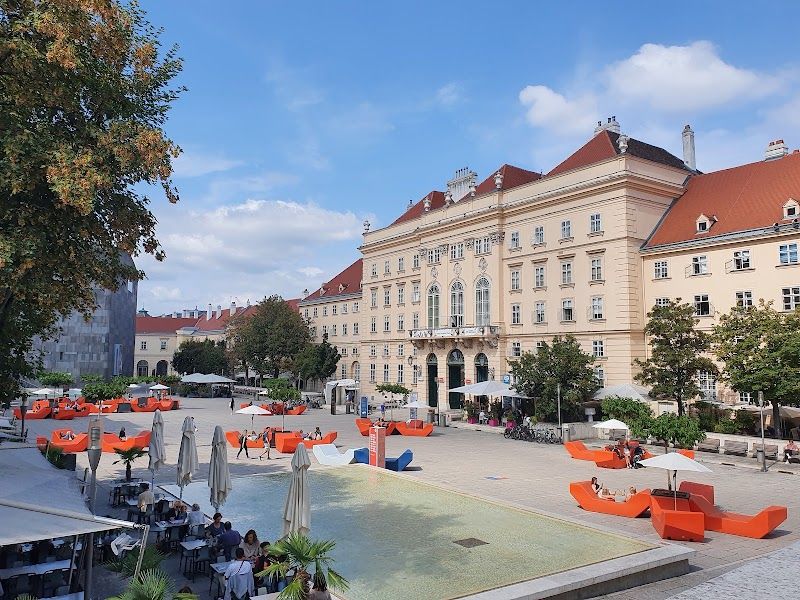
Vienna's MuseumsQuartier stands as one of the world's largest cultural complexes, magnificently housed within former imperial stables designed by Fischer von Erlach in 1725. This remarkable fusion of Baroque grandeur and contemporary innovation creates an extraordinary cultural campus where historic architecture embraces cutting-edge art and design. The Leopold Museum (EUR 15, daily 10:00-18:00, Thursdays until 21:00) houses the world's most comprehensive Egon Schiele collection alongside masterpieces by Gustav Klimt and other Austrian modernists. MUMOK, the Museum of Modern Art (EUR 13, Tuesday-Sunday 10:00-18:00, Thursdays until 21:00), showcases an impressive contemporary collection featuring Warhol, Picasso, and Yoko Ono across seven floors of striking dark basalt architecture. The Kunsthalle Wien (EUR 8-12) presents rotating exhibitions of international contemporary art. However, the MQ's true magic unfolds in its expansive courtyards, particularly during summer evenings when colorful Enzi benches transform the space into Vienna's beloved outdoor living room. Locals gather here with drinks, food trucks serve gourmet bites, and the atmosphere buzzes with creative energy. Winter brings an enchanting ice bar, maintaining the social spirit year-round. Entry to the complex itself costs nothing, making it perfect for casual exploration. Visit late afternoon to experience both museum offerings and evening courtyard culture. The free WiFi and numerous cafes make it ideal for lingering. This isn't just museum visiting, it's experiencing Vienna's contemporary cultural heartbeat within imperial walls.
Leopold Museum
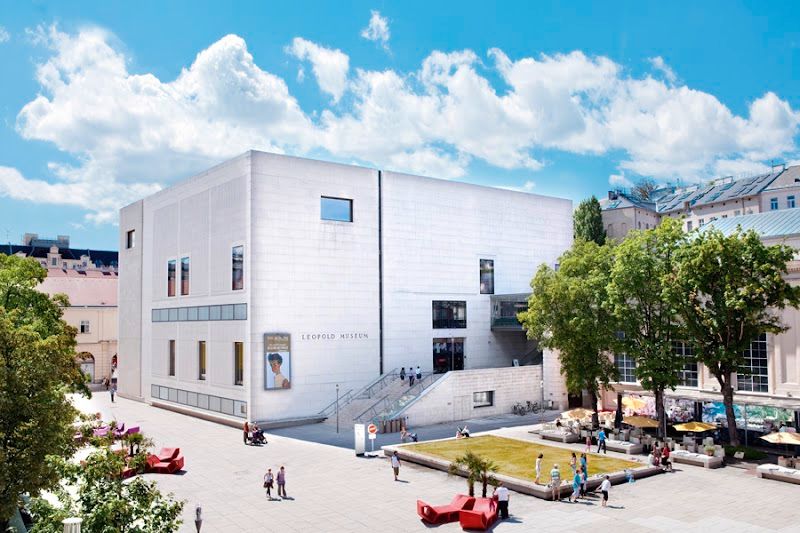
The Leopold Museum houses the world's most comprehensive collection of Egon Schiele's raw, sexually charged paintings and drawings, with over 220 works spanning his brief but revolutionary career. You'll also find substantial collections of Gustav Klimt's golden portraits, Oskar Kokoschka's psychological landscapes, and key Vienna Secession pieces that defined Austrian modernism. The stark white cube building lets the art breathe, and the top floor café delivers sweeping views across the MuseumsQuartier's baroque courtyard. Your visit flows chronologically from Vienna 1900 through the collapse of the empire, starting with Klimt's luxurious portraits before moving into Schiele's increasingly desperate self-portraits and nudes. The atmosphere feels contemplative rather than crowded, with spacious galleries that give each piece room to shock or seduce. Schiele's death masks and personal effects add an unexpectedly intimate dimension to rooms filled with his tortured figures and angular landscapes. Most guides oversell the non-Schiele collections, but honestly, you're here for the world's best survey of one artist's obsessions. Skip the basement contemporary exhibitions entirely and spend your time with Schiele's prison drawings and late masterpieces on the upper floors. Standard admission runs EUR 14, but Wednesday evenings drop to EUR 9 after 5 PM when the museum stays open until 9 PM.
Neubaugasse
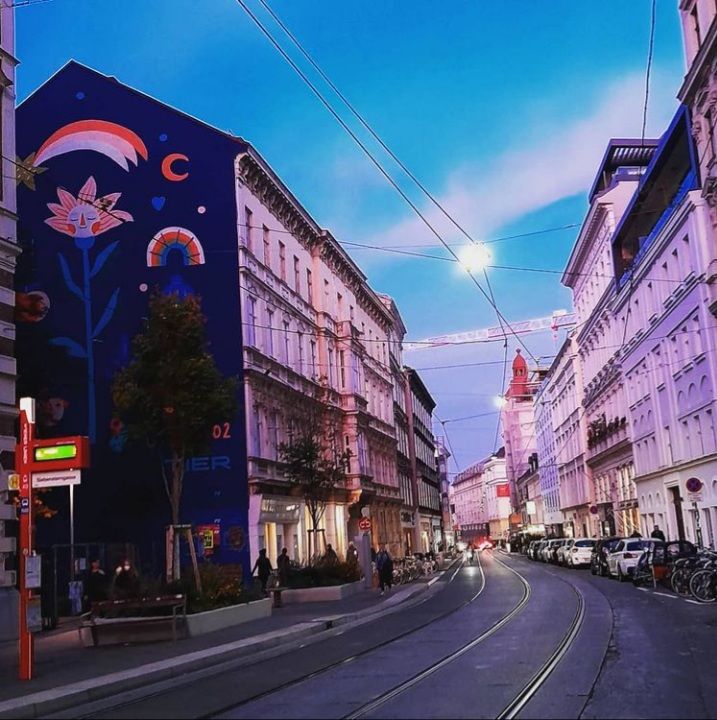
Neubaugasse stretches through Vienna's 7th district as the city's most concentrated strip of independent design boutiques and concept stores. You'll find Austrian designers selling handmade ceramics, vintage furniture dealers with carefully curated mid-century pieces, and small fashion ateliers where owners often work in the back while you browse. The street mixes established shops like Kommod (known for Scandinavian homewares starting around €25) with rotating pop-ups and gallery spaces. Walking the street feels like browsing through Vienna's creative community's living room. Most shops occupy narrow storefronts in 19th-century buildings, creating intimate spaces where you can actually talk to owners about their products. You'll smell coffee roasting at local spots like Kaffemik, hear jazz spilling from natural wine bars, and see locals stopping to chat with shopkeepers they know personally. The pace is deliberately slow, encouraging you to linger and discover. Most travel guides oversell the entire length, but focus on the stretch between Westbahnstrasse and Siebensterngasse for the best concentration of interesting shops. Many boutiques close Mondays, and weekend crowds can make the narrow spaces feel cramped. Prices run higher than mainstream shopping streets, expect €40-80 for clothing pieces and €15-35 for small homewares, but the quality and uniqueness justify the cost.
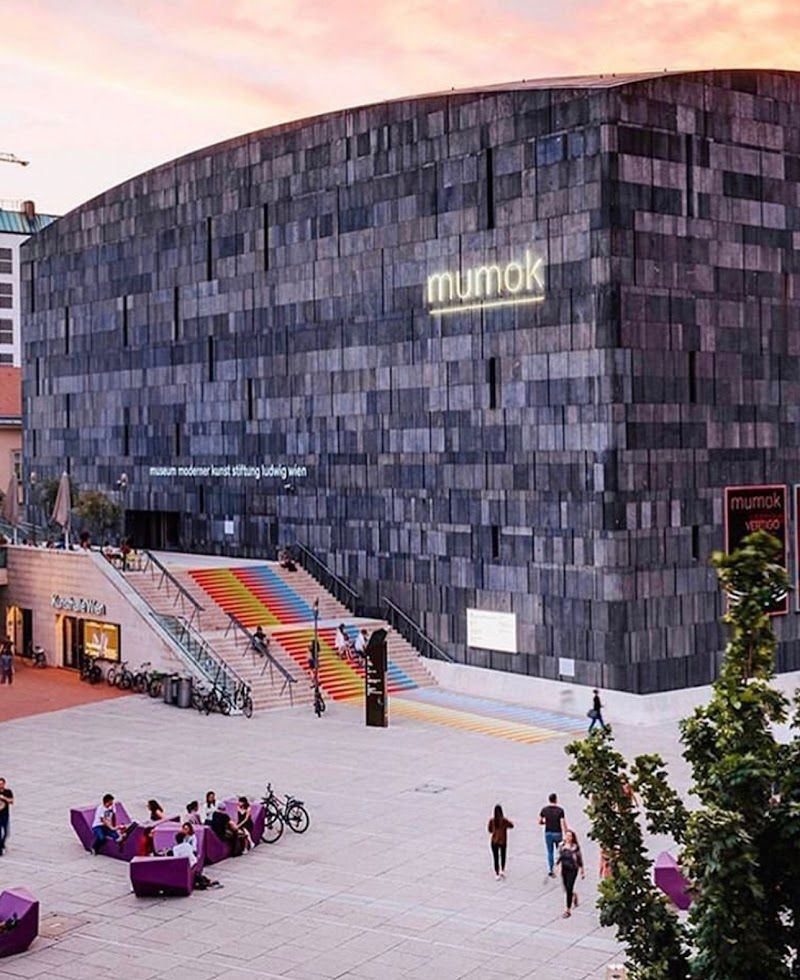
MUMOK - Museum moderner Kunst Stiftung Ludwig Wien
MUMOK houses Central Europe's largest modern art collection inside a striking dark basalt cube that looks like it landed from outer space. You'll find major works by Warhol, Picasso, Koons, and Yoko Ono spread across five floors, with particularly strong collections of Pop Art, Fluxus, and the notorious Viennese Actionism movement. The permanent collection rotates regularly, so repeat visits always reveal something new alongside temporary exhibitions featuring cutting-edge contemporary artists. The museum feels deliberately provocative, starting with that imposing black exterior that locals call "the monolith." Inside, you'll navigate white-walled galleries where Warhol's colorful soup cans hang near disturbing performance art documentation. The atmosphere is serious and contemplative, quite different from Vienna's ornate classical museums. Level 0 eases you in with Pop Art favorites, while deeper floors get progressively more challenging and experimental. Most visitors spend too much time on the crowded ground floor with the Warhols and miss the real treasures. Skip the overpriced museum shop (€25 for basic catalogs) and head straight to level 2 for the most thought-provoking pieces. Adult tickets cost €14, students €11. The controversial Viennese Actionism works on basement level 2 aren't for everyone, but they're what sets MUMOK apart from every other modern art museum in Europe.
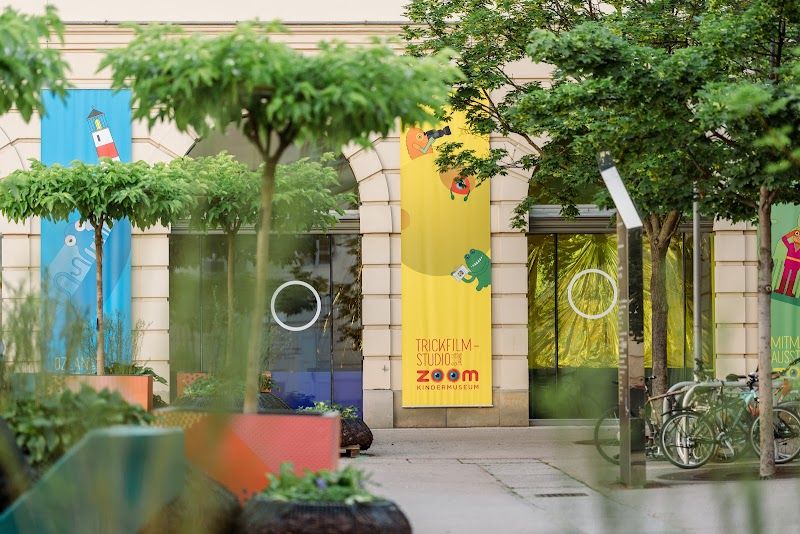
Zoom Kindermuseum
Zoom Kindermuseum sits inside the MuseumsQuartier's converted baroque stables and delivers exactly what Vienna's families need: guilt-free screen time for parents while kids get genuinely educational play. The rotating exhibitions change every 6-8 months and tackle themes like sound, movement, or sustainability through cleverly designed hands-on stations. You'll find microscopes that actually work, building zones with real tools, and sensory experiences that keep toddlers occupied for the full 90-minute time slots. The space feels intimate rather than overwhelming, with just four rooms that flow naturally from one activity to the next. Kids move at their own pace between stations while multilingual facilitators hover nearby to help without being pushy. The ocean room for under-threes features soft play areas and water tables that somehow stay manageable despite constant use. Parents can actually relax on benches strategically placed throughout, and the acoustics work well enough that it never feels chaotic even when full. Tickets cost €6 for kids and €4 for adults, making it Vienna's best value rainy day activity. Most guides don't mention the mandatory 90-minute sessions, which initially feels restrictive but actually works perfectly since kids tire out right around then anyway. Skip the gift shop, it's overpriced museum fare, but do use the family bathroom facilities which are genuinely excellent. Book online at least 48 hours ahead for weekend slots.
Where to Eat
Restaurants and cafes in MuseumsQuartier & Spittelberg
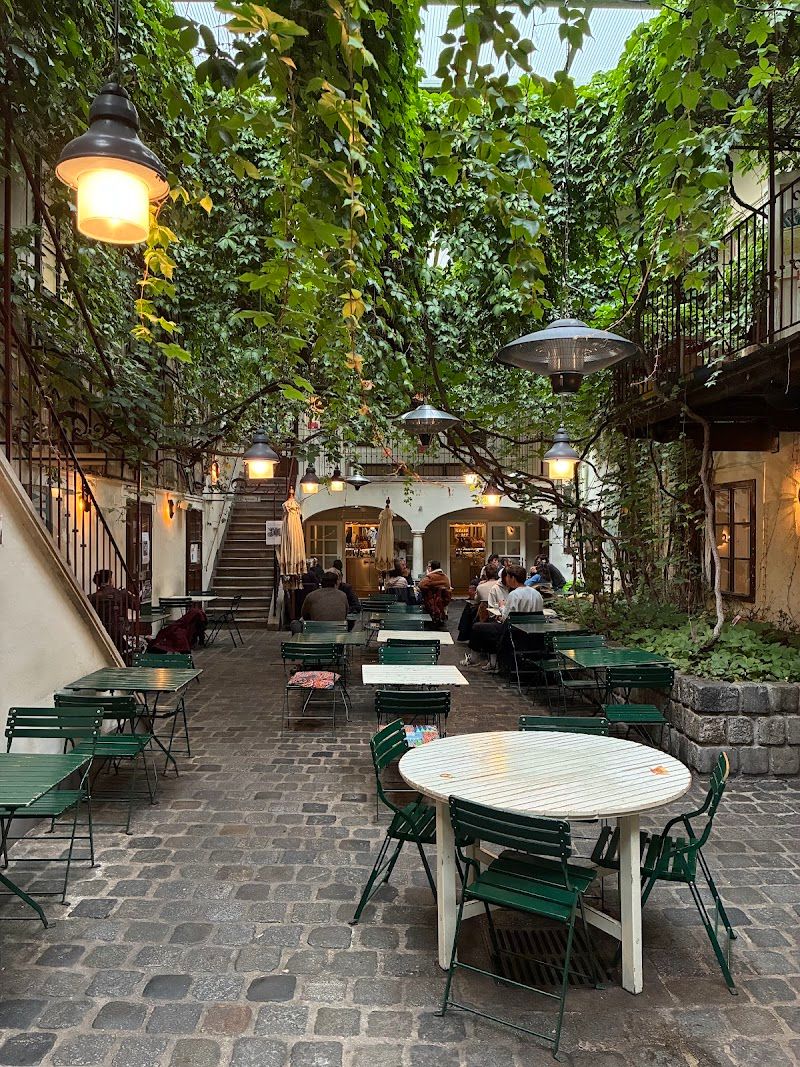
Amerlingbeisl
RestaurantAmerlingbeisl stands as one of Vienna's most enchanting dining secrets, nestled within a hidden cobblestone courtyard that feels worlds away from the bustling MuseumsQuartier streets. This atmospheric restaurant occupies a beautifully preserved historic building where ivy-covered walls and ancient stonework create an almost fairy-tale ambiance. The charming outdoor garden, shaded by old trees and adorned with romantic lighting, transforms into a magical dining space during warmer months. The menu skillfully balances traditional Viennese cuisine with international influences. Expect to pay EUR 14-22 for main courses like perfectly prepared Wiener Schnitzel or tender beef goulash with dumplings. Their dessert selection, including classic Sachertorte at EUR 6, maintains authentic Austrian flavors. Wine selections feature excellent Austrian varietals starting around EUR 4 per glass. Open Tuesday through Sunday from 11:30am to midnight (closed Mondays), Amerlingbeisl attracts a sophisticated mix of locals and discerning visitors. The interior dining rooms, with their exposed beams and cozy nooks, provide intimate alternatives during winter months. Reservations are essential, especially for weekend dinners and summer garden seating. Service can be leisurely by international standards, reflecting Vienna's coffee house culture where lingering is encouraged. While prices reflect the prime location and romantic setting, the unique atmosphere and consistently good food justify the cost. This hidden gem delivers an authentically Viennese experience that larger tourist restaurants simply cannot match.
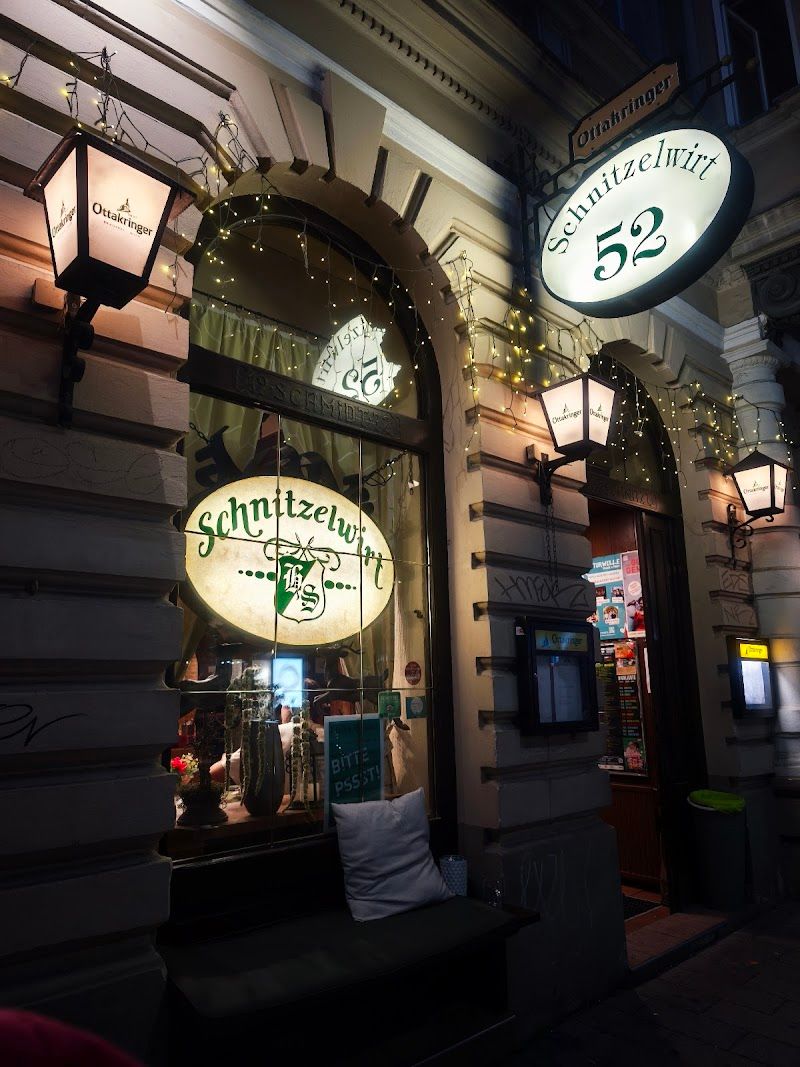
Schnitzelwirt
RestaurantA no-frills Beisl in Neubau serving enormous schnitzels that completely cover the plate for EUR 12-15. The interior is basic with wooden tables and beer posters, but the locals pack it for authentic, budget-friendly Viennese cooking.
Ulrich
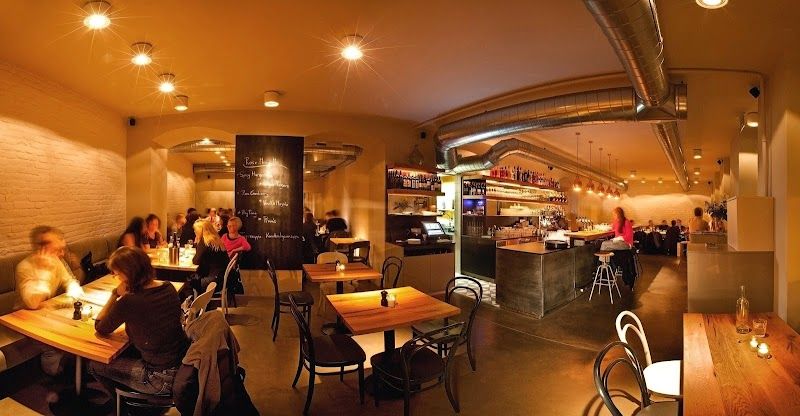
RestaurantA casual all-day café in the MuseumsQuartier courtyard serving breakfast until 4pm, creative salads, and Austrian-Mediterranean fusion dishes. The outdoor seating is prime people-watching territory, and the interior has vintage furniture and art books.
Glacis Beisl
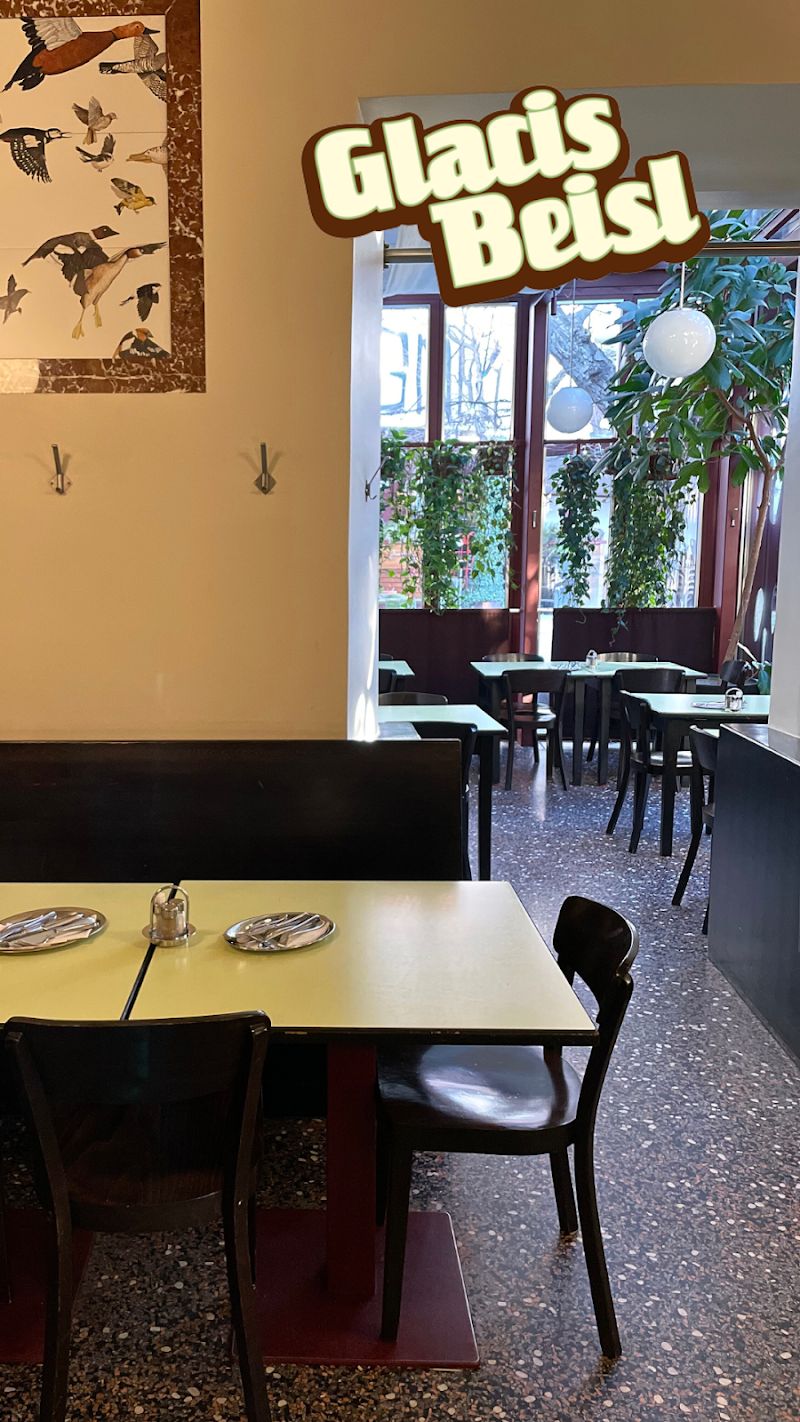
RestaurantA garden restaurant in the MuseumsQuartier courtyard serving Austrian comfort food beneath chestnut trees. The Stelze (roasted pork knuckle) is massive enough to share, and the outdoor seating makes it perfect for a break between museums.
Die Burgermacher
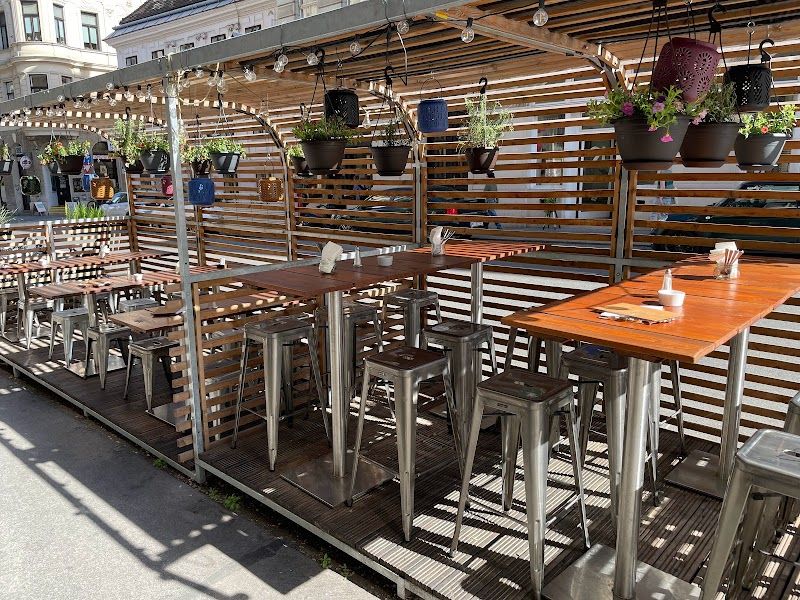
RestaurantA craft burger restaurant in Neubau using organic Austrian beef, house-made buns, and creative toppings like Käsekrainer sausage and horseradish mayo. The sweet potato fries are double-fried for extra crispiness, and the craft beer selection focuses on Austrian microbreweries.
Witwe Bolte
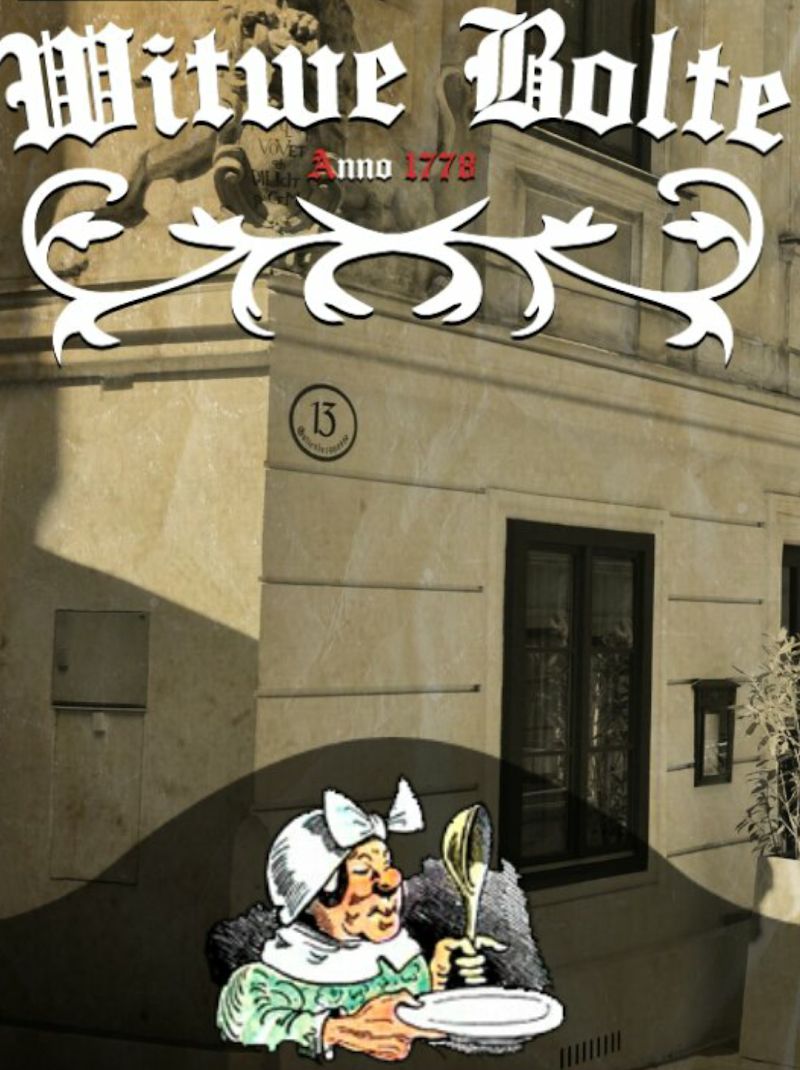
RestaurantTraditional Viennese restaurant in a historic Spittelberg building serving classic Austrian cuisine with a modern twist. Known for their excellent Tafelspitz and seasonal game dishes, all served in a cozy atmosphere with exposed brick walls. The outdoor seating on the cobblestoned street is particularly charming in warm weather.
Getting Here
Insider Tips
MQ courtyard summer evenings
On warm evenings (May to September), the courtyard fills with locals from around 6 PM onward. Bring your own wine or buy from the kiosks. The Leopold Museum glowing behind the Enzis benches is the most convincing argument that Vienna is not stuck in the 19th century.
Spittelberg Christmas market
Late November to Christmas Eve. Smaller and more charming than Rathausplatz. Viennese come here, not there. Punch (Punsch) stands, handmade crafts, and the narrow lanes lit up with lights. Go on a weekday evening.
Leopold Museum for Schiele
EUR 15. Egon Schiele's collection here is the largest in the world. His self-portraits and the Wally portrait are the highlights. Less crowded than the Belvedere. Thursday evening late opening until 9 PM.
Nearby Neighborhoods
Continue exploring

Innere Stadt
The old city inside the Ring: imperial palaces, Gothic cathedral, opera house, and the shopping streets where Habsburg grandeur meets daily Viennese life.

Leopoldstadt
The Prater, the local market, and the restaurant scene that is quietly becoming the most interesting in Vienna.

Naschmarkt & Freihausviertel
Vienna's food market, the Secession building, and the residential streets south of the market with cafes that locals guard jealously.
Plan a trip featuring MuseumsQuartier & Spittelberg
Get a personalized Vienna itinerary with MuseumsQuartier & Spittelberg built in.
Start Planning