Vienna with Kids: Family-Friendly Guide
Schonbrunn Zoo, the Prater, Haus des Meeres, and a schnitzel the size of a dinner plate
Vienna is a surprisingly good city for kids. The parks are immaculate, the museums have children's programs, the Prater is basically a free park with rides attached, and a Wiener Schnitzel the size of a dinner plate makes any child forget they are in a museum city.
Vienna with Kids: The Reality Check
Let me be straight with you: Vienna wasn't designed for families with small children. The cobblestones will rattle your stroller until your teeth hurt, the formal coffee houses will make you feel unwelcome the moment your toddler starts making noise, and half the city's famous museums will bore your kids to tears. But here's the thing: when Vienna works for families, it really works. The Austrians take their family attractions seriously, the food is basically comfort food dressed up fancy, and your kids will remember riding that giant Ferris wheel for the rest of their lives. You just need to know which attractions are genuinely kid-friendly and which ones are adult fantasies with a children's audio guide slapped on.
Schönbrunn: Palace Life and Real Animals
Start with the big guns: Schönbrunn gives you imperial grandeur that actually entertains children. The zoo animals are well-kept and active, the gardens are massive enough for running around, and there's a maze that will keep them busy for an hour. Yes, it's touristy, but your kids don't care about authenticity when they're watching pandas eat bamboo.
- Schönbrunn Zoo (oldest zoo in the world)
- Palace gardens exploration
- Maze and playground areas
Head straight to Schönbrunn Zoo first (EUR 24 adults, EUR 18 children). This is the world's oldest zoo, founded in 1752, and they've figured out how to keep both animals and children happy. The pandas are the stars here, but the elephant house and Arctic zone with polar bears will keep your kids glued to the glass. The enclosures are spacious and the animals look healthy and active, which matters more than you think when you're explaining wildlife to a curious six-year-old. Give yourself three hours minimum. The zoo has decent food options, though nothing special, and clean bathrooms every few exhibits. After the zoo, let the kids loose in the palace gardens. The formal French gardens look impressive in photos, but head straight to the maze and playground area on the western side. The maze costs an extra EUR 6 per person but it's worth it for the 20 minutes of entertainment while you catch your breath.
Prater: Old-School Fun That Still Works
The Prater feels like stepping into an old movie, and your kids will love how goodly retro everything feels. The giant Ferris wheel moves so slowly you'll wonder if it's broken, but the views are worth it and there's something magical about those vintage wooden cabins. The rest of the amusement park ranges from appealing to slightly terrifying, depending on your tolerance for rides that creak.
- Wiener Riesenrad giant Ferris wheel
- Prater amusement park rides
- Green Prater for running around
The Wiener Riesenrad (giant Ferris wheel) is EUR 13.50 for adults, EUR 5.50 for kids, and yes, it moves incredibly slowly. One full rotation takes about 15 minutes, which sounds boring but gives you time to actually look at the city and take photos without your kids getting motion sick. The wooden cabins are beautifully maintained and feel like you're in a 1940s film. After the wheel, you've got the whole Prater amusement park spread out in front of you. Individual rides range from EUR 3 to EUR 8. The ghost train (Geisterbahn) is appropriately spooky without being traumatic, and the bumper cars are exactly what you'd expect. Skip the roller coaster unless your kids are genuinely fearless. The games and food stalls are overpriced but part of the experience. When the kids have had enough mechanical entertainment, walk into the Green Prater (Grüner Prater), the massive park area where locals jog and families have picnics. It's free, green, and exactly what you need after all that sensory overload.
Science and Sea Life
Today combines Vienna's unexpected sides: sea life in a WWII bunker and hands-on science that actually lets kids touch things. The Technisches Museum is one of those rare places designed by people who remember what it's like to be curious about how things work, while the Haus des Meeres gives you fish and city views in the most unlikely building.
- Haus des Meeres aquarium in flak tower
- Technisches Museum hands-on exhibits
- Rooftop views over Vienna
Start at the Haus des Meeres (EUR 11 for adults, EUR 5.50 for kids), which sounds boring but isn't. The aquarium is built inside a massive WWII flak tower, which makes the whole experience feel like exploring an underwater fortress. The tropical house on the top floor has free-flying birds and small monkeys, and kids love watching the sharks get fed at 3 PM on Tuesdays and Fridays. But honestly, the real reason to come here is the rooftop bar with panoramic views over Vienna. Yes, you can bring kids up there during the day, and yes, they serve coffee while your children press their faces against the glass barriers looking down at the city. After lunch, head to the Technisches Museum (EUR 16 for adults, kids under 19 free). This place gets it right: exhibits you can actually touch, experiments that work, and explanations that make sense to a 10-year-old. The miniature railway and the energy exhibits where kids can generate electricity by pedaling bikes will keep them busy for hours. The musical instruments section lets them bang on drums and play with sound waves. It's educational without feeling like homework.
The Honest Truth About Vienna's Famous Attractions
Let me save you some money and tears. The Kunsthistorisches Museum with young kids is a disaster waiting to happen. Those Renaissance paintings that make adults weep with joy? Your five-year-old will be done in 10 minutes and ready to run screaming through the marble halls. Instead, take them to the Natural History Museum across the street, where the dinosaur skeletons and mineral collection actually hold their attention. The Hofburg Treasury is surprisingly good for kids because they love seeing real crowns and the Holy Lance (yes, supposedly the one from the crucifixion), but skip the Imperial Apartments unless your kids are genuinely interested in old furniture. Café Central is Instagram-perfect and historically significant, but taking children there is stressful for everyone. The waiters in their formal attire will make you feel unwelcome the moment your kid drops a spoon, and the atmosphere is designed for quiet contemplation, not family chatter.
Getting Around with Kids
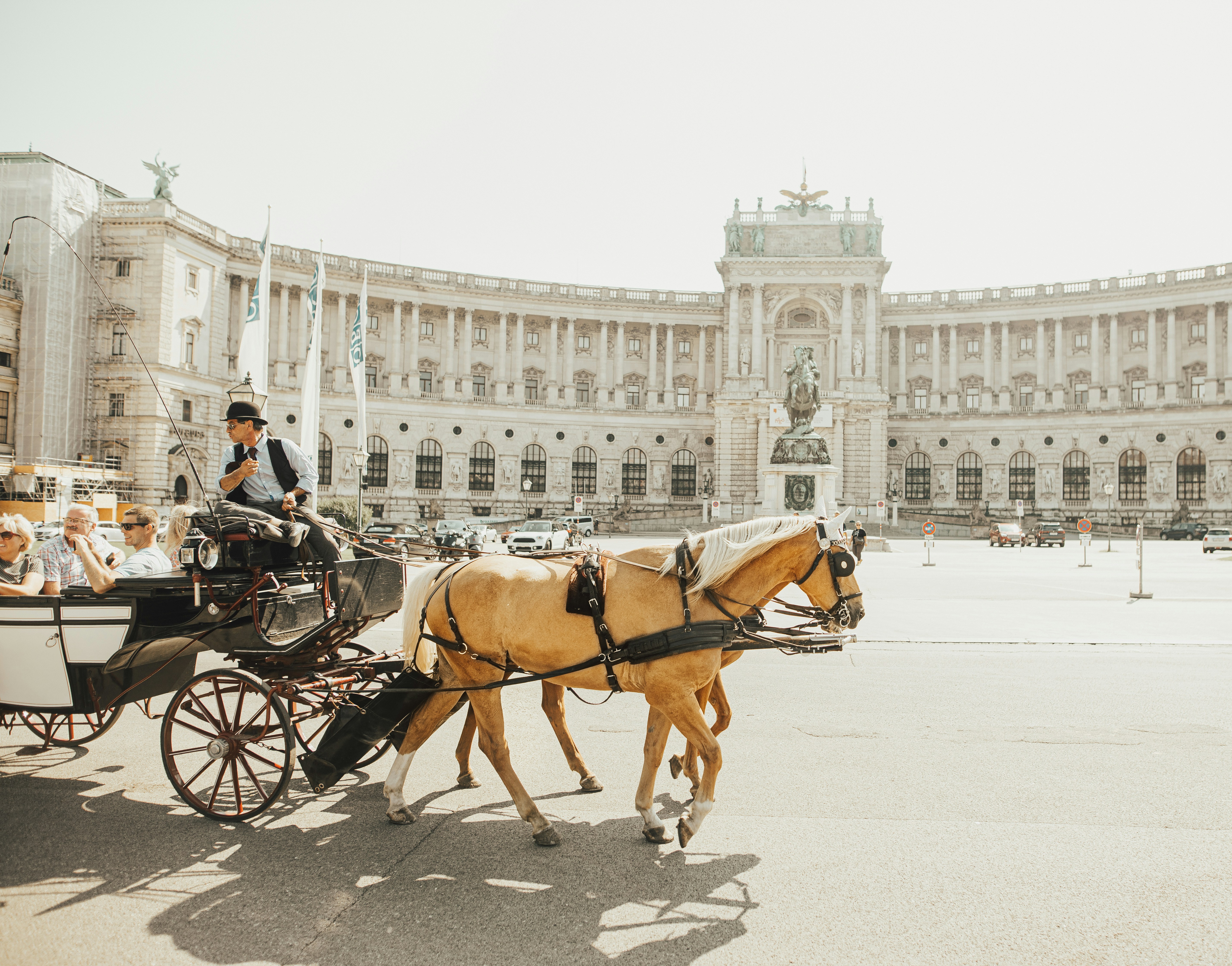
Vienna's cobblestones are beautiful and murder on stroller wheels. Bring a sturdy stroller or be prepared to carry tired children. The U-Bahn (subway) has elevators at most stations, but not all, so check your route ahead of time. Kids under 6 ride free, and kids 6-15 pay half price. Buy a family day ticket for EUR 17.10 if you're doing a lot of moving around. Trams are easier with strollers than the subway, and kids love watching the city go by through the big windows. The ring tram (EUR 9 for adults, EUR 4 for kids) does a full circle of the Ringstrasse and works as both transportation and sightseeing, though it's touristy. Fiaker horse-drawn carriages cost EUR 80-110 for 20 minutes, which is absolutely overpriced, but your kids will talk about it for years. If you do it, negotiate the route beforehand and bring hand sanitizer because horses smell like horses.
Best Family Restaurants and What to Order
Figlmüller (multiple locations)
Famous for Wiener Schnitzel (EUR 16) that's bigger than your child's head. The original location near St. Stephen's Cathedral is cramped, but the Bäckerstrasse location has more space for families. Kids love the schnitzel because it's basically a giant chicken cutlet, and the portions are huge enough to share.
Gasthaus Posch (Hernals)
Local Beisl (neighborhood restaurant) where families actually eat. Wiener Schnitzel EUR 12, kids portions available for EUR 8. The staff is used to children and the atmosphere is relaxed. Their Kaiserschmarrn (shredded pancake with plum sauce) for EUR 12 is dessert disguised as a main course and kids devour it.
Restaurant Steirereck (if you want to splurge)
Surprisingly child-friendly for a high-end place. They have a kids menu (EUR 18) and the staff actually likes children. Book ahead and go for lunch when kids are less likely to melt down. The food is excellent and they'll accommodate dietary restrictions without drama.
Any traditional coffee house (except the famous ones)
Find a neighborhood Kaffeehaus instead of Café Central or Demel. Order Apfelstrudel (EUR 6-8) and hot chocolate for the kids. The pastries are genuinely good and the atmosphere is more forgiving of normal child behavior.
Family Logistics That Actually Matter
Bring snacks everywhere. Austrian meal times are later than American ones and hungry kids don't care about cultural differences.
Most museums have family bathrooms with changing tables, but churches and small attractions often don't.
Pharmacies (Apotheke) are everywhere and pharmacists speak English. They can help with basic kid ailments and sell children's pain relief.
Playgrounds are scattered throughout the city and well-maintained. The one in Stadtpark is particularly good and centrally located.
Many hotels can arrange babysitting through concierge services if you want one adult evening out.
Supermarkets close early and aren't open Sundays. Stock up on kid snacks and drinks when you see a Spar or Billa.
Austrian kids are generally well-behaved in public, so don't feel bad about setting expectations for your own children.
The Vienna Card offers discounts on attractions but do the math first. It's often cheaper to pay individual admission.
Street performers around St. Stephen's Cathedral and in pedestrian zones are usually child-friendly and welcome small donations.
Pack layers. Viennese weather changes quickly and many attractions involve walking between indoor and outdoor spaces.
Ready to Visit Vienna?
Get a personalized itinerary tailored to your travel style and interests.
Plan Your Vienna TripMore Vienna Guides
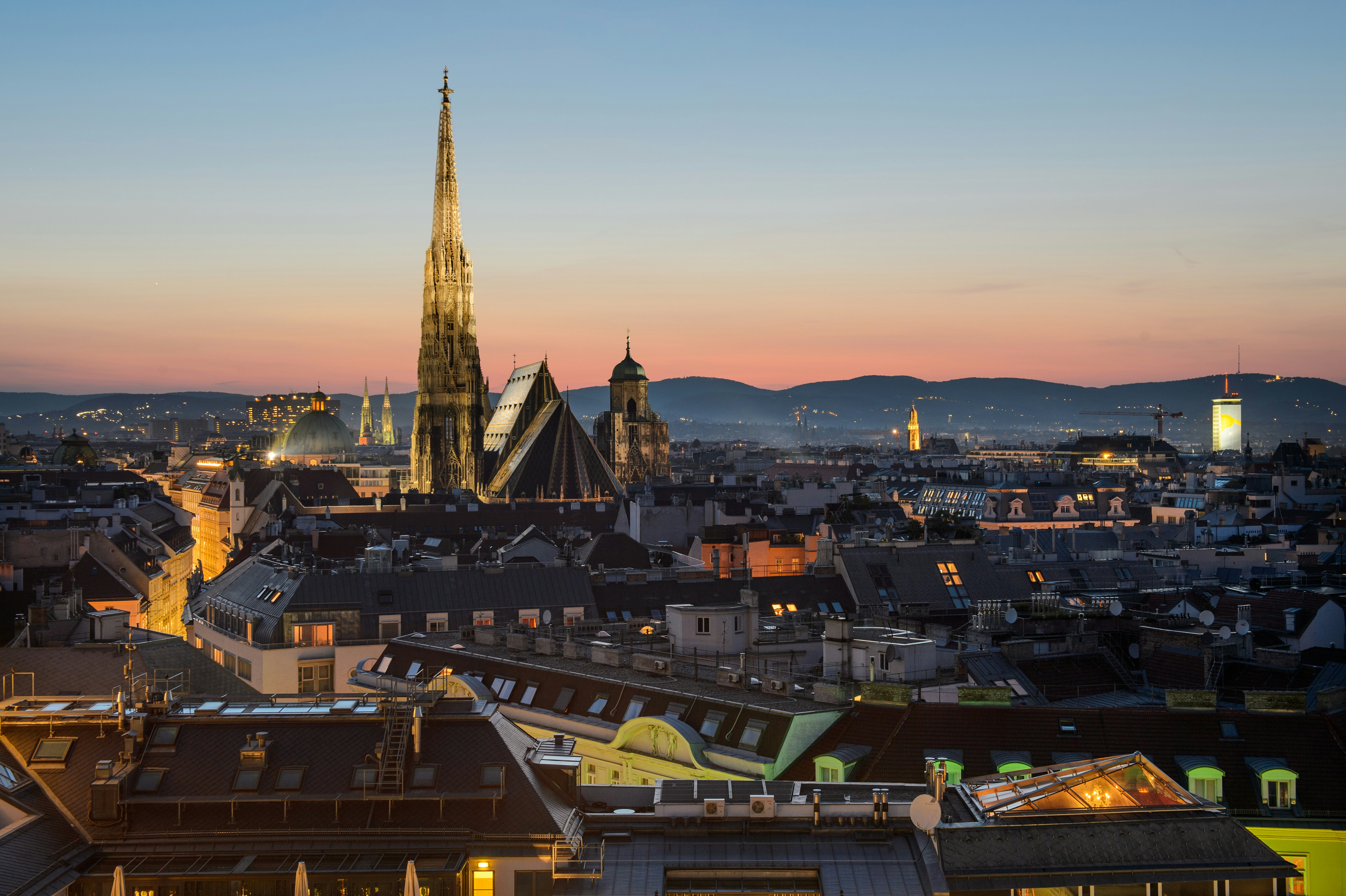
First Time in Vienna: Everything You Need to Know
The practical guide to Vienna: how to order coffee like a local, which transport pass to buy, whether the Vienna Pass is worth EUR 87/day, and the opera standing room trick.
14 min
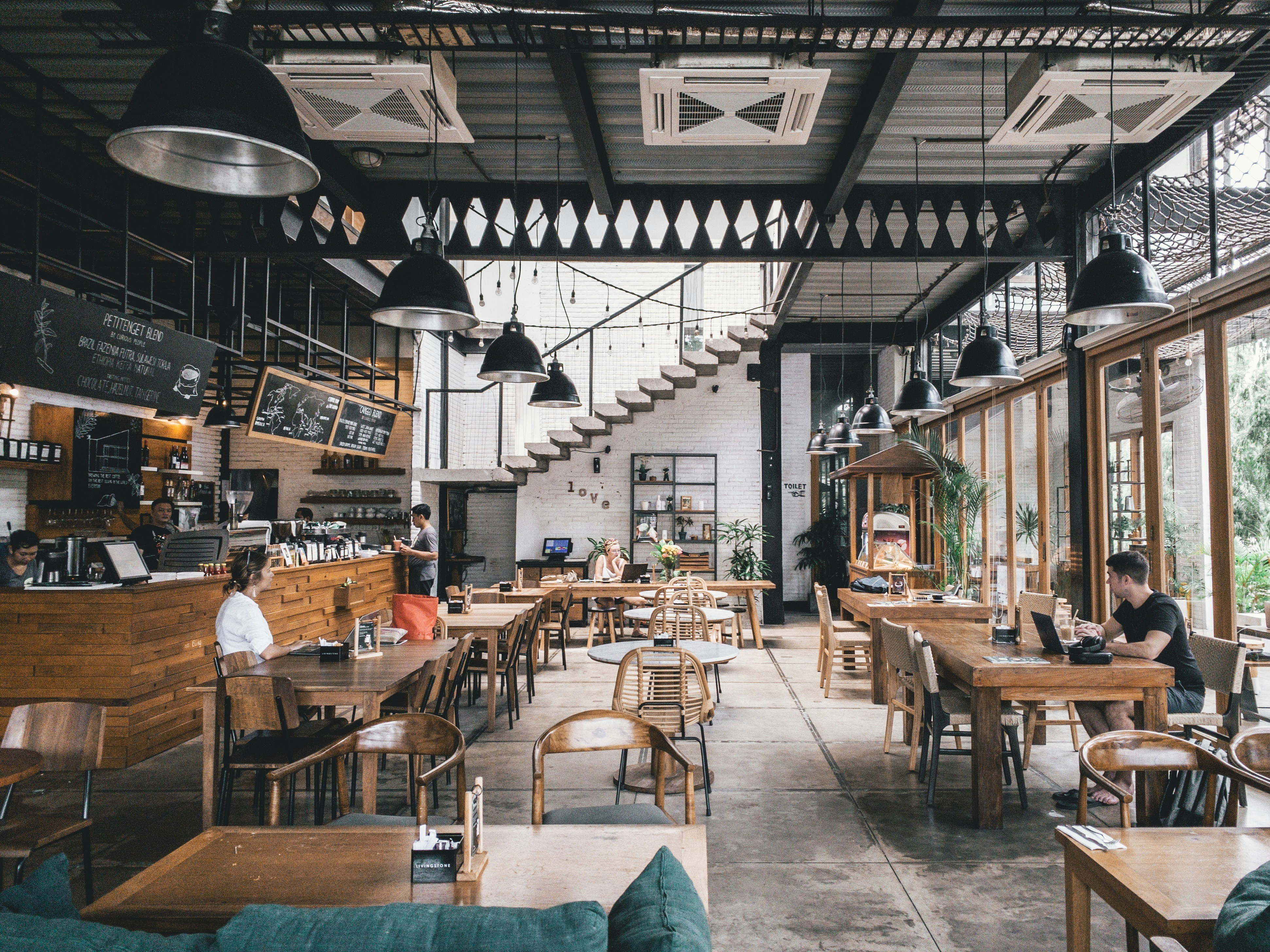
Where to Eat in Vienna: A Neighbourhood Guide
Beisl culture, the coffee house ranking nobody asked for but everyone needs, the Sachertorte war between Hotel Sacher and Demel, and the neighbourhood-by-neighbourhood breakdown.
14 min
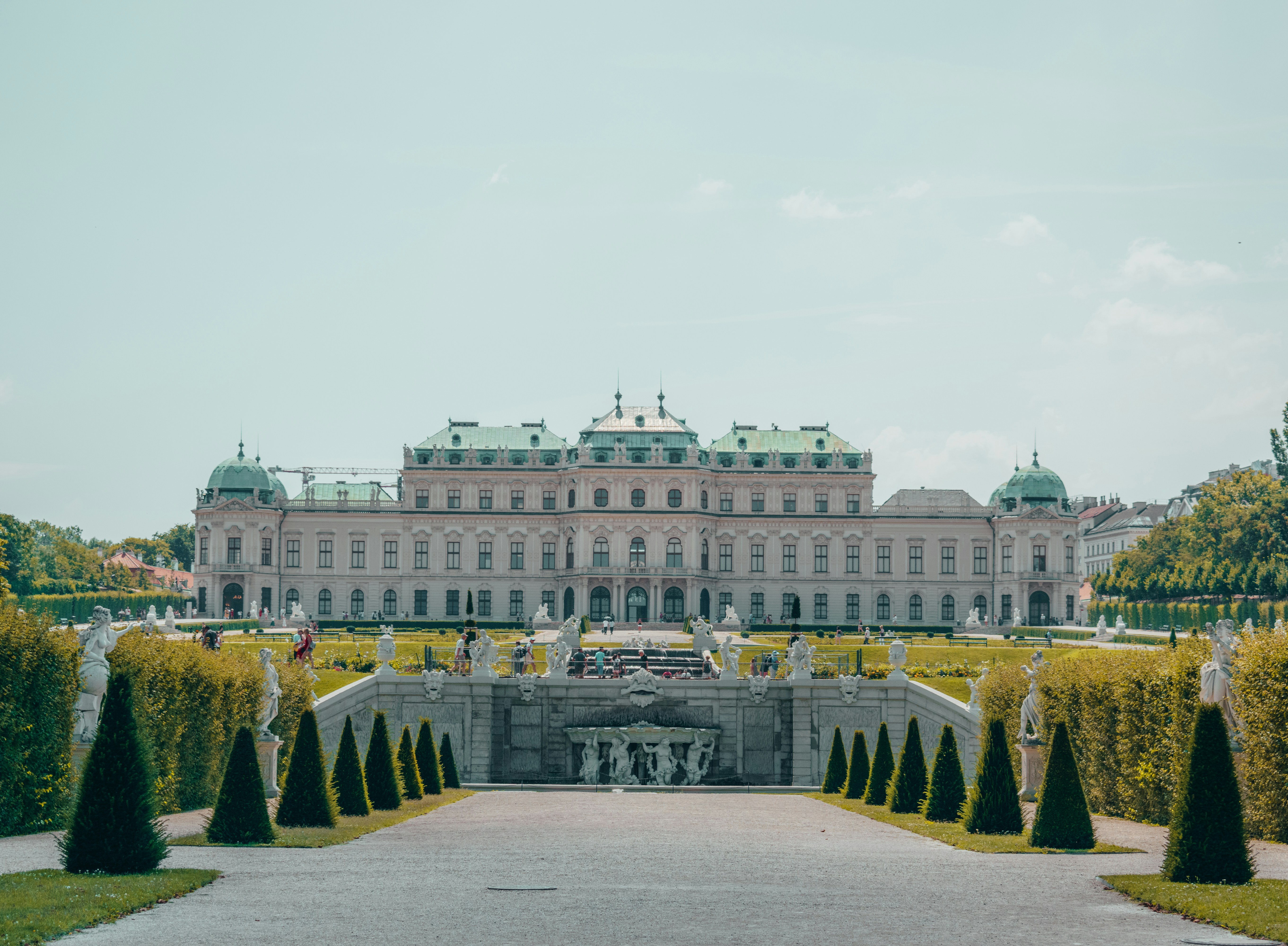
Best of the MuseumsQuartier: A Half-Day Guide
The MQ courtyard on a summer evening, with people sprawled on the Enzis drinking wine from paper cups while the Leopold Museum glows behind them, is the most convincing argument that Vienna is not stuck in the 19th century.
8 min