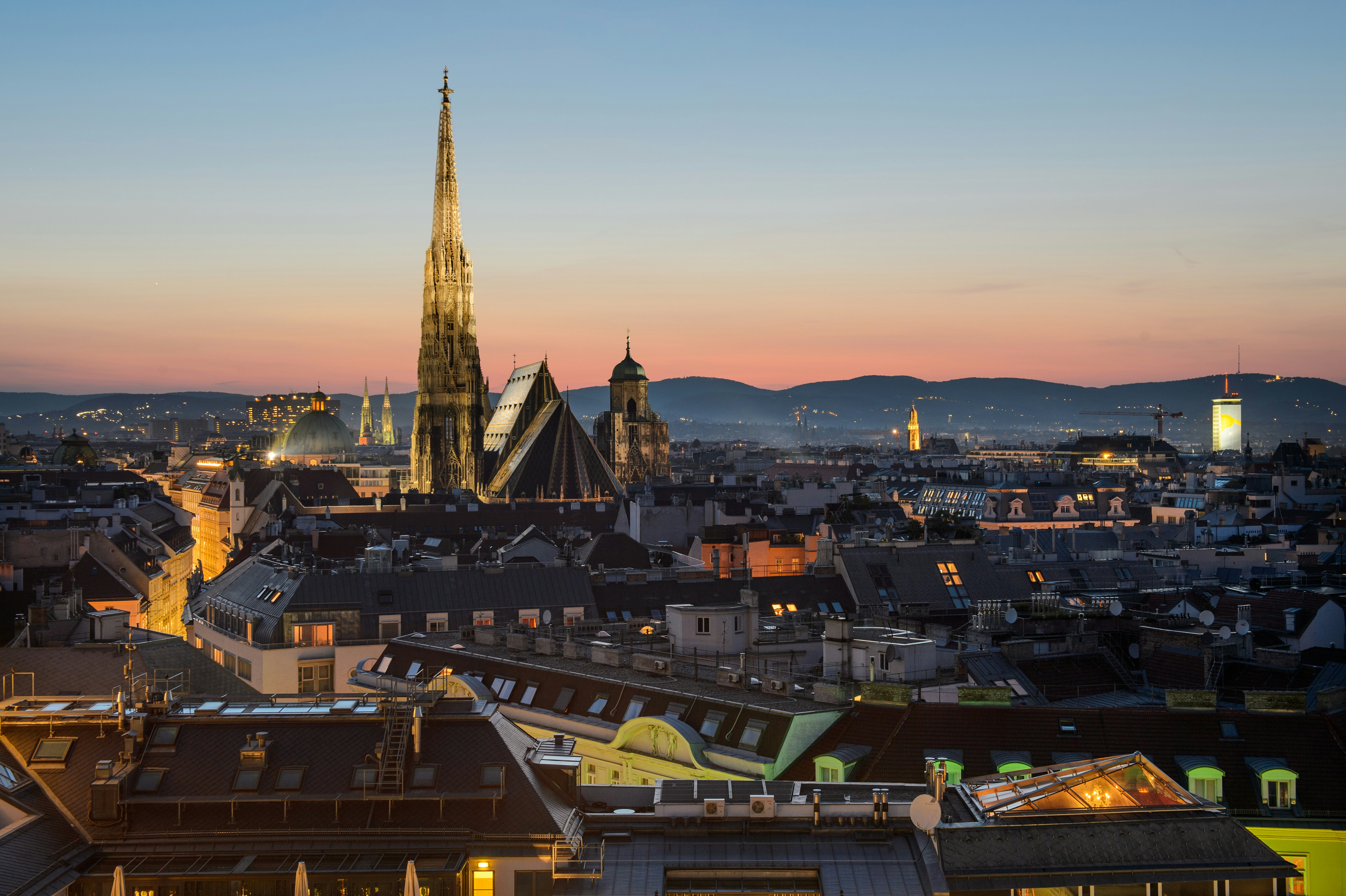
First Time in Vienna: Everything You Need to Know
Coffee house etiquette, transport passes, the Vienna Pass debate, and why Sunday means no shopping
The practical guide to Vienna: how to order coffee like a local, which transport pass to buy, whether the Vienna Pass is worth EUR 87/day, and the opera standing room trick.
First Time in Vienna: Everything You Need to Know
Look, Vienna is not going to grab you by the collar and demand your attention like Paris or Rome. This city operates on its own terms, at its own pace, and if you try to rush it, you'll miss the entire point. I've lived here for six years, and I'm still discovering cafes where the waiter hasn't smiled since 1987 and somehow that's exactly what makes them perfect. Vienna rewards the patient traveler who understands that excellence here comes wrapped in formality, that the best experiences often happen when you slow down, and that ordering correctly at a coffee house is a small act of respect that locals notice and appreciate.
Coffee House Culture: Your Most Important Education
This is not Starbucks. When you walk into a traditional Viennese coffee house, you're entering a 300-year-old ritual that locals take seriously. Order a Melange, never a cappuccino. They're the same drink, but saying cappuccino immediately marks you as a tourist, and yes, the Viennese absolutely notice and care about this. The waiter will bring water automatically without asking, usually in a small glass that gets refilled throughout your stay. Here's what newcomers misunderstand: you can sit as long as you want. This is the entire point. Bring a book, write postcards, stare at the ceiling. I've seen people nurse a single coffee for three hours while reading the entire newspaper selection. The waiter's apparent indifference isn't rudeness, it's respect for your privacy. They won't hover or rush you. When you're finally ready to leave, then and only then, ask for the bill. Tip EUR 0.50 to EUR 1 in coins, never more. Locals tip the small copper coins, not bills.
Transport: Wiener Linien Gets You Everywhere
Vienna's public transport system, Wiener Linien, is genuinely excellent. A single ticket costs EUR 2.40, but if you're staying more than a day, do the math: a 24-hour pass is EUR 8, a 72-hour pass is EUR 17.10, and here's the insider detail, a weekly pass is also EUR 17.10 but only runs Monday to Monday. If you arrive on a Tuesday and buy the weekly pass, you're paying for days you won't use. The metro (U-Bahn) runs every 2 to 5 minutes and covers all the major sites. Trams are slower but infinitely more scenic, especially the Ring Tram that circles the city center, though it's overpriced for locals who know you can take regular tram line 1 or 2 for the same route at normal prices. Download the WienMobil app for real-time departures, though honestly, you'll rarely wait more than a few minutes for anything.
The Vienna Card Reality Check
The Vienna Pass costs EUR 87 per day, and I'm going to be brutally honest: it's only worth it if you hit three or more paid attractions daily, and most people absolutely do not maintain that pace. The math is simple. Schönbrunn Palace costs EUR 24, the Albertina is EUR 16, St. Stephen's Cathedral tour is EUR 8. Even if you hit all three, you're at EUR 48, still EUR 39 short of breaking even. Vienna is actually a city where many of the best experiences are free or cheap: walking the Ringstrasse costs nothing, coffee houses charge EUR 4 for a Melange, and standing room at the opera costs EUR 4 to EUR 10. Individual tickets are almost always cheaper unless you're on some sort of museum marathon, which, frankly, isn't the best way to experience Vienna anyway.
Tipping Without Embarrassing Yourself
Tipping in Vienna follows specific rules that locals expect you to know. At restaurants, round up EUR 1 to EUR 3 total, not a percentage. If your bill is EUR 23, give EUR 25 or EUR 26, never EUR 27.50 or some calculated percentage. At coffee houses, stick to EUR 0.50 to EUR 1 in coins only, and I mean the small copper and silver coins, never a EUR 5 note for a EUR 4 coffee. Taxi drivers expect EUR 1 to EUR 2 on top of the meter, though honestly, Uber is often cheaper and you don't need to think about it. At hotel bars or upscale cocktail places, EUR 1 per drink is standard. The key is coins for casual places, small bills for restaurants, and never the elaborate percentage calculations that work in other countries.
Sunday Survival Guide
Sunday in Vienna requires planning because almost everything commercial shuts down. All shops close, most restaurants have limited hours, and if you're expecting to browse stores or do any shopping, you'll be disappointed. But this isn't a problem if you know what stays open. Museums operate normally, parks are lovely for walking, Heurigen wine taverns in the outer districts keep serving, and concert halls have Sunday performances. The Naschmarkt food vendors close, but the restaurants around it stay open. Cafe Central, Demel, and the major coffee houses maintain normal hours because coffee is considered essential infrastructure here. Plan your Sunday around culture, nature, or wine, not shopping or business, and you'll find the city actually becomes more peaceful and local on its day of rest.
Opera Standing Room: Vienna's Best Cultural Secret
This is one of the best cultural bargains in Europe, and I need you to understand it's not a compromise experience. Standing room tickets at the Vienna State Opera cost EUR 4 to EUR 10 for performances where seated tickets cost EUR 200 or more. The sound quality from standing room is excellent, sometimes better than expensive seats because you're closer to the stage. Here's how it works: queue about 80 minutes before the performance starts at the standing room entrance on the left side of the building. When you get inside, immediately tie a scarf or jacket to the railing to claim your spot, this is expected protocol, not rude behavior. You can leave during intermissions and your spot is saved. Bring a small cushion if you want, wear comfortable shoes, and prepare for one of Vienna's most authentic cultural experiences. The regulars in standing room are often more knowledgeable about opera than people in the expensive seats.
Ready to Visit Vienna?
Get a personalized itinerary tailored to your travel style and interests.
Plan Your Vienna TripMore Vienna Guides
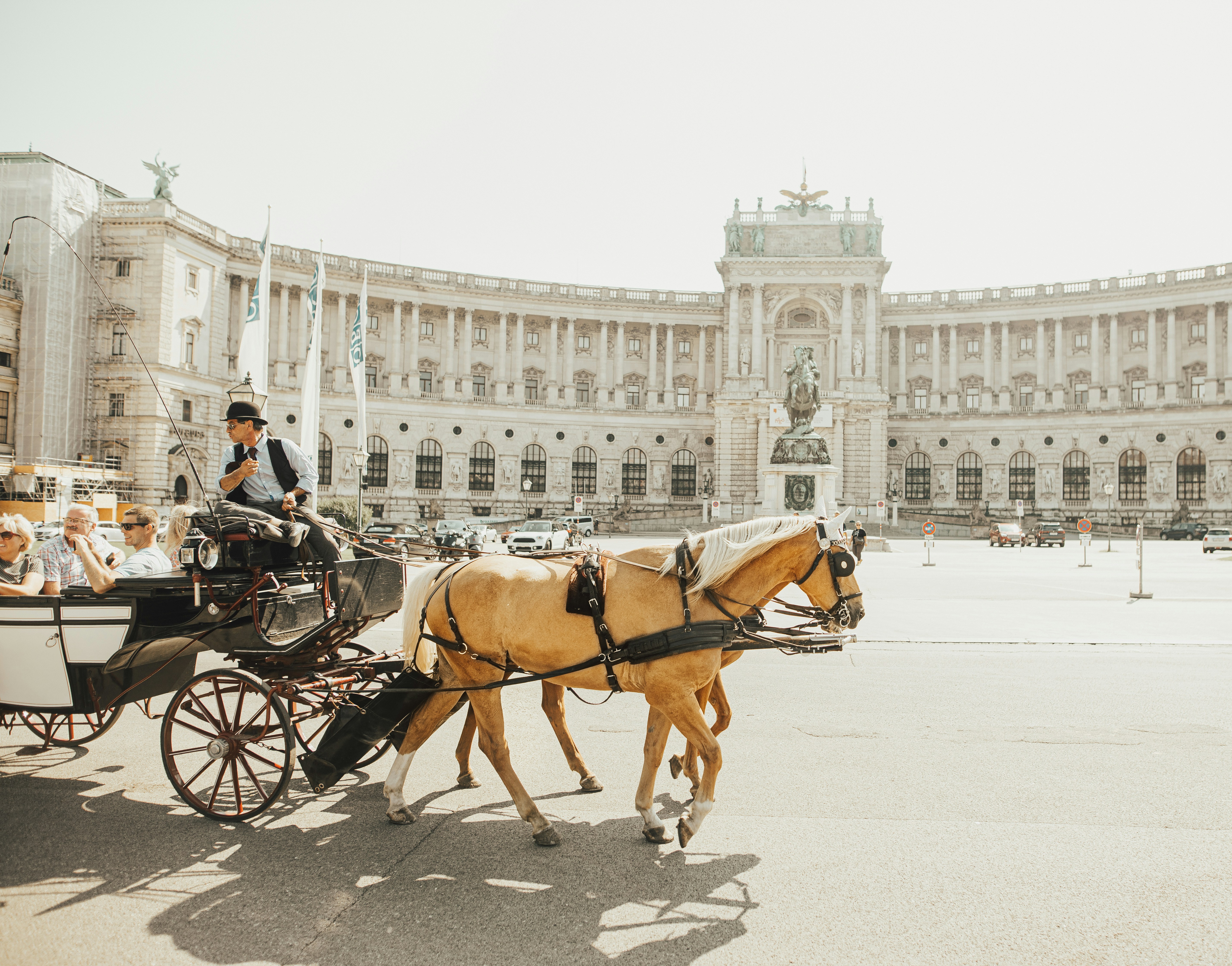
Vienna with Kids: Family-Friendly Guide
Vienna is a surprisingly good city for kids. The parks are immaculate, the museums have children's programs, the Prater is basically a free park with rides attached, and a Wiener Schnitzel the size of a dinner plate makes any child forget they are in a museum city.
10 min
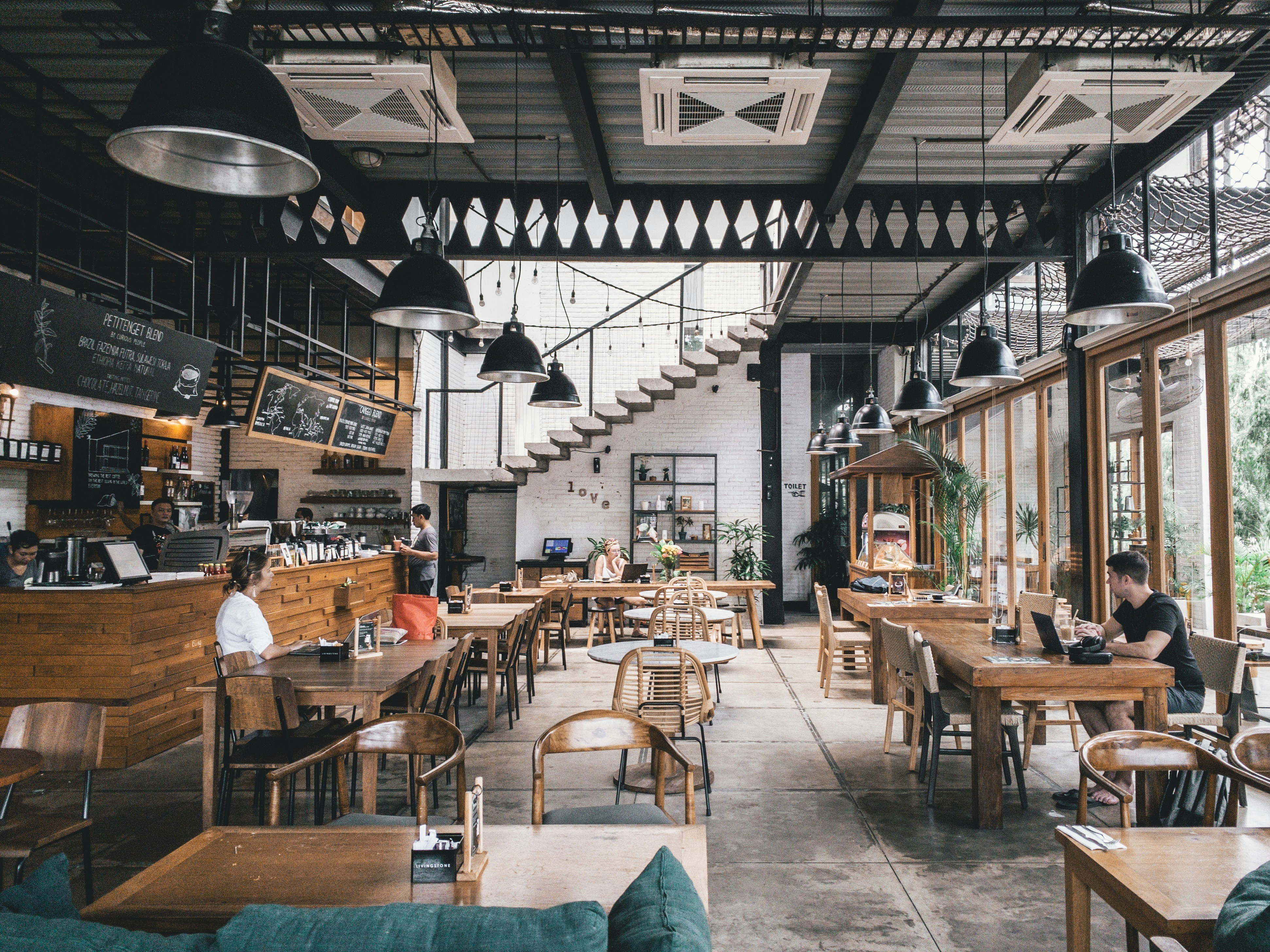
Where to Eat in Vienna: A Neighbourhood Guide
Beisl culture, the coffee house ranking nobody asked for but everyone needs, the Sachertorte war between Hotel Sacher and Demel, and the neighbourhood-by-neighbourhood breakdown.
14 min
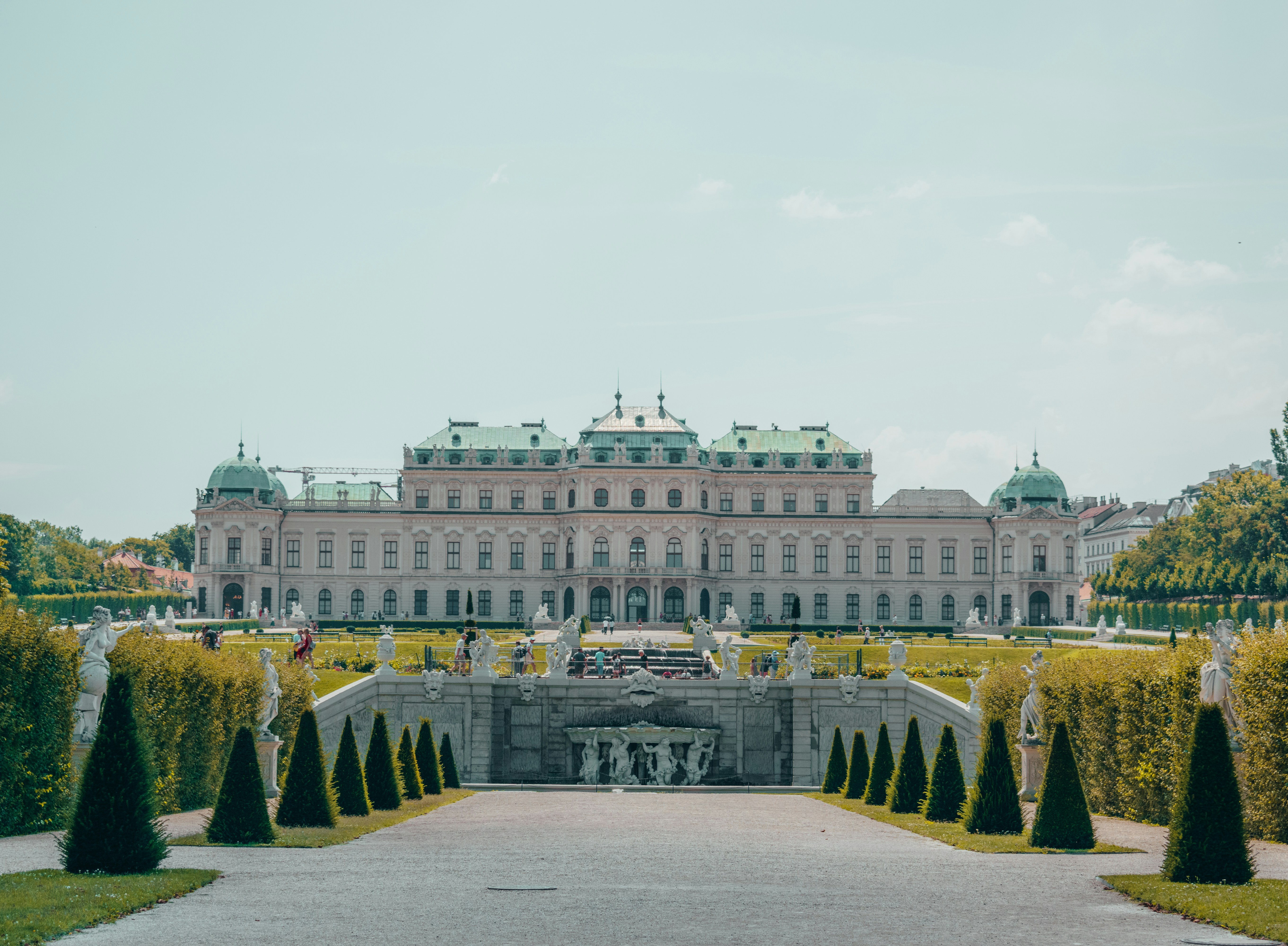
Best of the MuseumsQuartier: A Half-Day Guide
The MQ courtyard on a summer evening, with people sprawled on the Enzis drinking wine from paper cups while the Leopold Museum glows behind them, is the most convincing argument that Vienna is not stuck in the 19th century.
8 min