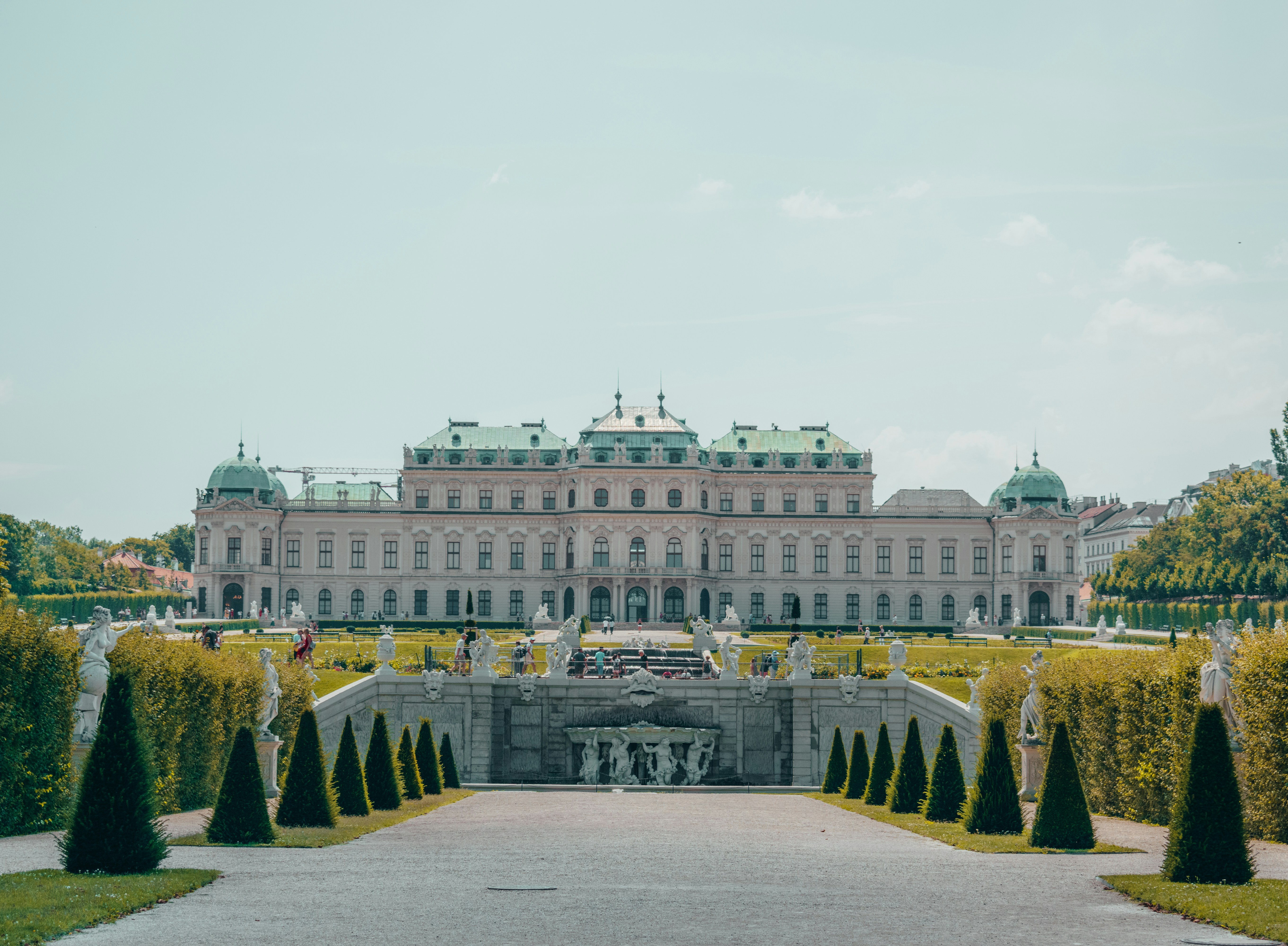
Best of the MuseumsQuartier: A Half-Day Guide
Leopold Museum, MUMOK, Kunsthalle, and the courtyard that proves Vienna is not stuck in the 19th century
The MQ courtyard on a summer evening, with people sprawled on the Enzis drinking wine from paper cups while the Leopold Museum glows behind them, is the most convincing argument that Vienna is not stuck in the 19th century.
The Afternoon That Changes Your Mind About Vienna
The MuseumsQuartier is Vienna's answer to anyone who thinks this city is all Mozart and Habsburg nostalgia. You'll walk through an 18th-century baroque archway and emerge into a courtyard where locals sprawl on neon furniture with wine in plastic cups, contemporary art hides inside a black basalt cube, and Schiele's tortured self-portraits stare down from limestone walls. This is where old Vienna and new Vienna shake hands, and where you can spend a perfect afternoon without bumping into a single tour group.
The Architecture: Old Bones, New Soul
Fischer von Erlach designed these horse stables in the 1720s for the imperial court, all honey-colored limestone and baroque grandeur. The Ortner brothers kept that facade but dropped sleek modern museum boxes behind it in the 1990s. The magic happens when you walk through the main archway on Museumsplatz and the courtyard opens up in front of you. It's like stepping through a time portal: baroque walls frame contemporary buildings, and suddenly you're standing in Vienna's most successful architectural marriage. The contrast isn't jarring, it's intentional. The old facade gives you context, the modern interiors give you edge.
Leopold Museum: Come for Schiele, Stay for the Revelation
The Leopold has the world's largest Schiele collection, and seeing his work in person is completely different from seeing it in books. His self-portraits have an intensity that makes you uncomfortable, his colors are more electric than any reproduction suggests, and the Wally portrait (his redheaded lover) will stop you in your tracks. Yes, there's Klimt here too, but the Belvedere has The Kiss so focus on Schiele. The museum is never as crowded as anything in the Innere Stadt, which means you can actually stand in front of the paintings without someone's selfie stick in your peripheral vision. EUR 15 gets you in, and it's worth every euro if you care about Austrian art or want to understand why Viennese modernism was so radical.
MUMOK: The Black Box Gamble
MUMOK lives inside a dark basalt cube that looks like a modernist fortress, and that's the point. The building is half the experience: severe, uncompromising, making no effort to charm you. The contemporary art collection rotates constantly, so you might walk into something extraordinary or something that leaves you cold. Check their website before you decide whether to spend the EUR 13. When they get it right, this is some of the best contemporary art in Central Europe. When they don't, you'll wonder why you didn't spend more time at the Leopold. The risk is part of the appeal.
Kunsthalle: The Wild Card
The Kunsthalle does rotating exhibitions that range from EUR 8 to 12 depending on what's on. It can be brilliant or completely missable, so this is your homework assignment: check their program before you visit. When they hit, they really hit. When they miss, at least you didn't spend much. Consider this your third priority after Leopold and MUMOK unless something specific draws you in.
The Courtyard: Where Vienna Gets Its Cool Back
The courtyard is where the MQ comes alive, and it's completely free. Those colorful curved benches everywhere are called Enzis, and they're functional art: seating that doubles as sculpture. In summer there are food trucks, in winter an ice bar, but the real magic happens on warm evenings from May to September. Locals show up with wine in paper cups and claim their Enzi for the evening. The courtyard fills up with conversation in three languages, and when the sun sets behind the Leopold Museum's limestone walls, you're looking at the most convincing evidence that Vienna isn't stuck in 1900. Stay until dusk if you can. The light is everything.
Lunch in Spittelberg: The Neighborhood Behind the Museums
Walk five minutes behind the MQ and you're in Spittelberg, a tangle of narrow Biedermeier streets with some of Vienna's best casual dining. Figlmüller Spittelberg does their famous schnitzel (EUR 18) in a more relaxed setting than their tourist-packed Innere Stadt location. Witwe Bolte has excellent Austrian comfort food in a cozy space that feels like someone's grandmother's dining room, try their Tafelspitz for EUR 16. For something lighter, Café Spittelberg does solid salads and pasta with outdoor seating when weather permits. These streets feel residential and local, a nice breather from the cultural intensity of the museums.
How to Plan Your Time
With 3 hours: Leopold Museum plus courtyard time. Skip everything else and do one thing well.
With 5 hours: Leopold, MUMOK, courtyard, and lunch in Spittelberg. Check what's at Kunsthalle but don't feel obligated.
Thursday late opening until 9 PM at Leopold and MUMOK. Perfect for after-work culture time.
Arrive by 2 PM if you want the full afternoon experience. Earlier if you're doing multiple museums.
The courtyard is best after 5 PM when locals start showing up with drinks.
Buy your Leopold ticket online to skip the line, though lines are rarely long here anyway.
End at Glacis Beisl: The Perfect Wind-Down
Finish your MQ afternoon at Glacis Beisl, a traditional Austrian restaurant that's been feeding museum-goers and locals since 1995. It's a two-minute walk from the main courtyard, and the atmosphere is exactly what you want after an afternoon of contemporary art: warm wood, checked tablecloths, and honest Austrian food done right. Order the Wiener Schnitzel (EUR 19) or the Zwiebelrostbraten (beef with onions, EUR 22) and a glass of Austrian wine. The portions are generous, the service is friendly without being pushy, and you can sit on their terrace when weather permits. It's the kind of place that reminds you why Viennese food culture works so well: unpretentious, satisfying, and perfectly located.
Ready to Visit Vienna?
Get a personalized itinerary tailored to your travel style and interests.
Plan Your Vienna TripMore Vienna Guides
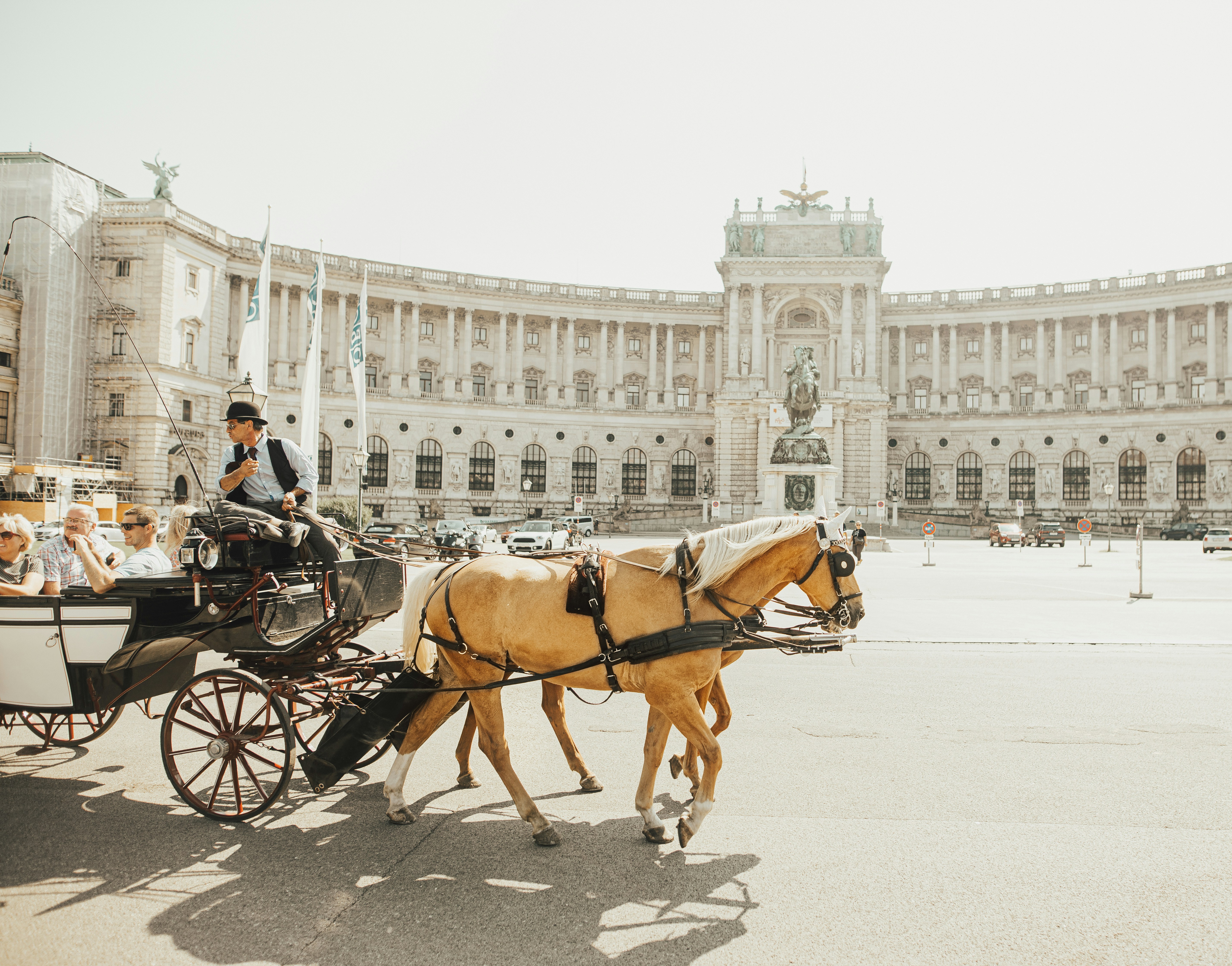
Vienna with Kids: Family-Friendly Guide
Vienna is a surprisingly good city for kids. The parks are immaculate, the museums have children's programs, the Prater is basically a free park with rides attached, and a Wiener Schnitzel the size of a dinner plate makes any child forget they are in a museum city.
10 min
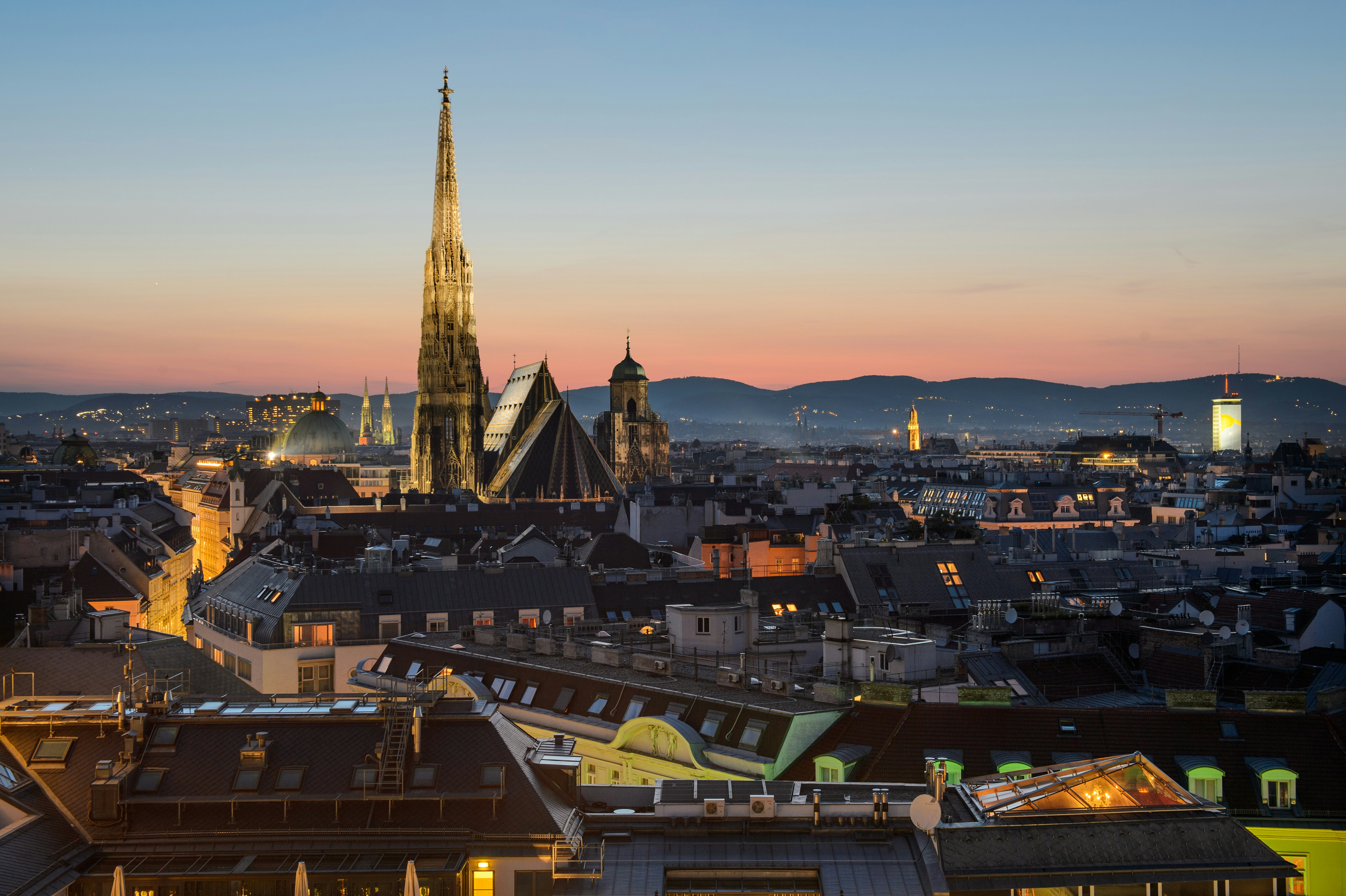
First Time in Vienna: Everything You Need to Know
The practical guide to Vienna: how to order coffee like a local, which transport pass to buy, whether the Vienna Pass is worth EUR 87/day, and the opera standing room trick.
14 min
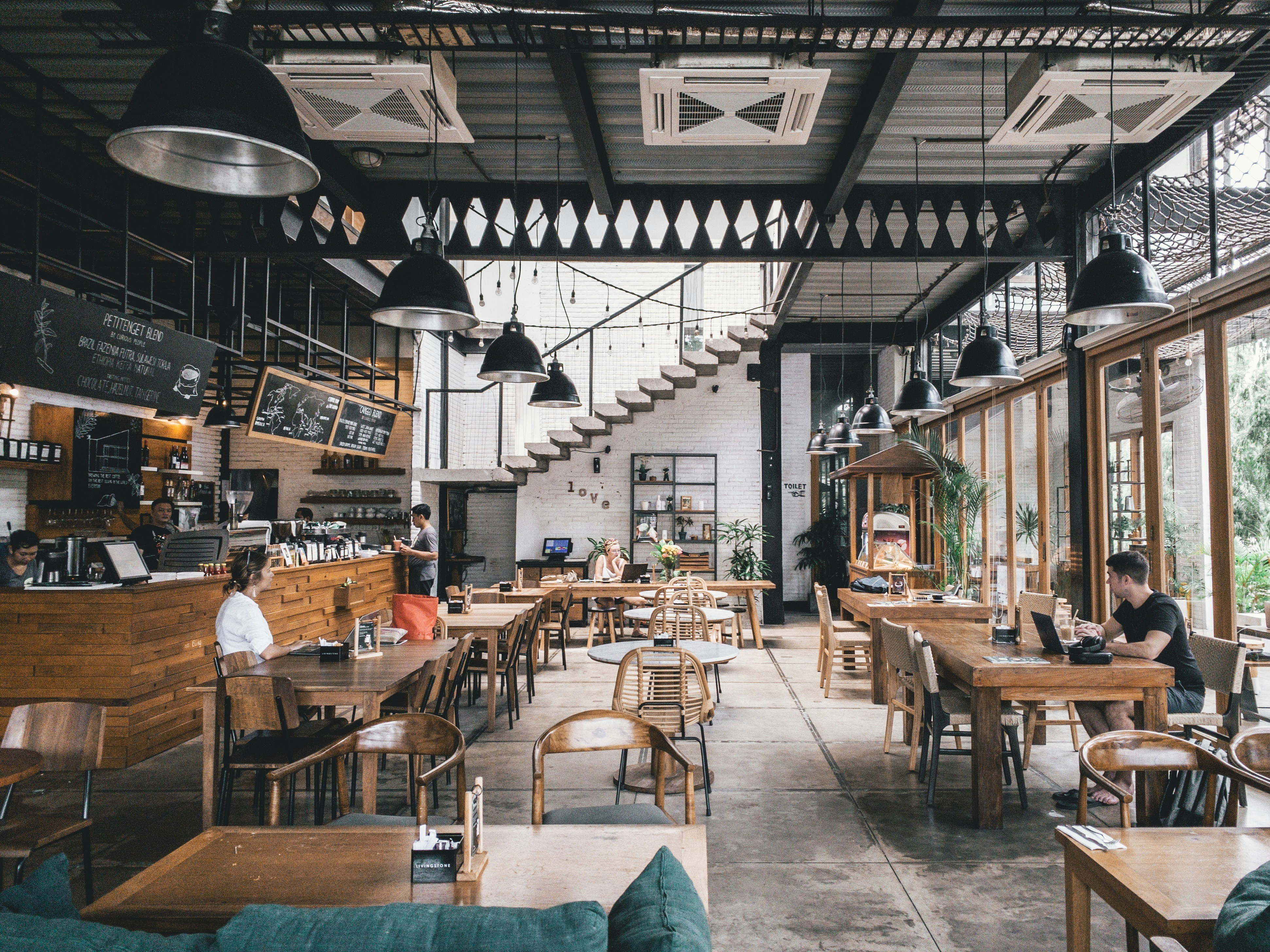
Where to Eat in Vienna: A Neighbourhood Guide
Beisl culture, the coffee house ranking nobody asked for but everyone needs, the Sachertorte war between Hotel Sacher and Demel, and the neighbourhood-by-neighbourhood breakdown.
14 min