Where to Eat in Vienna: A Neighbourhood Guide
Beisl culture, the coffee house ranking, the Sachertorte war, and where to find the best schnitzel
Beisl culture, the coffee house ranking nobody asked for but everyone needs, the Sachertorte war between Hotel Sacher and Demel, and the neighbourhood-by-neighbourhood breakdown.
Understanding Viennese Eating
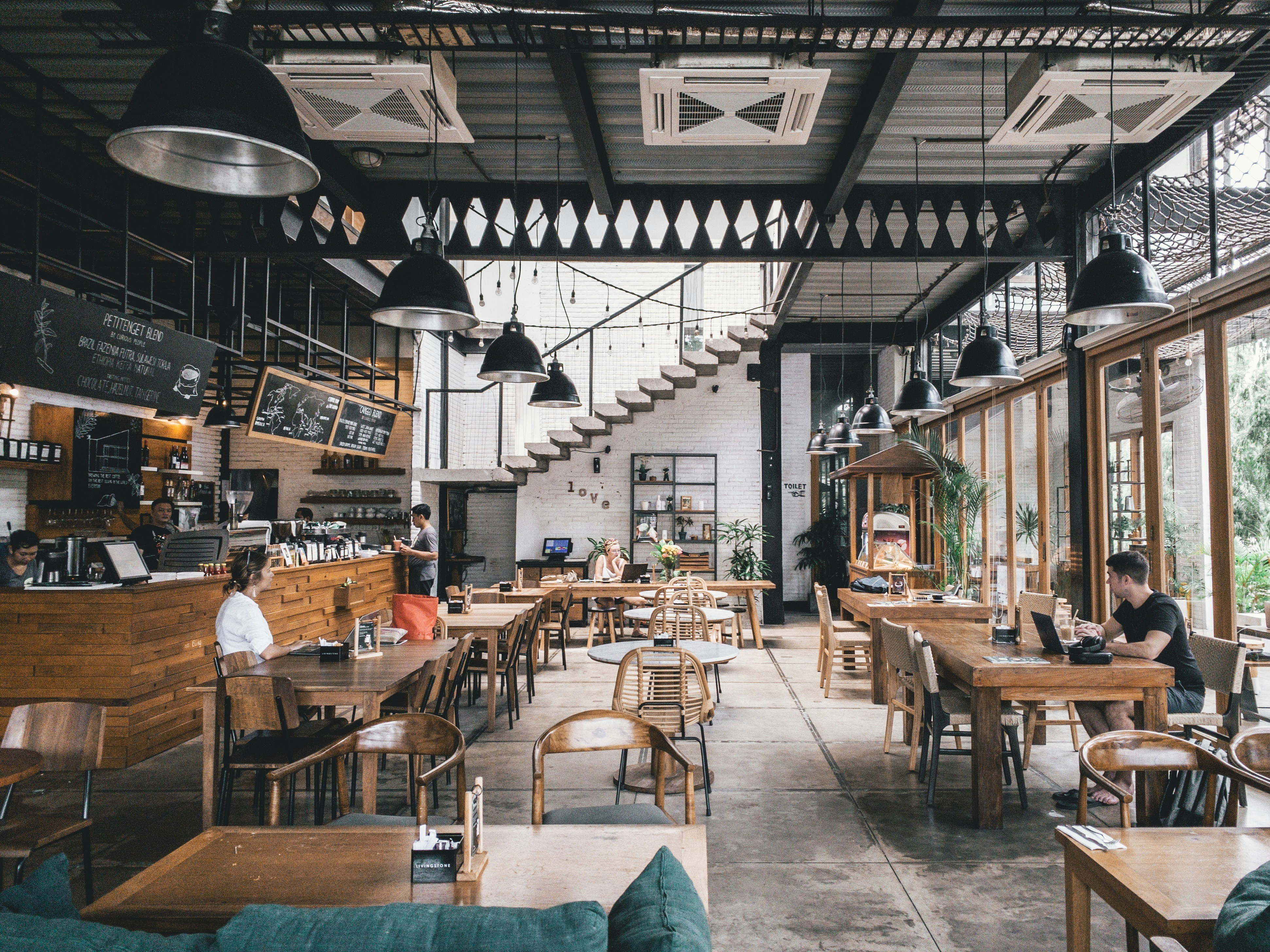
Vienna's food culture runs on two pillars: the Beisl and the coffee house. The Beisl is your neighborhood pub-restaurant where you eat actual Viennese food, not the tourist version. These are wood-paneled, slightly smoky places where the waiter knows your order and the Schnitzel hangs off the plate like it should. Coffee houses are different creatures entirely. They are your living room, your office, your social club. You order one Melange and sit for three hours reading newspapers. The waiter will never rush you. This is how Vienna eats, slowly and seriously.
The Real Wiener Schnitzel
Forget everything you think you know about Schnitzel. The real Wiener Schnitzel is veal, pounded tissue-thin, coated in breadcrumbs, and fried in clarified butter until it puffs up like a golden balloon. It arrives on a plate it cannot possibly fit, hanging over the edges, crackling when you cut into it. This costs EUR 18-22 at a proper Beisl and it is worth every cent. The lemon wedge is not decoration, squeeze it liberally. Anything called 'Schnitzel Wiener Art' is pork pretending to be veal. You can tell the difference immediately.
Coffee House Reality Check
Cafe Central
The grand dame with the soaring ceiling and marble columns. Yes, it is touristy. Yes, you will wait 20 minutes for a table. Yes, it is still worth it because the architecture makes you feel like you are inside a cathedral of caffeine. Order the Einspanner (EUR 5.80), coffee with whipped cream in a glass, and marvel at the fact that Trotsky used to play chess here.
Cafe Sperl
This is what a Viennese coffee house actually looks like. The red velvet banquettes are worn, the newspapers hang on wooden sticks, and the waiters wear black vests and leave you completely alone. The Sachertorte here (EUR 6.50) is better than the famous ones. Sit in the back room where locals read papers and ignore tourists entirely.
Cafe Hawelka
The artist coffee house where the walls are covered in sketches left by broke painters trading art for coffee. Cramped, smoky, and perfect. The Buchteln (sweet yeast buns, EUR 3.50 each) come out of the oven at 10 PM sharp. People actually wait for this moment. The coffee is strong enough to wake the dead.
Cafe Jelinek
Zero tourists. This is a working coffee house in the 6th district where locals actually drink coffee and read newspapers. The Melange costs EUR 4.50, the interior has not changed since 1950, and the waiter will grunt at you in German. Perfect in every way.
The Sachertorte War
Two places claim to make the original Sachertorte from 1832: Hotel Sacher and Demel. Both charge EUR 8.50 per slice. Both guard their recipes like state secrets. Sacher's version is dense, almost fudgy, with thick apricot jam between the layers. Demel's is lighter, more cake-like, with a thinner jam layer. Order one slice at each, sit in their respective cafes, and pick your side. This is a civil war that has been raging for 200 years and you get to cast the deciding vote.
Innere Stadt: Traditional Territory
Figlmuller
The Schnitzel temple. Their Wiener Schnitzel (EUR 19.80) is the size of a manhole cover and about as thin as paper. The place has two locations facing each other across a narrow lane. Both are always packed. The Schnitzel arrives crackling, the potato salad is perfect, and you will need to unhook your belt afterward.
Plachutta
Tafelspitz headquarters. This is where you eat the dish Emperor Franz Joseph had every day: boiled beef in clear broth with apple horseradish and chives (EUR 23.50). Sounds like punishment, tastes like heaven. The meat falls apart with a fork, the broth is liquid gold, and the horseradish clears your sinuses permanently.
Zum Schwarzen Kameel
Half delicatessen, half restaurant, completely Viennese since 1618. Stand at the bar and order open sandwiches (EUR 4-8 each) topped with things like venison pate and quail eggs. The restaurant in the back serves proper Austrian food in Art Nouveau surroundings. The Gulasch with bread dumplings (EUR 16.50) is what cold Vienna nights were made for.
Naschmarkt: International Lunch Central
Naschmarkt Stalls
Saturday morning food market that turns into lunch central during the week. The Turkish stands serve proper doner kebab (EUR 4.50), the Indian place makes curry that will melt your face off, and the Vietnamese pho stand has a line of locals at noon every day. Arrive before noon or everything good sells out.
Restaurant Salzberg
Sits right on the market selling Austrian food to people who just bought vegetables. The Wiener Schnitzel (EUR 18.50) competes with Figlmuller, the outdoor seating lets you watch the market chaos, and the wine list focuses on Austrian bottles you cannot find anywhere else.
Leopoldstadt: Where Food Actually Evolves
Prater Beisl
Modern Austrian cooking in the shadow of the Ferris wheel. The chef takes traditional dishes and makes them actually interesting. Tafelspitz arrives as a perfect cylinder surrounded by colorful vegetables instead of gray mush. Dinner runs EUR 35-45 per person but you taste Austria's future, not its past.
Weinbeisl
Natural wine bar with Austrian small plates. The wine list reads like poetry, the plates are tiny but perfect, and the crowd includes actual Viennese under 40. Order the cheese selection (EUR 18) and let them pick wines. You will drink things you have never heard of and love every sip.
Neubau: Brunch and Modern Vienna
Cafe Bendl
Weekend brunch spot that fills up by 11 AM with locals who look like they work in galleries. The avocado toast (EUR 9.50) is legitimately good, the coffee comes from a local roaster, and the crowd speaks German, not English. Book ahead or prepare to wait outside looking hungry.
Glacis Beisl
Modern Beisl with a garden behind the MuseumsQuartier. Traditional Austrian food but lighter, cleaner, more vegetables. The Kaiserschmarrn (EUR 14.50) arrives as a proper main course, sweet shredded pancake with plum compote that makes you understand why emperors ate this for dinner.
Josefstadt: Time Stood Still
Cafe Hummel
Neighborhood coffee house where nothing has changed since 1930. Locals sit at the same tables every morning, reading the same newspapers, ordering the same coffee. The Gugelhupf cake (EUR 4.20) is homemade, the coffee is strong, and the atmosphere is so perfectly unchanged it feels like time travel.
Stomach
Tiny restaurant with six tables and a chef who changes the menu daily based on what looks good at the market. Dinner costs EUR 45-55 per person, you eat what they cook, and every dish tastes like someone actually cares about your dinner. Book three days ahead.
Spittelberg: Dinner in Biedermeier Lanes
Zu Ebener Erde und Erster Stock
Restaurant in an 18th century house with rooms so small you can touch both walls. Traditional Austrian food in fairy tale surroundings. The Goulash (EUR 16.80) arrives bubbling in a copper pot, served with bread dumplings that soak up every drop of sauce. Dinner feels like eating in a doll house.
Witwe Bolte
Wine restaurant in a vaulted cellar that specializes in Austrian wines and modern takes on classic dishes. The beef tartare (EUR 19.50) comes with pumpkin seed oil instead of capers, the wine list includes bottles from Wachau vineyards, and the atmosphere makes every dinner feel like a celebration.
Ready to Visit Vienna?
Get a personalized itinerary tailored to your travel style and interests.
Plan Your Vienna TripMore Vienna Guides
Vienna with Kids: Family-Friendly Guide
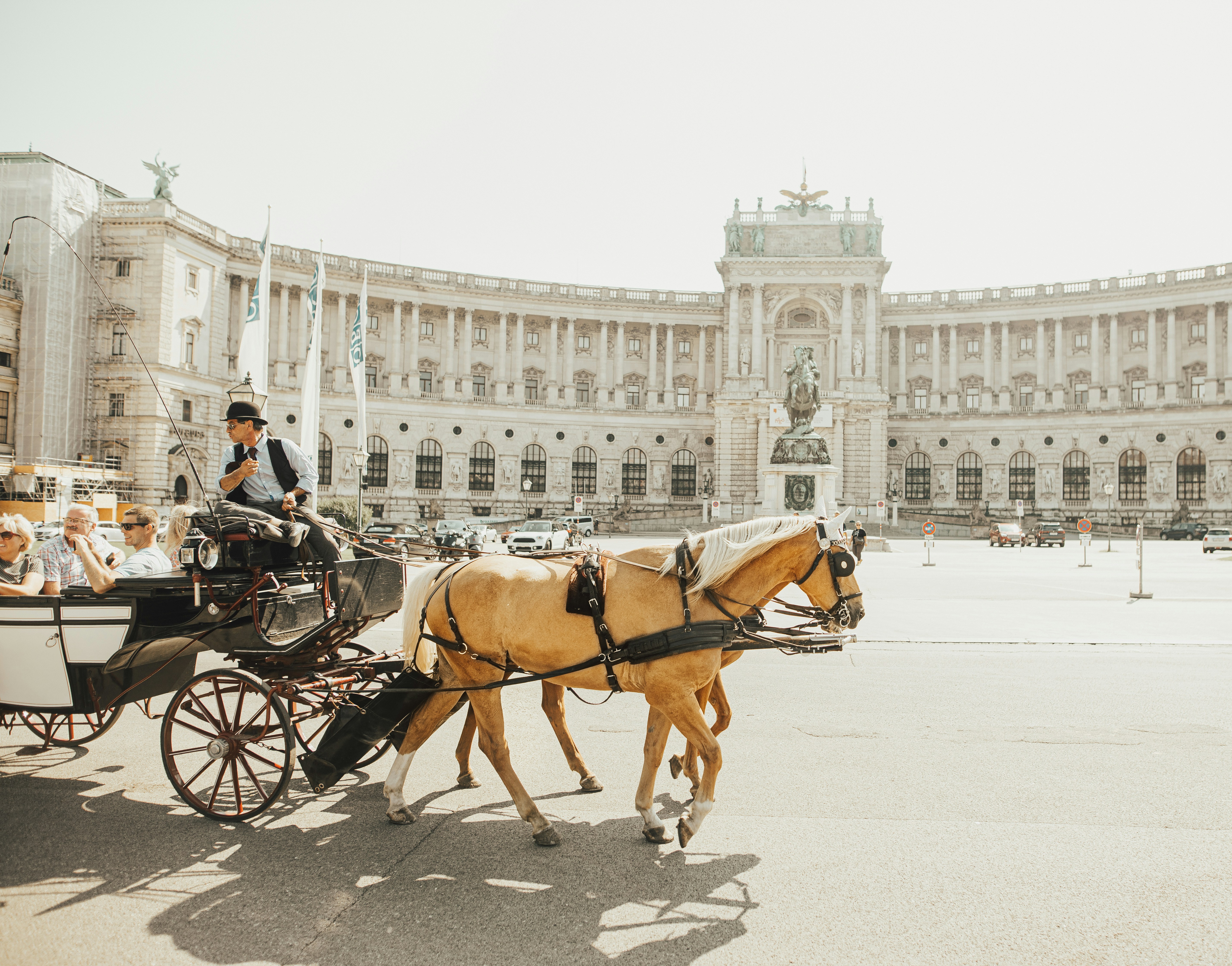
Vienna is a surprisingly good city for kids. The parks are immaculate, the museums have children's programs, the Prater is basically a free park with rides attached, and a Wiener Schnitzel the size of a dinner plate makes any child forget they are in a museum city.
10 min
First Time in Vienna: Everything You Need to Know
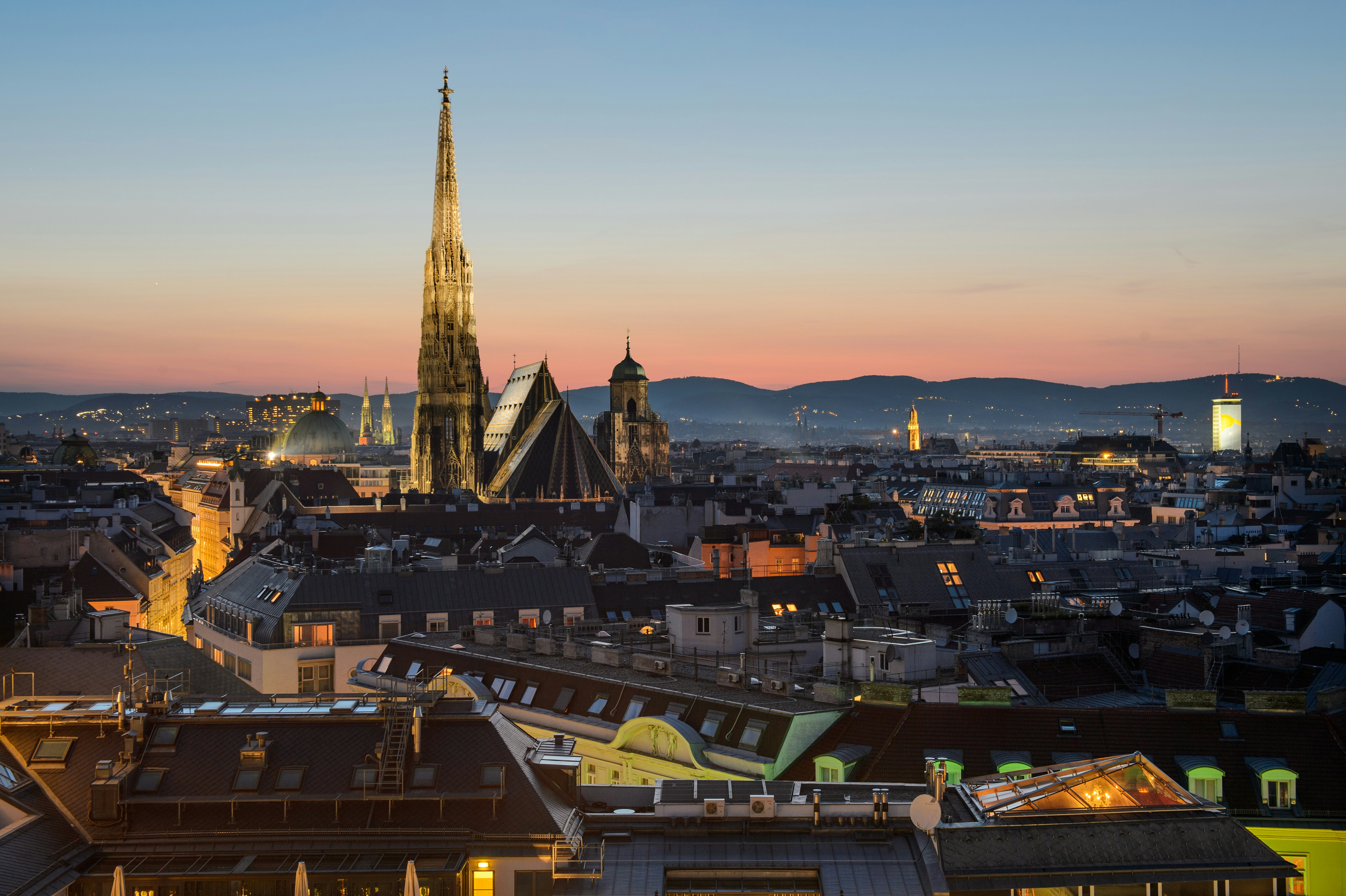
The practical guide to Vienna: how to order coffee like a local, which transport pass to buy, whether the Vienna Pass is worth EUR 87/day, and the opera standing room trick.
14 min
Best of the MuseumsQuartier: A Half-Day Guide
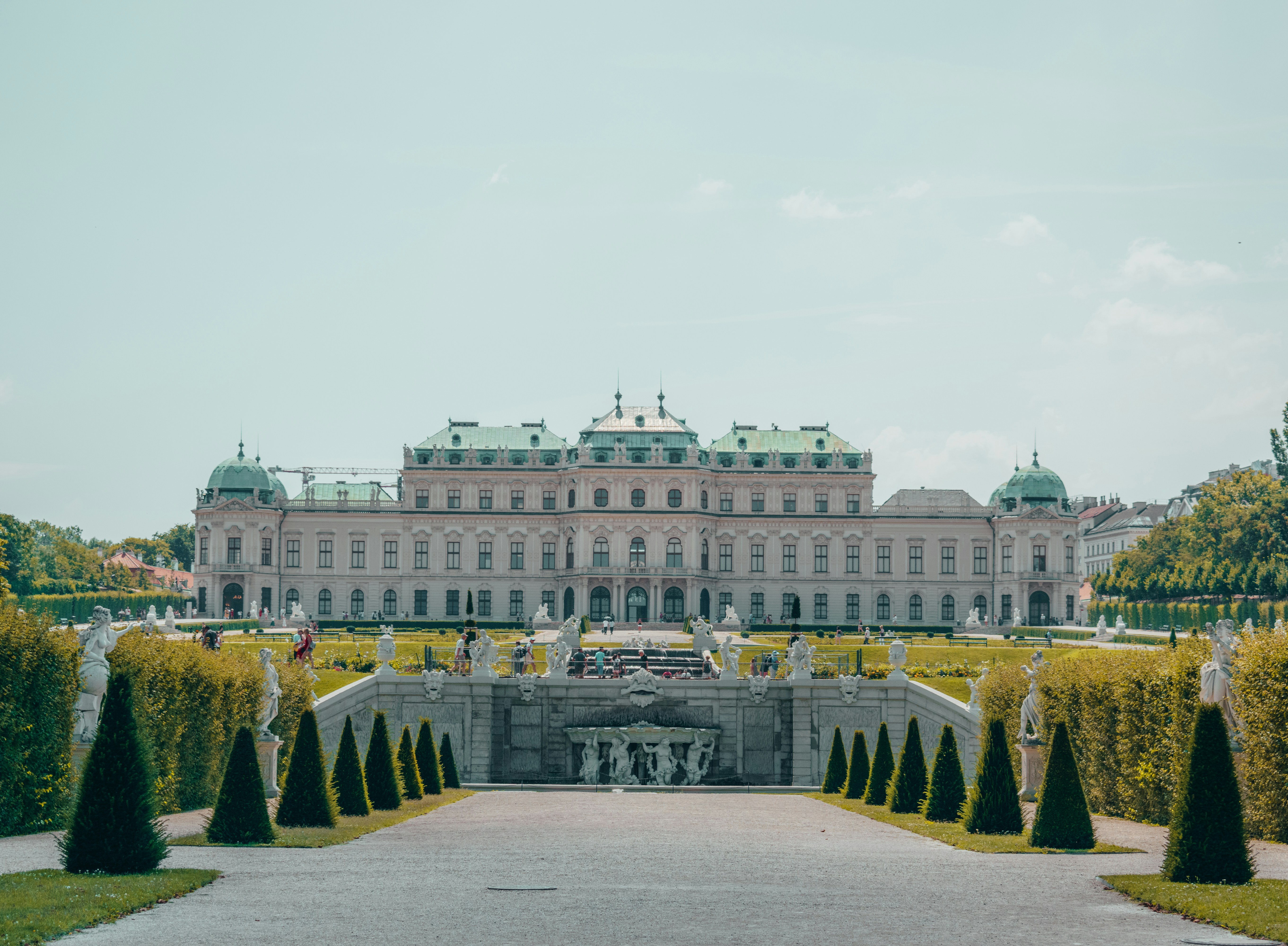
The MQ courtyard on a summer evening, with people sprawled on the Enzis drinking wine from paper cups while the Leopold Museum glows behind them, is the most convincing argument that Vienna is not stuck in the 19th century.
8 min