3 Days in Vienna: First-Timer's Itinerary
St. Stephen's, Schonbrunn, the Belvedere, and the coffee house tradition that ties it all together
Three days covering imperial Vienna, the art museums, and the coffee houses, with exact prices, queue-skipping strategies, and the standing-room opera trick that costs EUR 4.
Look, Vienna in three days is like trying to drink the Danube with a teaspoon, but it's absolutely doable if you know what to prioritize. This city rewards the methodical: it's built in concentric rings, and you can see the best of it by working your way outward from the medieval center. Don't try to cram everything in. Pick your battles, show up early to beat the crowds, and always carry cash because half the places still think credit cards are a passing fad.
Imperial Vienna: The Old City Inside the Ring
Today you're walking through a thousand years of history compressed into one square mile. The Innere Stadt feels like a Habsburg theme park, except it's all real: the Gothic spires, the baroque palaces, the opera house where Mozart premiered his works. Your feet will hurt by evening, but you'll understand why this city ruled half of Europe.
- St. Stephen's Cathedral tower climb
- Habsburg Imperial Apartments
- Standing room at the Vienna State Opera
Morning: St. Stephen's Cathedral and the Historic Center
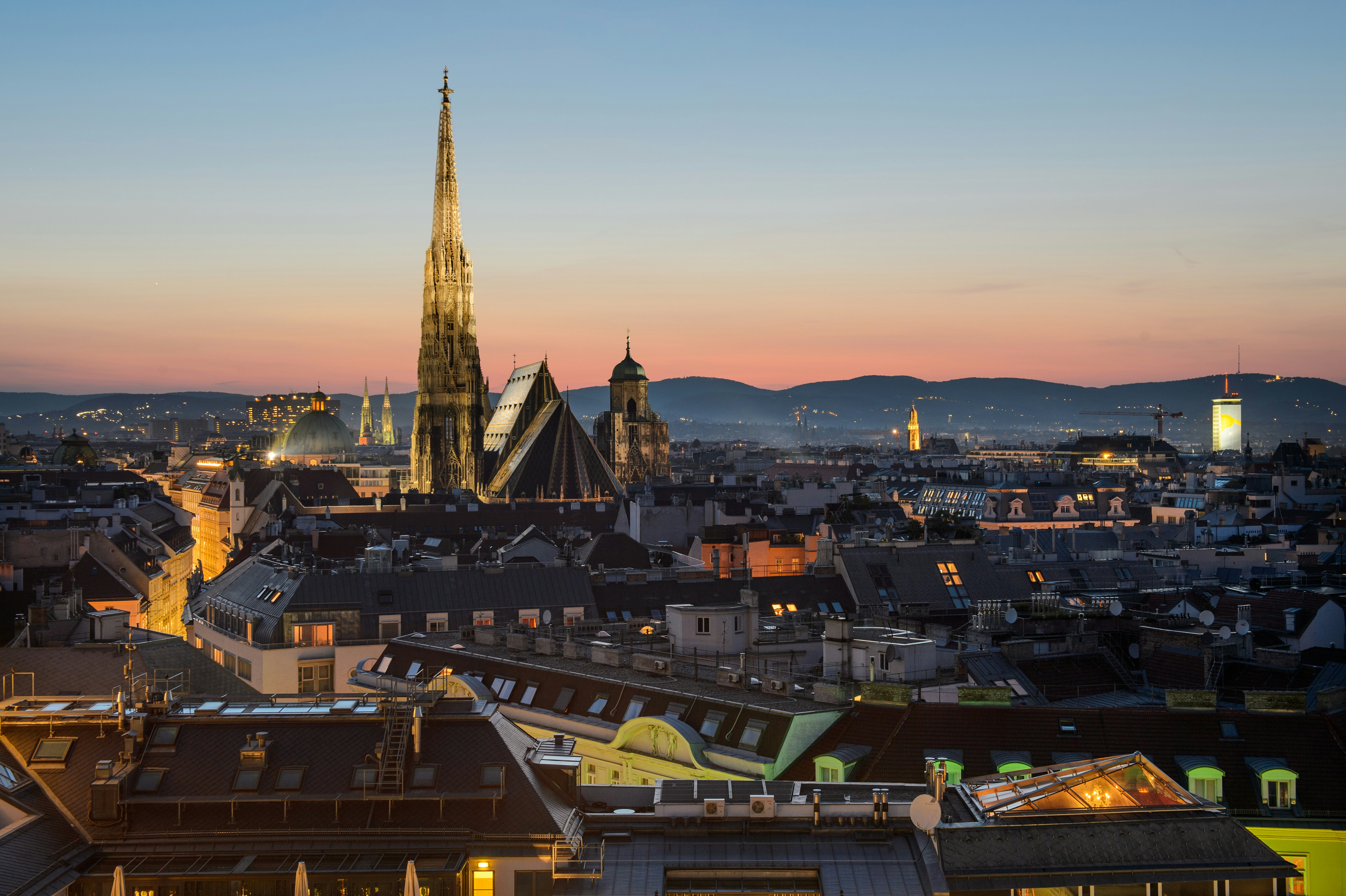
Start at St. Stephen's Cathedral before 9 AM when the south tower opens. Pay the EUR 6 and climb all 343 steps. Yes, it's a workout, but this is genuinely the best view in Vienna, and you'll have it mostly to yourself if you're early. The city spreads out below you like a Habsburg architect's fever dream: red tile roofs, baroque domes, and the Ringstrasse cutting a perfect circle around the old city. Back down in the nave, spend 15 minutes looking up at the Gothic vaulting. The zigzag roof tiles outside spell out the double-headed eagle and the date 1831. Walk west along Graben, Vienna's outdoor shopping mall since the Middle Ages. The Plague Column in the middle looks like baroque wedding cake, and it's exactly as over-the-top as Leopold I intended when he commissioned it in 1693.
Late Morning: The Hofburg Palace Complex
Continue along Kohlmarkt toward the Hofburg, where the Habsburgs lived for 600 years. The Imperial Apartments, Sisi Museum, and Silver Collection cost EUR 17.50 combined and take about 2.5 hours. Here's the truth: the Silver Collection is 7,000 pieces of Habsburg tableware, and unless you have strong feelings about 18th-century soup tureens, it's skippable. The Imperial Apartments, though, are worth your time. Franz Joseph's spartan bedroom (he slept on an army cot) tells you everything about why the empire lasted so long. The Sisi Museum is tourist bait, but the audio guide has some genuinely scandalous stories about Elisabeth's eating disorders and her obsession with her 19-inch waist.
Lunch: Traditional Viennese Beisl
Walk five minutes north to Judenplatz area for lunch at a proper Beisl. Try Zum Schwarzen Kameel on Bognergasse if you want to spend EUR 20 on schnitzel that's been perfected over 400 years, or Figlmüller on Wollzeile for the schnitzel that hangs off the plate. Order it with potato salad (Erdäpfelsalat), not fries. The potato salad here is warm, dressed with beef broth and vinegar, and it's what Austrians actually eat with schnitzel. The tourists get fries.
Afternoon: Albertina Museum and the Ringstrasse
The Albertina sits on top of the old city walls, and its Monet-to-Picasso collection (EUR 18.90) is the best Impressionist collection between Paris and St. Petersburg. The Monet water lilies room will make you forget you're in Austria. Afterward, walk the Ringstrasse clockwise past the Opera House (you'll be back tonight), the Parliament building that looks like a Greek temple (because it is), and the Gothic Revival City Hall. This boulevard was built in the 1860s when they tore down the medieval walls, and it's basically urban planning as imperial propaganda. Every building screams 'we ruled from Mexico to Ukraine and don't you forget it.'
Evening: Vienna State Opera Standing Room
Here's what nobody tells you about the Vienna State Opera: standing room tickets cost EUR 4-10, but you need to queue 80 minutes before curtain. Bring a scarf to tie to the railing to claim your spot (this is an actual tradition, not tourist advice), then go get dinner. The standing room is behind the orchestra seats, the acoustics are perfect, and you're hearing some of the best singers in the world. Even if you hate opera, do this once. It's EUR 200 worth of culture for the price of a coffee.
Dinner: Griechenbeisl
End your first day at Griechenbeisl on Fleischmarkt, Vienna's oldest restaurant (since 1447). The Wiener Tafelspitz (boiled beef with horseradish sauce, EUR 24) is what Franz Joseph ate every day for lunch, and they've been making it the same way for centuries. The walls are covered with signatures from Beethoven, Schubert, and Mark Twain. Yes, it's touristy, but it's touristy for a reason. The apple strudel (EUR 8) comes warm with vanilla sauce and tastes like Habsburg nostalgia.
Art, Markets, and the Museum Quarter
Today trades imperial grandeur for artistic genius and local life. You'll see Vienna's most famous painting, eat your way through the city's best market, and end the day drinking wine with locals in a contemporary courtyard. It's the perfect antidote to yesterday's Habsburg overdose.
- Klimt's 'The Kiss' at the Belvedere
- Naschmarkt food crawl
- Evening wine in the MuseumsQuartier courtyard
Morning: Belvedere Palace and Klimt's 'The Kiss'
Get to the Upper Belvedere at 10 AM when it opens. The EUR 16.70 ticket gets you into the same room as Gustav Klimt's 'The Kiss,' and seeing it in person genuinely stops you in your tracks. Every postcard and coffee mug you've seen doesn't prepare you for the gold leaf catching the morning light or the way it dominates the room. The rest of the Austrian art collection is excellent too, but let's be honest: you're here for Klimt. Schiele's portraits upstairs are worth 20 minutes if you can handle the angular bodies and haunted eyes.
Mid-Morning: Botanical Garden Detour
Instead of walking through the crowded palace gardens, slip into the Botanical Garden from the Mechelgasse entrance. It's free, almost empty, and in spring the magnolia trees make it look like a Monet painting. The greenhouse collection includes orchids from Franz Joseph's personal collection. It's a 15-minute walk through actual nature instead of manicured Habsburg landscaping.
Lunch: Naschmarkt Food Crawl
The Naschmarkt runs for half a mile along the Wienzeile, and it's been feeding Vienna since the 16th century. Arrive before noon when the produce is freshest and the crowds are manageable. Skip the overpriced Italian places and head straight for the Turkish stalls: Öz-Urfali makes the best döner kebab in Vienna (EUR 4.50), and their Turkish breakfast platters (EUR 12) are enough food for two people. The Vietnamese pho stand (Saigon) serves bowls that would cost EUR 15 in the city center for EUR 8. If it's Saturday, the flea market at the western end starts at 6:30 AM and has everything from Habsburg-era crystal to Soviet-era cameras.
Afternoon: Secession Building and Klimt's Beethoven Frieze
Walk 200 meters south to the Secession Building, the white cube with the golden dome that looks like a giant cabbage (locals call it that, so you can too). The EUR 9.50 gets you into the basement to see Klimt's Beethoven Frieze, a 112-foot-long mural that wraps around the room like a graphic novel about suffering, art, and redemption. It was painted for a 1902 exhibition and then walled up for 80 years. The restoration took longer than World War II.
Late Afternoon: MuseumsQuartier
The MuseumsQuartier is what happens when you convert 18th-century imperial stables into contemporary art spaces. Pick one museum: the Leopold for the world's largest Egon Schiele collection (EUR 15), or MUMOK for contemporary art in a building that looks like a dark gray spaceship (EUR 13). Schiele's paintings feel like X-rays of the human soul, all exposed nerves and sexual tension. If contemporary art isn't your thing, just wander the courtyards and watch Vienna's creative class at work.
Evening: MQ Courtyard Wine Culture
As evening approaches, the main MuseumsQuartier courtyard fills with locals sitting on the Enzi foam benches (they look like giant colorful furniture), drinking wine straight from bottles bought at the Billa supermarket across the street. This is Vienna's unofficial outdoor living room, and it's where you realize that Austrians know how to live. Buy a bottle of Grüner Veltliner (EUR 6-8), grab a bench, and watch the sun set behind the baroque facades.
Dinner: Spittelberg District
Wander into Spittelberg's cobblestone lanes for dinner at Witwe Bolte on Gutenberggasse. The restaurant occupies a 17th-century house, and the Zwiebelrostbraten (roast beef with fried onions, EUR 22) comes with enough crispy onions to bury the meat. Their Kaiserschmarrn (shredded pancake with plum compote, EUR 12) is what Austrian emperors ate for dessert, and it's basically edible nostalgia. The wine list focuses on Austrian whites that pair perfectly with the rich food.
Palaces, Ferris Wheels, and Farewell Coffee
Your last day combines Vienna's most opulent palace with its most nostalgic amusement park, then ends with the coffee house ritual that defines this city. It's imperial excess, childhood wonder, and caffeinated contemplation all in one day.
- Schönbrunn Palace Grand Tour
- Prater's historic Ferris wheel from 'The Third Man'
- Final melange at Café Central
Morning: Schönbrunn Palace Grand Tour
Take the U4 to Schönbrunn and do the Grand Tour (EUR 24, 40 rooms). The basic tour shows you where tourists go; the Grand Tour shows you where the Habsburgs actually lived. The Chinese Cabinets have floor-to-ceiling lacquerwork that Maria Theresa commissioned from her court artists, not from China. The Napoleon Room is where the little emperor slept when he occupied Vienna in 1805, and the bed is still made up with the original silk coverlets. Mozart played his first royal concert in the Mirror Room when he was six years old.
Late Morning: Gloriette Hill Walk
Skip the garden maze (EUR 6 for what amounts to five minutes in a hedge labyrinth designed for children). Instead, walk uphill behind the palace to the Gloriette, the neoclassical colonnade perched on the ridge. It's free, the 20-minute walk through the formal gardens is lovely, and the view back over the palace to Vienna is the photograph you actually want. On clear days, you can see the Alps 50 kilometers south.
Lunch in Hietzing
Walk down to Hietzing village for lunch at Gasthaus zur Einkehr on Amalienstrasse. This neighborhood Gasthaus serves the kind of food Viennese families eat on Sundays: Wiener Schnitzel that's actually from Vienna (EUR 18), Apfelstrudel made by the owner's grandmother's recipe (EUR 6), and Ottakringer beer on tap (EUR 3.50). The dining room hasn't changed since 1950, and that's exactly the point.
Afternoon: Prater Amusement Park
Take the U1 to Praterstern for Vienna's 250-year-old amusement park. The Riesenferris wheel (EUR 13.50) is the one from 'The Third Man,' and the 20-minute ride gives you time to appreciate how the city spreads out toward the Danube. The wooden cars creak like old ships, and you can see why Orson Welles chose this setting for his famous cuckoo clock speech. Walk the Hauptallee afterward, the tree-lined avenue where Viennese families have been taking Sunday strolls since the 18th century.
Late Afternoon: Kunsthistorisches Museum (Optional)
If you're not museum-ed out and it's Thursday, the Kunsthistorisches Museum stays open late (EUR 21). The Bruegel room alone justifies the entry: 12 paintings including 'Hunters in the Snow,' which you've seen on every Christmas card but never in its full, snow-muffled silence. The Habsburg art collection here makes the Louvre look modest. But if you're tired, skip it. Vienna will still be here next time.
Farewell: Café Central
End your Vienna visit with a melange at Café Central on Herrengasse, but arrive by 3 PM before the queue forms. This is where Freud, Trotsky, and Hitler all drank coffee (not at the same time), and the marble columns and vaulted ceilings make it feel like a secular cathedral. The melange (EUR 5.50) is half coffee, half steamed milk, and all Vienna. Order a slice of Sachertorte (EUR 6.90) and take your time. In Vienna, coffee isn't a drink, it's a philosophy, and you've got nowhere else to be.
Essential Vienna Tips
Always carry cash. Many restaurants and attractions don't accept cards, and those that do often prefer cash.
Buy a 72-hour Vienna Card (EUR 29) only if you're planning to visit more than three major attractions. Otherwise, individual tickets are cheaper.
Dress codes matter at the opera and traditional restaurants. Smart casual is fine, but skip the sneakers and shorts.
Viennese menus don't translate 'schnitzel' as 'cutlet.' If it says 'Wiener Schnitzel,' it's veal. If it says 'Schnitzel Wiener Art,' it's pork or chicken.
Coffee house etiquette: order at the table, tip 10%, and never feel rushed to leave. Austrians sit for hours.
The best exchange rates are at banks, not tourist areas. Most ATMs don't charge fees if you use a major bank card.
Ready to Visit Vienna?
Get a personalized itinerary tailored to your travel style and interests.
Plan Your Vienna TripMore Vienna Guides
Vienna with Kids: Family-Friendly Guide
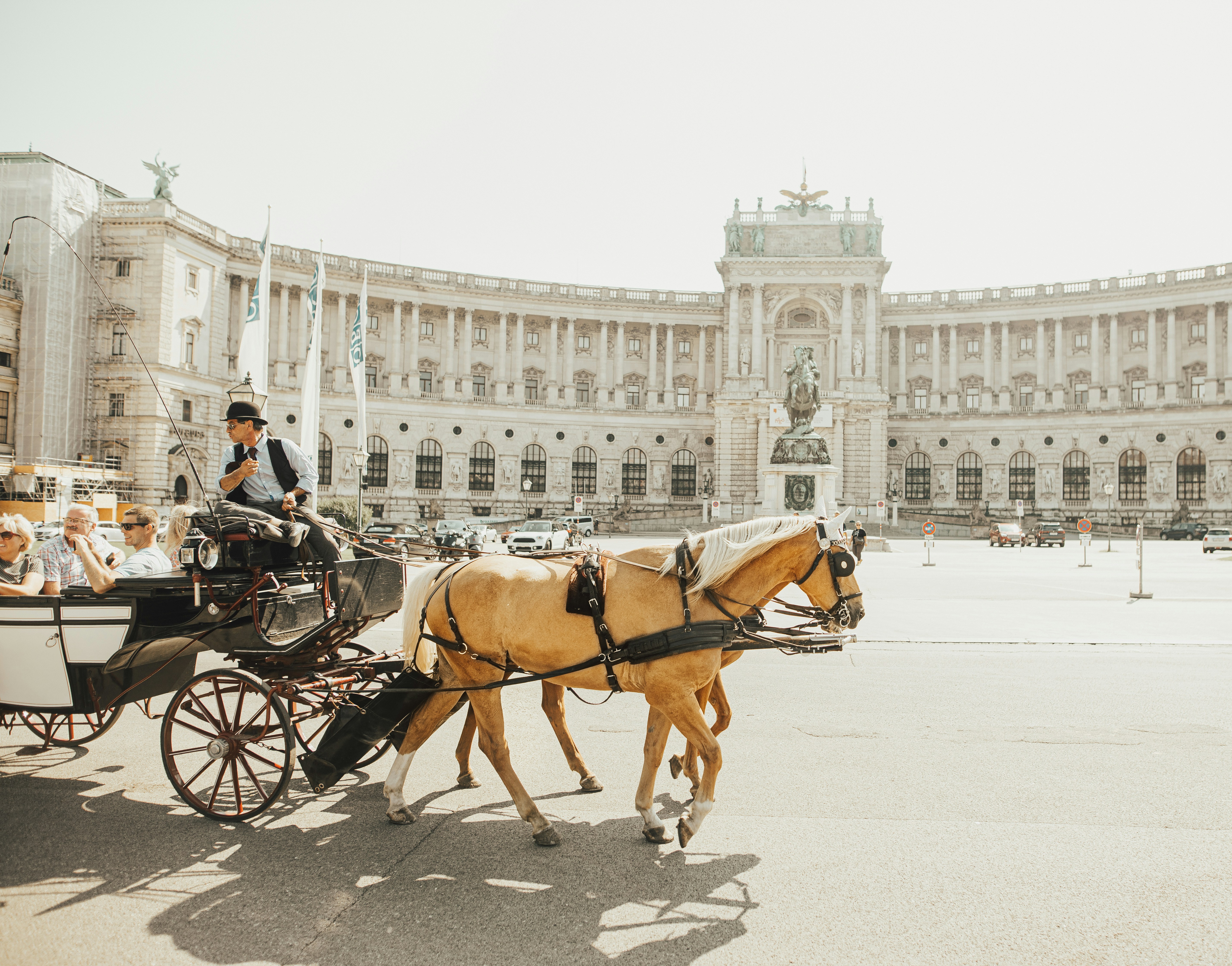
Vienna is a surprisingly good city for kids. The parks are immaculate, the museums have children's programs, the Prater is basically a free park with rides attached, and a Wiener Schnitzel the size of a dinner plate makes any child forget they are in a museum city.
10 min
First Time in Vienna: Everything You Need to Know
The practical guide to Vienna: how to order coffee like a local, which transport pass to buy, whether the Vienna Pass is worth EUR 87/day, and the opera standing room trick.
14 min
Where to Eat in Vienna: A Neighbourhood Guide
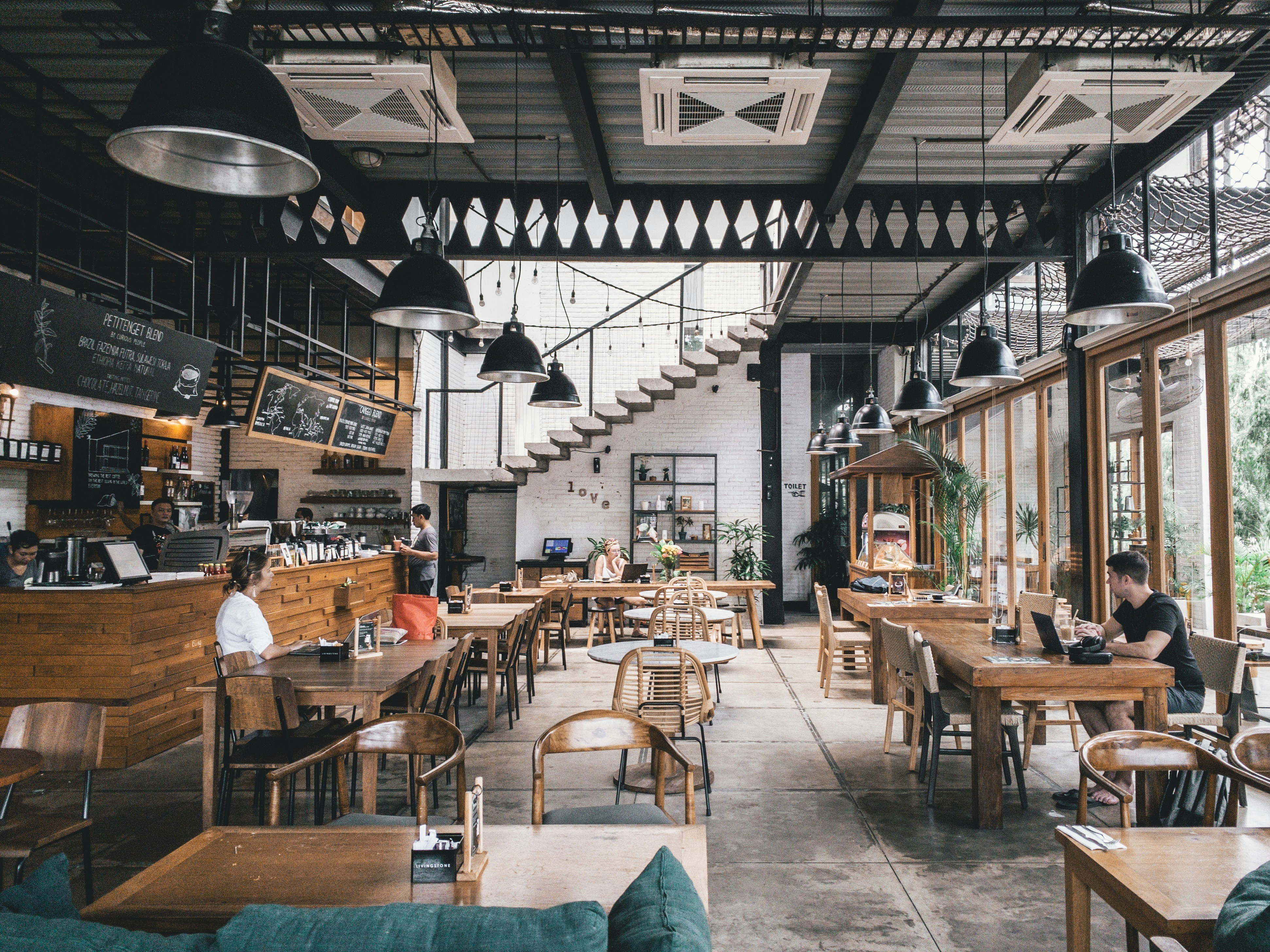
Beisl culture, the coffee house ranking nobody asked for but everyone needs, the Sachertorte war between Hotel Sacher and Demel, and the neighbourhood-by-neighbourhood breakdown.
14 min